Harry Talbot has just finished recording the latest episode of Race Chasers, the podcast he co-hosts with good friend Zac Williams. Offering conversational insights into the world of bike racing from the perspective of a professional photographer, I dare any race fan to listen to Harry’s frequently hilarious comments and still wear fluoro on the roadside of a Grand Tour.
Growing up in New Zealand, a little over four years ago Harry took a leap of faith and landed in Europe intent on pursuing a career in sports photography. And now, sitting relaxed in his Girona apartment, he takes a deep dive into this creative journey and his ongoing search for the most amazing photograph ever.
cyclespeak
I’ve listened to Race Chasers and unlike other podcasts which shall remain nameless, you and Zac manage to not talk over each other.
Harry
The pod’s pretty loose and unstructured but we have got a system that if either of us wants to make a point we hold up one finger. Or two fingers if we want to interrupt immediately.
cyclespeak
Now that the season’s underway, I’m guessing life gets a little hectic?
Harry
It does. Which is why I enjoy a few days at home here in Girona between trips. I’ve had this apartment for just over a year. In the new town not far from the train station. The old town is super nice but you always bump into people you know so any errand takes twice as long. Sometimes you just want to go to the supermarket, get whatever you need, and go home.
cyclespeak
Living as you do in Girona, it’s a long way from New Zealand?
Harry
That’s where I was born and raised and I try to get back every year. But the more I integrate into life over here in Europe and the busier I get with work, the shorter these trips back home have become. And there’s also the requirement to time this with the racing off-season.
cyclespeak
Because travel is such a necessary aspect of your profession, does this influence your concept of home?
Harry
For a very long time I was confused about where I actually belonged. In the sense that I was living two very separate lives whenever I transitioned to the other side of the world and back. By the time I got settled and comfortable, I would get super sad to be leaving either New Zealand or Europe.
cyclespeak
And now?
Harry
Home is very much here in Girona. A combination of the people around me and having a physical space where I have my belongings, the prints I like on the wall, the same bed to sleep in as opposed to one hotel room after the next.
Giro d’Italia
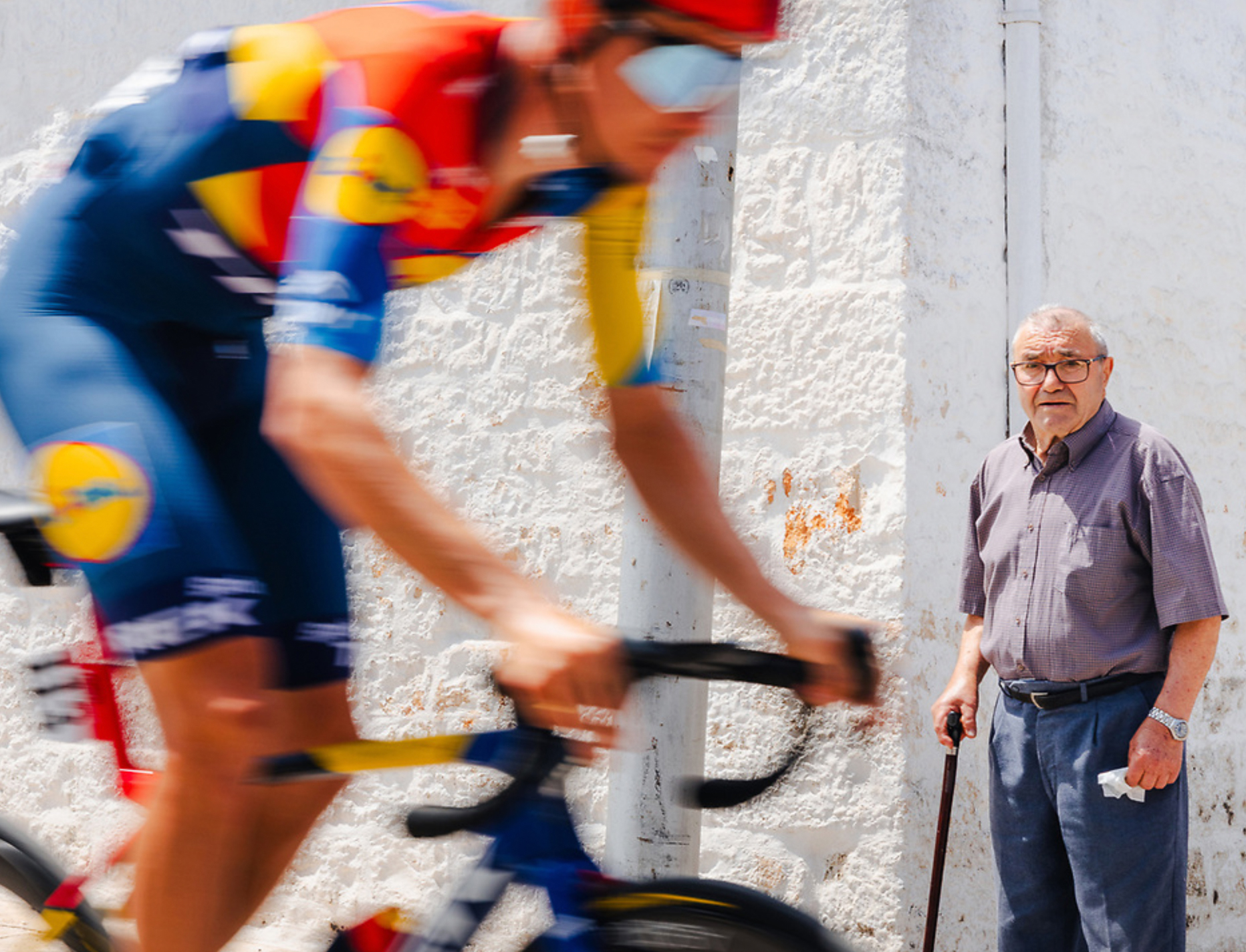
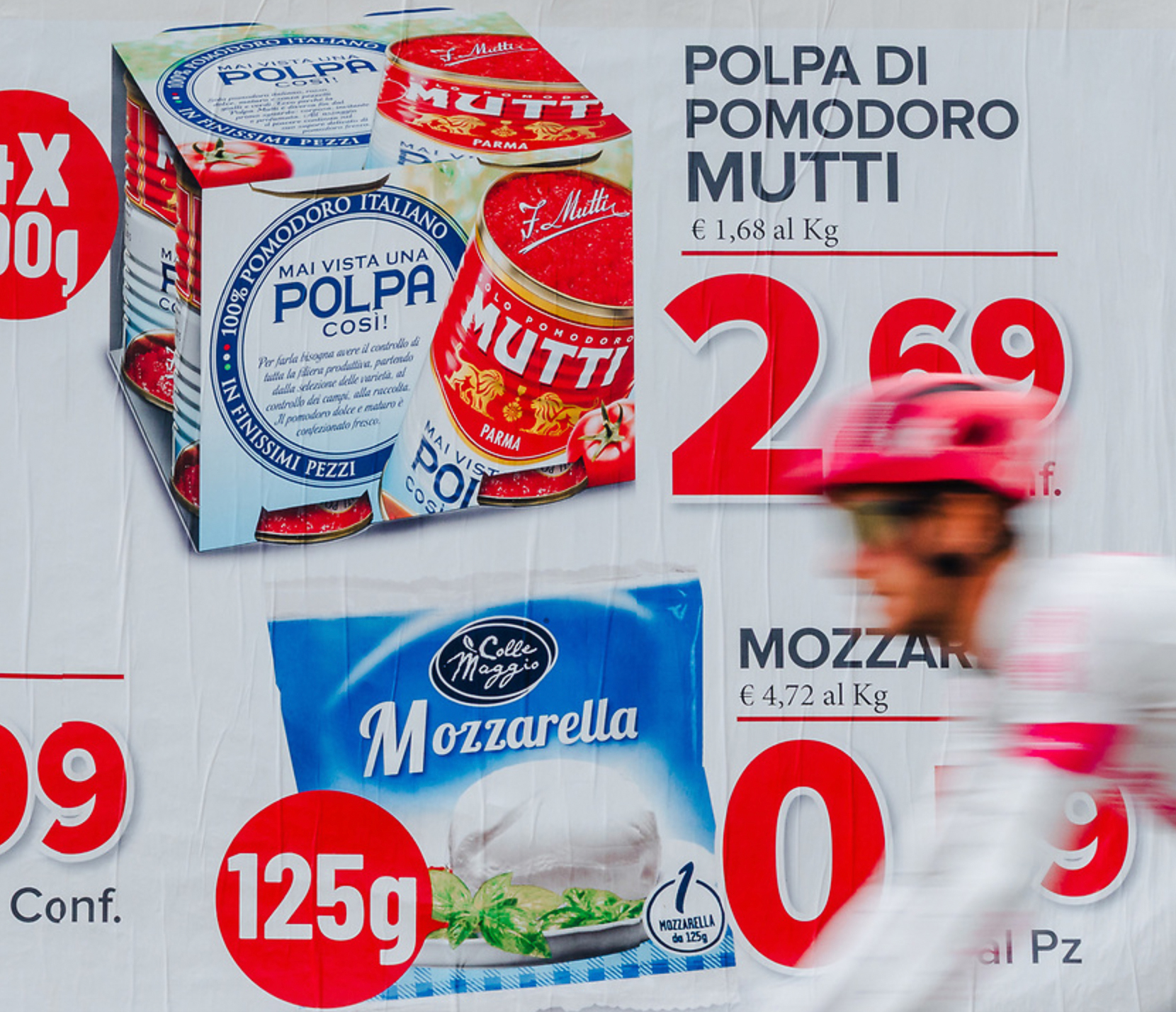
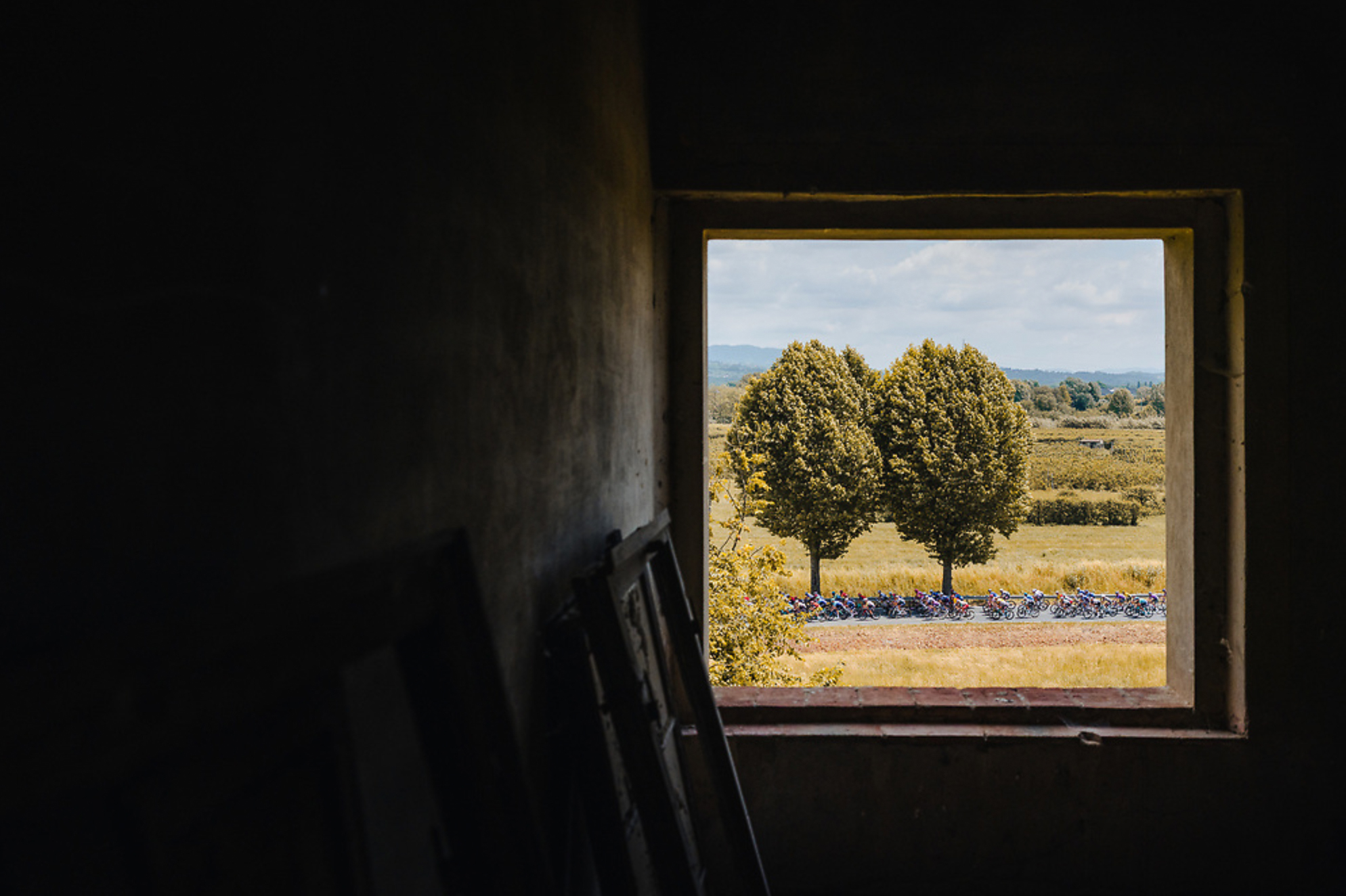
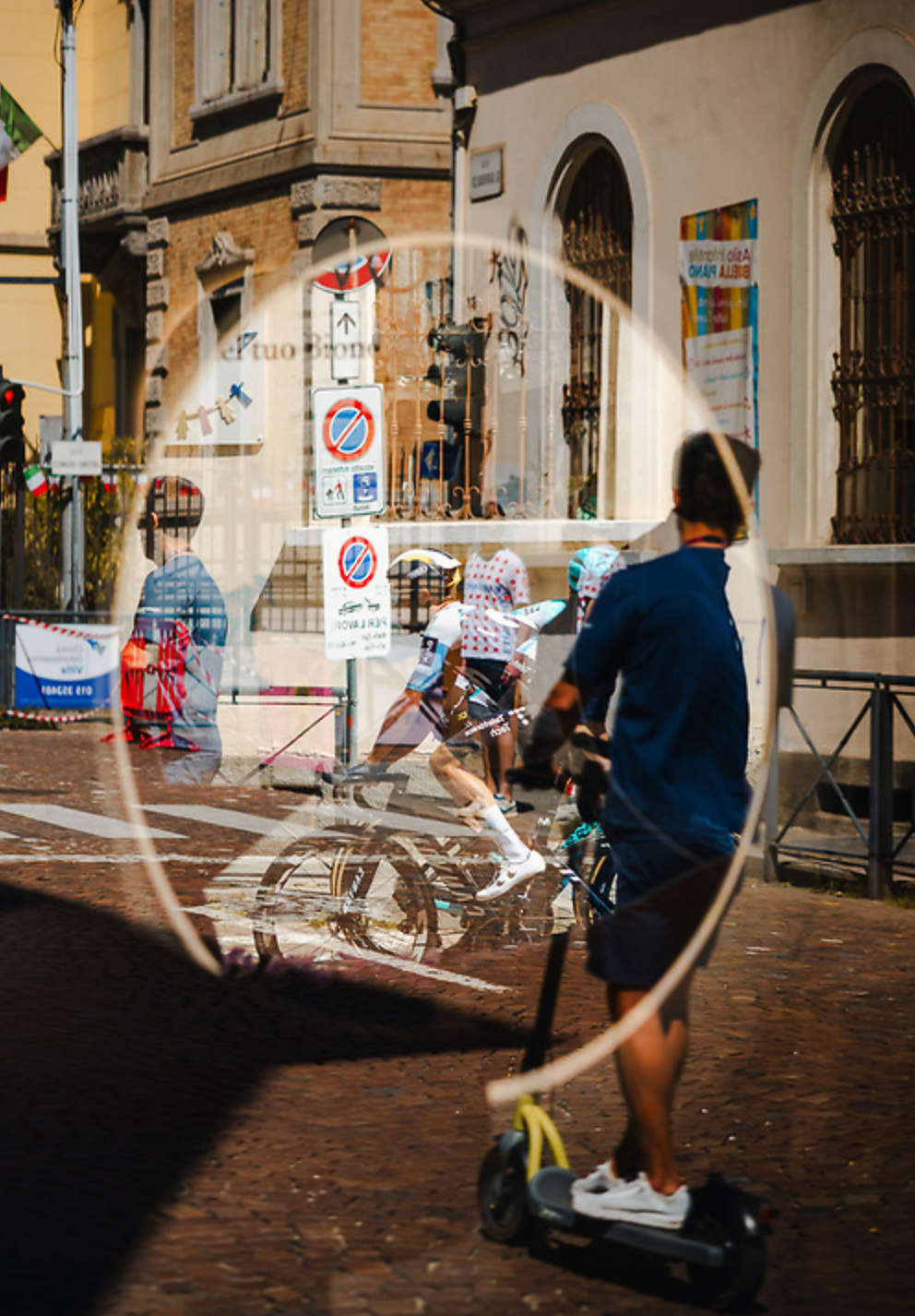
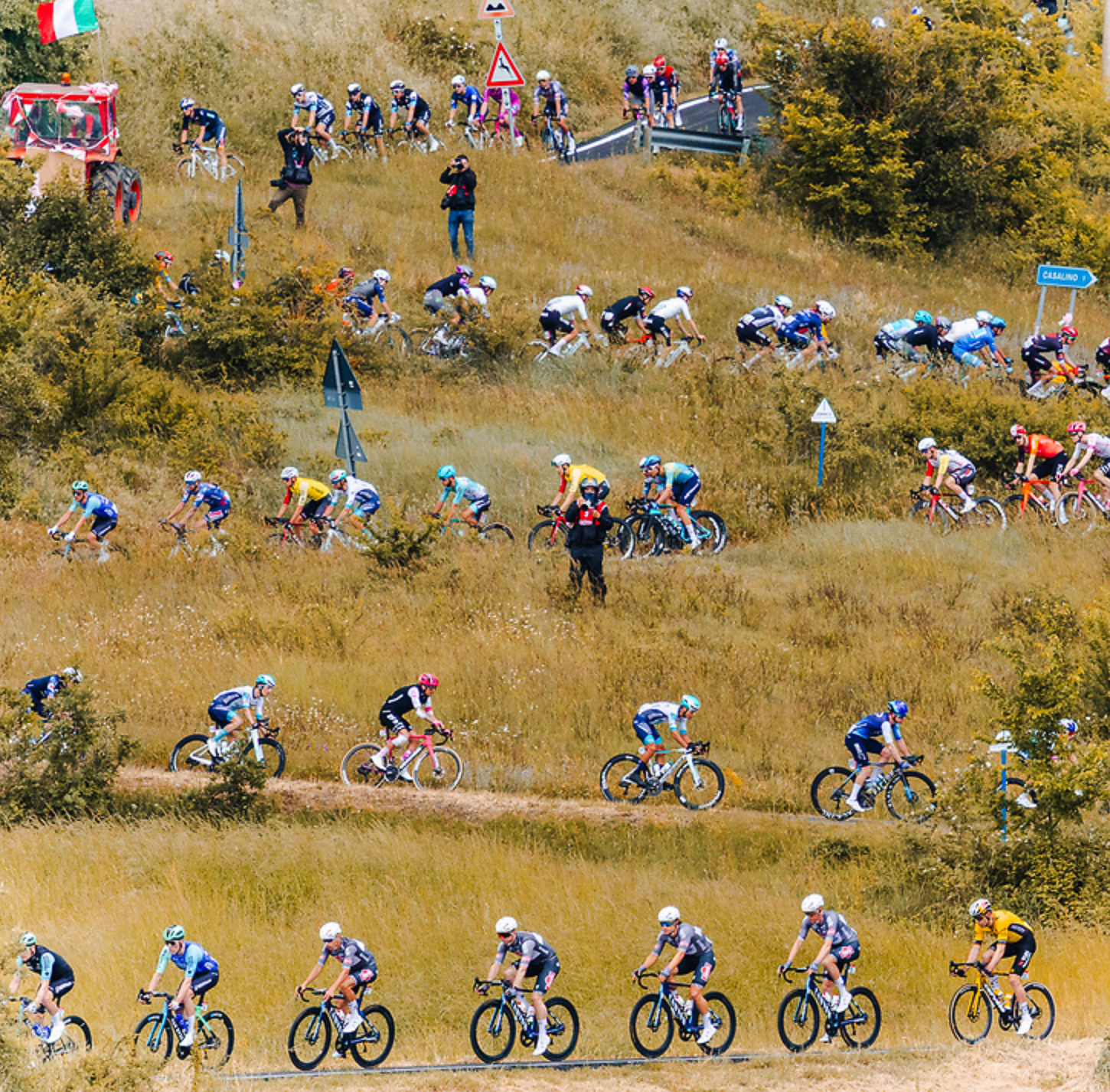
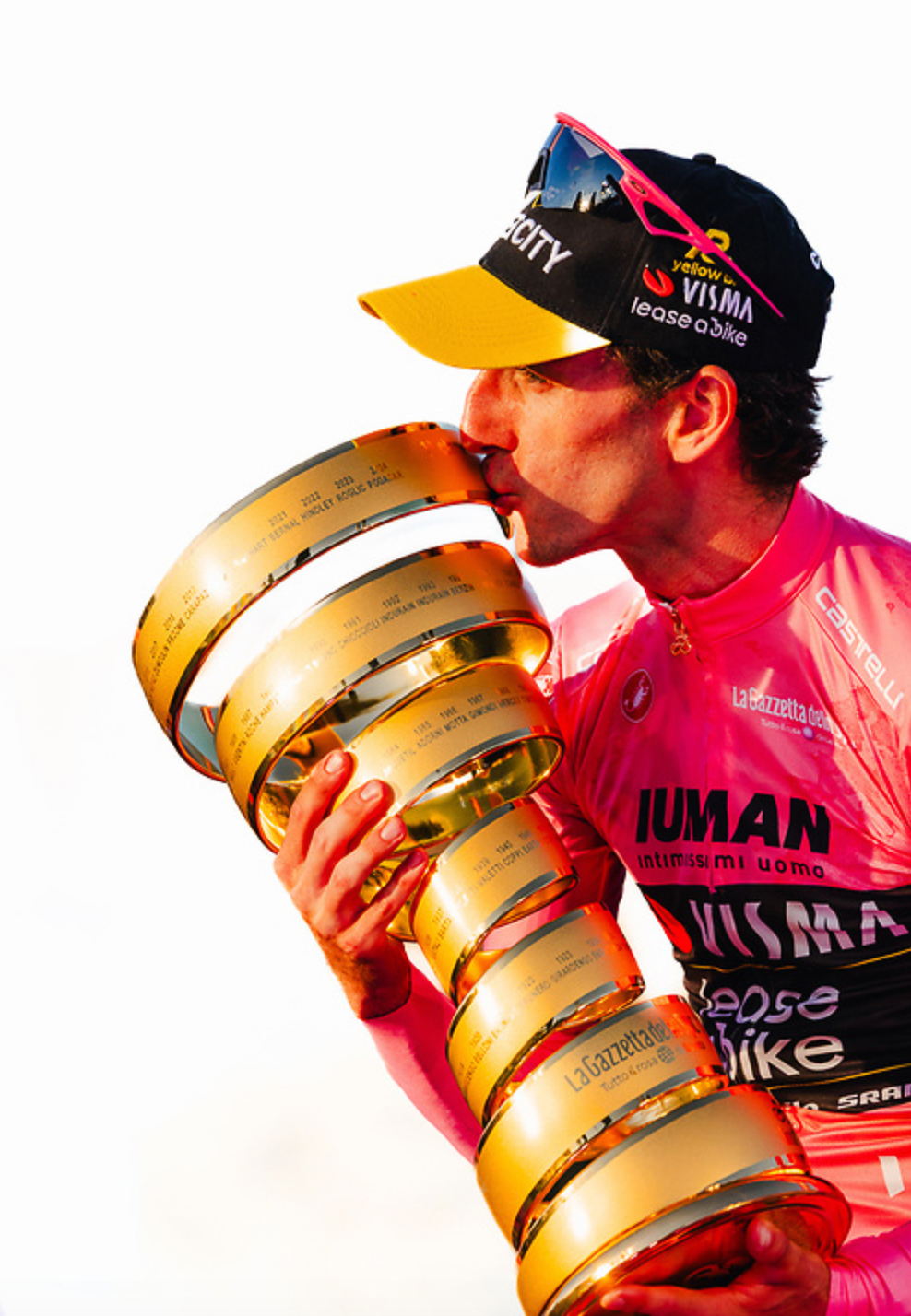
Click an image to open gallery
cyclespeak
How fast can you have your cameras packed and be out of the door if the phone rings?
Harry
Generally pretty quick. And my bag is packed right now because I got back yesterday and I leave tomorrow. But if I’m home in Girona and a client does call me, more than likely I’ll be out on a bike ride.
cyclespeak
So what does a typical non-work, bike riding day look like in the world of Harry Talbot?
Harry
I’m usually up by seven, seven thirty. I make myself what I call a slow coffee: in terms of appreciating the process and taking my time to enjoy a cup over a leisurely breakfast. I have this leather swivel chair in the corner of my living room where I sit and maybe watch some YouTube or see what’s happening in the world.
cyclespeak
And after breakfast?
Harry
Then I’ll head out for a ride. Usually road but with the occasional gravel route. And when I’m back in town, I’ll pop into a local bakery and grab a baguette for lunch. Then I’ll take some time catching up on emails, editing some photos, booking logistics and checking out race routes to try and figure out where to shoot. The day finishes with making dinner with my girlfriend and spending some time together.
cyclespeak
That sounds like a good day.
Harry
It’s usually a pretty nice balance and I’ve noticed that I definitely work better after exercising.
cyclespeak
Does the work find you?
Harry
I’m super fortunate that, generally speaking, the work finds me. But there was a long time when I really had to hustle. Sending out countless emails and networking whenever the opportunity arose. That still happens but it’s more a case of reaching out to all of last year’s clients before the season gets underway to update them on my calendar and rates.
cyclespeak
So when did you first pick up a camera?
Harry
I’m the youngest of four and both Mum and Dad were super supportive with everything we did. I played a lot of field hockey and then in my later teens—the first year I watched the Tour de France—I bought a secondhand road bike. And it was around the same time that I got my first camera.
cyclespeak
Was there a moment when the camera became something more than simply a tool to record an event?
Harry
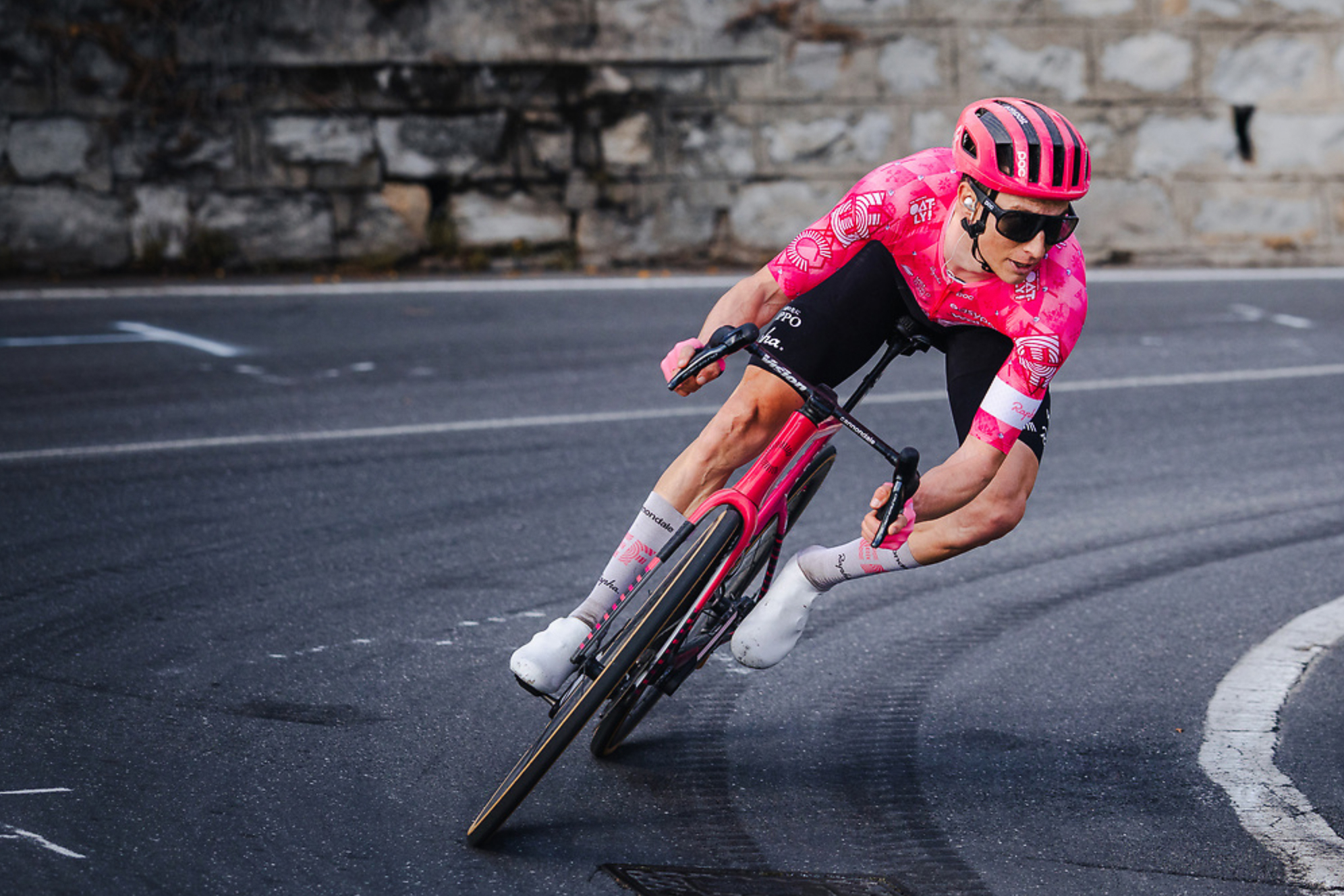
When I was in my final year of high school, lifestyle photography was really starting to go viral and I remember following four or five well-known photographers who were travelling the world and earning a living with their pictures. And I found that super inspiring; the possibility of getting paid to travel and take photos. Both big passions of mine.
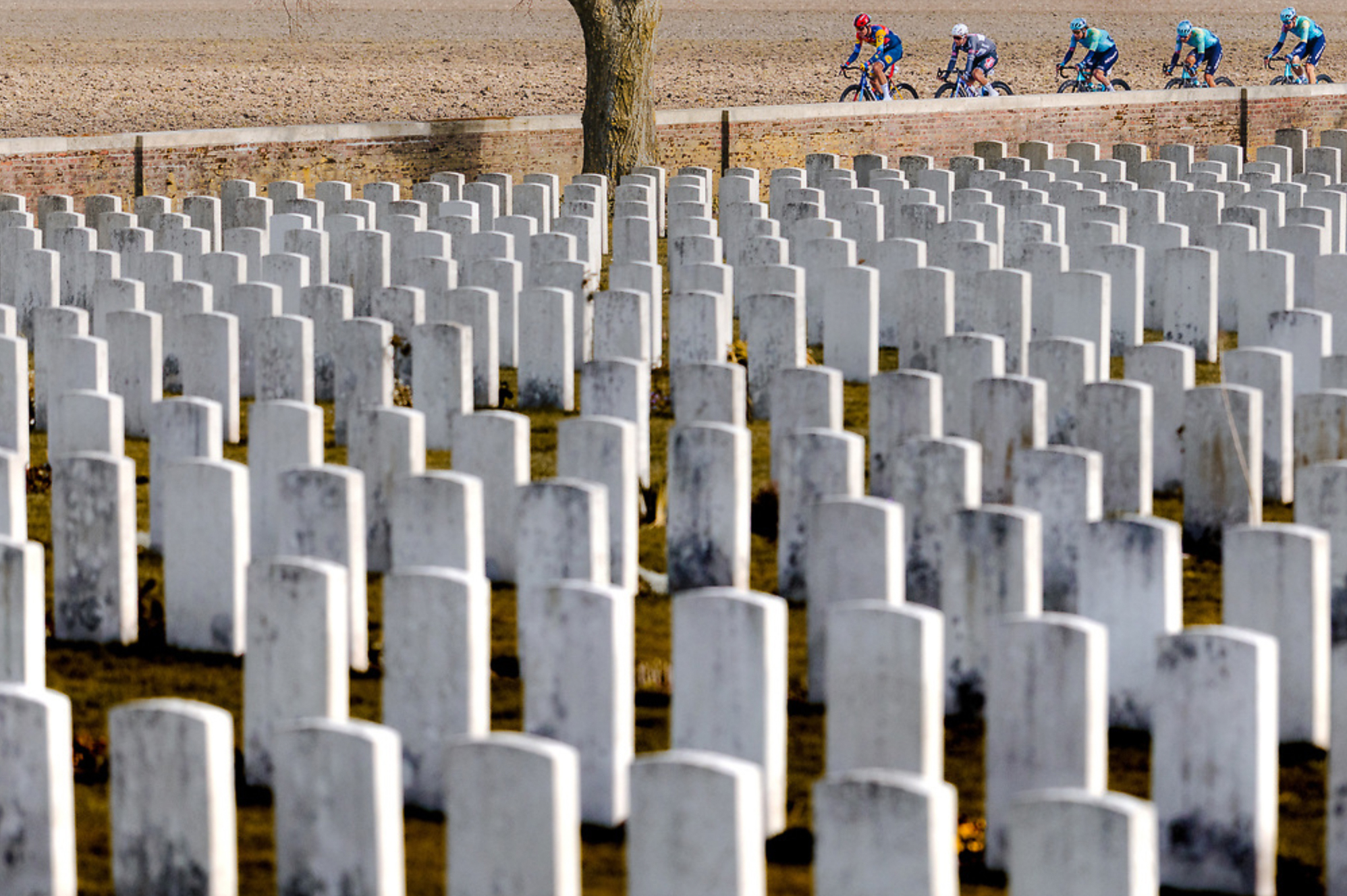
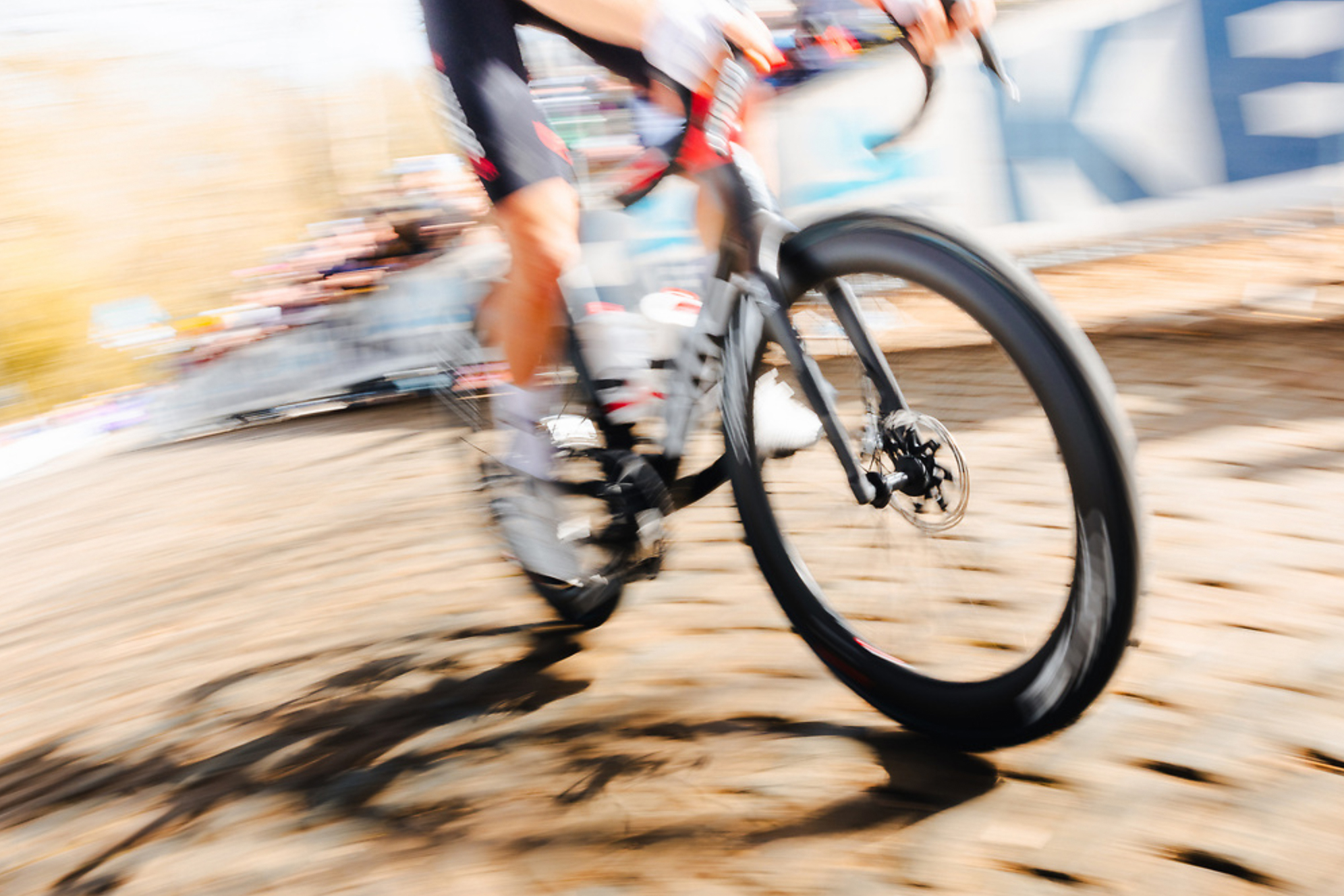
Click an image to open gallery
cyclespeak
And that led to you considering photography as a career?
Harry
I was working as a barman in a cocktail bar. Super fun but a very hard lifestyle. And around this time I was talking to a good friend of mine—who just happened to be a super talented cinematographer—and he said, “Look bro, just do it. Work for yourself.” And that push combined with a certain level of naivety led to me quitting my job and investing in a better camera. I should mention that, up to this point, I’d never, ever, been paid to take a photograph. So I just kept on emailing every potential client with my portfolio and posting on social media—knocking on every door I could—until slowly, year-by-year, more work came along and I managed to save up enough money to come over to Europe.
cyclespeak
I’m guessing that was quite a culture shock?
Harry
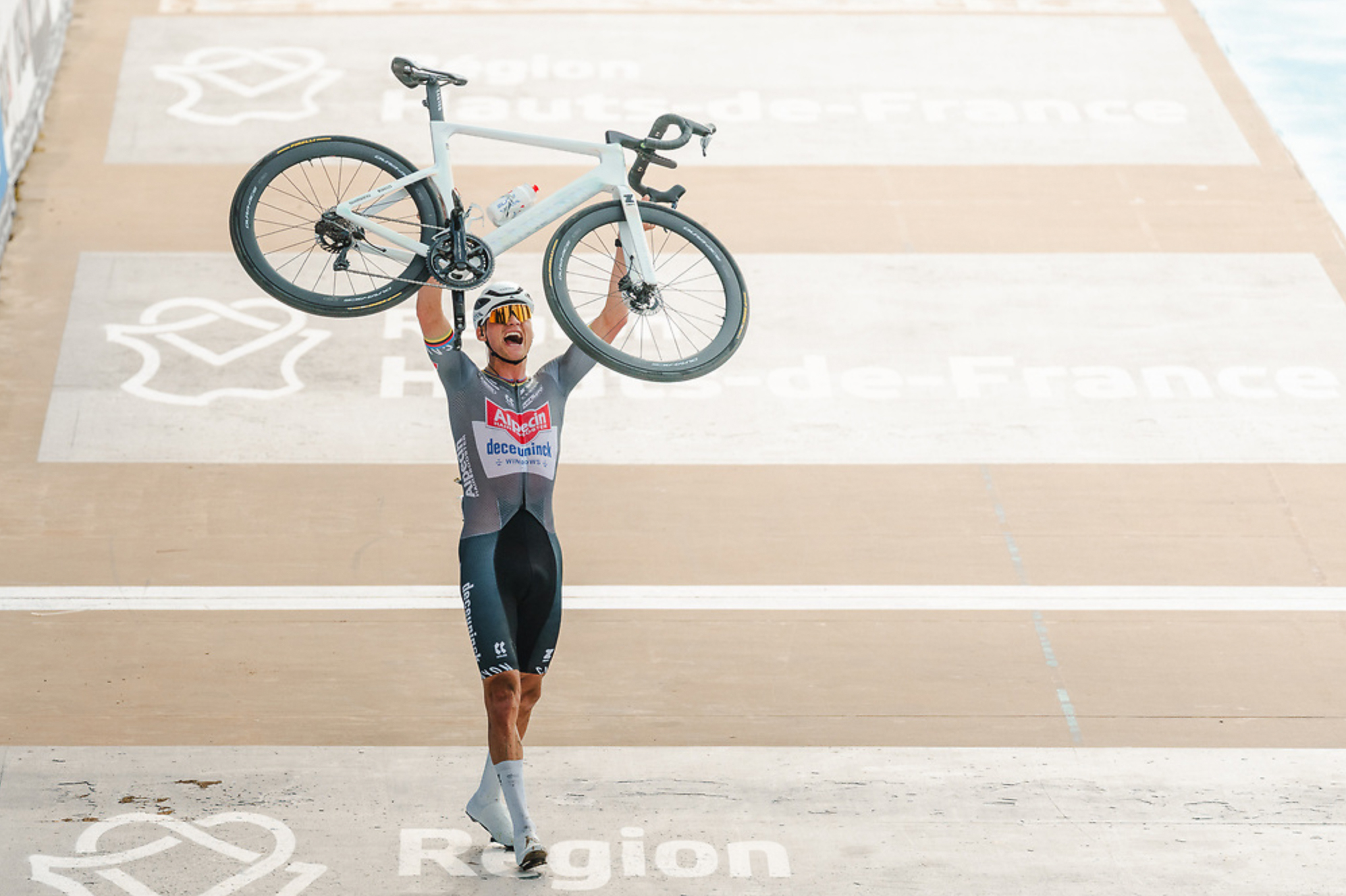
I was very intentional in the sense that it wasn’t a holiday. I was here to work my arse off and meet as many people as possible. And before setting out, I’d emailed the legendary cycling photographer Graham Watson—he’s married to a Kiwi and had retired in New Zealand—to offer to buy him a beer. He very kindly agreed so I drove five hours to meet him for lunch before driving five hours home again. But it was so cool because he gave me so much advice and inspiration mixed in with a healthy amount of reality. Which really helped the first time I applied for race accreditation—a process that now is super normal—but at the time I had no idea. And that’s how I found myself—after landing in Europe not knowing a single person on the continent—taking a train to Roubaix where I shot the race finish in the famous velodrome. What you’d categorise as a pinch me moment.
cyclespeak
That was in 2022, so if we fast forward to the present day, where does your photography now sit on a scale of passion to profession?
Harry
That’s a good question. Because maybe I’ve lost some of that passion I remember right at the very beginning.
Here Harry stops and pauses
Actually, no. I still feel as passionate about taking photos but there’s more profession that I have to deal with. So I’m going to change it from being a scale with passion and profession at either end to having two separate bars. The first with passion all the way loaded like it’s always been. And the second for profession, which was once hardly registering back when I knew nothing about the business, but has gradually filled up the bar as clients are willing to pay for my services and have expectations on what I can deliver.
cyclespeak
What does that look like on a practical level?
Harry
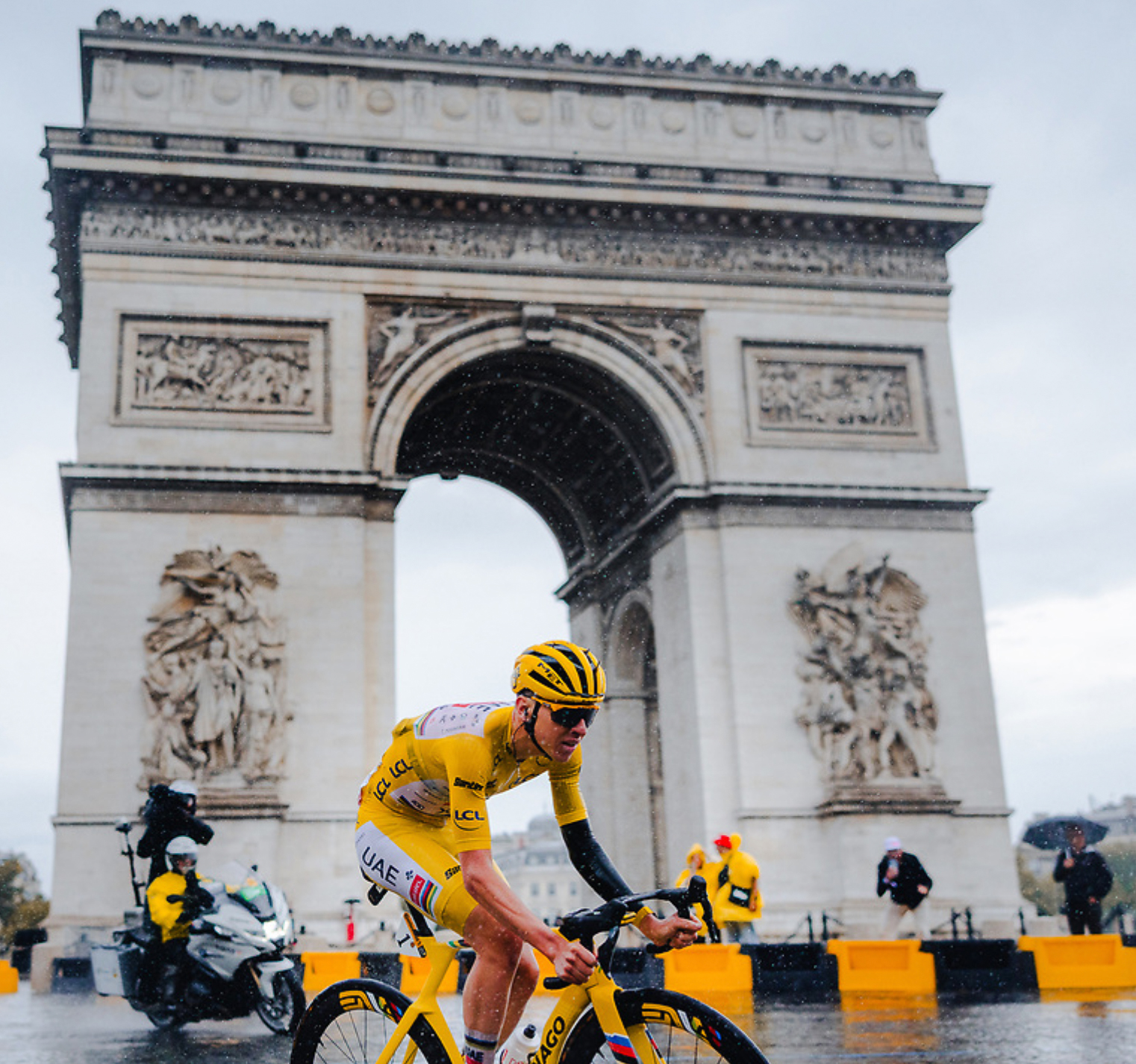
If you’re shooting Milan-Sanremo you need at least one shot of the coastline because that’s a big part of that particular race. It’s the same photo every year with twenty photographers all taking the same shot from the same place but you can’t send your client a gallery without it.
Tour de France
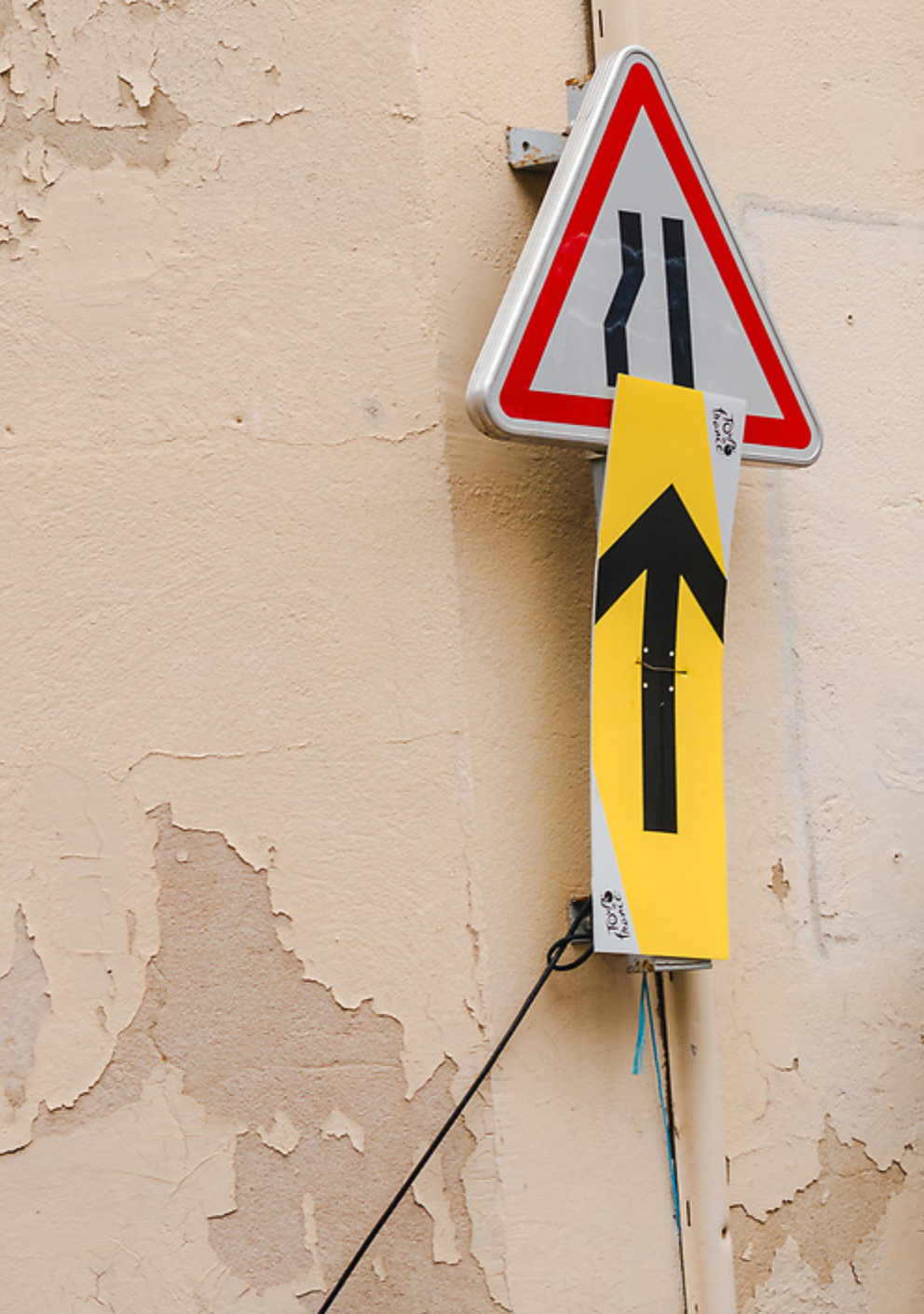
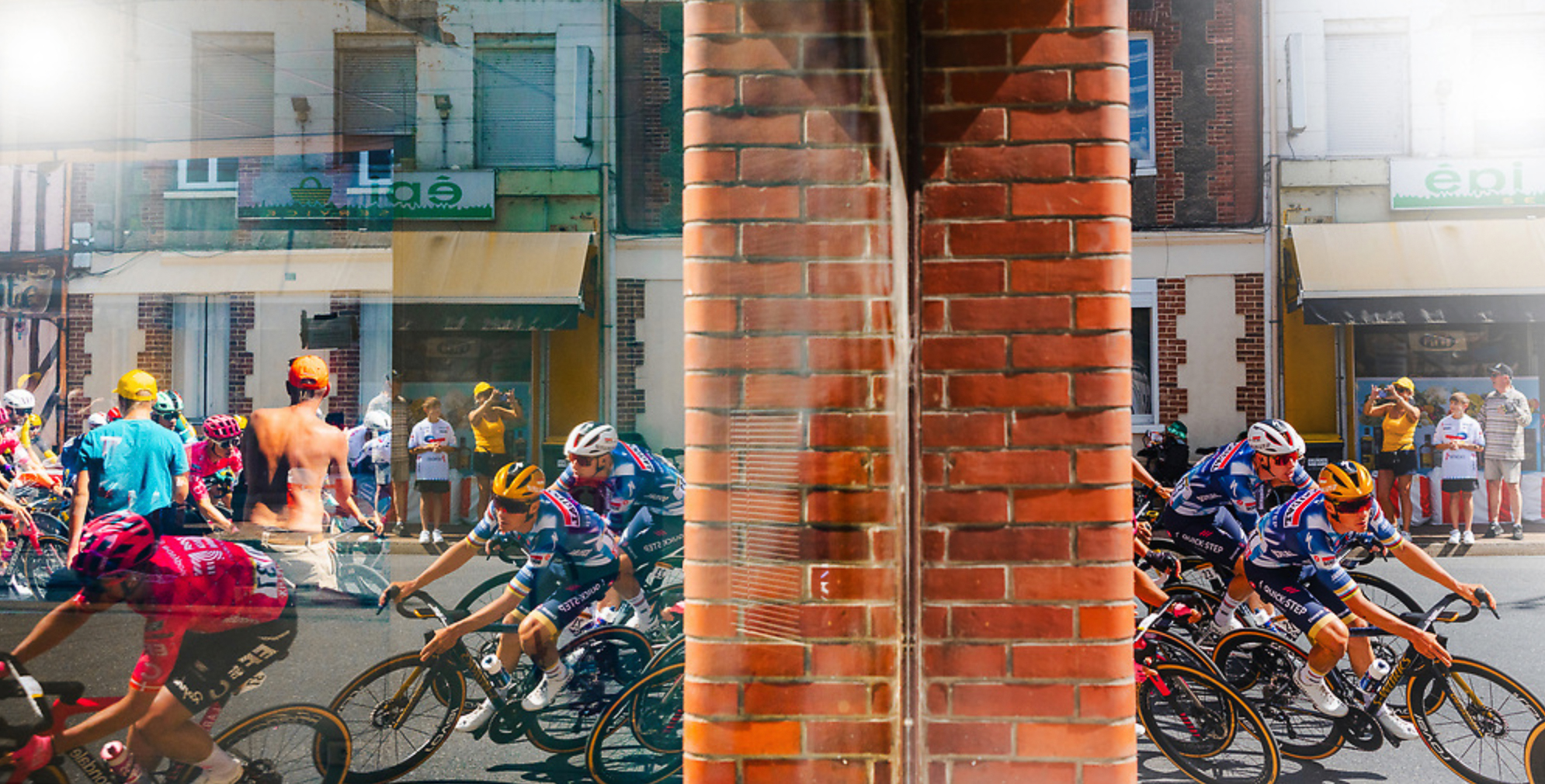
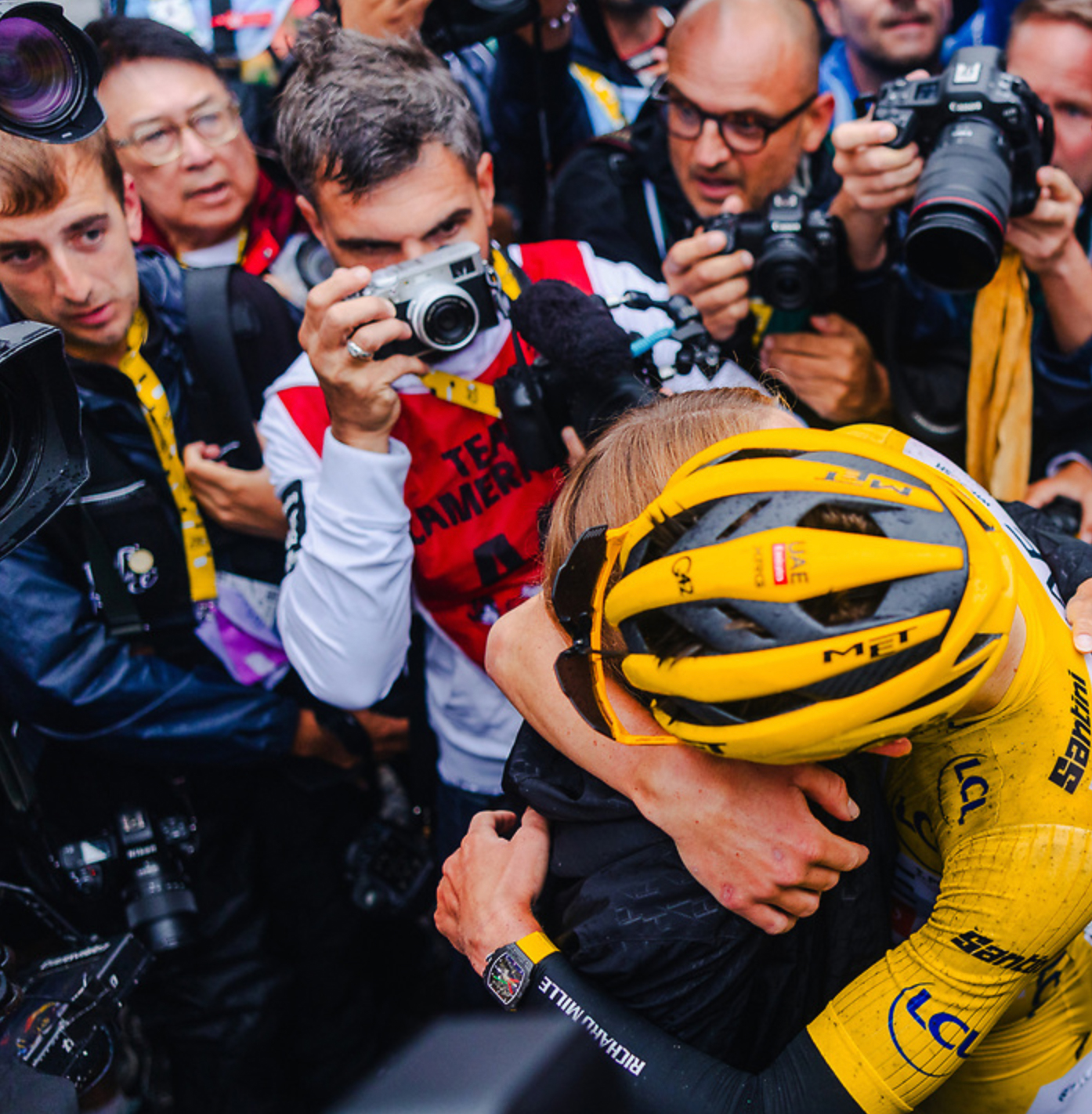
Click an image to open gallery
cyclespeak
And that’s what it means to be a professional photographer?
Harry
If I was shooting purely on passion, I’d probably choose not to include it but balancing all this with the professional aspects of the job means you take the shot. But that doesn’t mean that I’m not obsessed with taking the best photos of a bike race that I can. Which I like to think is one of the main reasons I get hired: this need to produce great work for my own self-worth or sanity or whatever you want to call it.
cyclespeak
Looking at your 2026 race calendar, you’ve included all three Grand Tours. Which begs me to ask how they differ and whether any present particular challenges?
Harry
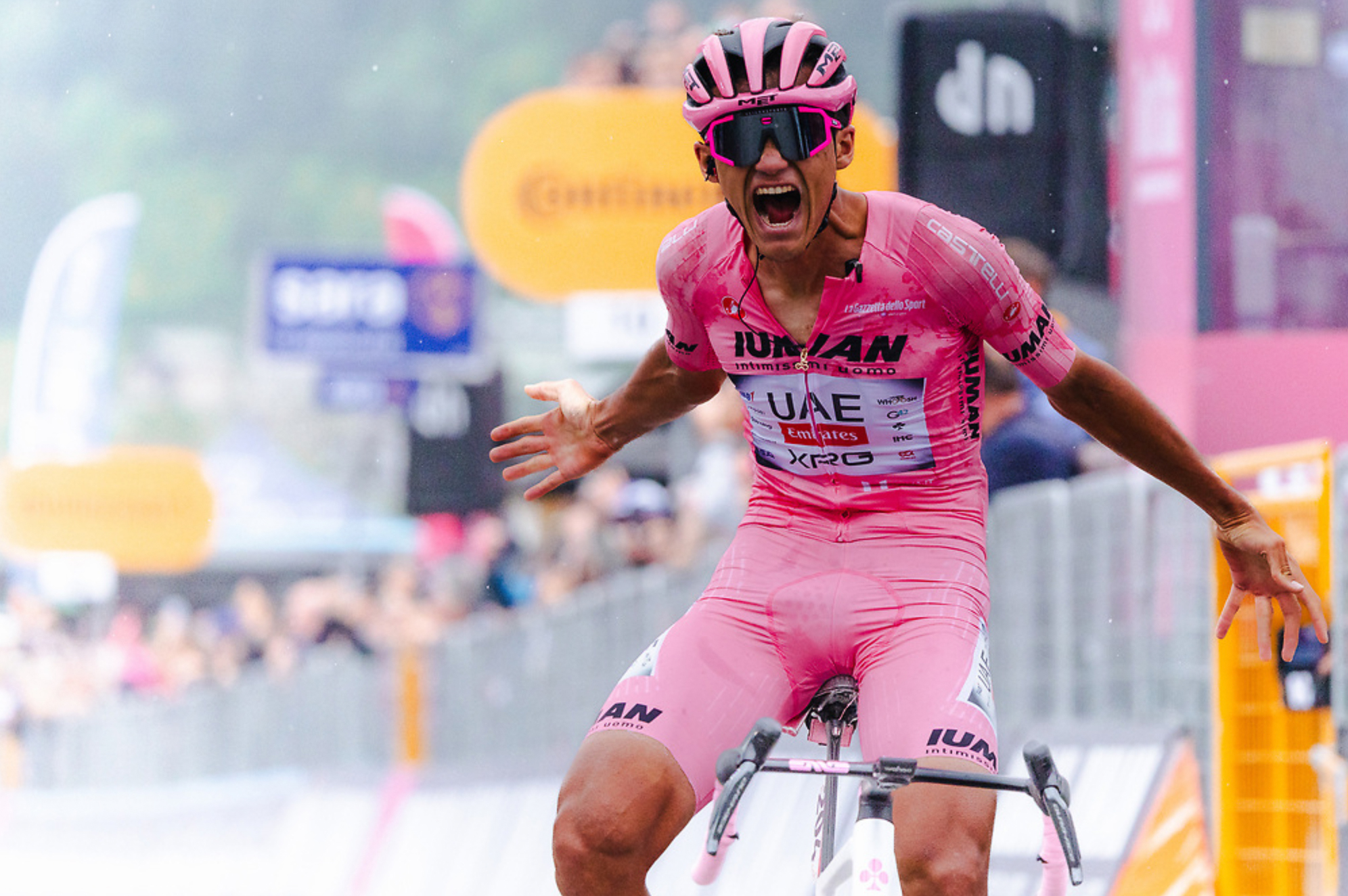
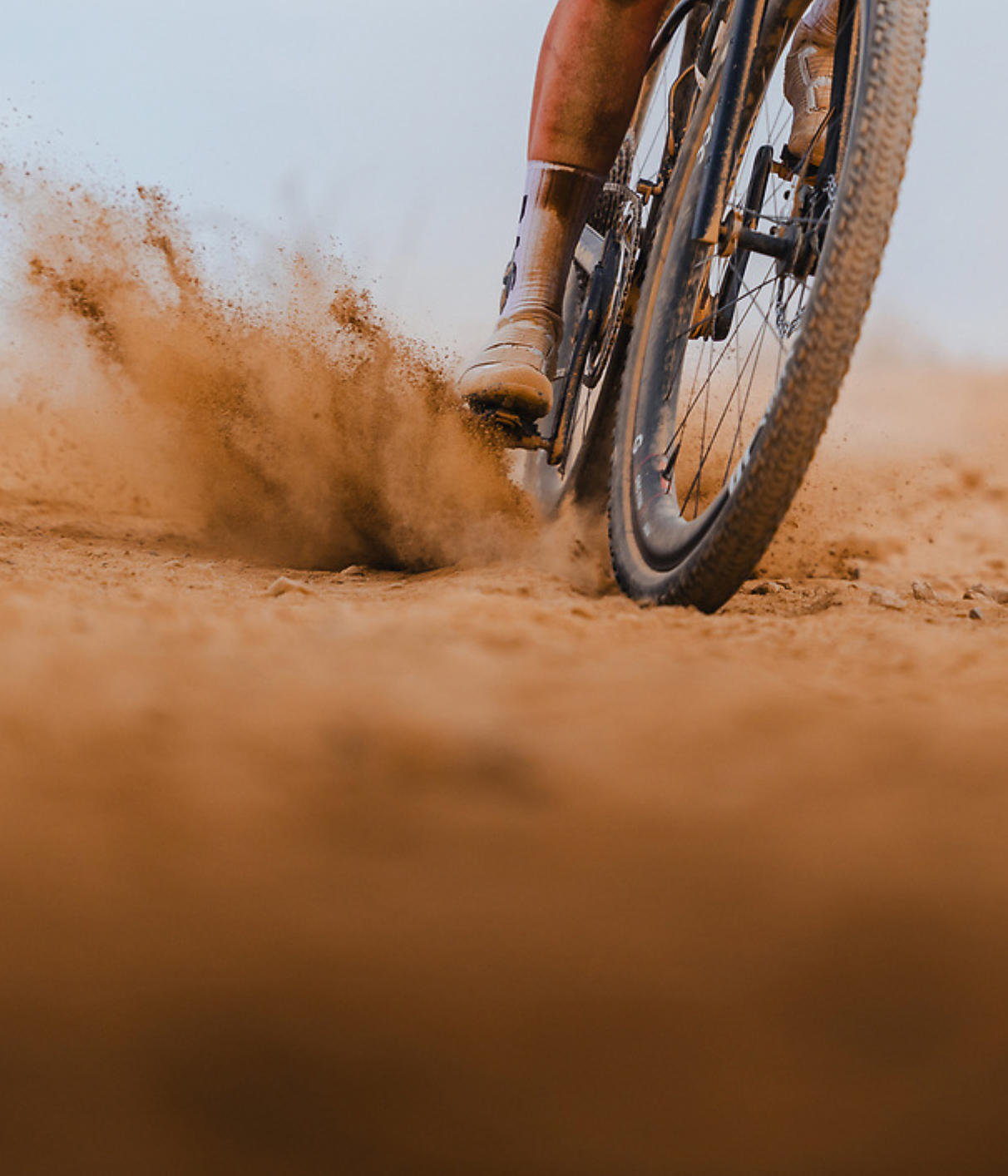
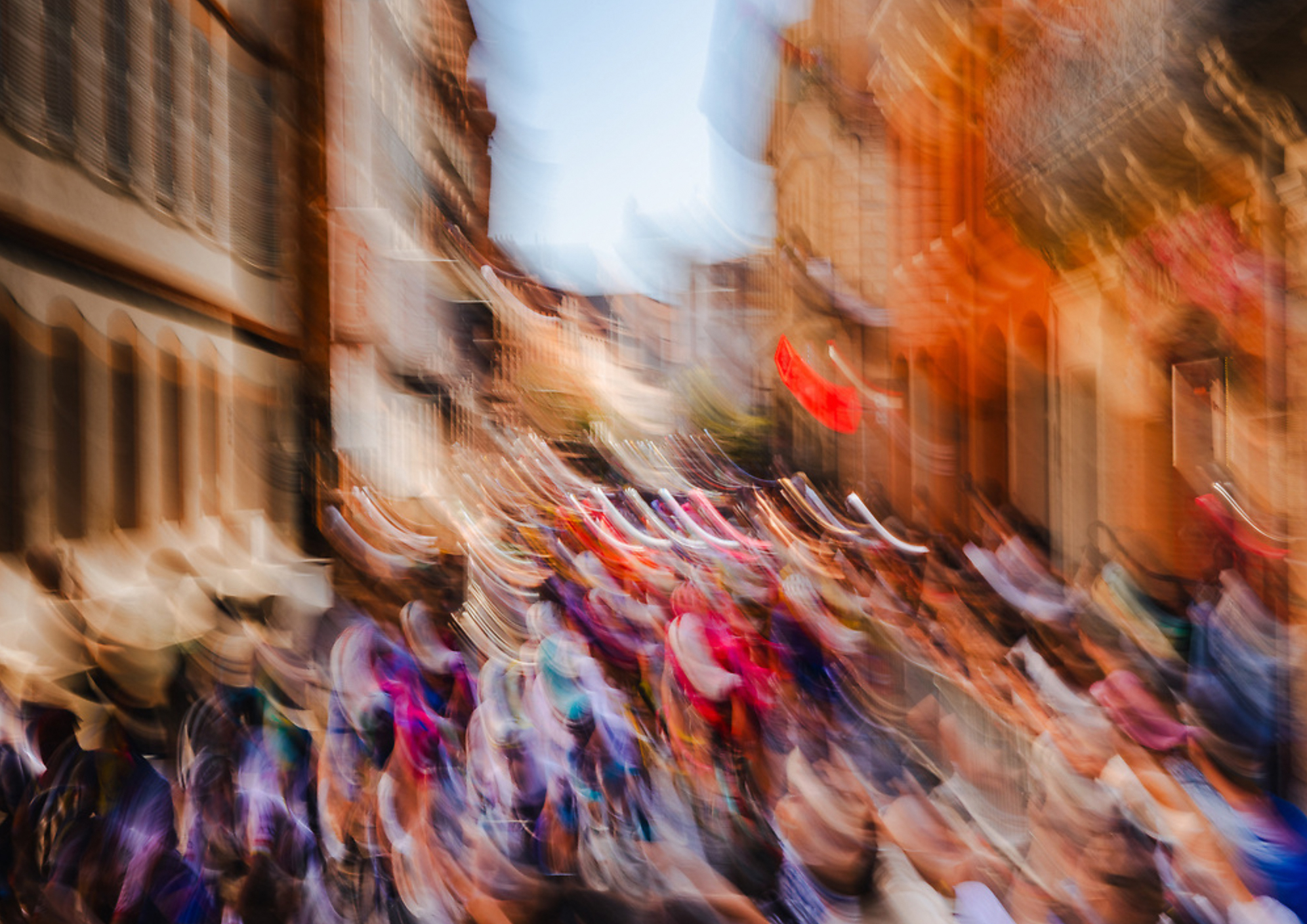
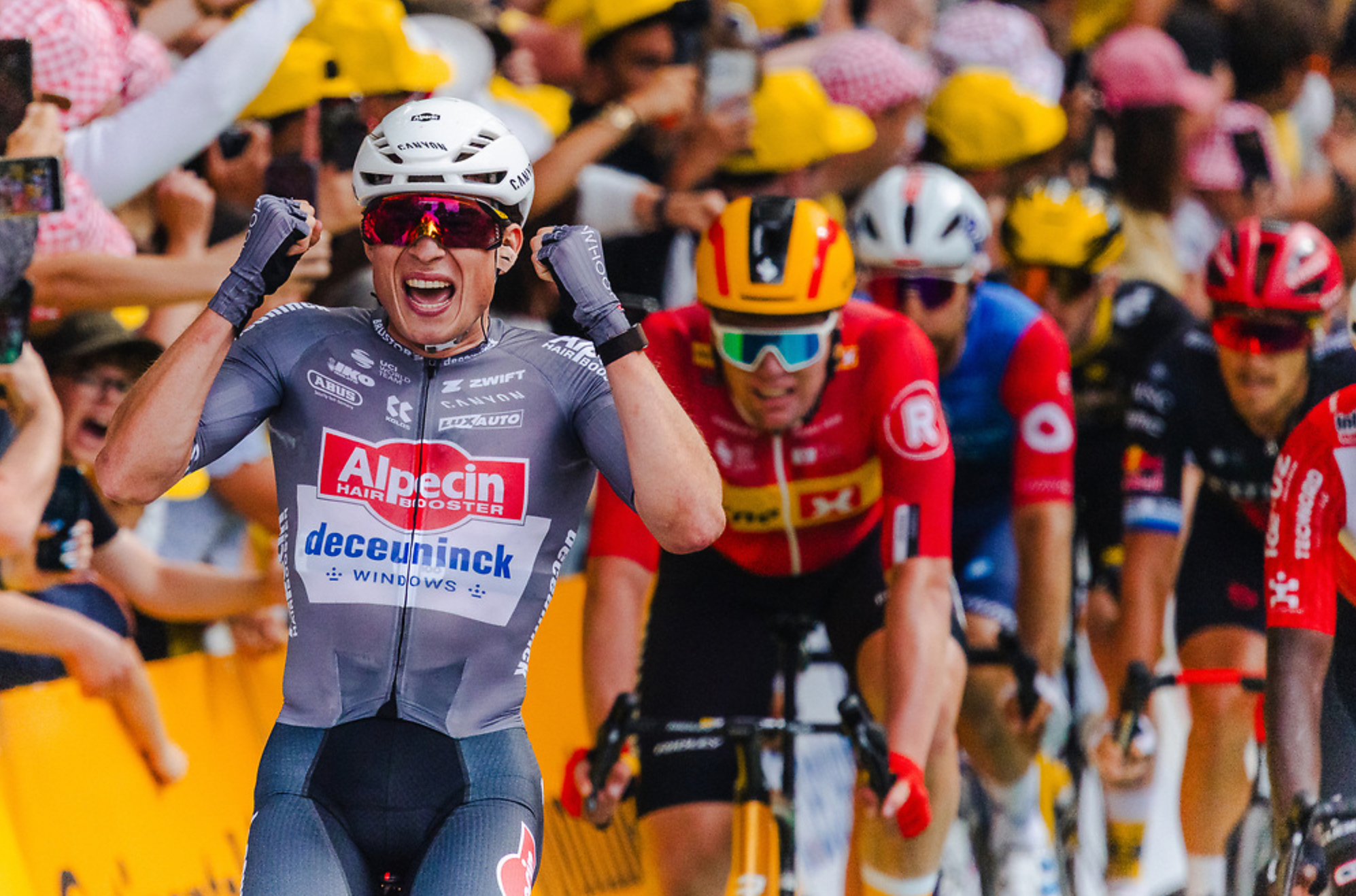
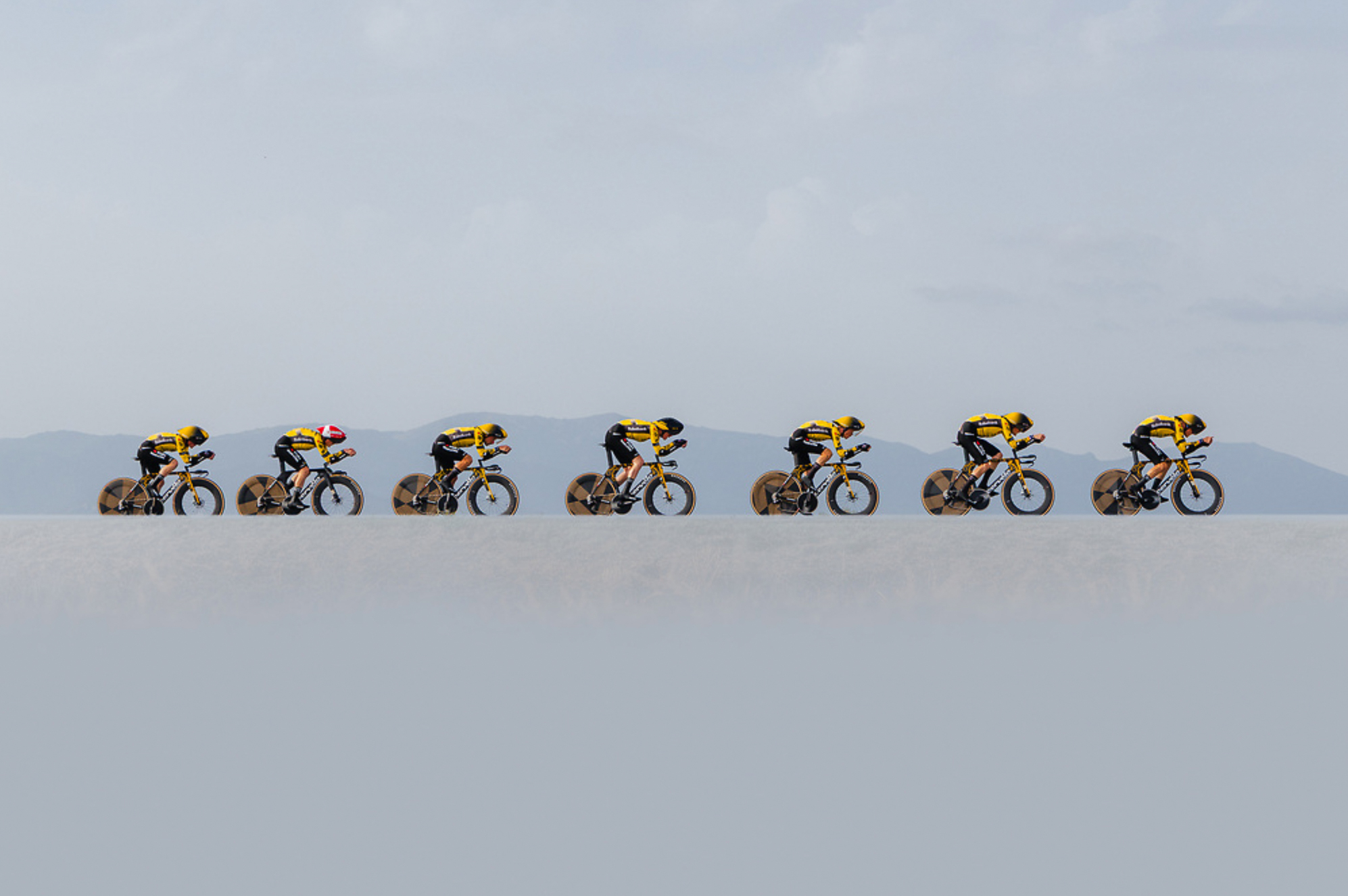
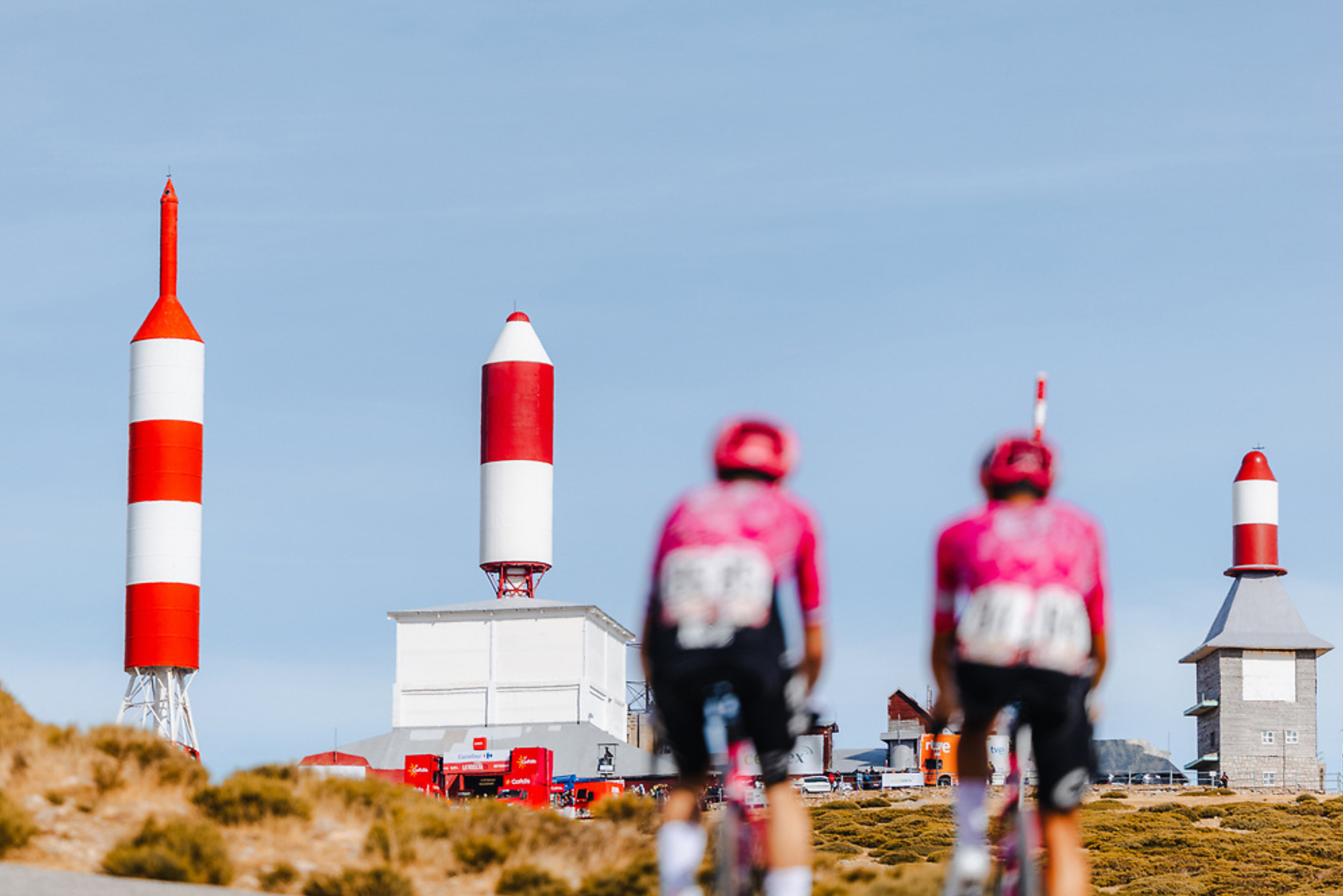
There are definitely differences. The Giro usually has more rain than the others. Which means more of the fans wear fluoro rain jackets which I personally hate in photos. The buildings, the roads, the mountains are all different in Italy. The Vuelta is hot and dry and everything is a little burnt and scorched which translates to the shots you take. The Tour de France has cute little French villages and incredible crowds on the iconic climbs. Busy, chaotic and a little crazy.
cyclespeak
So it’s the circus they say it is?
Harry
More so. Completely mind-blowing to witness. The logistics required to make the Tour de France happen are insane.
cyclespeak
Speaking of logistics, how do you prefer to shoot on a race day?
Harry
In a perfect world, I would physically drive every course before the race gets underway. And then I’d shoot off the back of a motorbike. Unfortunately that just isn’t possible, so I use Google Street View. I have pins dropped all over Europe with a little note detailing why that particular location worked well. And most of the one-day races tend to follow a similar course from the previous year so I’m at the stage where I can picture in my head where the race is heading.
cyclespeak
So you drive yourself on race day?
Harry
If I’m on a motorbike then I have a driver and we’ll use a combination of overtaking the breakaway or peloton on the race route with shortcuts to get ahead of the race. For the Grand Tours we usually hire a car because the stages are more often point to point.
cyclespeak
Can you describe the emotional highs and lows of a race day?
Harry
It’s fair to say I’m a super passionate person. And because so much of my self-worth is tied up with the work that I do, each and every race day is a bit of an emotional rollercoaster. A mix of excitement, nerves and feeling super tired if it’s midway through a stage race.
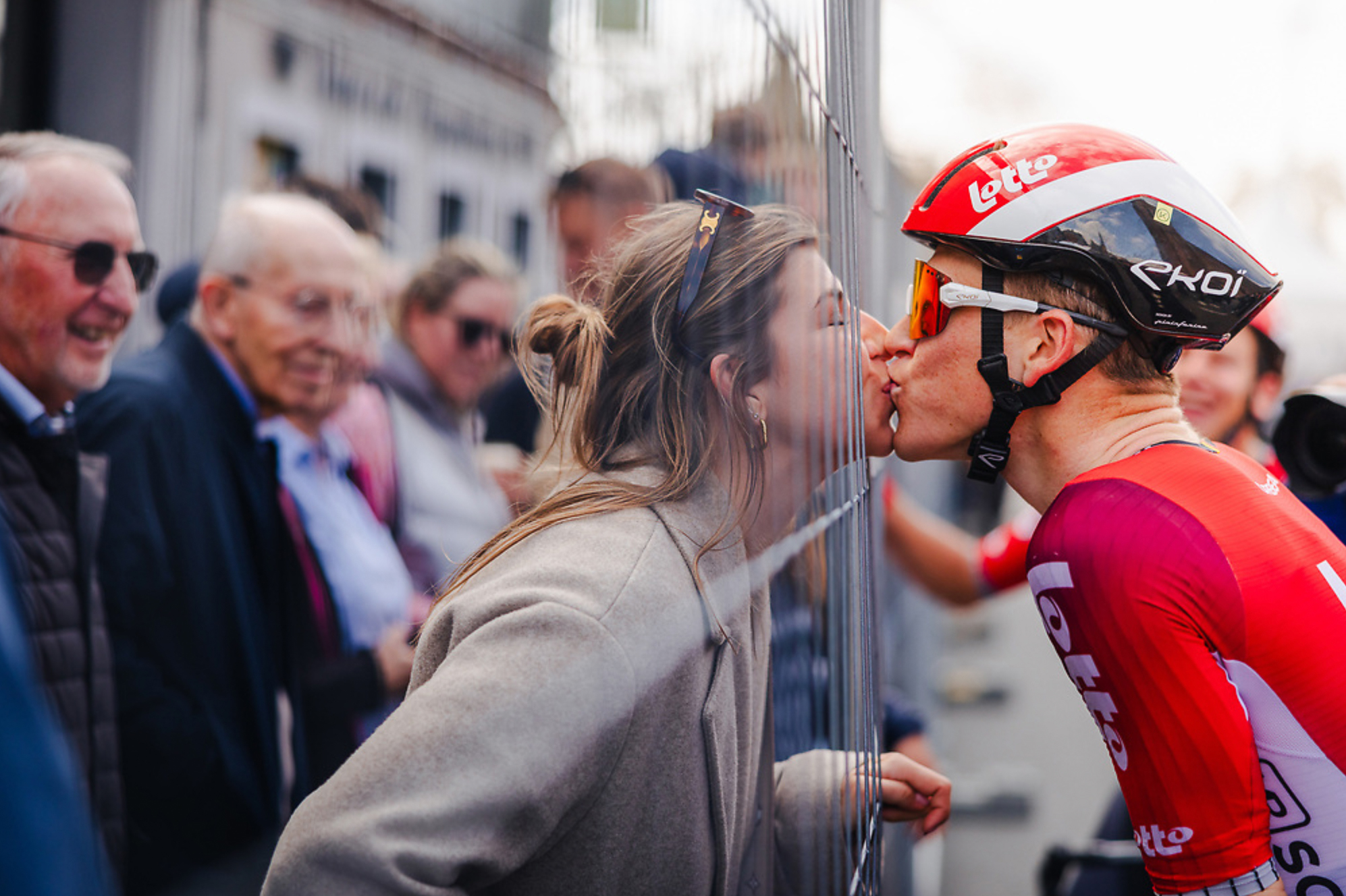
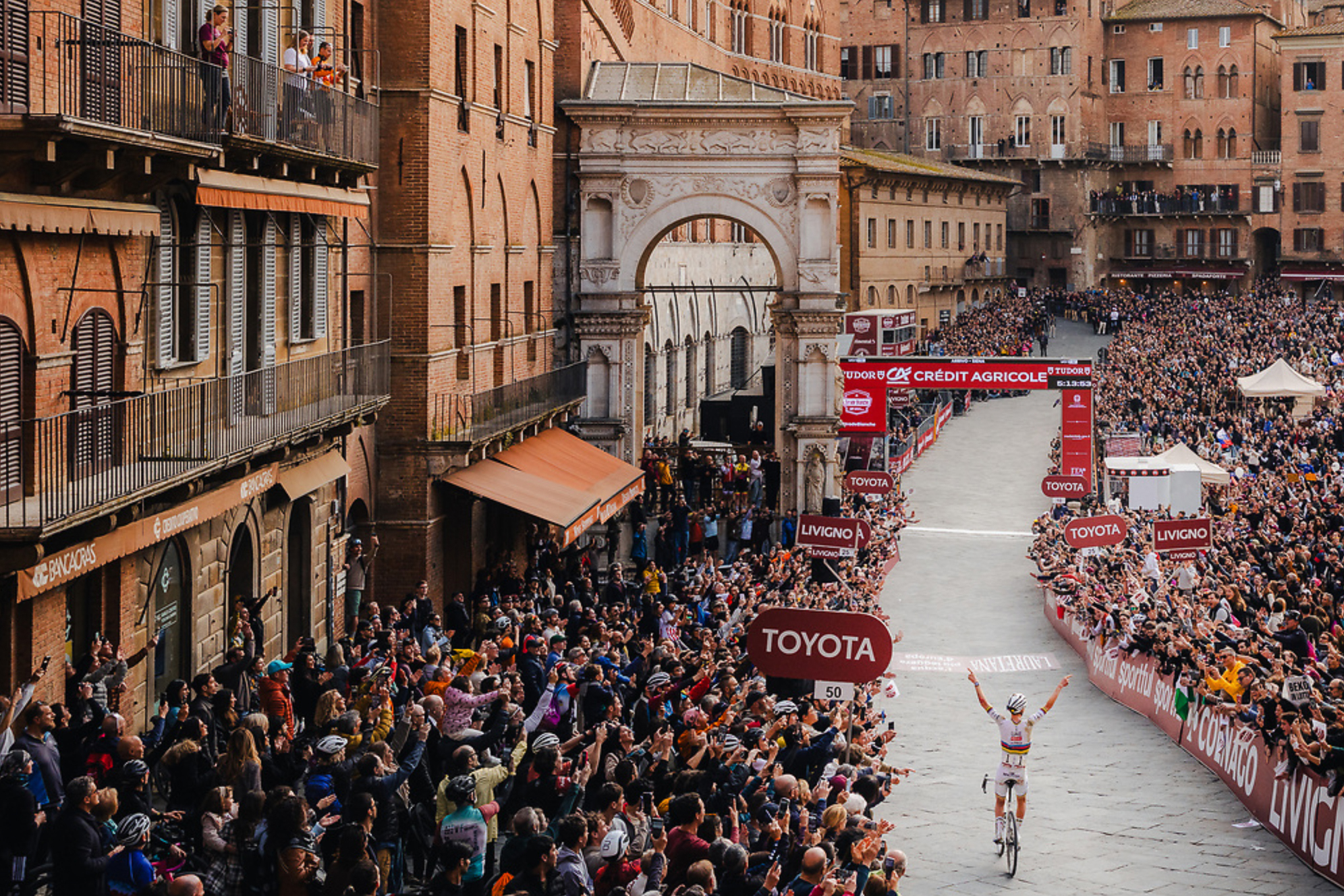
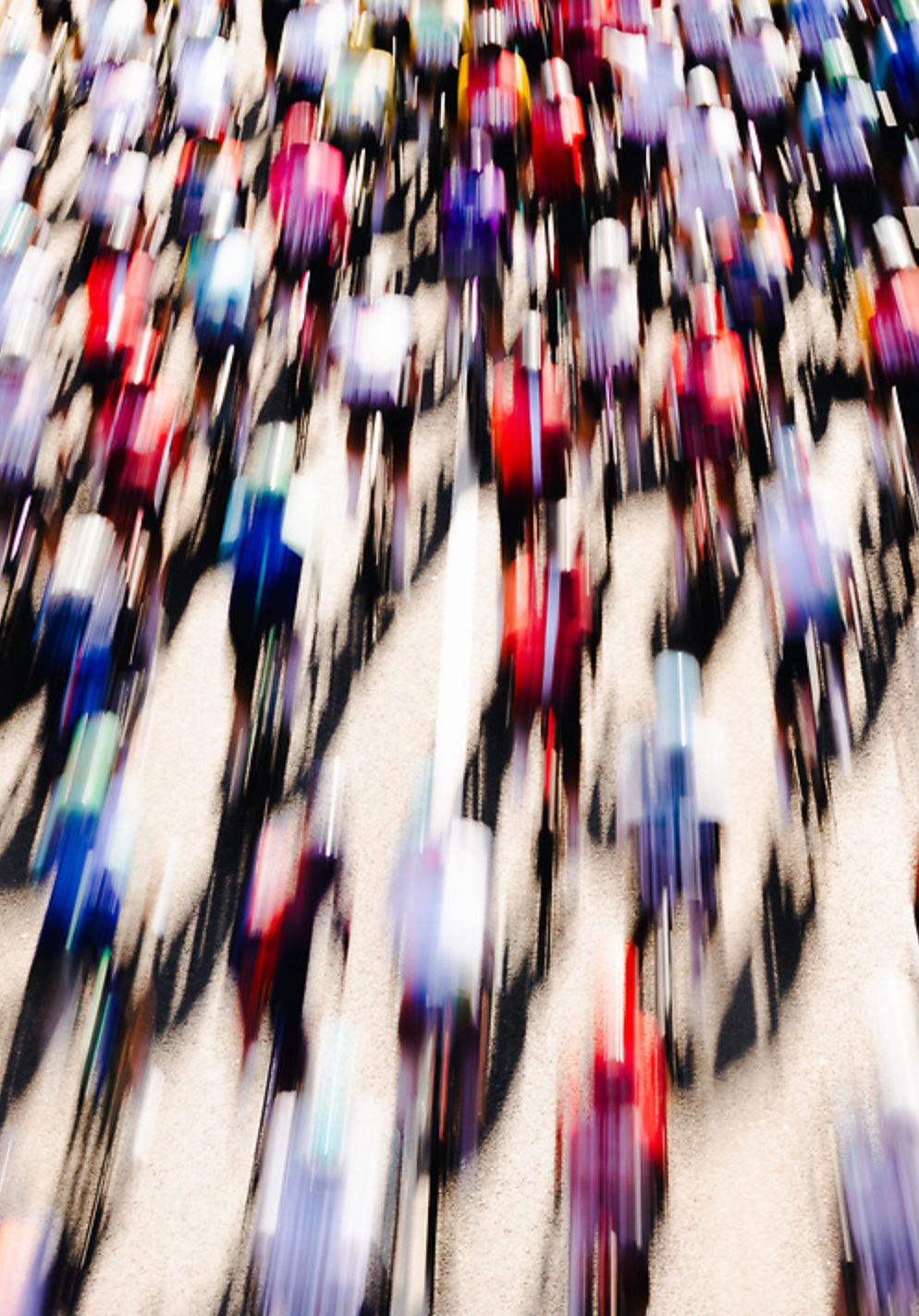
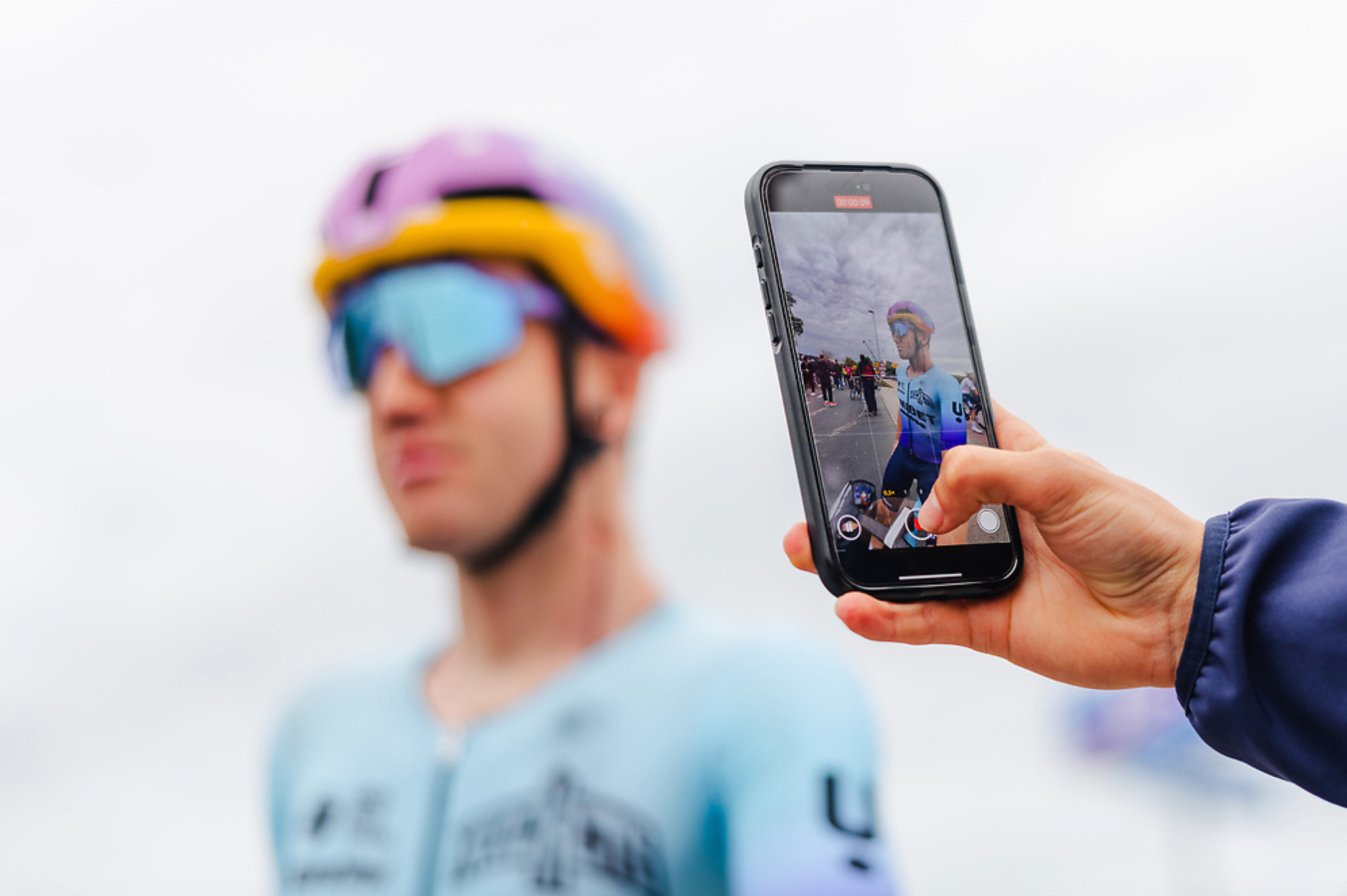
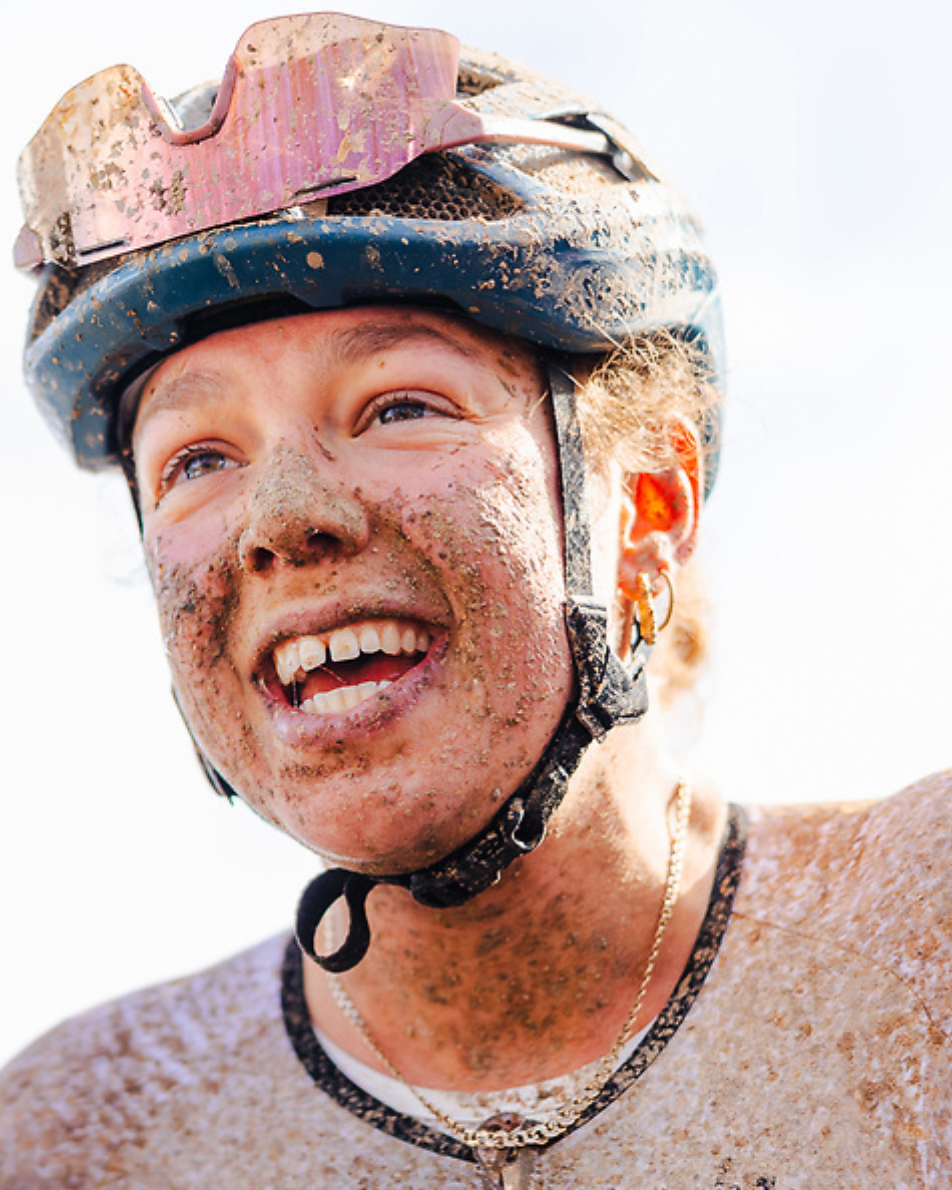
Click an image to open gallery
cyclespeak
So how does this manifest as each day progresses?
Harry
To be honest, the starts can be a little boring but still a good opportunity to bank a series of rider shots and portraits which might come in handy at a later stage. And then, when the race is going full-gas, it’s amazing and you find this perfect spot and you nail the shot. As opposed to there’s nothing interesting to capture, I must suck at my job, I’m a terrible photographer, why am I here?
cyclespeak
The rollercoaster you mentioned?
Harry
And then I move to the next spot and it’s so good but I fuck up the shot and it’s terrible. But the race keeps going and I spot this short cut but, what was I thinking, we’ve missed the turning because a team car was blocking the way. So I’m desperately trying to re-route as we blast down these narrow country lanes. There’s a tailwind so the peloton is closing on the finish line at 50 kph and both sides of the road are blocked by cars left by race fans. An adrenaline rush that takes you from abject despair to, fuck yes, we made it with 20 seconds to spare and I get the shot.
cyclespeak
That all sounds seriously intense.
Harry
It’s honestly hard for me to explain how it feels. But it’s also great fun. A crazy game of chasing the race and creating super nice photos.
cyclespeak
Looking at the About page of your website, you reference breaking free from traditional sports photography. So are there any cliches or norms that you particularly want to avoid?
Harry
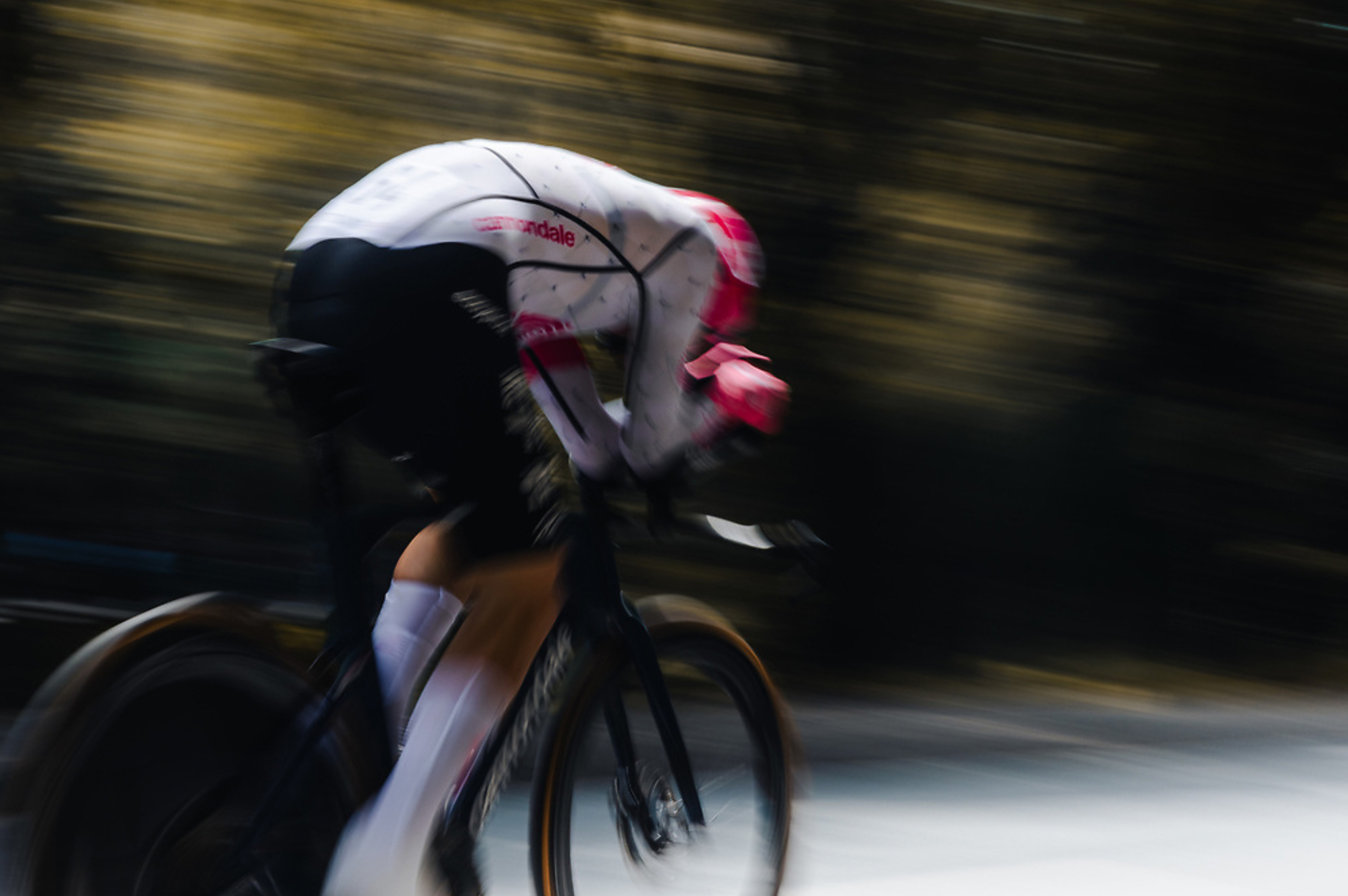
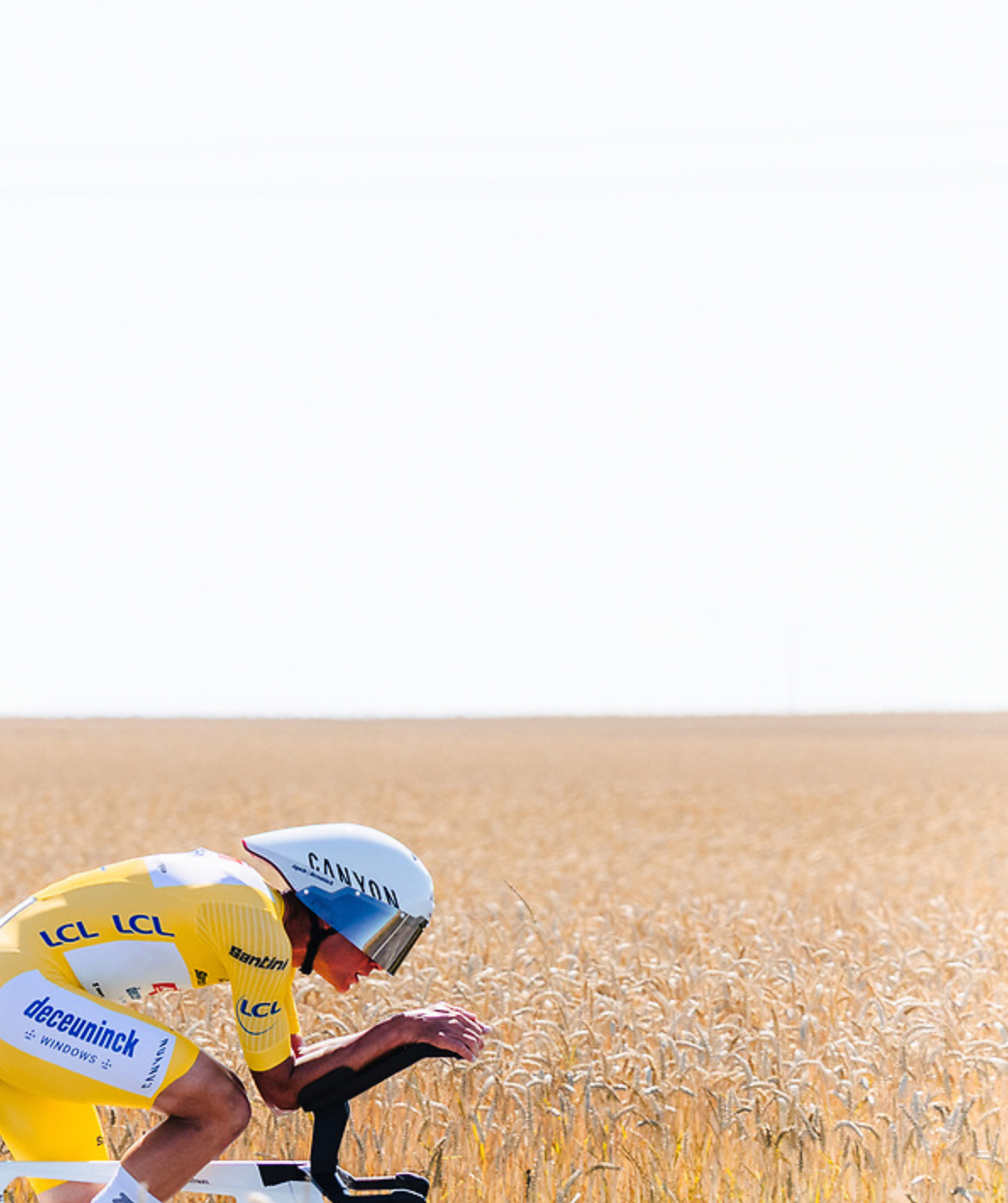
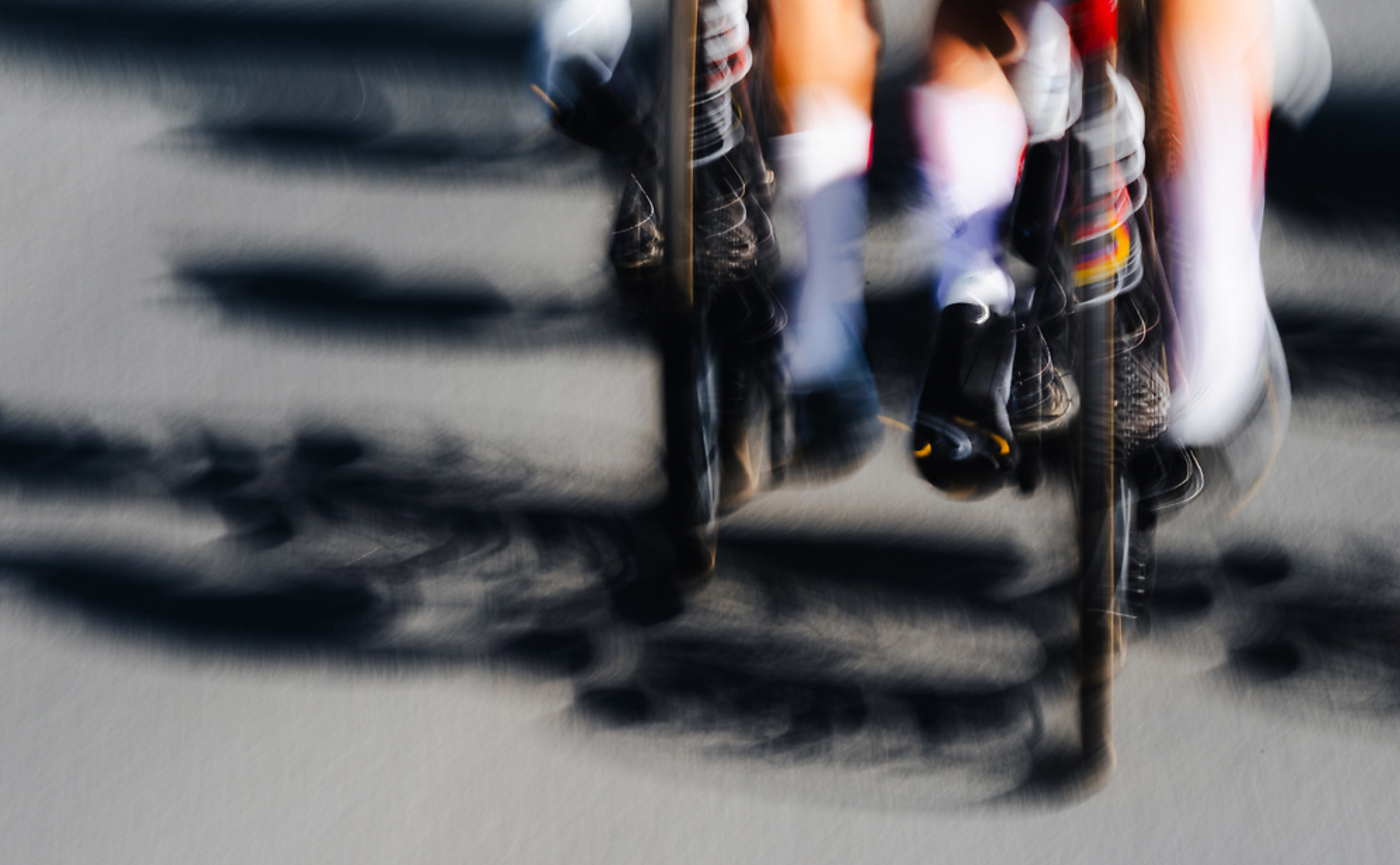
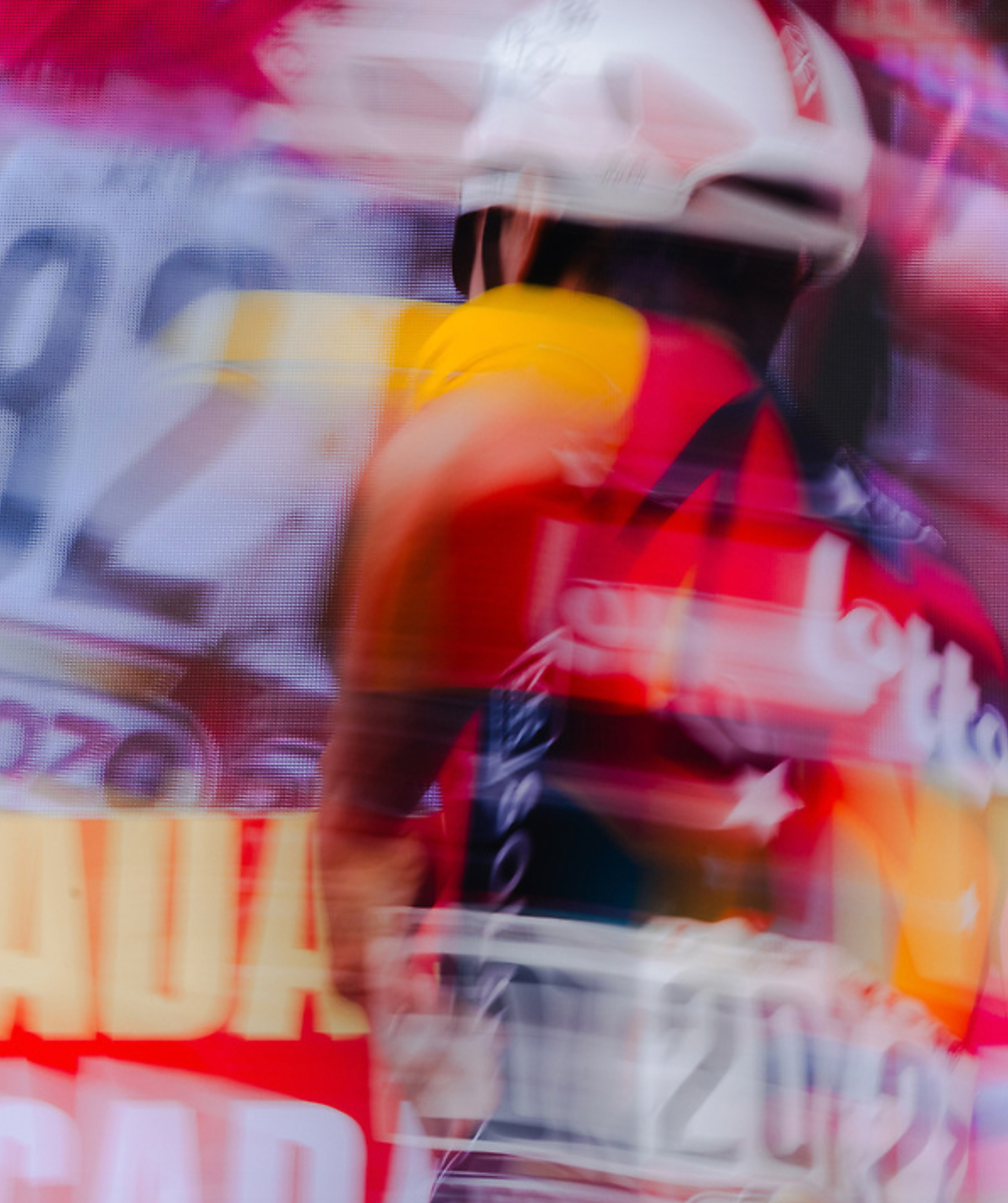
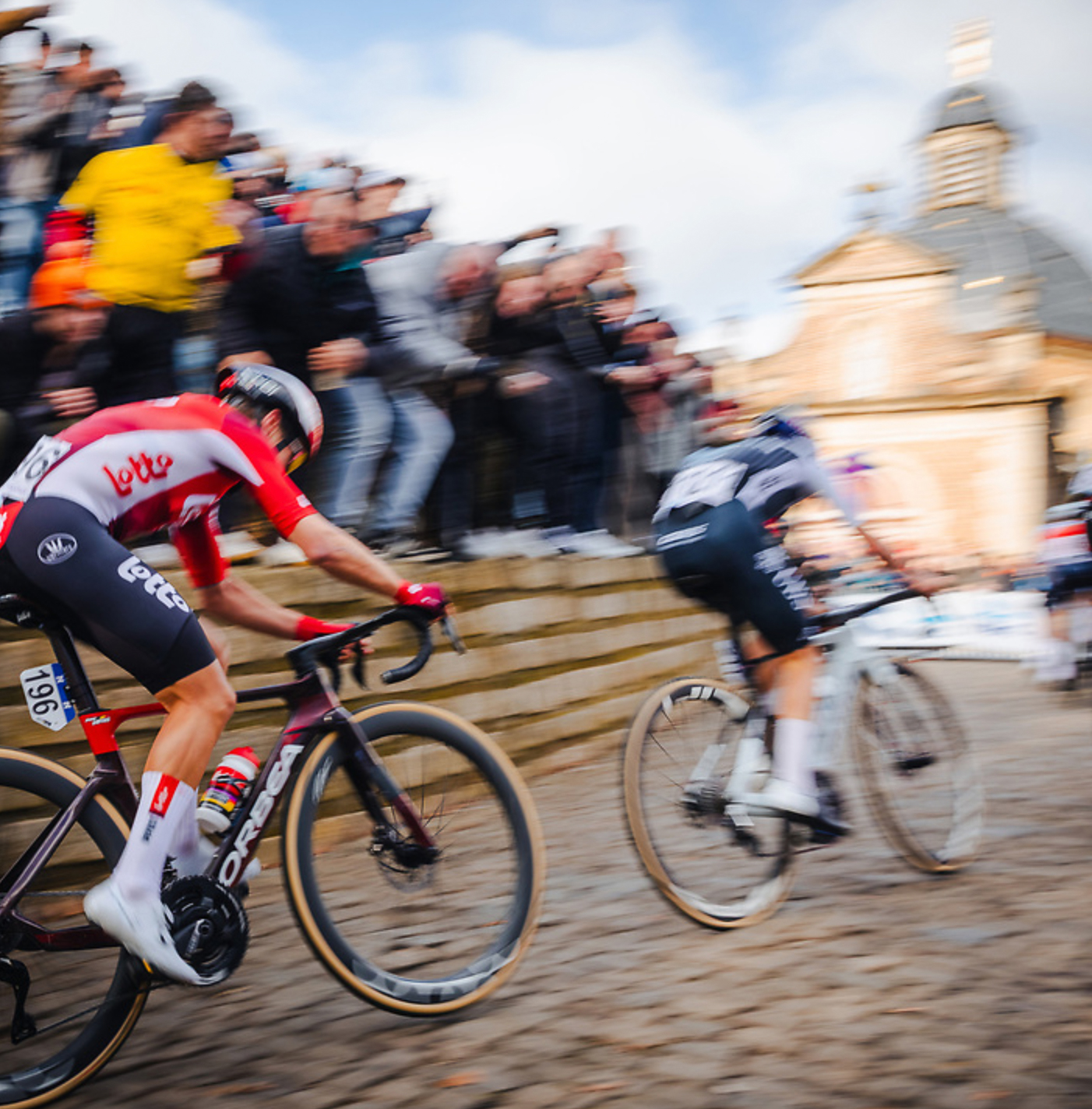
Standing in the same spot as every other photographer, each with a long telephoto lens and freezing the race action at two or three thousandths of a second? It is what it is and you’re just documenting what’s happening. Which is why I call this type of photographer a…
…I’m not sure I should say this.
cyclespeak
I’m sure whatever you say is meant very respectfully?
Harry
This might sound a little elitist but sometimes I call these people camera operators. Whereas on the other hand there are certain people that can look at absolutely nothing but still figure out a way to create a really nice photo.
cyclespeak
So what’s going on in your head when you’re framing a shot?
Harry
What’s in my head is a complete mess.
cyclespeak
It is?
Harry
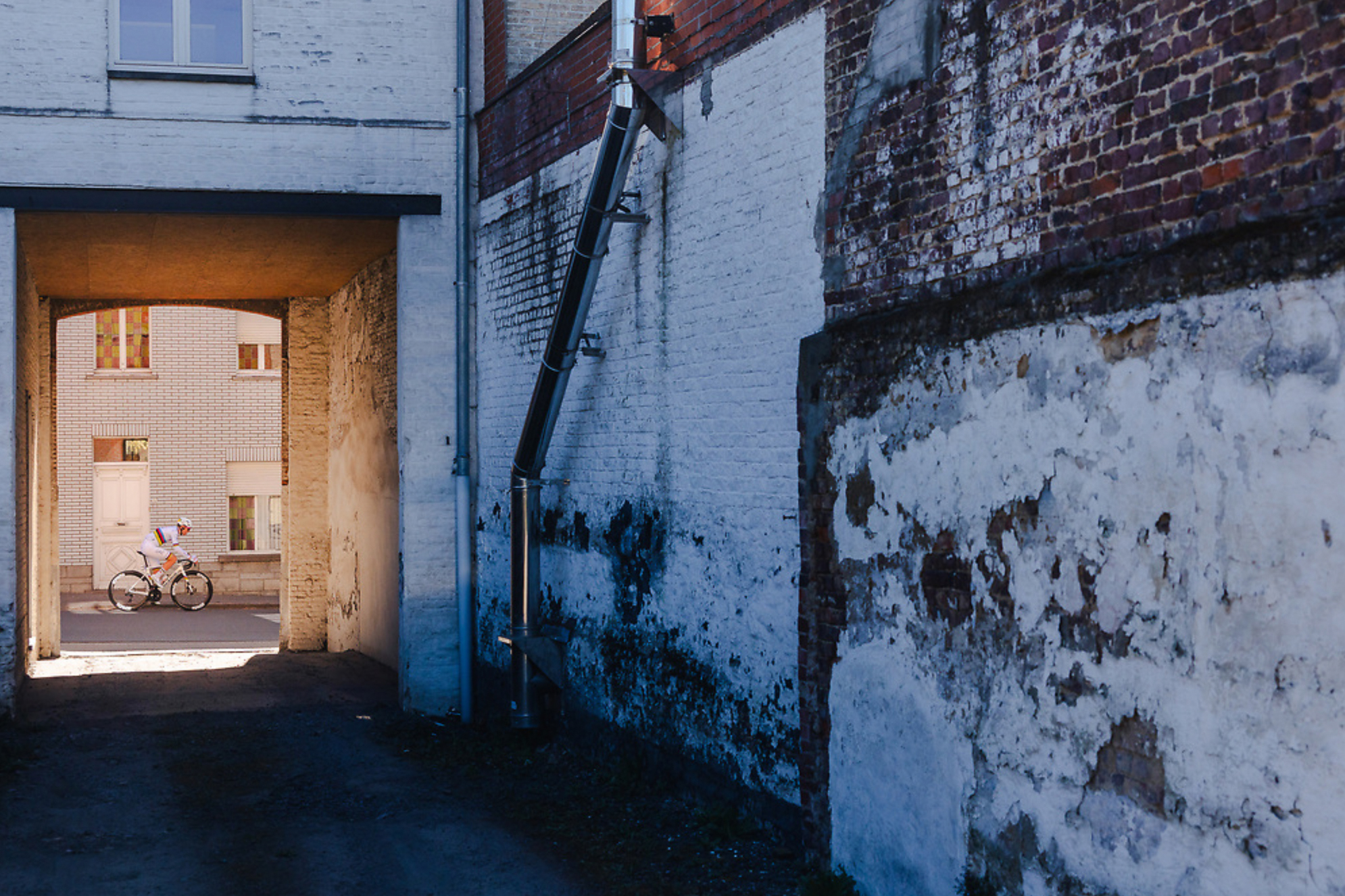
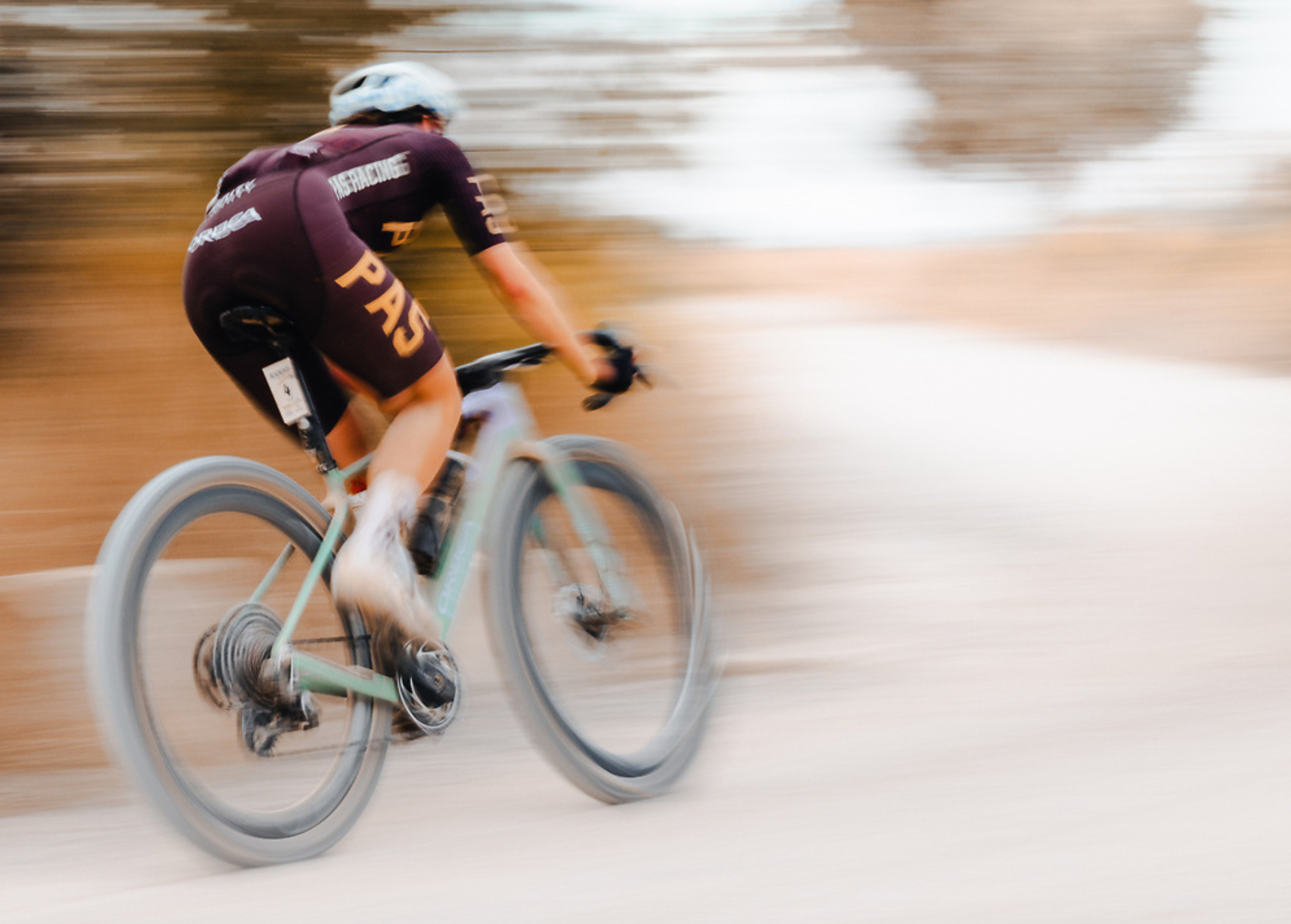
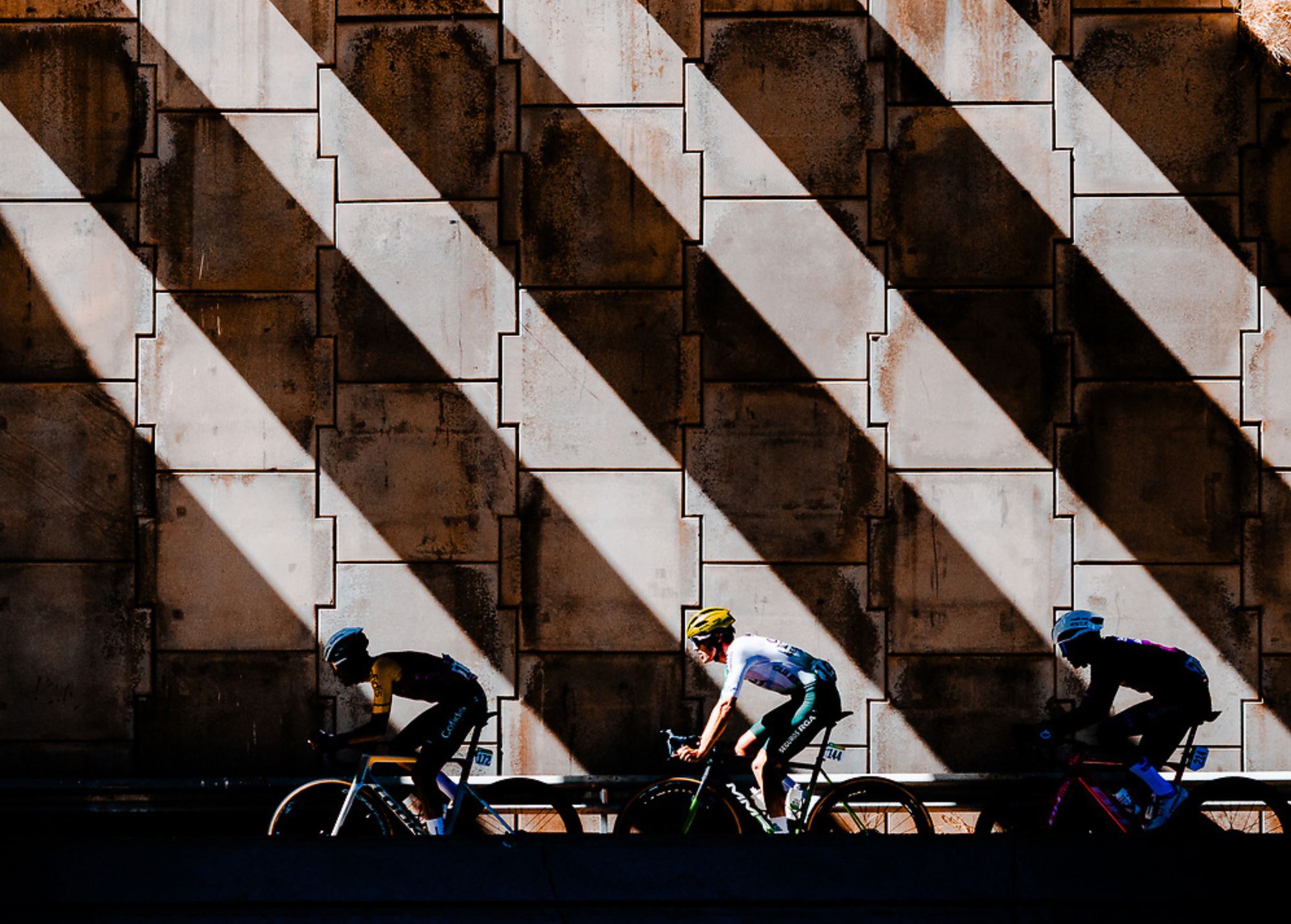
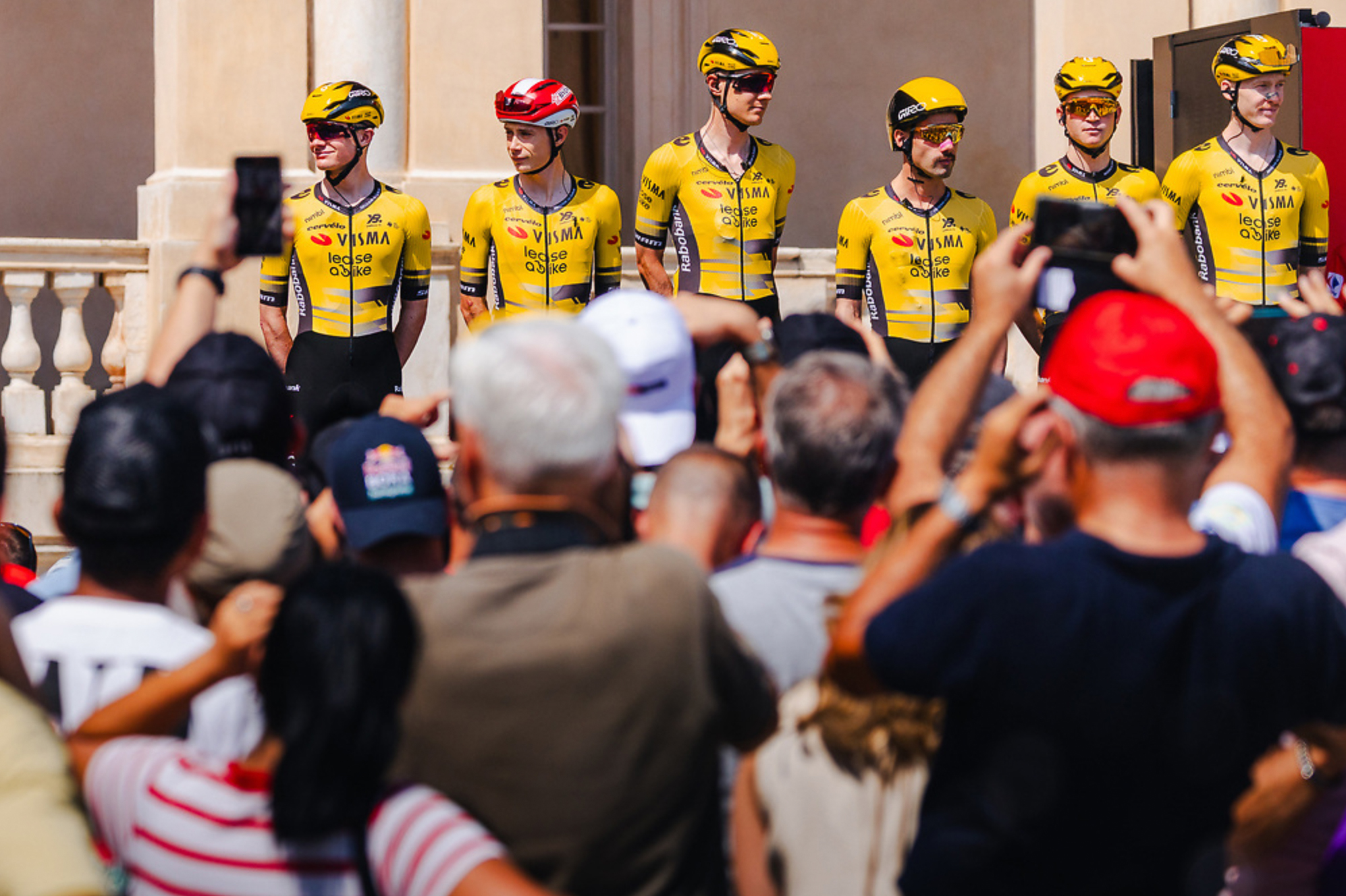
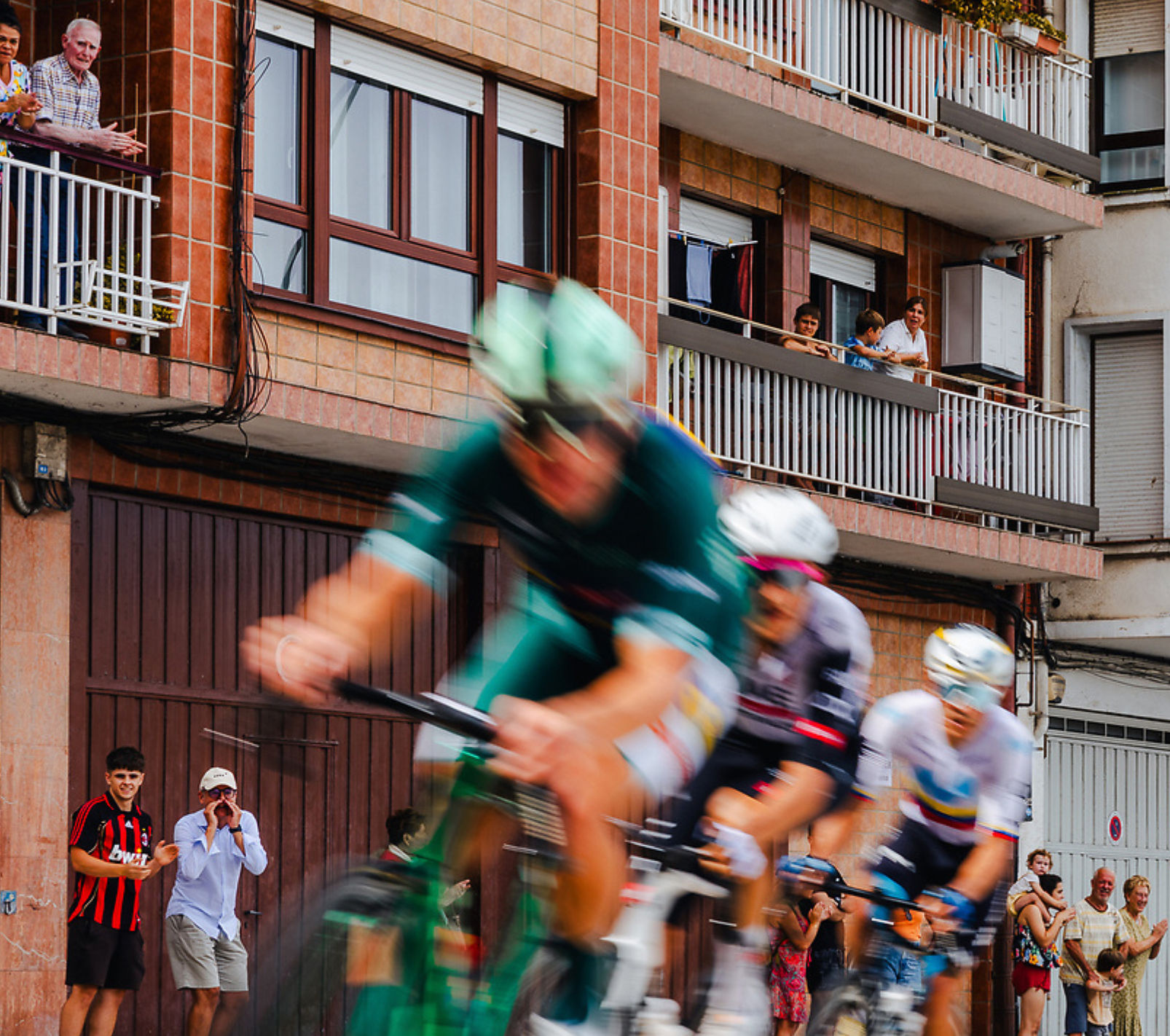
Sometimes I don’t even understand the way I work. It just happens. I’m looking at everything. Left, right, ahead and behind. Trying to spot anything that I can make a photo from. The people, the architecture, the route and how it affects the race. And then when you see something interesting, you figure out how to make it work.
cyclespeak
Can you offer up an example of this process?
Harry
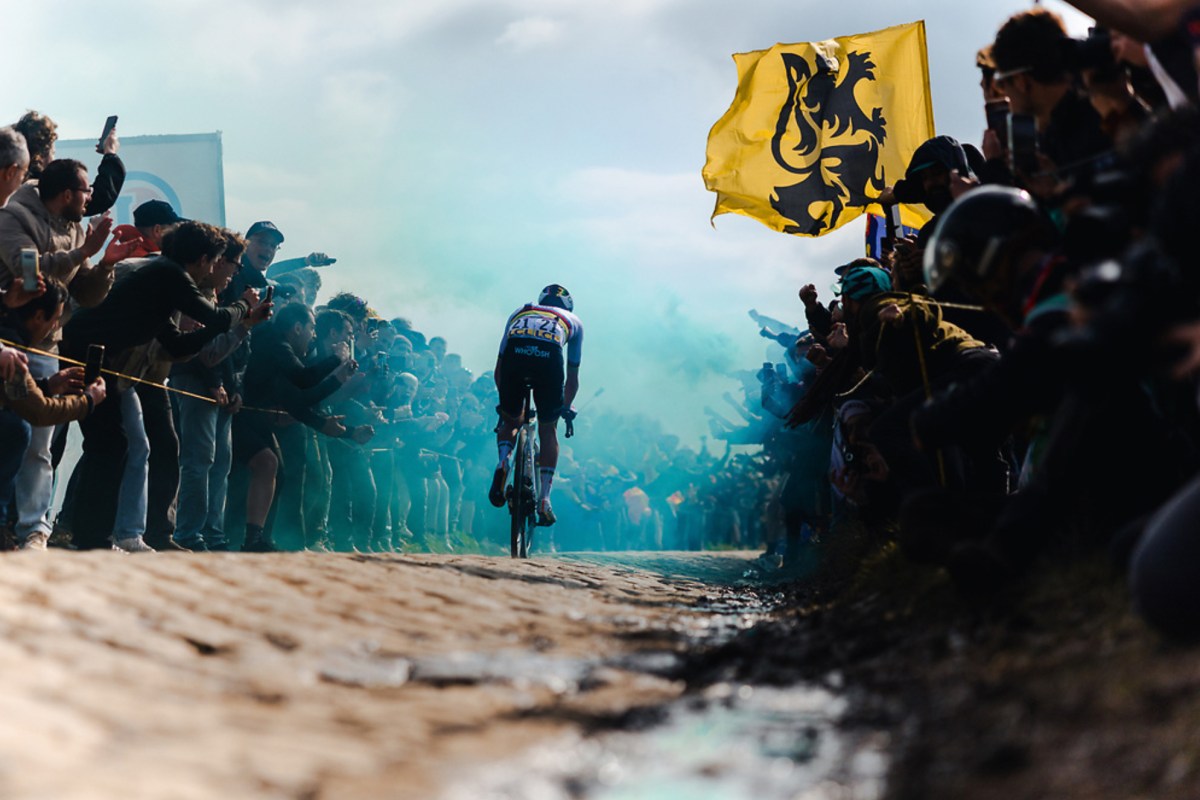
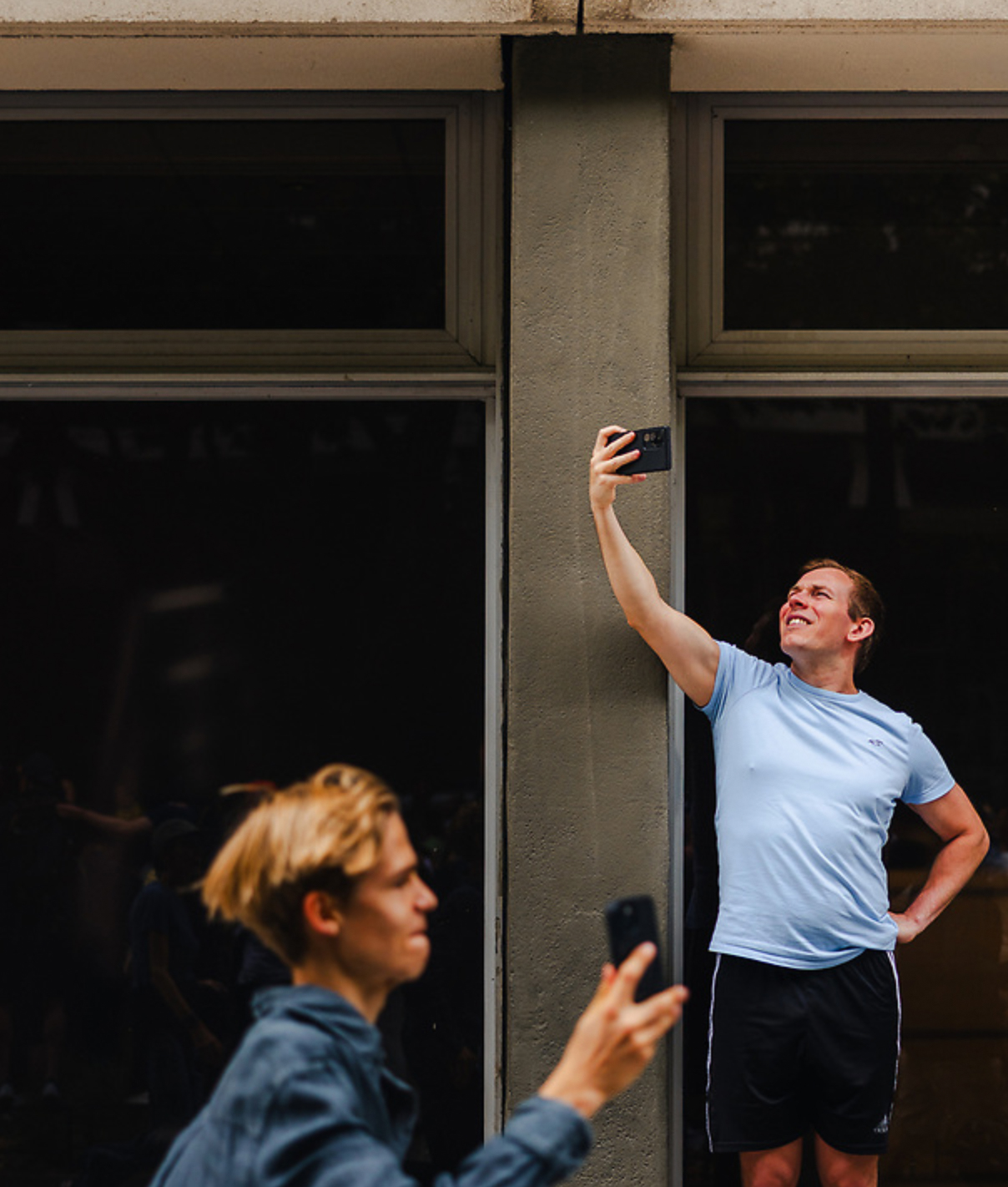
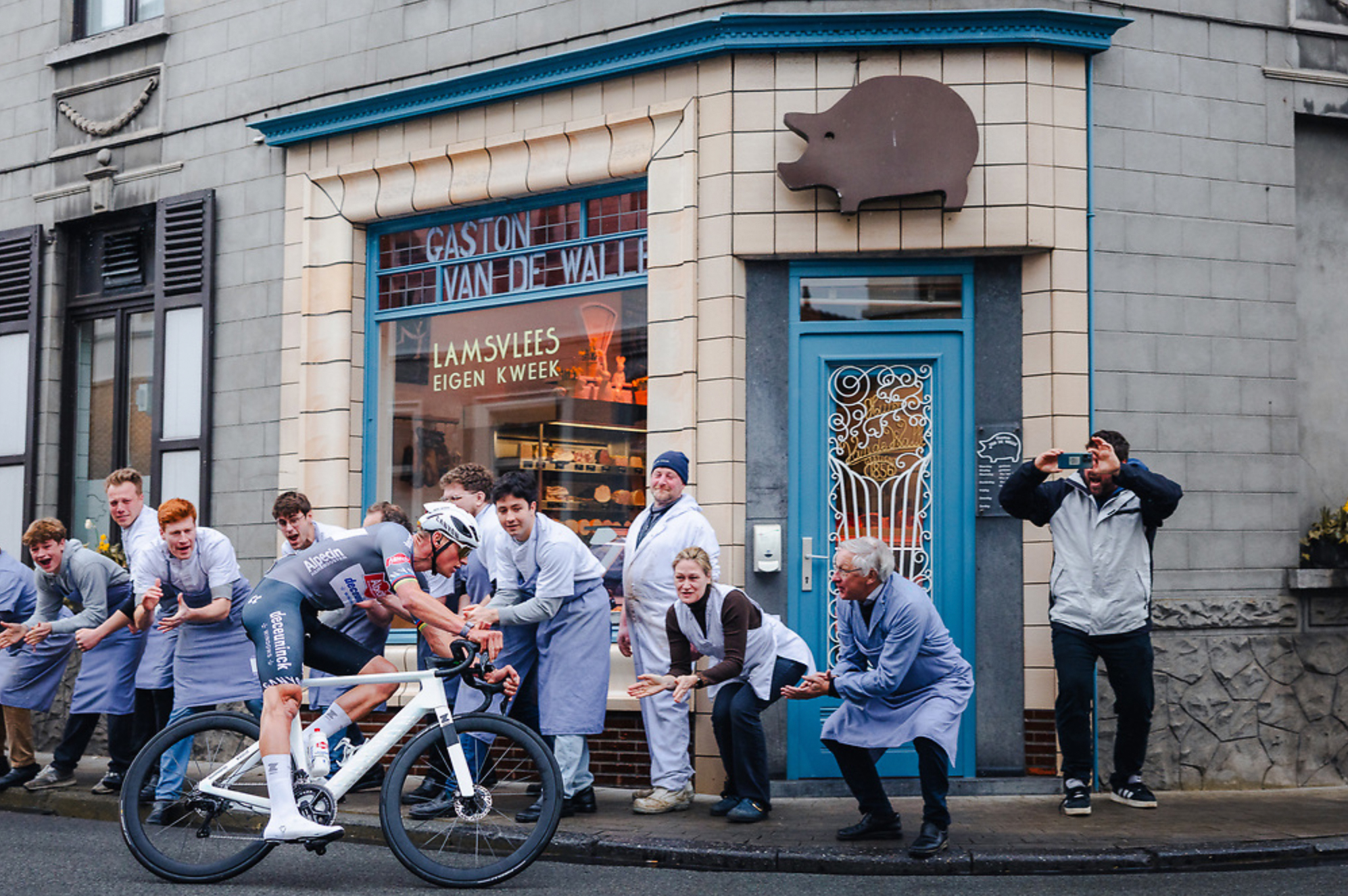
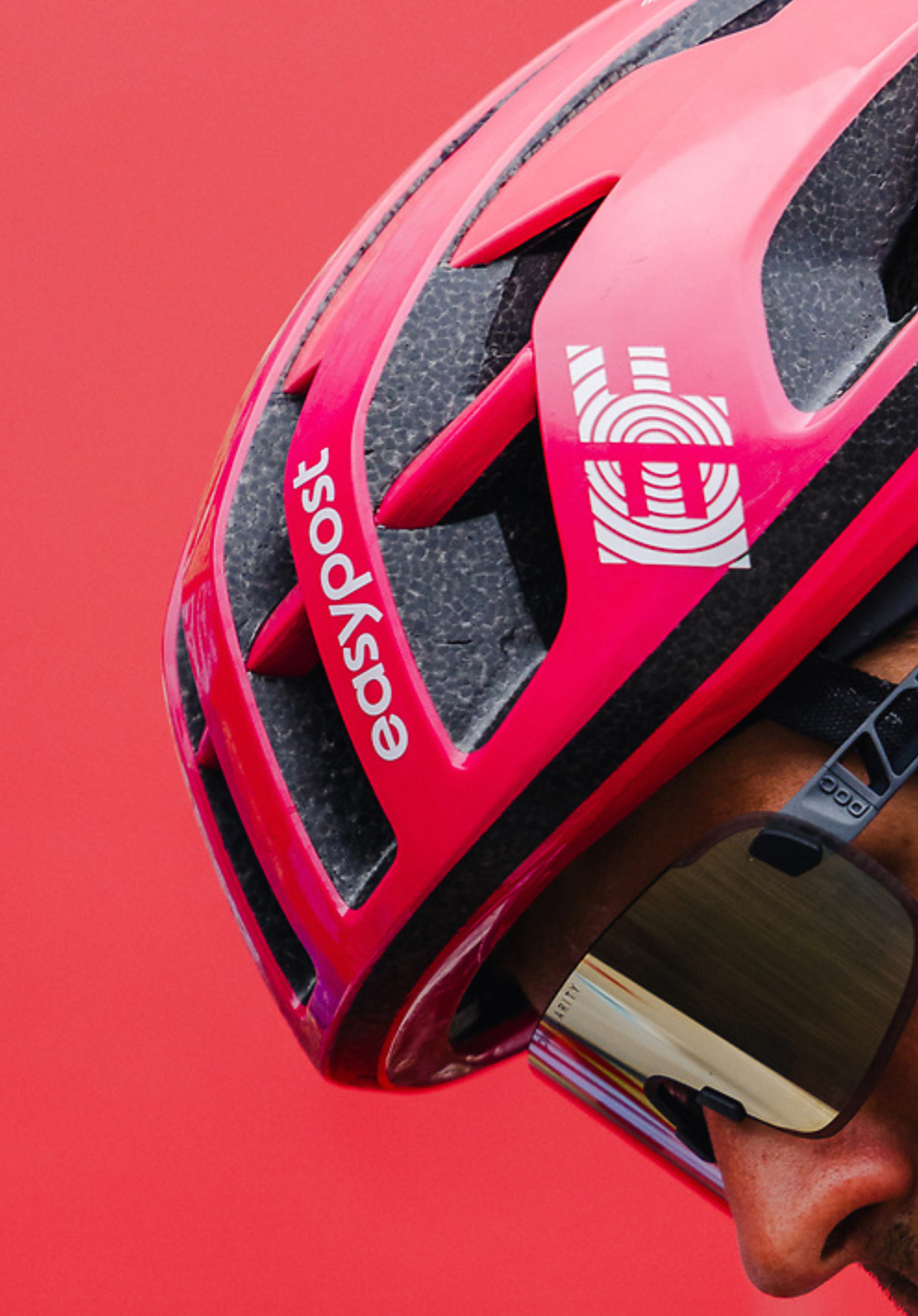
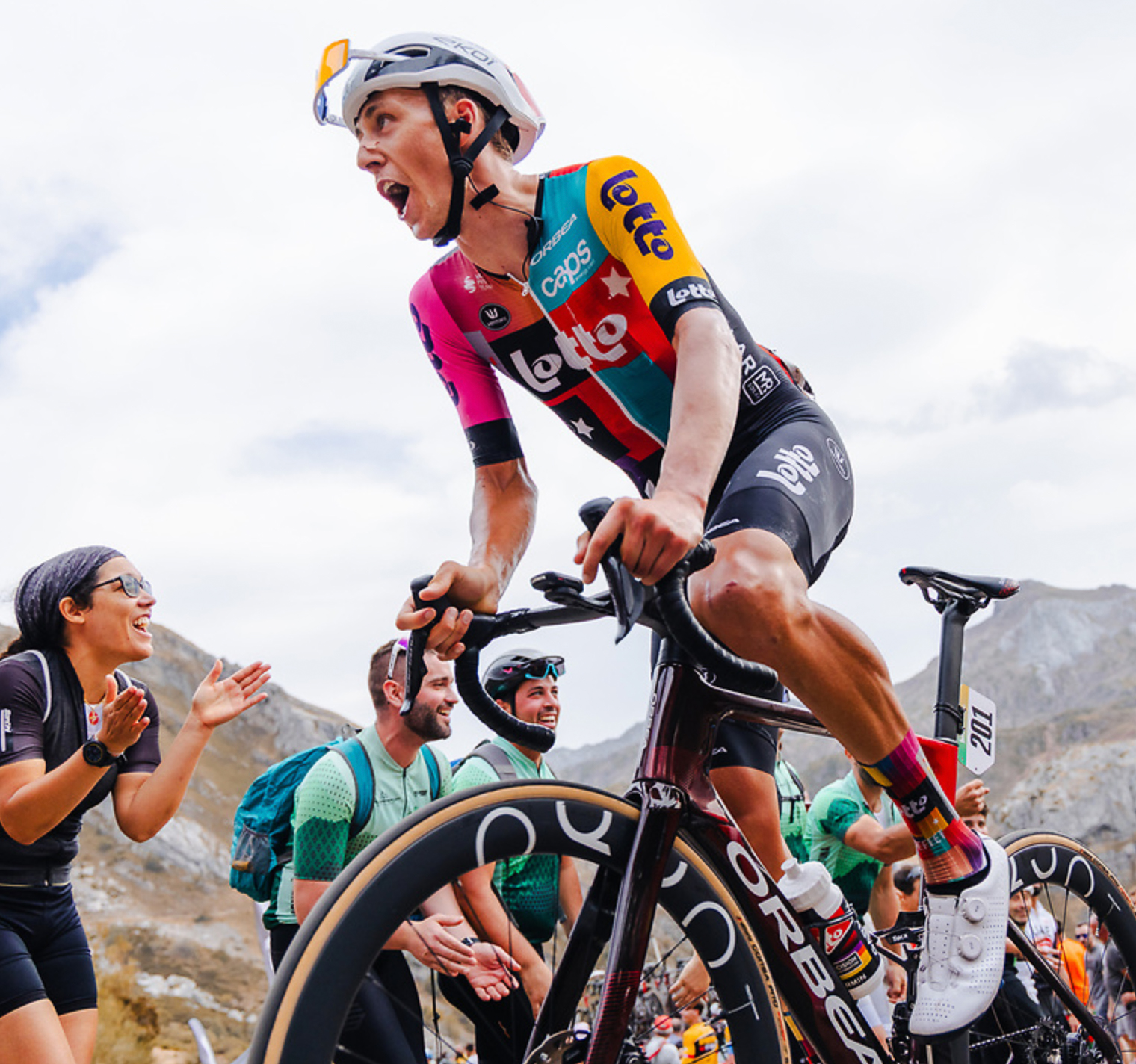
People can be a great way to add narrative to a shot and tell a story. They can ground the image in its locality. So if I’m shooting a race in Belgium, I’m on the lookout for a Flandrian flag to represent the passion and pride of those race fans.
Vuelta a España
Click an image to open gallery
cyclespeak
A polka dot bucket hat when you’re shooting the Tour de France?
Harry
Totally. And in Paris Roubaix you shoot the cobbles because that’s where the action is happening and often how the race is decided.
cyclespeak
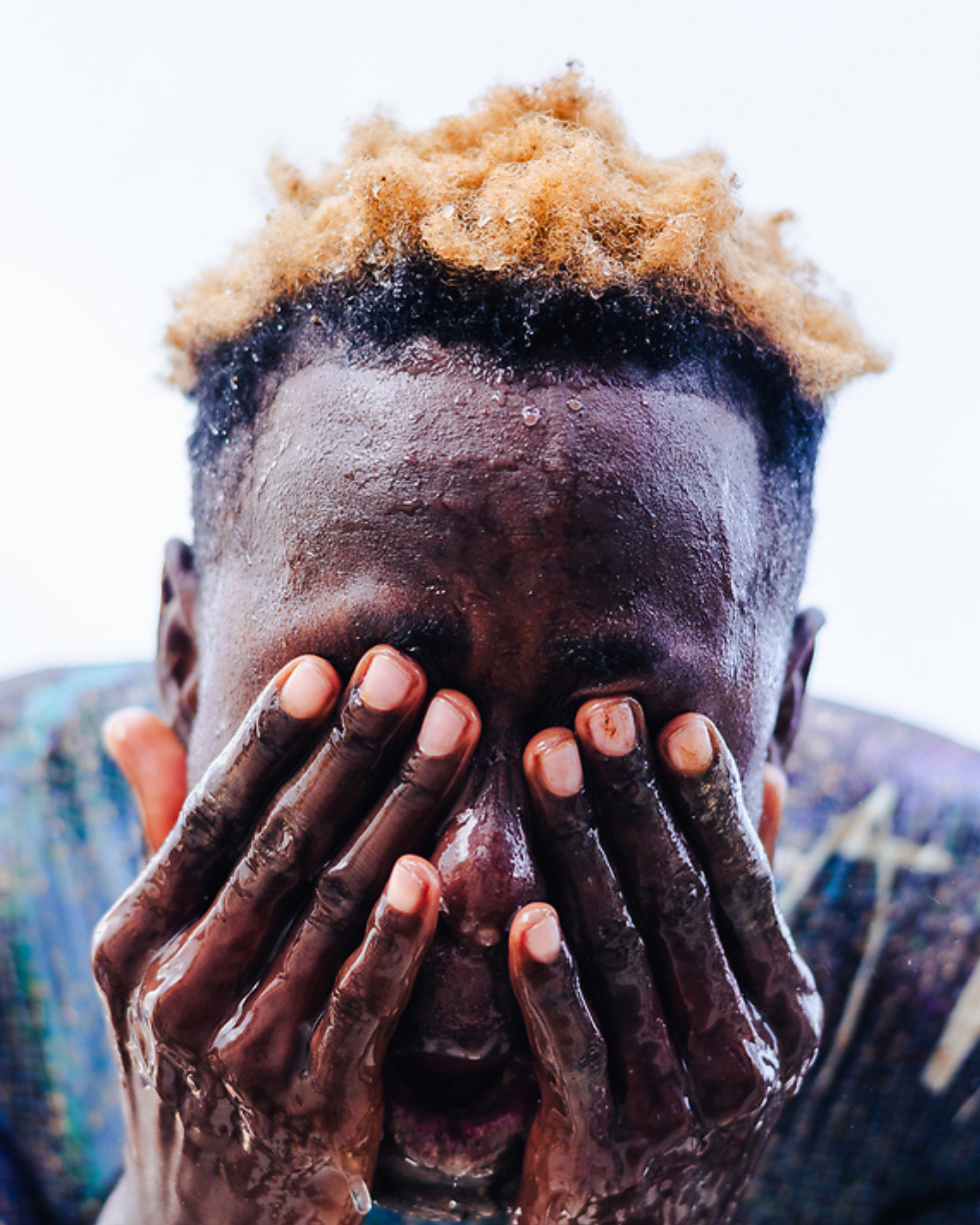
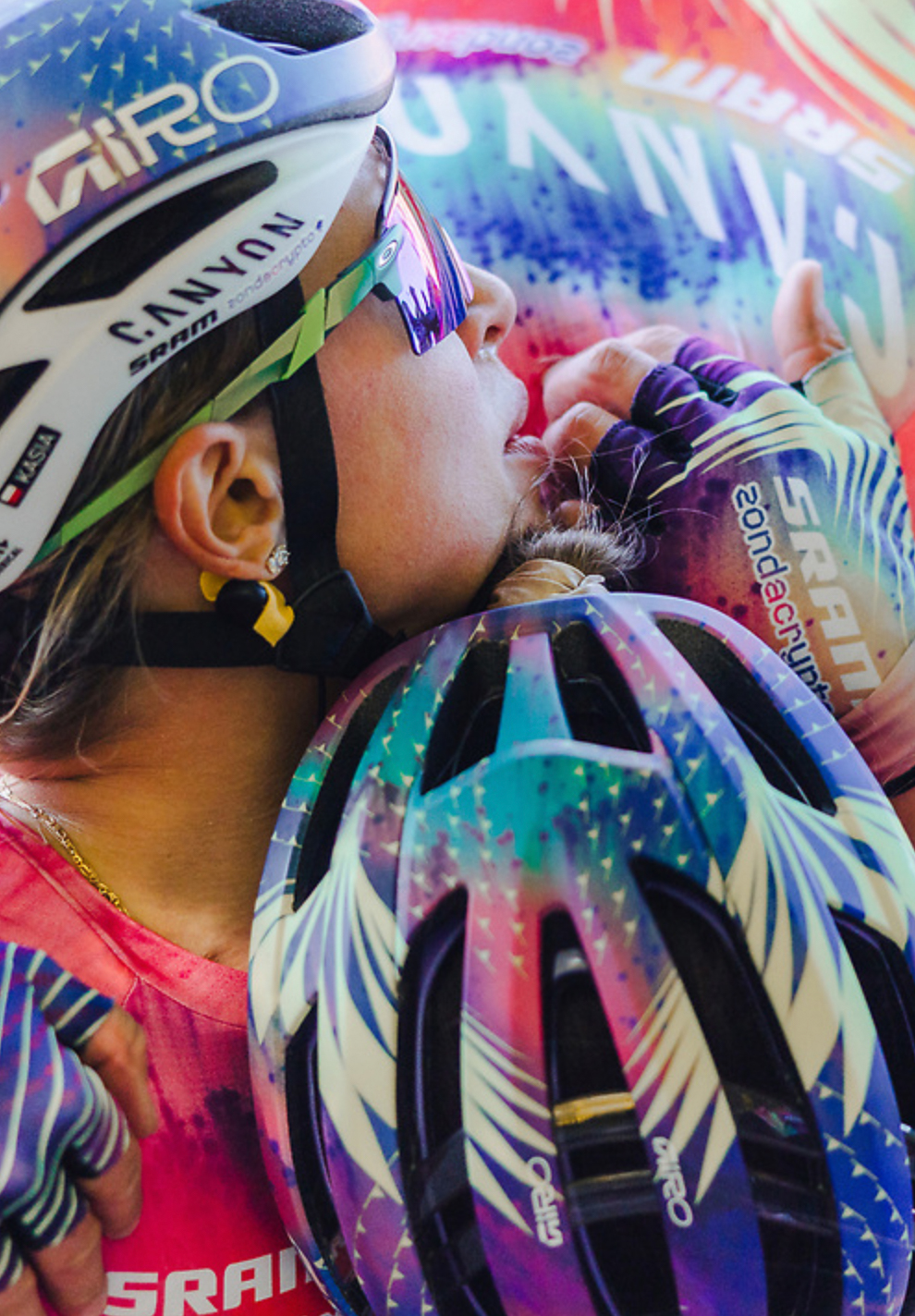
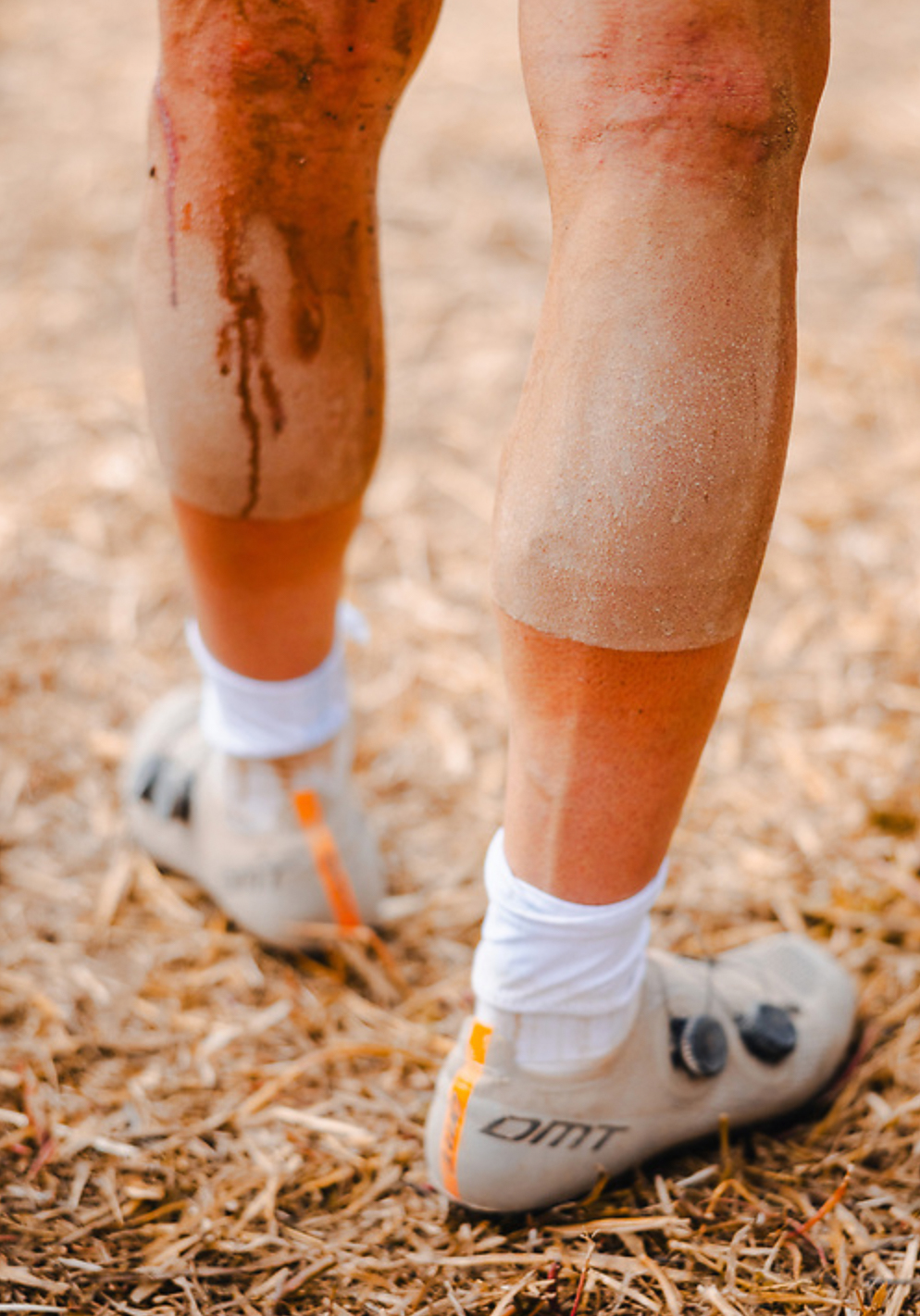
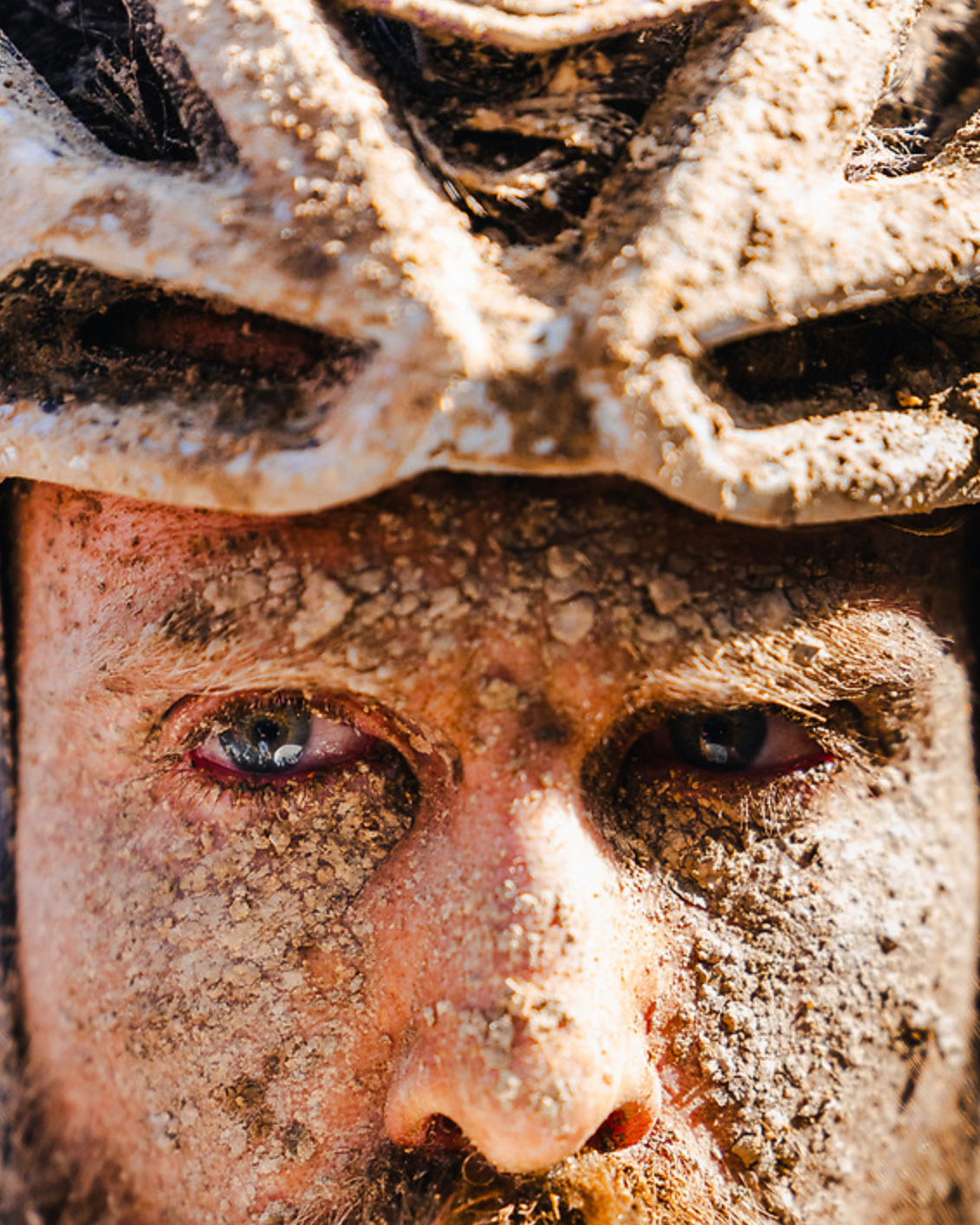
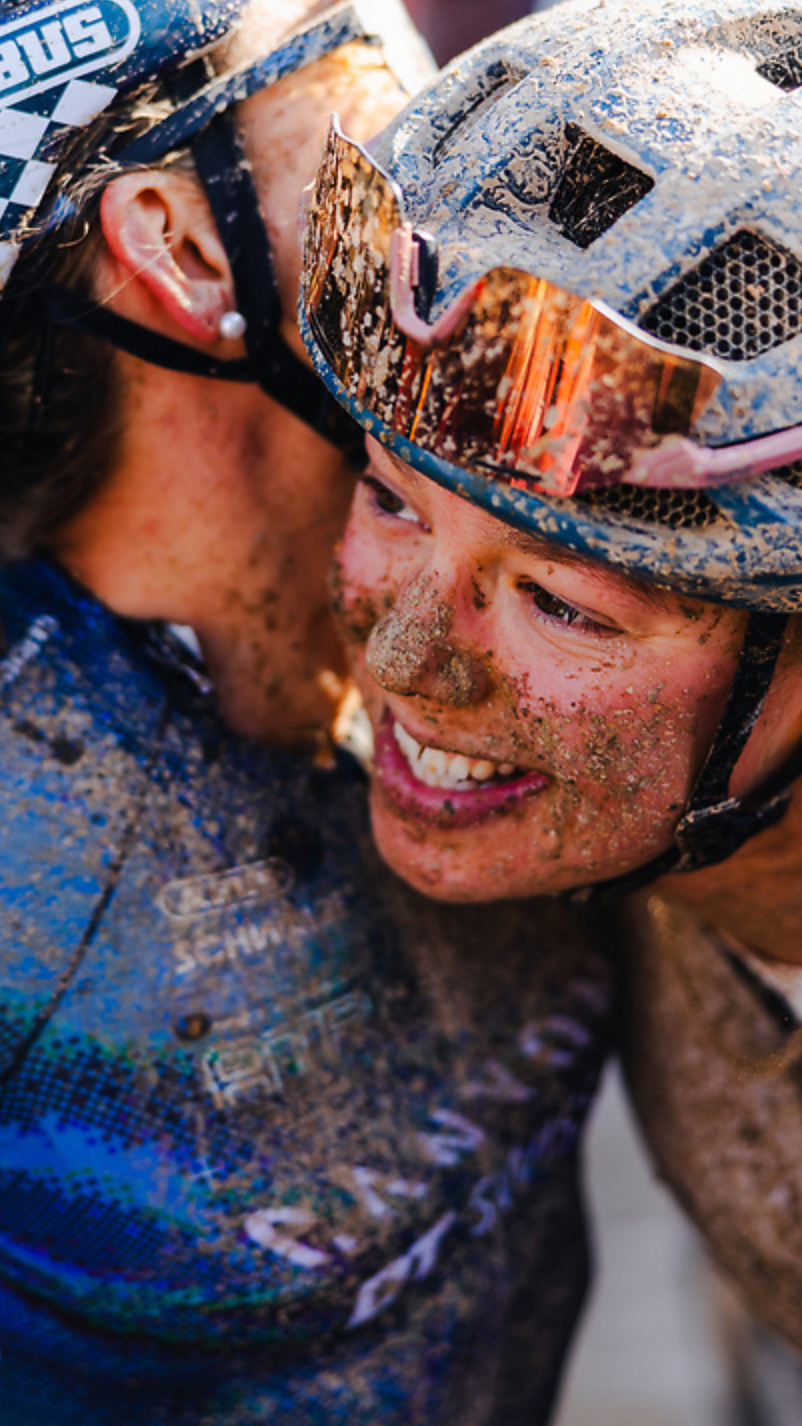
So what was your thought process in the closeup post-race portraits from Girona’s Santa Vall gravel race?
Harry
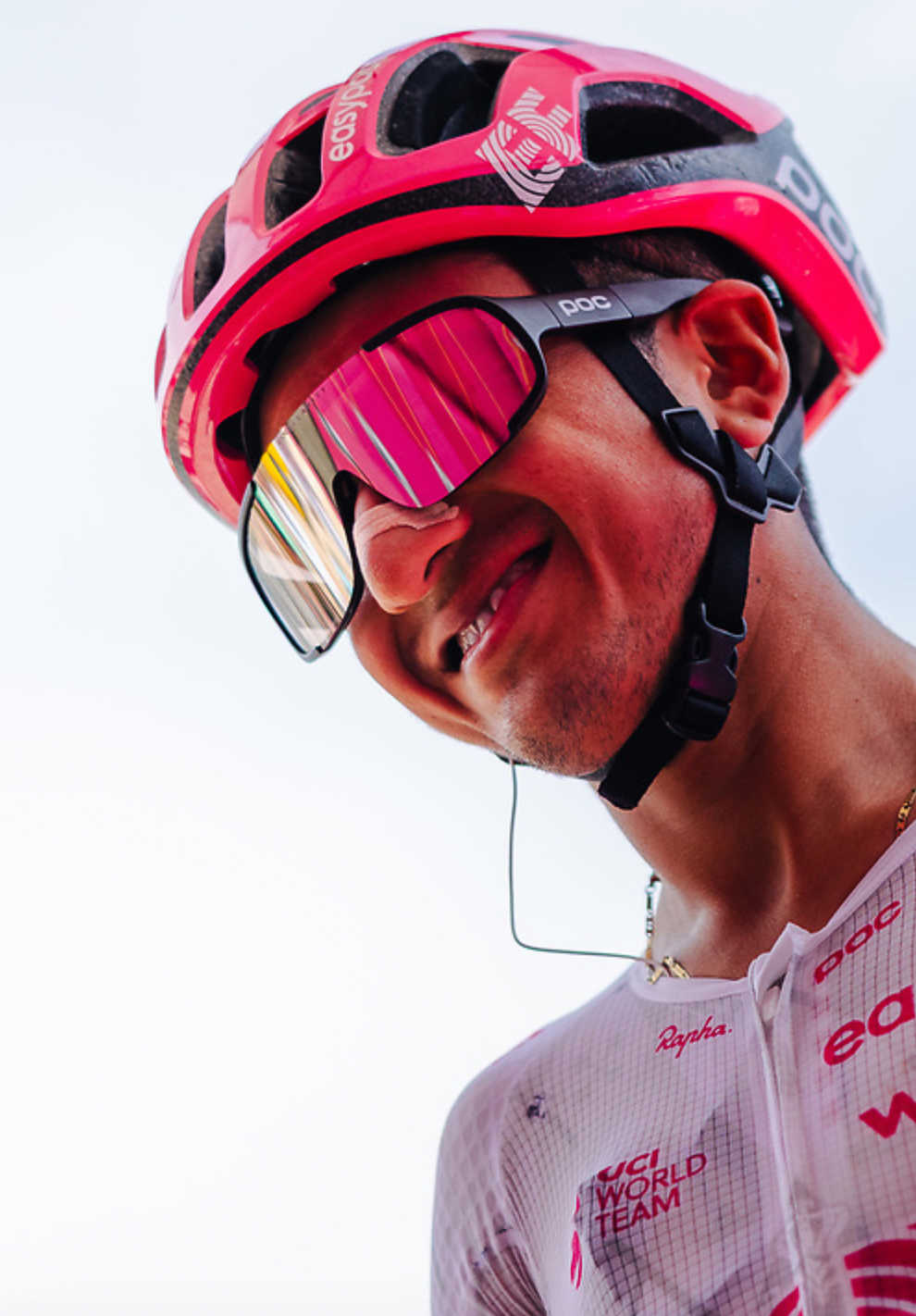
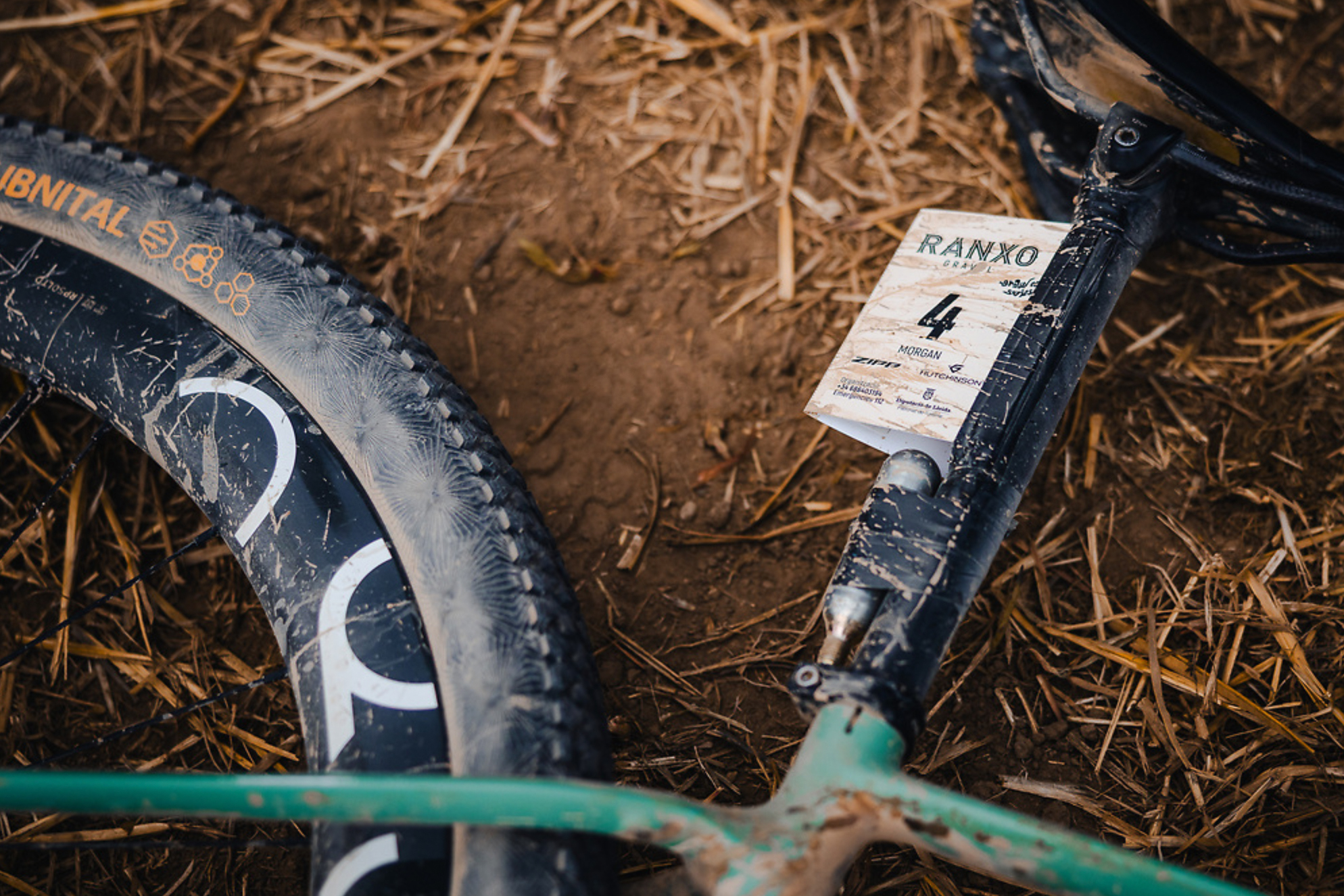
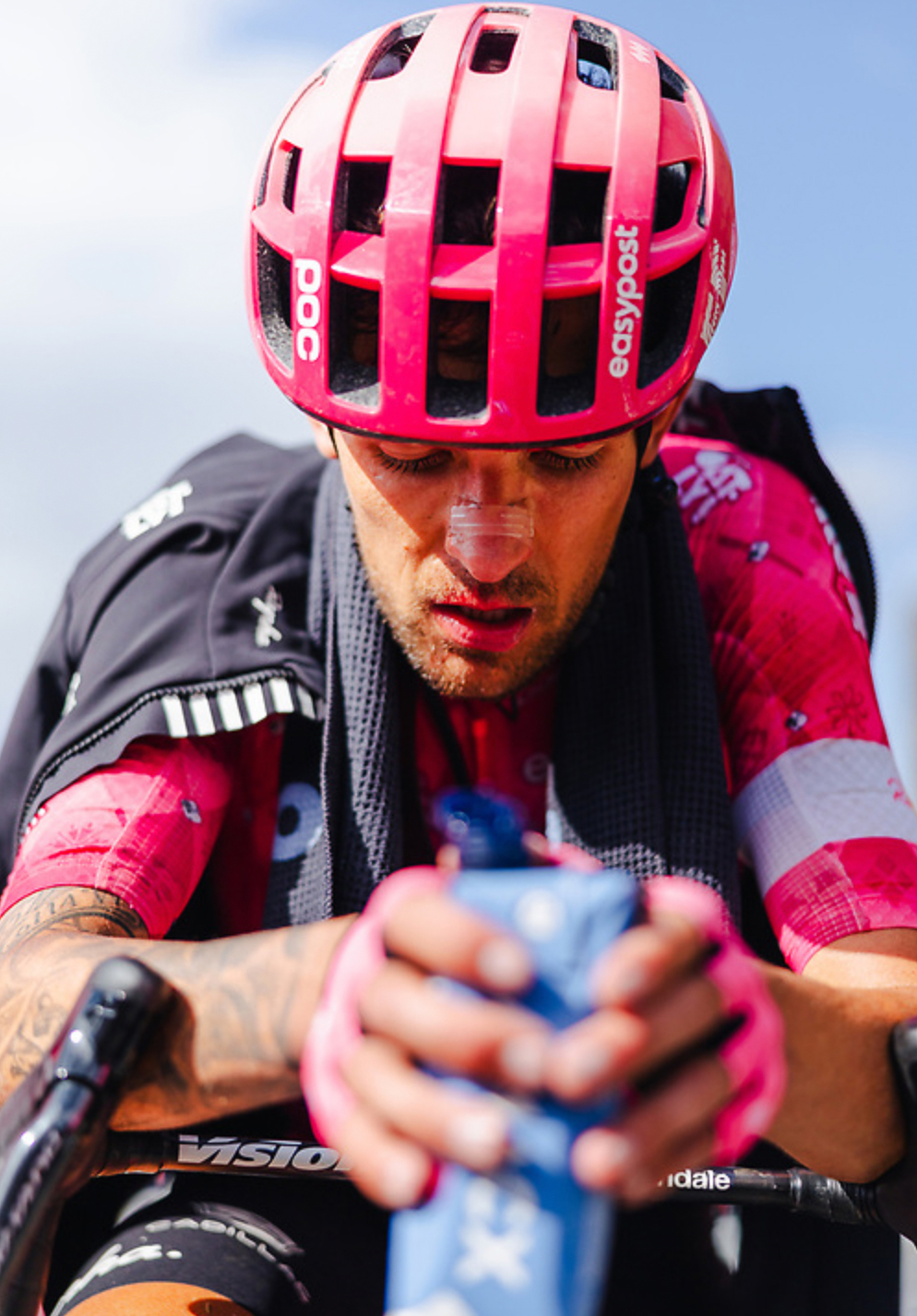
The reason I enjoy those shots in particular is that I love a clean frame. And I find a lot of what is happening at the race finish to be a little chaotic and messy and often a distraction. So to avoid all that I get in really close and let the rider fill the frame. The whole focus is on the story in their face. Whether that’s feeling fucked or the relief of a good result.
cyclespeak
In our content saturated world, are there contemporary challenges in finding an audience or is it actually the opposite and much easier than it was in the past?
Harry
That’s a really good question. And for sure, there’s so much more content out there. But there’s never been an easier platform than Instagram for artists and creatives to share their work.
cyclespeak
And more democratic?
Harry
Absolutely. Everyone with a smartphone has access to this platform and there’s the potential for your work to be viewed across the world. The flip side being that so much content gets shared that building an audience isn’t always super easy. But from my own perspective, I’ve been super fortunate in the responses I’ve had to me sharing my work.
cyclespeak
Which opens up questions about how we now view and consume media. Because you’ve already published one book of your photography and are currently working on a second.
Harry
That’s funny. I was just about to mention that.
cyclespeak
Because that’s the antithesis of fast media.
Harry
And a book is the perfect medium. You aren’t scrolling down a screen lined with links or advertisements. There are no distractions. The only decision you need to make is when to turn the page.
cyclespeak
So what motivated you to publish your own photo book?
Harry
To me, I see it as a collection—which is why it’s called Twenty Twenty Five—and it can sit on someone’s shelf or coffee table with room to add Twenty Six, Twenty Seven…
cyclespeak
As this visual content is self-created, do you always carry a camera or are there conscious off-camera days?
Harry
There are but, to be fair, I’ve always got my phone with me and I use it a lot. Just on my bike ride today, I took a photo of this building with a super cool exterior texture. But then my girlfriend who was riding with me was asking, “What are you doing?” and giving me shit because it was, “literally just a building.”
Harry picks up his phone to show an abstract architectural view of a building’s cladding
cyclespeak
That’s really cool.
Harry
Thank you!! You can take great pictures with a phone. Which is why I don’t often carry my cameras. They’re big and heavy which I like when I’m working but not if I’m out on a ride.
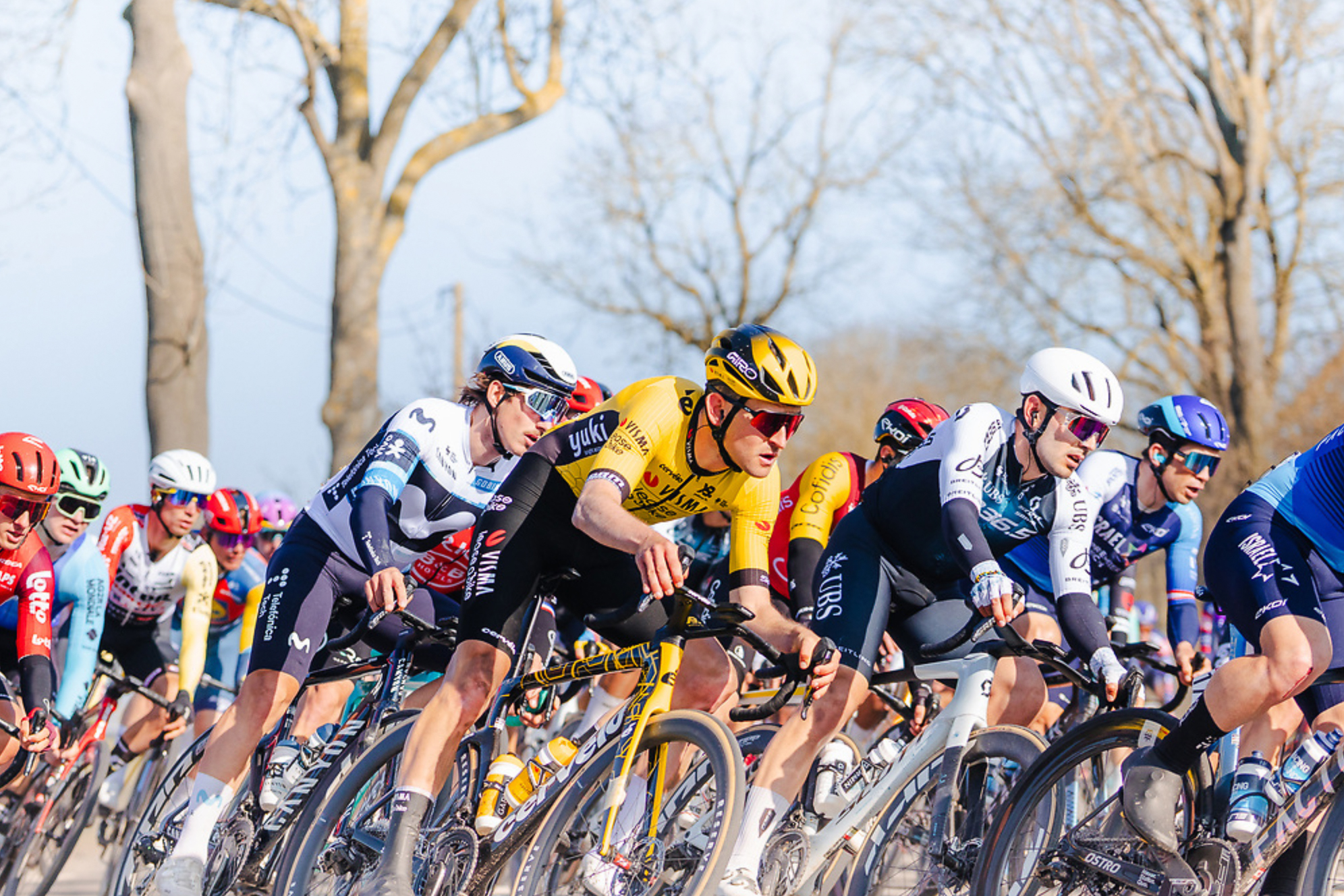
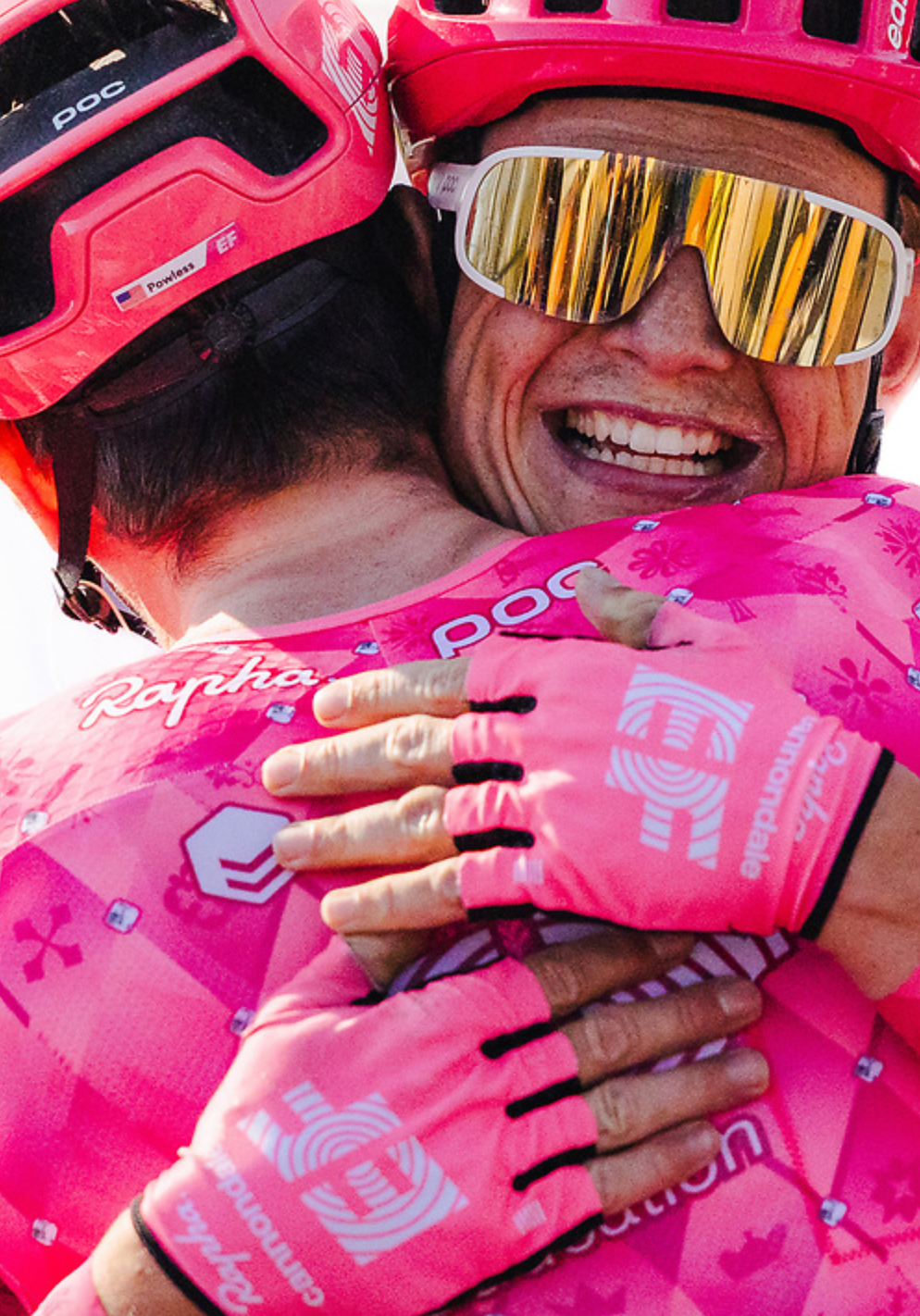
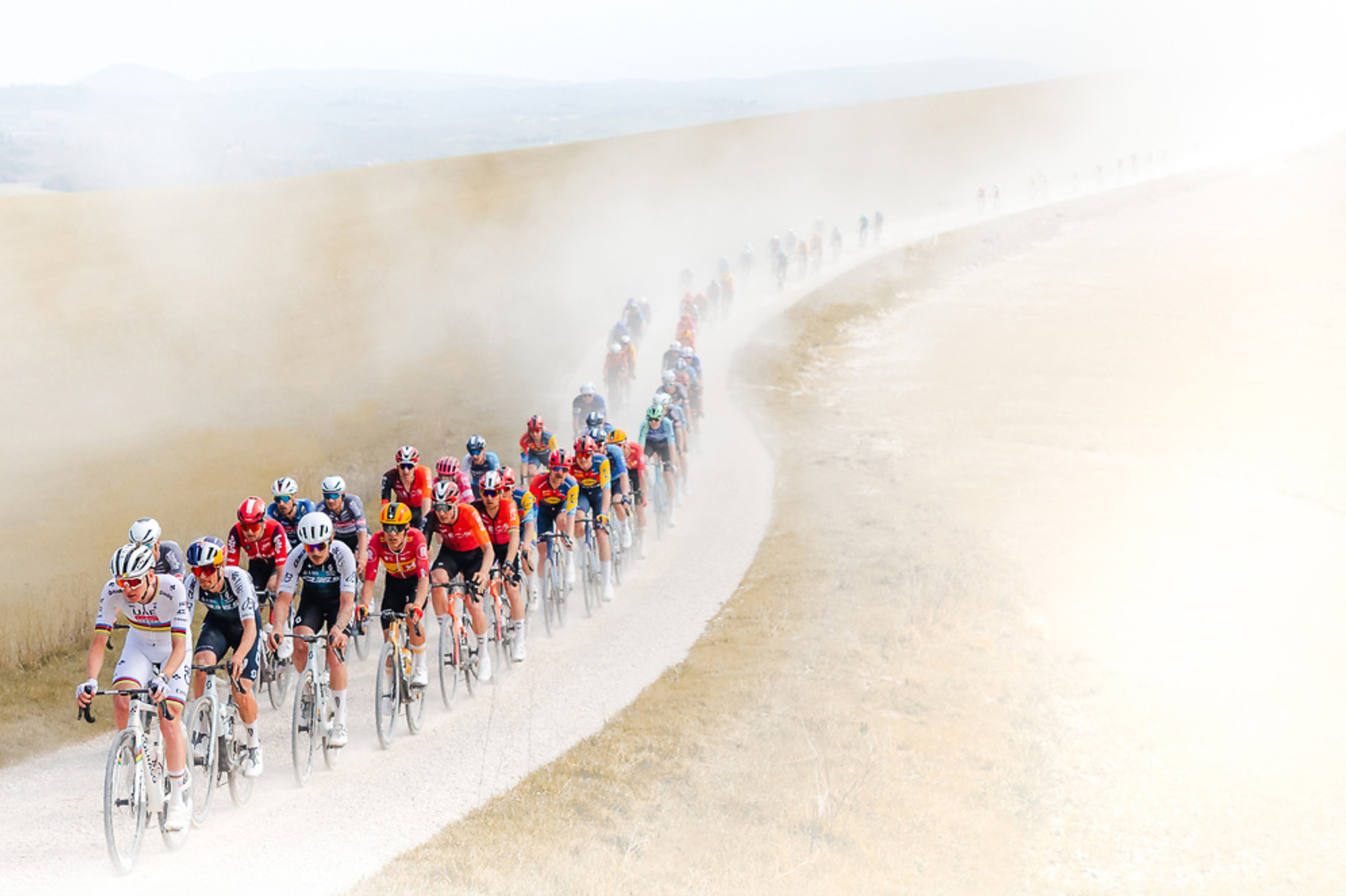
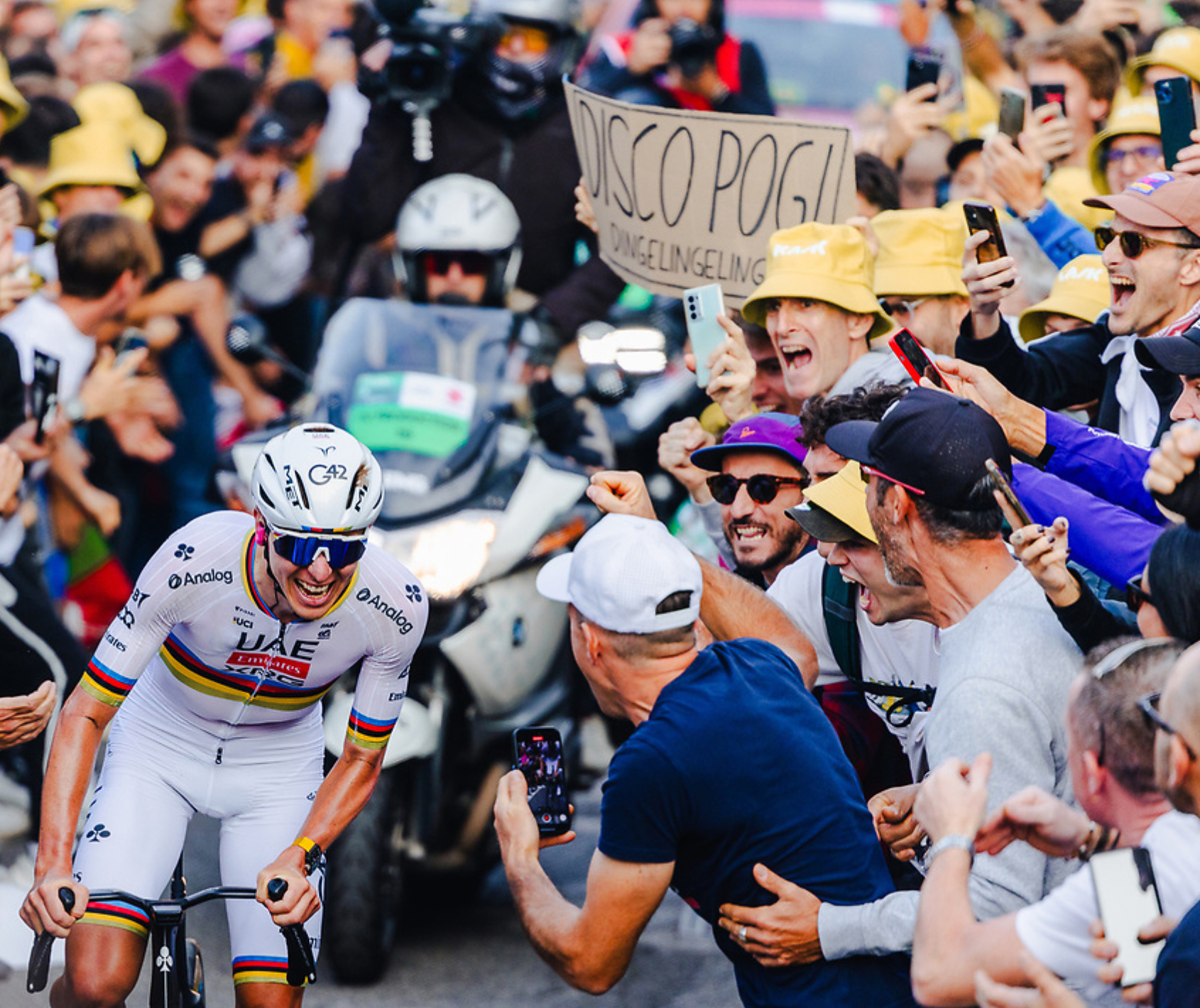
Click an image to open gallery
cyclespeak
I’m not going to ask you to name your favourite shots but do you find it easy to feel a sense of satisfaction in your work?
Harry
For a very long time, I felt very dissatisfied. Probably because I knew what I wanted the photo to look like before I was technically able to achieve what I was picturing in my head. And it wasn’t until last year when I generally felt proud of what I was creating. Before then, there was the occasional photo that I was happy with but not nearly as consistent as my recent body of work. Which as I’m so super passionate [here Harry smiles] was a really nice feeling to have. I spent a lot of time feeling really sad about the work I was doing, so I guess this positive change in how I perceive my photography was in part what led to the book.
cyclespeak
And moving forward?
Harry
Even if I have a day where it doesn’t go amazingly well, I still feel that the general level of what I’m doing is enough to make me happy. But the flip side of that, is that it’s becoming harder and harder to take the most amazing photo ever. Three years ago, now and again I’d look at a shot and think, yes, that’s really something special. But as you feel generally happier with the work you’re producing—as the bar gets higher and higher—those stand out moments inevitably become more elusive.
cyclespeak
Is that a good thing?
Harry
I guess I get to keep on growing, learning and improving. Because the thought of reaching the point where I think my work is uniformly good really scares me. I want to keep critiquing myself.
cyclespeak
So what’s the best thing about being Harry Talbot?
Harry
That almost every day I wake up and get to choose what I want to do?
cyclespeak
That sounds really nice.
Harry
Don’t get me wrong, there are definitely days when I have to do stuff I’d choose not to. A shoot that maybe isn’t super inspirational or I’m stuck inside for 12 hours working my way through a backlog of editing. But that was my decision and I’m happy about it. I wanted this job and I really went after it and who knows how long it will last. But it’s really something I want to do and on days when I’m not working, I’m riding my bike or spending time with people I care about. So, yeah, that is really nice.
All photography with kind permission of Harry Talbot / visualsofharry.com
 cyclespeak