
It’s true that sometimes what you love about something can also be problematic.
Founder and CEO of Fohr—a company providing influencer marketing solutions—James Nord is perfectly placed to offer an opinion on our desire to be seen, and noticed, through the lens of social media. With his own Instagram feed revealing a penchant for fine tailoring but no stranger to 5:30 am laps around Central Park, James was racing for Rapha NYC back when the brand was busy tearing up the cycling rulebook. A thread of nostalgia that runs through a conversation exploring the contradictions in how we measure success, find fulfilment, and even the way we ride our bikes.
cyclespeak
You’re calling from the office. I’m guessing your schedule is pretty busy?
James
We’re based in Manhattan, on the Lower East Side, and have the whole floor of this early 1900s building. As for my schedule, it’s robust for sure [smiles].
cyclespeak
That’s conveniently located for your early morning Central Park laps?
James
My morning spins set me up for the day.
cyclespeak
Still with your deep-section race wheels whatever the weather?
James
I’m a one-bike household and if you’ve got something really nice to ride, why not ride it every day?
cyclespeak
To my English ear, your surname has European, possibly Baltic, undertones?
James
It’s Swedish. And here’s the cliché because the Scandinavian side of the family moved over to the US in the late 1800s and started a furniture company that operated in New York for going-on a century. And if they weren’t making furniture, they were preachers.
cyclespeak
Were you ever tempted to follow in their footsteps and become a furniture designer or a man of the cloth?
James
No, I was not [smiles]. Maybe because my Dad was the preacher’s kid who rebelled. I guess you go one of two ways.
cyclespeak
You’re the founder and CEO of Fohr and I was scrolling down the about section on your website where your colleagues are pictured.
James
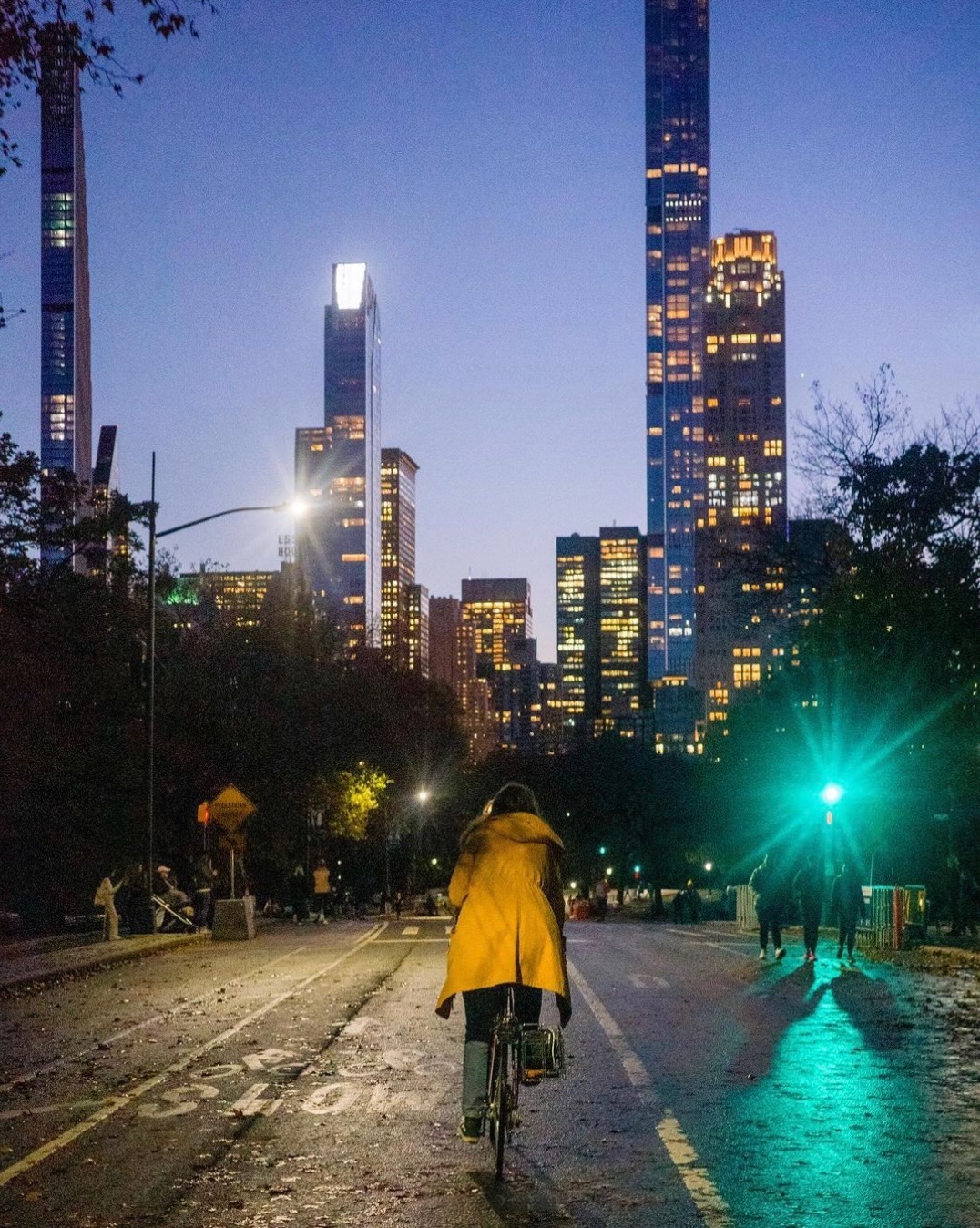
I love looking at that page. And I remember the first time I met one of our board members, he talked about how we maybe only have a handful of people in our lives that help us achieve something. But here I am with what was 10, 20 and now approaching 100 individuals all dedicating a significant proportion of their intellectual and emotional energy in helping us grow this company. So when I see those portraits, I feel humbled. And it’s funny that immediately before jumping on this call, I was taking the headshots of our most recent starters.


Click image to enlarge
cyclespeak
I recently visited Rapha’s London HQ and they have a similar theme with a wall covered with headshots of all the various teams. And I know you have a long history with the brand—you raced for Rapha NYC back in the day—so you’ll be aware that every new employee is given a copy of The Rider by Tim Krabbé when they first join the company. If you were going to present a book to every starter at Fohr, what might it be?
James
That’s a good question. And funnily enough we’re in the process of working on one. But until that’s ready to roll out, I sit down with every new employee so we can chat about the history of the company and the challenges we’ve needed to overcome to get to where we are today. I guess you could describe it as trauma dumping [laughs].
cyclespeak
Those challenges were very real?
James
Grit is such a big part of any success story. And we’re super explicit about our values so that everybody knows what they are. It’s so much a part of what makes great companies, great.
cyclespeak
Does that resonate with your early involvement with Rapha?
James
The first 10 years of Rapha were so exciting because it felt like they had a really defined point of view and a set of values they truly lived. And I was very fortunate to feature in one of their shoots and got to see, first hand, the amount of resources they were willing to invest to get that content. That was when Ben Ingham was still shooting their campaigns on his film Leica and I remember he would make us ride for at least two hours before he’d even pick up the camera. He wanted to capture something real and, as we were over in Norway, riding in the snow, you can’t get more real than that.
cyclespeak
I watched a couple of the Insta rants in your saved stories. And I’m conscious that Instagram plays a big role in what Fohr as a company does. From your professional perspective, do people generally get Instagram?
James
What can be hard about being successful on digital platforms—something I personally struggle with and I’ve been posting since 2007 when I started my first blog—is that it works best when you’re very honest and share a lot. So, looking back, the content I made that resonated the most, was when I was a little lost and trying to figure out where I was going in life. Really raw and with total transparency.
cyclespeak
And now?
James
I have a hard time sharing like that anymore. My employees and my clients follow me and though I still have struggles to contend with, I just don’t feel comfortable playing that out in public. Which means that my content receives far less attention because I’m less willing to fully share what is happening in my life.
cyclespeak
I guess that’s how it plays out? Individuals build a following by living their life online?
James
It’s always compelling when someone is sharing an unfiltered view of their life. As opposed to a curated, once-a-week post that acts as an update. Which is absolutely fine but it’s not letting you in.
cyclespeak
Linking this theme of sharing with marketing, I guess the use of influencers by brands is to encourage a desire to have, to experience, to be. Could it be argued that desires are sometimes best left unfulfilled? Is wanting a more satisfying and interesting state of mind than having?
James
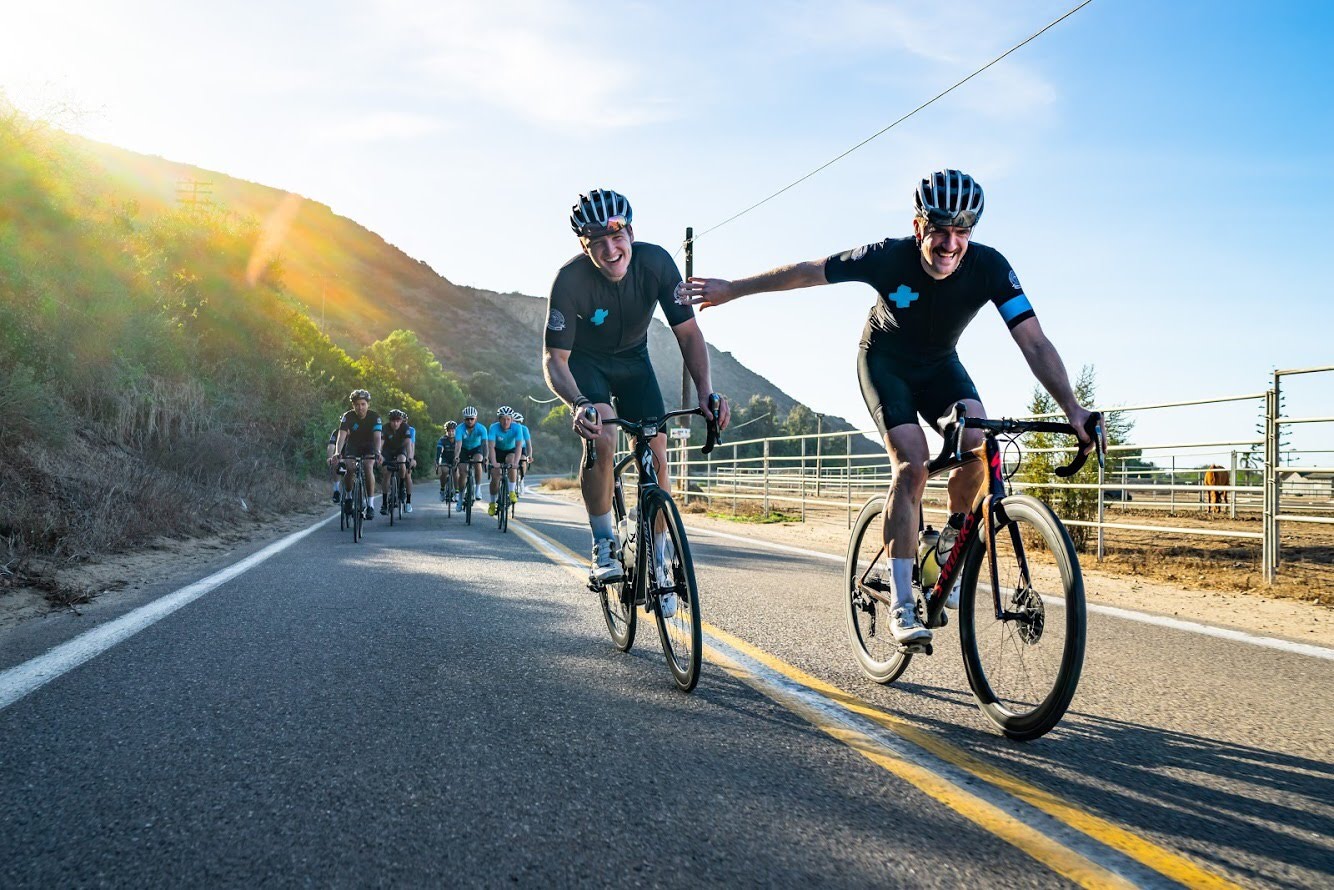
That’s an interesting way of seeing it. And I think the cyclist in me understands the value of delayed gratification. Because, for me, what is most exciting in life is growth. Something I need to constantly feel as I don’t believe you can stay in a set, neutral state. Either you’re growing and evolving or you’re shrinking in some way.

Click image to enlarge
cyclespeak
That suggests you’re quite driven as an individual?
James
You know how getting fit is so hard? You have to push yourself and go through the process before you achieve whatever goal you’ve set yourself. And the same is maybe true for life? Having big ambitions is going to set you up for a life of toil.
cyclespeak
But in a good way?
James
I sometimes notice a feeling—especially in our younger generations—that life should be more joyful and not so damned hard. An attitude I really respect but just isn’t my world view.
cyclespeak
No?
James
If you build your world around immediate gratification and joy—actively avoiding discomfort—then you’re never going to grow. But that’s not to say you shouldn’t enjoy the fruits of your labour. Something my Dad addressed recently when we were out on a walk and he questioned whether I was having enough fun.
cyclespeak
Was he correct in his assumption?
James
I guess maybe so [laughs]. He sees how hard I’m working and how focused I am on building this company. And because I have this ambitious set of goals, I’m conscious I need to check myself and make sure I’m not operating in a way where my life is only going to start once I have this certain level of success.
cyclespeak
Because there’s always more, isn’t there?
James
I was working with this coach and we were discussing what would happen if I sold the company for a life-changing amount of money. And they were asking what would happen next. What would I be doing? What would it look like?
cyclespeak
And how did you answer?
James
I reeled off this mental list that referenced a place in the country—upstate New York or over in Europe—and more time to write. But they pointed out that none of it had anything to do with selling the company. Okay, maybe the place in Europe is a stretch, but if I really wanted to start writing a book, what’s stopping me?
cyclespeak
There’s this delicate balance between being goal-oriented and seeing something and wanting it. And knowing when enough is enough? But maybe that’s how it always was and we’ve just never been so connected as we are now?
James
The internet—which I feel is an overwhelmingly positive and magical thing—does have this challenging aspect of expanding your neighbourhood. Before, when you were growing up and looking around, you would see what everyone at school and on TV was wearing, how they wore their hair, and it wasn’t that much of a struggle to follow the fashions and feel good about yourself. Whereas now, your internet neighbourhood has seen such a degree of lifestyle inflation that it’s easy to feel you’re lagging behind. And that creates a lot of anxiety and discontentment and it’s yet to be seen what the longer-term consequences will be. But probably not great [laughs].

Click image to enlarge
cyclespeak
Looking specifically at the bike industry, what are your insights into how cyclists respond to, value and desire particular brands?
James
I feel cycling is in such an interesting place right now. That the life has just drained out of the marketing side of things.
cyclespeak
I didn’t see that coming [laughs].
James
I have to acknowledge that some of this is on me—that my relationship with cycling is also changing—but over here in New York, run clubs are just blowing up. And this scene has all these super cool, small brands, they have races that start at 10:00pm over a half-marathon course that ends with a huge street party. So there’s this sense of fun, it’s all about community, and the marketing is super edgy.
cyclespeak
And cycling?
James
Cycling, for sure, had that moment but the sport continues to have a really exclusive, very snobby culture, and the barriers to entry are huge from a cost standpoint. It’s not like a run club hosting a social three-miler at a 10 minute pace and all you need to rock up is a pair of running shoes. How many people have signed up for an organised bike ride only to get dropped and feel like shit when the fast guys smash it?
cyclespeak
So how are cycling brands responding?
James
I just feel there’s a dearth in bike culture. Even Rapha needs a complete reset. Maybe Pas Normal are doing some interesting things but the scene doesn’t feel anywhere near as alive as it once did. Like everything is a little stagnant.
cyclespeak
I look at the content these small running brands are creating and, I agree, everything feels very edgy and exciting. With cycling media, there’s a tendency to see the same images on the same roads with the same types of models. So maybe storytelling is a way to reinvigorate their brand message? Which reminds me of when I first saw Gus Morton’s groundbreaking Outskirts films for Rapha. A hugely influential moment for me personally and greatly impacting how I continue to ride. Have you experienced any similar influences?
James
I was a runner, got medium fast when I was in my mid-twenties, and was working next to a high-end bike store with its walls adorned with Pinarello and Colnago frames. They had a cafe and I got into the habit of going in each day to get my coffee and I’d lust after all these beautiful bikes. And when Simon [Mottram] first launched Rapha with those iconic black and white portraits and the one jersey, this store was the only place in the US that carried the brand.
cyclespeak
So a connection was made?
James
I bought that Rapha jersey before I had a bike. And I watched those early Rapha Continental films and they inspired me to start a little thing called Deux North with my brother Dylan where we’d go out and film the adventures we were having by bike. So this period of my life was incredibly important and it was the storytelling—and especially the Rapha storytelling—that played such a crucial part in my journey.
cyclespeak
But the sport isn’t without its difficulties?
James
We’ve already touched on how cycling isn’t always that inclusive. And we’re all maybe a little guilty in that respect because it’s true that sometimes what you love about something can also be problematic. How there are these unspoken but very real rules about what to wear and how to wear it. The reasons we shave our legs and always take a picture of a bike from the drive side. But, to be honest, I love all that [laughs].
cyclespeak
But these can be barriers to entry into the sport just as much as the bike price tag?
James
The first group ride I ever went on was in late November when it’s cold in New York. I didn’t have any winter gear because it was too expensive so I showed up wearing a hooded ski jacket and running tights under my summer bibs. And I’m sure I looked like a complete idiot and I remember feeling awkward and embarrassed.
cyclespeak
I think we’ve all been there at one time or another [smiles].
James
I’d never ridden more than 20 miles before and this was a 50 or 60 mile loop. I didn’t understand the importance of fuelling so ended up massively bonking and getting dropped. And sometimes it’s our cycling traditions and the signals we send to each other that we’re serious and all in the same space, that can make it hard for people to break through and feel welcome.
cyclespeak
Very unfortunately, for many people that would have been their first and last group ride. But you decided to keep at it.

Click image to enlarge
James
I was hooked on the sport and determined to figure it out. And Rapha was there as an educator with the blog posts they created to explain the quirky, unspoken traditions and norms in cycling. I guess you could say I was all in and one bad experience wasn’t going to put me off. So I asked for the classic hardshell as a Christmas present and put the ski jacket back in the closet.
cyclespeak
You mentioned being a one-bike household and you ride for Trek with a race-ready Madone. But going by your penchant for a well-tailored suit, I can’t help wondering whether a custom steel bike would work very nicely for high days and holidays?
James
It’s definitely possible [laughs]. When I look at what Dan Craven is doing in Namibia with his Onguza bikes, I could see myself riding one of those. But living in New York and not having a garage, ultimately it comes down to space. And I’m also super into race bikes—the most ridiculous tricked-out version you can have—which is why I’m more than happy with my Madone.
cyclespeak
So what’s your most treasured cycling-related object?
James
My old Deux North jerseys hold some special memories. And I still have the first Rapha race jersey we wore that was similar in design to the Rapha Condor team kit. It has lettering up the side that spells out New York City and there are little flashes of Rapha pink. We were the only amateur Rapha team in the world and rolling around in that jersey, at that time, was pretty cool.
cyclespeak
Going back to those early days, Rapha pretty much reinvented the road scene. Which makes me wonder, if you were to sit down with the brand, what would you suggest from a marketing perspective moving forward?
James
That’s a good question. Because when they brought that first jersey to the market, their message was so simple set against a backdrop of super garish kit that everyone was wearing. And I’m not suggesting that they simply go back to stripping away all the design elements of the current product range. But there’s still such an importance attached to good storytelling—something Rapha did exceedingly well—so maybe they could help support the current crop of key players in cycle culture in taking that narrative forward?
cyclespeak
Looking at the States, the road scene appears to be really struggling. Whereas gravel continues to explode in popularity?
James
I love road racing but it’s so dangerous and we’re losing races all over the country. Even here in New York which has long enjoyed an incredible bike racing culture and you could easily race four times a week.
cyclespeak
And now?
James
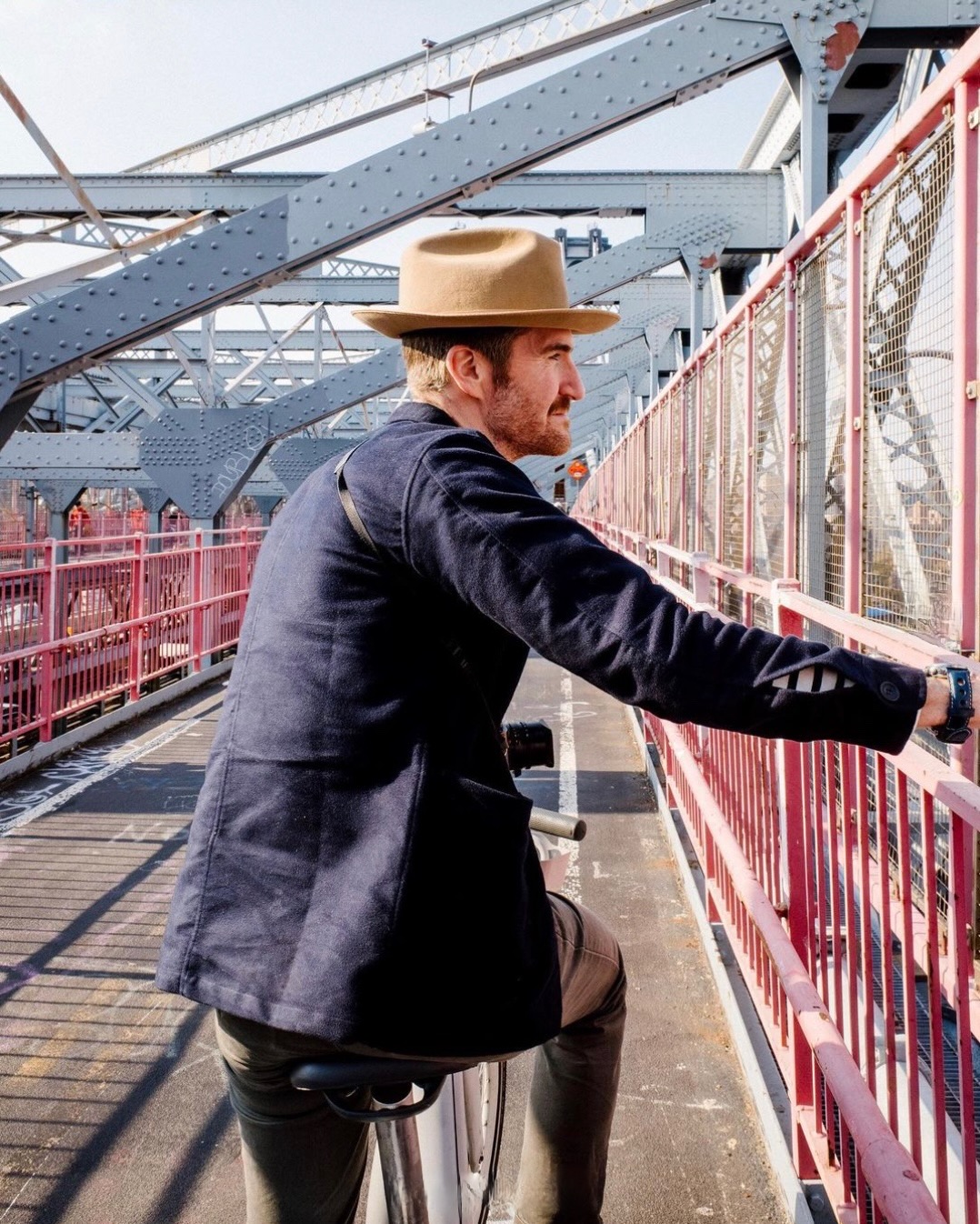
The Tuesday and Thursday crits were raced on this abandoned airfield out in Brooklyn but that space isn’t available anymore. Central Park and Prospect Park are both trying to kick the bike racers out. And then, when you zoom out on the scene as a whole, it’s so hard for promoters to cover their costs. Which is why it’s perhaps unsurprising how we’ve seen a rise in gravel events which, by their very nature, don’t demand road closures. And the roads in America have their own dangers. A lot of people are taking up gravel or mountain biking to avoid being taken out by a three ton truck driven by someone on their phone.

Click image to enlarge
cyclespeak
So taking all these various aspects of cycling as a sport—the negatives but also the overwhelmingly positive—can I ask why you, yourself, continue to ride?
James
I always joke that riding a bike is my gym, my church, my yoga studio. And that’s all balanced by a job that’s quite intense but no one wants to hear from a CEO whining about the challenges of the profession they chose to enter.
cyclespeak
I wouldn’t suggest that you’re complaining. Just giving a balanced account of the realities of building a company from the ground up?
James
I guess growth always takes its toll and it can be lonely to lead from the front. Which is why—every single time I’m in a bad mood or I’ve had a difficult day—when I throw a leg over a bike and go out for a ride, I always feel better. It’s time away from the phone, an opportunity to let my mind wander, it’s the one selfish act in my schedule where no-one else is benefiting apart from me.
[pause]
And maybe my wife. Because I’m not so grumpy.
cyclespeak
Which has to be a good thing [smiles].
James
It’s interesting how the sport attracts this really interesting and diverse group of people. My colleagues at Fohr always joke about the cycling illuminati and wonder why so many of my friends that ride bikes are also super successful in their chosen field.
cyclespeak
And how do you answer them?
James
I guess it’s the mindset that it takes to do this sport. Being able to commit and put in the work to achieve whatever goals you set yourself. And it’s a way to grow friendships that aren’t forged around drinking; which in New York is the way it’s largely always been done.
cyclespeak
And these friendships are important?
James
If you have a friend who you regularly ride with, you might spend 10 hours a week with them, talking about everything: the problems they’re having at work, what’s going on with their partners or kids, if they’re excited or worried about something. You build these super deep relationships where you get to explore your hopes, dreams, even your fears. And that’s a very cool thing and so central to my life that it isn’t even a choice. Riding a bike is almost like breathing—something I just have to do.
Images with kind permission of James Nord / Feature image by Tracy L Chandler
 cyclespeak