“Do I see myself as an artist? Not really. Because I’m very methodical in how I work and have systems in my head that I follow. So I guess that makes me a designer at heart?”
It’s Easter break and Izzy Wedderburn has travelled back to Dorset to enjoy some home comforts. Close to completing her third and final year at UCA*, she’s been balancing her studies with carving out a career as a freelance illustrator and graphic designer. Which is how we arrive at Izzy Weds. A shortened form of her given name and the brand Izzy has built since heart won out over head in determining which future path to follow.
*University for the Creative Arts
“At school I was very much labelled as an academic. It’s what I knew but I was so unhappy because deep down it just wasn’t me. I was very creative as a child but all that got a little squished by the expectations of my parents—both doctors—and our education system. So after finishing my A-Levels, I did a complete one-eighty and enrolled on a foundation course in art and design at Arts University Bournemouth. But finding the unstructured nature of the curriculum a little overwhelming, I did another one-eighty to study Sport Science at The University of Bath, stayed for one term and dropped out.”
A period of significant change that was resolved when she joined her UCA graphic design course part way through the first year; rounding out this turbulent time with—as Izzy sees it—the best decision she’s ever made.
RVCA summer internship
Click image to enlarge
“The projects we work on are all very open-ended but you do need an outcome. And that’s been super helpful because I don’t think I’d be where I am today without this structured approach. From being someone who lacked a certain creative confidence, I’ve come out with this whole body of work and a sense of pride in what I’ve made.”
Looking back at her childhood, Izzy remembers her grandmother as a particular source of inspiration. An accomplished dressmaker who made all her own clothes from scratch, she encouraged Izzy to start sewing; the bags and pencil cases she made for her school friends earning her the tongue-in-cheek title of Stitch Queen.
“So much time spent making,” she muses, “but I’d stopped identifying myself as a creative person. Which is kind of crazy, if you think about it.”
With her brand now established—summer internships in London and Biarritz helping decide what she did and didn’t want career wise—Izzy is building a portfolio of projects that highlight her broad range of experience and attention to design details.
“I originally started with illustration. Those were my first commissions and what got the ball rolling in the creative world. But my work has evolved into a more multifaceted graphic design practice which I see as a fusion of very different disciplines. Illustration still plays an important role but there’s also my interest in photography and textiles that gets tipped into the pot.”
Illustration
Click image to enlarge
When it comes to recharging her own creative reserves, Izzy cites Magalleria—a magazine shop in nearby Bath—as a favoured destination for sourcing old copies of Les Others and Gestalten travel books. And her Instagram account—another popular source of inspiration for industry creatives—saw a follow from gravel racer and graphic designer Sarah Sturm after Izzy included her Specialized race bike in a series of illustrations.
“My subconscious is always ticking away. Sometimes to the extent that when I sit down to start a project, it’s almost as if I’ve already considered this or that approach. And I’m definitely a pen and paper girl. I’m not one of those people who make notes on their phone.”
“My interest in photography is also increasingly prevalent in my design practice,” she continues. “And I’ve just started experimenting with taking analogue images which is enormous fun, very exploratory, but expensive!”
Still in the first phase of a career where she says yes to every commission, although the freelance nature of her profession often results in a solitary work experience, Izzy describes how she relishes the freedom to set her own deadlines and the positive impact her work can have on clients. A response that has me wondering what makes the perfect client?
“Not too needy? Not too much table tennis with the emails? No, I’m kidding. I guess it’s someone on the same wavelength, who’s equally excited about the project as I am.”
Film photography
Click image to enlarge
And the metrics she personally uses to define a project as a success?
“At the end of the day, it has to sit well with me. When I close down my laptop, the knowledge that I’ve given my all.”
Admittedly not good with super noisy environments, Izzy appreciates having enough space to spread out her sketches and source materials.
“By nature, I like to be grounded and have all my bits and bobs close to hand. Working from a café can be fun but that’s when I’m sorting out admin tasks as opposed to being creative. But if I was to design my own studio—as a flight of fancy—it would definitely be somewhere in the mountains. And not too big. Maybe three, four, five desks with a small team working on interesting, environmentally important projects that focus on the outdoors.”
With this mention of collaboration, our conversation turns to the limited-run magazine—Original Freedom—that Izzy self-published as part of her UCA dissertation module.
Original Freedom
Click image to enlarge
“It all started with me emailing my friends to ask if they’d been on any cool adventures or trips. Fortunately they were all super happy to get involved and sent me a variety of words and images that I could use. And the idea of Original Freedom bridges how we all enjoy the outdoors but in very different ways. Because maybe there’s this notion of adventure with a capital A—very remote, in far-flung places—that I wanted to question. Adventure for one person might very well mean a multi-day wilderness trip. But for the next it could be a hike through their local woods.”
Remembering the time she spent at home during the pandemic—travel restrictions encouraging her to explore from her doorstep—Izzy references the network of paths and trails that she still rides today and might otherwise have gone unnoticed.
“I explored everywhere close to home. And it was this same sense of adventure—in all its different forms—that made creating the magazine such a fun experience. A timely reminder that I’m happiest when outside; whether that’s walking the dog, going climbing or riding my bike.”
The bike in question is a Brother Cycles Kepler—painted, according to Izzy, in OG black—that she was gifted on her 18th birthday.
“I remember my Dad questioning whether I wanted a steel frame with riser bars but I stuck to my guns and it’s still my favourite bike to ride. But I’m not one for setting arbitrary targets such as riding this far or fast. I focus more on enjoying the freedom of moving through a landscape, taking a new path or trail, and seeing where it leads me.”
Les Portes du Soleil
Click image to enlarge
A relaxed approach to riding perhaps mirrored in Izzy’s design career to date? A professional journey she feels happened almost by accident as an about-face to the path prescribed for her.
“My Dad’s very traditional and sometimes I wonder if he would have been happier if I’d become a doctor. But it turns out that Mum very nearly dropped out of medicine to study an art foundation course; an interesting duality in the paths we did, and didn’t, take. Which perhaps explains why she’s really supportive and excited for me.”
“As to how I feel,” Izzy concludes, “I went to a very academic school and it was almost assumed that I’d follow a certain educational route. So it’s not always been easy but I’m far enough along my creative journey to feel confident enough to say: this is me, this is my work, this is what I’m passionate about. From not really knowing myself well enough to trust that I was making the right decision, I’ve grown to believe 100% that this is the right path.”
All photography and visual imagery with kind permission of Izzy Weds
Growing up in the north of Finland, the weather was never something to complain about. If it was -20°C, Henna Palosaari simply put on more layers. A remarkable relationship with the outdoors that has continued into adulthood. Whether snowboarding in winter, bike packing through warmer months or surfing in between; Henna is a life adventurer happiest when outside.
Henna has just messaged to say she’ll be a little late for our call. Swapping her native Finnish slopes for a four-week snowboarding holiday on Japanese powder, when her video feed pings into life she explains how her evening meal was truly wonderful but took far longer than expected.
“We found this traditional Japanese restaurant run by a couple in their eighties. All very lovely but it took us over two hours to eat our dinner. And then I felt a little guilty that they were still working into their old age.”
After honing their craft over all that time, I suggest that maybe it’s more passion than profession. And then continue our food theme by admitting how the name of Henna’s cold weather clothing—Haglöfs—reminds me of an ice cream brand.
“Häagen-Dazs?” she responds with a laugh. “That’s funny. Maybe I should suggest they diversify.”
Click image to enlarge
Looking relaxed and warmly wrapped up in down jacket and wool beanie, I’m reminded that Henna studied accountancy at university but quit her job as an auditor to spend the winter in Innsbruck as—and I quote—a ski bum. So I’m naturally curious to learn what prompted such a major change in lifestyle?
“One big factor was the semester I spent abroad in New Zealand studying for my Masters. I hiked a lot and learnt to surf and then spent some time in Bali before returning home to Finland to take up a position with an accountancy firm. And I remember thinking whether this was how it was going to be for the next 20 or 30 years. So my best friend and I decided to try the European ski season and that’s how we ended up in Innsbruck.”
Fast forward to 2024 and Henna is now working for Bikeland.fi—the Finnish centre for cycling tourism—where she’s responsible for building and updating the website as well as coordinating the development and integration of cycle routes.
“Back when I was working as an accountant,” Henna explains, “I didn’t ride a bike. That came later when, like a lot of other people, I started to ride during the pandemic. Initially it was just a way of getting some fresh air but then I began to go a little further. I bought a gravel bike and some bike packing bags and set off on a 4800 km trip around Finland. And the more I rode, the more cycling became a passion. So when I saw a job with Bikeland, I applied but didn’t get it. And then a little later, I applied for another position with them and didn’t get that one either. But then they called me about the job I do now and that’s how I got started.”
A good example, I’m thinking, of how it pays to be persistent, before our conversation turns to Ride To Ski; the recently released film that, as the title suggests, combines her love of cycling and snowboarding. Featuring friends Sami Sauri and Malva Björkman, Henna not only planned all the routes but also produced the film. So very much a passion project?
“Yes. For sure. It was an idea that I’d been mulling over for a couple of years before deciding that, this winter, we were going to make it happen.”
Click image to enlarge
Offering a plentitude of Alpine panoramas and loaded with smiles and laughter, certain emotive scenes show Malva coming to terms with a traumatic event she’d previously experienced when skiing. So I’m wondering whether the way the three friends were travelling and experiencing the outdoors helped unlock these inner thoughts and feelings?
“When you travel by bike,” suggests Henna, “there’s definitely more time to process your thoughts. And when you’re physically tired, emotions can get stirred up that maybe you’re subconsciously suppressing? So I guess for me, cycling is a kind of safe haven where I can think through what’s going on in my life.”
Not the first project Henna has shared with Sami Sauri, the pair initially met over Instagram before plans were put in place to ride the Arctic Post Road; the resultant film depicting back-to-back days crossing the Nordic wilderness.
“From my experience your funniest memories of a trip are when things don’t go according to plan. And our plans began to unravel when we’d just completed a super technical section and we found ourselves running a little behind schedule. It was getting late but we decided to push through to the next village that had accommodation. It was raining, starting to get cold and the mosquitoes were biting when we finally arrived at our destination. But there was no one around and the contact number we’d been given wasn’t answering. Then we noticed this guy approaching on a quad bike who told us the owner of the cabin had gone fishing and couldn’t be contacted.”
Laughing as she reminisces, I’m mentally putting myself in that same scenario and wondering what I would decide to do? With no accommodation available, the pair pitching their tent in the parking lot before cooking a meal of pasta. A good reminder that it helps to be self-sufficient and always carry what you need for those just-in-case situations.
“The most stressful aspect of our Ride To Ski trip was getting all the equipment sorted before setting off. Malva’s bike arrived by mail with a bent derailleur hanger so that was a last minute hassle. But because of all this rushing around, the actual trip felt relatively stress free.”
Click image to enlarge
I rather guiltily admit to Henna that I found myself smiling at the scene from the film which shows them riding up this incredibly steep road with Malva getting slower and slower until she eventually comes to a halt and tips over.
“That was on the first night and it was a 25% ramp,” laughs Henna. “And I later learnt that it was Malva’s first ever bike packing trip. And Sami—who cycles a lot—had only skied twice that season. So considering the circumstances, I think we managed pretty well.”
Keen to point out that she doesn’t consider herself to be a professional cyclist or snowboarder, Henna is visibly more comfortable when I suggest that she’s a storyteller.
“I’m conscious that we see a lot of professional athletes doing incredible things but that’s not always the most relatable content for someone considering riding a bike for the first time. So if I can bring my amateur adventures to life and share them in a way that inspires people to go exploring themselves, then maybe that will translate to amazing experiences when they spend time outdoors?”
Growing up in Finland, time spent outdoors meant biking to school all year round, whatever the weather. A willingness to contend with the vagaries of the seasons that Henna has carried through to adulthood.
“My Dad would spend time teaching us new skills like how to use a saw or light a fire. And I still find there’s a real sense of satisfaction from figuring out a problem. When I first embarked on my van Eldo’s renovation there was hour after hour of research on YouTube and Google—a van building bubble that took over my life for a few months. But now I get to enjoy the result of all that hard work and it’s what ties me and Eldo so closely together.”
Click image to enlarge
Clearly tenacious by nature and always willing to seek out a solution, my thoughts turn to another project that saw Henna experimenting with the concept of light packing; carrying everything she needed for an overnighter in a 14L backpack.
“I do get a certain sense of satisfaction in seeing how little I need to carry. And that’s another aspect that I love about travelling by bike. How once you’ve invested in a few essential pieces of equipment—a gas stove, a tent, a sleeping bag and mat—then you’re basically good to go.”
Is there a piece of kit that Henna’s never without, I wonder?
“I pretty much always carry an emergency blanket. Just in case,” she answers with a laugh. “And in the Nordics, whether it’s summer or winter, you always travel with a down jacket.”
So there’s never a time when Henna decides to stay inside, under her duvet?
“I do love sleeping. But usually I know that if I’ve planned something, then it will make me feel so much better. So that’s the motivation I need to get myself moving. And spending time outdoors is where I feel most relaxed. Our day-to-day lives can be quite frantic but when I’m riding my bike or out on the slopes, it’s as if time is standing still and I don’t feel in a rush. For me, a really important way of managing both my physical and mental wellbeing.”
Conscious that Henna is 10 hours ahead and needs to rest before once again hitting the slopes in the morning, I finish up our conversation with one final question but with the proviso that she doesn’t have to answer. But I can’t help feeling curious whether she sees herself as a snowboarder who cycles, or a cyclist who skis?
“That’s a tricky one! But we have made a film called Ride To Ski. So maybe the truth lies somewhere in the middle?”
The last time I sat down to chat with Ian Boswell, he was fresh from winning his second-ever gravel race. That the race just happened to be Unbound made for a compelling story—retired professional road cyclist tries his hand at emerging gravel discipline and comes away with the sport’s biggest, most prestigious, prize.
A little over two years since this momentous result, Ian continues to combine his gravel racing with a role at Wahoo in athlete liaison, hosting his ‘Breakfast with Boz’ podcast and the newfound joys of becoming a first-time dad. And as we pick up from where we left off—discussing the balance he seeks between family life and career commitments—we dig down into the growing pains of the gravel scene, consider Ian’s motivation to carry on racing, and explore his shifting perspectives on competition and community.
Still bearing a close physical resemblance to his World Tour days—he cuts a slim and athletic figure—Ian’s taking our call from his farmhouse home in rural Vermont. With the region famed for its resplendent Fall foliage, I’m wondering whether his 10-acre smallholding is still a riot of colour?
“Vermont looks its best in late September, early October. Now it’s just dismal,” he responds with a smile.
“So has it transitioned to mud season?” I ask.
“It’s more like stick season with the trees all losing their leaves, and we’re all still waiting for the first proper snowfall.”
Referencing Ian’s much-documented dislike for mud, our talk turns to this year’s Unbound where overnight rain turned parts of the course into a quagmire. “Oh, goodness. I despise it with all my heart,” he admits. “But at least I was in the lead group ahead of the main field so we could take to the grass at the side of the road before that also got all beat up. It’s a hard enough event without having to contend with thick, gloopy mud. And it came so early that some people’s races were over after only 10 miles. Broken gearing and all other kinds of mayhem.”
As it’s been rumoured that a re-route was always an option for the event organisers, I’m curious to know Ian’s thoughts on the decision to leave in those muddy sections.
“My initial thoughts were perhaps not but that’s based on my own feelings concerning mud. If you look at the cost for people entering Unbound and the effort it takes in simply getting to Emporia, then to have your race ending after only a few miles must be incredibly disappointing. But to keep the route as planned was also a nice reminder of what this race started out as.”
“Which was?” I prompt.
“Back in the day the field was way smaller and it attracted a certain type of experienced cyclist,” Ian points out. “They knew how to break a chain and fix a flat. They knew not to shift if their derailleur was clogged. But now that gravel has really blown up, you hear people talking about rolling resistance and aerodynamics. Which is maybe a natural evolution of the sport but all that goes out the window when your wheels won’t turn.”
“And that’s a good thing?” I question.
“It’s a reminder that Unbound is still an adventure,” he suggests. “And that all those other skills are still incredibly important.”
Contrasting the previous two muddy editions of Unbound with the UCI World Gravel Championships held in Veneto, Italy, I question whether this illustrates two very different approaches to racing gravel.
“In my opinion, it’s kind of cool because we’re not defining the sport to be one thing or another,” Ian replies. “In the eyes of the UCI, gravel looks like 160 km with 50% of the course on road. North American gravel races are all totally unique and defined by the geography of the locale.”
Click image to enlarge
This mention of Europe prompts me to ask Ian about a recent trip to Nice where he attended a friend’s wedding.
“It’s funny to go on vacation to somewhere you know really well. There’s no need to research where to eat or visit which is super relaxing. And it was also the first trip my wife and I have taken without our daughter.”
As Ian was also over in France earlier in the year covering the Tour de France, our conversation moves to the lifestyle of today’s professional cyclists compared to when Ian was racing the World Tour. “I think the biggest thing that’s changed is the psyche of the riders today. To get a rider of my generation to live the lifestyle that’s required of the modern pro—measuring your sleep, weighing in every day, not going out for a beer—would possibly be seen as too much of a sacrifice?”
“When I was training out of Nice with Chris Froome and Richie Porte,” Ian continues, “we’d always have a coffee stop. For the current generation, that’s all irrelevant as there’s no measurable benefit of a mid-ride coffee. For them, the perspective of what being a pro cyclist looks like has completely changed. And when we say that racing is now harder, that’s the normality for the young pros just entering the sport. When they join a team at age 16, they’re already living a life of sacrifice and discipline. They find comfort in measuring their training stress, glycogen levels, their sleep score. If I was living like the current crop of pro cyclists, I would have a very short career. But that’s not to say the same applies to them. It’s what they signed up for.”
Recalling the last time we spoke, Ian had just announced that he was going to be a first-time dad; a fact he inadvertently let slip filming the final scene of a Wahoo documentary. So after a two-year intervening period, I wonder how he’s coping with balancing professional commitments with fatherhood.
“Well, it’s not without its challenges,” he laughs. “Personally, I truly cannot imagine raising a child and still being in the World Tour, where your sleep and recovery are so super important. If our daughter is sick, I’m still going to give her a hug and a kiss. Whereas if you’re preparing for the Tour de France?”
“It’s funny how our priorities change,” I observe.
“She’s coming up on two years old and starting to talk. And you hear little footsteps around the house which is a joy. So it’s been one of the most amazing things in my life, but you definitely need to reevaluate your use of time. To the extent that we seriously question what we did before we had our daughter.”
This mention of time management—Ian fitting in his training around dad duties and a full-time job with Wahoo—and I can’t help but wonder if there’s any way having a child can make him a better gravel racer?
“My goal is always to do the best that I can and to finish each and every race safely. After an event, my daughter doesn’t care if I finished first or in last place, but maybe there’s a sense of increased purpose in what I’m trying to achieve?”
Maybe, I suggest, he could adopt a similar strategy to Vermont neighbour and fellow gravel racer Ted King who takes his wife and young family on the road for months on end; driving from one race to the next in an RV. “I understand the appeal,” Ian replies with a smile. “But our life here in Vermont is so labour intensive and the racing season is when you most want to be home on the farm. We love where we live and the summer is when the sun is shining and the garden needs our attention.”
With home and family obviously a priority, Ian still manages to contend a number of races throughout the year—the 2023 season getting underway with a trip to South Africa to ride Cape Epic alongside fellow ex-pro and podcaster Mitch Docker. With the pair signing up for the amateur category—Ian is quick to point out he would never describe himself as a professional mountain biker—to their surprise this was the first year that an amateur leader’s jersey was up for grabs and they subsequently came away with the win. A result, I suggest, that might make him consider entering next year’s Lifetime Grand Prix with its mix of gravel and mountain bike races?
“Let me put it this way. I’ve already spent a little over 10 years on the World Tour being told when and where to race.”
My immediate thought being that’s a no?
“But funnily enough,” Ian continues, “I did actually apply to race the Grand Prix back in 2022 but then a couple of days prior to them announcing who had a place, I emailed to ask if they’d withdraw my application.”
“What prompted you to change your mind?” I ask.
“I just got to thinking that I really didn’t want to take a spot away from some up-and-coming rider whose life could be so dramatically changed by participating in the series. And with the Grand Prix, you’re chasing points at every race. But if I get a flat at Unbound, I can choose to just cruise in and it doesn’t really matter. I can make that mental switch because my day isn’t ruined.”
Although Ian still enjoys racing, he clearly no longer has anything to prove; choosing to race on his own terms and not worry about the outcome of every race. Even to the extent of riding certain events on an e-bike from the back of the field as neutral support. “I spent the better part of my whole adult life chasing the performance end of cycling. Whereas this approach allows me to view the sport from a totally different perspective,” he explains.
Coming over as very grounded in what he does and doesn’t want to do, I wonder whether the fact he won Unbound—arguably gravel’s biggest race—takes away any perceived pressure to keep searching for the next result. Is it a case of, okay, I’ve done it, I’ve won the big one, and I don’t need to worry about anything anymore?
“I do question whether there’s a basic human desire for people to return to something they’ve already accomplished,” he suggests thoughtfully. “But I suppose the difference is that I can continue to race at Unbound without it compromising my life at home. I’m not away at altitude camp or moving us all over to Europe so I can train better. So within the parameters I set myself for our quality of life as a family, I’m still able to perform. If I was finishing Unbound in 80th place after a clean race, then maybe I’d be thinking it was time to hang up my racing wheels and go and do something else?”
A response that maybe skirts around the question of how it feels to win an event—and win it at his first attempt—that for many professionals is the gravel Holy Grail? But he nevertheless returned for the subsequent two editions and came away with a 3rd and 5th. Remarkably consistent, I suggest, for such a gnarly event?
“For the past two years, Unbound has come down to a bunch sprint and that’s after 200 miles of hard riding. So for me to be still contesting the race in that front group is fulfilment enough. Winning is great but at the same time, part of my personal journey is whether I can still trade blows with these other riders.”
Click image to enlarge
It’s at this point in our conversation that I mention Ian’s recent appearance at Steamboat dressed up as ‘gravel beef’ for the fancy dress hill climb. A tongue-in-cheek response, I presume, to the pushback he received on social media after expressing his opinions on riders taking turns and pulling through on a pace line.
“It all came back to my first experience at Unbound when we had a group of five, riding at the front and all taking a turn,” Ian explains. “There was no hiding and we raced in the knowledge that the strongest rider would take the win. Such a fair and equal battle with a level of respect and admiration for each other.”
“Are you suggesting that’s changing?” I ask.
“I come from the World Tour where if you win, you get more money and maybe a bigger team. But in gravel, we have this opportunity to redefine what success looks like. And what I find a little frustrating—and I should say that I’m enjoying the tail end of a racing career but my future isn’t defined by the results I now have—is that I’m trying to look out for the next generation of riders. With this increased focus on professionalism, we’re in danger of falling back into this default mode of what brands and the media see as racing success. And it doesn’t have to be that way. Gravel can be something totally new and different and nothing like the structure of road racing.”
It’s here I mention that at recent editions of Unbound, some riders had four or five people in their support crew—washing bikes, changing wheels, handing out nutrition—almost like an F1 pitstop. And I know that Ian, speaking on a podcast, suggested that each rider could have a crate into which they could add anything they might need but they, themselves, had to handle the stop and therefore level the playing field.
“That was one of the coolest things I felt about my first Unbound in 2021,” he reminisces. “That theoretically anyone could register, roll up, race and win—there was very little barrier to entry. You needed a bike, you needed to be at the start line and you could win the biggest gravel race in the world. Not incredibly likely but possible.”
“And now?”
“The more money gravel racing attracts, the more professionalism we see and the greater the barrier—not necessarily to entry—but to winning. Because there’s the argument that now you need a large support crew and a power washer in order to be competitive.”
Not wanting to dwell solely on seemingly negative aspects of a sport that has exploded in popularity over the past years, I suggest we flip it 180 and look at what gravel’s got right over the past year.
“I say credit to the UCI for closing the course,” Ian immediately fires back. “It’s incredibly safe for the racers.”
“But maybe not possible for a race like Unbound?” I suggest.
“You simply can’t close 200 miles of roads for 20 hours,” agrees Ian. “There’s a 10-hour gap between the fastest riders and people crossing the line after midnight. But as speeds get faster, the level of risk that people are prepared to take also gets higher because there’s more at stake. At the sharp end of any gravel field, racing is a job. There are bonuses if you win. And I’ve listened to so many safety speeches before races get underway that mention riding on open roads. But no one actually follows the rules of the road and it can be chaotic. Oddly part of the excitement but it can also lead to crashes. So, yes, safety needs to become a bigger concern.”
“Your day job is looking after athlete liaison for Wahoo,” I ask. “Have you seen any changes in this role over the past couple of years?”
“This isn’t particularly unique to Wahoo,” suggests Ian, “but the reasons brands now choose to work with athletes is changing. When I was racing the World Tour, the perceived wisdom was the better your results, the more money you made and the bigger sponsors you attracted. It was a well-recognised ladder to success.”
“But now?”
“That’s still largely the case but we have other perspectives on where you can get a return on your investment. Oftentimes a successful athlete is validating your product but is that quite a niche audience and maybe one that’s already highly engaged? So when you compare that approach to certain YouTubers who might have a far broader reach, you get brands putting a value on this grassroots engagement.”
Click image to enlarge
Sensing a shift in marketing strategy, I’m wondering how Ian himself views the need to keep pace with the demands of a world driven by social media. A career professional before building an audience on Instagram was viewed with the same level of scrutiny as an athlete’s power files, does he welcome this brave new world?
“I came up through this very clear structure of what it took to become a paid athlete,” he replies. “You do better, you train harder, you keep your head down and put the work in. But now? We live in a world where people can be influential irrespective of whether they cross the line in first place. They’ve grown a huge following and people really listen to what they have to say.”
“So your view of sport is changing?” I suggest.
“When I first came to this role, my thinking was we should sponsor the biggest teams and the best athletes. But I see people out there who are definitely not winning events but have an incredibly important role in building and representing their community. That might take the form of leading a weekly group ride in a small town in middle America; showing new riders how to clip in or explaining why you shouldn’t cross chain. And I’ve come to understand that these people are just as valuable to support as the athletes we see crossing the finish line in first place.”
Hearing the excitement in his voice, it’s clear Ian enjoys the challenges that change within the sport present. That what matters most is to see people succeed in their cycling goals, whether that’s finishing a race or simply connecting with friends.
“So often in sport,” he continues, “we focus solely on the elite. Which is why I really enjoyed riding Steamboat from the back and mixing it up with people on their first gravel event. Because there’s no one who shows up in the pro field at Unbound whose aim for the day is simply to finish. Whereas for the vast majority of riders, that’s their one goal for the event.”
“Which,” I presume, “is super inspiring?”
“For the longest time, my view of cycling was this very narrow window of, if they’re not doing it like me—if they’re not skinny and super fit—then why would they ride a bike? But now I have a much broader view of what cycling can be. Some people use a bicycle to connect with friends, others to commute or to grow a community. And what’s been so fascinating is to see how the bicycle can represent so many varied opportunities to different sorts of people.”
With this talk of community, I’m still smiling at the thought of the 2021 Unbound winner riding an e-bike and handing out gels to the back of the field at Steamboat Gravel.
“To be honest,” he laughs, “most of the people I met had no idea who I was.”
A typically self-deprecating response and just one more example of his refreshingly grounded sense of self. And perhaps going some way to explain how he answers my final question; whether he can offer an example of life’s simple pleasures that help him feel content and satisfied?
Without a moment’s hesitation, he quips back, “That’s easy. Mowing my lawn.”
“A simple pleasure?” I respond.
“So many aspects of my life have no finish line. You win Unbound and people ask if you can win it again. But when I’m sitting on my tractor, mowing the field, there’s a beginning and a defined end. When you’re done, you’re done. You can’t do anything more. And there’s a distinct comfort in that feeling.”
Quinda Verheul is still slightly out of breath as our conversation gets underway. A practising artist when not racing her bike over multi-day ultra distance events, she has just taken a temporary job helping renovate a house and had to rush across town in time for our call.
“I like to ride my bike first thing in the morning and then go to my studio. But it’s all rather chaotic at the moment with this house project. I’ve never done anything like it before but I’m pretty confident it will work out okay.”
Dressed in casual work clothes with her hair cut stylishly short, Quinda talks in a calmly considered fashion, tempered with occasional bursts of laughter—stitching together anecdotes, remembered moments and stories from the road with the mirrored movements of hands that are rarely still.
As an ultra distance racer, Quinda is well practised at following a route across a landscape. But choosing the right path—and at the right time—can also play a part in navigating the broader aspects of our lives. Something Quinda herself discovered when first finding a love for art whilst studying at high school.
“We have different educational levels in the Netherlands which are decided by a test. And as things turned out, it wasn’t possible for me to sit art exams at the school I was attending which I found really disappointing. So I spoke to my art teacher and he arranged for me to take the exams in addition to my regular classes. All these years later, I still sometimes wonder where I’d be now if his response had been different.”
With these art qualifications to hand, Quinda next enrolled on a merchandising course.
“Learning to dress stores, elements of graphic design, lots of really cool stuff.”
But when her tutors suggested she consider university, Quinda decided to first take a gap year before booking a flight to Australia.
“I travelled along the coast—using the time to figure out my next move—and then on my return, accepted a place at the Design Academy Eindhoven. It’s a tough school with everyone very competitive and wanting to be the best. But I loved all that energy and it helped me get a position with the designer Hella Jongerius.”
Following a few years living in Berlin—Quinda eventually growing tired of the constant partying—she is now resident in Rotterdam where she builds art installations that reflect the human impact on the landscape. An artistic process that is documented on her Instagram feed—though with a recent shift to more cycling related content—and prompting me to ask about the origin of her @avoidtheavoid profile name.
“It stems from a belief that humans in general avoid confronting their core behaviours and why they are as they are. We avoid talking about subjects that hurt or challenge us and we avoid facing up to change and making necessary but difficult decisions. So lots of avoiding and hence the name.”
Recalling her first memory of riding a bike—she was very young, hadn’t quite mastered braking and remembers her Mum’s laughter when she rode over a bridge only to disappear into the bushes at the bottom of the slope—Quinda admits to her own sense of avoidance when, as a teenager on holiday, she would complain if a bike ride was suggested; preferring instead to hang out on the beach where she would sit engrossed in a book.
“But then, towards the tail end of my time in Berlin, I discovered how a bike was a fairly inexpensive way of travelling around and I enjoyed the freedom to stop whenever I wanted and pitch my tent in the corner of a field. And I’ve always recognised that I need big changes in my life and this was one of them. It could’ve been anything but just so happened to be a bike.”
Things took a more serious turn with her entry in the Atlas Mountain Race. Other events followed and eventually led to Quinda crossing the finish line at the inaugural Hellenic Mountain Race as first woman home.
“This might sound strange but I just knew I had a shot with that race. I was feeling pretty good and was prepared to push myself a little bit. And then during the race, the shittier the weather became, the stronger I felt. So something inside me switched and I had this mantra repeating in my head: just keep it together and don’t fuck it up. It was tough going with very little sleep but I managed to hold it all together for the win.”
Now recently returned from the Silk Road Mountain Race—buoyed up with memories of an unforgiving but stunningly beautiful landscape—in her own words Quinda reflects back on an experience that was ultimately uplifting but forced her to question the very reason she was racing.
We started in Karakol and I honestly felt ready. Maybe even a little overconfident? I’d seen all the films and felt like I almost knew the course. How hard could it be?
My first goal was to reach Checkpoint One at Enilchek. It was past 10:00pm when I arrived and I knew that some competitors weren’t stopping to rest. But my back hurt and the weather forecast showed overnight thunderstorms and heavy rain. It’s a long race and a lot can happen, so I decided to sleep for a few hours before continuing.
The next day got underway with clear skies and beautiful views followed by a long, long stretch of flat, dull riding—not at all like the race images you see in the media. I pushed on—snacking on ice creams and yoghurt bought from roadside stores—until later that evening I arrived at Saruu where I could eat and resupply. Rolling out of town, I was a little anxious about finding somewhere quiet to sleep but then I noticed a dip in the ground above the river that offered some privacy and I can vividly remember falling asleep underneath the Milky Way with shooting stars criss-crossing the sky.
Click to enlarge image
Ahead lay Jukuu Pass but first I enjoyed a morning of beautiful rolling gravel that led to the climb. Steep with sections of hiking around big boulders, it was exhausting to cross but the views were simply breathtaking.
Descending on old mining roads, I fetched up at a pretty wild river that crossed my trail of GPS breadcrumbs. I walked up and down, trying to spot a bridge or obvious crossing point, until eventually deciding to take off my shoes and socks. Hoisting my bike up across my shoulders and taking each step very carefully, I edged into the freezing cold water. Very quickly the river was up to my waist but what else could I do? Finally making it to the other side, I hurriedly stripped off and put on dry clothes. What seemed like hours later, I passed another rider and asked how they’d got on at the river. And, of course, they described crossing over using a bridge. A bridge which had somehow eluded me.
Even though you’re travelling through the most magnificent landscapes, it was at this point I remember thinking how the distances are so extreme that a river valley can take what seems like forever to traverse. Almost as if you’re at a standstill because your mind cannot comprehend the vastness of the land. Yet here I was, riding for a whole day with left and right looking exactly the same. And after six or seven hours I couldn’t help thinking to myself, “Yes, it’s beautiful, but I’ve seen it now.”
Click to enlarge image
The washboarded roads were pretty severe but I eventually made it to Naryn; determined to get a good dinner and a second meal to take on the road. I had it in my head to not stay a moment longer than was necessary because they say that Naryn is the place to scratch. It’s far enough from the start that your physical and mental reserves are depleted and if you’re entertaining thoughts of stopping then the temptation can be overwhelming. So I organised my food and then pushed on—preferring to find a quiet spot under the stars to rest for the night.
From Naryn there’s another long stretch along the border with China. An endless gravel road with the occasional passing truck throwing up a plume of dust. Towards sunset I instinctively started looking for somewhere secluded to sleep. Often a sheltered grassy spot to the side of the road or trail, by this point in the race my sleeping mat was losing air so every hour or so I would wake resting on the ground. A little annoying but a useful reminder to not oversleep.
Nearing Son Kul, I saw this beautiful bend in the river and decided to have a bath. Once again stripping off—this time of my own volition—only then did I notice a number of passing cars. In a land of true wilderness, I’d somehow managed to bathe with an audience but you develop a sense of whatever on these adventures. Washing my hair, I imagined the good impression I would make at the next checkpoint and it was only much later, when I saw some photographs, that I realised what a wild woman I still presented. But at least I smelt fresh.
Click to enlarge image
Riding towards a yurt village—chased by a thunderstorm—the dust and exertion were taking their toll and I was starting to develop a bad cough. My choices were to eat quickly and hit the road, or sleep the whole night before getting an early start. I opted for a night’s rest and woke feeling more refreshed and cough free.
Setting off, the land was covered in a layer of mist; each blade of grass jewelled with drops of water. Ahead lay another 100 km of road alongside the Chinese border. A little shop selling dumplings broke the monotony and I joined some other riders inside. But it felt literally like a sauna so I made my excuses and got back on my bike.
At the next town I washed my bike, my clothes and then took a shower. And it was around this point in the race that I knew I wasn’t fast enough to press for first woman home. Something crazy would have needed to happen for me to catch up and sleeping each night, as I’d been doing, meant I was rapidly losing contact with the front group. But after experiencing what it took to win the Hellenic race, I just wasn’t willing to push my limits to such an extent.
At Checkpoint Three I bumped into Allan Shaw who was riding his cargo bike. I ate a meal, got my stamp and when I was moving again discovered that Allan and I had a similar pace and kept encountering each other throughout the day.
Click to enlarge image
Ahead lay Kegeti Pass—topping out at over 4000m—and I remember a low point outside a grocery store, sitting with another rider and eating two ice creams at once, praying that my good legs would return. Suddenly, in a cloud of dust, a rickety old car pulled up and a local woman climbed out, dressed super smartly and accompanied by a huge man carrying a gun. She was holding a large suitcase which she proceeded to carry into the shop. I turned to the rider next to me as if to say, “Did you see what I saw?” A moment or two later the woman reappeared, climbed in the car and the pair drove off down the road. One of those moments when you almost have to pinch yourself and also helping banish any thoughts of tired legs.
Climbing Kegeti I noticed a young cow standing next to the river and looking a little lost. It was making plaintive sounds that suggested it was calling its mother so I slowly approached and began talking to it. I kept riding—the cow following—until ahead I saw a herd of cows grazing on a slope above the river. The young cow’s calls were obviously effective as an adult began to respond and I left them both standing and rubbing their heads together.
Heading down from the pass, I was feeling very tired and the next town was a little scary with lots of dogs. But then once again I bumped into Allan and everything suddenly felt better until he crashed on a descent. Fortunately he didn’t hit his head but his shorts were ripped and he was covered in lacerations with a deeper cut on his knee. I helped patch him up as best I could before leading him to the next town and the Secret Oasis which Allan had been excited to see for himself. This turned out to be a street full of shops and proved pretty underwhelming. Even so, Allan was able to leave his bike with one of the shop owners before taking a taxi to the nearest hospital. Later on I learnt that he went back, collected his bike and finished the race. He didn’t want his story to end with the crash.
Click to enlarge image
After Allan left for the hospital, I found it really hard to carry on. I was only 150 km from the finish but I was done and wanted the race to be over. After crying for what felt like hours, I decided to phone a friend so I could hear a familiar voice. She was telling me about her day and how she was really annoyed with her four-year-old—a super lovely kid—because he was constantly wanting to tell her things. And that irrational annoyance resonated because I’d chosen to race the Silk Road and knew full well that I would be facing challenges and unexpected circumstances.
My friend suggested that I find a hotel and get some rest. And straightaway that simple idea broke the negative cycle of my thoughts. I had a shower, drank a beer and slept what felt like forever. And then in the morning, after an amazing breakfast, I found I had enough energy and willpower to push on towards the last remaining climb and the final stretch home.
Cresting the peak was a wonderful moment. Almost more like a finish than the actual finish. The road that followed wasn’t great with big trucks that made me feel so fragile but then I saw Nelson [Trees] waiting to welcome us. I had no cash left at that point and he kindly lent me enough to have a meal. And there I sat, showered and wearing normal clothes, on a chair at a table eating my food. Slightly surreal but such a good feeling.
Click to enlarge image
Now that I’m home again and enough time has passed for my emotions to settle, I’ve come to the understanding that every race has its impact on you. And going back to my thoughts before the start, maybe it was over confidence when I thought, “I’ve got this”. But I did. Yes, I had a few ups and downs but nothing really went wrong. My bike was good, my kit choices all worked as they should, and I just feel so grateful that I was able to make the decision to go there and do this hard thing.
I recall a conversation I had with the owner of a hotel where I’d spent a night. He was a successful man running a good business but still wasn’t able to enjoy trips to other countries due to the difficulties in obtaining the necessary visa. So in my decision to enter the Silk Road Mountain Race, I understand what a privilege it is to have the freedom to say yes, I will and can do that.
As for learning a little bit more about myself, when I understood that I wasn’t able to stay with the front riders, I was never going to scratch so why continue under a cloud of disappointment? I wasn’t riding with the knee pain or the intense tiredness that was the reality of my Hellenic win. On the Silk Road I got to sleep under the stars in a beautiful landscape that was so vast, my mind struggled to comprehend. And sometimes you need to know when to stop questioning and say, “This is good. This is enough.”
“I think differently. Not better or worse. Just differently.”
There’s a story I saw posted that shows Xavi Güell walking to dinner with family and friends. Dressed casually, what’s noticeable is the way he floats from one small group to the next. And as we sit talking in the living room of his house—high above Girona on the hillside of Montjuïc—there’s this same sense of movement as he punctuates each sentence with the motion of his hands.
Nodding towards his Rocket espresso machine on the kitchen countertop—it’s mid morning and Xavi is enjoying a second cup of coffee—I open our conversation by asking what makes him feel happy and content.
“In general? Everything and nothing in particular. When I’m surrounded by my friends, when I’m riding my bike. And to be fair, we smile and laugh a lot at Athletic Affair.”
This mention of Athletic Affair refers to the sports marketing business he founded two years ago with friend and colleague Jordi Pujol. Not a communication or PR agency, he’s quick to point out, but a vehicle for helping brands and the most recent chapter in a career that saw him launch an online fashion TV channel whilst still studying at university.
“I was 22 years old and did everything myself. I created the concept, the brand and purchased the servers. With Athletic Affair, we are a small team but I still have a hand in 90% of the projects we take on. So maybe I have some issues in this regard that I need to work on [laughs].”
Growing up in a small coastal town to the south of Barcelona, Xavi is eager to acknowledge his parents as important influences. Having both created their own fashion companies, in the summer when his teenage school friends were spending time on the beach, Xavi would travel with his father on business trips to Italy.
“Even from this relatively young age, I knew that one day I would start creating my own companies. And then, after enrolling at university to study business administration, I soon realised I was reading more books that weren’t on the syllabus than the ones that were. So I sat down with my parents and explained how I was planning on dropping out to focus 100% on my fashion TV start-up; the first of its kind.”
Having now turned 40 and with home today doubling as an office, he finds himself in the enviable position of being able to choose which brands to work with.
“My aim with Athletic Affair is to have fun. So if a client repeats, that’s very satisfying. And when we establish a connection that blurs this line—when they get so comfortable they treat you as a friend—you know that something very special is happening.”
As a business helping brands with their marketing, Xavi naturally has his own opinions about what works, what’s outdated and what’s next.
“It does depend on the client. And many brands invest a lot of money on social media platforms so it’s not always easy to suggest a different direction. But I do have this small obsession that when WhatsApp or Instagram go down, you get people saying how much they enjoy the break. And this leads me to question why we invest so much in these platforms?”
“So if the client is happy to give us some freedom, we are moving more towards podcasting. This is the media type that I consume the most—maybe because I can remember sitting with my grandfather listening to the radio. Combine this with a good quality newsletter and you have an engaging approach to marketing a brand.”
With their own Monday Break newsletter, the team behind Athletic Affair share what inspires them as individuals—whether a book they’ve read and enjoyed, an inspirational piece of filmmaking, or a trail running route that others can follow.
“We are a relatively young company so our newsletter acts as a shop window for what we do. And because we are based in Girona, we have this huge and varied community so it’s good to tie all these elements together.”
With Athletic Affair responsible for all the event communications at this year’s Traka, the gravel race continues to grow a global audience but also face some negativity following reports of friction between competitors, their supporters and the local population.
“I think it can be a good thing when there are haters, no? And the cycling scene in Girona is much smaller than some people would have you believe. When I lived in London, you rode to work and then to the pub for drinks or an art exhibition to view some paintings. So there’s still work to be done in Girona with promoting cycling as a way of life and not just as a sporting activity. At the moment, Girona is a cycling destination but we need to transform it to being a cycling city.”
“Running is also seeing this wave of interest together with a little pushback. Possibly because it’s quick and easy to throw on a pair of sneakers and some shorts and question why you need a super expensive, technical tee. But whatever your stance, we have good weather and good food and at Athletic Affair we receive an increasing number of emails from big running brands asking what they can do in Girona.”
This talk of varied interests prompts me to ask Xavi about his personal project The Cycling Culture. An outlet for his talents as a digital creator, I question whether the technological tools we now have at our disposal make it easier to create extraordinary content or more challenging?
“You take something as ubiquitous as the latest smartphone and it’s clear how much easier it is to make good quality content—it’s super democratic. But a lot depends on the eye that is looking and the reach you have to engage. It’s like I always say regarding magazines. You can have a mass media publication that sells shit news or a beautifully finished magazine printed on perfect paper that has a more limited audience. Too often the people in charge of social media are more focused on the numbers which is not, personally, to my taste.”
“Before Covid my own creative inspiration came from travelling—not for work or a holiday, but to soak up ideas and experiences. But since the pandemic, I find that I’m also looking to magazines and books. Architecture, fashion but not sport. I try not to consume the same things that I’m creating.”
With a mind continually busy creating new ideas, Xavi claims he never switches off completely but doesn’t consider these thoughts to be work—his relaxed demeanour and easy laugh suggesting he’s found a happy medium between the needs of his clients and the time he spends with those dear to him.
“Home, for me, is not so much the place but the life you can live there. It’s the conversations with friends, the meals you share and the walks on the beach where you can smell the sea and hear the waves.”
With Xavi recently returned from southern Spain and Badlands—Athletic Affair co-hosted a pre-race podcast with Velocio—I finish up our conversation by asking what’s next on the horizon that feels exciting?
“For the Traka, we took a space in the centre of Girona that we called Casa Athletic. Not as an office but somewhere we could grow our community. We hosted a series of events and it was great fun. So one of our goals is to re-imagine Casa Athletic so that when you visit Girona you have this space where you can work and meet people and where you’ll receive a warm welcome. This makes perfect sense to me and I would love this to become a reality.”
Halfway along a quiet side street in the Japanese city of Osaka is a stand of trees shading the corner of two buildings. To the left, the showroom and workshop of TRUCK Furniture, and on the right, an offshoot of the brand in the shape of Bird cafe.The vision of Tokuhiko ‘Tok’ Kise and his wife Hiromi Karatsu, TRUCK was founded in 1997 with Bird following in 2009 after the original design studio was moved to its present location.
With every item of furniture expertly handcrafted onsite, Tok views these individual pieces as tools for everyday life—a design philosophy that extends to his lifelong appreciation of the bicycle. A quietly passionate pursuit of two-wheeled adventure that reflects a boundless appetite for life and living and an innate respect for materials in all their forms and function.
Illustrated by Lee Basford’s beautifully observed photography, Tok explores the connection between his love of the outdoors and the choices he made as a teenager, why he amasses objects but doesn’t consider himself to be a collector, and how, ultimately, his relationship with the bicycle is at its very simplest when he’s outside having fun.
A youthful 55 years old and quick to smile, Tok is reminiscing about his earliest memories of riding a bike. Perhaps hinting at his future profession crafting bespoke items of furniture, he can remember modifying a bicycle his parents had bought him—Tok swapping out the seat and bars so that it looked like a chopper. Just one example of a childhood quest for bicycle-based fun that he describes with obvious delight.
“In Japan there is a type of shopping bike we call a mamachari. This means ‘Mom’s bike’ and quite often they have a basket on the front. Yes, they are heavy but if there was any sand or gravel I would drift around the corners, jump over obstacles and practise my track stands. So, as a child growing up, the type of bike didn’t make any difference. I just enjoyed riding.”
The youngest of four siblings, Tok recalls a comic book belonging to his brother that depicted a story about two young boys cycling all over Japan with their camping gear. Immediately inspired, Tok purchased a randonneur bike manufactured by Japanese brand Bridgestone that was styled as a European grand tourer with drop bars.
“I rode that randonneur for eight or nine months—enjoying long trips up into the mountains. But then one day I saw a picture of a mountain bike in a Japanese camping magazine and just knew I had to have one. So I immediately placed a ‘for sale’ advertisement for my randonneur in the back of the magazine—there was no internet back then to help me do this—before buying a Japanese-made mountain bike in Tokyo.”
A classic hardtail with chromoly steel frame and cantilever brakes, mountain bikes were still a rarity in Japan and Tok remembers the surprised looks from passing hikers as he descended downhill paths and trails.
“They would stop me and ask if I was going to go down this or that trail on my bike. And I would just smile and answer—‘Yes, of course’—before disappearing into the forest.”
With teenage years giving way to adulthood—Tok initially working for a company manufacturing chairs before starting his own business TRUCK—as a young man forging a new career as a furniture maker he was determined to follow his own path.
“It was the same with my bicycle. If I wanted to ride, I would ride. If I wanted to surf, I would go surfing. Even when I got married and we had our daughter, I could still find some time to do these things. I can remember when my daughter was eight years old, she would sit on the saddle of my mountain bike—with me standing behind her—and we would ride down some gentle paths.”
As the furniture Tok designs and manufactures is all handmade, his appreciation for the physicality of materials also extends to the bikes he chooses to ride.
“My taste is for a frame made from thin, round tubing which I feel looks very classic. And I never buy a bike because of the brand name. It’s more that I respect beautiful workmanship when the proportions are just so. It’s happier than bad work.”
Enter his garage and you are met with a veritable Aladdin’s Cave of tools, motorbikes and bicycles—a layered representation of Tok’s ongoing fascination for engineered products and artefacts. On the floor sits a barrel of wooden mallets alongside a bench supporting multiple pairs of leather work shoes. And above, a row of near identical brushes that frame a vintage Evel Knievel poster taped to the door.
“I’m not a collector but I know my taste and can decide instantly if I like something or not. It’s rather that the objects find me.”
With a wood-turning lathe set against one wall and assorted drill bits and screwdrivers arranged neatly nearby, he expounds on how he views the individual items of TRUCK furniture as tools for everyday life—Tok wanting his customers to enjoy them without feeling the need to be too precious about their use.
“Sometimes this means you might make a mark with your can of beer or coffee cup. But that is the life of the object and I welcome the patina as it ages. And it’s the same for a bicycle. It isn’t an art piece to be left on the shelf. A bicycle is for riding and having fun.”
“As an object, the bicycle has many functions,” he continues. “It can be beautiful standing still but if you push the pedals you move without the need for gasoline. If you drive a car, you don’t feel the wind or smell the pine trees. You can’t hear the birds sing. And because the speed of a bicycle is slower, you can see more.”
Preferring to ride alone or with a small group of friends, his location in Osaka is a short, half hour drive to the mountains—convenient for loading up his bike and enjoying a morning ride with 360° views back down to the city. Choosing instead to ride from home, one favourite local loop takes riverside trails to the Long Walk coffee shop and their collection of vinyl jazz records.
“I just enjoy riding my bike. Whether that’s on the sidewalk in front of TRUCK or up high in the mountains. And that’s something I’ve done ever since I was a young child. Riding out on my mountain bike when I was 13 years old with some biscuits and a small stove that I would use to make myself a coffee.”
This lifelong love of cycling is nowhere better illustrated then in his choice of career. With his high school friends all heading for university, Tok read an article in an outdoor magazine that mentioned a furniture making class in the Nagano Prefecture. Deciding to enrol, he studied for one year and then returned to Osaka where he built his own workshop before founding TRUCK with his wife Hiromi.
“This all happened because I enjoyed mountain biking and spending time outside—the reason I picked up that magazine in the first place. So ever since I turned 18, my professional life has been furniture making. And my riding threads through this journey. When I was a child, I would customise my bike and I still do that today. Little things like some nice tan-wall tyres, the leather from my workshop wrapping the bars or using the stopper from a bottle of single malt whiskey as a bar end. I enjoy making the bike look and function according to my taste. And it’s the same story with my furniture. I make what pleases me.
“I was never going to podium but my thinking was that I could aim for the lowest stopping time.”
A product developer at Apidura and super talented photographer, Saskia Martin sat down to share her experiences riding the Seven Serpents—an unsupported bike packing adventure from Ljubljana to Trieste. Told in her typically unfiltered fashion, Saskia’s humorous take on the extremes of ultra distance journeying marries the mud, rain and exhaustion with the joys of facing up to fears and the sense of community you can find on the road.
Seven Serpents was very last minute—I only signed up a few weeks before the start. I’d been going through some personal difficulties and my way of getting over things is to attempt something quite extreme.
Did I have any expectations? Maybe that it would be warm and sunny. And I understood it would be really hard even though I’m not new to ultra distance events and had recently completed the 360 km Traka. Yes, it took me 26 and a half hours but I’m quite good at riding non-stop. I just keep turning the pedals. Slowly.
My plan for the Seven Serpents was the same. Get up at 2:00 am each day and just keep riding. Bruno Ferraro—event organiser and self-styled Papa Serpent—kept us supplied with practical information prior to the start because there’s a lot to think about when you’re planning to ride 850 km over gravel and secondary roads with 16,000 m of elevation. But was I also prepared emotionally? I always have feelings of self-doubt before any big trip so once again it was a case of, “Fuck it, let’s just go and see what happens.”
With my bike box packed, I flew into Ljubljana along with some other entrants who were travelling from Brighton. We shared a taxi from the airport and then met up later to take in an art gallery. Sign on was followed by the rider briefing and what would become my main—obsessional—concern. Bears!
I’d already equipped myself with a bear bell after Bruno posted on the event WhatsApp group that some brown bears—they call them grizzlies in the States—had been spotted in the regions we’d be travelling through. So I was compulsively watching bear survival videos on YouTube and also worrying about ticks—I’d forgotten the little removal tool so had to improvise one by cutting and folding a credit card.
Sunday
The event got underway with a torrential downpour. I’d packed waterproof trousers and jacket along with surgical gloves and plastic bags for my feet but after an hour I was completely soaked. Bruno had told us how the opening section was really fast rolling but the trail had turned into thick, gloopy mud.
I’d packed a complete sleep system—fully loaded, my bike weighed in excess of 20 kg—but I was wet through and decided to try and book some accommodation for the night. Locating a hotel only 5 km off my route, I managed to arrive just before the kitchen closed so I was able to have some dinner. When I explained that I would be leaving early the next morning, they asked at what time and I can still picture their rather bemused look when I answered, “2:00 or 3:00 am.”
Monday
To the accompaniment of my bell, I set off into the dark. Safe from bears but attracting the attention of every stray dog in the immediate area, I was the cause of much canine commotion so just kept on pedalling towards Checkpoint One. Located in a church on top of a steep hill, I arrived at 5:00 am following a section of hike-a-bike. But that’s the mindfuck that is the Seven Serpents—Bruno taking you up, and then down, the same climb.
The day progressed, it stayed dry and I was caught and then passed by my Brighton buddies. With greetings and smiles swapped but with rain forecast and the trail an endless section of swampy single track, my thoughts once again focused on finding some accommodation for the night. Scrolling through properties on booking.com, I lucked out with a studio apartment and was greeted with an open fire the owners had lit especially for my arrival. Resupply stops had proved scant, so that evening I feasted on yoghurt and tomatoes before turning in.
Tuesday
Riding to the bridge for Krk was possibly my darkest day. I was up at 2:30 am before setting off into another downpour. All the waterproofs were back on and I was faced with a 25% climb that I needed to walk. So there I was, pushing my bike in the dark, up this ridiculously steep hill, with tears rolling down my cheeks. And that’s when I received a text message to say the bridge was closed due to high winds.
Shivering with cold and soaking wet, I had a bit of a meltdown and called my Mum. Deep down I knew I wasn’t going to scratch but I just needed to hear her voice. And our brief conversation at least allowed me to continue to where I could see the queue of traffic waiting to cross the bridge. As I took shelter in a petrol station, riders started to gather which I couldn’t help but find a little annoying as I’d managed to make up some time with my super early start.
With the bridge now open I noticed that my Garmin was starting to play up. Someone mentioned how theirs had updated so I didn’t think much of it. But after crossing the bridge—pretty scary as the wind was blowing at well over 100 km/h—it finally gave up the ghost and died.
One of my Brighton friends had crossed with me and very kindly offered to wait for me at each major town. But I told him to keep on going and I’d figure something out. I had a little waterproof bag and some cable ties—I’d already downloaded all the routes onto Komoot—and decided to use my phone for navigation. Luckily I had a portable power pack to cope with the constant need to keep my phone charged.
With this improvised navigation system, I was once again able to make progress. Noticing an arrow on the trail fashioned from some pebbles, I can remember thinking what a funny coincidence that it was pointing in the same direction I was taking. It wasn’t until two days later that I discovered it had been left by my Brighton friend.
Wednesday
Once again leaving my overnight stop at the crack of dawn—though to be wholly accurate, dawn was still a few hours away—the rain had thankfully stopped and I was feeling more motivated. Bruno had allowed every rider one cheat and because of the wind I decided to miss a climb and instead head straight for the ferry port. Reflecting back, I still feel that I haven’t finished the Seven Serpents even though my route deviation was officially sanctioned with a corresponding time penalty. It annoys me that I made that decision.
Catching the first ferry—one of my trip highlights as I’ve always had a thing for bikes on boats—I breakfasted on croissants and a pack of biscuits. After disembarking, crossing the Island of Cres proved the most magical of days. It made me fall in love with riding again and question why I live in such a busy and congested city as London. And then, to top it all off, I saw a white deer which I considered to be a sign.
I’d decided not to listen to music when riding—I wanted to be wholly present in the moment—but I did occasionally have the Komoot man in my ear whenever my phone in its bag misted up. So I suppose that might count as some company on the road.
There was a supermarket in Cres town where I bought some food before heading to the north of the island which has more than a passing resemblance to Jurassic Park. Super rocky and technical in places, I remember feeling so very content on my way to catch the ferry back to the mainland. I even messaged Bruno to thank him for one of the best days I’d ever experienced on the bike.
Rolling off the ferry, in typical Seven Serpents’ fashion I was greeted by a 30 km climb. With long stretches of 15%, I rode 5 km before deciding to book some accommodation and saving the rest for the next day.
Thursday
Another early start and I was back on that climb. Super exposed to the weather, I was wearing everything I had to try and stay warm until the sun came up. I saw and said hello to a Welsh couple and learnt that they’d scratched but were completing the route in a more leisurely fashion.
The woods smelt of truffles which didn’t particularly help as I’d run out of food. A roadside café proved a welcome sight where I sat, staring into space, shovelling in the food that was placed in front of me. A stage in the adventure where in hindsight I went a bit feral—making up wraps and stuffing them into my cargo bib side pockets where they got a bit sweaty but I ate them anyway. An aspect of ultra distance racing where you just have to lean into it.
Not to say that I didn’t maintain some standards as I’d brought with me a little luxury item in the shape of a free perfume sampler they hand out in airport duty free shops. This came in useful towards the end of my ride when the state of my clothes was rather questionable.
Friday
A day of climbs—nearly all of them involving a hike—and I also managed to crash in a puddle. I knew the run into Trieste comprised 60 km of flat followed by 40 km of climbing so I’d decided to have another very early start and ride a big chunk of the flat through the night. The owner of the apartment where I’d stayed had gotten very angry with me because I’d taken my muddy bike inside. So, heading out into the dark, I wasn’t lacking in motivation to get underway.
All that now separated me from the finish was a seemingly endless section of hike-a-bike. But I finally crested a climb and could see Trieste in the distance. The descent down to the city’s suburbs had something of a red carpet feel and I gave it everything. And then, almost without warning, I found myself rolling into a large square to see a group of cyclists—some standing, others sitting on the cobbled floor—who all cheered as I came to a stop and climbed off my bike.
Looking back, I don’t remember feeling anything the very moment I arrived at the finish. But then minutes later, as I was finally holding my Seven Serpents finisher’s medallion, I started to well up. With tears running down my cheeks, it just hit me—how unbelievably shattered I felt but also how grateful I was to be part of this amazing experience.
Even though I’m going through a phase of not really knowing myself, I still like to embrace the challenge of venturing into the unknown. Because what I’ve learned is that you might experience some ups and downs but generally speaking everything will turn out okay. It’s our minds that create the scariness and unfortunately I’ve got an incredibly over-active imagination.
In the Seven Serpents, Bruno curated some of the best gravel I’ve ever ridden. It was really, really hard at times but, looking back, my memories are filled with the joy of the journey we undertook. Yes, I got cold and wet—and I’m still scared of bears—but I met some wonderful people and saw some truly amazing places.
Contrary to her own expectations for the event, Saskia was second solo woman home.
Raised in Oregon, Lauren Wiper transferred to her company’s London office where she immersed herself in the city’s cycling scene. A subsequent move back to the US saw her build another cycling community amongst the tree-lined boulevards of East LA.A transatlantic tale of two cycling cities that she recounts in finely observed detail.
Lauren is taking our call from her kitchen table. Having recently returned from Girona where she rode the Traka, her partner John is nursing a case of Covid so their East LA apartment is temporarily zoned to allow for his quarantine. Brimming with good health herself and nicely tanned, Lauren smiles readily and is quick to laugh as she considers the idiosyncratic nature of both cycling and cyclists.
A youthful 32, Lauren grew up in Oregon before attending college in Colorado where she majored in Political Science and Spanish—a decision influenced by the time she spent studying abroad.
“I lived in the Spanish city of Santander, circumnavigated the world by boat and spent six months in Argentina. And then following graduation I took a job in the telecommunications industry. But as I’d finished my course in three rather than the usual four years, I entered the workforce aged 20. As the legal drinking age is 21, not something I would advise.”
Based post-college in Denver, Lauren had plenty of opportunities for outdoor activities—a nod to her self-described hyper athletic childhood when she enjoyed soccer, swimming and skiing.
“I rode a bike growing up in Oregon but never really saw it as a distinct sporting pursuit. And my first clear memory is of crashing. Growing up on a farm, our driveway was a good kilometre in length with the house perched up on a hill. I was riding this old school 90s mountain bike and decided to just send it before careering straight into one of our fields and giving myself a little scar to remember the occasion. Later, when my Dad was managing a ski resort, I would use the runs in summer for downhill mountain biking. Not particularly well, I should add, but those experiences still come in handy when I ride events like the Traka.”
“But what I do remember was the bike as a means to explore—a way of pushing myself physically. The speed of cycling definitely works for me. Hiking is a little slow but riding a bike hits that sweet spot where you’re making progress but not so fast that you miss things.”
A road cycling Colorado co-worker did at least encourage Lauren to buy a bike—a Surly that she used for commuting and a few bike packing trips. But joining the Rapha Cycling Club was more about the coffee perk than any desire to engage with the cycling community.
“I was happy to just putz around but that all changed when I moved to London.”
With an opening to oversee her company’s European graduate sales programme, Lauren decided to take the plunge and accept the new position. But moving to a new city meant leaving her established friends behind. So each morning she would call in at Rapha Spitalfields to pick up a coffee on her walk to work. Gradually getting to know the store staff, their gentle teasing about not riding encouraged Lauren to ship over her Surly and join the weekly Rapha rides.
As she reminisces, I ask her to describe the London cycling scene as she remembers it—Lauren suggesting the terms classic and heritage immediately spring to mind.
“People know about the sport and that’s reflected in this sense of belonging. And there’s a lot more opinions than I get from cyclists in LA. Everyone gets really excited over the Classics and the Grand Tours and then there’s Regent’s Park laps which are obviously an institution. Do you go on a Tuesday when people are really hammering it or on a Friday when it’s a little more casual. Do you go early, do you go late? Do you want to be seen? For better or worse, Regent’s is where it’s easiest to see all the different groups and cliques.”
Reflecting on this established cycling culture, Lauren feels that riding in London is to a certain extent rule driven—how there’s an expectation that you’ll point out potholes and be comfortable singling out if needed. Aspects of group riding, I suggest, that can be a little daunting for the beginner?
“I’m eternally haunted by this picture of me where I’m wearing short socks. It was taken in Wales on one of my first big rides and I thought I looked pretty good at the time. But years on, I look at that picture and realise that I knew nothing. Which I suppose goes back to that rule thing. The same way that people now comment on my bar bag which, by the way, is staying [laughs].”
“But I still view London as the centre of my cycling world so it’s kind of difficult to separate that out. And while it’s very rooted in tradition, there’s also a sense that it’s continually evolving. Sitting somewhere between the classic European cycling traditions and the States where it’s still very youthful and scrappy.”
With John returning to the States to start a new job, Lauren decided to follow and handed in her notice. Initially spending three months travelling around Europe, she boarded a flight to LA before taking up a new position with the live auctions site Whatnot.
“Imagine eBay and Twitch running into each other. I work in luxury handbags for them.”
Once again needing a new ride community, Lauren rolled up for Panda’s Ponies—a hilly loop through Griffith Park that meets at 6:30am every Wednesday morning and a recognised fixture of the LA cycling scene.
“The first time I did this ride there were close to 70 other riders. But compared to London, ride numbers here can be huge in comparison. And where British cycling is rooted in tradition, LA has a counterculture, cool-kid vibe. It’s still quite a niche activity but the gravel scene is helping to encourage more participants. And this all means that it’s very open and welcoming—a come one, come all, come with whatever kit you have.”
At this mention of kit, I ask if the move to LA is also subtly referenced in her ambassador role with Pas Normal Studios? Whether their colour palette works well set against a West Coast landscape?
“Even though the LA scene is kind of nuanced and counterculture, people have a clear sense of style—both on and off the bike. And for me, that means choosing colours that look absolutely awesome against the desert vibes of where I ride. Add in the Pas Normal chamois – class leading in my opinion – and you’ve got both aesthetics and comfort pretty much covered.”
As for Lauren’s observations on the bikes people ride, she suggests that in London it ranges from ultra-custom steel or titanium to the newest of new, sub-UCI carbon weight-weenie.
“In LA, people don’t seem to care as much. I went on a chilled coffee ride last weekend and saw a Ritchey Outback with 650B wheels alongside the latest S-Works Aethos. So maybe there’s more focus on showing your own personality than letting your kit do the talking for you. You could roll up with a pizza rack and no one would blink.”
“London definitely has the capacity to be as laid back as LA but it’s more predetermined. The groups that I knew in London tended to stop for coffee at the end of a ride. In LA, it’s not unusual to have an hour’s coffee stop before we even start riding. Which can sometimes leave me feeling a little angsty when I want to get going and beat the heat.”
Riding in such a car-centric city as LA, Lauren very rarely commutes to work by bike. And when she does, it can feel like she’s the only cyclist on the road, mixing it up with the morning traffic.
“In London, there are so many other cyclists that you feel this sense of kinship. And even though it rains more in London, there’s this critical mass of bikes. LA just doesn’t have a public transit culture so most people drive their cars to get around. People will ride their bikes on the weekend but they don’t use them as a means of transport. But when the weekend does come around, there’s such varied terrain within a reasonable range of the city. You can ride road or gravel, flat or hills. So the access to good riding in LA is pretty underrated.”
A little apprehensive of asking which city’s ride scene Lauren prefers, I suggest she doesn’t need to answer for fear of upsetting either or both of her cycling communities.
“That’s really hard so I’m going to cheat on the answer. I’ve made some dear, dear friends in LA – I love them to pieces – but LA doesn’t really have an equivalent of Regent’s Park and there’s also something special about the people that ride bikes in London. How they simultaneously have this sense of tradition whilst also being open to new ideas. But LA definitely has better riding.”
With this subject diplomatically squared away, I finish our conversation by asking Lauren why she herself rides. A question that initially causes her to pause as she mentally gathers the various strands of her thinking.
“I ask myself that all the time. Especially when I’m bonking and 200km from anywhere. I guess that riding in general serves that space that I don’t want to fill by continuing to climb the corporate ladder. I love that I have a vibrant, multifaceted lifestyle and that’s reflected in all the varied and eclectic facets of cycling. There’s the fashion and the friendships. The heritage and history. It’s got you cheering on pros that are way better than you. So the why behind it for me, is that it’s a deeply personal pursuit that’s framed within this strong sense of community. They know what it feels like to be on the trainer in the middle of winter when it’s shitty outside. And that’s super cool.”
PhotographerSergio Villalba is describing a memory from childhood. Growing up by the sea, he conjures up images of a young boy – maybe five or six – playing in the surf near his family home on the island of Tenerife. A relationship with the outdoors – and the sea in particular – that he would later express through an obsessive desire to capture all those precious moments experienced out on the water.
“I was 14 years old and decided photography was the way to do this. But when I think about it now, I still find that a little strange. My parents had a Pentax point-and-shoot they used for snaps of Christmas and family holidays but that was it. I didn’t grow up in a particularly artistic environment and I wasn’t trying to be creative with my first photographs. I just wanted to document the waves my friends and I were surfing.”
Purchasing a couple of Kodacolor rolls whenever funds allowed, Sergio now recognises that despite not showing the resultant images to anyone, the seeds for his future professional path were sown.
“But then, when I was 18, my parents got divorced and the situation for myself and my sister was unbearable. Longing to escape, I sat down with my mum and told her I was planning on moving to Barcelona. A few months later I left the island where I’d grown up.”
Suddenly thrown into an urban environment and knowing no one, Sergio started to reach out and build a new set of friends. One of these acquaintances was a graphic designer who worked with several music venues in the city including the jazz club Jamboree. Sergio’s interest in photography led to a job offer shooting cover images for the club flyers. With digital photography in its infancy, he had to quickly master the art of capturing fast moving subjects in low light and smoky conditions—Sergio relishing the creative freedom until the appeal of city life began to wane and a return to the island of his birth.
“The ocean was still my passion and I got it into my head to build a career through surfing photography—setting myself the goal of making a living from photography within a year of returning to Tenerife. It was around 2005 and luckily a golden era for surfing with budgets big enough to make a photographer’s wildest dreams come true.”
Over the next few years until the 2009 recession began to bite, Sergio founded a creative agency with another two photographers and travelled the world. With two bags permanently packed – one for cold weather and a second for warmer climes – each year saw eight or nine months on the road. An enviable position for any photographer seeking to build a reputation but eventually costing Sergio his relationship.
“My girlfriend ended up admitting she was used to being alone at home and felt uncomfortable when I was around. By that time, the recession was killing off surfing brands with consumers not willing to pay 40 euros for a tee when fast fashion enabled you to only pay five and get a new one every two months. The dream was over.”
With the hard reset of a recession, Sergio’s photographic style evolved to embrace a more varied range of brands—selling rather than storytelling now the main focus for his strong and visually appealing imagery.
“Even though you’re shooting a product range, you can still be playful and enjoy the process of creating beautiful images. And like everyone else, I love sunrise and sunset. Who doesn’t? But I must admit that the harsh midday light is also very appealing. If you know how to use it, you can deliver some great results and I especially love it for portraits of sweaty athletes or for playing with architecture and projected shadows. With a little bit of imagination you can get the best out of any situation.”
“What I plan is not always what I get and one thing’s for certain: you learn from everything—even from your mistakes. And I’ve gradually grown to understand that I get attached to certain images not because of the photograph itself but the process of making it—how difficult it was to get it or the risk I took to achieve it. But that’s a mistake, I know. Whoever’s viewing your work takes what they’re seeing at face value. So a photograph must speak for itself and – in the best case scenario – tell a story.”
With a self-declared obsession with what he describes as believable images, Sergio is cryptically referencing the professional period that followed his surfing days. Working on tourism campaigns and shoots for luxury hotels, Sergio explains why none of this content was ever posted on social media or displayed on his website.
“Was it good money? Yes. Did it help me through a commercially slow period of my life? Yes. But I got this weird feeling of doing something wrong after every shoot. So I promised myself I wouldn’t do this type of job anymore and that I’d put all my efforts into getting back to what I like the most. And for me, that means documenting a life lived outdoors.”
Describing himself as the quiet guy behind the camera, on a shoot Sergio is happy to let the models do their own thing—an approach he believes pays dividends in the resulting images.
“If you over direct someone you´ll drive him or her crazy and kill any naturalness in their actions. Other times there’s no choice—you have to make it happen so you can get the shot. But as soon as everything is working, I take a step back and become the quiet guy again. But that’s not to say I don’t enjoy the connection of working with other creatives. Photography can be a very lonely profession when you’re doing backups after the shoot and everyone else is drinking beers. So I enjoy working with my own team of trusty professionals who are first and foremost my friends. But it’s also good to maintain my freelance status. As we say in Spain, juntos pero no revueltos. Which in English translates as together but not in each other’s pocket.”
“Sometimes it’s a question of balance and work has been so intense in these post-Covid times that I need a rest from looking at everything through a viewfinder. I love documenting my own life but you need the freedom to touch more, see more, smell more. And though younger people may hate me for saying this, I think travelling is a little overrated nowadays. I’ve seen so many places go from having a stable, traditional life to being overdeveloped in a very short time span. People stop farming and fishing and try to get easier money from the tourists. And though we seek out places like modern day Robinson Crusoes, unless it’s completely frozen or full of malaria then it’s already swamped with digital nomads and content creators living their best life.”
Finding he now appreciates home more than ever and happy to travel less, Sergio recognises how the rise of mass tourism inevitably means it’s not the same place as where he grew up. A situation that prompts collaborations with organisations and individuals campaigning to protect the sensitive socioeconomic balance of the Canary Islands.
“I live a very simple life that I love. I’m the father of two boys and partner of the greatest woman I ever met. I have my gravel bike and live within walking distance of the sea. If you scroll through my Instagram feed you´ll recognize many places that I use over and over again. The little rocky harbour in my hometown, the waves that wrap around the shoreline where we surf, the Teide National Park. Together with my family, all these places are part of my daily life. I couldn’t be a fashion or architecture photographer because that’s not how I live. I have a peaceful, outdoorsy life and that’s what I try to project in my work.”
“I’m working out of my flat – editing from the couch – so there’s the challenge of getting in some steps. Basically, I’m a potato.”
Filmmaker Ryan Le Garrec is perhaps over emphasising this current period of inactivity. Working on the edit of his most recent film – a 1600 km bike packing journey into the Atlas Mountains of Northern Morocco – clearly he’s exercised enough to balance a few days stuck behind his laptop.
Dressed casually with a tousled head of hair and a beard traced with grey, Portugal is now home after a peripatetic life lived on the road. Growing up in Paris with a French father, a Tunisian mother and a British passport courtesy of his London birthplace, Ryan studied in Belgium before taking a job in Sweden where he met singer / songwriter Damien Rice.
“Someone once said that home is where they hadn’t been yet. And for years I was on tour with Damien as a kind of Swiss-Army-Knife video and pictures guy. I didn’t have anywhere permanent to live because it wasn’t necessary. You’re on the bus or maybe there’s a cab ride, but it’s mainly the venue and your hotel room that you see of the city you’re playing in. So I decided that when I was done, I would find a little apartment with a bakery down on the street which I would visit every fucking morning. And since then, I’ve become really hooked on routines. To such a degree that my wife despairs with me wanting to go to the same place to eat all the time. But that’s the point—it’s good, it doesn’t change and that’s reassuring. I didn’t need that before but now it’s increasingly important.”
With routines fixed and a bakery within easy walking distance, Ryan’s days are now filled pursuing his first love as a profession.
“I’ve always wanted to make films. Maybe because I was born into a family that worked in French television. My Dad was a war reporter, my Mum a news producer, my Uncle a news anchor and my cousins were journalists.”
Tasked with describing his style of filmmaking, Ryan recounts – with a wry smile – how his wife tells him that he’s terrible at telling stories. That he often misses the point.
“Maybe it sounds a little pretentious but the word poetry feels appropriate. That fits and doesn’t seem like a lie. Because what I try to do, rather than simply telling a story, is to convey the emotion of the moment. Most people can say how happy or sad they are, for this or that reason. But expressing that in a single shot and without words? That, for me, is where it gets interesting.”
With his current project, it’s this emotional intensity that leaves Ryan visibly upset in the final frames of the film. A powerful and unexpected conclusion balanced by dreamlike vignettes of everyday life – gas stations, city street corners, farmers tending fields – that intersperse the scenes of riding.
“I’d planned to work with three cameras and each had a different role to play. The DSLR in black and white was totally personal. A sort of image journal made up of random stuff that touched me somehow. Sequences that conveyed another layer of the story—my own personal state of mind. I wasn’t depressed before embarking on the trip but I had my own shit to deal with. And what’s interesting is how we process our feelings and the subconscious decisions we then make. Looking back at the Morocco edit, the scenes outside Casablanca speed up after I mention how much I was missing my kids. Something I did during the editing almost without thinking.”
Asked what metrics he uses to measure the success of a particular project and Ryan initially struggles to arrive at a succinct answer. After a momentary pause for thought, he suggests that even if the reaction is negative, it is a reaction.
“One of the first films I made with a long-distance cycling theme featured Josh Ibbett riding in the US. And a lot of people hated it. If you look on Amazon, the reviews are nasty—the film has maybe 2 stars. But there’s also the odd comment from someone who really loved it, so that’s okay. And someone once said to me that if no one hates your film, there’s something wrong with it. You’ve played it too safe. And do you really want everyone saying how nice they thought your film was? Do you want a viewing experience like when you’ve eaten a hamburger and a half hour later your body has forgotten the meal and you’re hungry again?”
Coupled with the vagaries of viewer feedback is the changing way we choose to consume media. The argument that the purposeful environment of a cinema screening allows more creative freedom compared to a project streamed over the internet where the focus is on holding someone’s attention before they swipe to the next video.
“But there’s two sides to every story and streaming perhaps offers an easier path to building an audience. We might not have everyone gathered in one room at the same time but we can release whatever we want, whenever we decide it’s ready. And a cinema release demands a production budget which, in turn, requires you to pitch an idea and have someone put their faith and funds in your hands. YouTube doesn’t give a shit what you’re doing.”
“I do hear complaints that attention spans are getting shorter but people still binge on a television series so if your content is engaging, they will watch. There’s nothing I’d rather do than share my work but if it didn’t find an audience, I’d still be doing it. Ultimately, you make films for myself, no?”
Looking back at his work for television, Ryan would be filming a Japanese chef on one day and a drummer from a rock band on the next. He couldn’t simply start by poking a camera into the subject’s face—he needed to invest some time in getting to know them a little. But with his cycling films, Ryan is literally passing through with a camera so there’s a need for more immediacy.
“Perhaps strangely, considering my job, I find it so difficult to film people. I guess it’s called shooting for a reason but that’s a harsh word with its own connotations. Which is why I’m such a big fan of smartphones and tiny cameras that are way less intrusive. For shy filmmakers like me, they’re such an advantage as they make you look harmless. And whenever people ask me what I do, I say it’s like when you go on holiday and take pictures or record a video—and I just do that for a living. But what do I really do? I have a bike that I ride and I make myself miserable and I try to meet people on the way and I take pictures and then I write some words to go with the pictures. But not about what is happening but how I feel about what is happening.”
Here Ryan is perhaps being a little playful—especially with reference to feeling miserable on the bike. Not owning a car, an electric cargo bike is his chosen mode of transport for picking up groceries and taking his children to school. A lifestyle decision that harks back to how happy a girlfriend looked whenever she rolled up on her bike.
“I was taking buses and subways—usually arriving late and in a nasty mood. But she would have this massive smile on her face as she climbed off her bike. So I got my own bike because I wanted some of that too. Later I became a bike messenger so the bike was also a job as well as my daily transport. And you experience so much more that is pleasurable about city life when you travel by bike—the little neighbourhoods that you’d never discover travelling underground from one metro stop to another.”
“I can’t say that it’s ever been a sport for me but at some point, I did fall in love with long-distance riding. Such an amazing experience the first time I crossed a border and the meditative state you get from passing through a landscape. This interest led to the Transcontinental where you push your limits and learn to deal with shit which in turn inspires you to switch things up in your life. If I can deal with saddle sores for three weeks, maybe I can question my boss about a particular decision. And it was these thoughts that gave me the impetus to quit working in television – where I was so comfortable – in favour of focusing on my filmmaking. So it’s fair to say the bike is my favourite object and if I couldn’t film or take pictures and just ride my bike, then I would do that. I’ve worked as a bartender, a bike messenger, a sailing instructor and I loved all of these roles. But working with stories just adds another level and I can’t not do what I do.”
I’m on a call with Zach Lambert—partner in Luft Los Angeles and founder of the BlackHeart Bike Company. Looking suitably West Coast casual in a shop tee, he’s recounting the time he first moved up to Lake Tahoe only to discover a bear was living under his house. Not a brown or grizzly he points out with a smile—choosing instead to compare his black bear (and roomy) to a large dog with a penchant for mischief making.
Growing up in New Hampshire – there are black bears there too – a mountain bike was his chosen ride. But when Zach moved to Los Angeles in 2008 he decided to give road biking a go. Researching local cycling clubs, he remembers calling in at the Rapha clubhouse in Santa Monica and what a great space it was. But he was left wondering whether there was this perceived notion that you needed to ride in their kit.
“LA is very big,” Zach suggests, “and that’s encouraged the cycling scene to grow and become more inclusive—lots of interesting characters from a range of backgrounds which, in turn, means there’s more diversity. And then there’s gravel which has helped out a huge amount. Instead of feeling that you’re not wearing the right thing, there’s almost a sense that anything goes and you can create your own unique style. A case of celebrating rather than chastising the differences.”
With the opening of Luft – more on this a little later – rather than any slavish adherence to the so-called rules of cycling, a focus on individuality extends to the items the store carries—a curated range of products based on what Zach and his colleagues actually like and use themselves.
“In much the same way that there’s no right or wrong why to say Luft – we have a wall of cycling caps to help us explain the concept – we’re trying to evolve cycling culture away from one that is elitist and has all these unspoken rules regarding sock height and how to wear your glasses. We’re more, let’s have a coffee and hang out.”
“It’s almost like people discount themselves when they say they’re not a cyclist,” continues Zach. “When maybe they just don’t race or ride thousands of miles a year. So at Luft, we strive to make cycling magnetic and inviting in all its different forms.”
Regular shop rides provide one popular mechanism for achieving these goals. Ranging from large events with riders numbering in their hundreds, after-hours photo walks and a running club help attract a diverse crowd of participants.
“It’s always good fun to finish a ride at the shop for pizza and a few beers,” says Zach with a smile. “And when we hook up with the Venice Photo Club, people show up on bikes and scooters – even roller-skates – before cruising through the neighbourhood with their cameras.”
With a relatively small footprint, the store’s central 10ft long bar inevitably acts as a fulcrum around which people rub shoulders—free cups of coffee encouraging the eclectic mix of customers to hang out and interact.
“Cultural nuances are what makes LA society so interesting,” Zach observes. “It’s not uncommon, if you’re eating out in New York, to have perfect strangers sitting at their own table, six inches to either side of you. In LA it’s the opposite—the tables are all spaced out. In fact, pretty much everything is spaced out. And these norms also dictate behaviour when I’m out riding. Where I grew up on the East Coast, everybody speaks to everybody. Here it’s not as common but I still wave and say hi regardless.”
This riding that Zach describes – and more specifically a search for the right bike – proved the catalyst for starting his own bike brand. A story he tells with a wry sense of humour when referring to certain cycling industry clichés.
“The bike I wanted didn’t exist—a combination of titanium aesthetic and performance but at an affordable price. And I also came across this sense of seriousness in the bike world. Claims that this bottom bracket is 13% stiffer and saves you 3 watts at an average of 40 kph over 40 km. I mean, who do they think they’re talking to? Because for the vast majority of cyclists, none of that matters.”
“I was looking for a good quality product along the lines of a high end watch. Something with a sense of class and inherent longevity. And it was my girlfriend Kristen that came up with the name—along the lines of having a BlackHeart for all this marketing BS that was coming out from the big players.”
Work started on BlackHeart in 2017 before the brand was launched in January 2020. Zach initially running the business out of a storage unit in Venice Beach which gave a real insiderfeel to the operation—awareness limited to people Zach knew, their associates and the local cycling scene.
“Pretty cool but not exactly scalable so I started looking for a proper commercial space, got talking to Kristen and our friend Cody, before deciding that we’d open a bike shop instead.”
Looking around at what cycling retail infrastructure already existed on the West Side, Zach counted a handful of high end shops that covered bike sales. But apart from Rapha, there wasn’t really a place where you could simply go and hang out. So talks were instigated with a few brands Zach felt would be a good fit to partner with for the launch and Luft opened its doors in April 2021.
With BlackHeart bikes framed by the store’s street-facing windows, there exists a kind of symbiotic relationship with each venture serving the other in different but complementary ways. Luft builds a sense of community and encourages foot fall—the bikes on display just beg to be ridden.
“If you’re competitively road racing, our titanium Allroad is not for you. It’s also not the kind of gravel bike that just ploughs over ridiculous rocks and roots. But what if you want one bike that will perform on road and gravel really competently—sharp and nimble on the smooth stuff but with 40 mm tyre clearance? And we have the exact same frame design for our aluminium model so you get to enjoy the sweet ride but at a more accessible price point. I would even argue that our aluminium BlackHeart performs way better than low end carbon bikes. Like they say, you can make a great – or terrible – bike out of any material.”
The option to choose a painted fork adds an element of customisation to the build process—a reasoned response to Zach believing it’s “kind of lame” to spend upwards of $10,000 on a mass-produced bike only to find someone riding the exact same colour scheme when you pull up at a stop sign. This thoughtful approach to growing the BlackHeart model range accounting for the flat bar version of the aluminium Allroad that uses an Enve fork for bigger tyre clearance.
“As yet not a model all on its own,” explains Zach, “but something that’s fun with a capital F and puts a smile on your face when you ride it. There’s a bunch of trails near my house that on a mountain bike would feel far too tame. On this bike, you feel like a kid again but without risking life and limb sending it down some technical single track. Maybe a niche product but one that speaks to the idea of placing ride experience front and centre. And whenever I have that flat bar locked up outside Luft – sandwiched between Pinarellos and S-Works – I’ll notice people stopping and taking pictures of it with their phones.”
As our transatlantic time is drawing to a close, I’m curious to know that when looking at Luft – the community, the café, the shop – how it all makes Zach feel? Whether he still gets the same thrill when a shop ride returns for a slice of pizza or a BlackHeart bike is taken out for a test ride?
“I still respond to all our email queries and even the website’s instant message function—these all come through on my phone. And for the first two years all of this traffic was the result of personal interactions, speaking to people at the shop, doing test rides. But over the past year, it’s becoming more and more common that an order will come through from a person that I don’t actually know. And I’m surprised and humbled every time that happens because they obviously must like what we’re doing.”
If the cap fits, I suggest?
Zach smiles as I picture him mentally reviewing his journey so far.
“There’s been a lot of steps,” he concludes, “and there’s still a lot more to come. But we’re all having fun and just taking it one day at a time.”


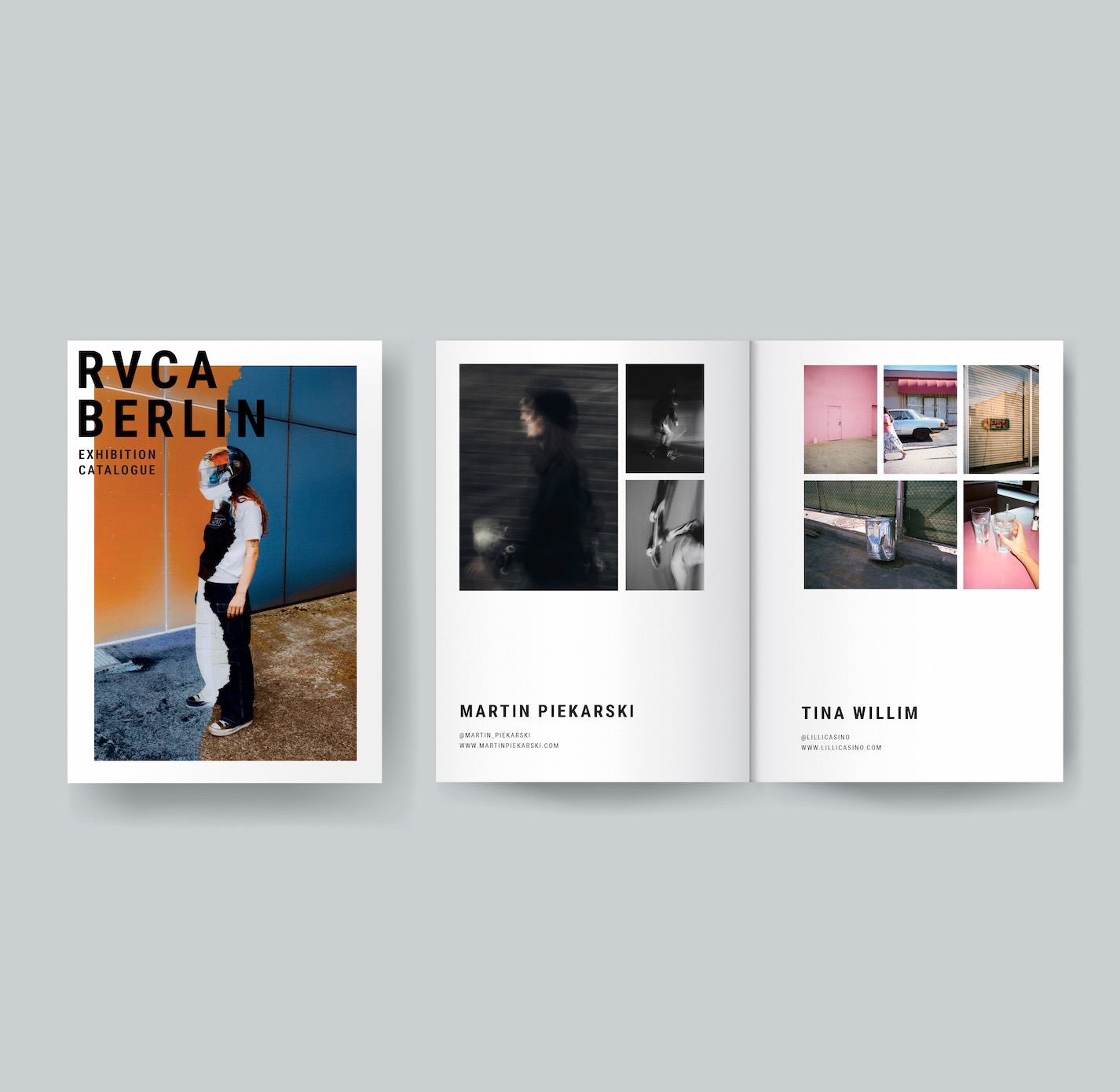


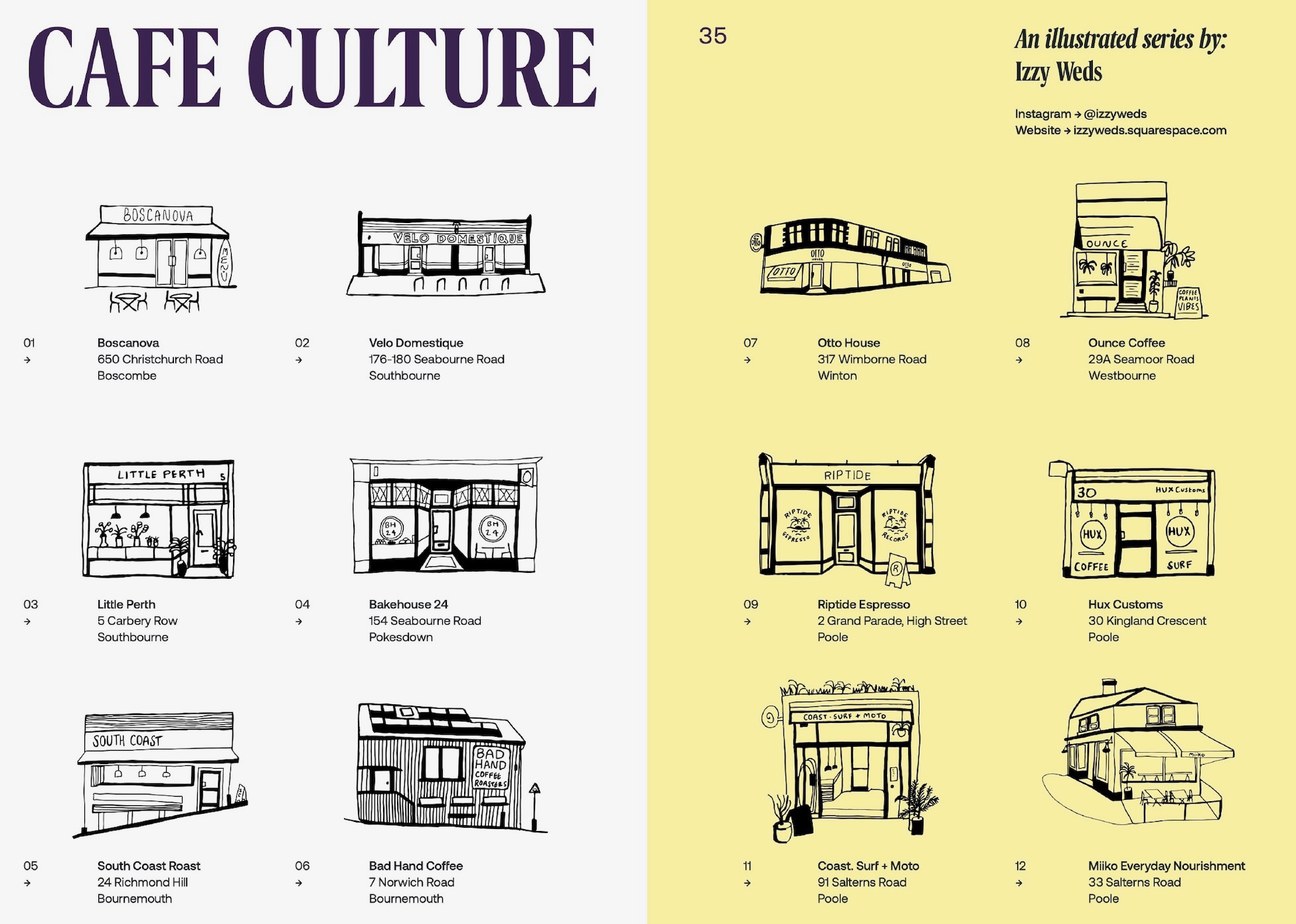

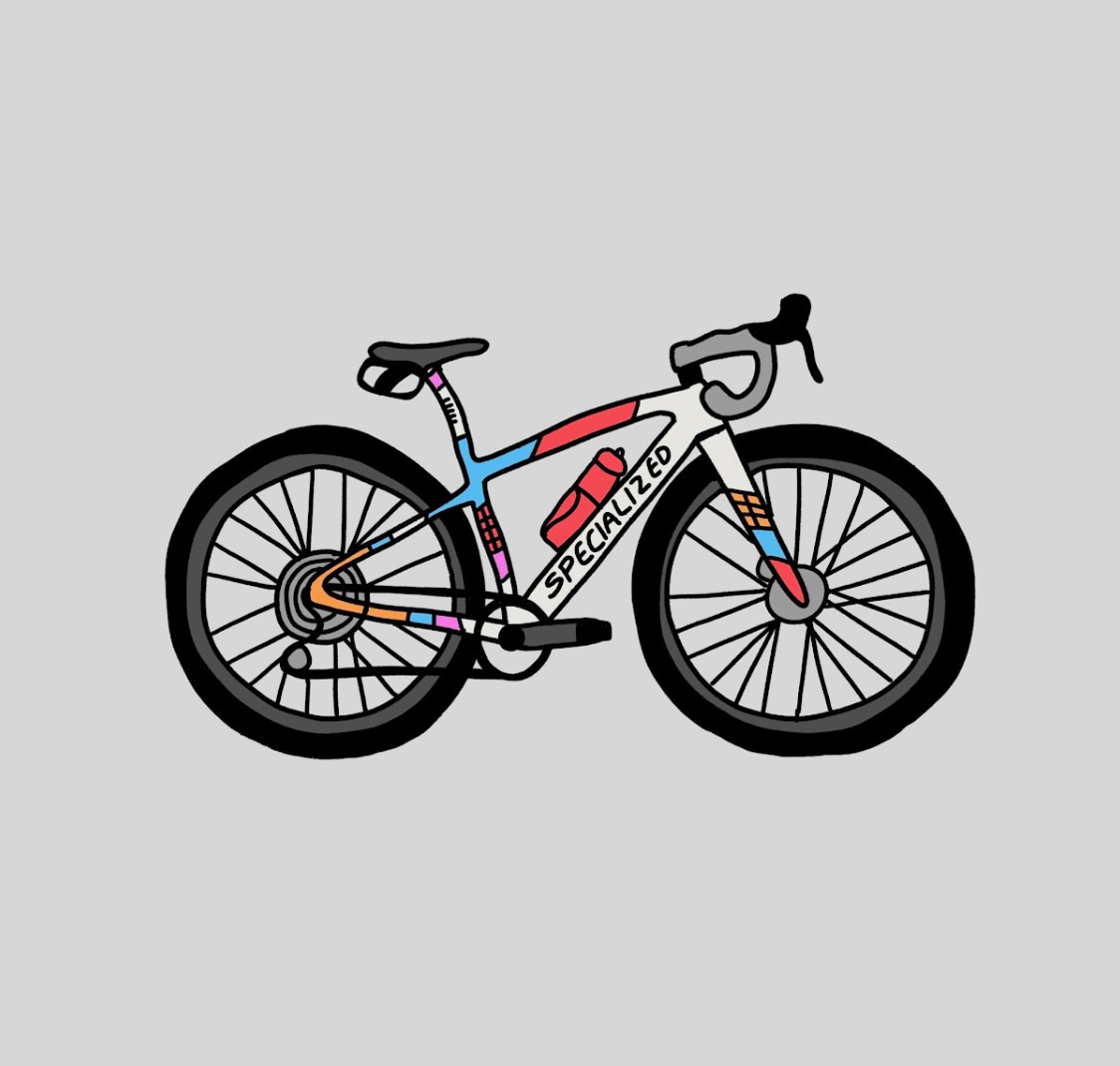


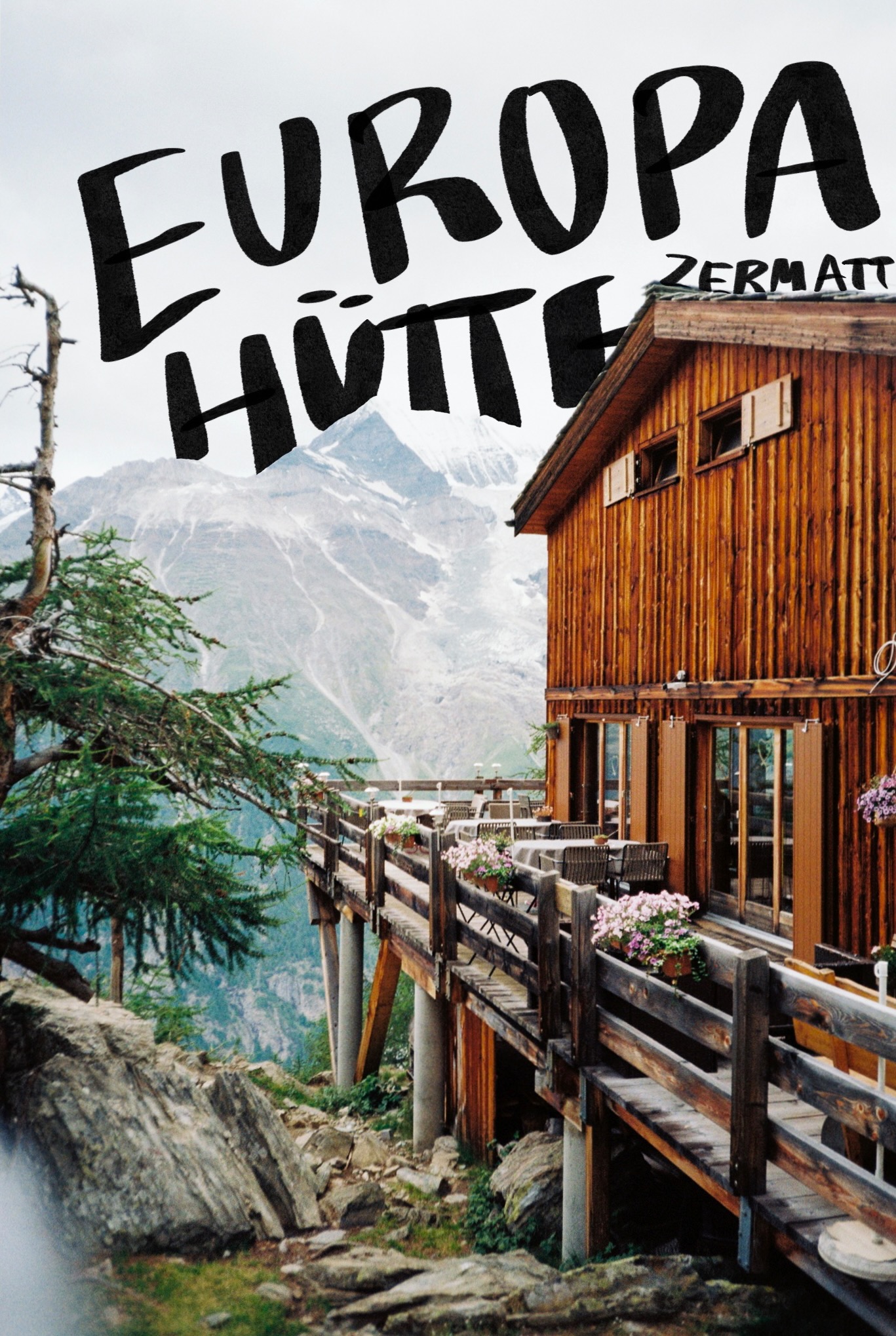


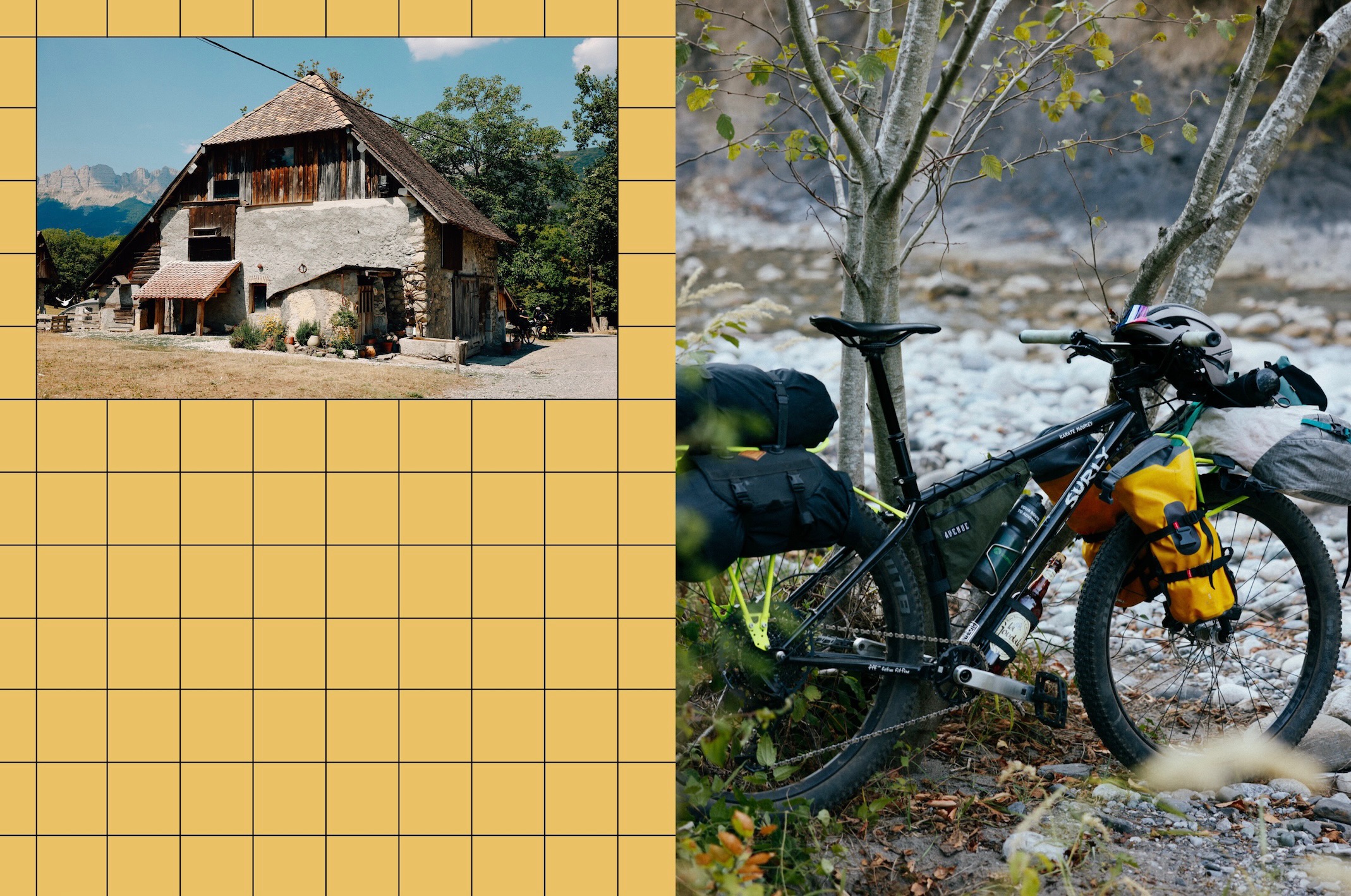


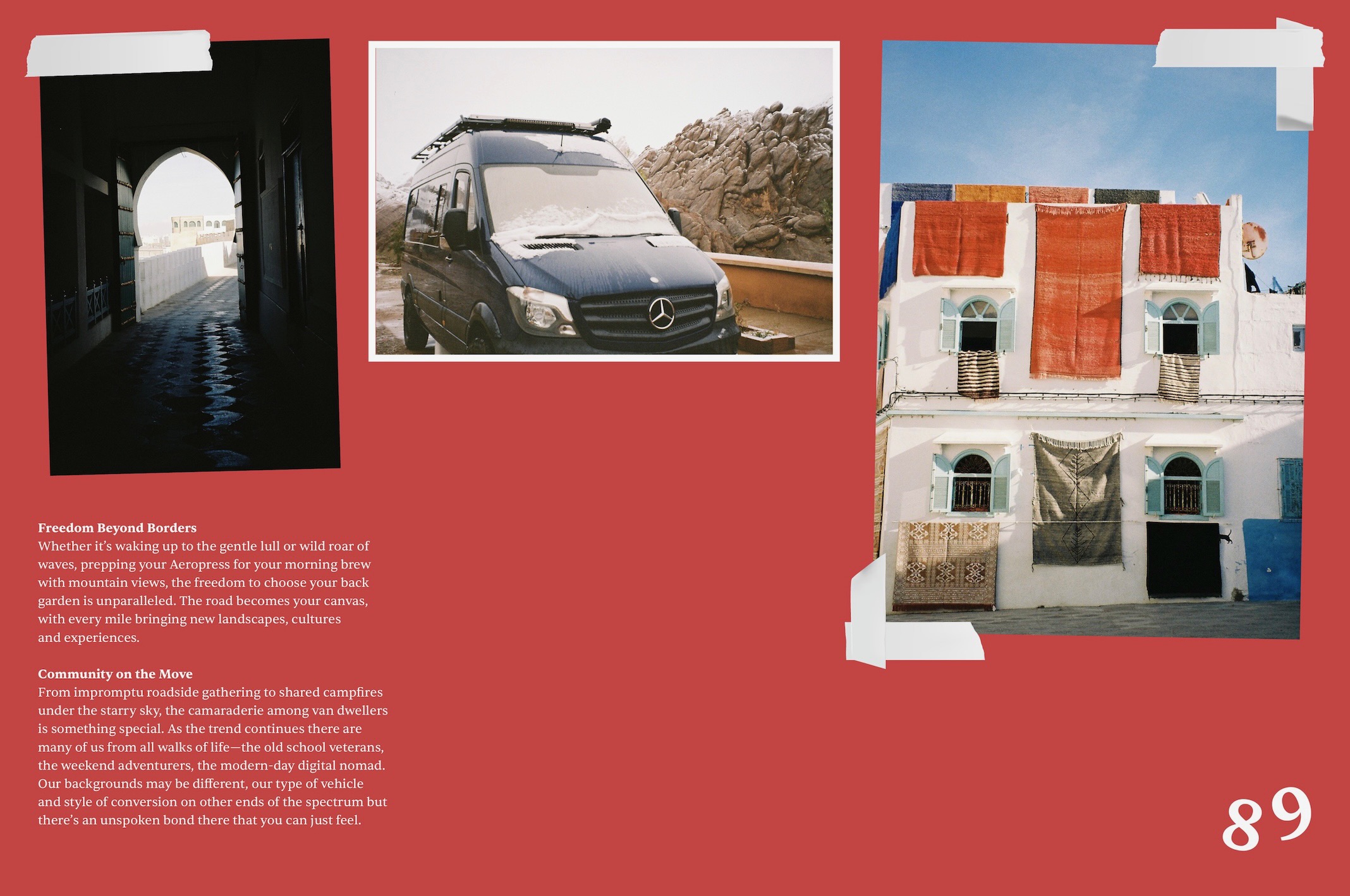
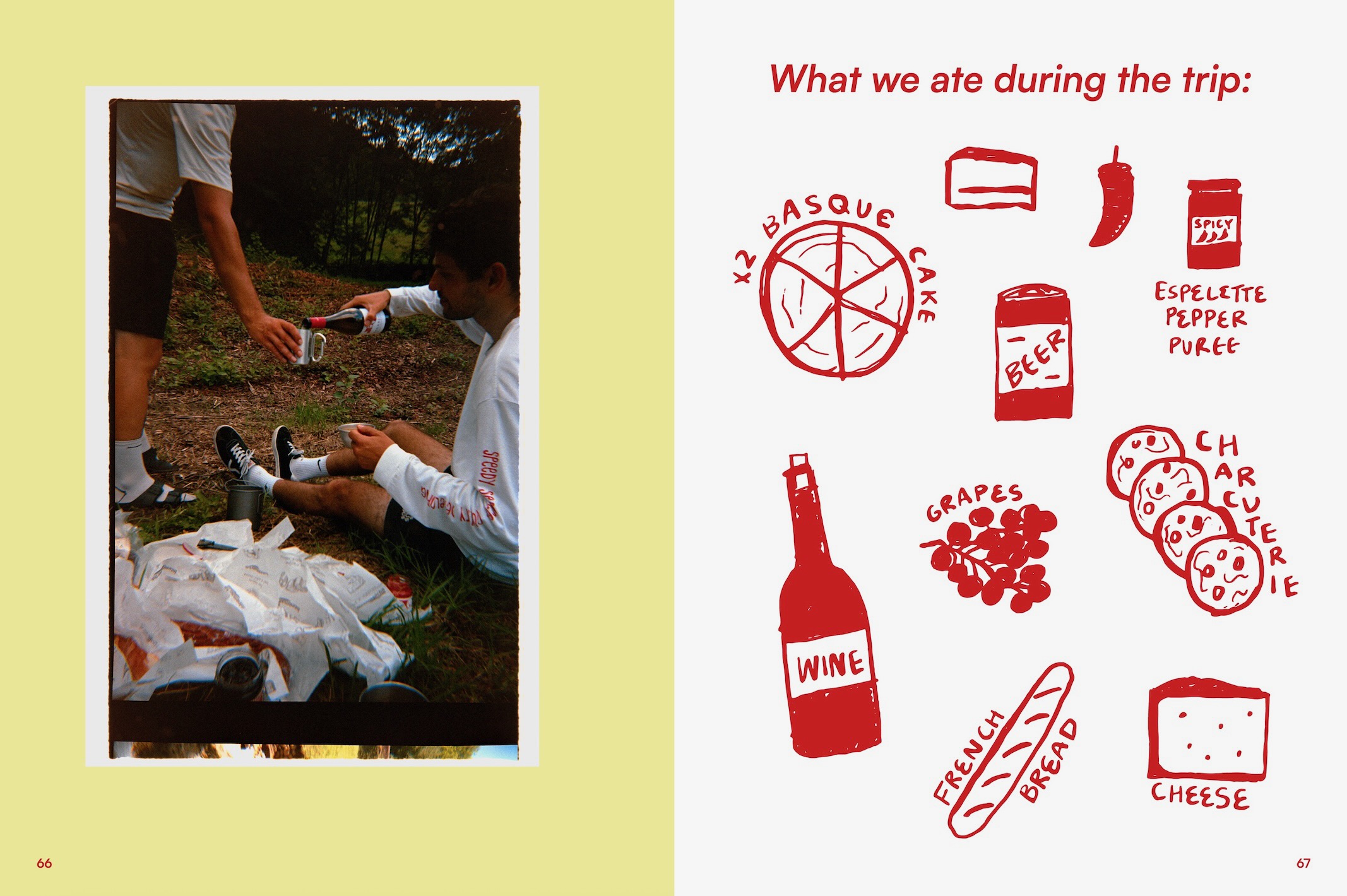


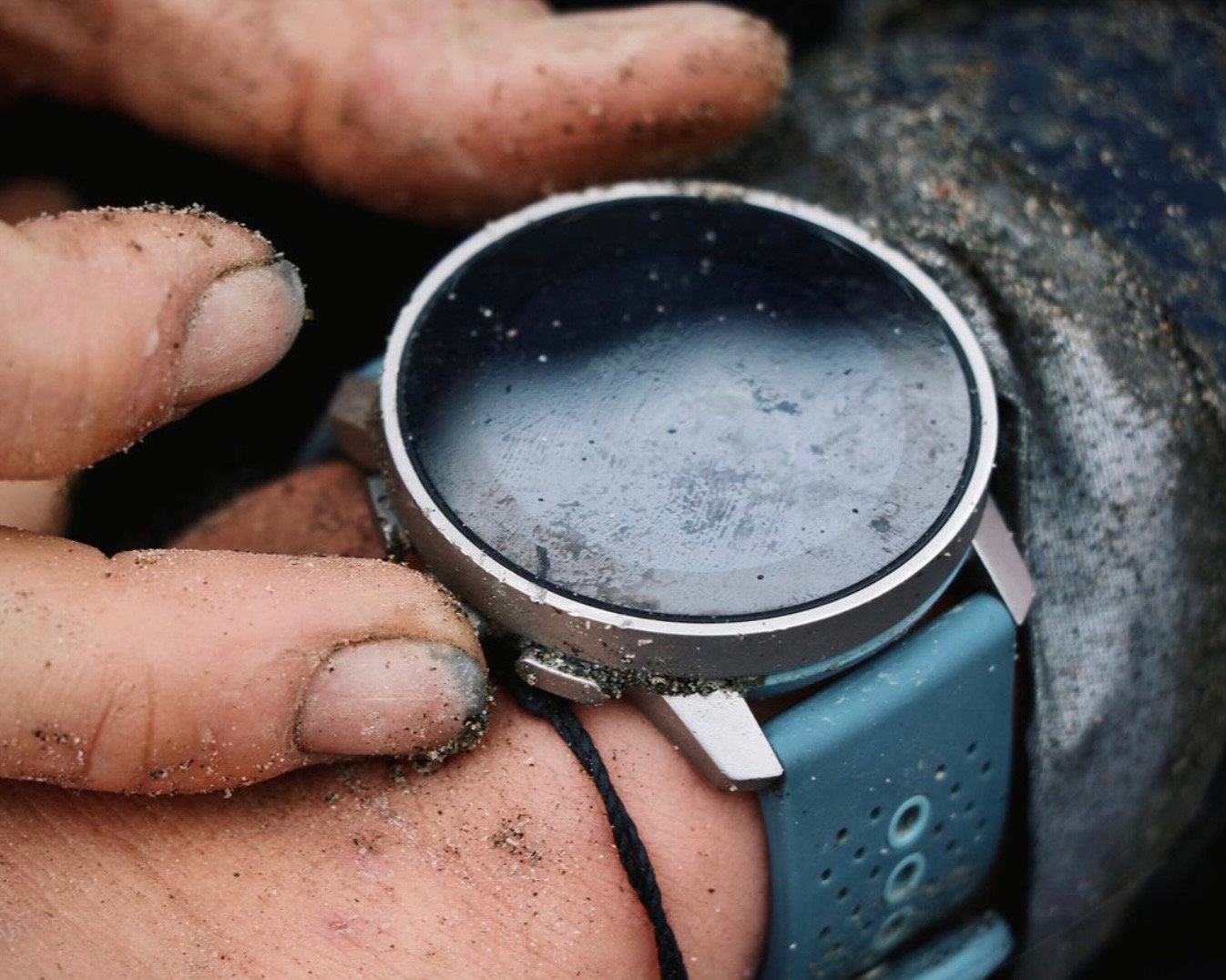

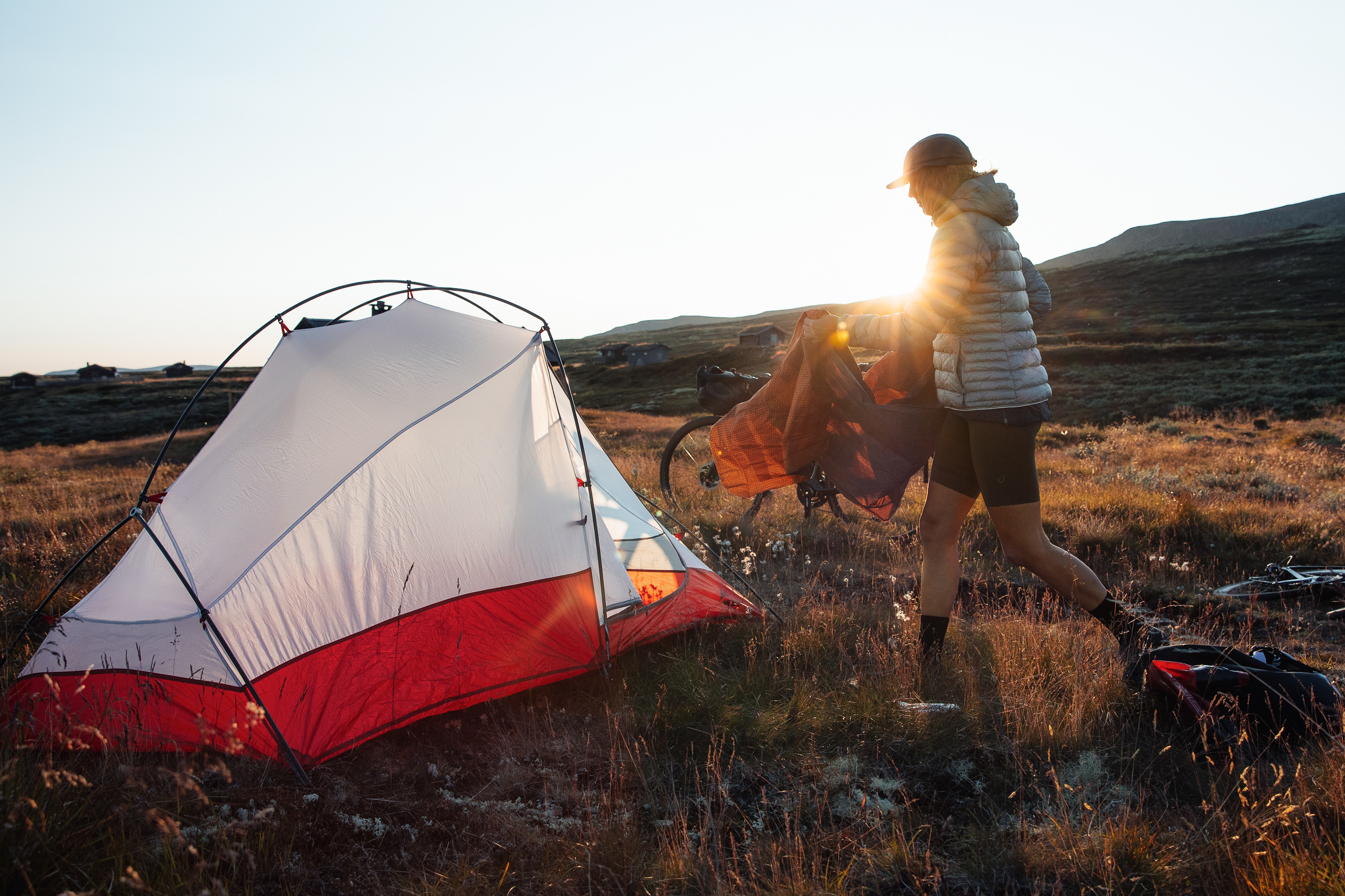


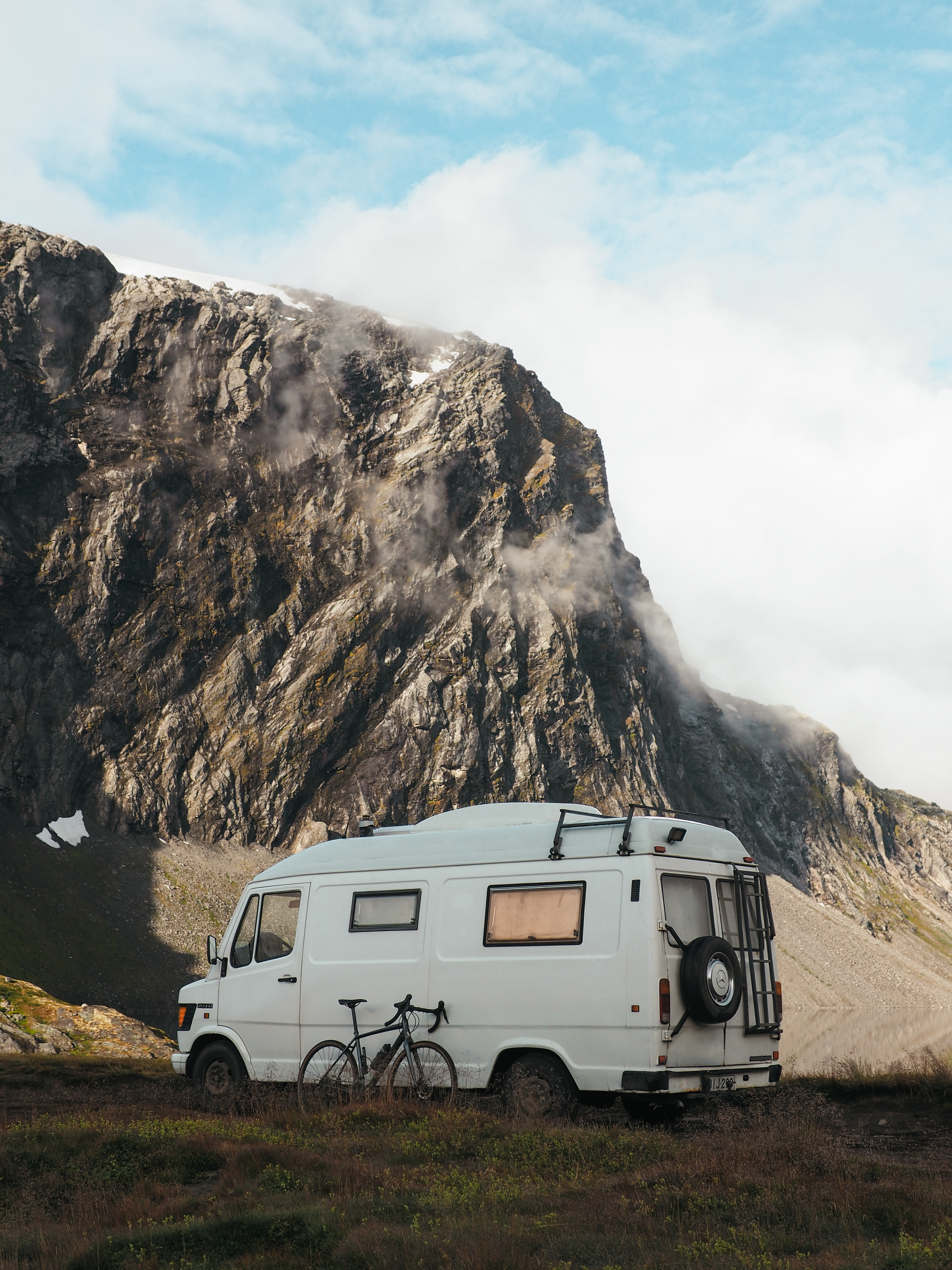

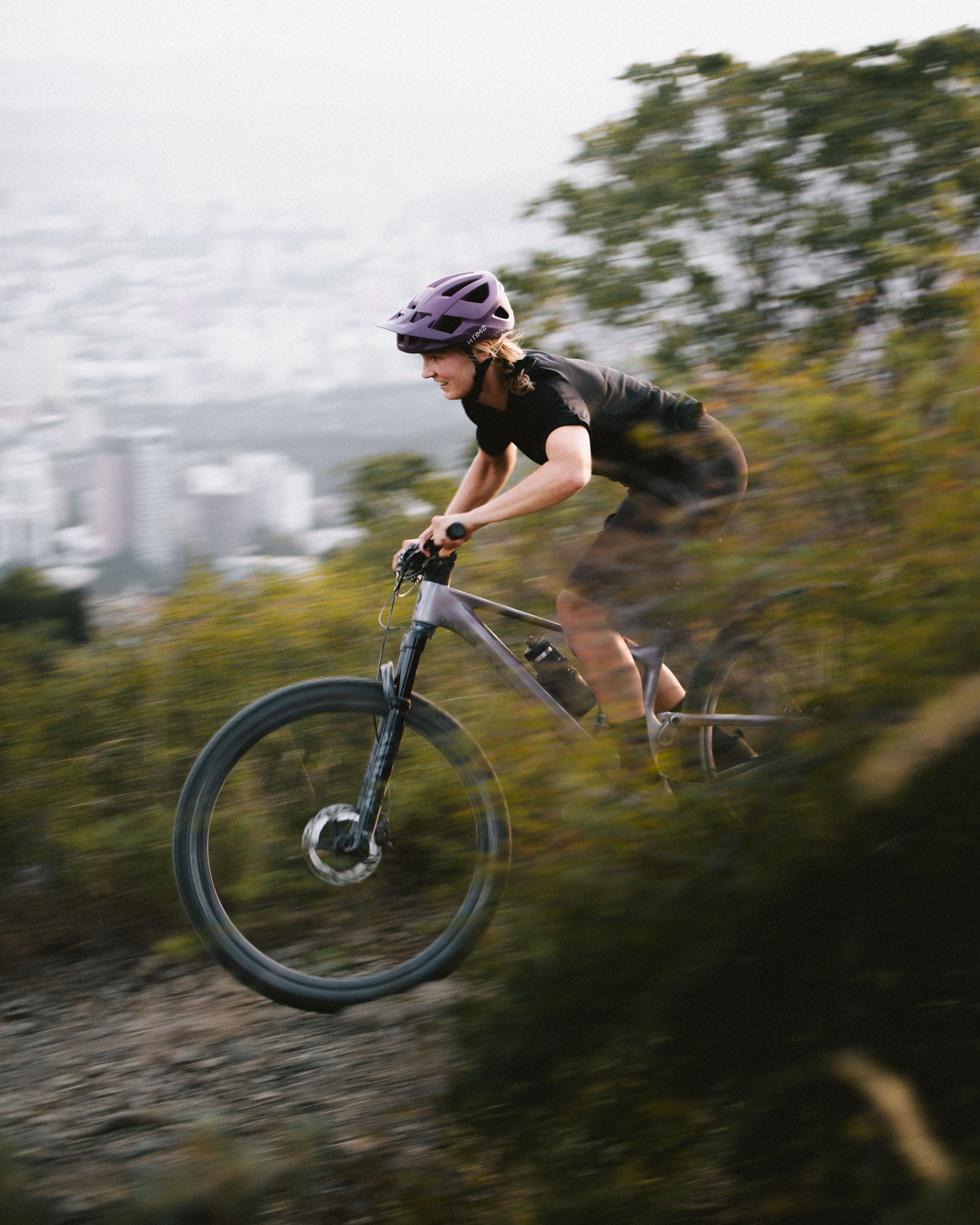



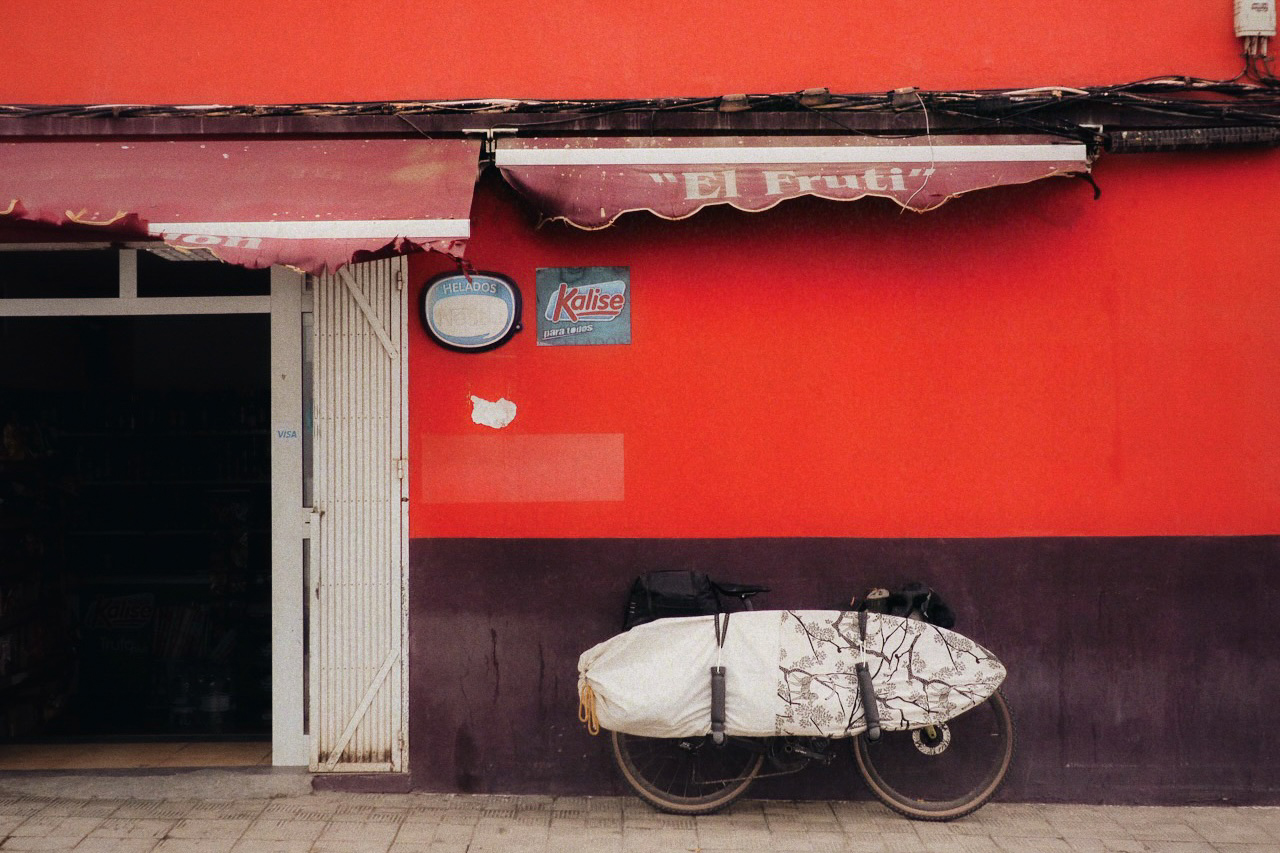


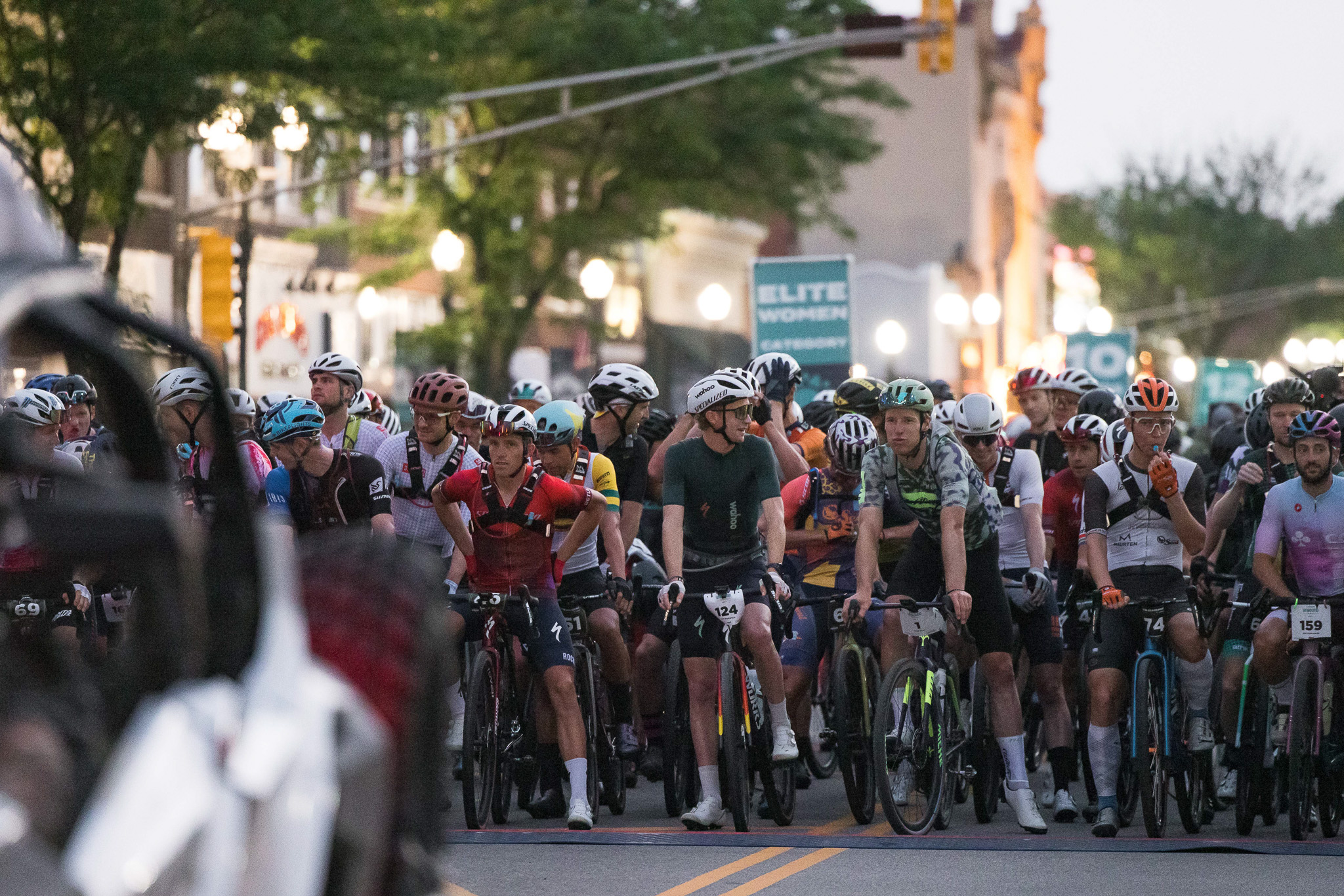

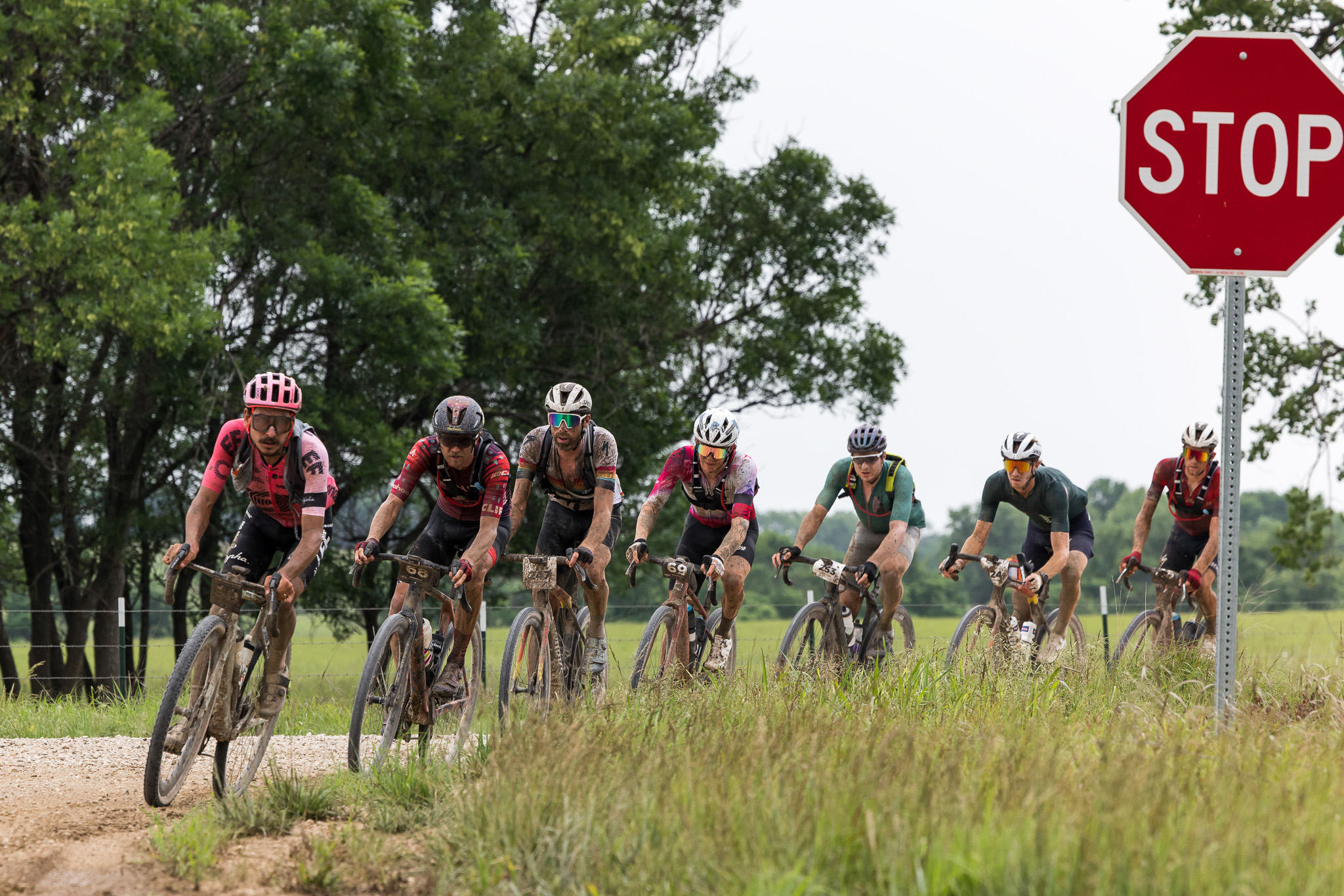


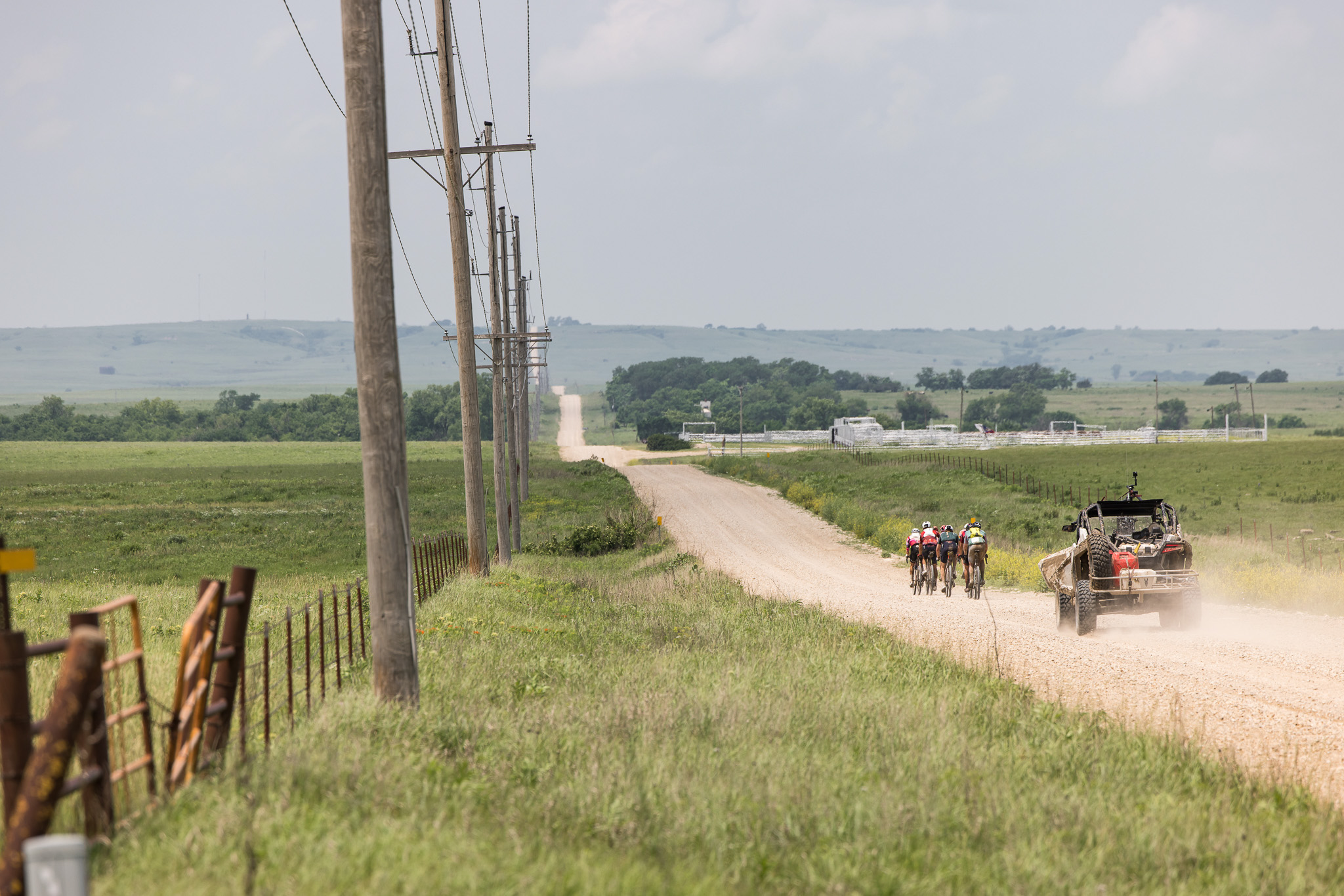


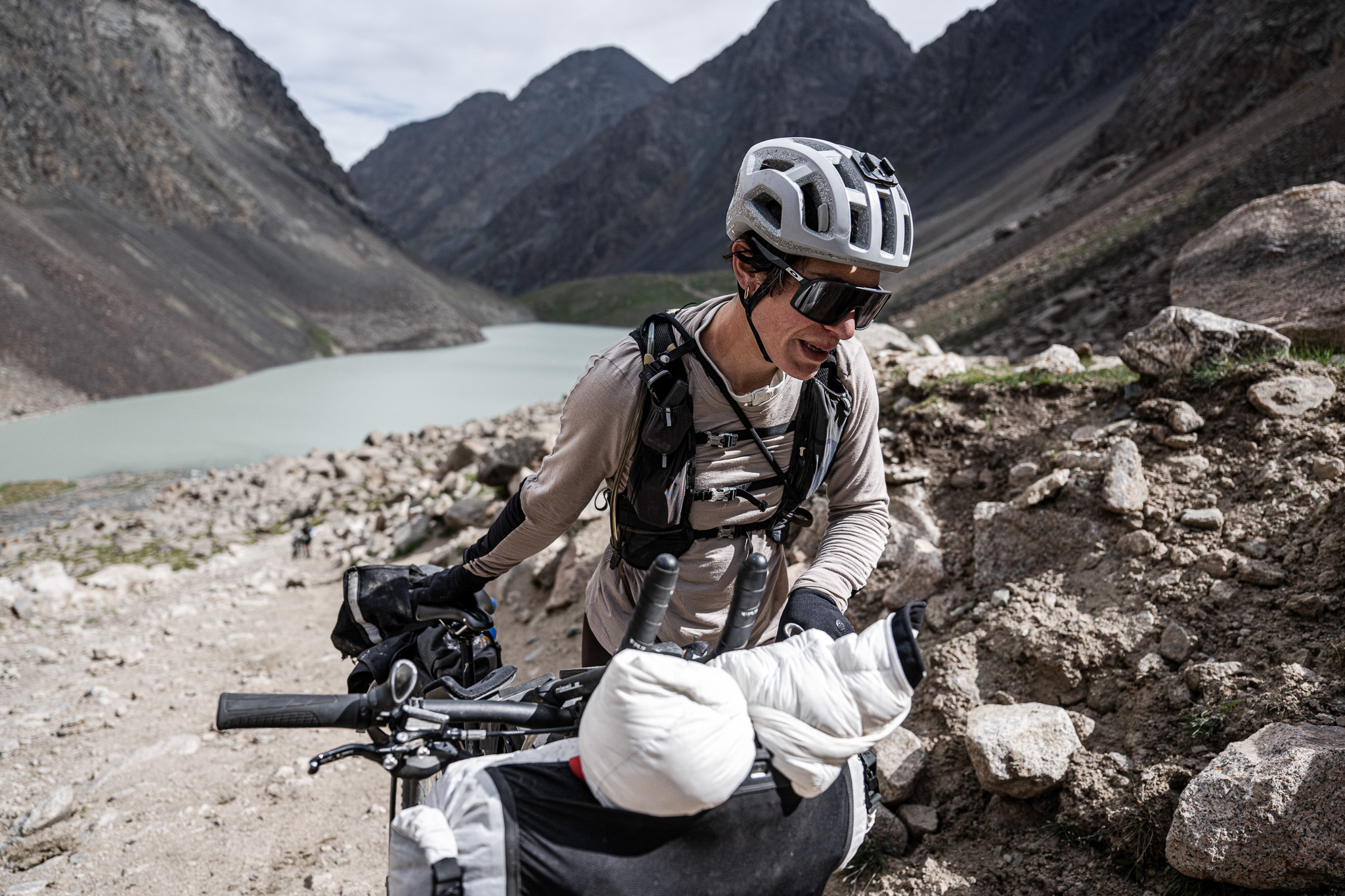


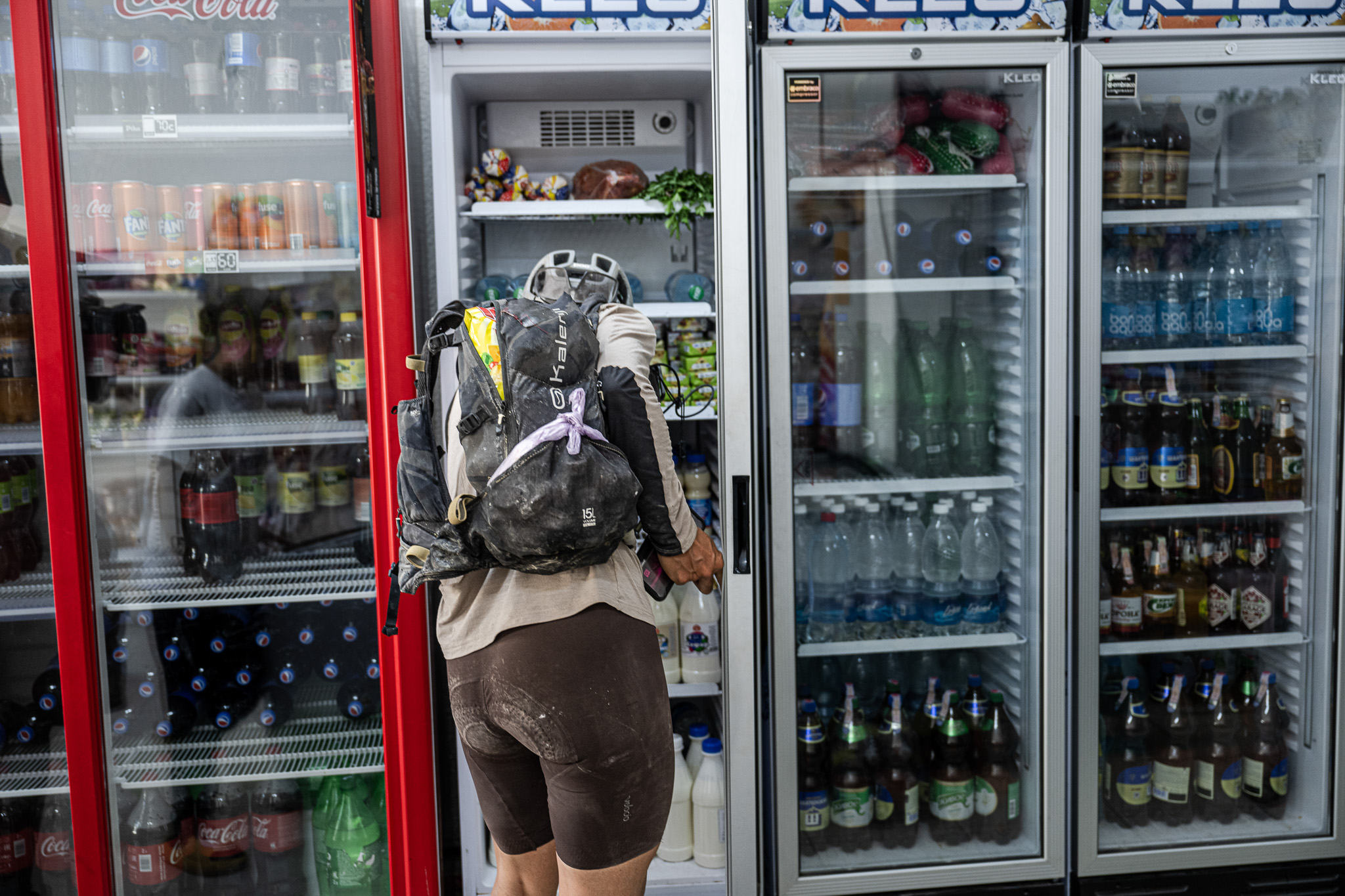


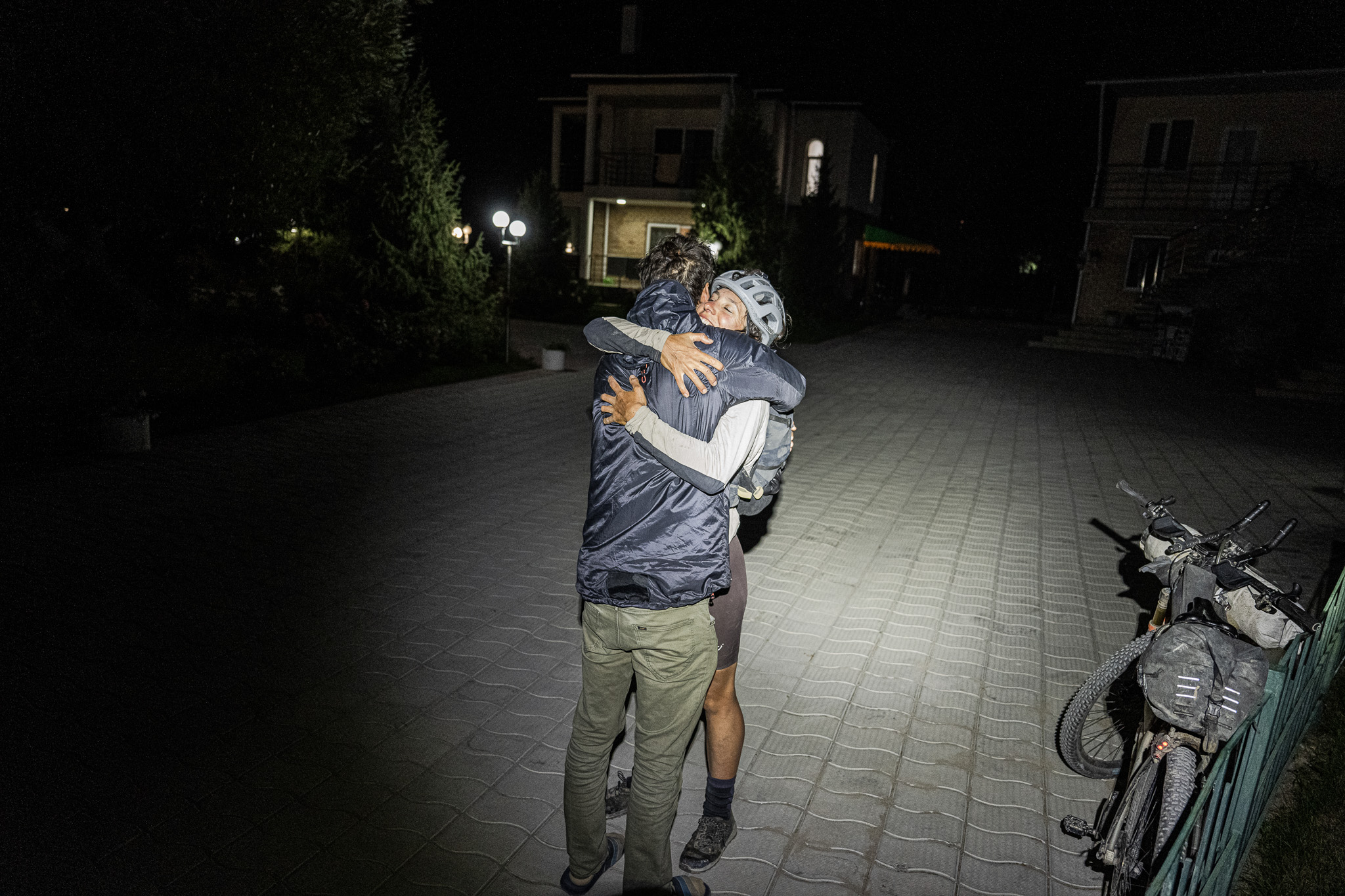



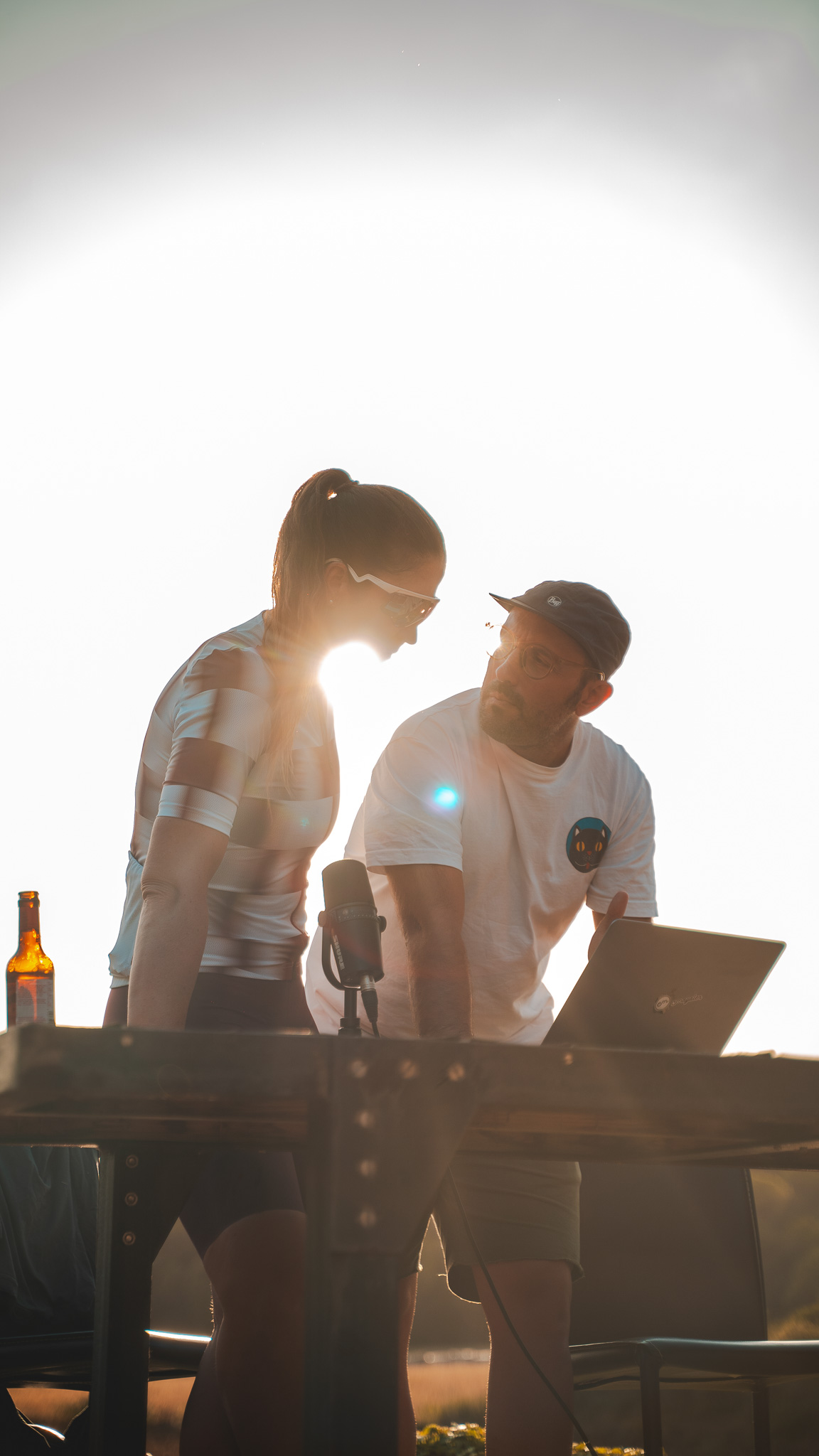

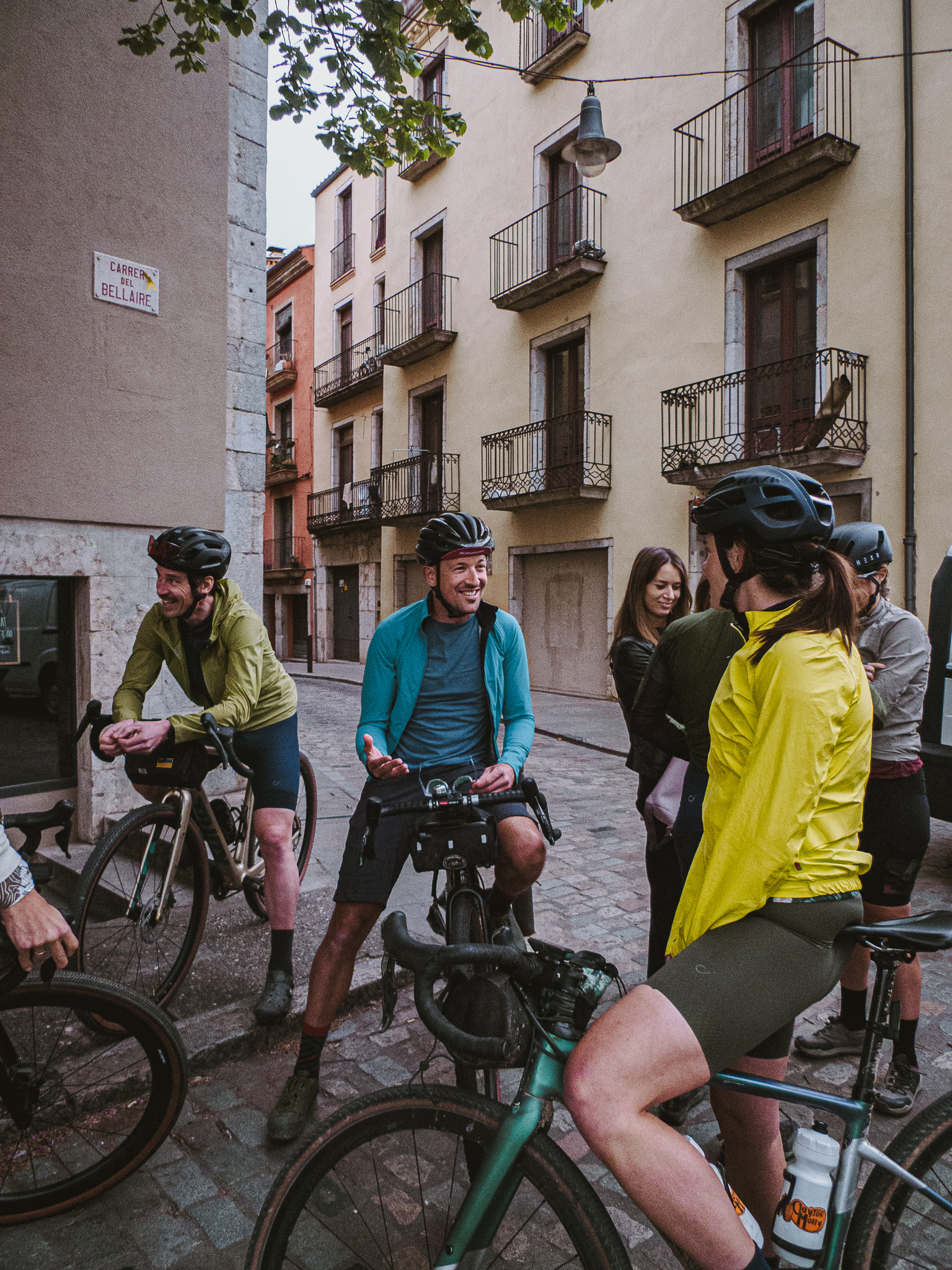

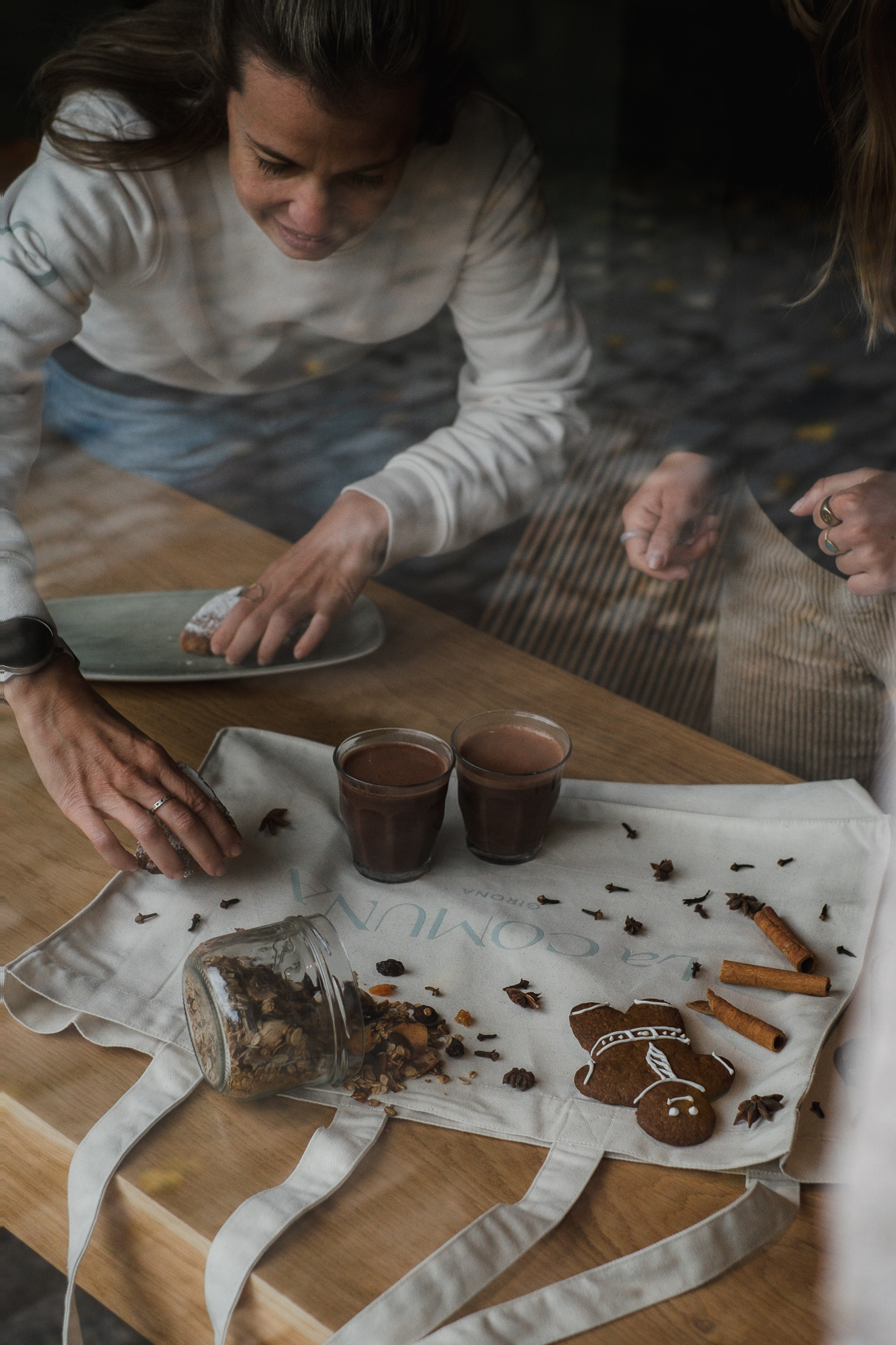

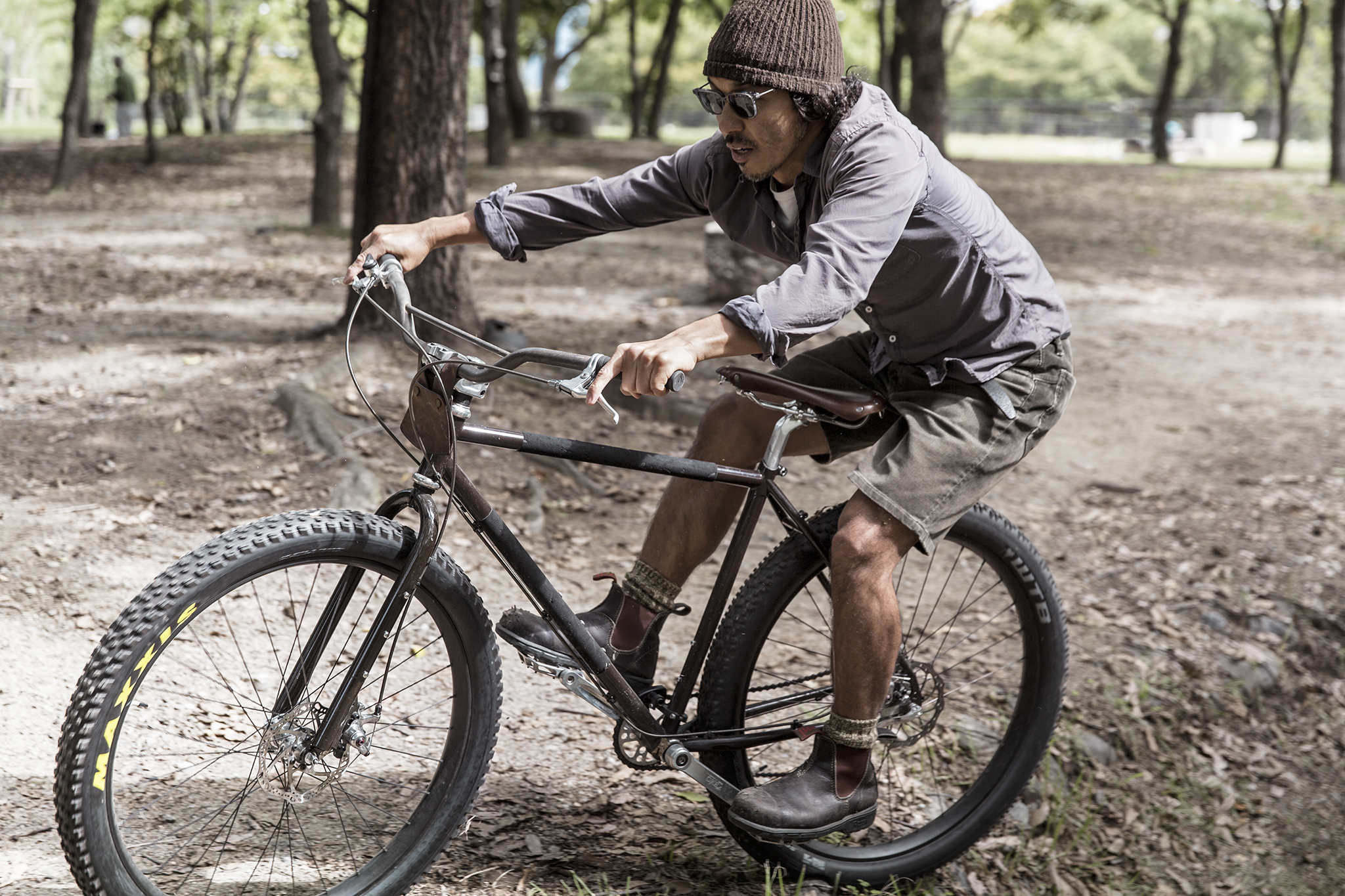
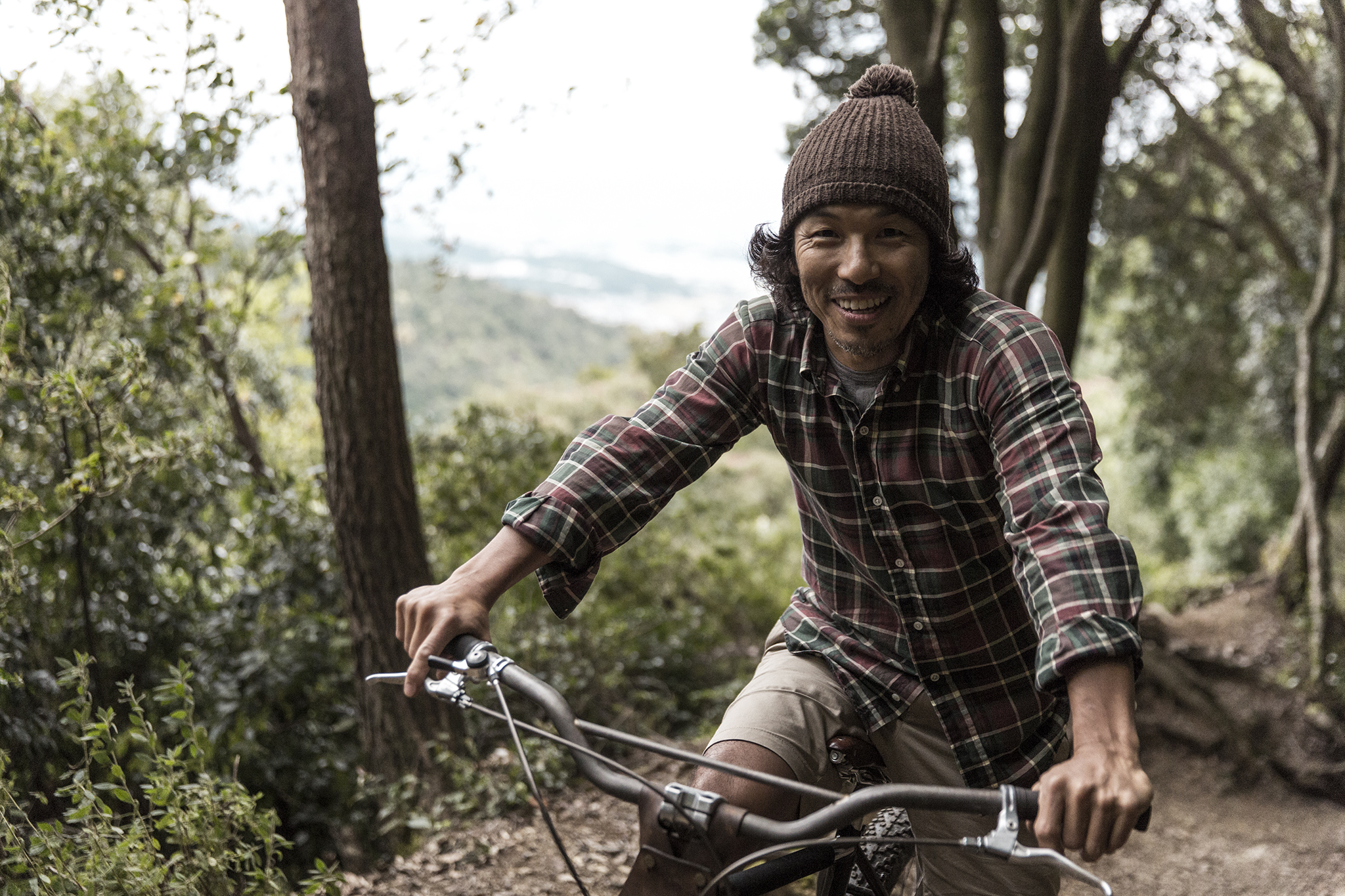
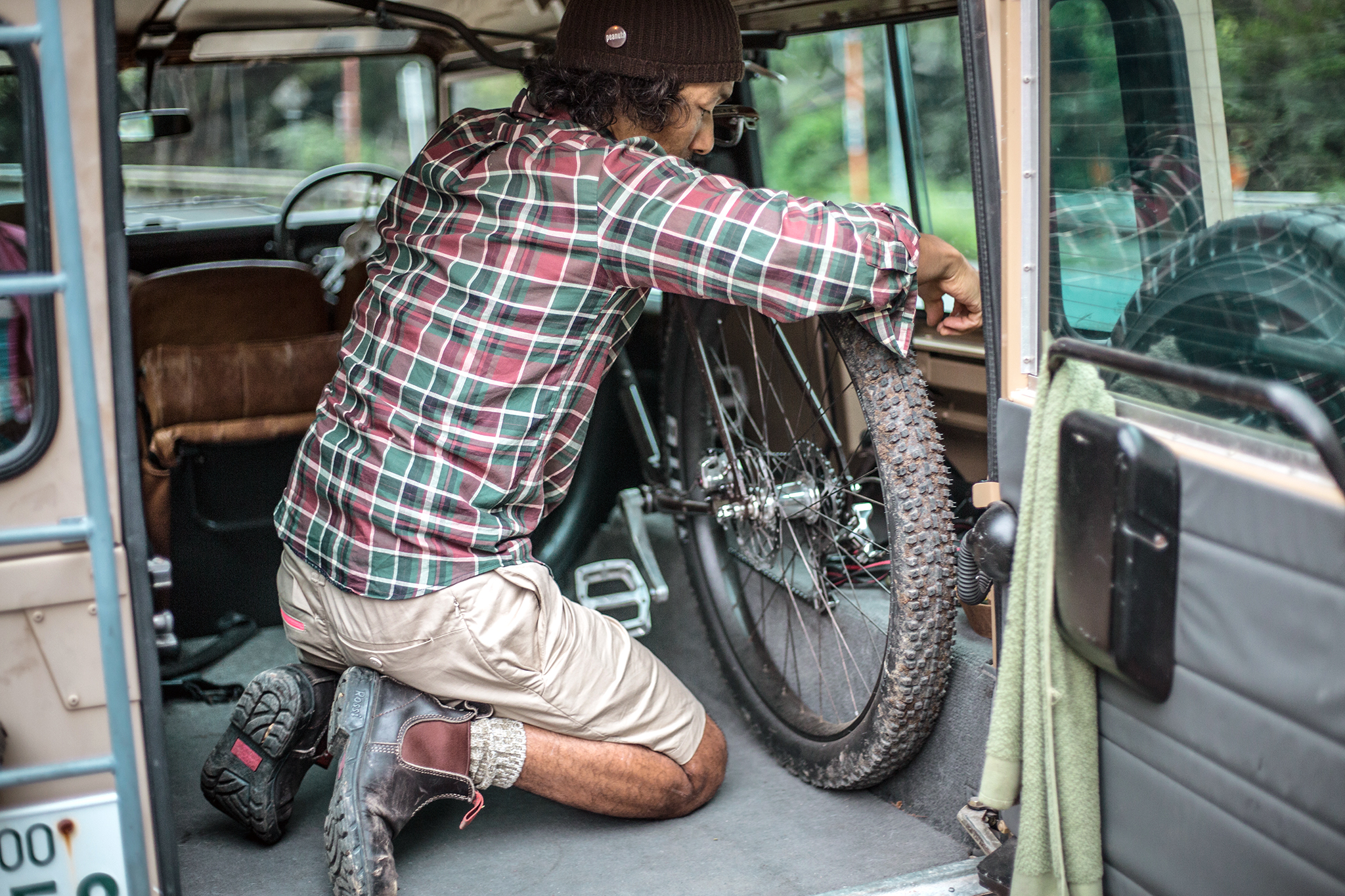


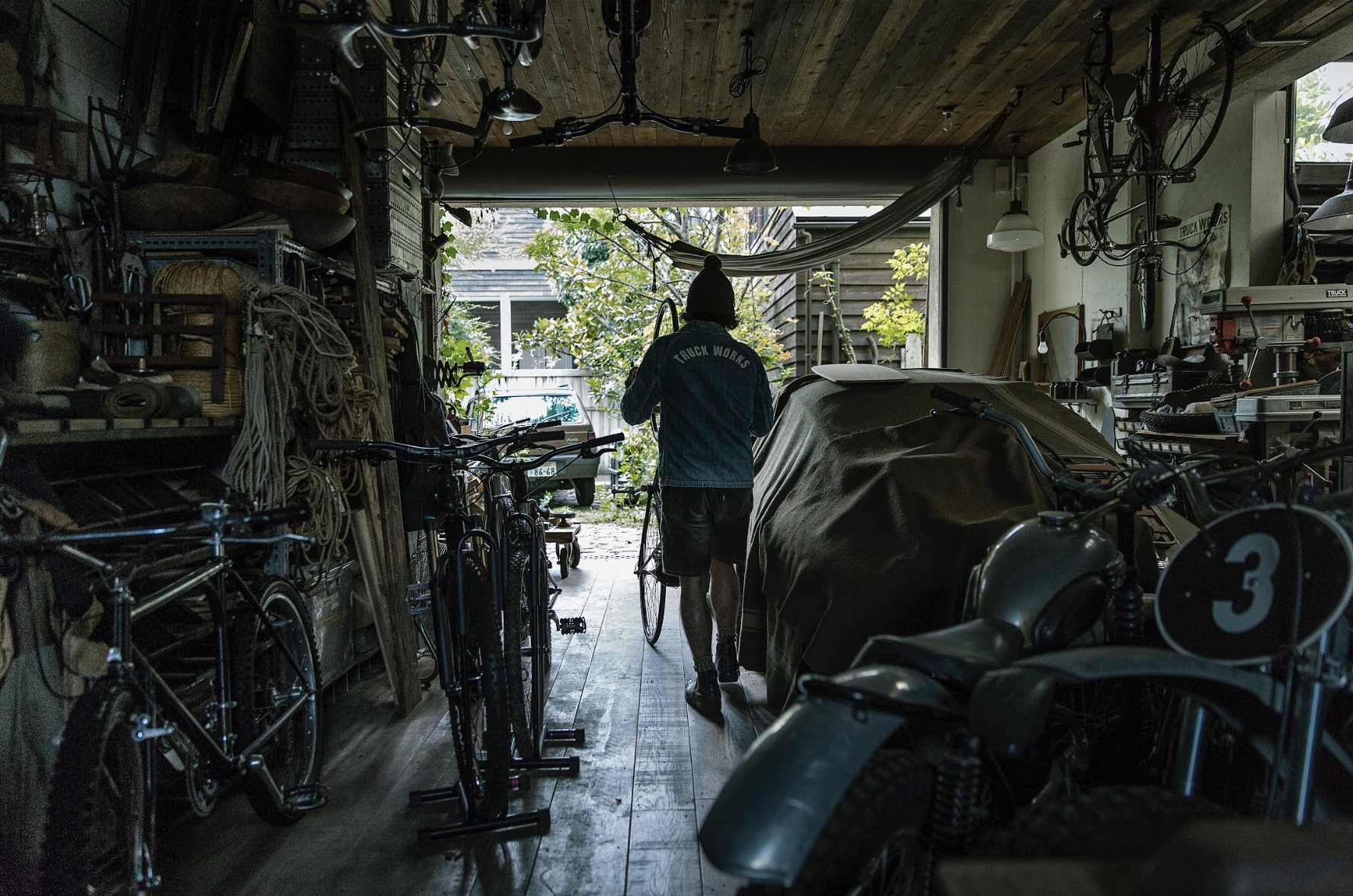
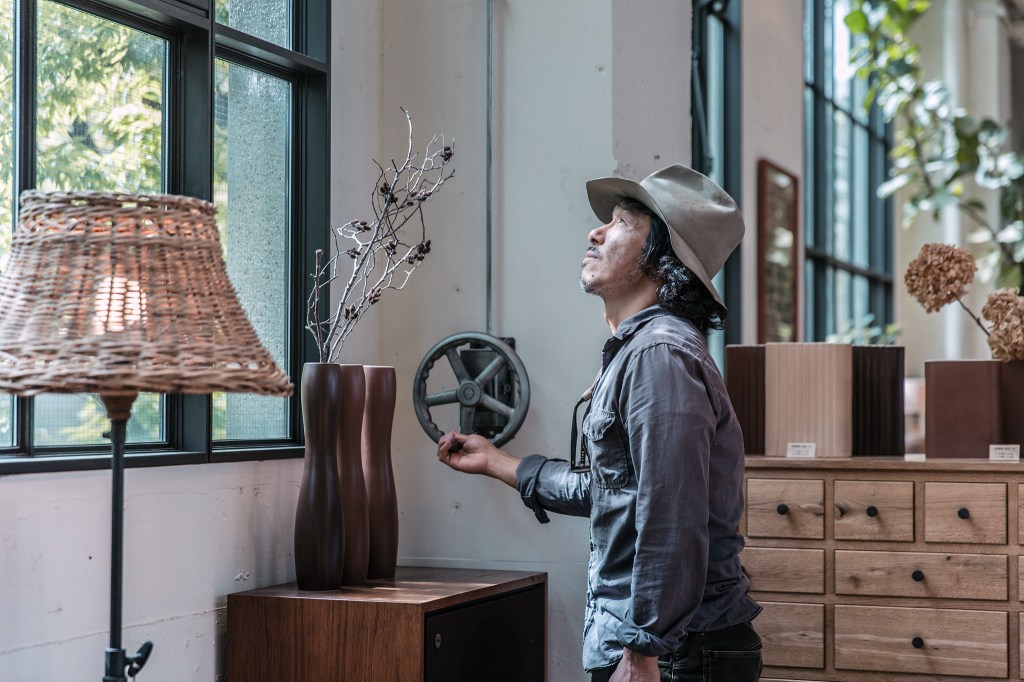


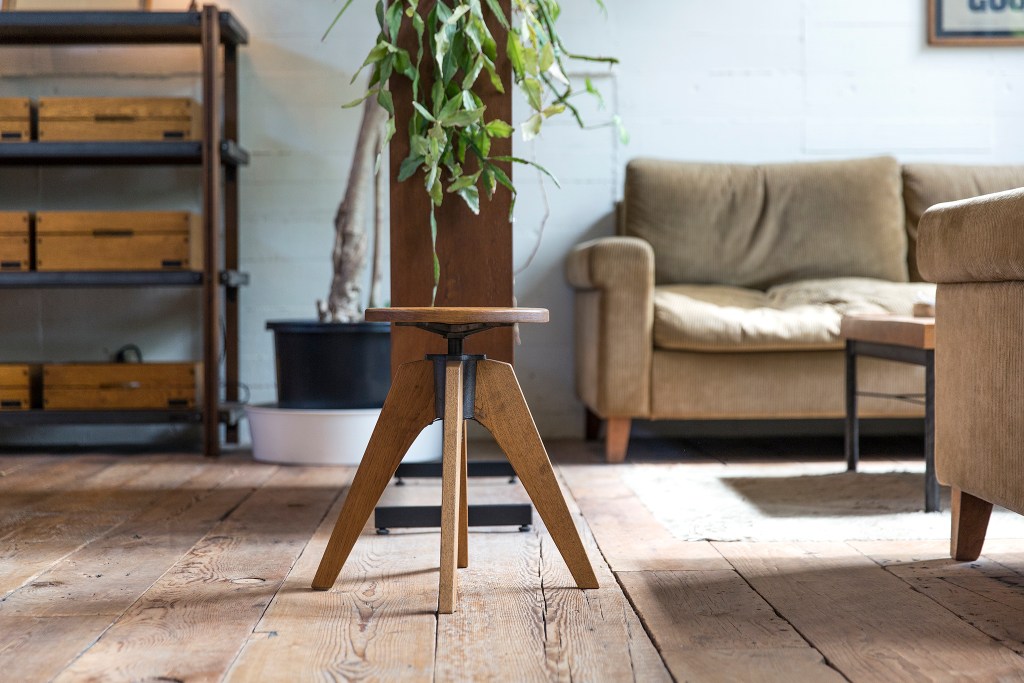


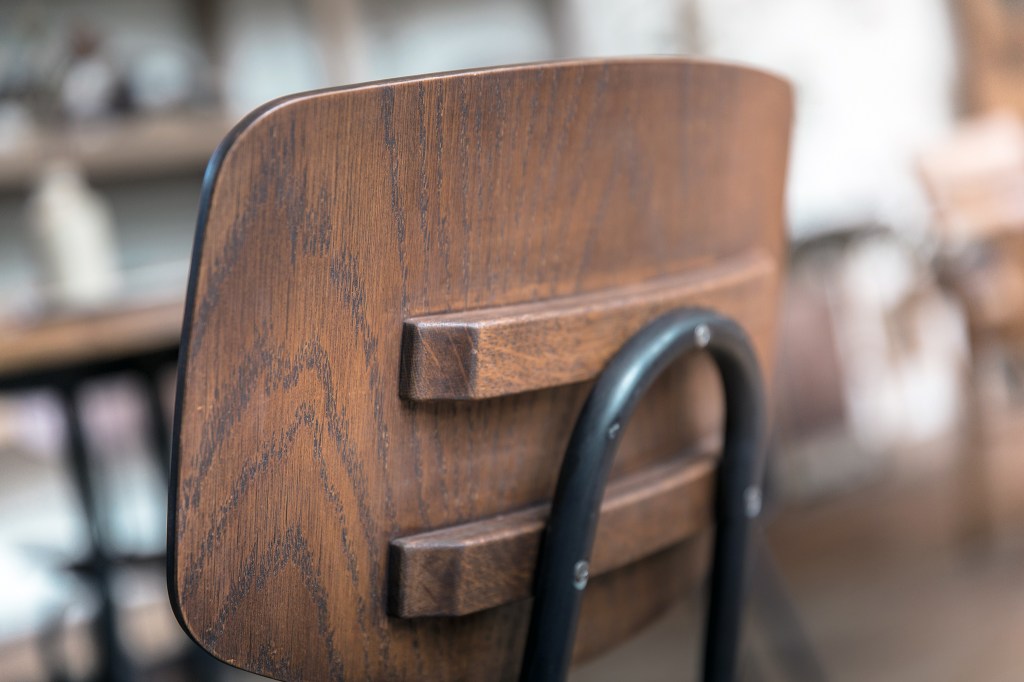
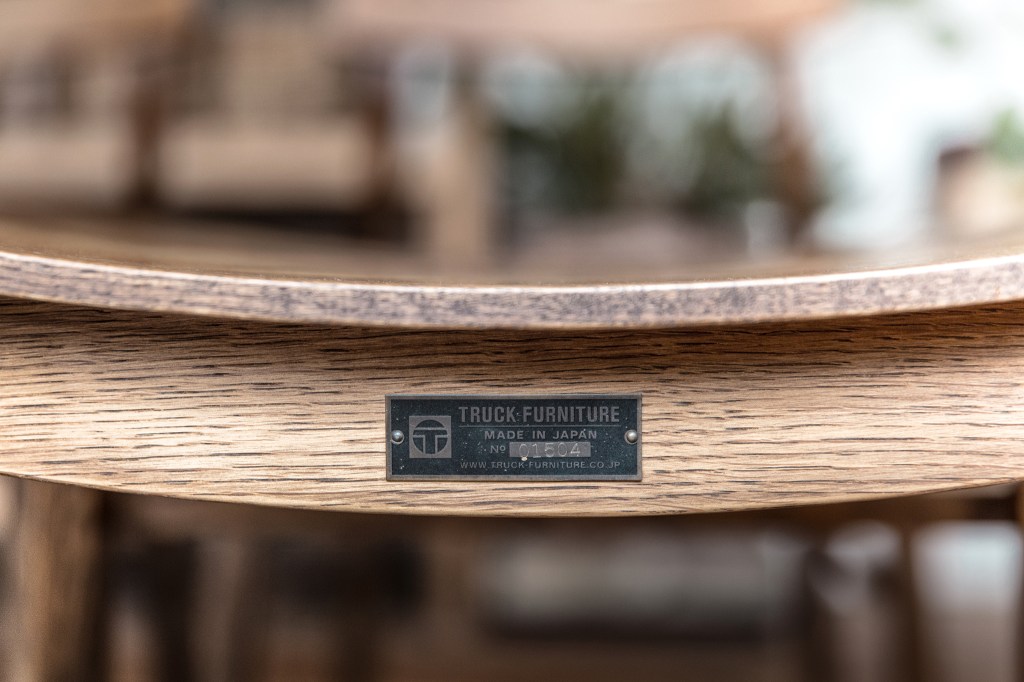
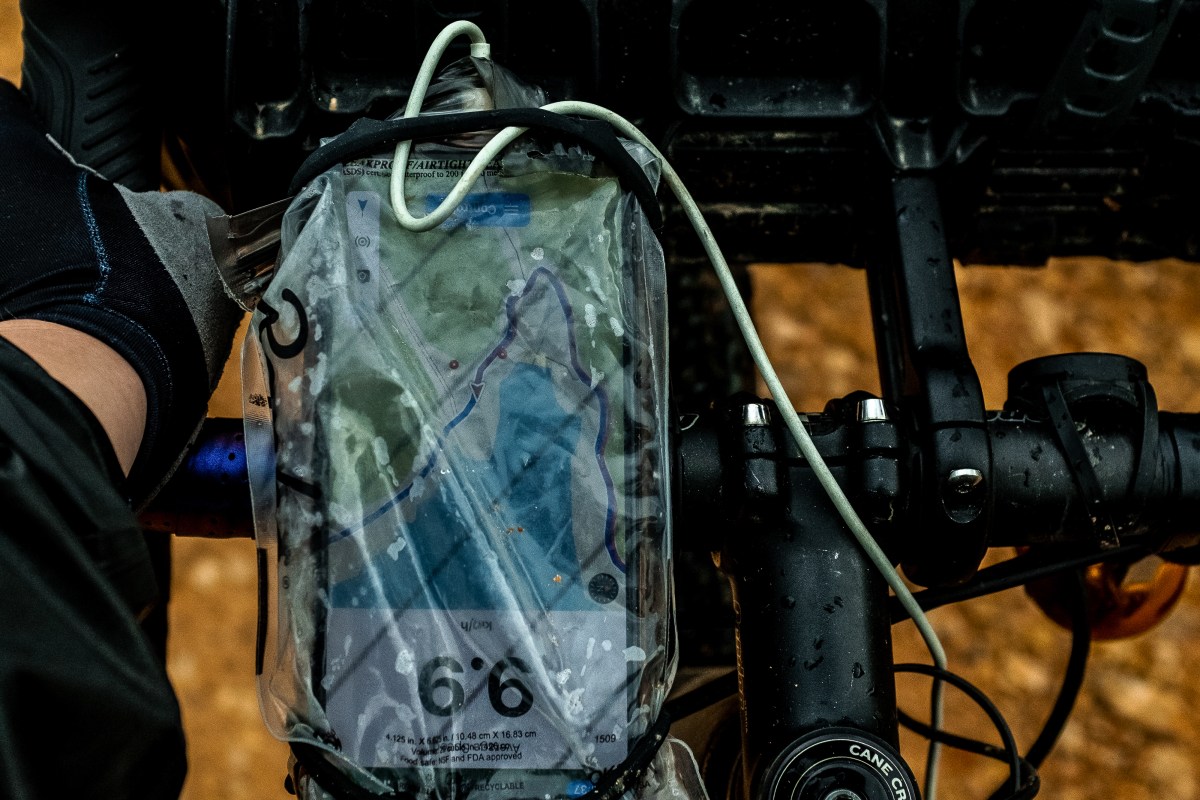
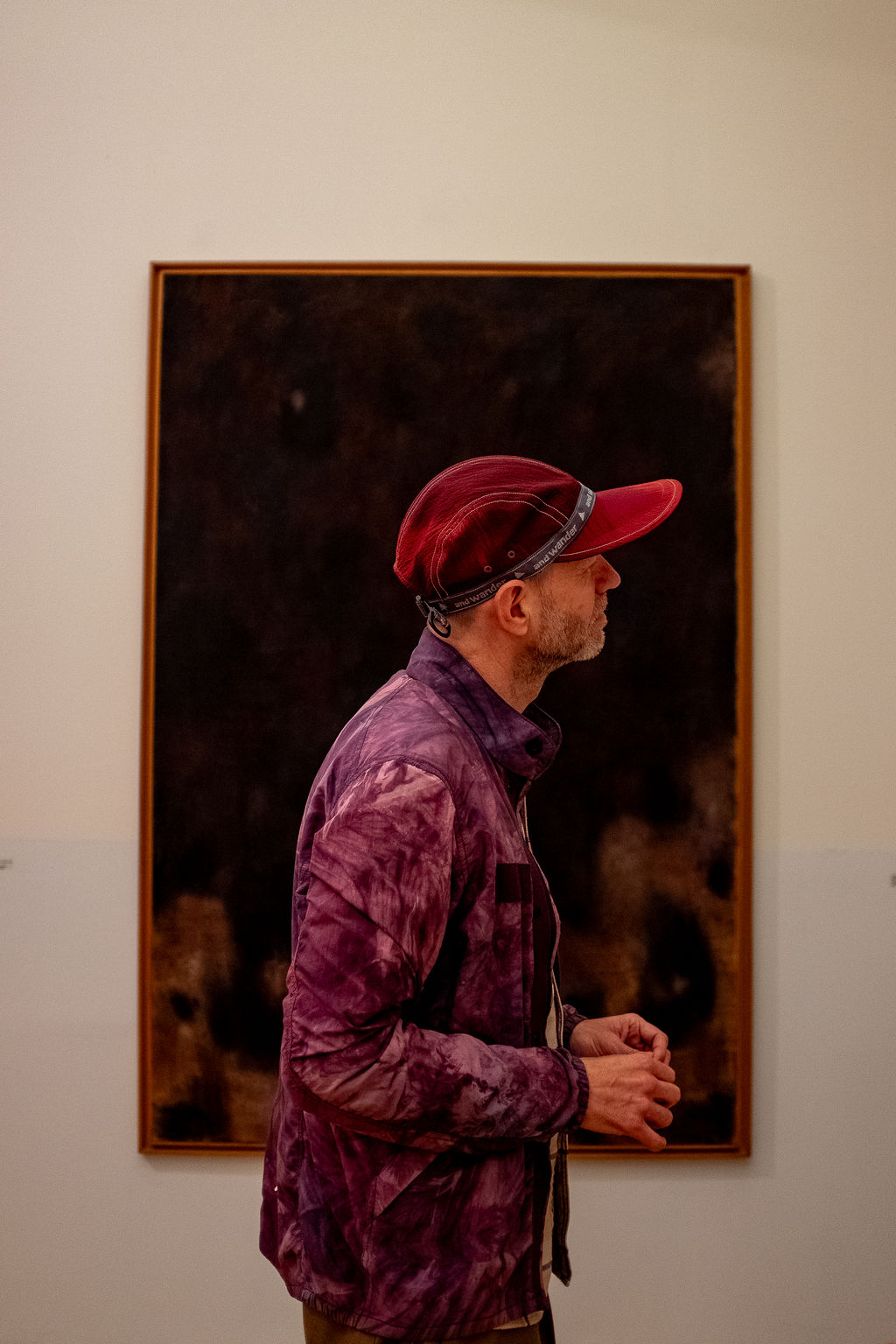
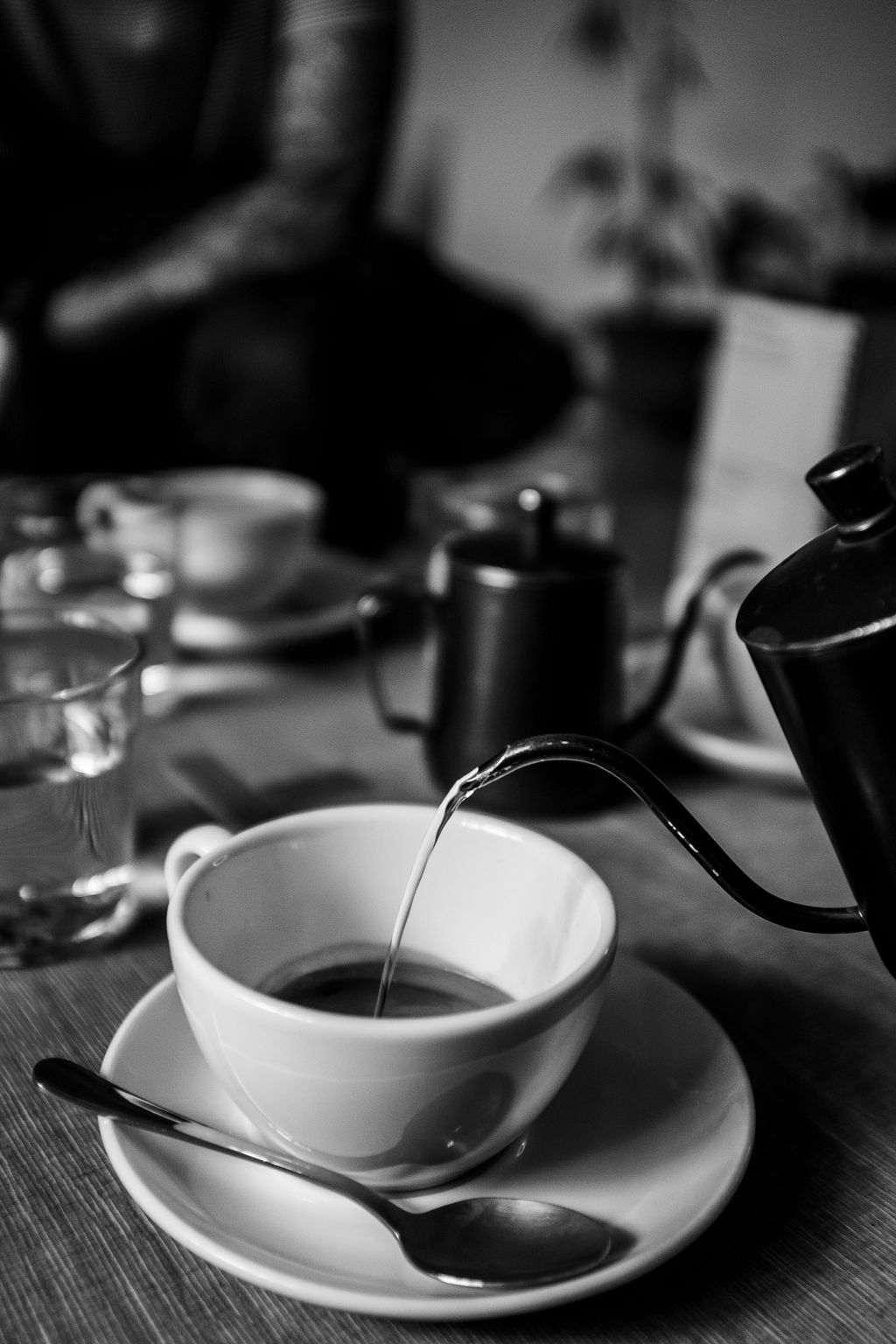

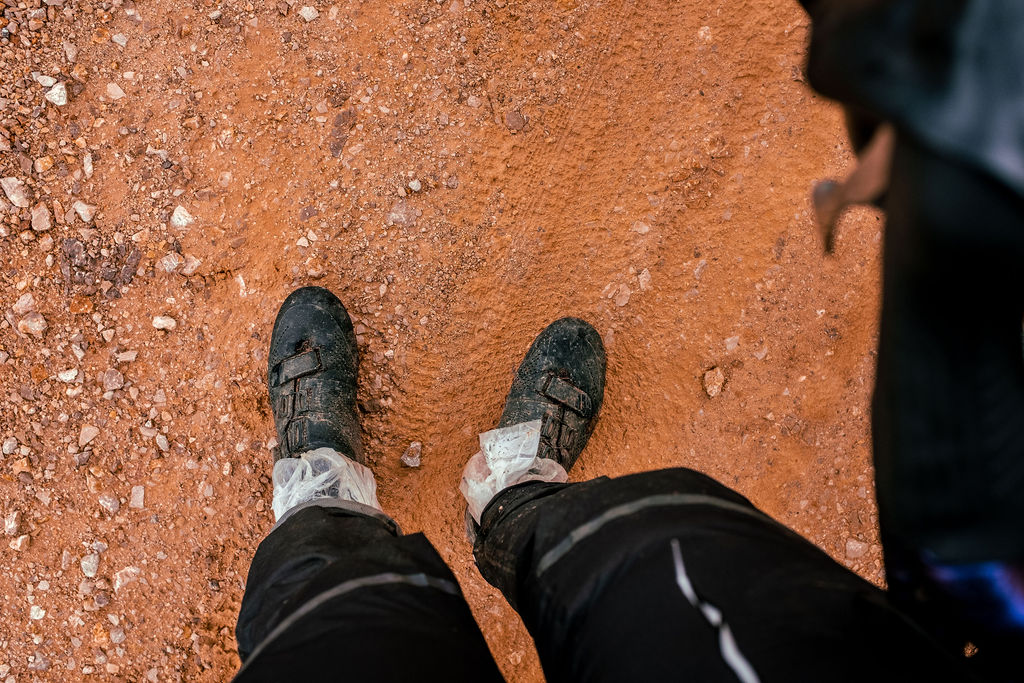

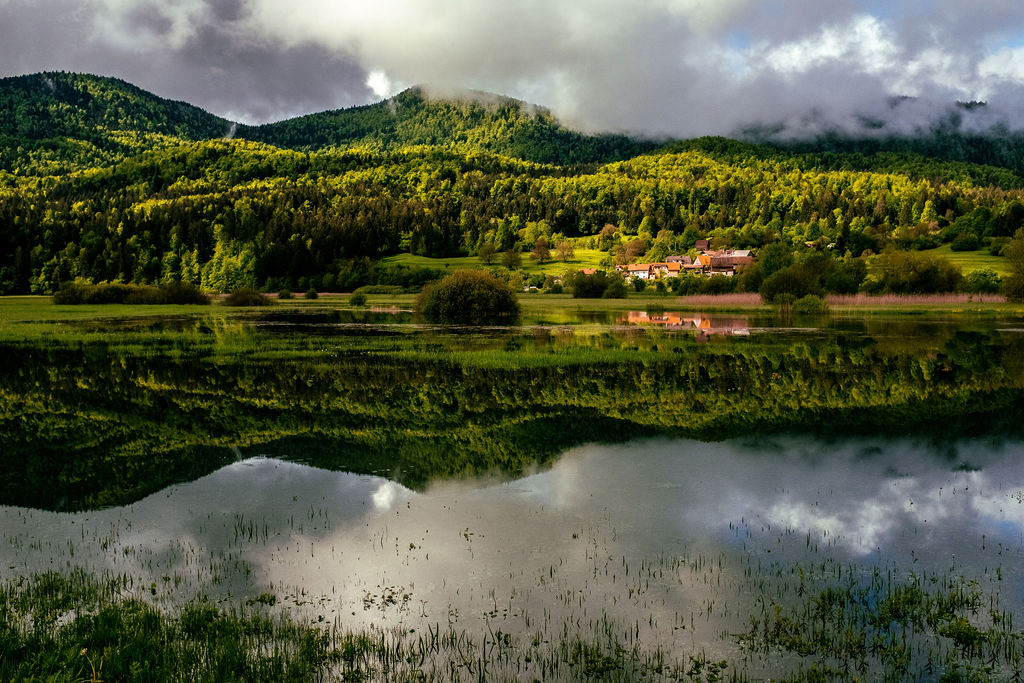
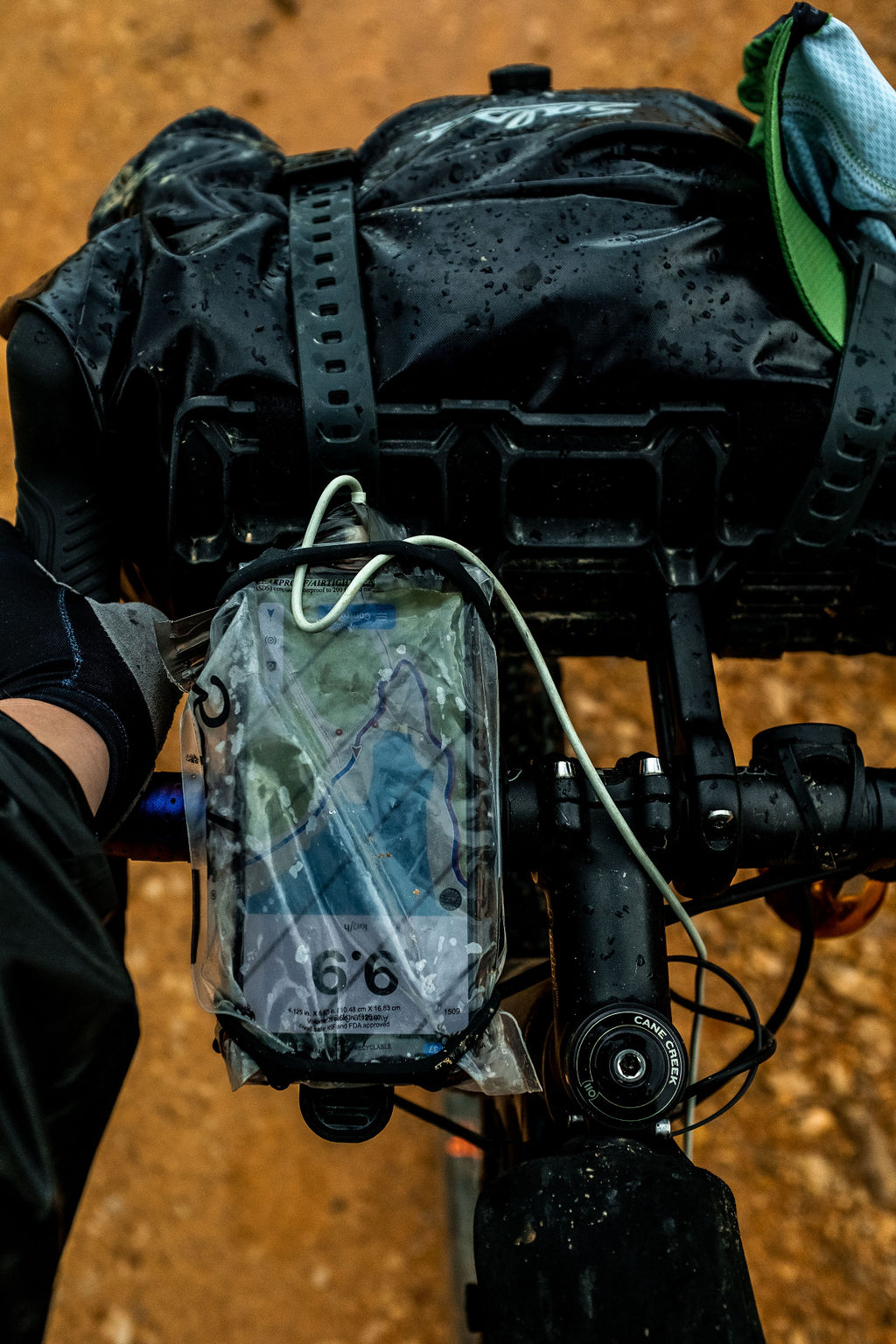




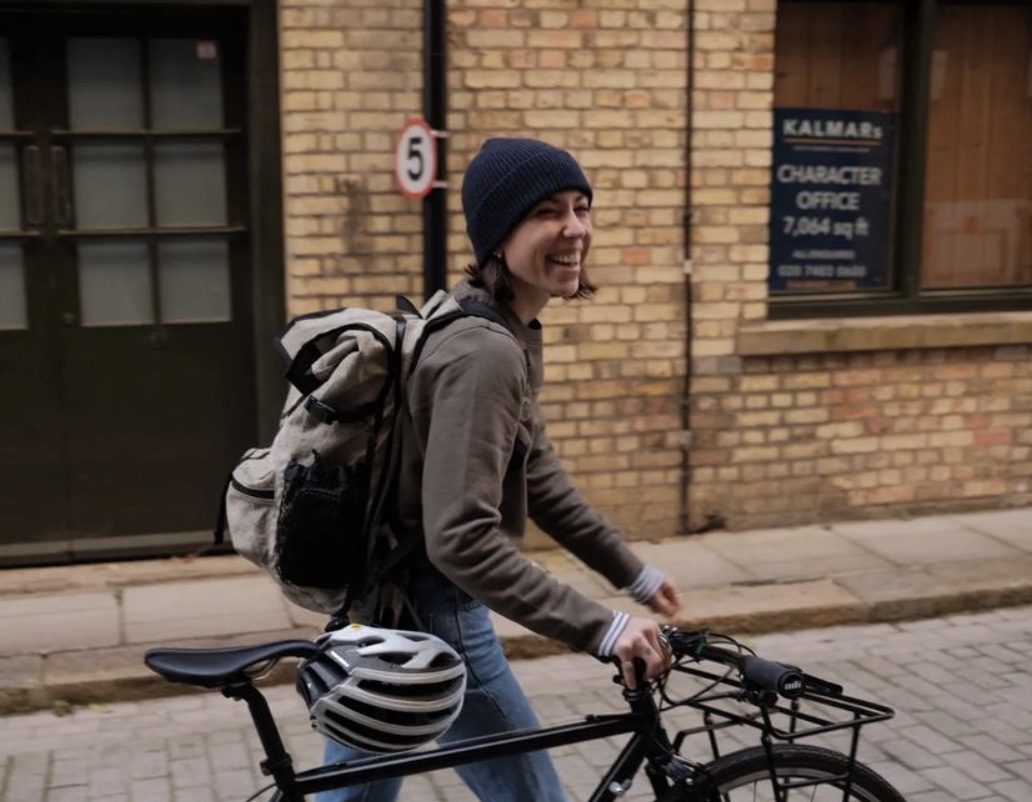

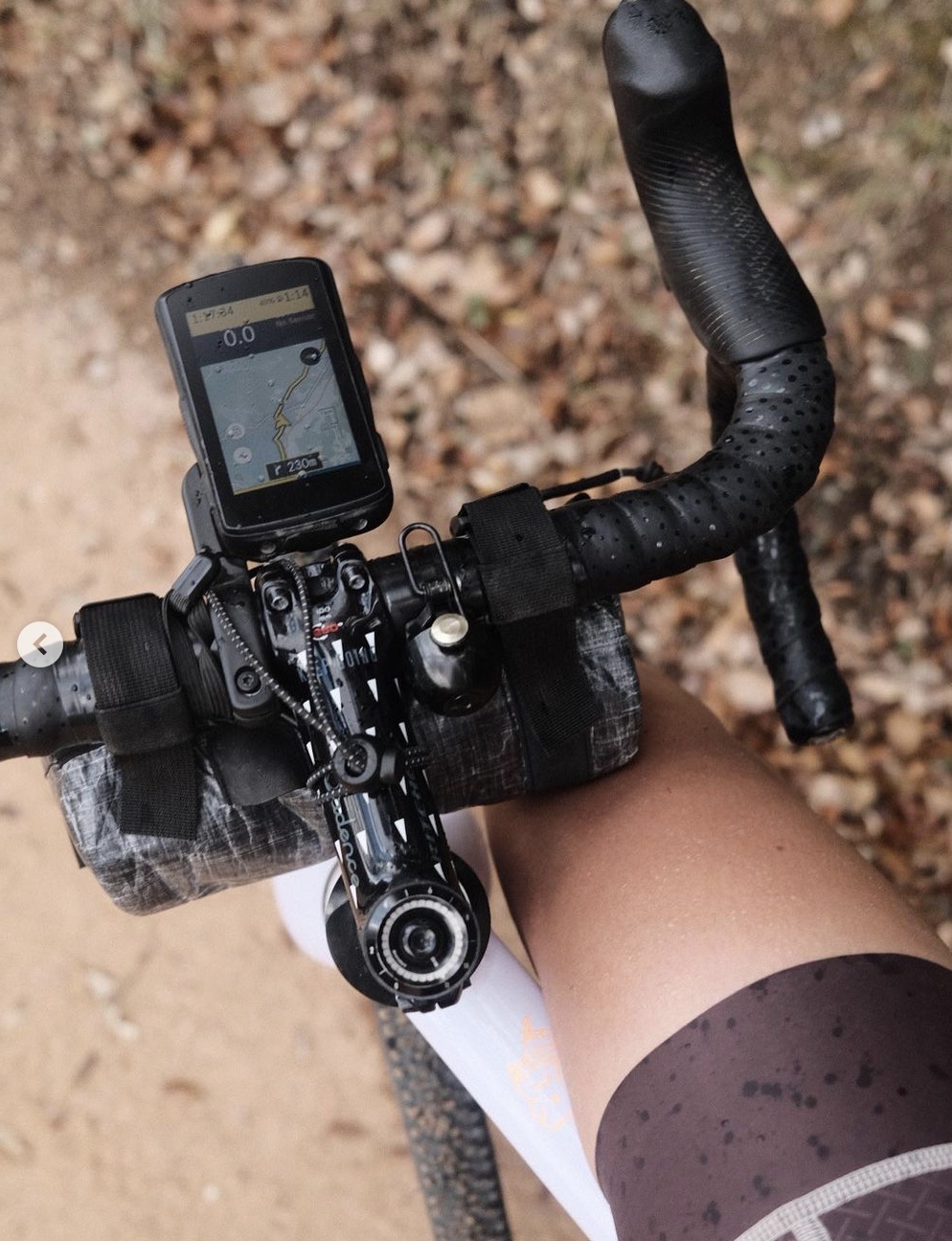






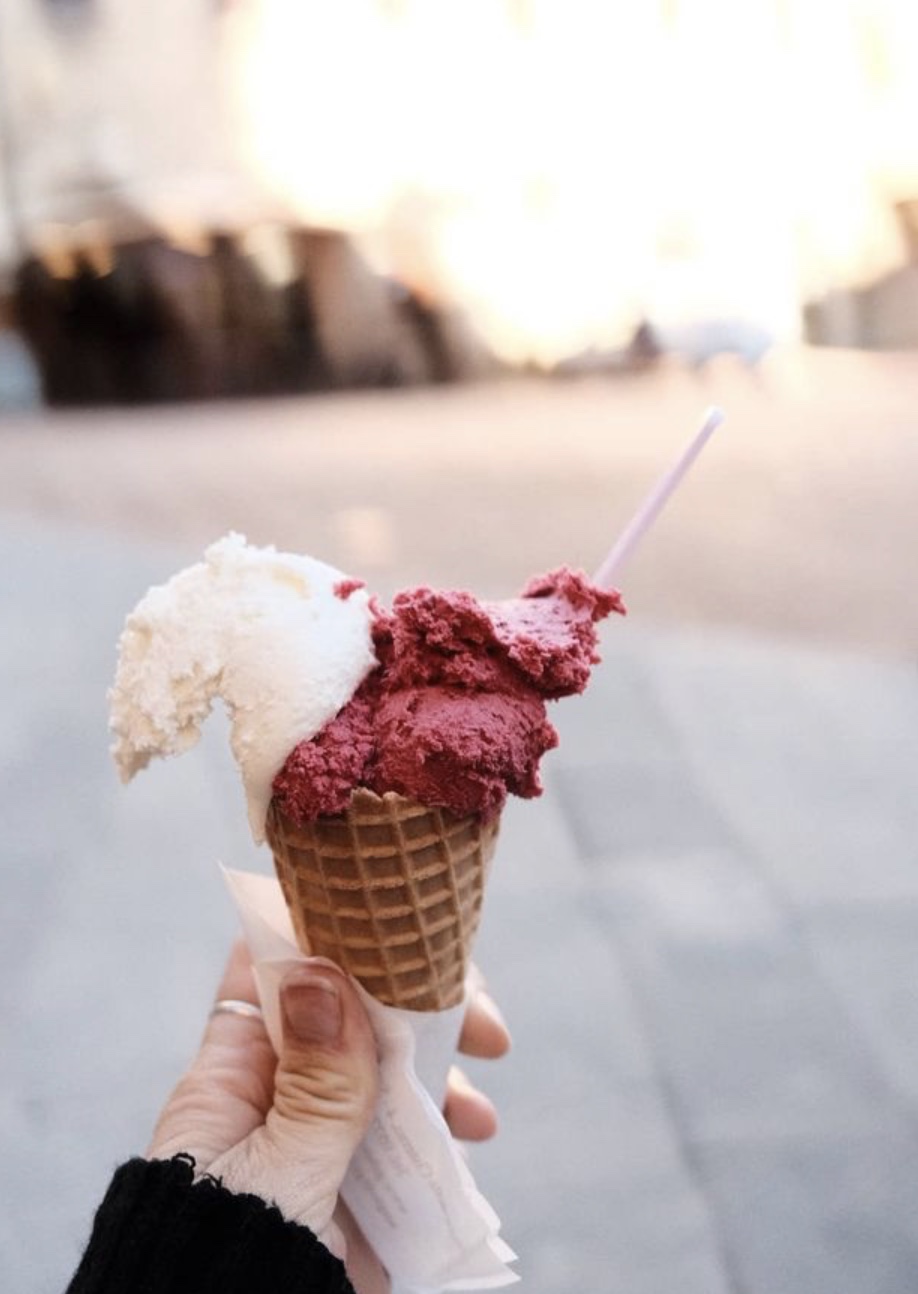
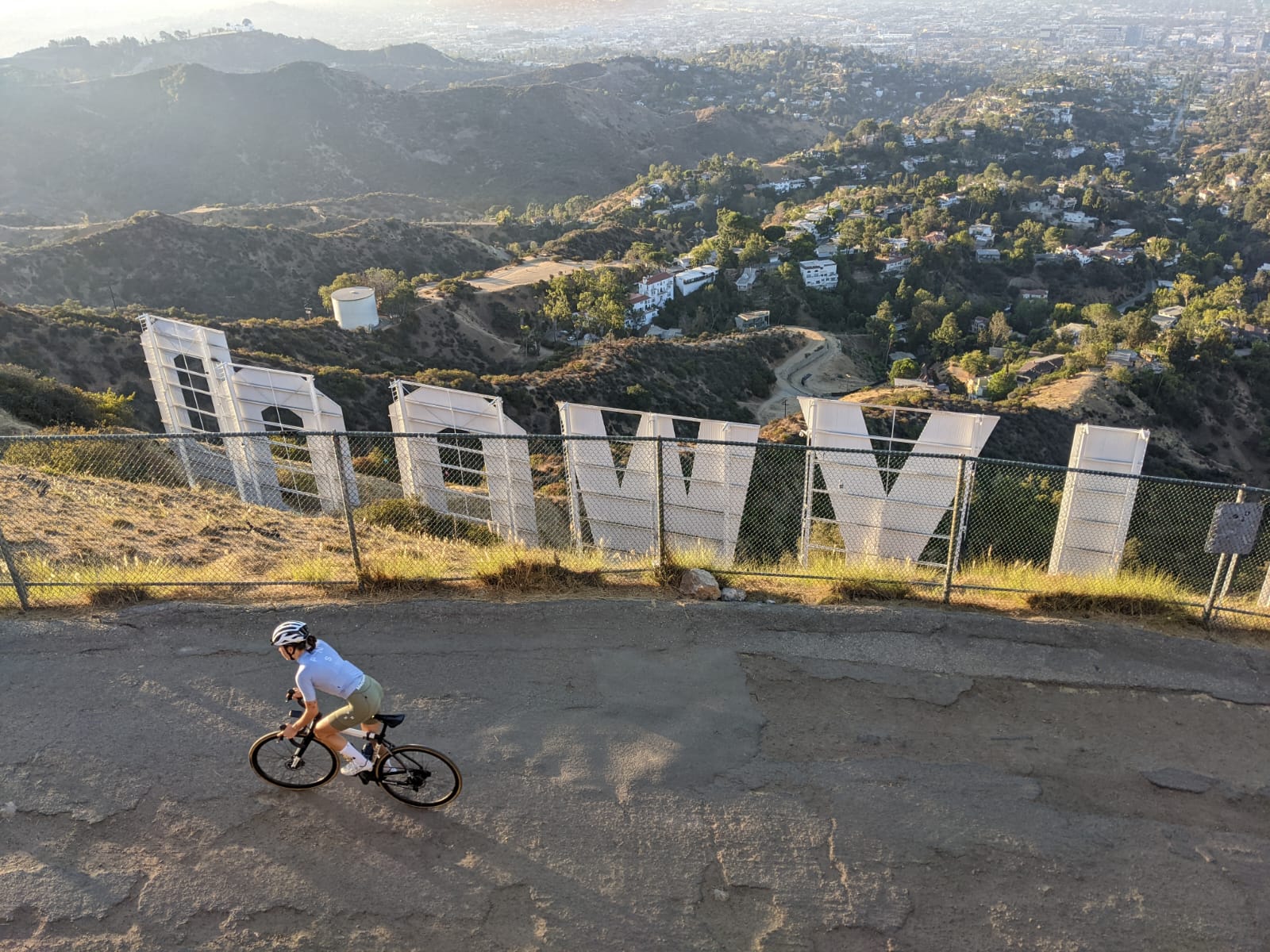






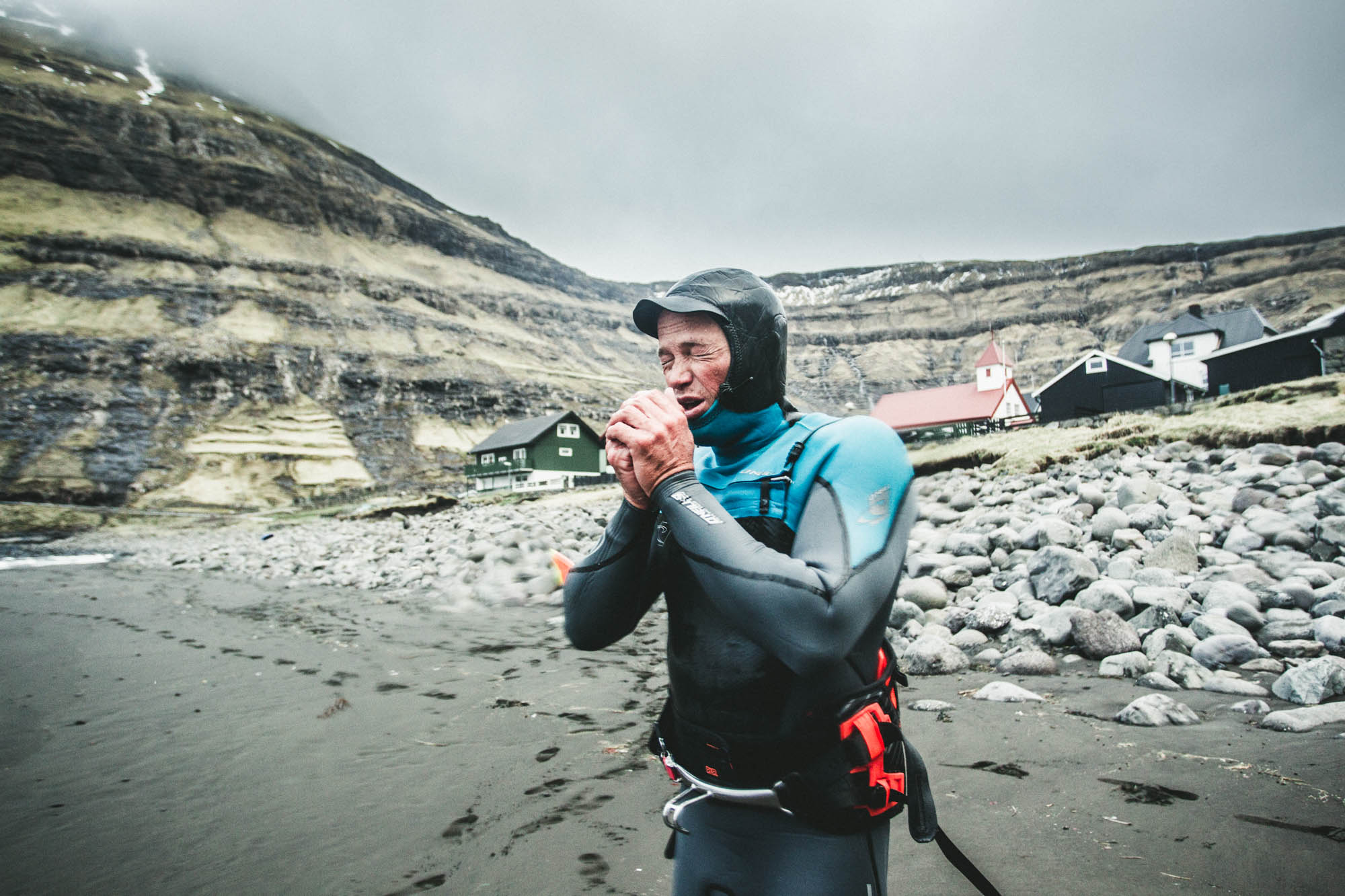
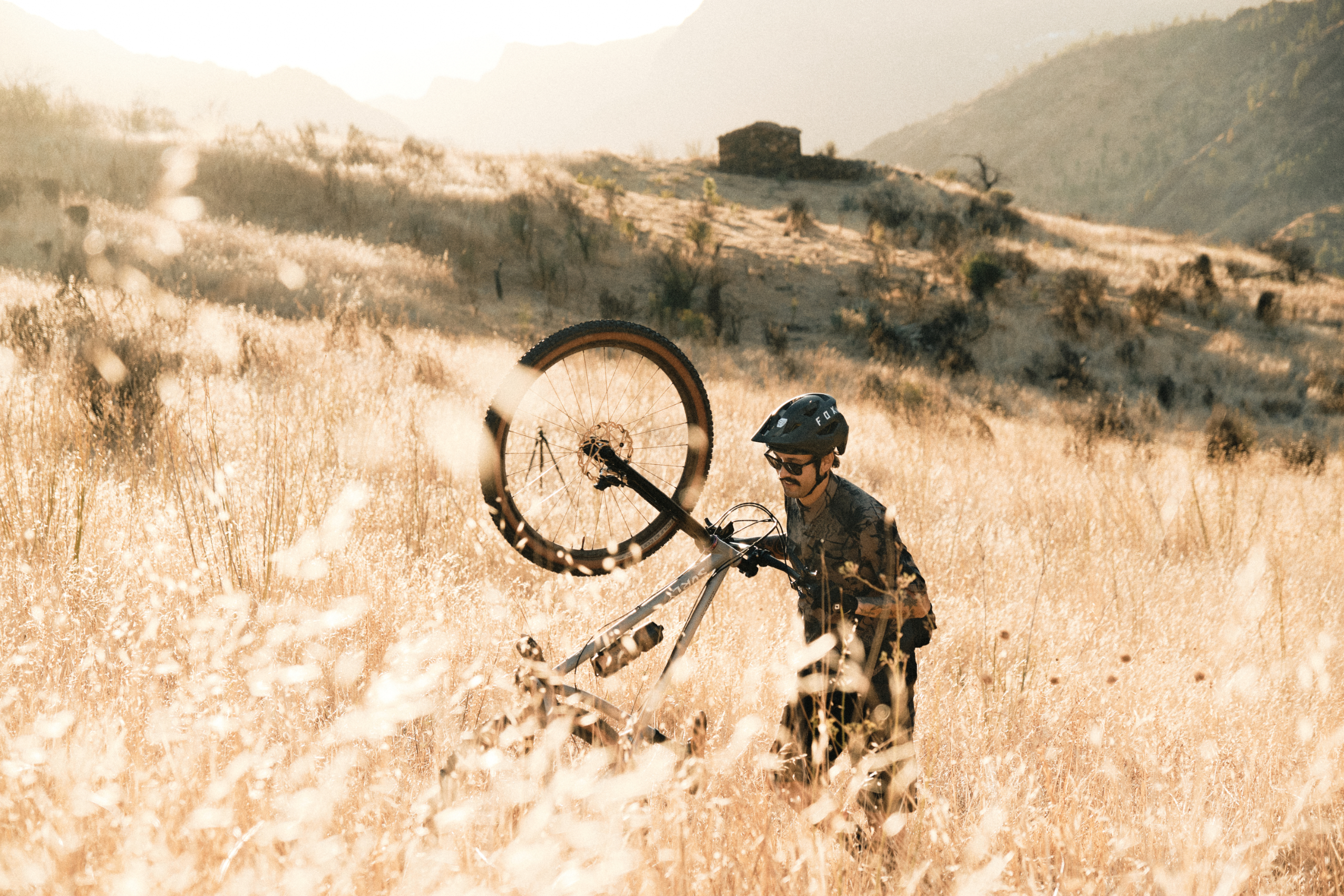
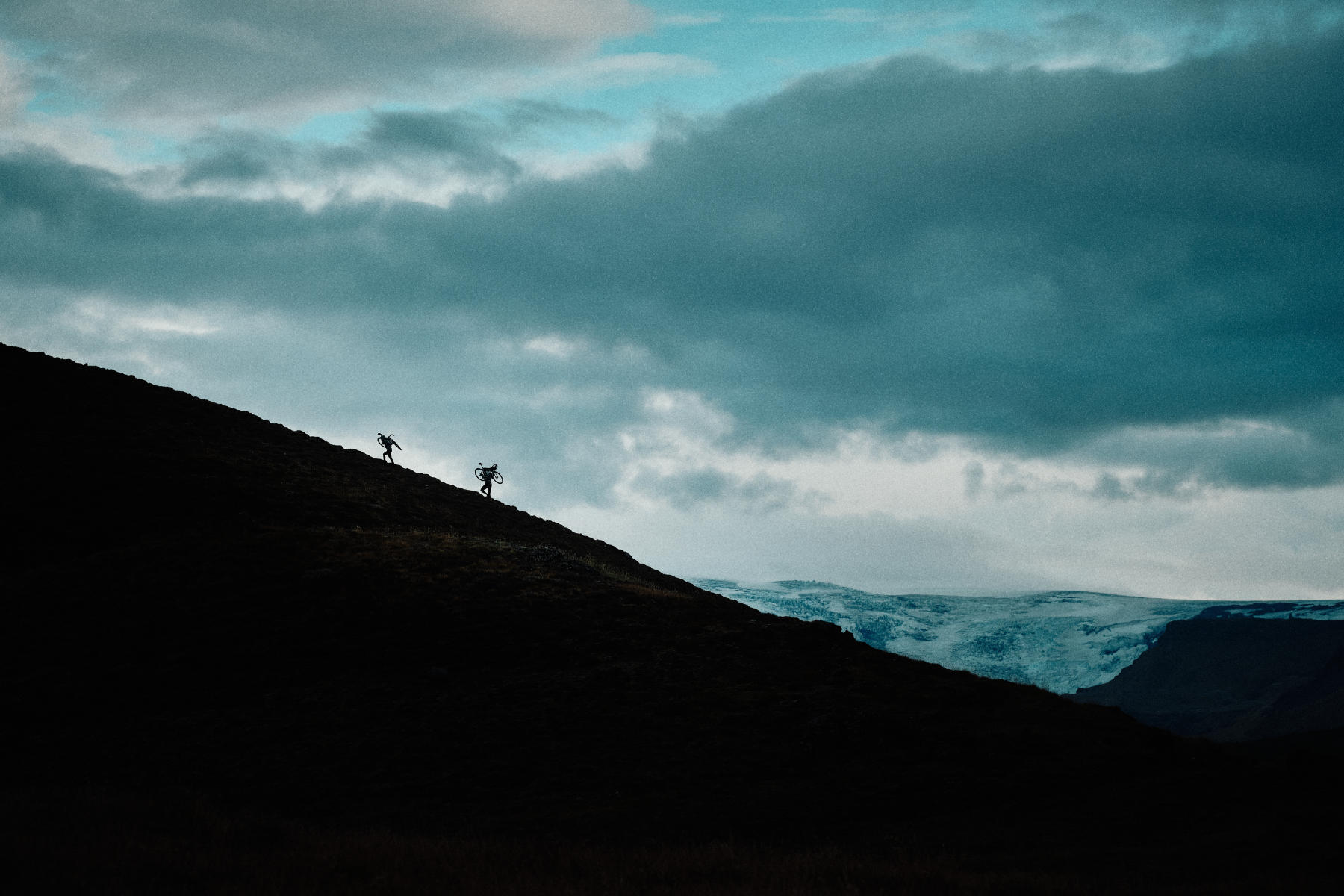
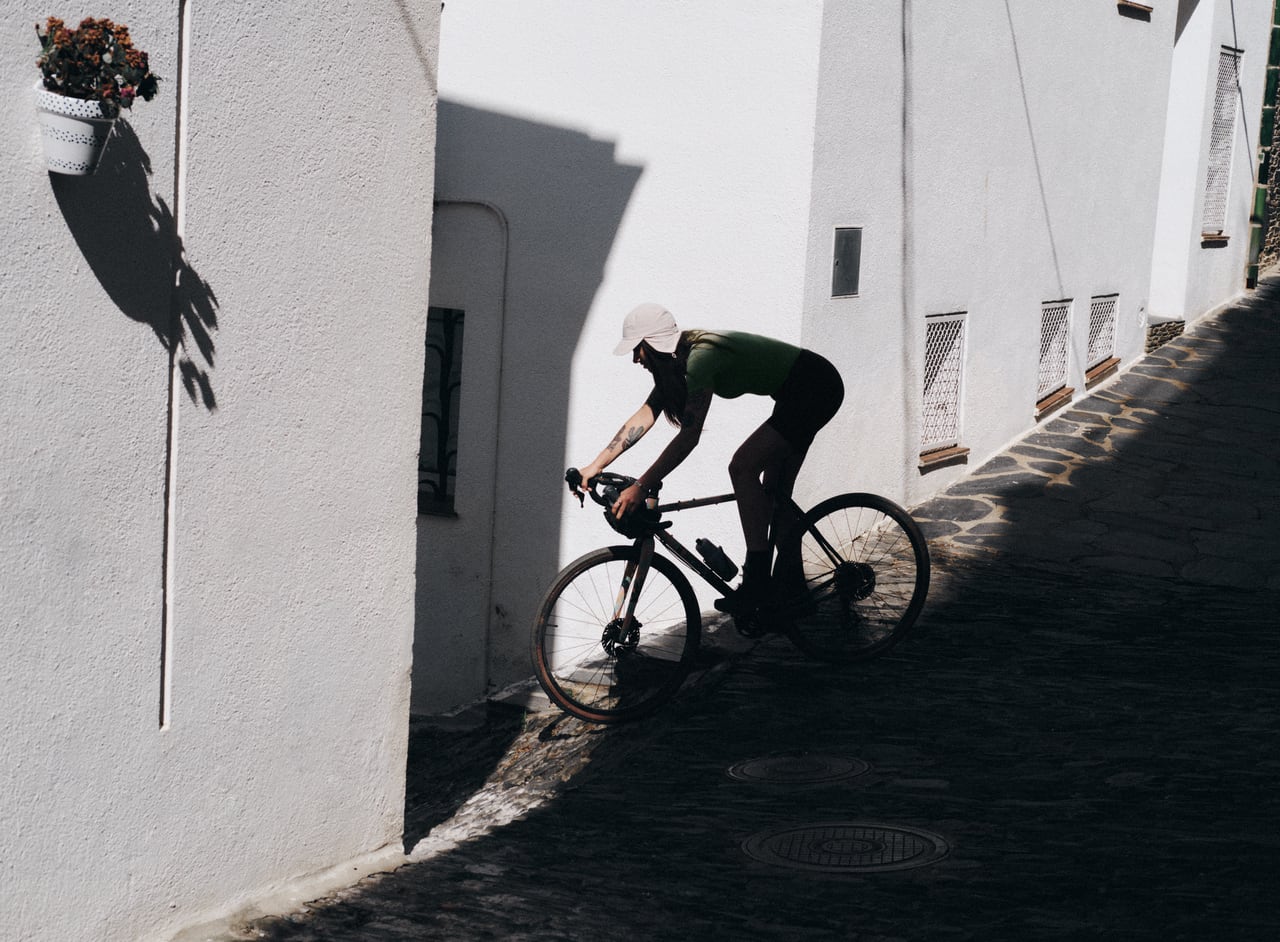
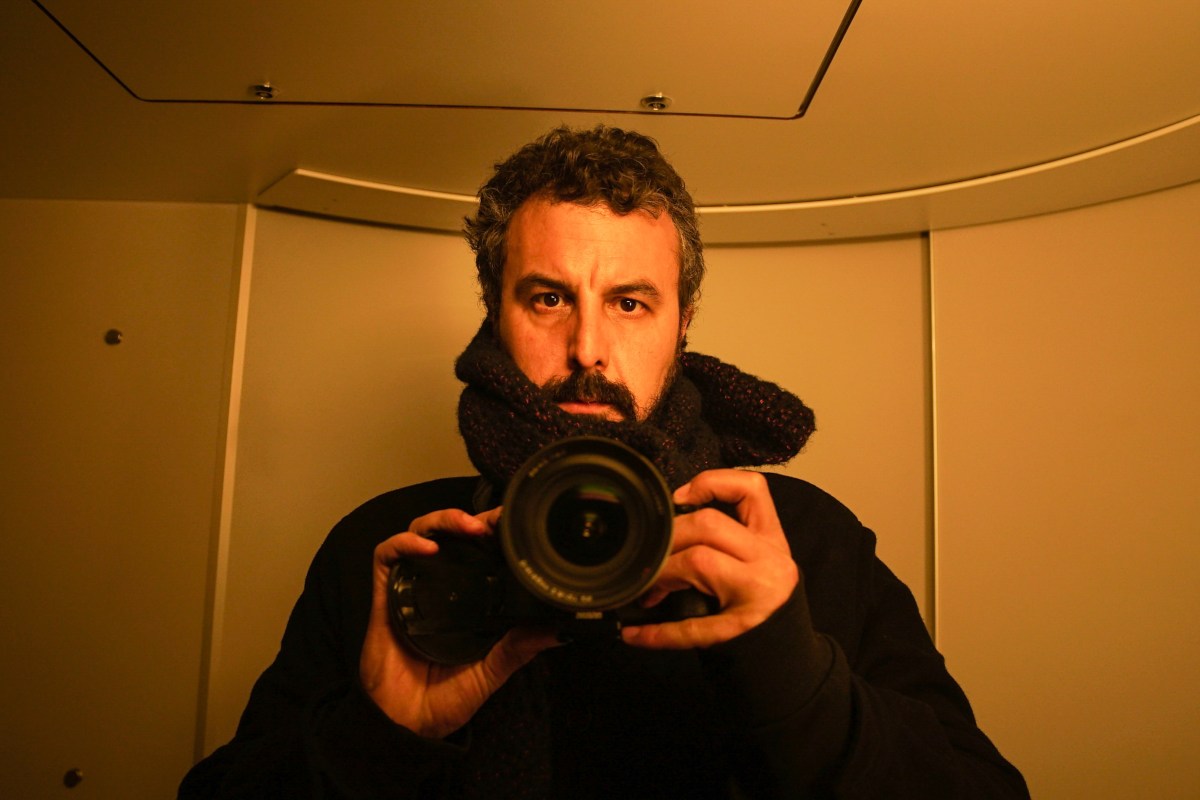


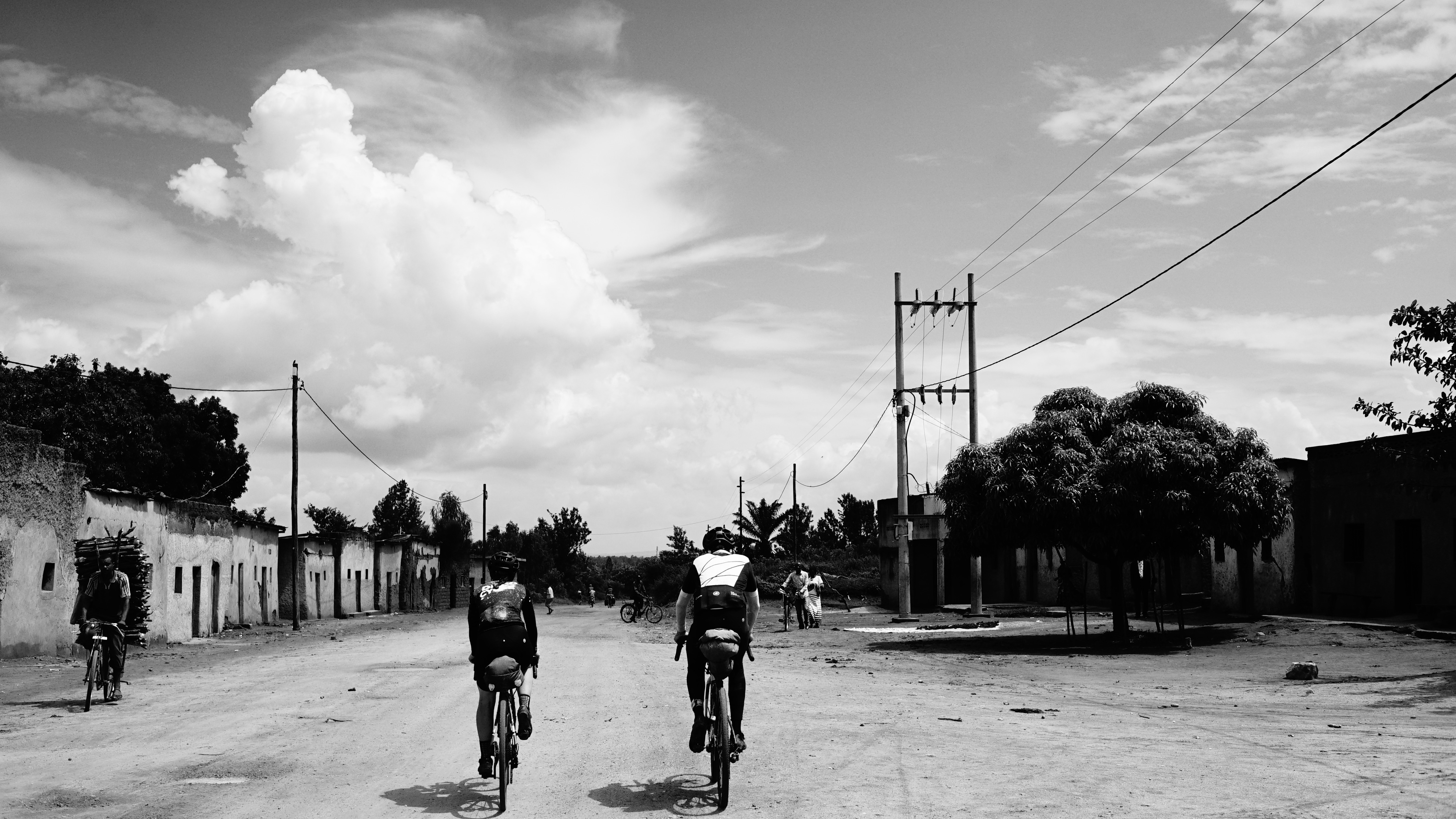


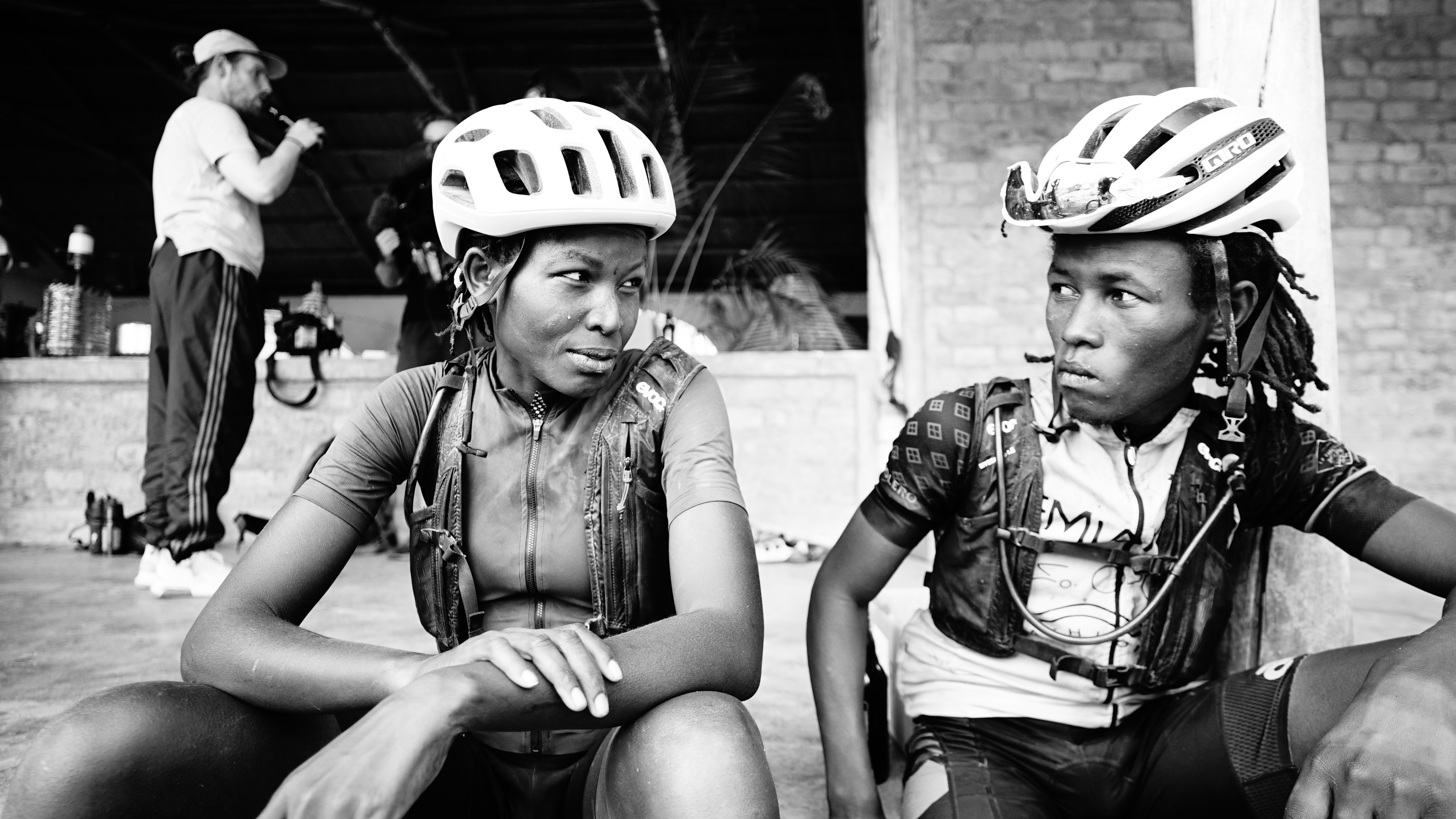


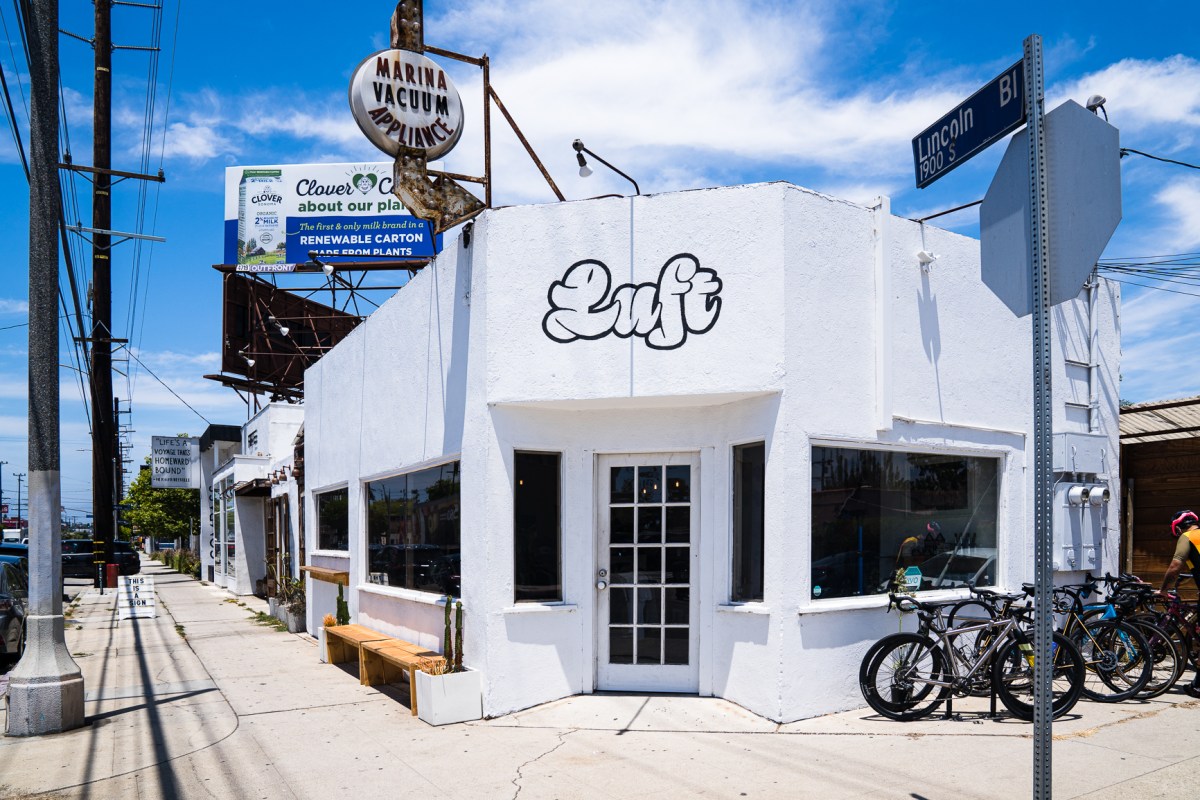


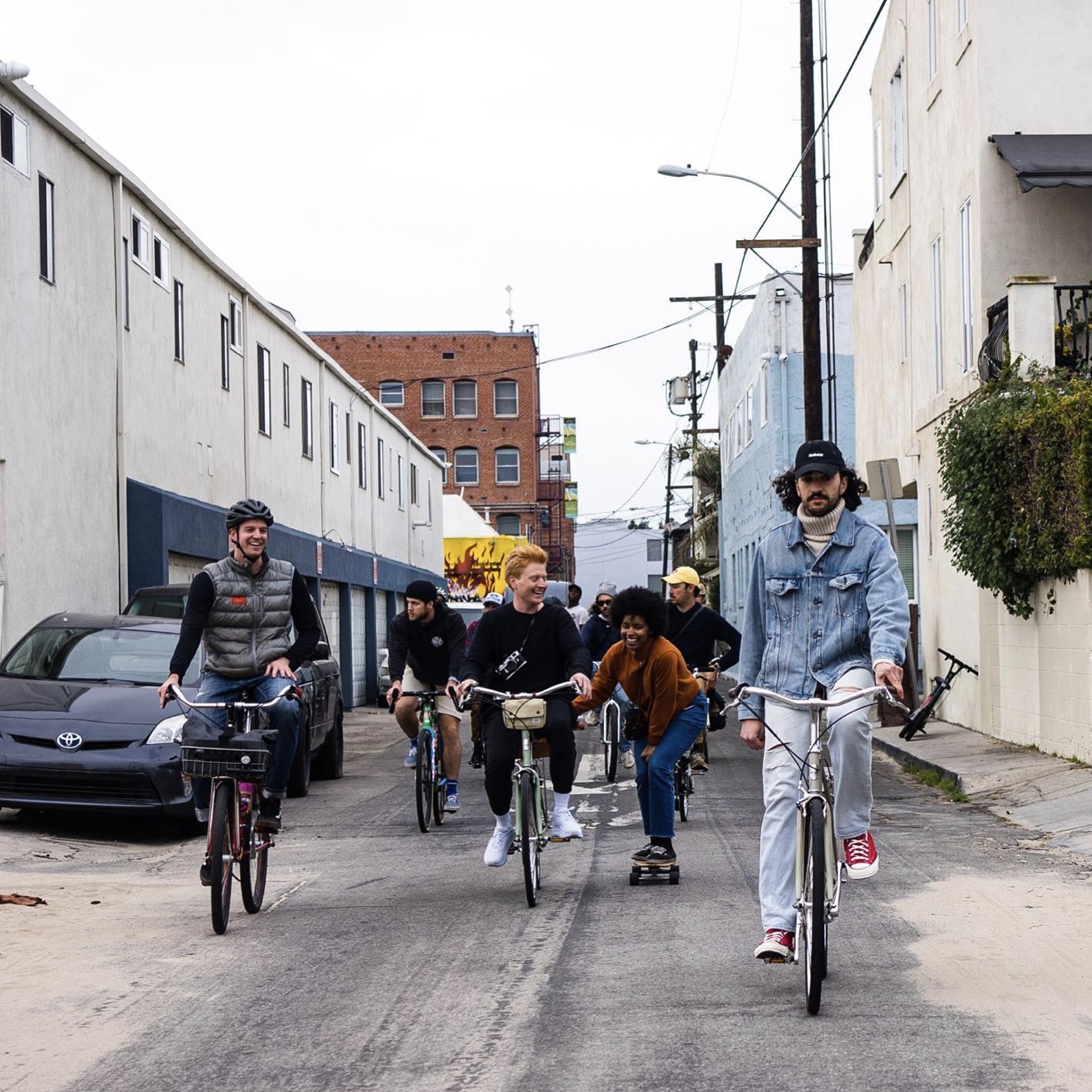


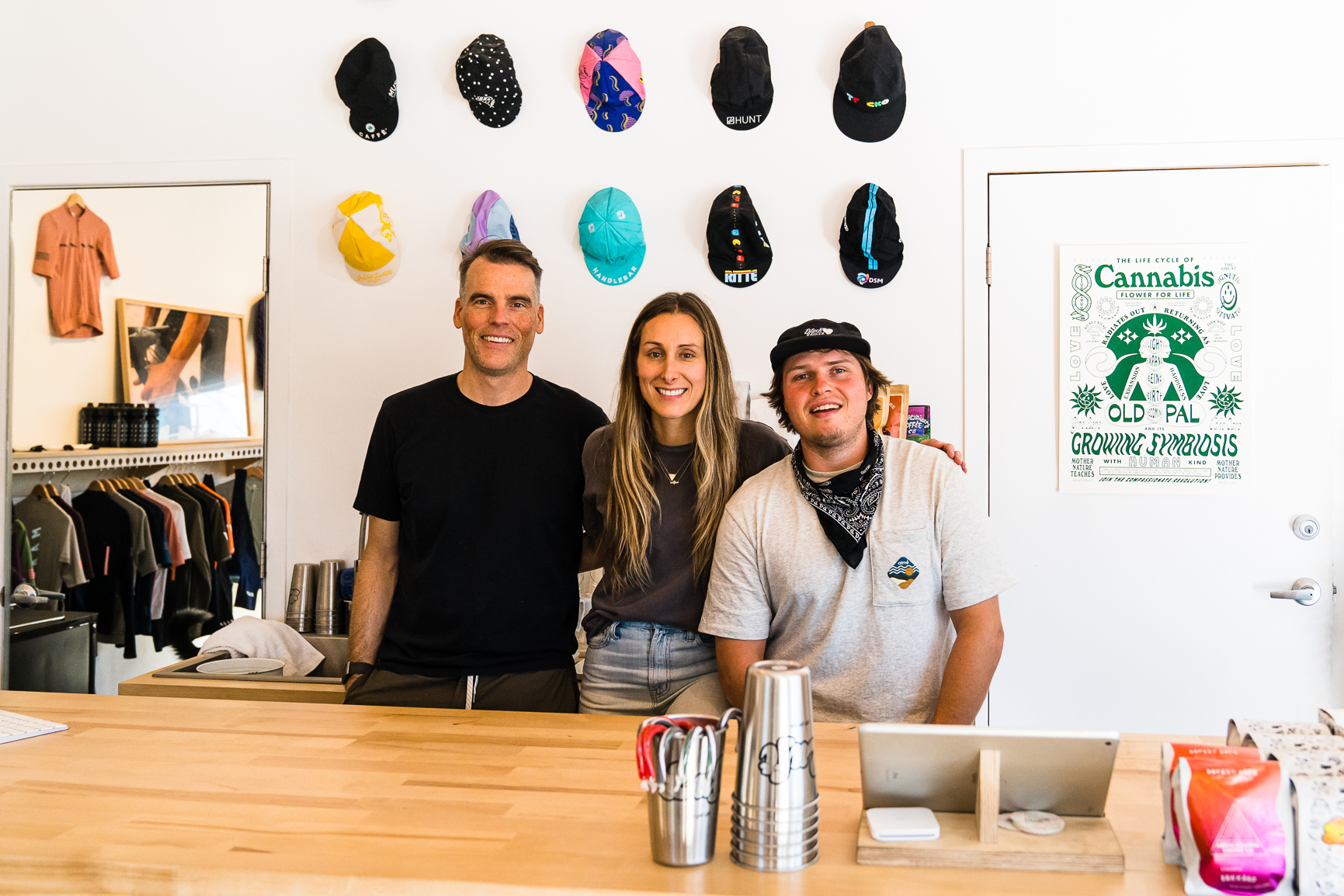


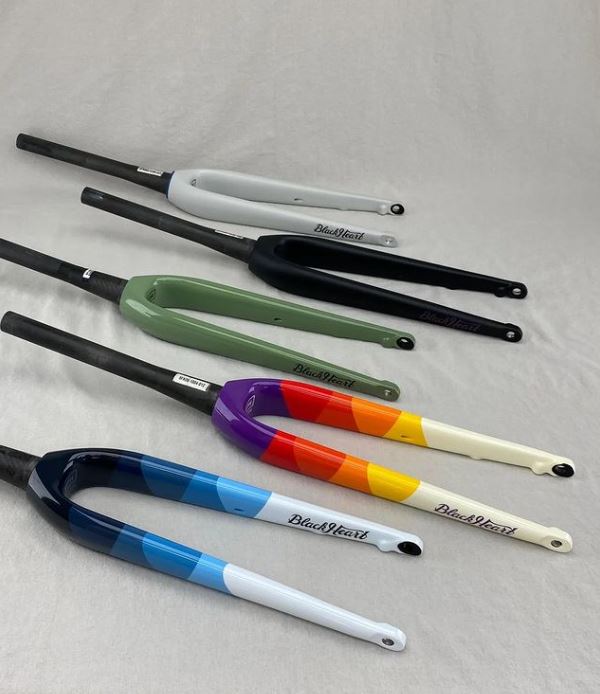


 cyclespeak