Steff Gutovska / A Look Back

It’s early evening and Steff Gutovska is relaxing on an apartment block balcony in Altea. Dressed casually with her long hair framing her face, in the morning she’s due to return home to Norway after an extended period working on a number of creative projects. Mentioning how I’d previously spent a few days on this stretch of Spanish coastline and was surprised at how accepting the local motorists were when the training rides returned to the hotel along the autoroute, Steff explains how together with her partner Christian she enjoys spending winter nights in Norway watching British road rage videos. This throwaway comment just one indication of a wry take on life in general and cycling in particular—a considered and amusing perspective that encompasses her views on social media, emerging trends in cycle culture and how riding in the rain can help mend a broken heart.


I’m Ukranian by birth but after a year on a civil engineering course I left to study abroad when I was 19. Instead of basing my decision on really intense research, I went for the university with the nicest looking website. That happened to be in the Netherlands and it wasn’t even a university. It was a Hogeschool – which is more vocational – where I enrolled on their international media and communications programme. So, basically, three years of pouring one glass of water into another.

As these things happen, I fell in love but the guy didn’t. Deciding to ease my pain with consumerism and looking around for something to buy, I had no idea about riding bikes but I did recognise that fixed gear was very popular so I bought an old road bike. It was a 53cm frame—which for someone my size is impossible to ride – and it was autumn – so obviously it was raining. But the raindrops hitting my face mixed with the tears that were rolling down my cheeks and I felt so beautifully bad for myself. Somehow cycling just fitted with this delicious sense of loss and I found I enjoyed riding a little faster than I would on a heavy commuter. Six months later I moved to Madrid, took the bike with me and then, a little while later, I once again met a guy.

He had a café and they wanted photographs of customers with bikes. Deciding that could be me, I kept calling in and locking my bike very slowly until he finally noticed me. We started talking about the fixie scene – I mean, why would anyone ride a bike without any brakes – and two months later I was riding a bike without brakes. But then you hurt your knees and you try wearing lycra and riding a road bike and discovering gears are actually fun. And the boyfriend? The usual happened and I was sad and riding through the rain.

When Erasmus ended I’d already decided that I was never going back, so my parents kindly drove to the Netherlands to pick up my stuff and brought it to me. I now had to enrol in a Spanish university and chose the Business Administration faculty. But studying taxes and finances – in Spanish! – really wasn’t working so I applied to film school, got in on a full scholarship and then called my parents. Drama, drama, drama…

Instagram

In terms of how I try and portray myself, I feel there’s really only one way to go. If you pretend to be super cool, people are going to be ugghhh. But if you stay humble, they can relate to that because sometimes you’re up and sometimes you’re down. Yes, I might have this expensive bike and be living in Norway but I also have super shitty days.

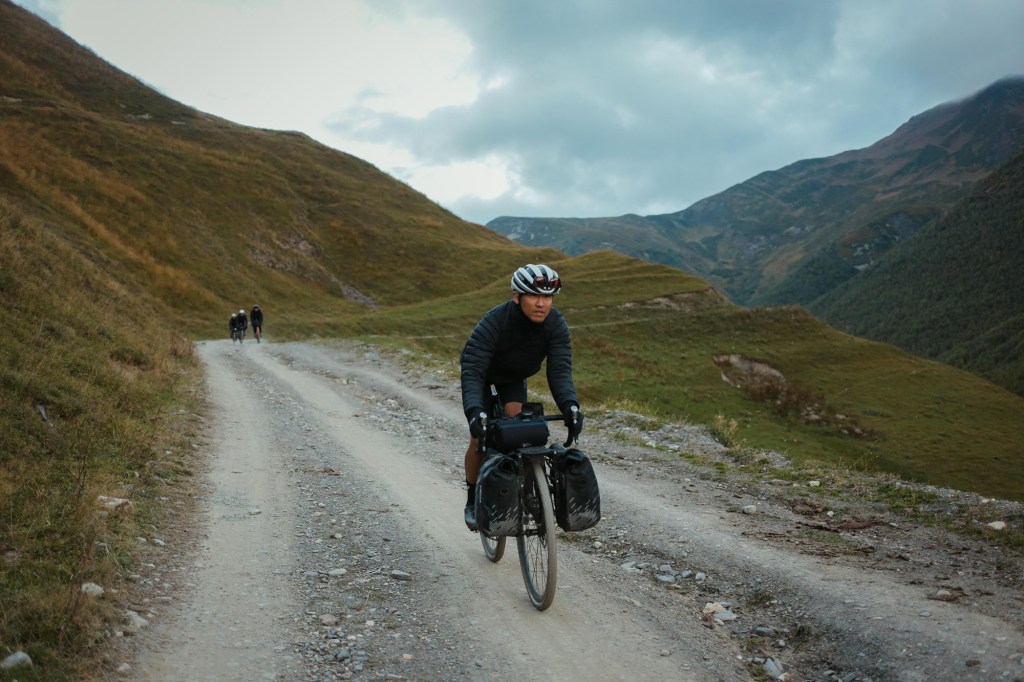
I recently posted a story about a bike packing trip through Georgia. I understand that we were six people in fucking lycra riding through the mountains in the middle of Eastern Europe but there was this guy trolling me on Instagram saying it looked like a Paris fashion show. On the other hand, you see certain well-known cyclists riding bikes costing $12,000 and acting like they’re not bothered with their look and just happy to ride in a t-shirt.

There’s a view that pretty much everything on social media is curated in one way or another. So let’s take me as an example. If I’m riding in a beautiful place and I make a beautiful photograph which I then post, is it still authentic or curated?

I feel there’s a lot of tension in the Instagram community at the moment. As if the whole cycling industry and how they use social media is this big bubble that’s about to burst. But even though everybody judges everybody, it’s only human to be liked and to be loved. Right?

I admit that I will post a picture of myself standing in front of a certain colour wall because I prefer to see 2000 likes instead of the 500 I get if I post a picture of my parents. And I have to be completely fair and acknowledge that most of the people that follow me are middle-aged men in lycra. And when they scroll on their phone – sitting in the morning eating their breakfast or having their coffee before going to work – an image of me against a simple white background will pop out more and stand a better chance of getting a like.

So I’m very aware of what drives engagement. And that’s sad but it’s also true. I mean, I don’t cry if a post doesn’t do very well in terms of a response but I have created this little world around my persona. And I’m constantly struggling with whether I should post this or that because I love it or because I want to get some likes. Maybe we should consider why the vast majority of Instagram users make a post?

It can sometimes be a case of, fuck, I haven’t posted anything for ten days and I feel obliged to do it. But on the whole, it’s still fun and a good tool to meet new people and make connections.

A few years ago I was riding with friends down the coast road south of Barcelona. Very beautiful with views over the Mediterranean but so many cars. It was pretty late as we’d been held up, it was getting dark and we didn’t have lights. All the drivers were really pissed off — beeping and overtaking far too close to us. But then, all of a sudden, no one was passing. I could still hear car horns but the cars had stopped overtaking. We decided that someone must be protecting us and then a couple of kilometres later a car passed with someone waving as they drove by. Later that evening after I’d had a shower, I got a message from this random guy who follows me on Instagram saying that he’d seen us on the road and decided to hold back the traffic. And I felt like crying. Such a nice thing to do.


I was already making videos and doing photography and the film school teacher suggested – this will come over as sooo pretentious – that I would be better waiting and entering the second year. Having a couple of months to waste, I was helping out a lot of people with photography which kind of led to little paid jobs and those, in turn, led to some more. I was then approached by a start-up that needed an intern and, by the time my course was due to begin, I was offered a full time position. So it was a case of, hmmm, fuck study.

They were basically trying to be like LinkedIn but with aspects of Tinder. My role was to travel around and make profiles of strange and weird IT companies so they looked attractive to the IT people wanting to relocate to them. But after a while this got boring so I moved to Barcelona to finish my education and did another three years of another bullshit course involving communication and PR.

But one particular highlight from this period was meeting Christian. We were following each other on Instagram and he messaged to ask if I could recommend a ‘cycling friendly hostel in Barcelona’. Reading between the lines, he was checking to see if he and his friend could crash at mine after riding from Salzburg to Barcelona. I said that it wouldn’t be a problem but miscalculated the days—realising that I would be in Slovenia on a Pas Normal trip. So I asked him if he felt like joining – which he did –  and he liked it so much that when we’d finished, we travelled together for another ten days. The rest, as they say, is history—with me trying to win over his cold Scandinavian bachelor heart.

Meanwhile I was taking on the odd photoshoot and when my friend and current professional partner suggested we start working together creating lifestyle content for platforms like Shutterstock, I thought, let’s try it, why not. It took off and I’ve been doing that ever since. This new direction also coincided with a downward curve in my cycling career. I still love riding but I constantly struggle with how easy it is to lose fitness. You have a few weeks off the bike and it’s back to fucking zero. That makes you feel like shit which demotivates you even more. And it’s so hard to get back to the point where you go for a ride and think, hey, I kinda feel good.

But when I do go for a ride, I honestly feel I perform better the worse the conditions. I would never choose to leave the house to go riding if it’s raining – who would in all honesty? – but whenever we’re bike packing and it’s really shitty, I’m not going to complain. I will complain if it’s sunny and everyone is pushing and I’m dying. But if the weather is bad, I shut the fuck up, embrace it and go.

Trends and tribes

Compared to some other mainstream sports, I think there’s way more pretentiousness in cycling. Even at an entry level, you need so many accessories. A bike, shoes, helmet – the list goes on – which can be a great starting point for conversations and makes it very easy to meet new people because you can always talk about bikes and kit. But on the other hand, it can encourage some individuals to act a little smug. And to be totally honest, we’ve all been there. A few years ago I was all ‘look at me’ in my Rapha or Pas Normal kit.

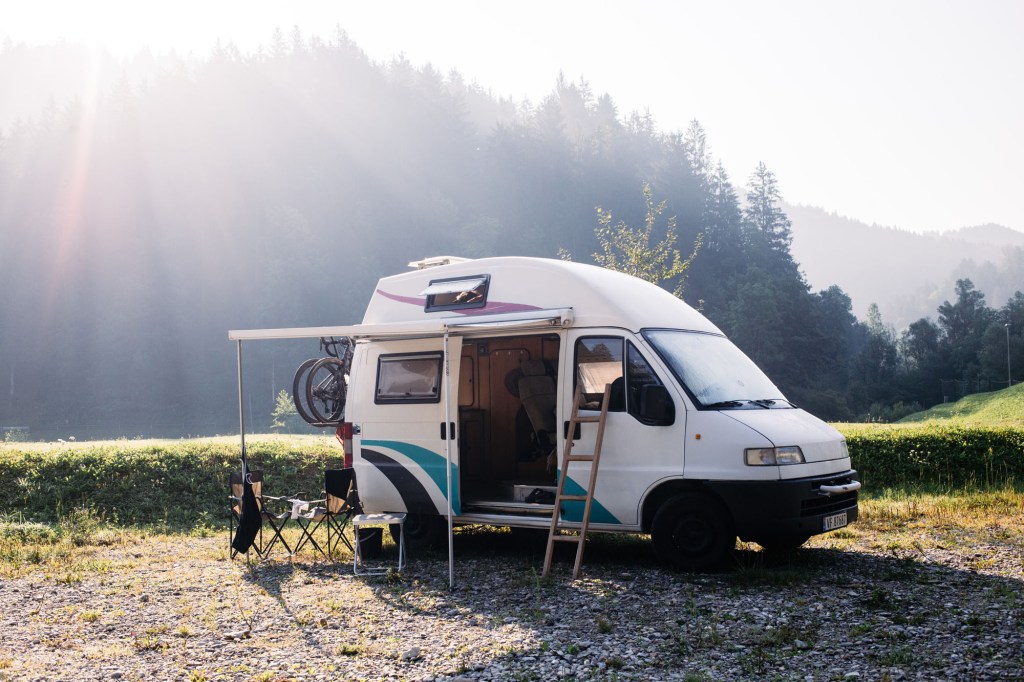
In terms of what’s next, I think we’re definitely going down the bike packing direction. You see lots of well-known cyclists posting pictures of themselves riding gravel and camping out under the stars—in much the same way that van life so quickly became a thing and now you can’t park anywhere because everybody is pissed at people living in a van and pooping in a park.

Maybe it’s the only way of cycling at the moment that people feel OK about? The simple pleasures of travelling by bike and feeling humble. Not washing for days on end and letting that go. I’m dirty, I smell, it’s fine.

Before, it was all about serious roadies in their lycra or relaxed mountain bikers. But even mountain biking has become really, really expensive. The bikes cost a fortune and that chilled, mud-on-my-face look is very monetised at the moment. Which probably explains why I’m a little tired of the cycling bubble. Over the years I’ve been doing photoshoots for different brands and, especially in Europe, it can get a little samey. Skinny boys and skinny blonde girls riding in the mountains. I kind of want to do it more like the American way; all shapes and sizes and colours. But not all of the European based companies are prepared to challenge their customer base. So if a cycling project is interesting, I’m happy to get involved but otherwise, I just stick to my production stuff.


With the nature of my work involving a lot of travel, I’ve been based in Spain for a few months but I’m leaving tomorrow for Norway. Faced with the difficulty of travelling back and forth during the pandemic, it just made financial sense to stay for a decent length of time rather than keep paying out for the 24 hour Covid tests. And try getting anything in Spain in 24 hours!

I know my partner Christian won’t be happy when I say this but home, for me, is still the Ukraine. Probably because I have a very strong bond with my family and used to visit every few months. Moving to Norway was my choice but I don’t have a degree in IT that would allow me to earn enough to make living in Norway more bearable. Let’s be honest, summer is amazing but otherwise the weather isn’t that great. And the supermarkets! Only two types of cheese. So it was more a conscious decision to move to where Christian works in a nice bike shop. And it doesn’t really matter where I’m flying out from. Barcelona or Oslo—it’s potato, patato. And then Covid happened and it doesn’t really matter what airport I’m not flying out from.

So, for now, I’m just happy to adjust to living in Norway. Especially as whenever you meet someone new, you hope it’s forever and I really want it to be so with Christian. We’d been dating for a while and decided we just wanted to be together. I have a Polish residence card which allows me to live in Europe and that was working perfectly fine in Spain. But then Covid happened before I’d moved to Norway and I already had tickets to go to the Ukraine so I went home and spent a couple of months in lockdown. During that time Norway announced they were closing the borders to anyone who wasn’t Norwegian until the end of August. So I was crying my heart out and Christian – as any first world, completely naïve person would try and do – was going to call the Embassy and figure it all out. But I’m Ukrainian and we’re third world and nobody gives a fuck!

In the end, I drove into Poland with my parents after lockdown was eased. We had to quarantine for two weeks with the Polish police checking on us each day. We were counted – one, two, three – and had to send selfies of us all together at different times of the day.

Next, I grabbed a ferry to cross over to Sweden because they’d declared that Covid didn’t exist and from there I got a train north to where Christian’s mum lives. He’d sent me a bike which I assembled and then changed into cycling clothes before another train even further north, 80km of gravel, a 2km walk through the forest and into Norway.

When restrictions began to ease in the summer, we bought a van and left Norway so that when we returned I would have an official entry stamp on my passport. And then it was like, fuck it, let’s get married! So now I’m legally a spouse and should be able to re-enter. I suppose we’ll find out tomorrow* [smiles].

*Steff managed to safely enter Norway and was reunited with Christian. She’s since discovered waffles with brown cheese.

Images with kind permission of Steff Gutovska, Katia Lavrova and Christian Ekdahl

Stories About Georgia

Lucas Badtke-Berkow / Tokyo Tree Trek

Publishing their Tokyo Tree Trek edition in the spring of 2020, Papersky magazine offered an intriguing insight into the Japanese metropolis from the perspective of the city’s myriad green spaces and the trees that have long been a feature of Tokyo’s urban landscape. Catching up with Papersky’s co-founder and editor, Lucas Badtke-Berkow, we discussed the inspiration that led to the route’s design, why the original premise opened up to offer unexpected outcomes, and how walking or cycling can encourage a rediscovery of aspects of city life often hidden in plain sight.


We’ve managed to successfully navigate a ten hour difference in time zones for our video call but Lucas Badtke-Berkow is having a little trouble showing me a photo spread from a copy of Papersky—the magazine he co-founded with his wife Kaori in 2002. Sitting in front of his laptop, juggling an electric lantern in one hand and the open pages of his publication in the other, the beam of light momentarily picks out the photographs he wants me to see before illuminating his smiling face.

The lantern is on account of Lucas’ farmhouse location. A ‘workcation’ away from his Tokyo home that is proving an increasingly popular trend with a population freed from the office due to home working but needing to maintain social distancing.


Along with frequent bursts of laughter, Lucas talks enthusiastically with a tell-tale Japanese accent. A fascinating insight into cultural assimilation considering he was born in the North American city of Baltimore and grew up in San Francisco where he studied at the University of California.

“After graduation I wanted to go somewhere I hadn’t been to before. I was an American Studies major so there was a lot of focus on American history and American art. And I immediately thought of Japan because in San Francisco there’s a Japanese bookstore called Kinokuniya where I enjoyed looking at lots of different Japanese magazines and photo books. I was always fascinated by how totally different the perspectives and images were compared to the States.”

“So I decided to go and see Japan for myself. I had this tiny, little backpack and just set off for a two week stay. I arrived in 1993 and haven’t really left. I guess it’s a good fit for me.”

With Lucas making his own magazines since elementary school, he launched Tokion in 1996—the publication’s title translating from Japanese characters to mean ‘The Sound of Now’. Mixing Japanese youth culture, music and fashion with American trends in movies, photography and art, the magazine ran for six years and became very popular.


“People didn’t have a clear image of what Japan was at that time. There was no internet back then and it wasn’t easy to see and understand the culture so magazines were one way that people shared and consumed media. We had a bi-lingual setup and published Tokion in Japan, republished in the States and also distributed to Europe. But then, as I got older, I came to the realisation that I couldn’t really make a youth culture magazine anymore. But making magazines was the only thing I knew how to do so I had to rethink what would work next. I’d grown to love travel and visiting different places – both in Japan and overseas – so with my wife Kaori we started to plan how to turn those interests into a magazine. I sold Tokion and we started Papersky in 2002.”

With each edition of the magazine having a central theme, when Lucas heard the announcement that Japan would be hosting the Olympics in 2020, he decided to offer an insight into Tokyo but from a unique perspective. Rather than simply a guide to the best place to eat or which museum to visit, he considered how Papersky could focus on the culture of Tokyo but in a way that people could experience for themselves.

“I had this idea of offering memories that would last a lifetime and discussed this with Kaori. My wife, she’s a very interesting person because she communicates with trees. She goes out very early in the morning when the neighbourhood is quiet and has conversations with several trees that she likes to visit. And then when she returns, over coffee she’ll talk to me about what they said.”

“So with Tokyo expecting all these visitors for the Olympics, it just struck me that maybe we should plan a trail that connects all the trees in the city. And the interesting thing for me is that, unlike a forest which might have only two or three varieties, in the city people have planted all sorts of different trees. Almost like a museum.”


Over the course of six months, the couple began by listing their favourite trees before asking people they knew to suggest one or two of their own. Once all these locations were plotted on a map, the next step was to design a route that would link all the individual trees together. With a certain shape called an ‘uzumaki’ in Japanese – the spiral you see on a snail’s shell – it was decided that the trail would start in Shinagawa and then pass through their own neighbourhood of Higashi-Shibuya before ending at the Imperial Palace.

“So we had this idea of travelling through Tokyo but from a totally different perspective. Along the way you get to meet all the trees and then there’s a nice cafe here and an interesting shop over there. And I’m friends with a lot of bicycle messengers and they know the roads better than pretty much everyone else. We wanted to connect up the route and messengers are usually thinking about how to ride from one building to the next so we just substituted the trees.”

With an initial route mapped out, Lucas cycled the trail with Kaori before they each walked individual sections on their own. A final run-through and the Tokyo Tree Trek was ready for publication in Papersky in time for the expected influx of visitors to the city. 

“Even though we’d originally planned this to coincide with the Olympics which were subsequently postponed, because the magazine came out during lockdown, many people wanted to spend time outside in the fresh air where it wasn’t crowded. Something that we didn’t foresee but an unexpected and satisfying outcome. The trail and the mood of the city were a really good match at that time.”

Another upshot from the trail’s launch was the conversation photographer and creative director Lee Basford initiated with Strava in Japan. A longtime friend of Lucas, he’d enjoyed the Papersky story and felt it would make an interesting ride feature and photo essay. With Strava in San Francisco also onboard, it was decided to make this a global project.

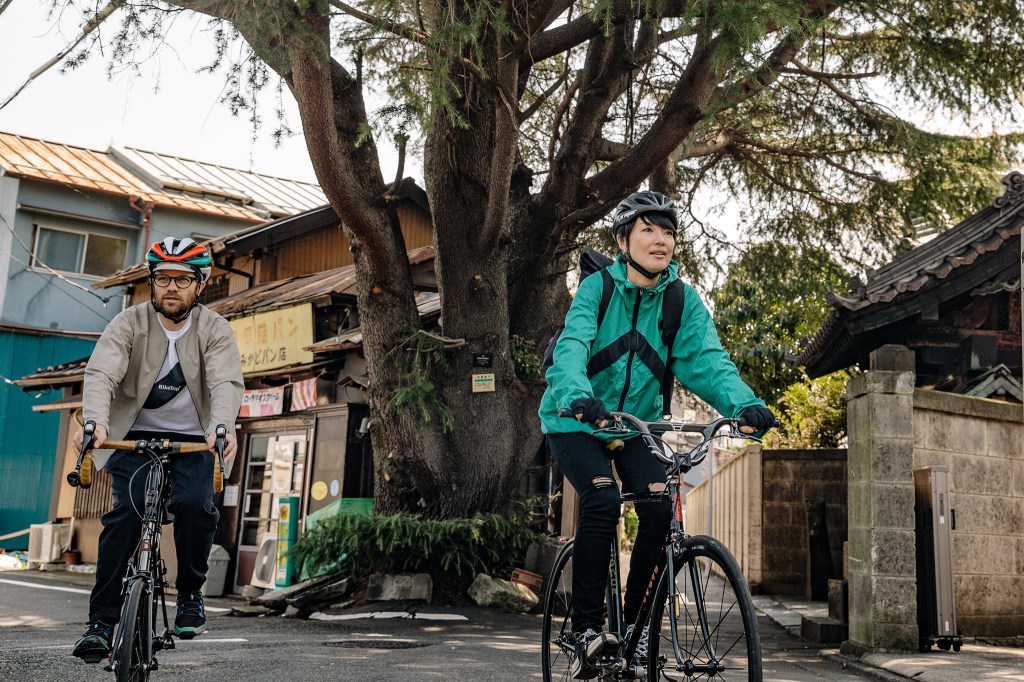
“The idea of seeing a city from a new perspective and to focus on the green spaces with a bicycle friendly route just resonated. So we started super early and went into the evening on two separate days. Lee taking the photographs of myself and my messenger friend, Yuki Tokunaga, riding our bikes.”

With the route avoiding busy roads in favour of quieter back streets and neighbourhoods, not only does it demonstrate how the city embraces nature in the form of parks and open spaces but also how the ancient and modern aspects of Tokyo are so inextricably  intertwined.

“There’s a cafe on the trail that has a number of bonsai trees sitting outside that are over 500 years old. And these places are easy to miss in a city the size of Tokyo. It’s probably the same everywhere but there’s something about Japan that can be really hard to figure out. Where things are and why they’re there. The story behind these places and how they interconnect. So we set out to offer an easy way of navigating the city that helps you to understand the connection between the built and cultural landscape. And these elements become increasingly apparent as you travel along the route. You’re going on a time trip as much as a physical journey.”


In a similar way to how the city of New York embraced the High Line, now that the Tokyo Tree Trek is established, Lucas is hopeful that at some point the city officially adopts the trail with signage to show the route.

“We walked the High Line with the photographer Joel Sternfeld before the city understood the potential. That was 15 or 16 years ago and we did a Green New York issue of Papersky. So it would be nice to see our trail live on in some form or other. Especially as I don’t really consider Tokyo to be a cycling city.”

As Papersky regularly organises its own bicycle tours, the fact they are always so popular suggests that maybe the potential does exist for Japan to embrace cycling on a broader scale. The 40 km loops the magazine plans – with stops along the route for riders to eat well and meet the local population – offering an appealing model for inclusive cycling events.

“There’s a particular type of bike with small wheels called a Mini Velo that are popular in Japan. On our tours we rent this type of bike because it helps to keep the pace even and the group together. It’s important to enjoy cycling and I can remember when I joined my University cycle team that I very nearly quit on my first ride. Watching everyone disappear up the road ahead, I was fortunate to have Harrison Ford’s son riding with me – you know, Han Solo – and he kindly explained that the more you do, the easier it gets. And because he did that, it made me stick with it.”

“But would I call myself a cyclist? That’s a good question because I don’t really give myself any labels. I’m not on the bike everyday but I do use it to explore and to show things in a different way. And if I want more people to know about certain things – to discover the undiscovered – then cycling is a tool that I use to do that. And I think it’s a really good way of raising awareness of your immediate surroundings because you’re travelling using your own energy and feeling the atmosphere around you. It’s the same with walking; it’s just the speed difference. So if someone wanted to call me a cyclist, I’d be OK with that.”


Lucas Badtke-Berkow / Papersky

Photography with kind permission of Lee Basford

Lucas’ ride companion is Yuki Tokunaga

Visit Strava for more images and a detailed description of each stage of the Tokyo Tree Trek route

Kirsti Ruud / Coming out stronger

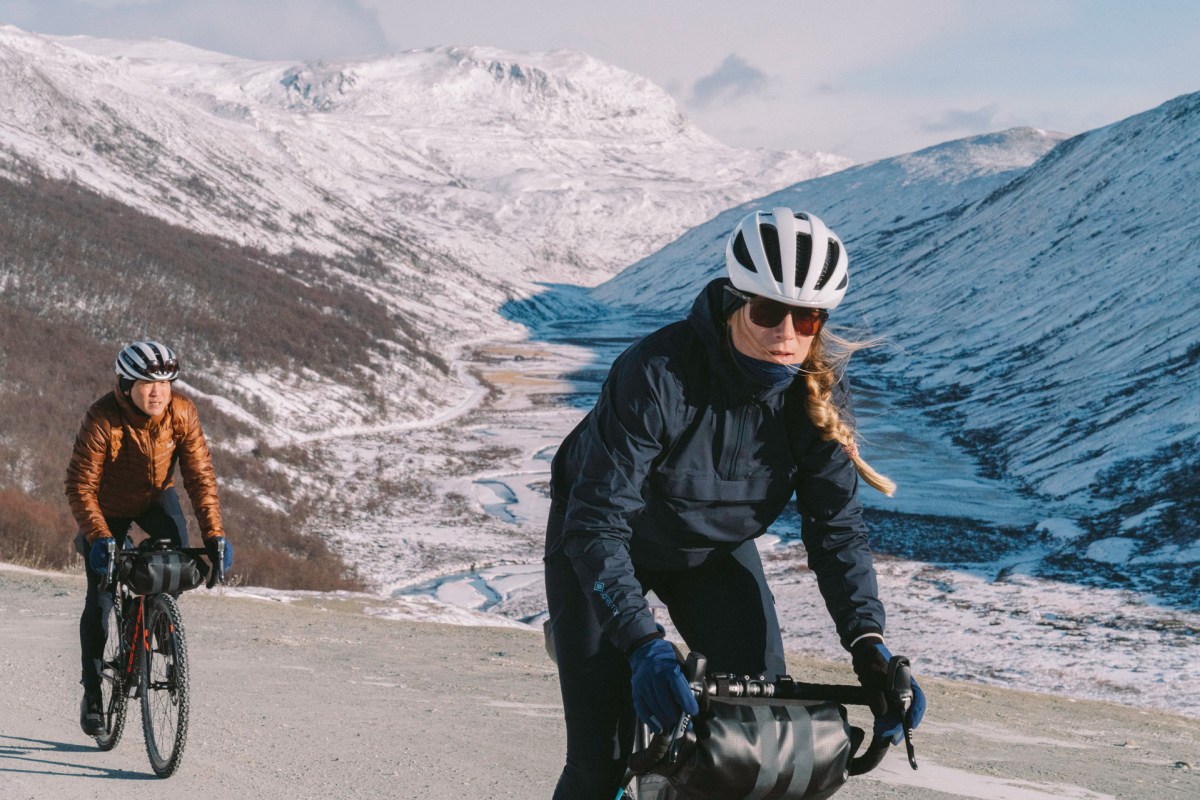
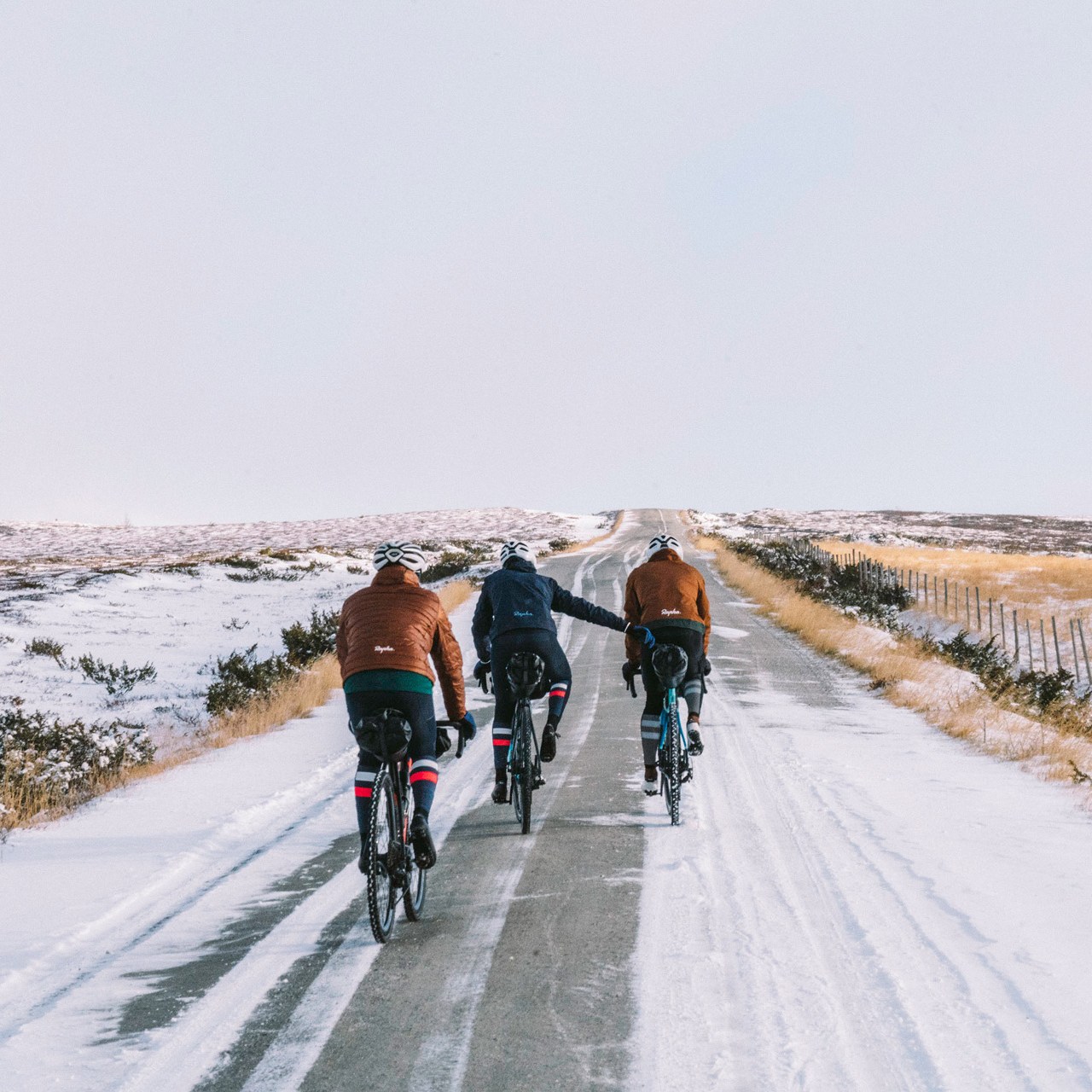
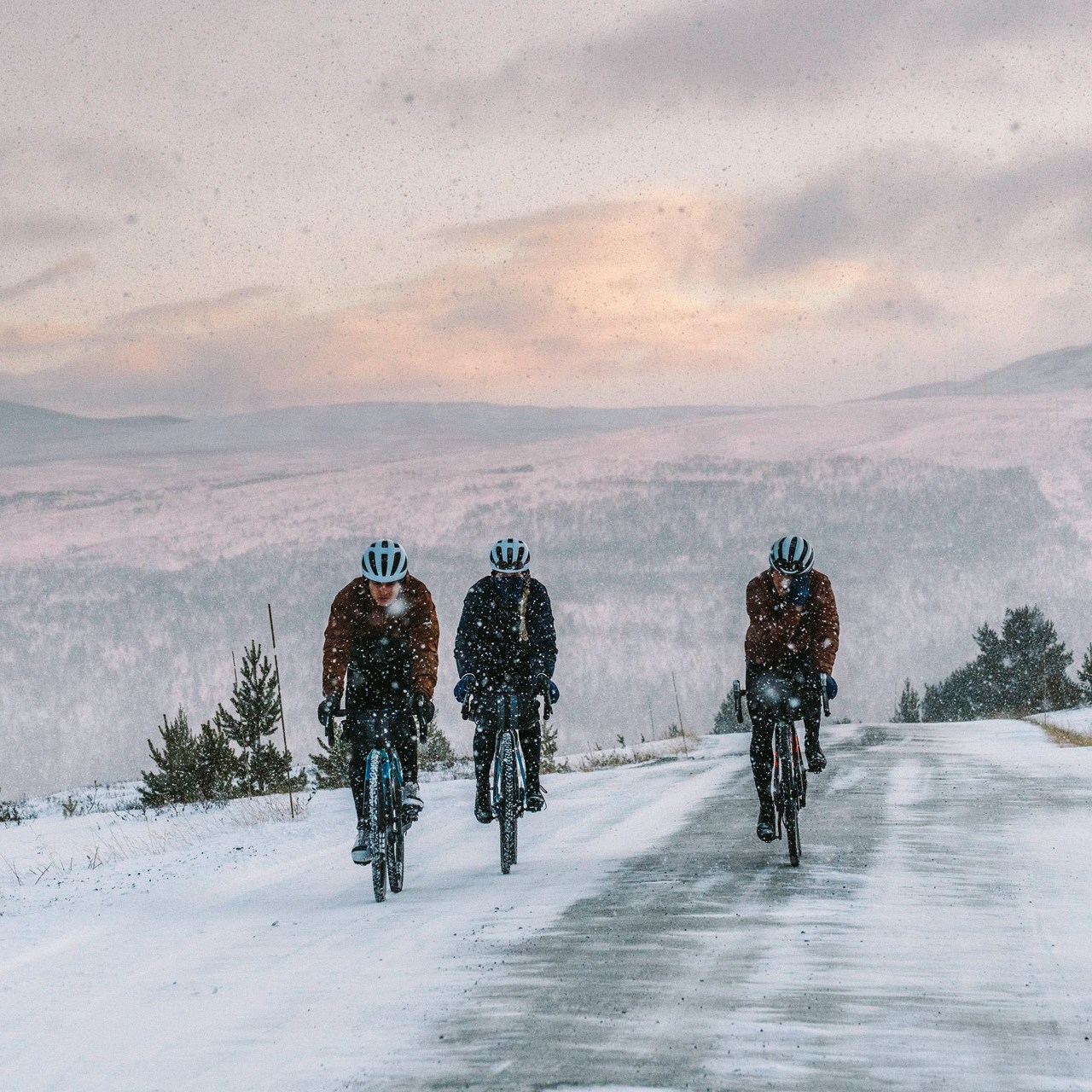
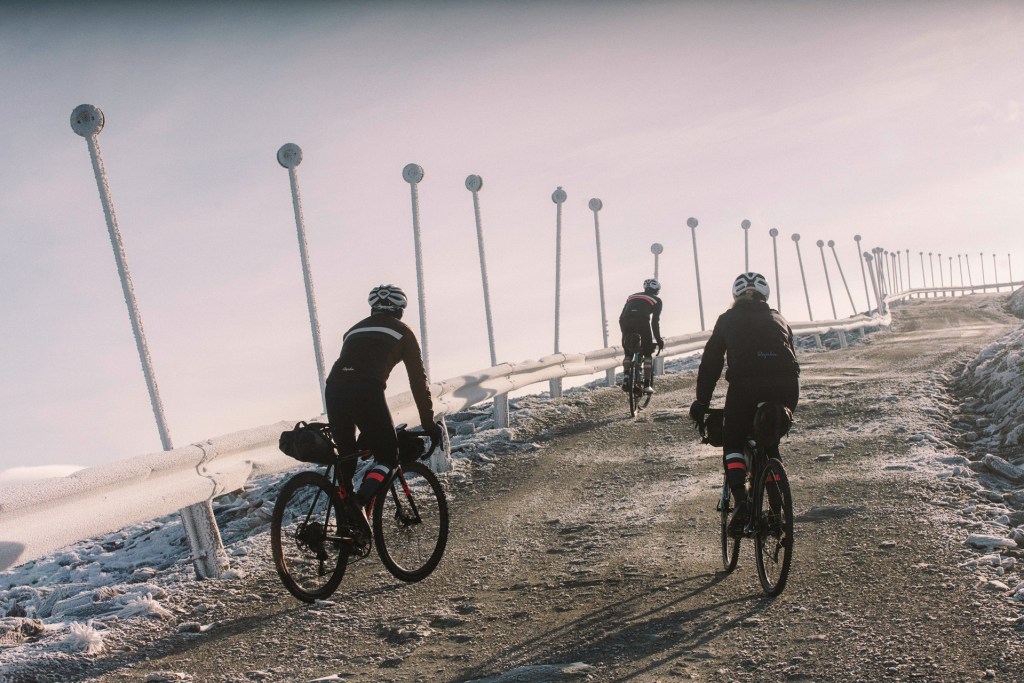
In a year that has seen many of us adapt how we ride in the face of unforeseen circumstances, a new plan was needed when Kirsti Ruud woke to snowfall on the first morning of a bikepacking trip in her native Norway. But rather than any lingering sense of disappointment, the adverse weather conditions ultimately led to an experience that was not only breathtakingly beautiful but underlined the return on embracing the fickleness of forecasts.

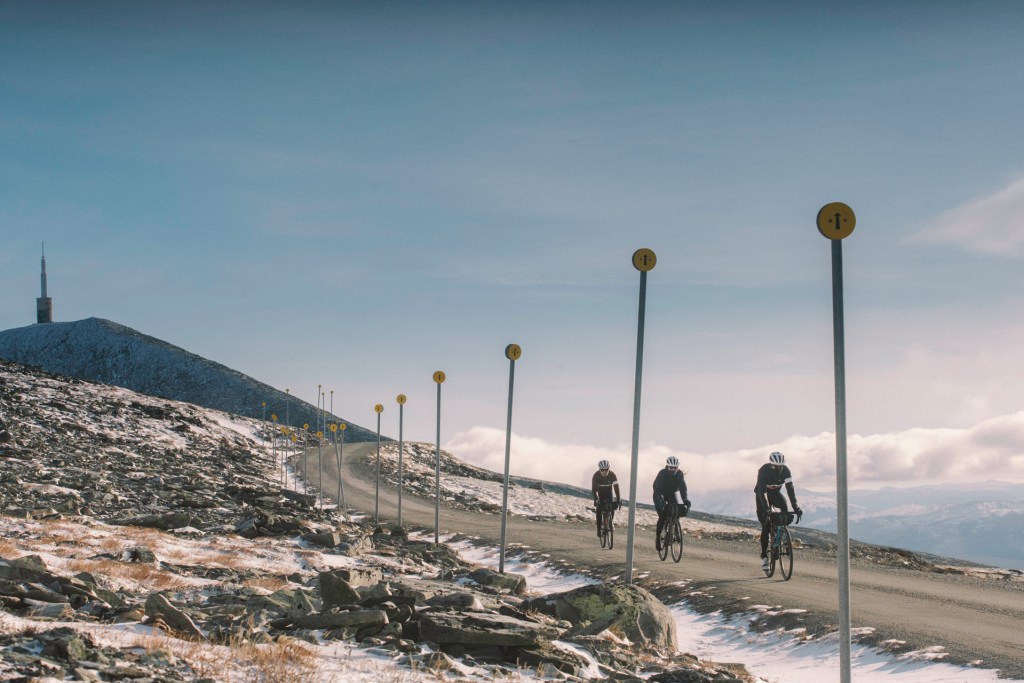
Along with her companions Sindre Grønli and Øyvind Brenne Nordengen, the group decided on two separate rides in place of their planned overnight stop. Routes that would take them into the six biggest national parks in Norway and a landscape devoid of cars and buildings—a true wilderness of river valleys and mountain ridges, threaded through by the gravel roads they were riding.

Looking back on this experience, Kirsti reflects on the reasons she rides, how it can be rewarding to brave the elements and why the occasional challenge helps build resilience for when the randomness of life derails your best intentions.


Until 2018, I rode seriously. It was all about competition. I combined a little job here and there with my training but then I accepted a full-time position with the National Cycling Federation. I was getting more interested in working with cyclists than being a cyclist myself and the project I lead involves helping recovering drug addicts integrate back into society through cycling.

So in place of a training plan, travelling and exploring have been more a part of my summers and falls for the last two years. When I can, I cycle the hour and a half each way to work. If the weather is good, there’s no reason to sit in a car stuck in traffic. And because I’ve been working from home due to the pandemic, this year I’ve been cycling more than everenjoying riding my bike as much as I can within the restrictions.


After I stopped competing, I hadn’t ridden for months when I was invited to go to Iceland with Rapha. The trip was pretty amazing and it gave me a taste for different kinds of riding. So I asked them to let me know when the next big trip was planned and to count me in. George Marshall – the photographer on the Iceland shoot – had kept in touch, and he contacted me with this plan to ride in the north of Norway. But then he couldn’t come over because of Covid and my friend Marius Nilsen was invited to do the photography. He lives further north than Oslo and works for the National Parks.

The idea was a two day ride with an overnight stop at a mountain hut. That’s how we like to do things – carrying everything we need on our bikes. It’s what makes it a trip. And we’d come prepared with stud tyres in case there was any ice. Usually I don’t use these until December – even with regular tyres, riding in snow isn’t a problem – but we weren’t sure whether it was going to be a mixture of rain and snow and wanted to be sure we didn’t ruin our trip by crashing


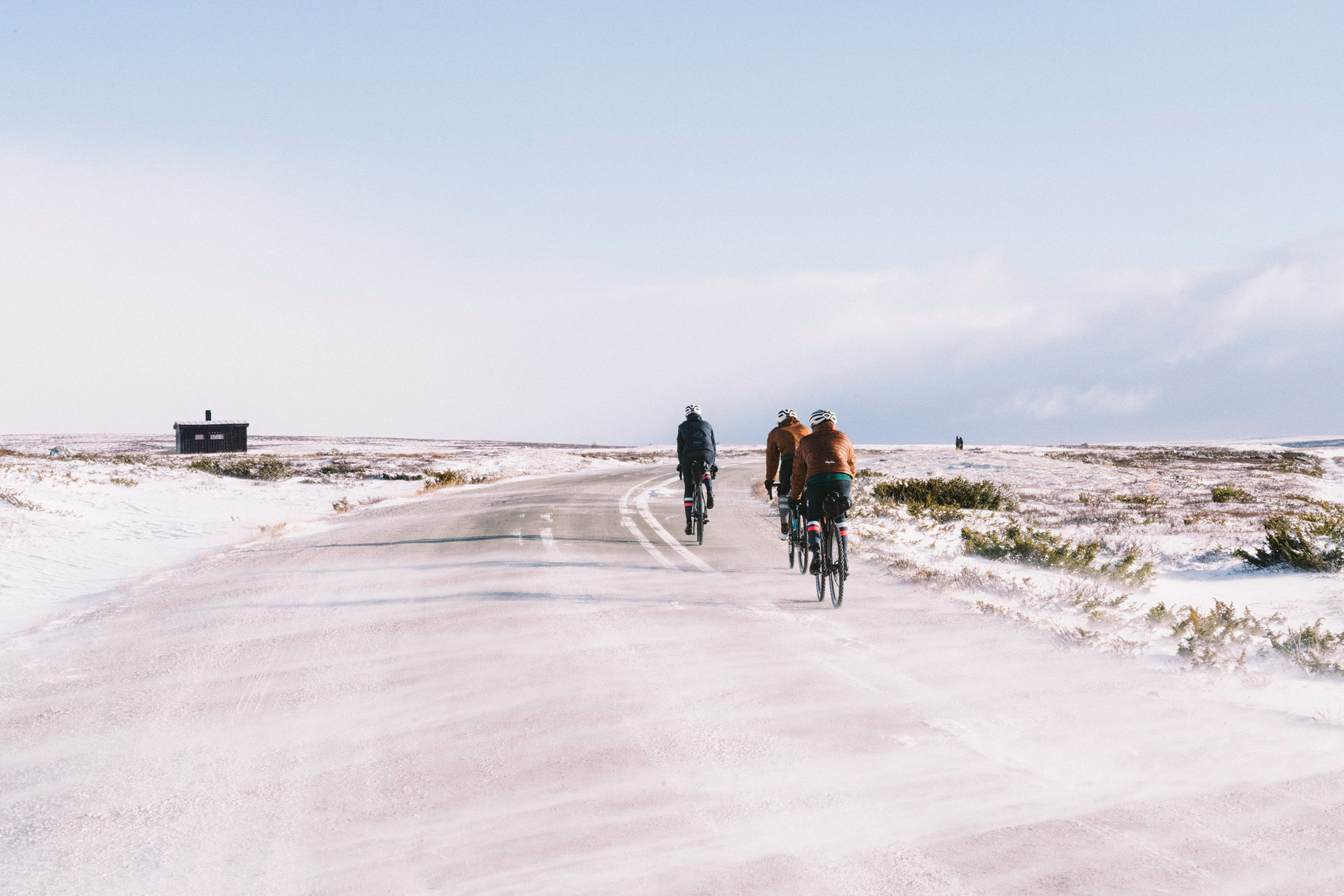
But as we left Oslo to drive north, it began to snow really heavily. It was forecast but not that much. Going to bed thinking it would melt the next day, we woke to find 15cm of fresh snow. Figuring that we wouldn’t be able to get over to the cabin before it got dark but still wanting to ride, we came up with a new plan of a different route for each day.

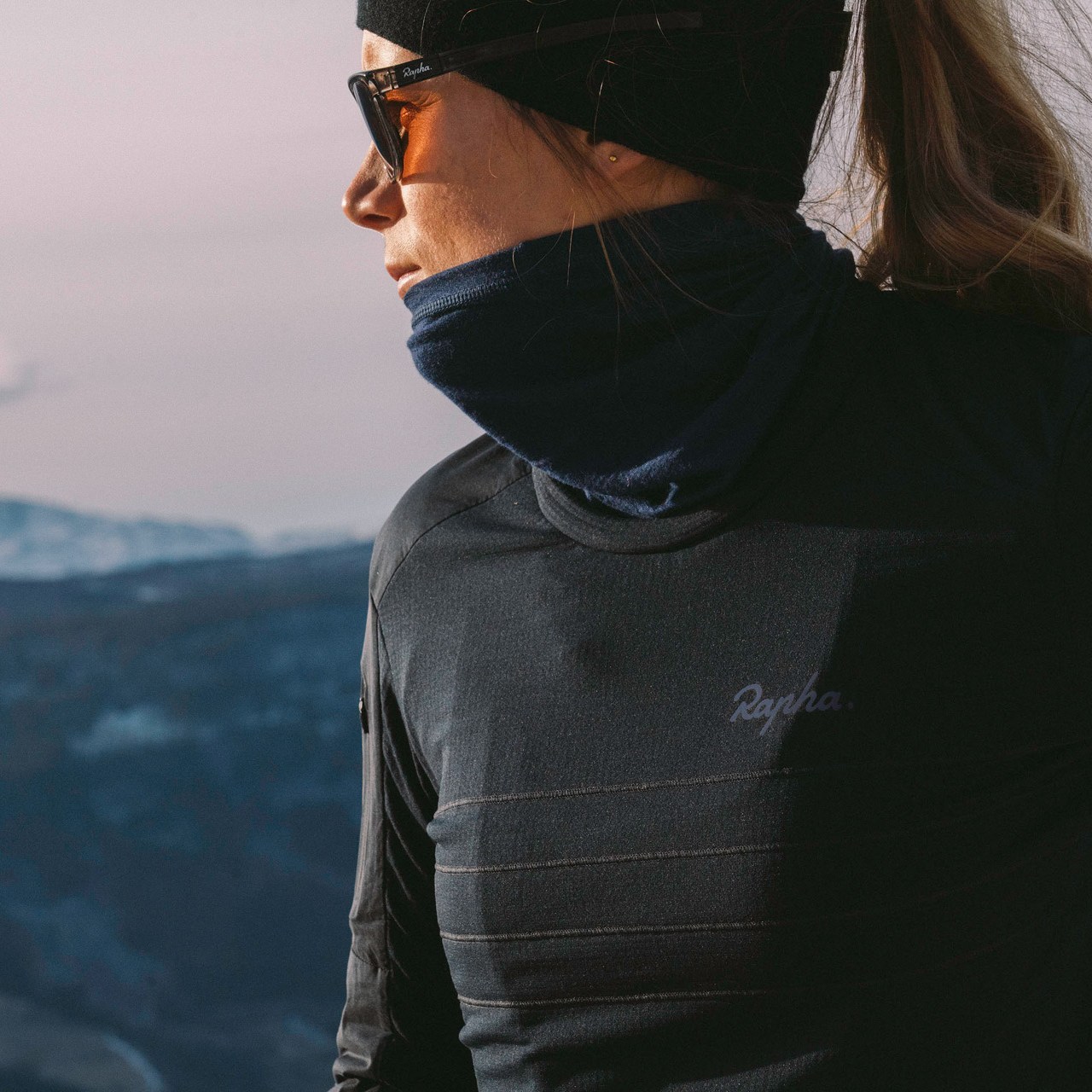
Setting off after breakfast, I was excited. I think the worst part of the year can be the fall when it’s dark and a little gloomy. Because you can’t really tell the different textures from each other. But with the snowfall, the whole day was lit up and the mountains just looked so beautiful. The alternative would have been rain and fog.


Before every trip, I’m kind of worried about my shape. Hoping that I’ll have a good day and not really struggle that much. But even though we had a lot of wind – 17 metres per second which is enough to blow your bike over – we were all happy and laughing and just going with the flow. The light was amazing when we reached the top of a mountain and we just stood there, looking out over the landscape below, as the sun slowly sank behind the horizon.

I think the best rides I’ve had are when we’ve spontaneously come up with an idea. If you plan too much and then the weather is bad, it can be so disappointing. It can take the charm away and it’s best not to be too uptight about how your ride will be. It’s OK to let go of plans and just get out there and ride. To go far or go short—to not really know where you’ll end up.


When I was competing, I had to ride regardless of the weather. Telling your trainer that you can’t go out because it’s raining and 5°C just isn’t an option. Now that I don’t have to ride, I do appreciate the good days when it’s warm and sunny. But you can enjoy amazing experiences because of the weather. If you have the right kit, then you’re able to embrace changing and unpredictable conditions. And I do need some challenges once in a while where you feel like you’re struggling because you kind of come out stronger at the other end.

So I ride now because I want to ride. It’s my free time. My quiet time. An opportunity to reflect on things, for solving problems, to get out any frustration. Just being out on my bike gives me the space I need and I come back feeling like a weight has been lifted. It’s such an important aspect of the way I choose to live my life.

Kirsti Ruud

Images by Marius Nilsen and Rapha

The Modern House on wheels

To the uninitiated, navigating the London housing market might well hold parallels to an inexperienced cyclist’s first tentative pedal through busy city streets. Having to cope with the labyrinthine nature of the medieval street plan and a plethora of unwritten rules and nuances, it would be easy to excuse a feeling of utter bewilderment.

Although not – as yet – offering cycling proficiency classes, The Modern House is an estate agency uniquely qualified to support their clients when buying and selling property. A belief that design is a powerful force for good, driving a commitment to help people live in more thoughtful and beautiful ways. An ethos, according to Senior Director Rosie Falconer, that mirrors the cycling culture that exists within the company.

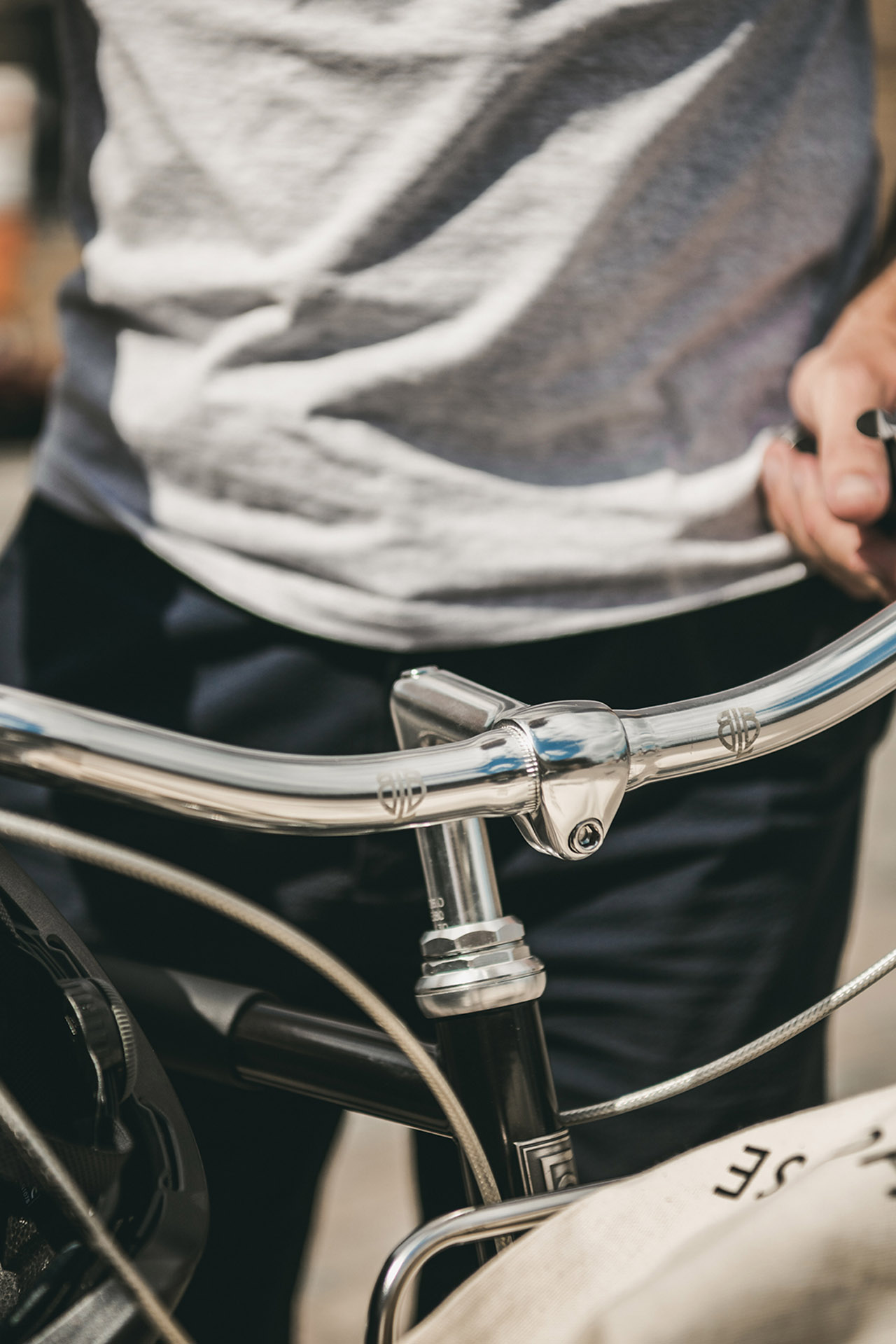
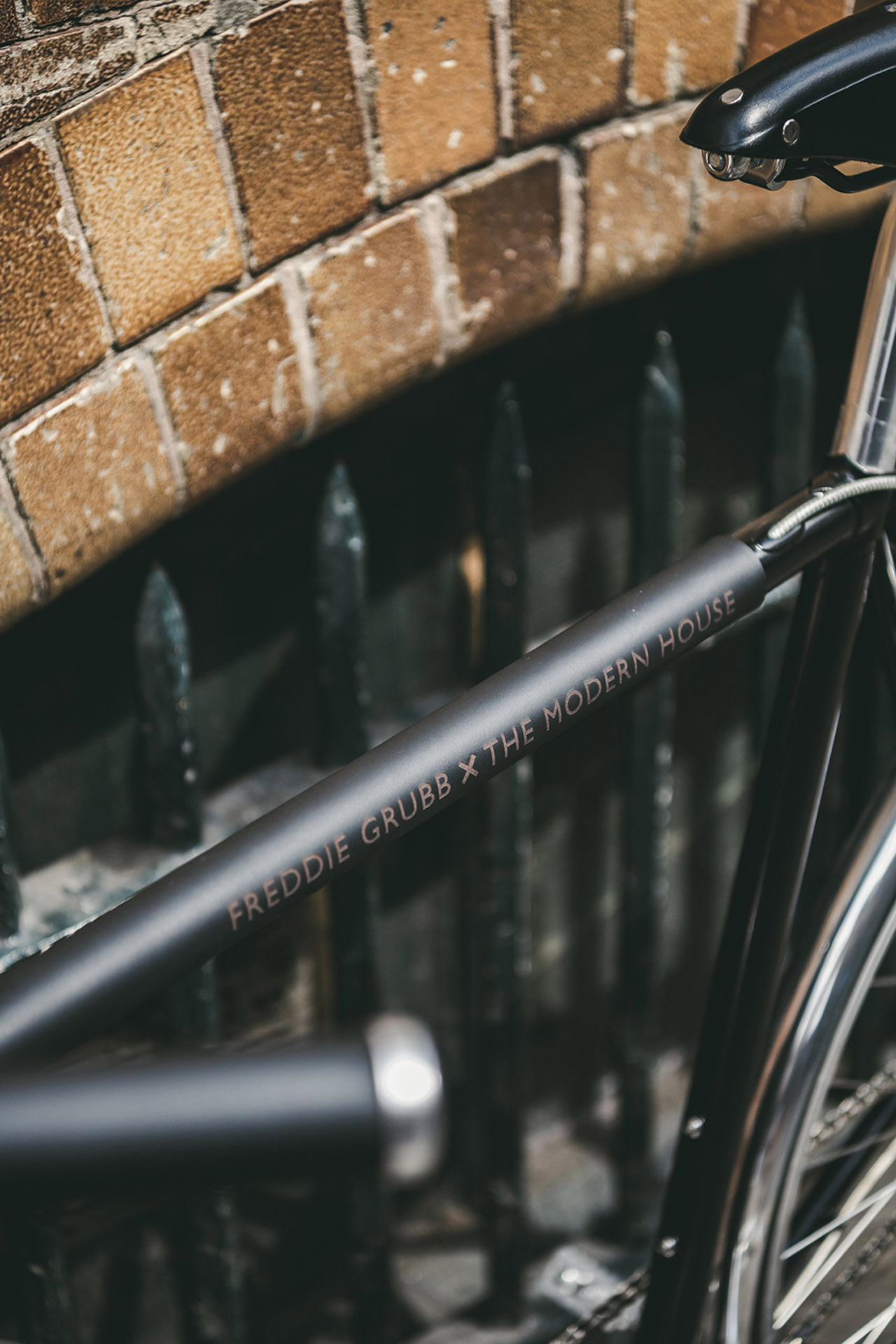
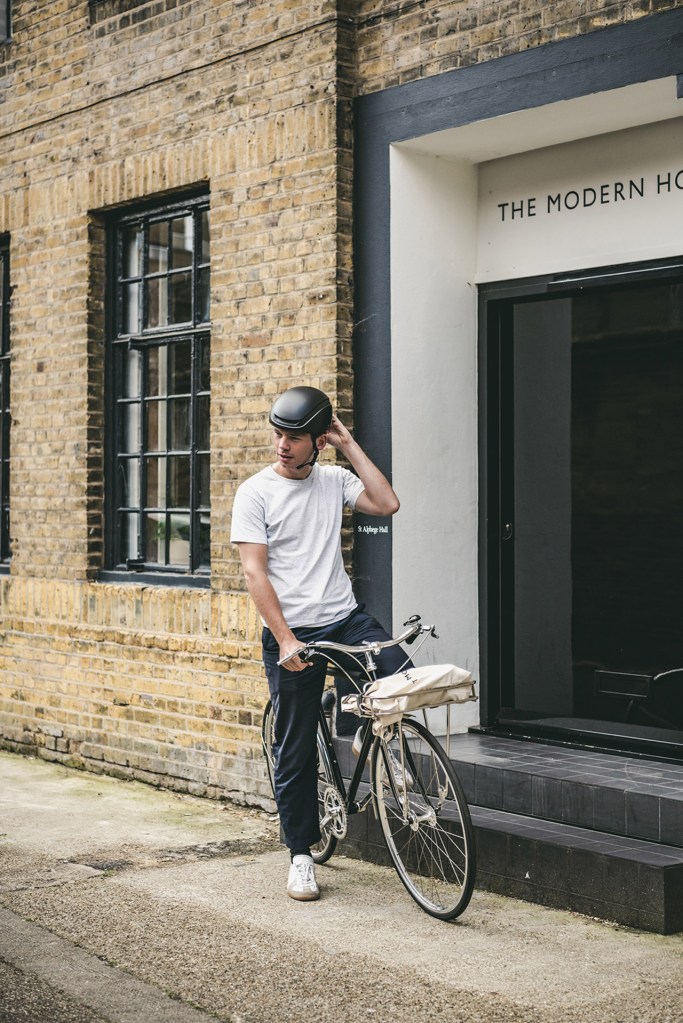
“Our vision is founded on originality, enjoyment, hard work, energy and passion. And the team love cycling because it embodies all these qualities in a physical manifestation. We even collaborated with London-based brand Freddie Grubb on a Modern House designed bike.”


Jointly responsible for the day-to-day running of The Modern House and with an enviable insight into the comings and goings of her colleagues, Falconer acknowledges that over three quarters of the 40 strong team ride to work and appointments wherever possible. An approach to cycling wholly endorsed by Charlie Monaghan as Head of Editorial and a keen cyclist himself.

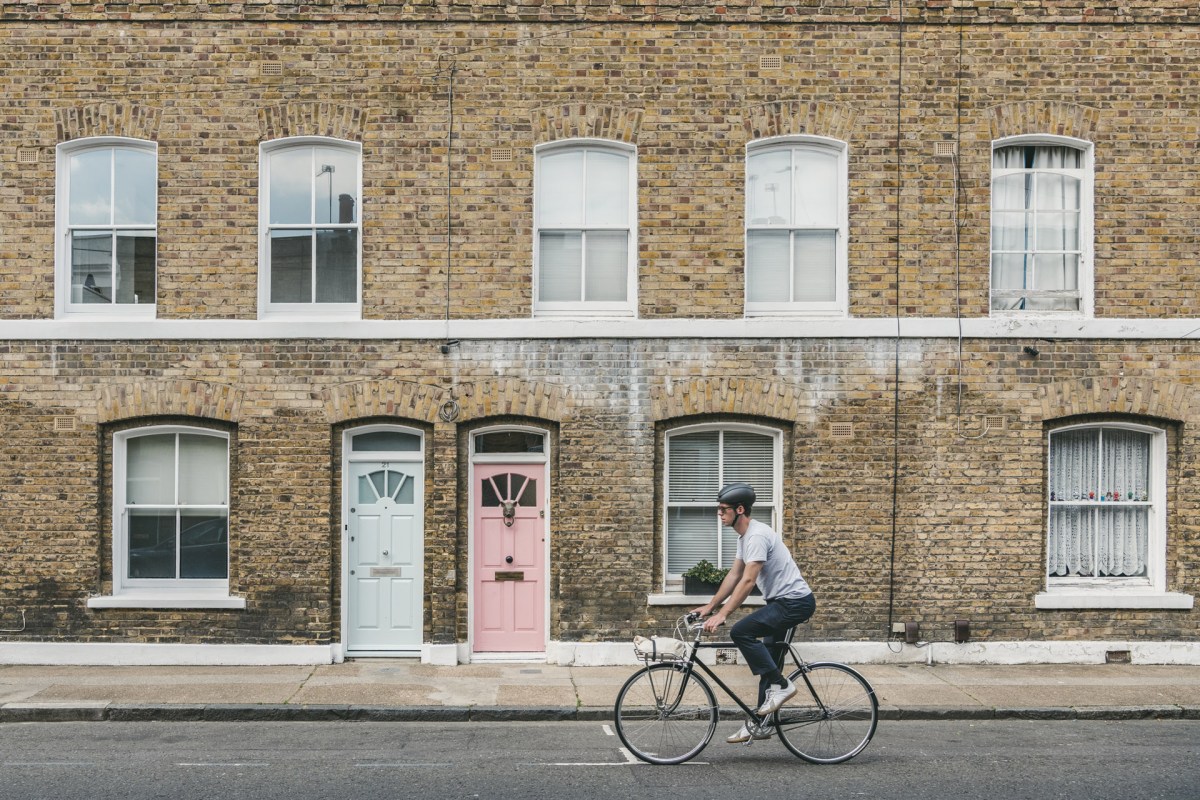
“I joined The Modern House in February 2018 and for the vast majority of this time I’ve cycled to work. I had an old road bike that I adapted for commuting with practical considerations such as mudguards. For me, the bike is an everyday tool that I use to facilitate my life and not just a hobby I enjoy at the weekend.”

Asked to explain what he enjoys most about cycling through London’s boroughs, Monaghan cites an avoidance of public transport as the main motivating factor.


“Every time I use the Tube or get on a bus, it makes me realise how lucky I am to have an alternative. Buses are especially unreliable and there’s a loss of control in terms of your movement. Not knowing how long a journey will take means you seldom arrive at your appointment in a relaxed frame of mind like I do if I cycle. There’s an agency in travelling under your own steam with that rush of endorphins.”

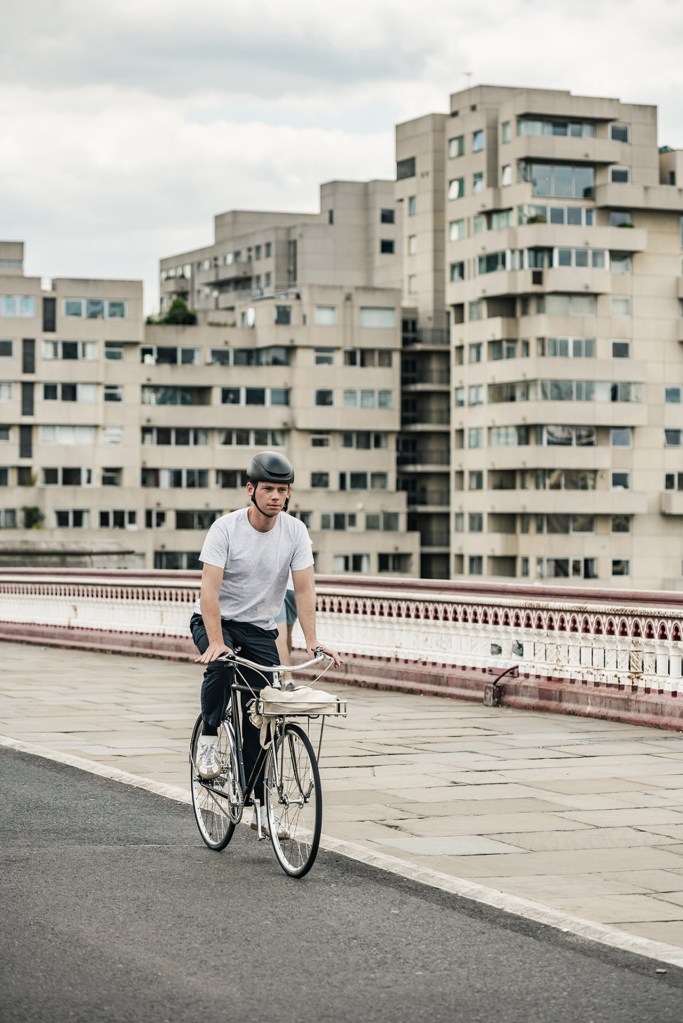
With London – at least according to Monaghan – being quite flat and dotted with traffic lights, he particularly enjoys anything that replicates going up or down a mountain. Idiosyncratic aspects of city riding such as the climb up Swain’s Lane in Highgate, a downward bend in Richmond Park or Boxhill to the south of the city.

“I used to live in Newcross and would cycle out to Kent where there’s some nice views looking back towards Canary Wharf. Not the classic London skyline of St Paul’s from the river but I enjoy the contrast between the countryside and the urban environment you’ve left behind. Almost like a Renaissance painting that depicts farmland with the city in the background.”


A reference to covering distance that Falconer believes often surprises non-cyclists when they question how The Modern House team utilise a bike in their day-to-day work life.

“The majority of my colleagues live in South East London and clients are often amazed by the distances the team cycle to get to meetings in North London. We sell the best design-led homes across the UK with 55% of our properties located in the capital. And one of the biggest misconceptions about estate agents is that it’s necessary to drive to be one.”
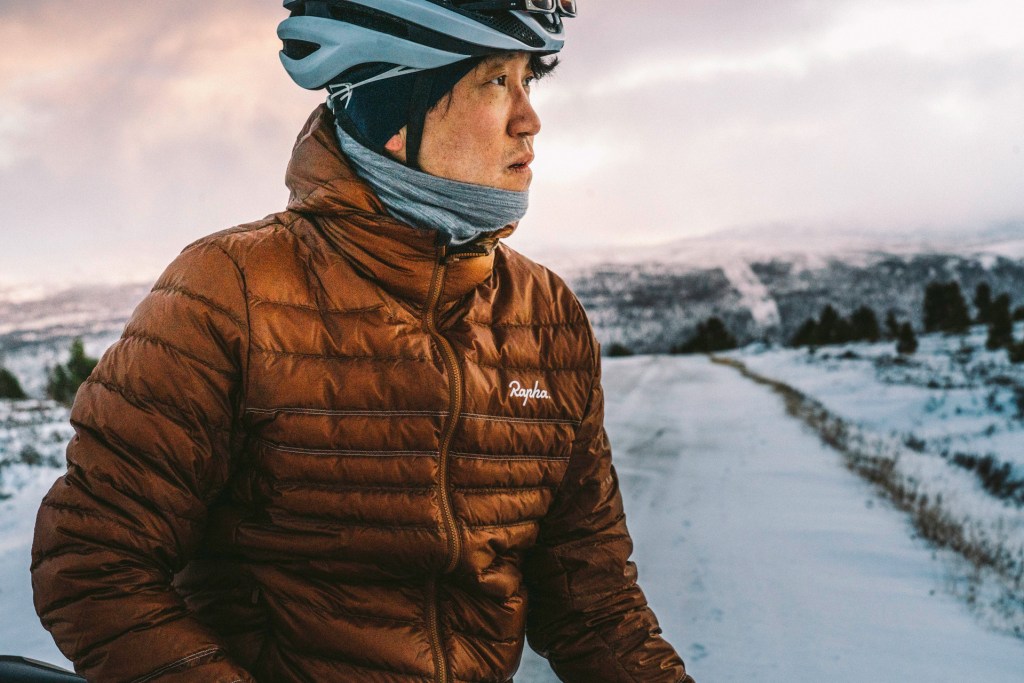
That’s not to say that city cycling doesn’t come without its challenges. A viewpoint nicely illustrated by Monaghan as he rattles off his own list of annoyances.

“Traffic, rain, potholes, drivers, buses, bad urban planning, other cyclists, pedestrians; the list goes on. Cyclists are up against a lot in London but I still believe it’s worth it.”


Choosing to ride into work wearing cycle-specific clothing, Monaghan then showers before changing into more office-friendly attire. Unlike many city commuters, however, rather than locking up his bike ready for the return journey home, it’s immediately put back in service to attend any appointments during the day within a reasonable riding distance. Monaghan allowing himself enough time to cycle a little slower to avoid arriving in too dishevelled a state.

“The beauty of modern clothing is you can wear something really practical that works well on the bike but that also looks stylish in a professional setting. Though admittedly, if the rain is lashing down, then I’ll take my chance on public transport. But generally I prefer to ride. A bus on a rainy day is rather a bleak experience.”

Whether the bike allows Monaghan and his colleagues to do anything better causes him to pause before picking up his narrative.


“I’m definitely more in control of my day riding my bike. Journey times are consistent and it’s just quicker to cross London by cycling. Our offices are in Southwark and travelling south is much easier by bike as the transport links aren’t as good. But even crossing the river to Shoreditch – it can take an hour by bus but I’d only need to leave myself 30 minutes by bike.”

An aspect of The Modern House cycling culture echoed by Falconer:

“It keeps the team fit, is great for the mind and is carbon neutral. A fast and fun way to enjoy the incredible historic and modern architecture that London has to offer.”

This mention of architecture prompts the question of whether team members have a favourite property out of the thousands that cross their books. And what bike they’d choose if tasked with complementing the building style.

“We obviously have so many to choose from,” comments Monaghan, “but there’s a house in Wiltshire called Ansty Plum that I particularly admire. A modernist building which has been renovated to contemporary standards with the original design preserved and just updated to perform better environmentally. But I wouldn’t choose to match this with a vintage road bike from 1962 when the house was built. I think I’d rather have my own bike – the frame constructed from lightweight carbon – as I feel the modernist designers and architects would appreciate the very latest bike design in terms of efficiency and use of materials. They were all looking forward after all. So a modern bike for a timeless building.”


This informed analysis of form and function perhaps explaining Monaghan’s comment that when he views a bike in motion, more than likely it’s the person he notices first. How they look, their position and whether they appear comfortable. A way of seeing that he feels applies equally well to architecture and also interiors.

“I think ultimately, for The Modern House it’s a human first approach. It’s never been purely about the bricks and mortar. Apart from the sales listings, editorially we don’t feature homes without picturing people in them. And I think that’s what makes houses interesting. When you add the human element and then see how they live and function in that space. Much in a similar way to how I view someone riding a bike. It’s not about the bike purely as an object but what the individual is doing with it.”

“As for riding in London,” he concludes, “if I had to state one primary motivation, it’s that the city can sometimes feel relentlessly urban and occasionally a little oppressive. But when I’m cycling through the streets, it helps me connect with the seasons and offers a sense of the outside. And if there’s a little bit of London drizzle? Well, I’ve got my mudguards.”

Images with kind permission of The Modern House

Patrick Grant / The Great British bike ride

Running five businesses and adding a judging role on BBC’s The Great British Sewing Bee into the mix and you’d be forgiven for thinking it’s a case of all work and no play. But although he admits to working incredibly long hours, fashion designer and businessman Patrick Grant proves to be cheerful and charismatic company and clearly relishes this portmanteau of professional roles.

Illustrated with images from a ride with friends, Patrick took time out from his busy schedule to discuss a relationship with cycling that proves vitally important in balancing a stellar career with the need to relax and reflect.


You rescued Savile Row bespoke tailors Norton & Sons from near insolvency in 2005 and then went on to relaunch E. Tautz as a ready to wear label in 2009. A year later you were awarded the Menswear Designer award by the British Fashion Council and you also have other business interests in Hammond & Co, Community Clothing and Cookson & Clegg. So I really can’t fathom how you get any time to ride?

I was living in Rossendale for a couple of months at the start of lockdown. We kept working all the way through so I was running the factory and living in borrowed accommodation on a farm at the top of a hill. But the weather in April and May was so fantastic that I took every opportunity to jump on my bike. So even when I’m really, really busy with work I can usually find the time to spend at least a couple of hours on the bike.

How do you view your rides? Exercise, escape. Time to think or to switch off?

I suppose in many ways it’s all those things. I enjoy the physical exercise and occasionally I post pictures on Instagram of bits of countryside that I’ve cycled around. People comment that I’d enjoy it more if I got an electric bike. But it’s completely the opposite. I wouldn’t enjoy it at all [laughs].


Does cycling offer more than purely the physicality of riding?

There’s definitely the mental aspect. The clearing of the head and having time to reconnect. I really enjoy just being in those places and the speed that you pass through the scenery on a bicycle seems to be optimal. I love hill walking as well but in five hours on the bike you can move across so many different landscapes whereas, on foot, this sense of journeying is a little more limited.

So the bike is a tool for exploration?

I’m about to move again on Sunday down to London to film Sewing Bee for six weeks. So I’ll have lived in [counting on fingers] one, two, three, four, five different places in four and a half months. And I find cycling a great way to get to know where I am. I’ve always loved maps and feel rather transported by them. I like to visualise the terrain and picture how nice it will be.

Do you like to plan a route or follow your nose?

I’m working from home this week as I’m in isolation ahead of going into a full bubble to start filming. And I was looking out of the window last night and it was so lovely that I just threw some kit on and set off towards the Forest of Bowland. I wanted to try this road I’d noticed but it was very, very narrow and quite apparent that the line of grass in the middle indicated there wasn’t much traffic using it. I got to the bottom where I knew the river cut across only to discover the road was closed. But like most cyclists you ask yourself how closed is it [smiles]? And I quite like that aspect of riding.

Welcoming the unexpected?

On one particular ride with some friends we ended up on a trail with our road bikes. I’m not precious in the slightest about my bike but one of my friends is the exact opposite and he was horrified that we were cycling through gravel and grass. And that was the best bit of the whole day [laughs].


You’re hinting at a slightly rebellious side to your nature. Are you a well behaved cyclist?

Well, I think so. No, I am. But I suppose it depends what you mean. I’m quite happy to climb over a fence next to a road-closed sign to see what’s happening. But when I cycle in London I stop at red lights and I’m a courteous cyclist. But that’s just the way I am in life. And as I’m nearly 50, it’s just not dignified to be behaving badly at my age [smiles].

And when you were younger?

When I was a boy I had a racing bike and I rode it everywhere. Up and down hills. Through rivers. And maybe that’s why I’m such a big fan of the Rough-Stuff Fellowship. I found it all so inspirational that I was a Kickstarter backer of the book. And it’s funny because a friend and I did a coast to coast ride across Scotland with a middle section that included long sections on forest trails. And before we set off he was asking whether I had a cross bike but, as I haven’t, I explained that I’d be OK on my tourer. So I just did it on my Dawes Galaxy and was absolutely fine because the bike is built to withstand anything. There were a couple of tricky downhill sections but you get on with it. And when we were kids you’d ride those sorts of bikes everywhere and you didn’t think anything of it.

Speaking of the bikes that you ride, I was mulling this over and for city riding I initially pictured you on a Brompton but then – considering your engineering background – whether it would be a Moulton?

You credit me with having a) too much money and b) too much time on my hands [laughs]. But no, I ride a big, old Pashley. The classic frame with the double top tube. It’s got big wheels and big tyres and a sprung Brooks saddle. The roads in London are atrocious with potholes the size of your head so I want to be safe and comfortable. And I don’t ride in Lycra in London. I cycle at a pace which means I don’t need to shower when I get to work. The bike is used to dot about all over the place and you can stick two massive panniers on it for all your clutter. And you’re also very tall on it – above the height of most cars – so people can see you.

And what bike for the open road? I was going down the custom steel direction.

I have a couple of things other than the Dawes. My best bike is a 20-year-old Trek. The US Postal, Lance Armstrong era carbon frame. I bought it second hand from a guy in my triathlon club and it’s really lovely. He was the kind of person that when a new bike came out he’d have to get it.


And it’s still going strong?

At the time, it was the best bike you could buy. But it’s got to the point now that when I take it in, the guys in the bike shop are saying, ‘Look at this, it’s a classic.’ But it’s still a beautiful bike and it handles incredibly well. I’ve ridden modern bikes with electronic shifters and, for me, that 9-speed Dura Ace still takes some beating.

You mentioned a couple of bikes?

I’ve also got an early 70s Raleigh Team Ti with Campag Record that’s also rather lovely. But the gearing is terrible if you’re going up a hill and you haven’t got the super slight build of a climber [smiles].

Thinking along the lines of aesthetics, as a fashion designer is there an expectation that you should look super stylish at all times?

I think people are often surprised when they see me not wearing the same clothes that I wear on Sewing Bee. Because that’s where most people know me from and, on the telly, I’ve pretty much always dressed the same way. A shirt, a tie, a jacket and a pair of trousers and I look reasonably smart. But funnily enough, people don’t really recognise me when I’m not in that gear [laughs]. Most of the time I wear a t-shirt or sweatshirt with a pair of jeans. And my facial hair changes every six months so I manage to live almost entirely incognito.

And on the bike?

Again, it’s not that I don’t care. It’s just that I haven’t got time to be worrying about cycling clothes. I’m very fortunate that I know David Millar and I’ve a few nice pieces of Chpt3 kit. Lovely bibs and jerseys and they make great socks [smiles]. But I’ve also got a bunch of dodgy old team jerseys that I bought on Wiggle. So I suppose a little surprisingly – considering my business interests – it’s not a fashion parade at all.

A time when you’re not thinking about that aspect of your life?

I like wearing functionally great gear but I’m not standing in front of the mirror making sure I’m fully coordinated. It’s funny because I get asked what I see people wearing that makes me cringe and I always answer, ‘Nothing!’ If you look forward to putting on your box-fresh socks and matching your outfit to your bike, then absolutely go for it. More power to you. And I do have an old woollen Raleigh Ti team jersey which I wear for Eroica where it’s about the look as much as the ride.


I was speaking to your friend Stuart Clapp and he has some very opinionated – and very funny –  views on the do’s and don’ts of cycling attire.

Stuart’s very funny about everything [laughs].

He also has access to a lot of gear as Desire editor for Rouleur. And you mentioned another friend of yours, David Millar, who was speaking on his podcast about wearing a pair of socks with a pattern on them and how they should line up correctly. But I’m guessing you don’t prescribe to on-the-bike etiquette and rules?

If I’m wearing something, I’ll wear it properly. And I say that I’m casual about it but it’s probably not true [laughs]. Even to the extent that if I throw something on and I’m wearing a black jersey and black bib shorts, then if they’re not the right shade of black I might just reach for another one out of the cupboard. So I’m probably more fastidious about it than I’m admitting to. And Stuart is always very well turned out but he must have 75 pairs of cycling shoes. He’s wearing a different pair every time I see him. I’ve got a road pair that I’ve had for years and a crappy old pair with SPD cleats that I use for the tourer. But it’s like all my kit, I’m not going to buy more until something wears out. I like to use things until they stop being useful. And if I can, I’ll fix something. I’ll patch and repair so I’ll still be wearing the same kit when it comes back into fashion. If shit 90s graphics are ever in again, I’ll be right there in the sweet spot [laughs].

In a sense, cycling can seem rather tribal. Serious roadies, mountain bikers, the fixie scene, retro. Do you feel defined by a label?

No, not really. I cycle with a few friends and other than that, I’m out by myself. At the moment I don’t have a lifestyle that allows me to be a regular club rider. When I was living in London I was a member of Dulwich Paragon and I’d go out on Saturday rides with them and some track at Herne Hill. I’ve got a really nice steel Pete Matthew’s track bike which looks very odd leaning up trackside amongst all the whizzy carbon frames.

So maybe a foot in different camps?

I do a bit of whatever comes along. The Dirty Reiver a couple of years back and the London to Newcastle 24. But I also like to get out into the mountains and l find the idea of carrying all my gear with me very appealing. I’ve got a lovely little Terra Nova tent that packs down really well.

Your brand E. Tautz originally made a name for itself manufacturing sporting goods. I believe Winston Churchill was a customer but had a problem paying his bill?

He did pay it eventually [smiles].


Any plans for a line of cycling apparel to continue that sporting heritage?

E. Tautz & Sons – as it was known then – did actually make bicycling clothing. They designed specific breeches for all sorts of sports and cycling was one of their lines. But the truth is, we wouldn’t want to do this on that brand just because there’s lots and lots of people doing really good cycle wear and I think you’ve got to be fully committed to that. But there is a chance we’d do something cycle related through Community Clothing which is the other ready-to-wear business that I do myself.

I believe it’s got a very innovative business model?

The brand supports British manufacturing through the work that we give them. We use UK factories and we sell our products at a very affordable price. It’s all about creating really simple, high quality everyday bits of kit. Until now we’ve done this with clothing but there’s no reason why collaborating in producing a bike wouldn’t be quite Community Clothing. Because what we do have is a growing audience of people who like supporting homegrown companies and we’re a go-to place for nice simple, well made stuff.
Thinking once again about the time you spend on the bike – everything simplified down to the turn of a pedal – I was wondering whether this allows you to balance the demands of all these different business interests?

It is great thinking time. And I don’t use Strava. I choose to disconnect myself from all that sort of stuff as well. I carry my phone because I like to take photographs and it’s a more convenient size than my camera. And in my job, I’m on the phone for sometimes six or seven hours a day and receive constant emails. A steady stream of interruptions to any train of thought so it’s difficult to think about one given thing at a time. And because we have five different businesses, I’m constantly juggling between one and another. So the only time I get to really step away from all of that is when I’m cycling. I find I have a very busy mind but that all dampens down a bit when I’m riding and allows me time to reflect. And of course, once you disconnect, your mind takes a moment to suppress itself before it starts to wander. And from there, well…

Patrick Grant

Leicester to Blackburn

Photography with kind permission of Alex Jacobs and Chpt3

And special thanks to Stuart Clapp and Roger Seaton

Ben Richards / Tokyo Slow

When architecture and travel photographer Ben Richards first relocated to Tokyo, he immediately fell in love with the visual richness of his new home. And choosing to navigate the city by bike has allowed him to discover a different side to Japan that many visitors might easily miss. A ‘slow’ style of riding where every turn offers the unexpected.


When I was living in London my riding style was fixed gear. I rode a Cinelli track bike with the seat high and my shoulders down. For me and my friends, it was all about speed. Getting around quicker than anyone else. But even then it was a way to discover the city. On a bike, you have options to chop and change. To react and respond. And I guess my approach to Tokyo is the same but with a very different attitude to pace.

I’d already been introduced to tokyobike in London. Based on that connection, when I first arrived in Tokyo I met up with some of the team including Ichiro Kanai, the company’s owner. We went for a ride and then a coffee at the brand’s home in Yanaka. They wanted me to experience the city as a local so very kindly offered me a bike to use and my rides have just evolved from there. An ongoing project for both of us.

This is a city full of contradictions and there’s a common misconception that riding in Tokyo is all neon lights and incredibly fast paced. It can be but when you actually live here you soon discover that the neighborhoods are very calm and peaceful. Full of everyday details that when I walk out of my front door never cease to surprise and delight me.

And that’s basically the concept behind the Tokyo Slow rides. All about experiencing a different side of the city that people don’t necessarily see or even know exists. Challenging your perception by taking enough time to observe things at a slower pace. And the bike is the perfect tool to just see what happens. More of a focus on the journey than the destination.

As I shoot a lot of architecture and lifestyle images, I’m always interested in how people interact with the urban environment. I usually pick an anchor point for my rides – an interesting building or an area I want to investigate – but I’ll meander there and back. Following my nose and making turns as the mood takes me.

Coffee stops always feature in these wanderings. The classically traditional  not-really-trying-too-hard or the aesthetically contemporary shops that are very considered in their architectural design. But common to both is a meticulous approach to their craft. Maybe a smaller range of drinks on offer compared to European coffee culture but still the same focus on the origin of the beans and the roasting. And very often it’s the space outside that makes your visit so special. Where there’s room to park your bike, order your coffee and watch the world go by.

Whenever I go out it’s with my bike and camera. Never just the one. Whichever is leading, the other will follow. Because on every ride you’ll encounter something new and exciting. The city rewards an open mind with these random happenings.

When I first visited on a two week trip, it was almost a case of sensory overload. Which is why I strive to maintain that same sense of wonder from when I first stepped off the plane. Challenging myself to see everything anew with a fresh pair of eyes.

Tokyo is by nature a very graphic city with the road markings forming patterns and the tops of the cars often displaying letters and numbers. It’s a city of vertically-spaced layers; partly a density thing which in turn forces the architecture to respond. The restrictions inspiring creativity.

But even the everyday aspects of life are surprising and I guess that’s why I fell in love with it all. The subtle differences that make you wonder how many hidden gems there are waiting to be discovered. And my bike rides play into that. Offering me the freedom to slow down and see what’s around the next corner.

Images with kind permission of Ben Richards

benrichards

tokyobike Japan / London

Chris McClean / Weathering the storm

With a body of work that beautifully captures the way we engage with the natural world, for photographer and filmmaker Chris McClean the call of the ocean remains the loudest. Training as a graphic designer before a move to Amsterdam, a surfing film followed that went viral. Ever since, the sea has repeatedly featured in images that often depict figures set against the ocean’s rolling waves.


‘The house I grew up in, I could hear the sea from my bedroom window. So it’s always been a part of me and when I eventually moved away, I had this sense that something was missing. Like I didn’t feel as comfortable.’

‘I’d started surfing in my mid-teens,’ Chris continues, ‘and it just connected with me. I can’t think of a better way of making a living than spending your time in and around the ocean. And everything I do, it draws me back, time and time again. Even if it’s a cycling shoot, I end up carrying a surfboard.’

CRMX1502

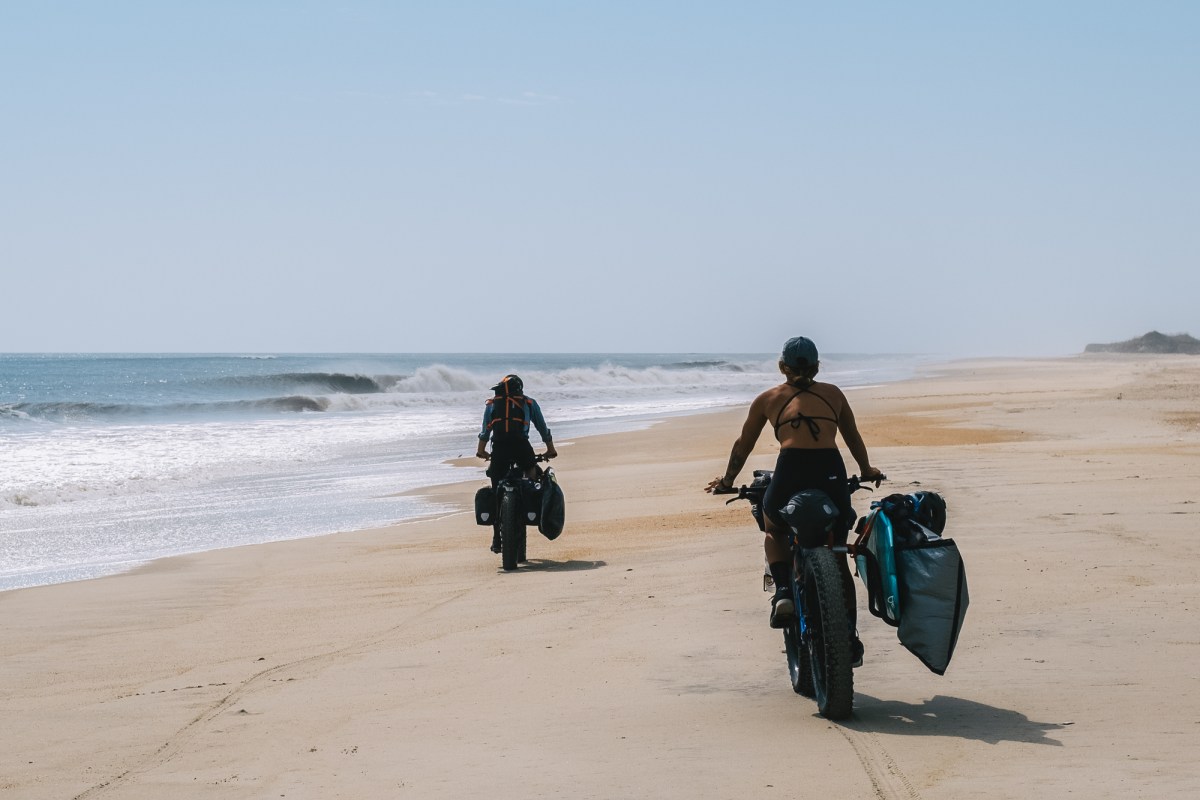
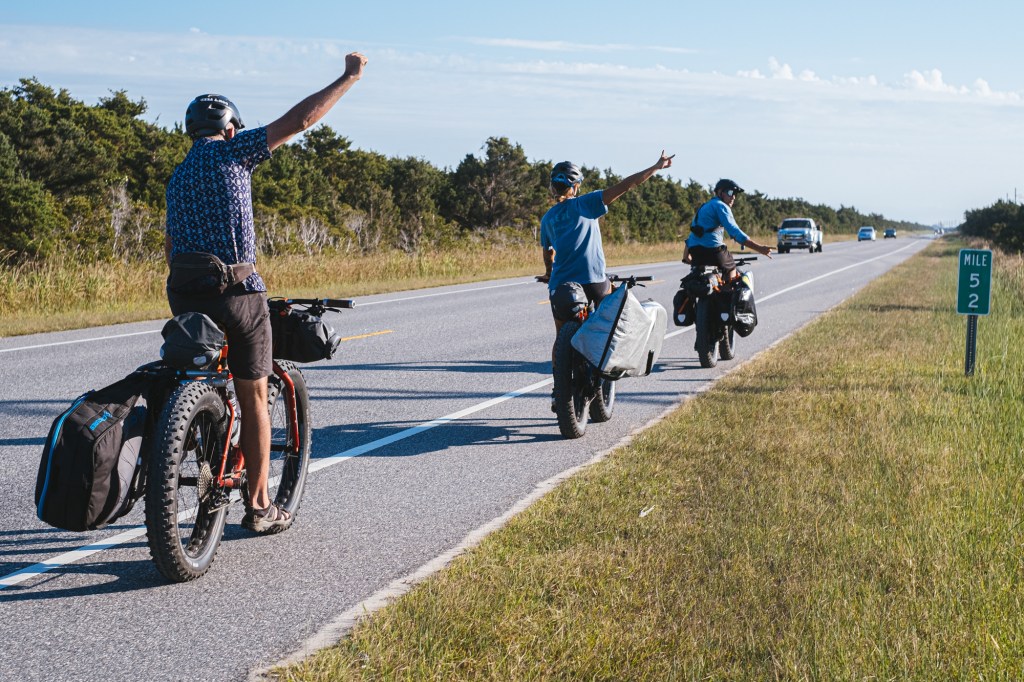
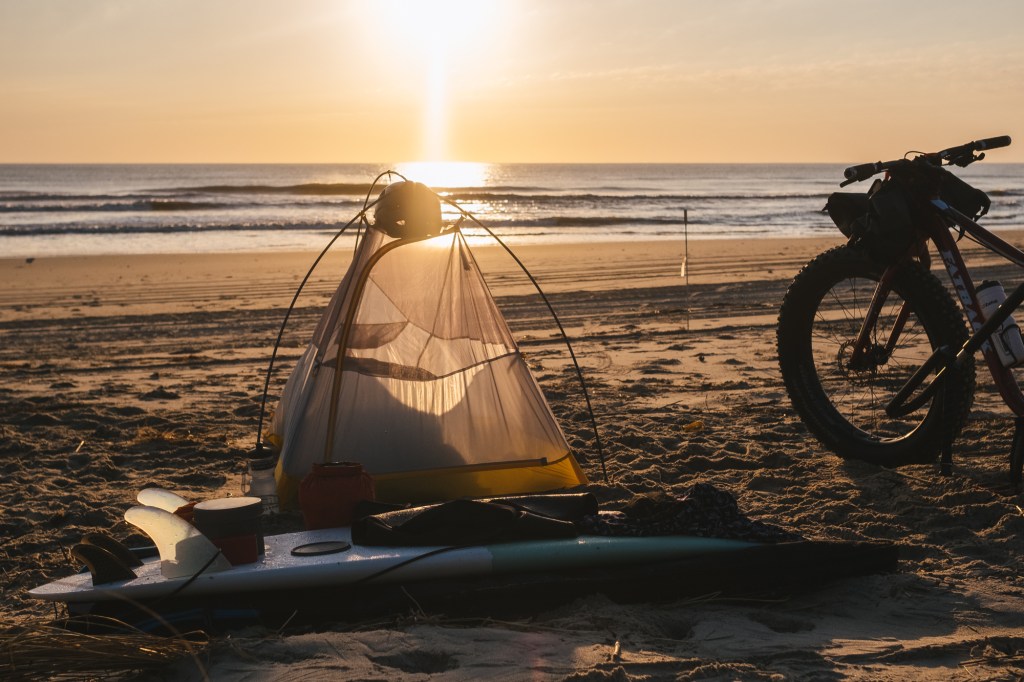
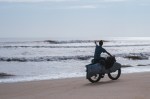
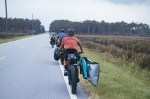
This mention of a shoot references a chance encounter that led to an invitation for Chris to accompany a surfing trip down the North Carolina coast. An idyllic road adventure on fat bikes that saw the crew wild camping and stopping to surf whenever the waves looked promising.

‘I’d met Robin previously in Scotland at Grinduro. He’d seen one of my other surfing trips on Instagram and we were chatting about how we’d prepped the bikes. Trailers versus racks and such like. Then a year later he got back in touch to ask about North Carolina. Another of Robin’s friends, Gary, joined us together with Bri who’s a local surfer to those beaches. But as a group we’d never ridden together before this trip.’

CRMX0150

Meeting up near Virginia Beach, they loaded up their bikes before heading south; the combination of camping gear, provisions and surf boards requiring a careful balancing act when moving off. Spirits were nonetheless high and the ride companions soon cemented as a group as they passed through False Cape State Park and across the border into North Carolina.

‘Bri was very easygoing. And Gary could talk motorbike mechanics or waves in Baja with ease. But I find that’s generally the case with Americans; they’re usually fun to hang with and the conversation is free flowing. Throughout the whole trip we joked about the southern hospitality we received. People would open their doors and we’d camp in their backyards and join them for beers.’

CRMX8558

Being on the move, most of the days were different but they soon found their evening routine. Setting up camp before a surf or swim and then cooking dinner over stoves as they watched the sun go down. A relaxed pace to the trip that allowed Chris plenty of time to capture each day with his camera.

Travelling with the boards was a little cumbersome,’ he points out with a smile. ‘You don’t get the best of the surf and you don’t get the best of the riding. But by combining the two, you do get a really fun adventure.’

CRMX8867

Stopping to surf if there were waves or putting in a good day’s ride if not, the crew wound their way down the coast with the idiosyncratic place names adding flavour to the route: Kitty Hawk and Kill Devil Hills down to Pea Island National Wildlife Park and then Avon and Cape Hatteras.

‘As we got further south, we were told about the clean-up operation taking place in Ocracoke where Hurricane Dorian had recently made landfall. Robin mentioned this in a message to his Dad who, in turn, had a word with one of the church groups providing relief aid to ask if we could volunteer.’

CRMX2103

As they approached the epicentre of the storm damage, the bigger the piles of rubbish waiting on the roadside to be collected. Piles of wood, waterlogged sofas and personal belongings so damaged they were being discarded. And even though the flood waters had subsided, the potential issues from black mould contaminating the houses meant that floorboards and wooden walls had to be stripped out. A sense of devastation and loss that Chris wanted to capture but with a respect due to the individuals stoically starting the process of rebuilding their lives. A nod of the head or a smile indicating they were comfortable with him taking the shot.

‘The morning we packed up our bikes, we had breakfast with all the volunteers before saying goodbye to everyone. We’d built a bond so quickly and felt like we wanted to stay longer. It’s like you can’t help enough and the rest of the ride was a little bittersweet considering what we’d seen. But we’d also grown closer in terms of our little group on the road. What we’d experienced proved, in a sense, to be bigger than the original idea for the trip.’

Images with kind permission of Chris McClean

chrismcclean

Uncommon Ideals

Behind the designs / Rapha + Outdoor Voices

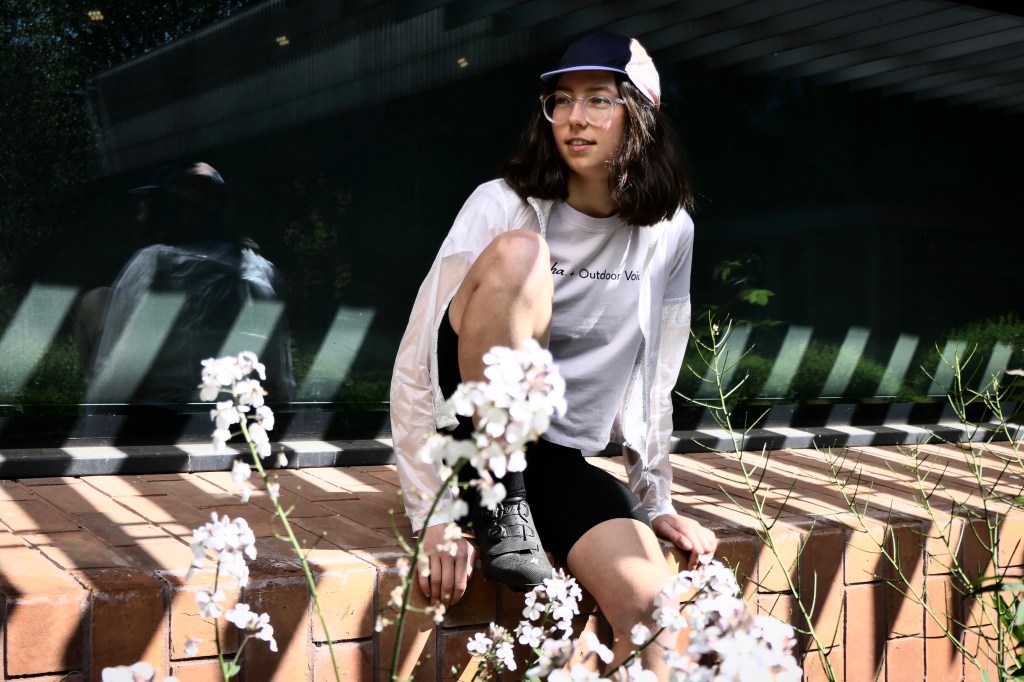
‘They were just mesmerised by the whole process of getting dressed for a ride. Why you wear a base layer and what goes over what. And we kind of let them run with it because we found it fascinating to see all the different combinations. Long sleeved base layers with a short sleeved jersey; the sock length conversation.’


Maria Olsson is describing the first face-to-face meeting between Rapha – where she oversees projects as their Head of Design – and recreational brand Outdoor Voices. Following an introduction by a mutual friend, the two teams came together in the summer of 2018 for a cycling adventure in Mallorca; the smile on Maria’s face as she tells her story hinting at the sense of fun and discovery they all enjoyed during this Mediteranean idyll.

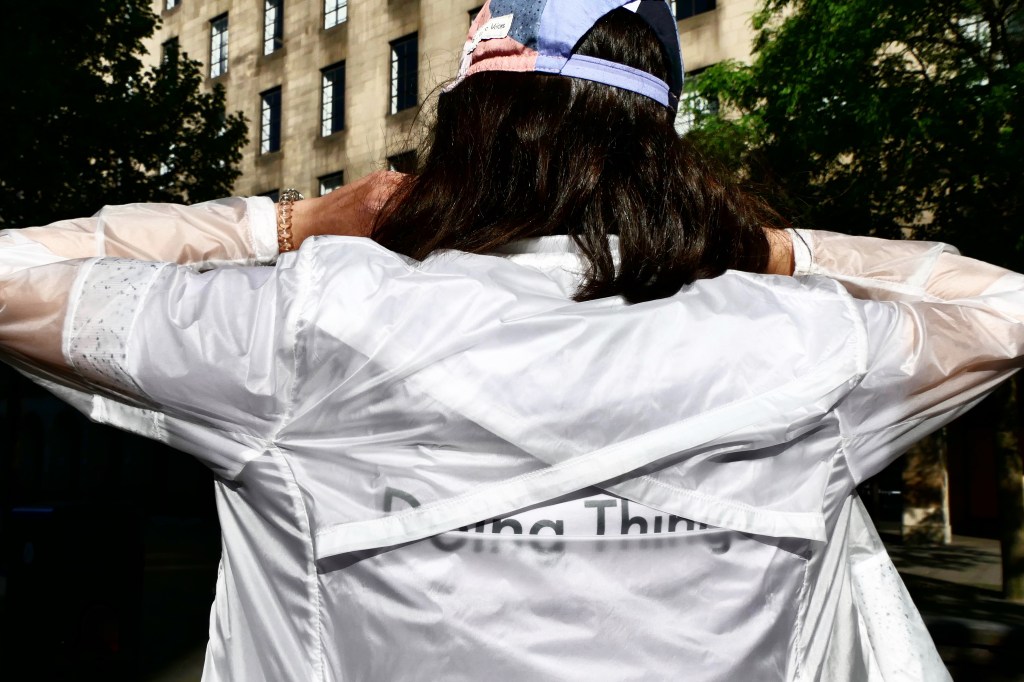
‘Outdoor Voices has a mission to Get The World Moving and this really spoke to us at Rapha,’ explains Maria. ‘But although they believe that Doing Things is the surest way to a happy and healthy life, they didn’t do cycling and that’s what we’re all about. So why not bring them along on a journey to discover how they feel about riding bikes?’

9AC76062-727A-4BF3-925C-A0C80F3B58F8

For the experienced Rapha cyclists, the group rides they hosted proved an informative opportunity to view the ride process from a non-cycling perspective. But as the trip coincided with the Mallorca 312 sportive, when it came to booking bike hire for their US guests, they soon came to realise that most of the island’s rental bikes were already accounted for. Managing to locate a bike shop able to accommodate their requirements, the Rapha team then discovered they’d been allocated a number of incredibly expensive titanium bikes. When the Outdoor Voices party turned up – in full Rapha kit but wearing trainers and asking how the brakes worked – Maria recounts how the young girl behind the shop counter appeared a little anxious.

‘After we’d reassured her that we all worked in cycling and would look after everyone, we got ourselves sorted and off we went. And they all excelled; shouting greetings to the other cyclists they passed as they pedalled up the climbs in their flat shoes. For us, so accustomed to all the etiquette and unspoken rules of riding – which can sometimes be a little daunting when you first start out – it was refreshing to spend time with the Outdoor Voices team who were so completely not precious about the whole experience. And in terms of this shared journey, we learned so much about how cycling should be and how it can feel for people when they get that first burst of excitement from riding a bike.’

20BF1B7A-D732-49F3-845B-C20C38B262E5

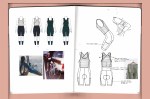
Punctuating the group riding with team meetings, although Maria’s designers had arrived with a range of fabric samples, it was the island itself that ultimately provided the inspiration for the colours and graphics of each individual item.

‘The weather was beautiful and we’d all bonded over our sensory enjoyment of these beautiful landscapes. And this shared appreciation coalesced around the theme of terrazzo which is commonly used in Spanish architecture. A flooring material that you almost forget to notice in its subtlety.’

‘But this is what’s so exciting,’ Maria continues, ‘because we didn’t arrive in Mallorca with this reference but left with a unifying theme for the collection. The small pieces of brightly coloured marble and glittery granite that are set into the concrete flooring spoke to us of individual elements that brought together, form something whole and beautiful. Much the same way that cycling can build communities and enrich the lives of those that ride.’

C1973831-9D59-4354-B089-1AC35C10F597

Reflecting on the various steps her designers have taken since these initial concept stages, Maria describes how fundamentally they set out to make the best possible cycling kit but with a mindset that acknowledges just how much fun you can have when riding a bike. That the aesthetics of the range represent a certain lightheartedness and a sense of inclusivity that are vital aspects of the sport she herself loves.

‘We want everyone who buys into the range to feel happy wearing it on the bike,’ she suggests. ‘In terms of its functionality – because that’s what we do at Rapha – but also in their emotional response to the designs. We want you to know how amazing you look.’

‘So between us, we agreed who was going to own what parts of the range. My team at Rapha designing the specific cycling elements and Outdoor Voices taking charge of the t-shirt and sports bra because that’s what they do really well. We followed up with regular online catch-ups before they flew over to London where we had a fit session with the first prototypes. The whole process taking over a year and a half to come to fruition but that’s because we took the collaboration really seriously and wanted to launch a range that felt 100% right.’

757E6B03-D55A-4D5D-98B2-B92EF0566E26

With the individual pieces offering a host of innovative features and details, the idea for the overlapping panels in the wind jacket was influenced by the Outdoor Voices yoga clothes that wrap around the body to make the wearer feel supported and comfortable. An aesthetic motif that was translated into a Rapha functional feature with the ventilated back of the bib shorts.

‘We got through so many prototypes to get everything right,’ explains Maria with a smile. ‘The jacket alone had five or six versions before it was signed off. But it’s all about refining each stage so that it works exactly how we want it to work.’ 

‘Playing with this theme of transformations, we considered the on and off bike uses for each piece of the collection. Adding a sense of fun with these little discoverables such as the Essentials Case that you can take with you when you go to the shop. And because we had some excess material in the lay plan that we could put to good use, why not?’

8AA425DE-61A3-4A0B-AB91-ABA71DDBB916

Not only were Rapha and Outdoor Voices sharing the same design journey, the collaboration extended to feedback from the Canyon-SRAM women’s cycling team. Frustrated with traditional cap designs and wanting to accommodate their long hair, the professional riders requested a space in the rear panel that would allow them to ride comfortably with a ponytail. A female-specific problem that Maria argues isn’t a gimmick but a reasoned and functional response.

‘Every collaboration is different,’ she concludes, ‘and I really believe in what we’ve achieved with Outdoor Voices. There’s been an enormous amount of hard work from everyone involved but it’s also been super fun. I’m not sure exactly how it happened but for this project it’s been predominantly women on my team. We’ve compromised together and we’ve agreed together. And after years of working at Rapha, I can honestly say that my female colleagues are the most amazing women I’ve ever had the good fortune to meet.’


Maria Olsson

Rapha

Outdoor Voices

Modelled in Manchester by Georgia Keats

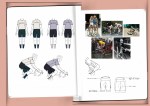
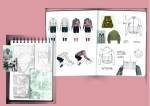
Sketchbook imagery kindly provided by Agata Jasinska

Photography by @openautograph

Krysten Koehn / Nothing is lost

I was reading the most beautiful essay by the art critic Peter Schjeldahl. This one particular line standing out as being so acutely relevant to my view of the world: ‘Nothing can be wholly lost that lives in Art’.

And this made me think about the time when I was living in New York and visiting the MET. A tiny still life by Cezanne tucked away in a corner depicting some apples and pears that had me standing with tears rolling down my cheeks.

Because it’s these emotional responses that stay with me. Moments in my life when I’m riding my bike and I feel my heart is going to explode because it simply doesn’t have the capacity for all that beauty.


Krysten Koehn has just returned from a solo ride to the west of Amsterdam and is now sitting in the window of her first-floor apartment with the spring sunshine lighting up her face. Currently waiting for a new passport after applying for citizenship in the Netherlands, this is the latest in a series of moves that have been a feature of her personal and professional life to date.

Copy of Krysten_Attaquer_Web_8

Brought up in Colorado, in her early twenties Krysten spent six months backpacking through Europe where she felt immediately at home. Her goal of once again returning in a more permanent fashion influencing her decision to study a Masters in Art Education that initially led to a teaching post in Kuwait.

‘I was able to travel a lot and it was a very rich time. I’m really thankful that I went and really thankful that I’m not doing it now [laughs].’

Another move to accept a position teaching at a Swiss boarding school coincided with her introduction to road cycling. As she was living in a tiny ski station high in the Alps, an uncompromising baptism of fire with Krysten describing the roads as going either straight up or straight down with very little in between.

‘I would probably still be there if I hadn’t been accepted to the Yale School of Art. And then, when I arrived, I didn’t touch my bike for the whole of the first semester; it just sat in my apartment with flat tyres, gathering dust. Not only was the course crazily overwhelming but I was also readjusting to life in the States and the transition from being a teacher back to a student again.’

5b7a2b33-39c3-45ef-9134-40fac4684c8b

As things began to somewhat settle, Krysten learnt that the Yale cycling team held weekly open rides and decided to join. Recruited onto the women’s race team, she now had a coach and structured training; a set of clear, measurable goals that considering the pressures of her course she found to be a salvation.

‘After graduating, I moved to New York where I met a couple of guys riding in Central Park,’ Krysten remembers. ‘We got chatting and they explained how they raced for the Rapha NY team before inviting me to join. This came at a really fortunate time because finding a community in New York isn’t always that easy and life can be lonely even though you’re living in a city of twelve million residents.’

‘The next couple of years were spent travelling between my home in New York and a job I found as a guide with a luxury cycle tour company based in France. But it was an Arctic Circle artist residency that decided where I would next be living. Based on a tall ship sailing out of Spitsbergen, I met a Dutchman on the crew, fell in love and that’s how I ended up in the Netherlands [smiles].’

Although not together any more, Krysten has settled in the small city of Haarlem to the west of Amsterdam where she teaches at the American School at The Hague and continues to work as a practicing artist. Her feelings on riding her bike when first moving to the Netherlands perhaps a little surprising in a country renowned for its cycling culture.

4f1ae6be-3553-4eb1-ac93-8d2d4d8974a3

‘I was actually really uninspired by the landscape and almost stopped riding completely for a couple of years. After guiding bike tours in the Alps and Pyrenees and growing up in Colorado, the Netherlands felt like the flattest country in the entire world. And it’s not like it doesn’t have its own unique beauty and charm but there’s just no elevation and the weather sucks. It’s very windy almost all of the time and it’s often cloudy or rainy. I was still a Rapha ride leader for those couple of years – forcing myself to go out now and then to fulfill my responsibilities – but I just wasn’t feeling it. And then something possessed me to sign up for a three-day Rapha ride from Amsterdam to Paris. I tried on multiple occasions to get out of it but the RCC coordinator just wouldn’t have it.’

As things turned out, the experience completely changed Krysten’s cycling life. The shared suffering and group camaraderie made her view riding in Amsterdam from a fresh perspective. That although she didn’t have the same towering landscapes, the sense of community was equally as important. And finding that once she’d found that community and immersed myself in it, all Krysten wanted to do was to ride her bike.

‘In the Amsterdam area it’s mostly wide open polders with a network of canals. Pastoral farmland very much like a Flemish painting. Everything is flat; even the light is diffused because there’s so much moisture in the air. And then when you get closer to the sea, the paths through the dunes are really beautiful. The rippling movement of the sea grasses with all the colours very muted. A unique kind of beauty that just needs you to scratch the surface in order to appreciate it.’

Copy of 2f767f86-92c1-43a1-a2c1-a7cef6628b51

Looking at Krysten’s body of work, this sense of landscape and movement appears fundamental to her creative process. A way of both thinking and feeling that’s not only provoked by her immediate surroundings but has strong ties to another location where she feels equally inspired: Girona.

‘Girona is like an amusement park,’ Krysten suggests. ‘Just magical; like nowhere else in the world. There’s obviously a reason why two thirds of the pro peloton live and train there and it’s easy to talk about the quiet roads and considerate drivers. But for me, it’s all encompassed by this general sense of belonging. A golden Mediterranean light that softens everything from the mountains down to the sea. Roads that unfurl like ribbons; undulating so perfectly with a satin surface.’

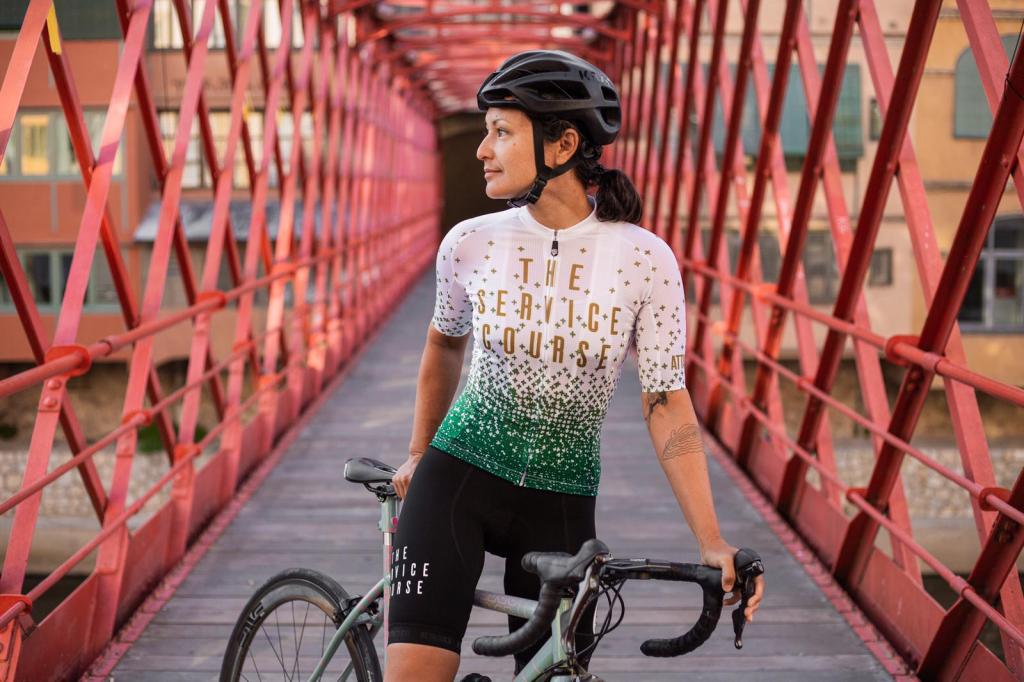
Spending the summer of 2019 working as a creative consultant for the Service Course, Krysten built another community centred around her friends Christian Meier and Tristan Cardew and the mechanics she rode with after they finished work. A new bike build – a custom steel Speedvagen – providing a link between the two cities that was heightened after Krysten returned to the Netherlands and was hit by a car barely 50 metres from her place of work.

87AE4900-3AFF-4168-AA3D-5A7596997A4B

‘I was very lucky and thankfully I could stand up and walk away but there was a part of me that died when I first saw the bike. A lot of well wishers expressed the view that it was more important that I wasn’t seriously injured and while I obviously agree with that, this bike is so much more than just a recreational tool or method of transportation. To me, it feels like an extension of my body. The primary tool of my artistic practice. When I ride it’s as if I’m drawing lines on the Earth; helping me to feel connected wherever I go which as a transient person is so very important. And because my bike is easily the most prized of my possessions, seeing it warped and splintered absolutely broke my heart.’

Now fully restored, Krysten describes her bike as feeling at home in Girona and more of a showpiece in Amsterdam, where its paint scheme provokes an unfailingly positive reaction. And as it’s fabricated from steel rather than featherweight carbon, it suits the flat, windy riding of the Netherlands but will still happily climb all day in the hills that surround the Catalan city.

‘My bike was a tangible way of connecting these places when last summer I planned to ride the 2000 kilometres that separates them. I had a ten-day window between finishing for the school holidays and starting to work with the Service Course, so I just decided to ride there. Why not?’ Krysten says with a smile. ‘Because when you’re carrying whatever belongings you need on your person or attached to your bike, that frees you to live completely in the moment. Allowing you to be 100% present in where you are and what you’re doing.’

Copy of Krysten_Attaquer_Web_31

‘I’ve previously been on bikepacking trips but this one was all about efficiency. And to motivate myself, I’d broken the route down and pre-booked accommodation. Some days had over 4000 metres of climbing and others were almost pan flat. But every day had its own unique feeling and moments which were super poignant.’

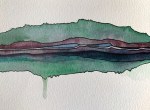
Deciding that she wanted to create an artistic response to her journey, on arriving in Girona she immediately sat down to paint a series of watercolors that captured a selection of her most salient memories.

‘I wanted to preserve those remarkable experiences; to burn them in my mind in terms of the colour and linear movement. Because in art, nothing is forgotten, and these paintings are a permanent reminder of those moments in time that I rode between my two cities. Moments that happened then and happened there. And that’s where they live.’

All artwork by kind permission of Krysten Koehn

krystenkoehn.com

Watercolour commentaries first published in Soigneur 

Photography credits:

Girona / Tristan Cardew     Netherlands / Martijn Zijerveld & Aneel Mawji

Brad Hammonds / Less of more

English teacher, photographer, frame builder, magazine editor? Trying to pin a label on Brad Hammonds isn’t at all straightforward but goes some way to illustrating a creative journey that mirrors a decade of travel. Reflecting on these interconnected professional pathways, Brad discusses his passion for working by hand, the joy of adventure cycling with Far Ride magazine and why he struggles with our tendency to seek more possessions.


It’s breakfast time in Texas and Brad Hammonds has just got in from walking his rescue greyhound, George. Casually dressed [Brad, not George], he’s tall – rangy in US parlance – and sporting a dark moustache and neatly trimmed beard. Moving to San Antonio with his wife Cary a little over six months ago, he mentions how they’re only just getting round to buying their first items of furniture; for many young couples a fairly commonplace task but perhaps more significant considering Brad has spent the past ten years travelling and working in a variety of different countries.

I’ve wanted to move to Japan since I was in 4th Grade. I’d made friends with a Japanese boy in my class and we’d go to his house after school and learn origami from his Mom. But the visa process was super hard if you didn’t have experience or certain qualifications – of which I had none [smiles] – but South Korea was a little more relaxed and only an hour’s flying time from Tokyo.’

IMG_0677-Edit-Edit-Edit-Edit

‘So I accepted a position teaching English at an after-school programme in Changwon; a small city in the south of the country. Looking back, in some ways a surprising decision because I really hate the act of packing everything up and the disruption it causes. But since graduating I’ve moved on average every two years to a different city or country and I’m actually starting to quite like it.’

A self-confessed creature of habit, I’m wondering if establishing a routine is an important aspect of assimilating a new location and culture? Whether he needs the familiarity of his belongings in order to relax and feel comfortable?

‘Having a sense of home is definitely not about possessions. I have the things that I like and I like them very much but those are pretty minimal. Cary and I have been travelling together for over seven years so having her with me is the constant I need with regard to my perception of belonging somewhere.’

IMG_4234-Edit

Alongside his teaching, photography has been another element in his portmanteau of professional roles. A camera bought with his first paycheck following the move to South Korea providing Brad with a creative outlet after graduating with a double major in communications and art.

‘At college I had my sculpture and I also did some metal smithing but neither of these were easy to bring with me when I was travelling. And it helped that my brother moved to Korea around the same time and also got a camera. I can remember as kids we’d go out into the woods with one of us dressed up as Big Foot and take grainy pictures that we’d try to pass off as real. So both of us getting into photography at the same time kind of fuelled my passion.’

‘Fortunately or unfortunately – but probably the latter [smiles] – when I first got into photography, precision was super important.  At college I’d work with wood, plexiglass, stone – lots of different materials – but a narrative was almost secondary to getting things to be super exact. So when I started taking photographs, I wanted to nail the exposure and get the edit just perfect. Not a speck of grain with everything just so. But over the past few years I’ve been trying to break away from that and focusing more on the subject and the story I’m trying to tell.’

IMG_0659-Edit

With part-time teaching allowing Brad to develop his photography on a professional basis, a move back to South Korea after a couple of years working in the Czech Republic and Spain resulted in another, unexpected, opportunity after he contacted a local frame builder to arrange to take some photographs of his workshop.

‘Somehow my request got a little mixed up because when I showed up, he pointed to one corner of his workshop and explained that this would be my space. I assumed he wanted me to stand there and take the photos [laughs] but when he started discussing ordering materials it kind of dawned on me that I was actually going to be building something. So everyday I’d go to work in the morning for three hours at my school before riding 15 km across the city to the workshop where I’d stay until 9 o’clock in the evening. I’d then ride home, have dinner and go to bed ready to start all over again in the morning.’

With this peripatetic life continuing for close to three years, Brad made a series of frames for himself and friends; the images of these builds depicting a flawless finish that reflects his love of detail. But after moving back to the States he’s now come to accept that although he will at some point return to frame building, it might never be as a sole profession.

IMG_1613-Edit

‘Frame building – and by that I mean good frame building – has to be incredibly precise which takes years of getting right. And I began to realise that although I can be super dedicated to something, I’m not the sort of person to be dedicated to just one something. I always have too many interests going at one time and if you want to be a respectable frame builder that has to be your life. I would love to be able to do that and who knows how I’ll feel in a week or a year. But, for now, it’s an interest I want to pursue as a hobby and as I don’t have a road bike at the moment, at some point it will be time to build myself one’.

Describing himself as a one bike guy, being constantly on the move has compounded the difficulties of multiple bike ownership. But situations change and he’s tempted to convert the Surly Cross-Check he’s currently using as a reliable run around into a single speed when his road bike is ready.

‘I think I like the idea of multiple bikes or I might have the same issue I have with my jeans. I tend to buy a new pair every two to three years but it still stresses me out that I’m neglecting the older ones. They’ve got a couple of holes in them but they’re still good. So maybe I’d have similar thoughts if I had more than one bike?’

IMG_5627-Edit

The fact that he’s putting so much consideration into bike ownership might have come as a surprise to a teenage Brad. At that time a regular but not overly accomplished mountain biker, it took the move to South Korea for him to first discover the sense of adventure exploring a locality by bike can offer.

‘I was getting tired of using the Changwon public transport so, together with a friend, we bought a pair of cheap mountain bikes. Riding them all around the city and really having a blast. And then later in the Czech Republic, Cary and I met this guy who was reconditioning old Soviet-era steel road bikes that seemed to weigh about 75 lbs. On our first ride Cary got her front wheel caught in some tram tracks and went right over the bars and then on our second ride both my brake cables snapped. A pretty interesting introduction to road cycling [laughs] but it allowed us to leave the city and explore the countryside surrounding Prague and that joy of discovering new places hasn’t left me since.’

With this newfound love of cycling now firmly established, a message over Instagram following his return to South Korea led to an invitation to ride from Hyunki Kim who at that time was working for Far Ride.

D343C690-5D73-4041-A483-9099AF4940E6

‘I had no idea who this guy was or what he did but we set something up and very early the next morning we met outside the temporary Far Ride office. I’d never heard of the magazine, didn’t know anything about it, but I went upstairs and met the magazine’s founder, Sogon Yoon, who immediately sat me down and started showing me a couple of issues. And I remember just being completely blown away.’

Riding together every week, it was six months into their friendship when Brad was booked to shoot a Far Ride feature in Busan. Coincidently they were looking for someone to help out with distribution and Brad accepted an offer to join the team; working for the magazine in the morning before teaching for a few hours and then riding over to the frame building workshop in the late afternoon.

‘It was all fairly intense but great fun and I’ve been with the magazine ever since. My official job title is Managing Editor & Distribution Wizard; the latter involving waving an email wand at every bike or magazine shop I can find. But now that we’ve established a really good network I’m focusing a lot more on writing, editing and taking photos.’

IMG_2033-Edit

With two issues published each year, Brad views this commitment to print in the context of a journey by bike. You could take the car and arrive quicker but the experience wouldn’t quite be the same. And although he acknowledges that digital journalism needn’t be compromised in terms of quality, he feels the physicality of the magazine enables the reader to slow down a little and really appreciate the details.

‘It also places demands on us [smiles]. By committing to this format, it’s not like you can take a story down to make a few changes. But we really enjoy the process of pulling each issue together; appreciating that the journey is as important as the destination.’

Conscious that this might be a somewhat clichéd question, the mention of journeys prompts me to ask whether he has a favourite from the many he’s enjoyed with the magazine. Brad confirming that the ride across Mongolia featured in Issue 8 is the trip that stands out the most.

IMG_7108-Edit

‘Setting out on the first day we honestly thought it was going to be a piece of cake [smiles]. We were riding this super smooth gravel and just flying on the 3T Exploro bikes we were testing. We’d allowed seven days for the trip and we were seriously predicting we’d get there in three and were worried about what to do with the other days. But literally within the first kilometre of the second day everything just turned upside down. The wind picked up into our faces and the road just fell apart with the following days nothing but potholes and washboarding. In the end we had broken blood vessels in our hands and I was wearing two pairs of bib shorts. But when we finally crested the last climb and saw the Gobi Desert stretching out in front of us we got so excited that we started sprinting. As it turned out, with no reference points we were still 30 km away and had to slow down [laughs].’

‘In some ways having to struggle is a good thing because if it’s too easy it can be enjoyable but not necessarily fun. And there have been times when I’ve not been 100% sure that I’ll finish a particular day’s ride. But, so far, it’s always been more of a slow down than a stop. And by overcoming difficulties we can address the level of comfort we want in our lives. Before my involvement with Far Ride I can’t remember ever taking a camera with me on a bike ride. I’ve never had a particularly outgoing personality – especially when it comes to strangers – and even though I really enjoy focusing on people in my travel photography, it can be terrifying to get the shot. So the bike was an escape from that and I always left the camera behind. I didn’t want that extra physical or mental weight. But now? I see it as more of a treasure hunt; out riding trying to find that perfect viewpoint.’

With a Far Ride trip to Scotland delayed due to the international travel restrictions and all his photography work temporarily on hold, for the moment life is focused around the couple’s San Antonio home. Cary joining Brad in working at home with the day structured around walking George. A state of affairs that Brad is taking in his stride.

‘We’re busy pulling together the next issue of the magazine and although we can’t travel at present, hopefully once this current situation begins to sort itself out we can start to make some plans. But in terms of where I’m going? I’m really not that picky. I guess it’s more about just going somewhere new and diving in.’

All images with kind permission of Brad Hammonds

TBH

Jonny Hines / Sunrise to sunset

I first met photographer Jonny Hines in the summer of 2016. He’d travelled up from London for the opening of an exhibition of his work hosted by Rapha in their Manchester clubhouse. A series of mountain landscapes that portrayed riders climbing ribbons of road or caught in repose beside an alpine stream in the shadow of towering peaks.

This focused sense of narrative is once again evident in the images Jonny recently shot documenting the inaugural Atlas Mountain Race. His reflections on following the race offering a fascinating insight into a beautiful but unforgiving landscape that both tested and delighted the race competitors in equal measure.


I’d already established a relationship with PEdAL ED after they got in touch last year to ask if I wanted to shoot the Trans Pyrenees. And then race director Nelson Trees contacted me with a view to doing something similar on the Atlas Mountain Race which they were sponsoring.

I remember how burnt out I felt after the first couple of days of Trans Pyrenees. The front riders so quick that to keep pace I was also having to survive on an odd hour of sleep here and there. With my plan for the Atlas Mountain Race I was able to manage my own needs more easily. Obviously you want to shoot sunrise and sunset but we were pretty remote and it isn’t that easy to find accommodation. So we’d plan to be somewhere nice as the sun went down and then stay over at a guesthouse or home stay. Waking up each day and checking the riders’ tracking dots before heading out once again.

556A1255

Flying into Morocco was pretty much as I expected. A lot of familiar faces with everyone seeming to know each other. They’d done the Silk Road Mountain Race or Transcontinental; many spending time together during these events and forming friendships. So it was really interesting to witness this sense of camaraderie but still notice the potential front runners eyeing each other up. Everyone being friendly but sussing out all the different bikes and wondering who had the best setup and whether they, themselves, had made the right decisions [laughs].

As the riders got underway, we had a police escort out of Marrakesh which was really cool. Motorbike outriders shepherding us through the suburbs until we left the city behind us. And even though the race route took us through some pretty wild and remote regions, you’d find that someone would just pop up walking along the road. Lots of Berbers and shepherds with flocks of sheep and goats. Which makes you wonder how people manage to live out there because the riders had to be very conscious of where they could get water and supplies. If you missed these points you could be in serious trouble as it’s a truly unforgiving environment.

I was following the race in a 4×4 pickup with my friend and PEdAL ED designer Matteo D’Amanzo and Stephano who was creating podcast content. So it was pretty cramped and there were parts which were undriveable so we were constantly having to re-route. Even the sections that we could use were incredibly slow going with our average speed often not that much faster than the riders.

At one point we were driving back down a mountain pass that we couldn’t cross. It was pitch black and we’d been trying to stay on course only to find ourselves in a dried-up river bed. So then you have half an hour of reversing and you’re super disorientated because there’s no point of reference. The riders obviously had it far tougher but it was an adventure for us too [smiles].

556A2646

As we’d planned on following the middle to back group, we kept seeing the same riders over the course of the first few days before the race got really strung out. It became a running joke with two of the guys after we’d bumped into them a couple of times at breakfast and wished them ‘good morning’. But when it came to people struggling, I tried to take some close-up shots without them realising; just to capture the moment before asking how it was going. Treading that fine line of building up a rapport without interfering with the race.

Obviously it’s very different comparing the front and back of the field. Because at the front the last thing they want to do is stop and chat. They’re in the zone and doing their thing. But at the back the riders are racing against themselves and the ones we were following couldn’t wait to tell us about their adventures. The crazy bike ‘n’ hike section they’d just completed or the lady and her family who invited everyone that passed into her house for tea and peanut butter on toast.

The local population was a feature of the race that added enormous interest and colour. As we left Marrakesh we had children running alongside the riders – everyone high fiving – and there was definitely a sense that people were interested in the race. From our perspective in the car, what we remember are the smiles and waves of everyone we passed. Through every small village we’d drive with our windows down so we could say ‘hi’.

On the first evening when we’d reached a fairly narrow section of road, we came up to a large group of cars blocking the way through this small settlement. We could see someone waving at us to come up and when we did they showed us where we could wash our hands before ushering us into this house. The women all in one room, the men gathered in the next where we sat down to this huge leg of lamb followed by roast chicken and another dish with almonds and prunes. Everyone digging in around this large central platter; right hand only and no plates. 

556A2190

So in terms of goodwill from the local residents, Morocco was very welcoming. The terrain, however, was less hospitable and a sizeable proportion of the field was forced to scratch. The amount of walking required caught some of the riders out in terms of their timings. And tyre choice proved crucial with the wear and tear on drive trains due to the sand and dust another huge factor. Because it wasn’t gravel roads in the sense that we understand the term in Northern Europe. These were seriously rocky trails which can drop your average pace to 10 kph.

And I had my own worries regarding the landscape in terms of how to shoot it. Whether it would all look the same? But you just try to find different angles and perspectives to tell the story. Mixing up big landscapes with the small detail stuff. A real sensory experience with the smell of the tagines cooking and the call to prayer floating across the villages and towns throughout the day. So much so that you feel totally immersed in a different culture which is a reason for entering this race in itself.

On reflection, I do wonder whether maybe I went in without realising quite how big the Atlas Mountains are in terms of elevation? I’d seen pictures and thought, yeah, that looks really cool. But the beauty of this region is quite breathtaking with the folds of the Earth clearly exposed and laid bare. Not green like the Alps but varying shades of orange and yellow. And then you’d follow a bend in the road and come across an oasis. The shock of open water surrounded by cherry blossom trees after miles of dried-out river beds. Just like I’d pictured it from the adventure books I used to read as a child. I can only imagine how it must have appeared to a race competitor on the edge of exhaustion?

It was interesting – considering the gruelling nature of the race – that the riders kept asking how we were doing and there’s us with a car [laughs]. It might have been bumpy and my back kind of hurt a little bit but the individuals competing were the true celebs. Bedding down under the stars whilst I was sleeping inside after a hot meal.

556A2033

And then, finally reaching the finish, you can’t help but feel happy that everyone’s crossed the line safely. That you haven’t driven off the side of a cliff and none of the riders were seriously hurt. Because these types of races can be really dangerous and it can very quickly all go very wrong.

From my perspective I wanted to shoot images that truly reflect the experience of the riders rather than my own. But when you keep bumping into the same individuals throughout the course of the race, you can’t help but will them along. Hoping that they’re OK. And what I found interesting – because I come from a background of working in the guided tour business with Rapha Travel – was the almost instinctual need to help. Obviously you can’t interfere with the race but there’s definitely a sense of emotional investment.

Would I line up on the start line myself? This is something we talked about every day in the car. I’m basically a road rider but, being on the race, you get involved and start finding it all rather cool. I’m a bit of a geek – as most cyclists are when it comes to their bikes and kit – so it’s really interesting seeing all the different set-ups on the start line. So maybe I could be persuaded. Maybe I need to experience this type of race if I’m going to carry on photographing long distance events? To truly understand what it feels like? But if I ever did decide to give it a go, it would be as a pair. I’ve got no interest in spending 12 hours a day with my own thoughts. That would be the first reason to scratch; I’d just get bored. Cycling for me is a social thing and I’d probably feel less anxious riding with someone. Not very rock ‘n’ roll, I know [laughs].

All images with kind permission of Jonny Hines

PEdAL ED