Image

Caren Hartley / Inside the Isen Workshop

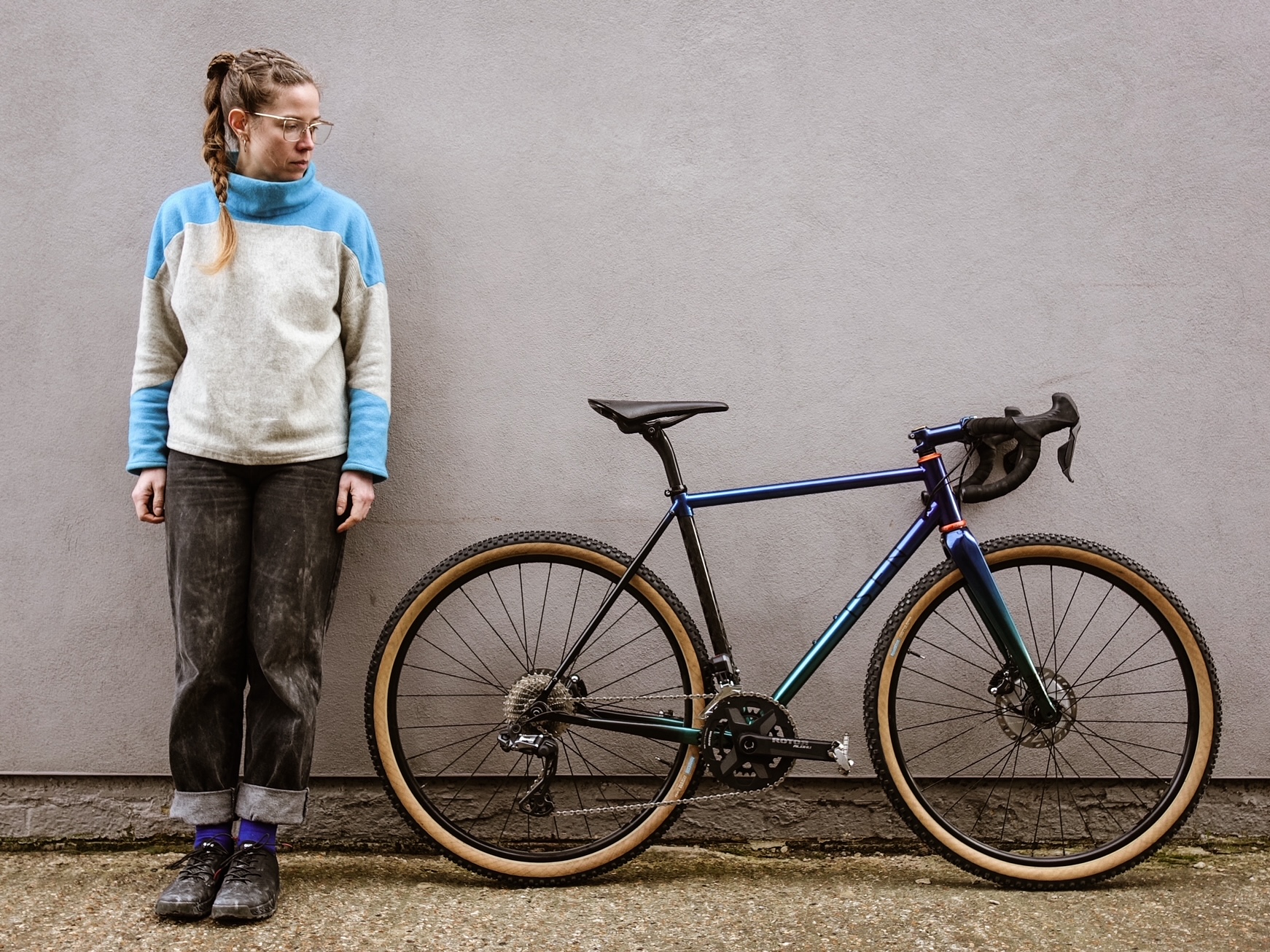
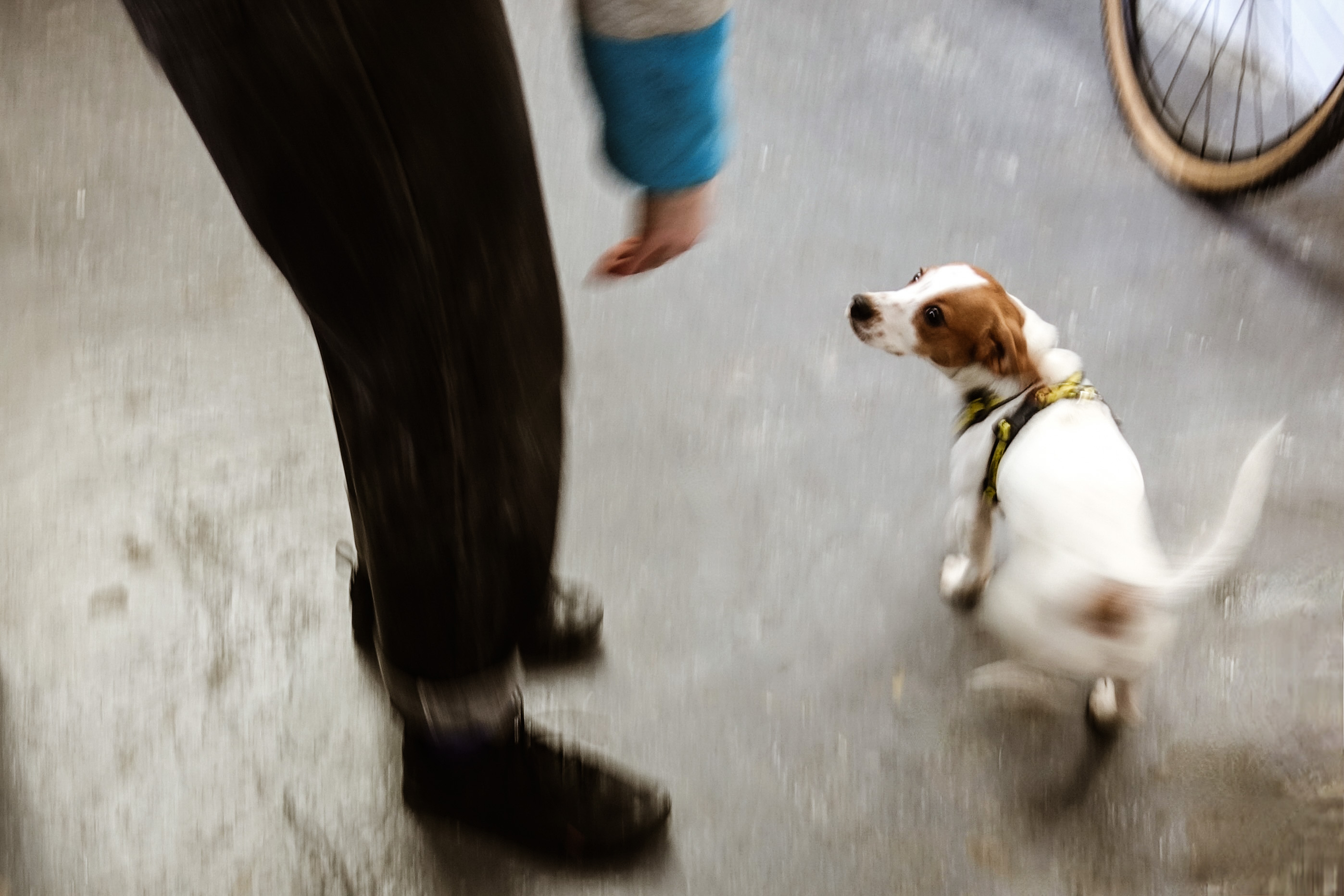
I’ve travelled out from central London to the southwest end of the Northern Line. Exiting the station, a short walk through the surrounding suburbs leads to an industrial estate and the home of Isen Workshop. Pushing open the door, there’s a sudden movement as a small dog darts out and excitedly runs rings around my legs. Caren Hartley follows and greets me with a smile as she scoops up this new addition to the Isen family. The dog’s name is Frieda and it’s her first day in the workshop—Caren obviously delighted with her new companion as she politely asks if I’d like a cup of tea.

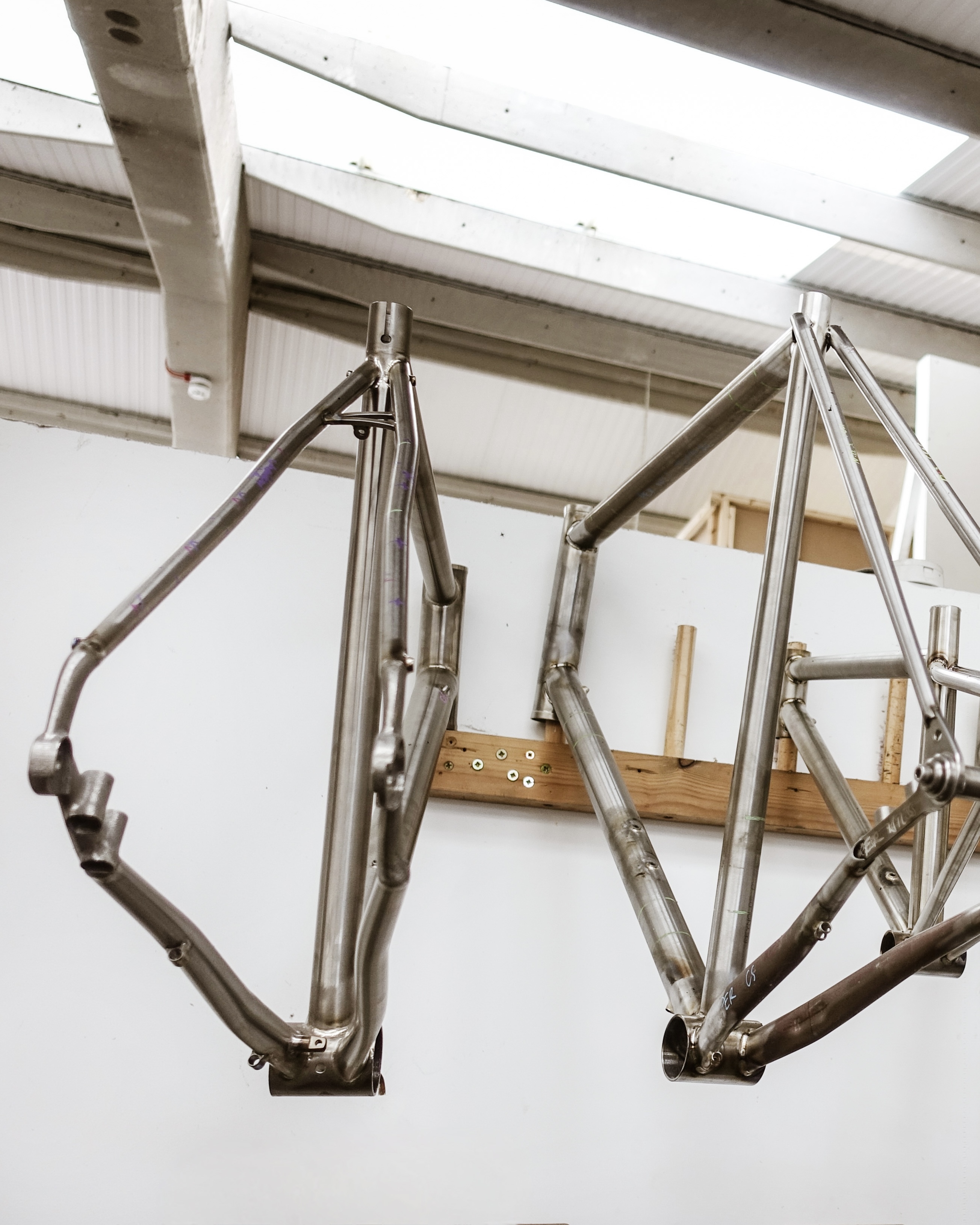
Dressed casually and warmly welcoming, as the tea is brewing Caren takes me on an impromptu tour of the workshop with its pleasantly chaotic mix of boxed raw materials, hand tools and industrial machinery. Originally fabricating frames as Hartley Cycles, Isen was founded when Caren partnered with Matt McDonough of Talbot Frameworks—the pair subsequently carving out a reputation for beautifully built bikes in steel and titanium.

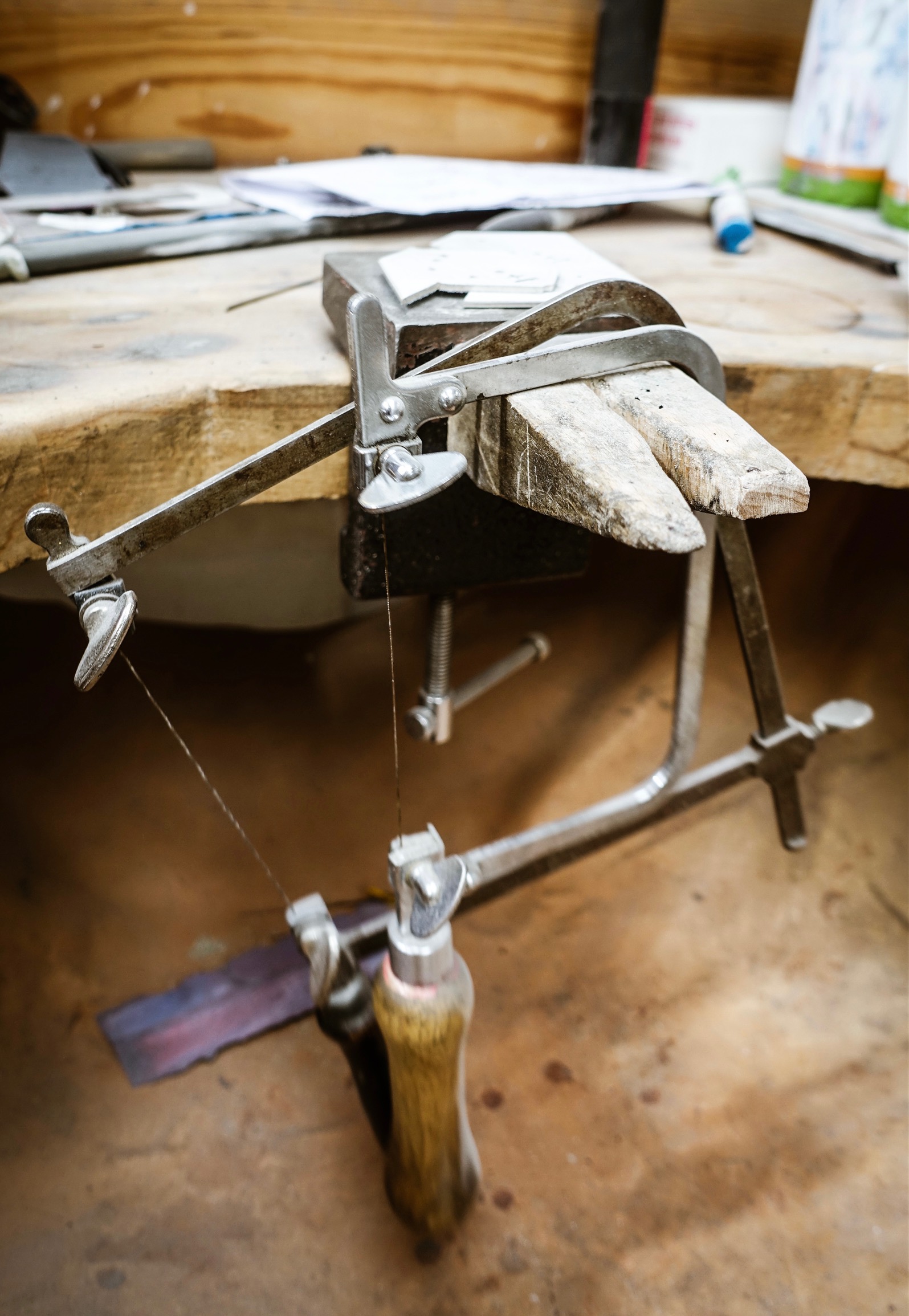
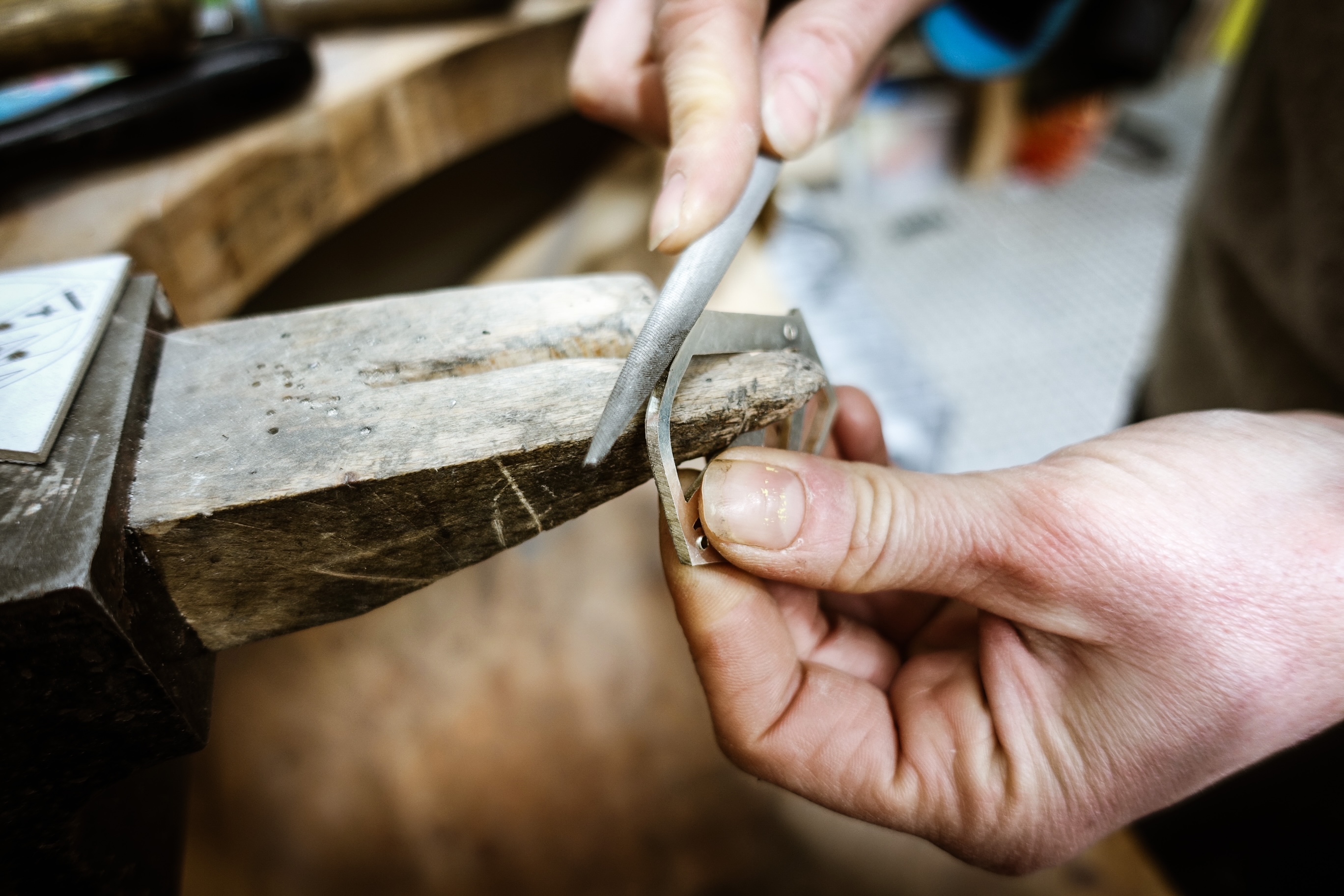
Having previously studied at the Royal College of Art, clues to Caren’s background in fine metalwork can be found in the jewellery-making tools she uses to craft custom head badges that many of Isen’s customers add as a build option.

‘I was always making things as a child and I remember my parents being quite creative. Dad was a watchmaker and Mum would make costumes for us out of crêpe paper and cereal boxes. And then later, when I spent time in the metalwork department on my art foundation course, I became fascinated by the magic of soldering. It wasn’t that I was necessarily interested in making jewellery but that’s what you made out of metal.’
As her career progressed, Caren’s plans for creating larger-scale artworks were hampered by cuts in funding prompted by a worldwide financial crisis—a day-to-day existence of writing proposals which in most instances proved unsuccessful.

‘I knew I wanted a change but I was avoiding making any decisions by hanging out with my friend Jenni Gwiazdowski at the London Bike Kitchen. But after attending an event with her where I met a frame builder, I had this sudden realisation that it was a little like jewellery—basically big soldering—and I just needed to start making things that were bike shaped.’

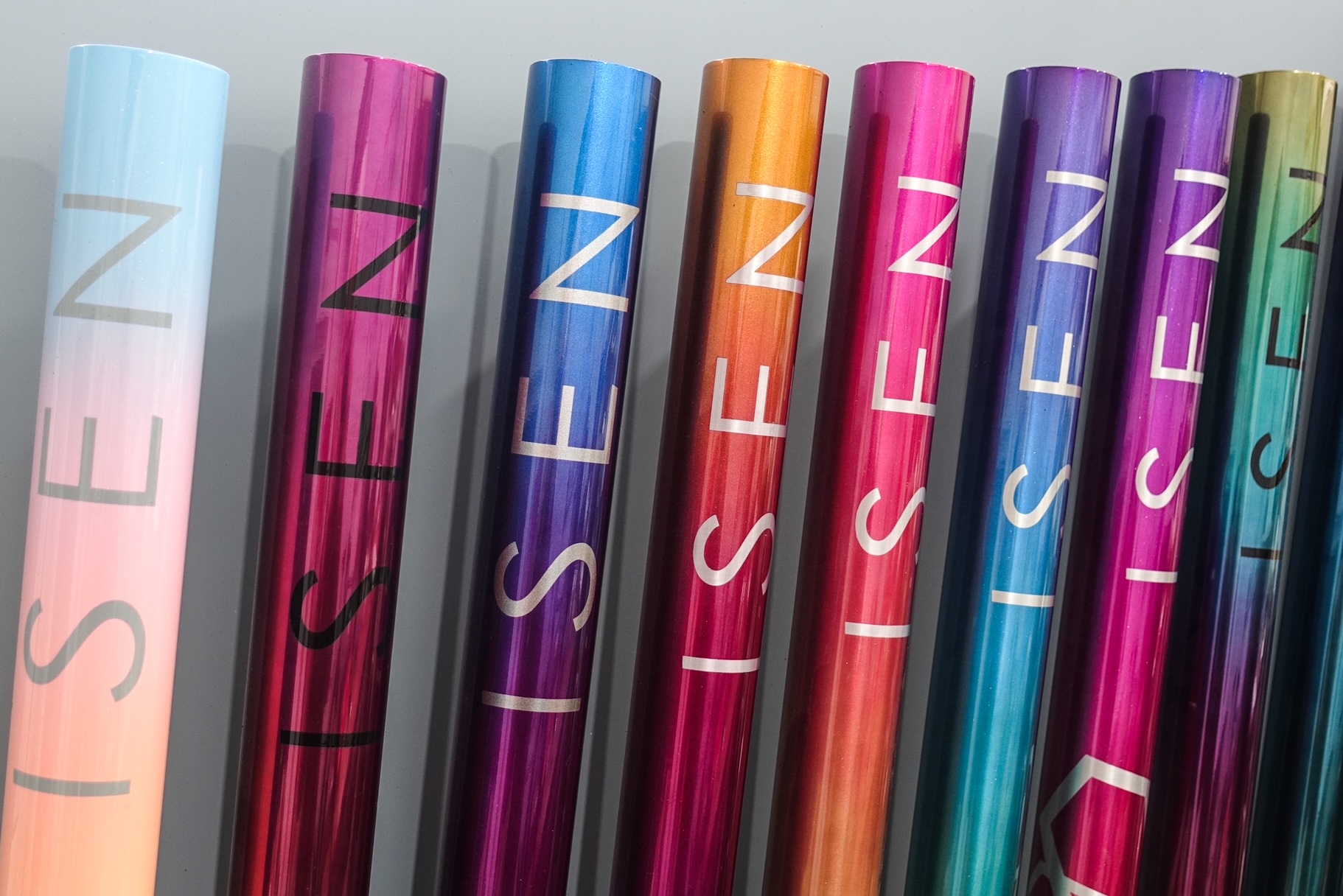
With 15 years of experience building custom bikes between them, Matt now concentrates on fabrication with Caren focusing on paint—a completely in-house process that starts with a tube set and customer build sheet.

‘When Matt and I first started Isen, our plan was to have a range of frame sizes available to be built up. In reality, everyone wants something a tiny bit different so we have models which are your jumping in point and then we can work on custom geometry and anything extra that’s required.’
As we leave the workshop’s fabrication bay with its familiar array of jigs, welding equipment and lathes, sitting on a table next to Caren’s paint booth is a piece of equipment that hints at this agile approach to design—a 3D printer they use to rapid prototype component test pieces in response to customer feedback and their own desire to balance form and function.

‘It’s all about working with, rather than against a material’s intrinsic properties. That’s why we use carbon tubing for our integrated seat post and stainless steel if you want a really light, stiff road bike.’

Softly spoken and self-deprecating, when asked if she finds a sense of peace in the workshop, Caren suggests that hand fabricating metal feels comfortable and calming but paint brings its own intensity.

‘I remember someone saying to me when I first started, that the difference between a good and bad painter is a good one knows how to fix all the mistakes. And paint is definitely more pressurised with the number of variables at play. But when a frame is finished and fully assembled, that’s definitely the best bit. It takes such a long time to make a bike from the tubes in a box to the welding and paint. So there’s a little bit of you that goes “Yesss!” when it’s finally ready for the customer.’

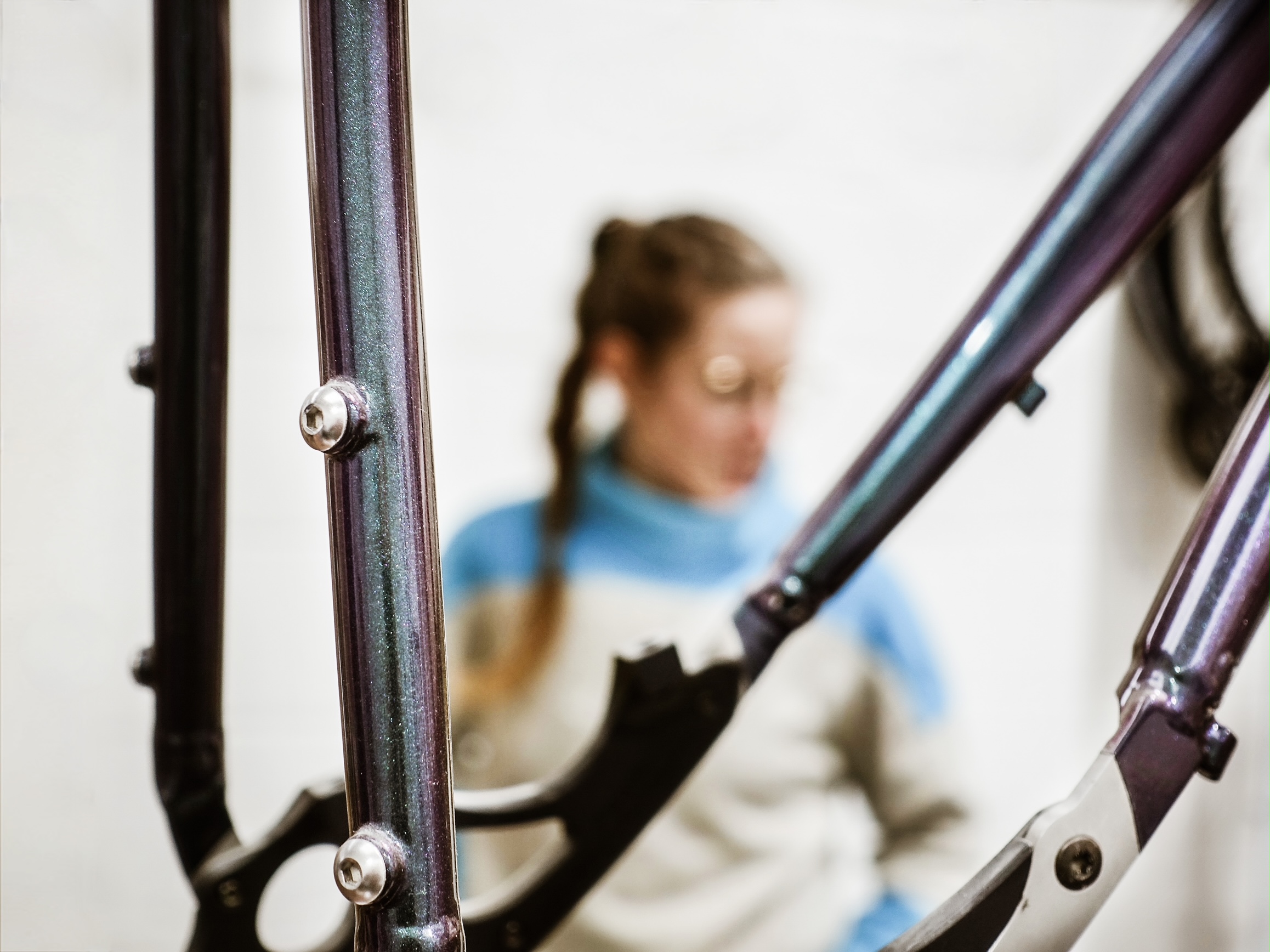
Acknowledging with a smile her own innate perfectionism, it’s clear that Caren’s attention to detail has found the perfect outlet in her brilliantly bold paint designs. And just as each and every Isen frame is handmade to order, the hours of care she invests in perfecting each paint scheme is understandable for such a bespoke product—a considered purchase for any prospective customer that, whilst not inexpensive, is surprisingly affordable compared to the current pricing of bikes from the larger manufacturers.

‘People are regularly spending £7000 or more on standard-sized bikes nowadays. Ten years ago that would have seemed a lot but it’s far more normalised now. And you can get a really, really nice custom bike for that money that’s made to your exact specifications and will perform as well as the best carbon frames. It might weigh a few hundred grams more but it will still be lightweight and a joy to ride.’


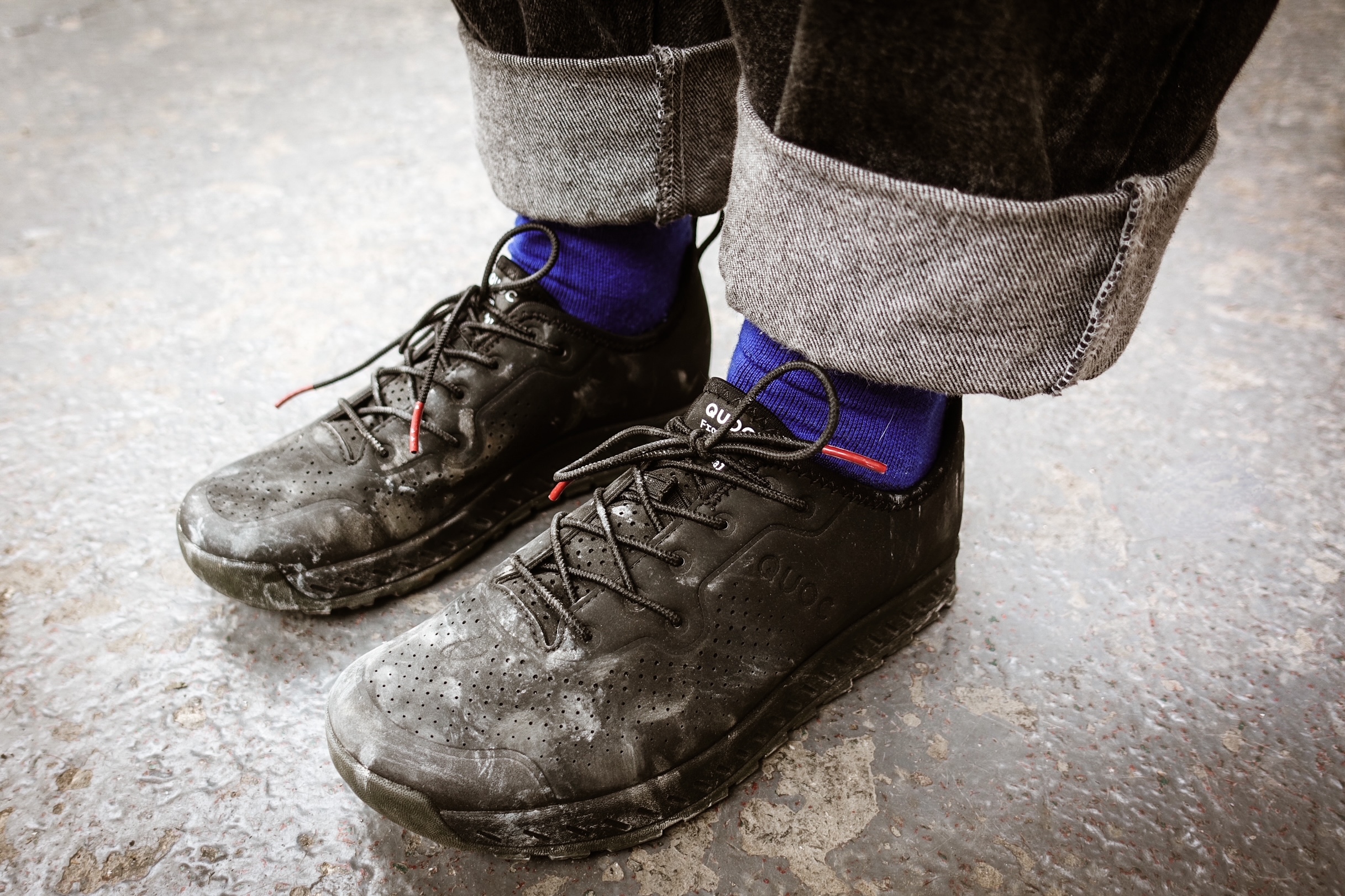
The importance of choosing the right bike is a process Caren equates to the comfort and wearability of her Quoc Weekend Sneakers.

‘When ordering a bike, the correct size and fit are probably the two most important aspects. Components can be upgraded or finessed but if your frame isn’t right it will fundamentally compromise your riding enjoyment. And just as we hope our customers fall in love with their new Isen, I still have that new shoe thing where I catch myself looking at my Quocs.’

As the London location of the Isen Workshop was perhaps unsurprisingly chosen for its commutability by bicycle, escaping the pressures of work sees Caren loading up her GOAT—think rugged, cross–country mountain bike—before heading off for a weekend camping trip.

‘Manufacturing—and especially making things by hand—is a hard industry to be viable. So when I’m here at the workshop, it can get a little stressful but I do get to ride lovely bikes and that’s really very nice.’

All photography by cyclespeak
Krysten Koehn / Portage Cycling

When artist and adventurer Krysten Koehn slammed into the ground on a Hamburg bike path, the immediate consequences of a badly broken hand stretched to postponing a planned bike packing trip through Slovenia. With a move back to Amsterdam in time for the start of a new teaching position already arranged, Krysten decided to return home to Colorado and recover with the help and support of her family. But once reacquainted with the mountain landscapes of her youth, she quickly arrived at the realisation that this emotional reconnection with her homeland was questioning her sense of place.

‘Maybe it takes a stark contrast to unlock your understanding because it soon dawned on me how I’d underestimated the incredible beauty of Colorado. I’d spent so long living in a wet and windy Amsterdam – which at the time I loved – that I’d forgotten what it was like to have the sun shine over 300 days a year and the mountains right on your doorstep.’

With the decision to stay made, Krysten started to search for a temporary teaching job and almost immediately found a suitable position. A brief visit to Europe saw personal belongings packed ready for shipping and her bike boxed for the return flight—Krysten now recrossing the Atlantic as a returning resident rather than temporary visitor.


A few months on from this homecoming and we’re catching up over a video call. It’s just after 5:00am in Colorado but despite the early hour Krysten looks happy and content as she punctuates gaps in our conversation with a spoonful of oatmeal. I comment on the brightly coloured design of her closed curtains and immediately a smile lights up her face.

‘My belongings were sent from the Netherlands to London and 5 months later they’re still sitting in a warehouse waiting to be put into a container. The curtains were given to me by a friend who was moving and she kindly donated a bunch of stuff I could use in my new apartment. She found them in a thrift shop and now it’s my turn to use them.’

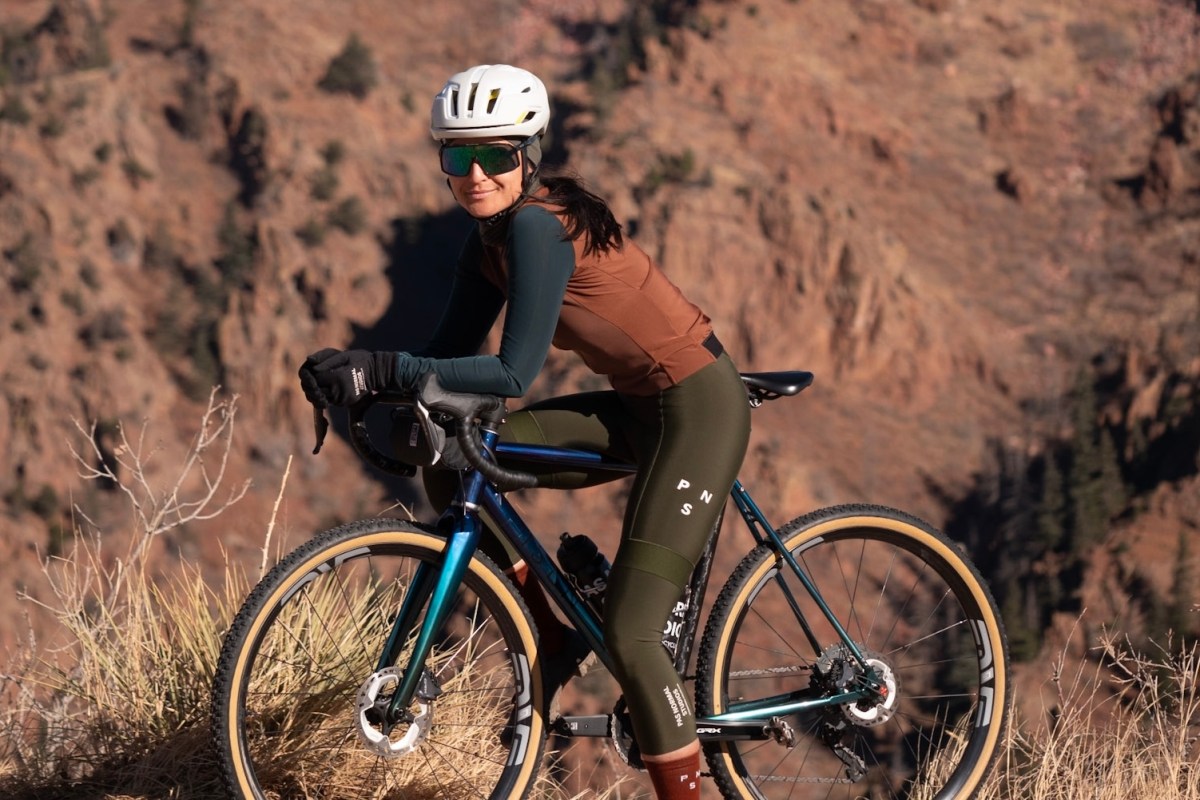
Although unsurprisingly frustrated at the shortcomings of transatlantic shipping, having her gravel bike to hand means weekends are now filled with rides as Krysten rediscovers a physical relationship with a landscape that prompts flashes of memory from her childhood.


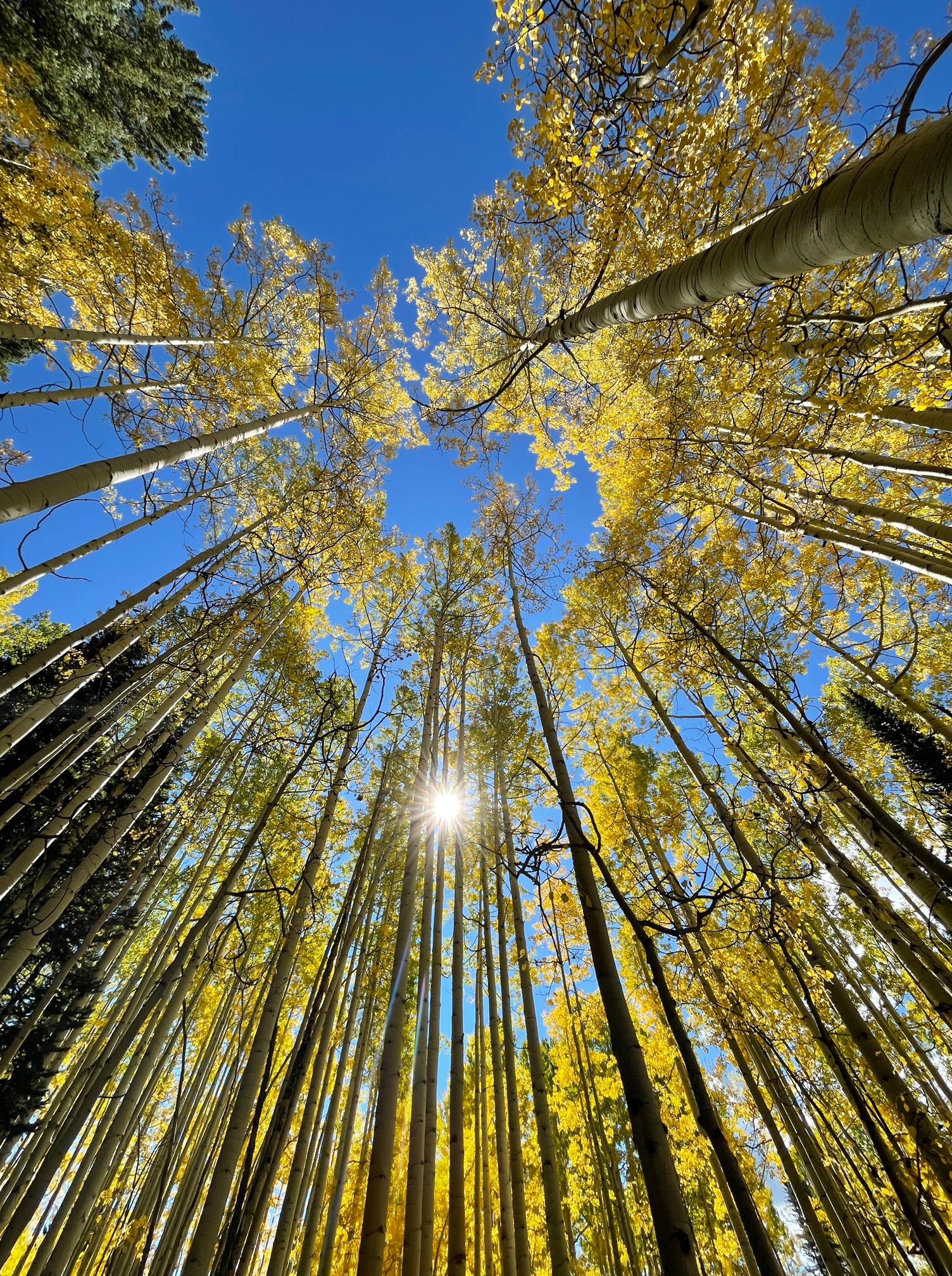
‘I can remember being on the trail with the sun shining through the branches of pine trees—walking next to a stream with tall grasses parting as my legs pushed forward. And then, as I grew older, those experiences carried more weight and became more salient. My sense of being was formed by this landscape and when I left for Europe, I had this visceral longing for the mountains—like they were a magnet for future experiences. A compass for my life with the mountains at true north.’

Delighting in this process of rediscovery, Krysten nevertheless describes herself as a puzzle piece that once fitted neatly into a bigger picture but now has edges a little roughened from the passage of time.

‘Returning home, there was this sense of reverse culture shock. Even in the wilder parts of Europe, you’re never that far from some form of civilisation. And that’s just not the case in Colorado. Nature is so, so big and it’s taken a while to get my head round this lack of constraints. To ride out and the only thing that references the presence of other people being the tyre tracks left on the gravel trail you’re following.’

This boundless freedom that Krysten documents so beautifully in her Instagram posts and stories has now prompted a new chapter in her cycling journey. Taken aback by the overwhelmingly positive reactions to her social media snippets, Krysten has distilled her love of these landscapes and passion for community into Portage Cycling—a company offering custom cycling adventures that benefit from her unique insights into the best riding experiences Colorado has to offer.

‘I came to the conclusion that I want to be working towards something rather than simply standing still. So why not be really intentional about how I live my life and spend my time. And what really brings me joy – where the air comes from – is creating things, experiencing nature, riding my bicycle and making meaningful connections with people. Combining these four pillars is where Portage was born.’

With the dream of one day opening a cycling guesthouse that focuses all the elements of Portage into a physical space, Krysten is busy launching her new venture as a point of departure for this ultimate goal. A process that required her to name the initial concept and cause for another broad smile.

‘I deliberated for months—scrolling through endless lists of cycling terms to spark ideas. And then I landed on the name Portage. French in origin and meaning to carry but also a colloquial term for carrying your bike. And because gravel riding in Colorado can be pretty gnarly, on occasion you do find yourself hike-a-biking. But, to me, that means you’re truly on an adventure.’


Not limited to a literal translation, another connotation applies to Krysten’s desire to carry people through an experience so all that remains is for guests to relax and truly enjoy the riding.

‘I want the trips I organise to be highly customisable. Maybe you want to eat sandwiches on the trail before heading back to Boulder for dinner at a Michelin starred restaurant. Maybe you only have a weekend and want some sample routes to follow. However you want to ride, whatever you want to experience, I can accommodate that.’

With the process starting over a conversation that enables Krysten to drill down what her guests really want from the experience, with oatmeal now finished and a cup of coffee to hand, I ask her to describe a typical Portage day.

‘It would involve all of the things that you want and none of the things you don’t—highly specific to your individual ideas. A day that starts with a cup or two of really good locally-roasted coffee. And then picture a bowl of homemade granola or a giant plate of Eggs Benedict with bacon and homemade biscuit. We’d then head out on a ride together and discover magical views over endless mountains with red-dirt roads stretching off to the horizon. Lunchtime would see us stopping at a little general store before the ride continuing into the afternoon. Arriving back at base, after showering we’d enjoy a lovely farm-to-table dinner that’s made with locally-sourced, in-season ingredients.’

With a boundless energy and joie de vivre – undiminished even by the pre-dawn challenges of our transatlantic call – as a practising artist, Krysten’s desire to make artworks is inseparable from how she consciously chooses to live her life—a bike ride drawing imaginary lines on the landscape and the act of building Portage from the ground up, both outlets for her irrepressibly creative spirit.

‘To me, bringing an idea into existence and creating something from nothing is an artistic act. And my intention is to show people this awe inspiring land in the hope that, faced with its beauty, they have the same ache in their hearts that I do.’


Krysten Koehn / Portage Cycling

Feature image by Dennis Kugizaki / Ride images by Donalrey Nieva / Colorado images by Krysten