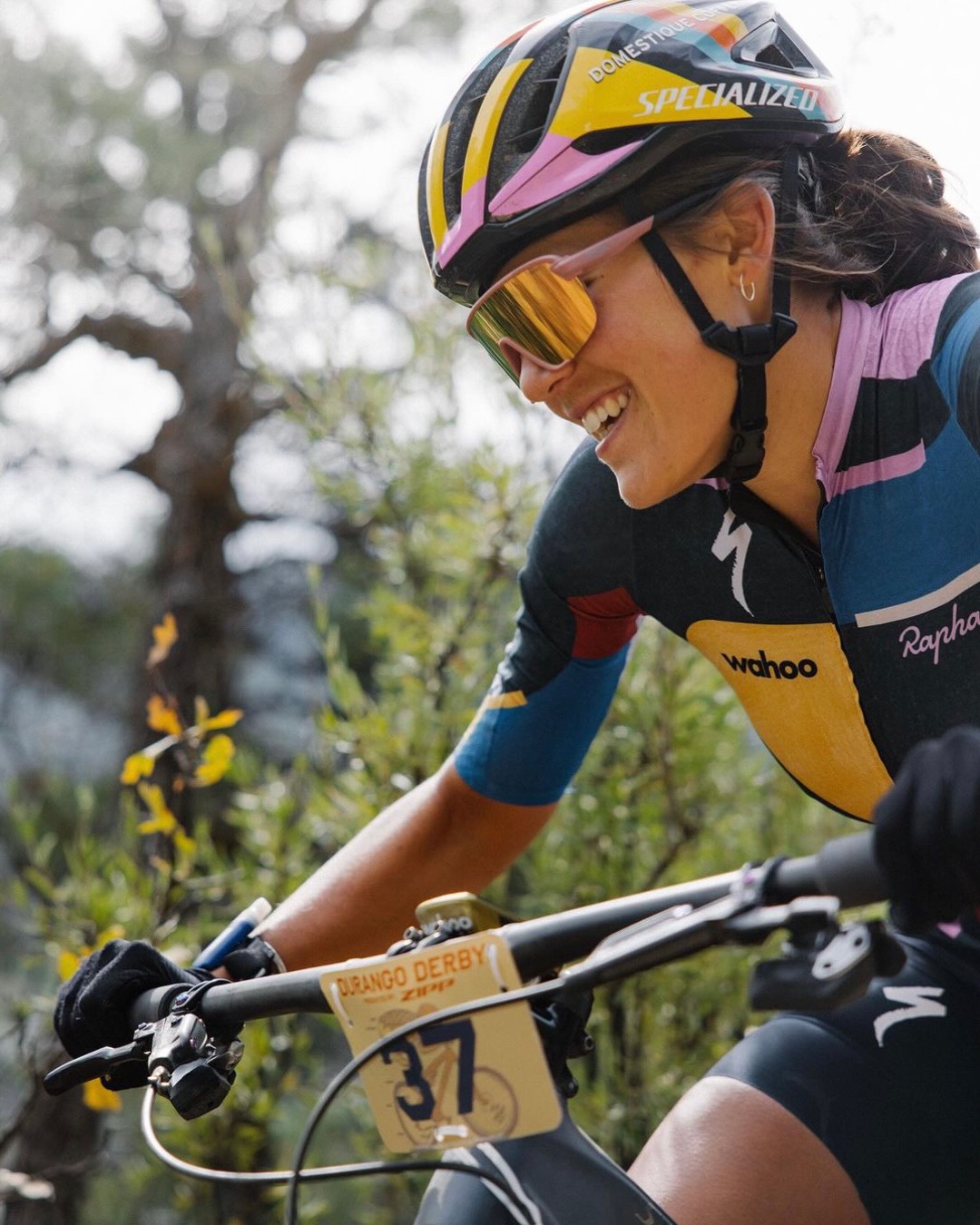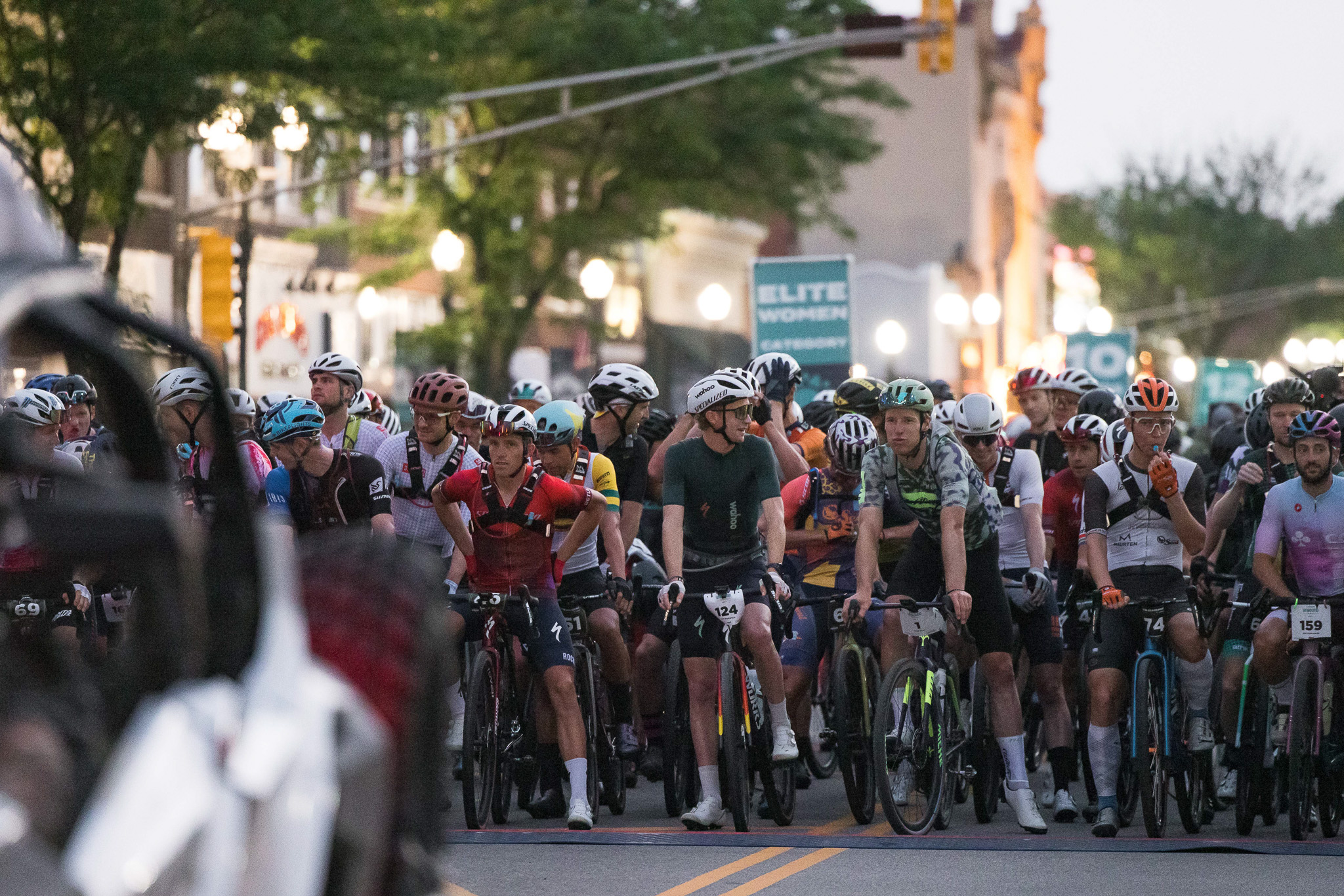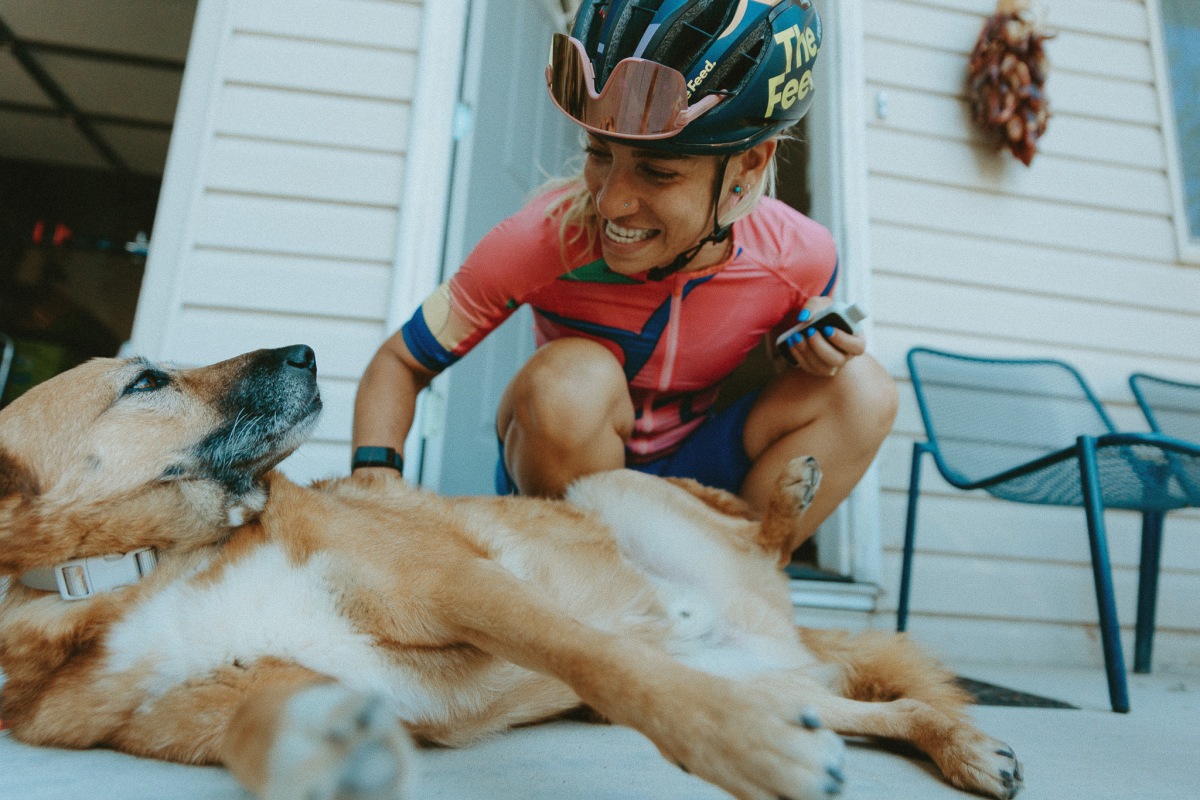
Sarah Sturm / The coolest job ever

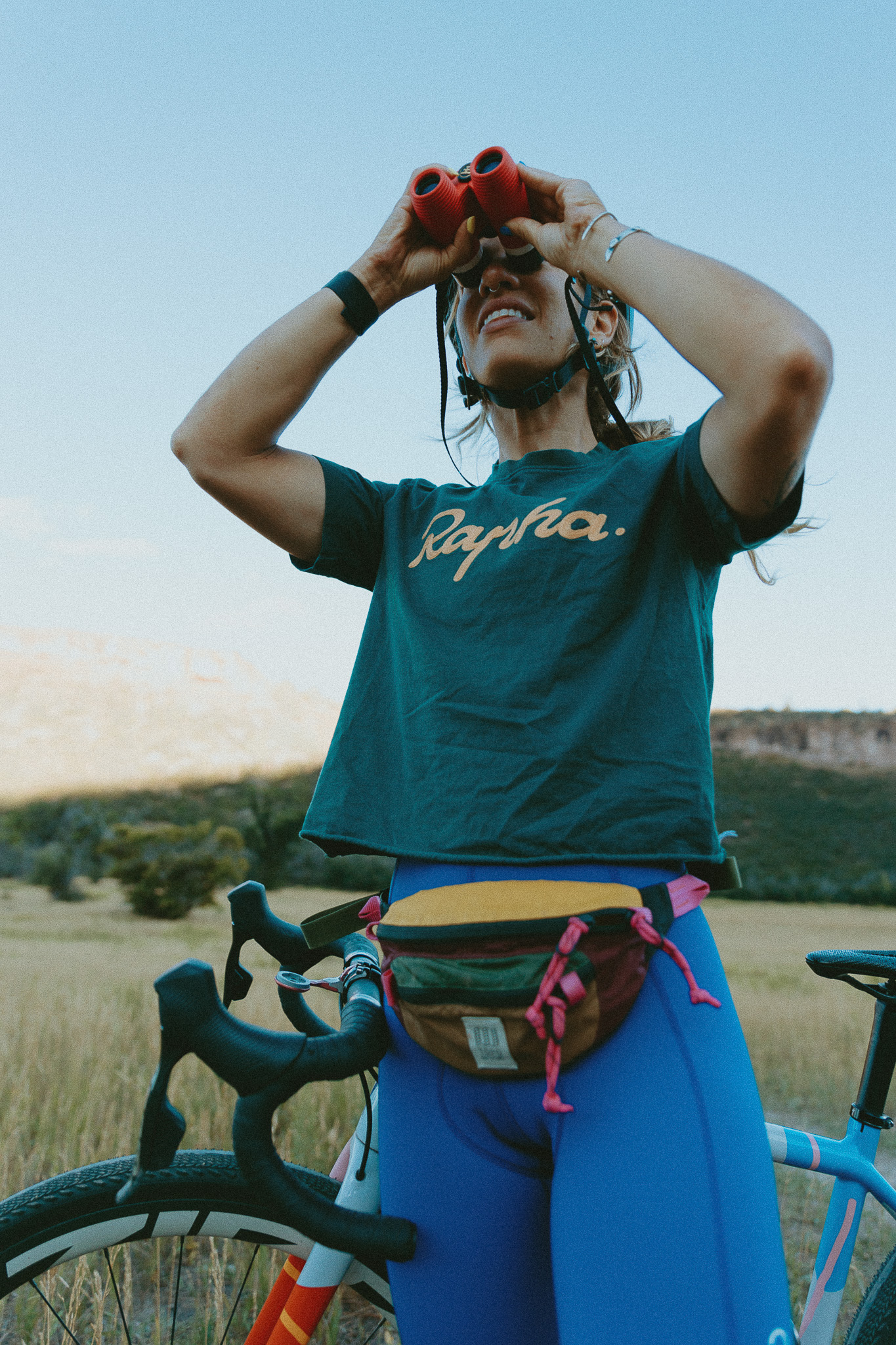
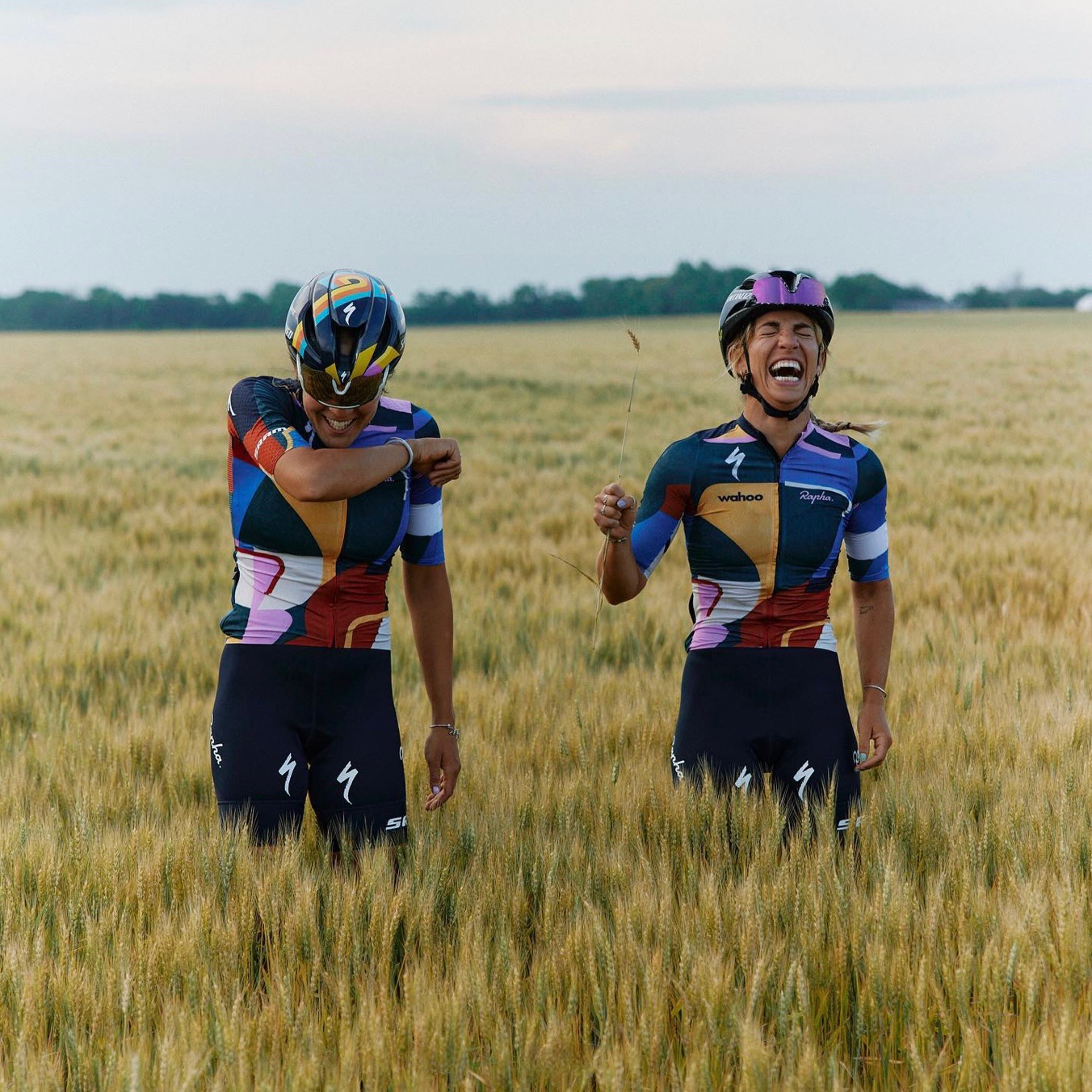
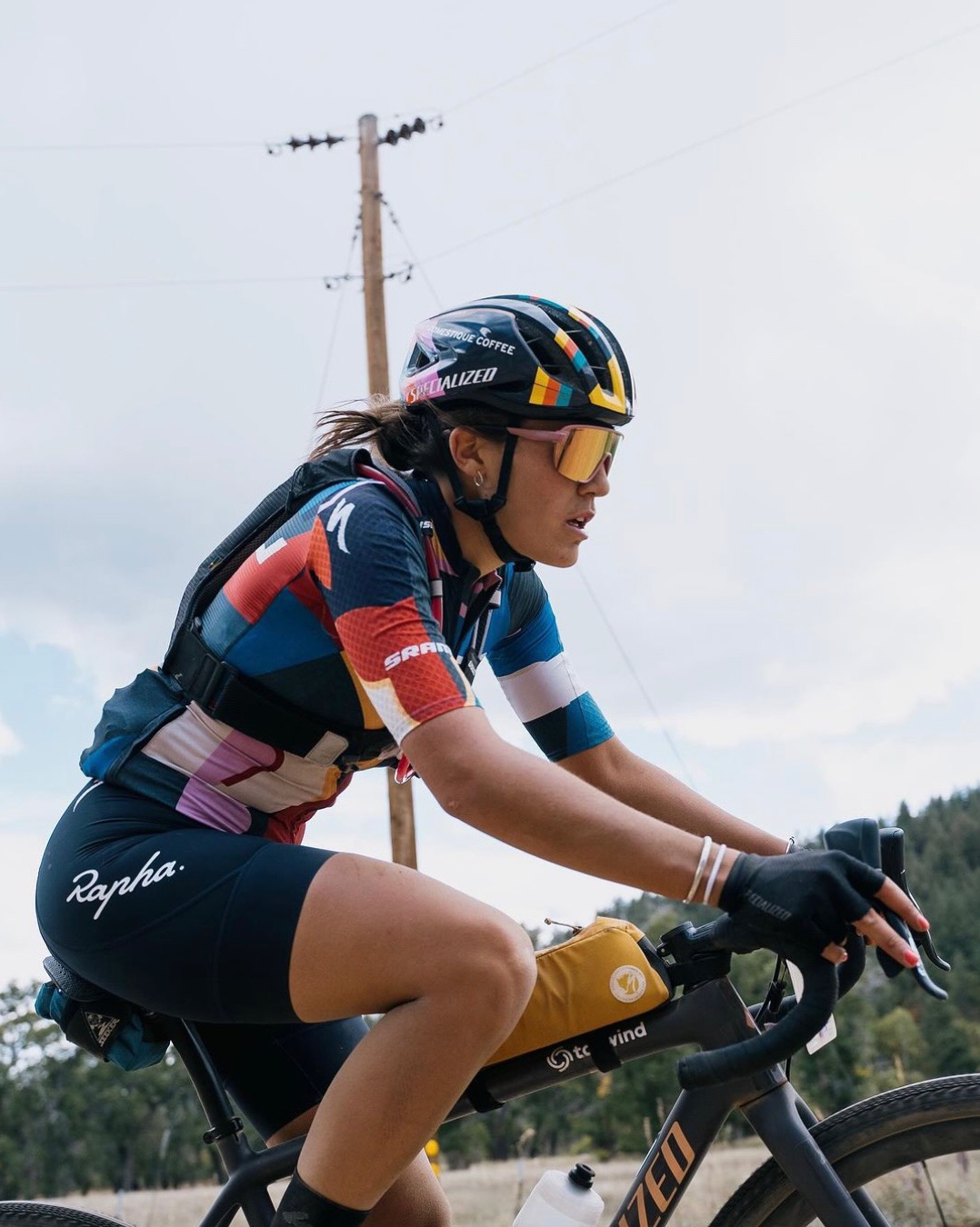
Instantly recognisable for her beaming smile, raucous laughter and even the occasional tear, off-road racer Sarah Sturm is a living, breathing embodiment of what-you-see-is-what-you-get. But dig a little deeper, and there’s an intriguing sense of quiet introspection that contrasts her doggedness and determination.

Talking over a call from her home in Colorado—Sarah’s dog Norman keeping her company—this complex and questioning performance athlete offers her unfiltered views on the highs and lows of the gravel world, the inherently selfish nature of the sport, and the way she balances the emotional strain of a life lived in public.


cyclespeak
You’re just back from the West Coast. It looked like an amazing trip but not without its moments?

Sarah
I was just talking with a friend about my norovirus experience. Equal parts shitty—quite literally—but also so, so funny. And my coach decided it was toughness training because I kept on riding [laughs].

cyclespeak
Because, initially, you suspected food poisoning?

Sarah
I really thought it was. But then on day three, my friend Maude also came down with the same symptoms. So we were trying to work out what just the two of us had done that was different to the rest of the group.

cyclespeak
Considering you were quite poorly, you got in some miles.

Sarah
California is a crazy place. Just insane. It’s got all these tech bros and rich people but it’s also really beautiful and I can totally understand why so many people want to live there.

cyclespeak
You were riding down the coast?

Sarah
Yep. From San Francisco to Santa Barbara and then I kept on to LA. I ate well on the first day but for the remainder of the trip, with my tummy troubles, I existed on a single banana and a PayDay bar.

cyclespeak
But you’ve made it back to Colorado in one piece. And I’m guessing Norm was pleased to see you. I can just see his ears poking up in the corner of your screen. Is he the sort of dog who likes to be near you?

Sarah
All the time. It’s why we hang out in an old school bus. Otherwise, I would drive my Honda to the races [laughs].
Click image to enlarge

cyclespeak
So you live in Durango?

Sarah
That’s right. I’m back for a bit before I pop down to Arizona where the winter weather is a little kinder. It’s very affordable to stay and, unlike LA, less like a Disneyland for adults.

cyclespeak
Talking about affordability, I was planning on visiting a friend in Boulder and was pricing up some accommodation. Seriously expensive.

Sarah
I’m only spending $800 for a month in Tucson. And you’re right. Boulder is insane. There’s no way I could afford to live there. Unless we park up in the bus [laughs].

cyclespeak
So, at home in Durango, are you a cycling gear all hung up in colour-coordinated rows, kind of person?

Sarah
I’m going to say yes but only because my fiancé Dylan is extremely organised in his role as my equipment manager. So his desire for neatness and efficiency is kind of forced upon me; for my remaining career and our future marriage.

cyclespeak
Have you set the date?

Sarah
We have. At the end of my season in November which is a funny time to get married in Colorado.

cyclespeak
A weather risk?

Sarah
Yes! You’ll need to be tough and bring a jacket.

cyclespeak
Because you first met Dylan when you were both studying design at college. But I believe your graphic design business is currently on hold whilst you focus 100% on racing?

Sarah
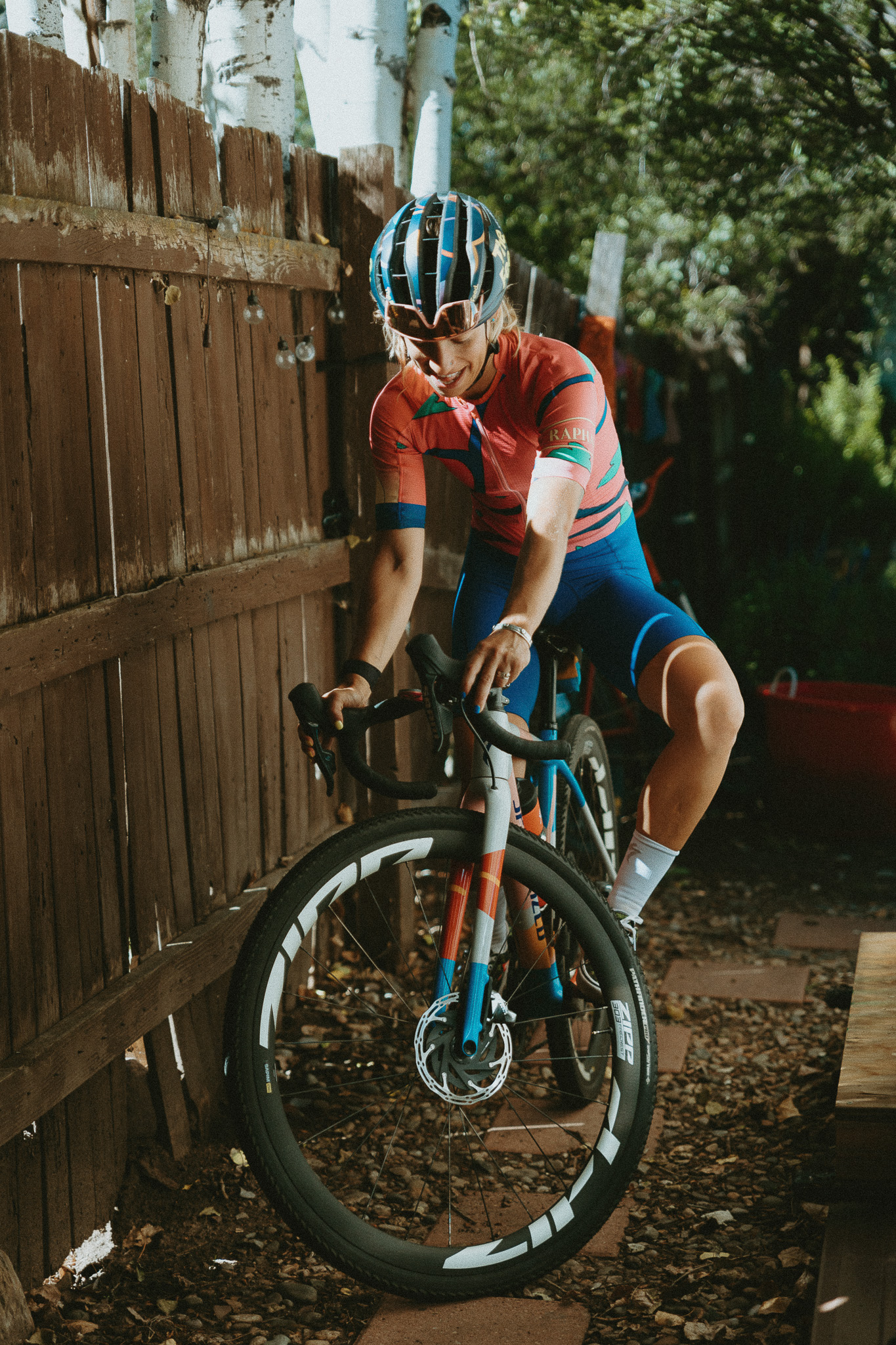
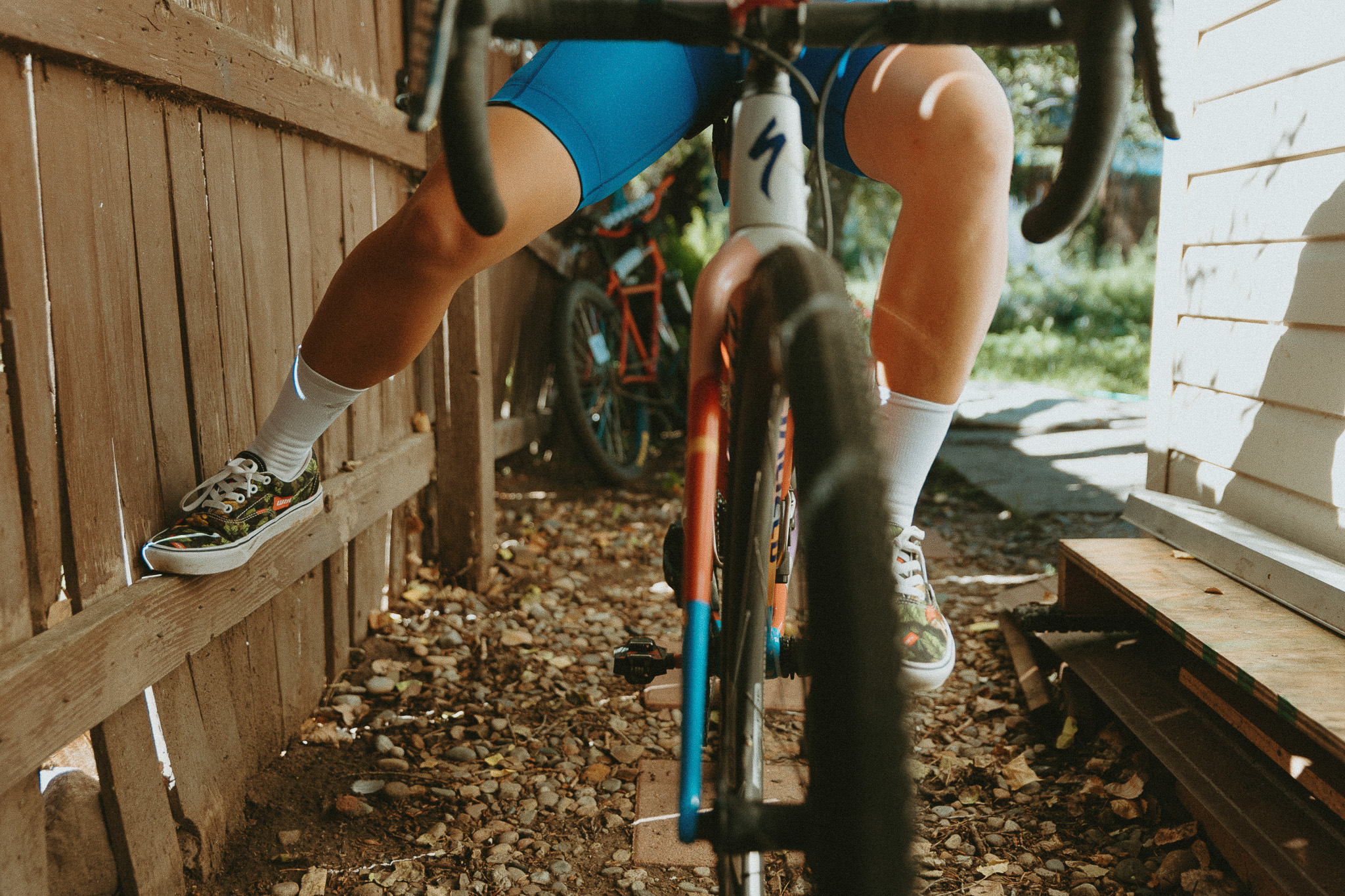
I was kind of phasing out of it, to be honest. I love being creative and I was already starting to make my cycling life into this creative space as opposed to working for clients. Part of being a freelance designer is listening to a client’s shitty ideas and then getting it done because you want and need money. But cycling has been my main source of income for the past six years. So—very fortunately—I was able to move on from that aspect of my life. But I still get to design my bike and helmet paint schemes.

Click image to enlarge

cyclespeak
Speaking of creativity, could you talk a little about the kiss-the-baby thing?

Sarah
I know [laughs]. It’s so weird. And you’re not missing out on anything.

cyclespeak
Because I saw your SSCXWC + Sarah Sturm video and loved it…

Sarah
That’s the venue we’re looking at for our wedding.

cyclespeak
But it’s basically a deserted hill top.

Sarah
Yep. It’s the mesa above Durango.

cyclespeak
With gopher holes.

Sarah
Norm loves it. But he’s never got a gopher. Anyways, back to kiss-the-baby. I began racing in cyclocross which I really loved.

cyclespeak
The races are a lot shorter in duration than the gravel scene?

Sarah
It’s shorter races, it’s not as much training, and it’s just so much fun. Then there’s the crowd which—outside the start / finish line—you don’t really get at a gravel event. Admittedly cyclocross is a little random and not always easy to explain when the person sitting next to you on a plane asks what you do.

cyclespeak
How do you answer?

Sarah
I just say it’s a better version of the Tour de France.

cyclespeak
That seems fair [laughs].

Click image to enlarge

Sarah
Anyway, I digress. The kiss-the-baby thing started at the US Single Speed Cross Nationals one year. They had this feature where we rode up a ramp and through this junk trailer packed with people throwing things at you. Trust me, it’s a disgusting, rambunctious, not-good-for-your-health experience of athleticism [laughs]. Someone in that trailer—almost certainly super hammered—had these old baby dolls and insisted on jamming them in our faces, yelling, “Kiss the baby,” before you could pass.

cyclespeak
Okay. That makes absolute sense [smiles].

Sarah
And then. And this is not exactly a great memory for me. Not particularly a shining moment. So, kids, don’t do this.

cyclespeak
That’s fair warning.

Sarah
So I was so super intoxicated after only eating a packet of oatmeal in the morning, finishing my race, and then cheering on the men whilst drinking shots, that I got hold of the dolls and started to yell, “Kiss the baby,” too. And now it returns to haunt me at every single race. Which is a very long way of explaining why I was glueing tiny dolls heads onto my race number in the video. Not a move that my bike sponsor Specialized saw coming [laughs].

cyclespeak
I’d love to be a fly on the wall at their brand liaison meeting.

Sarah
Oh my God, yes! And that’s after cutting so much from the final version of the film.

cyclespeak
We see glimpses of it in the video and I know people love to talk about your school bus but I’m a little confused by the terms you use in the States for these types of vehicles. It took five minutes talking to Alex Howes—admittedly a very enjoyable five minutes—to finally figure out that the travel trailer he was sleeping in at races was what we, in England, call a caravan.

Sarah
Oh, I get you. It’s totally confusing. It’s like when we say sprinter van—which should really only apply to a Mercedes—but we’re referencing a Ford or a Dodge.

cyclespeak
In England, we have what we call white-van man. Named because most commercial vehicles are painted white—the cheapest colour option—and are often driven terribly. So when you’re out in your school bus, do other drivers make assumptions and give you a wide berth?

[Sarah laughs]

Sarah
Because of the wrap—the design I did is very colourful—I do wonder whether people think we have children onboard. So that’s perhaps the reason they give us extra space? But then we drive past and they see all the bikes attached on the back and assume we’re just this bunch of hippies.

cyclespeak
It does have a little of that vibe. Maybe it’s the shape?

Sarah
Dylan saw it advertised on Facebook Marketplace and it was only an hour from here and affordable.

Click image to enlarge

cyclespeak
I read somewhere that you didn’t actually get the bus for bike racing?

Sarah
We bought it because of Norman. A portable camp, kitchen and bed with space for him to stretch out. It was never meant to be driven to Unbound. But as things turned out, we’ve driven it the length and breadth of the west side of the US. And let me just put this on the record; it is not a comfortable vehicle for that kind of journeying.

cyclespeak
No?

Sarah
It’s so loud—Dylan will sit up front wearing ear protectors—but somehow me and my 70-year-old mother drove straight across the country in it and she was listening to an audiobook on tape. Unbelievable [laughs].

cyclespeak
It certainly catches the eye.

Sarah
It has its quirks but I love it. And we’re currently in the process of getting a more race friendly, super-functional vehicle but every ad that I forward to Dylan looks really similar to the bus we already own.

cyclespeak
You use the term super-functional. Which leads me nicely onto the level of team support that seems required to be competitive in the gravel racing world nowadays? An inevitability of gravel’s popularity which should therefore be embraced? Or does it disenfranchise the privateer who has a limited budget and is balancing their racing with a full-time job?

Sarah
This is such a good question. And it was inevitable, right?

cyclespeak
Maybe because there’s more money being made available?

Sarah
I’m going to make a big statement here. But they’re my friends so I can say this.

cyclespeak
Go for it.

Sarah
Back in 2019 when I won BWR*, Keegan and Sofia were still racing mountain bikes and they would tease me by calling gravel a retirement sport. But now they’re both racing the Lifetime Grand Prix and are two of the most hardworking professionals I know. They’ve been racing since forever, bring with them all this experience, and have raised the bar to where we presently see gravel racing. And when someone ups the ante, others follow.

*Belgian Waffle Ride

cyclespeak
I guess a very different situation to when you first rolled up at that start line in 2019?

Sarah
It was just me and the bike that Specialized had given me to ride. There was no-one waiting in the feed zones for me, I had my pockets stuffed with sandwiches, and didn’t know shit about gravel. But now, everyone is at this insane level of training and prep, and that, in turn, means you need a crew and a mechanic.

Click image to enlarge

cyclespeak
For the past two years you’ve had your own little team with Ellen Campbell. And I understand that you both race independently but can you talk about the dynamic of how this all works in terms of your personalities?

Sarah
I used to coach Ellen when she was 14. And we work really well together because we’re super opposite. I’m a little more sporadic and Ellen is super organised and logical [laughs]. The gravel world is difficult to break into unless you have a huge result so me bringing Ellen onto our team was always with the goal of mentoring the privateer life. I want to leverage the connections I’ve made and introduce Ellen to these people.

cyclespeak
Sought of semi-seriously but does Norman give you a race edge?

Sarah
Hmmm. That’s an interesting question. And I do know I’m always incredibly excited to see Dylan and Norm at the end of an event. This year at Unbound specifically—which was an horrific experience—I remember riding the last 10 miles and just wanting to finish so I could give them a hug.

cyclespeak
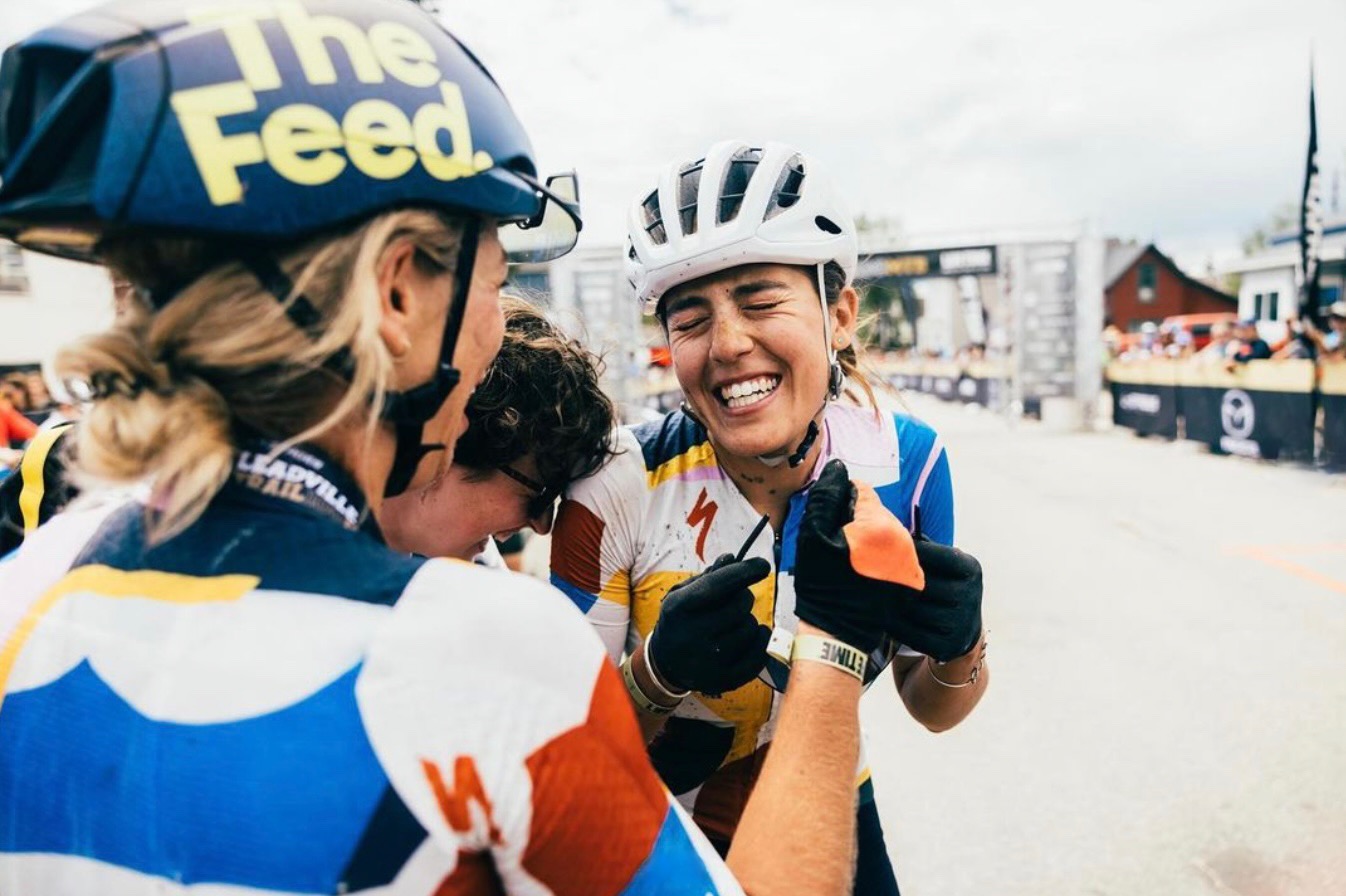
There’s a great photograph taken at Unbound that captures the moment when you first realise you’ve finished in third place.

Sarah
Looking back at my athletic career, that was definitely one of the highlights. Because Unbound is basically our Tour de France, right? It’s a big event and it’s so hard to keep track of where you’re placing out on the course. So it was a lovely surprise.

cyclespeak
We’ve already mentioned your breakout win at BWR in 2019. Have you changed since then as a racer?

Sarah
I guess one way of putting it—and I’ve learnt a lot—is that I’ve had to adapt. Because the level that we’re now racing at has just gone…

cyclespeak
Stratospheric?

Sarah
Yes! Like when I got to line up at the UCI Gravel World Champs with the winner of last year’s Tour de France Femmes. Together with everyone who is anyone and that includes some seriously big names from the World Tour.

cyclespeak
Is it fair to say they’re coming to gravel from a different pathway?

Sarah
I’m racing against women who have been to the Olympics. They’ve raced mountain bikes and road at a super high level. Whereas I grew up playing soccer and doing martial arts and my race resume is pretty much gravel. So I’m actually quite proud of myself and the work I’ve put in. I’ve even hired a nutritionist because I realised how I was only eating half the carbs I needed to race at the front [laughs].

Click image to enlarge

cyclespeak
You placed fourth in the 2023 Lifetime Grand Prix and I’m conscious that—unlike the majority of people’s jobs—every single up and down happens under the full scrutiny of your sport and community. Does that bring with it a certain pressure to perform? And if so, how do you stay so smiley?

Sarah
Probably because I think sport is so silly [laughs]. Because at the end of the day, even if you’re the best athlete in the world, what are you actually contributing? What are you gifting to this existence we have as humans? Yes, I understand that it can be inspiring. But it’s also absolutely selfish. All these people wearing these ridiculous outfits, riding this outlandish piece of equipment, and one of them is the fastest and wins. And that’s an accomplishment?

cyclespeak
Can I suggest that many people would say, “Yes, it is.”

Sarah
Maybe you’re right. Because it’s not nihilism [laughs] but I do question what it’s all about. And I think that—because I like to have fun—people just assume I hop on my bike and casually ride around Durango in the off-season and just party and ski with my friends. But that is not the case. I have a training plan. I check in with my coach every single day. I lift heavy weights. I even put them back [laughs].

cyclespeak
Maybe, like many of us, you’re just searching for some answers?

Sarah
I go through extreme highs and very low lows. Last year’s Leadville, for example, was rough. And that’s so stupid. In the grand scheme of things, Leadville doesn’t really matter. But I allowed myself to feel so sad when I fell short of my self-imposed goal. And it’s not like I’m out there saving lives.

cyclespeak
So why put yourself through it?

Sarah
Because being an athlete is the coolest job ever but also one of the most stressful; in that it’s almost impossible to detangle your self-worth from a result. But I do wonder if that’s how we are wired. That even if we didn’t have the same level of scrutiny over our day jobs—if you took all the photos, videos and fandom out of it—we’d still be super competitive?

cyclespeak
You must need a certain something that drives you, to even contemplate rolling up to a start line?

Sarah
Or something wrong with you to keep pushing after you’ve peed in your pants [laughs].

cyclespeak
Really? It’s now so competitive that there’s no time to even stop for a comfort break?

Sarah
Yep. It’s crazy.

Click image to enlarge

cyclespeak
You’re perhaps questioning the positive impact from racing and I don’t want to disagree with you…

Sarah
Oh, please do [laughs].

cyclespeak
But scrolling through all the comments on your posts, it’s clear that you inspire countless people through your racing.

Sarah
I love that people take the time to comment on a post or say hi at the races. And it amazes me that people care what I do and how I do it.

cyclespeak
So who do you follow that inspires you?

Sarah
Demi Vollering springs to mind. Watching her win last year’s Tour de France Femmes was so inspiring.

cyclespeak
And then she got third at the UCI Gravel Champs.

Sarah
These women just have insane power. It’s unreal. But watching them, it did make me realise that I might not have the same cornering skills on the road, but get me on a sketchy, gravel descent and I can probably pass them [laughs].

cyclespeak
In your film for Wahoo—It’s supposed to be fun—you talk about some of the highs and lows of what is a long, long season. Sitting eating pre-race oatmeal in tears at four in the morning or shakedown rides with Ellen filled with chatter and laughter. Quite a range of emotions to contend with?

Sarah
I’m gradually learning to cope a lot better. And I probably had less pre-race nerves during my second year on the Grand Prix. The first year I was seriously questioning if I belonged and whether everyone would see what a fraud I was. So, yeah, looking back at that first Grand Prix year, I was in tears before Unbound and absolutely terrified. Which, as things turned out, was completely justified as the start was so scary. But in the second year, it was a different ballgame. Stiffer competition but I had a bit more confidence.

cyclespeak
You did mention in a recent interview that the Grand Prix series can get a little boring? I guess doing events like the Traka helps to keep things fresh?

Sarah
Totally. But I still want to do the Grand Prix again because this is my job and that’s where most of the media is centred. But the very nature of a race series is you end up repeating the same events. So there’s this context to deal with. In your head you know you finished in this position last year so if you do worse than that, you’re going to feel crummy.

cyclespeak
So the Traka…

Sarah
I just needed something new. A different level of pressure because I wasn’t counting points as I crossed the finish line. Not that I do my own mental maths because my Dad does it for me.

Click image to enlarge

cyclespeak
You came in a strong second at the Traka behind an on-fire Amity Rockwell. Riding 390 km of challenging parcours in 15 hours and 46 minutes. Which if you think about it, is kind of crazy?

Sarah
I know. And I’m doing it again this year [laughs].

cyclespeak
That route is so hard.

Sarah
And last year, I flew into Girona right after Sea Otter. I didn’t know the course because there wasn’t an opportunity to pre-ride. And I’d got it into my head that outside support wasn’t allowed; not realising that wasn’t the case until the day before the race. So we pivoted and Dylan was waiting for me at the feed stops. But I still managed to run out of water and I was nauseous for so much of that day.

cyclespeak
Your sponsor Osprey pulled together a brilliant film of your Traka experience—well worth a watch—which really conveyed how brutal the race was. And I recognised the garden of your hotel because that’s where I stay in Girona. You were building up your bike with Dylan next to the wooden pergola where I hang up my bib shorts to dry.

Sarah
I’m sure they love seeing all your laundry [laughs].

cyclespeak
An important question. Did you try the hotel buffet?

Sarah
I did!

cyclespeak
My friend—every time we stay there—tells me he’s going to go steady and not eat too much but then just can’t resist.

Sarah
That’s how I am with any buffet. Pre-race or not.

cyclespeak
Before the race, you joined Sami Sauri on one of her Women’s Collective rides. It looked like seriously good fun.

Sarah
Rather than worrying about my lack of race prep, I got to talk and ride with all these cool women. Something I never usually get to do. And I had such a great week in Girona. We ate out every night—which purely from a performance standpoint is less than ideal—but it’s cheap in Europe and I like going to dinner with my friends.

Click image to enlarge

cyclespeak
Is this engagement outside of racing something you find fulfilling? Because in your Wahoo film you talk about mentorship and you’ve already mentioned how you used to coach Ellen.

Sarah
Yes, is the short answer. And although I’m not exactly great at organising stuff, I love connecting with people authentically. But being a bike racer is so selfish—it has to be—so having a dog and prioritising my relationship with Dylan is about as much as I can handle at the moment. But moving forward, as my career progresses, it would be good to do some cool, fun things with other people.

cyclespeak
Speaking of cool, fun things—and returning once again to your SSCXWC film—I was wondering whether the UCI should decide grid positions for their Gravel World Championships with a tug of war, beer chug and Big Mac eating heats?

Sarah
Hell yeah!! Can you imagine? Because I guarantee that the women racers normally on the front would be way in the back. And people like me would shine [laughs]. 

cyclespeak
Let’s talk to the UCI and make it happen.

Sarah
Just so you know, I’m actually quite a slow chugger. But just watch me jam a Big Mac down my gullet.

cyclespeak
Before we say goodbye, I also asked this final question of your teammate Ellen. Because we’ve already talked about the full media glare of the race world where every decision you make can be dissected and commented on. So, bearing all that in mind, is it a simple thing to say why you race?

Sarah
Actually it is. And I’m not trying to be too profound. But it’s either in you or it’s not. The desire to have that sort of challenge and have it against other people. That’s something so specific and personal and deep and beautiful but also a bit dark. A primal exercise of competition and survival of the fittest 

[Sarah pauses]

Or just something that us crazy people do [laughs].


Sarah Sturm

Ellen Campbell / Good sensations

Now heading into her third season as a full-time professional and rostered to race the 2024 Lifetime Grand Prix, Ellen Campbell takes an intriguing look at the emotional challenges of rolling up to a start line, the self-healing benefits of kindness and compassion, and how fun and laughter with teammate Sarah Sturm help balance the pressure to perform.


cyclespeak
Hi Ellen. How’s Madeira working out for you?

Ellen
It’s a really cool little island. Our friend’s Mom bought a spot here to have as a rental and we were invited over for a month-long training camp to escape the winter. So here we are [smiles].

cyclespeak
Is it good road riding?

Ellen
Honestly? I’d say a mountain bike would probably be best. It’s super steep and the roads are kinda rough.

cyclespeak
So what does your off-season look like? I’ve seen you’ve been out skiing and hiking so is it a time to let loose?

Ellen
At this point, mid-January, I’m definitely back into structured training. After a rather turbulent start to my off-season. Normally I take one or two weeks off the bike and I’ll ski, climb or run. Whatever motivates me to get outside. But this year I was travelling more—maybe not getting the rest I needed—and my body was telling me to slow down and step back a little. So not exactly the smoothest transition into training.

cyclespeak
And now you’re back at it but in Madeira?

Ellen
Which is kind of challenging because there aren’t any easy spins [laughs].

Click image to enlarge

cyclespeak
You mentioned needing a couple of weeks to rest up. Are you able to accept that or is there a part of you frustrated at being inactive?

Ellen
I’m not super great at it. I tend to have this internal battle going on. Part of my brain is telling me that rest is good and I’m doing the right thing. But the other part sees everyone else on social media out training and there’s this feeling you’re missing out. So, yes, it can be hard but it’s really only a moment in time and there are so many more days in the year.

cyclespeak
I’ve heard you talk about riding with the Durango Devo* squad and you raced a lot before first chatting to Sarah at Leadville about going full-on professional. But what are your memories of bikes and riding from childhood?

*A community-centred development programme dedicated to sharing the love of riding mountain bikes based out of Durango, Colorado.

Ellen
I definitely had cycling in my life from a very young age. My Dad is a big road cyclist—maybe even a fanatic—so he was a massive influence. Not pushy but it was something that he enjoyed doing so we always had bikes around and there was talk of the Tour.

cyclespeak
And that, in turn, led to you riding with Devo?

Ellen
Which was a great environment to learn the ins and outs of racing in a team and having fun on the bike. At first I didn’t like it that much because it’s hard, going up hills. I remember not liking the feeling of being uncomfortable. So back then, I mostly rode to spend time with my friends. When you’re talking to each other, the hills don’t seem so bad [laughs].

Click image to enlarge

cyclespeak
You mention having fun on the bike and that reminds me of this quote from the tail-end of 2023: ‘We’re here for the giggles. And the fun. And the friendship. But mostly for the giggles.’ And I wanted to ask about those sentiments with respect to your team dynamic with Sarah?

Ellen
I remember writing that post because it was kind of a hard one. Because both me and Sarah are very serious cyclists but we never want to take ourselves too seriously. Cycling attracts a lot of Type A people and there can be a lot on the line if it’s your livelihood. So on the one hand there’s definitely this tension but then you have Sarah who’s so giggly. And it helps that we spend so much time together, travelling to a race, driving through the middle of nowhere. We have this good little crew: me and Sarah, my partner Howard, and Dylan, Sarah’s partner.

cyclespeak
And that team dynamic helps balance out the inevitable stresses of racing?

Ellen
One of Devo’s slogans was ‘Never forget the feeling’. A reminder to enjoy the sensation of flying down a hill or going hard when the mood takes you and not taking any of that for granted. So when I was writing that post, I was not only thinking about the racing but all the other special little pieces that come into play. Navigating Sarah’s school bus through a tiny, little town or yelling at Norm* to climb onboard after he’s stretched his legs. All the fun stuff that keeps you moving when you’re suffering over 200 miles of Kansas gravel.

*Sarah’s dog Norman

cyclespeak
Back in 2022, you referred to yourself as a newbie when you first became Sarah’s teammate. So what kind of learner are you?

Ellen
That’s not something I’ve ever really thought about [laughs]. But I have noticed that I’ll mimic other people that I think are good at something. I have a picture in my brain of what that looks like and I’ll try and copy it. So maybe you could say I’m an experiential learner?

cyclespeak
What were the biggest takeaways from your first full-time season?

Ellen
2022 was quite a whirlwind. So much newness coupled with this feeling of ‘Holy cow, I’m actually doing this.’ Because coming through the Durango Devo programme, I always knew that if I worked hard enough, then professional racing was a goal to which I could aspire. But when that finally becomes a reality, it’s as if your mind is playing catch up and there’s this nagging question of whether you’ve earned it.

cyclespeak
So how does riding as a team figure in a race situation? Does it give you both an edge?

Ellen
From the very beginning, Sarah and I decided to operate as a team everywhere except on the race course. We’re good friends and want to support each other, so we’ll talk during the race but I’m never riding for Sarah. If she flatted, I’d happily give her a CO2 cartridge or a spare tube; but in much the same way that I’d do that for a lot of people and not just Sarah.

Click image to enlarge

cyclespeak
What’s your take on the rise in professionalism on the gravel racing circuit? Large support crews, power washers, spare wheels etc. Is it inevitable as the scene explodes in popularity—and should therefore be embraced—or does it disenfranchise the privateer who has a limited budget and is balancing their racing with a full-time job?

Ellen
That’s a tricky line to walk as I do feel it’s very difficult to mandate levels of support. You’ll always have individuals with different resources regardless of whether they’re on a factory team or a privateer. And let’s not forget the thousands of competitors lining up to race these events without any outside support.

cyclespeak
I guess there are no simple answers?

Ellen
Maybe, as professional athletes, we need to focus on making the sport approachable; whether that’s our interactions on race day or in the posts we put out on social media? And then combine that with a cascading series of race distances so that individuals new to riding a bike can come along and join in the fun?

cyclespeak
Speaking of responsibilities and in a sport that seems to delight in finding contentious issues to argue over, have you always been comfortable in expressing an opinion and planting a flag for what you believe in?

Ellen
I wouldn’t say I’m always comfortable [laughs]. But there are moments when things can get a little silly. And I do try and see both sides of things because it’s easy to get worked up or offended. But there’s no one way to do bike racing and I will speak out when I feel someone is being too narrow-minded.

cyclespeak
In your recap from season closer Big Sugar you mention racing assertive and smart but then reference a death by a thousand cuts. And it struck me how very candid and upfront you are with your comments?

Ellen
Social media is a funny one for me. And I do feel it’s important to be as authentic and honest as I can.

cyclespeak
I guess what we often see is rather a filtered version of our best lives. So it’s refreshing when people share their difficulties and talk about the lows as well as the highs?

Ellen
It’s just my take on things but if someone else had a difficult day riding an event, then to see that I also suffered out on the course might help them to validate their own experience?

Click image to enlarge

cyclespeak
You placed 11th in last year’s Lifetime Grand Prix and you’re rostered to race in the series again this year. Is it a format that plays to your strengths, that you enjoy and enables you to have fun racing? Or does the success of the series bring with it a sense of pressure to perform?

Ellen
The length of the series is definitely a help as I tend to be a pretty consistent rider. So multiple races over a longer period of time is generally beneficial even though there are more opportunities to get hurt or sick. And if you look at it plain and simple, all you can do is line up, try and do your best, and hope that the stars align.

cyclespeak
On the one hand, you can define success with your Grand Prix race results. And then, on the other hand, you had 20 novice riders show up for your first RIDE DIRT workshop which is pretty awesome. So in a very broad sense, what are your metrics for a successful season?

Ellen
That’s a great question…

[Ellen pauses]

I guess I break it down between the competition side of things and the feelings I have about bike riding. And having those women show up for my workshop—putting their trust in me—was one of those great sensations.

cyclespeak
And that helps you find a sense of balance?

Ellen
Over a season there will always be things that don’t go to plan. So overall, I just want to feel good about my performance. I want a race to go right regardless of where I’m placing and for me to enjoy a good experience out there. But these same metrics can be applied to a skills workshop I’m leading or if someone I’m coaching gets a good result.

cyclespeak
So an emphasis on the right feelings?

Ellen
This year I had a rider I coach win a mountain bike national title. Which was pretty cool. So yes, good sensations are my metric for success [smiles].

Click image to enlarge

cyclespeak
Focusing in on your own racing style, in the MTB rounds of the Grand Prix when you’re racing on singletrack, are you a shouter—get the F out of my way—or more of a polite ‘can I pass’?

Ellen
I’d describe myself as assertive but nice. Or nicely assertive. You take your pick [laughs].

cyclespeak
What does that look like in a race situation?

Ellen
A lot of my high school races included sections with limited opportunities to pass. And I was always taught—which is what I tell anyone I coach—that you have the right to pass but not to be mean. In terms of my personality, I don’t seek out conflict but I also want to get things done and get to where I’m going.

cyclespeak
You could argue that being a professional athlete brings with it certain pressures. And I was wondering whether there are ever days when a regular 9-5 job with riding at the weekend seems appealing? Or are you living the dream?

Ellen
Financially, a 9-5 job sometimes sounds appealing [laughs]. But no, I get to lead a relaxed life where I wake up, go for a ride, have lunch, maybe watch a movie or catch up with friends, before going to bed. Sometimes I’m not feeling particularly motivated to train but head out regardless. Or if I’m travelling, I might miss out on family occasions. But I wouldn’t swap what I do. And if I had a regular job, I wouldn’t be flying off to spend a month in Madeira.

cyclespeak
That would be an interesting conversation to have with your employer [smiles].

Ellen
I guess you could say I feel very privileged to live the life that I do. And want to soak up every opportunity for as long as I have it. I call it my vacation life [laughs].

cyclespeak
So as a disciplined professional, are you a ride-all-weathers athlete or is there a place for indoor training?

Ellen
Generally I try and get outside as much as possible but there are definitely times when it just doesn’t make sense. My coach—especially this time of year when the weather is so variable—will plan a combination of activities. I might go Nordic skiing for a couple of hours and then go on the indoor trainer.

cyclespeak
I’m an hour tops on my indoor trainer. After that I’m losing the will to live.

Click image to enlarge

Ellen
I’m right there with you. My max is probably an hour and a half and there has to be some structure. If I’m twiddling my thumbs, watching a movie, then it’s more likely 20 minutes [laughs].

cyclespeak
Your partner Howard* also races the Grand Prix series. So I’m guessing that makes logistics a little easier?

*Off-road professional racer Howard Grotts

Ellen
Travelling together is definitely a plus. Sarah, Howard and I all live in Durango, so that helps with booking flights or sharing a ride to the race. And another big benefit is Howard obviously understands what’s going on with my training and my goals for the season.

cyclespeak
When you’re out on the trails together, is there ever a sense of competition?

Ellen
Not so much. But we did have one little incident…

cyclespeak
Which was?

Ellen
We were living in Montana, returning from a ride, when Howard asked if I wanted to sprint home. I honestly wasn’t that keen but we started to accelerate before getting our bars locked up. Howard was okay, he didn’t go down, but I crashed and this happened right before mountain bike nationals which was kind of worrying. Luckily there was no permanent damage apart from a pretty spectacular bruise [laughs].

cyclespeak
Rather than post the usual year-end recap reel, you saw out 2023 with some intentions. The themes included having compassion for yourself, bringing more awareness to your body’s needs, making time for family and friendships. Are these set in stone or do they act as markers to guide you through the coming year?

Ellen
It was never intended to be a rigid plan. If something doesn’t feel right, then it will change and evolve as I learn and experience new things. But I did feel it was important to set some goals that would lead to success not only in bike racing but in life. Trying to be a professional athlete in any sport is hard so it’s important to be kind to yourself.

cyclespeak
I think it’s something that would be helpful for most people. Life can be very tricky. And intense.

Ellen
I feel it’s important to give yourself the space to acknowledge any negativity but know that it doesn’t define you or make you a bad person.

Click image to enlarge

cyclespeak
When you line up at the start of a race, every decision you make out on the course is open to scrutiny. But then I scroll through the comments on your Instagram posts and there’s so much good feeling and respect for what you’re setting out to do. This enormous groundswell of positive energy that combines with a sense that you inspire so many individuals. So is it tricky to balance this public persona with a need for privacy?

Ellen
That’s a good question and I think I need to remember this a bit more. Because I’m not the kind of person who will process alone. Often I feel the need to share and talk with others and I definitely lean on Howard and Sarah in this regard. But in terms of my public persona—when I’m at a race or an expo—I do consider how I carry myself because actions can speak louder than words. Yes, a certain result can be life changing but ultimately a race is just a race. And I always remember the distinct moments when people have been kind to me. And I also remember when people are mean. So I try really hard to be nice when I’m racing.

cyclespeak
Not many of us do our jobs under a media spotlight?

Ellen
It’s kind of crazy when you race. You’re under this magnifying glass with everyone watching you. And it’s not as if you’re looking your best. You’re properly suffering and you’ve got food all over your face [laughs]. But when people do have an outburst or say something unkind, then there’s a tendency for it to come back and bite them on the butt.

cyclespeak
Taking all these thoughts and detours into consideration, is it a simple thing to say why you race?

Ellen
I honestly don’t know if it is. Sometimes it’s not fun but then I think about the times we hang out after a race, the finish line hugs, the fun and laughter of travelling with Sarah, the cool places we get to see.

[Ellen pauses]

But why do I race? I guess the opportunity I get to push myself is pretty unique. Because you can push yourself in a whole lot of different ways: in your job or as a parent. But to do that in a physical sense and on a global stage? That’s really special and definitely not something I take for granted.

Feature image with kind permission of Alex Roszko / All other photography (credited individually) courtesy of Ellen Campbell.

Ian Boswell / Shifting perspectives

The last time I sat down to chat with Ian Boswell, he was fresh from winning his second-ever gravel race. That the race just happened to be Unbound made for a compelling story—retired professional road cyclist tries his hand at emerging gravel discipline and comes away with the sport’s biggest, most prestigious, prize.

A little over two years since this momentous result, Ian continues to combine his gravel racing with a role at Wahoo in athlete liaison, hosting his ‘Breakfast with Boz’ podcast and the newfound joys of becoming a first-time dad. And as we pick up from where we left off—discussing the balance he seeks between family life and career commitments—we dig down into the growing pains of the gravel scene, consider Ian’s motivation to carry on racing, and explore his shifting perspectives on competition and community.


Still bearing a close physical resemblance to his World Tour days—he cuts a slim and athletic figure—Ian’s taking our call from his farmhouse home in rural Vermont. With the region famed for its resplendent Fall foliage, I’m wondering whether his 10-acre smallholding is still a riot of colour?

“Vermont looks its best in late September, early October. Now it’s just dismal,” he responds with a smile. 

“So has it transitioned to mud season?” I ask.

“It’s more like stick season with the trees all losing their leaves, and we’re all still waiting for the first proper snowfall.”


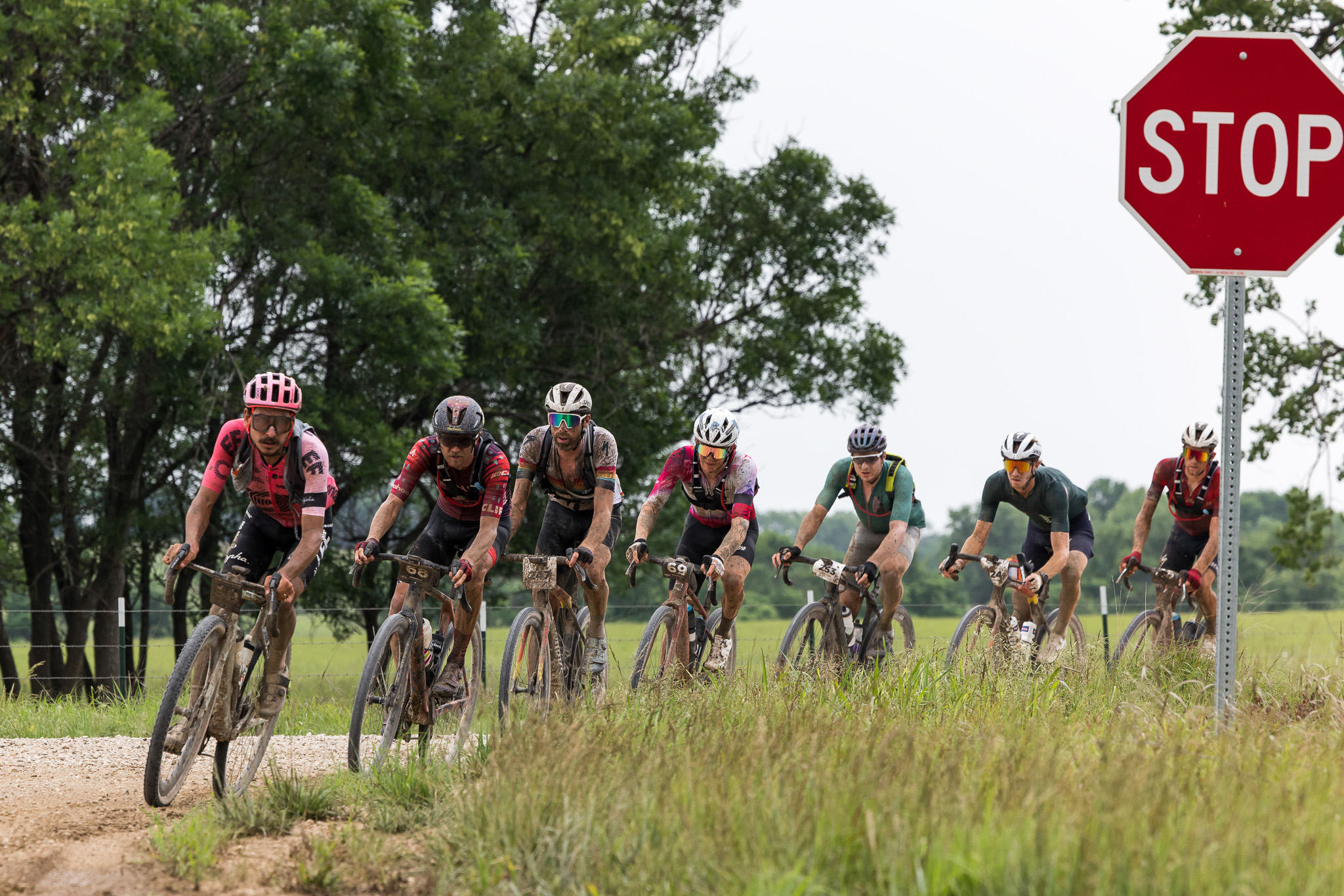
Referencing Ian’s much-documented dislike for mud, our talk turns to this year’s Unbound where overnight rain turned parts of the course into a quagmire. “Oh, goodness. I despise it with all my heart,” he admits. “But at least I was in the lead group ahead of the main field so we could take to the grass at the side of the road before that also got all beat up. It’s a hard enough event without having to contend with thick, gloopy mud. And it came so early that some people’s races were over after only 10 miles. Broken gearing and all other kinds of mayhem.”

As it’s been rumoured that a re-route was always an option for the event organisers, I’m curious to know Ian’s thoughts on the decision to leave in those muddy sections.

“My initial thoughts were perhaps not but that’s based on my own feelings concerning mud. If you look at the cost for people entering Unbound and the effort it takes in simply getting to Emporia, then to have your race ending after only a few miles must be incredibly disappointing. But to keep the route as planned was also a nice reminder of what this race started out as.”

“Which was?” I prompt.

“Back in the day the field was way smaller and it attracted a certain type of experienced cyclist,” Ian points out. “They knew how to break a chain and fix a flat. They knew not to shift if their derailleur was clogged. But now that gravel has really blown up, you hear people talking about rolling resistance and aerodynamics. Which is maybe a natural evolution of the sport but all that goes out the window when your wheels won’t turn.”

“And that’s a good thing?” I question.

“It’s a reminder that Unbound is still an adventure,” he suggests. “And that all those other skills are still incredibly important.”

Contrasting the previous two muddy editions of Unbound with the UCI World Gravel Championships held in Veneto, Italy, I question whether this illustrates two very different approaches to racing gravel.

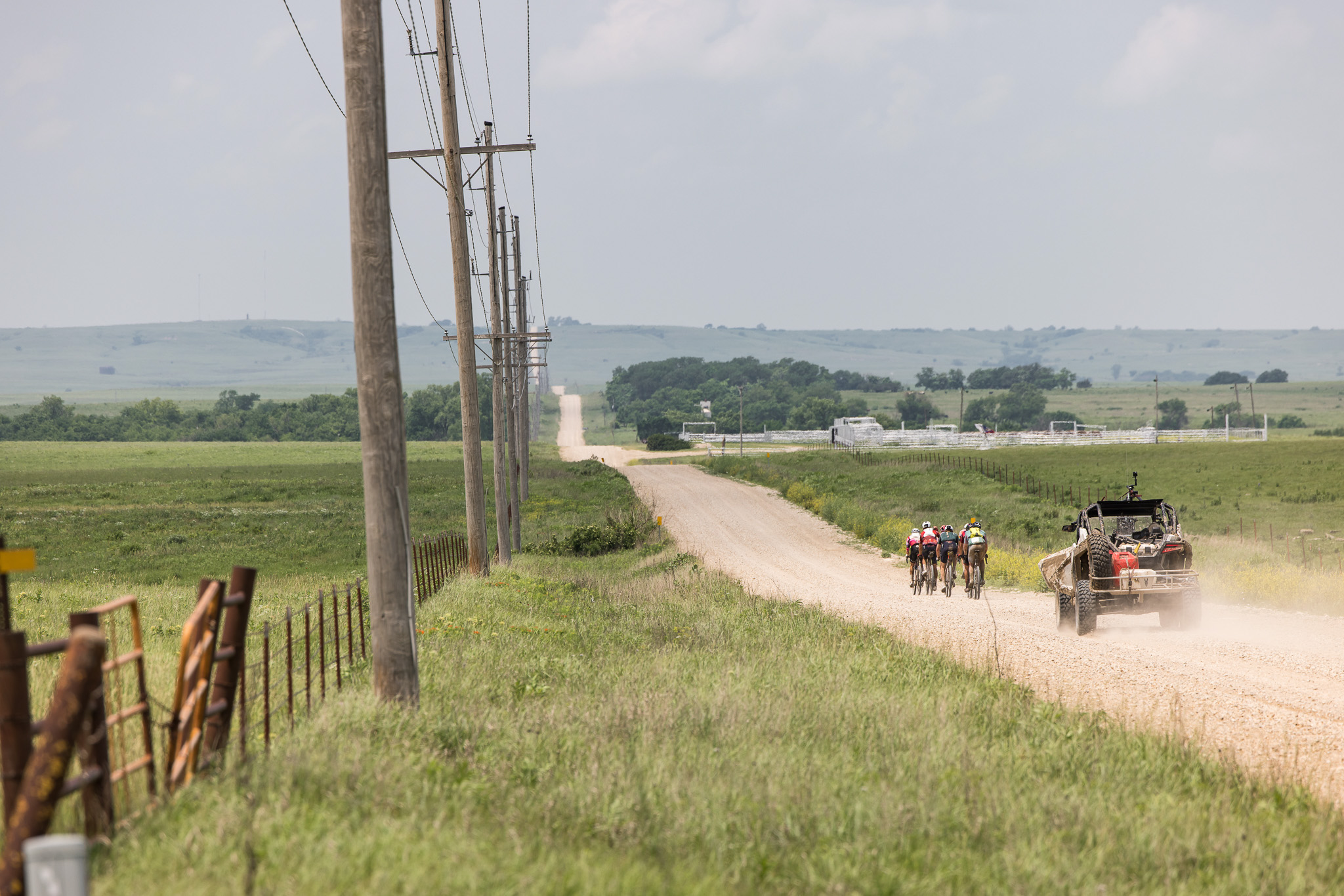
“In my opinion, it’s kind of cool because we’re not defining the sport to be one thing or another,” Ian replies. “In the eyes of the UCI, gravel looks like 160 km with 50% of the course on road. North American gravel races are all totally unique and defined by the geography of the locale.”

Click image to enlarge

This mention of Europe prompts me to ask Ian about a recent trip to Nice where he attended a friend’s wedding.

“It’s funny to go on vacation to somewhere you know really well. There’s no need to research where to eat or visit which is super relaxing. And it was also the first trip my wife and I have taken without our daughter.”

As Ian was also over in France earlier in the year covering the Tour de France, our conversation moves to the lifestyle of today’s professional cyclists compared to when Ian was racing the World Tour. “I think the biggest thing that’s changed is the psyche of the riders today. To get a rider of my generation to live the lifestyle that’s required of the modern pro—measuring your sleep, weighing in every day, not going out for a beer—would possibly be seen as too much of a sacrifice?”

“When I was training out of Nice with Chris Froome and Richie Porte,” Ian continues, “we’d always have a coffee stop. For the current generation, that’s all irrelevant as there’s no measurable benefit of a mid-ride coffee. For them, the perspective of what being a pro cyclist looks like has completely changed. And when we say that racing is now harder, that’s the normality for the young pros just entering the sport. When they join a team at age 16, they’re already living a life of sacrifice and discipline. They find comfort in measuring their training stress, glycogen levels, their sleep score. If I was living like the current crop of pro cyclists, I would have a very short career. But that’s not to say the same applies to them. It’s what they signed up for.”

Recalling the last time we spoke, Ian had just announced that he was going to be a first-time dad; a fact he inadvertently let slip filming the final scene of a Wahoo documentary. So after a two-year intervening period, I wonder how he’s coping with balancing professional commitments with fatherhood.

“Well, it’s not without its challenges,” he laughs. “Personally, I truly cannot imagine raising a child and still being in the World Tour, where your sleep and recovery are so super important. If our daughter is sick, I’m still going to give her a hug and a kiss. Whereas if you’re preparing for the Tour de France?”

“It’s funny how our priorities change,” I observe.

“She’s coming up on two years old and starting to talk. And you hear little footsteps around the house which is a joy. So it’s been one of the most amazing things in my life, but you definitely need to reevaluate your use of time. To the extent that we seriously question what we did before we had our daughter.”


This mention of time management—Ian fitting in his training around dad duties and a full-time job with Wahoo—and I can’t help but wonder if there’s any way having a child can make him a better gravel racer?

“My goal is always to do the best that I can and to finish each and every race safely. After an event, my daughter doesn’t care if I finished first or in last place, but maybe there’s a sense of increased purpose in what I’m trying to achieve?”

Maybe, I suggest, he could adopt a similar strategy to Vermont neighbour and fellow gravel racer Ted King who takes his wife and young family on the road for months on end; driving from one race to the next in an RV. “I understand the appeal,” Ian replies with a smile. “But our life here in Vermont is so labour intensive and the racing season is when you most want to be home on the farm. We love where we live and the summer is when the sun is shining and the garden needs our attention.”

With home and family obviously a priority, Ian still manages to contend a number of races throughout the year—the 2023 season getting underway with a trip to South Africa to ride Cape Epic alongside fellow ex-pro and podcaster Mitch Docker. With the pair signing up for the amateur category—Ian is quick to point out he would never describe himself as a professional mountain biker—to their surprise this was the first year that an amateur leader’s jersey was up for grabs and they subsequently came away with the win. A result, I suggest, that might make him consider entering next year’s Lifetime Grand Prix with its mix of gravel and mountain bike races?

“Let me put it this way. I’ve already spent a little over 10 years on the World Tour being told when and where to race.”

My immediate thought being that’s a no?

“But funnily enough,” Ian continues, “I did actually apply to race the Grand Prix back in 2022 but then a couple of days prior to them announcing who had a place, I emailed to ask if they’d withdraw my application.”

“What prompted you to change your mind?” I ask.

“I just got to thinking that I really didn’t want to take a spot away from some up-and-coming rider whose life could be so dramatically changed by participating in the series. And with the Grand Prix, you’re chasing points at every race. But if I get a flat at Unbound, I can choose to just cruise in and it doesn’t really matter. I can make that mental switch because my day isn’t ruined.”

Although Ian still enjoys racing, he clearly no longer has anything to prove; choosing to race on his own terms and not worry about the outcome of every race. Even to the extent of riding certain events on an e-bike from the back of the field as neutral support. “I spent the better part of my whole adult life chasing the performance end of cycling. Whereas this approach allows me to view the sport from a totally different perspective,” he explains.

Coming over as very grounded in what he does and doesn’t want to do, I wonder whether the fact he won Unbound—arguably gravel’s biggest race—takes away any perceived pressure to keep searching for the next result. Is it a case of, okay, I’ve done it, I’ve won the big one, and I don’t need to worry about anything anymore?

“I do question whether there’s a basic human desire for people to return to something they’ve already accomplished,” he suggests thoughtfully. “But I suppose the difference is that I can continue to race at Unbound without it compromising my life at home. I’m not away at altitude camp or moving us all over to Europe so I can train better. So within the parameters I set myself for our quality of life as a family, I’m still able to perform. If I was finishing Unbound in 80th place after a clean race, then maybe I’d be thinking it was time to hang up my racing wheels and go and do something else?”

A response that maybe skirts around the question of how it feels to win an event—and win it at his first attempt—that for many professionals is the gravel Holy Grail? But he nevertheless returned for the subsequent two editions and came away with a 3rd and 5th. Remarkably consistent, I suggest, for such a gnarly event?

“For the past two years, Unbound has come down to a bunch sprint and that’s after 200 miles of hard riding. So for me to be still contesting the race in that front group is fulfilment enough. Winning is great but at the same time, part of my personal journey is whether I can still trade blows with these other riders.”

Click image to enlarge

It’s at this point in our conversation that I mention Ian’s recent appearance at Steamboat dressed up as ‘gravel beef’ for the fancy dress hill climb. A tongue-in-cheek response, I presume, to the pushback he received on social media after expressing his opinions on riders taking turns and pulling through on a pace line.

“It all came back to my first experience at Unbound when we had a group of five, riding at the front and all taking a turn,” Ian explains. “There was no hiding and we raced in the knowledge that the strongest rider would take the win. Such a fair and equal battle with a level of respect and admiration for each other.”

“Are you suggesting that’s changing?” I ask.

“I come from the World Tour where if you win, you get more money and maybe a bigger team. But in gravel, we have this opportunity to redefine what success looks like. And what I find a little frustrating—and I should say that I’m enjoying the tail end of a racing career but my future isn’t defined by the results I now have—is that I’m trying to look out for the next generation of riders. With this increased focus on professionalism, we’re in danger of falling back into this default mode of what brands and the media see as racing success. And it doesn’t have to be that way. Gravel can be something totally new and different and nothing like the structure of road racing.”

It’s here I mention that at recent editions of Unbound, some riders had four or five people in their support crew—washing bikes, changing wheels, handing out nutrition—almost like an F1 pitstop. And I know that Ian, speaking on a podcast, suggested that each rider could have a crate into which they could add anything they might need but they, themselves, had to handle the stop and therefore level the playing field.

“That was one of the coolest things I felt about my first Unbound in 2021,” he reminisces. “That theoretically anyone could register, roll up, race and win—there was very little barrier to entry. You needed a bike, you needed to be at the start line and you could win the biggest gravel race in the world. Not incredibly likely but possible.”

“And now?”

“The more money gravel racing attracts, the more professionalism we see and the greater the barrier—not necessarily to entry—but to winning. Because there’s the argument that now you need a large support crew and a power washer in order to be competitive.”


Not wanting to dwell solely on seemingly negative aspects of a sport that has exploded in popularity over the past years, I suggest we flip it 180 and look at what gravel’s got right over the past year.

“I say credit to the UCI for closing the course,” Ian immediately fires back. “It’s incredibly safe for the racers.”

“But maybe not possible for a race like Unbound?” I suggest.

“You simply can’t close 200 miles of roads for 20 hours,” agrees Ian. “There’s a 10-hour gap between the fastest riders and people crossing the line after midnight. But as speeds get faster, the level of risk that people are prepared to take also gets higher because there’s more at stake. At the sharp end of any gravel field, racing is a job. There are bonuses if you win. And I’ve listened to so many safety speeches before races get underway that mention riding on open roads. But no one actually follows the rules of the road and it can be chaotic. Oddly part of the excitement but it can also lead to crashes. So, yes, safety needs to become a bigger concern.”

“Your day job is looking after athlete liaison for Wahoo,” I ask. “Have you seen any changes in this role over the past couple of years?”

“This isn’t particularly unique to Wahoo,” suggests Ian, “but the reasons brands now choose to work with athletes is changing. When I was racing the World Tour, the perceived wisdom was the better your results, the more money you made and the bigger sponsors you attracted. It was a well-recognised ladder to success.”

“But now?”

“That’s still largely the case but we have other perspectives on where you can get a return on your investment. Oftentimes a successful athlete is validating your product but is that quite a niche audience and maybe one that’s already highly engaged? So when you compare that approach to certain YouTubers who might have a far broader reach, you get brands putting a value on this grassroots engagement.”

Click image to enlarge

Sensing a shift in marketing strategy, I’m wondering how Ian himself views the need to keep pace with the demands of a world driven by social media. A career professional before building an audience on Instagram was viewed with the same level of scrutiny as an athlete’s power files, does he welcome this brave new world?

“I came up through this very clear structure of what it took to become a paid athlete,” he replies. “You do better, you train harder, you keep your head down and put the work in. But now? We live in a world where people can be influential irrespective of whether they cross the line in first place. They’ve grown a huge following and people really listen to what they have to say.”

“So your view of sport is changing?” I suggest.

“When I first came to this role, my thinking was we should sponsor the biggest teams and the best athletes. But I see people out there who are definitely not winning events but have an incredibly important role in building and representing their community. That might take the form of leading a weekly group ride in a small town in middle America; showing new riders how to clip in or explaining why you shouldn’t cross chain. And I’ve come to understand that these people are just as valuable to support as the athletes we see crossing the finish line in first place.”

Hearing the excitement in his voice, it’s clear Ian enjoys the challenges that change within the sport present. That what matters most is to see people succeed in their cycling goals, whether that’s finishing a race or simply connecting with friends.

“So often in sport,” he continues, “we focus solely on the elite. Which is why I really enjoyed riding Steamboat from the back and mixing it up with people on their first gravel event. Because there’s no one who shows up in the pro field at Unbound whose aim for the day is simply to finish. Whereas for the vast majority of riders, that’s their one goal for the event.”

“Which,” I presume, “is super inspiring?”

“For the longest time, my view of cycling was this very narrow window of, if they’re not doing it like me—if they’re not skinny and super fit—then why would they ride a bike? But now I have a much broader view of what cycling can be. Some people use a bicycle to connect with friends, others to commute or to grow a community. And what’s been so fascinating is to see how the bicycle can represent so many varied opportunities to different sorts of people.”

With this talk of community, I’m still smiling at the thought of the 2021 Unbound winner riding an e-bike and handing out gels to the back of the field at Steamboat Gravel.

“To be honest,” he laughs, “most of the people I met had no idea who I was.”

A typically self-deprecating response and just one more example of his refreshingly grounded sense of self. And perhaps going some way to explain how he answers my final question; whether he can offer an example of life’s simple pleasures that help him feel content and satisfied?

Without a moment’s hesitation, he quips back, “That’s easy. Mowing my lawn.”

“A simple pleasure?” I respond.

“So many aspects of my life have no finish line. You win Unbound and people ask if you can win it again. But when I’m sitting on my tractor, mowing the field, there’s a beginning and a defined end. When you’re done, you’re done. You can’t do anything more. And there’s a distinct comfort in that feeling.”

Ian Boswell

All photography by Alex Roszko for Specialized Bicycle Company