Piper Albrecht / Right time, right place

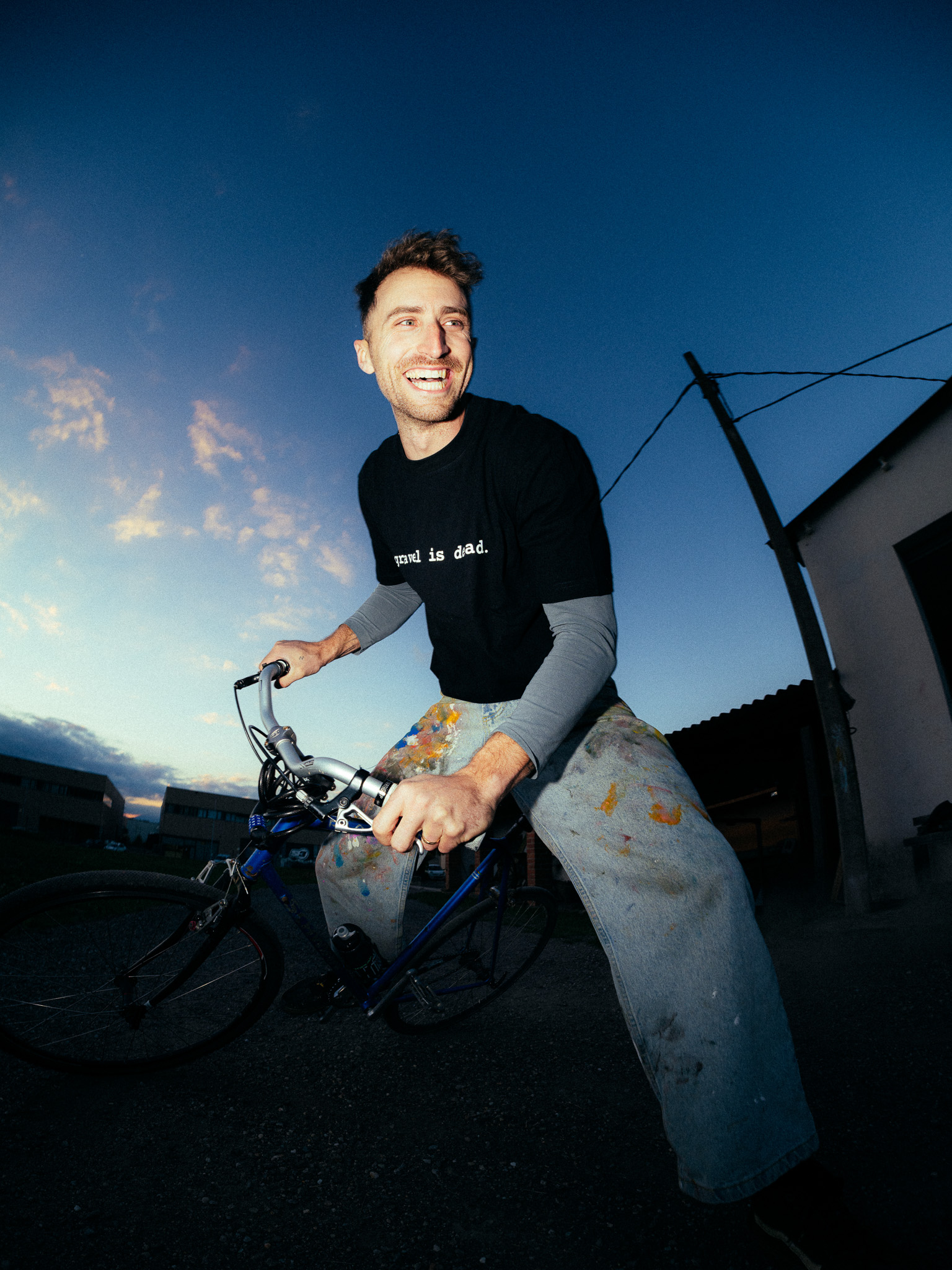
As our video call connects, my eye is instantly drawn to the magnificent moustache that Piper Albrecht is sporting. Which somehow—to be totally honest I couldn’t resist—leads me to question whether a very special kissing technique is required in order to avoid entanglement. Not, I should add, one of my prepared questions and maybe entanglement is the whole idea?

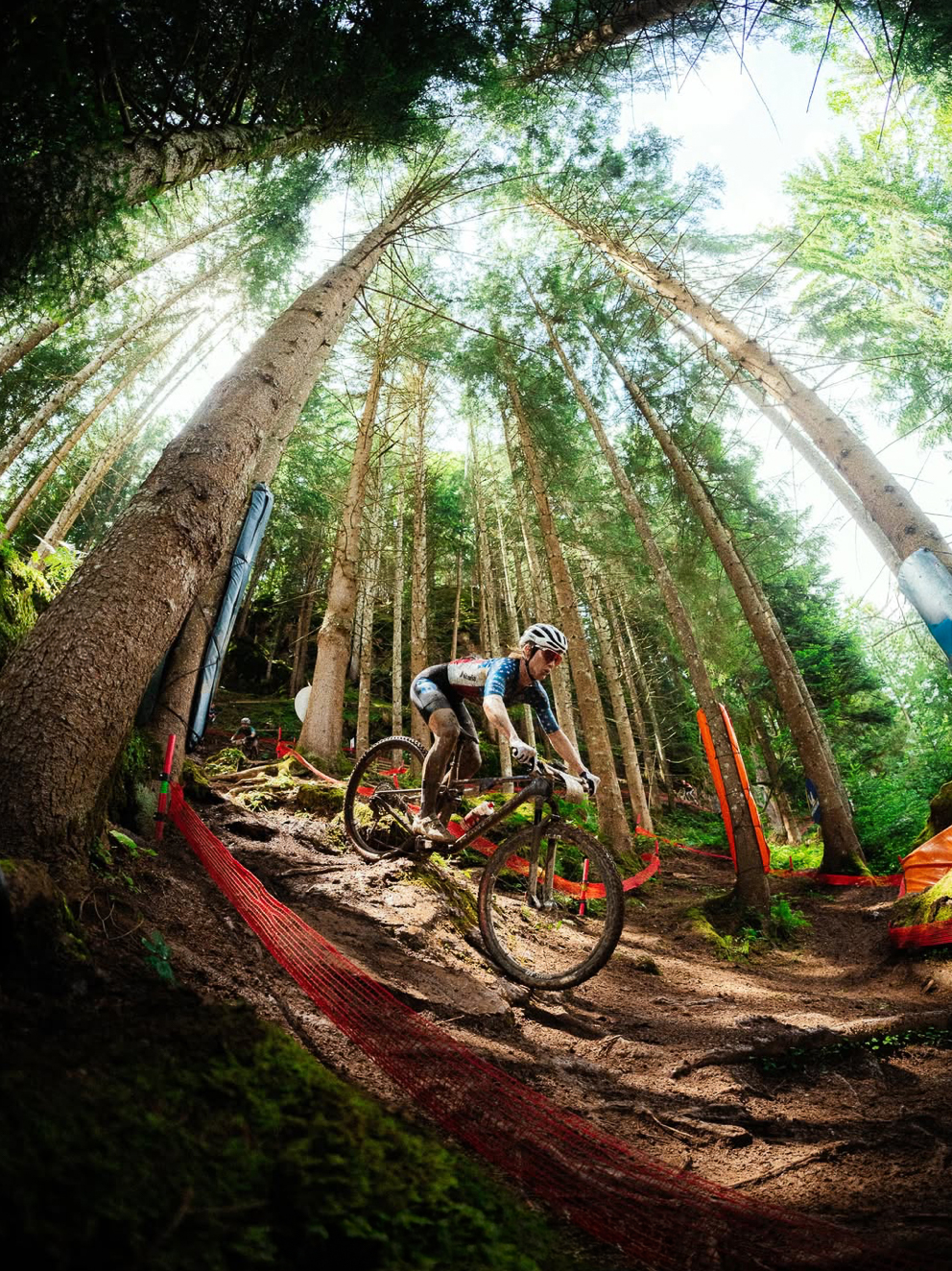
But Piper is very gracious and this proves to be just one example of the many conversational detours that perfectly characterise his energy and lack of pretence as he traces his journey from a liberal upbringing in Australia, by way of racing mountain bikes at an elite level, to his current career as an accomplished and in demand sports photographer.

cyclespeak
That’s a great cap you’re wearing. Kind of shabby chic with an emphasis on chic.

Piper
Why thank you. It often gets compliments. It’s had a life.

cyclespeak
And I can’t not mention your moustache. So dapper…

Piper
And it’s mostly even today as well. Some days it can be all over the place.

cyclespeak
Is it a case of proceed with caution when it comes to a kiss?

Piper
Well, I’m currently single but that can always change.

cyclespeak
So is that the barometer of your romantic entanglements? If I ever spot you clean shaven, I’ll know why?

Piper
Or when you see that it’s grown even bigger [laughs]…

cyclespeak
You’re calling from Boulder, Colorado?

Piper
Fresh from a Mountain Bike World Cup that was raced just outside of Salt Lake City in Utah. I’m staying with the SCOTT racing team and Bjorn Riley—one of their riders and a good friend of mine—grew up in this neck of the woods so he’s been busy showing the team all his favourite trails.

cyclespeak
I’m guessing the season is close to winding down?

Piper
Tomorrow we fly over to Montreal before crossing to New York State for this year’s final World Cup of the season that’s being held in Lake Placid.
Click an image to open gallery

cyclespeak
It’s been mentioned that the vast majority of the individuals I interview have really cool names. And yours, very obviously, fits that criteria.

Piper
I’m yet to meet another Piper that is a man. In Australia it’s popular enough for girls but my mother really loved the name and then on a flight to Austria—my father’s Austrian which accounts for the Albrecht—she was looking through the on-flight entertainment and noticed that an actor who played in the film adaptation of Little House on the Prairie had a son called Piper. So that was it!

cyclespeak
Do people ever feel the need to shorten it?

Piper
My brother calls me Pipes, I do get Pip a little bit, and a childhood friend called me Pipsqueak which was rather endearing. But really, Piper is short enough. It just rolls off the tongue.

cyclespeak
You mentioned growing up in Australia. What did that look like?

Piper
I was pretty loud and boisterous as a child. Traits which have mellowed the older I’ve got. And I grew up in what you might call an eco-village in rural Victoria. Set up by the founder of permaculture and based on his ideals. An amazing place to grow up—free rein to run wild—and I also went to a Steiner school which, in hindsight, was also amazing. Which I guess all ties in to me chasing an alternative pathway.

cyclespeak
Can you remember—once cameras came into your life—when you first pressed the shutter with some intent other than merely documenting a moment?

Piper
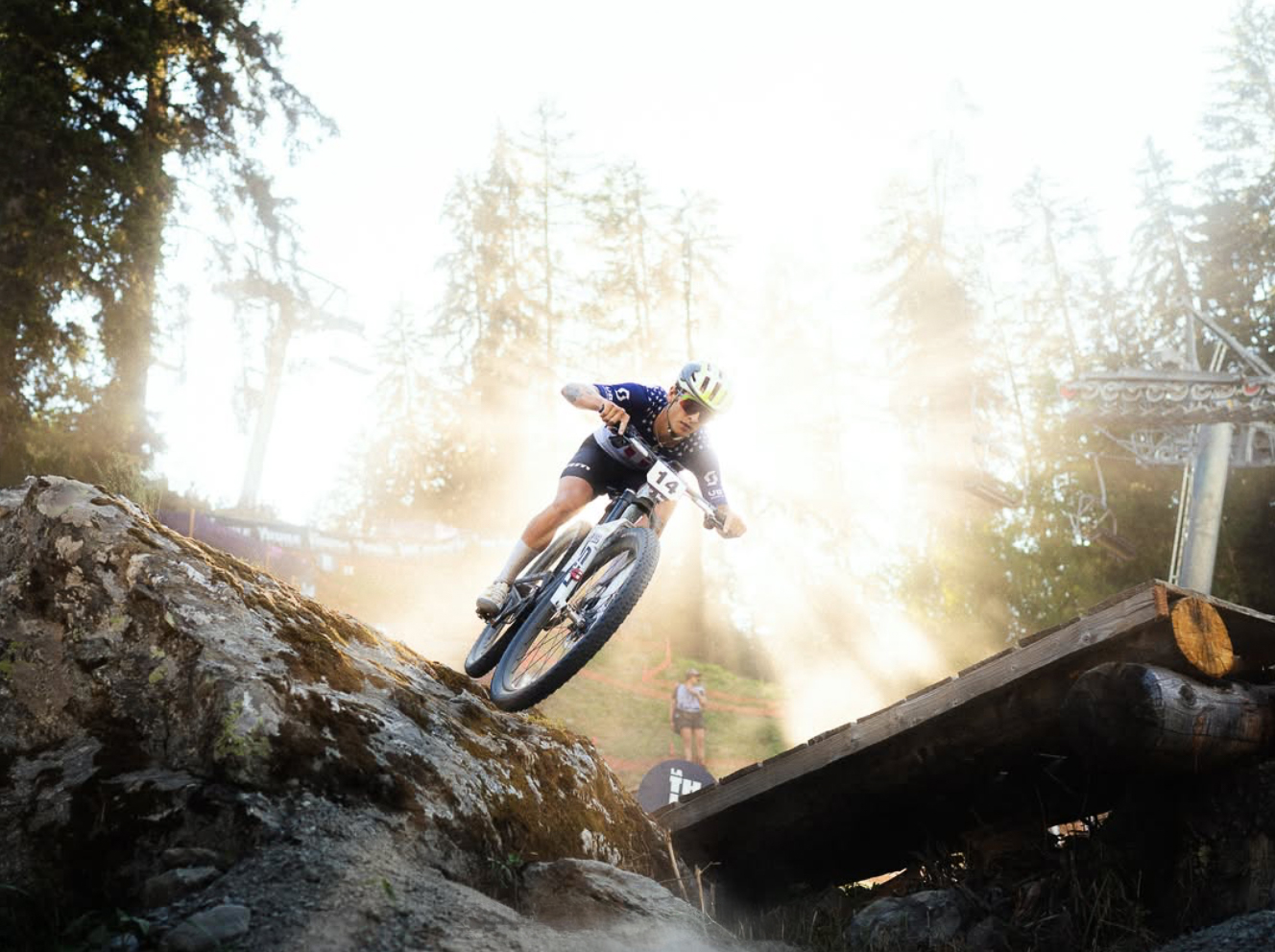
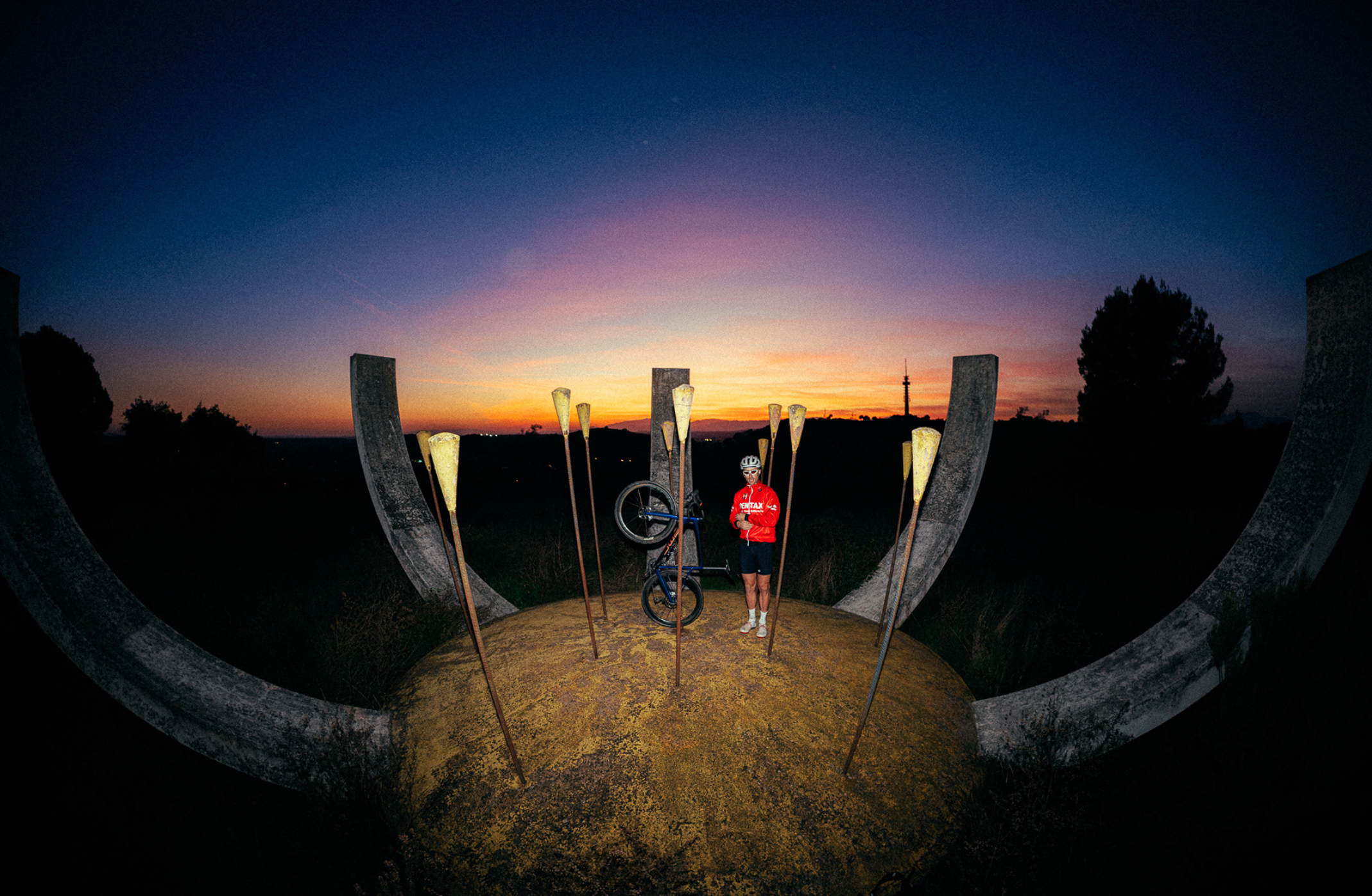
To be honest, it kind of came in waves. As a child my father was into mountain biking which quite naturally meant that me and my brother were also into mountain biking. And then at the grand age of 11 or 12, I decided to retire from racing which coincided with me first picking up a camera. But even that was a little eccentric because I was obsessed with this very particular technique called light painting. Long exposure photography at night to create these painterly images. I’d saved up half of the cost of a camera mowing lawns—a Canon 600D—and my mum paid the other half. But then I got back into racing and went to the World Championships as a Junior before retiring again in 2021. Which all coincided with the first time I got paid to take photographs at a mountain bike race—so much fun and I got 500 bucks—after I’d listened to this podcast that featured the mountain bike photographer Boris Beyer. He was talking about when he first started; how he slept in the back of the team truck to make it all work. Which all kind of resonated with me and was why I decided to do the same. So I bought myself a sleeping bag, took myself over to Europe, and bedded down on the eve of race day on the TV platform, on top of the gondola building, or tucked away behind anti-doping. Which was how I made that first season work; the fact that my overheads were so low meant I didn’t have to charge a huge amount to shoot and I ended the season breaking even.
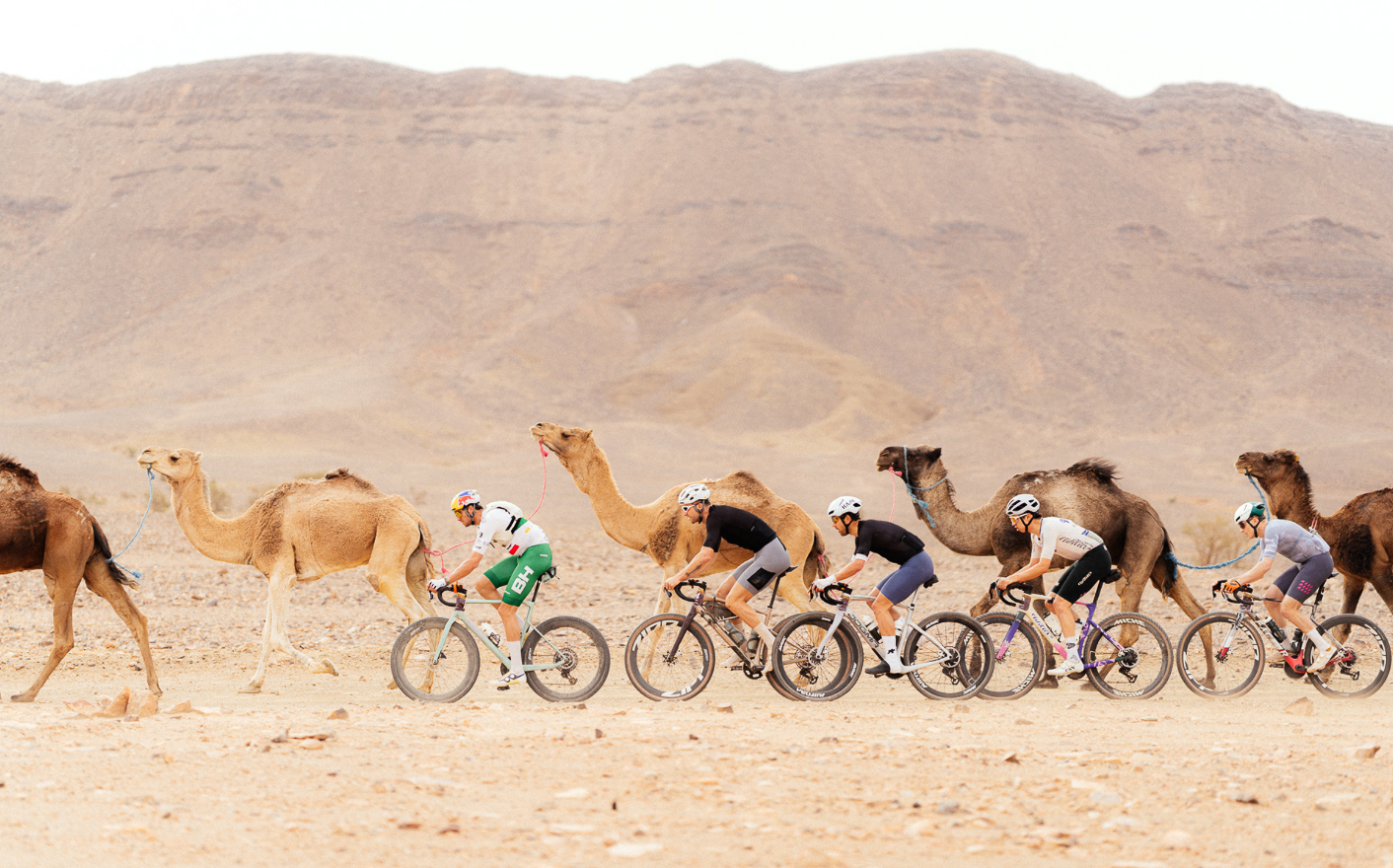
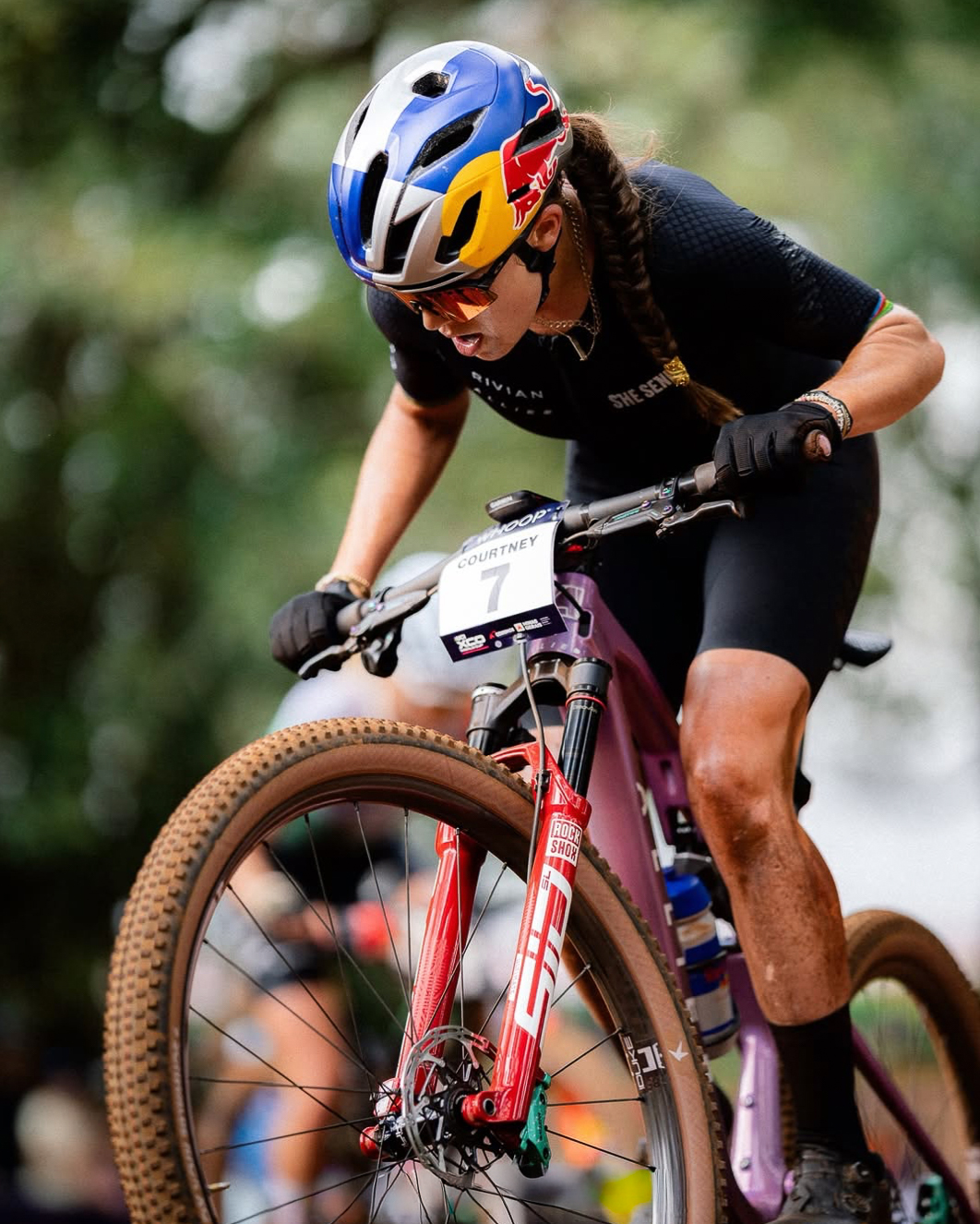
Click an image to open gallery

cyclespeak
And the next year?

Piper
A Swiss team had been following my story and at the season-end afterparty, they came up to say hello. Then, a little later, they offered me accommodation at all of the next season’s races. So it kind of all paid off and I’m very grateful.

cyclespeak
Are those the hard miles that people talk about?

Piper
With the caveat that it’s my immense privilege being a white male, I felt perfectly safe sleeping outdoors, and could risk it all in the knowledge that my parents would support me no matter what.

cyclespeak
Do you feel that your background racing mountain bikes helped in that transition?

Piper
I guess you could argue that someone with no prior exposure would capture an event without any preconceived notions? How a completely new eye might see things very differently? But me having an understanding of the racing—what it’s like to be an athlete and the crucial moments in a race—has definitely been helpful. Especially when I was seeking out clients after spending my first year shooting all my friends which I’d known from when I was racing.

cyclespeak
So if someone walks up to you and asks for your advice on how to pursue a career in sports photography?

Piper
That does happen and it’s not always easy to know what to say. For me, there was an element of right time, right place in pulling it all off.

cyclespeak
Does the perfect photograph exist? Or are mistakes equally valid to the eye?

Piper
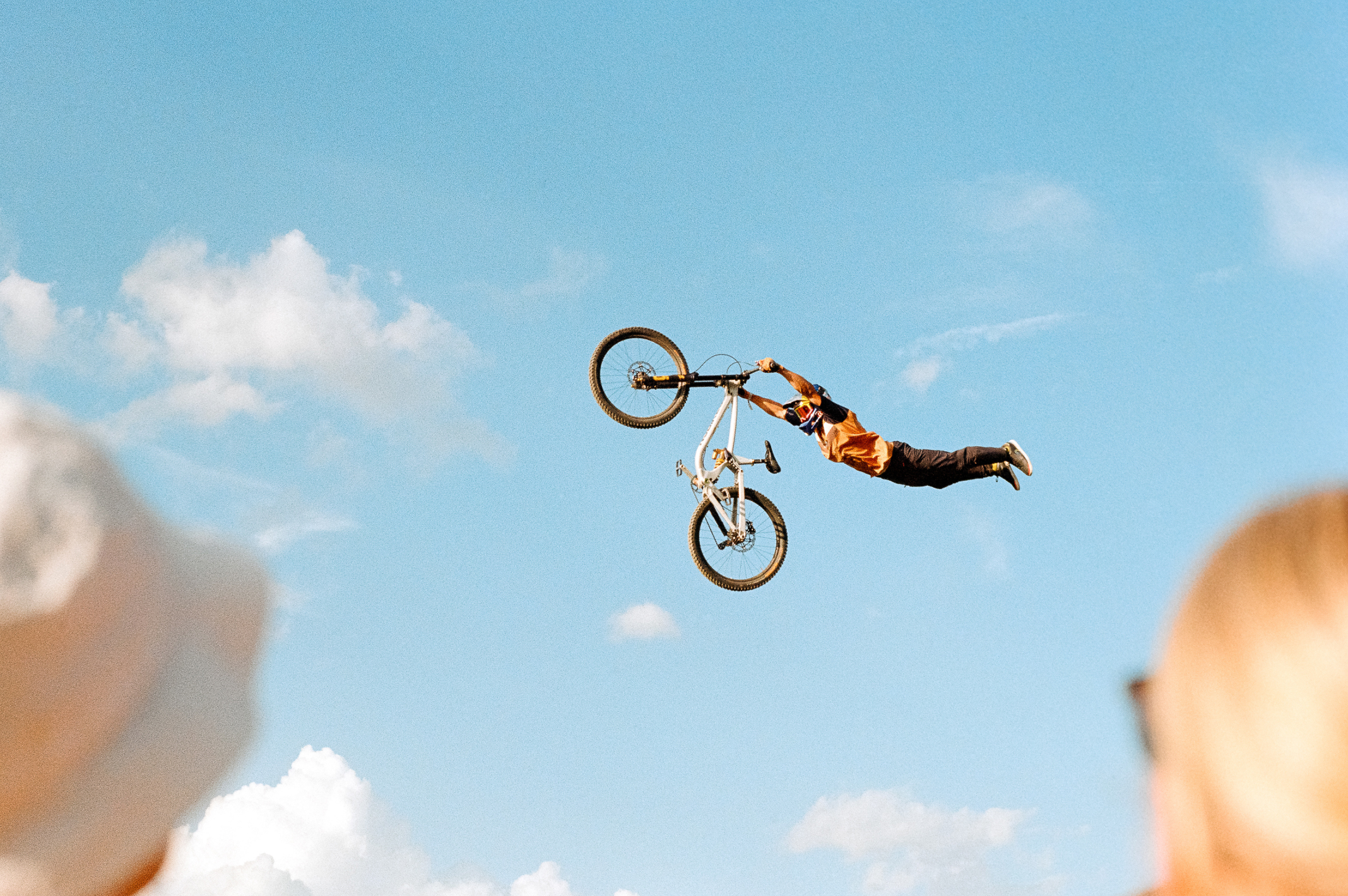
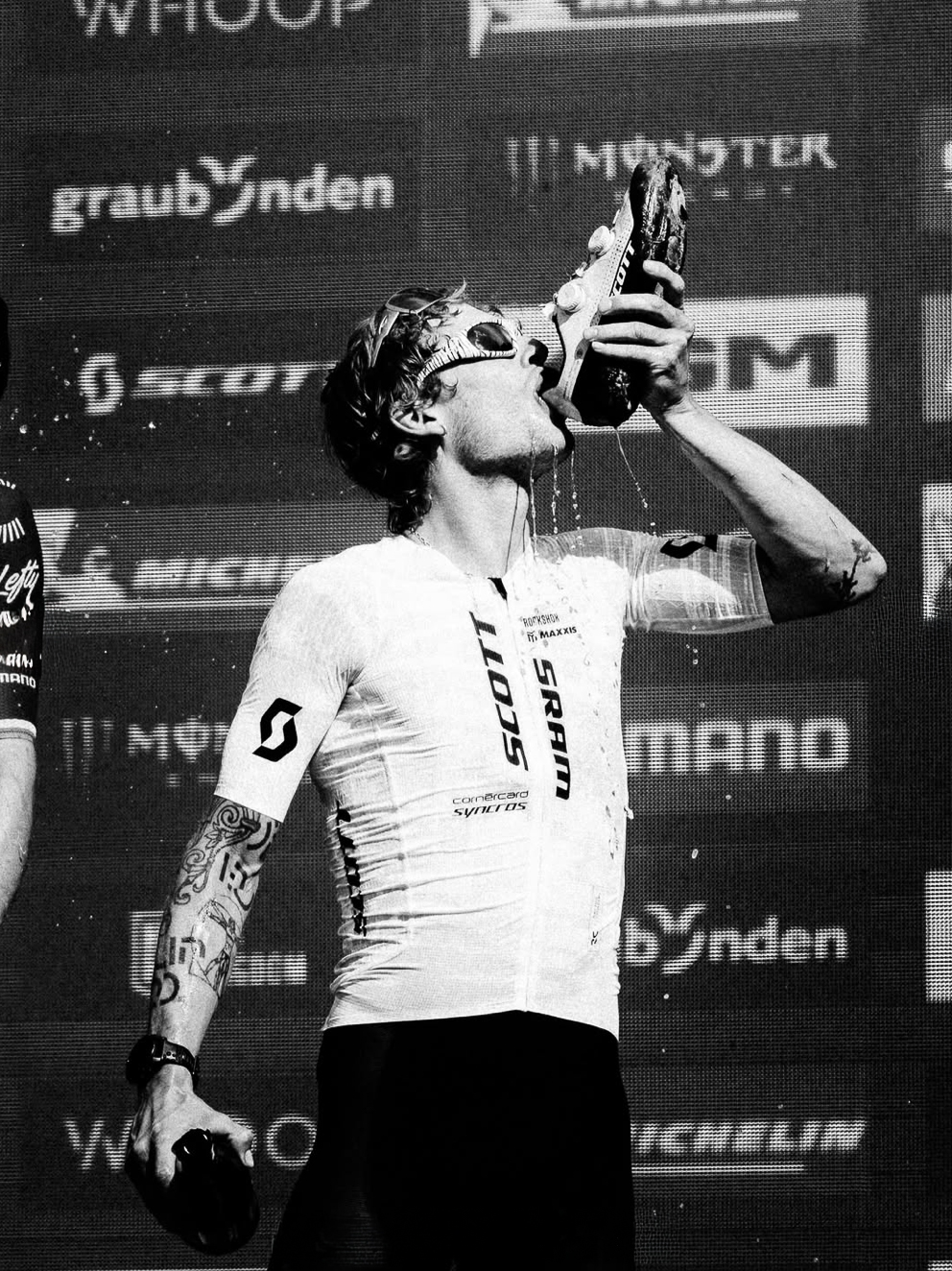
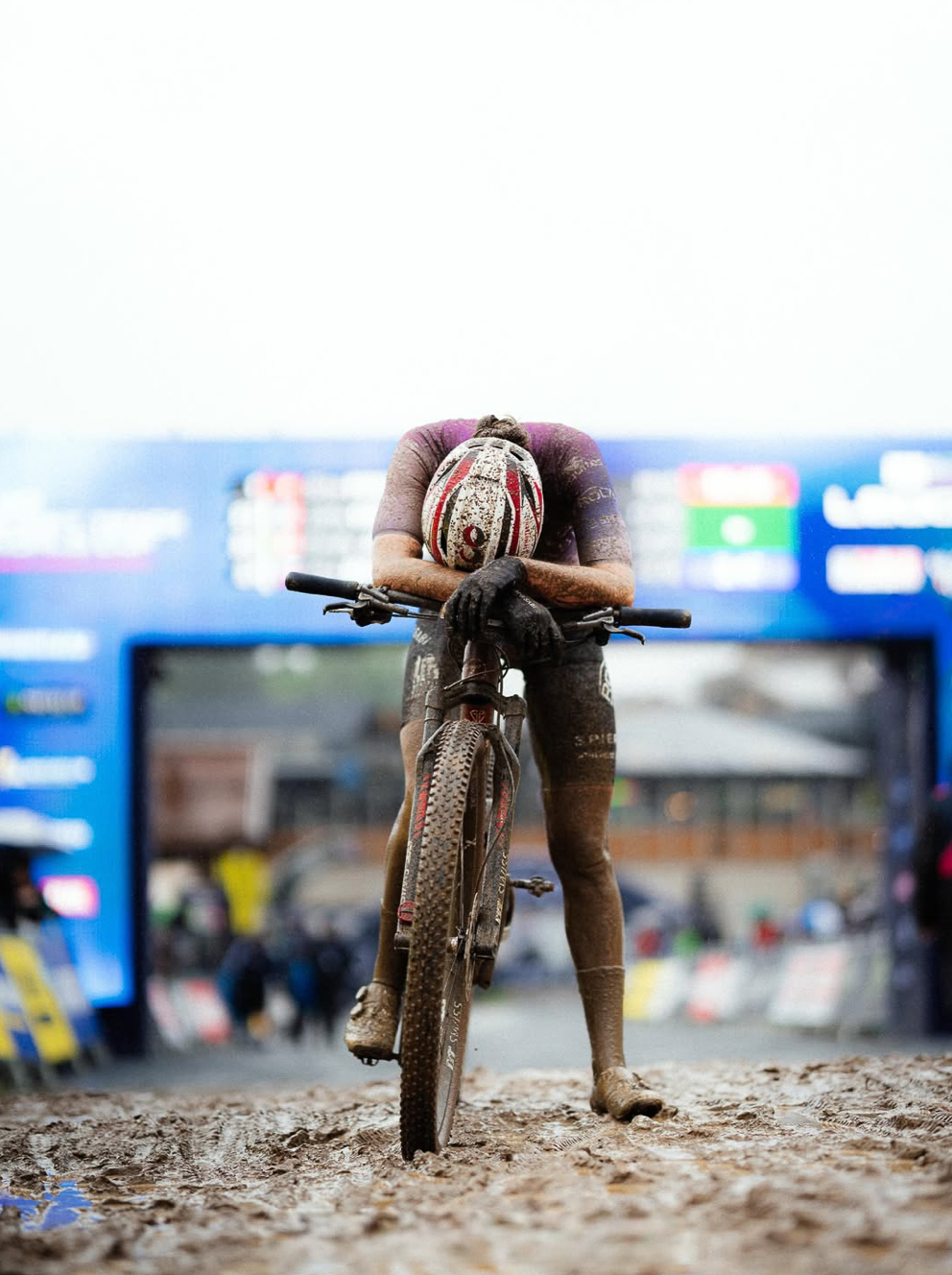
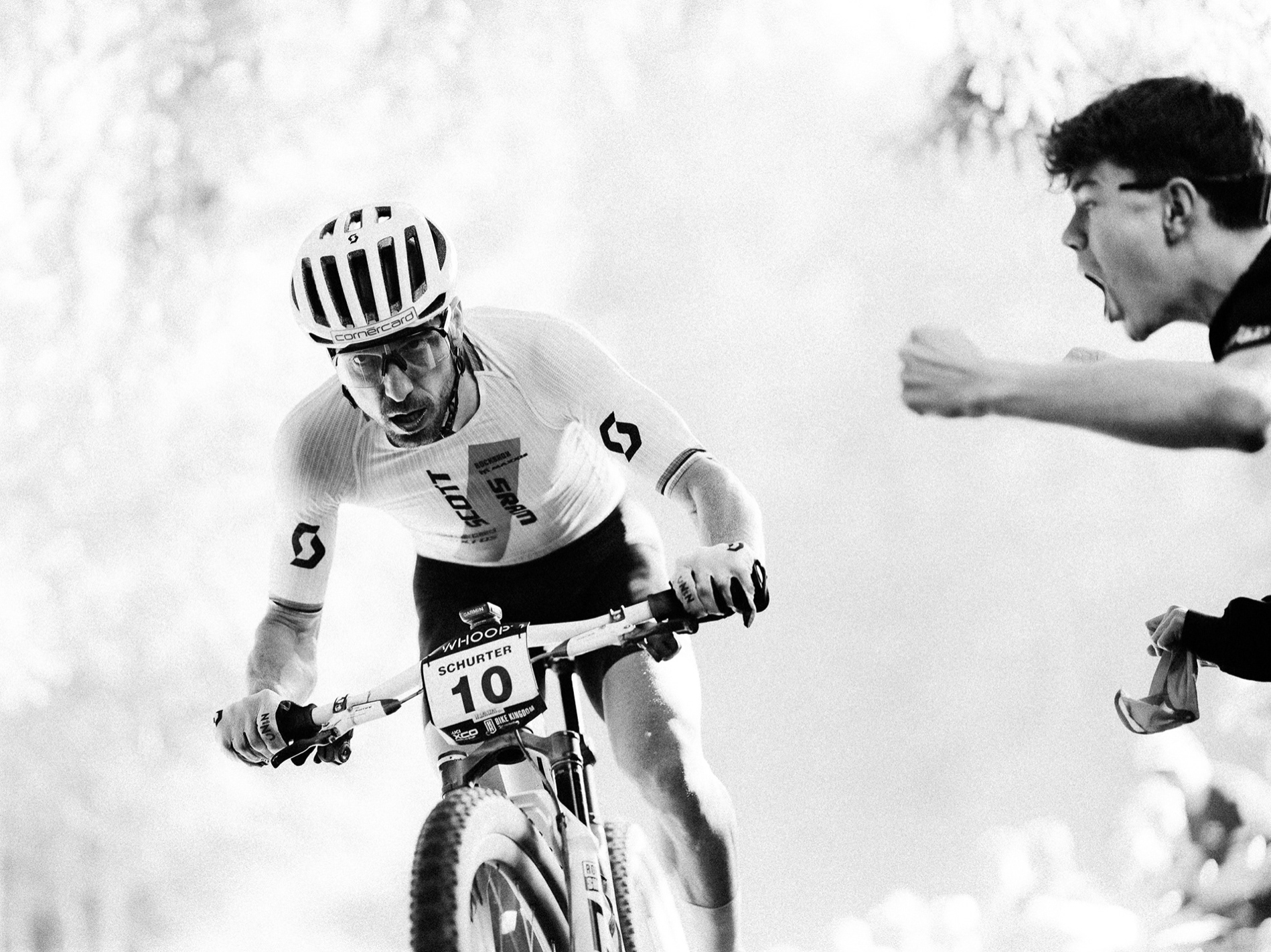
That’s funny you ask because last night I was looking back over my recent work, trying to choose an image to submit to this competition. One single image to sum up the Mountain Bike World Cup season. And I could almost picture in my head the type of image that could win it: maybe an incredible pass, a crash on the course, or the heightened emotions at the finish line. So many perfect moments at each and every race.
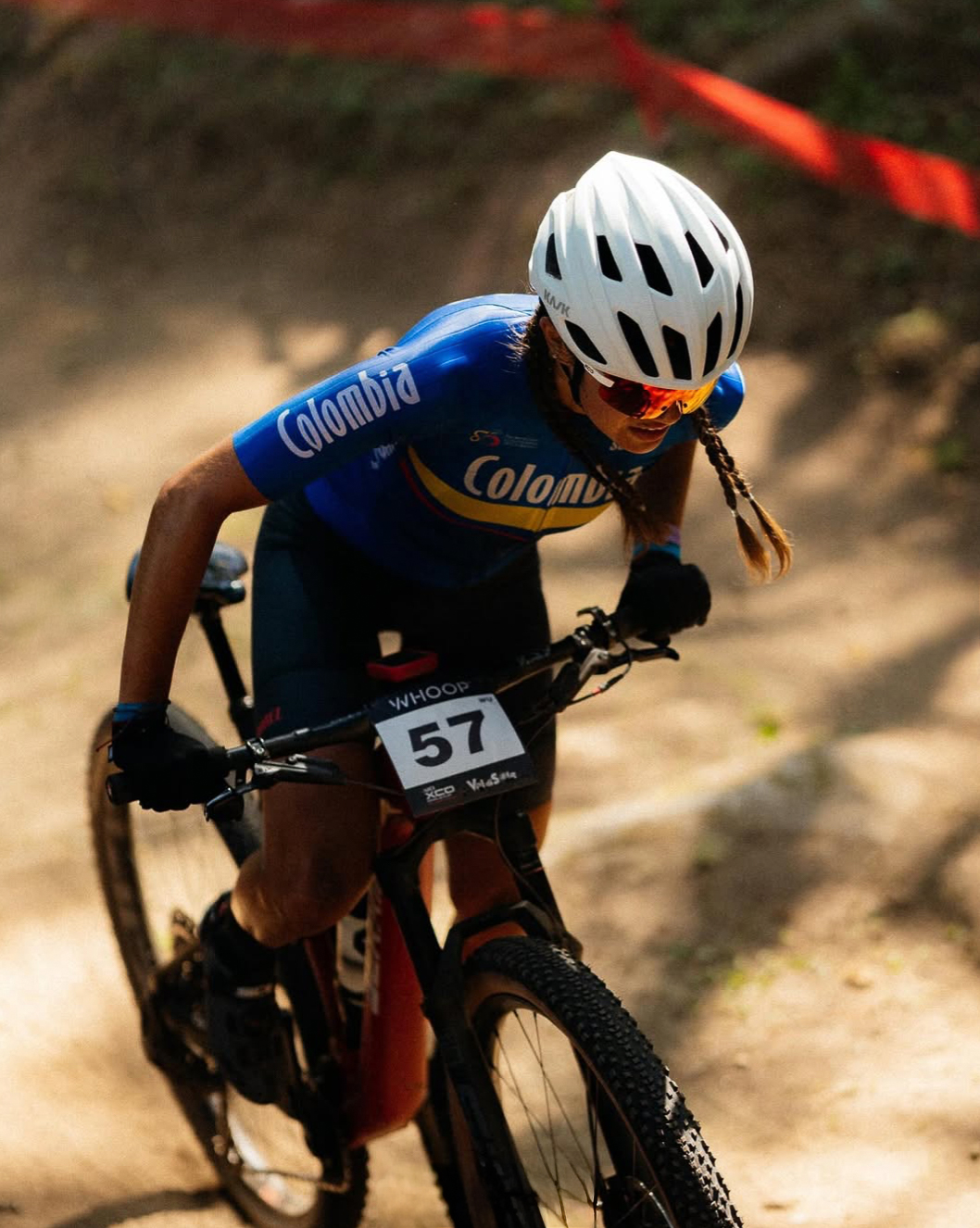
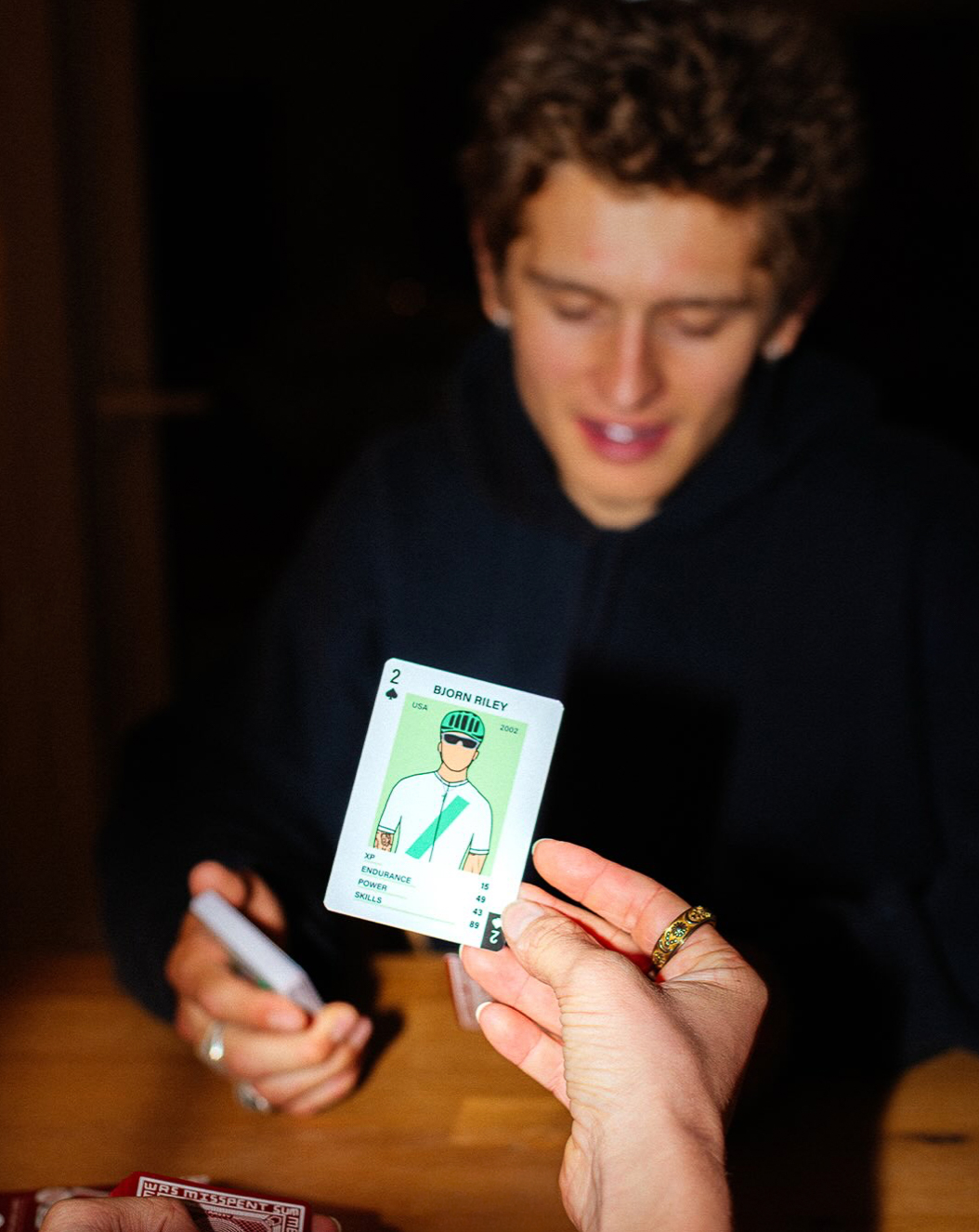
Click an image to open gallery

cyclespeak
And mistakes?

Piper
Mistakes can be amazing and are definitely valued. And one thing that I’m trying to get better at, is playing more with edits of photos that I initially want to discard. Only very recently, I was shooting with the SCOTT factory team for the launch of their new bike and one of my images was a pan-shot that I thought was garbage—horrible dappled light in the middle of a Tuscan forest—but that shot is now one of two key visuals for the campaign. And what’s funny is that I thought it was shit and nearly didn’t send it through.

cyclespeak
Considering we live in a world suffused with content in a myriad of digital forms, is it arguably more challenging to be creatively original?

Piper
I definitely take inspiration from other people’s work but you always put your own spin on things. And maybe I’ll see something really groundbreaking in the running world that I can apply to mountain biking. And that’s what I find so cool about photography; in that you develop a signature style in the way you interpret the action and the edit you produce.

cyclespeak
You mentioned being in the right place at the right time. And I was wondering if there’s a particular method to achieving this and whether it’s possible to improve your odds?

Piper
I suppose there’s a need to preempt things that will happen. And the more races you shoot, the more you notice these patterns of how people behave.

cyclespeak
Almost like you’re reading the race environment?

Piper
Totally. And let’s be honest, there are so many moments that I miss and end up kicking myself. But that only makes me want to try and do better the next time.

cyclespeak
There’s a quote on your website bio that references your desire to create people-first images with compassion and honesty. Can you unpick that for me?

Piper
In a very literal sense, I dislike too much image manipulation. The use of healing tools and such like. My own editing I would describe as simpler with some gradients and dodging and burning but nothing taken too far. And a big part of what I love about working as a photographer is making images that excite people. When someone I’ve documented is happy with how they’ve been portrayed, that makes me really happy. Which I guess explains the people-first reference; an empathetic approach to the way you capture someone.
Click an image to open gallery

cyclespeak
So are the photographic rules on framing and composition there for a reason or meant to be broken?

Piper
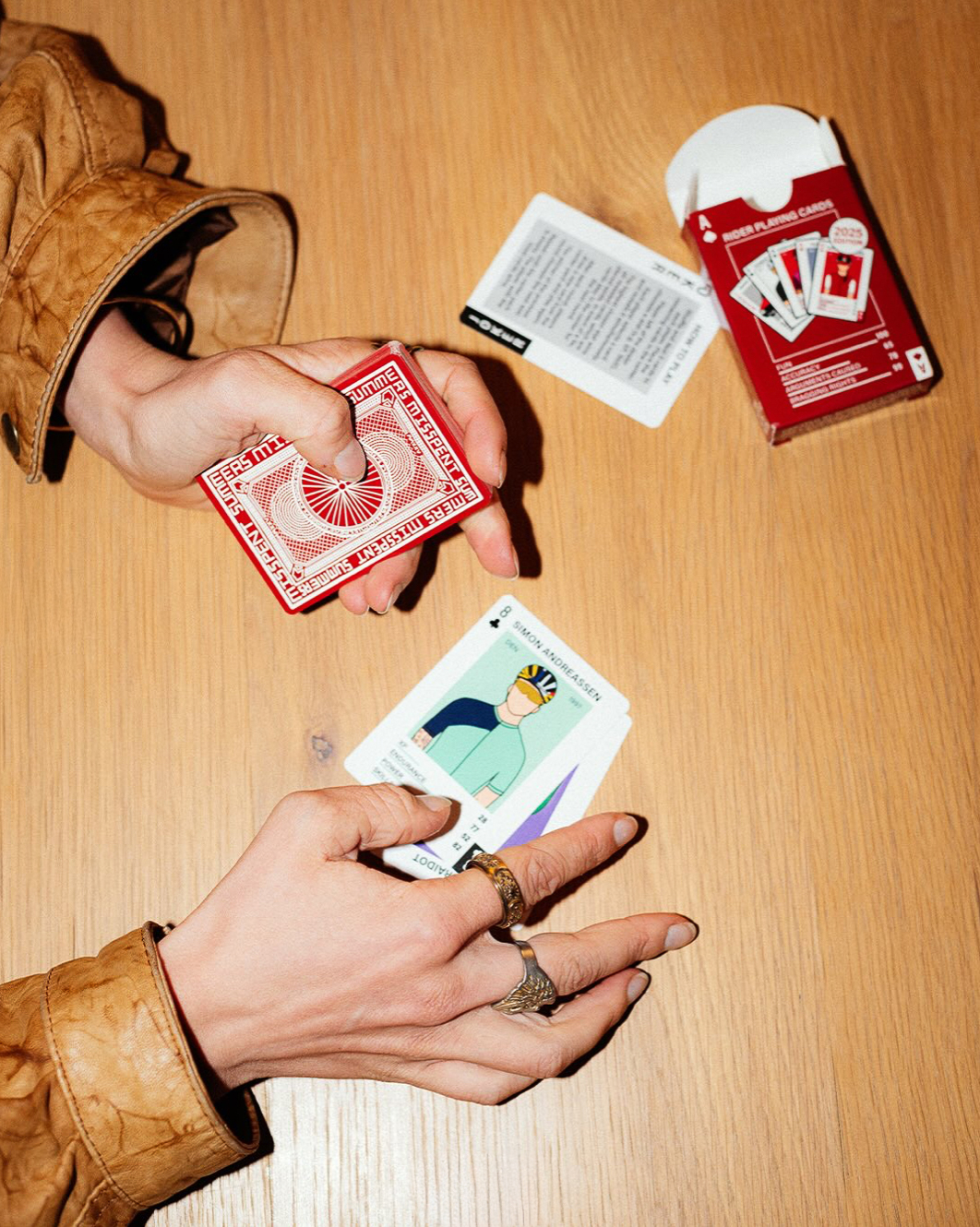
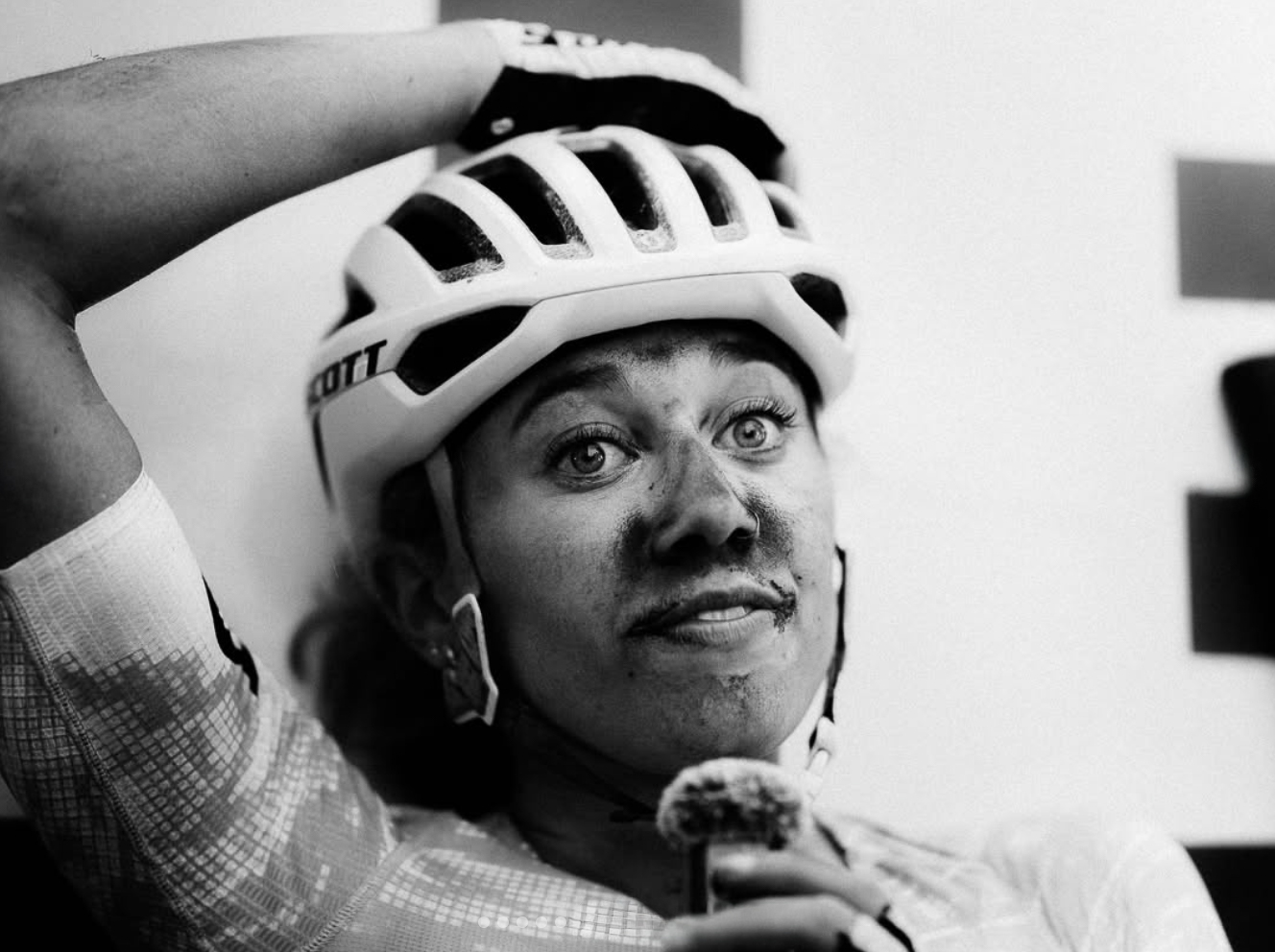
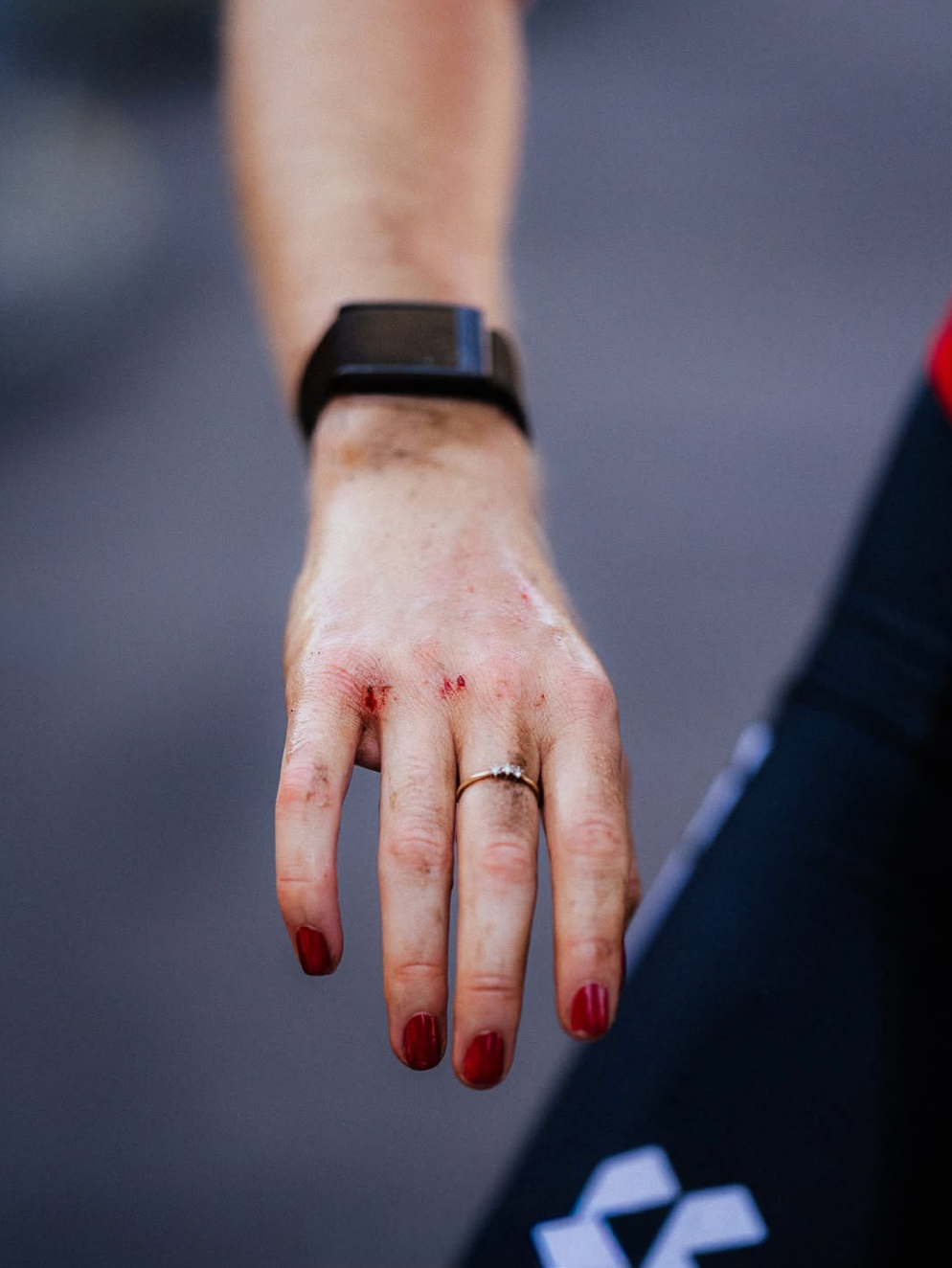
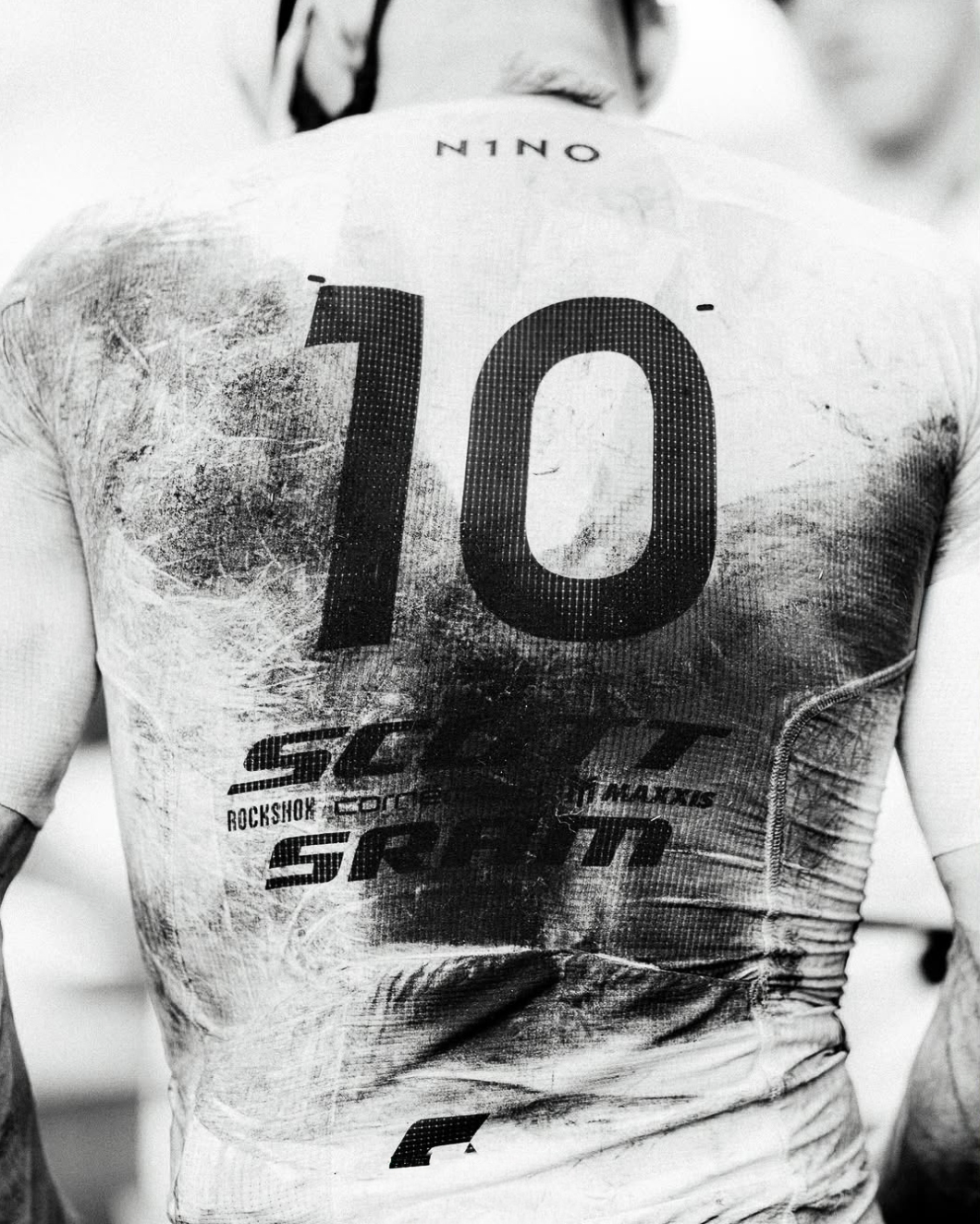
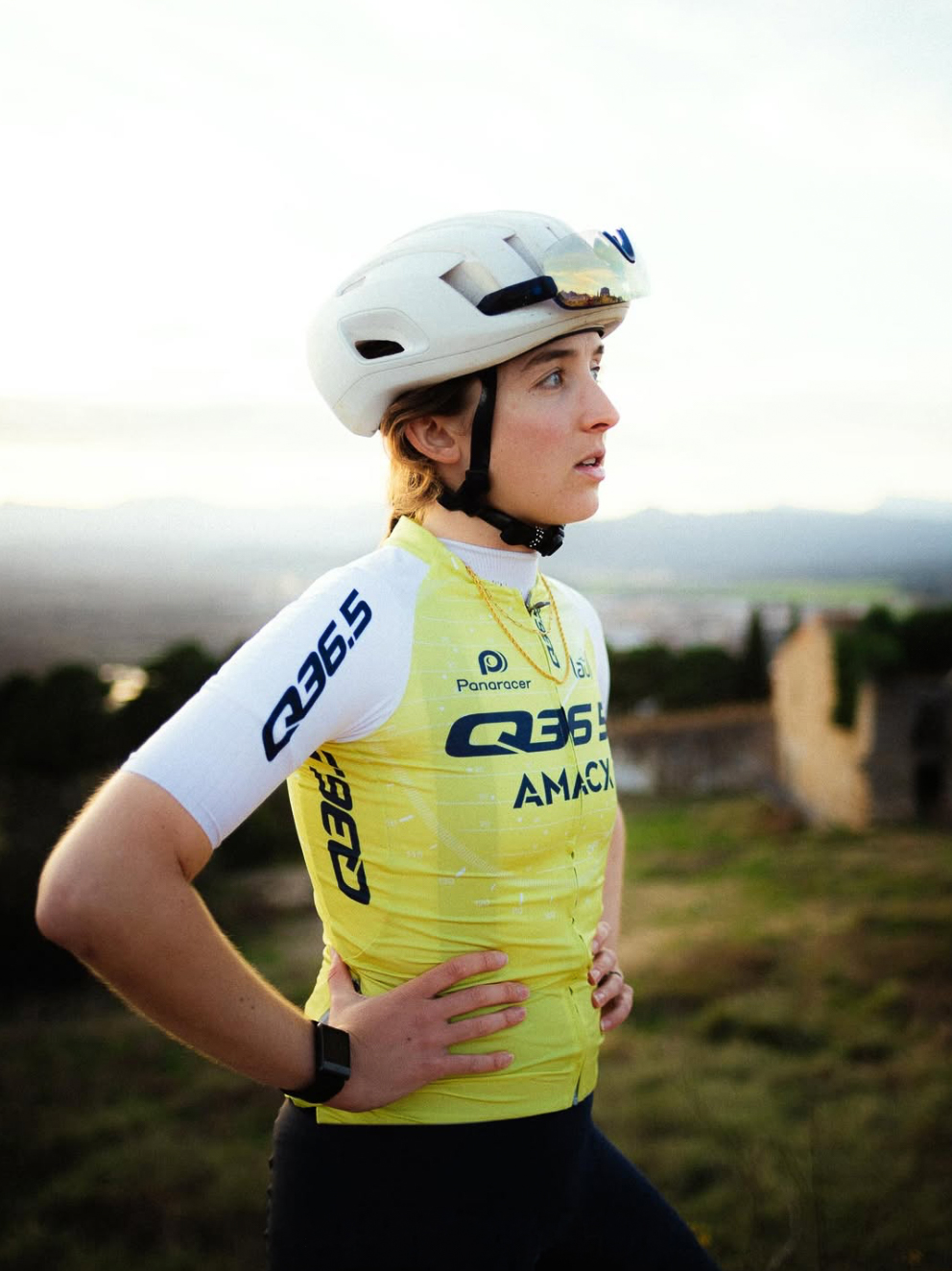
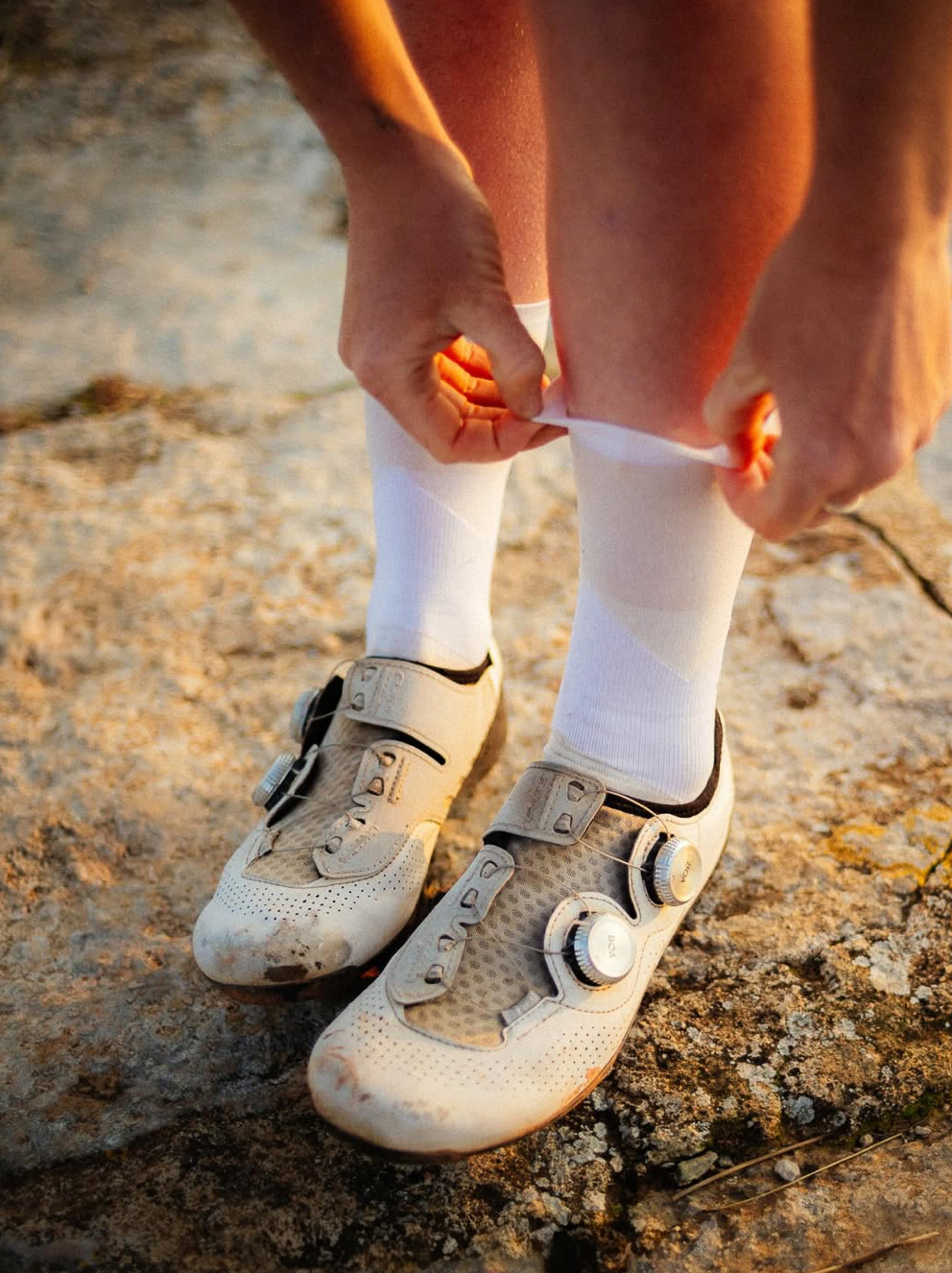
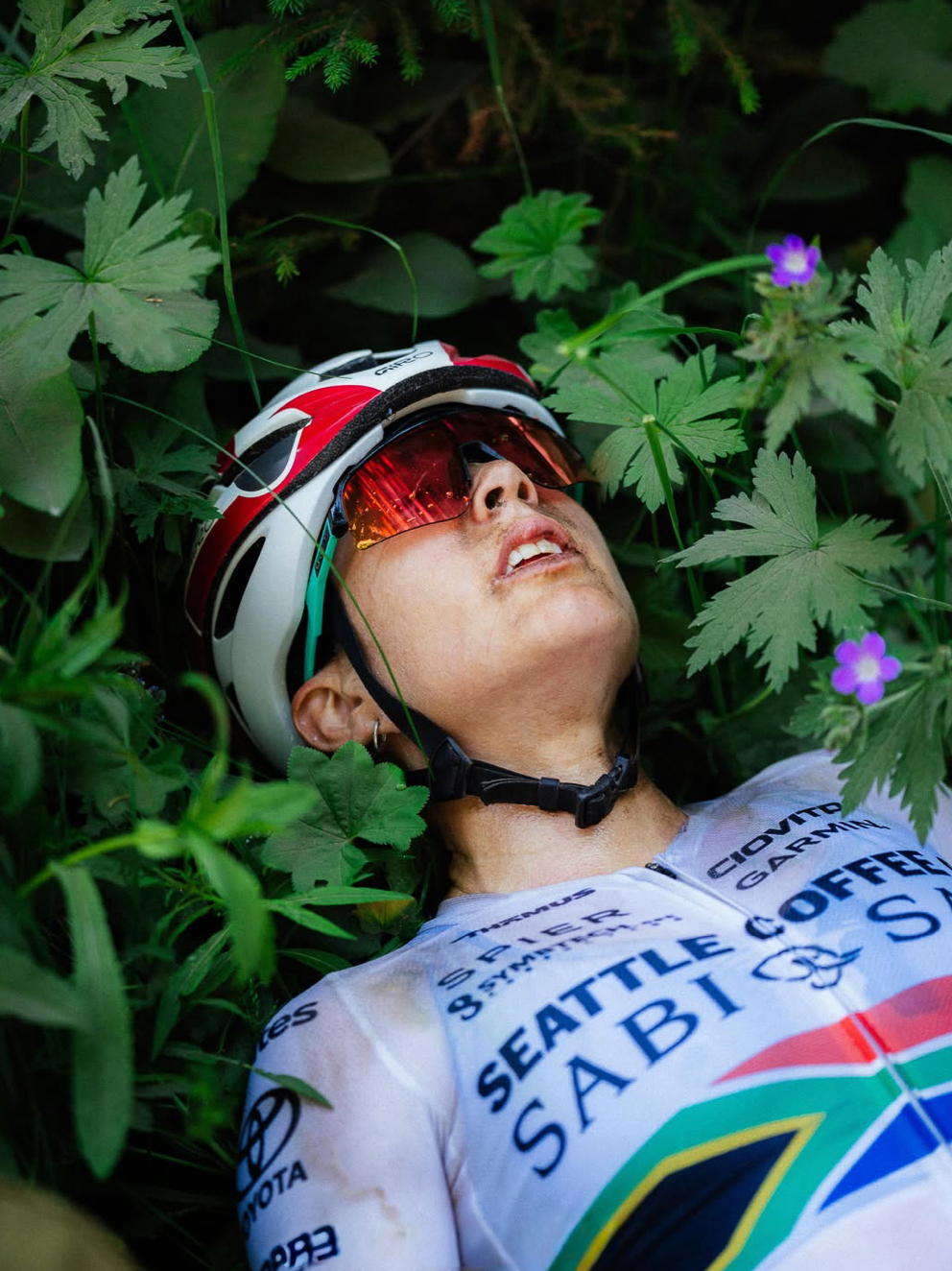
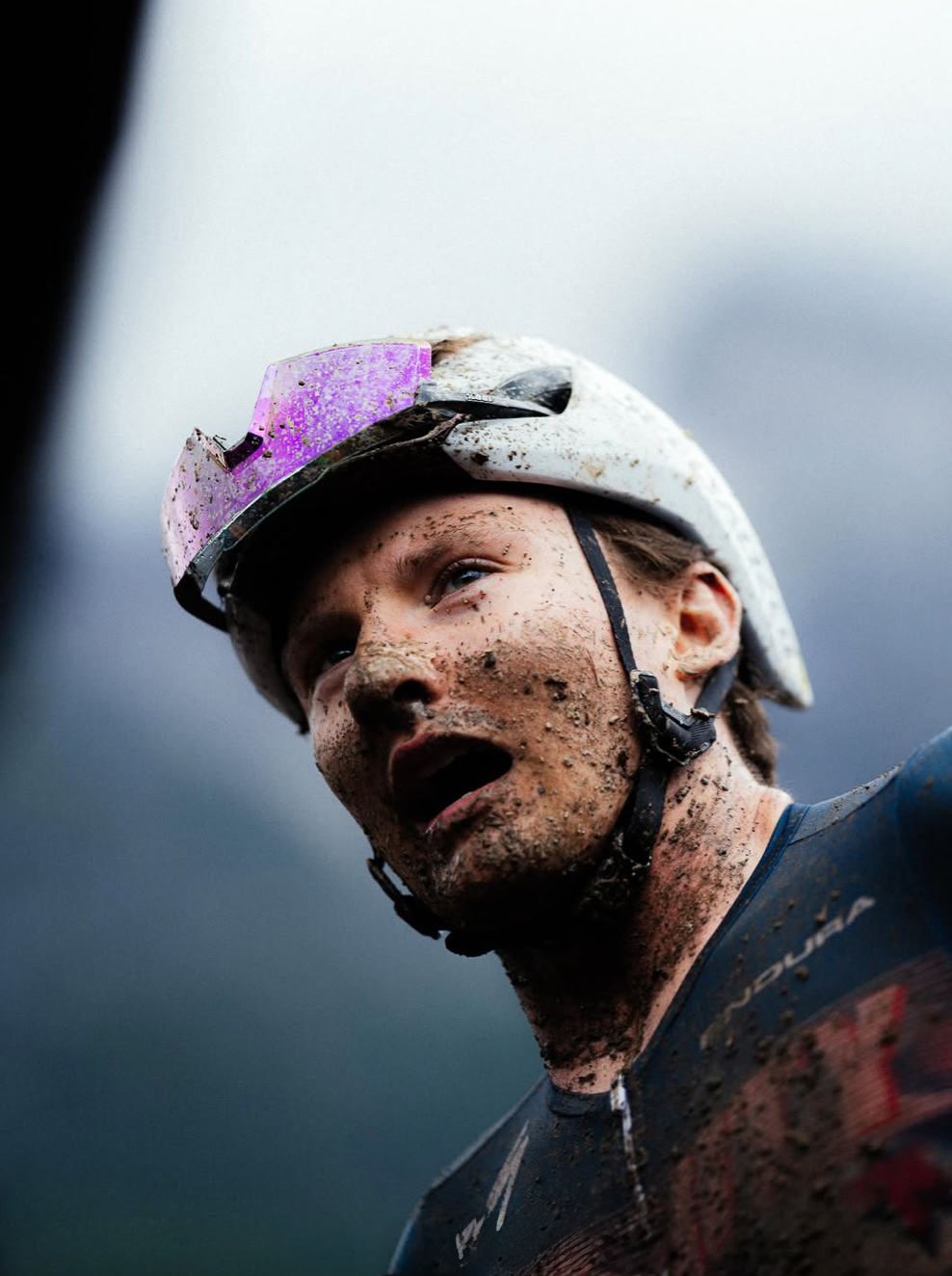
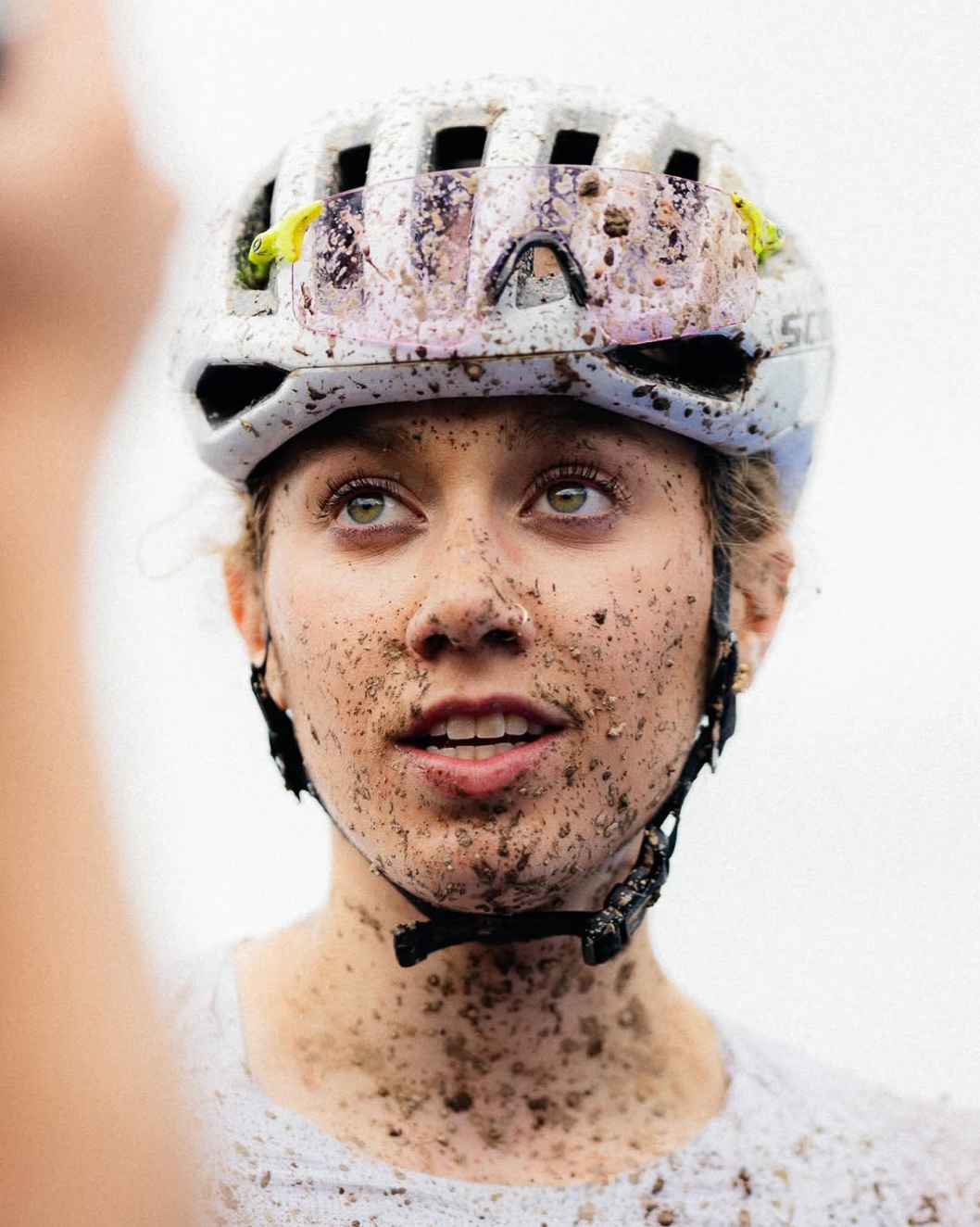
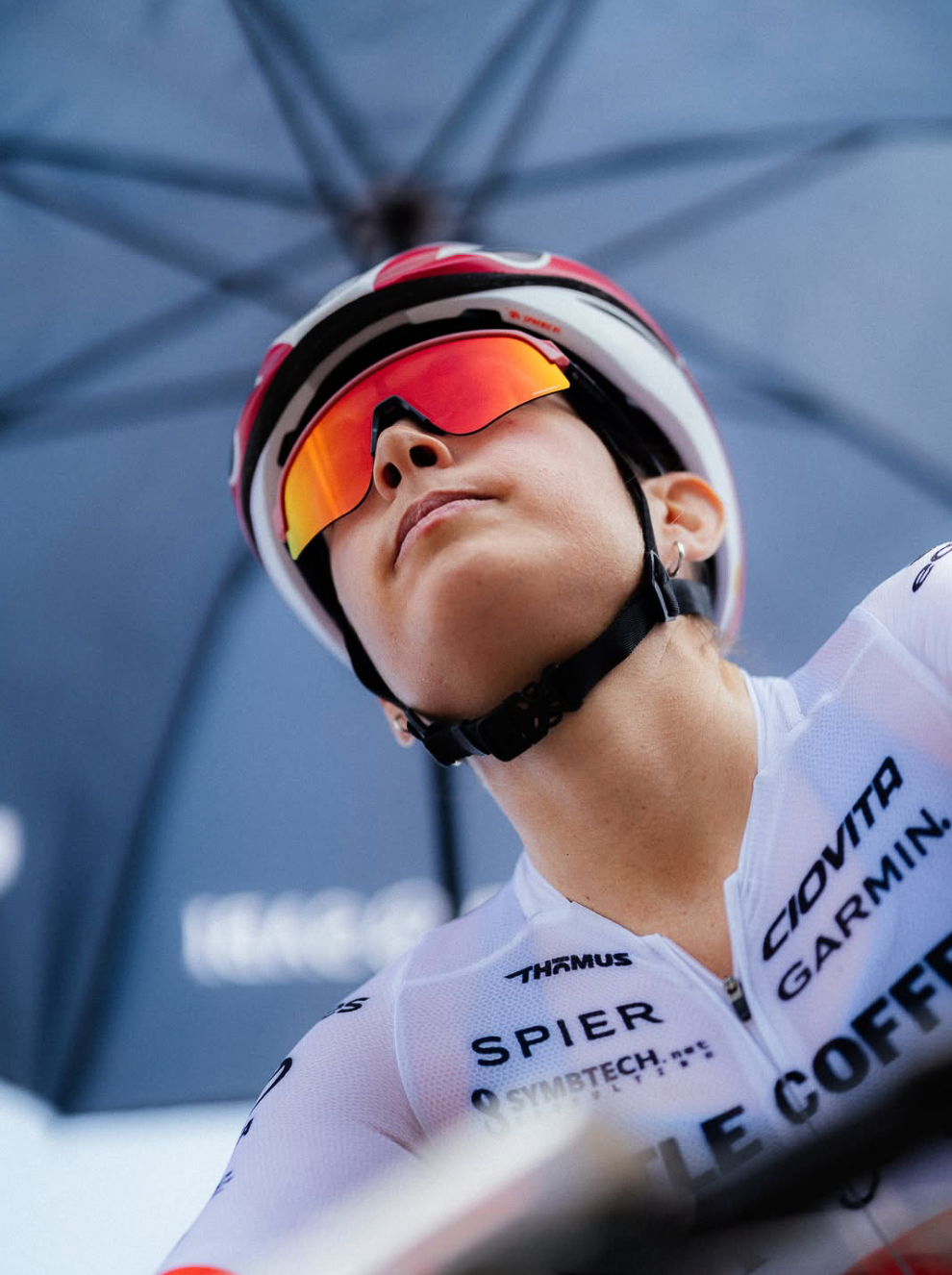
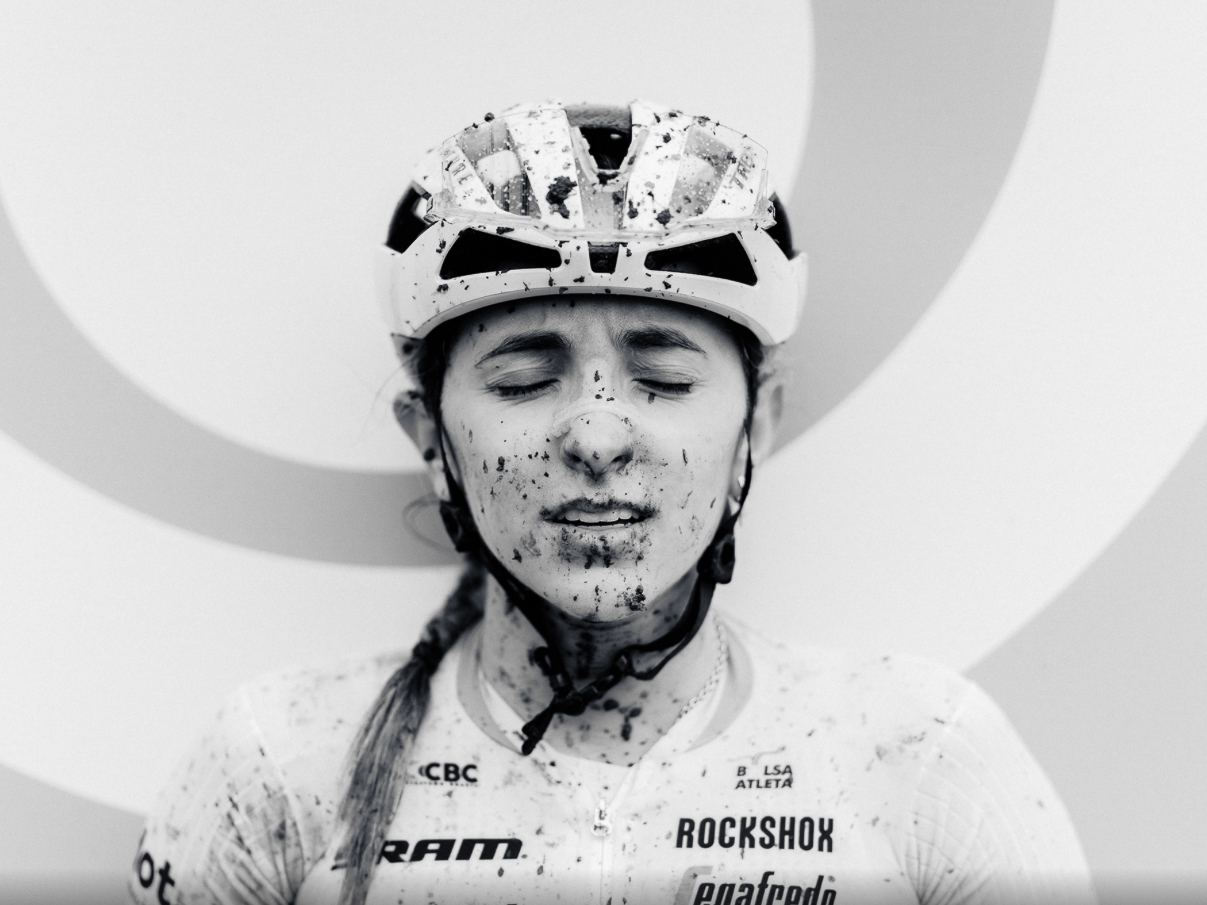
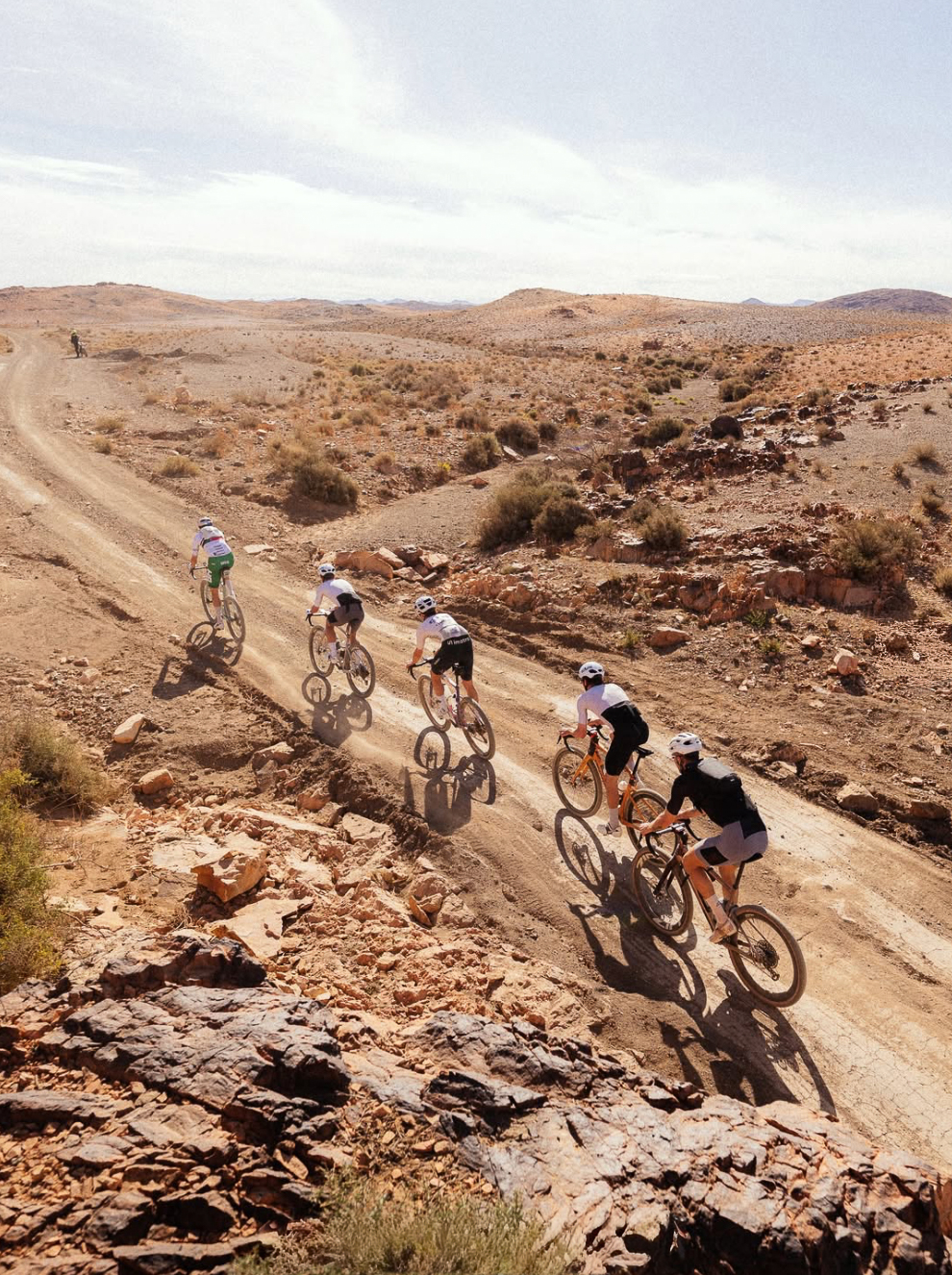
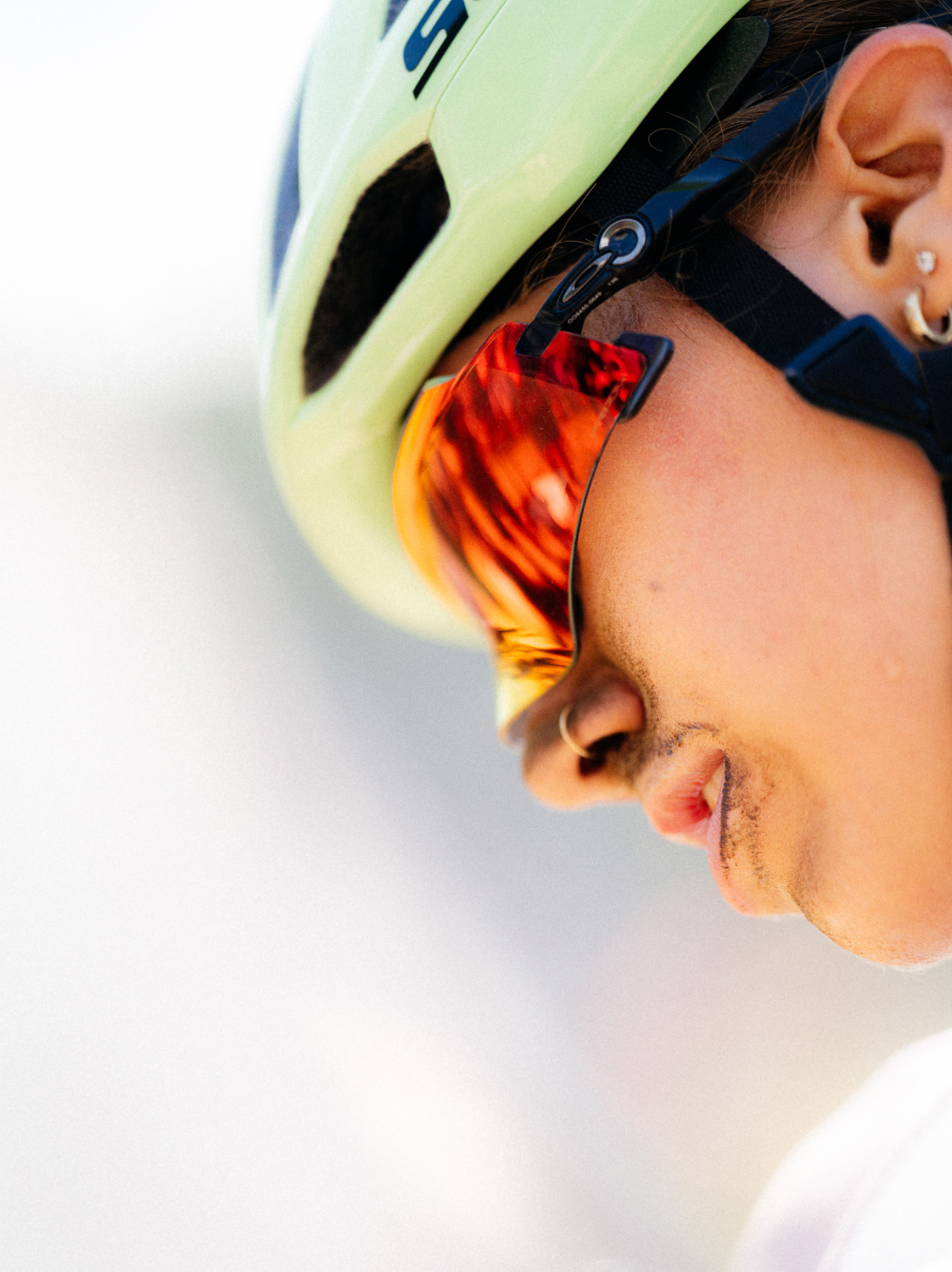
The details in and around your subject can definitely help tell the story. The way a crop can emphasise a portrait or salt stains and mud-covered earrings are able to convey a sense of time and place. But maybe that’s because I’ve got zero formal education in photography and the images I take are based purely on what I see as exciting and visually pleasing to the eye. Very vibe-based, I guess you could say?

cyclespeak
And avoiding the formulaic?

Piper
Maybe there’s this desire in me to ask questions of the viewer.

cyclespeak
There’s always the argument that the more effort you put in, the greater the reward. And maybe we can ascribe that to viewing a photograph?

Piper
There are so many images in sport—mine included—that might have a repetitive feel about them. When you look across a season it’s almost inevitable. So to break away from that—to have something different, maybe extraordinary—there’s such value in that. And I remember some feedback I had, back at the start of my career, that suggested how some of my images didn’t always represent a race day. Which I actually found very gratifying because I was consciously trying to hide the tape. And I struggle with busy photos and jarring colours; if someone is wearing a bright green backpack or a red jacket. But I shoot almost exclusively using primes so I’m always cropping and can play around in post.

cyclespeak
Sometimes it’s what you leave out?

Piper
Often I’ll be going back and forth over millimetres to frame a shot the way I want it. There’s so much freedom to play around and sculpt an image.

cyclespeak
In an age of AI, shrinking budgets—the brands would have you believe—and everyone carrying a smartphone, what are the challenges of making a living as a photographer?

Piper
The challenges that I see stem from a perceived lack of appreciation for what photography can be. That might be a marketing team or a brand not noticing the difference between good and great imagery which is maybe a question of education?
Click an image to open gallery

cyclespeak
And AI?

Piper
In race photography—which is primarily what I do—I can’t really see AI taking over.

cyclespeak
Because you’re at the sharp end, on location, documenting the race action?

Piper
I guess it would be ridiculous to try and artificially create those moments. But I had an athlete friend who’d had his image included in a series of AI assets used by a brand for marketing purposes which were only taken down when the photographer sent them a cease and desist notice. And it’s the idea that certain marketing teams would think this is okay that shocks me the most. In much the same way that one of my own images had a tree artificially added to balance the frame which really pissed me off.

cyclespeak
Good. I’m glad you were pissed off.

Piper
I’d had a conversation not long before about putting an AI safeguard into my licensing contract which, at the time, I thought was maybe me overthinking things. But I guess not and when it happened I thought, fuck, I definitely need to stress that this is anything but okay.

cyclespeak
A world away from AI generated content, there’s a nice project you worked on with Taylor Phinney for Mission Workshop. Was that you filming, sound recording and video editing?

Piper
I do also film…

cyclespeak
Your Instagram bio has you down as a video dabbler…

Piper
That’s right [laughs]. And last year I was getting more video work—which was wonderful—but then I decided to focus more on my photography for 2026. But I still do video bits and pieces, I still love it, and that was a nice little project that pulled together video and sound recording. And working with Taylor is always so much fun. He gets these hilarious ideas and then we just play. A childish sense of adventure and joy that translates into these creative projects we work on together. Which I guess is why so many of the photos that I really love have this thread of silliness.

cyclespeak
Travel is one obvious aspect of your career. Is this welcomed or on occasion a necessary but tedious process?

Piper
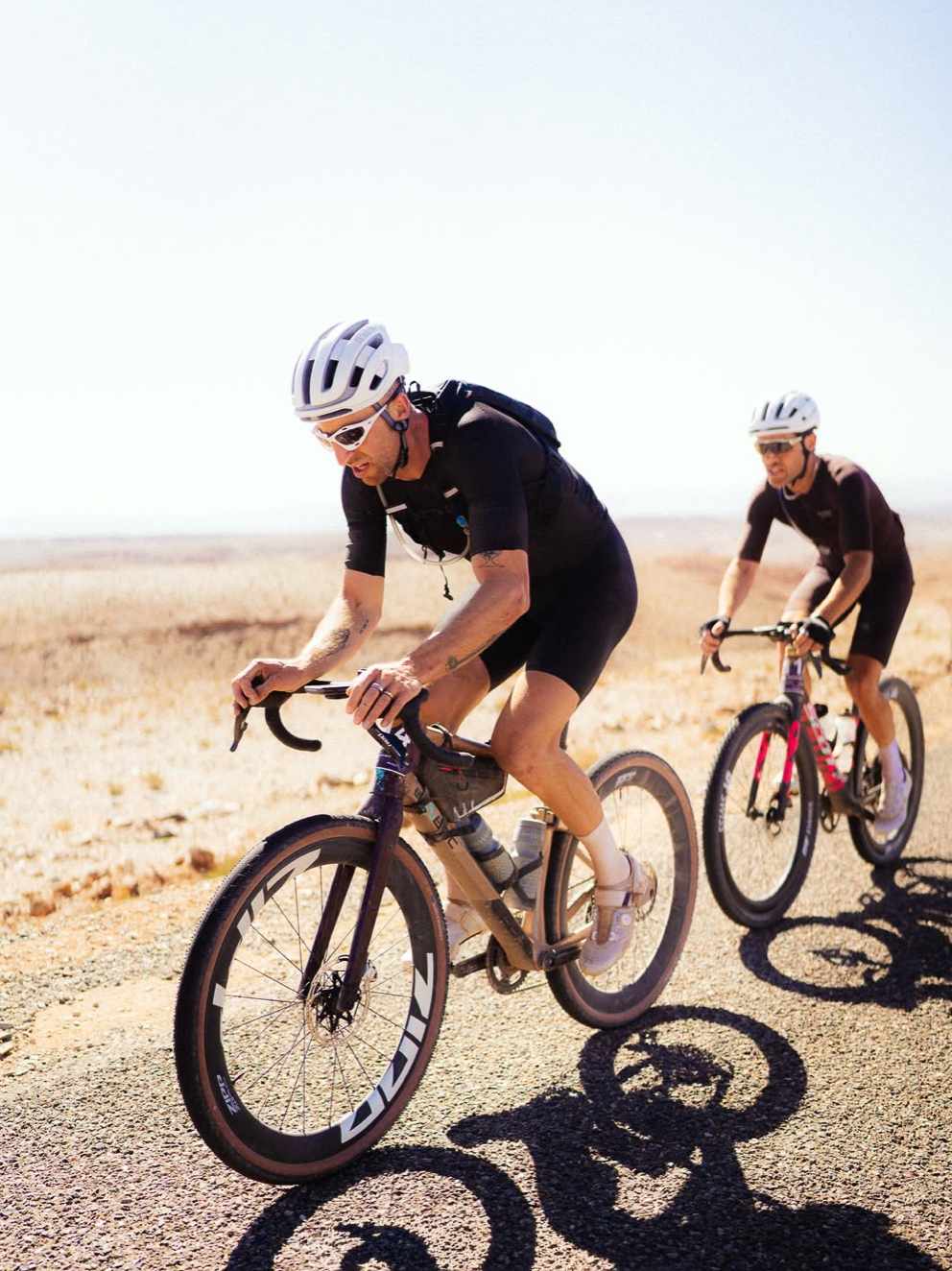
It’s become more the latter. And I’m saying that, sitting here in Boulder and Boulder’s sick. But this nomadic life is what you sign up to and that means you’re never in one place for that long which can make having relationships a little challenging. Not that it’s tedious but it can be tiring.
Click an image to open gallery

cyclespeak
So have you got a base with artwork on the walls, some vinyl to play?

Piper
I’ve been living in Girona, on and off, for the past few years. Currently I’m sharing a place with Bjorn Riley…

cyclespeak
The mountain bike god…

Piper
In your words, yes [laughs]. And living with him is so nice, he’s very charismatic, and you pictured it perfectly with his paintings on the wall and a growing record collection.

cyclespeak
So how do you switch off? Is it easy to put the camera down?

Piper
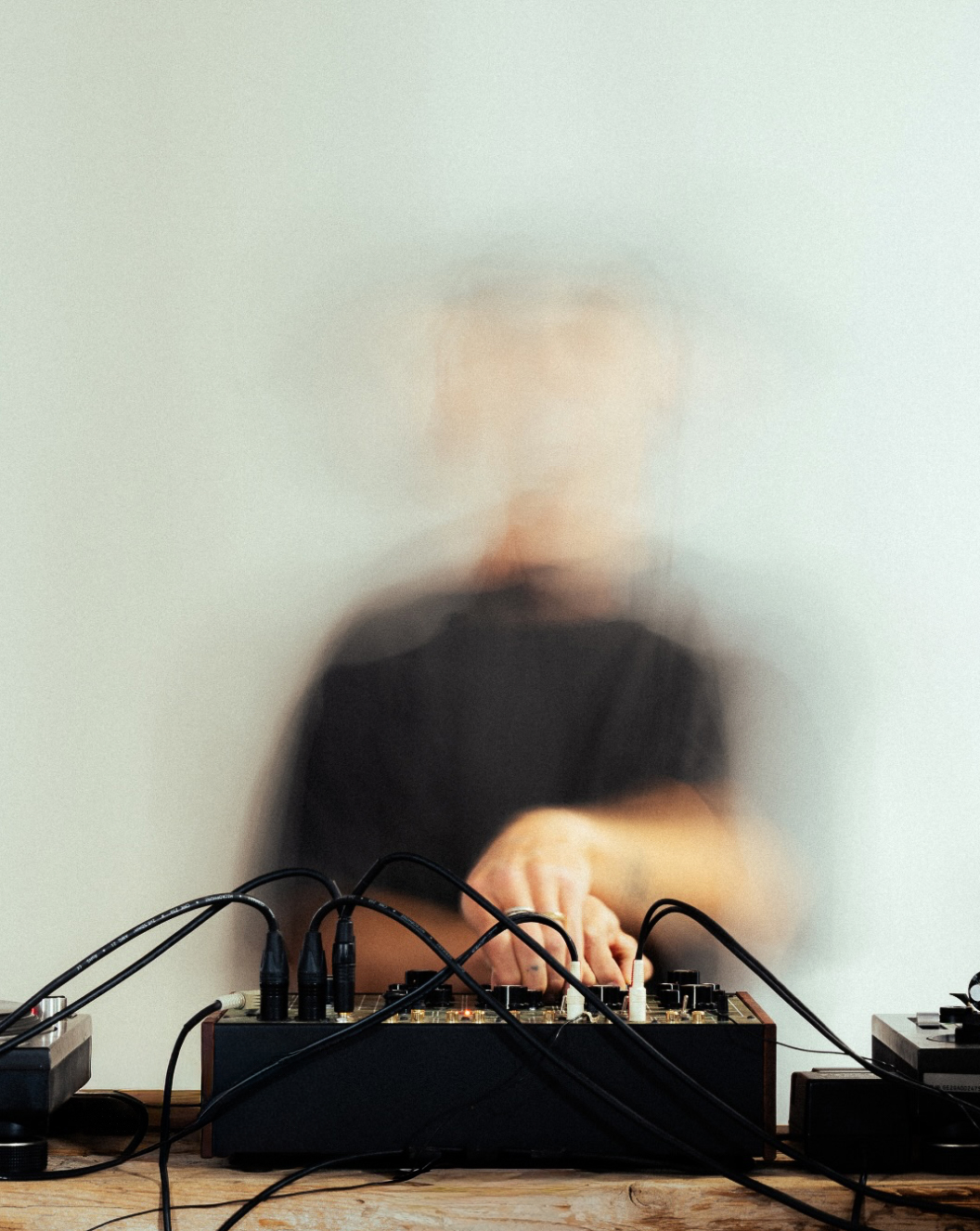
I’m really bad at taking photos for fun so I find it very easy to switch off. And what that looks like is a lot of listening to music and indulging in my hobby of sound recording outside in nature. Something I want to delve deeper into with a possible view to creating ambient music using these found sounds. And I love spending time with people; or should I say not too many people. The right amount of people.

cyclespeak
Which is?

Piper
Three is possibly the sweet spot? Any more and it can get hard to hold an actual conversation.

cyclespeak
Returning once more to your Instagram bio, it has you down as a motivational speaker. What do you speak about and how do you rally the crowd?

Piper
I added that many years ago as a funny aside. But I’m actually a very good listener and friends do seek me out for my opinion on things. So maybe there’s a thread of truth to that throwaway phrase?

cyclespeak
So it’s your opinion they want rather than advice?

Piper
I don’t really have the required experience to be dishing out advice but my Mum’s a psychologist and maybe something of that has rubbed off? Making people feel comfortable and heard is such an important thing.

cyclespeak
I think the ability to connect with someone in a world where we’re arguably more and more disconnected, is something you should be proud of.

Piper
And what’s interesting is how that translates to my profession. It’s very rare that someone gets hired for taking amazing photos but they’re a terrible person to be around.

cyclespeak
So, for you, what are the joys of working as a sports photographer?

Piper
Working as a freelancer, I have so much time. Which this summer meant I could take five weeks off and go travelling through Tajikistan. But more specifically, when it comes to mountain bike race photography, having these connections with the athletes is really beautiful. And what that looks like at the moment, is working for my best friend’s team and following them from race to race. Which is kind of super special.

Feature image by Thomas Weschta

All other photography with kind permission of Piper Albrecht / piperalbrecht.com

Taylor Phinney / And everything in between

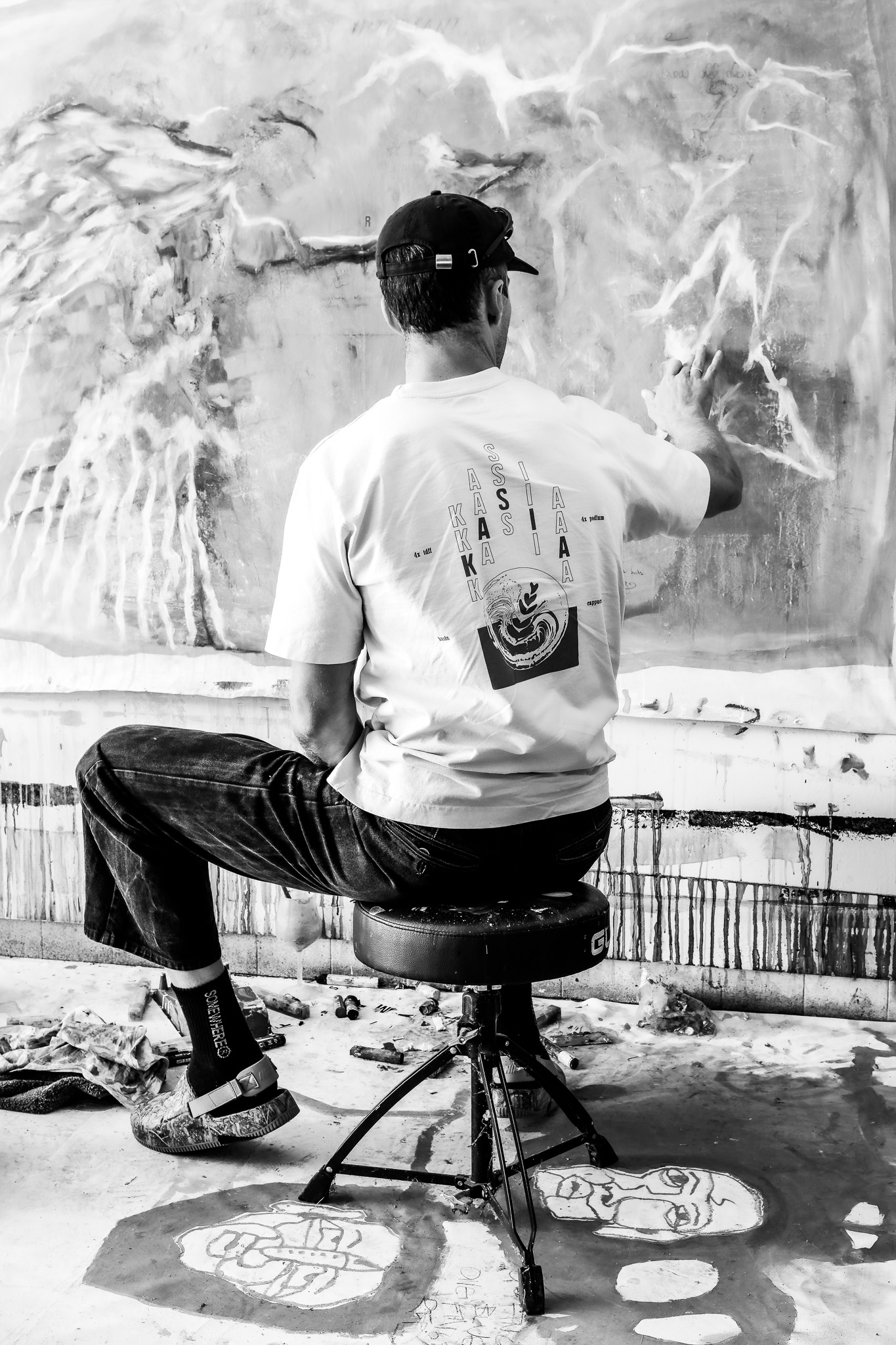
Taylor Phinney is waiting outside his studio that’s nestled in the semi-industrial suburbs of Girona. Immediately welcoming in a calm, quietly contained manner, he’s wearing his latest Sponsor Correct tee: the Kasia Cappuccino shirt that celebrates his wife’s successes at the Tour de France Femmes avec Zwift.

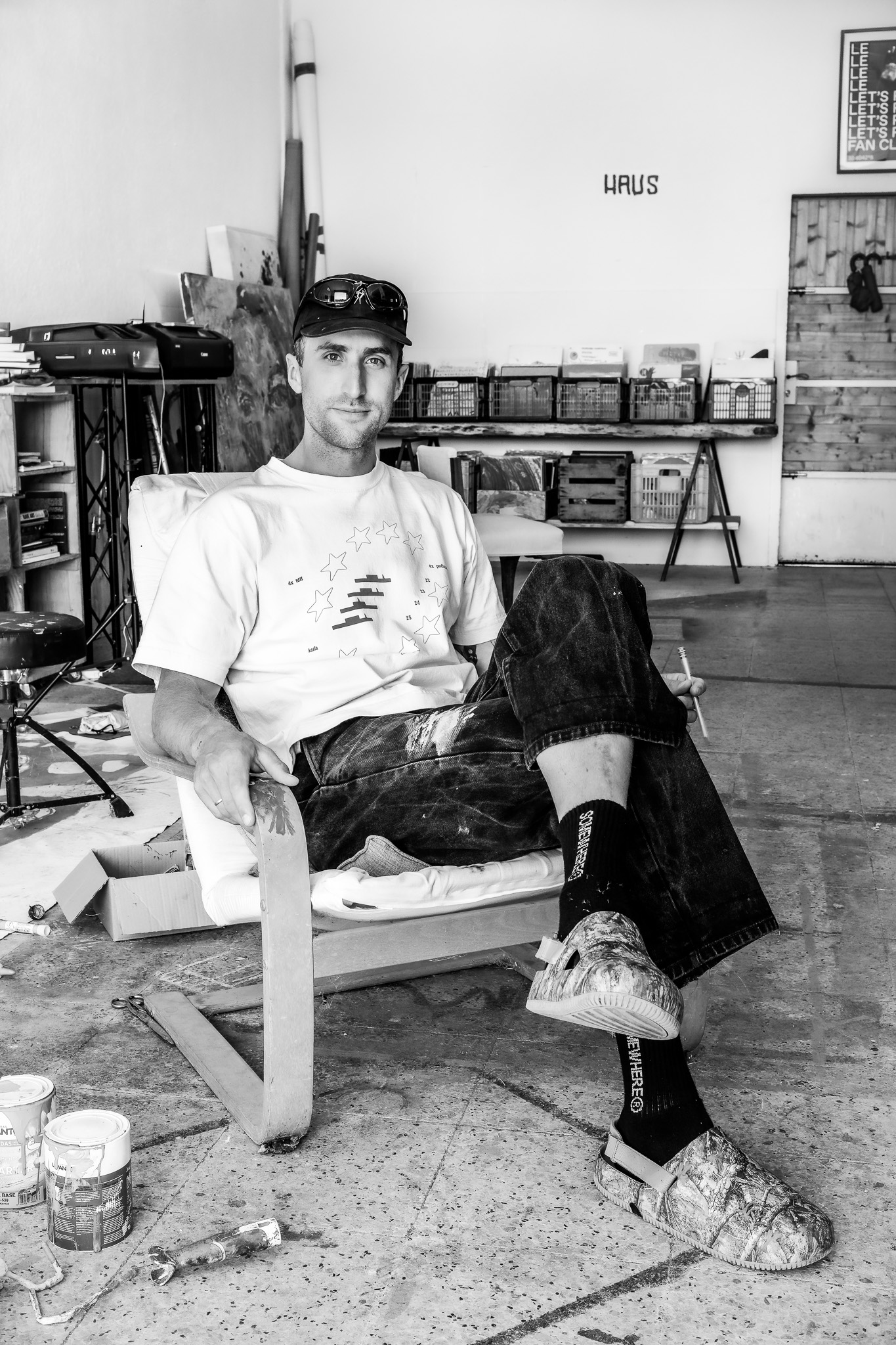
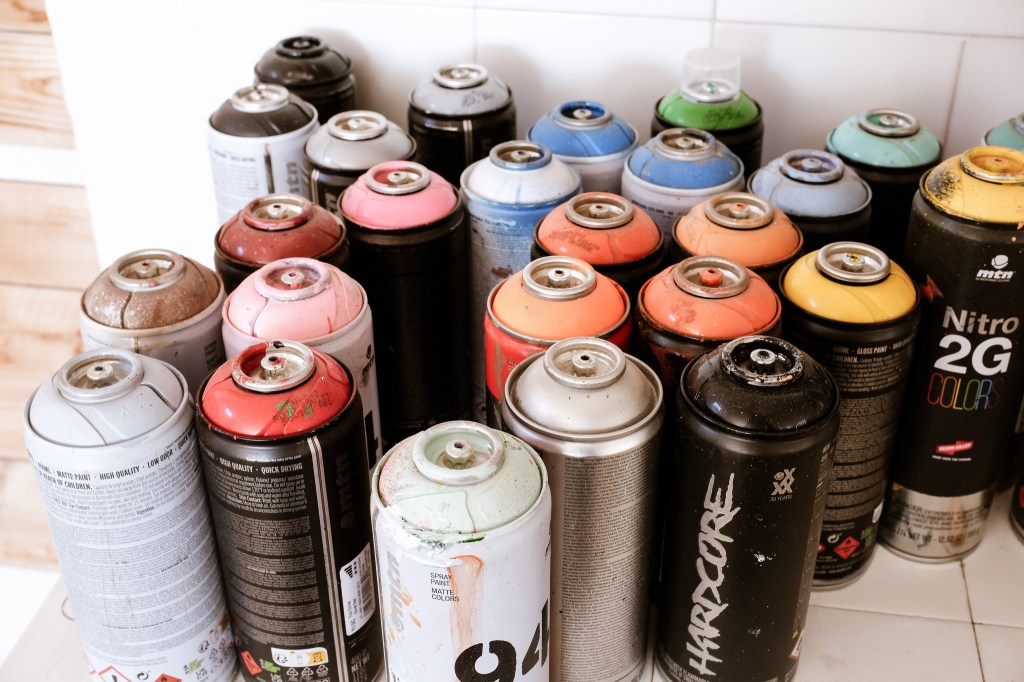
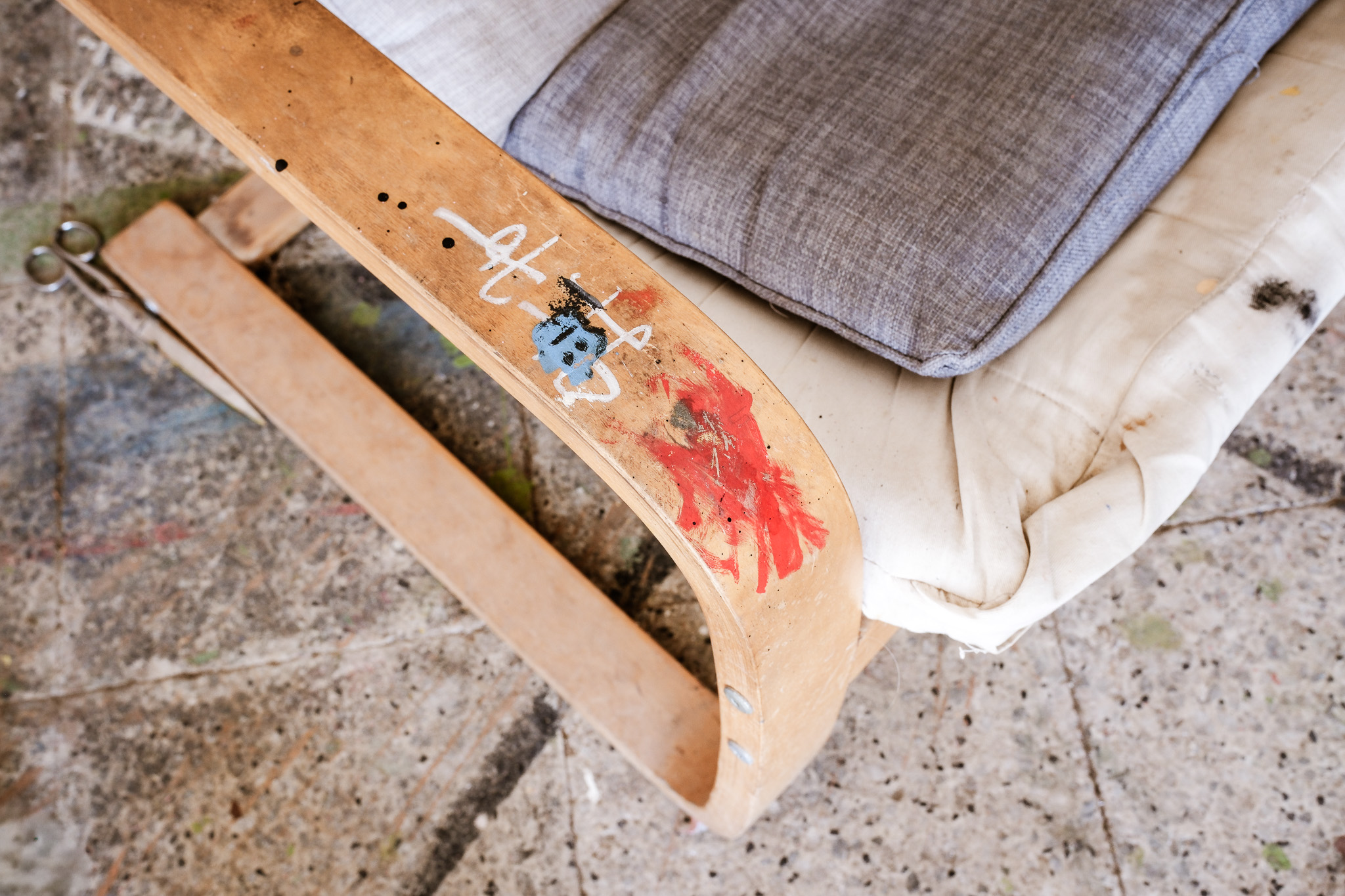
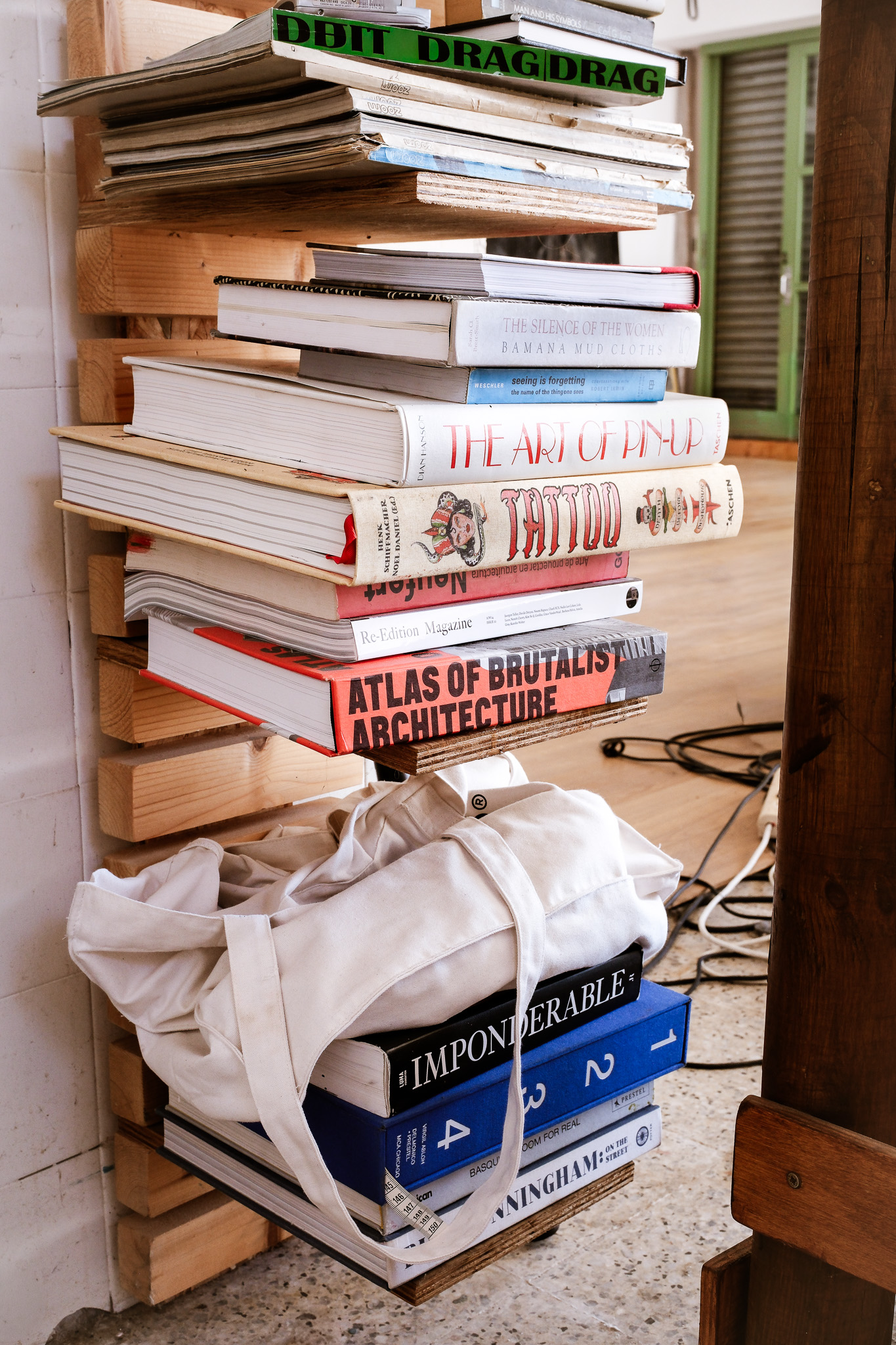
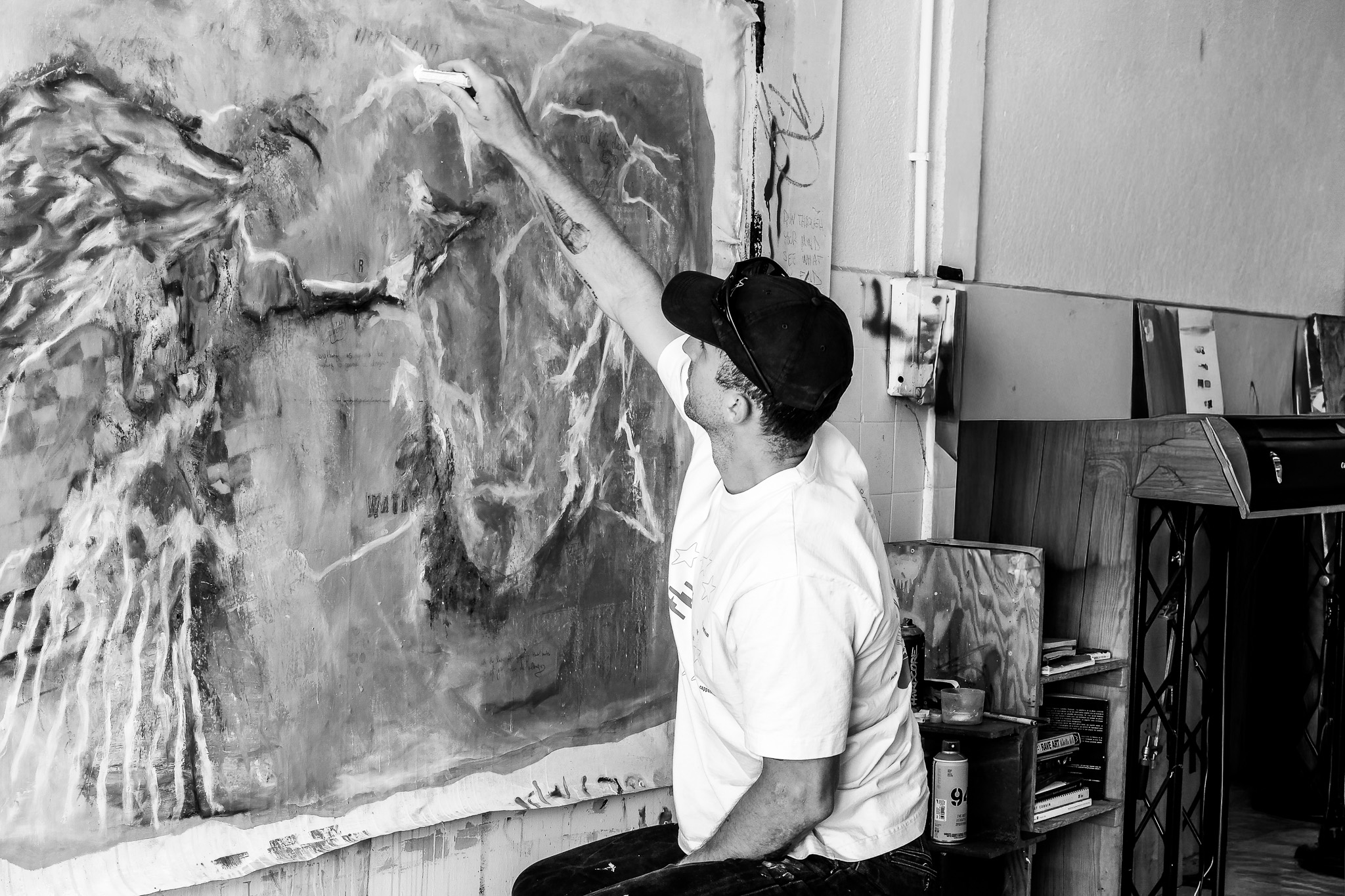
Entering the space he shares with two other artists, on one side serried ranks of canvases are mounted in neat, uniform rows. On the other side—Taylor’s side—the concrete floor is covered by a random assortment of paint and mark-making paraphernalia.

Dragging a couple of chairs over to the wide, sunlit doorway, Taylor apologises for not having any beverages to offer before we sit down and begin to chat. A meandering succession of subjects with Taylor carefully considering each and every response but with a playfulness and candour that draws you in and fixes the attention. A back and forth series of conversational tangents taking in bikes, art, and everything in between.


cyclespeak
I saw the post from last week of you interviewing five-time Tour de France winner Miguel Induráin. You must be pretty fluent in Spanish?

Taylor
Good enough I guess. I miss some of the grammar but I can get across most of what I want to say.

cyclespeak
I’m sure they appreciated you making the effort.

Taylor
I didn’t really have a choice…

cyclespeak
Because he doesn’t speak English?

Taylor
There is that. But what’s funny is they told me they were doing a podcast and I just assumed that they were talking to me. And then, at the last moment, they mentioned it was me talking to Miguel. Just having a chat [laughs].

cyclespeak
From one Tour de France winner to another, you were there when your wife Kasia Niewiadoma won the 2024 Tour de France Femmes avec Zwift with only a handful of seconds to spare.

Taylor
These things are often described as an emotional roller coaster and I was definitely doing some pacing, back and forth, on the mountain. So it was a super euphoric moment for all of us but what I felt most was relief.

cyclespeak
Because Kasia had previously placed so well but never quite got that top step of the podium?

Taylor
She’s always animating a race. And for someone who only seldomly did that, I know how rare it is. And she deserves it because she works super hard. In the same way that all those athletes work super hard. So with her Tour de France win, it was nice to see the chips all fall in her favour.


cyclespeak
As a former World Tour racer yourself, there’s the recognised route of retired professionals going into team management as a directeur sportif. So hypothetically speaking, what kind of DS do you imagine you’d make?

Taylor
I think I’d make a pretty good one. And I say that because I’m a sensitive and empathetic person, which didn’t particularly help me as an athlete but was a big help with the team dynamic. So I find it relatively easy to understand someone else’s perspective and where they’re coming from. And I recognise that I have this ability to bring a group together in an American Football coach sort of way. But, man, sitting in a car, six hours a day, for three weeks?

cyclespeak
Those must be some hard miles.

Taylor
It’s not a particularly healthy lifestyle and I really like to be active and creative and on my own programme. So I’d worry that I’d get back into that bike racer mindset of not really wanting to be there. And I enjoy not having to travel so much and, if I do, it’s pretty much on my own terms.

cyclespeak
So fast forward to the life and times of Taylor Phinney post racing. Can I start by asking whether there’s a routine to each day? A cup of coffee, some breakfast oats, a little workout and then off to the studio. Or would that feel too constraining?

Taylor
Actually, it would be pretty nice if I had more of a routine. But maybe I give in too much to my ADD?

cyclespeak
When you say give in, is that willingly?

Taylor
Probably half and half [smiles]. And a lot of the time I forget what I’m supposed to do. So I have to write it all down.

cyclespeak
So you’re a Post-it person?

Taylor
I have this app on my phone called MinimaList that makes things real easy and I am getting better with time management. But there’s something about the creative process; in that you’re actively trying to get lost. So I guess the trick is to differentiate that from everyday tasks without disappearing down a rabbit hole.

cyclespeak
But those creative tangents can be interesting?

Taylor
They are and I’m fortunate to have the flexibility to follow them. So I guess the only thing that really reminds me of time is my wife.

cyclespeak
And do you welcome that tap on the shoulder?

Taylor
Most of the time, yes [smiles].


cyclespeak
So how do you start your day?

Taylor
We wake up and I make coffee. I used to do meditation in the morning but I found it allowed me to fall into my ADD. As opposed to waking up and just doing something productive.

cyclespeak
Do you consciously decide when to focus on painting, designing for Sponsor Correct, clearing your local trails? Or do you wait until inspiration comes calling?

Taylor
With the trail building, it’s pretty weather dependent. It really has to rain quite a lot for the ground to become malleable. And that’s always a really exciting time for me as it’s probably my happiest place: outside, by myself, sculpting the earth. It’s creative and with this whole other reward process.

cyclespeak
The before and after?

Taylor
That’s part of it. But not only do I get to enjoy it in the days, weeks, months afterwards; you see the whole community returning too. Because the way the trails work is they get overgrown and dirty so people ride somewhere else. But after you work on a section and open it up, the next time you go there you see all these tracks on the ground. And that’s without me saying anything to anybody. This whole word-of-mouth thing that spreads organically.

cyclespeak
From your actions, there are ripples of reaction?

Taylor
Something I strive to be is a people mover: whether that’s through music, organising rides, or trail building. So even if I don’t say anything, I like to see if I can influence the movement of all these different people. But that doesn’t really answer your question about how I prioritise things.

cyclespeak
Which is?

Taylor
The trail building is seasonal. Painting is something I keep more for myself. I do sell some pieces but I’m not actively networking and seeking out galleries in an effort to get my work out there. There’s this whole brand identity side of that which I don’t like so much. And I find that if I start selling more paintings and doing commissions, then I stop thinking about what I want to paint and start thinking about what other people want to see. So, for me, painting is like this creative force that grounds everything else and I do design projects when I’m inspired. Which can often be when I’m travelling and have my computer with me—it’s just so easy to dive in.

cyclespeak
Design work that includes projects like Sponsor Correct?

Taylor
The Sponsor Correct stuff honestly started as a joke. Something I’d wanted to turn into a brand from back when I was racing because we heard it nonstop. Like, make sure you’re sponsor correct because you’re doing this photoshoot or interview. And that always pissed me off because it didn’t leave any room for being original.

cyclespeak
I’ve heard you reference these thoughts before. Kind of a cookie-cutter approach?

Taylor
Which makes sense because all of these brands are paying to have their riders represent them. And I just felt that the sponsor correct thing was so omnipresent within the culture, that anyone involved in bike racing and professional sport would recognise the phrase. A way of conforming and being rebellious at the same time.


cyclespeak
And your music?

Taylor
That’s a vibe. If I’m here in the studio and stuck on something, then I’ll just start playing some music. But that scene is also tied to identity and brand which I’m not searching out too much. And late nights in clubs? It can feel like I’m in some layer of hell at four in the morning. I don’t really party like that—I’m completely sober—and I want to wake up refreshed and ready to ride my bike outside.

cyclespeak
It sounds like you’ve got a lot going on?

Taylor
Sometimes it can feel that way but really, it’s about creating some kind of momentum.

cyclespeak
Without giving too much of yourself away?

Taylor
I’m okay with giving up my energy. It’s more about building this foundation that I can always recognise and get back to.

cyclespeak
So focusing for a moment on your painting, have you ever had any formal training or are you entirely self taught?

Taylor
Self-taught makes it sound like I was reading books [smiles]. But what it actually looked like was revisiting drawings that I’d made as a kid and being reintroduced to painters like early Basquiat. 

cyclespeak
I’ve seen Picasso exhibitions that show work from when he was a student and he’s copying the style of the grandmasters. Which is a natural process as you’re developing your own style?

Taylor
It’s totally natural. Like another of my favourite artists, the painter Wes Lang. He’s from LA and mixes this Native American imagery with a Basquiat type of composition and colour. And I was listening to a podcast where he was saying that he decided on these stylistic references because it was the conversation he wanted to have with that particular artist. And that made me feel more comfortable about my own visual journey. Because, when I first started painting, there were two people I was thinking about and if they would like my work or not. And they were the ghost of Basquiat and this friend of mine that first encouraged me to pick up a brush. So I do believe that it’s not only allowed but also a positive part of the process.

cyclespeak
This dialogue that goes back and forth?

Taylor
Even though it’s in your own head, it still feels like you’re having a conversation.

cyclespeak
In terms of your own visual inspiration, I don’t mean this in a negative way but is that a passive process or do you consciously seek to be inspired?

Taylor
I probably look more actively now. But in the past it tended to follow a familiar pattern of visual diary pages, a lot of stream of consciousness, and improvising colour combinations. Thinking that maybe I shouldn’t do this but doing it anyway because it felt rebellious. Like I would use oil paint sticks and then paint acrylic over the top when the marks were still wet.


cyclespeak
So you were breaking rules?

Taylor
Rules that I never quite understood or mastered [laughs]. And a lot of my stuff kind of happened by accident.

cyclespeak
So does each canvas follow a systematic pattern?

Taylor
I definitely start by drawing or writing on a canvas; I like to have stories underneath the paint that you might not be able to see…

cyclespeak
But you know they’re there?

Taylor
I guess that a blank canvas with one image on top doesn’t tell enough of a story for me. Which is why I like to use spray paint and graffiti markers to add all this texture. And then, when it all gets covered up, my friend David makes fun of me and says another layer [laughs].

cyclespeak
But the layers form the foundation of your work?

Taylor
And oftentimes I’ll strip them back with water or paint thinner—or even just scrubbing at the surface—which allows all this other stuff to come through from before. And if that surprises me, I’ll know that I did the right thing.

cyclespeak
How difficult is it to say enough and acknowledge a painting is finished? Or is there a temptation to keep going back?

Taylor
It’s never easy to know where that line is. Because I look at a lot of in-process pictures of a particular work and I’m like, dude, that would’ve been real sweet if you’d stopped right there. But it’s buried underneath layers of something else. So maybe I need to have 18 paintings up on the wall at any one time and then just bounce back and forth? But I don’t have enough space because they’re usually all quite big. Which is why the bike is a useful tool whenever I have a problem or I’m not sure what the next step will be.

cyclespeak
Is that because the physicality of each pedal stroke frees up the thought process?

Taylor
I’m not quite sure how to explain it but the number of ideas I had mid-race as a professional cyclist that I could never quite recall at the finish…


cyclespeak
Are they always your canvases, even if they’re sold?

Taylor
That’s what I mean about this foundation of feeling comfortable with what I’m creating and not needing to think about someone else’s opinion. Because I’m never going to paint a portrait of your dog as a commission. It’s much better if I do my own thing before seeing whether it adapts in some way.

cyclespeak
You mentioned how playing music can act as a welcome distraction from the creative process. And I was curious regarding the subtleties of reading the room when you’re playing a DJ set.

Taylor
Whether people are moving or not is an obvious sign and you can definitely feel if there’s a vibe. Which is a nice kind of puzzle when you go in this or that direction with your song choices.

cyclespeak
And it’s in real time; unlike painting a canvas where you can put down the brush and step back for a moment?

Taylor
It’s not that I feel rushed but there’s definitely a sense of flow. Which is what I really like about it; this layering of sounds—one after another—which is kind of like my paintings.

cyclespeak
Are you storytelling when you DJ?

Taylor
I’ve been thinking about that a lot recently. And it’s not storytelling as…

cyclespeak
A narrative?

Taylor
It’s more of an abstract way in the sense that you grab peoples’ attention—almost like foreplay—and that’s where you create tension. And then when people are locked in, you don’t immediately give them exactly what they want; this energy is building inside of them and you’re the one that helps them release it.

cyclespeak
That sounds like quite a powerful sensation?

Taylor
I guess that’s why a lot of DJs are perhaps a little egotistical?

cyclespeak
For someone growing up spending their Saturday mornings in record stores, can I ask whether vinyl is still important or is everything now digital?

Taylor
It’s relatively niche but that’s the way it all got started and you now get music labels that are releasing vinyl-only DJ records to be played in a club. There’s only one or two tracks on each side with a minute of kick drum which makes them easier to mix. And it’s a lot nicer to look through a crate of records as opposed to scrolling through a digital playlist.

cyclespeak
The physicality of the process?

Taylor
There’s no need for screens. Just the needle, the wax and the mixer.


cyclespeak
Returning once more to Sponsor Correct, I’m sure they were flattered—at least I hope they were—but did Pas Normal respond in any way when you dropped your Pan Normal shirt?

Taylor
The only feedback I’ve received has been positive. And I’ve been told that a few people at their head office have the shirt.

cyclespeak
They do say that imitation is the sincerest form of flattery.

Taylor
What I find funny is there are people who love PAS and only wear PAS. And there are people who hate PAS and everything associated with the brand. And the reason that Pan Normal works is that both groups, from either extreme, want to buy the shirt.

cyclespeak
So in that Venn diagram, where the two circles intersect, sits Taylor Phinney and Sponsor Correct?

Taylor
Yes [laughs]. And to be honest, you could argue that both of those groups are a little ridiculous.

cyclespeak
Does that viewpoint reflect your take on Pas Normal or because you don’t like extremes?

Taylor
I think there’s something cliquey about most worlds. And if you take cycling brands as an example, much of the high end apparel is made in the same factory. So if you’re an X guy and you’re hating on the Y product, oftentimes you’re wearing the exact same piece of kit. It’s just branded differently and that’s what you’re buying into. Which I find really fascinating.

cyclespeak
The emotional connection with brands that an individual favours?

Taylor
I had this friend who only wore MAAP and, for whatever reason, hated PAS. But he bought every single one of my Pan Normal shirts and then he posted this photoshoot on his Instagram feed—shot in a very PAS style—of him fully decked out in Pas Normal. So that got me thinking that I’m doing a pretty good job in marketing these guys. And that maybe, if you hate on something so much, you kinda want to be part of it but you’ve already declared you don’t like it. So I do question whether the stuff that I make bridges this gap and creates some magical space in between.

cyclespeak
I get the impression that you’re having fun with Sponsor Correct?

Taylor
Having fun and learning at the same time. Because in a similar way that we mentioned having a dialogue with the work of artists we admire, studying how brands communicate their own identity and message through their designs—placement, size, fonts—has really taught me a lot.

cyclespeak
Skills that you used to create your Kasia Cappuccino shirt?

Taylor
David was an industrial designer and he got me started with Illustrator. So yeah, I can now create my own designs but I probably don’t know 80% of what the program can do. Which is why I have my own work arounds to figure things out.


cyclespeak
I listened to a podcast recently where you started listing the bikes you own and then kept remembering another one and another…

Taylor
Yes [smiles]. I’m not particularly good at selling bikes but that being said, I really don’t need any more.

cyclespeak
So it’s now a case of one in, one out?

Taylor
There are some bikes that I’ll never part with, like the Raleigh over there. A 64 cm frame that I picked up in Belgium and built up with 10-spd Dura Ace and longer brake calipers to allow for some bigger tyres.

cyclespeak
So are you a bike tinkerer? In the same way you see pictures of Lachlan Morton’s garage and he’s working on all these weird and wonderful bike builds.

Taylor
That’s definitely me but I find it easier to tinker with older stuff. With the newer stuff, I can’t resist testing the boundaries of what a bike can do…

cyclespeak
Is that test or push?

Taylor
It’s probably both. And goes back to the cycling cliques—do you ride in PAS or MAAP—and the viewpoint that if you’re mountain biking you wear the same type of kit, ride similar bikes and talk about the same stuff. But if you ride gravel or road, then that’s another aesthetic you all share.

cyclespeak
And you?

Taylor
I grew up riding gravel on my road bike before gravel was even a thing. So I’ve always wanted to mash up as many things as possible; fusing different riding styles and confusing those looking on.

cyclespeak
Which is why—and I do mean this very respectfully—you rode Badlands on a spectacularly inappropriate bike?

Taylor
Yes. But I was comfortable.

cyclespeak
I imagine so. Up to the point you nearly ripped your toe off riding in sandals and had to cauterise the wound with your pocket knife.

Taylor
That was because I threw away my Vans [laughs]. I definitely took way too much stuff on that trip. And if I was going back, I’d probably ride what I call my gravel plus bike which is a drop bar mountain bike. And the reason for that is my ten thousand hours are in a drop bar position. Something I wouldn’t have admitted five years ago.

cyclespeak
But you’re now able to embrace?

Taylor
I like to play with things and I also like to play with peoples’ expectations and, in doing so, break some norms. Because everyone is so traditionally rooted in what they think they’re supposed to do within whatever clique speaks to them. So when you show up to a gravel ride and you’re riding on flat pedals wearing Vans, everyone is woah, man.


cyclespeak
And cycling is full to the brim of cliques and unspoken rules.

Taylor
But when you get to the coffee shop and people are walking around like ducks and I’m just like a normal person, which one of us is weird [laughs]?

cyclespeak
I remember when Gus Morton brought out his Outskirts films, it was like a lightbulb moment. That whole tee over bibs vibe.

Taylor
Those guys had a huge influence on me for sure.

cyclespeak
Which was also the case for the EF Gone Racing films that you, yourself, featured in.

Taylor
I’ve heard that from a few people recently. How watching those films totally changed how they rode a bike.

cyclespeak
Generally speaking—with maybe the exception of Unbound where you had countless flats—you all looked like you were having fun. And it wasn’t solely super serious with a focus on results alone.

Taylor
That’s about the size of it [smiles].

cyclespeak
You’ve talked about how the bike offers a means of escape. And you’ve also mentioned how you often get inspired when you’re out riding. So do you ever switch off?

Taylor laughs and thinks for a moment

Taylor
I would love to hear my wife answer that question.

cyclespeak
What do you think she would say?

Taylor
Maybe that I’m in a state of sleep-mode at all times? But no, I’m a creature of inspiration and curiosity. So whenever that strikes, I’m on. Mixed in with periods of feeling a little lost and overextended. Which is usually fixed by spending a couple of days on the couch.


cyclespeak
In this age of social media and from the outside looking in, it might appear that life and living is—not easy—but pretty good.

Taylor
I definitely live a very privileged lifestyle. In the sense that I get to come here and do what I want to do. And it’s fairly easy for me to connect with brands and make things happen. But saying that, I don’t think anybody’s life is like riding a rainbow.

cyclespeak
That’s something that Sami Sauri often mentions. That people think it’s all flowers and unicorns when it’s actually a lot of hard work.

Taylor
I can hear her saying that [laughs].

cyclespeak
I suppose for many people, a vast majority of their life decisions are made for them: a job that might not particularly inspire, mortgage payments to meet, a family to care for and nurture. Whereas on the flip side, always having to determine the next project or collaboration can also bring its own set of challenges?

Taylor
Personally, I prefer that to having a 9-5 to bang up against. But it’s been a learning process that I’m no means close to the end of. How to string a bunch of things together to pay rent and buy my wife presents.

cyclespeak
Buying your wife presents is nice though.

Taylor
It is. Being with Kasia makes me very happy and I get to come to the studio, do my thing here, and the trails are amazing whichever direction you go. And for me, that’s enough.

Taylor Phinney / Sponsor Correct

All photography by Chris Hargreaves