Image

Saskia Martin / From behind the lens

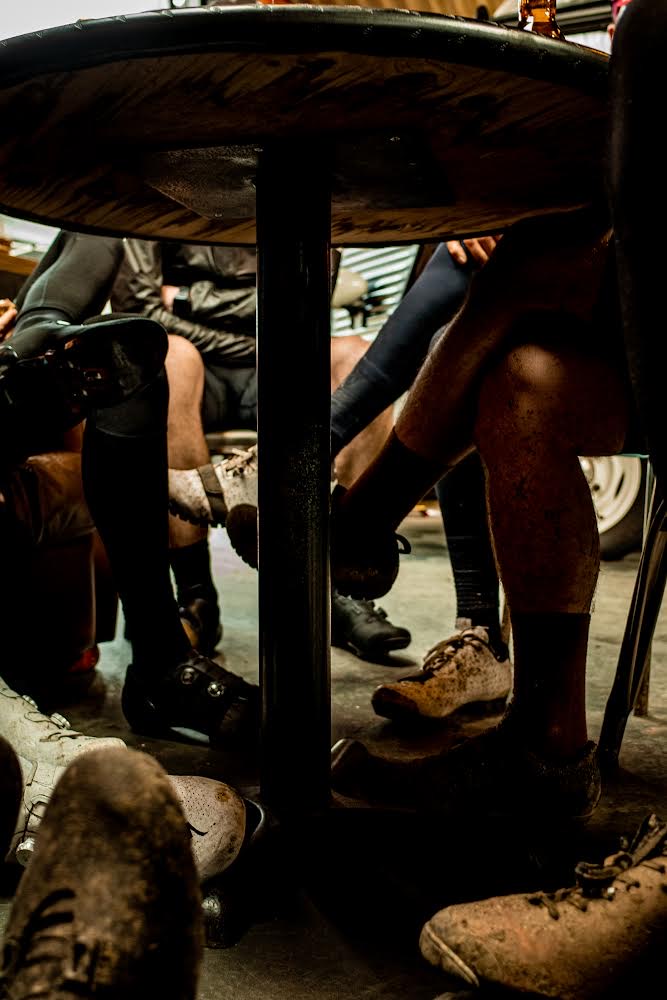
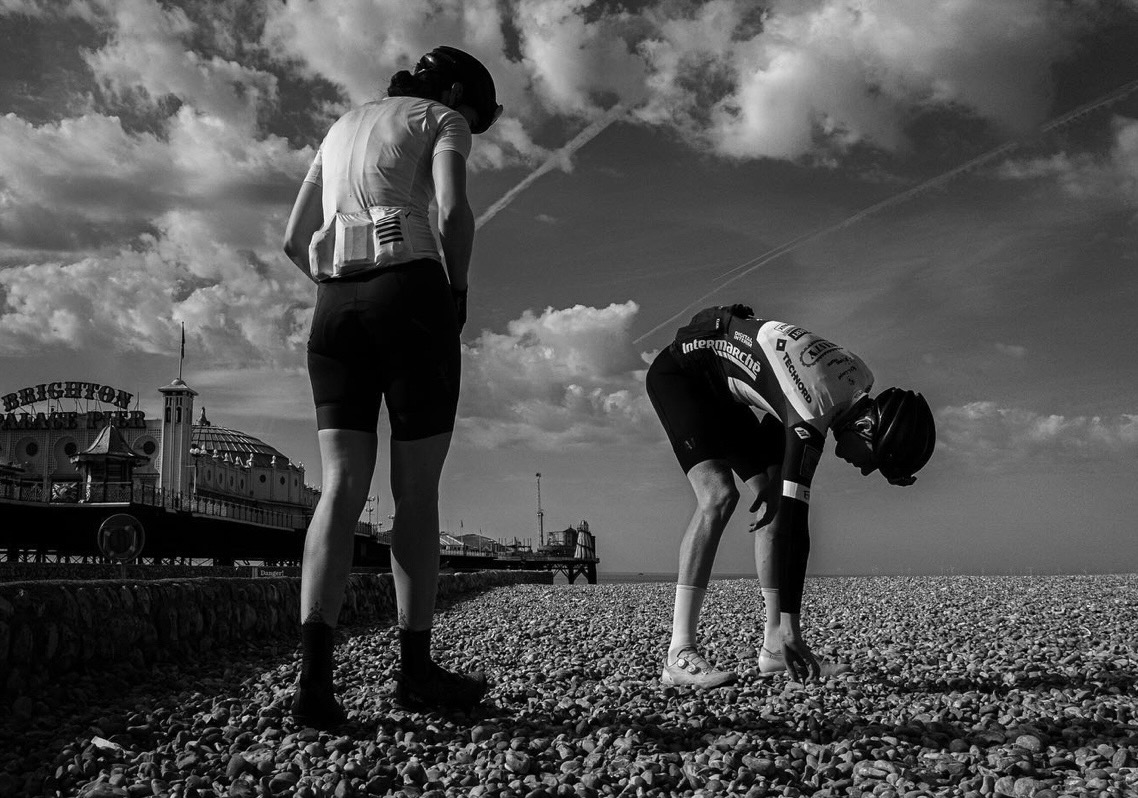
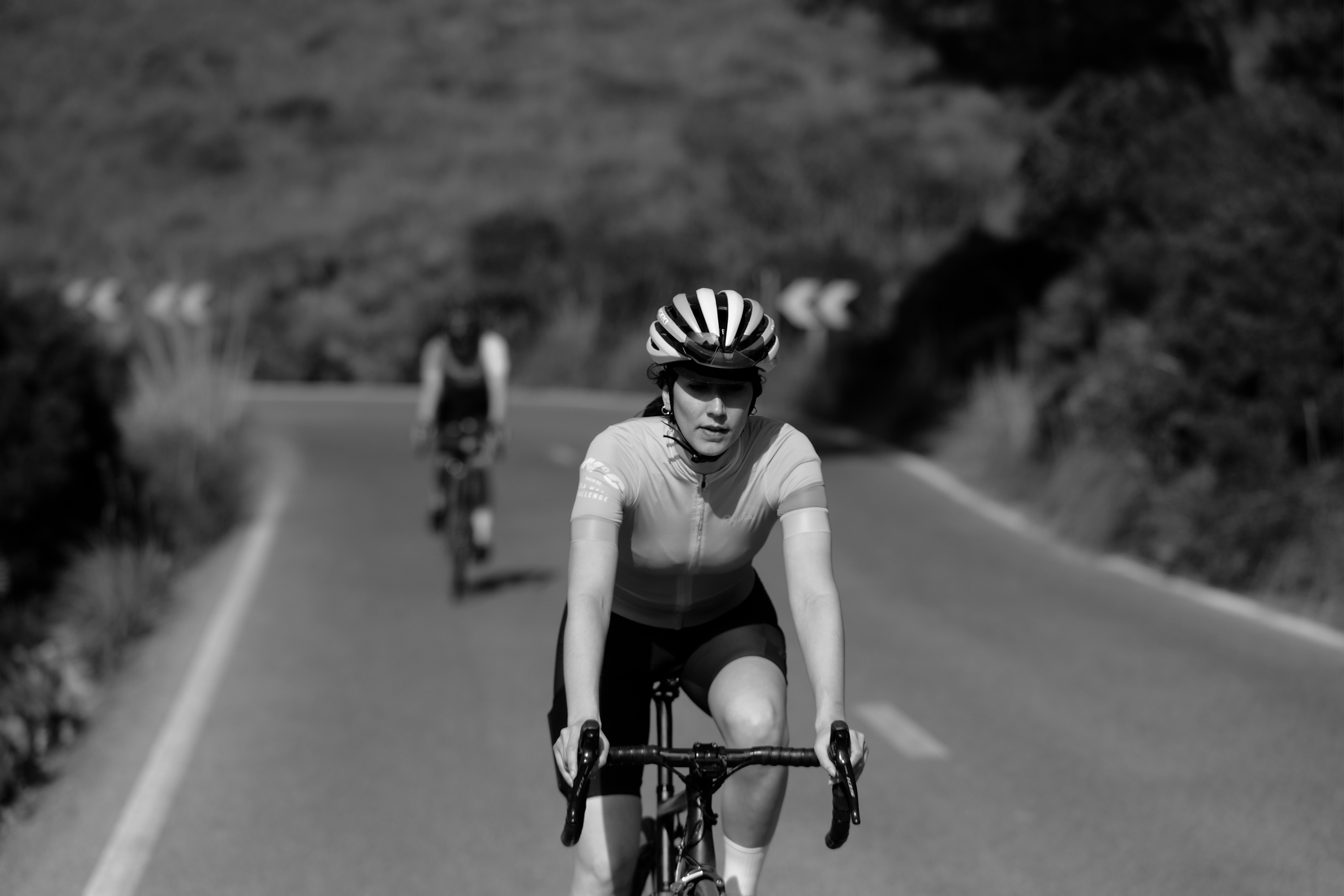
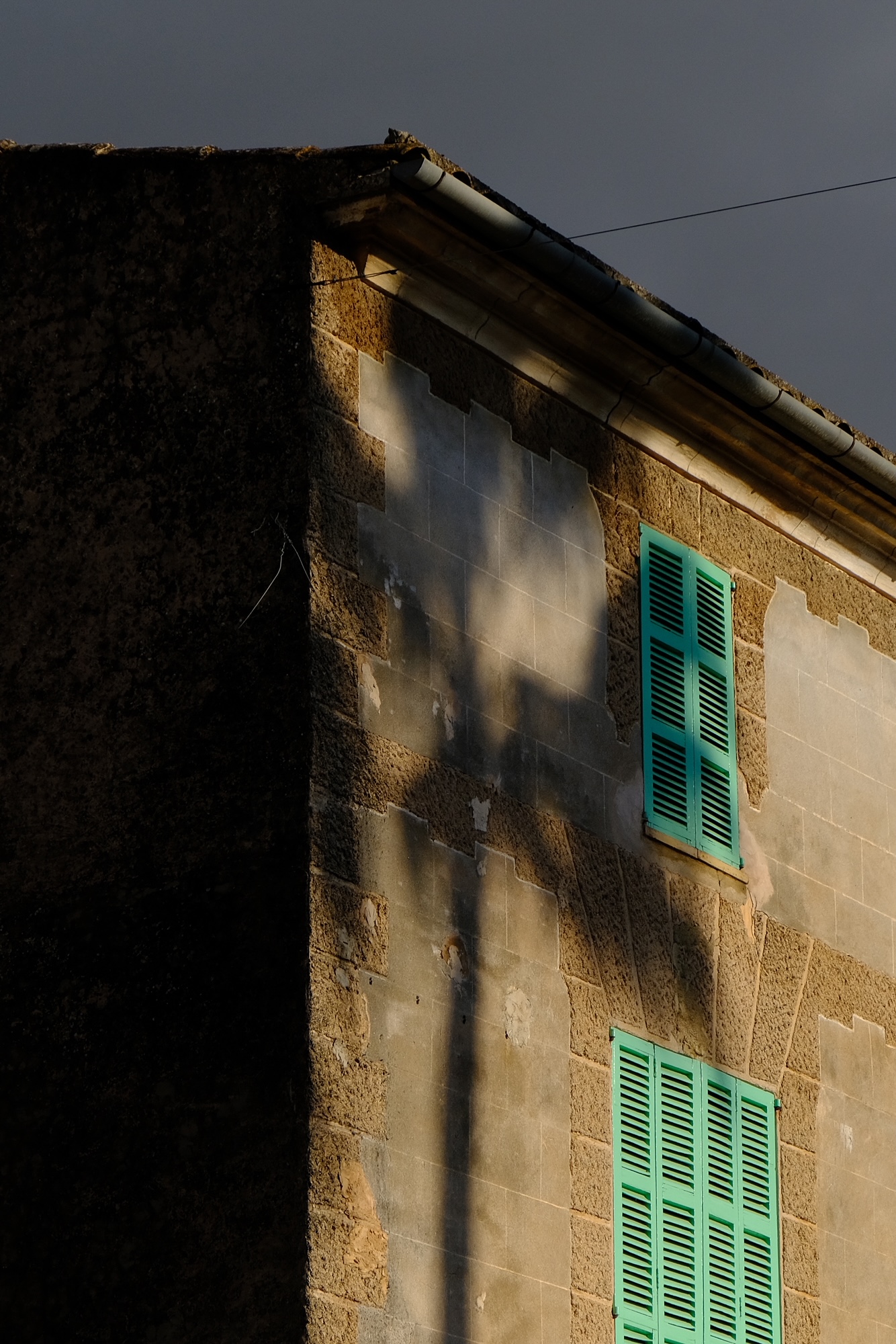
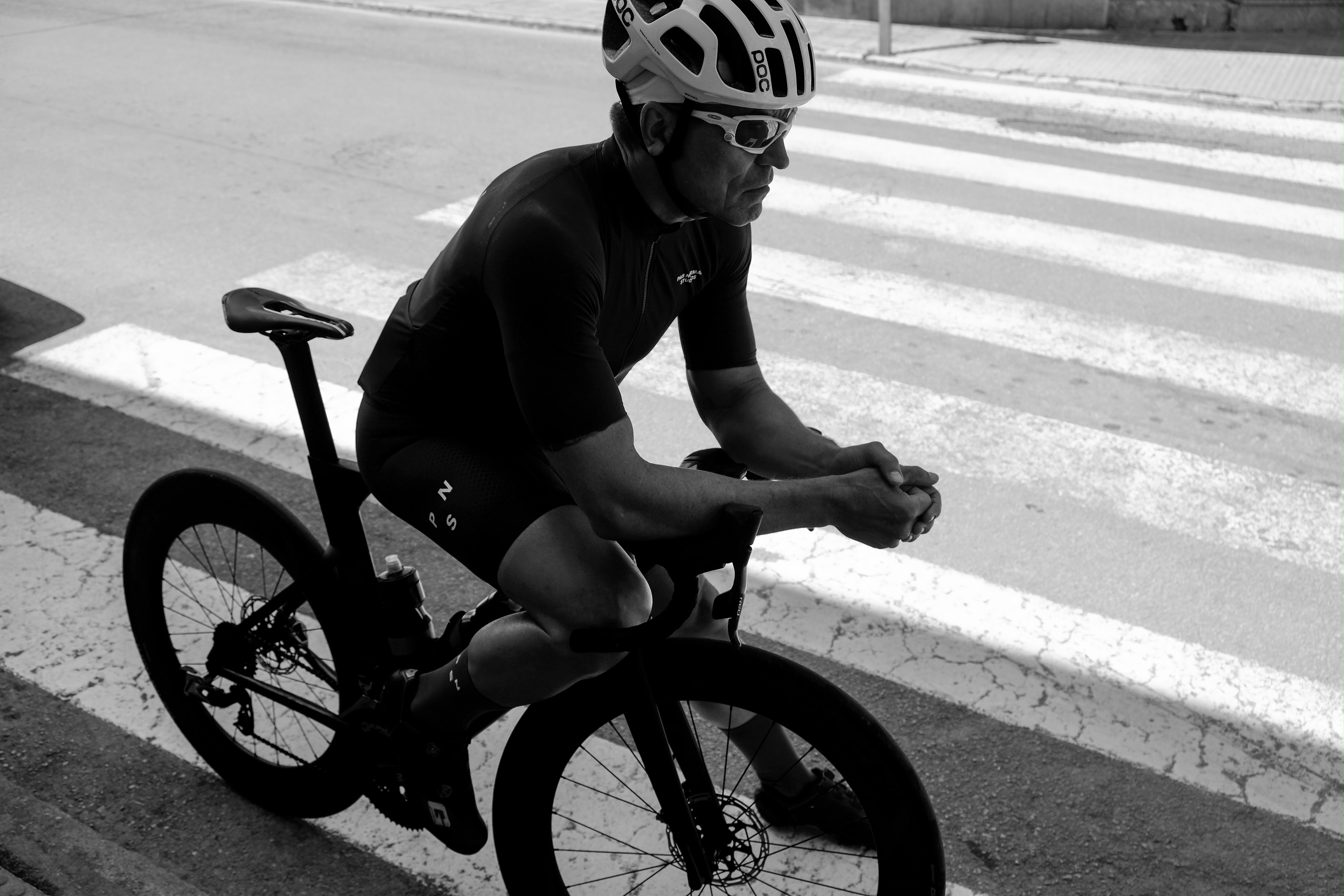
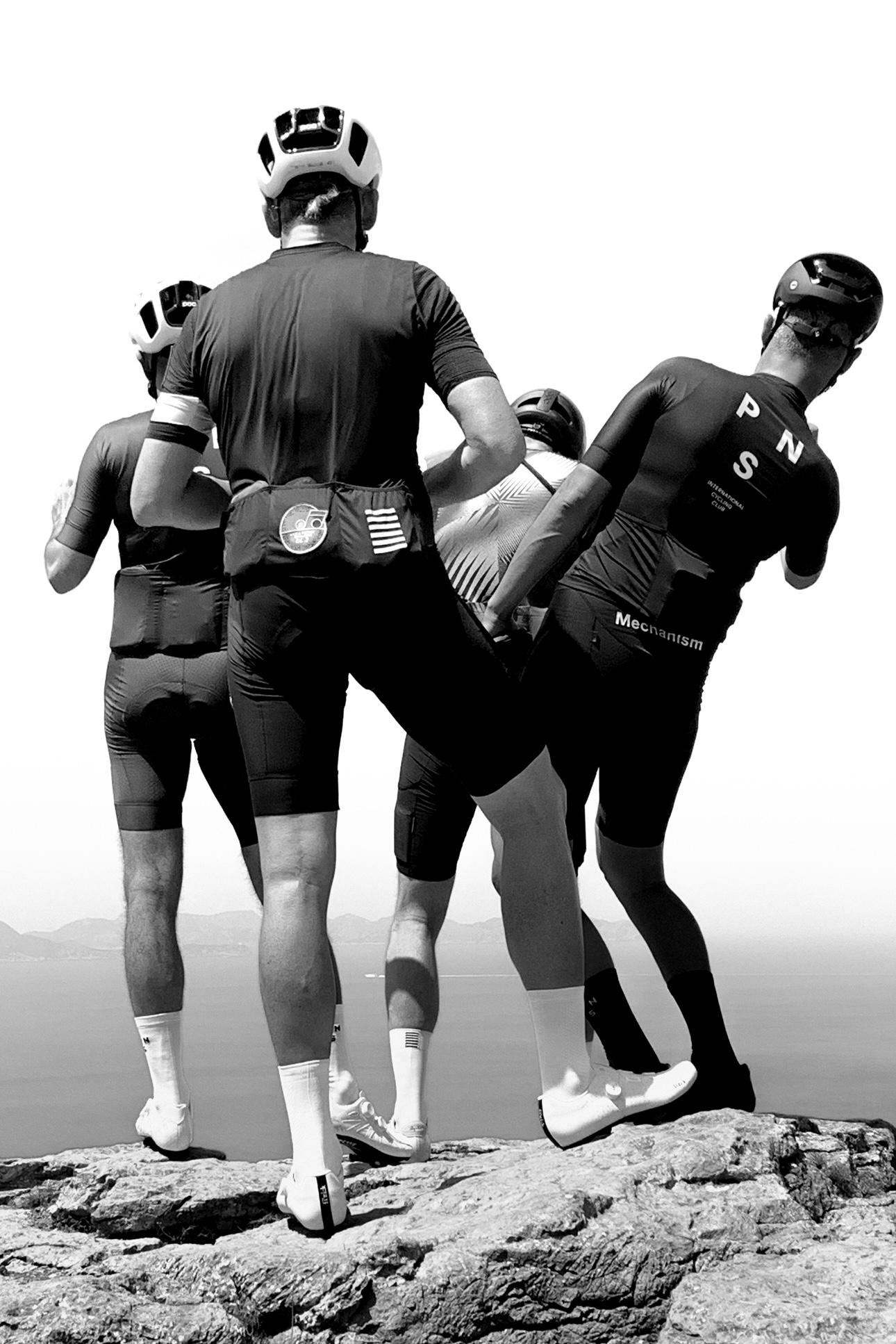
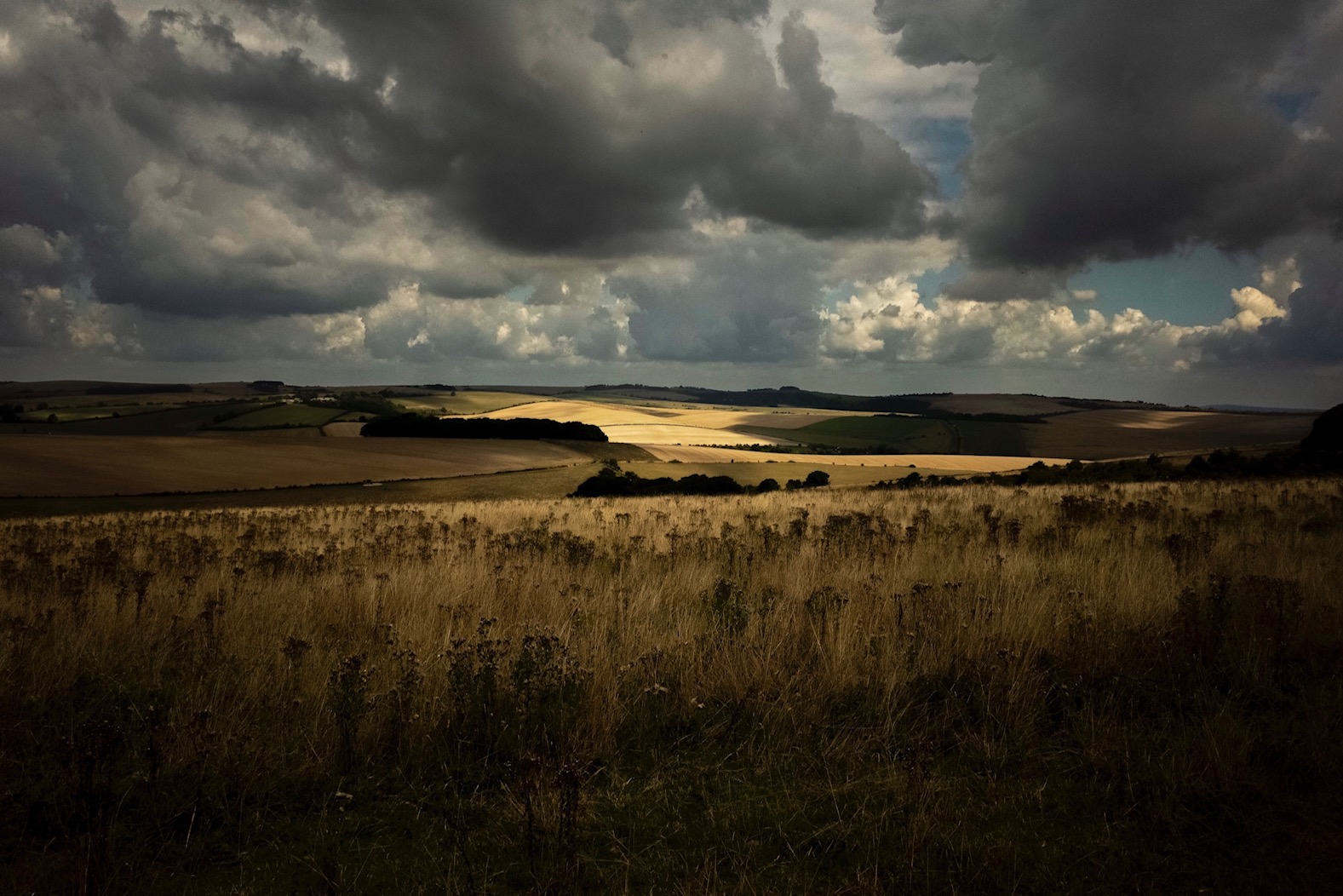
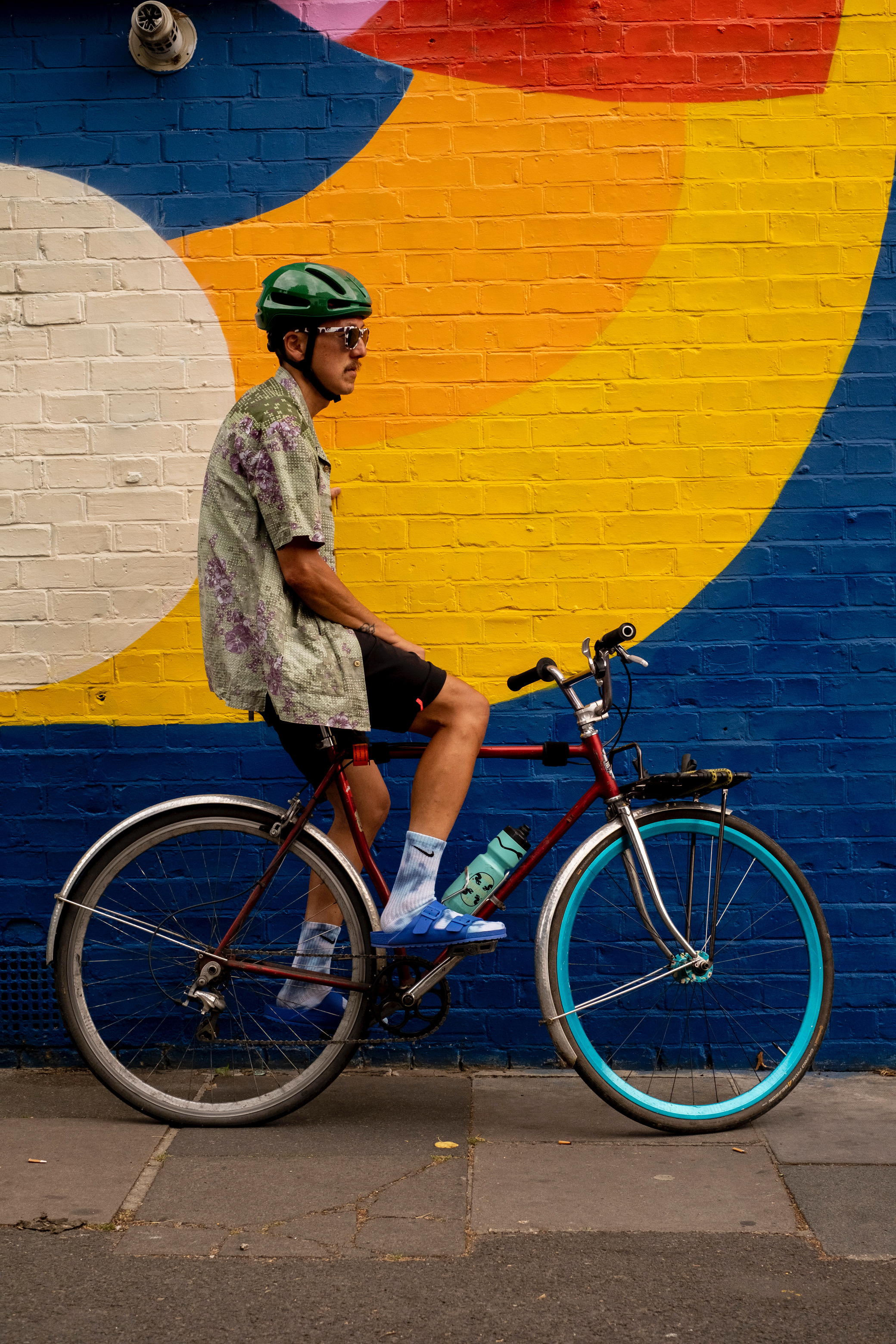
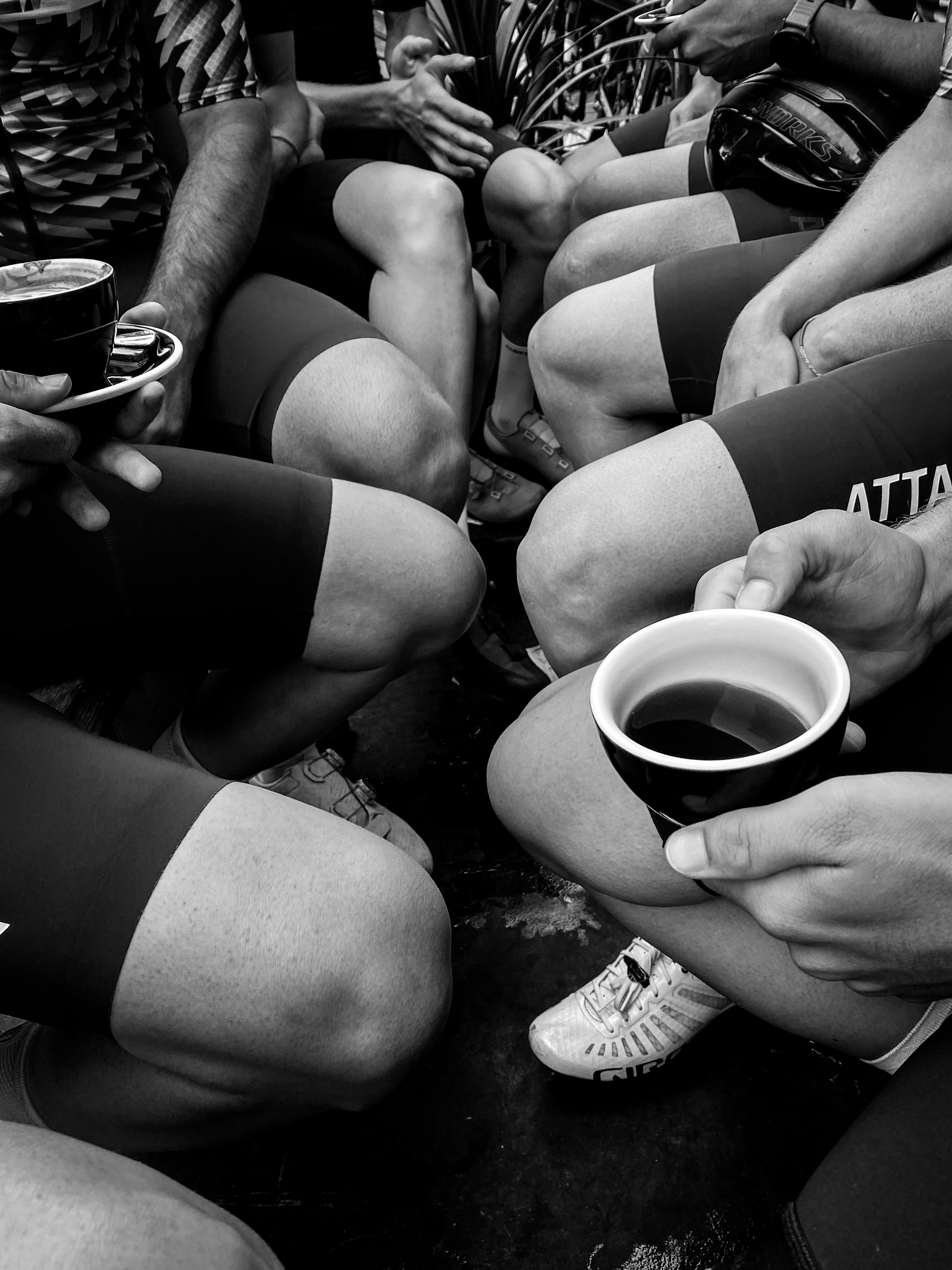
Harvest hills of golden wheat. A below-table tangle of bare legs and bib shorts. Helmeted heads silhouetted by shadow. Themes that feature regularly in Saskia Martin’s carefully observed and playful photography.

Having spent the past decade documenting her rides in and around London, commissioned projects have followed as Saskia combines her passion for the medium with the professional requirements of delivering a brief.

Interspersing a photo essay of recent work, Saskia frames this creative journey with references to her own riding, the visual language she employs in capturing a moment, and her innate love of telling stories.


Riding

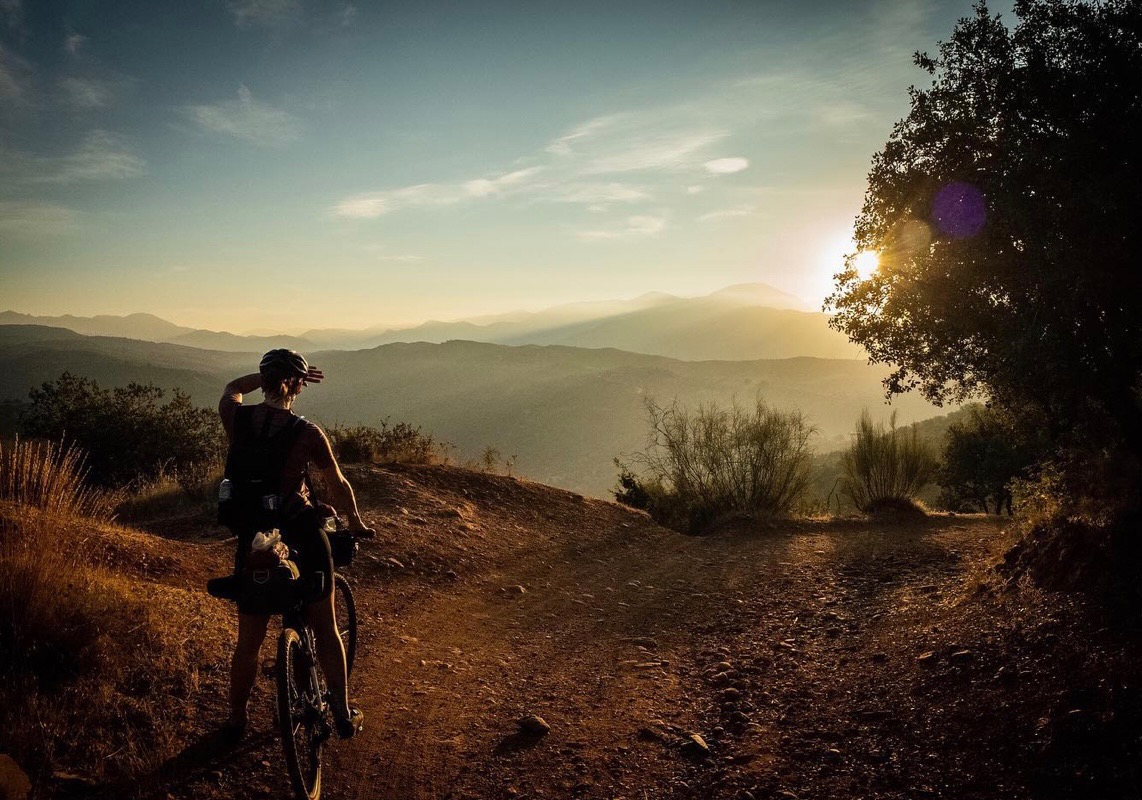
This time last year I’d boxed up my bike before travelling to southern Spain. I’d lost my cycling mojo and decided the best place to find it again was riding the Badlands route with my friend Kat.

My mojo proved elusive on the dry, dusty trails so I guess I’m still working through a mid-bike crisis. But treating myself to a new mountain bike has proved motivational in terms of wanting to use it. My first time out, riding up a hill, I had this sudden moment of clarity—like I was sitting in a favourite armchair.

Work

One of the hardest decisions I’ve ever had to make was leaving my role as Product Developer for Rapha after three and a half, happy years. As you can perhaps imagine, lots of tears.

I’ve left behind what feels like a family of colleagues but it just felt like it was time for a change. And as I’m now working for Apidura, cycling continues to play a huge part in my life.

We’re a fairly small team based in Camden and I just love it. There’s a real focus on functionality – solving design problems which is very much me – and as I ride to work each morning through the city streets I look forward to what each day brings.

Picking up the camera

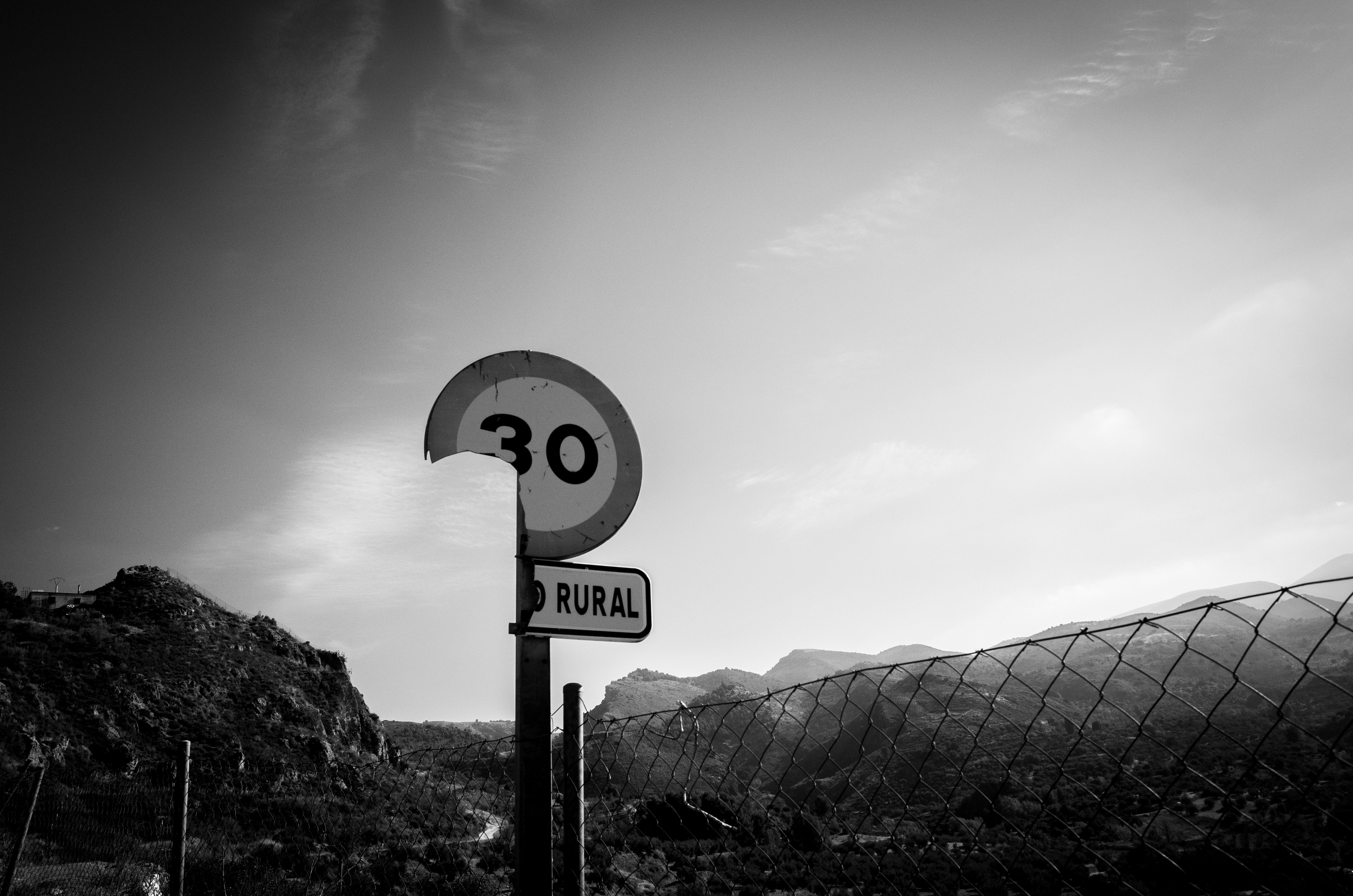
My introduction to photography was through my iPhone. Taking pictures of friends out riding or at a coffee stop. It’s rather a cliché but I just love storytelling and this translates to certain rules I have when posting multiple images on social media. They have to be in chronological order and not every photograph necessarily needs to include someone on a bike. I get a kick out of portraying the little details that inform the bigger picture.

I’ve since upgraded to a mirrorless camera system as I transition into commissioned projects. It’s been quite a creative journey since my first ever photographic gig shooting my best friend’s wedding. I felt like I was getting married with the amount of stress I was feeling.

Inspiration

I love making a brand’s vision come alive and delight in the outcome of the process—that first pass through the images and the editing that follows. But then you also have the occasional crisis in confidence which, talking to established photographers, isn’t that uncommon. Looking back and thinking how you would change this or that.

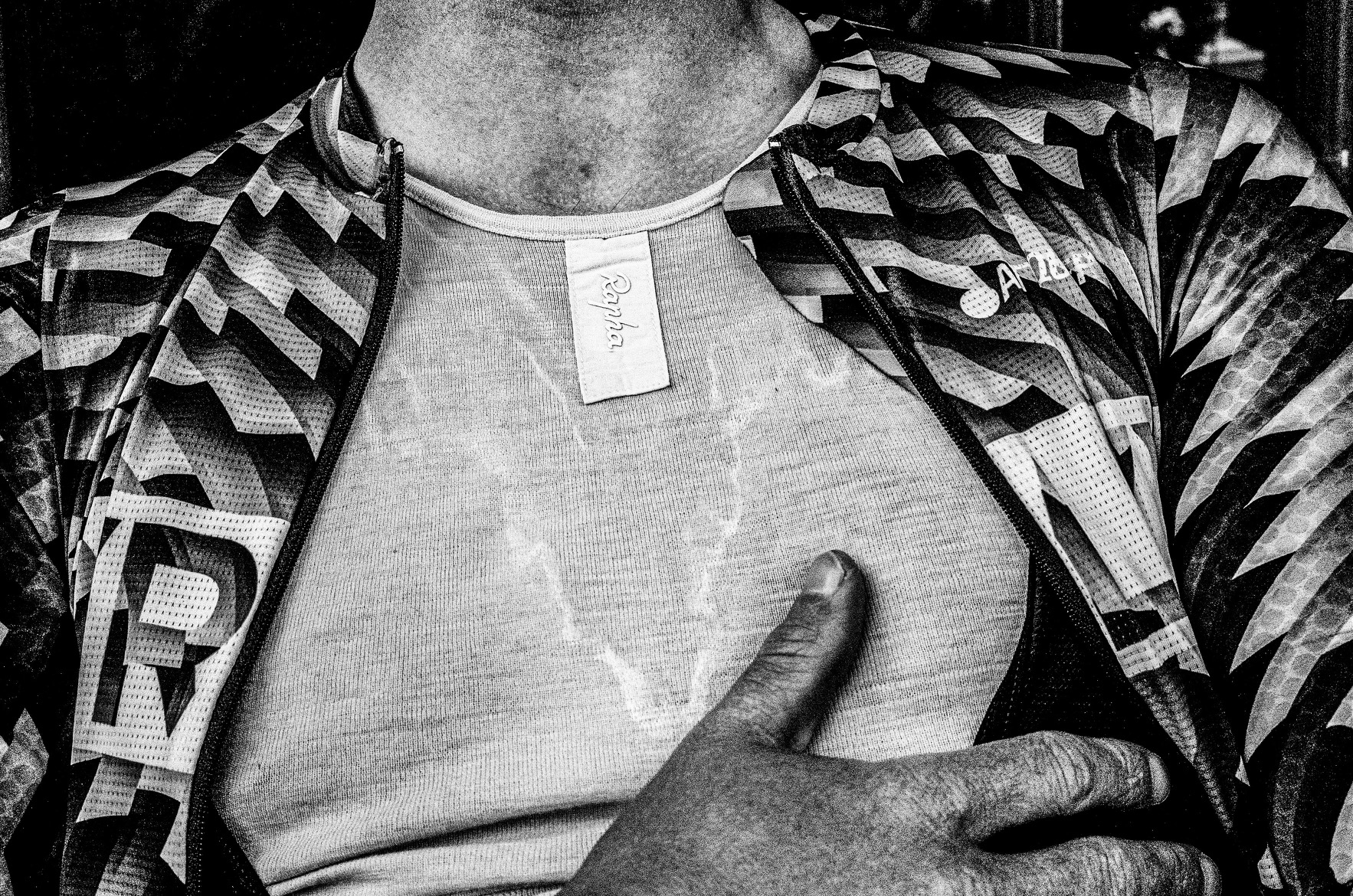
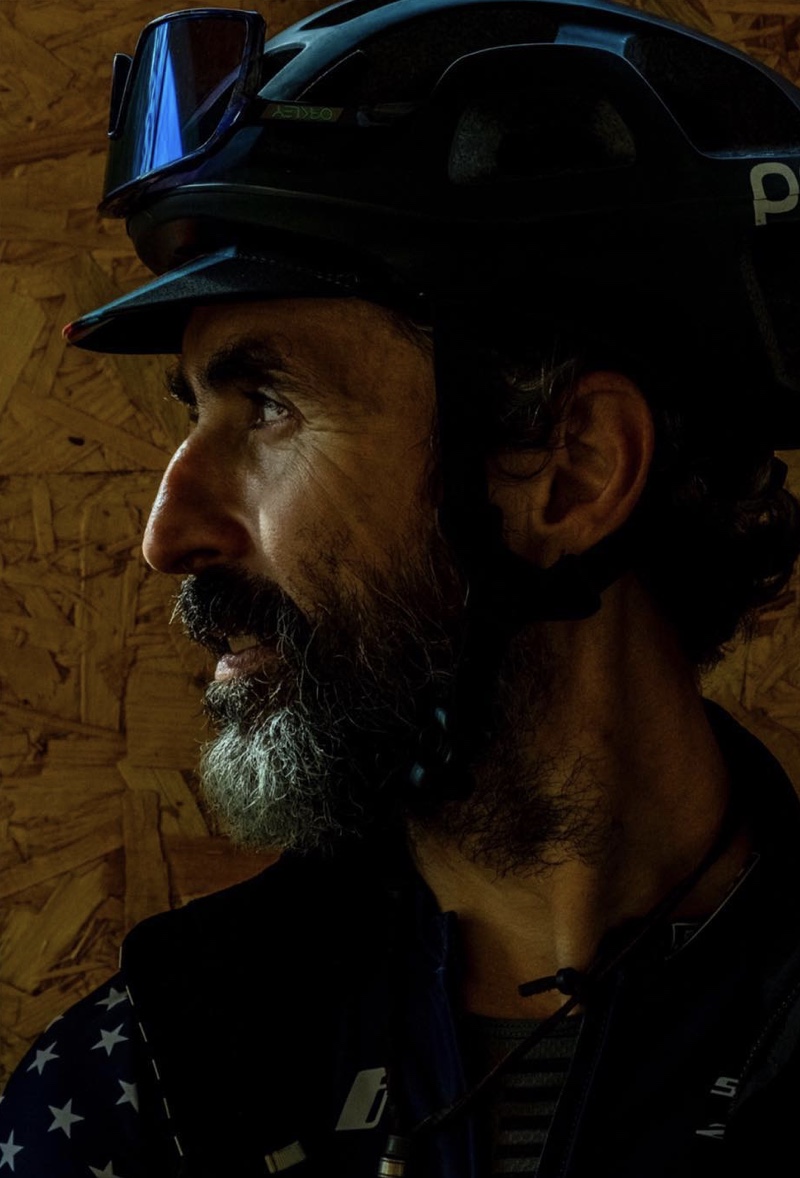
I get a lot of inspiration from how the cinema portrays light and colour. And I’m instinctively drawn to what some might consider to be imperfect images—if there’s a blur or the composition isn’t classically two thirds. I have a penchant for capturing parts of people rather than a full head-to-toe shot. Hands are so expressive and my friends are now accustomed to me photographing their legs and feet.

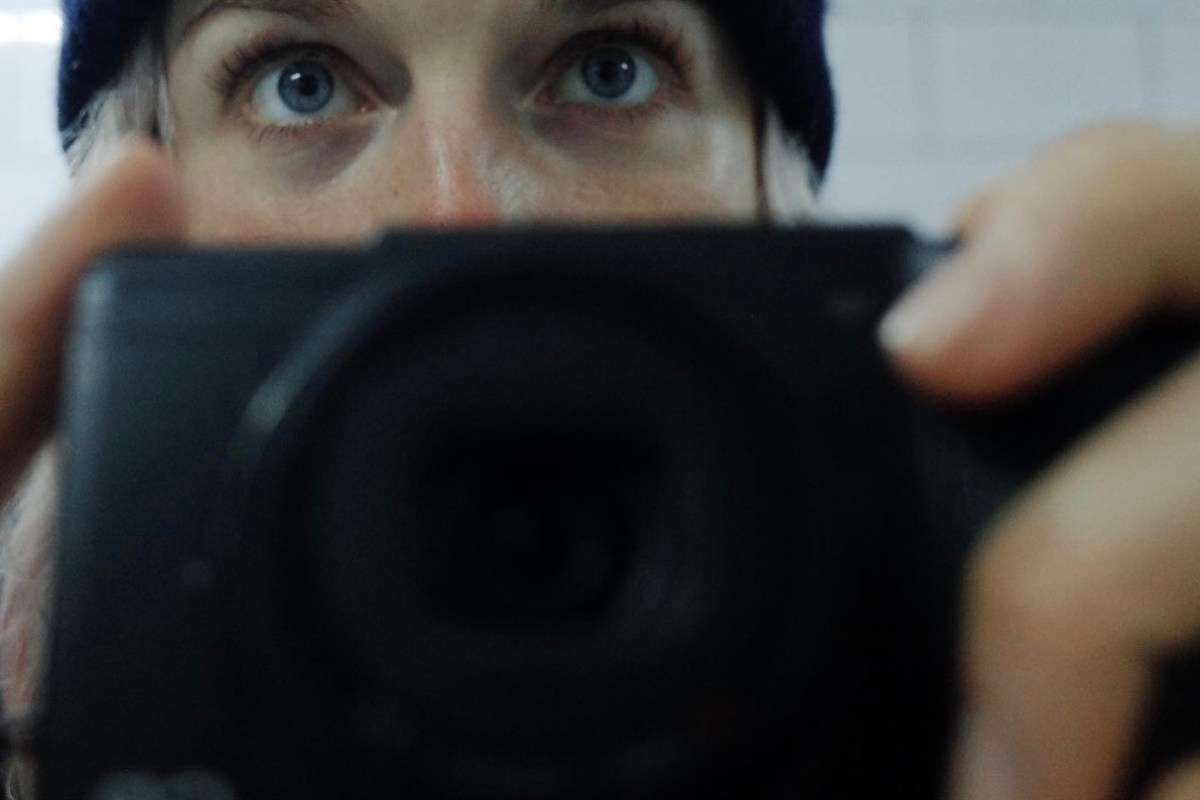
I’m not one for grandiose statements but, to me, my pictures feel like curated art and artists always title their work. So I do carefully consider the words I use to accompany a post. I’m not particularly comfortable in front of the camera but I’m happy to be seen through my work. And maybe this combination of words and images can engage or even inspire for a moment?
All images with kind permission of Saskia Martin

Image

Jochen Hoops / Mallorca

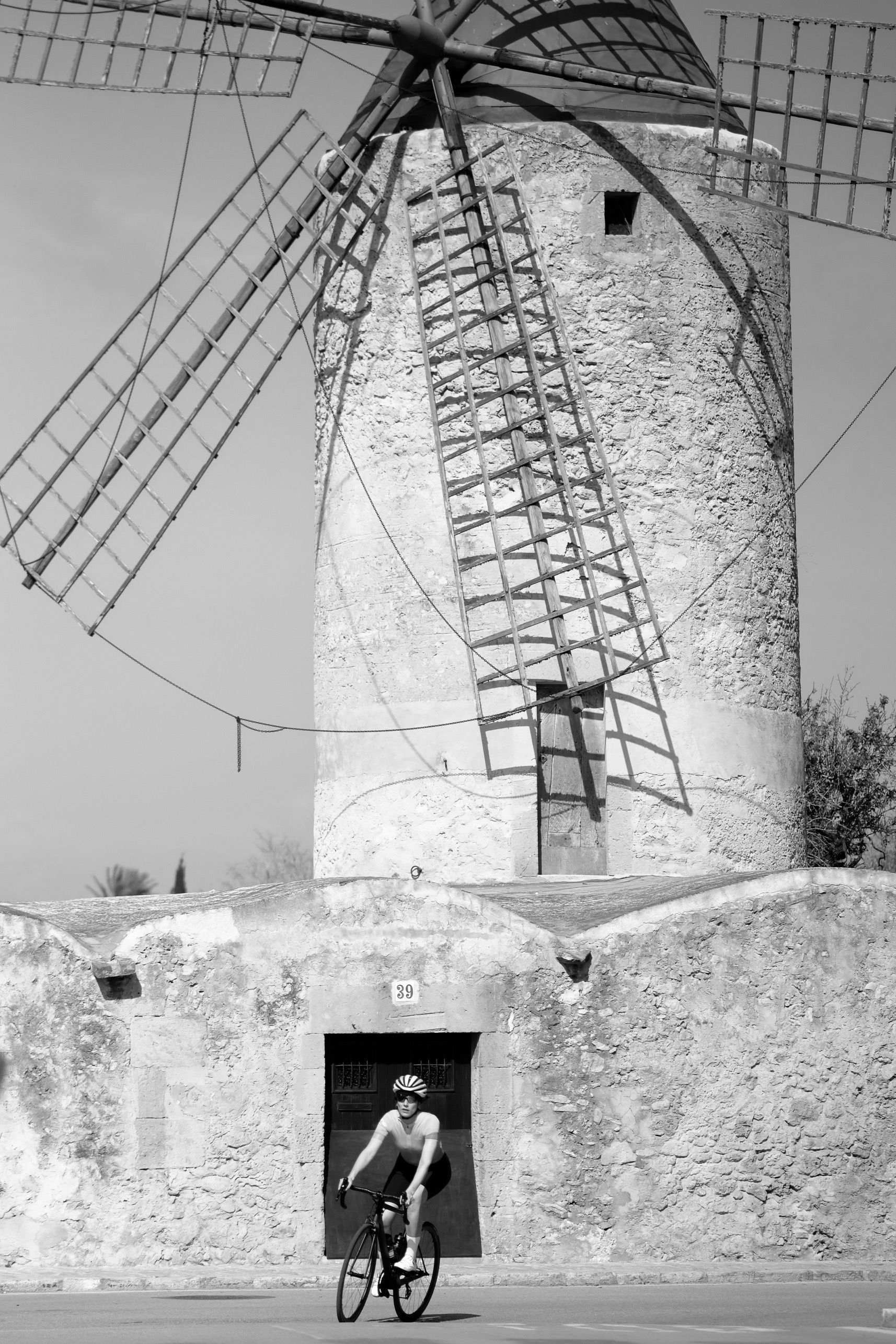
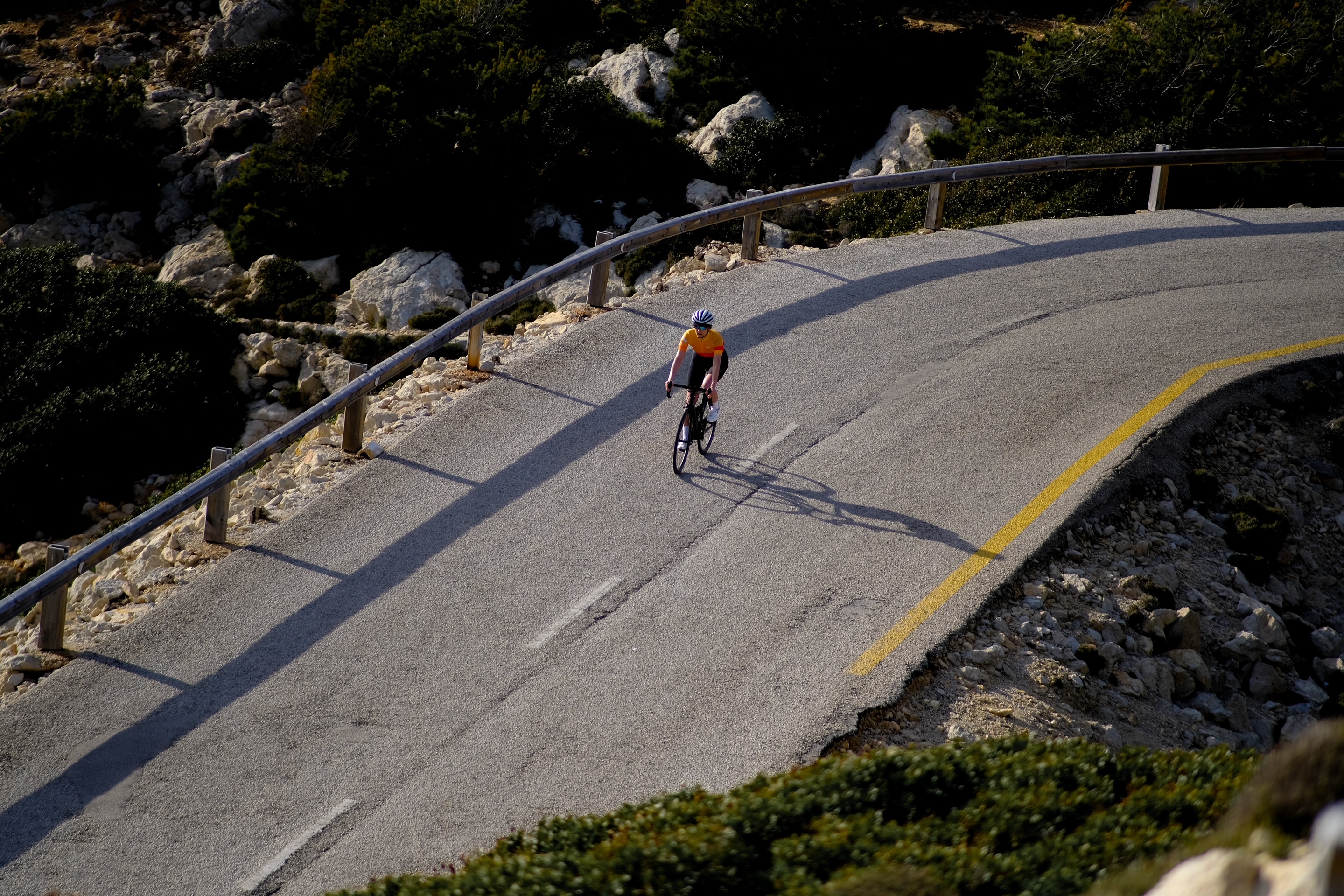
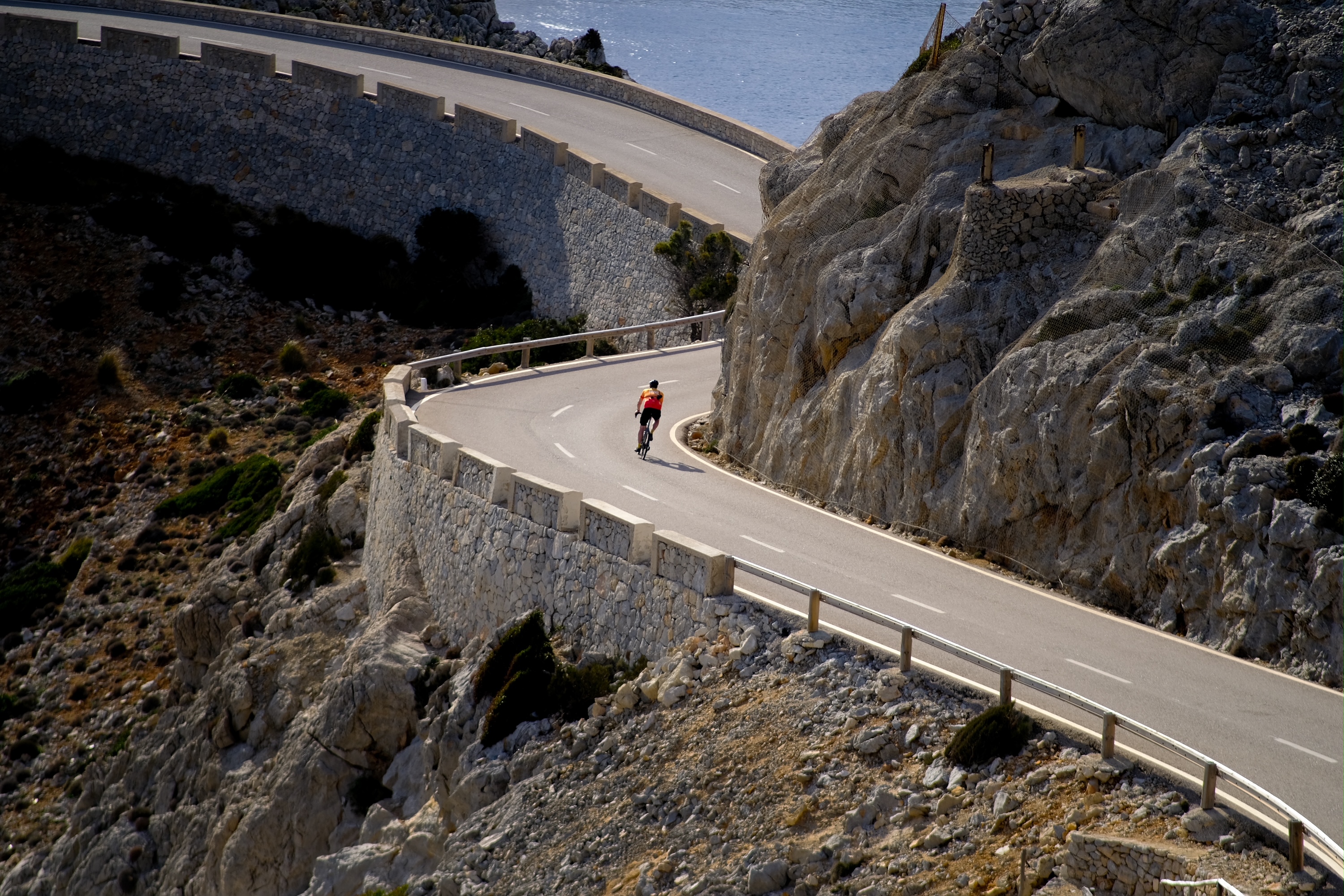
After months of winter riding in his native Hamburg, creative producer Jochen Hoops headed south to ride the quiet back roads and climbs of Mallorca. Having documented this migratory escape with his camera, here Jochen muses on the seasonality of cycling; the discipline of dark winter days, the emotional release of springtime and the reasons he chooses to ride whatever the weather.
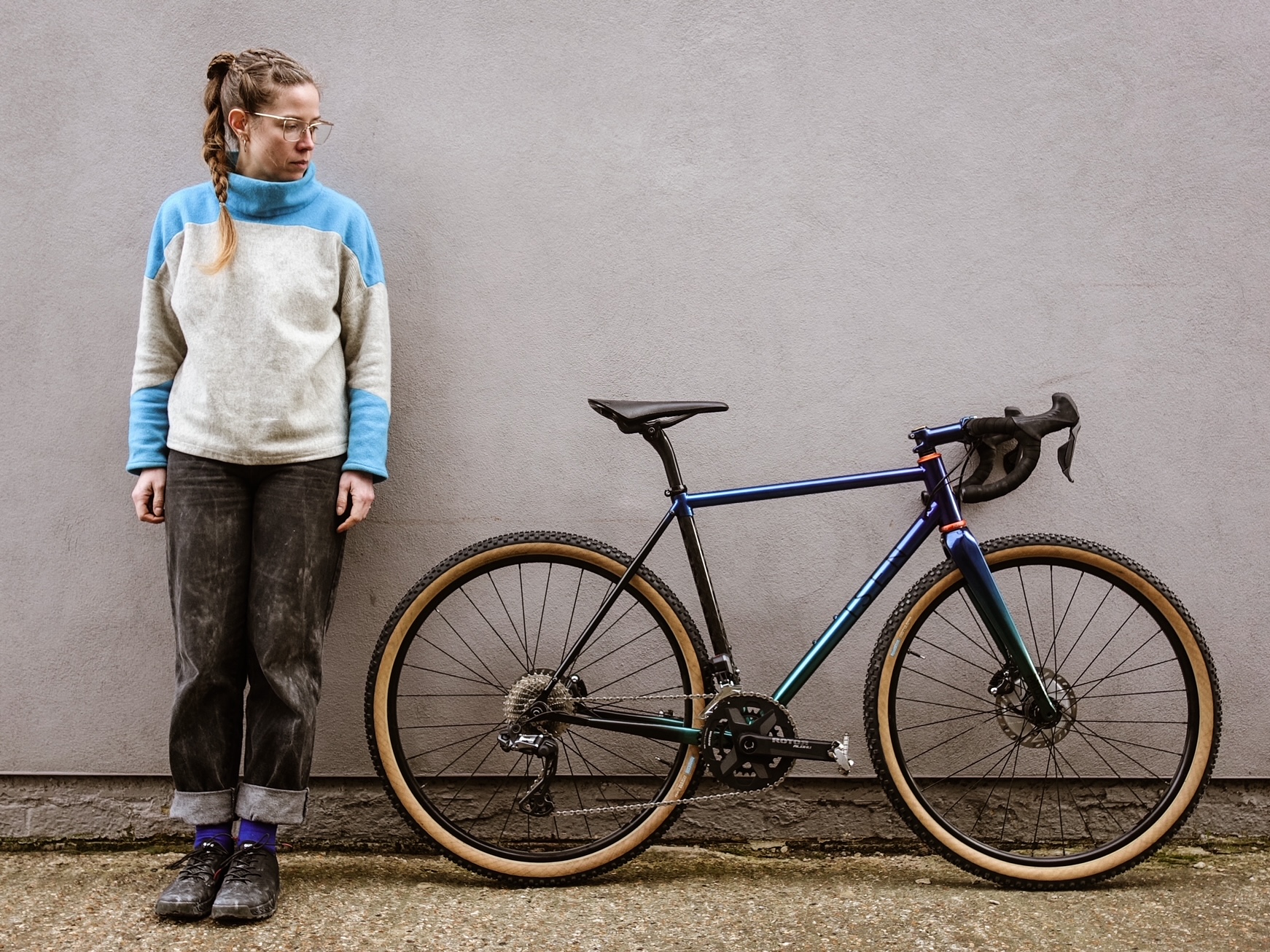

Am I a year-round cyclist? I don’t think it’s laziness but it’s not easy to ride in the depths of winter. You’re less likely to have company and cycling alone in bad weather has its challenges.

In winter months Hamburg is cold, wet and windy. And the landscape is not very pleasant to the eye—the light is flat and the sky a uniform grey. Maybe that isn’t important to some people but for me it is.

But still, I have to get out – for my physical and mental wellbeing – and usually I end up enjoying the ride. You just need the discipline to step out of the door.

February

I was fortunate to enjoy two trips to Mallorca—the first resulting from an off-the-cuff remark and a spontaneous decision. A friend from Paris mentioned that he was heading out to Mallorca for a week and had arranged to stay at this little, boutique hotel. Saying how nice that sounded and adding that I also needed to get away, my friend kindly suggested that I join him on the trip.

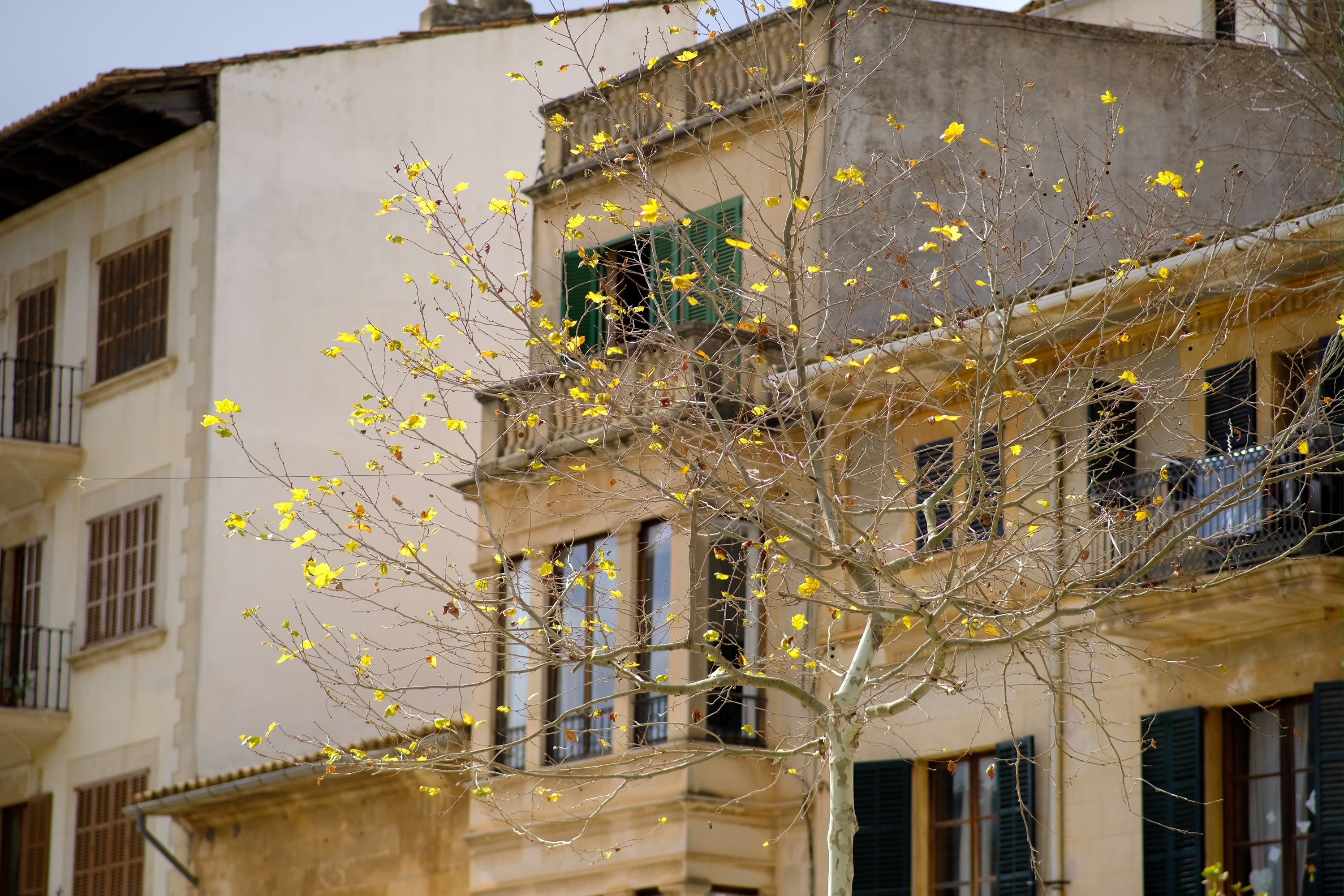
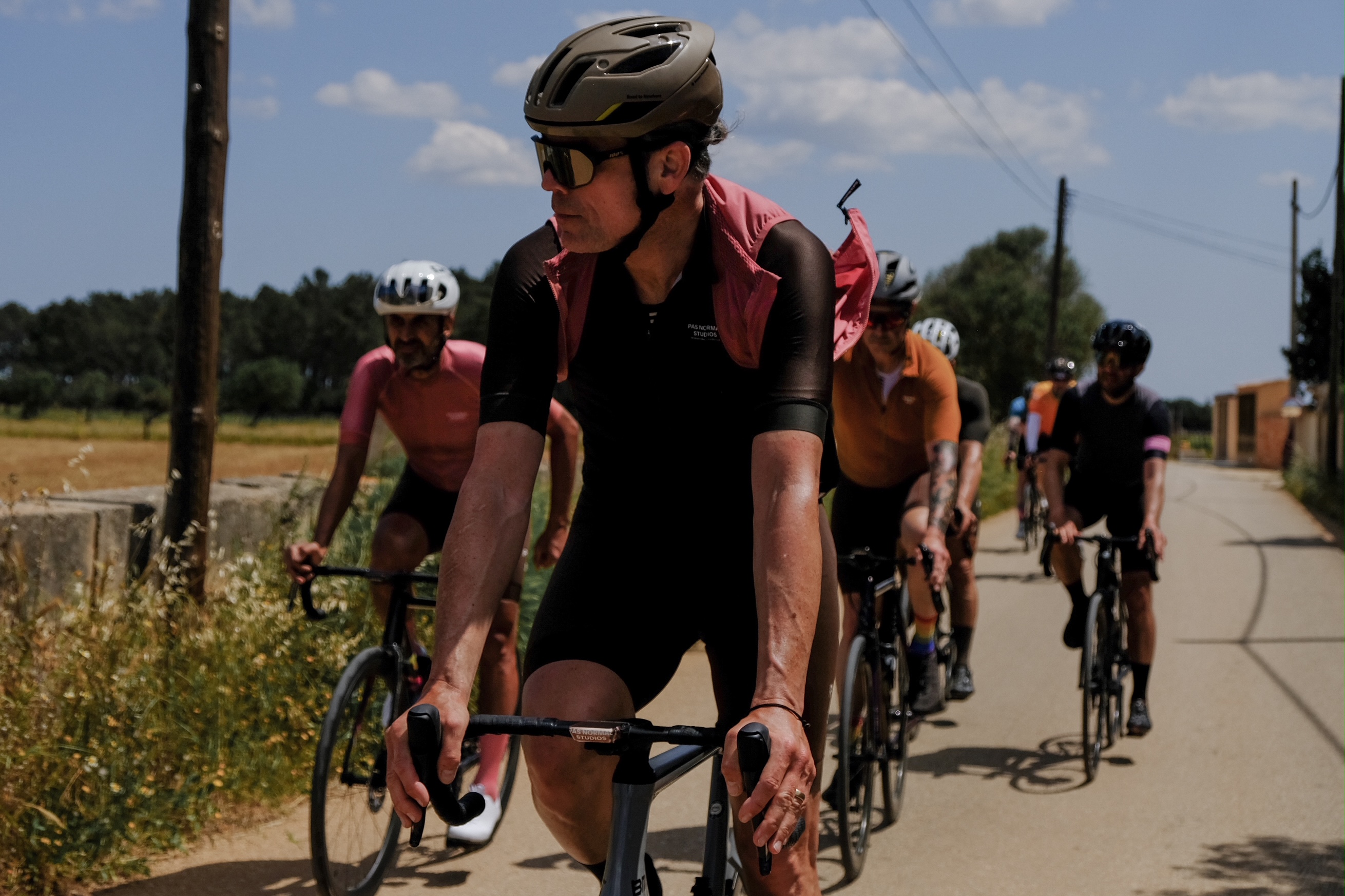
The hotel only had four guest rooms so it was very intimate and good riding was easy to find in any direction. It was still only February but we’d left a wintery Hamburg to discover signs of spring on the island. Passing through tiny villages – the clink of coffee cups and our freewheels resonating along the narrow streets – by the second day the rhythm of riding had transported me far away from any everyday concerns.

In winter you somehow feel stiff and you need the warmth of more southerly climes for your legs to push the pedals a little easier. So we were intent on catching the sun’s restorative rays, eating good lunches and discovering the island by bike. Simple pleasures.


May

A training camp comprised my second trip. Arranged every year by the same group of friends, I’d met some of them at a charity ride out of Paris and they’d asked me if I wanted to join them. A little different from my February visit to the island – more focus on effort – but we also found time for fun and laughter.

And it’s these differences – the contrasts between both trips – that make cycling so interesting. The meandering rides with time to stop and stare and the fast paced charges that leave your chest heaving and legs empty. A joy in movement that, irrespective of the season, means the motivation to ride doesn’t really change. Wherever or whenever I’m out on the bike, I clip in and move forward and immediately it just feels right.


All images with kind permission of Jochen Hoops

(artist management / production at Bransch)

Image

Caren Hartley / Inside the Isen Workshop

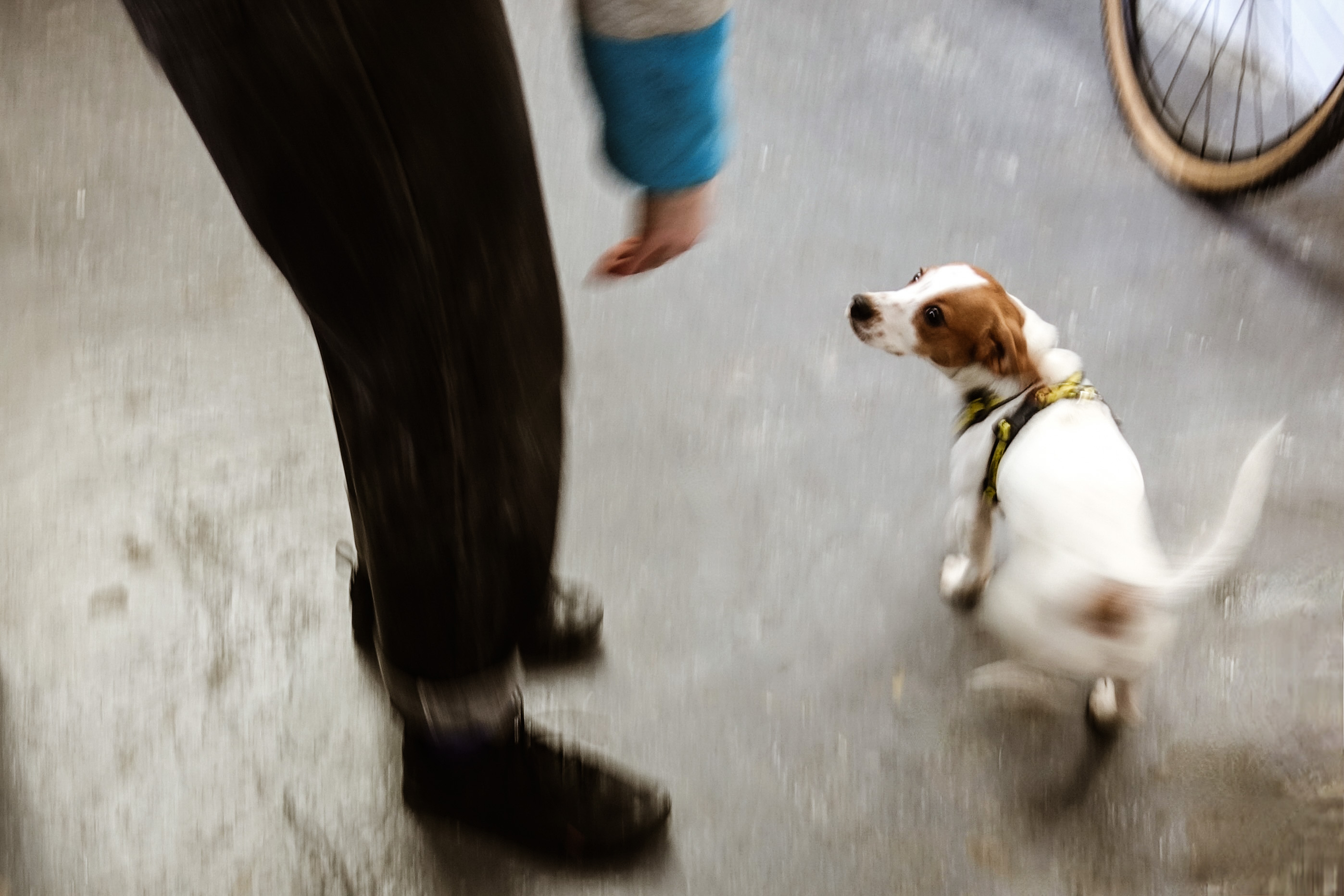
I’ve travelled out from central London to the southwest end of the Northern Line. Exiting the station, a short walk through the surrounding suburbs leads to an industrial estate and the home of Isen Workshop. Pushing open the door, there’s a sudden movement as a small dog darts out and excitedly runs rings around my legs. Caren Hartley follows and greets me with a smile as she scoops up this new addition to the Isen family. The dog’s name is Frieda and it’s her first day in the workshop—Caren obviously delighted with her new companion as she politely asks if I’d like a cup of tea.

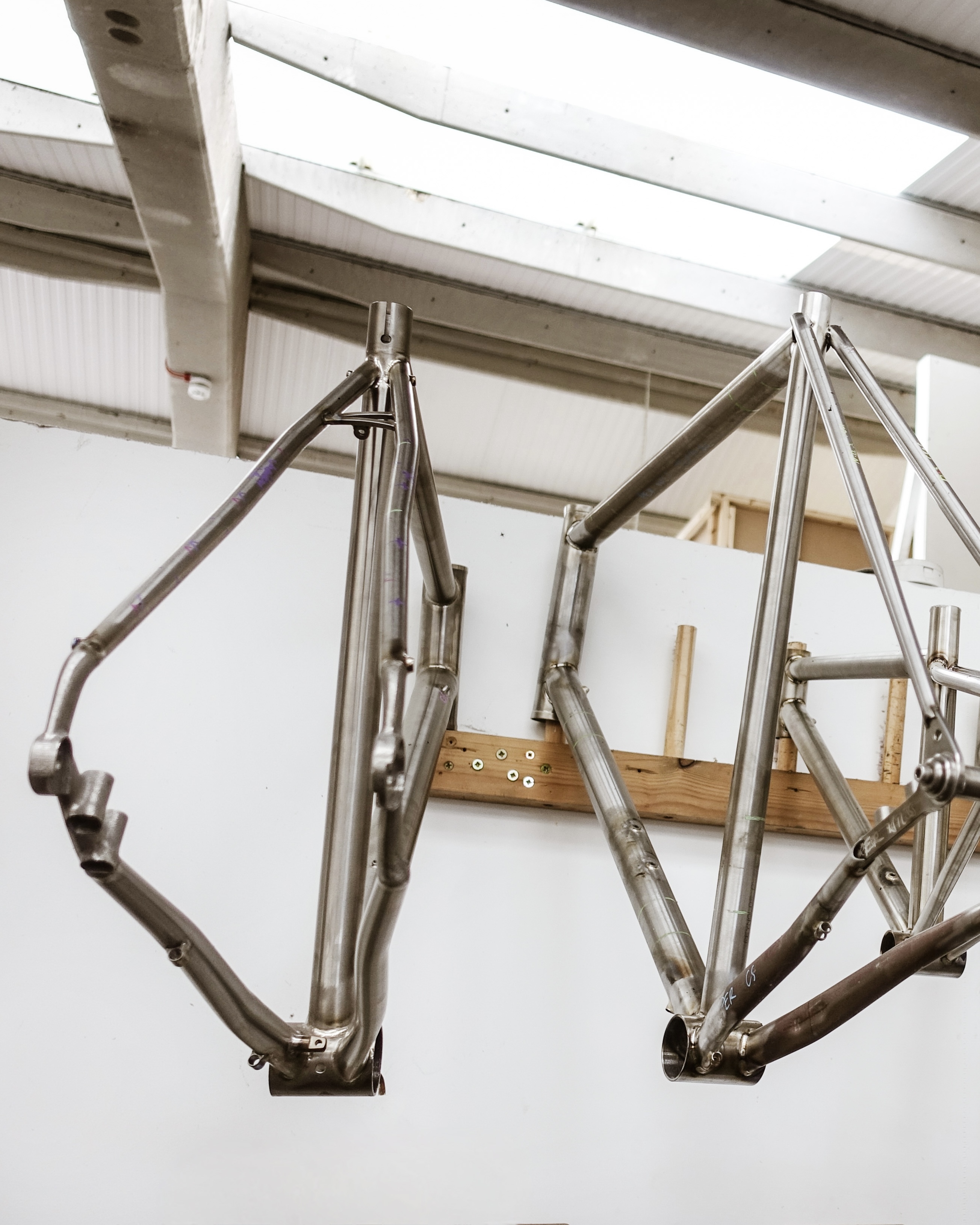
Dressed casually and warmly welcoming, as the tea is brewing Caren takes me on an impromptu tour of the workshop with its pleasantly chaotic mix of boxed raw materials, hand tools and industrial machinery. Originally fabricating frames as Hartley Cycles, Isen was founded when Caren partnered with Matt McDonough of Talbot Frameworks—the pair subsequently carving out a reputation for beautifully built bikes in steel and titanium.

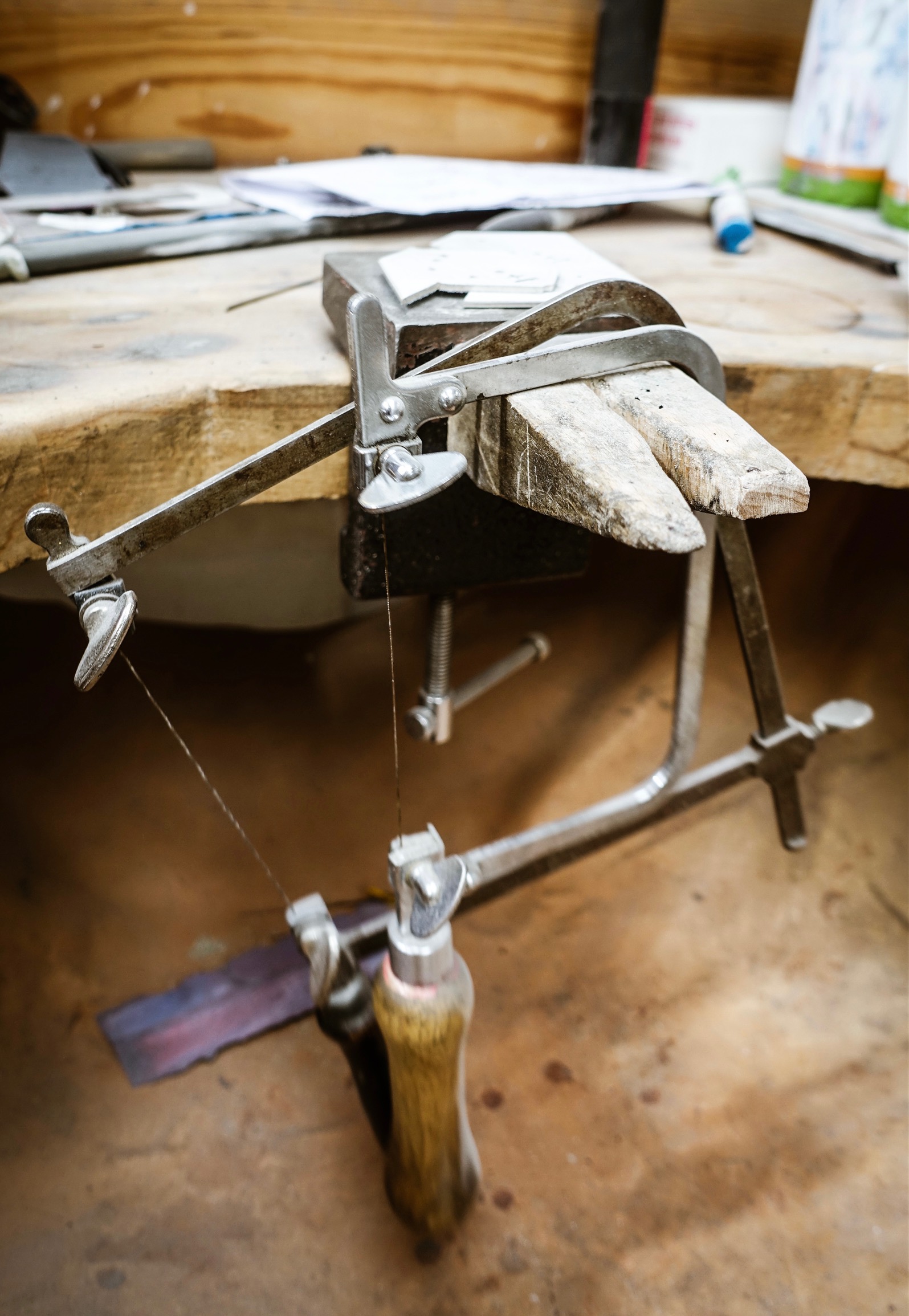
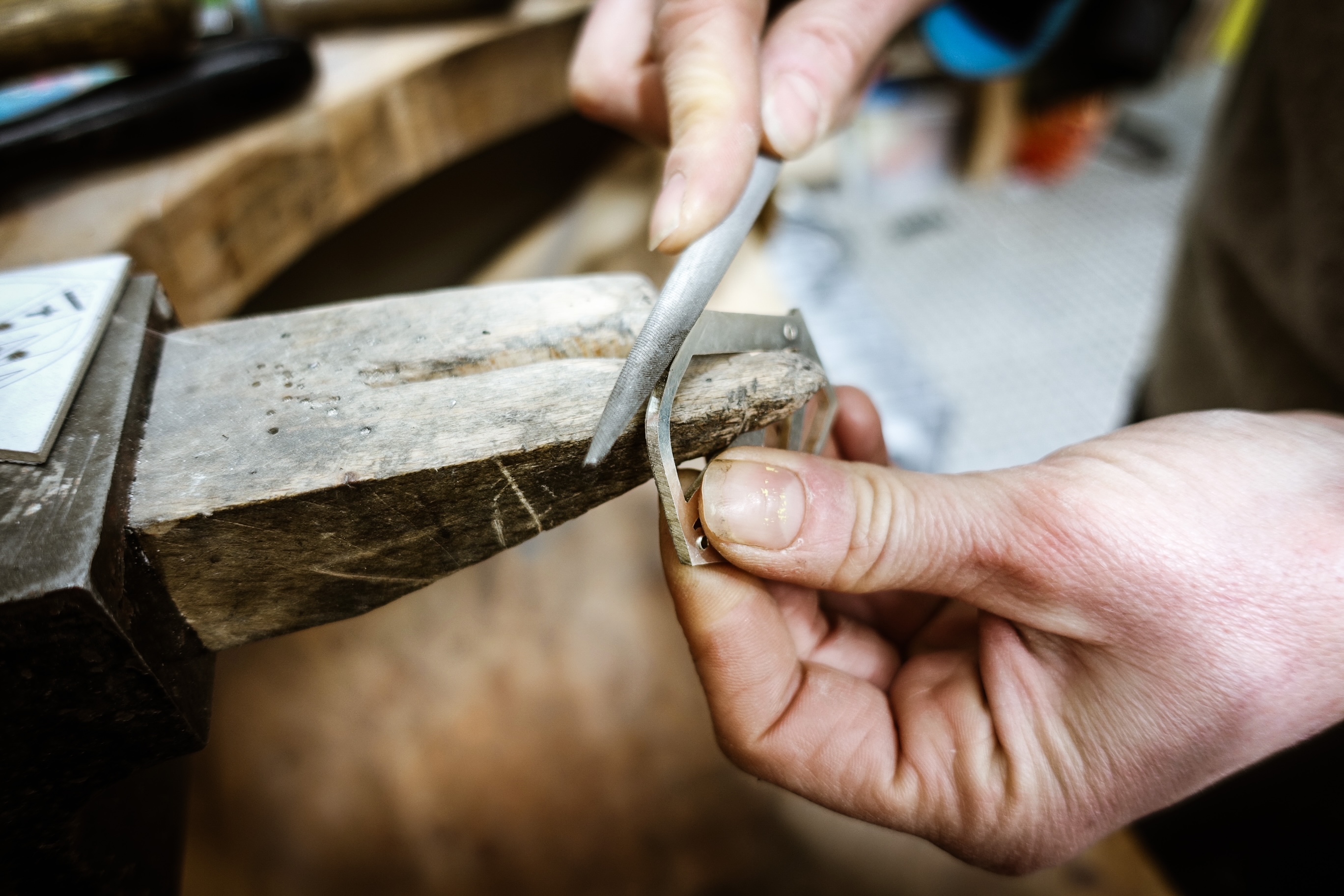
Having previously studied at the Royal College of Art, clues to Caren’s background in fine metalwork can be found in the jewellery-making tools she uses to craft custom head badges that many of Isen’s customers add as a build option.

‘I was always making things as a child and I remember my parents being quite creative. Dad was a watchmaker and Mum would make costumes for us out of crêpe paper and cereal boxes. And then later, when I spent time in the metalwork department on my art foundation course, I became fascinated by the magic of soldering. It wasn’t that I was necessarily interested in making jewellery but that’s what you made out of metal.’

As her career progressed, Caren’s plans for creating larger-scale artworks were hampered by cuts in funding prompted by a worldwide financial crisis—a day-to-day existence of writing proposals which in most instances proved unsuccessful.

‘I knew I wanted a change but I was avoiding making any decisions by hanging out with my friend Jenni Gwiazdowski at the London Bike Kitchen. But after attending an event with her where I met a frame builder, I had this sudden realisation that it was a little like jewellery—basically big soldering—and I just needed to start making things that were bike shaped.’

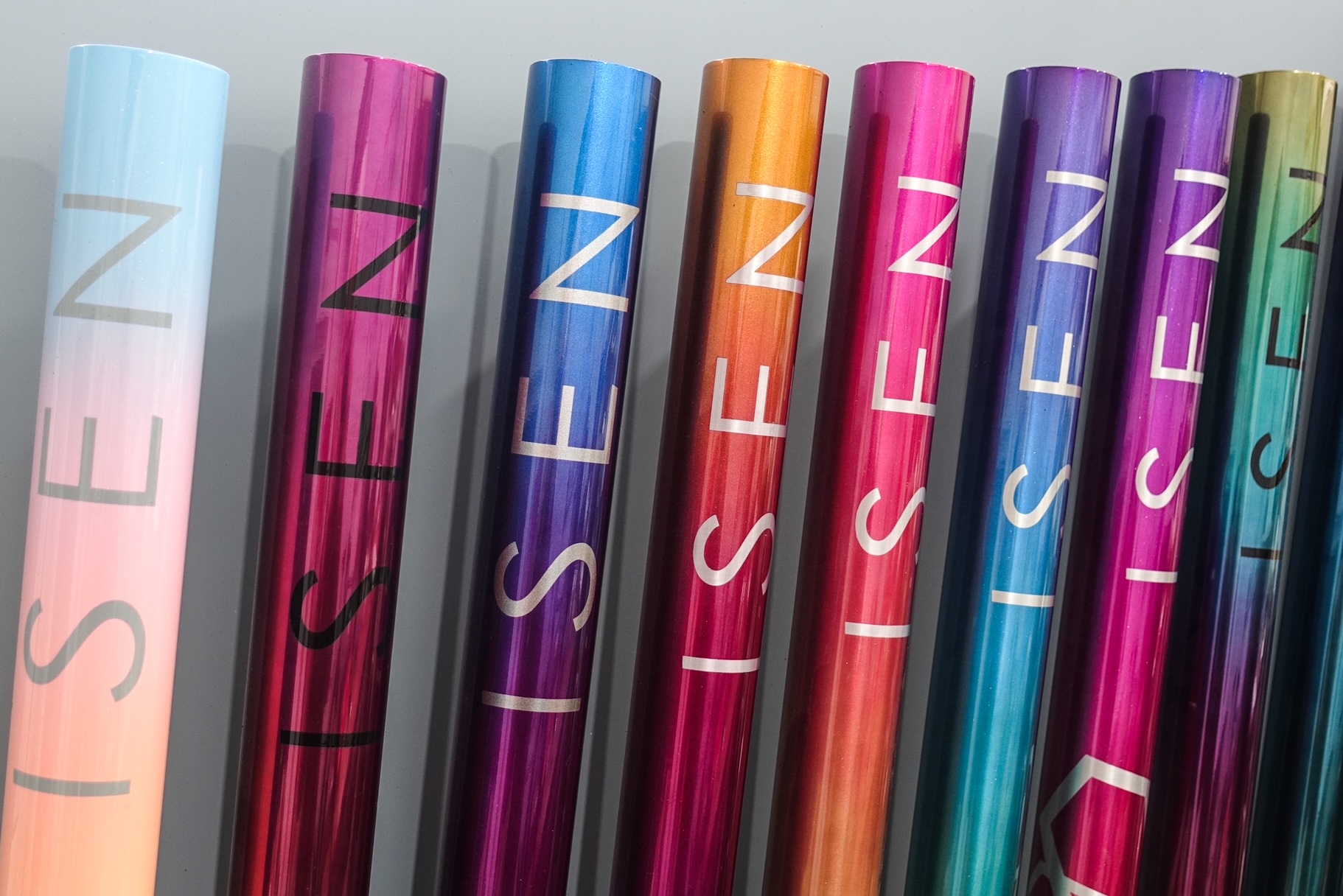
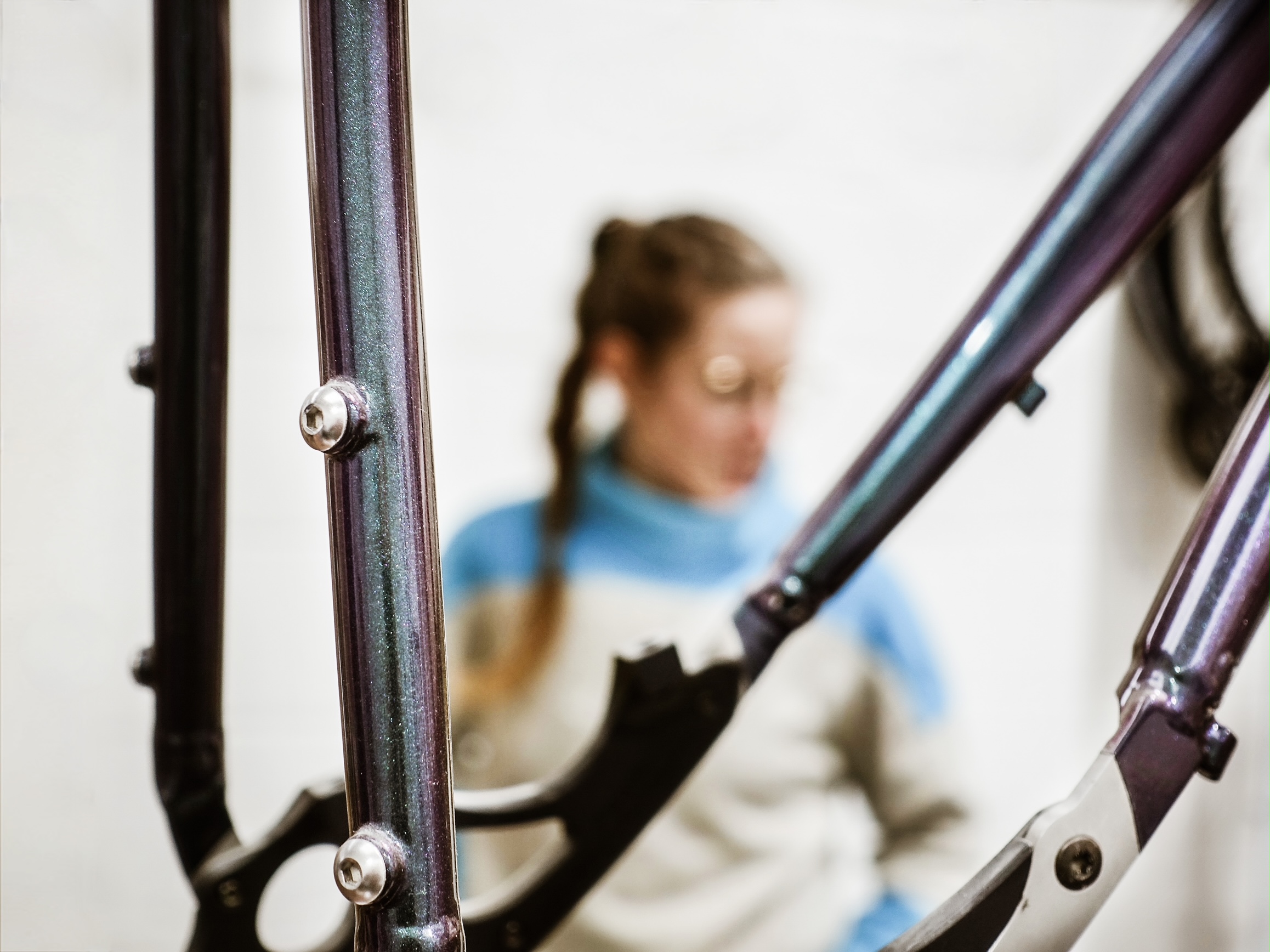
With 15 years of experience building custom bikes between them, Matt now concentrates on fabrication with Caren focusing on paint—a completely in-house process that starts with a tube set and customer build sheet.

‘When Matt and I first started Isen, our plan was to have a range of frame sizes available to be built up. In reality, everyone wants something a tiny bit different so we have models which are your jumping in point and then we can work on custom geometry and anything extra that’s required.’

As we leave the workshop’s fabrication bay with its familiar array of jigs, welding equipment and lathes, sitting on a table next to Caren’s paint booth is a piece of equipment that hints at this agile approach to design—a 3D printer they use to rapid prototype component test pieces in response to customer feedback and their own desire to balance form and function.

‘It’s all about working with, rather than against a material’s intrinsic properties. That’s why we use carbon tubing for our integrated seat post and stainless steel if you want a really light, stiff road bike.’

Softly spoken and self-deprecating, when asked if she finds a sense of peace in the workshop, Caren suggests that hand fabricating metal feels comfortable and calming but paint brings its own intensity.

‘I remember someone saying to me when I first started, that the difference between a good and bad painter is a good one knows how to fix all the mistakes. And paint is definitely more pressurised with the number of variables at play. But when a frame is finished and fully assembled, that’s definitely the best bit. It takes such a long time to make a bike from the tubes in a box to the welding and paint. So there’s a little bit of you that goes “Yesss!” when it’s finally ready for the customer.’

Acknowledging with a smile her own innate perfectionism, it’s clear that Caren’s attention to detail has found the perfect outlet in her brilliantly bold paint designs. And just as each and every Isen frame is handmade to order, the hours of care she invests in perfecting each paint scheme is understandable for such a bespoke product—a considered purchase for any prospective customer that, whilst not inexpensive, is surprisingly affordable compared to the current pricing of bikes from the larger manufacturers.

‘People are regularly spending £7000 or more on standard-sized bikes nowadays. Ten years ago that would have seemed a lot but it’s far more normalised now. And you can get a really, really nice custom bike for that money that’s made to your exact specifications and will perform as well as the best carbon frames. It might weigh a few hundred grams more but it will still be lightweight and a joy to ride.’


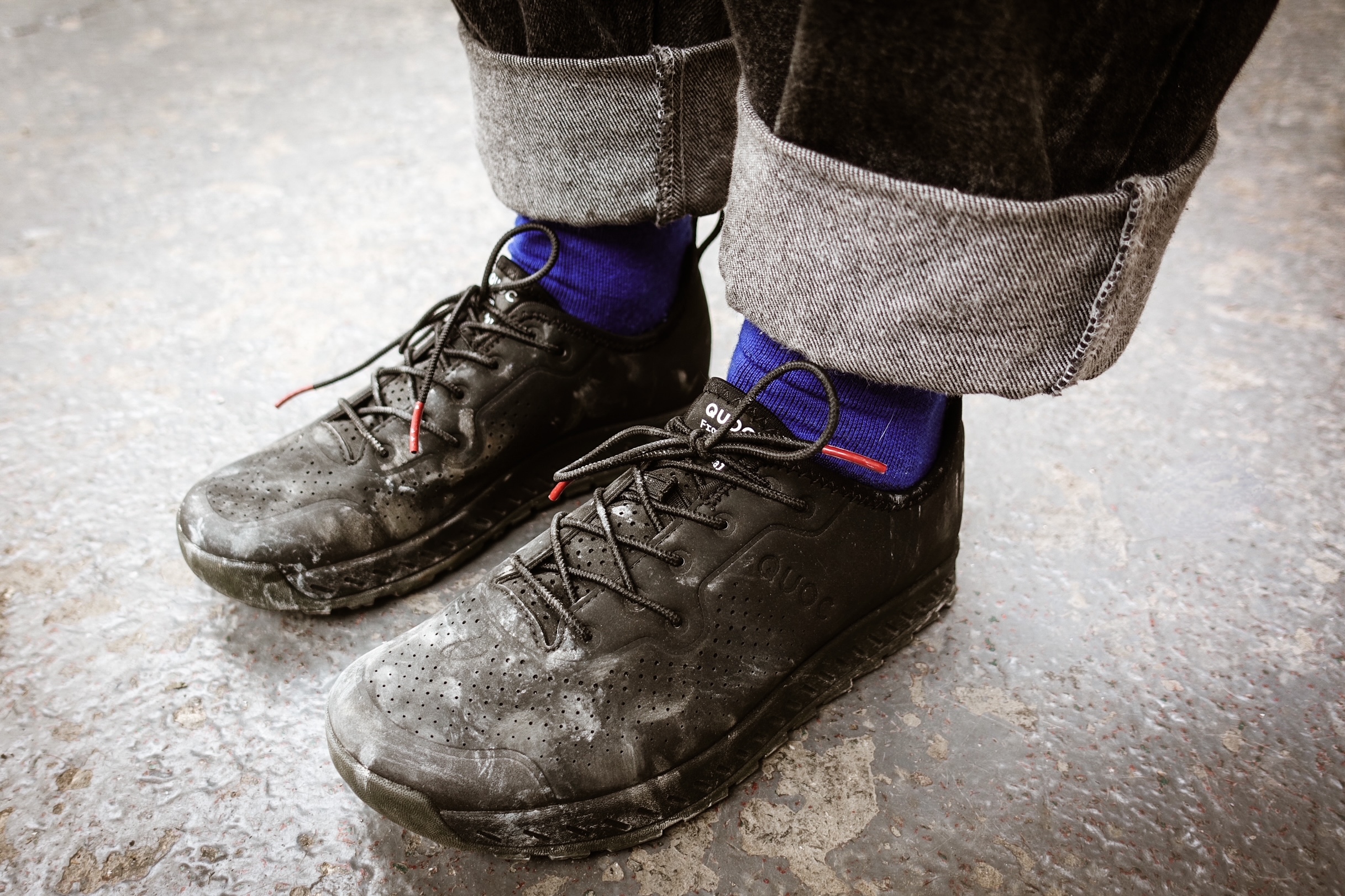
The importance of choosing the right bike is a process Caren equates to the comfort and wearability of her Quoc Weekend Sneakers.

‘When ordering a bike, the correct size and fit are probably the two most important aspects. Components can be upgraded or finessed but if your frame isn’t right it will fundamentally compromise your riding enjoyment. And just as we hope our customers fall in love with their new Isen, I still have that new shoe thing where I catch myself looking at my Quocs.’

As the London location of the Isen Workshop was perhaps unsurprisingly chosen for its commutability by bicycle, escaping the pressures of work sees Caren loading up her GOAT—think rugged, cross–country mountain bike—before heading off for a weekend camping trip.

‘Manufacturing—and especially making things by hand—is a hard industry to be viable. So when I’m here at the workshop, it can get a little stressful but I do get to ride lovely bikes and that’s really very nice.’

All photography by cyclespeak