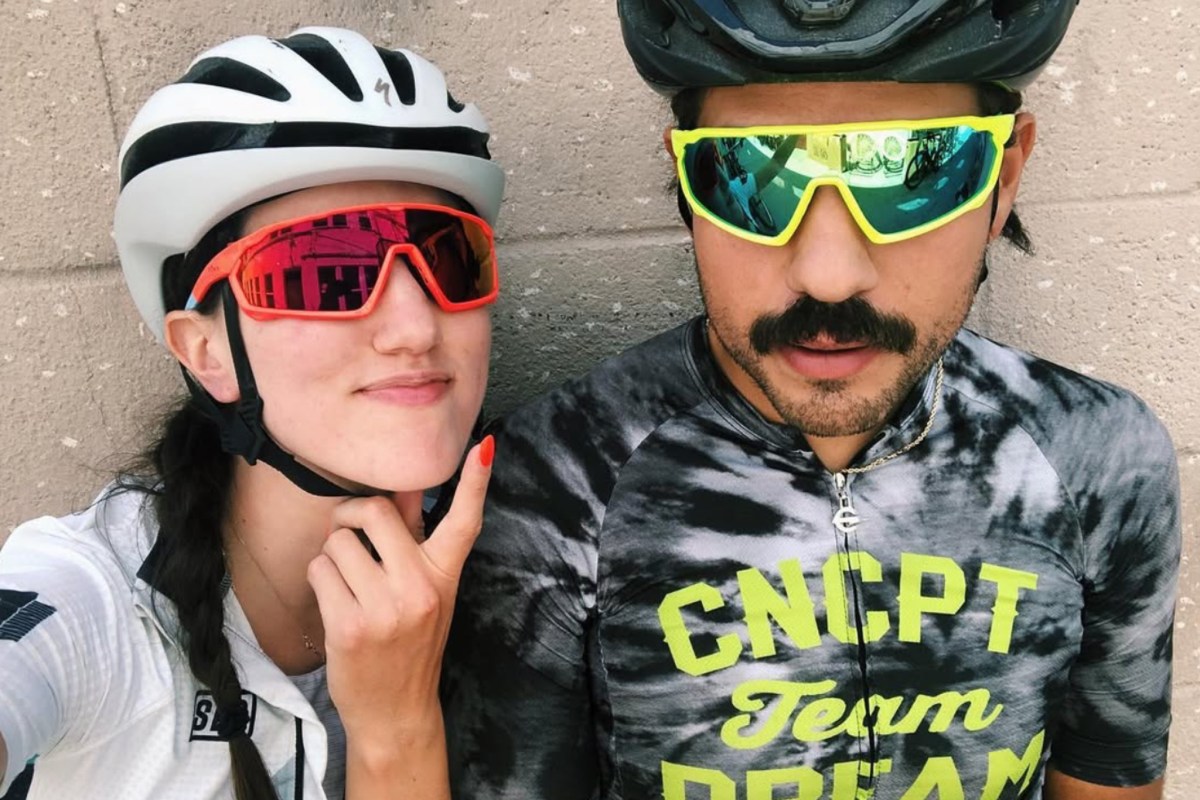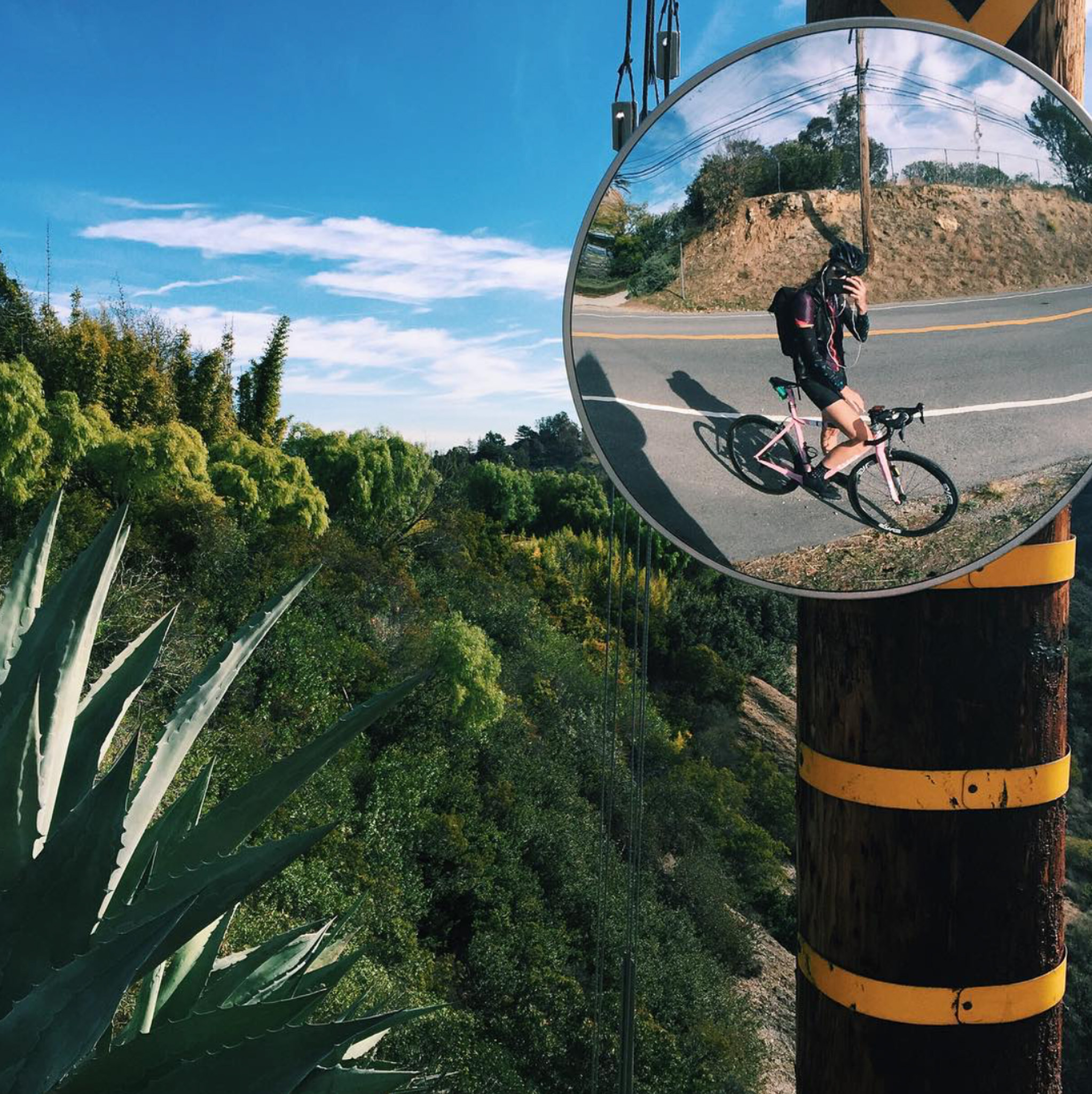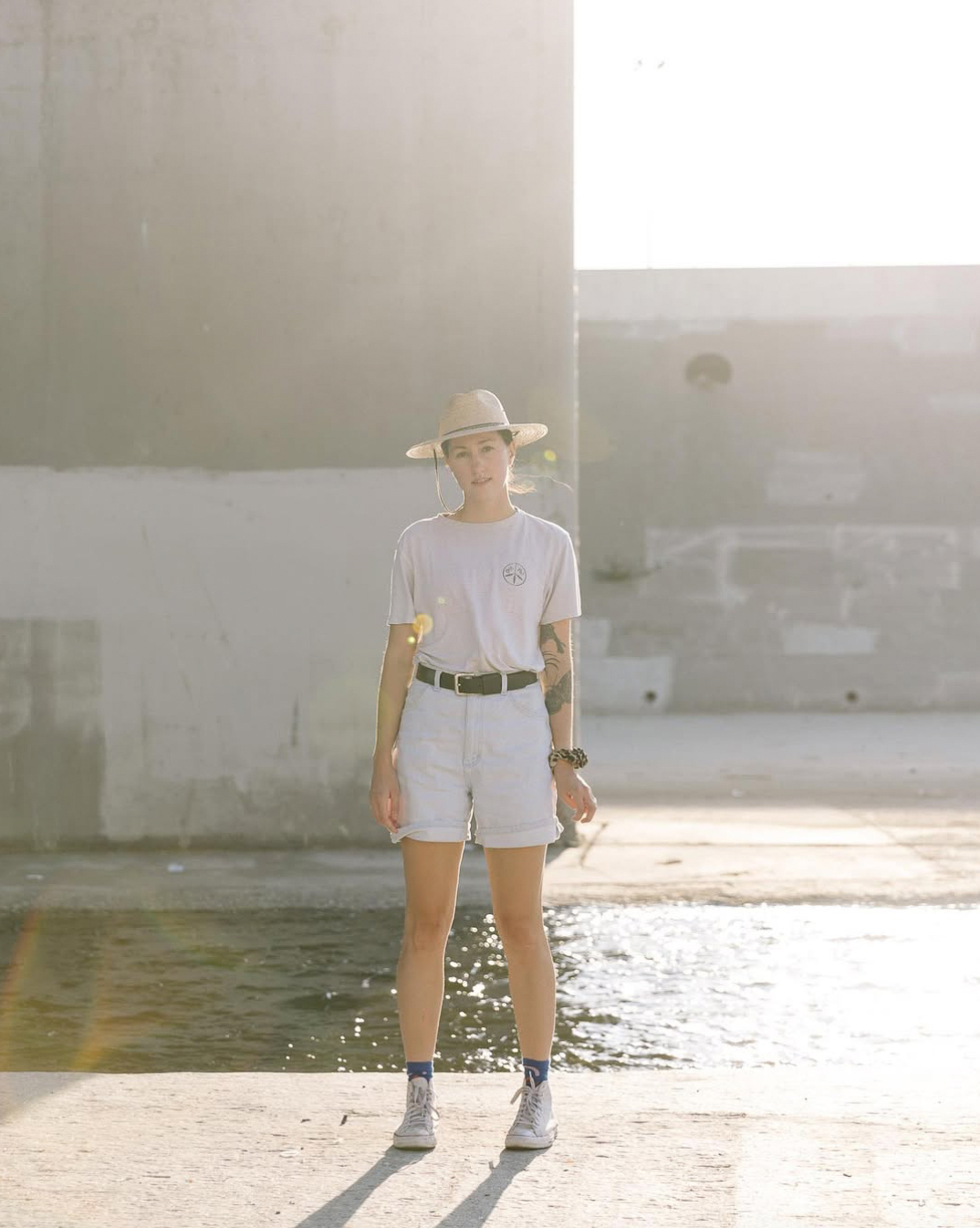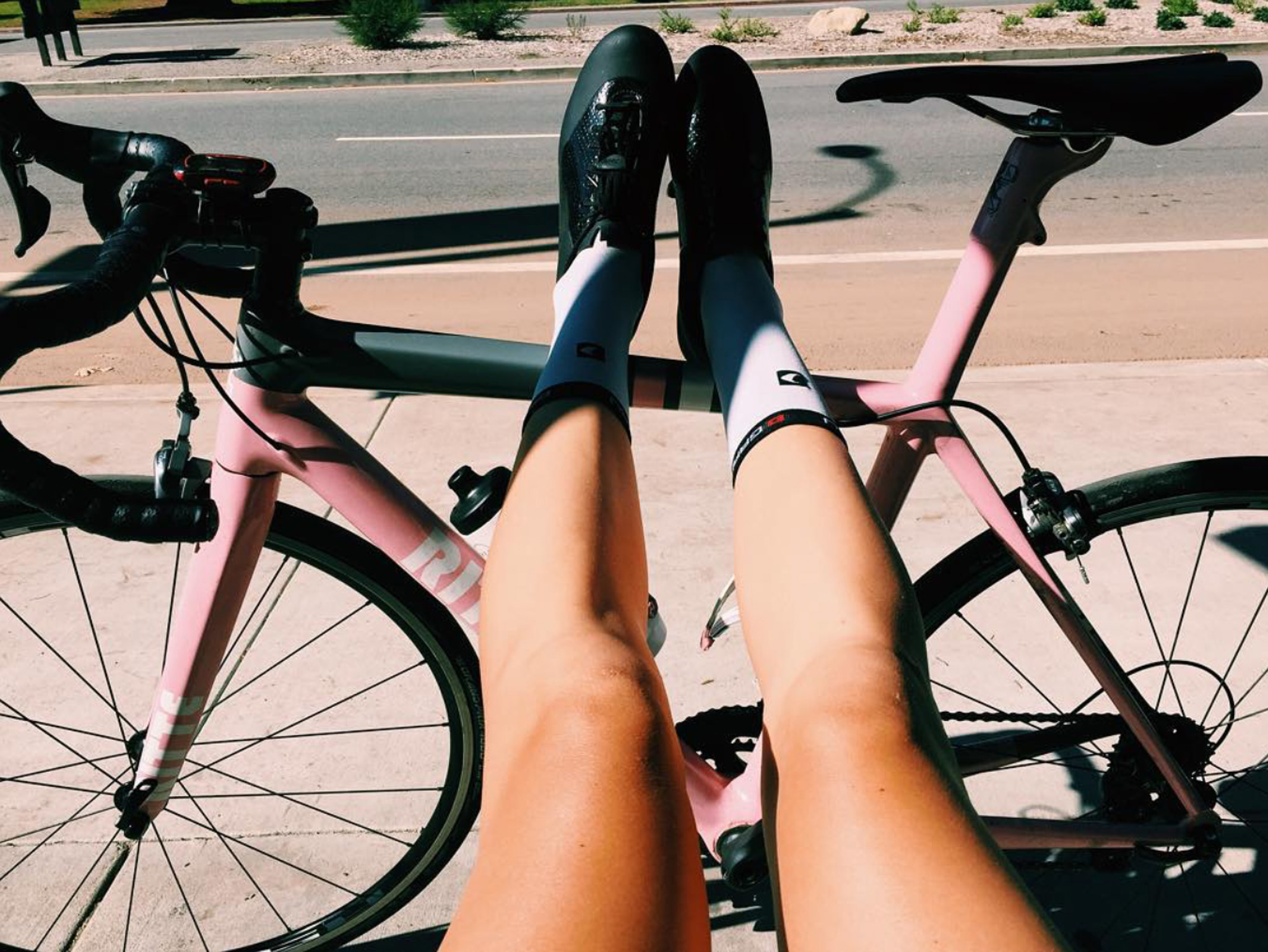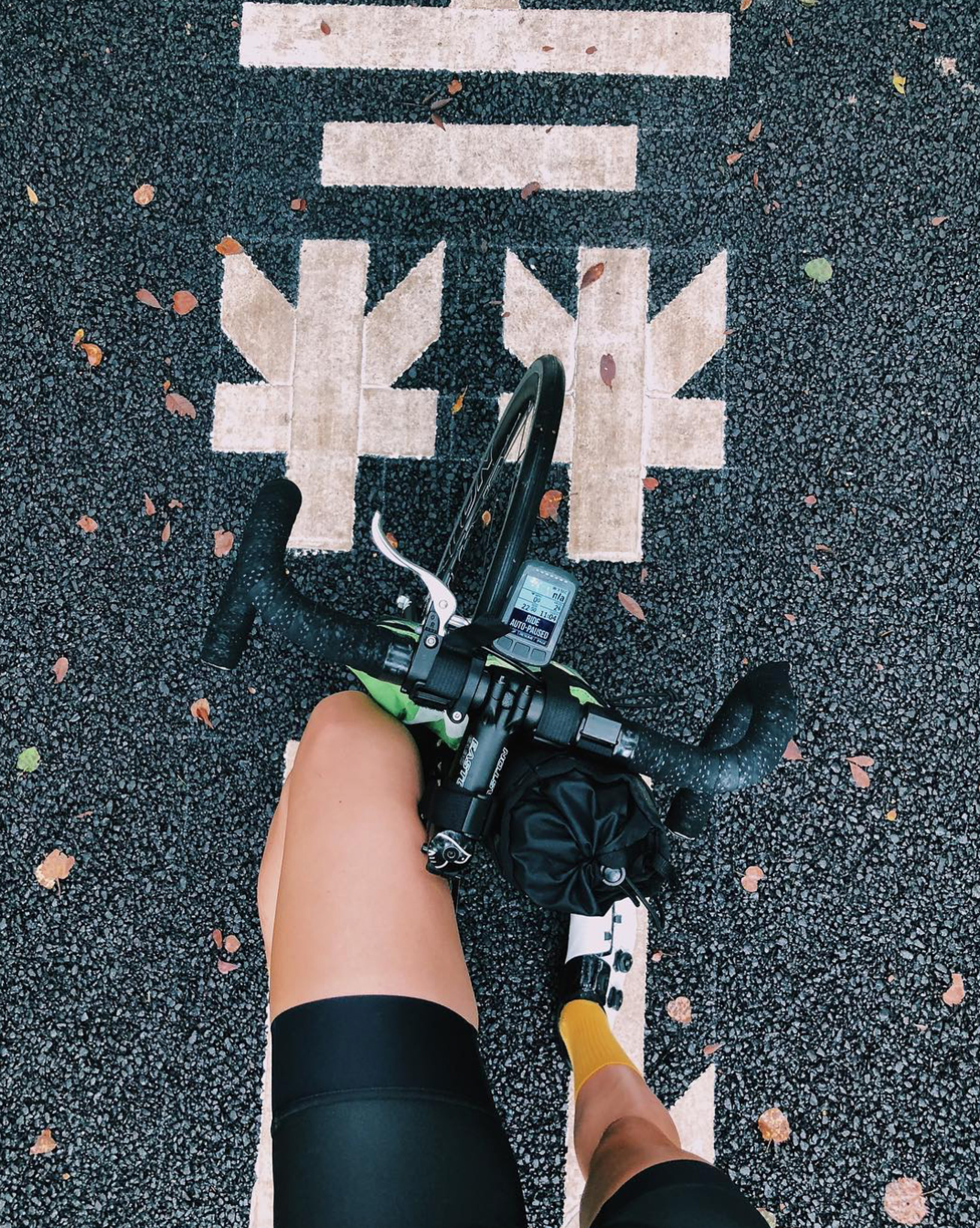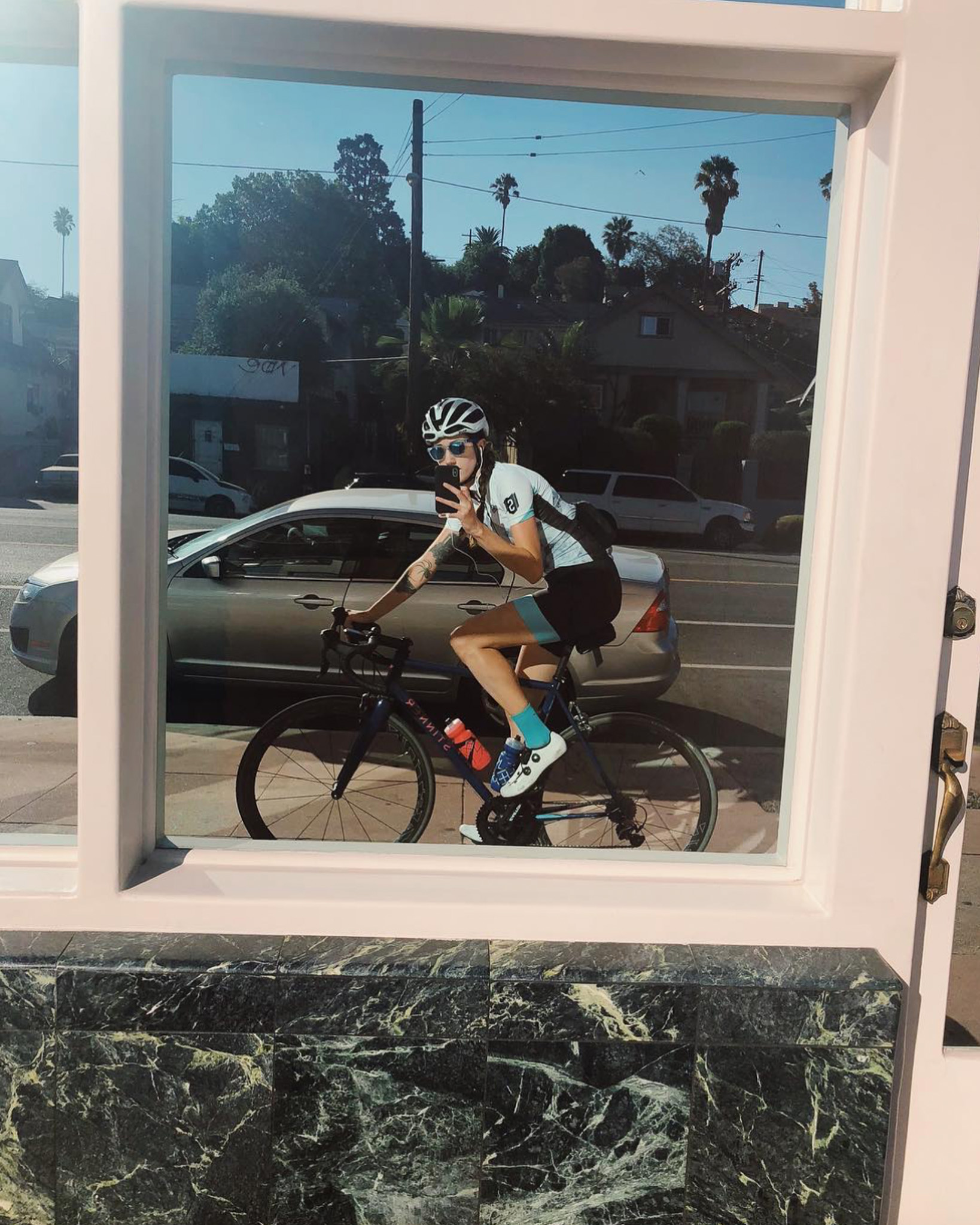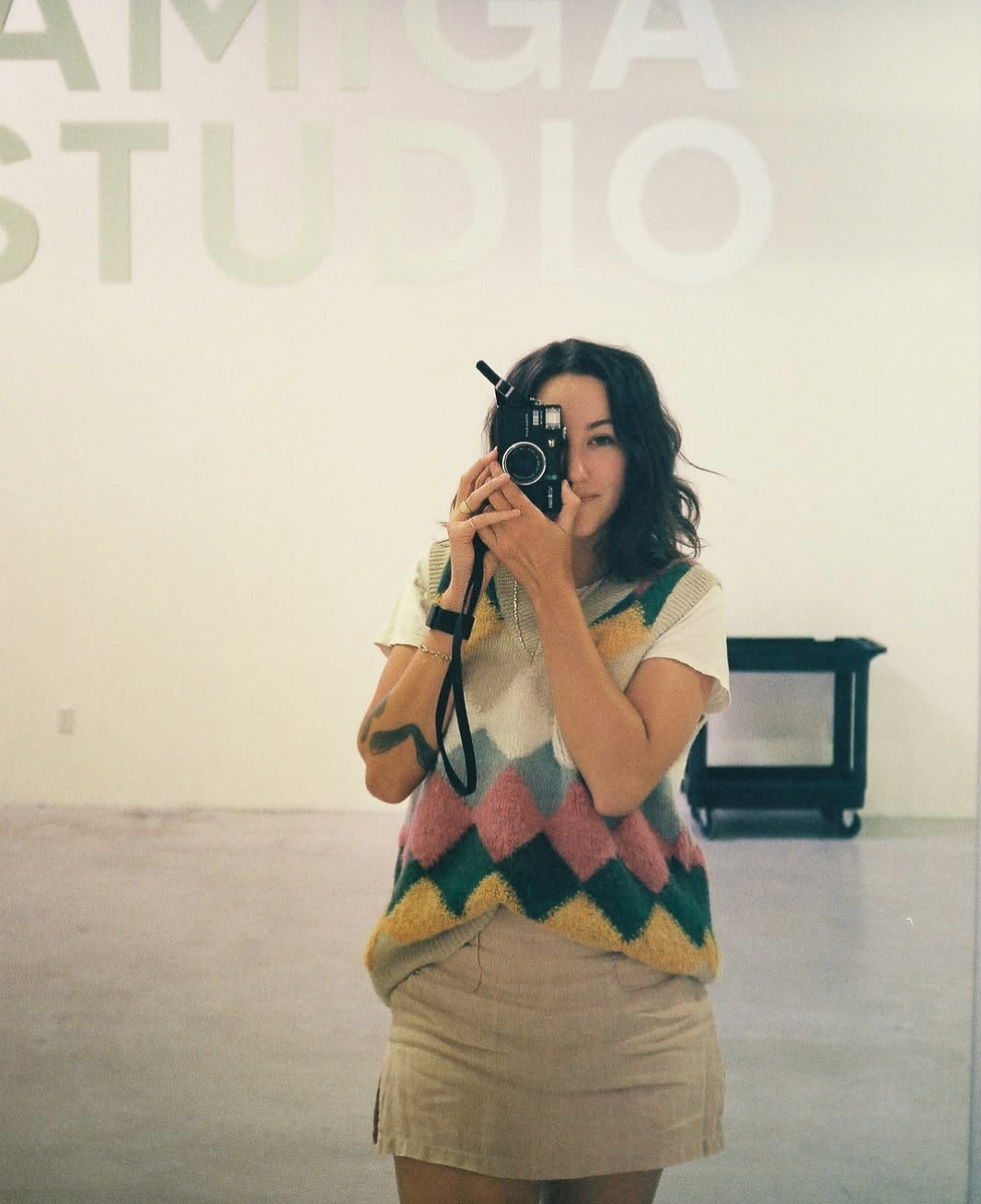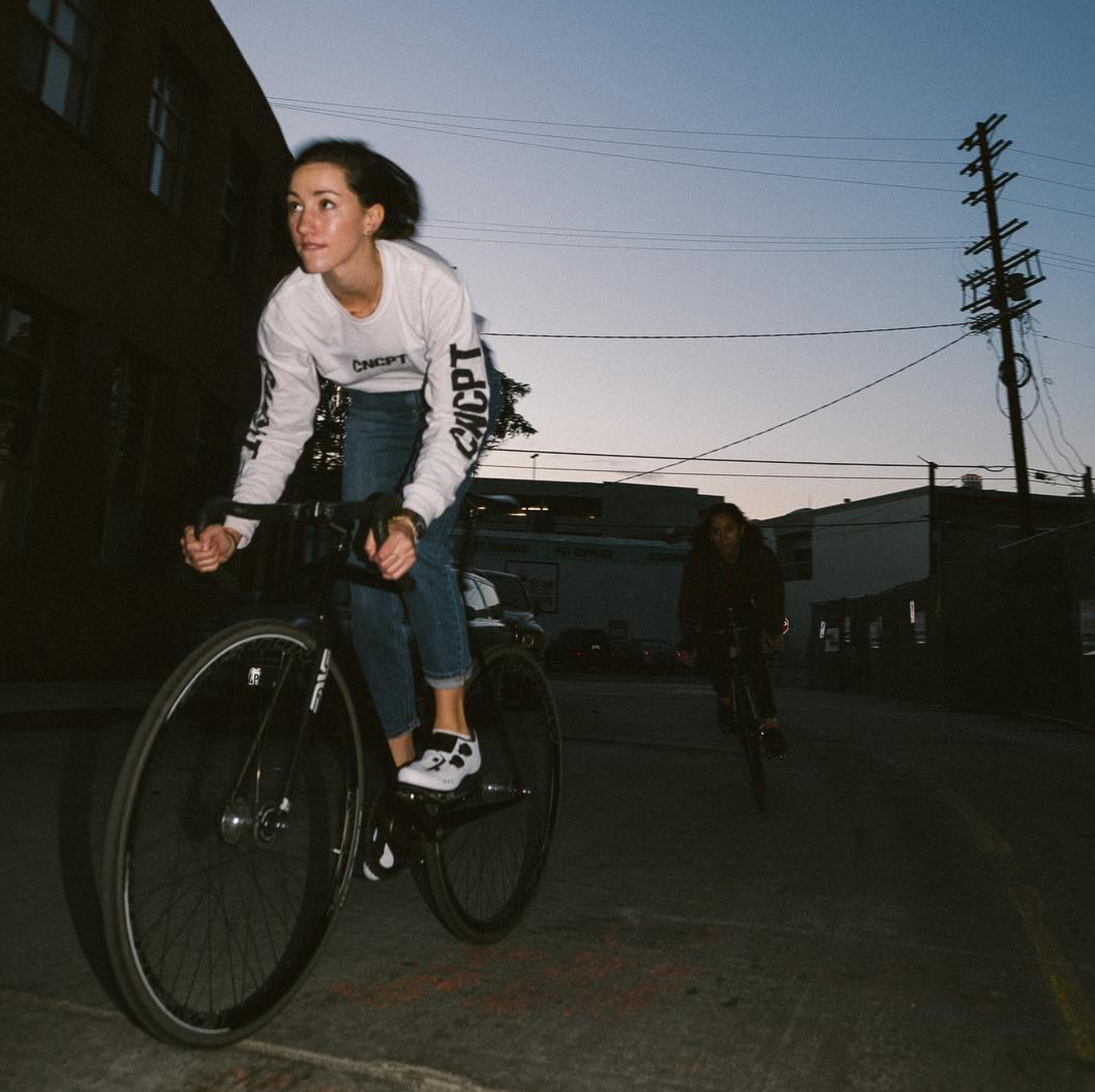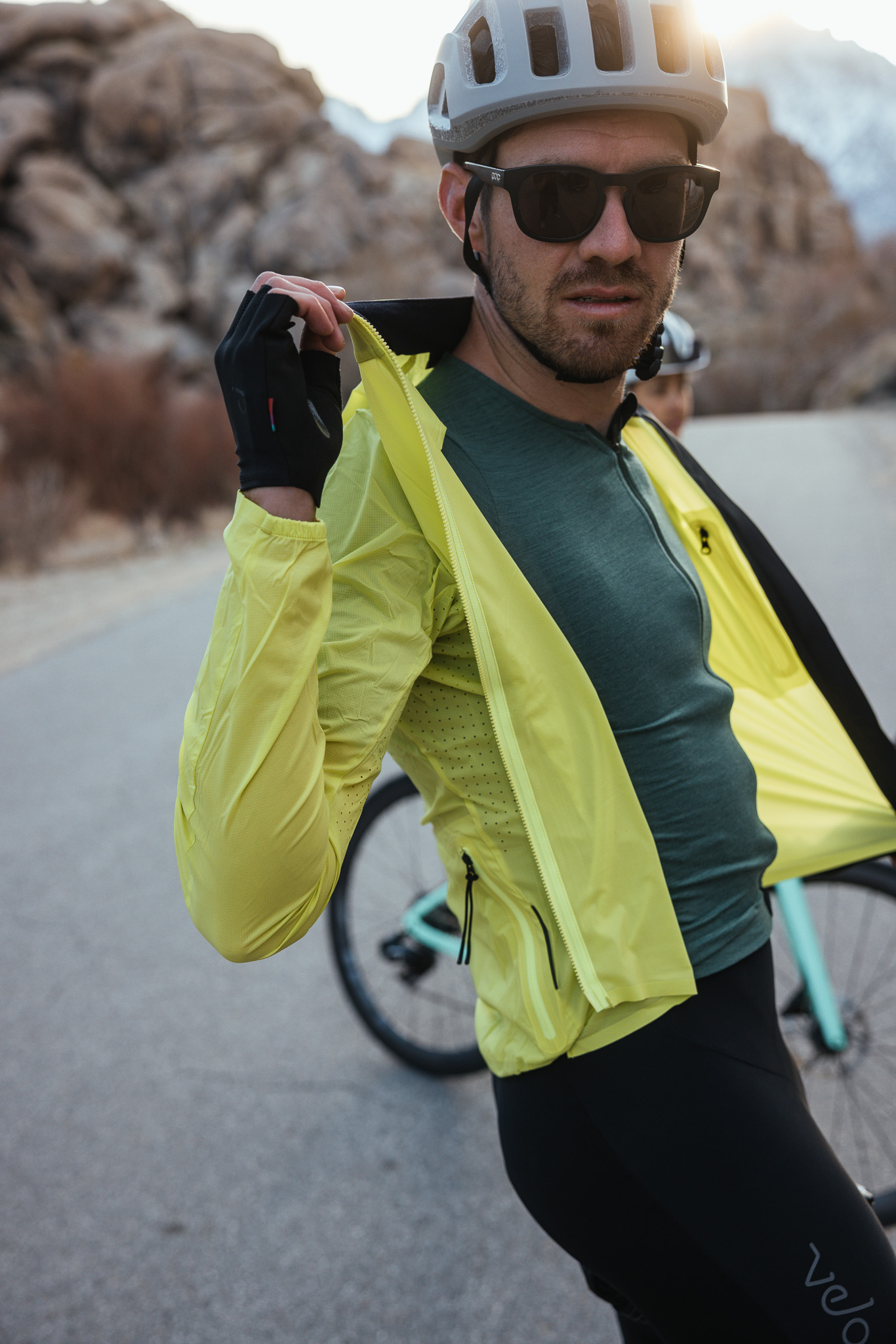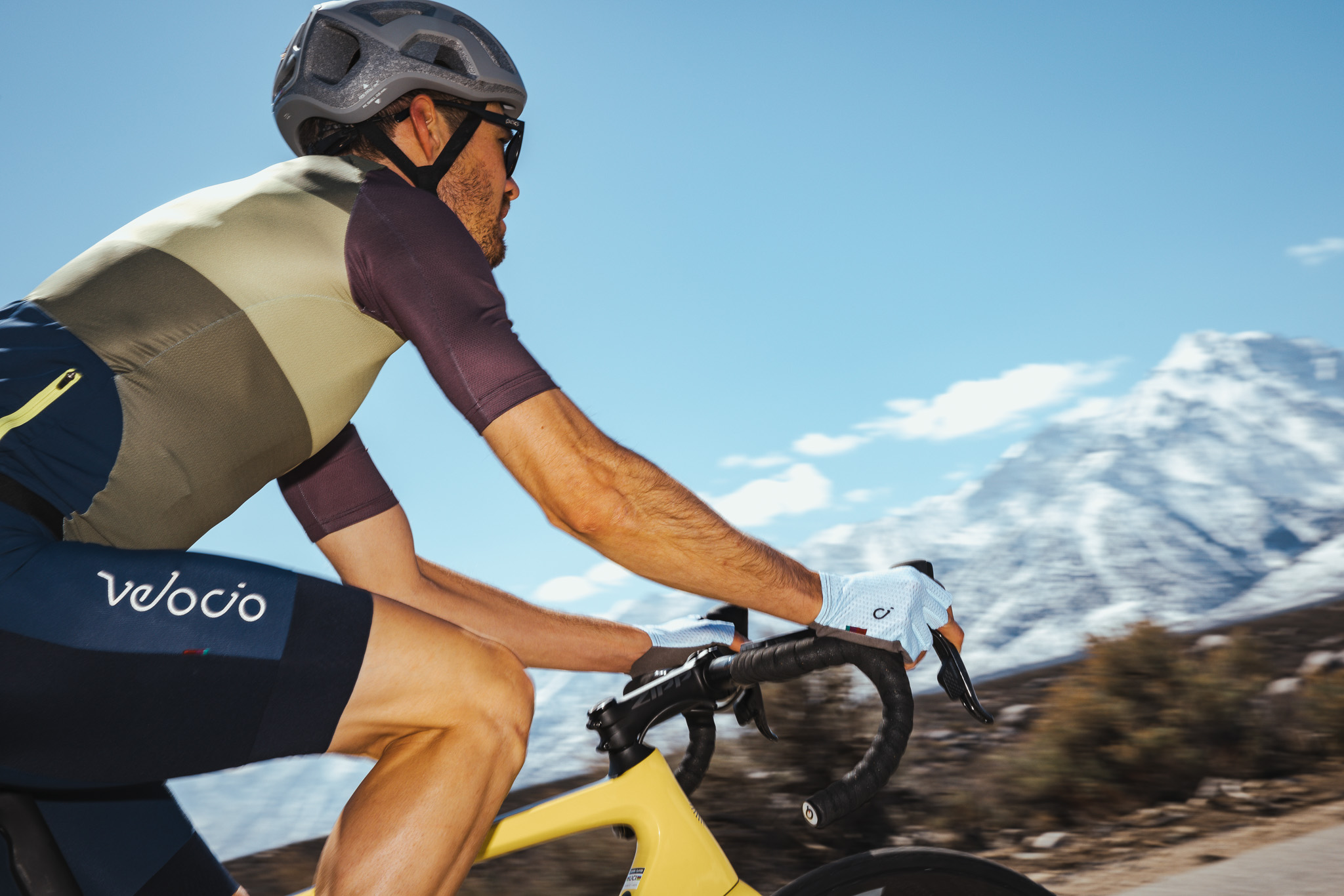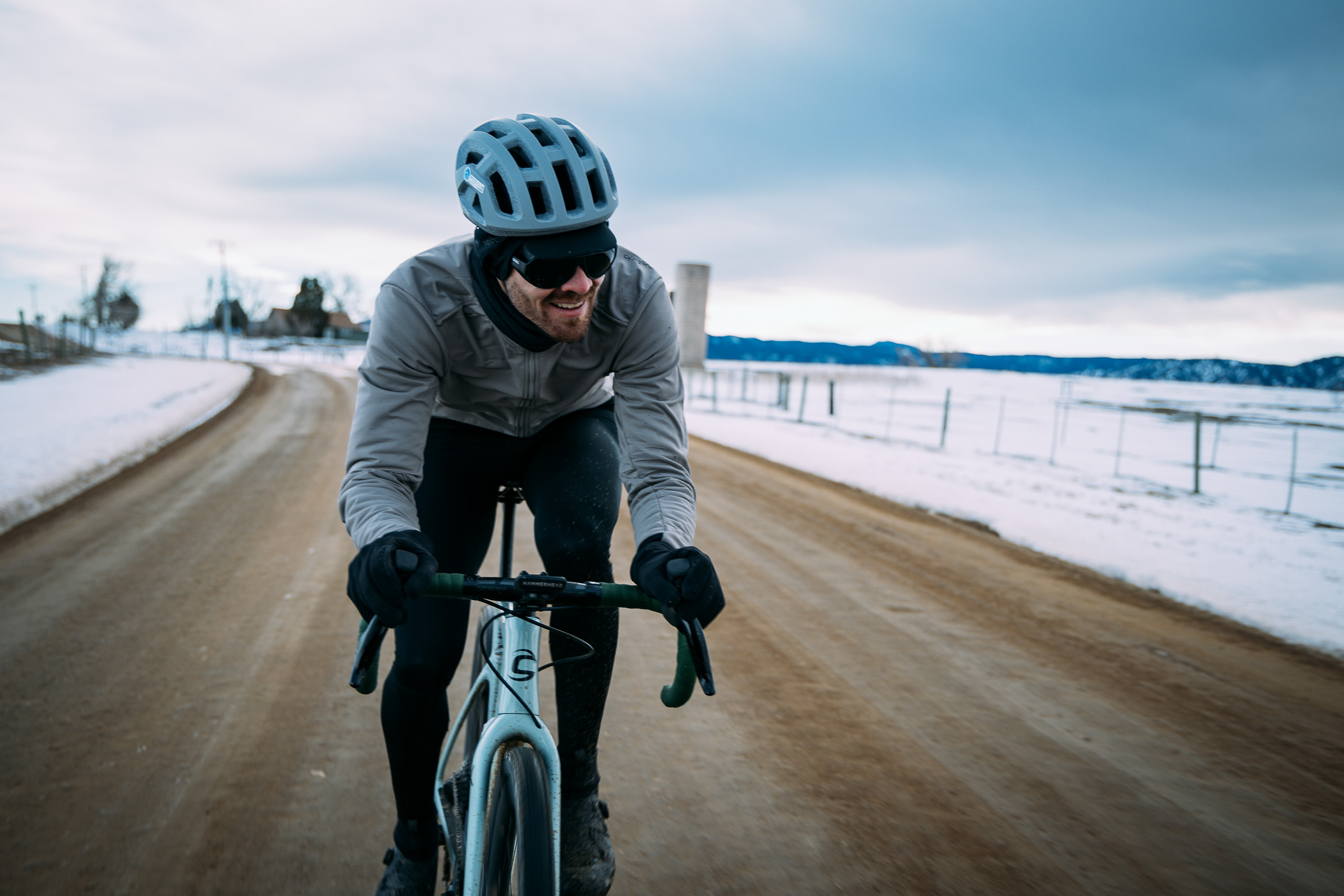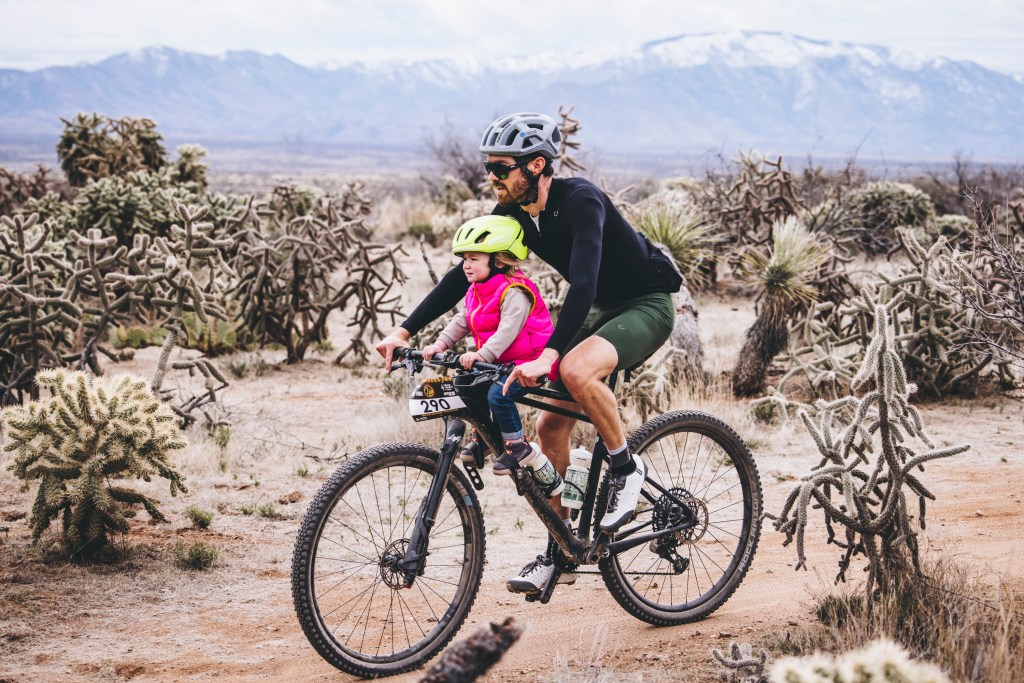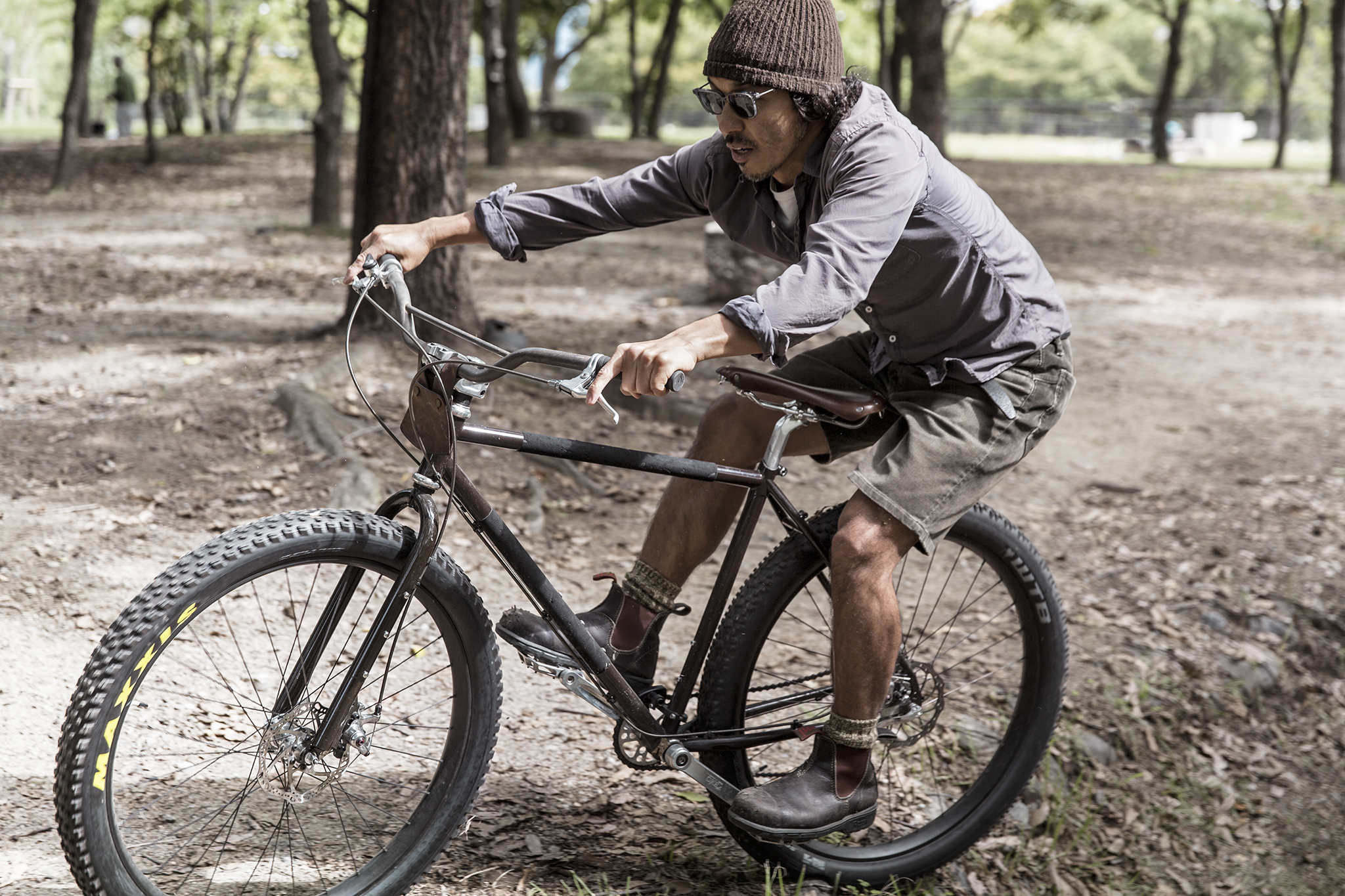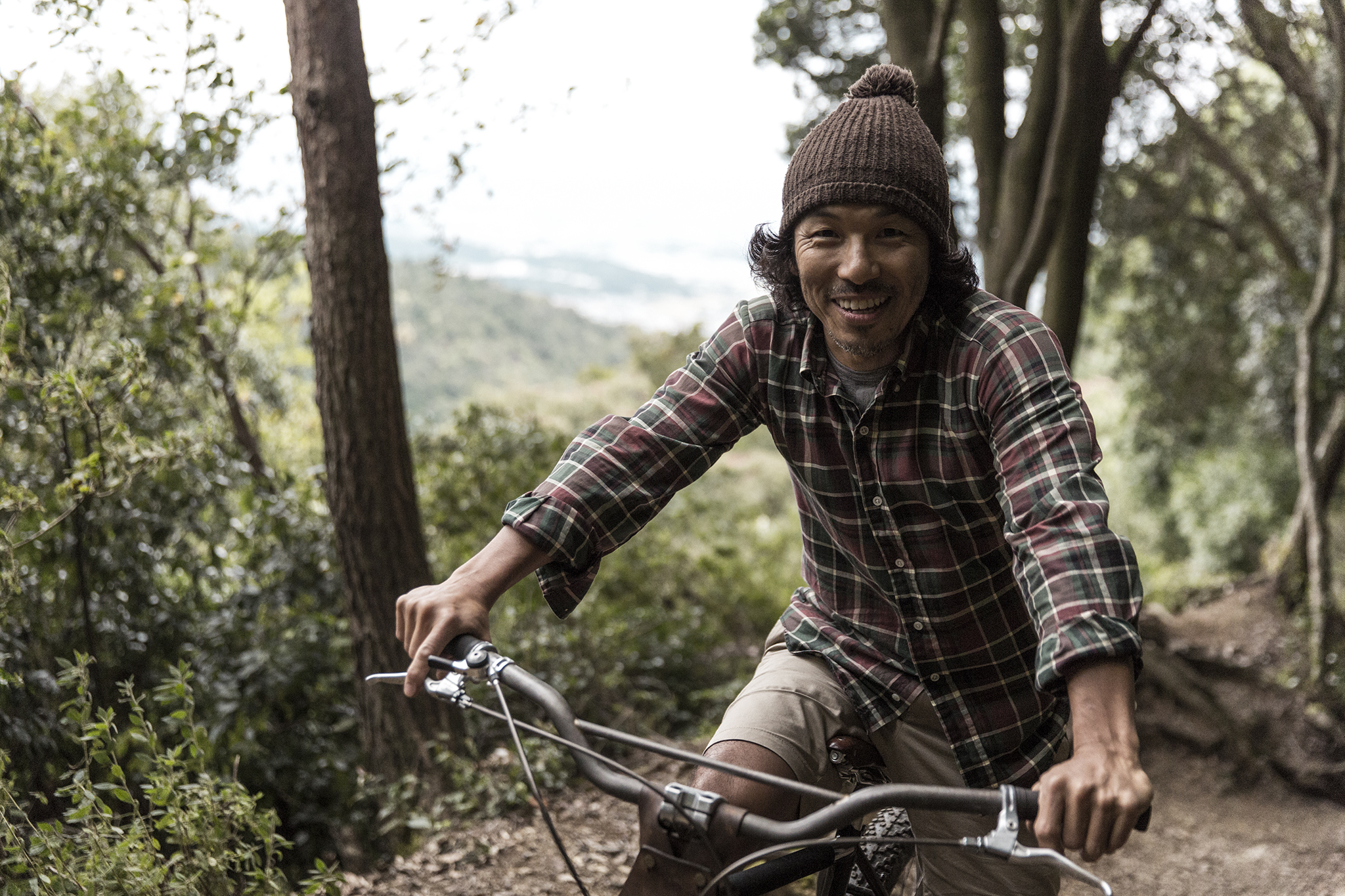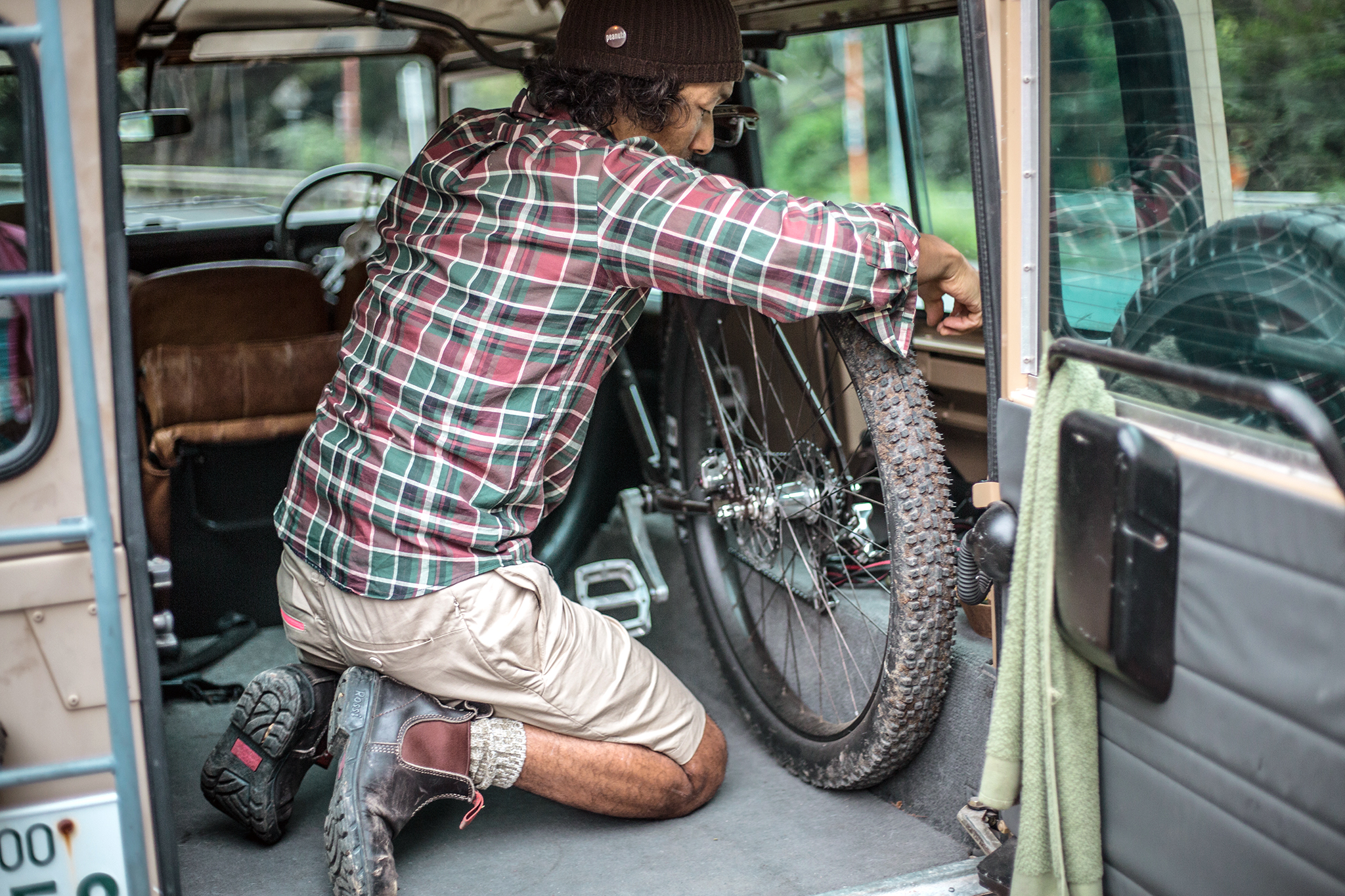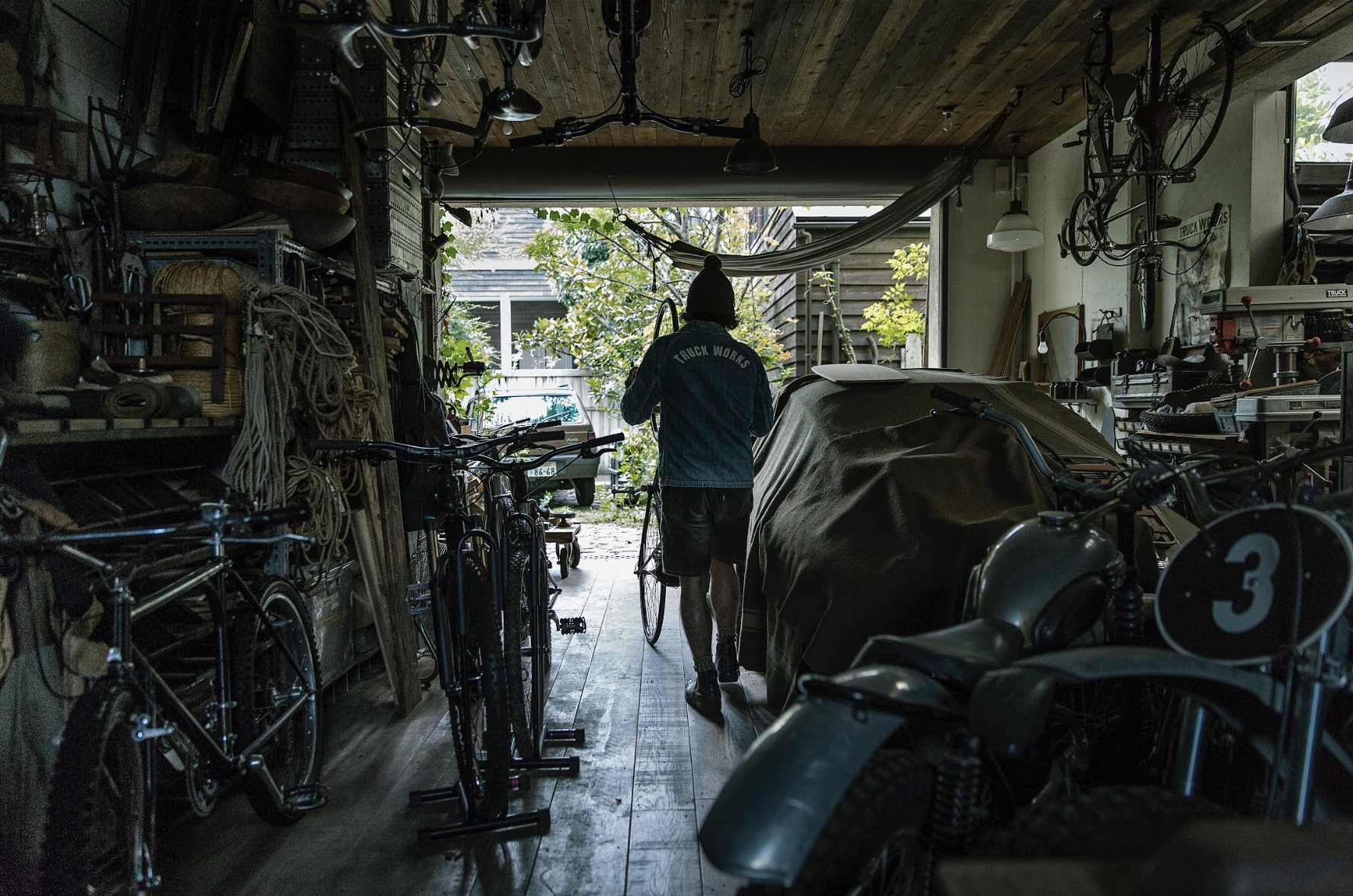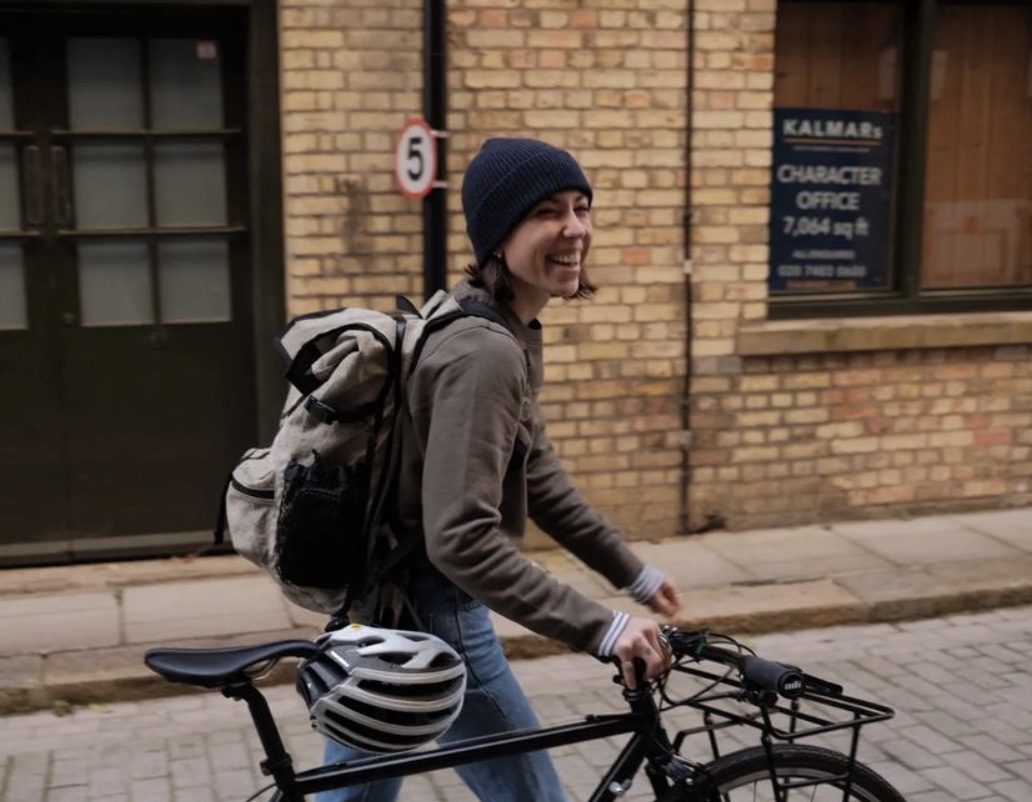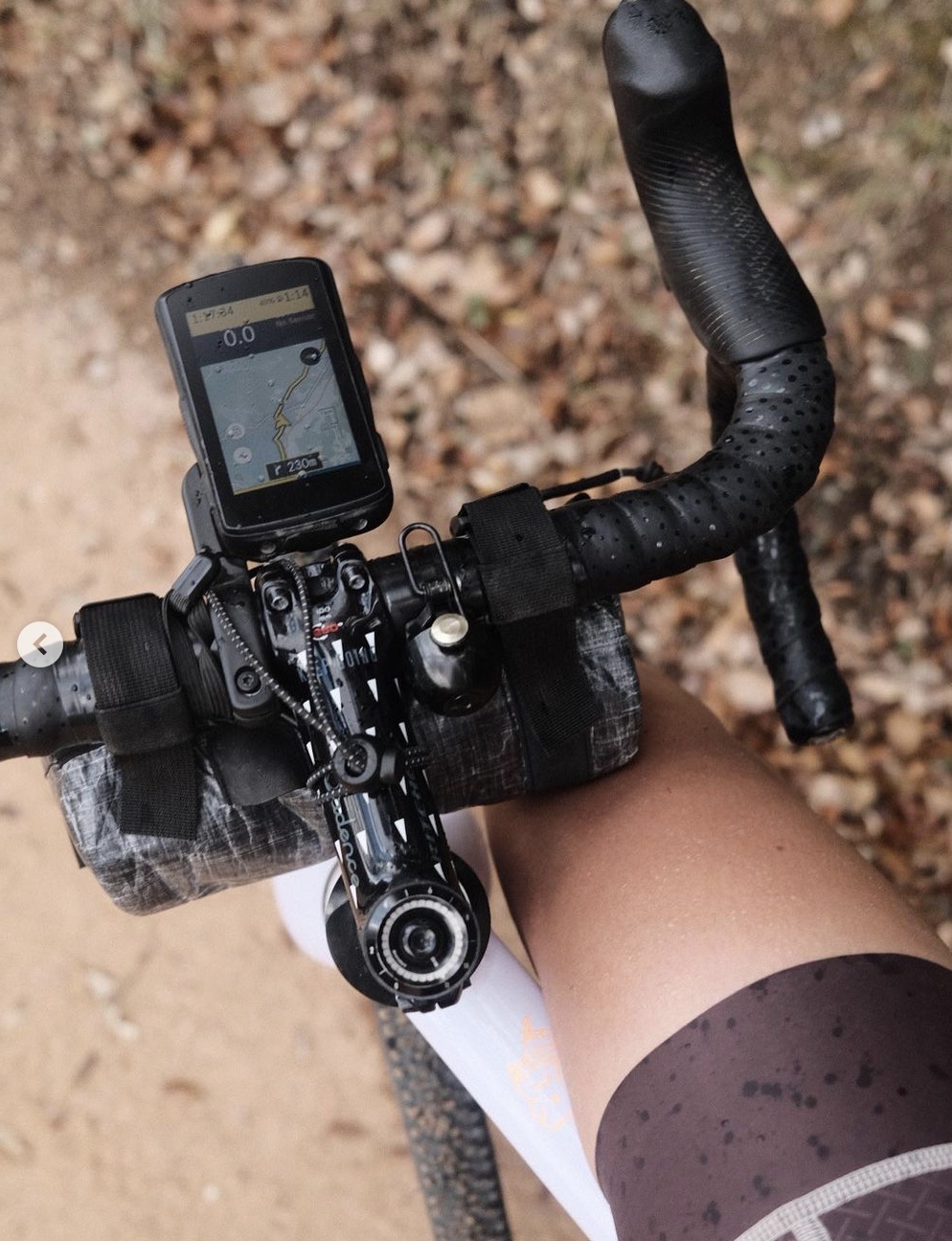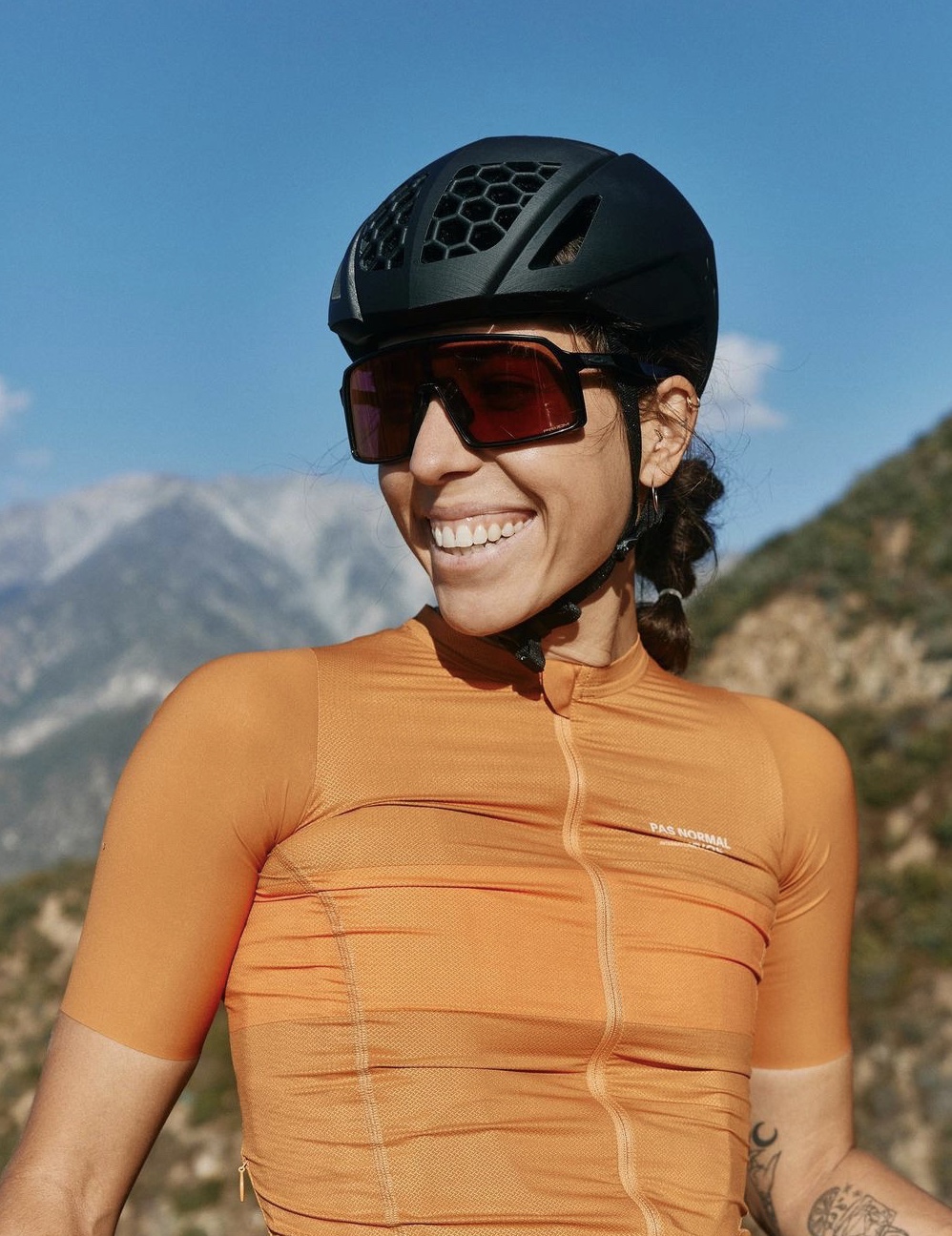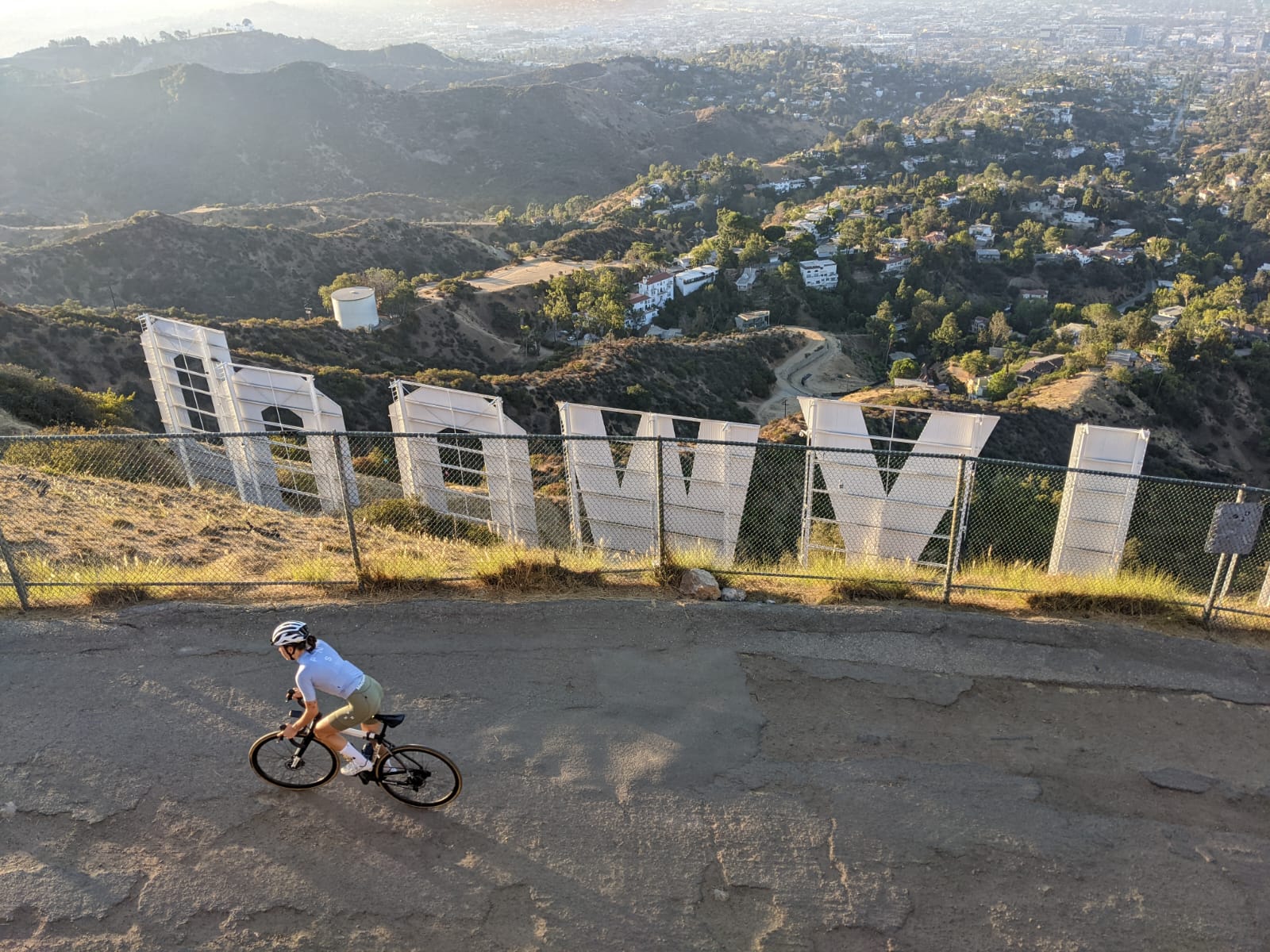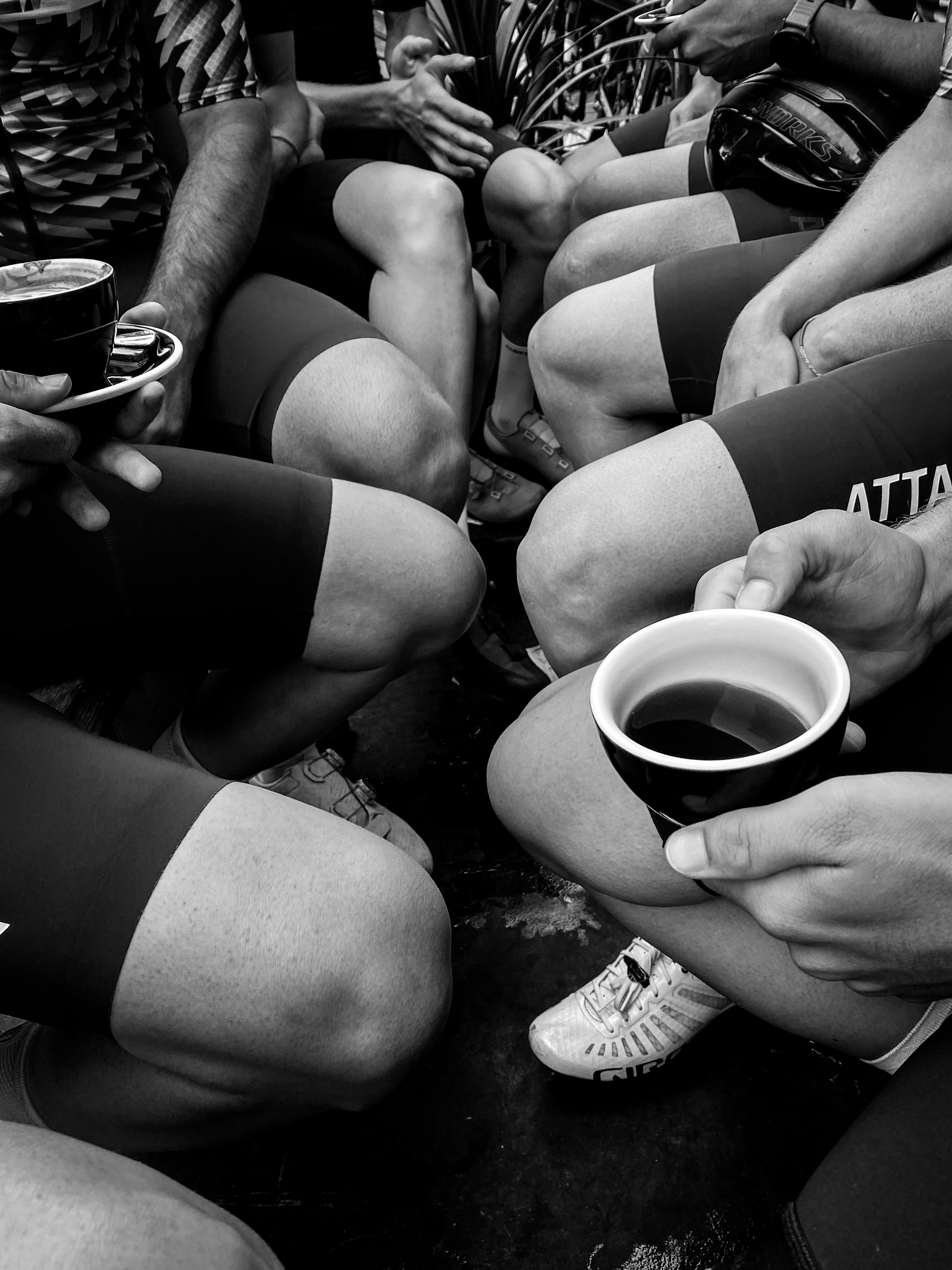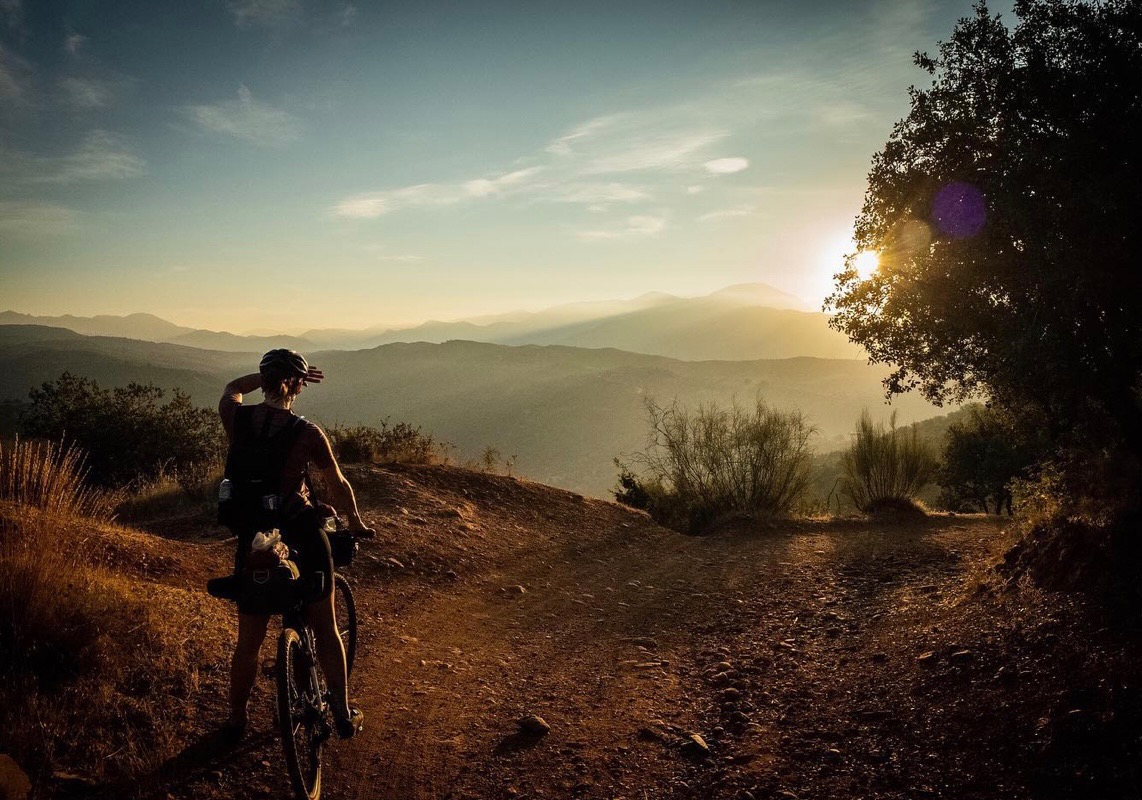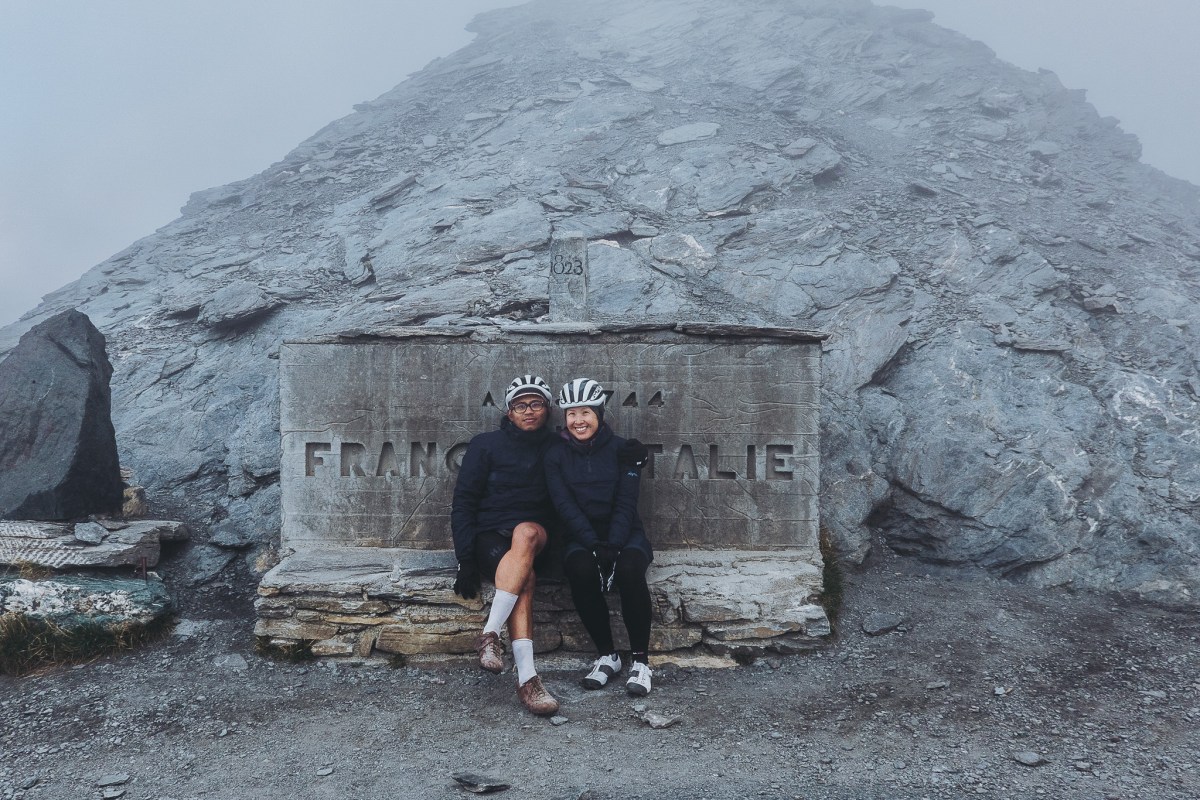
Donalrey Nieva / Professional amateur

Photography, home renovation, cookery, bike building… 

I’m on a call with Donalrey Nieva, reeling off just a few of the disciplines in which he excels and wondering whether there’s anything he can’t do?

“Lots of things,” responds Don with a self-deprecating laugh; before explaining, when quizzed on this question, how he jokingly describes himself as a professional amateur. Which, to me, only suggests that I’m not the first person to comment on his multiple proficiencies. But I decide to let this slide; preferring to fill in the broad strokes of Don’s background before we focus more on what makes him tick. 

“I was born in the Philippines and came to the States when I was 11. Growing up, it felt like a pretty normal childhood. I was into video games and stuff like that but funnily enough didn’t know how to ride a bike. So I guess you could say I was a late bloomer in terms of cycling.” 

Describing how he would skip school to play Zelda on the Nintendo, when he was a little older and encouraged by his brother, Don remembers getting into aspects of hip-hop culture like graffiti and DJing.

“We were pretty close growing up,” Don explains, “so whatever he did, I copied.” 

Settling in Las Vegas—Don already had aunts and uncles who’d moved to the city during the 60s and 70s—I’m wondering what it was like, growing up in such an iconic location? 

“It’s a common question that I get from people and I usually preface my response by asking how much time does a native New Yorker spend in Times Square. Because I lived in the suburbs and one suburb is pretty much like any other in lots of ways.” 

When he did get into cycling it was mostly BMX but only after an extended period of hiding the fact that he couldn’t ride a bike from his friends. 

“They’d all be hanging out in the neighbourhood, learning tricks, and I’d be inside playing video games and feeling a little ashamed. But my Mom noticed what was going on and started taking me to this stadium that had a large, empty parking lot where I could practise. She had me riding my sister’s bike—a fluro pink frame with tassels attached to the handlebars—and it took a month of weekends with me complaining, complaining, complaining before I noticed my Mom had taken her hand off the back of the saddle as I pedalled.” 

With bikes now firmly established in Don’s burgeoning list of interests, a family trip to Hawaii took riding to another level when he hooked up with Justin, a friend who was into streetwear.

“We’d arranged to meet and Justin rolled up on a track bike which looked so cool. And it wasn’t just any old track bike; this was a Japanese NJS import. So as soon as we got back to Vegas, my brother bought a really cheap fixed gear bike. And where he led, I eventually followed.” 

People and the city
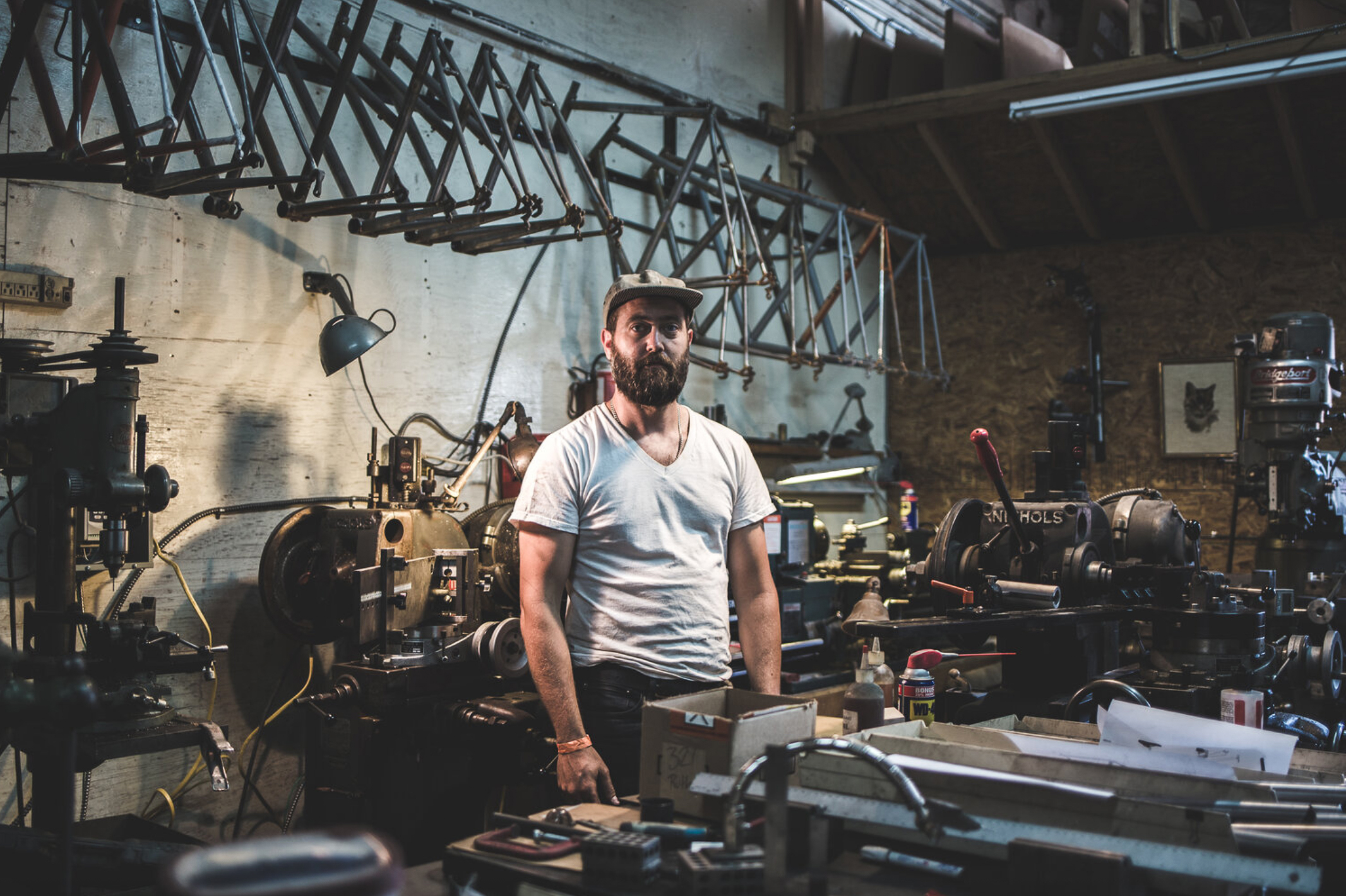

Click image to enlarge

With photography now such an integral part of how Don enjoys his riding, perhaps surprisingly it wasn’t until college that he first picked up a camera. Planning a trip to New York, his friend suggested that it would be fun to take some shots when they were walking around Manhattan. But even though Don understood how this offered another outlet for his artistic energy, it was a slow burn and not something he remembers taking too seriously. 

“That didn’t change until I officially moved to New York in 2019. Blogging and sites like Tumblr were catching on and this trend in sharing content helped encourage me to document my everyday life. Mostly images of me and my friends riding track bikes around the city and the parties that we went to.” 

With his imagery developing a very distinctive look and feel—think refined tonal quality with a masterful manipulation of depth of field—Don suggests that stylistic growth is ever evolving if you continue to question the process and take the time to appreciate the work of other photographers. But interestingly, he baulks at the suggestion that professional quality content requires a certain specificity of equipment. 

“Sure, the gear matters. But, at the same time, I’d say that sixty percent is down to the photographer’s eye. Like when I always used to carry a big DSLR with a couple of lenses when I was shooting a trip—which meant a lot of weight to lug around—but now I ride with a super compact Sony RX100 Mark VI which takes really great shots.” 

This mention of the trips Don has taken—camera to hand—nudges our conversation along to his riding and how it’s developed over the years. For such a self-styled late bloomer, he’s certainly made up for lost time with a catalogue of epic adventures. 

“When I first moved to New York, the bike offered me this freedom to explore. You can see so much more compared to walking or taking the subway. And then this extended to wanting to ride out of the city; seeking out all these unknown roads and trails which was a relatively new way of riding.” 

So when does a ride or route become epic, I prompt? 

“If something goes wrong?” is Don’s considered reply. “Which maybe, at the time, doesn’t make for a particularly easy or enjoyable experience but, looking back, offers you memories that will last a lifetime. Like when we took a trip to Sri Lanka—my first time riding there—and I made the route using RWGPS. I could see all these squiggly roads which usually means a lot of climbing. And I just thought, fuck it, let’s include these sections and see what happens and they turned out to be some of my favourite parts of the trip. So sometimes you just have to go for it. Maybe it’s rideable, maybe it’s not. And if it’s not, then it’s an adventure, right?”

Karen


Click image to enlarge

This propensity for pushing past what can comfortably be achieved is no better illustrated than on a trip to Colombia with his then partner, now wife, Karen. 

“That was back in 2018 before the current boom in riding offroad. I’d set my heart on climbing the Old Letras Pass which they now call Alto del Sifón. A 115 km climb with 4700 m of elevation and, at the time, half of it unpaved. So a big day—the reason we set out at 4:00am—but with a consolation prize of a really nice hotel located a few kilometres on the other side of the summit.” 

“It was still dark when we started riding and the rain was pouring down but it wasn’t super steep so we were making good progress. Eventually it dried up and we stopped at a town for some food before the dirt section started. And what’s funny is that looking back at it now, Karen and I have very different memories. I thought the surface was okay but she remembers it as being pretty rocky. But whatever we thought individually, we were riding much slower than I’d anticipated and the sun was starting to set when we still had a ways to go to the top. That’s when I discovered that the morning rain had destroyed my light and Karen took a tumble on the loose surface. At that point, in my head, I was wondering whether we’d have to spend the night on the side of the road.” 

“But we kept on riding and did eventually reach the top; just as our one working light started to flicker. I knew we only had 5 km to go, downhill, to the hotel. But in the dark, with no lights, it was simply too dangerous to carry on. And then, as if in answer to our prayers, a car came round the corner. We flagged it down, explained our situation as best we could, discovered that they were also staying at the same hotel, and then set off riding down the mountainside with the car headlights illuminating our path from behind.” 

Whilst certainly qualifying as epic, what I’m yet to fully understand is how this ride connects with their own journey as a couple. 

“After we checked in and got to our room,” Don continues, “Karen just burst into tears and, because she was crying, I also started crying. Our reactions quite possibly prompted by this being our first overseas bike trip together and a pretty memorable one at that.” 

Travel


Click image to enlarge

Not that Don’s relationship with riding is confined solely to foreign climes; his connection with The 5th Floor coming about following a trip to LA with friends who raced and the suggestion, over a group text, that maybe they should start a New York chapter of the cycling collective. 

“Racing wasn’t really my thing but with Adidas, Wahoo and Specialized onboard as sponsors, I was happy to help out The 5th Floor team with photography. And all this coincided with an interesting time in brand marketing when we took a trip out to California for the launch of the Specialized Diverge. After we’d finished test riding the bike, the head of marketing was discussing content creation and coined the term influencer. That was the very first time I’d heard it used and, to be honest, I thought he was joking around; casually suggesting they provide bikes in exchange for us contributing words and pictures for their online blog. And this all happened way before Instagram became a thing.” 

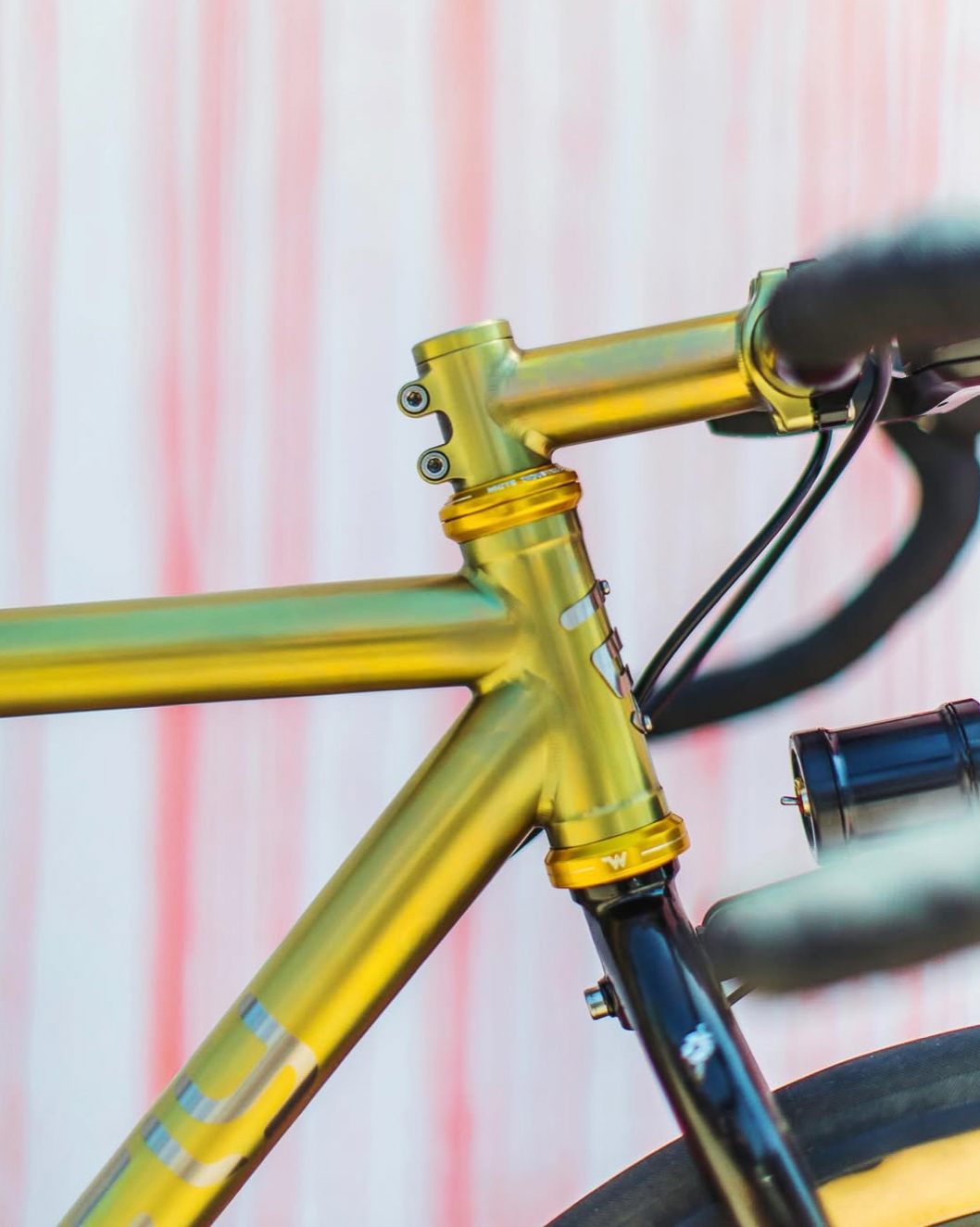
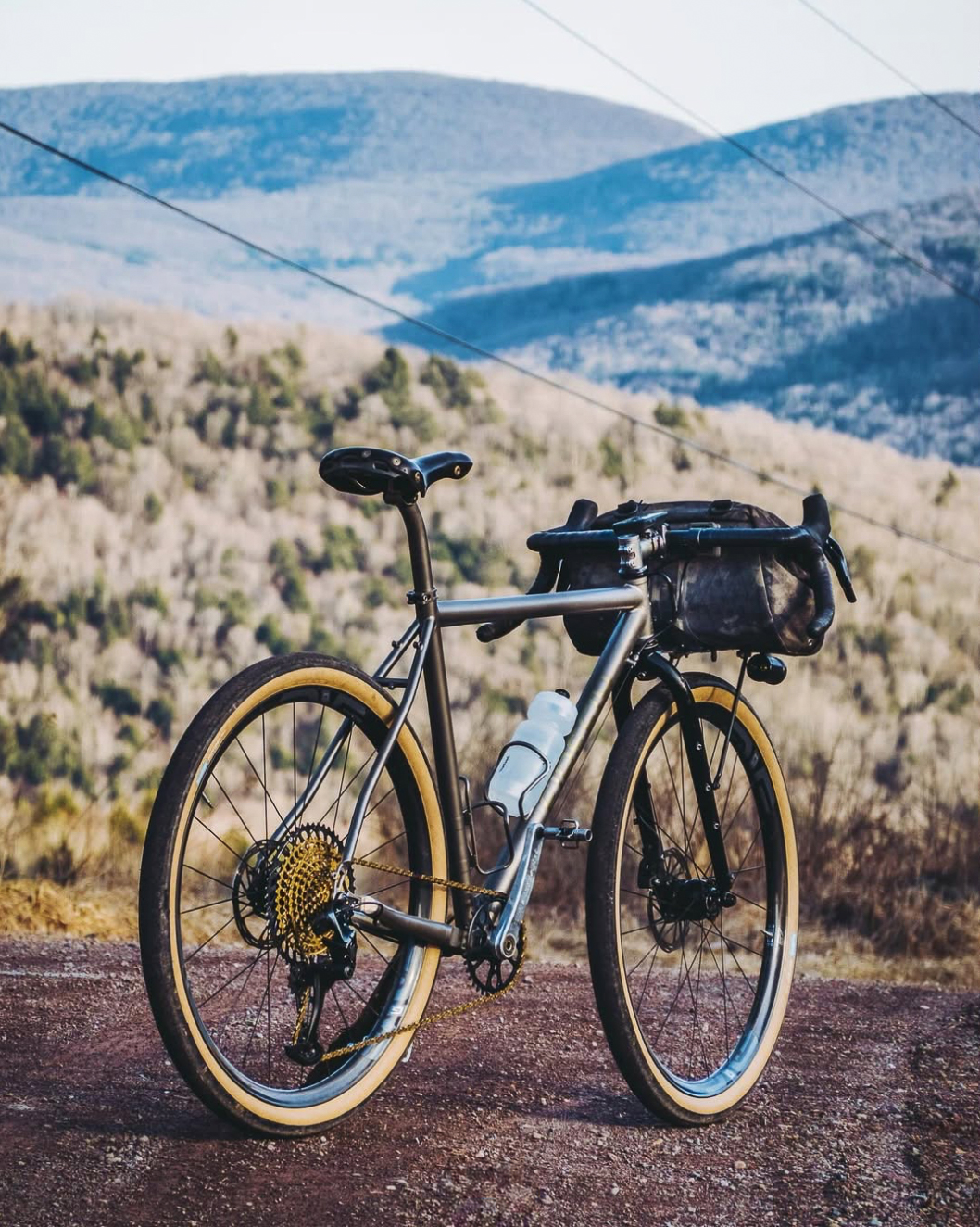
Supported by Specialized he might once have been but there’s no hint of carbon in his current stable of bikes; Don favouring steel and titanium and not shying away from a statement build if the recent pictures of his re-finished Firefly are anything to go by. Which begs the question whether gold is now his favourite colour? 

“It is not,” he fires back with a laugh. “I guess I wanted something that was pretty unique and would complement my other Firefly which is finished in bronze. And then, when they sent me a photo, I was like, oh shit, that’s really gold. But now I’ve grown to love it.” 

Bikes
Click image to enlarge

Having ridden with Don in Portugal on some pretty insane trails—he’s an accomplished bike handler when things get a little rowdy—I was left wondering why there’s no hardtail or full sus in his bike collection. The answer, perhaps rather prosaically, being that they’ve never really piqued his interest and that the older he gets, the more concerns he has over falling and breaking something. Add in the fact that he lives in Brooklyn—at least from Monday to Friday—and I’m wondering if that might also dictate the style of his leisure riding? 

“The community is fairly small but that just means you know everyone. And Prospect Park is a convenient place for me and Karen to ride with friends.” 

Going by their Instagram feeds, café stops appear to play a big part in the couple’s ride routines. And causing me to inwardly wince whenever I spot the price of the pastries they’re ordering. 

“The café scene is mostly Karen but it’s also a fun part of our riding. And yes, it’s crazy how expensive it is here. I don’t drink coffee but even a matcha latte is around $8 for a small cup. But our apartment is close to some super nice bakeries and I sometimes wonder if people understand how much work goes into making a croissant.” 

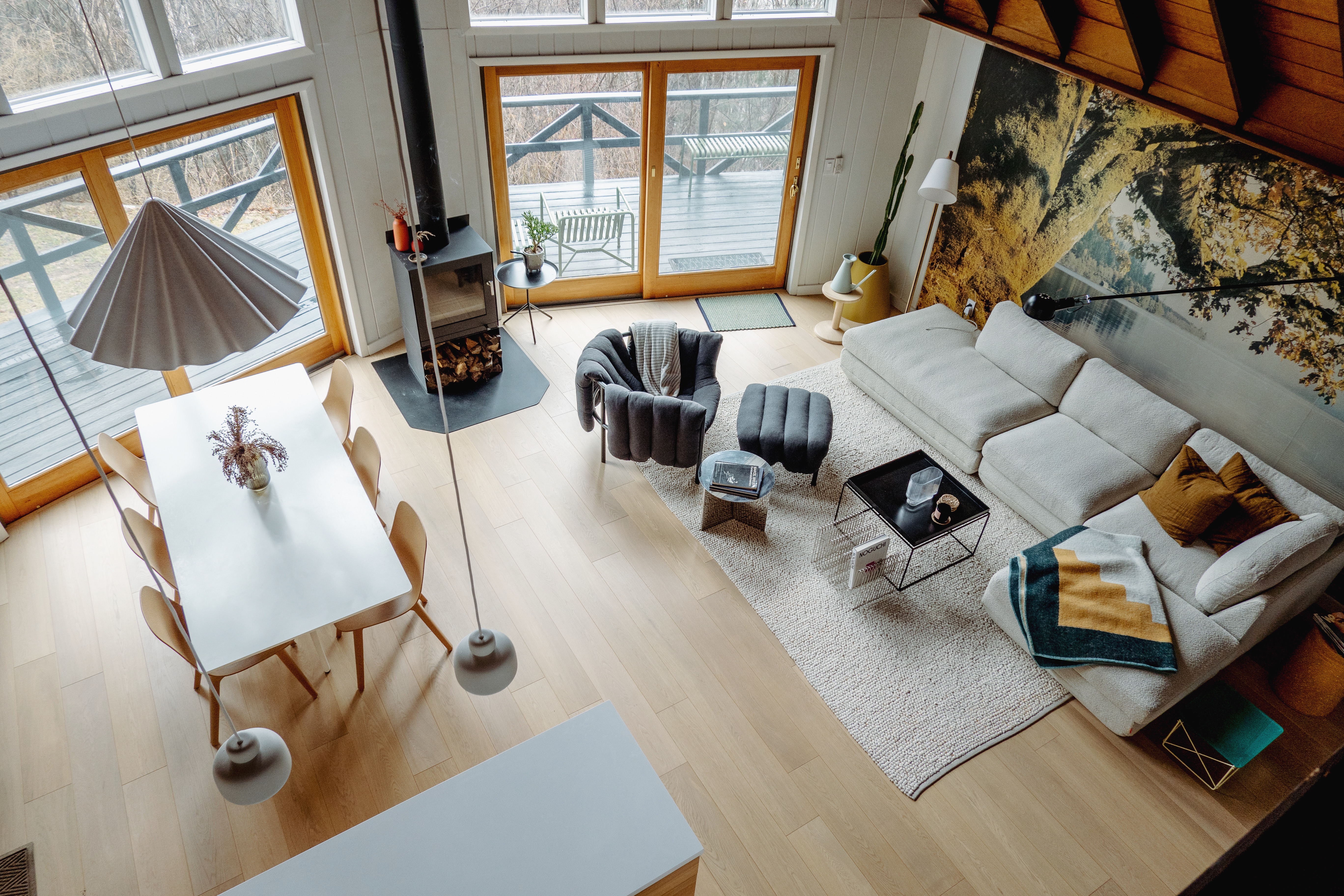
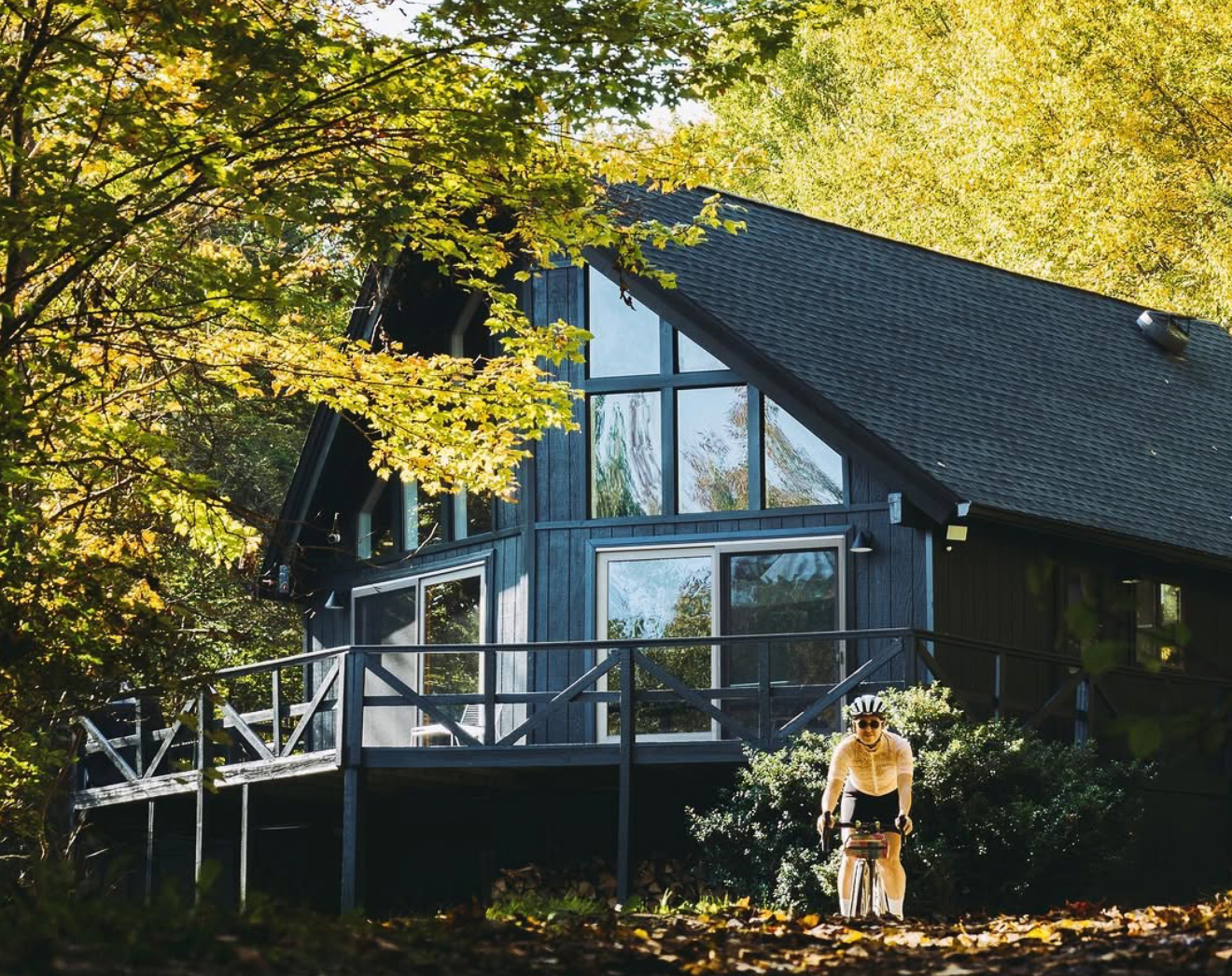
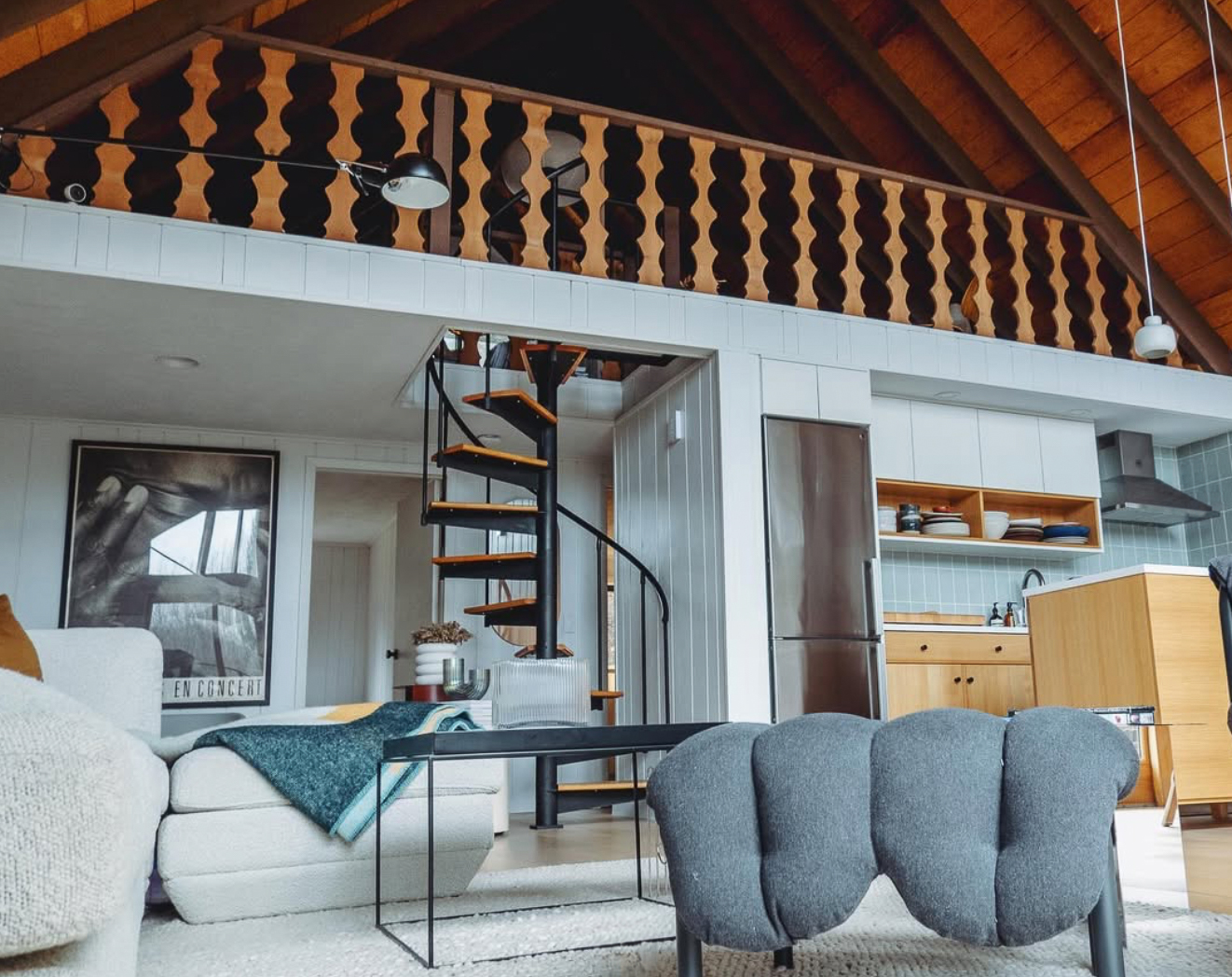
With weekdays seeing Don commute by bike over the Queensboro Bridge to the Memorial Sloan Kettering Cancer Center where he coordinates research projects, weekends often find him in the Catskills at Highcliffe House; the chalet that he and Karen bought in 2020 towards the tail end of the pandemic.

“We never actually planned to buy anything upstate. But it was a region where we enjoyed riding and we’d catch the train up there fairly regularly. And then during the pandemic that just wasn’t feasible so we ended up borrowing Karen’s parents’ car which turned out to be super convenient. Especially that summer as everyone seemed to be doing really big rides. It became a thing that you rarely covered less than 100 miles and I remember one time when we were driving back to the city and I mentioned to Karen that it would be kind of cool to have a place upstate. I was joking but the seed was planted and we decided just to look. But once we started looking, we saw properties that we liked and after a couple of months closed the deal on Highcliffe.” 

Comparing its renovated state on Instagram to some earlier photos, it’s clear that a lot of hard work has been invested. 

“It was built in 1980, had orange and blue carpet, and really ugly wood panelling that looked like it was infested with termites. And looking back, it seems very daunting to take on such a huge renovation project but when we first moved in, our plans only extended to a couple of coats of paint and changing the floors. Little did we know.” 

Highcliffe

Click image to enlarge

So an enjoyable process or more of a means to an end? 

“There was a lot of learning required—a lot of watching YouTube tutorials—but I personally enjoyed it. Perhaps because I like working with my hands which stems back to my artistic interests.” 

Not only does the unpaved road that leads up to Highcliffe prove a challenge for vehicular traffic when the winter snows arrive, it also boasts its very own Strava segment. 

“It’s a private road and unmaintained,” laughs Don. “Just shy of a mile with sections of 20% and it’s a standing joke that all of our house guests that ride have to attempt the hill climb at least once.” 

With an interior fashionably furnished with a discrete smattering of design classics, I’m wondering whether Don is still collecting Facebook Marketplace finds on his Brompton? 

“That’s one of the great things about NYC. How there’s so many wealthy people who are constantly moving and want to offload really expensive design pieces. And the Brompton? I did have one particularly tricky ride home with a floor lamp balanced just above the front wheel. And you know how twitchy Bromptons can be.” 

Considering the active social life the couple enjoy in the city, perhaps it’s a little premature to ask whether Don can ever see himself living full-time at Highcliffe. But he clearly relishes the peace and quiet afforded by such a rural setting; a bucolic lifestyle enlivened by visiting family and friends. Or garden parties, I add, referencing the celebration of their wedding in 2023 following an exchange of vows at City Hall.

“Cycling is such an important part of my life; pretty much the reason why I moved to New York which I guess is kind of stupid. Usually people relocate to start a new job but I wanted to ride my track bike in NYC. So to have someone special like Karen to share all that is really great. And it’s already a given that any trip we take has to be a bike vacation.” 

So you first got to know Karen through riding bikes, I ask? 

“We met through mutual friends but I already knew her from Instagram. And I remember egging on my friend Julia to make sure she invited Karen along on the rides we were planning.” 

So an instant attraction? 

“Absolutely not. Karen was tough,” Don laughs. “I was pursuing her for over a year.”

A year is quite a long time, I suggest? 

“She knew that I liked her but she just wasn’t having it.” 

So what changed, is my next question? 

“Maybe you need to ask Karen,” replies Don with a smile. “I would arrange a bike ride and hope that it would be just me and her but then Karen would mention that we were meeting one of her friends at this or that corner. So eventually I started to question whether I was getting anywhere and decided to stop trying to hang out with her off the bike. And I think she noticed this change and we finally got together.” 

Brand photography


Click image to enlarge

With this talk of sharing a life with a loved one and conscious that Don previously mentioned how formative he found the influence of his brother Kuya Gerrard*, I decide to tentatively touch on the tragic accident in 2020 that saw Gerrard lose his life on an organised bike ride. A loss that Don lovingly acknowledges in the messages he posts on the anniversary of his brother’s passing and in the physicality of shared passions.

*The appellation Kuya means older brother in Tagalog and is used as a sign of respect.

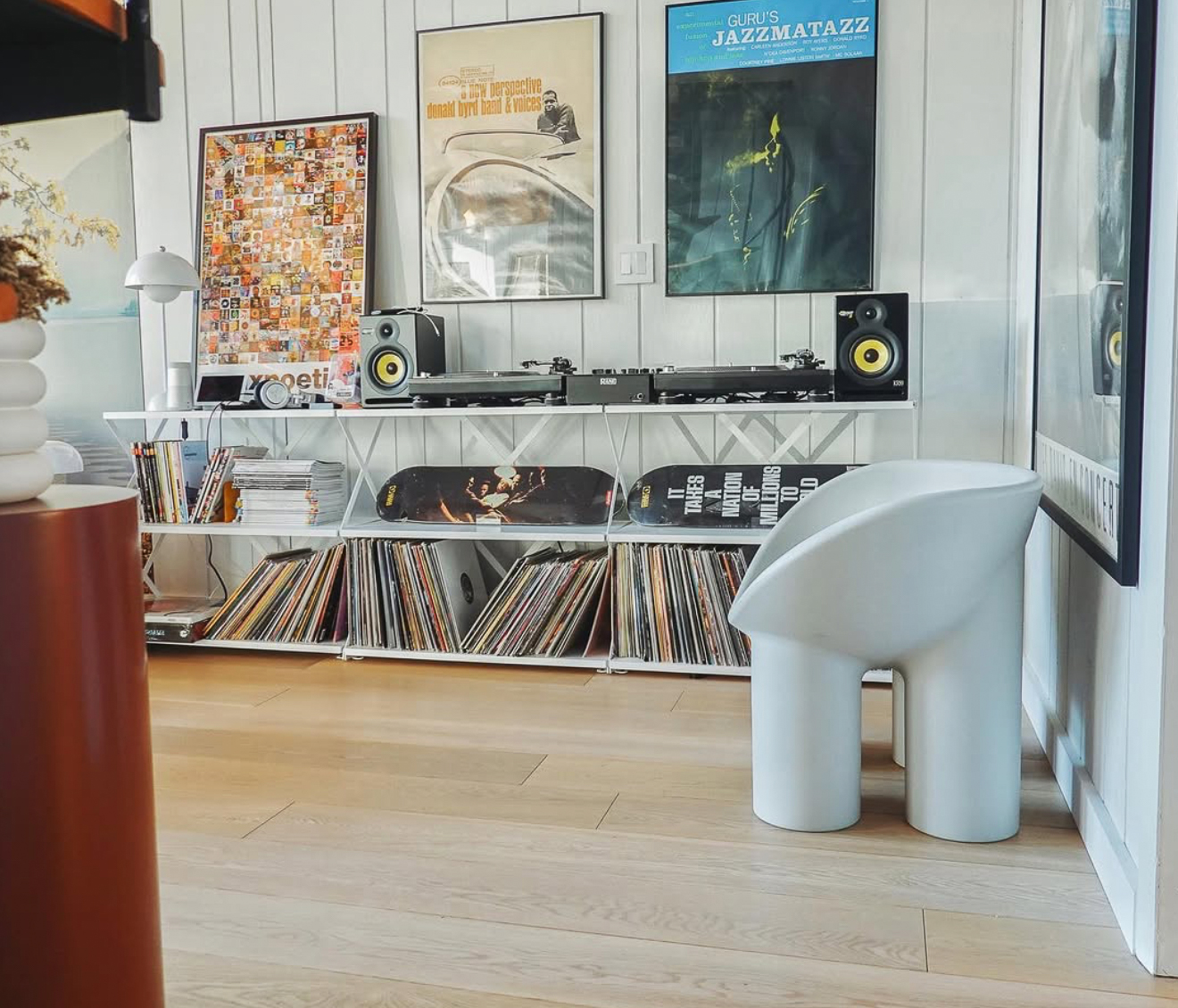
“I have his vinyl collection at Highcliffe. We both grew up listening to the same music so I’ll just pull out a random record and, in my head, each selection brings back a very particular memory. It’s a good trigger.” 

And Gerrard’s name anodised on Don’s Firefly stem? 

“When I’m out on the bike I’m always thinking of him, so having his name written there just resonates.” 

Understanding that these material things offer a sense of comfort, I’m wondering what the objects are tapping into?

“Memories, I guess,” suggests Don. “Past and future memories.” 

So if Don was to make a future memory? If he was to plan a pretty perfect day? 

“It would have to involve a ride, for sure,” he confirms, perhaps unsurprisingly. “So out on the bike, exploring?” 

Alone or riding with someone, I’m interested to know?

“Karen and I did the Torino-Nice Rally route and on one of the days we were pushing on to make it to the B&B we’d booked. Karen had taken a shortcut to avoid this huge climb but I didn’t want to miss it. And I remember being all alone, just me and my thoughts, climbing this mountain and thinking about my brother. So hypothetically? If my brother was with me, it would be nice to ride with him again. That would make for a pretty perfect day.”

All photography* with kind permission of Donalrey Nieva

Highcliffe House

*Feature image by Nik Karbelnikoff
Rachel Peck / The two of us together

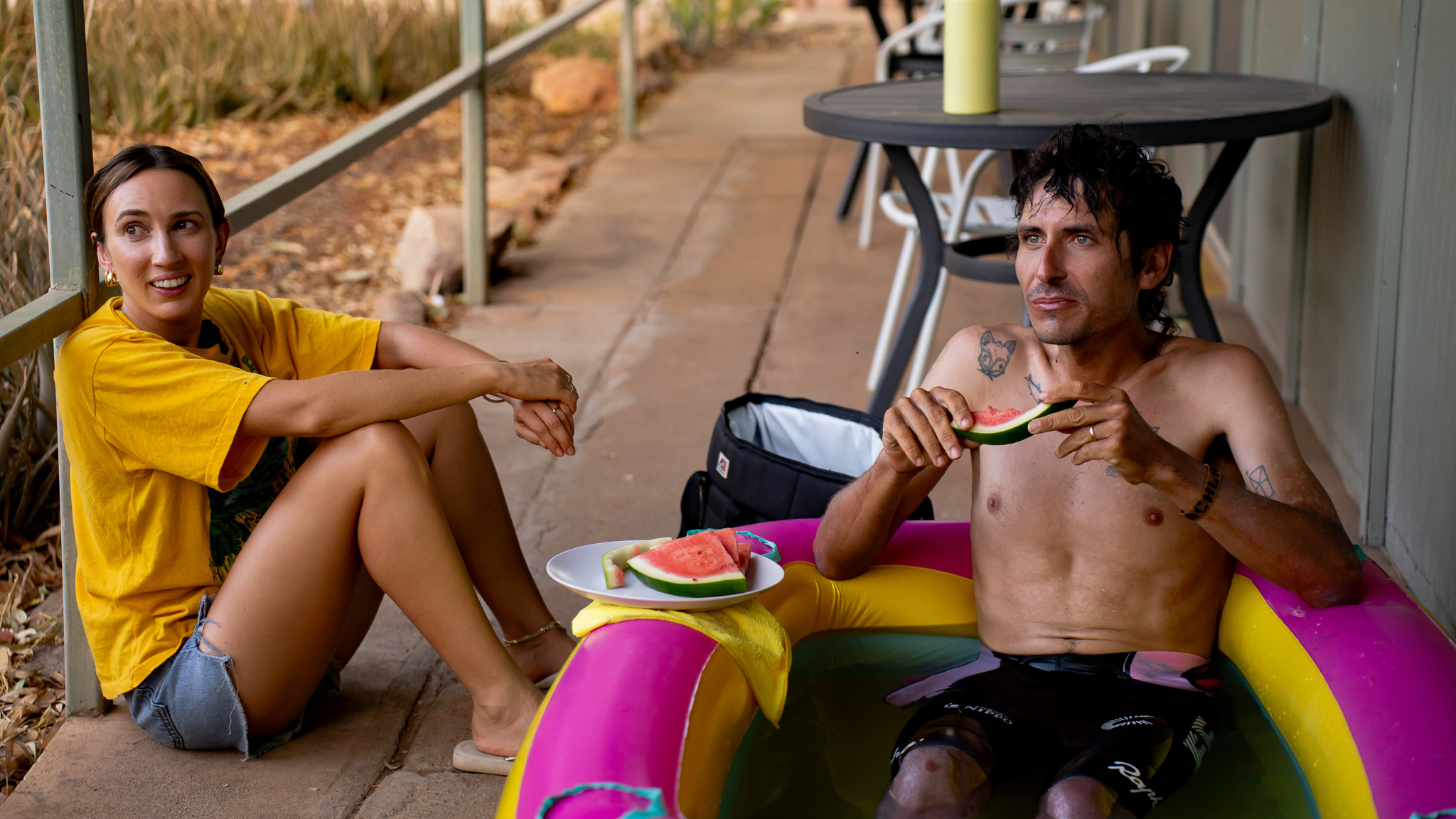
Lachlan Morton, former World Tour professional and now ultra-distance racing legend, is sitting in a brightly-coloured, plastic paddling pool filled with ice water. His wife, Rachel Peck, after helping him take off his shoes and socks, runs her fingers through his hair before fetching him something to eat.

“You look a little zooted,” she says with a gentle laugh; a hollow-eyed Lachlan raising a smile before responding, “I’m fucked, mate.”

This particularly poignant scene—towards the middle of his record breaking circumnavigation of Australia by bike—is just one of many in the recently released film The Great Southern Country that underscore Rachel’s supporting role in helping her husband cover 14,210 km in just shy of 31 days. A fascinating balancing act of managing the logistics of a record attempt with the perfectly understandable concern of seeing a loved one push themselves to the very limit of their endurance.

“What’s funny is you can’t put your arms round them and complain how what they’re doing is so fucking hard. Because they’ve got to do exactly the same thing the next day. So there is this requirement to hold things together.”

And holding things together appears to be Rachel’s forte; her film persona suggesting she is just the right kind of personality—calm, quick to laugh and always ready with a smile—that you would be happy to spend a month with, on the road, cooped up in an RV. The nice girl, I suggest, that’s referenced in her Instagram bio?

“People that know me well,” Rachel explains with a laugh, “know that I can be, not a bitch, but pretty goofy and not exactly normal. So I just thought describing myself as nice would be funny.”

Recently returned home after her Antipodean odyssey but with another flight to catch in the morning for a trip to Mexico, I’m guessing there’s not really such a thing as a typical day?

“Things kind of happen in blocks. We’ll be in one place for three months or so, and then we’ll be somewhere else. But when we are back in the States, a typical day involves me working from home as a graphic designer. But that’s all mixed up with some hiking, Pilates, or a run as a way of getting out and about. And I love to spend time with Lach when he’s at home. We love to cook together and just hang out. Home is our downtime because when we’re away on a trip, there’s usually a lot happening.”


Click image to enlarge

With this mention of her graphic design career, Rachel is quick to acknowledge her father as encouraging all her childhood creative endeavours.

“As well as a passion for music, he had a huge collection of graphic design and cartoon books. Things like Robert Crumb—which I guess was pretty inappropriate for my age back then—but I loved all that stuff.”

Growing up in Sydney, the urban environment meant Rachel never developed a particularly strong connection with nature. And it was the move to Port Macquarie as a teenager—coincidently where Lachlan grew up—that proved to be her first introduction to a more rural setting.

“It was quite a shift from city living where the sound of passing cars would lull me to sleep. The nearest thing we got to a traffic jam in Port Macquarie was cows crossing the road.”

High school proved problematic; worries over not being able to get into university not helped by Rachel skipping class. Begging her parents to put her into a private school—with the sole purpose of getting good marks—as she attended her first classes, Rachel noticed this quiet, retiring young man.

“That’s where I first met Lach but we never actually hung out or spoke much. Just the occasional passing encounter until, on my friend’s birthday, she insisted I go out to celebrate. I said I couldn’t because I had to revise for an exam but she’d stolen another girl’s ID and was insisting I agree after all the effort she’d gone to. So we went out and I bumped into Lach and that’s when we finally started to talk and get to know one another.”

Spending all their holidays hanging out together, things came to a head when Lachlan had to leave for the States to join his racing development team.

“I found that a bit of a shock,” Rachel reminisces, “and I think he was nervous about telling me. Because I only found out two weeks before he was due to leave. And my initial thought was maybe he didn’t think what we had was that serious. But he was emailing me constantly from the team camp and we’d talk over Skype so it was clear our relationship was important.”


“We had a couple of years with huge stretches without seeing each other,” Rachel continues. “Sometimes up to six months when we were balancing his race schedule with my university studies. Which is really funny because now, if he’s away for two weeks, we’ll be complaining it’s too long.”

Maintaining their relationship at the opposite ends of numerous time zones, Lachlan had now moved to Girona, Spain, where Rachel joined him for a holiday.

“It was obvious when I arrived that he wasn’t doing very well. It seemed to me that he was struggling to find a deeper purpose than just race results—feeling quite isolated from the other World Tour professionals—and questioning whether he really wanted to keep racing. So I was really feeling for him and asked what would make it better. And he came right out and suggested I be there with him. Figuring that I could still work remotely, I said okay, I’ll do it.”

A leap of faith, as Rachel now describes it, but one that immediately prompted Lachlan to call his brother Gus to tell him the news.

“What was I thinking?” Rachel quips with a laugh. “It was a case of, oh wow, I guess we’re actually doing this. But when I got back to Australia at the end of my holiday and told my family and friends, I don’t think people really believed I would go through with it until I started selling my furniture.”

Marrying when they were both 22—Rachel playfully refers to herself as a child bride—life soon settled down to a mix of freelance projects and race-day spectating from the finish line. An ever-so-slightly arm’s length connection with Lachlan’s professional career that was turned on its head when the Australia record attempt was first mooted.


Click image to enlarge

“The project kind of grew organically. Partly because Lach is given a lot of freedom and encouragement by his team EF Education-Oatly with regard to choosing his calendar and the things that he does. And Lach being Lach, he likes to do something quite epic at least once a year. So we had all these ideas floating around until we finally landed on Australia. And then I said that I’d like to join him on the record attempt in a support role. Because when would I ever get to see Australia like that otherwise?”

Because of the time involved in circumnavigating a whole country, Lachlan was keen to build a team he would feel super comfortable with; the first person on his list being his brother, filmmaker Angus Morton.

“I knew that if Gus agreed to film it,” confirms Rachel, “Lach would definitely be up for giving it a go.”

Watching the resultant feature-length film—cleverly balancing shots of Lachlan on the road with his support team’s daily duties—it very quickly becomes apparent that plans had to be constantly adapted on the fly. And that Rachel’s own routines—and especially her sleeping—gradually shifted to match Lachlan’s ride schedule.

“What was funny—because everyone else had these very defined roles—was that at the beginning of the trip I really thought I’d just keep myself busy helping out wherever I could. Tom Hopper was the mechanic and also drove the RV, Graham Sears was the coach and kept on top of all the numbers, Gus and his crew were filming, Karter Machen was taking photographs, Athalee Brown was on physio and massage. But then almost from the off, I became responsible for booking each night’s accommodation, figuring out where Lach was at any given moment, what the wind patterns were and how that would help or hinder his progress. So there I was, acting as the logistics manager, until the final week when I added Lach’s PR manager to my list of things to do. By that point—and I think you can see it in the film—he was super sleep deprived but I was telling him he had to talk to this or that journalist. And all that meant I had to research which towns we would pass through that would have cell reception.”

Referencing the inevitable tiredness that accrues from riding an average of 450 km a day—and acknowledging the inherent risk involved in racing bikes—I’m wondering if Rachel found these emotions difficult to manage or whether she was simply able to trust and believe in Lachlan’s abilities to be okay?

“I totally trust Lach’s decision making. But that only carries you so far and there were so many other factors beyond his control. And towards the end I was starting to feel really nervous about the trucks and the traffic. To such an extent that, in the final few days, I couldn’t shake this feeling of nervousness and I was sleeping less than Lach.”


Not that there weren’t plenty of laughs along the way; Rachel posting a series of very entertaining Instagram reels that suggested some of the stopovers were a little rough and ready.

“By the end of the first day we were in a different state. So that blew my mind because we were moving at warp speed. And then as soon as we got north into Queensland, most of the camping sites were unpowered and the facilities were limited to say the least. I was convinced that I would get bed bugs and did question whether a prison cell would be more comfortable. Some of the places where we stayed didn’t have windows, others did have an air-conditioning unit but it was dripping onto the bed.”

All part and parcel of life on the road, I suggest, and soon forgotten when Lachlan did finally roll to a stop with the accompanying sense of elation that the challenge was done and dusted?

“You know what’s funny? There wasn’t any sense of surprise because I always knew he’d break the record. I never doubted that for a second. But there was a little hint of sadness because, whenever he finishes these types of endurance rides, it can feel quite anticlimactic. Not in a this sucks way, but unlike other sporting events where there’s a podium and a big party, Lach just wants to go to sleep.”

As to the question of what next, Rachel does mention in the film that this might be her last big adventure before starting a family.

“Going on this record breaking journey together, it brought home to both of us how great Australia is. It’s always been in the back of our minds that we’ll move back there at some point. But after finishing the trip, maybe that will happen a little sooner than we thought?”


Not that Lachlan doesn’t have other, non-cycling talents, I suggest with tongue firmly in cheek, referencing a potential future in comedy with his CEO sketches. Wearing a shirt, tie and an oversized suit, the spoof promotional video he presents for the Pretty Great Instant coffee company he fronts, sees Lachlan deadpan a bleeped-out Big Fucking Sale before Rachel’s off-camera correction—that’s Black Friday Sale—can be heard.

“The operation is me, him and the big suit,” she qualifies with a broad smile. “So Lach is my victim for all that. There’s a lot of me begging him to put on the big suit before bossing him around for a few hours.”

This explanation of Rachel’s creative control over Lachlan’s CEO alter-ego is momentarily interrupted by what sounds like construction work in the next room. Which makes sense as Rachel had previously asked to bring our call an hour earlier and prompting me to ask about her concept of home. Born and raised in Australia before spending time living in Europe and now resident in California, is it people, places or belongings that anchor her to one particular location?

“It’s definitely not belongings,” she answers immediately with an upward glance to take in the room. “The way we move around makes me so indifferent to owning a lot of stuff. To such an extent that we’ve lived in this house for over a year and it’s shocking how little furniture we have. And Lach is like me but even more of a minimalist. But to answer your question, Lach feels like home. And for me, that’s enough.”

Which brings us nicely to their recent 10 year wedding anniversary. And whether, after all the adventures, travels and relocations, they’re still the same two people that met and fell in love?

“I think so for sure. Because the more time we spend together, just the two of us, the more we develop this very small gang mentality that reflects the freaks that we are. And that only keeps on getting deeper and deeper. The way we talk and are with each other when we’re alone almost has its own language. So I guess you could say that we’re pretty codependent.”

Rachel Peck / steel ponies.co

All photography by Karter Machen / kartermachen.com

Ginger Boyd / Making things happen

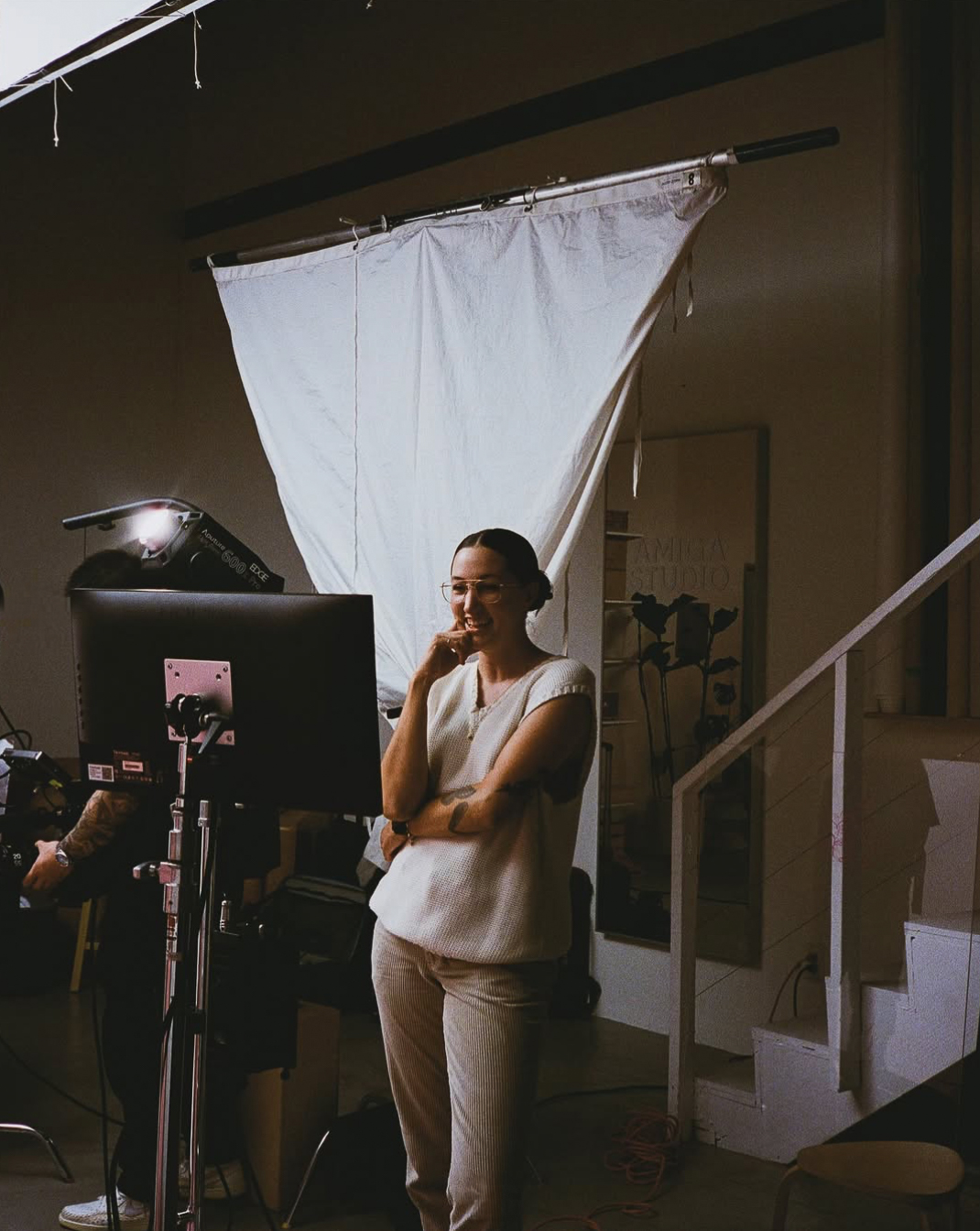
Ginger Boyd, freelance director and cofounder of Amiga Studio, is taking our call from the home office she shares with partner Alvin Escajeda (pictured together above). Wearing a black tee, oversized gold-rimmed glasses and with her dark hair pulled back tightly in a bun, Ginger proves engaging company over the course of our conversation.

“Alvin is usually sitting here beside me,” she quips with a smile, “but I asked him to work in the room next door so we can talk.”

And talk we do; starting with the provenance of her name.

“So my real name is Virginia—like the state—and I’m one of three or four in my family but all known as Ginger. Even my Mom has called me Ginger ever since I can remember.”

Growing up in Upstate New York before studying English Literature & Religious Studies at NYU, Ginger balanced these educational demands with running the café at the Rapha Clubhouse. A juggling act that I suspect made for memorable times?

“It was so crazy. And looking back, I don’t really know how I did it. I can remember—when I applied to work at Rapha—the guy hiring me did raise the question that I was still in school. But I just told him it was no problem; me taking a salaried position whilst also taking a double major and bartending at weekends. So yes, an insane time with very little sleep.”

With her then boyfriend introducing her to riding fixed, there’s an involuntary laugh-out-loud gasp as I listen to Ginger describing how her first experience of racing was the Red Hook Crit.

“That scene was so cool, so how could you not?” she suggests. “I’d watched it the year before as a spectator and then the following year was the first time they had a women’s field. But they were short on riders and that was the push I needed. Prior to that, the women raced with the men which would have been so scary.”

Because doing your first ever race at Red Hook Crit—albeit with a women-only field—isn’t scary at all? And leading me to wonder how she fared?

“Oh, I was pulled from the race when I got lapped,” Ginger fires back with a knowing smile.


Click image to enlarge

Still owning the fixie—it now has a basket and is used to run errands around town—it’s nearly a decade since Ginger decided to switch coasts and move from New York to Los Angeles. Although not prompted by any concrete plans of a professional nature—rumour has it that a certain gentleman called Alvin might have been a contributing factor—only days before her departure, Ginger saw an advert for a position with women’s cycling apparel brand Machines for Freedom. Reaching out to founder Jenn Kriske to arrange an interview, she got hired and over the subsequent six years worked her way up to senior brand manager.

“I learnt so much because I was only 22 when I started at Machines and growing as a human at the same time. And what proved to be really important, was working with Tracy Chandler who was doing all our photography at that time. So there I was, handling all the social media and also featuring in the shoots because we didn’t have any money to hire models, and Tracy would start by asking me what I would like to see in the photoshoot and what kind of story I wanted to tell. Thoughts and ideas that had never really crossed my mind before.”

“Yes, I could write and communicate through words,” Ginger continues. “But I’d never really considered myself to be a visual person and I honestly wouldn’t be where I am today without her support and encouragement. Tracy just made everything seem possible.”

Gradually taking over the creative direction of all the shoots subsequently led to Ginger’s eventual decision to leave the brand.

“I wanted to do more of that and less of everything else. And I can remember asking myself whether I wanted to get another marketing position at a bigger brand. But they don’t usually give the kind of artistic freedom I had at Machines to a 29-year-old, which in reality would have seen me executing someone else’s decisions. And I just didn’t want to do that.”

Handing in her notice—during the pandemic—Ginger chose instead to pursue a career as a freelance director / creative director and to found Amiga Studio with photographer Naohmi Monroe.

“My Mom always says that I’m a risk taker. Which is funny because I don’t see myself that way at all. But I think what she means is that I’ll move to LA and just figure it out or start my own business when I’ve never done that before. Which I guess is my way of looking for the next step to grow and welcoming change in order to do that. And even now, when I’m on a project, I’ve always got one eye on what’s next. That’s how I like to operate. But when it comes to decisions that only affect myself, I definitely have a tendency to overthink things. If you ask Alvin, he’d probably say that I’m not decisive at all.”

So ordering off a menu?

“I’m a small plates person. As opposed to ordering one main dish and risking the feeling that I’m missing out on anything.”


Click image to enlarge

With both Ginger and Naohmi sharing a similar work ethic and a belief in prioritising the needs of their clients, over time they’ve noticed how the proposals for projects and campaigns often fall into two distinct camps.

“I have a lot of calls—and I’m anxious to put this over very politely—where the client doesn’t really know what they want. Which is not necessarily a bad thing because we can start from scratch and figure it out together. On the flip side, sometimes brands come to me with a 10-page deck and very defined goals. Which is also not a bad thing because there’s a measure against which they feel the project or campaign has met with success.”

As for ever saying a polite no-thank-you to a client reaching out, this prompts an immediate shake of the head.

“I guess I’m at the point where I’m learning so much that I want as many opportunities to build on my skills as I can. Which is actually kind of exciting as I feel like a new person after every project.”

Having recently co-directed with Angus Morton, this reference to embracing new experiences seems opportune. A well-respected filmmaker who arguably revolutionised the way many cyclists rode their bikes with his Outskirts films for Rapha, I’m guessing that Ginger leapt at the chance of working with such an established media figure?

“I number Gus among those certain individuals I consider to be mentors. Because, for me, it’s a really big deal when someone brings you onto a project. And then to follow up that initial experience with a subsequent project, it suggests they have faith in what you can bring to the process. Which, in turn, pushes me to work even harder so I can keep up my end of the bargain. So, yes, that brings with it a certain sense of not wanting to fuck things up. But what I’ve also learned—in the sense of being hyper critical of the process—is that you can’t lead with that mentality. Because it’s human nature that the people on your team want to hear good job. So it’s better to internalise this commentary on what did and didn’t work out and lead the debrief with what went really well.”

Taking a lot of what inspires her creatively from social media, Ginger nevertheless acknowledges that subconsciously you run the risk of copying what’s already out there. Which is why she balances this approach with reading around a range of subjects and prioritising time spent riding her bike.

“When you’re not focusing specifically on finding solutions,” she suggests, “so often thoughts and ideas have a way of floating to the surface.”

One recent stand-out project requiring this problem-solving process was the Cracked campaign that featured Rapha’s hot weather jersey. With Ginger working with Angus Morton as co-director, the brand provided a brief that sketched out a story of two riders on an epic 100-mile crossing of the Mojave Desert.

“From this starting point, we discussed how we could expand that beyond just following the riders. Which, in turn, led to the idea that they would eventually crack and how that would feel. From there, we grew this to encompass how they would try and help each other to go that little bit further. Because suffering as a concept can appeal but kind of sucks if that’s where it simply ends. And what we wanted to show, is how sharing an extreme experience can not only make you stronger but also build friendships. That you’ll always have those stories to share and look back on.”

With these ideas fixed, it was then a matter of telling the story in a visual way.

“Ultra-wide lenses can give a sense of distortion and then Gus suggested we also get a heat-cam which proved to be totally sick. But what you also can’t just ignore, is that the riders would actually be riding 100 miles in temperatures approaching 50°C across challenging terrain. So we didn’t have the luxury of asking them to do multiple takes. The ride was real and our job as directors was to balance that reality with the commercial aspects of getting the look and feel that we wanted.”


Click image to enlarge

No stranger to the notion of cracking herself, Ginger once climbed 22,000 ft over the course of 21 hours and 180 miles on an Everesting attempt before calling it a day due to the intense cold and wet conditions. A case of unfinished business I suggest? 

“Absolutely not,” she responds but with a smile. “And what was kind of funny, was how I didn’t really feel any sense of disappointment. I was like, it’s okay, I’m so over that.”

Nevertheless, her reserves run deep and were most notably tested when filming The Speed Project LALV. An unsanctioned cycle race starting at Santa Monica Pier and finishing 600 desert miles later at the Welcome to Vegas sign, Ginger is quick to label this experience as the hardest shoot she’s ever done.

“I was directing but also filming B-cam and trying to navigate our truck to find the riders. Which, as it turned out, proved to be no mean feat. I had two phones—one open on Google Maps and the other on Find My Friends—whilst also editing the film clips on my laptop at the same time. And because it was a team relay, I underestimated just how fast the riders would be moving—consistently 30 mph on the flat sections—which meant that logistically, it wasn’t always that easy to film when you’re driving at those speeds on an open highway. I’ve filmed out of the back of a car maybe a hundred times over the past decade but never felt as on edge as I did on this shoot.”

Looking back over the body of work that she’s been busy building, I’m curious what metrics she herself uses to judge the success of each and every project. But at this question, Ginger is at first uncharacteristically reticent.

“My immediate response would be that I just want to make the best work possible. But it’s an interesting question and one that is all tied up with my own creative opinion. And that’s where it can get kind of toxic.”

There’s a slight pause—broken only by the background noises of suburban LA— before Ginger continues.

“The problem is when you start comparing your own projects to content you see online or on TV that had a $2 million budget and your budget was $50K. But it’s good to punch above your weight and I want my filmmaking to be as good, if not better, than whatever I see at any given time. But maybe what it really comes down to, is whether you’re making something that connects and moves an individual. Does a particular project speak to them in this attention saturated world in which we live?”

Conscious that many creatives are forever questioning their work and perhaps have a hard time apportioning self-approval, when I ask whether Ginger sees herself as her audience, this elicits a surprising response.

“I have a friend that is always asking whether I consider myself an artist or a creative. First of all, why do I have to answer, and second, I don’t like the question. Because the reason I bristle, is that I don’t see myself as an artist but does that mean that creative is below artist? I don’t necessarily wake up in the morning and write novels—although maybe that’s something I would like to do one day—but I do write and write fast in an inspired way when I have a project to focus on.”


Click image to enlarge

With the ubiquitous nature of social media influencing the reasons brands commission a creative team, Ginger is very aware that the way people now consume media is completely intrinsic to how campaigns are created.

“Even being able to make a sixty* is a rare opportunity. Brands just want a thirty or even something shorter. Which was why making Cracked was such an amazing experience; knowing that it would be released as an eight-minute-long film. Not that I wasn’t very conscious that we’d also need to deliver fifteens for social ads. Which made for some interesting conversations with Gus—who I consider a superbly talented filmmaker—when I was questioning what our fifteen seconds were going to look like and he’d just look at me as if to say who cares.”

*Sixty second video clip

Here, I can’t resist asking whether Ginger would one day want to consider herself as a filmmaker?

“I don’t know. That’s like the artist question.”

So you’re bristling?

“A little maybe,” she responds with a laugh.

Moving our conversation back onto bikes and bike riding, I mention a comment she made on the WGTHO* podcast that referenced her move to LA and the difficulty she had in finding a ride community. And whether, 10 years later, she’s subsequently found one?

*We Got To Hang Out

“What I now have is friends. As opposed to when you first move somewhere and know no one. And what’s interesting is how LA has changed over the past decade. Back in 2015, the road racing scene was shrinking but that was the way I wanted to ride. So it’s perhaps no wonder that I struggled to find a community when all I ever wanted to do was ride intervals but no one else did. Whereas now, people are wearing full kit—there’s less of a shirt vibe which I will mention to Gus next time I see him—and everyone’s happy to ride really, really fast. And what’s hilarious, is that I’ve come full circle and now I’m more interested in riding to explore.”

Describing a recent overnighter in the desert with Alvin—her voice full of excitement when mentioning her new down pants and sleeping pad—when asked to suggest what a pretty perfect weekend would look like, Ginger immediately opts for a bike tour.

“But not crazy long, suffering days. That’s not my vibe right now.”

A relaxed attitude that is regularly referenced on her Instagram feed where she’s happy to say—not in a look-at-me way but very genuinely—how much she loves her life.

“I guess what I mean is, that maybe because in the past I’ve struggled with depression, it feels so different to wake up in the morning and feel motivated. And I equate the way I now see things to my love of travel. Because in the same way that you can’t pin everything on your next trip, each and every day should afford you some small sense of gratitude and contentment. And I feel very blessed that I now have the life that years ago I would have wanted. I’m doing my own creative work, I’m setting my own schedule—no one’s telling me what to do—and I can ride my bike whenever I want. Or not ride my bike if that’s how I feel.”

“Alvin and I have this little house in Glendale,” she concludes, “which is kind of small but comfortable. We have a garage for our bikes and a driveway so we don’t have to fight for parking on the street. Little things maybe but when they’re all added up together? Obviously there’s going to be ups and downs because that’s the way life works. But I’m covering my rent and paying my bills—and that’s in Los Angeles where a lot of people come and then leave—so how can I complain?”

All photography with kind permission of Ginger Boyd / gingerboyd.com / Amiga Studio

Alexis Skarda / A Sense of Self

A mere six weeks after surgery to rebuild a shattered collarbone, professional off-road racer Alexis Skarda lined up at the Leadville 100. Determined to get her Lifetime Grand Prix back on track, she subsequently finished the series in fourth spot. A truly remarkable result considering the mid-season disruption to her training, and offering an intriguing insight into her competitive character and willingness to bounce back from adversity.

Speaking from her home in Grand Junction, Colorado, Alexis takes us on a journey from early childhood—when she had zero interest in sporting pursuits—to subsequent success racing off-road disciplines. A candid conversation that explores her motivation to go the extra mile, why some races appeal—and others definitely don’t—and how racing her bike has provided a true sense of self.


Alexis is backlit by morning sunshine as our call connects. More usually recognisable for her Santa Cruz htSQD race attire, she’s dressed for the off-season in jeans and a hoodie. Assuming that rest is now a priority after finishing up another Lifetime Grand Prix, I reference the scene in her White Rim FKT video where, after setting a new fastest time, she’s clearly happy to climb off the bike.
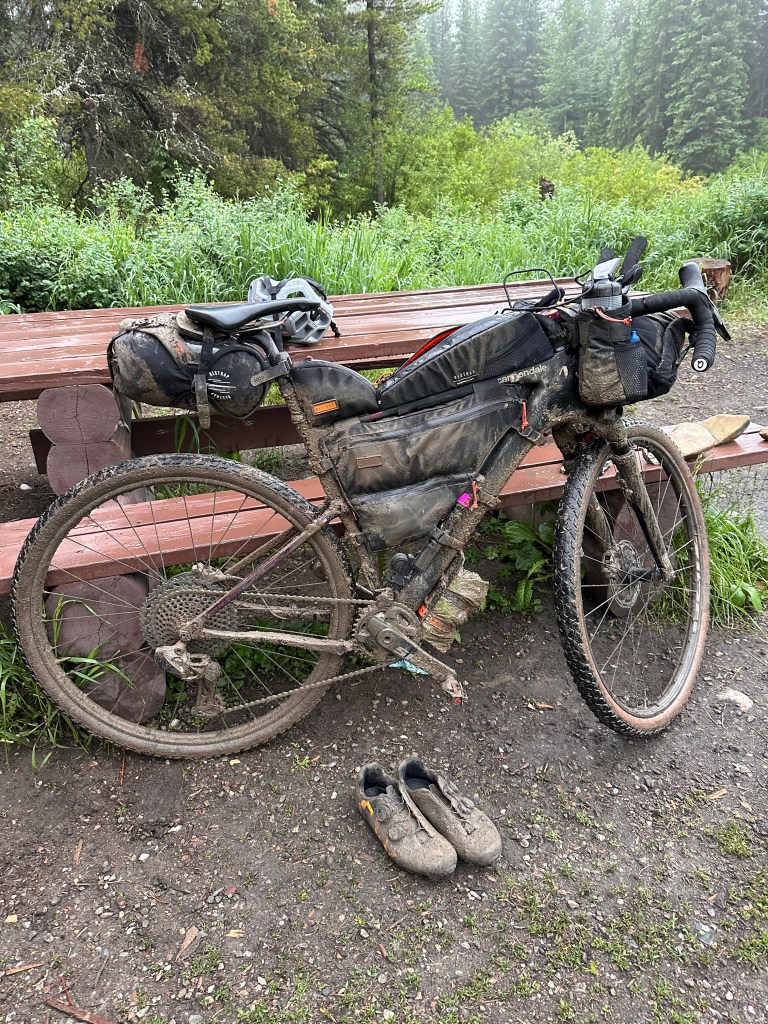
After both Big and Little Sugar, I knew it was time to stop and take a break. So in a mental capacity, I was ready for a rest. But a week later, I kind of wanted to scratch that FKT itch.”

Clearly still having something left in the tank, I’m wondering whether routine—rest, ride, repeat—plays a part in her approach to training?

“During the race season, it’s three weeks on, one week off. And by off, I mean easy. I feel that’s a good way to build form because your body has a chance to catch up.”

Click image to enlarge

Adding some running into the mix during the off-season as a nod to her athletic background, when the weather turns inclement Alexis describes using her indoor trainer to maintain form.

“But you have to build up mentally,” she adds with a smile. “I use Zwift and listen to music; a combination that works for me. After a week of riding indoors, my mind is nice and numb.”

For an athlete performing at the very peak of her race discipline, it’s perhaps surprising when Alexis describes not enjoying any sports in elementary school. And when she did finally decide to compete in her Fourth Grade fun run, the subsequent win proved such a surprise that her classmates were convinced she’d taken a shortcut. Nonetheless, the seed had been sown and running quickly became her life.

“It’s all I ever wanted to do. And I can remember in middle school, our PE warm-up was to run around the field before coming in for whatever the teacher had planned. But I just stayed out and kept running. So I guess it’s this particular mindset that helps keep me going in the world of ultra-distance biking.”

Competing in Iron Kids when she was only eight years old—Alexis recalls practising transitions in her backyard at home—it was joining the Colorado Mesa University Mountain Bike Team in her junior year of college that proved a pivotal decision. Twice representing the USA at the World Championships and enjoying a super successful race career before the Lifetime Grand Prix came calling, I’m curious whether Alexis feels the race series, to date, has favoured riders from a mountain bike or gravel background?

“Bike handling skills take a while to build so if you come from mountain biking, then maybe you have more of a head start. And when the Lifetime Grand Prix kicked off in 2022, there were gravel racers who’d never ridden a mountain bike in a race situation, so they had to quickly learn this whole new discipline. That being said, the tactics that are now playing out in the Grand Prix also require you to focus on strategy and where you want to spend your energy. A lot of my fellow competitors are very good at that and it’s something that I’m still working on.”
Click image to enlarge

Not that anyone, I suggest, has it 100% dialled at all times—a flat tyre or mechanical all too readily determining a race result—but back to back overall wins at the US Marathon National Cross-Country Mountain Bike Championships saw Alexis sporting a very fetching Stars and Stripes jersey. A race result that perhaps edges it as her proudest moment to date?

“I feel that’s my best result,” she confirms with a slight hesitation in your voice. “But doing Leadville earlier this season—six weeks after surgery for a broken collarbone—proved a pretty memorable day. The crash and subsequent time off the bike had put me so far back in terms of my fitness and, to be honest, I was scared that I’d crash again and really mess myself up.”

But you still went ahead and raced, I prompt.

“And doing it, mentally helped me get back in the game. I’d got in a bad funk during the weeks of recovery because it’s super stressful, knowing you have these big races coming up and you’re getting more and more out of shape every day. So I wasn’t in a great space.”

That Alexis still managed to finish the Grand Prix in fourth place overall has me wondering, when these setbacks occur, where she sits on a scale of utter frustration at not being able to ride, or dogged acceptance that her body needs time to heal?

“When something like that happens, you have so many ups and downs within even the space of a single day. I would go from feeling extremely frustrated, to kind of not knowing what to do with myself, to deciding after talking to my coach that everything was working out fine. And then an hour later, I was falling apart again.”

A mix of emotions, I imagine, made even harder with the Grand Prix being a race series?

“It definitely puts you under more pressure to get back quickly. And maybe this sounds a little dramatic but it’s so easy to lose your whole season if you miss races where you would normally place well. It was super unfortunate when they cancelled Crusher due to the fires but, luckily for me, it meant I had less pressure to do well at Leadville.”

Click image to enlarge

Even rolling up to the start line required Alexis to ignore advice from one particularly risk-adverse member of her medical team. Concerned that the screws fixing the metal plate to her broken collar bone would be shaken loose on the Leadville course, it took conversations with teammates who’d experienced similar injuries to allay any fears.

“I knew I wasn’t fit and that it would hurt but I did feel ready to race. And I was super grateful to have finished without any incident. But that was coupled with a little bit of disappointment because the previous year I’d finished on the podium, so I knew where I should be.”

Living her professional life under such scrutiny, I can only imagine the rollercoaster of emotions?

Being an athlete and racing is exactly that. All of the time. And though I’m not dramatic by any means, I definitely respond quickly. I can get really excited about things or really down but then it’s over and I’m back to neutral.”

Asked how this might play out at Unbound, where everyone is constantly refreshing their weather app to see if the race will be wet, Alexis responds with a wry smile. Not a favourite race, I suggest?

“I love pushing myself but for some reason Unbound is not my preferred way of doing that. Because what I really like is intensity and Unbound is more of a long, slow discomfort.”

I can hear how Alexis means physical effort when she references intensity but I’m wondering, when the gun goes off, whether a mental switch flips as she enters full-on race mode? And what reserves she draws on when the race is full gas and everything is hurting?

“That’s a good question because I feel that lately the end of the race has not been my strong suit. I tend to spend a lot in the first half—which has always been my racing style—and I’m still learning to work with the group and hold back some reserves for the finish. Which doesn’t come naturally to me because in mountain biking you just go as hard as you possibly can for 90 minutes. And you also have the downhill sections where it’s not exactly easy due to the technicality but there is an element of recovery. Racing gravel, you have to pedal all of the time.”

Racing on the Santa Cruz htSQD team, not only are there logistical and equipment benefits but Alexis also believes her bike family offers her a sense of belonging. And with constant innovation being applied to bike setups and race tactics, she feels reassured to have a team happy to try new things and keep one step ahead. A professional approach to racing that only very recently prompted some difficult conversations in relation to the so-called spirit of gravel.

“I can totally see how cool it was to show up, race without support, and just be a part of the community. But as soon as you put money on the line and organise a race series where everyone is fighting for the overall, you have very different needs.”

Click image to enlarge

A pressurised environment where every decision and race result plays out under worldwide scrutiny, and might make a regular 9-5 job with riding at the weekend seem appealing?

“Like having a normal life?” Alexis quips back with a laugh. “And yes, I might think those thoughts when I’m up at 4:30 in the morning so I can eat breakfast and get to the start line ready to race for eight or so hours. At those times, I do sometimes question why I’m doing it. But then, after the race and depending on your result, it’s like a complete one eighty and you feel on top of the world. So it’s a weird life for sure. With both good and not-so-good aspects.”

Maybe the more you invest in something—the more effort it takes—the greater the sense of accomplishment when everything slots into place?

“But it’s more than the effort you invest on race day. It’s the ten years you’ve put in prior to that—not making a dime—which people don’t always understand. How there were so many years when I seriously considered quitting. When I just needed to push through and believe in myself. But this is a small community and no one is really doing it solely for the money. At the end of the day, we’re all dealing with the same stuff.”

At this, I can’t help suggesting—tongue in cheek— whether Alexis is inadvertently describing the spirit of gravel.

I guess maybe I am,” she replies with a smile.

Competition aside, when not training and racing Alexis enjoys working on her own music and closed out this year’s Big Sugar with a DJ set. The preparation for which led to a few late nights she confessed in a podcast conversation with fellow off-road racer Payson McElveen.

“To tell the truth, I’m a little embarrassed about the time I put into it. I’m a professional off-road racer—that’s my job—so it feels rather silly to spend so much time on what is, after all, a hobby. But in the same way I put ten years into mountain biking without getting paid to do it, I feel something similar about my music. And though I was a little nervous beforehand, seeing everyone vibing with the songs that I’d chosen felt really special.”

Click image to enlarge

When I mention the format of next year’s Lifetime Grand Prix, it’s amusing to hear Alexis confirm that she has applied but in such a way that suggests the organisers might not offer her a place. But what really intrigues me is not whether this or that race has been added or left out of the series, but whether she views her bike solely as a tool for a purpose or if it prompts a deeper, emotional response?

“That is an interesting question. And there’s definitely an emotional response with the bike. One hundred percent. You spend so much time together that it’s like you have a relationship. Almost as if you’re a team. And that’s especially true for my mountain bike.”

And does that influence your thoughts about why you race, I ask?

“I guess it’s something I’ve always done. Something I was genetically capable of doing. And it’s where, in my formative years, I found my home. People noticed me because it was something I was good at. Something my Dad did and I’ve always looked up to him. So racing—and mountain biking in particular—is really what I’m passionate about and it’s opened my mind to what my strengths and weaknesses are. So you could say it’s helped me develop as a person as well as an athlete.”

Alexis stops, staring into the middle distance, before once again picking up her train of thought.

“Ever since Fourth Grade, racing is what I decided I wanted to do. It’s played out a lot differently to what I expected but I never pictured myself doing anything else.”

Alexis Skarda

All photography by Brett Rothmeyer / brettrothmeyer.com

James Nord / Contradictions

It’s true that sometimes what you love about something can also be problematic.

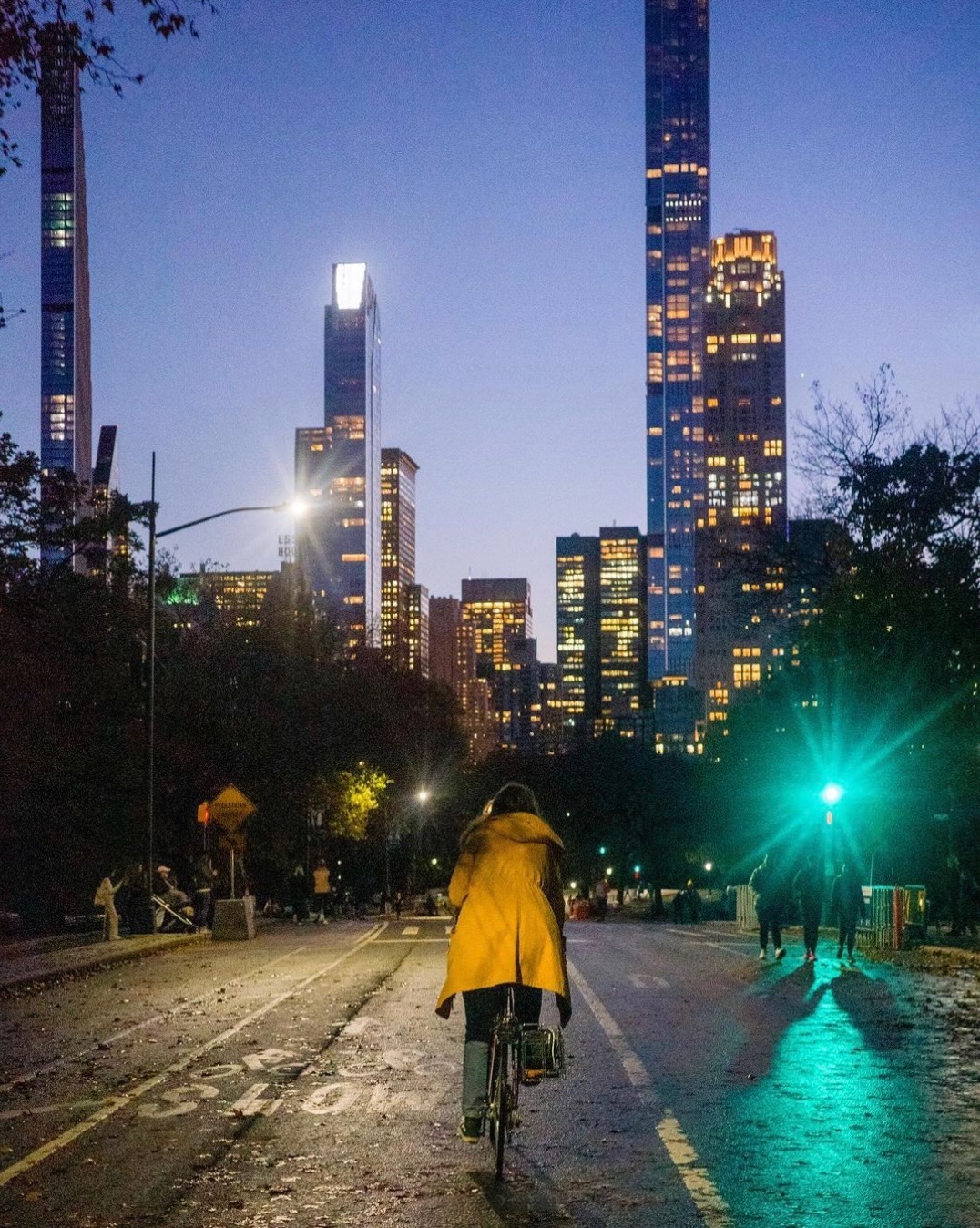
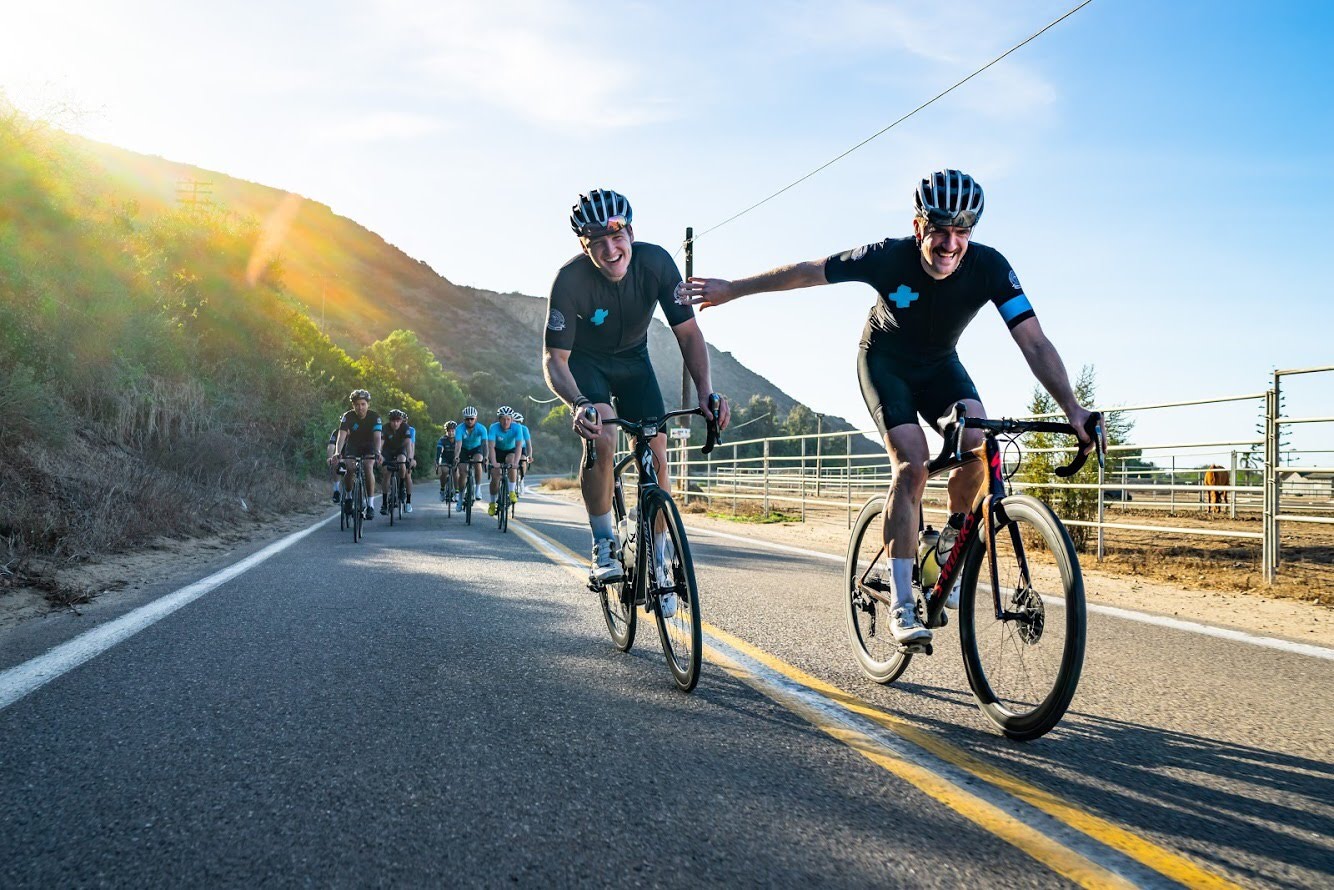
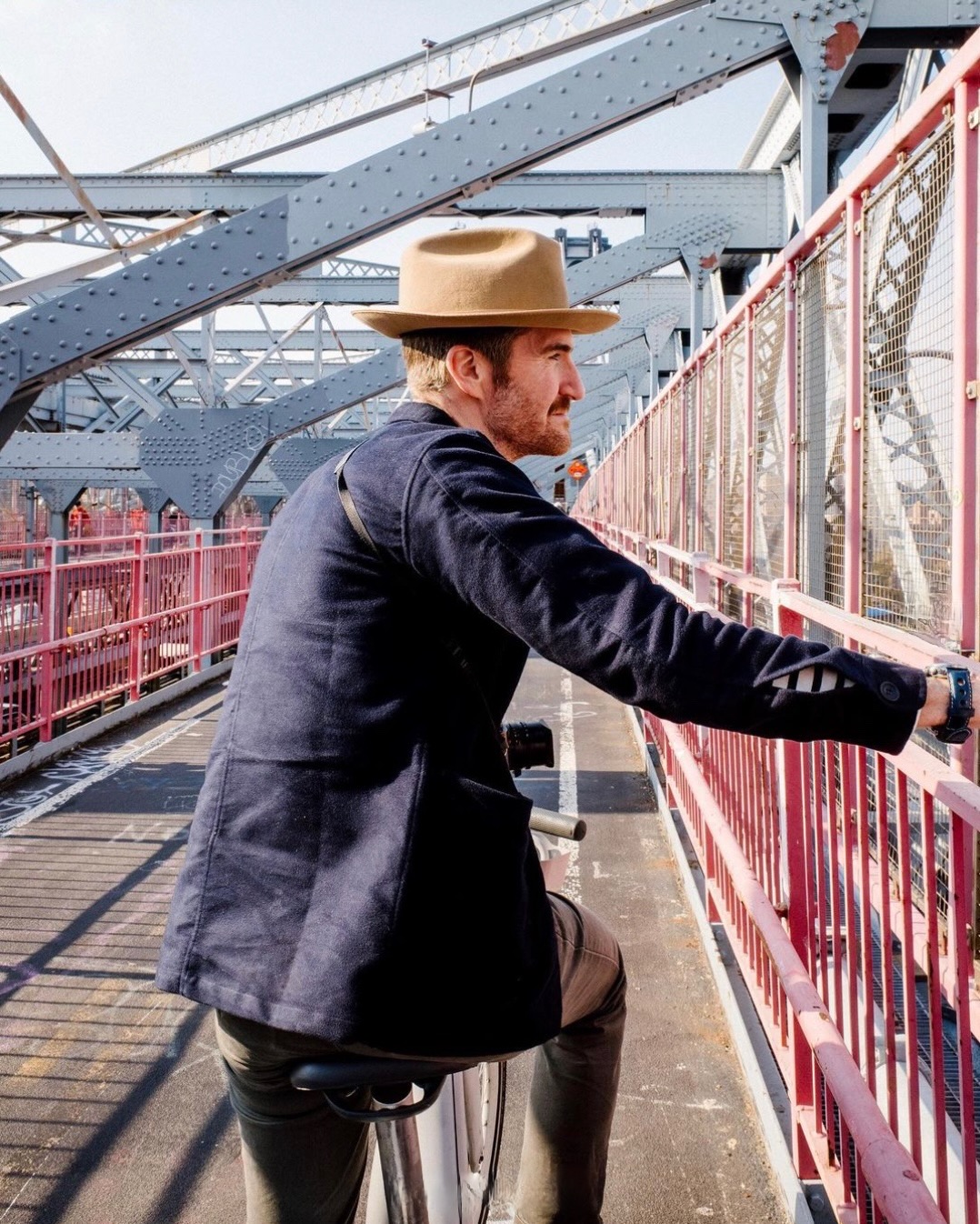
Founder and CEO of Fohr—a company providing influencer marketing solutions—James Nord is perfectly placed to offer an opinion on our desire to be seen, and noticed, through the lens of social media. With his own Instagram feed revealing a penchant for fine tailoring but no stranger to 5:30 am laps around Central Park, James was racing for Rapha NYC back when the brand was busy tearing up the cycling rulebook. A thread of nostalgia that runs through a conversation exploring the contradictions in how we measure success, find fulfilment, and even the way we ride our bikes.

cyclespeak
You’re calling from the office. I’m guessing your schedule is pretty busy?

James
We’re based in Manhattan, on the Lower East Side, and have the whole floor of this early 1900s building. As for my schedule, it’s robust for sure [smiles].

cyclespeak
That’s conveniently located for your early morning Central Park laps?

James
My morning spins set me up for the day.

cyclespeak
Still with your deep-section race wheels whatever the weather?

James
I’m a one-bike household and if you’ve got something really nice to ride, why not ride it every day?

cyclespeak
To my English ear, your surname has European, possibly Baltic, undertones?

James
It’s Swedish. And here’s the cliché because the Scandinavian side of the family moved over to the US in the late 1800s and started a furniture company that operated in New York for going-on a century. And if they weren’t making furniture, they were preachers.

cyclespeak
Were you ever tempted to follow in their footsteps and become a furniture designer or a man of the cloth?

James
No, I was not [smiles]. Maybe because my Dad was the preacher’s kid who rebelled. I guess you go one of two ways.

cyclespeak
You’re the founder and CEO of Fohr and I was scrolling down the about section on your website where your colleagues are pictured.

James
I love looking at that page. And I remember the first time I met one of our board members, he talked about how we maybe only have a handful of people in our lives that help us achieve something. But here I am with what was 10, 20 and now approaching 100 individuals all dedicating a significant proportion of their intellectual and emotional energy in helping us grow this company. So when I see those portraits, I feel humbled. And it’s funny that immediately before jumping on this call, I was taking the headshots of our most recent starters.


Click image to enlarge

cyclespeak
I recently visited Rapha’s London HQ and they have a similar theme with a wall covered with headshots of all the various teams. And I know you have a long history with the brand—you raced for Rapha NYC back in the day—so you’ll be aware that every new employee is given a copy of The Rider by Tim Krabbé when they first join the company. If you were going to present a book to every starter at Fohr, what might it be?

James
That’s a good question. And funnily enough we’re in the process of working on one. But until that’s ready to roll out, I sit down with every new employee so we can chat about the history of the company and the challenges we’ve needed to overcome to get to where we are today. I guess you could describe it as trauma dumping [laughs].

cyclespeak
Those challenges were very real?

James
Grit is such a big part of any success story. And we’re super explicit about our values so that everybody knows what they are. It’s so much a part of what makes great companies, great.

cyclespeak
Does that resonate with your early involvement with Rapha?

James
The first 10 years of Rapha were so exciting because it felt like they had a really defined point of view and a set of values they truly lived. And I was very fortunate to feature in one of their shoots and got to see, first hand, the amount of resources they were willing to invest to get that content. That was when Ben Ingham was still shooting their campaigns on his film Leica and I remember he would make us ride for at least two hours before he’d even pick up the camera. He wanted to capture something real and, as we were over in Norway, riding in the snow, you can’t get more real than that.

cyclespeak
I watched a couple of the Insta rants in your saved stories. And I’m conscious that Instagram plays a big role in what Fohr as a company does. From your professional perspective, do people generally get Instagram?

James
What can be hard about being successful on digital platforms—something I personally struggle with and I’ve been posting since 2007 when I started my first blog—is that it works best when you’re very honest and share a lot. So, looking back, the content I made that resonated the most, was when I was a little lost and trying to figure out where I was going in life. Really raw and with total transparency.

cyclespeak
And now?

James
I have a hard time sharing like that anymore. My employees and my clients follow me and though I still have struggles to contend with, I just don’t feel comfortable playing that out in public. Which means that my content receives far less attention because I’m less willing to fully share what is happening in my life.

cyclespeak
I guess that’s how it plays out? Individuals build a following by living their life online?

James
It’s always compelling when someone is sharing an unfiltered view of their life. As opposed to a curated, once-a-week post that acts as an update. Which is absolutely fine but it’s not letting you in.

cyclespeak
Linking this theme of sharing with marketing, I guess the use of influencers by brands is to encourage a desire to have, to experience, to be. Could it be argued that desires are sometimes best left unfulfilled? Is wanting a more satisfying and interesting state of mind than having?

James
That’s an interesting way of seeing it. And I think the cyclist in me understands the value of delayed gratification. Because, for me, what is most exciting in life is growth. Something I need to constantly feel as I don’t believe you can stay in a set, neutral state. Either you’re growing and evolving or you’re shrinking in some way.


Click image to enlarge

cyclespeak
That suggests you’re quite driven as an individual?

James
You know how getting fit is so hard? You have to push yourself and go through the process before you achieve whatever goal you’ve set yourself. And the same is maybe true for life? Having big ambitions is going to set you up for a life of toil.

cyclespeak
But in a good way?

James
I sometimes notice a feeling—especially in our younger generations—that life should be more joyful and not so damned hard. An attitude I really respect but just isn’t my world view.

cyclespeak
No?

James
If you build your world around immediate gratification and joy—actively avoiding discomfort—then you’re never going to grow. But that’s not to say you shouldn’t enjoy the fruits of your labour. Something my Dad addressed recently when we were out on a walk and he questioned whether I was having enough fun.

cyclespeak
Was he correct in his assumption?

James
I guess maybe so [laughs]. He sees how hard I’m working and how focused I am on building this company. And because I have this ambitious set of goals, I’m conscious I need to check myself and make sure I’m not operating in a way where my life is only going to start once I have this certain level of success.

cyclespeak
Because there’s always more, isn’t there?

James
I was working with this coach and we were discussing what would happen if I sold the company for a life-changing amount of money. And they were asking what would happen next. What would I be doing? What would it look like?

cyclespeak
And how did you answer?

James
I reeled off this mental list that referenced a place in the country—upstate New York or over in Europe—and more time to write. But they pointed out that none of it had anything to do with selling the company. Okay, maybe the place in Europe is a stretch, but if I really wanted to start writing a book, what’s stopping me?

cyclespeak
There’s this delicate balance between being goal-oriented and seeing something and wanting it. And knowing when enough is enough? But maybe that’s how it always was and we’ve just never been so connected as we are now?

James
The internet—which I feel is an overwhelmingly positive and magical thing—does have this challenging aspect of expanding your neighbourhood. Before, when you were growing up and looking around, you would see what everyone at school and on TV was wearing, how they wore their hair, and it wasn’t that much of a struggle to follow the fashions and feel good about yourself. Whereas now, your internet neighbourhood has seen such a degree of lifestyle inflation that it’s easy to feel you’re lagging behind. And that creates a lot of anxiety and discontentment and it’s yet to be seen what the longer-term consequences will be. But probably not great [laughs].


Click image to enlarge

cyclespeak
Looking specifically at the bike industry, what are your insights into how cyclists respond to, value and desire particular brands?

James
I feel cycling is in such an interesting place right now. That the life has just drained out of the marketing side of things.

cyclespeak
I didn’t see that coming [laughs].

James
I have to acknowledge that some of this is on me—that my relationship with cycling is also changing—but over here in New York, run clubs are just blowing up. And this scene has all these super cool, small brands, they have races that start at 10:00pm over a half-marathon course that ends with a huge street party. So there’s this sense of fun, it’s all about community, and the marketing is super edgy.

cyclespeak
And cycling?

James
Cycling, for sure, had that moment but the sport continues to have a really exclusive, very snobby culture, and the barriers to entry are huge from a cost standpoint. It’s not like a run club hosting a social three-miler at a 10 minute pace and all you need to rock up is a pair of running shoes. How many people have signed up for an organised bike ride only to get dropped and feel like shit when the fast guys smash it?

cyclespeak
So how are cycling brands responding?

James
I just feel there’s a dearth in bike culture. Even Rapha needs a complete reset. Maybe Pas Normal are doing some interesting things but the scene doesn’t feel anywhere near as alive as it once did. Like everything is a little stagnant.

cyclespeak
I look at the content these small running brands are creating and, I agree, everything feels very edgy and exciting. With cycling media, there’s a tendency to see the same images on the same roads with the same types of models. So maybe storytelling is a way to reinvigorate their brand message? Which reminds me of when I first saw Gus Morton’s groundbreaking Outskirts films for Rapha. A hugely influential moment for me personally and greatly impacting how I continue to ride. Have you experienced any similar influences?

James
I was a runner, got medium fast when I was in my mid-twenties, and was working next to a high-end bike store with its walls adorned with Pinarello and Colnago frames. They had a cafe and I got into the habit of going in each day to get my coffee and I’d lust after all these beautiful bikes. And when Simon [Mottram] first launched Rapha with those iconic black and white portraits and the one jersey, this store was the only place in the US that carried the brand.

cyclespeak
So a connection was made?

James
I bought that Rapha jersey before I had a bike. And I watched those early Rapha Continental films and they inspired me to start a little thing called Deux North with my brother Dylan where we’d go out and film the adventures we were having by bike. So this period of my life was incredibly important and it was the storytelling—and especially the Rapha storytelling—that played such a crucial part in my journey.

cyclespeak
But the sport isn’t without its difficulties?

James
We’ve already touched on how cycling isn’t always that inclusive. And we’re all maybe a little guilty in that respect because it’s true that sometimes what you love about something can also be problematic. How there are these unspoken but very real rules about what to wear and how to wear it. The reasons we shave our legs and always take a picture of a bike from the drive side. But, to be honest, I love all that [laughs].

cyclespeak
But these can be barriers to entry into the sport just as much as the bike price tag?

James
The first group ride I ever went on was in late November when it’s cold in New York. I didn’t have any winter gear because it was too expensive so I showed up wearing a hooded ski jacket and running tights under my summer bibs. And I’m sure I looked like a complete idiot and I remember feeling awkward and embarrassed.

cyclespeak
I think we’ve all been there at one time or another [smiles].

James
I’d never ridden more than 20 miles before and this was a 50 or 60 mile loop. I didn’t understand the importance of fuelling so ended up massively bonking and getting dropped. And sometimes it’s our cycling traditions and the signals we send to each other that we’re serious and all in the same space, that can make it hard for people to break through and feel welcome.

cyclespeak
Very unfortunately, for many people that would have been their first and last group ride. But you decided to keep at it.


Click image to enlarge

James
I was hooked on the sport and determined to figure it out. And Rapha was there as an educator with the blog posts they created to explain the quirky, unspoken traditions and norms in cycling. I guess you could say I was all in and one bad experience wasn’t going to put me off. So I asked for the classic hardshell as a Christmas present and put the ski jacket back in the closet.

cyclespeak
You mentioned being a one-bike household and you ride for Trek with a race-ready Madone. But going by your penchant for a well-tailored suit, I can’t help wondering whether a custom steel bike would work very nicely for high days and holidays?

James
It’s definitely possible [laughs]. When I look at what Dan Craven is doing in Namibia with his Onguza bikes, I could see myself riding one of those. But living in New York and not having a garage, ultimately it comes down to space. And I’m also super into race bikes—the most ridiculous tricked-out version you can have—which is why I’m more than happy with my Madone.

cyclespeak
So what’s your most treasured cycling-related object?

James
My old Deux North jerseys hold some special memories. And I still have the first Rapha race jersey we wore that was similar in design to the Rapha Condor team kit. It has lettering up the side that spells out New York City and there are little flashes of Rapha pink. We were the only amateur Rapha team in the world and rolling around in that jersey, at that time, was pretty cool.

cyclespeak
Going back to those early days, Rapha pretty much reinvented the road scene. Which makes me wonder, if you were to sit down with the brand, what would you suggest from a marketing perspective moving forward?

James
That’s a good question. Because when they brought that first jersey to the market, their message was so simple set against a backdrop of super garish kit that everyone was wearing. And I’m not suggesting that they simply go back to stripping away all the design elements of the current product range. But there’s still such an importance attached to good storytelling—something Rapha did exceedingly well—so maybe they could help support the current crop of key players in cycle culture in taking that narrative forward?

cyclespeak
Looking at the States, the road scene appears to be really struggling. Whereas gravel continues to explode in popularity?

James
I love road racing but it’s so dangerous and we’re losing races all over the country. Even here in New York which has long enjoyed an incredible bike racing culture and you could easily race four times a week.

cyclespeak
And now?

James
The Tuesday and Thursday crits were raced on this abandoned airfield out in Brooklyn but that space isn’t available anymore. Central Park and Prospect Park are both trying to kick the bike racers out. And then, when you zoom out on the scene as a whole, it’s so hard for promoters to cover their costs. Which is why it’s perhaps unsurprising how we’ve seen a rise in gravel events which, by their very nature, don’t demand road closures. And the roads in America have their own dangers. A lot of people are taking up gravel or mountain biking to avoid being taken out by a three ton truck driven by someone on their phone.


Click image to enlarge

cyclespeak
So taking all these various aspects of cycling as a sport—the negatives but also the overwhelmingly positive—can I ask why you, yourself, continue to ride?

James
I always joke that riding a bike is my gym, my church, my yoga studio. And that’s all balanced by a job that’s quite intense but no one wants to hear from a CEO whining about the challenges of the profession they chose to enter.

cyclespeak
I wouldn’t suggest that you’re complaining. Just giving a balanced account of the realities of building a company from the ground up?

James
I guess growth always takes its toll and it can be lonely to lead from the front. Which is why—every single time I’m in a bad mood or I’ve had a difficult day—when I throw a leg over a bike and go out for a ride, I always feel better. It’s time away from the phone, an opportunity to let my mind wander, it’s the one selfish act in my schedule where no-one else is benefiting apart from me.

[pause]

And maybe my wife. Because I’m not so grumpy.

cyclespeak
Which has to be a good thing [smiles].

James
It’s interesting how the sport attracts this really interesting and diverse group of people. My colleagues at Fohr always joke about the cycling illuminati and wonder why so many of my friends that ride bikes are also super successful in their chosen field.

cyclespeak
And how do you answer them?

James
I guess it’s the mindset that it takes to do this sport. Being able to commit and put in the work to achieve whatever goals you set yourself. And it’s a way to grow friendships that aren’t forged around drinking; which in New York is the way it’s largely always been done.

cyclespeak
And these friendships are important?

James
If you have a friend who you regularly ride with, you might spend 10 hours a week with them, talking about everything: the problems they’re having at work, what’s going on with their partners or kids, if they’re excited or worried about something. You build these super deep relationships where you get to explore your hopes, dreams, even your fears. And that’s a very cool thing and so central to my life that it isn’t even a choice. Riding a bike is almost like breathing—something I just have to do.

Images with kind permission of James Nord / Feature image by Tracy L Chandler

fohr.co

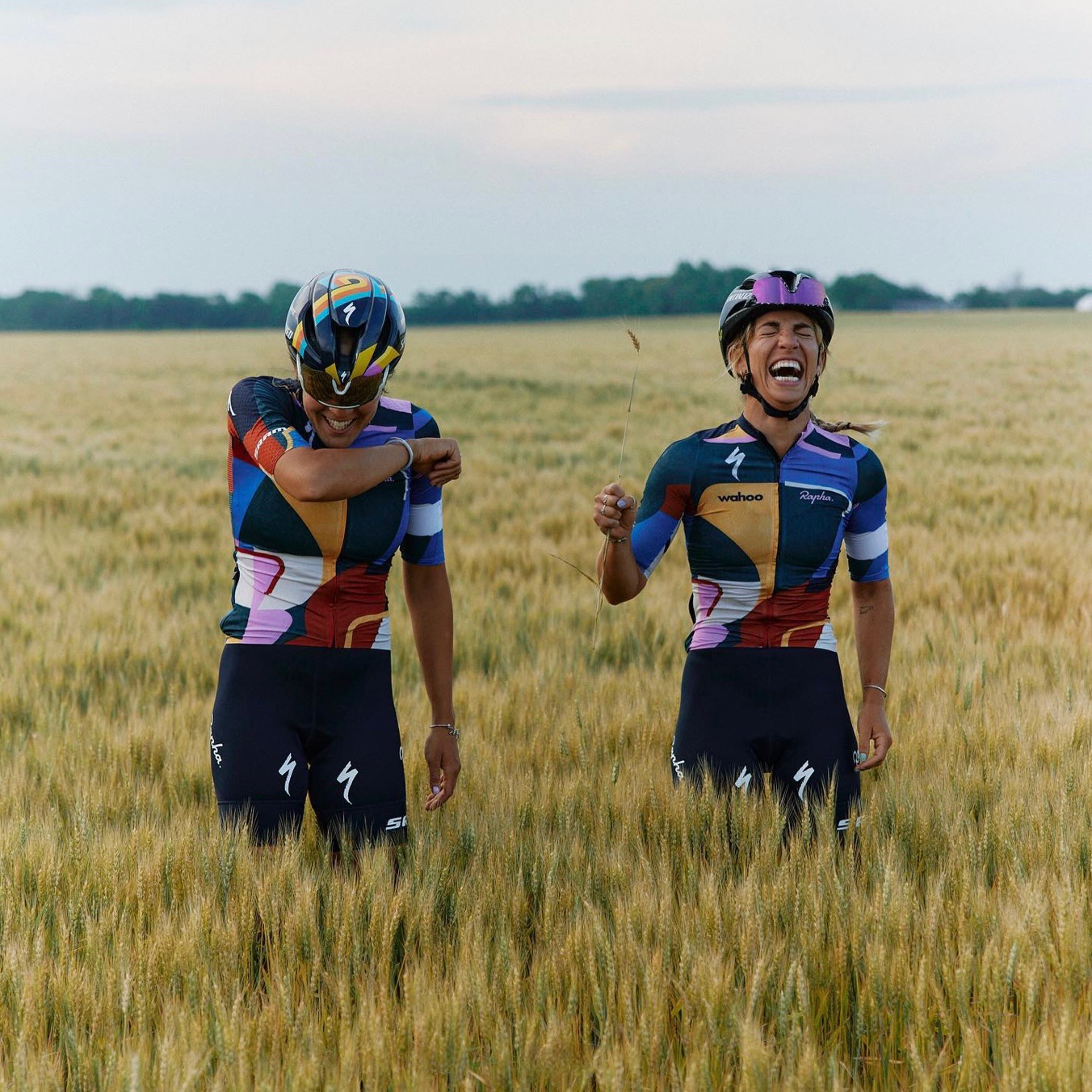
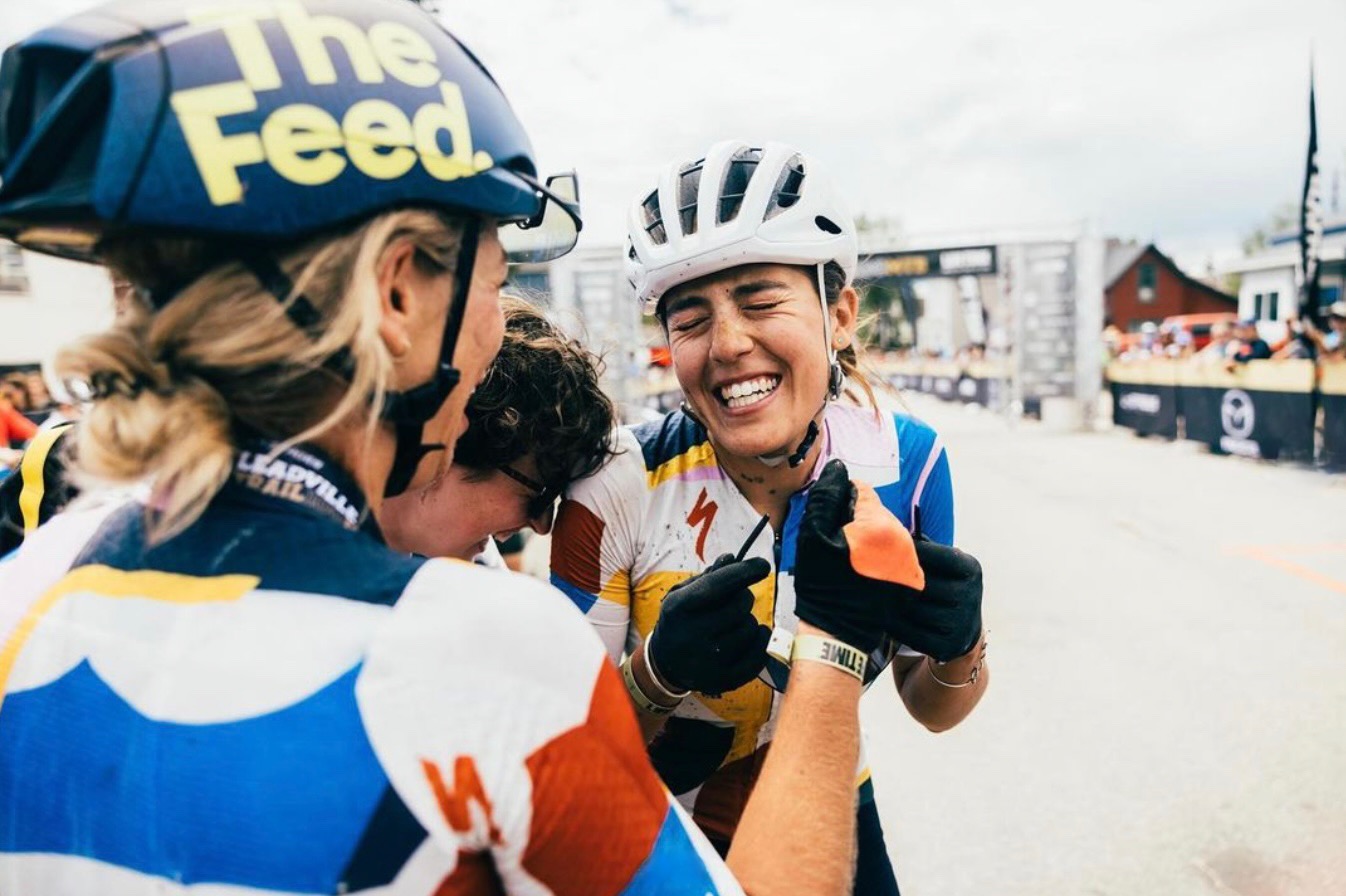
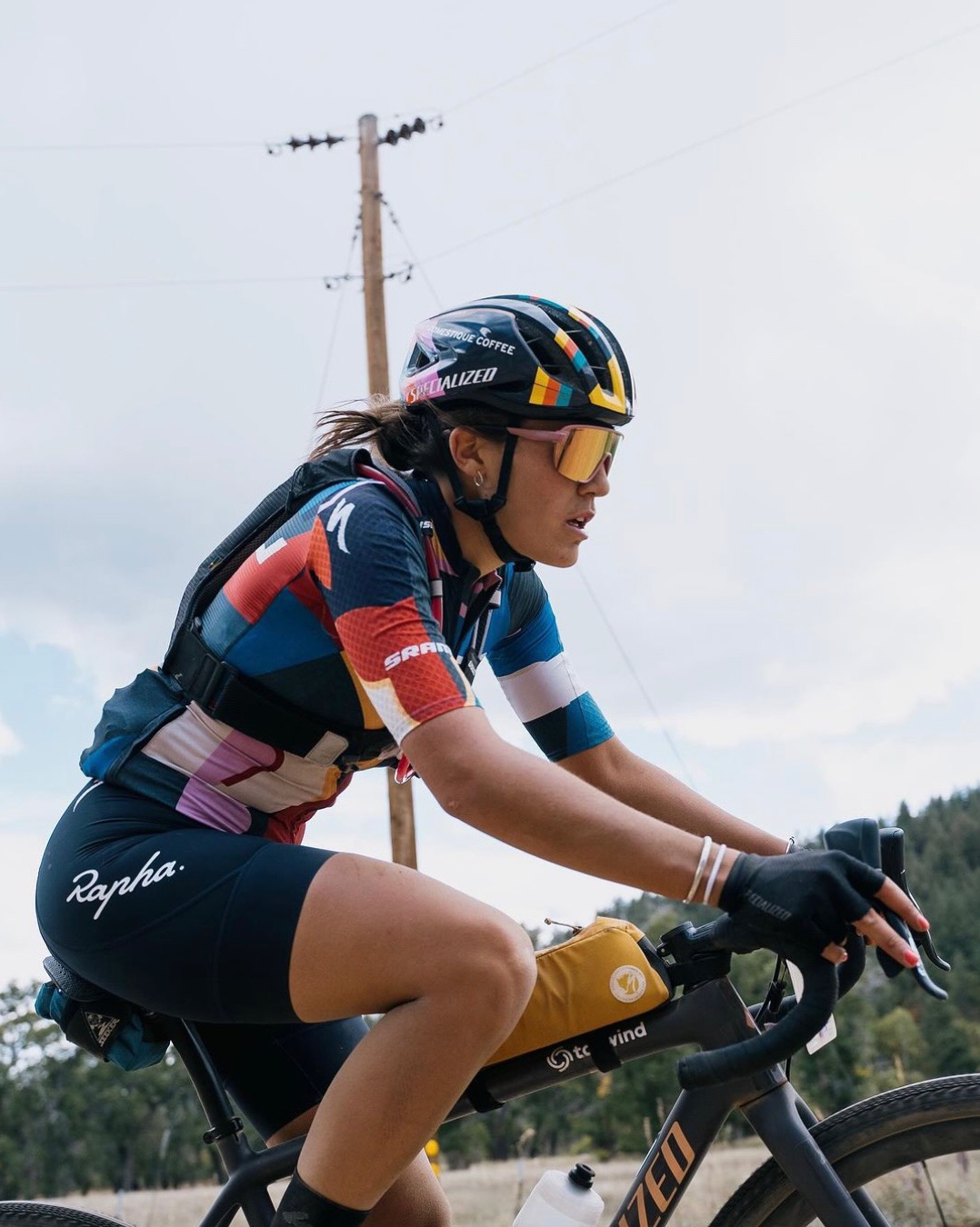
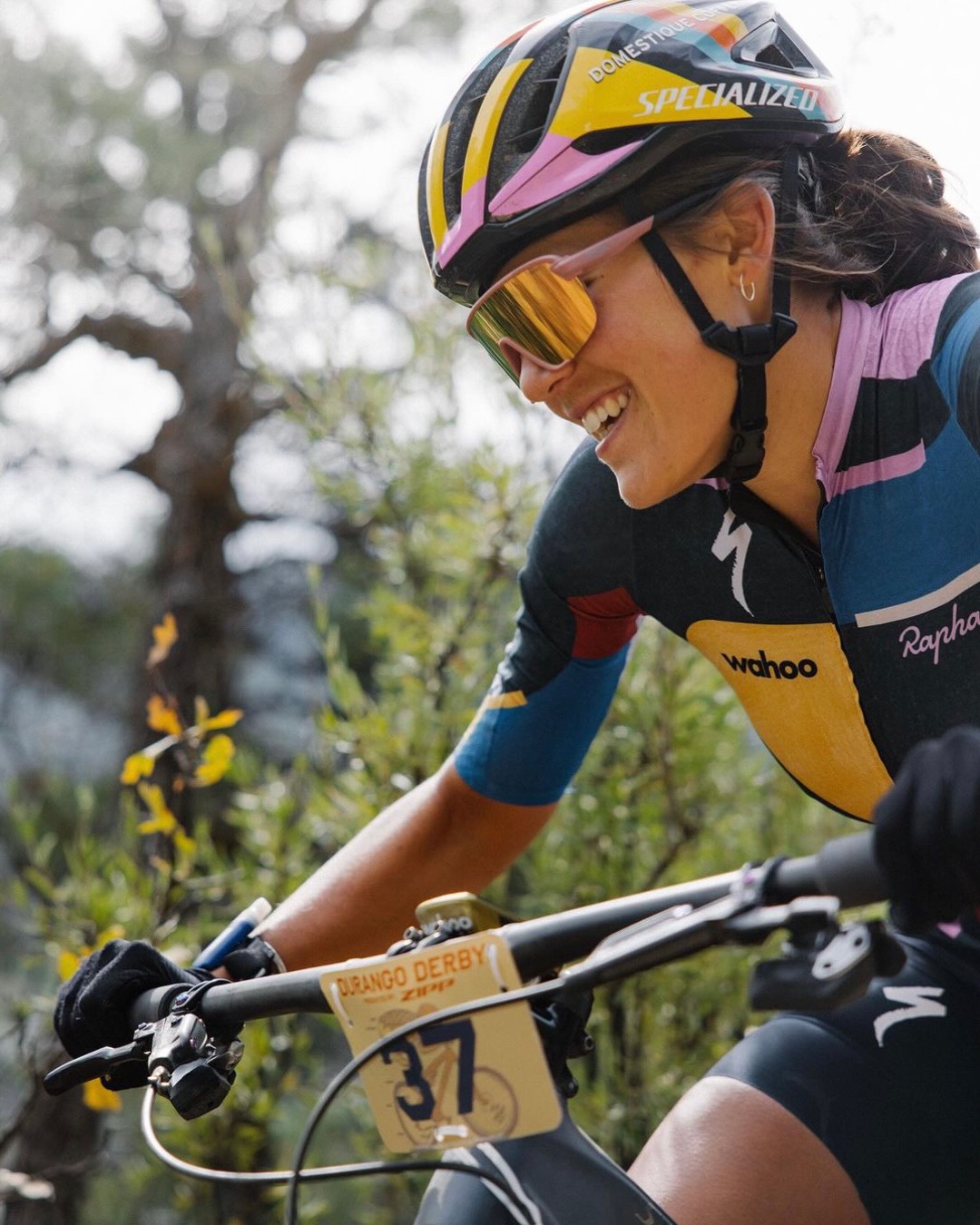
Sarah Sturm / The coolest job ever

Instantly recognisable for her beaming smile, raucous laughter and even the occasional tear, off-road racer Sarah Sturm is a living, breathing embodiment of what-you-see-is-what-you-get. But dig a little deeper, and there’s an intriguing sense of quiet introspection that contrasts her doggedness and determination.

Talking over a call from her home in Colorado—Sarah’s dog Norman keeping her company—this complex and questioning performance athlete offers her unfiltered views on the highs and lows of the gravel world, the inherently selfish nature of the sport, and the way she balances the emotional strain of a life lived in public.


cyclespeak
You’re just back from the West Coast. It looked like an amazing trip but not without its moments?

Sarah
I was just talking with a friend about my norovirus experience. Equal parts shitty—quite literally—but also so, so funny. And my coach decided it was toughness training because I kept on riding [laughs].

cyclespeak
Because, initially, you suspected food poisoning?

Sarah
I really thought it was. But then on day three, my friend Maude also came down with the same symptoms. So we were trying to work out what just the two of us had done that was different to the rest of the group.

cyclespeak
Considering you were quite poorly, you got in some miles.

Sarah
California is a crazy place. Just insane. It’s got all these tech bros and rich people but it’s also really beautiful and I can totally understand why so many people want to live there.

cyclespeak
You were riding down the coast?

Sarah
Yep. From San Francisco to Santa Barbara and then I kept on to LA. I ate well on the first day but for the remainder of the trip, with my tummy troubles, I existed on a single banana and a PayDay bar.

cyclespeak
But you’ve made it back to Colorado in one piece. And I’m guessing Norm was pleased to see you. I can just see his ears poking up in the corner of your screen. Is he the sort of dog who likes to be near you?

Sarah
All the time. It’s why we hang out in an old school bus. Otherwise, I would drive my Honda to the races [laughs].

Click image to enlarge

cyclespeak
So you live in Durango?

Sarah
That’s right. I’m back for a bit before I pop down to Arizona where the winter weather is a little kinder. It’s very affordable to stay and, unlike LA, less like a Disneyland for adults.

cyclespeak
Talking about affordability, I was planning on visiting a friend in Boulder and was pricing up some accommodation. Seriously expensive.

Sarah
I’m only spending $800 for a month in Tucson. And you’re right. Boulder is insane. There’s no way I could afford to live there. Unless we park up in the bus [laughs].

cyclespeak
So, at home in Durango, are you a cycling gear all hung up in colour-coordinated rows, kind of person?

Sarah
I’m going to say yes but only because my fiancé Dylan is extremely organised in his role as my equipment manager. So his desire for neatness and efficiency is kind of forced upon me; for my remaining career and our future marriage.

cyclespeak
Have you set the date?

Sarah
We have. At the end of my season in November which is a funny time to get married in Colorado.

cyclespeak
A weather risk?

Sarah
Yes! You’ll need to be tough and bring a jacket.

cyclespeak
Because you first met Dylan when you were both studying design at college. But I believe your graphic design business is currently on hold whilst you focus 100% on racing?

Sarah
I was kind of phasing out of it, to be honest. I love being creative and I was already starting to make my cycling life into this creative space as opposed to working for clients. Part of being a freelance designer is listening to a client’s shitty ideas and then getting it done because you want and need money. But cycling has been my main source of income for the past six years. So—very fortunately—I was able to move on from that aspect of my life. But I still get to design my bike and helmet paint schemes.

Click image to enlarge

cyclespeak
Speaking of creativity, could you talk a little about the kiss-the-baby thing?

Sarah
I know [laughs]. It’s so weird. And you’re not missing out on anything.

cyclespeak
Because I saw your SSCXWC + Sarah Sturm video and loved it…

Sarah
That’s the venue we’re looking at for our wedding.

cyclespeak
But it’s basically a deserted hill top.

Sarah
Yep. It’s the mesa above Durango.

cyclespeak
With gopher holes.

Sarah
Norm loves it. But he’s never got a gopher. Anyways, back to kiss-the-baby. I began racing in cyclocross which I really loved.

cyclespeak
The races are a lot shorter in duration than the gravel scene?

Sarah
It’s shorter races, it’s not as much training, and it’s just so much fun. Then there’s the crowd which—outside the start / finish line—you don’t really get at a gravel event. Admittedly cyclocross is a little random and not always easy to explain when the person sitting next to you on a plane asks what you do.

cyclespeak
How do you answer?

Sarah
I just say it’s a better version of the Tour de France.

cyclespeak
That seems fair [laughs].

Click image to enlarge

Sarah
Anyway, I digress. The kiss-the-baby thing started at the US Single Speed Cross Nationals one year. They had this feature where we rode up a ramp and through this junk trailer packed with people throwing things at you. Trust me, it’s a disgusting, rambunctious, not-good-for-your-health experience of athleticism [laughs]. Someone in that trailer—almost certainly super hammered—had these old baby dolls and insisted on jamming them in our faces, yelling, “Kiss the baby,” before you could pass.

cyclespeak
Okay. That makes absolute sense [smiles].

Sarah
And then. And this is not exactly a great memory for me. Not particularly a shining moment. So, kids, don’t do this.

cyclespeak
That’s fair warning.

Sarah
So I was so super intoxicated after only eating a packet of oatmeal in the morning, finishing my race, and then cheering on the men whilst drinking shots, that I got hold of the dolls and started to yell, “Kiss the baby,” too. And now it returns to haunt me at every single race. Which is a very long way of explaining why I was glueing tiny dolls heads onto my race number in the video. Not a move that my bike sponsor Specialized saw coming [laughs].

cyclespeak
I’d love to be a fly on the wall at their brand liaison meeting.

Sarah
Oh my God, yes! And that’s after cutting so much from the final version of the film.

cyclespeak
We see glimpses of it in the video and I know people love to talk about your school bus but I’m a little confused by the terms you use in the States for these types of vehicles. It took five minutes talking to Alex Howes—admittedly a very enjoyable five minutes—to finally figure out that the travel trailer he was sleeping in at races was what we, in England, call a caravan.

Sarah
Oh, I get you. It’s totally confusing. It’s like when we say sprinter van—which should really only apply to a Mercedes—but we’re referencing a Ford or a Dodge.

cyclespeak
In England, we have what we call white-van man. Named because most commercial vehicles are painted white—the cheapest colour option—and are often driven terribly. So when you’re out in your school bus, do other drivers make assumptions and give you a wide berth?

[Sarah laughs]

Sarah
Because of the wrap—the design I did is very colourful—I do wonder whether people think we have children onboard. So that’s perhaps the reason they give us extra space? But then we drive past and they see all the bikes attached on the back and assume we’re just this bunch of hippies.

cyclespeak
It does have a little of that vibe. Maybe it’s the shape?

Sarah
Dylan saw it advertised on Facebook Marketplace and it was only an hour from here and affordable.

Click image to enlarge

cyclespeak
I read somewhere that you didn’t actually get the bus for bike racing?

Sarah
We bought it because of Norman. A portable camp, kitchen and bed with space for him to stretch out. It was never meant to be driven to Unbound. But as things turned out, we’ve driven it the length and breadth of the west side of the US. And let me just put this on the record; it is not a comfortable vehicle for that kind of journeying.

cyclespeak
No?

Sarah
It’s so loud—Dylan will sit up front wearing ear protectors—but somehow me and my 70-year-old mother drove straight across the country in it and she was listening to an audiobook on tape. Unbelievable [laughs].

cyclespeak
It certainly catches the eye.

Sarah
It has its quirks but I love it. And we’re currently in the process of getting a more race friendly, super-functional vehicle but every ad that I forward to Dylan looks really similar to the bus we already own.

cyclespeak
You use the term super-functional. Which leads me nicely onto the level of team support that seems required to be competitive in the gravel racing world nowadays? An inevitability of gravel’s popularity which should therefore be embraced? Or does it disenfranchise the privateer who has a limited budget and is balancing their racing with a full-time job?

Sarah
This is such a good question. And it was inevitable, right?

cyclespeak
Maybe because there’s more money being made available?

Sarah
I’m going to make a big statement here. But they’re my friends so I can say this.

cyclespeak
Go for it.

Sarah
Back in 2019 when I won BWR*, Keegan and Sofia were still racing mountain bikes and they would tease me by calling gravel a retirement sport. But now they’re both racing the Lifetime Grand Prix and are two of the most hardworking professionals I know. They’ve been racing since forever, bring with them all this experience, and have raised the bar to where we presently see gravel racing. And when someone ups the ante, others follow.

*Belgian Waffle Ride

cyclespeak
I guess a very different situation to when you first rolled up at that start line in 2019?

Sarah
It was just me and the bike that Specialized had given me to ride. There was no-one waiting in the feed zones for me, I had my pockets stuffed with sandwiches, and didn’t know shit about gravel. But now, everyone is at this insane level of training and prep, and that, in turn, means you need a crew and a mechanic.

Click image to enlarge

cyclespeak
For the past two years you’ve had your own little team with Ellen Campbell. And I understand that you both race independently but can you talk about the dynamic of how this all works in terms of your personalities?

Sarah
I used to coach Ellen when she was 14. And we work really well together because we’re super opposite. I’m a little more sporadic and Ellen is super organised and logical [laughs]. The gravel world is difficult to break into unless you have a huge result so me bringing Ellen onto our team was always with the goal of mentoring the privateer life. I want to leverage the connections I’ve made and introduce Ellen to these people.

cyclespeak
Sought of semi-seriously but does Norman give you a race edge?

Sarah
Hmmm. That’s an interesting question. And I do know I’m always incredibly excited to see Dylan and Norm at the end of an event. This year at Unbound specifically—which was an horrific experience—I remember riding the last 10 miles and just wanting to finish so I could give them a hug.

cyclespeak
There’s a great photograph taken at Unbound that captures the moment when you first realise you’ve finished in third place.

Sarah
Looking back at my athletic career, that was definitely one of the highlights. Because Unbound is basically our Tour de France, right? It’s a big event and it’s so hard to keep track of where you’re placing out on the course. So it was a lovely surprise.

cyclespeak
We’ve already mentioned your breakout win at BWR in 2019. Have you changed since then as a racer?

Sarah
I guess one way of putting it—and I’ve learnt a lot—is that I’ve had to adapt. Because the level that we’re now racing at has just gone…

cyclespeak
Stratospheric?

Sarah
Yes! Like when I got to line up at the UCI Gravel World Champs with the winner of last year’s Tour de France Femmes. Together with everyone who is anyone and that includes some seriously big names from the World Tour.

cyclespeak
Is it fair to say they’re coming to gravel from a different pathway?

Sarah
I’m racing against women who have been to the Olympics. They’ve raced mountain bikes and road at a super high level. Whereas I grew up playing soccer and doing martial arts and my race resume is pretty much gravel. So I’m actually quite proud of myself and the work I’ve put in. I’ve even hired a nutritionist because I realised how I was only eating half the carbs I needed to race at the front [laughs].

Click image to enlarge

cyclespeak
You placed fourth in the 2023 Lifetime Grand Prix and I’m conscious that—unlike the majority of people’s jobs—every single up and down happens under the full scrutiny of your sport and community. Does that bring with it a certain pressure to perform? And if so, how do you stay so smiley?

Sarah
Probably because I think sport is so silly [laughs]. Because at the end of the day, even if you’re the best athlete in the world, what are you actually contributing? What are you gifting to this existence we have as humans? Yes, I understand that it can be inspiring. But it’s also absolutely selfish. All these people wearing these ridiculous outfits, riding this outlandish piece of equipment, and one of them is the fastest and wins. And that’s an accomplishment?

cyclespeak
Can I suggest that many people would say, “Yes, it is.”

Sarah
Maybe you’re right. Because it’s not nihilism [laughs] but I do question what it’s all about. And I think that—because I like to have fun—people just assume I hop on my bike and casually ride around Durango in the off-season and just party and ski with my friends. But that is not the case. I have a training plan. I check in with my coach every single day. I lift heavy weights. I even put them back [laughs].

cyclespeak
Maybe, like many of us, you’re just searching for some answers?

Sarah
I go through extreme highs and very low lows. Last year’s Leadville, for example, was rough. And that’s so stupid. In the grand scheme of things, Leadville doesn’t really matter. But I allowed myself to feel so sad when I fell short of my self-imposed goal. And it’s not like I’m out there saving lives.

cyclespeak
So why put yourself through it?

Sarah
Because being an athlete is the coolest job ever but also one of the most stressful; in that it’s almost impossible to detangle your self-worth from a result. But I do wonder if that’s how we are wired. That even if we didn’t have the same level of scrutiny over our day jobs—if you took all the photos, videos and fandom out of it—we’d still be super competitive?

cyclespeak
You must need a certain something that drives you, to even contemplate rolling up to a start line?

Sarah
Or something wrong with you to keep pushing after you’ve peed in your pants [laughs].

cyclespeak
Really? It’s now so competitive that there’s no time to even stop for a comfort break?

Sarah
Yep. It’s crazy.

Click image to enlarge

cyclespeak
You’re perhaps questioning the positive impact from racing and I don’t want to disagree with you…

Sarah
Oh, please do [laughs].

cyclespeak
But scrolling through all the comments on your posts, it’s clear that you inspire countless people through your racing.

Sarah
I love that people take the time to comment on a post or say hi at the races. And it amazes me that people care what I do and how I do it.

cyclespeak
So who do you follow that inspires you?

Sarah
Demi Vollering springs to mind. Watching her win last year’s Tour de France Femmes was so inspiring.

cyclespeak
And then she got third at the UCI Gravel Champs.

Sarah
These women just have insane power. It’s unreal. But watching them, it did make me realise that I might not have the same cornering skills on the road, but get me on a sketchy, gravel descent and I can probably pass them [laughs].

cyclespeak
In your film for Wahoo—It’s supposed to be fun—you talk about some of the highs and lows of what is a long, long season. Sitting eating pre-race oatmeal in tears at four in the morning or shakedown rides with Ellen filled with chatter and laughter. Quite a range of emotions to contend with?

Sarah
I’m gradually learning to cope a lot better. And I probably had less pre-race nerves during my second year on the Grand Prix. The first year I was seriously questioning if I belonged and whether everyone would see what a fraud I was. So, yeah, looking back at that first Grand Prix year, I was in tears before Unbound and absolutely terrified. Which, as things turned out, was completely justified as the start was so scary. But in the second year, it was a different ballgame. Stiffer competition but I had a bit more confidence.

cyclespeak
You did mention in a recent interview that the Grand Prix series can get a little boring? I guess doing events like the Traka helps to keep things fresh?

Sarah
Totally. But I still want to do the Grand Prix again because this is my job and that’s where most of the media is centred. But the very nature of a race series is you end up repeating the same events. So there’s this context to deal with. In your head you know you finished in this position last year so if you do worse than that, you’re going to feel crummy.

cyclespeak
So the Traka…

Sarah
I just needed something new. A different level of pressure because I wasn’t counting points as I crossed the finish line. Not that I do my own mental maths because my Dad does it for me.

Click image to enlarge

cyclespeak
You came in a strong second at the Traka behind an on-fire Amity Rockwell. Riding 390 km of challenging parcours in 15 hours and 46 minutes. Which if you think about it, is kind of crazy?

Sarah
I know. And I’m doing it again this year [laughs].

cyclespeak
That route is so hard.

Sarah
And last year, I flew into Girona right after Sea Otter. I didn’t know the course because there wasn’t an opportunity to pre-ride. And I’d got it into my head that outside support wasn’t allowed; not realising that wasn’t the case until the day before the race. So we pivoted and Dylan was waiting for me at the feed stops. But I still managed to run out of water and I was nauseous for so much of that day.

cyclespeak
Your sponsor Osprey pulled together a brilliant film of your Traka experience—well worth a watch—which really conveyed how brutal the race was. And I recognised the garden of your hotel because that’s where I stay in Girona. You were building up your bike with Dylan next to the wooden pergola where I hang up my bib shorts to dry.

Sarah
I’m sure they love seeing all your laundry [laughs].

cyclespeak
An important question. Did you try the hotel buffet?

Sarah
I did!

cyclespeak
My friend—every time we stay there—tells me he’s going to go steady and not eat too much but then just can’t resist.

Sarah
That’s how I am with any buffet. Pre-race or not.

cyclespeak
Before the race, you joined Sami Sauri on one of her Women’s Collective rides. It looked like seriously good fun.

Sarah
Rather than worrying about my lack of race prep, I got to talk and ride with all these cool women. Something I never usually get to do. And I had such a great week in Girona. We ate out every night—which purely from a performance standpoint is less than ideal—but it’s cheap in Europe and I like going to dinner with my friends.

Click image to enlarge

cyclespeak
Is this engagement outside of racing something you find fulfilling? Because in your Wahoo film you talk about mentorship and you’ve already mentioned how you used to coach Ellen.

Sarah
Yes, is the short answer. And although I’m not exactly great at organising stuff, I love connecting with people authentically. But being a bike racer is so selfish—it has to be—so having a dog and prioritising my relationship with Dylan is about as much as I can handle at the moment. But moving forward, as my career progresses, it would be good to do some cool, fun things with other people.

cyclespeak
Speaking of cool, fun things—and returning once again to your SSCXWC film—I was wondering whether the UCI should decide grid positions for their Gravel World Championships with a tug of war, beer chug and Big Mac eating heats?

Sarah
Hell yeah!! Can you imagine? Because I guarantee that the women racers normally on the front would be way in the back. And people like me would shine [laughs]. 

cyclespeak
Let’s talk to the UCI and make it happen.

Sarah
Just so you know, I’m actually quite a slow chugger. But just watch me jam a Big Mac down my gullet.

cyclespeak
Before we say goodbye, I also asked this final question of your teammate Ellen. Because we’ve already talked about the full media glare of the race world where every decision you make can be dissected and commented on. So, bearing all that in mind, is it a simple thing to say why you race?

Sarah
Actually it is. And I’m not trying to be too profound. But it’s either in you or it’s not. The desire to have that sort of challenge and have it against other people. That’s something so specific and personal and deep and beautiful but also a bit dark. A primal exercise of competition and survival of the fittest 

[Sarah pauses]

Or just something that us crazy people do [laughs].


Sarah Sturm

Ellen Campbell / Good sensations

Now heading into her third season as a full-time professional and rostered to race the 2024 Lifetime Grand Prix, Ellen Campbell takes an intriguing look at the emotional challenges of rolling up to a start line, the self-healing benefits of kindness and compassion, and how fun and laughter with teammate Sarah Sturm help balance the pressure to perform.


cyclespeak
Hi Ellen. How’s Madeira working out for you?

Ellen
It’s a really cool little island. Our friend’s Mom bought a spot here to have as a rental and we were invited over for a month-long training camp to escape the winter. So here we are [smiles].

cyclespeak
Is it good road riding?

Ellen
Honestly? I’d say a mountain bike would probably be best. It’s super steep and the roads are kinda rough.

cyclespeak
So what does your off-season look like? I’ve seen you’ve been out skiing and hiking so is it a time to let loose?

Ellen
At this point, mid-January, I’m definitely back into structured training. After a rather turbulent start to my off-season. Normally I take one or two weeks off the bike and I’ll ski, climb or run. Whatever motivates me to get outside. But this year I was travelling more—maybe not getting the rest I needed—and my body was telling me to slow down and step back a little. So not exactly the smoothest transition into training.

cyclespeak
And now you’re back at it but in Madeira?

Ellen
Which is kind of challenging because there aren’t any easy spins [laughs].

Click image to enlarge

cyclespeak
You mentioned needing a couple of weeks to rest up. Are you able to accept that or is there a part of you frustrated at being inactive?

Ellen
I’m not super great at it. I tend to have this internal battle going on. Part of my brain is telling me that rest is good and I’m doing the right thing. But the other part sees everyone else on social media out training and there’s this feeling you’re missing out. So, yes, it can be hard but it’s really only a moment in time and there are so many more days in the year.

cyclespeak
I’ve heard you talk about riding with the Durango Devo* squad and you raced a lot before first chatting to Sarah at Leadville about going full-on professional. But what are your memories of bikes and riding from childhood?

*A community-centred development programme dedicated to sharing the love of riding mountain bikes based out of Durango, Colorado.

Ellen
I definitely had cycling in my life from a very young age. My Dad is a big road cyclist—maybe even a fanatic—so he was a massive influence. Not pushy but it was something that he enjoyed doing so we always had bikes around and there was talk of the Tour.

cyclespeak
And that, in turn, led to you riding with Devo?

Ellen
Which was a great environment to learn the ins and outs of racing in a team and having fun on the bike. At first I didn’t like it that much because it’s hard, going up hills. I remember not liking the feeling of being uncomfortable. So back then, I mostly rode to spend time with my friends. When you’re talking to each other, the hills don’t seem so bad [laughs].

Click image to enlarge

cyclespeak
You mention having fun on the bike and that reminds me of this quote from the tail-end of 2023: ‘We’re here for the giggles. And the fun. And the friendship. But mostly for the giggles.’ And I wanted to ask about those sentiments with respect to your team dynamic with Sarah?

Ellen
I remember writing that post because it was kind of a hard one. Because both me and Sarah are very serious cyclists but we never want to take ourselves too seriously. Cycling attracts a lot of Type A people and there can be a lot on the line if it’s your livelihood. So on the one hand there’s definitely this tension but then you have Sarah who’s so giggly. And it helps that we spend so much time together, travelling to a race, driving through the middle of nowhere. We have this good little crew: me and Sarah, my partner Howard, and Dylan, Sarah’s partner.

cyclespeak
And that team dynamic helps balance out the inevitable stresses of racing?

Ellen
One of Devo’s slogans was ‘Never forget the feeling’. A reminder to enjoy the sensation of flying down a hill or going hard when the mood takes you and not taking any of that for granted. So when I was writing that post, I was not only thinking about the racing but all the other special little pieces that come into play. Navigating Sarah’s school bus through a tiny, little town or yelling at Norm* to climb onboard after he’s stretched his legs. All the fun stuff that keeps you moving when you’re suffering over 200 miles of Kansas gravel.

*Sarah’s dog Norman

cyclespeak
Back in 2022, you referred to yourself as a newbie when you first became Sarah’s teammate. So what kind of learner are you?

Ellen
That’s not something I’ve ever really thought about [laughs]. But I have noticed that I’ll mimic other people that I think are good at something. I have a picture in my brain of what that looks like and I’ll try and copy it. So maybe you could say I’m an experiential learner?

cyclespeak
What were the biggest takeaways from your first full-time season?

Ellen
2022 was quite a whirlwind. So much newness coupled with this feeling of ‘Holy cow, I’m actually doing this.’ Because coming through the Durango Devo programme, I always knew that if I worked hard enough, then professional racing was a goal to which I could aspire. But when that finally becomes a reality, it’s as if your mind is playing catch up and there’s this nagging question of whether you’ve earned it.

cyclespeak
So how does riding as a team figure in a race situation? Does it give you both an edge?

Ellen
From the very beginning, Sarah and I decided to operate as a team everywhere except on the race course. We’re good friends and want to support each other, so we’ll talk during the race but I’m never riding for Sarah. If she flatted, I’d happily give her a CO2 cartridge or a spare tube; but in much the same way that I’d do that for a lot of people and not just Sarah.

Click image to enlarge

cyclespeak
What’s your take on the rise in professionalism on the gravel racing circuit? Large support crews, power washers, spare wheels etc. Is it inevitable as the scene explodes in popularity—and should therefore be embraced—or does it disenfranchise the privateer who has a limited budget and is balancing their racing with a full-time job?

Ellen
That’s a tricky line to walk as I do feel it’s very difficult to mandate levels of support. You’ll always have individuals with different resources regardless of whether they’re on a factory team or a privateer. And let’s not forget the thousands of competitors lining up to race these events without any outside support.

cyclespeak
I guess there are no simple answers?

Ellen
Maybe, as professional athletes, we need to focus on making the sport approachable; whether that’s our interactions on race day or in the posts we put out on social media? And then combine that with a cascading series of race distances so that individuals new to riding a bike can come along and join in the fun?

cyclespeak
Speaking of responsibilities and in a sport that seems to delight in finding contentious issues to argue over, have you always been comfortable in expressing an opinion and planting a flag for what you believe in?

Ellen
I wouldn’t say I’m always comfortable [laughs]. But there are moments when things can get a little silly. And I do try and see both sides of things because it’s easy to get worked up or offended. But there’s no one way to do bike racing and I will speak out when I feel someone is being too narrow-minded.

cyclespeak
In your recap from season closer Big Sugar you mention racing assertive and smart but then reference a death by a thousand cuts. And it struck me how very candid and upfront you are with your comments?

Ellen
Social media is a funny one for me. And I do feel it’s important to be as authentic and honest as I can.

cyclespeak
I guess what we often see is rather a filtered version of our best lives. So it’s refreshing when people share their difficulties and talk about the lows as well as the highs?

Ellen
It’s just my take on things but if someone else had a difficult day riding an event, then to see that I also suffered out on the course might help them to validate their own experience?

Click image to enlarge

cyclespeak
You placed 11th in last year’s Lifetime Grand Prix and you’re rostered to race in the series again this year. Is it a format that plays to your strengths, that you enjoy and enables you to have fun racing? Or does the success of the series bring with it a sense of pressure to perform?

Ellen
The length of the series is definitely a help as I tend to be a pretty consistent rider. So multiple races over a longer period of time is generally beneficial even though there are more opportunities to get hurt or sick. And if you look at it plain and simple, all you can do is line up, try and do your best, and hope that the stars align.

cyclespeak
On the one hand, you can define success with your Grand Prix race results. And then, on the other hand, you had 20 novice riders show up for your first RIDE DIRT workshop which is pretty awesome. So in a very broad sense, what are your metrics for a successful season?

Ellen
That’s a great question…

[Ellen pauses]

I guess I break it down between the competition side of things and the feelings I have about bike riding. And having those women show up for my workshop—putting their trust in me—was one of those great sensations.

cyclespeak
And that helps you find a sense of balance?

Ellen
Over a season there will always be things that don’t go to plan. So overall, I just want to feel good about my performance. I want a race to go right regardless of where I’m placing and for me to enjoy a good experience out there. But these same metrics can be applied to a skills workshop I’m leading or if someone I’m coaching gets a good result.

cyclespeak
So an emphasis on the right feelings?

Ellen
This year I had a rider I coach win a mountain bike national title. Which was pretty cool. So yes, good sensations are my metric for success [smiles].

Click image to enlarge

cyclespeak
Focusing in on your own racing style, in the MTB rounds of the Grand Prix when you’re racing on singletrack, are you a shouter—get the F out of my way—or more of a polite ‘can I pass’?

Ellen
I’d describe myself as assertive but nice. Or nicely assertive. You take your pick [laughs].

cyclespeak
What does that look like in a race situation?

Ellen
A lot of my high school races included sections with limited opportunities to pass. And I was always taught—which is what I tell anyone I coach—that you have the right to pass but not to be mean. In terms of my personality, I don’t seek out conflict but I also want to get things done and get to where I’m going.

cyclespeak
You could argue that being a professional athlete brings with it certain pressures. And I was wondering whether there are ever days when a regular 9-5 job with riding at the weekend seems appealing? Or are you living the dream?

Ellen
Financially, a 9-5 job sometimes sounds appealing [laughs]. But no, I get to lead a relaxed life where I wake up, go for a ride, have lunch, maybe watch a movie or catch up with friends, before going to bed. Sometimes I’m not feeling particularly motivated to train but head out regardless. Or if I’m travelling, I might miss out on family occasions. But I wouldn’t swap what I do. And if I had a regular job, I wouldn’t be flying off to spend a month in Madeira.

cyclespeak
That would be an interesting conversation to have with your employer [smiles].

Ellen
I guess you could say I feel very privileged to live the life that I do. And want to soak up every opportunity for as long as I have it. I call it my vacation life [laughs].

cyclespeak
So as a disciplined professional, are you a ride-all-weathers athlete or is there a place for indoor training?

Ellen
Generally I try and get outside as much as possible but there are definitely times when it just doesn’t make sense. My coach—especially this time of year when the weather is so variable—will plan a combination of activities. I might go Nordic skiing for a couple of hours and then go on the indoor trainer.

cyclespeak
I’m an hour tops on my indoor trainer. After that I’m losing the will to live.

Click image to enlarge

Ellen
I’m right there with you. My max is probably an hour and a half and there has to be some structure. If I’m twiddling my thumbs, watching a movie, then it’s more likely 20 minutes [laughs].

cyclespeak
Your partner Howard* also races the Grand Prix series. So I’m guessing that makes logistics a little easier?

*Off-road professional racer Howard Grotts

Ellen
Travelling together is definitely a plus. Sarah, Howard and I all live in Durango, so that helps with booking flights or sharing a ride to the race. And another big benefit is Howard obviously understands what’s going on with my training and my goals for the season.

cyclespeak
When you’re out on the trails together, is there ever a sense of competition?

Ellen
Not so much. But we did have one little incident…

cyclespeak
Which was?

Ellen
We were living in Montana, returning from a ride, when Howard asked if I wanted to sprint home. I honestly wasn’t that keen but we started to accelerate before getting our bars locked up. Howard was okay, he didn’t go down, but I crashed and this happened right before mountain bike nationals which was kind of worrying. Luckily there was no permanent damage apart from a pretty spectacular bruise [laughs].

cyclespeak
Rather than post the usual year-end recap reel, you saw out 2023 with some intentions. The themes included having compassion for yourself, bringing more awareness to your body’s needs, making time for family and friendships. Are these set in stone or do they act as markers to guide you through the coming year?

Ellen
It was never intended to be a rigid plan. If something doesn’t feel right, then it will change and evolve as I learn and experience new things. But I did feel it was important to set some goals that would lead to success not only in bike racing but in life. Trying to be a professional athlete in any sport is hard so it’s important to be kind to yourself.

cyclespeak
I think it’s something that would be helpful for most people. Life can be very tricky. And intense.

Ellen
I feel it’s important to give yourself the space to acknowledge any negativity but know that it doesn’t define you or make you a bad person.

Click image to enlarge

cyclespeak
When you line up at the start of a race, every decision you make out on the course is open to scrutiny. But then I scroll through the comments on your Instagram posts and there’s so much good feeling and respect for what you’re setting out to do. This enormous groundswell of positive energy that combines with a sense that you inspire so many individuals. So is it tricky to balance this public persona with a need for privacy?

Ellen
That’s a good question and I think I need to remember this a bit more. Because I’m not the kind of person who will process alone. Often I feel the need to share and talk with others and I definitely lean on Howard and Sarah in this regard. But in terms of my public persona—when I’m at a race or an expo—I do consider how I carry myself because actions can speak louder than words. Yes, a certain result can be life changing but ultimately a race is just a race. And I always remember the distinct moments when people have been kind to me. And I also remember when people are mean. So I try really hard to be nice when I’m racing.

cyclespeak
Not many of us do our jobs under a media spotlight?

Ellen
It’s kind of crazy when you race. You’re under this magnifying glass with everyone watching you. And it’s not as if you’re looking your best. You’re properly suffering and you’ve got food all over your face [laughs]. But when people do have an outburst or say something unkind, then there’s a tendency for it to come back and bite them on the butt.

cyclespeak
Taking all these thoughts and detours into consideration, is it a simple thing to say why you race?

Ellen
I honestly don’t know if it is. Sometimes it’s not fun but then I think about the times we hang out after a race, the finish line hugs, the fun and laughter of travelling with Sarah, the cool places we get to see.

[Ellen pauses]

But why do I race? I guess the opportunity I get to push myself is pretty unique. Because you can push yourself in a whole lot of different ways: in your job or as a parent. But to do that in a physical sense and on a global stage? That’s really special and definitely not something I take for granted.

Feature image with kind permission of Alex Roszko / All other photography (credited individually) courtesy of Ellen Campbell.

Alex Howes / Fast forward

In 2019—the same year he won the US National Road Race Championship—Alex Howes rolled up to the start line of Dirty Kanza. Ahead lay 200 miles of farm tracks and flint hills in a gravel race now known as Unbound. Riding with friend and teammate Lachlan Morton in the colours of Education First, their race was documented in what would become a series of inspirational films capturing the highs and lows of this alternative racing calendar.

Recently retired from the World Tour but still working with Team Education First as a cycling coach, Alex is now forging a new career as a gravel racer—a professional pivot that he discusses over a transatlantic call from his home in Nederland, Colorado.

A freewheeling and candid conversation that takes in everything from family road trips to bears, bugs and beards, Alex turns the page from World Tour to Tour Divide and what it takes to ride 2,963 offroad miles in a little over 19 days.


cyclespeak
Hey, Alex. How’s it going?

Alex
It’s going alright. Yourself?

cyclespeak
Good, thanks. It’s breakfast time on your side of the world and I can see you’ve already got a coffee on the go.

Alex
We had a huge storm last night so we were up a fair bit. Right on top of us—I couldn’t believe how loud it was. I’m not usually afraid of lightning but that was something else.

cyclespeak
In the media we’ve seen some pretty extreme weather over in the States. Or are these storms the norm for you at this time of year?

Alex
It can happen, for sure. A lot of people living up here have double surge protectors on their houses. And we occasionally get this dry, static air that makes for some super intense lightning.

cyclespeak
How remote are you? Where’s your nearest store if you want a pint of milk?

Alex
We’re not way out there but that’s kind of by design. When I was racing in the World Tour I needed to be able to get to Europe relatively quickly. So we’re 30 minutes up the canyon from Boulder in a little town called Nederland. There’s a local store where you can pretty much buy everything you need. And I can be out the door here and over to Frankfurt in 12 hours.

cyclespeak
I saw a lovely post of you and your little girl at a local cycling event. May I ask how you’ve taken to fatherhood? From my own experience, it’s rather a rollercoaster ride.

Alex
I think that’s the right way to describe it [laughs]. And I was not so long ago thinking how bike racing and fatherhood are one and the same. Birds of a similar feather.

cyclespeak
I can’t resist asking you to elaborate on that.

Alex
You have these moments of extreme joy when you wouldn’t swap it for anything in the world. And then you get moments where you’re like, what have I done [laughs].

cyclespeak
I don’t think anyone is quite prepared for it. And maybe if we did understand how challenging it can be, we’d think again. But then you have people wanting to do it all over again. I remember my wife saying to me that she wanted another baby and I’m thinking really.

Alex
That’s where we’re at now. We’ve got this pretty good kid who’s also a big handful.

cyclespeak
If it’s any help, I’ve got two boys and from experience it isn’t like having one plus one. It’s more like one and two thirds because a lot of the decisions you faced the first time around you’ve already made. So I probably enjoyed the process more with our second child which I guess sounds a little strange.

Alex
But you survived and they’re society’s problem now [smiles].


cyclespeak
Not as a strict rule but children do tend to flourish with a sense of routine. Does that sit well with you or do you prefer things to be a little more haphazard?

Alex
I don’t know if it’s a preference but I guess that haphazard best describes how I’ve lived my life for the last 35 years. But I do agree with the idea of routine and we definitely pay for it when our daughter goes to bed late. And this year we’ve been cruising around in a travel trailer to a bunch of races.

cyclespeak
Say you’ve got a race weekend and it’s just you. How does that compare to when the family is travelling with you? I’m guessing it’s a very different experience?

Alex
The solo mission is definitely lower stress [laughs].

cyclespeak
You can focus solely on you and your race?

Alex
With the little one, dinner’s at 6:30 whether or not you need to be doing something else. And if we don’t keep to that schedule we’re screwed for the next day.

cyclespeak
Consequences [smiles].

Alex
There’s a little give and take but it’s also been fun and we’ve visited some really cool places as a family.

cyclespeak
We’ve already mentioned that you live in Colorado and I was watching your Fat Pursuit* series of Instagram stories where every film clip shows longer and longer icicles hanging from your beard. And I was wondering whether you relish difficult ride and race conditions or does the professional in you just get the job done?

[*a winter race ridden on fat bikes]

Alex
I actually didn’t view the Fat Pursuit as particularly difficult…

cyclespeak
You didn’t [laughs]…

Alex
The event itself was hard but I had the right equipment. And with the conditions, they are what they are. It’s a dry cold which is very different to your winters in the UK where you’re just soaked to the bone.

cyclespeak
Tell me about it [laughs].

Alex
I couldn’t do that. Well, I could because the professional in me would just get on with it but would I want to? Whereas over here, the wind can kick your butt but the snow stays snow for the most part and you just need to manage your layers. Other than that, the only thing that’s cold is your nose [laughs].


cyclespeak
You enjoyed a ten year World Tour career riding at the pinnacle of professional road cycling. A little bit of a clichéd question but is there anything about that lifestyle that you miss?

Alex
Honestly, it’s the team aspect that I miss the most. I’m now having a lot of fun, doing my own thing, but at the same time that camaraderie between the riders and support staff— all working towards a common goal—it’s cool. It was fun sitting on the bus, knowing exactly what you’re doing that day. High pressure but with high reward.

cyclespeak
And now?

Alex
If I wake up and don’t want to do something, I generally don’t do it [smiles].

cyclespeak
Looking at the age of the GC riders now winning Grand Tours, in your opinion are long, established World Tour careers a thing of the past?

Alex
That’s a good question. The races are definitely more intense—a lot more explosive. Everyone’s going faster and in order to make that happen that’s reflected in the amount of dedication required in the riders. It’s always been said that cycling at this level is a 24/7, 365 type of job. And I look at how hard some of these young men and women are training and it’s pretty incredible. So maybe you will see shorter careers but I’m not sure whether that’s necessarily a bad thing. There’s a lot of living left to do after you finish racing.

cyclespeak
I can remember hearing the results of the 2019 National Road Race Championships when you finally got that jersey after a number of attempts. I’m guessing the feeling as you crossed the line was one of euphoria but was there also a sense of writing your name in the cycling history books? An achievement no one can ever take away from you?

Alex
It was pretty special but I think I’d already realised that it almost doesn’t matter what you do in cycling. It’s very fleeting. You take Jonas Vingegaard as an example. He wins this year’s Tour de France and for a few days his name and face are featured on every media platform but the focus soon shifts to who will do well at the Vuelta. And that clock doesn’t stop and there’s a new champion every year. And whilst it’s fun and special to have your name on that list—in years to come you can scroll back and say, yep, I’m still there—it’s not a bronze statue in the centre of town.

cyclespeak
So what was the motivation as you rolled up at the start line?

Alex
The big shift was being diagnosed with hyperthyroidism in 2018 and the subsequent concern that my racing career was over. And then coming back hard in 2019 with the feeling that anything I achieved was for me. Not for the headlines, not for the history books. And, looking back, I think that shift in mentality was a major contributing factor to winning that year.

cyclespeak
It sounds to me like there was less pressure?

Alex
Going into it, I was on the radar but I don’t think anybody had me down as the favourite. At that point, people weren’t sure whether I was still a bike racer.

cyclespeak
But you took the win and in the subsequent couple of years combined a road programme with gravel and mountain biking. And I was chatting with Pete Stetina and he was contrasting his World Tour days when he had a team to do everything for him and now he’s putting in super long weeks organising everything that goes with being a gravel privateer. So I was wondering whether you’ve also seen this shift?

Alex
It’s interesting because I will admit that organisation and routine are not my particular strengths. And now that everything comes down to me—for better or worse—what that looks like is I’ll do an event like the Tour Divide, have a great time but only reply to a handful of emails in a month. Then I get back home—totally shattered—but need to put in 80 hour weeks getting my life back on track. So it comes in big waves and surges with fatherhood and training also needing to fit into the equation.

cyclespeak
You’ve got it coming at you from every direction.

Alex
I’d be lying if I said I always keep track of it all. So I just try and do my best [laughs].


cyclespeak
I’ve lost track of the number of times I’ve watched you and Lachlan [Morton] in the Dirty Kanza and Leadville films for Rapha. Was there a sense that you were a crucial part of something really special in cycling?

Alex
That whole time with EF Gone Racing was fun. I know it was something Lachlan always wanted to do and we were both sort of dabbling in it anyways. We both genuinely love to race and there’s a big difference in the emotional and physical toll of a race like Leadville that’s literally on my doorstep, two hours from home. Especially when the alternative is getting on a plane and flying to Europe to spend three months cranking out a bunch of World Tour races. To be able to do a backyard brawl, that’s good fun for us.

cyclespeak
And then they decided to make the films?

Alex
It was a pretty unique situation to have both EF and Rapha talking about off-road racing. And we’re like, yeah, we’re already doing that. Bring your camera [smiles].

cyclespeak
And the films proved a huge success.

Alex
It quickly became apparent the impact it was having. The number of times that people have come up to both of us and said it was the reason they’d started riding a bike. I remember I had one guy who told me he’d lost 70 lbs after watching those films and was going to ride the 200 at Unbound.

cyclespeak
How does that make you feel? When people tell you they’re now healthier and happier because they watched a bunch of films featuring you and Lachlan riding your bikes on dirt?

Alex
On the one hand it’s special—super cool—because the more people on bikes the better in my opinion. And I’ve personally seen it change so many people for the better. They calm down and slim up [laughs].

cyclespeak
I sense there’s a but?

Alex
Myself and Lachlan, we’re not anything particularly special and sometimes it feels like people put us on a pedestal or look to us for answers. And I’m just a dude on a bike too. They just happened to bring a camera along.

cyclespeak
Personally I think there’s a lot more to it than that and there’s obviously something really special in these films that connects with people. But let’s fast forward a few years and look at how gravel racing seems to be going through some growing pains—kind of difficult teenage years—as it transitions from a no rules, race-what-you-brung sport to the ongoing concerns over winning at all cost and team tactics. As you come over as never taking things too seriously, do these issues have any impact on the way you race?

Alex
I get frustrated because most of these issues are just details that may or may not need addressing. And if you want to deal with it as a rider, just say something during the race.

cyclespeak
Is that something you’ve done?

Alex [pausing as he gathers his thoughts]
I can get pretty heated in a race situation. I still have that in me. In my mind, that’s what the race is for. That’s our arena. That’s where you do it. You can say whatever you want during the race—get properly wound up—and then you cross the finish line. I don’t understand why people throw stuff up on social media or start screaming at each other in the parking lot. The race is over. Let’s put all that away and get on with our lives.

cyclespeak
How does this all compare to the years you spent road racing?

Alex
In the World Tour, it’s probably a lot more common than people realise. It’s super dangerous, riders are taking big risks, you have a director in your ear telling you to get this or that team out of the way. It’s messy out there but then you get done, get out of your race kit and life goes on.


cyclespeak
You scored a top ten finish in last year’s Lifetime Grand Prix series. Was that a race format that suited your riding style? Did you enjoy it?

Alex
I do like the Grand Prix. I think it casts a spotlight on off-road racing and that’s a net positive for the sport. But does it suit me? Not necessarily [laughs].

cyclespeak
Because it’s both mountain biking and gravel?

Alex
It’s two disciplines but I think it’s the style of racing that isn’t the best fit for me. I was always more of a punchier rider—hitting really high short power numbers repeatedly throughout a day—whereas gravel and mountain biking are a bit more diesel if that makes any sense? Hard on the pedals without ever going too hard. The average power is high but the spikes are low. But that doesn’t mean I don’t try [smiles].

cyclespeak
And you’ve just recently got off the Tour Divide. A big daddy of an ultra distance event. You prepped the ride with a fully sussed Cannondale Topstone but I was wondering how you work on your head game for such an epic undertaking?

Alex
Honestly, I’m very fortunate that I have 20 plus years riding bikes under my belt.

cyclespeak
And you have ridden all three Grand Tours.

Alex
I guess you could say I’ve been around the block a couple of times [smiles].

cyclespeak
So mentally, you were dialled in?

Alex
The hard part about Divide—but also the nice thing—is that it’s basically an individual event. So you never have to go any harder than you can. Whereas with World Tour racing—this will sound silly because you can’t give 110%—but the number of times in any given race that you’re absolutely on your limit but you somehow have to figure out how to continue just so you can hold a wheel. And sometimes you can’t figure it out and you get dropped and you’re out the back and you have to sell your soul to make the time cutoff. 

cyclespeak
And riding the Tour Divide?

Alex
You might mess up but you can always decide to call it for the day and climb into your sleeping bag. You get to make those choices [laughs].

cyclespeak
I was slightly concerned because you were clean shaven at the start. Was that at the risk of removing your bearded super powers?

Alex
I figured I’d be scruffy enough by the end [laughs]. And in hindsight, I do wish I’d left a bit of beard on there because of the bugs. Every time I had a mechanical—which happened a few times—I was just swarmed. I lost a lot of blood to mosquitoes, let’s put it that way.

cyclespeak
Inspired by your Tour Divide video diaries, I’ve gleaned a few topics of conversation. The first being bears and other animal activity. Any close calls?

Alex
Luckily none for me but some people saw a number of bears.

cyclespeak
Lael Wilcox encountered a mountain lion during a past Tour Divide attempt.

Alex
Mountain lions are certainly a feature of that neck of the woods. But it’s the grizzlies up north that scare me [laughs].


cyclespeak
You also had some problems with your wheels? [Alex fashioned a replacement wheel spoke from a piece of rope]

Alex
That was unfortunate. I thought I’d done my homework but I think I’d underestimated how much weight I was carrying. And then you’re tired and smashing into stuff in the dark. So making spokes out of rope was definitely a first for me. It took some thinking to get that done.

cyclespeak
It looked like a fascinating fix.

Alex
It’s a good example of what you can figure out when you have time and no other options. I was pretty shit out of luck so just took everything I had and spread it out on the ground.

cyclespeak
Kitwise, you seemed pretty impressed with your Velocio raincoat?

Alex
Oh man. That thing’s insane. It was so good having that big pocket on the front so I could fully kangaroo stuff. I’d even told Ted King—we’re both sponsored by Velocio—that he should get one. With the hood, you can get fully sealed up in there and he messaged me after I’d finished to let me know that he was equally impressed with how it performed.

cyclespeak
The weather wasn’t kind?

Alex
Some years it’s off-on with the rain but this time, that first week was grim.

cyclespeak
It did look pretty gnarly—wet and windy.

Alex
The only complaint about that jacket was the side zip. For whatever reason I’d lost a bunch of strength in my left hand. It’s slowly coming back—don’t worry, I’m seeing somebody [laughs]—but it was difficult to work that zip. So user error rather than any fault in the jacket.

cyclespeak
What was your record for the number of coffees in a single day?

Alex
Funnily enough Divide was a bit of a detox in terms of caffeine. A lot of that is just logistical. You’re way out there with only so many places you can get one. Some riders like to carry one of those canned coffees which they’ll drink at 9:00pm before riding into the night. I’d drink it first thing in the morning to try and maintain some sanity.

cyclespeak
Do you lose weight riding a race like the Tour Divide?

Alex
I think I’m the only person that didn’t [laughs].

cyclespeak
Really?

Alex
I’ve got a pretty strong stomach. Probably a good thing because my general plan was to just eat everything. So my weight didn’t change but maybe my body composition did? I gained a little in my upper body from muscling around a 50 lb bike.


cyclespeak
Is there any public bathroom etiquette for washing, sleeping, shelter?

Alex
After the first couple of days, people are pretty spread out. But saying that, the toilets are kind of a hot commodity. One reason being they’re free, there’s a nice flat surface to sleep on and minimal bugs inside. And up in grizzly country you can lock the door. But honestly, I was trying to get a hotel whenever it made sense. So it probably broke down to roughly 50:50.

cyclespeak
The benefits of a hot shower and a bed to sleep in?

Alex
I wasn’t consciously thinking of hygiene as a performance boost but you soon come to the realisation that if you don’t take care of yourself, you can’t sit down [laughs]. My butt hurt way more if I slept in a bivvy bag and especially during that first week when everything was soaking wet.

cyclespeak
Was staying dry an almost impossible task?

Alex
I’d packed two pairs of bib shorts but they’d both be wet. So you just need somewhere to get properly dry. And a hotel is really the only option.

cyclespeak
That makes sense.

Alex
Not that it’s a plan that always works out. Because my bibs had those utility pockets on each side and what I’d forgotten was the foil wrapper that I’d stuffed inside. So I was in a hotel and decided to dry them out in a microwave.

cyclespeak
What could possibly go wrong [laughs]?

Alex
Well, they caught fire and I burnt a hole in the bibs. Which really bummed me out because they had the most amazing chamois. But anyways, I still wore them for the rest of the race.

cyclespeak
In terms of other equipment, did you take the right bike?

Alex
Definitely the right bike but there were a few times when slightly bigger tyres would have helped.

cyclespeak
What size were you running?

Alex
45 mm and pretty rugged. They rolled nice and quick on the faster stuff. So it was only when the surface got a little broken up that I wanted anything wider.


cyclespeak
You rode flared gravel bars?

Alex
There was no way I could ride the Divide with a flat bar.

cyclespeak
Not enough hand positions?

Alex
It breaks up the day when you can switch between the hoods and the drops.

cyclespeak
Which I guess is important as you rode 2692.9 challenging miles over 19 days, 14 hours and 46 minutes. What were your emotions on completing this awesome achievement?

Alex
The finish for Divide is kind of anticlimactic—just a wire mesh fence on the Mexico border. But I got lucky because an old friend and his wife have a house down in Silver City and it just so happened that they were staying there at that time. So he picked me up and gave me some clean clothes. The alternative is you arrive in Antelope Wells, on your own, most probably in the middle of the night. It’s definitely not like finishing the Tour de France on the Champs-Élysées. 

cyclespeak
Now you’ve had time to process your experience racing the Tour Divide, is it something you can see yourself doing again?

Alex
Honestly, I don’t know. Firstly I’ve got to see how this left hand comes back. I’m kind of attached to it and the Tour Divide doesn’t mean enough to me to risk permanent damage.

cyclespeak
And you completed it, so it’s not exactly unfinished business.

Alex
And I’m so happy that I decided to ride it. Most people that attempt it, for whatever reason they have this idea of finishing in 20 days. And if you think about it, that’s like trying to ride Lachlan’s Alt Tour in the same amount of time…

cyclespeak
But on way more challenging surfaces and with the possibility of bumping into a grizzly bear [smiles]…

Alex
And there’s also the sleep aspect. I kept relatively well rested and I’m fortunate to have this off switch that certainly helps. When our little one was born, we pulled an all-nighter and then the next night only got three hours of sleep because we were still in the hospital. So when we got home, the baby’s right there in the bassinet and my poor wife is up and down all night feeding her. And me—no eye mask or ear plugs—I’m dead to the world.

cyclespeak
Have you any idea how irritating that is for the person that’s up [laughs]?

Alex
I thought she was going to kill me.

cyclespeak
Even so, that’s a pretty special skill. And useful on ultra-distance events?

Alex
It is. Assuming you don’t sleep through your alarms like I was doing on Divide [laughs].

cyclespeak
So what gets you up and out of bed with a spring in your step now that Tour Divide is done and dusted?

Alex
Right now, I’m having fun getting back to racing. Divide was—not so much a vacation—but a bit of a detour. I wanted to do it, I did it and I had fun with it. Now it’s a case of seeing whether it broke the motor. Maybe I’m more diesel now? So to answer that question, I’ll be cruising around with the family to a bunch of gravel races I’ve got lined up to finish out the season. With a three year old in tow [laughs]. That’s not scary at all, right?

Thanks to Alex Howes

Feature photography by Chris Milliman with kind permission of Velocio

Second ‘family album’ image by Gretchen Powers

Tokuhiko ‘Tok’ Kise / Tools for everyday life

Halfway along a quiet side street in the Japanese city of Osaka is a stand of trees shading the corner of two buildings. To the left, the showroom and workshop of TRUCK Furniture, and on the right, an offshoot of the brand in the shape of Bird cafe. The vision of Tokuhiko ‘Tok’ Kise and his wife Hiromi Karatsu, TRUCK was founded in 1997 with Bird following in 2009 after the original design studio was moved to its present location.

With every item of furniture expertly handcrafted onsite, Tok views these individual pieces as tools for everyday life—a design philosophy that extends to his lifelong appreciation of the bicycle. A quietly passionate pursuit of two-wheeled adventure that reflects a boundless appetite for life and living and an innate respect for materials in all their forms and function.

Illustrated by Lee Basford’s beautifully observed photography, Tok explores the connection between his love of the outdoors and the choices he made as a teenager, why he amasses objects but doesn’t consider himself to be a collector, and how, ultimately, his relationship with the bicycle is at its very simplest when he’s outside having fun.


A youthful 55 years old and quick to smile, Tok is reminiscing about his earliest memories of riding a bike. Perhaps hinting at his future profession crafting bespoke items of furniture, he can remember modifying a bicycle his parents had bought him—Tok swapping out the seat and bars so that it looked like a chopper. Just one example of a childhood quest for bicycle-based fun that he describes with obvious delight.

“In Japan there is a type of shopping bike we call a mamachari. This means ‘Mom’s bike’ and quite often they have a basket on the front. Yes, they are heavy but if there was any sand or gravel I would drift around the corners, jump over obstacles and practise my track stands. So, as a child growing up, the type of bike didn’t make any difference. I just enjoyed riding.”


The youngest of four siblings, Tok recalls a comic book belonging to his brother that depicted a story about two young boys cycling all over Japan with their camping gear. Immediately inspired, Tok purchased a randonneur bike manufactured by Japanese brand Bridgestone that was styled as a European grand tourer with drop bars.

“I rode that randonneur for eight or nine months—enjoying long trips up into the mountains. But then one day I saw a picture of a mountain bike in a Japanese camping magazine and just knew I had to have one. So I immediately placed a ‘for sale’ advertisement for my randonneur in the back of the magazine—there was no internet back then to help me do this—before buying a Japanese-made mountain bike in Tokyo.”

A classic hardtail with chromoly steel frame and cantilever brakes, mountain bikes were still a rarity in Japan and Tok remembers the surprised looks from passing hikers as he descended downhill paths and trails.

“They would stop me and ask if I was going to go down this or that trail on my bike. And I would just smile and answer—‘Yes, of course’—before disappearing into the forest.”

With teenage years giving way to adulthood—Tok initially working for a company manufacturing chairs before starting his own business TRUCK—as a young man forging a new career as a furniture maker he was determined to follow his own path.

“It was the same with my bicycle. If I wanted to ride, I would ride. If I wanted to surf, I would go surfing. Even when I got married and we had our daughter, I could still find some time to do these things. I can remember when my daughter was eight years old, she would sit on the saddle of my mountain bike—with me standing behind her—and we would ride down some gentle paths.”


As the furniture Tok designs and manufactures is all handmade, his appreciation for the physicality of materials also extends to the bikes he chooses to ride.

“My taste is for a frame made from thin, round tubing which I feel looks very classic. And I never buy a bike because of the brand name. It’s more that I respect beautiful workmanship when the proportions are just so. It’s happier than bad work.”

Enter his garage and you are met with a veritable Aladdin’s Cave of tools, motorbikes and bicycles—a layered representation of Tok’s ongoing fascination for engineered products and artefacts. On the floor sits a barrel of wooden mallets alongside a bench supporting multiple pairs of leather work shoes. And above, a row of near identical brushes that frame a vintage Evel Knievel poster taped to the door. 

“I’m not a collector but I know my taste and can decide instantly if I like something or not. It’s rather that the objects find me.”

With a wood-turning lathe set against one wall and assorted drill bits and screwdrivers arranged neatly nearby, he expounds on how he views the individual items of TRUCK furniture as tools for everyday life—Tok wanting his customers to enjoy them without feeling the need to be too precious about their use.


“Sometimes this means you might make a mark with your can of beer or coffee cup. But that is the life of the object and I welcome the patina as it ages. And it’s the same for a bicycle. It isn’t an art piece to be left on the shelf. A bicycle is for riding and having fun.”

As an object, the bicycle has many functions,” he continues. “It can be beautiful standing still but if you push the pedals you move without the need for gasoline. If you drive a car, you don’t feel the wind or smell the pine trees. You can’t hear the birds sing. And because the speed of a bicycle is slower, you can see more.”

Preferring to ride alone or with a small group of friends, his location in Osaka is a short, half hour drive to the mountains—convenient for loading up his bike and enjoying a morning ride with 360° views back down to the city. Choosing instead to ride from home, one favourite local loop takes riverside trails to the Long Walk coffee shop and their collection of vinyl jazz records.

“I just enjoy riding my bike. Whether that’s on the sidewalk in front of TRUCK or up high in the mountains. And that’s something I’ve done ever since I was a young child. Riding out on my mountain bike when I was 13 years old with some biscuits and a small stove that I would use to make myself a coffee.”

This lifelong love of cycling is nowhere better illustrated then in his choice of career. With his high school friends all heading for university, Tok read an article in an outdoor magazine that mentioned a furniture making class in the Nagano Prefecture. Deciding to enrol, he studied for one year and then returned to Osaka where he built his own workshop before founding TRUCK with his wife Hiromi.

“This all happened because I enjoyed mountain biking and spending time outside—the reason I picked up that magazine in the first place. So ever since I turned 18, my professional life has been furniture making. And my riding threads through this journey. When I was a child, I would customise my bike and I still do that today. Little things like some nice tan-wall tyres, the leather from my workshop wrapping the bars or using the stopper from a bottle of single malt whiskey as a bar end. I enjoy making the bike look and function according to my taste. And it’s the same story with my furniture. I make what pleases me.

Tokuhiko ‘Tok’ Kise / TRUCK Furniture

All photography by Lee Basford with kind permission of Rapha / leebasford.com / Humankind

Read more about Lee’s story and his stunning photography here

Lauren Wiper / A Tale of Two Cities

Raised in Oregon, Lauren Wiper transferred to her company’s London office where she immersed herself in the city’s cycling scene. A subsequent move back to the US saw her build another cycling community amongst the tree-lined boulevards of East LA. A transatlantic tale of two cycling cities that she recounts in finely observed detail.


Lauren is taking our call from her kitchen table. Having recently returned from Girona where she rode the Traka, her partner John is nursing a case of Covid so their East LA apartment is temporarily zoned to allow for his quarantine. Brimming with good health herself and nicely tanned, Lauren smiles readily and is quick to laugh as she considers the idiosyncratic nature of both cycling and cyclists.

A youthful 32, Lauren grew up in Oregon before attending college in Colorado where she majored in Political Science and Spanish—a decision influenced by the time she spent studying abroad.

“I lived in the Spanish city of Santander, circumnavigated the world by boat and spent six months in Argentina. And then following graduation I took a job in the telecommunications industry. But as I’d finished my course in three rather than the usual four years, I entered the workforce aged 20. As the legal drinking age is 21, not something I would advise.”

Based post-college in Denver, Lauren had plenty of opportunities for outdoor activities—a nod to her self-described hyper athletic childhood when she enjoyed soccer, swimming and skiing.


“I rode a bike growing up in Oregon but never really saw it as a distinct sporting pursuit. And my first clear memory is of crashing. Growing up on a farm, our driveway was a good kilometre in length with the house perched up on a hill. I was riding this old school 90s mountain bike and decided to just send it before careering straight into one of our fields and giving myself a little scar to remember the occasion. Later, when my Dad was managing a ski resort, I would use the runs in summer for downhill mountain biking. Not particularly well, I should add, but those experiences still come in handy when I ride events like the Traka.” 

“But what I do remember was the bike as a means to explore—a way of pushing myself physically. The speed of cycling definitely works for me. Hiking is a little slow but riding a bike hits that sweet spot where you’re making progress but not so fast that you miss things.”

A road cycling Colorado co-worker did at least encourage Lauren to buy a bike—a Surly that she used for commuting and a few bike packing trips. But joining the Rapha Cycling Club was more about the coffee perk than any desire to engage with the cycling community.

“I was happy to just putz around but that all changed when I moved to London.”

With an opening to oversee her company’s European graduate sales programme, Lauren decided to take the plunge and accept the new position. But moving to a new city meant leaving her established friends behind. So each morning she would call in at Rapha Spitalfields to pick up a coffee on her walk to work. Gradually getting to know the store staff, their gentle teasing about not riding encouraged Lauren to ship over her Surly and join the weekly Rapha rides.

As she reminisces, I ask her to describe the London cycling scene as she remembers it—Lauren suggesting the terms classic and heritage immediately spring to mind.

“People know about the sport and that’s reflected in this sense of belonging. And there’s a lot more opinions than I get from cyclists in LA. Everyone gets really excited over the Classics and the Grand Tours and then there’s Regent’s Park laps which are obviously an institution. Do you go on a Tuesday when people are really hammering it or on a Friday when it’s a little more casual. Do you go early, do you go late? Do you want to be seen? For better or worse, Regent’s is where it’s easiest to see all the different groups and cliques.”

Reflecting on this established cycling culture, Lauren feels that riding in London is to a certain extent rule driven—how there’s an expectation that you’ll point out potholes and be comfortable singling out if needed. Aspects of group riding, I suggest, that can be a little daunting for the beginner?

“I’m eternally haunted by this picture of me where I’m wearing short socks. It was taken in Wales on one of my first big rides and I thought I looked pretty good at the time. But years on, I look at that picture and realise that I knew nothing. Which I suppose goes back to that rule thing. The same way that people now comment on my bar bag which, by the way, is staying [laughs].” 


“But I still view London as the centre of my cycling world so it’s kind of difficult to separate that out. And while it’s very rooted in tradition, there’s also a sense that it’s continually evolving. Sitting somewhere between the classic European cycling traditions and the States where it’s still very youthful and scrappy.”

With John returning to the States to start a new job, Lauren decided to follow and handed in her notice. Initially spending three months travelling around Europe, she boarded a flight to LA before taking up a new position with the live auctions site Whatnot.

“Imagine eBay and Twitch running into each other. I work in luxury handbags for them.”

Once again needing a new ride community, Lauren rolled up for Panda’s Ponies—a hilly loop through Griffith Park that meets at 6:30am every Wednesday morning and a recognised fixture of the LA cycling scene.

“The first time I did this ride there were close to 70 other riders. But compared to London, ride numbers here can be huge in comparison. And where British cycling is rooted in tradition, LA has a counterculture, cool-kid vibe. It’s still quite a niche activity but the gravel scene is helping to encourage more participants. And this all means that it’s very open and welcoming—a come one, come all, come with whatever kit you have.”

At this mention of kit, I ask if the move to LA is also subtly referenced in her ambassador role with Pas Normal Studios? Whether their colour palette works well set against a West Coast landscape?

“Even though the LA scene is kind of nuanced and counterculture, people have a clear sense of style—both on and off the bike. And for me, that means choosing colours that look absolutely awesome against the desert vibes of where I ride. Add in the Pas Normal chamois – class leading in my opinion – and you’ve got both aesthetics and comfort pretty much covered.”

As for Lauren’s observations on the bikes people ride, she suggests that in London it ranges from ultra-custom steel or titanium to the newest of new, sub-UCI carbon weight-weenie.

“In LA, people don’t seem to care as much. I went on a chilled coffee ride last weekend and saw a Ritchey Outback with 650B wheels alongside the latest S-Works Aethos. So maybe there’s more focus on showing your own personality than letting your kit do the talking for you. You could roll up with a pizza rack and no one would blink.”


“London definitely has the capacity to be as laid back as LA but it’s more predetermined. The groups that I knew in London tended to stop for coffee at the end of a ride. In LA, it’s not unusual to have an hour’s coffee stop before we even start riding. Which can sometimes leave me feeling a little angsty when I want to get going and beat the heat.”

Riding in such a car-centric city as LA, Lauren very rarely commutes to work by bike. And when she does, it can feel like she’s the only cyclist on the road, mixing it up with the morning traffic.

“In London, there are so many other cyclists that you feel this sense of kinship. And even though it rains more in London, there’s this critical mass of bikes. LA just doesn’t have a public transit culture so most people drive their cars to get around. People will ride their bikes on the weekend but they don’t use them as a means of transport. But when the weekend does come around, there’s such varied terrain within a reasonable range of the city. You can ride road or gravel, flat or hills. So the access to good riding in LA is pretty underrated.”

A little apprehensive of asking which city’s ride scene Lauren prefers, I suggest she doesn’t need to answer for fear of upsetting either or both of her cycling communities.

“That’s really hard so I’m going to cheat on the answer. I’ve made some dear, dear friends in LA – I love them to pieces – but LA doesn’t really have an equivalent of Regent’s Park and there’s also something special about the people that ride bikes in London. How they simultaneously have this sense of tradition whilst also being open to new ideas. But LA definitely has better riding.”

With this subject diplomatically squared away, I finish our conversation by asking Lauren why she herself rides. A question that initially causes her to pause as she mentally gathers the various strands of her thinking.

“I ask myself that all the time. Especially when I’m bonking and 200km from anywhere. I guess that riding in general serves that space that I don’t want to fill by continuing to climb the corporate ladder. I love that I have a vibrant, multifaceted lifestyle and that’s reflected in all the varied and eclectic facets of cycling. There’s the fashion and the friendships. The heritage and history. It’s got you cheering on pros that are way better than you. So the why behind it for me, is that it’s a deeply personal pursuit that’s framed within this strong sense of community. They know what it feels like to be on the trainer in the middle of winter when it’s shitty outside. And that’s super cool.”

Lauren

Pas Normal Studios

Feature image by John Wasserman. Other images credited individually.

Image

Saskia Martin / From behind the lens

Harvest hills of golden wheat. A below-table tangle of bare legs and bib shorts. Helmeted heads silhouetted by shadow. Themes that feature regularly in Saskia Martin’s carefully observed and playful photography.

Having spent the past decade documenting her rides in and around London, commissioned projects have followed as Saskia combines her passion for the medium with the professional requirements of delivering a brief.

Interspersing a photo essay of recent work, Saskia frames this creative journey with references to her own riding, the visual language she employs in capturing a moment, and her innate love of telling stories.


Riding

This time last year I’d boxed up my bike before travelling to southern Spain. I’d lost my cycling mojo and decided the best place to find it again was riding the Badlands route with my friend Kat.

My mojo proved elusive on the dry, dusty trails so I guess I’m still working through a mid-bike crisis. But treating myself to a new mountain bike has proved motivational in terms of wanting to use it. My first time out, riding up a hill, I had this sudden moment of clarity—like I was sitting in a favourite armchair.


Work

One of the hardest decisions I’ve ever had to make was leaving my role as Product Developer for Rapha after three and a half, happy years. As you can perhaps imagine, lots of tears.

I’ve left behind what feels like a family of colleagues but it just felt like it was time for a change. And as I’m now working for Apidura, cycling continues to play a huge part in my life.

We’re a fairly small team based in Camden and I just love it. There’s a real focus on functionality – solving design problems which is very much me – and as I ride to work each morning through the city streets I look forward to what each day brings.


Picking up the camera

My introduction to photography was through my iPhone. Taking pictures of friends out riding or at a coffee stop. It’s rather a cliché but I just love storytelling and this translates to certain rules I have when posting multiple images on social media. They have to be in chronological order and not every photograph necessarily needs to include someone on a bike. I get a kick out of portraying the little details that inform the bigger picture.

I’ve since upgraded to a mirrorless camera system as I transition into commissioned projects. It’s been quite a creative journey since my first ever photographic gig shooting my best friend’s wedding. I felt like I was getting married with the amount of stress I was feeling.


Inspiration

I love making a brand’s vision come alive and delight in the outcome of the process—that first pass through the images and the editing that follows. But then you also have the occasional crisis in confidence which, talking to established photographers, isn’t that uncommon. Looking back and thinking how you would change this or that.

I get a lot of inspiration from how the cinema portrays light and colour. And I’m instinctively drawn to what some might consider to be imperfect images—if there’s a blur or the composition isn’t classically two thirds. I have a penchant for capturing parts of people rather than a full head-to-toe shot. Hands are so expressive and my friends are now accustomed to me photographing their legs and feet.

I’m not one for grandiose statements but, to me, my pictures feel like curated art and artists always title their work. So I do carefully consider the words I use to accompany a post. I’m not particularly comfortable in front of the camera but I’m happy to be seen through my work. And maybe this combination of words and images can engage or even inspire for a moment?

All images with kind permission of Saskia Martin