
It’s a bright, sunny day in Paris but Paul Declercq is busy working and yet to take advantage of the warm weather. Youthful and athletic in build, his voice is instantly recognisable from the Slow Spin Society podcast where he channels his fascination for all aspects of fixed gear culture.
After a peripatetic childhood and far from home on a gap year, it was a series of serendipitous chance encounters that sent Paul down the path he’s still travelling. A seismic shift in life and living that we explore in a metaphorical alleycat; conversational checkpoints referencing a frankly remarkable introduction to riding fixed, why he favours a film camera to document the scene, and the real-world realities of a career pursuing bike-based journalism.
cyclespeak
It looks like good weather for bike riding?
Paul
I’ve spent most of my day sitting in front of this computer so my ride will have to be later this afternoon.
cyclespeak
Are you taking our call from home?
Paul
Home hasn’t been a thing for me for the past three years. Which in reality means I’ve been hopping from one couch to another.
cyclespeak
Is that by choice or by circumstances?
Paul
It actually goes back to when I started the Slow Spin Society five years ago. And realising from the very beginning that I wouldn’t be able to make a reasonable living solely out of it. So that meant I was doing all manner of things on the side to help boost my earnings—some photography, working in a pizzeria, the usual stuff we all do—but that all changed when I broke up with my ex-partner and very quickly came to realise that I couldn’t afford rent on my own.
cyclespeak
It’s the same over here in England. The cost of living is crazy expensive.
Paul
That got me thinking that if I decided not to pay rent anymore, I could devote more time to growing Slow Spin Society so that, one day, I might make a living out of it. Which is why I’m staying a couple of weeks at one place, then another, and so on.
cyclespeak
That very much resonates with the time in which we live. The fact you need a salaried job to pay for a roof over your head but which, in turn, limits the creative freedom and energy to build something that isn’t a traditional business or profession.
Paul
Trust me, there are many, many days when I’m standing under the shower, telling myself that I need to get a normal job and live a normal life. But whenever I have, in the past, taken a nine to five position it’s never, ever, worked out for me.
cyclespeak
Can I ask why not?
Paul
There’s this idea that you can keep regular work hours and then use your free time to do your creative stuff. And I’m not looking down at everyone who does work nine to five because society simply couldn’t function without these people and they have my utmost respect. But I just find I lack the ability to do what I don’t want to do. So putting myself in work mode for eight hours a day—and enjoying my hobbies before or after that—just isn’t for me. And trust me, I’ve tried.
cyclespeak
Have you always felt the same way?
Paul
Funnily enough, I’ve always been pretty stubborn about what I want or don’t want to do. And now I find myself in this weird situation where my baseline for living is so low. I don’t have anyone to care for apart from myself, I don’t owe money to anyone, I’m very frugal and have correspondingly small needs. Which means that although I don’t make very much money and it’s not at all comfortable, for the time being it works.

cyclespeak
Is there a structure to your days? A recognisable routine?
Paul
There are some aspects of routine which I feel you actually need if you’re never at the same place for more than a couple of weeks at a time. And this might be a bit of a stretch in response to your question but if I ever feel really down, I go to McDonald’s and order some fries. Because wherever you are on this planet and however you feel, they are always the same. Which I personally find very comforting and helps me stay grounded if life is proving particularly challenging.
cyclespeak
So what does day-to-day look like?
Paul
When I wake up I always check my emails before doing some writing or research work. Because that’s what journalism is all about, the hunt for the next story and the next big thing. And then once I’ve finished any client work, I usually spend the afternoon purposefully off the computer. Maybe I’ll ride to a park or a coffee shop where I can organise my head and jot down any ideas or thoughts in a little notebook.
cyclespeak
Can I ask where you grew up and what you were like as a child?
Paul
I’m originally from a very small island next to Mauritius called Réunion Island; technically part of France so I have a French passport. And because my Dad travelled with work, we also lived in Africa in places like Senegal and Kenya. In the summer we would sometimes go back to France which is where I first started cycling—mainly riding mountain bikes—and then later I stayed in France for high school.
cyclespeak
Because of your upbringing, was there ever a sense of you being an outsider?
Paul
To be honest, I’ve never had a proper fit with the education system. Something about it just wasn’t for me; even though I tried really hard to fit in. It was a necessary step and physically I was present. But mentally? I was somewhere else.
cyclespeak
So how did this longing to get away play out?
Paul
Moving around a lot because of my Dad’s job, when I got a bit older I do remember picturing myself in a little apartment and embarking on a profession after university. But I had absolutely no idea about what I wanted to do, so I sat down with my Dad and asked him for a year. A year before starting university that I could use to figure things out. He agreed, saying that he would help me pay two months of rent but no more. So with his help, plus the money I’d saved from working pretty much all summer, I was off to a good start.
cyclespeak
So how did you spend that year?
Paul
I got one of those globes that light up and gave it a spin. Where my finger landed was where I would spend my year. You know, like in the movies.
cyclespeak
That’s a novel way of determining your future. Where did you go?
Paul
My finger landed on China but I wasn’t quite sure about that. Not that I don’t like China but I decided to just look at the other countries near to where my finger had landed and that’s when I decided on Japan.
cyclespeak
So quite a contrast in culture to your own.
Paul
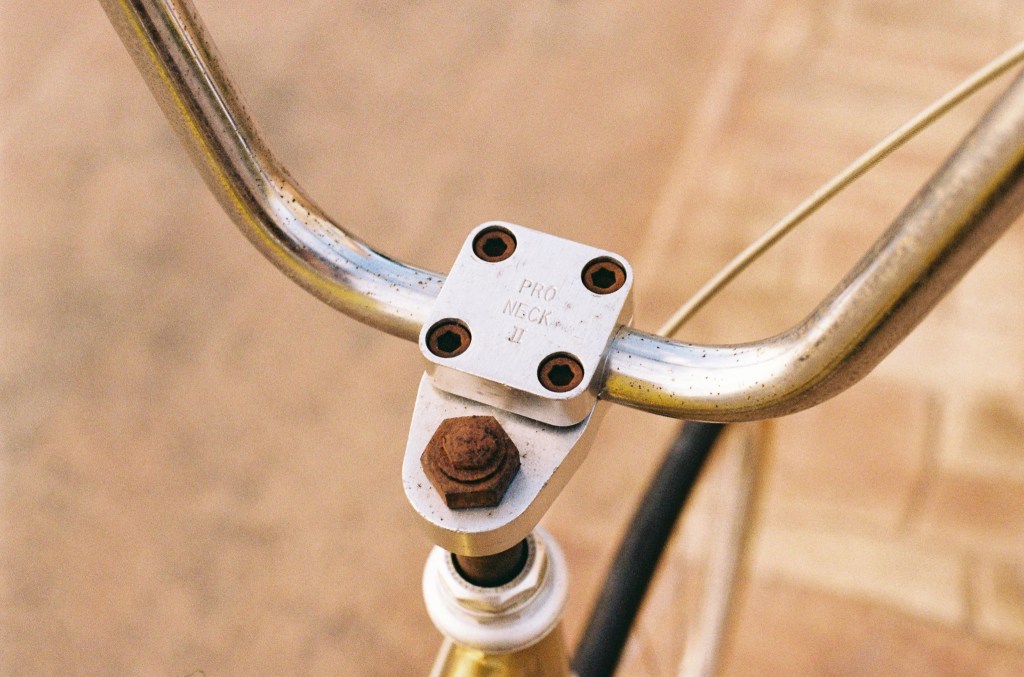
A few weeks after I landed in Japan, someone I met in Tokyo offered to show me the trendy fashion district. When we were there, this guy walked up and asked if I was a model. My immediate reaction was that this was some sort of scam—I’d never in my entire life thought this would be a job I’d ever do—but the same scenario played out multiple times during the day until I finally allowed myself to be led to this showroom where I was fitted for a shoot the next day. I’d already applied for a few jobs with the companies that would take on foreigners but I was able to pick up enough freelance modelling to cover my rent. And then after eight or nine months, I was approached by a bigger agency who offered to sponsor my visa application in exchange for an exclusive contract. So I said, cool, okay, let’s do it.
cyclespeak
How did riding bikes fit in?
Paul
Up to that point, I would never have described cycling as my life. As a teenager I rode to school and went mountain biking on the weekend but bikes were a tool; a means to an end. The cultural side of my life was consumed by skateboarding and this continued when I got to Japan.
cyclespeak
So what changed?
Paul
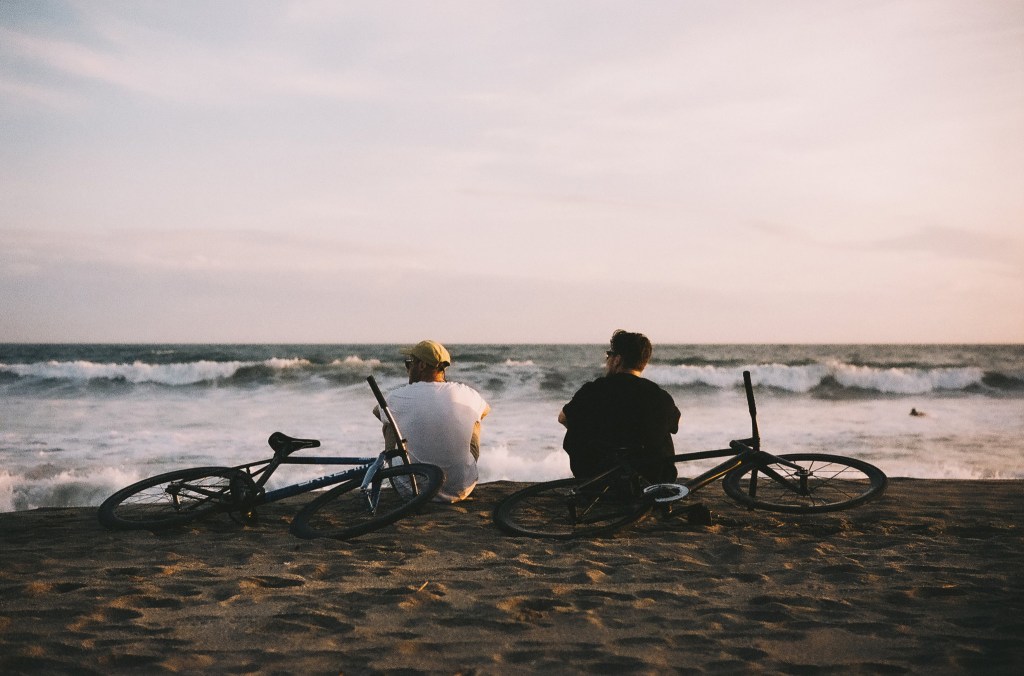
One day I managed to break my board which was really upsetting because it was the only material thing I had that was a link to my past life. So I decided to check out this skate shop in the suburbs with a view to buying a new deck. On the train back into the city I got off one stop early to try out my new board in a nearby park. That’s where I saw this bunch of people who had boards but were also riding bikes. I had some conversational Japanese by then and they knew a little English so we got chatting and they invited me to a party later that evening. My immediate reaction was to say no as I didn’t want to slow them down but one of them lived around the corner and offered me a bike. So I rode to the party, had an amazing time, and discovered that most of them were bike messengers. They were planning a city ride the next day so I arranged to meet them and they had another bike for me to borrow. It wasn’t like I hadn’t ridden fixed gear before but this was Tokyo; one of the busiest urban environments you can experience. But it was such a good day and when it was time to go our separate ways, they asked me if I liked the bike. I told them I loved the bike and they said I should keep it.
cyclespeak
That’s amazing!
Paul
I’d known them for less than 48 hours and now I had a bike to ride and a group of friends to hang out with. And from that point moving forwards, I pretty much dropped everything I was doing and spent every day either going to castings, on a shoot, or hanging out with these people.
cyclespeak
So how does that bridge to the Slow Spin Society?
Paul
I was learning so much about the scene and that just encouraged me to dig a little deeper. I’m a late 90s kid so, to me, everything is on the internet but there was this huge gap between what people were saying to me anecdotally and whatever was available online. And what soon became apparent was that the underground nature of the scene meant that it simply wasn’t being archived comprehensively. Which is why I decided to start sharing content—in a sense I was self-feeding my curiosity—in the hope that it would encourage more people to try riding fixed. But this wasn’t something I could do simply with an Instagram account. It needed a bigger platform and that’s how Slow Spin Society started.
cyclespeak
Your Instagram bio leads with Good things take time. There is no need to go that fast. Why that particular emphasis?
Paul
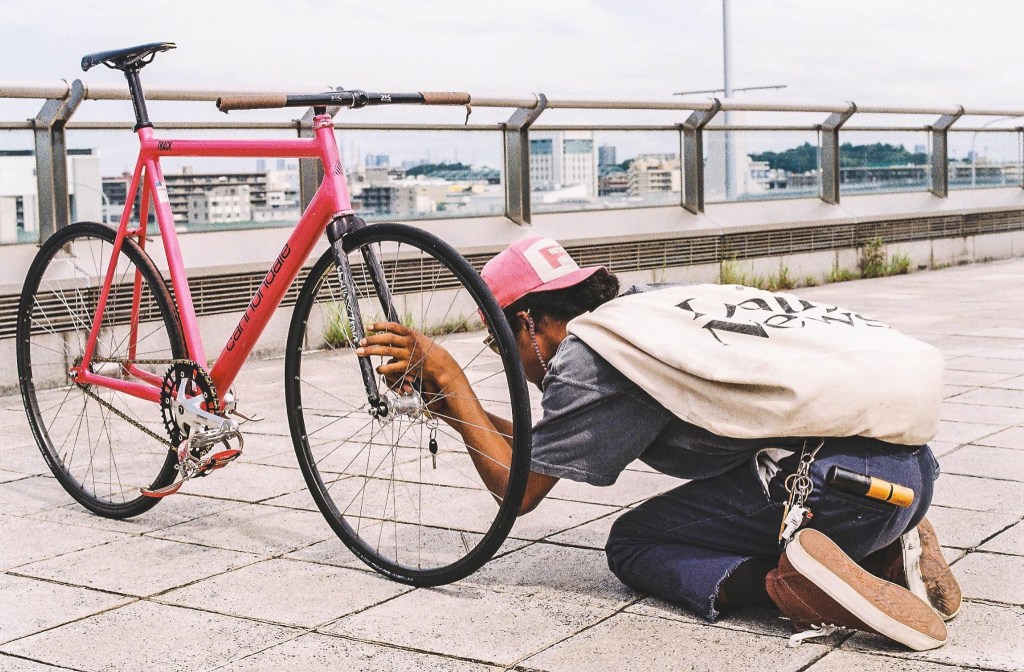
The fixed gear scene comes and goes in popularity. I’m 30 years old and I’m personally witnessing a second cycle already. And with that comes certain narratives that state you need to ride brakeless in the city and jam yourself in traffic. That you need to go fast because if you’re not fast, then it’s not cool. Now don’t get me wrong, I love fixed gear but I also feel you don’t necessarily need to do all that to enjoy the scene. And from day one, I knew I wanted to make a meaningful space for all kinds of people to find inspiration and feel encouraged to get outside riding bikes. I’m very conscious that these things take time and—being someone who isn’t afraid to say no—I decided from the start to do things on my own terms. Even if that meant the pace of progress would be slow.
cyclespeak
What I find interesting and maybe feeds into this approach, is that all the imagery featured on the Slow Spin Society website is exclusively film photography. Can you talk about this artistic decision and whether it resonates with the feel and challenge of riding fixed gear?
Paul
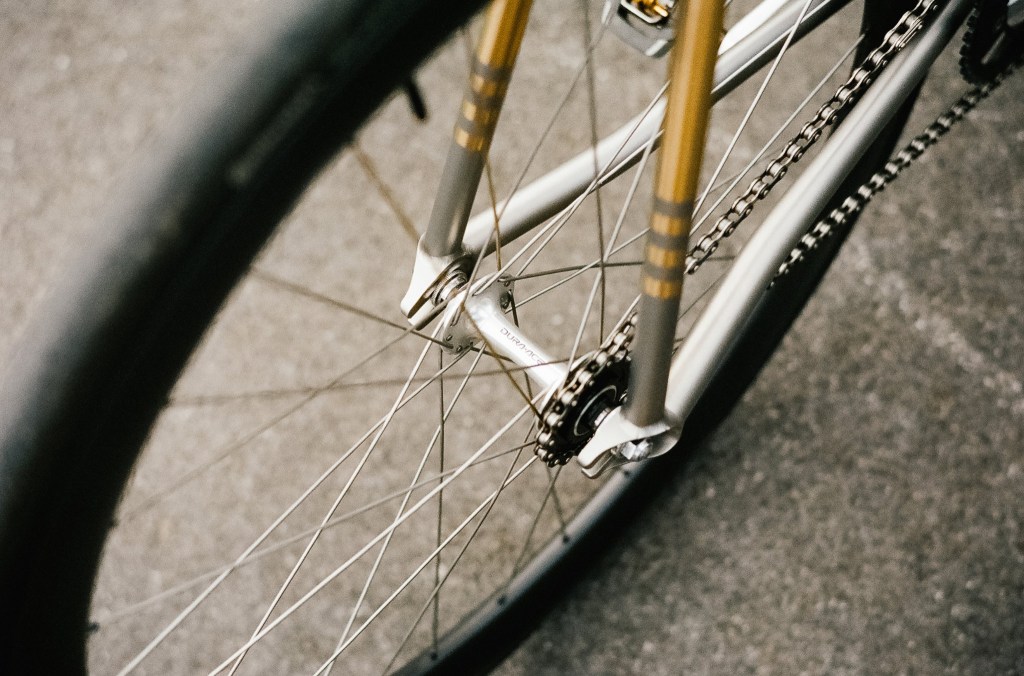
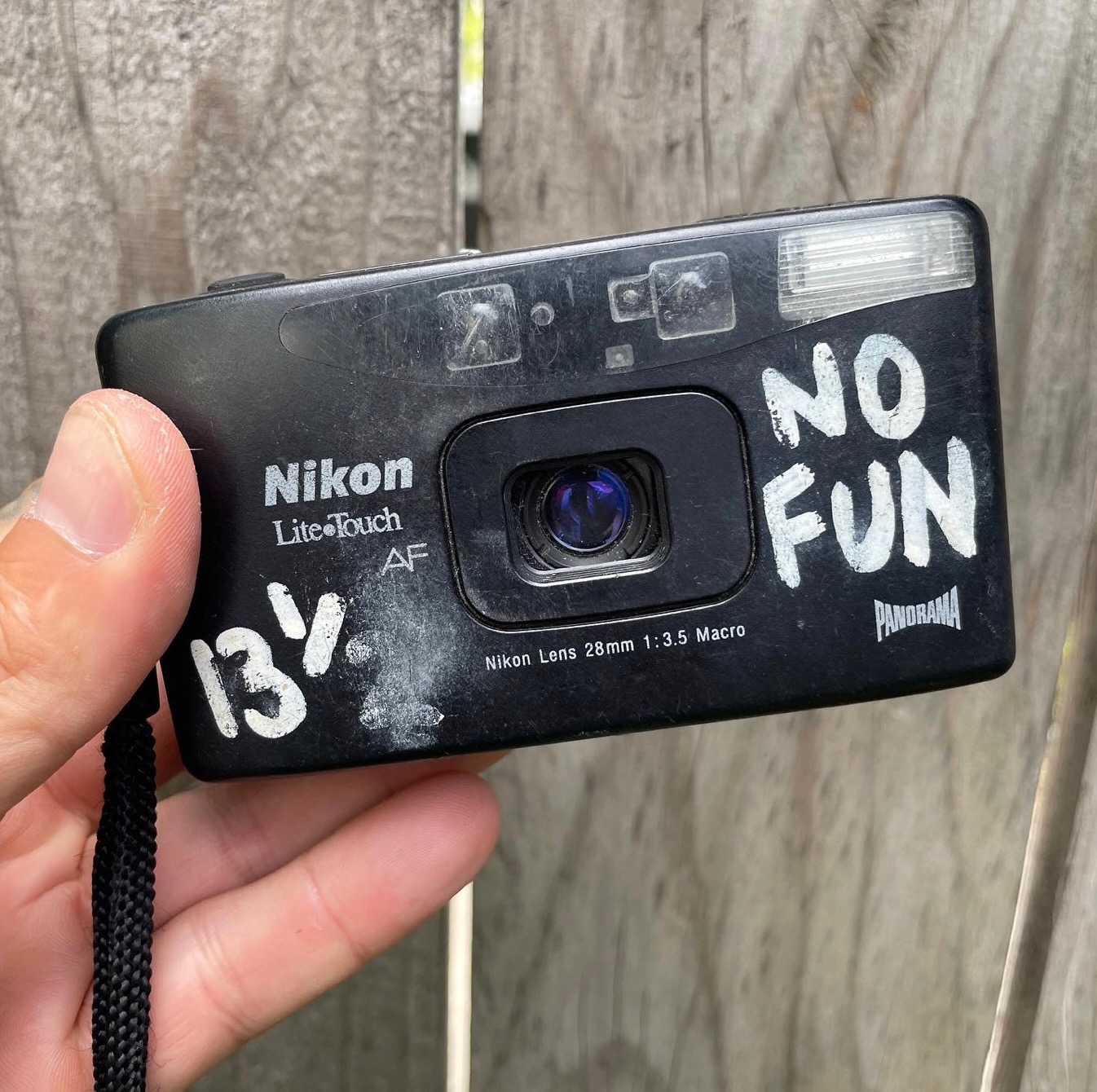
There are a few things that feed into this. Firstly and perhaps most significantly, my grandfather was a war photographer and he influenced how I approached photography from a very early age. That’s not to say I haven’t had a digital phase but I found it both over and underwhelming. Your camera is either set to full auto and you simply point and shoot, or it’s set to manual so there’s shutter speed, aperture, ISO, white balance, along with a billion other settings that a modern digital camera has and will probably affect 1% of your image quality in a meaningful way.
cyclespeak
And film?
Paul
It feels like I’m stripping down the process to its simplest form. I guess in much the same way as my McDonald’s fries, I feel grounded and at home using a film camera.
cyclespeak
The camera you use is rather special in itself—a Leica M6—and that got me wondering what it would equate to as a fixed gear bike?
Paul
That’s not something I’ve ever even considered [laughs]. But I feel the closest match would be a No.22 Little Wing. Because the M6 does exactly what I need it to do and nothing more. It’s a good tool.
cyclespeak
And what prompted its purchase?
Paul
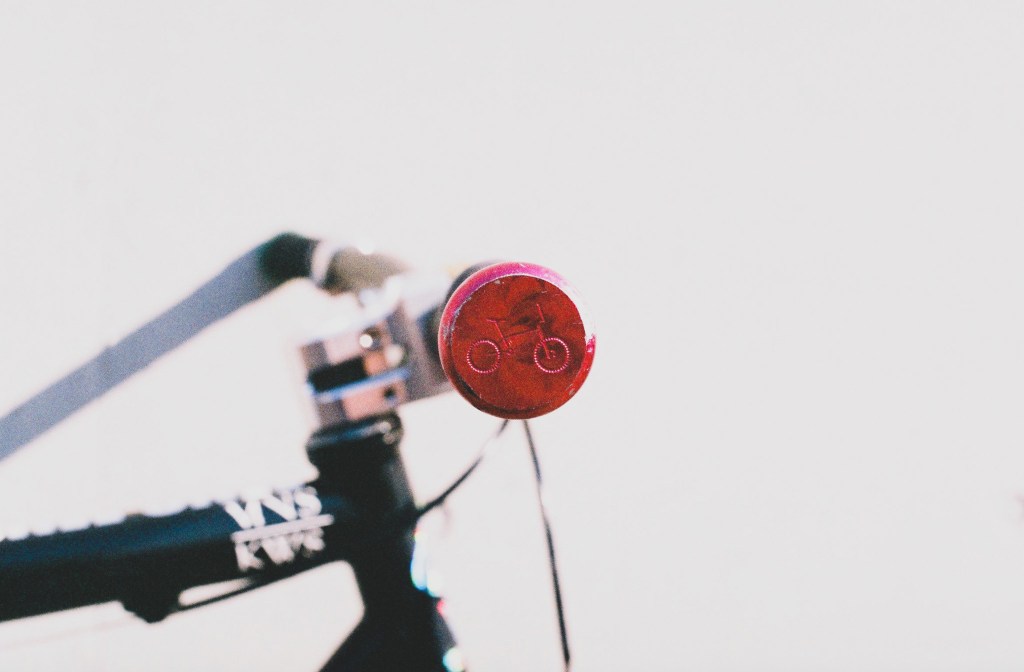
I’d spent a lot of time with a Nikon F3 and F100—both very accomplished cameras—but they are heavy and quite bulky and I often left them at home when I was going out on a ride. So I initially switched to the M6 for weight reasons after I asked a friend in Japan for advice on a rangefinder. He immediately suggested a Leica but warned me that as soon as I held one in my hands, I was done.
cyclespeak
Was he proved right?
Paul
To be honest, I was sceptical but decided to visit a second hand camera shop anyway. I went in, asked if they had any used film Leicas, picked up the M6 they had in stock and…
cyclespeak
And?
Paul
I was done [laughs]. The only problem being that it was way over my budget. Incredibly over my budget. So I sold a lot of stuff including maybe a dozen bikes but it was exactly the right camera for me.
cyclespeak
It’s a rangefinder so no auto focus which must make shooting on the bike a little tricky?
Paul
You use what’s called hyper-focal distances. Meaning that, if I have a 35mm focal length lens and close down the aperture to f/8, I know that everything between three metres and infinity will be in focus.
cyclespeak
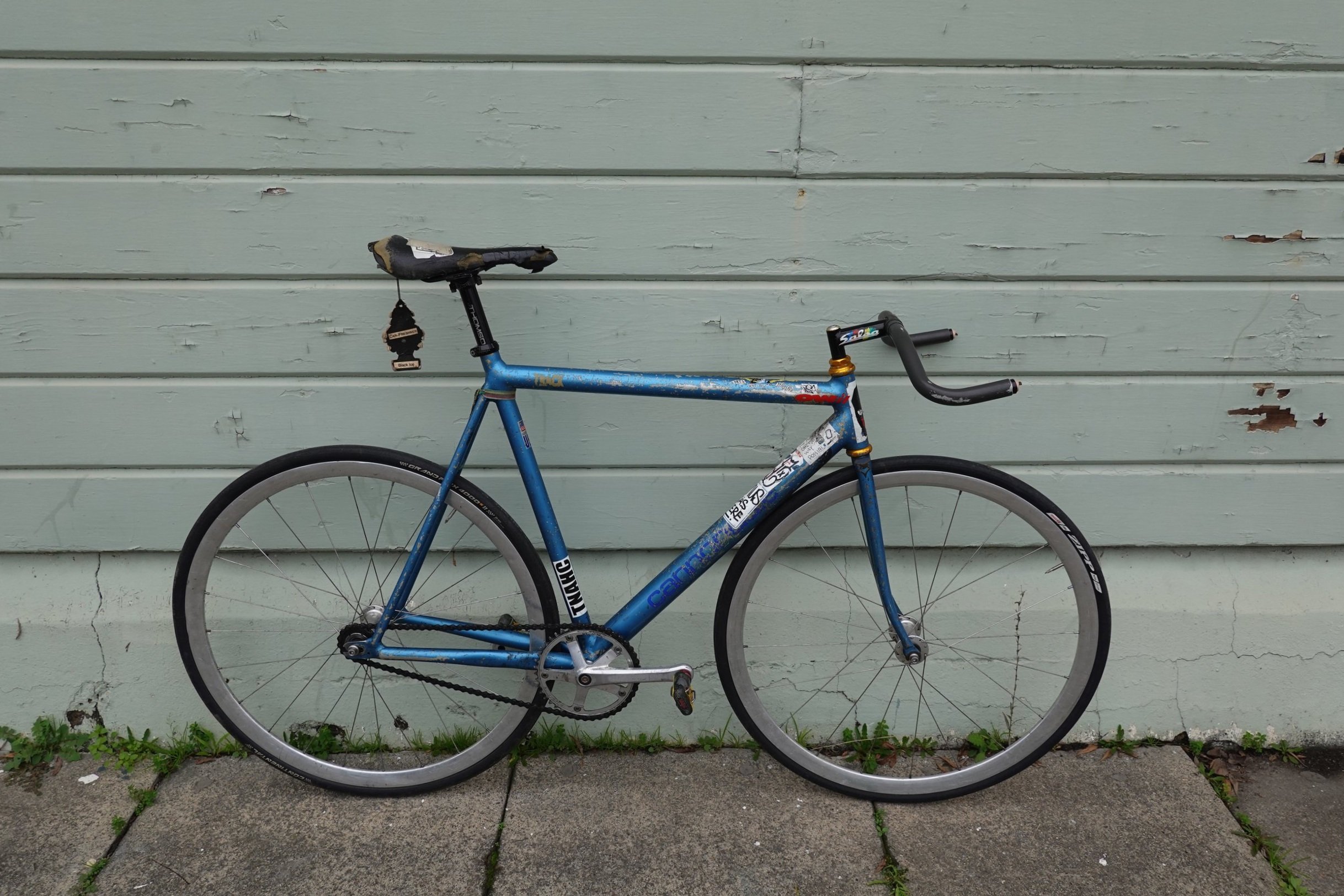
When I sat down to chat with fixed gear legend Chas Christiansen, we were talking about his bike garage and in particular his Cannondale Track which he describes as a unicorn bike. And that got me thinking about how certain individuals collect classic cars from bygone eras and whether any modern day cars will eventually gain classic status. So my question is, are there any contemporary track bikes that will eventually rival the Cannondale as a classic?
Paul
It’s hard to say because the way we produce and consume today is so very different to 40 or 50 years ago. Contemporary super cars achieve a collectable status but is that through passion and sentiment or solely because of the investment returns? It’s expensive so it’s good.

cyclespeak
And bikes?
Paul
There are definitely parallels in cycling. In the way that Specialized release a new Tarmac every year and it’s a great bike, a very fast bike, but is any variant legendary in the same way as the Cannondale Track? Which might be explained by our love of nostalgia and a yearning for the past. So in answer to your question, I feel it’s doubtful a contemporary bike can achieve legendary status solely through its form or function. But maybe it can by whoever rides it and their own individual story.
cyclespeak
So by association? A bike can be imbued with the rider’s sense of cool?
Paul
Exactly.
cyclespeak
I feel like it would be remiss of me not to ask. Have you found your unicorn bike?
Paul
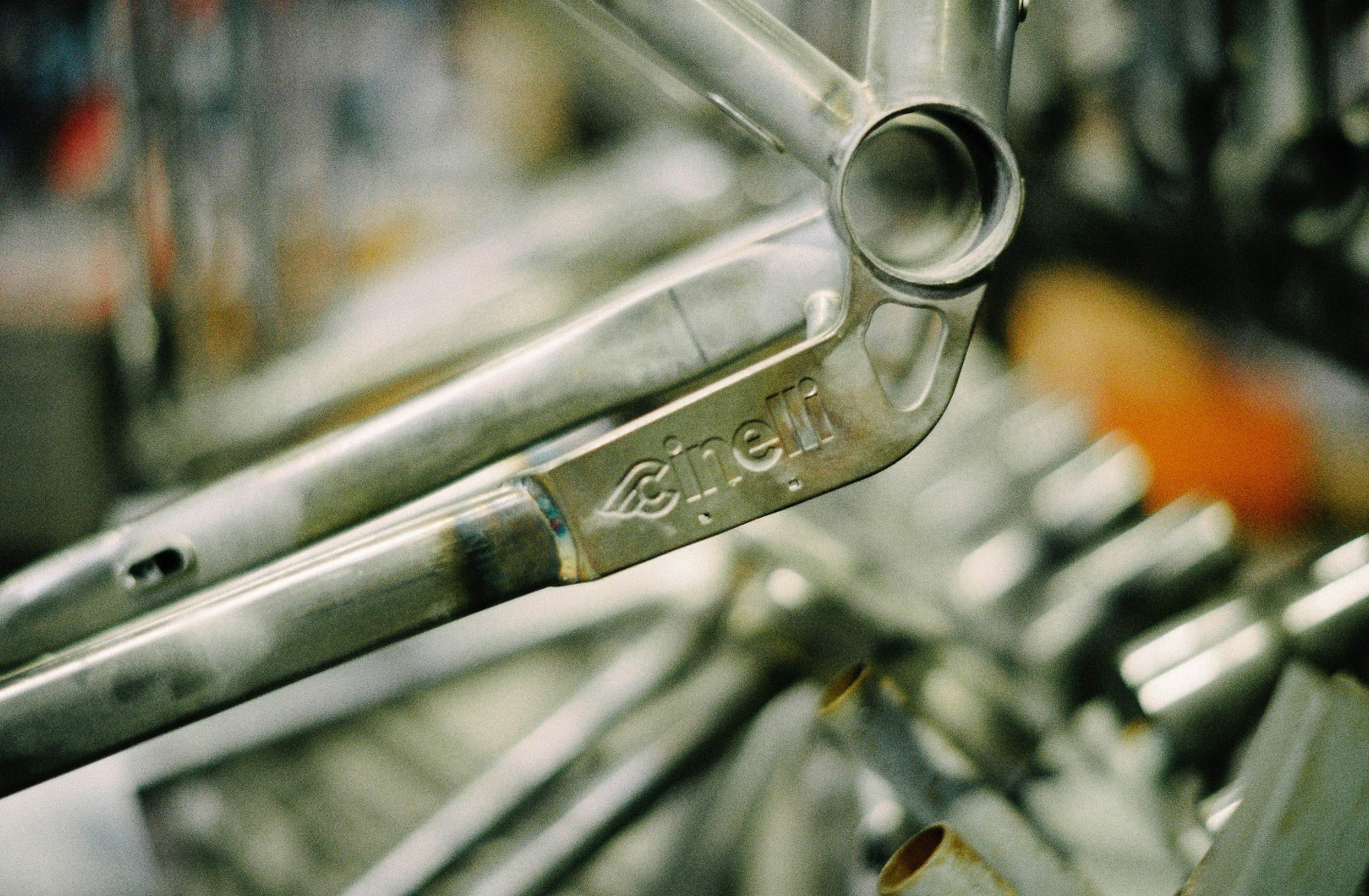
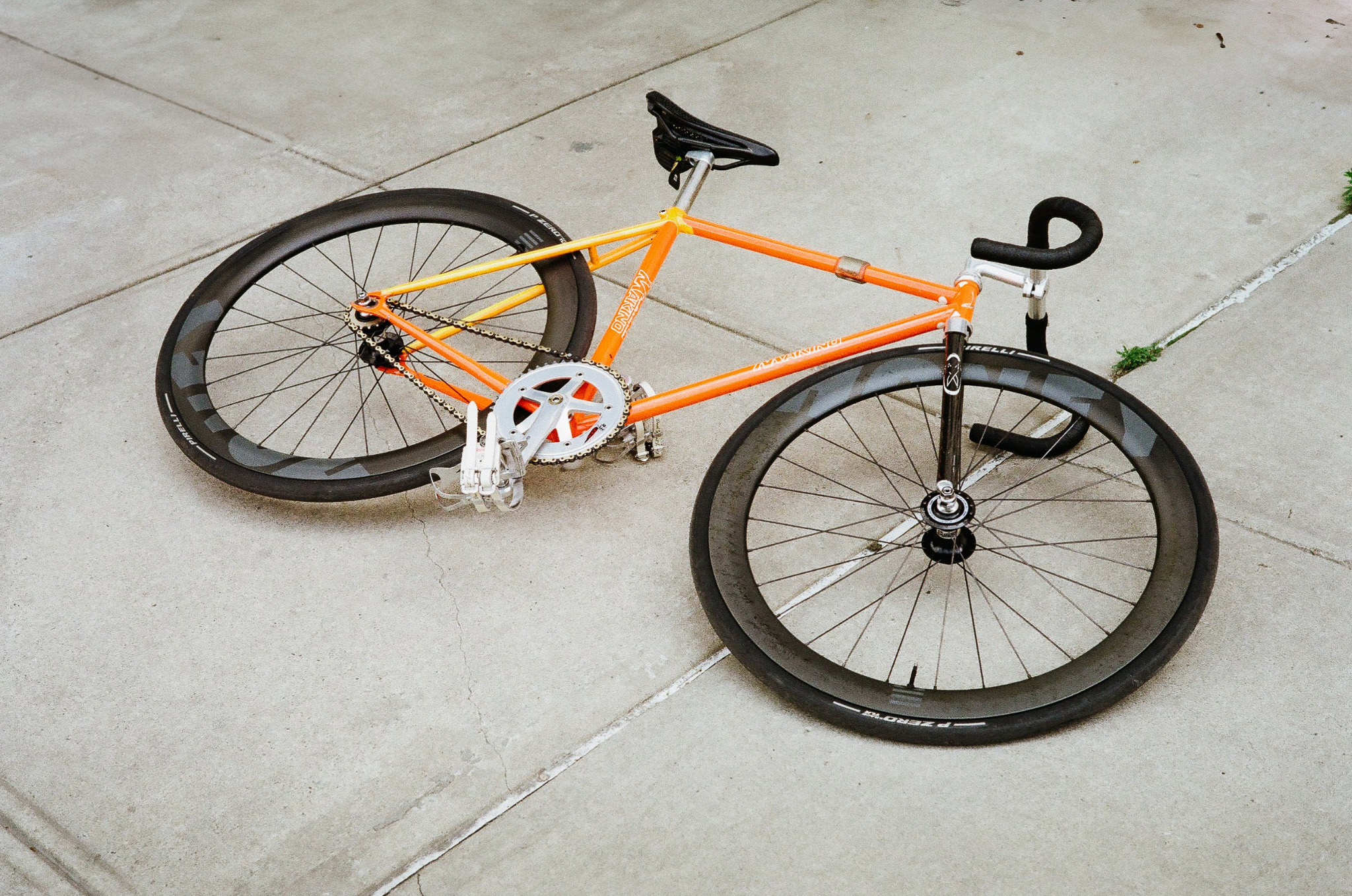
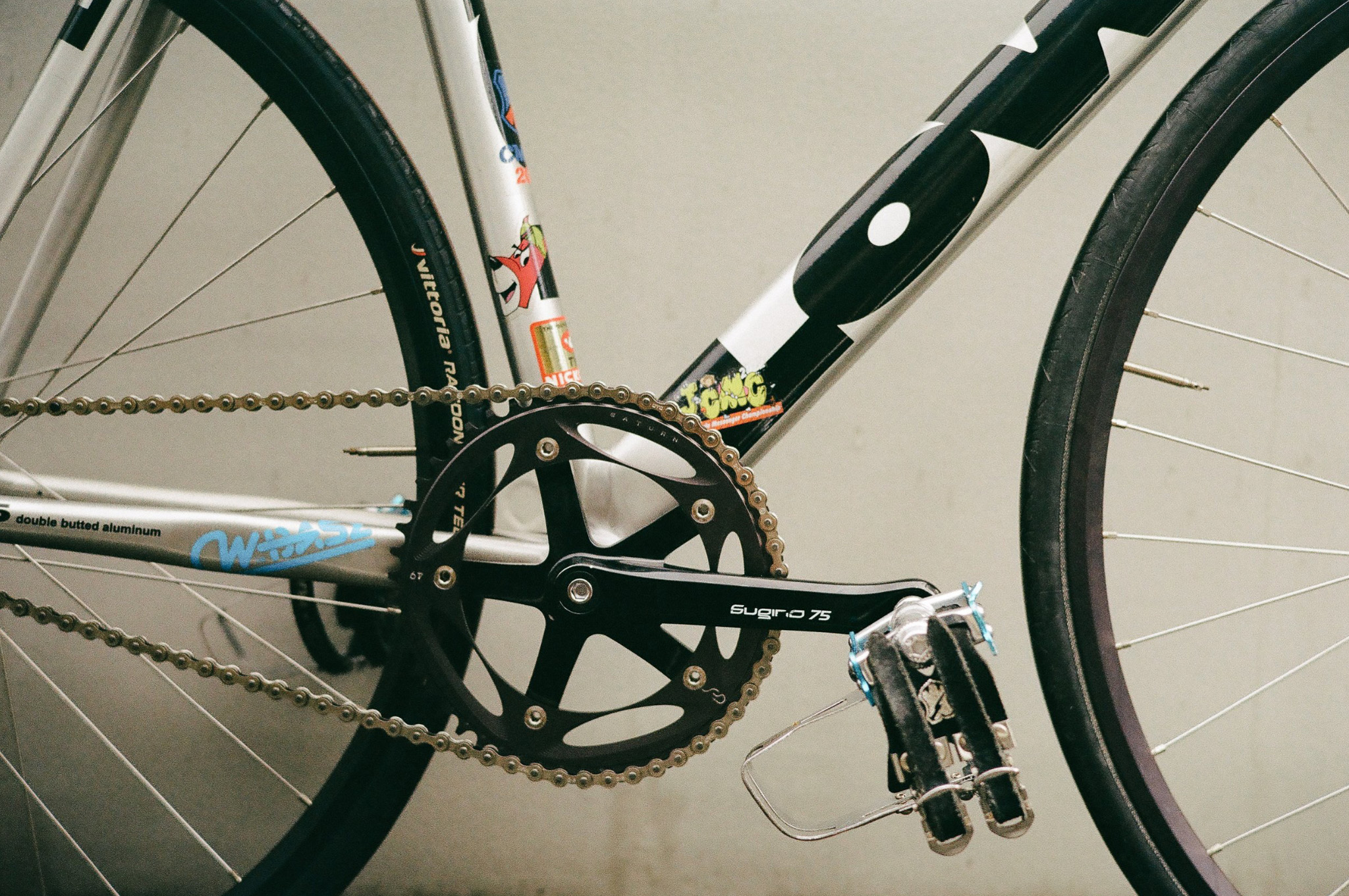
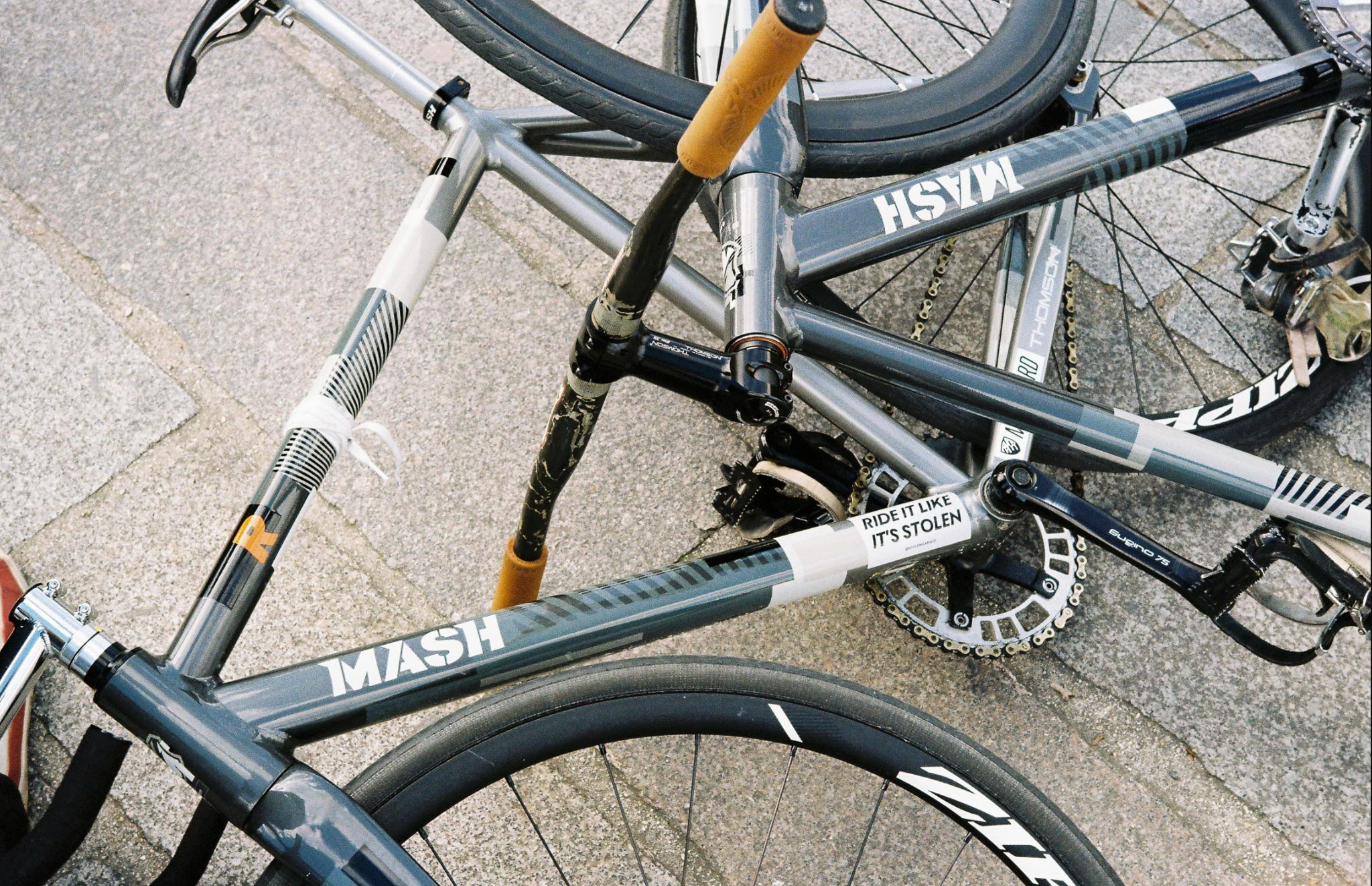
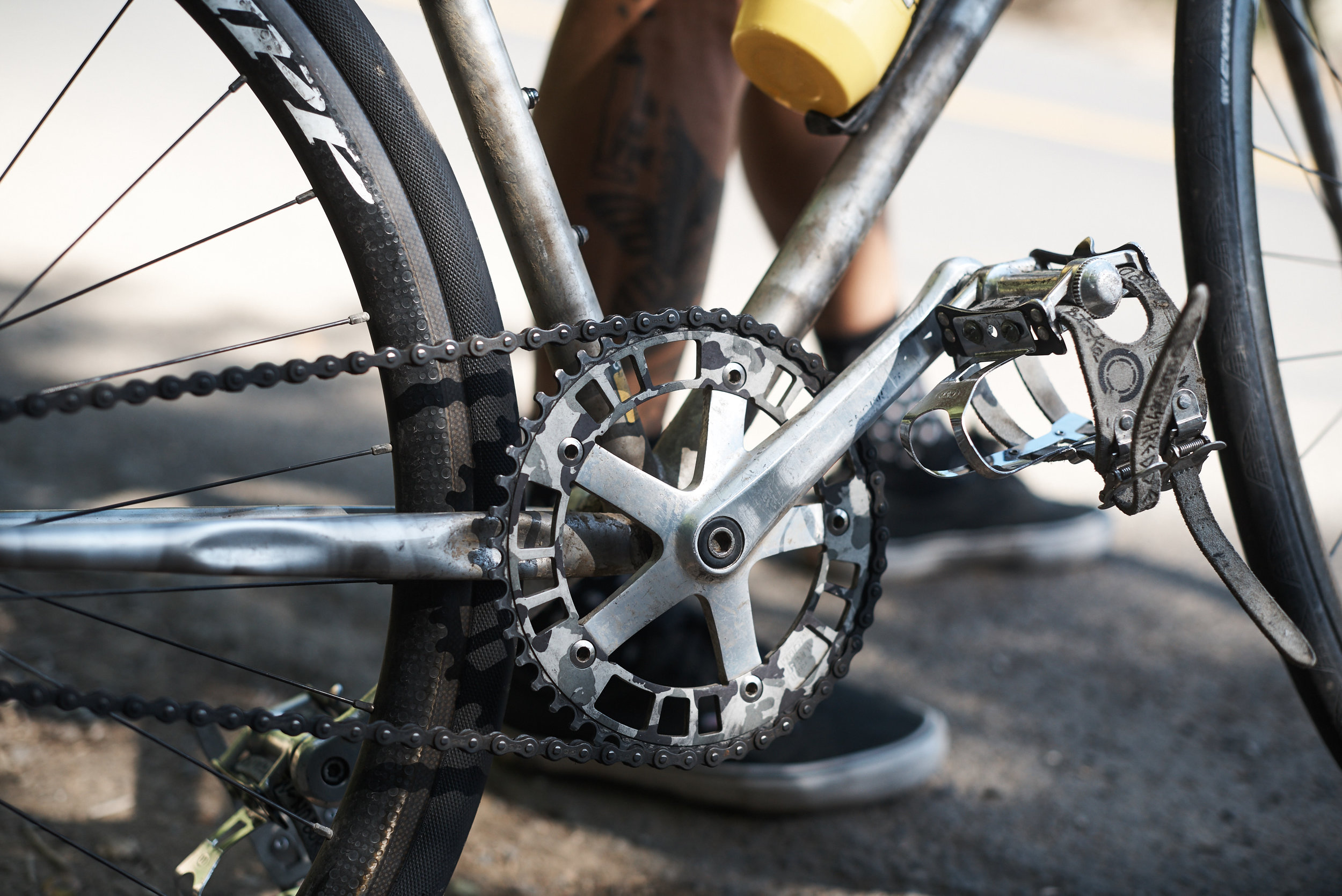
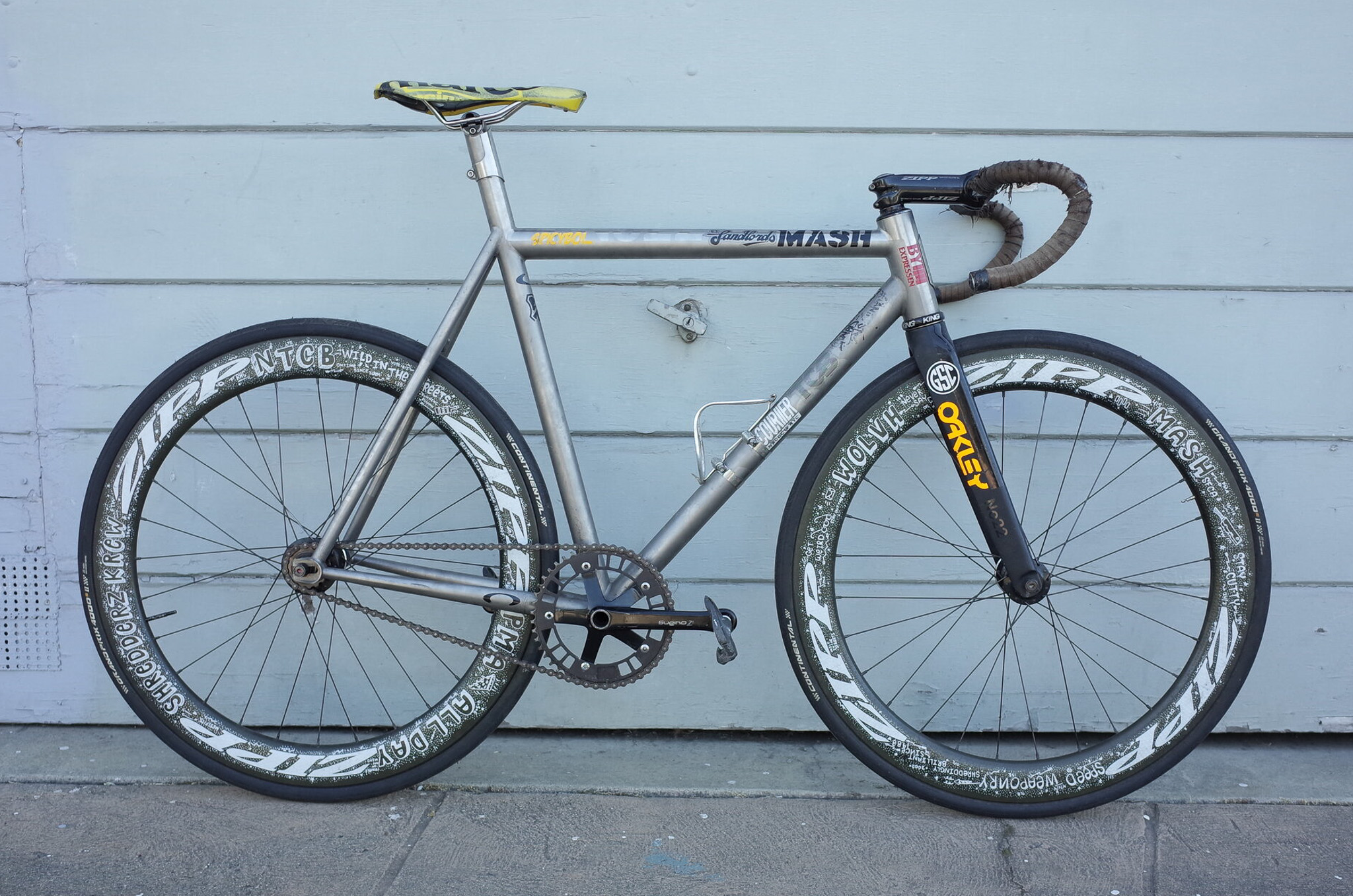
Good question [laughs]. And there are so many amazing bikes that I’ve owned but my Cinelli Mash Parallax takes some beating. I’ve had it repainted so there are flames on it, I travel with it, I meet people with it, people recognise me when I’m riding it and wave. Even if it doesn’t have a lot of monetary value—it wasn’t an expensive bike—it still means a lot to me. So that’s the closest I can get to a unicorn bike.
cyclespeak
Cycling as a pastime or pursuit can be very diverse with multiple disciplines and attitudes. Is the fixed gear world tribal?
Paul
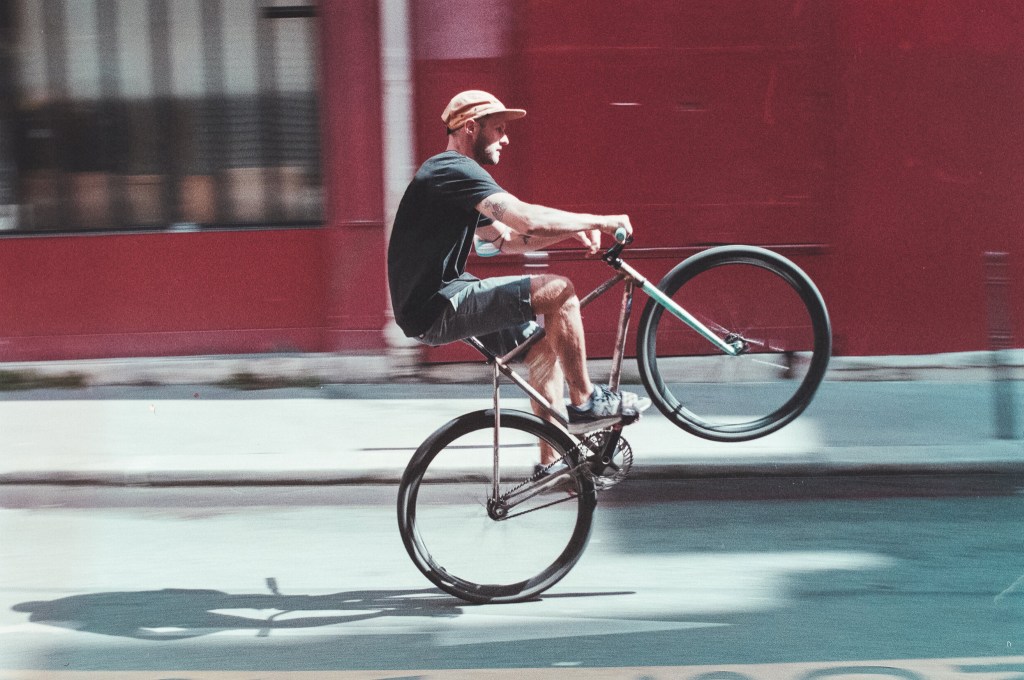
The thing about any underground culture is that it brings people, outcasts, together. Ten years ago, when track bike parts were a bit harder to find, once you’d bought from a particular person you’d tend to stick with them. And then you also have to factor in how for roadies, time trialists, mountain bikers, the cycling industry is forever innovating new parts, components, frames and accessories just for you. That also happens with fixed gear brands but to a much lesser extent. Most of the time, it’s you and the people that look and think like you.
cyclespeak
So I’ve just bought my first single speed bike: a road frame conversion with front and back cantilever brakes and a freewheel. Let’s imagine I show up at your Thursday night ride. Is that configuration acceptable or would I get comments about not riding fixed?
Paul
I would love you to be there. Because in my mind, as long as you’re having fun, it doesn’t matter what kind of bike you ride. Everybody has something to bring to the table and I would hate to refuse you a good time just because you have a freewheel.
cyclespeak
But I’m guessing there are still points of ride and style etiquette in the fixed gear world?
Paul
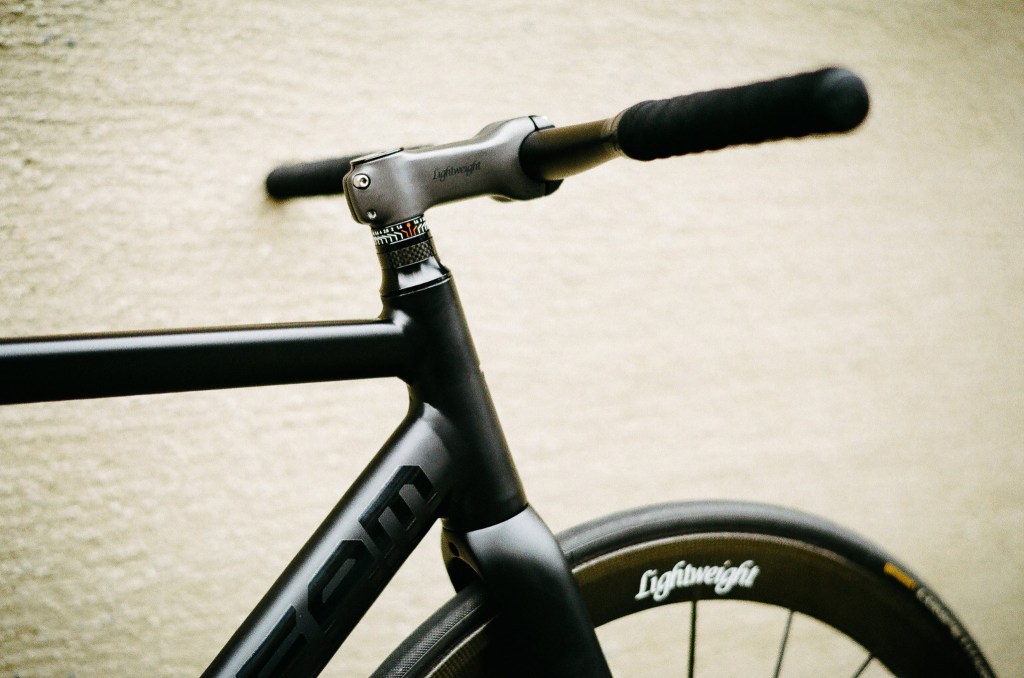
We might be an underground culture—the bunch of outcasts that I mentioned—but it definitively exists. Like if you ride a true fixed gear then you should ride brakeless. And how a fixed gear road bike conversion will never be as cool as a pure-breed track bike. But like a lot of this type of thing, you can buy into it or not.
cyclespeak
So let’s imagine I’m riding a pure-breed track bike through the city, what should I be wearing to complement that aesthetic?
Paul
You can be pretty flexible. But now that I’m thinking about it, maybe not.
cyclespeak
Go on then. Paint me a picture.
Paul
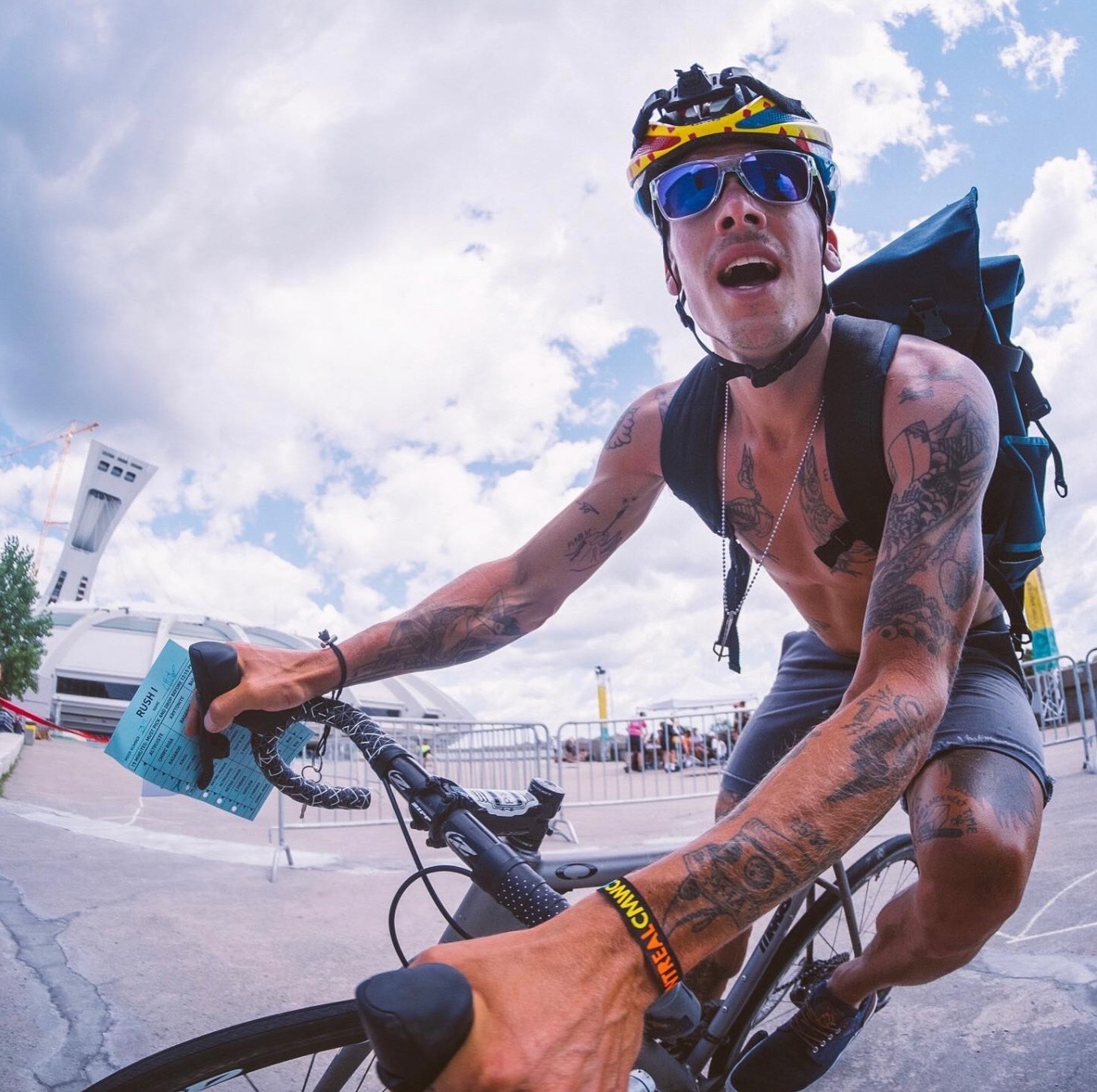
There’s definitely a range of extremes and to be considered normal you need to be somewhere in the middle. If you go bibshorts, road pedals, helmet, sunglasses, then people will think you’re taking yourself way too seriously. But if you go jean-shorts over leggings, mountain bike shoes and a huge bag slung over one shoulder, then you’ll get looks questioning whether you’re a real messenger or just someone pretending. So it’s probably safer to go full-on casual which still leaves you a lot of scope for individual creativity.
cyclespeak
And how about the etiquette of a group ride? The dos and don’ts?
Paul
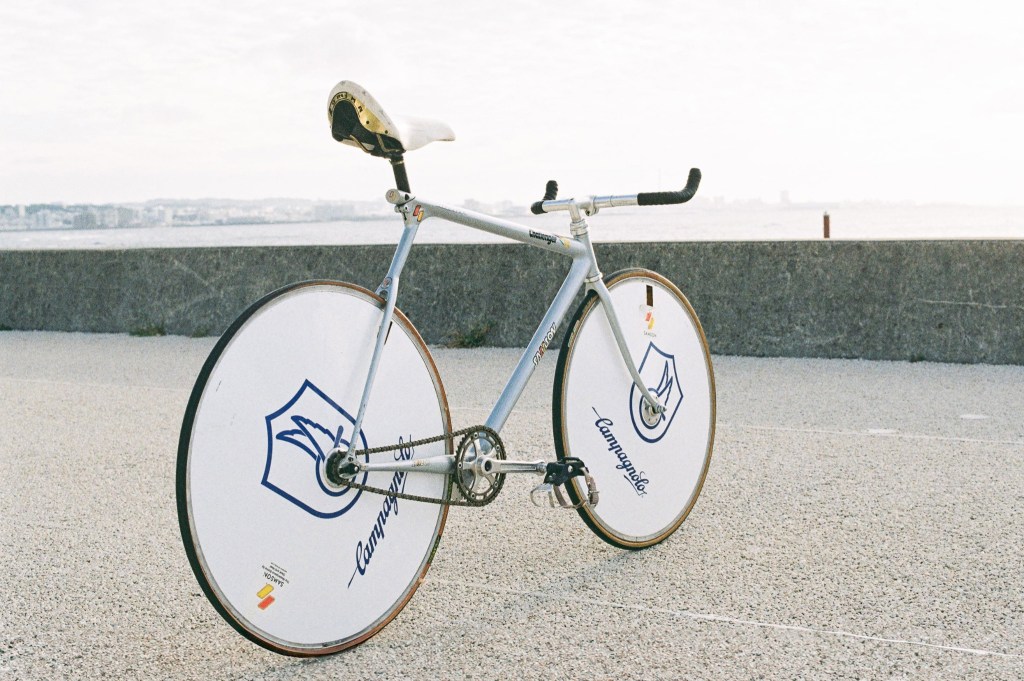
If you’re riding brakeless your stopping distance is going to be longer so that’s probably the main thing to think about. But in terms of etiquette, the fixed gear scene is definitely a lot more relaxed than road cycling. It’s a bit more wild and attracts a younger crowd.
cyclespeak
What’s your take on the videos you see posted where someone is playing chicken with oncoming cars?
Paul
I, personally, do not ride to impress. But that is a feature of fixed gear. So I guess that as long as you’re riding within your abilities and not putting others in danger, then do whatever you want. But I also sometimes see people taking a certain pride in putting themselves in potentially tricky situations, which fed into my original decision to call this Slow Spin Society. Because we all enjoy the same kind of bikes and you can be one of us without the need to ride at 30kph against the flow of traffic.
cyclespeak
That’s something I find refreshing regarding the Slow Spin Society podcast. How you’re comfortable gently poking fun at your own world and its clichés.
Paul
They apply to me as much as anyone else [laughs]. Because I’m one hundred percent guilty of showing up to a party and literally waiting until someone talks to me about my bike. But one of the key values of Slow Spin Society is authenticity. I want to stay real.
cyclespeak
So, with that in mind, where do you see the Slow Spin Society in five years time?
Paul
That’s a great question.
cyclespeak
With a great answer?
Paul
What’s funny is that my love for fixed gear has turned into a love for everything that doesn’t fit under the term competitive cycling. And what that means is that I started with track bikes but now I also enjoy bike packing, touring with friends, and everything that offers me a good time on two wheels. I even want to give road bikes a go but in a gentle, relaxed, non-roadie manner. Just having fun, riding bikes with my friends. That’s all I want.
cyclespeak
And how does all that fit with Slow Spin Society?
Paul
Maybe as a hub for alternative cycling? To continue the growth of a meaningful culture that connects the manufacturing side of things with the community. One needs the other but the problem nowadays is that brands are rarely willing to pay for journalism. They’ll offer to give you a frame set or a pair of wheels—which at face value might seem pretty sweet—but I’m sorry to inform everyone that it doesn’t put food on the table or help pay the rent. If, that is, at some point in the future I even have a place I can call home.
cyclespeak
Quite the dilemma.
Paul
You know, here I am putting all my time and energy into Slow Spin Society—and I fucking love what I do—but if you want thoughtful, independent cycling media to exist, then we have to start treating it as real work. Because it is.

cyclespeak
What do you think the mid-teens Paul would say if he could see you now?
Paul
Probably something along the lines of, “A bike. Are you kidding me?”
cyclespeak
Really?
Paul
Maybe that response is because my younger self was obsessed with motorsport and didn’t see much value in human powered motion. But also because whenever I think about what I’ve been building with Slow Spin Society, I’m aware that it’s not quite there yet. It’s definitely something but not fully formed. So I’m a forever dissatisfied person constantly striving to do better.
cyclespeak
Can I just stop you there to suggest there’s not one single creative person I’ve spoken with who’s ever able to say, “Right, I’m done.” They are constantly questioning, constantly looking to refine.
Paul
That kind of makes sense. So going back to my mid-teen self, maybe they would give me a thumbs up and tell me to keep going. That I’m almost there?
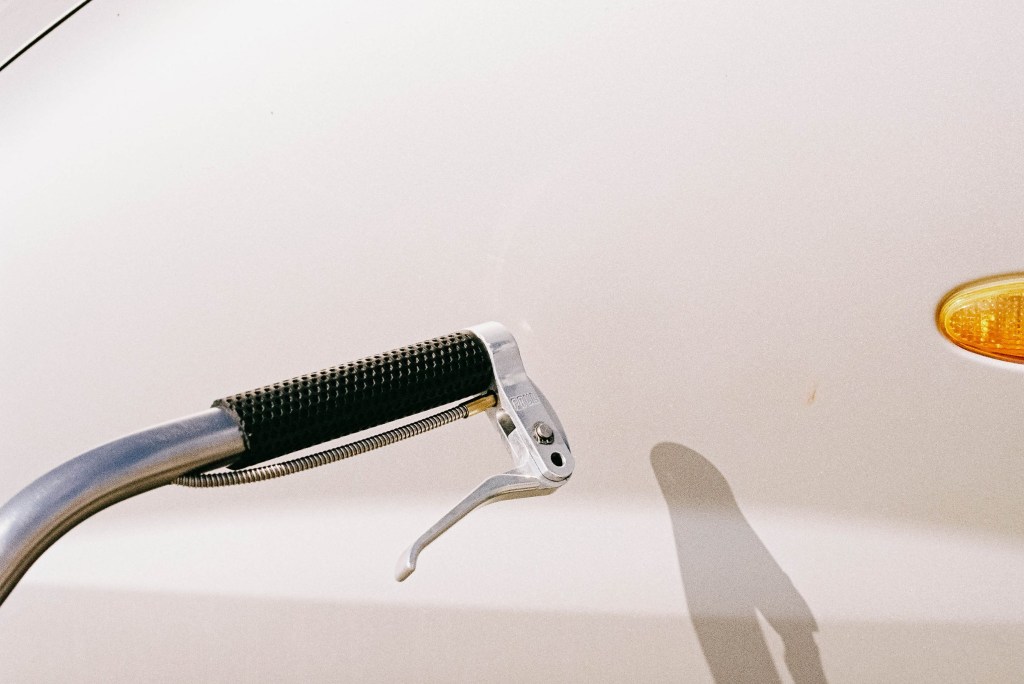
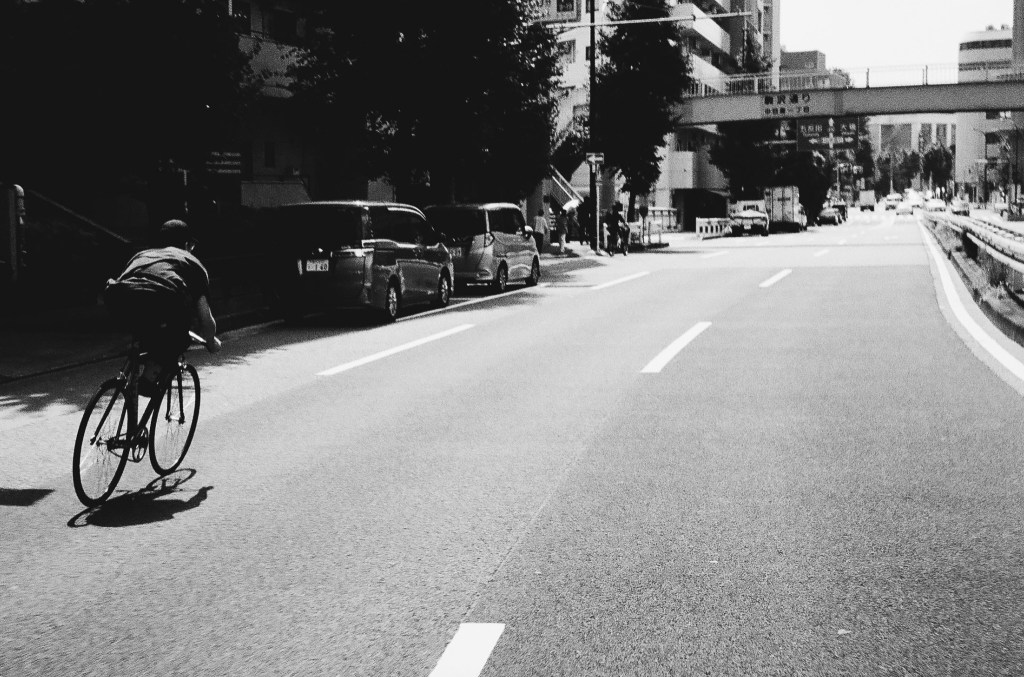
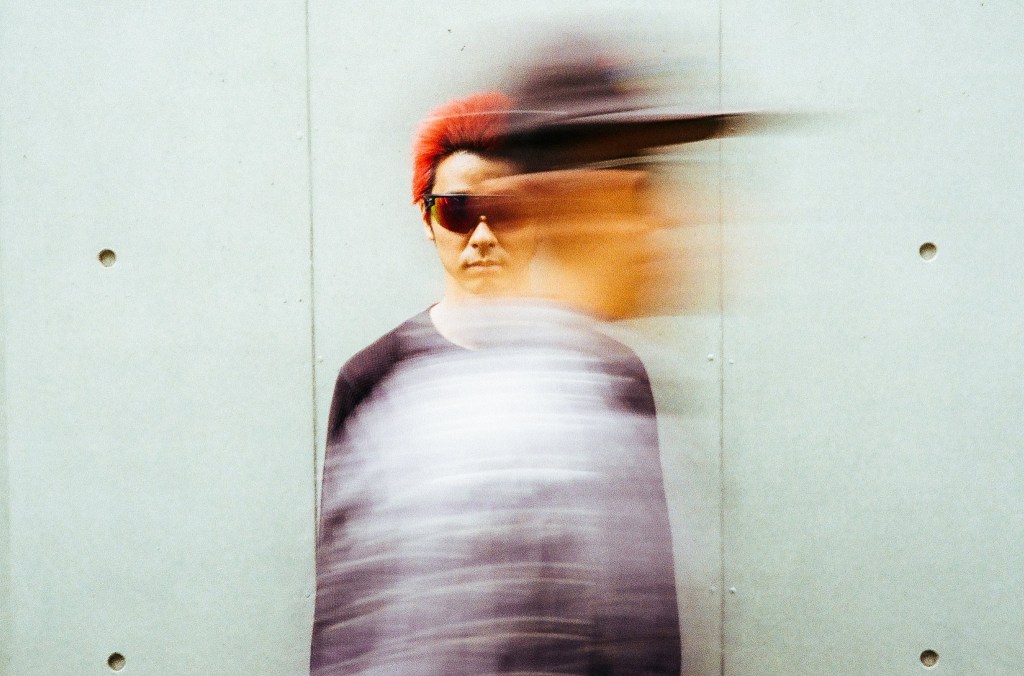
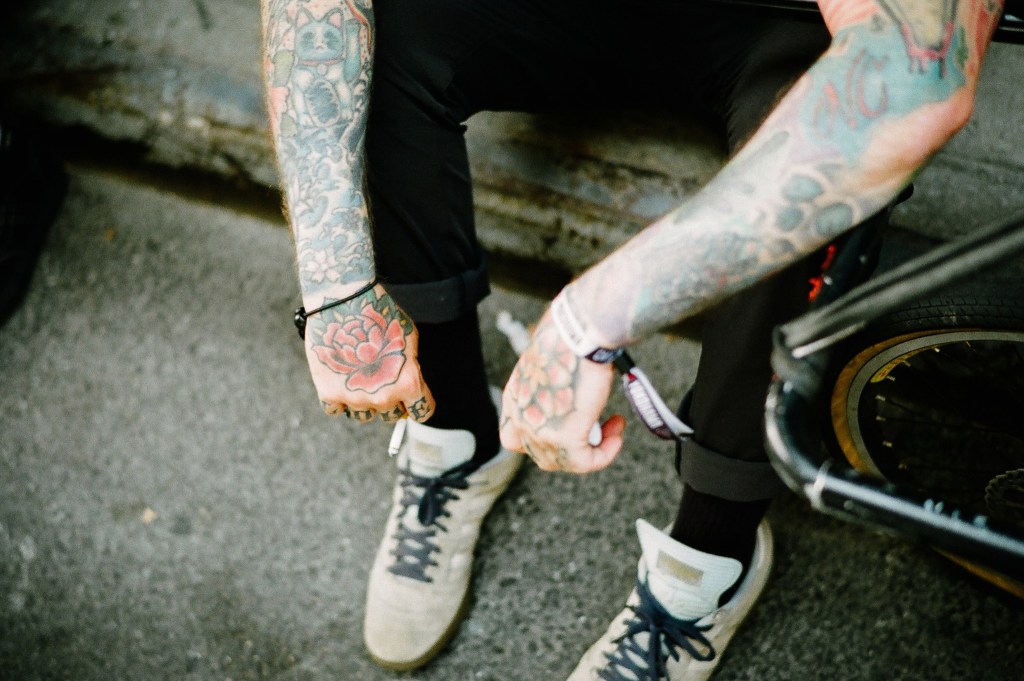
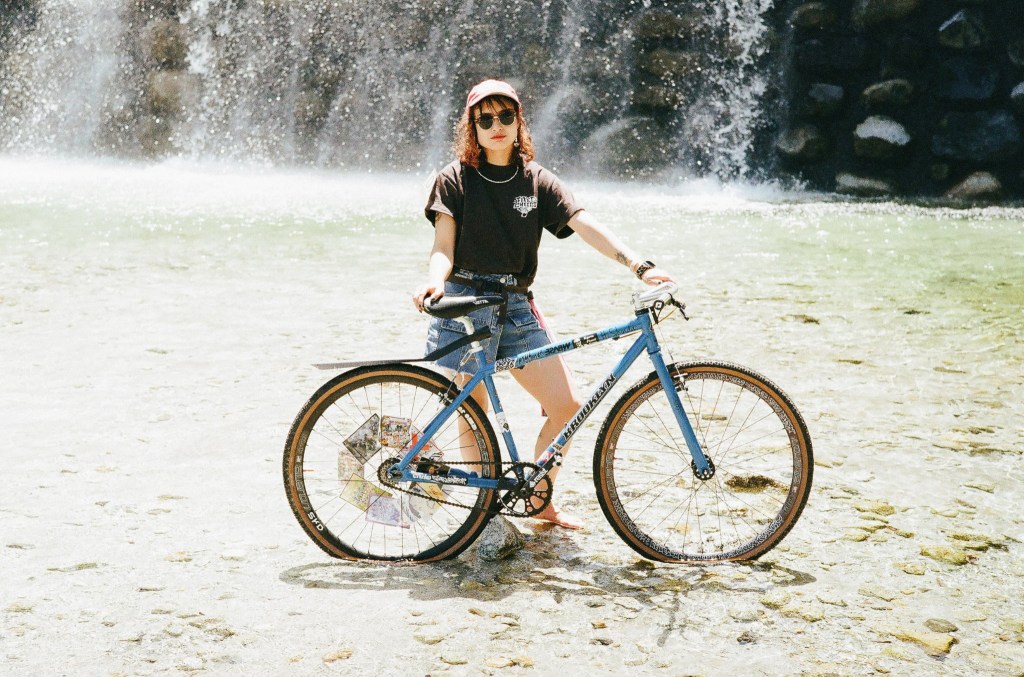
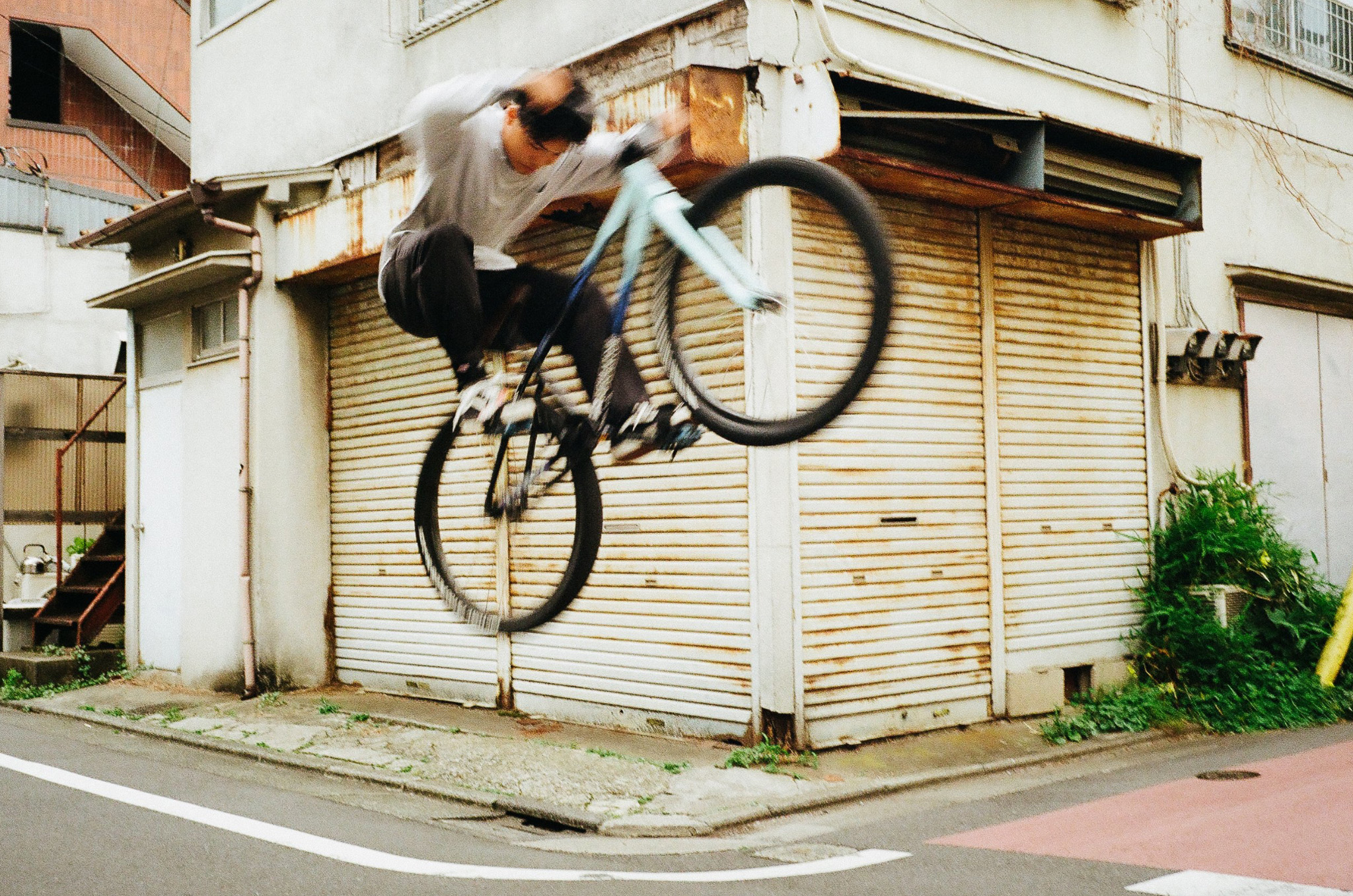
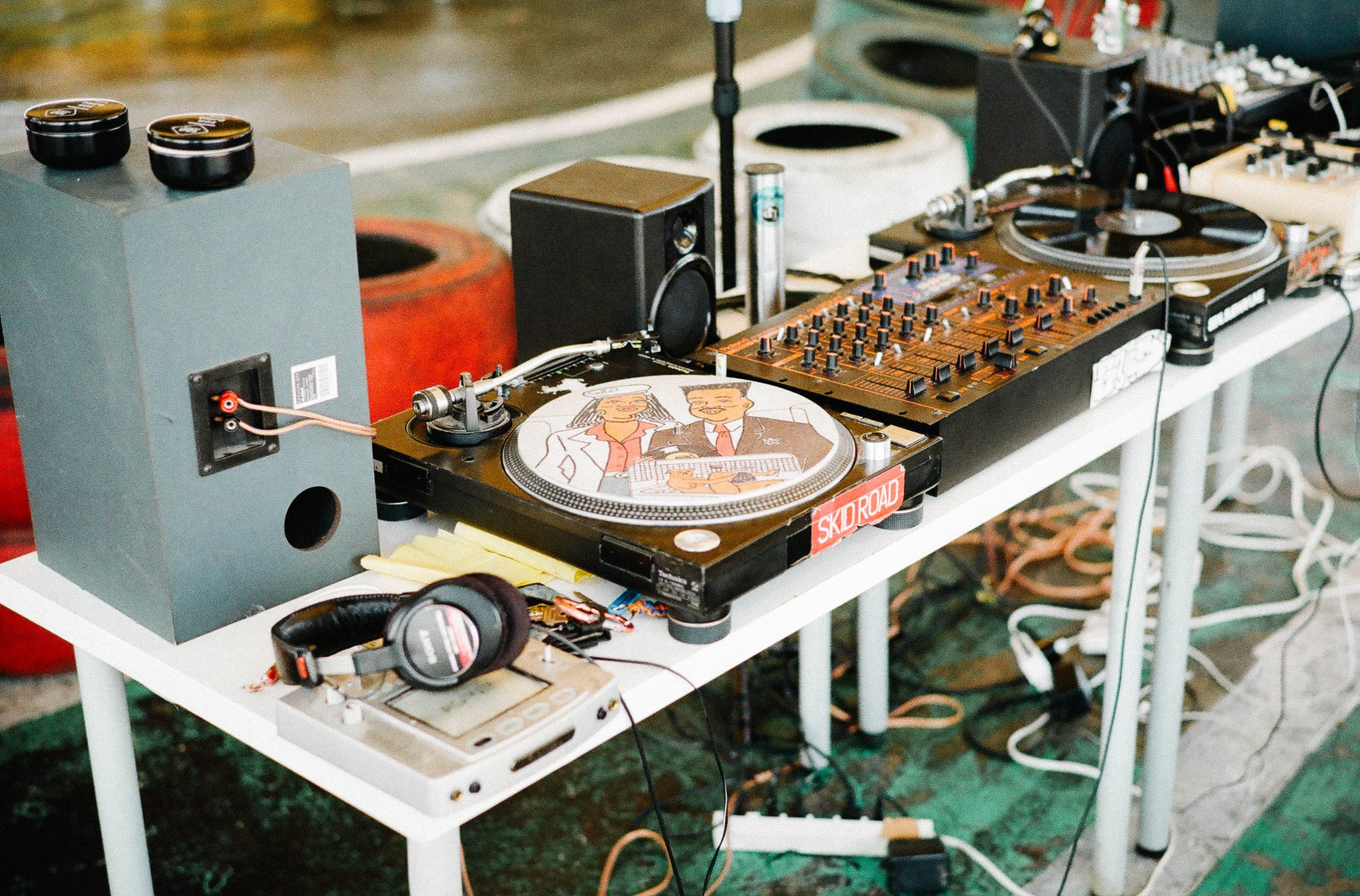
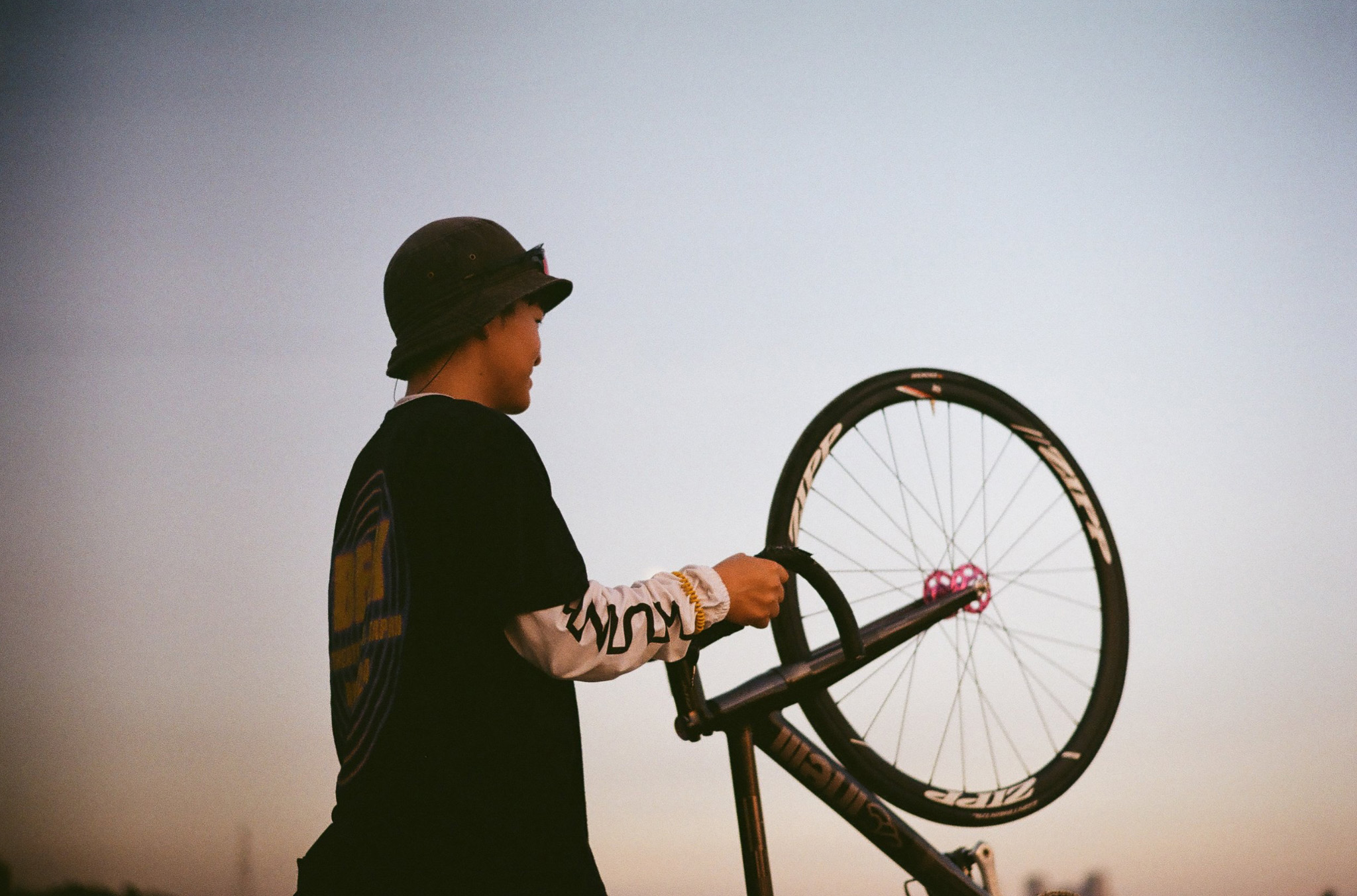
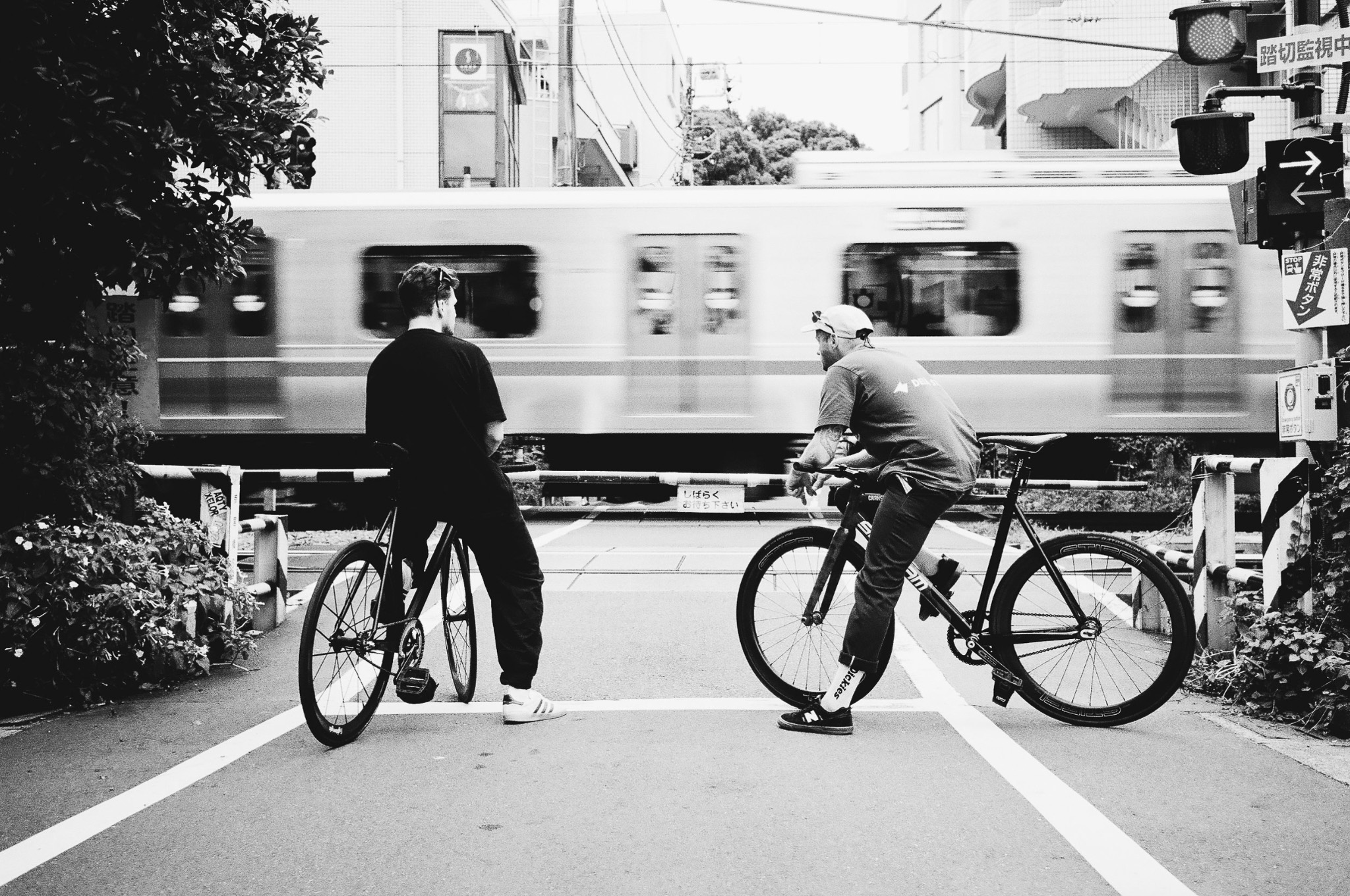
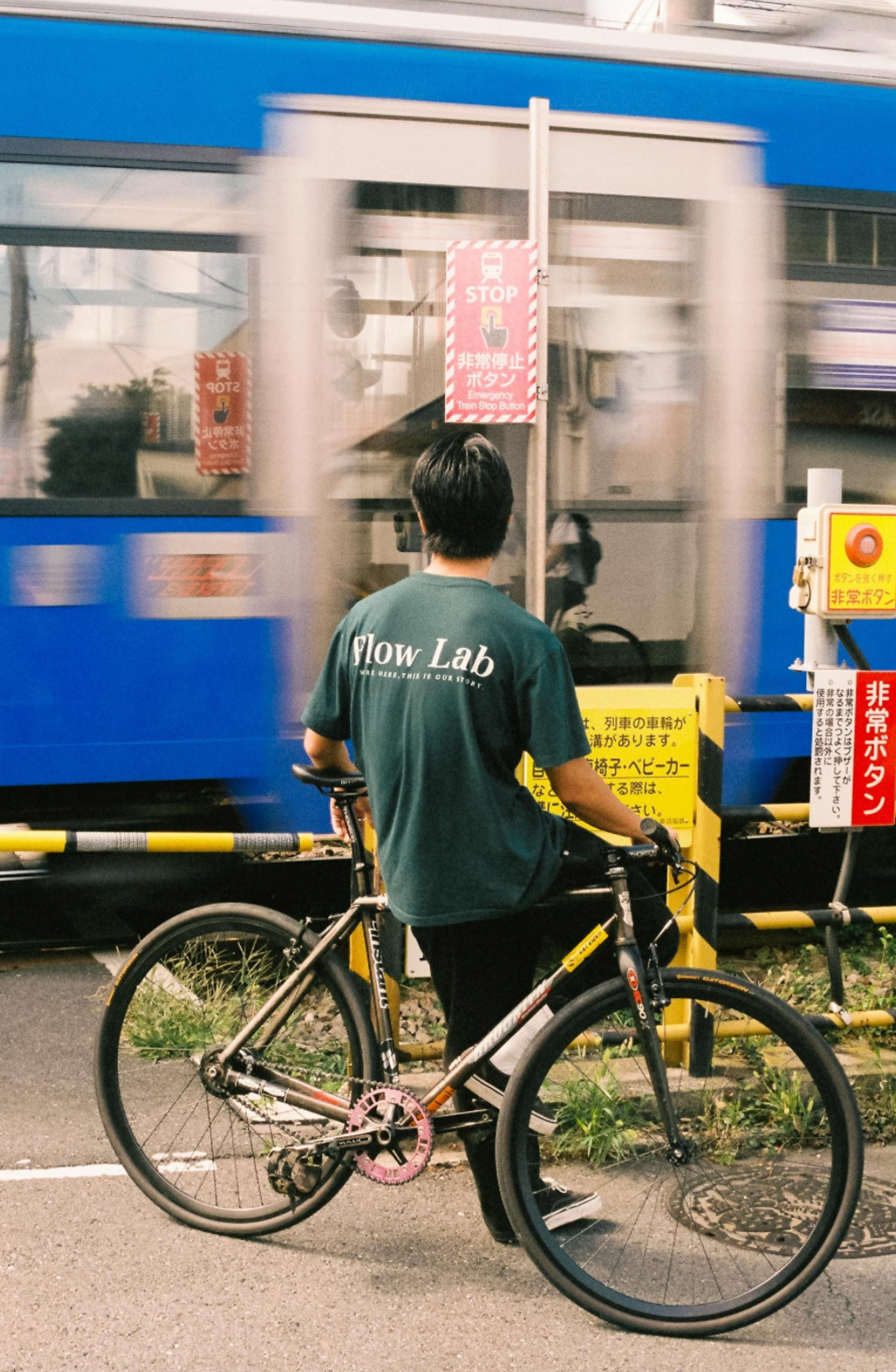
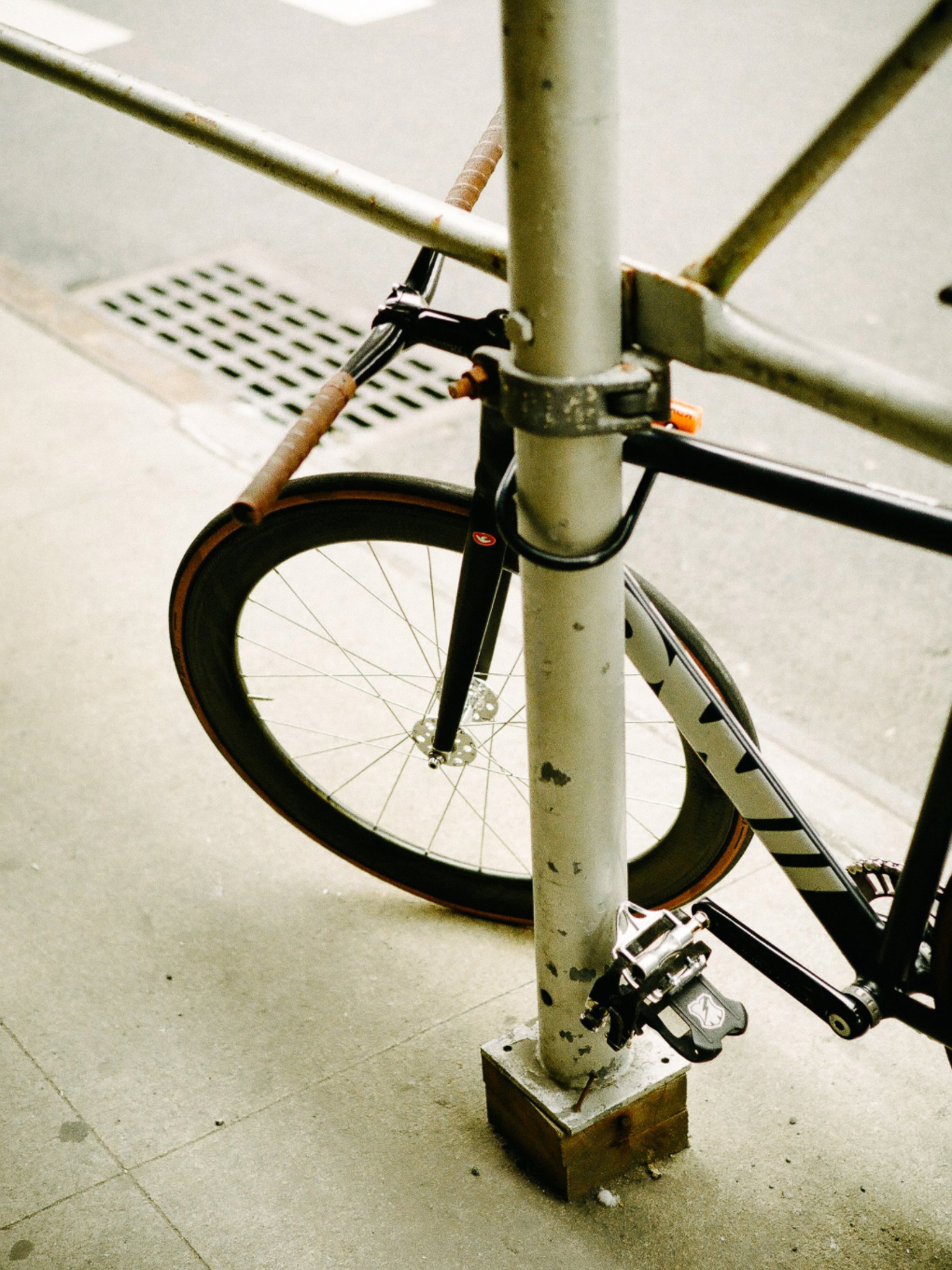
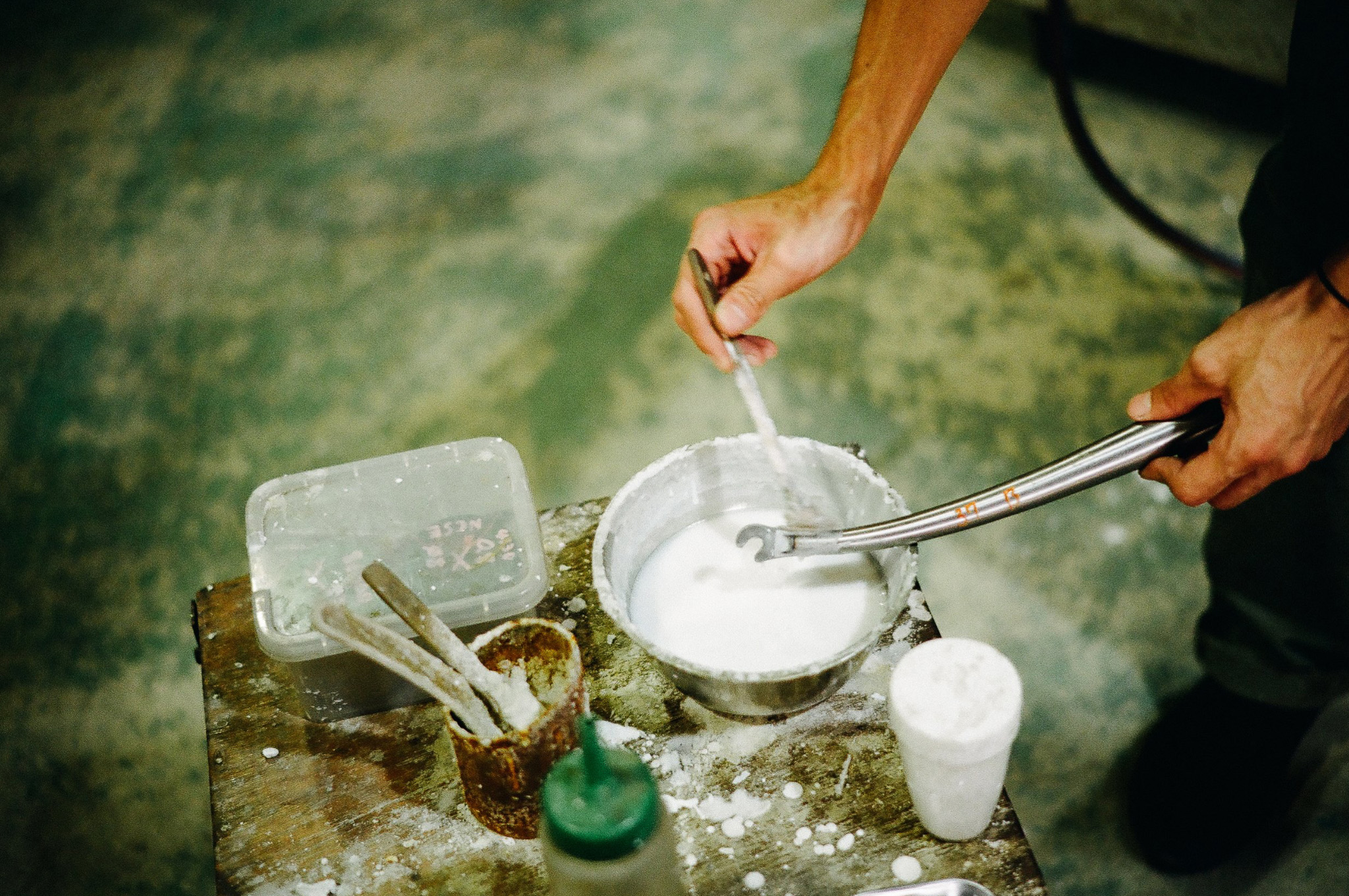
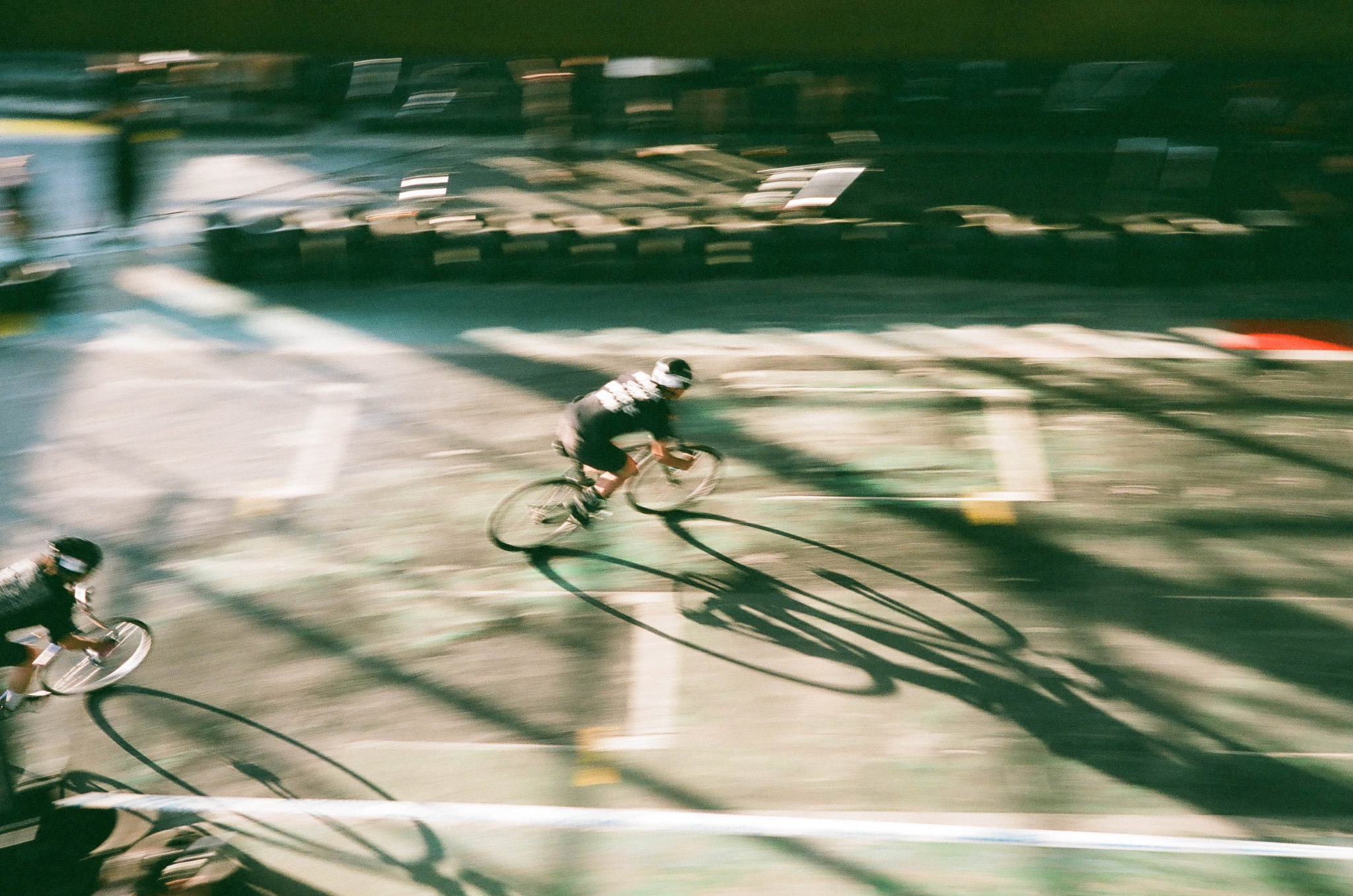
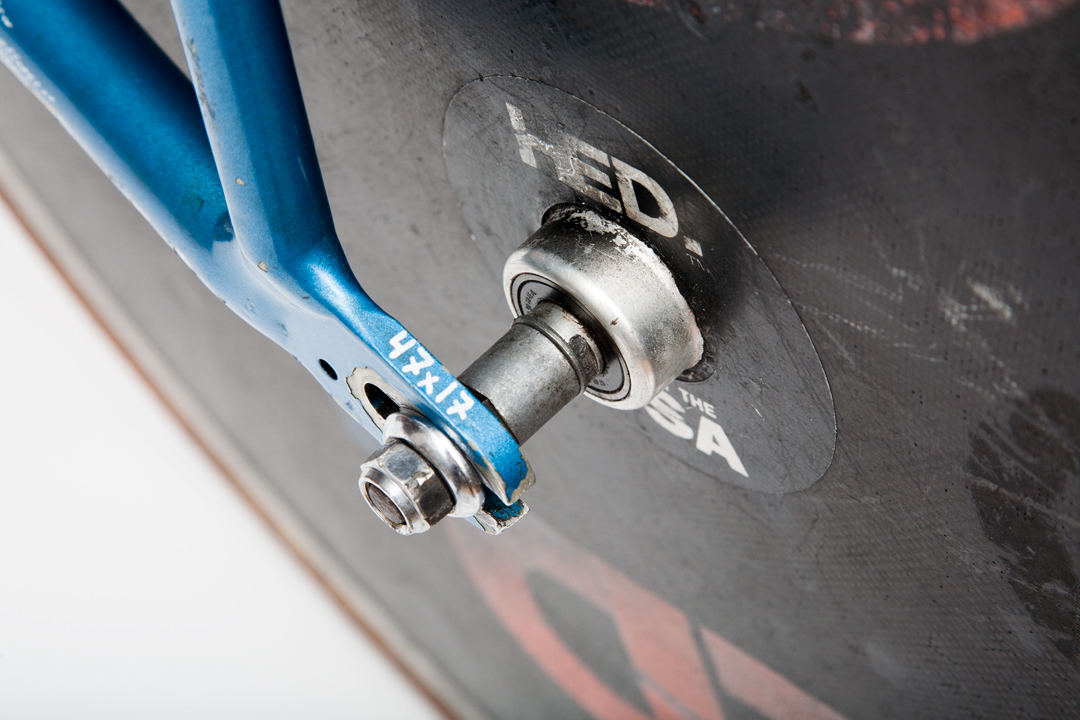
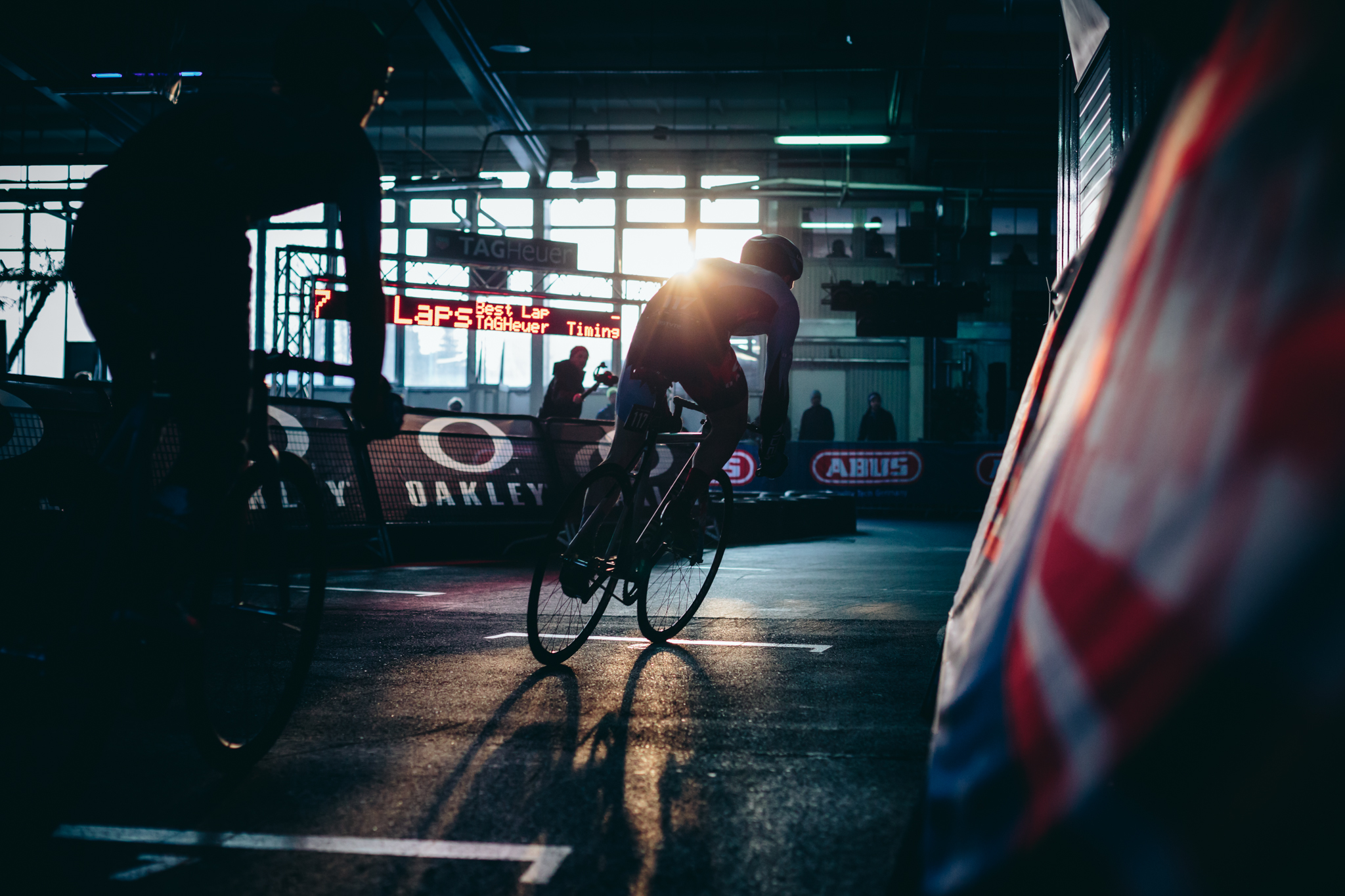
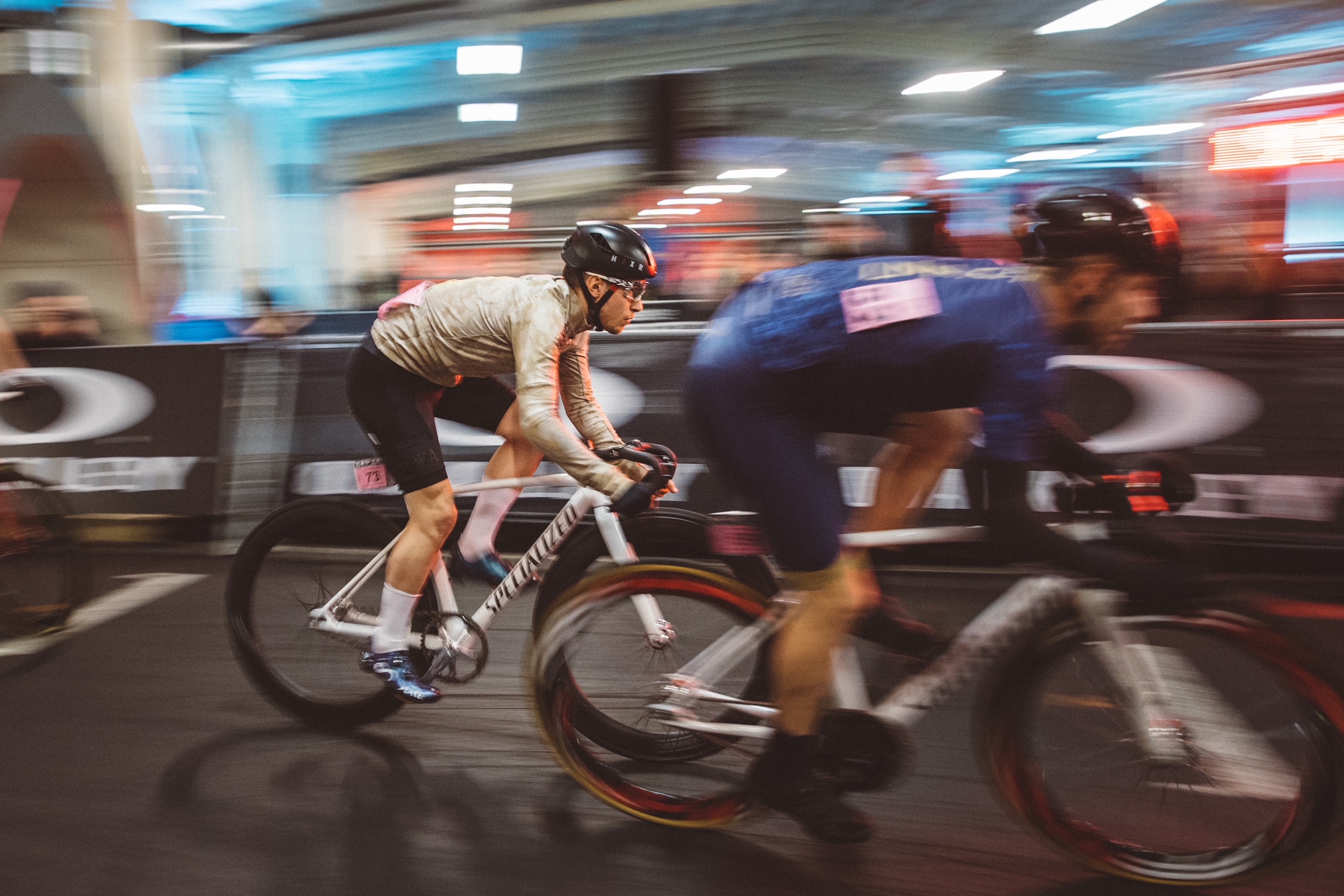
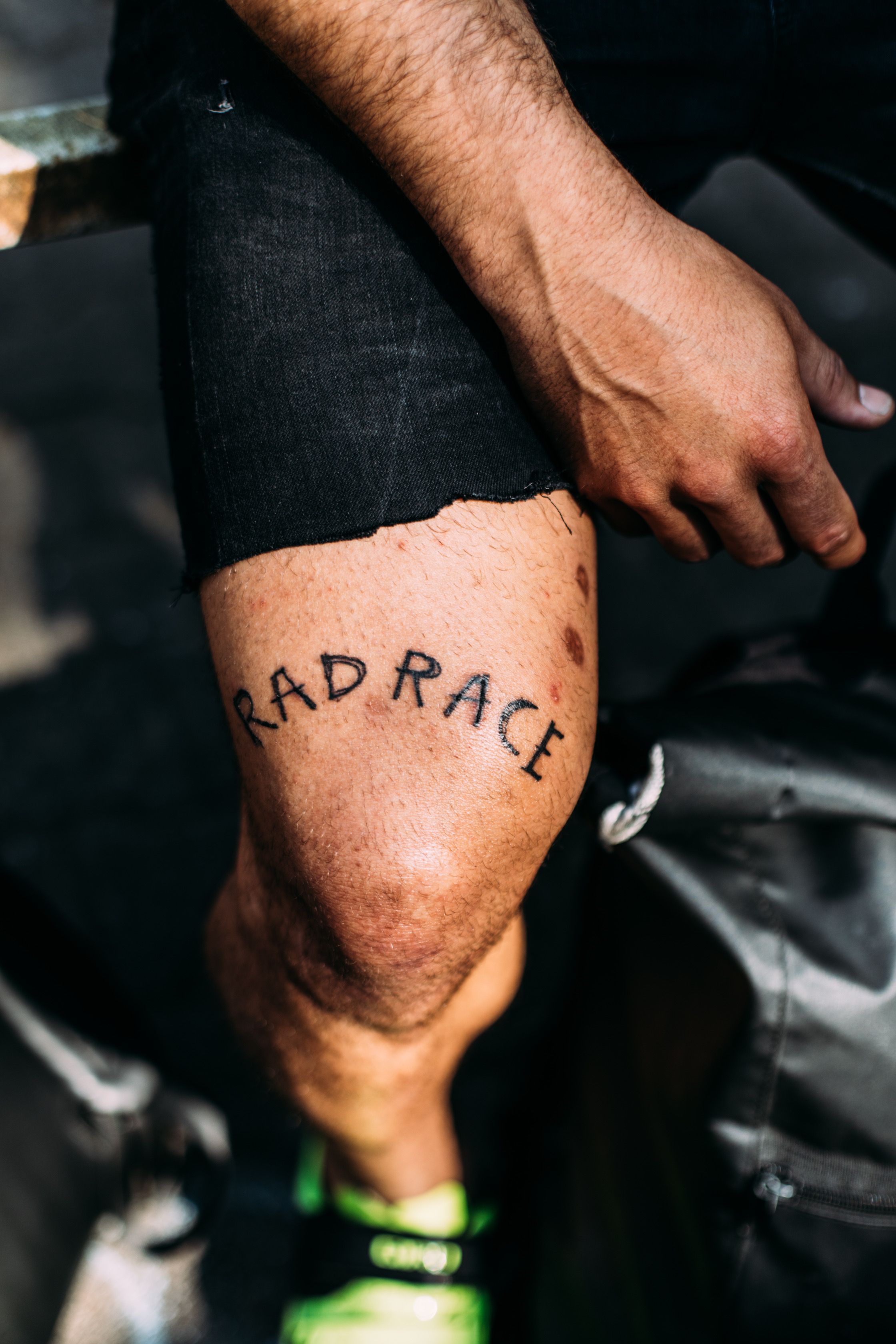
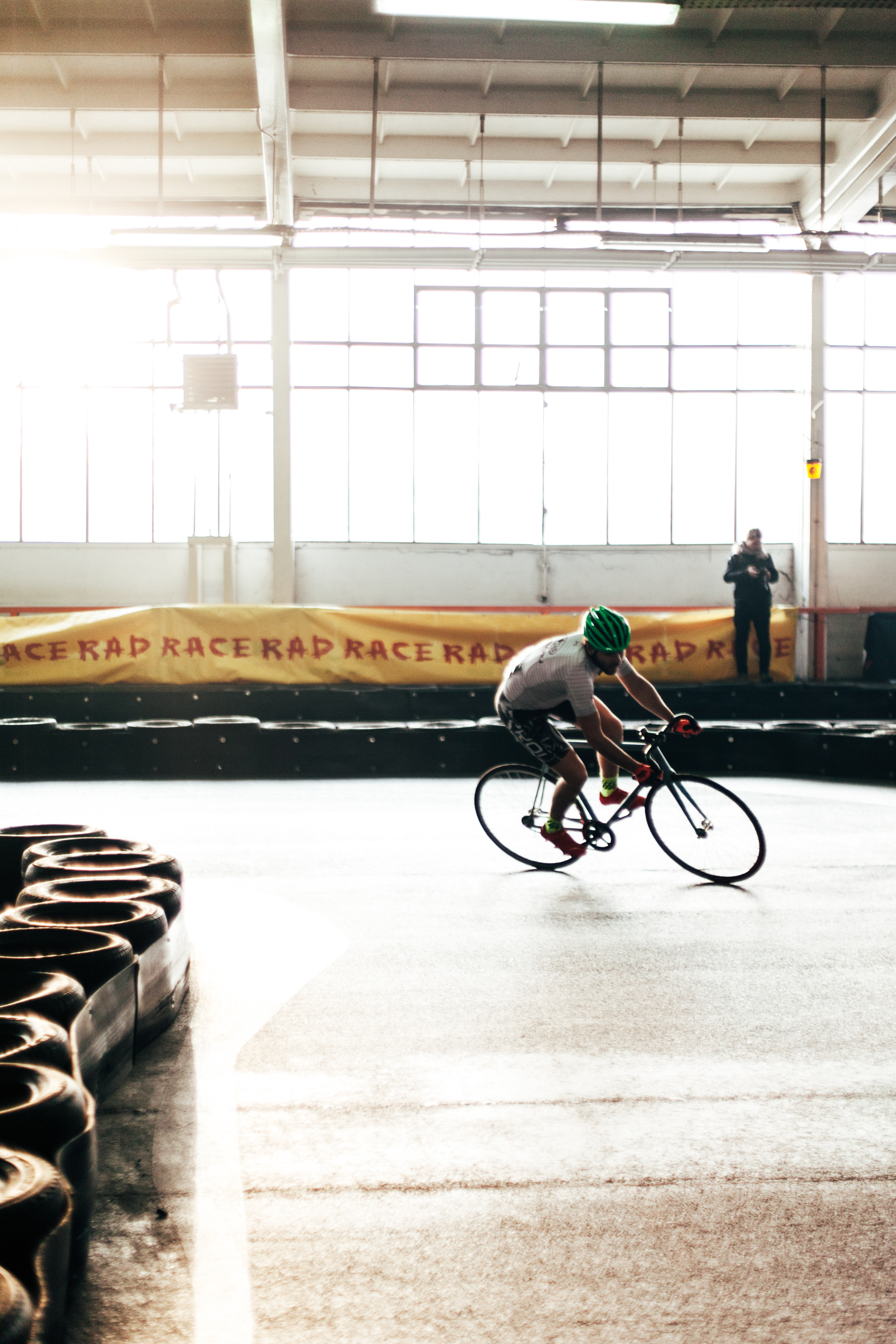
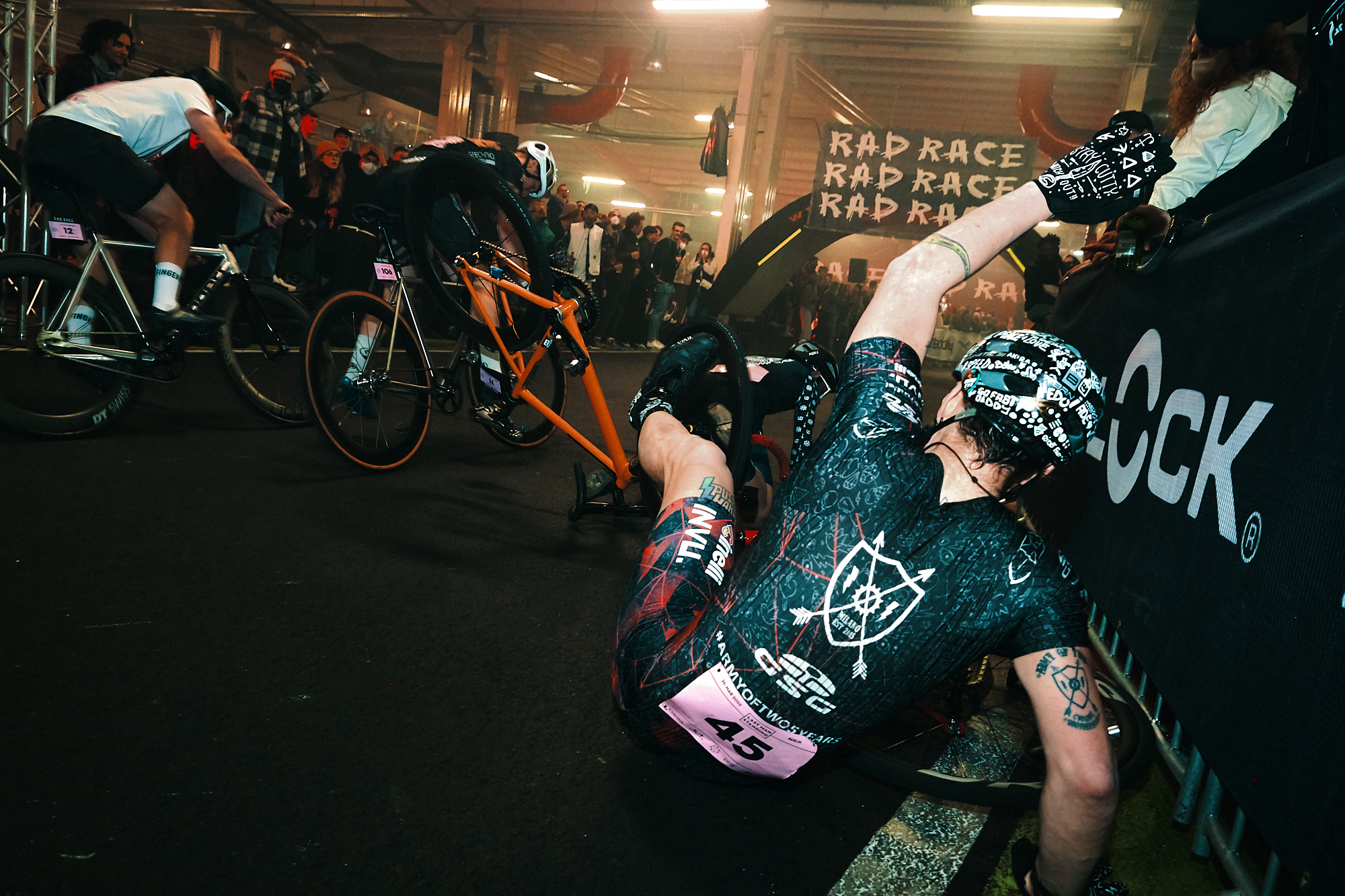
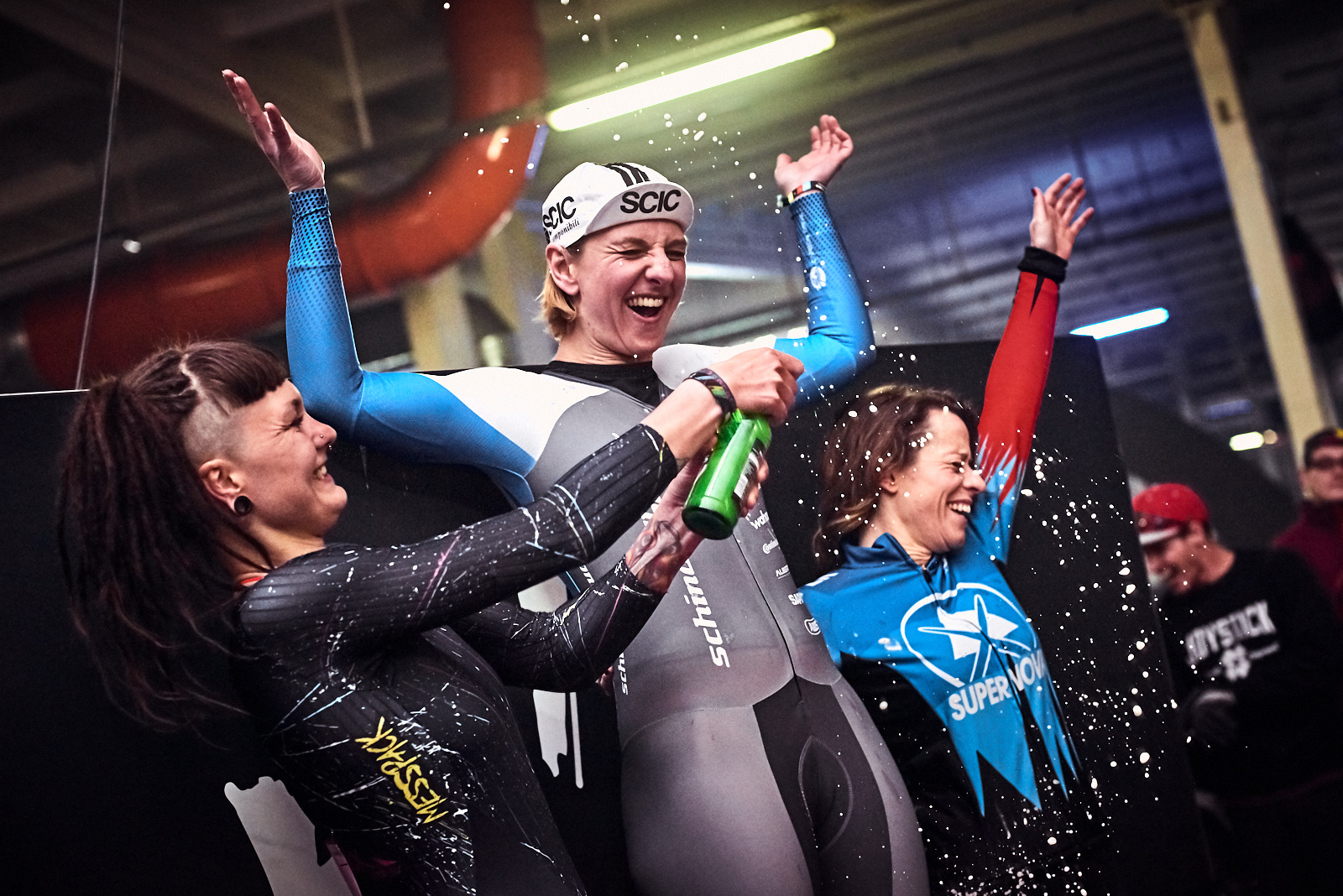
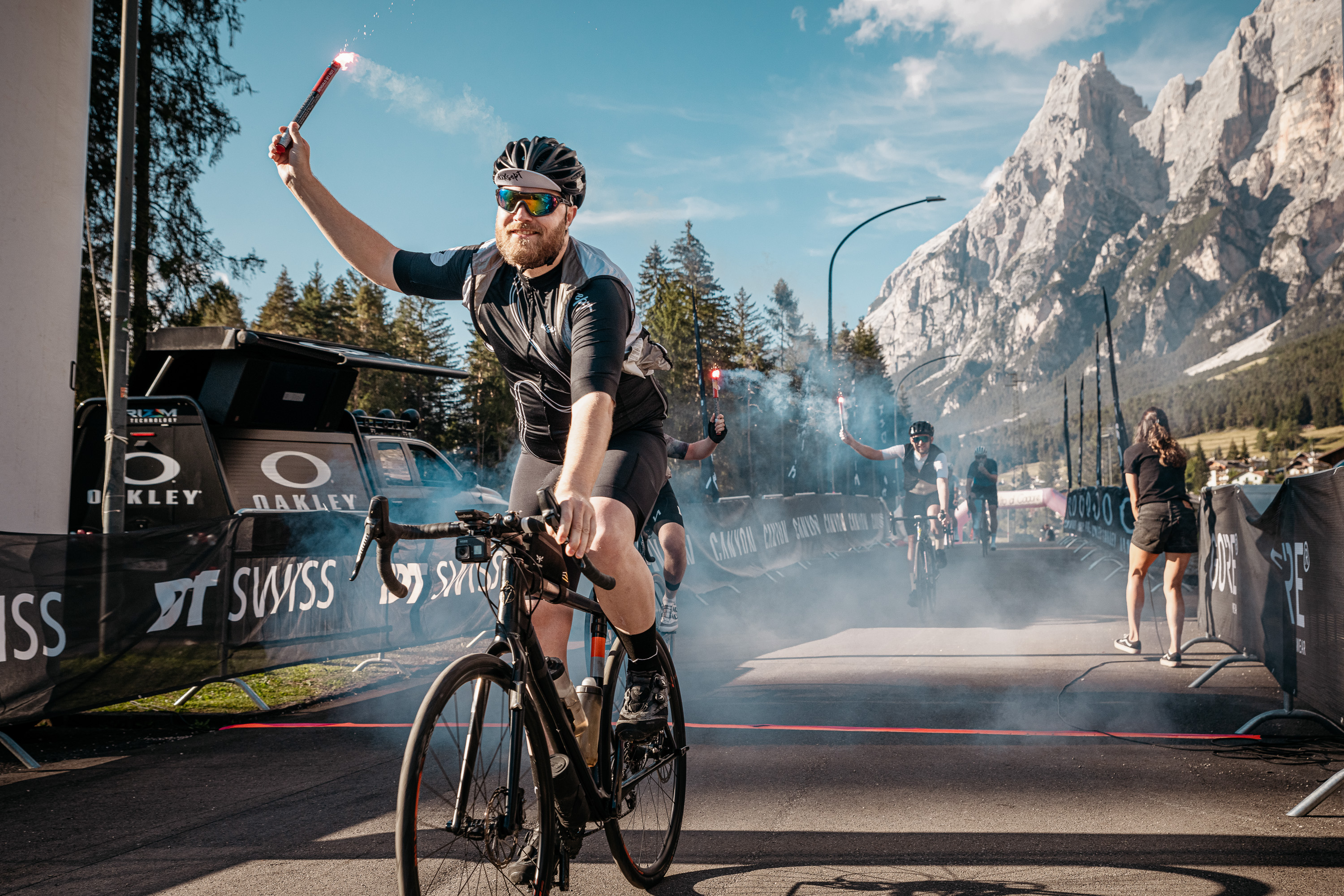
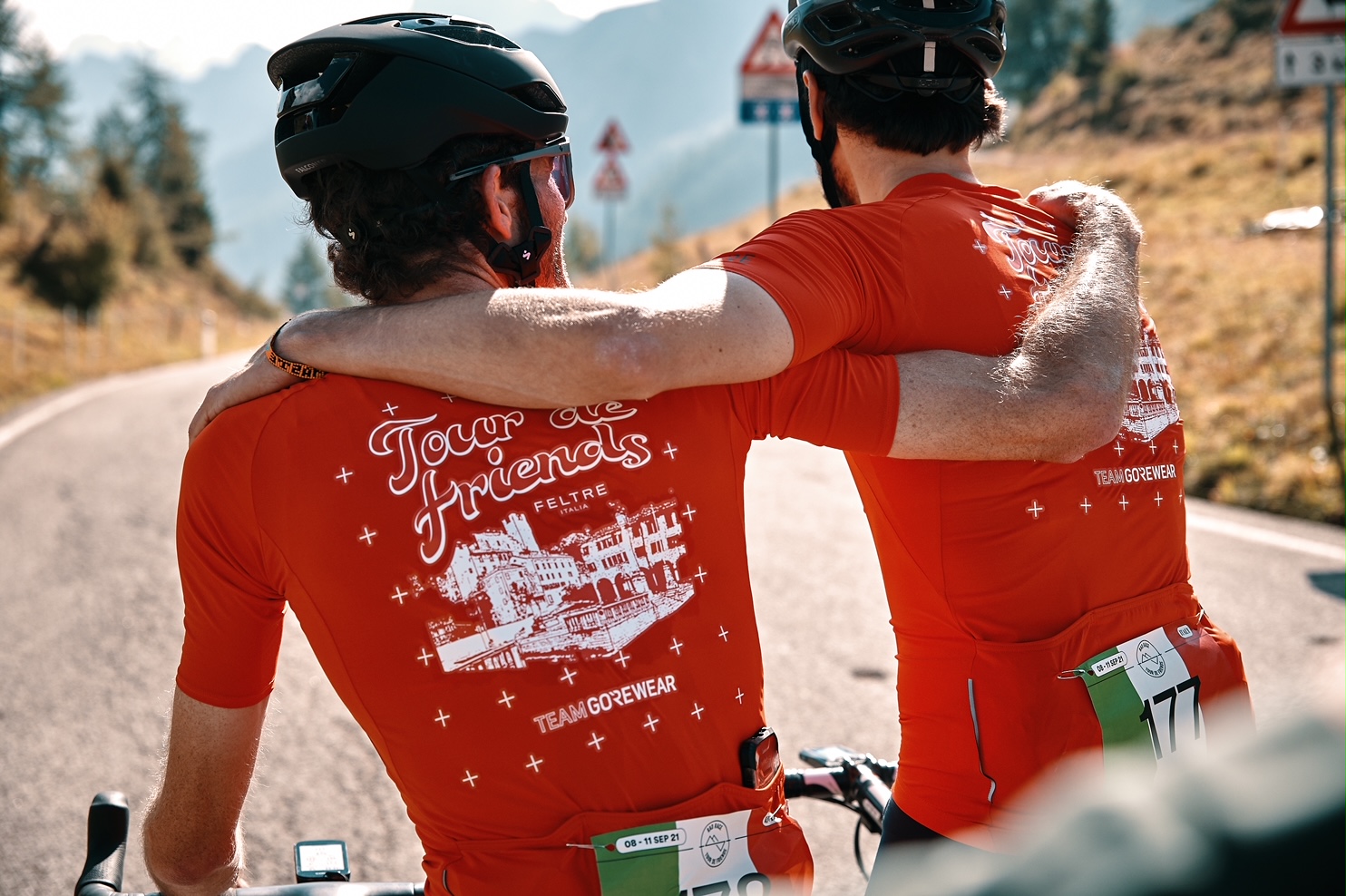
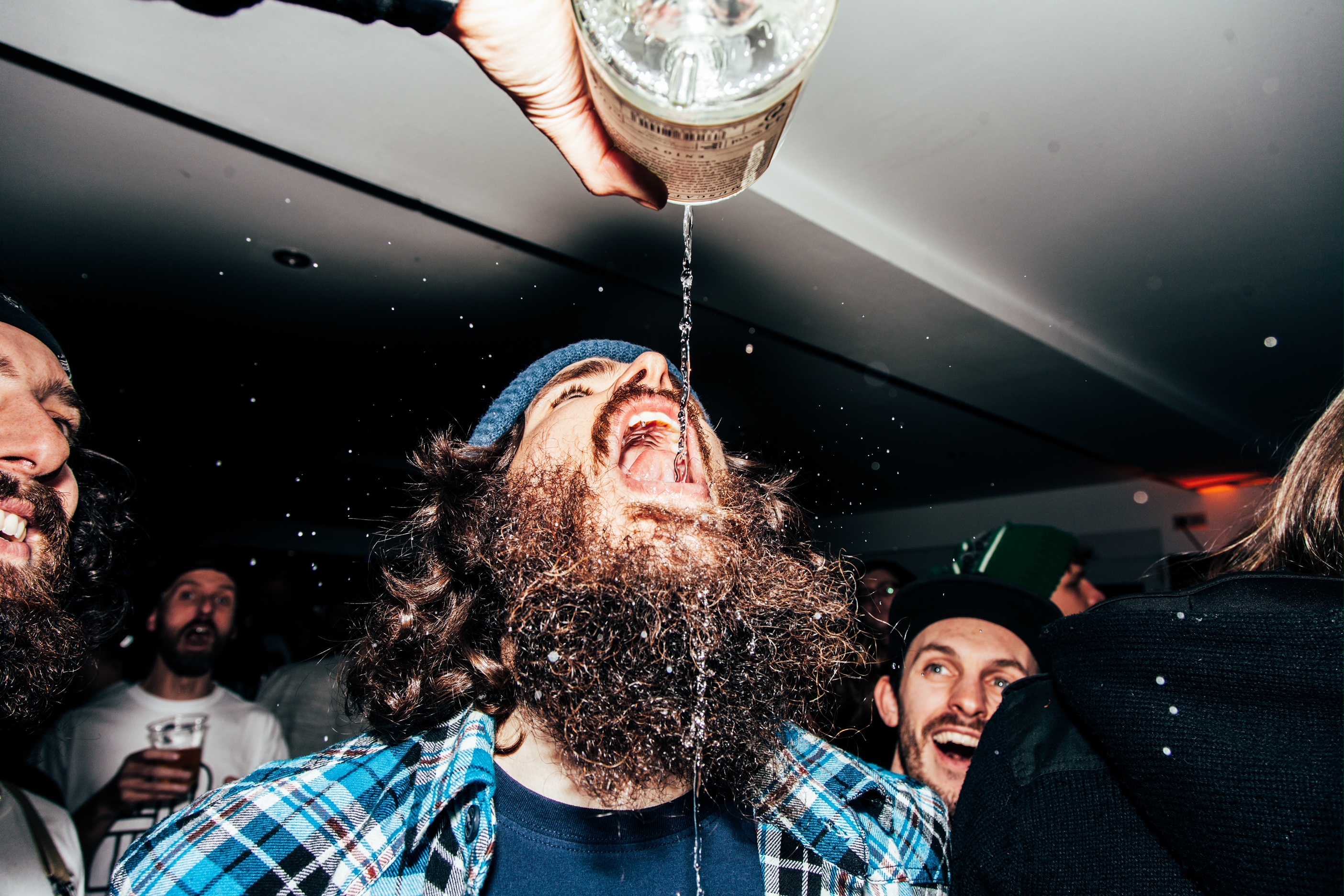
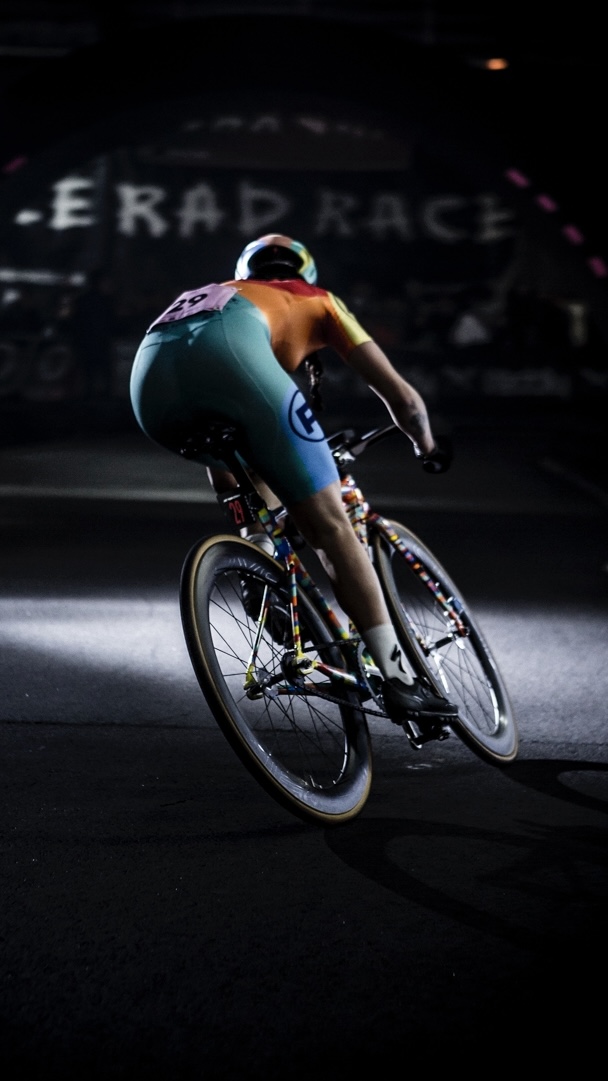
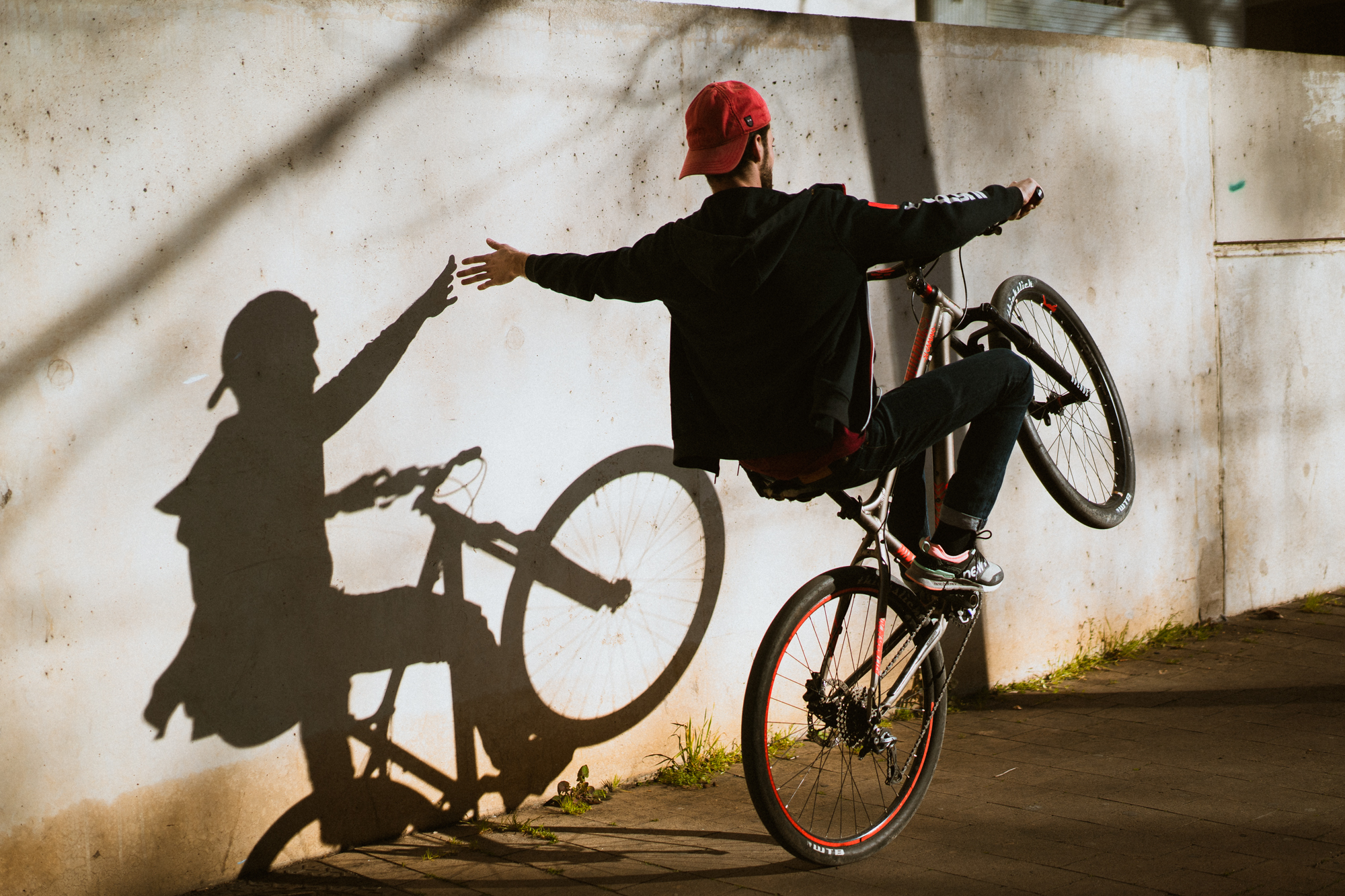
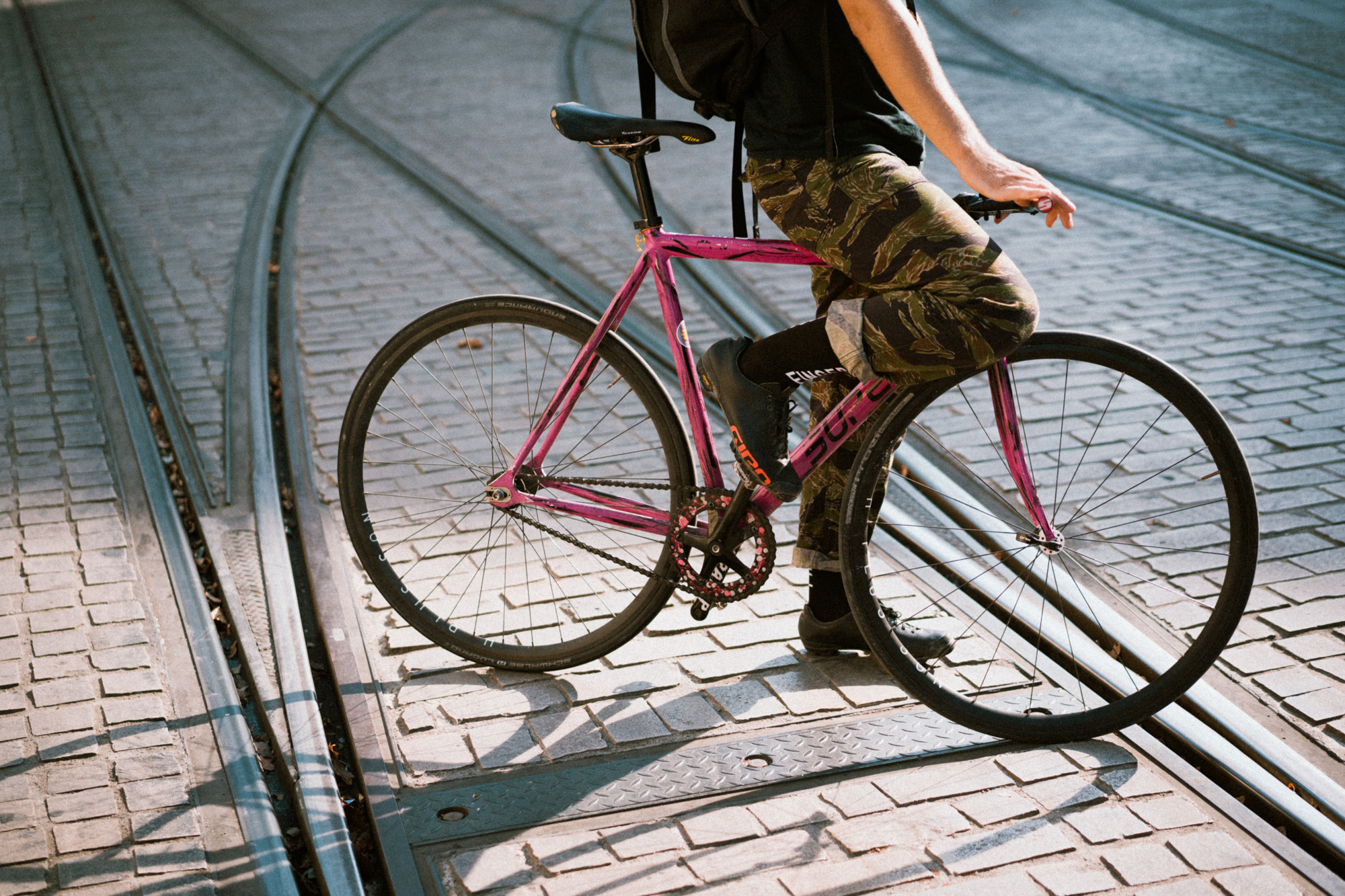
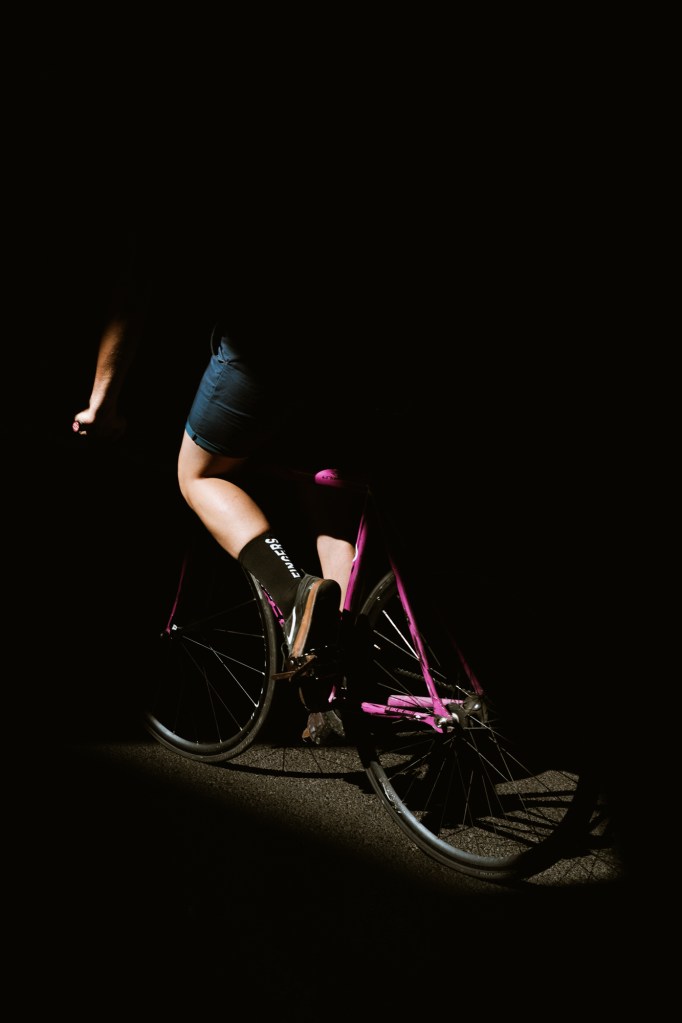
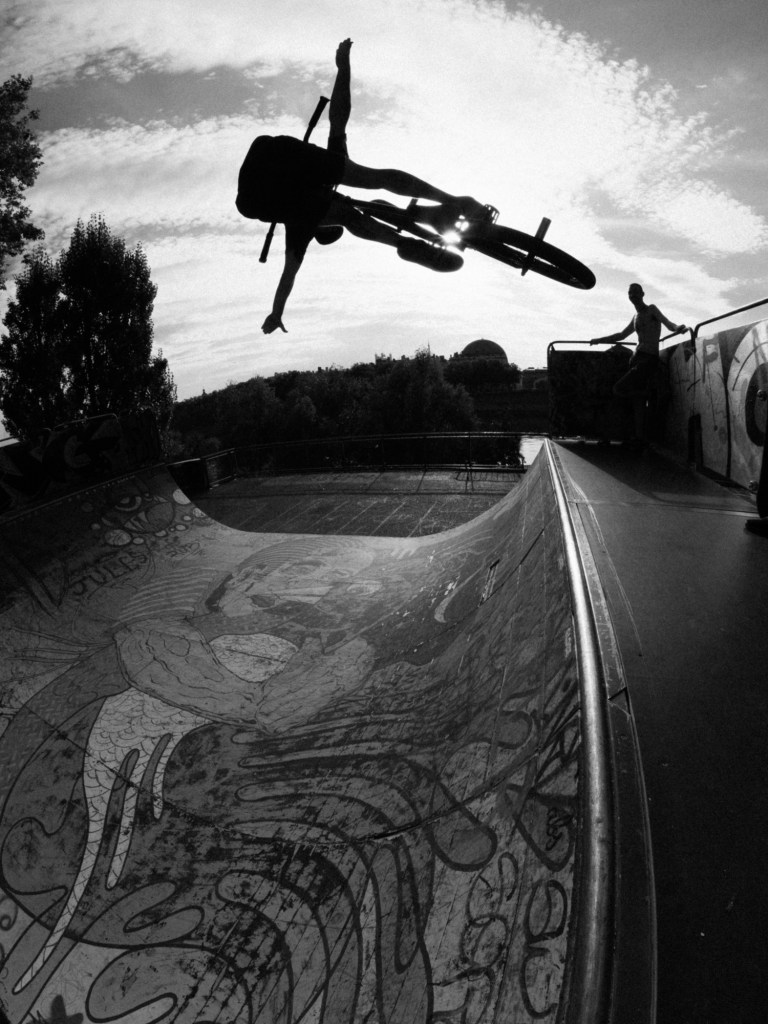
All photography shot on film by Paul using his Leica M6 / Slow Spin Society
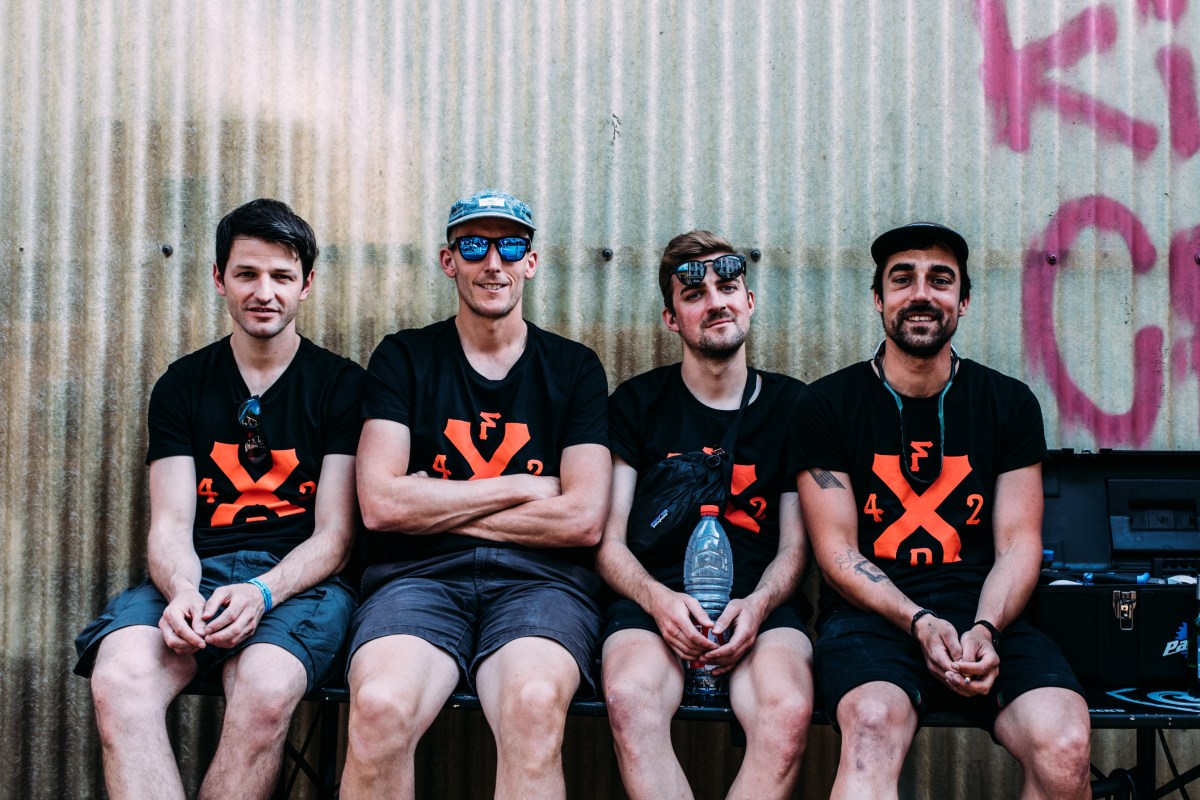
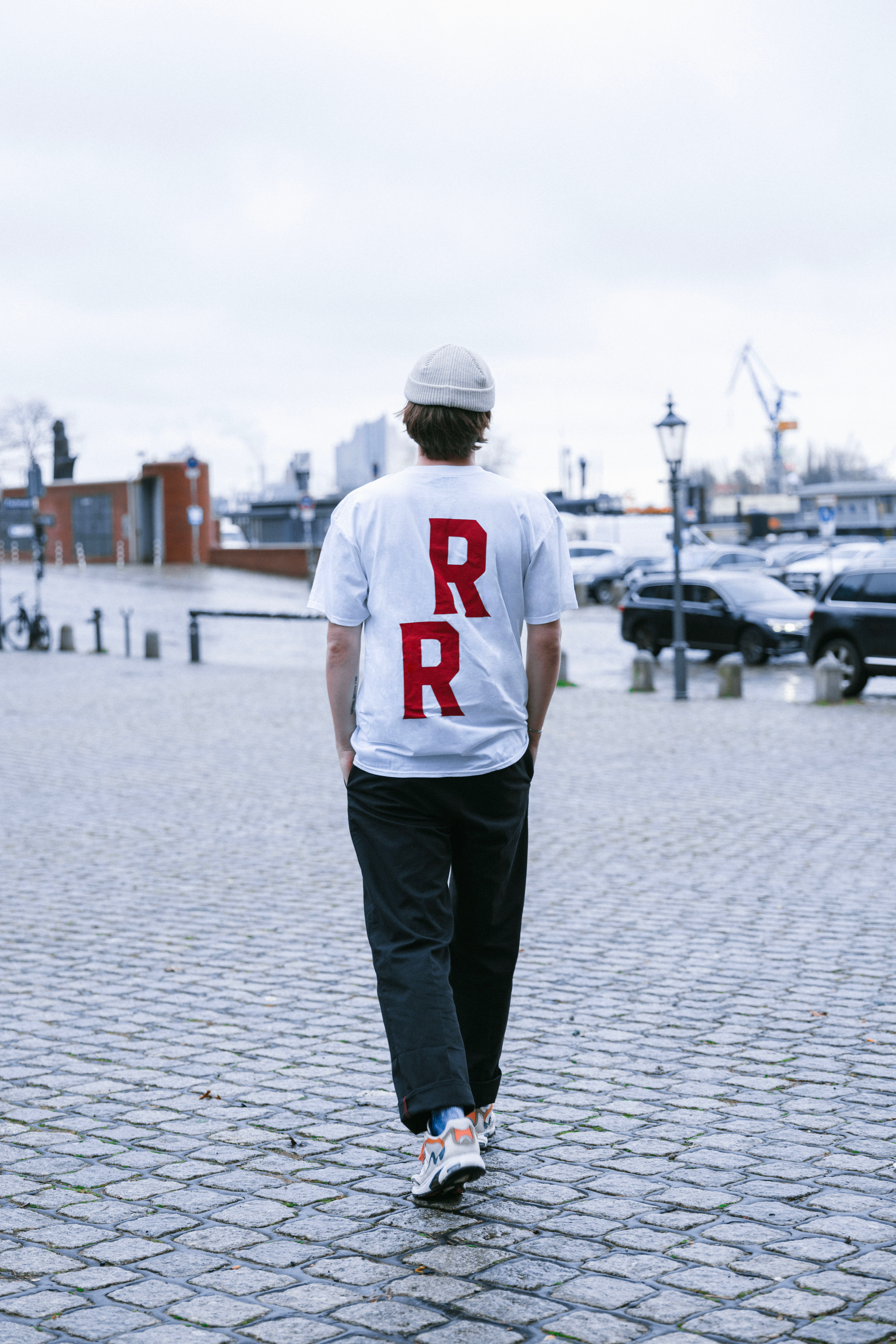
Feature image by Philipp Grutzmann
Click on image to open gallery



























 cyclespeak