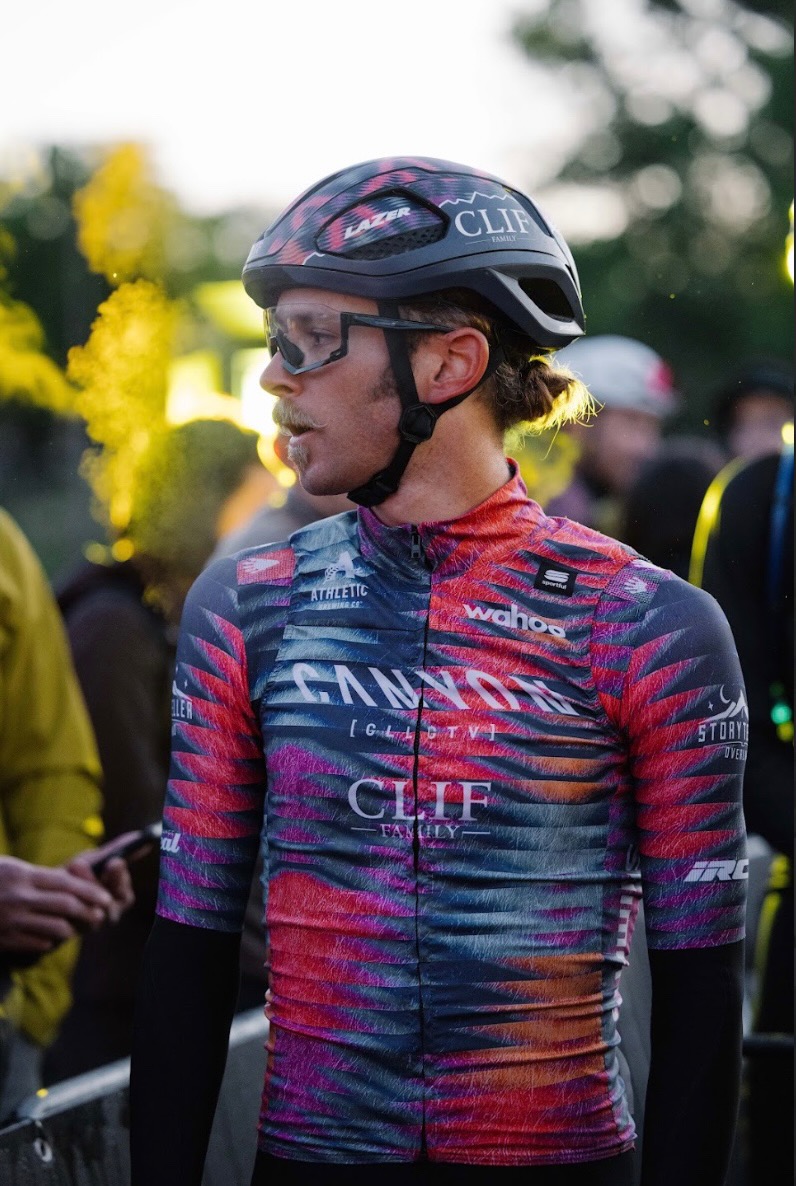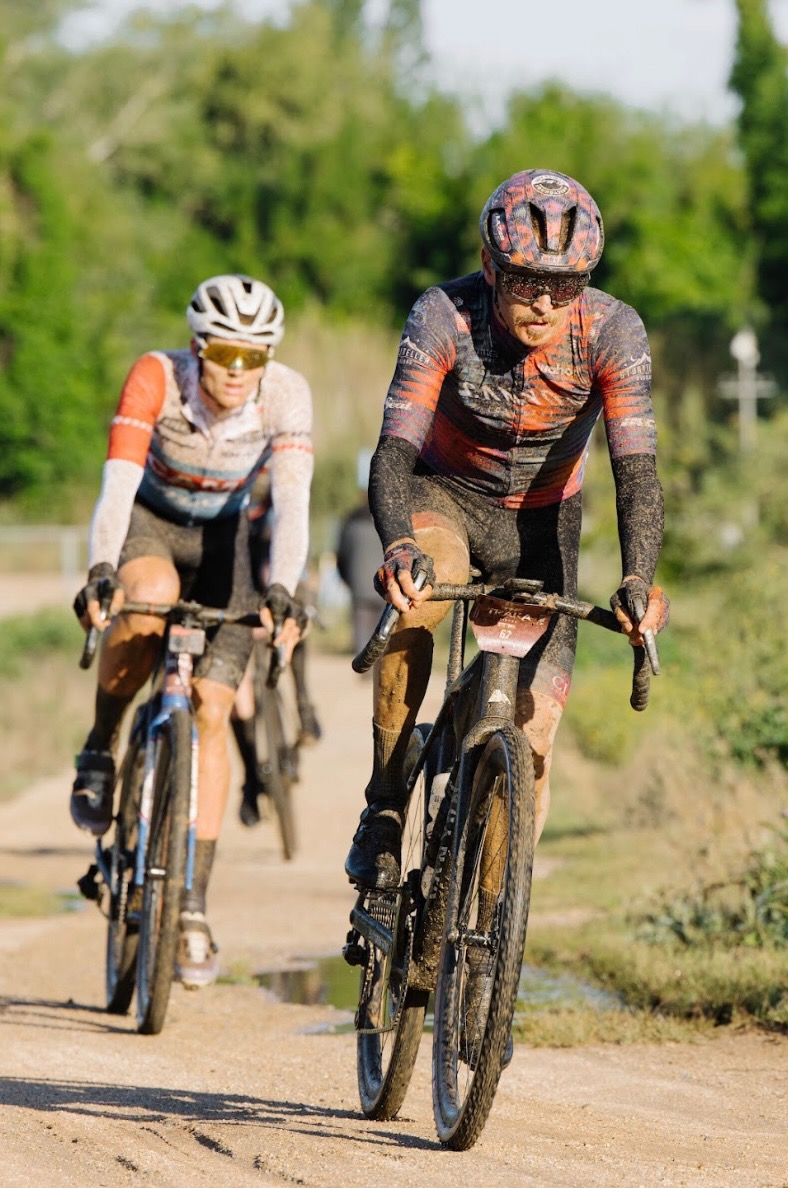
Sami Sauri / Adventure more

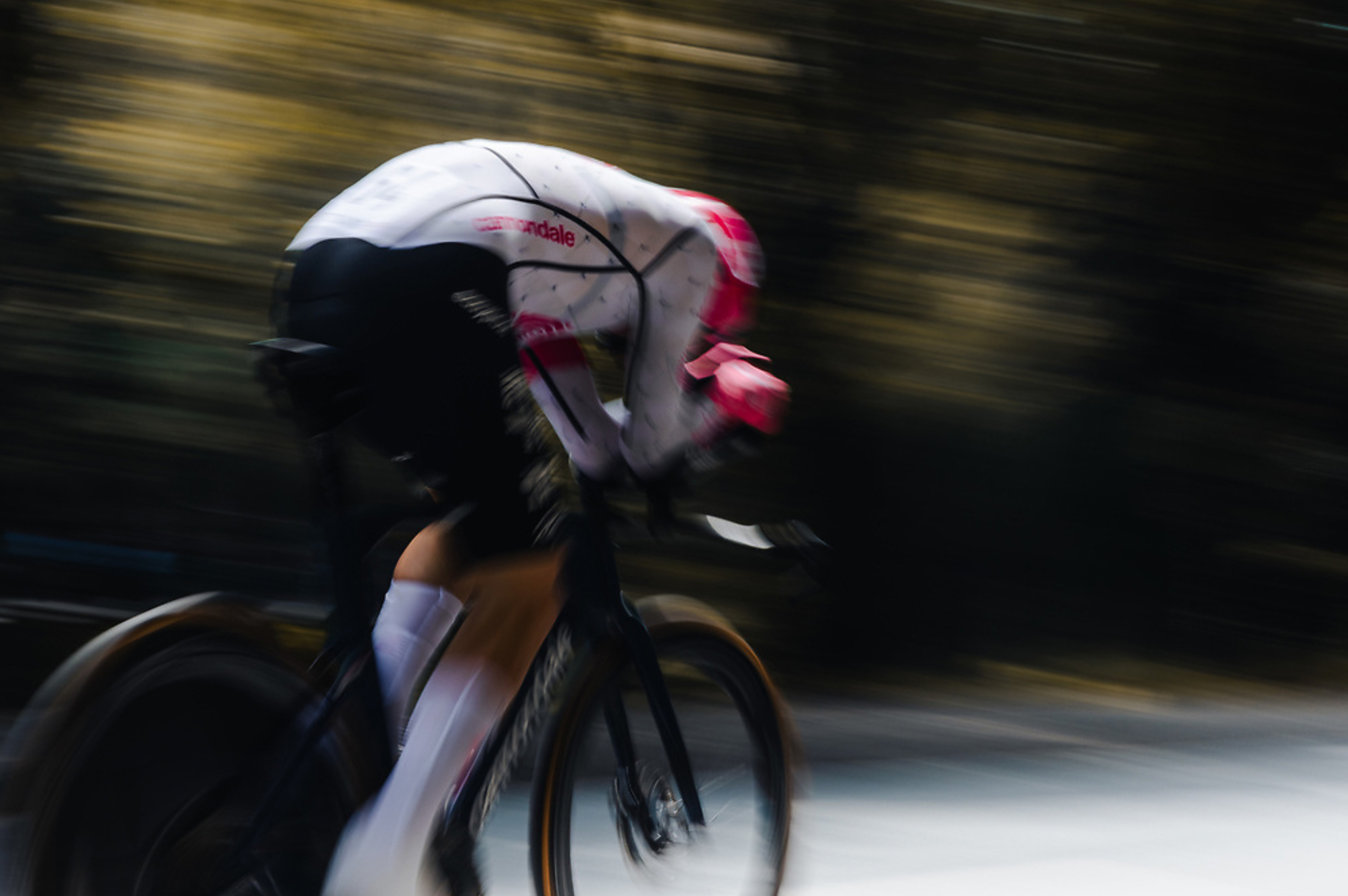
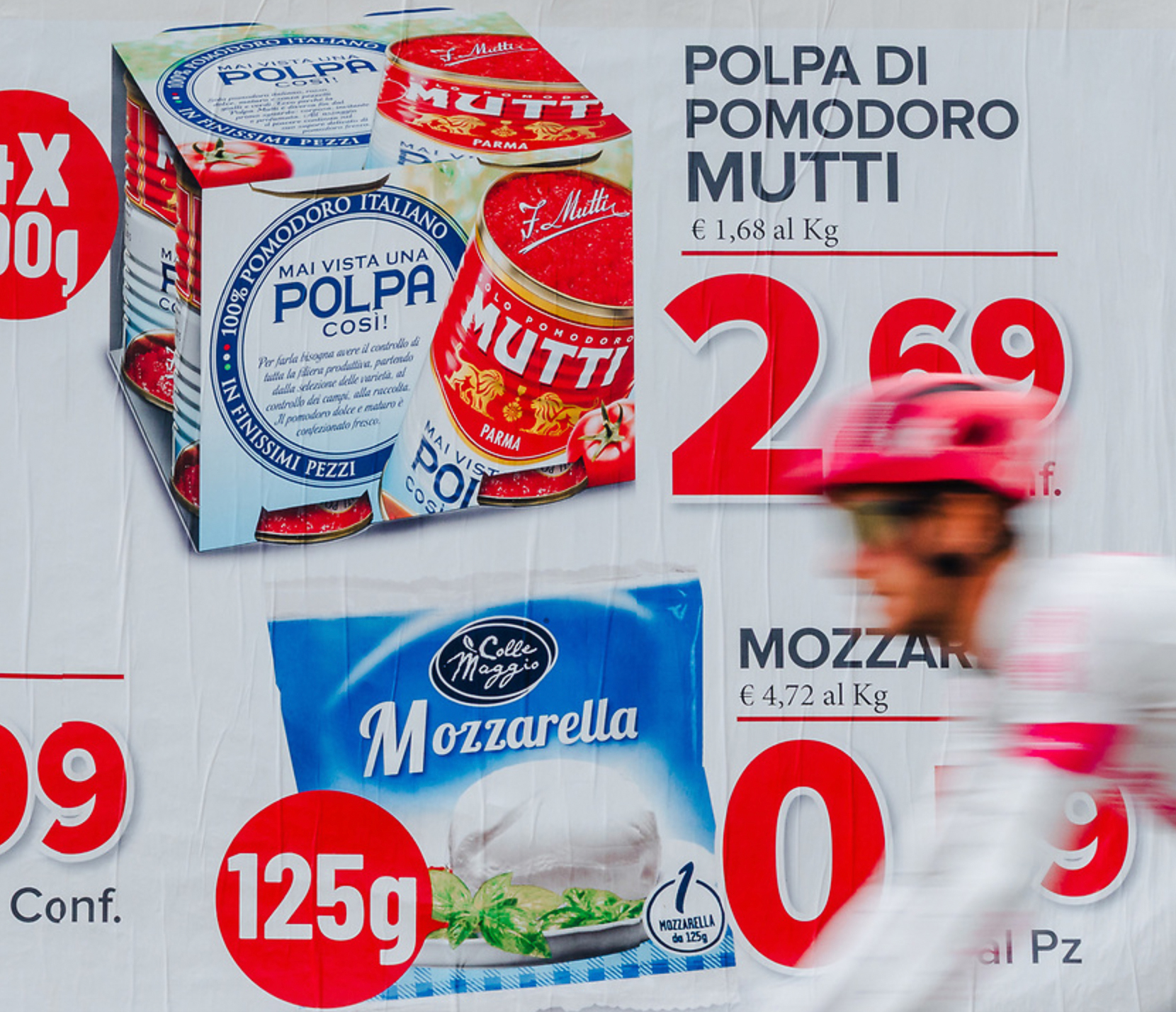
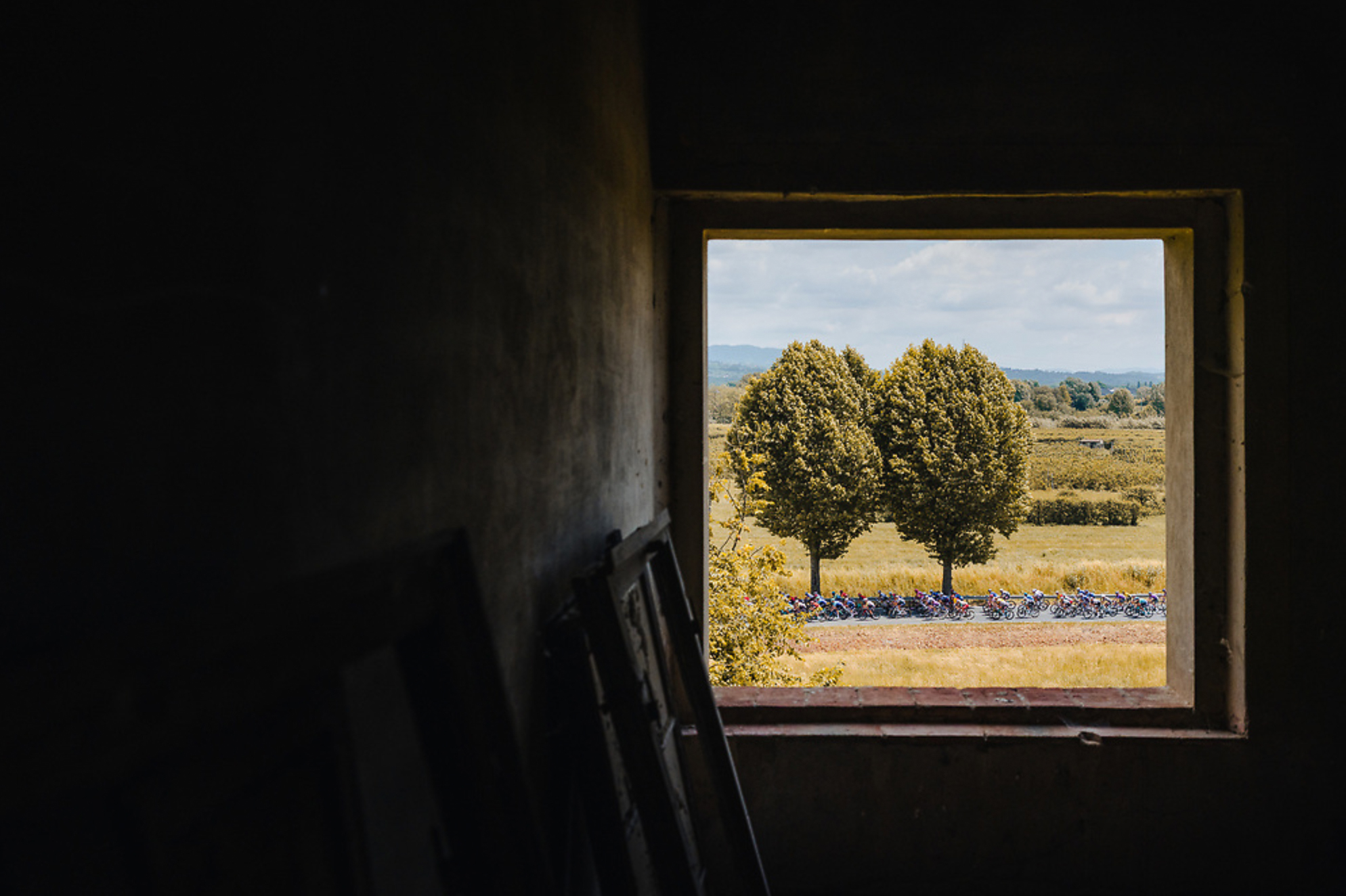
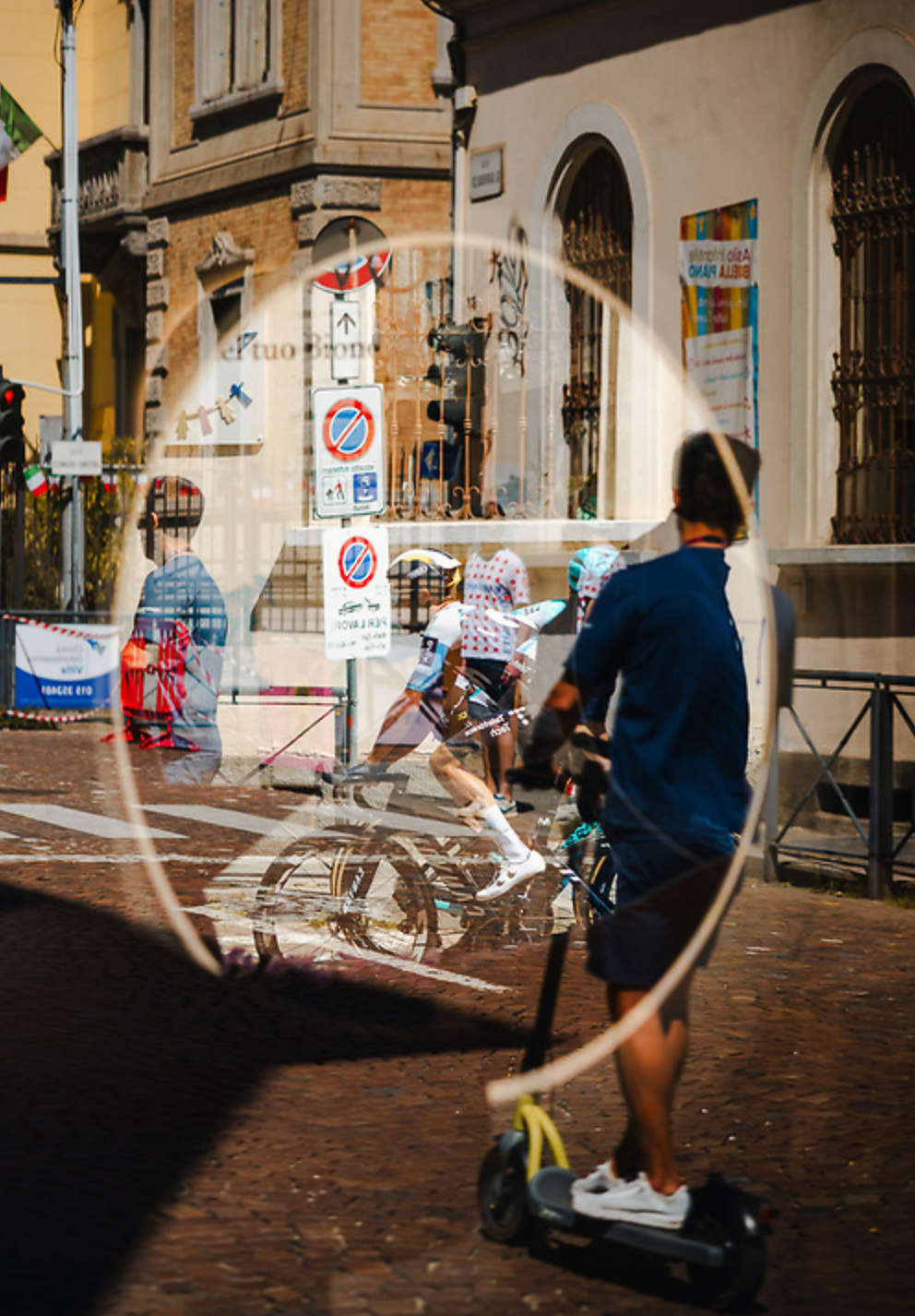
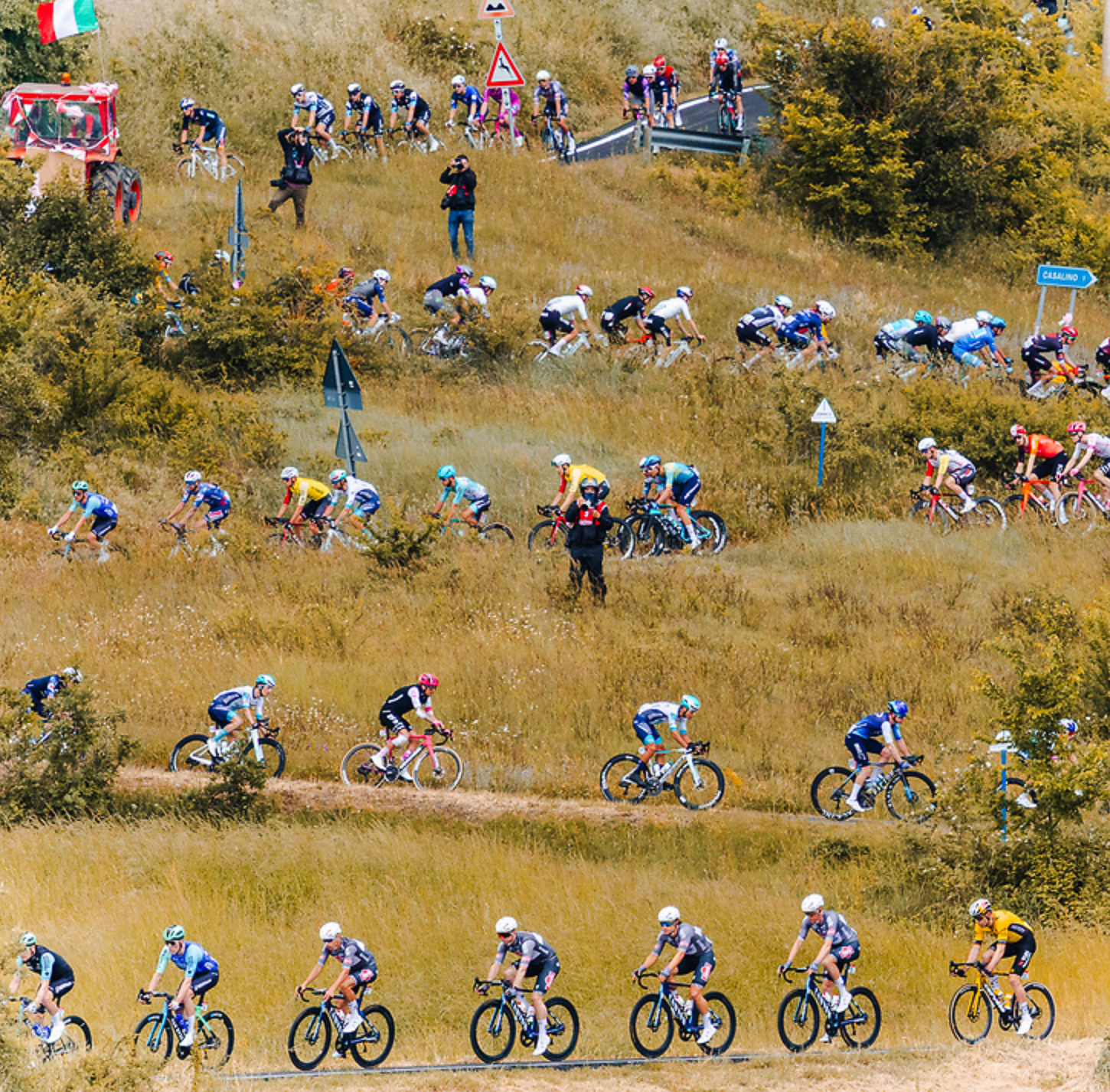
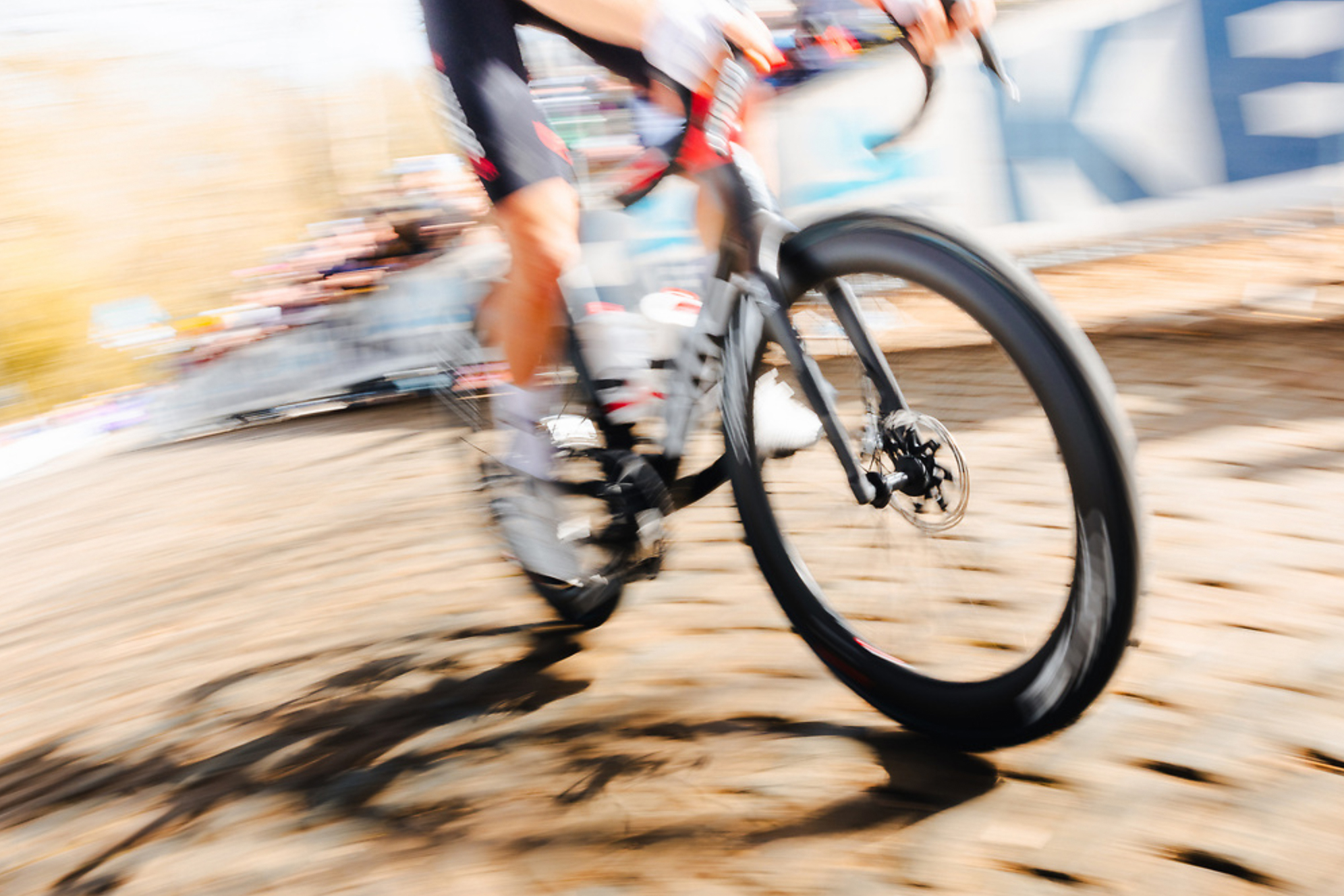
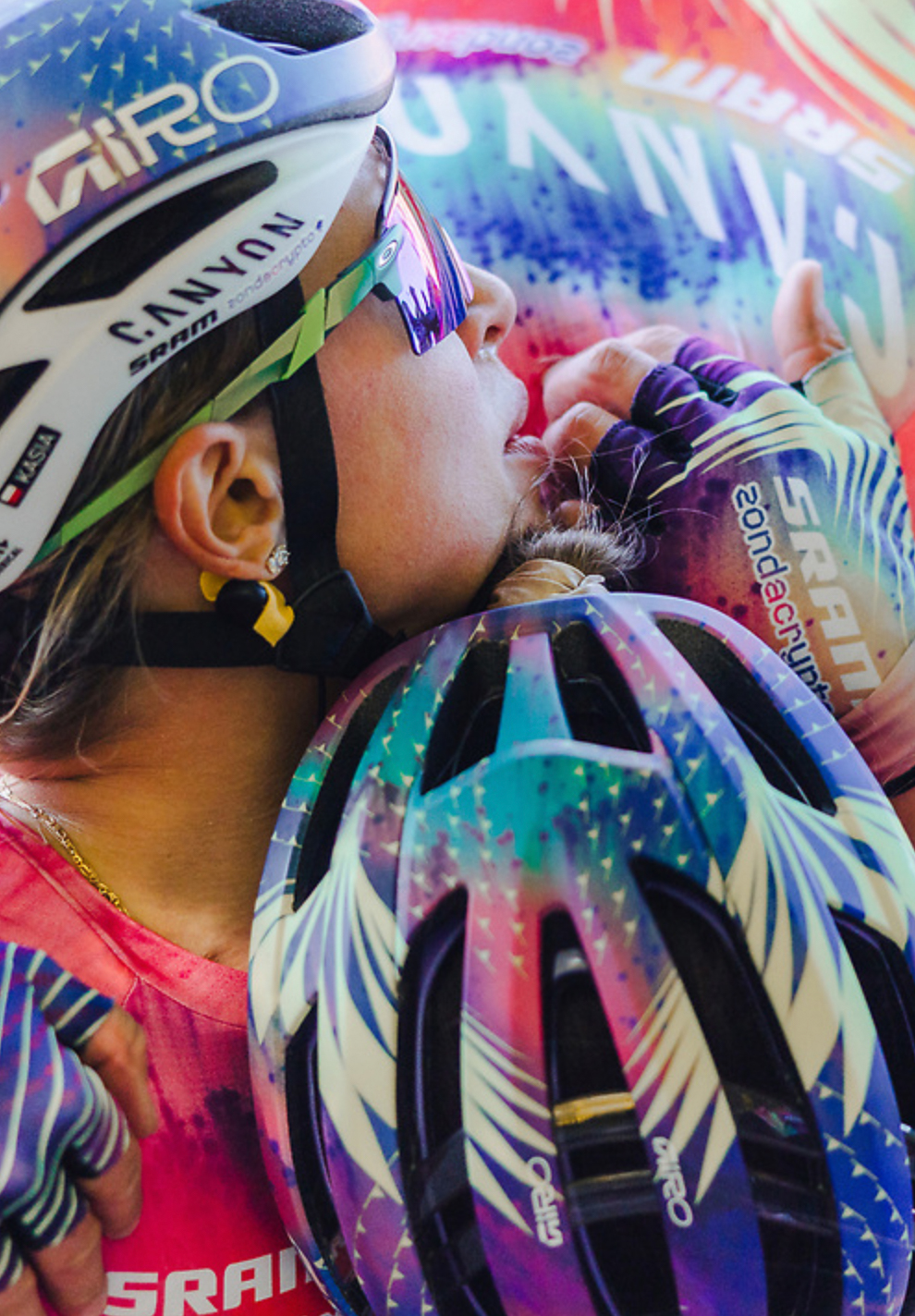
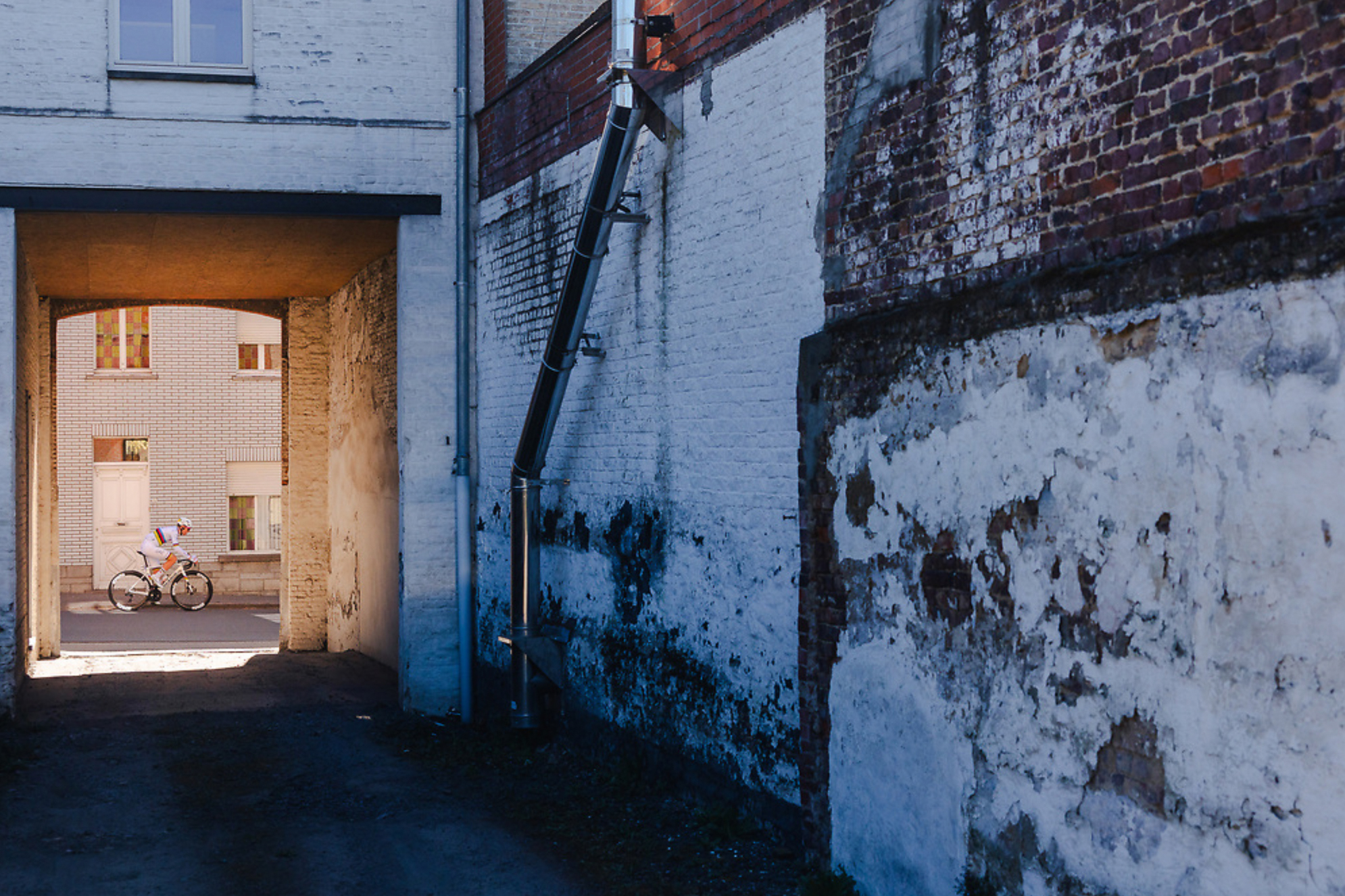
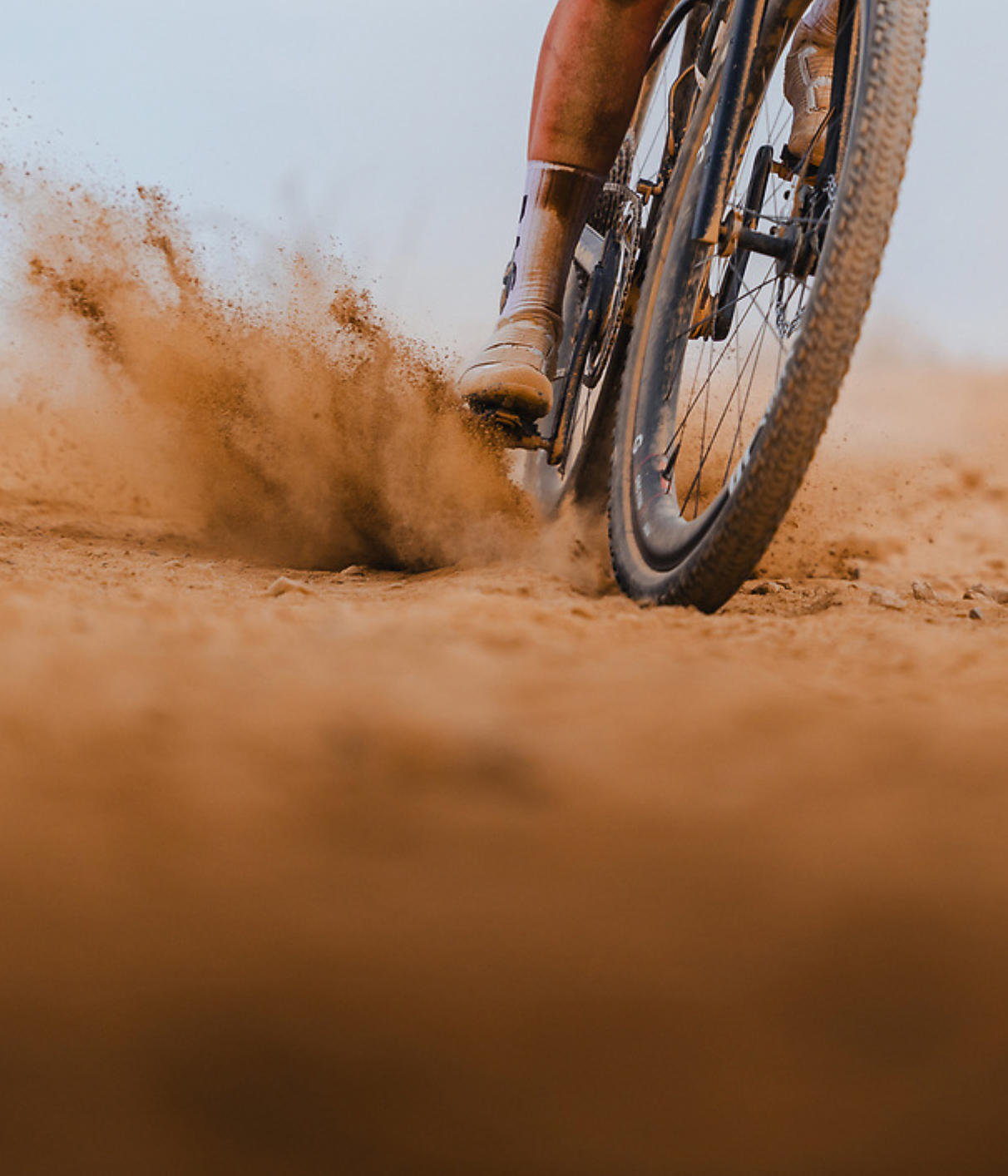
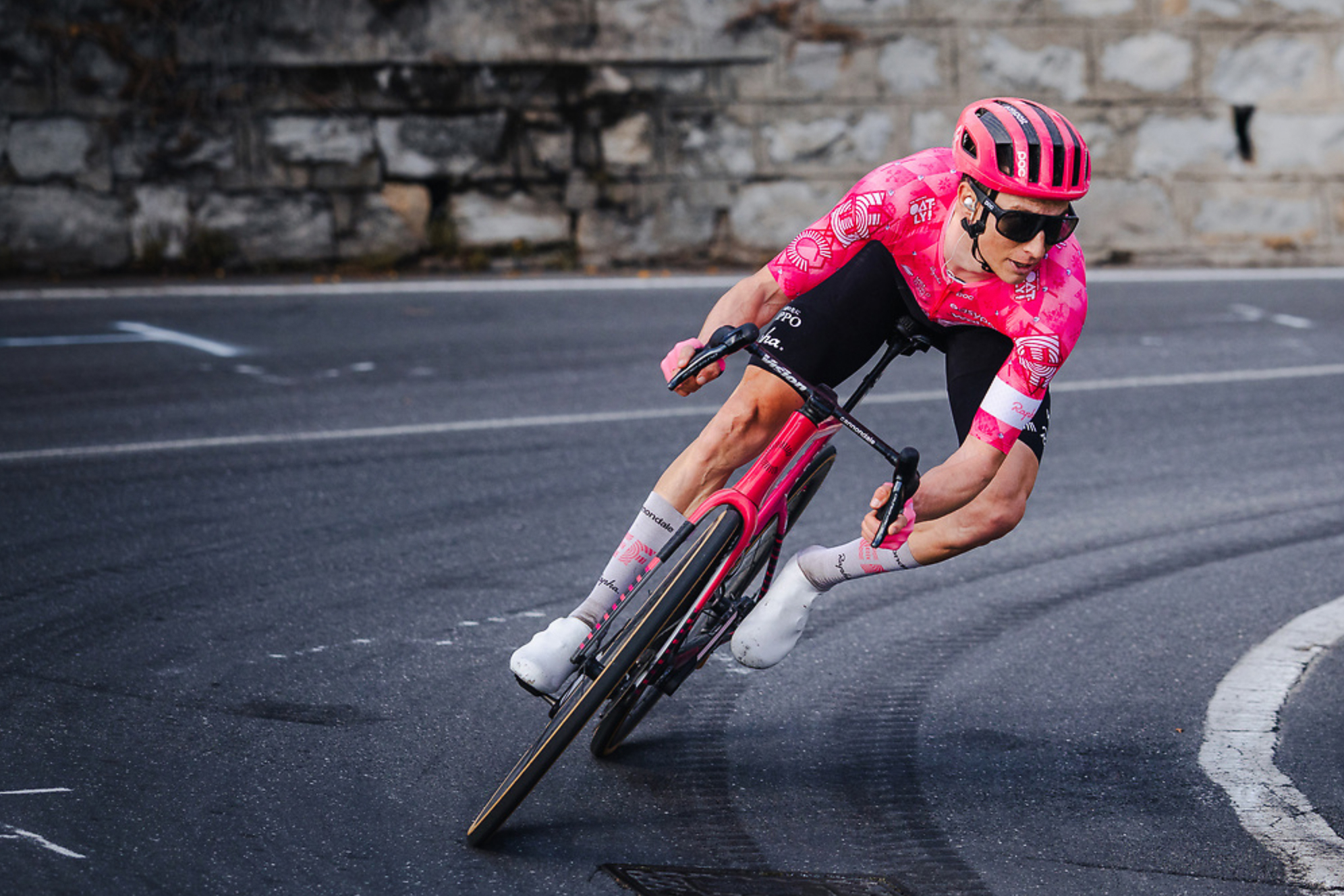
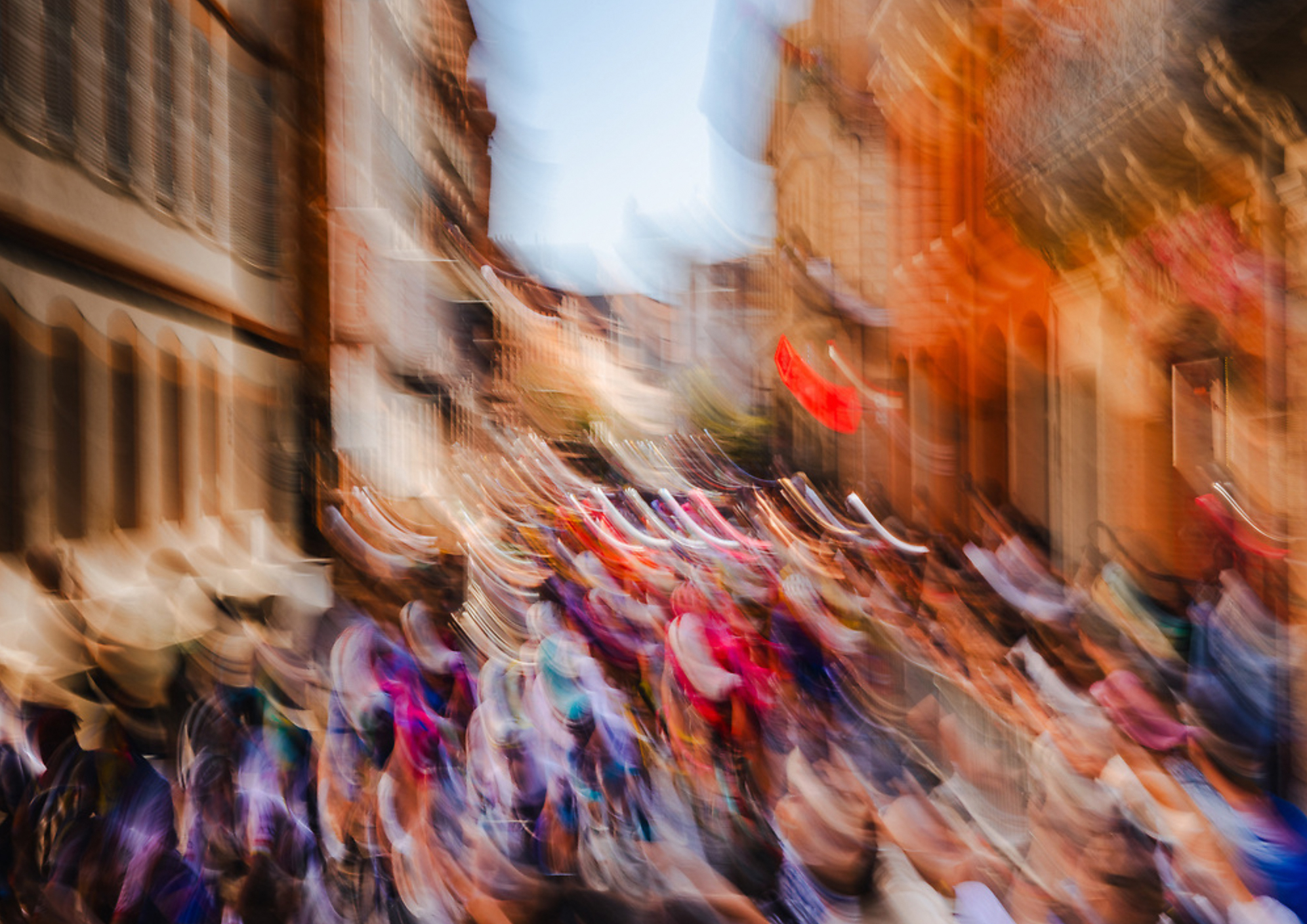
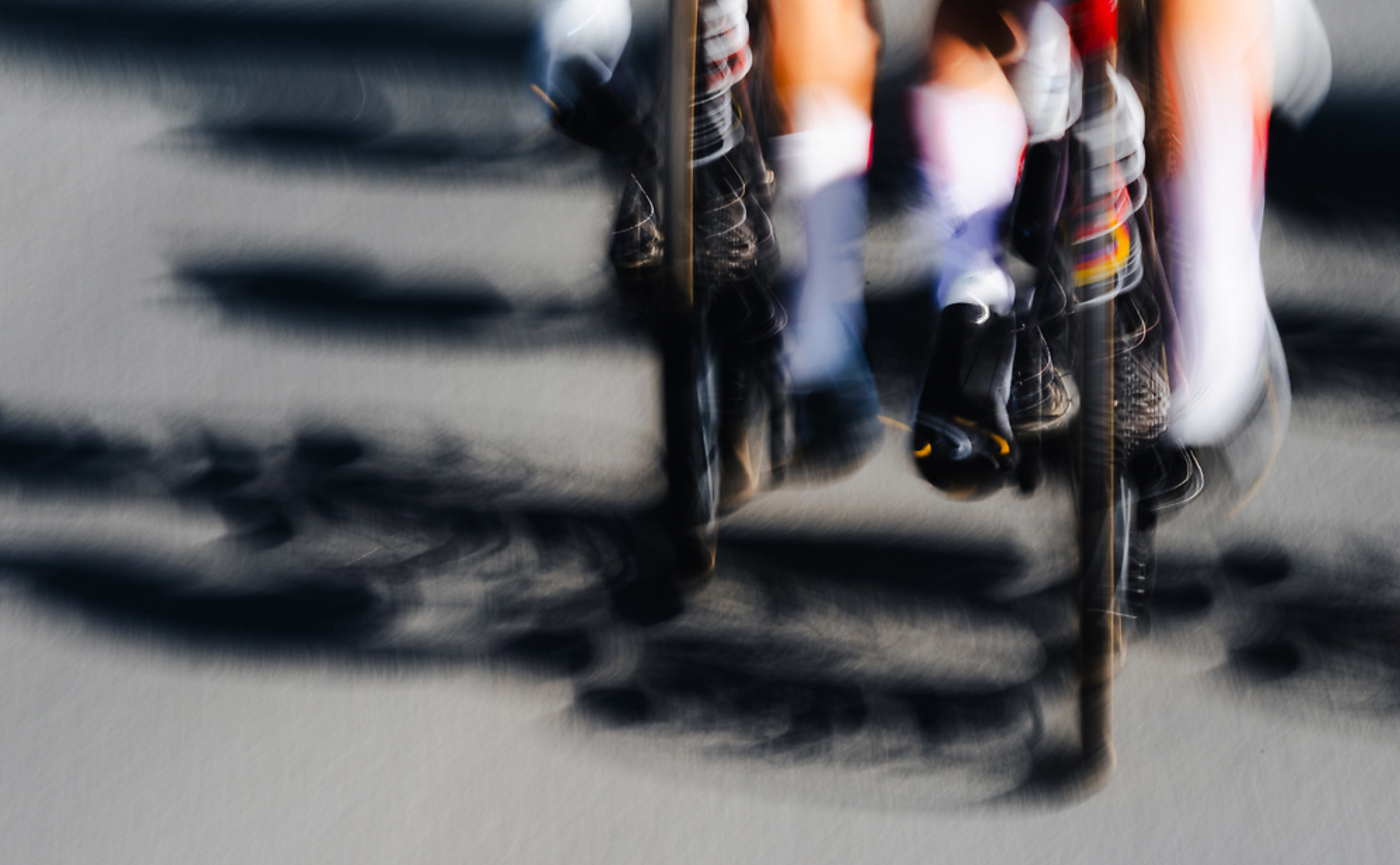
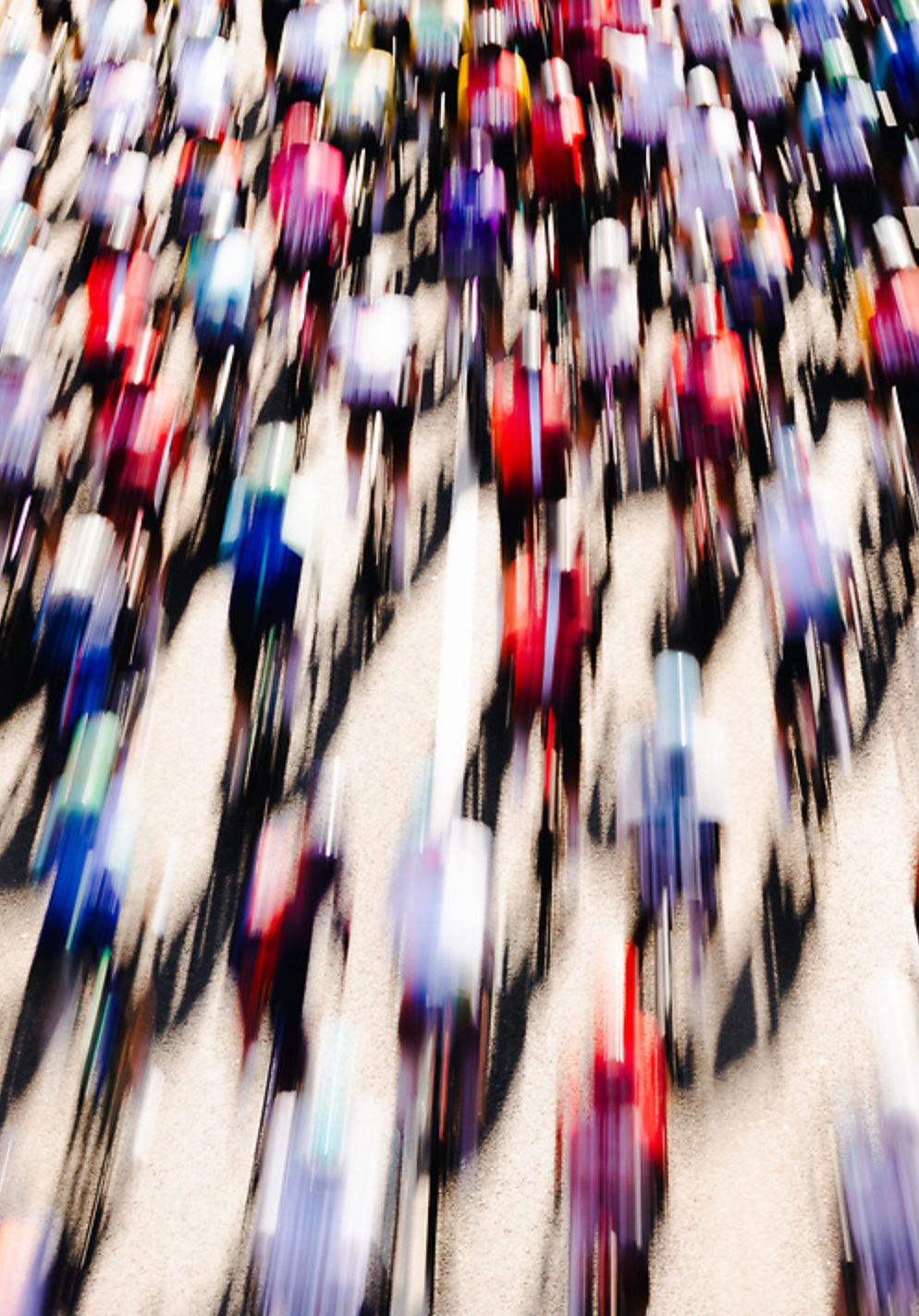
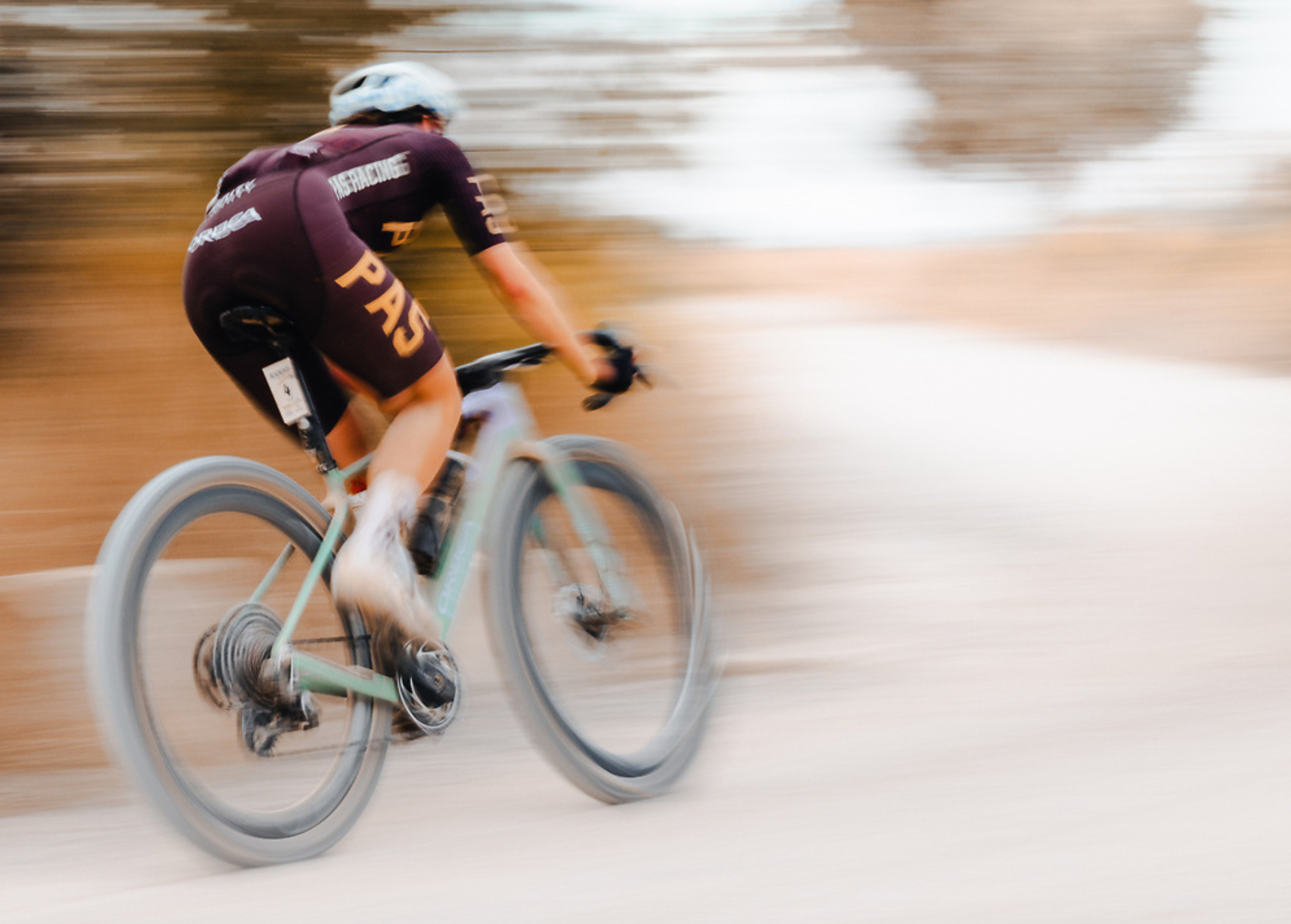
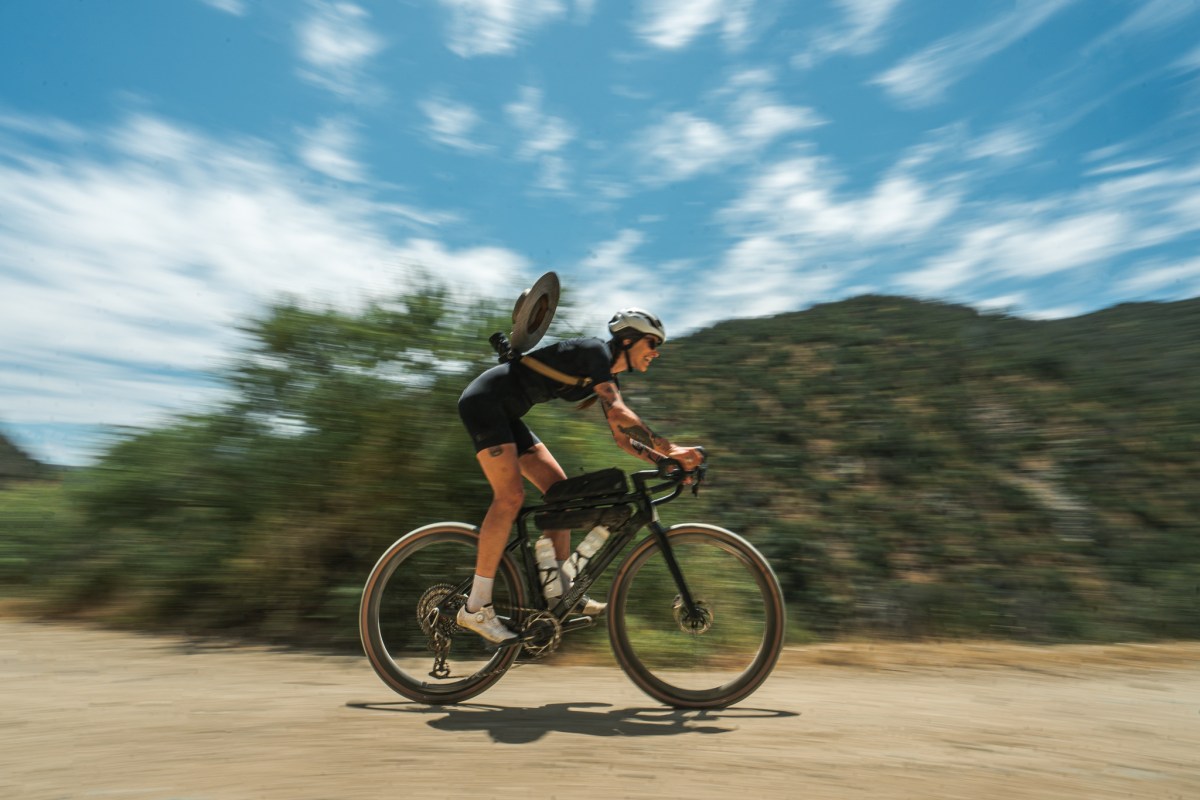
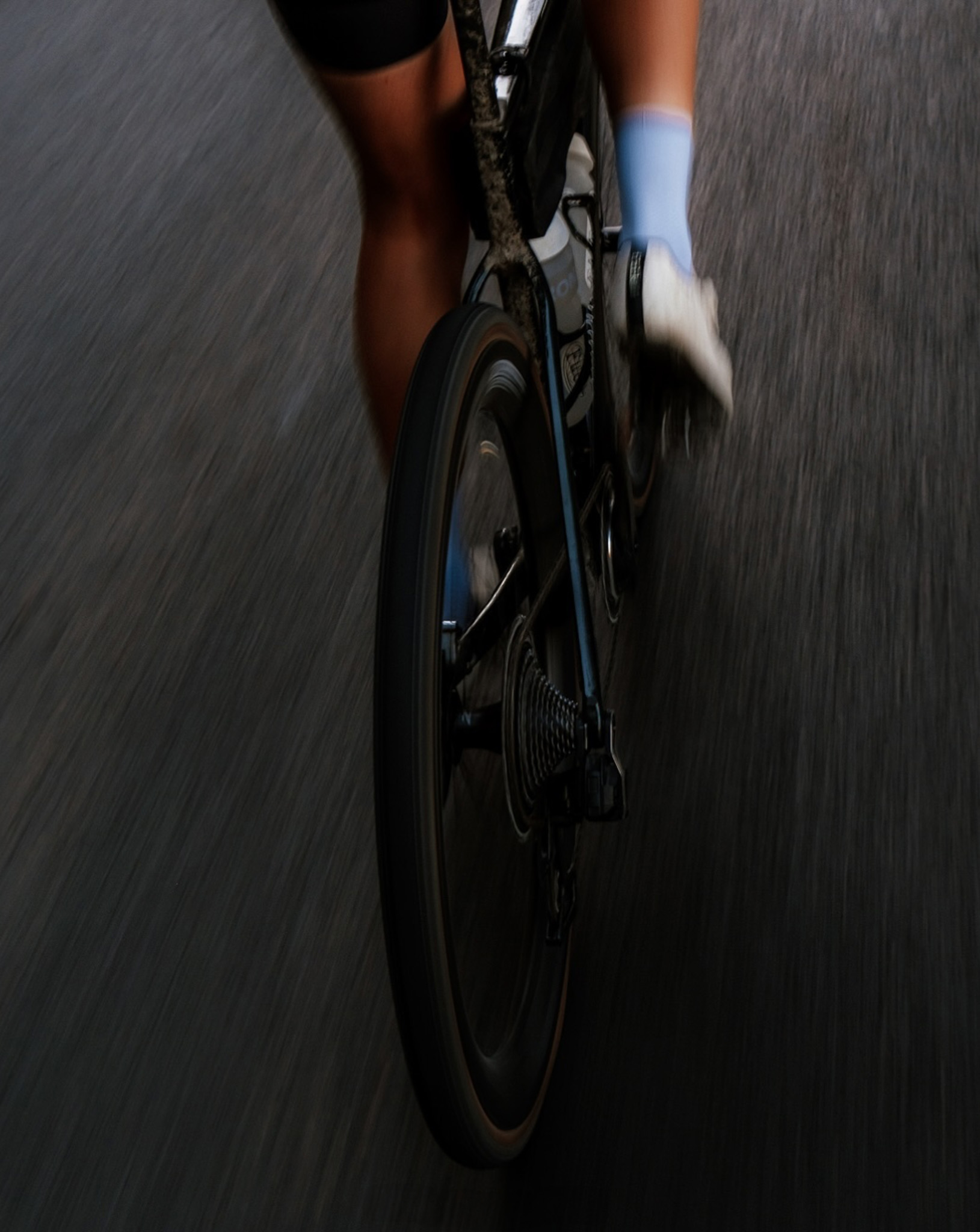
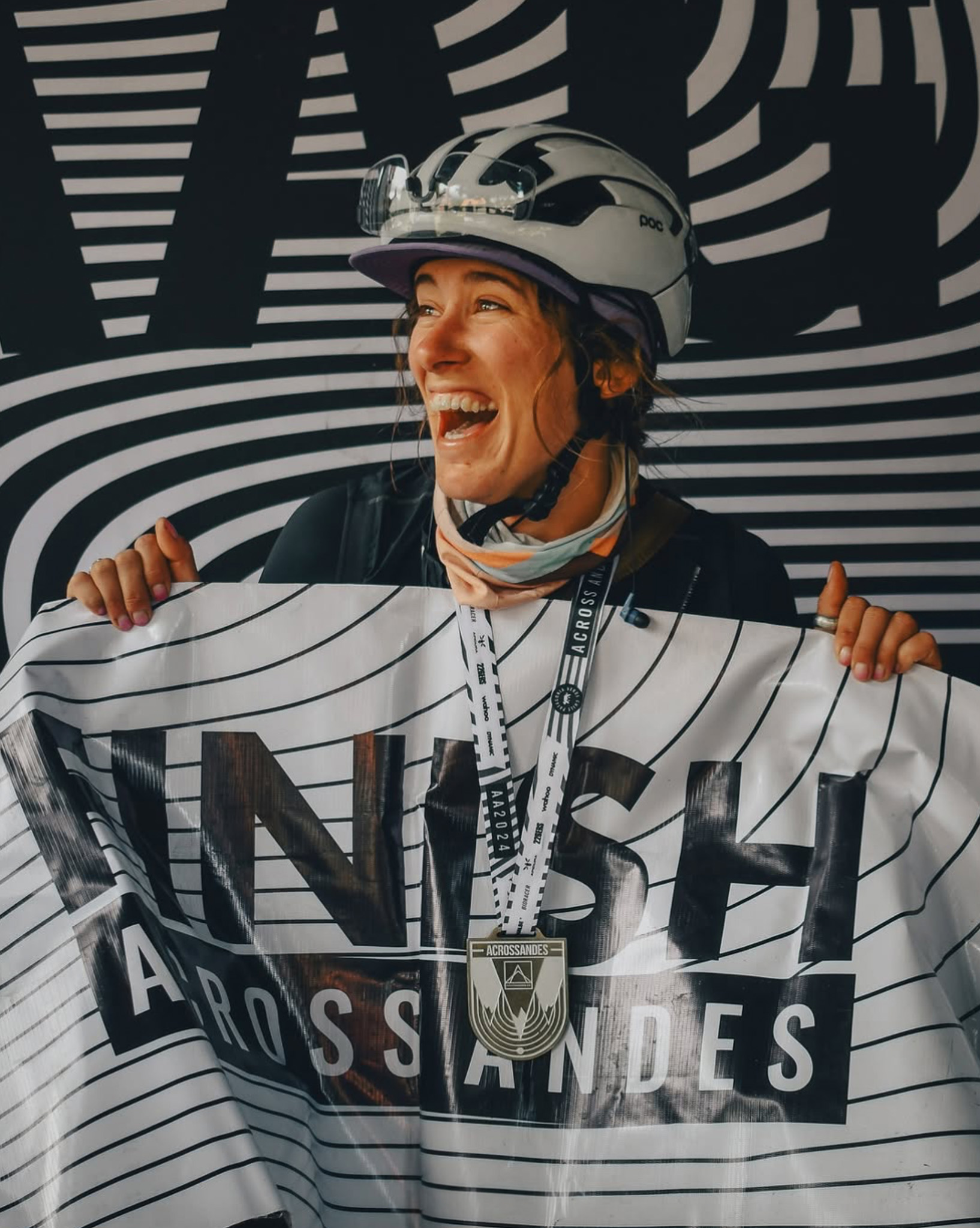
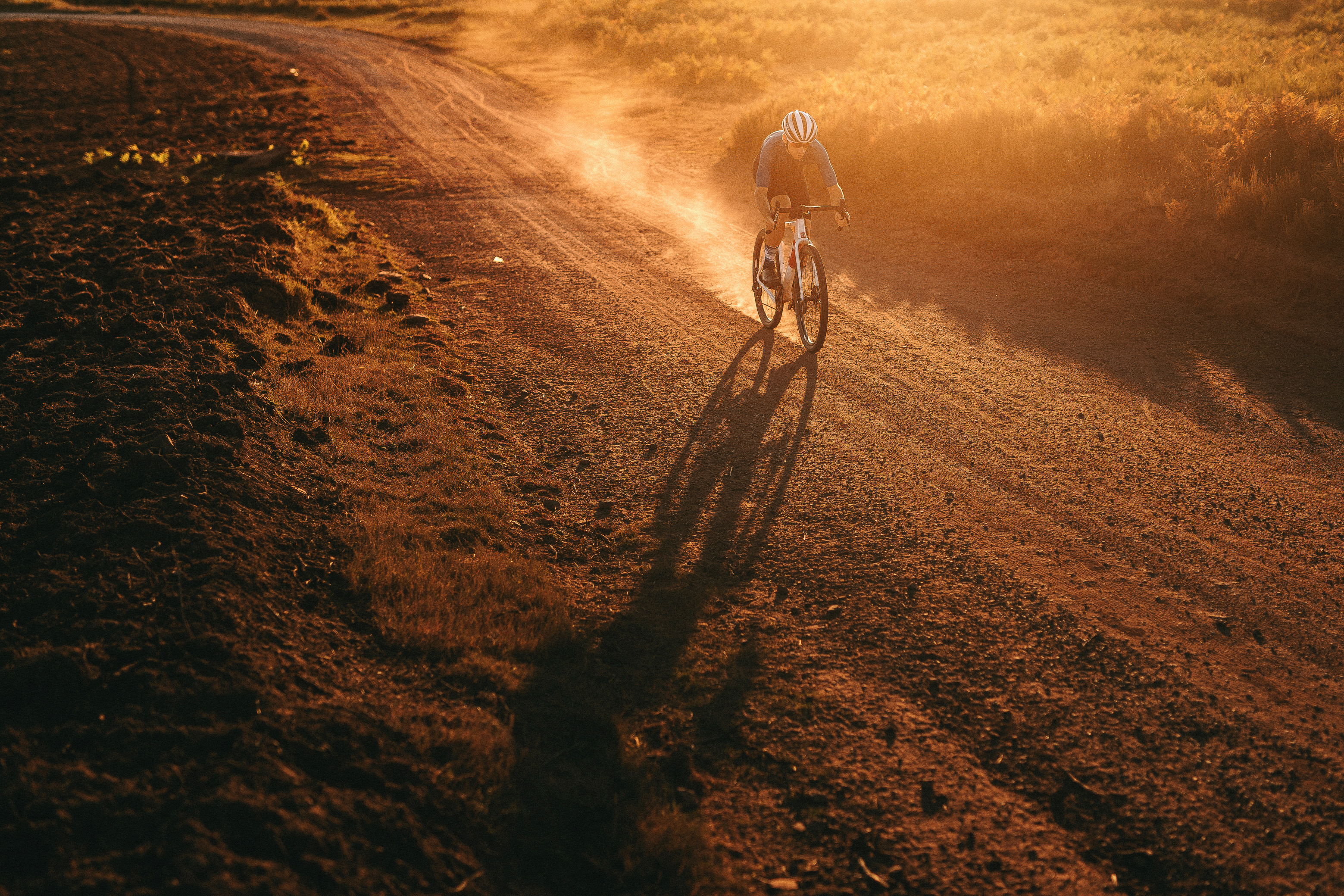
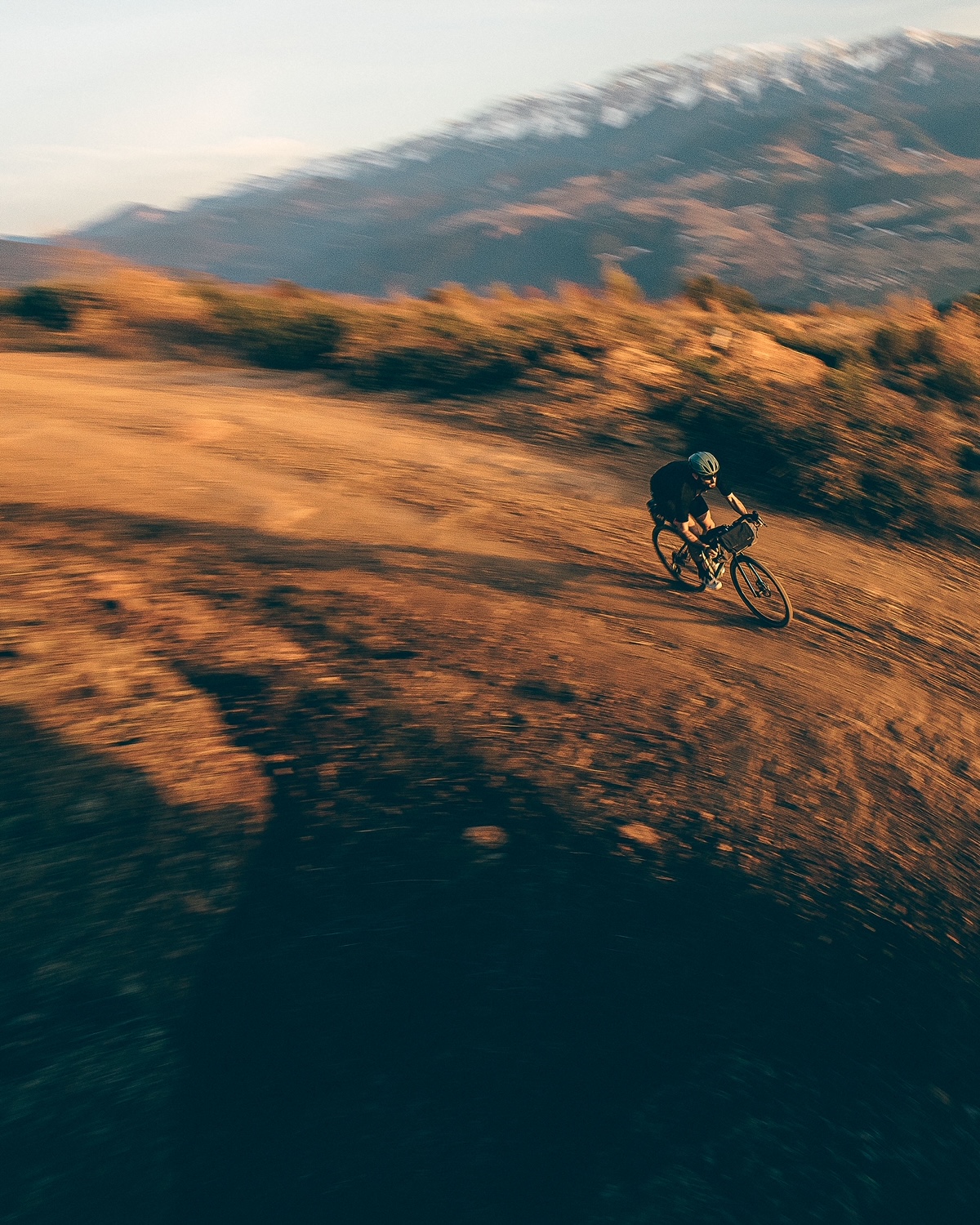
With the camera capturing Sami Sauri in a blur of motion—seemingly floating across the gravel surface—her broad smile perhaps belies the difficulties of a challenging year. But this second swing at Across Andes resulted in a remarkable podium finish that saw the year out in fine style with the promise of more adventures to come. A year that Sami—never shy of speaking openly about life’s ups and downs—recounts in her typically honest and humorous fashion.

Sami
Home again [smiles].

cyclespeak
With a collection of hats hanging up on the wall.

Sami
It’s getting bigger. That one [pointing to a broad-brimmed hat] I brought back from Chile.

cyclespeak
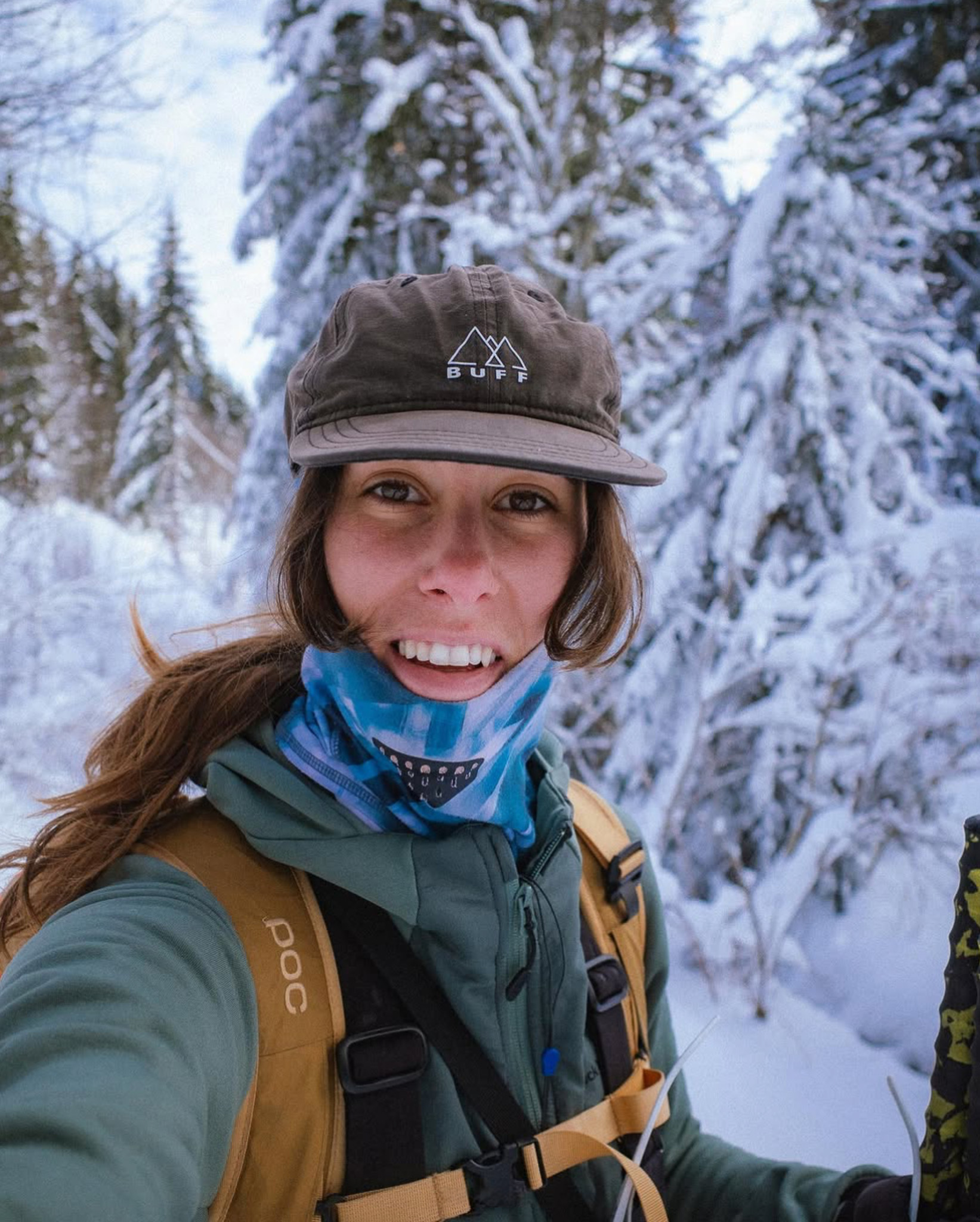
How’s the weather in Chamonix?

Sami
Today is nice and sunny and it’s all white outside.

[here Sami stops, turns and starts talking off camera]

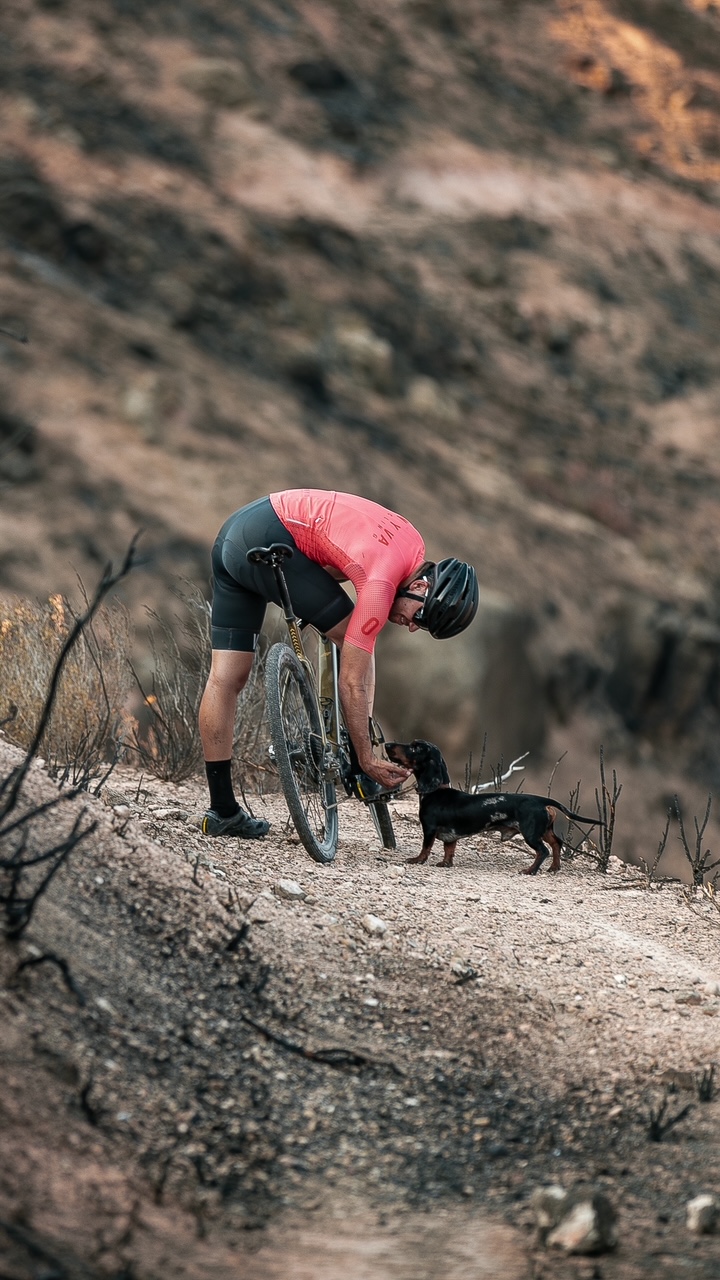
As you can see, I have a dog now. He wants to say hello [laughs].

cyclespeak
What’s he called?

Sami
Captain. And it’s been really fun even though he’s only 10 months old and a bit cheeky sometimes.

cyclespeak
A little like a toddler?

Sami
Maybe more of a teenager [smiles]. Crying as if he wants to go to the toilet but really just wanting to play outside. But he’s worth it because he brings so much happiness.


Click image to enlarge

cyclespeak
Looking back to the last time we spoke, you were planning to smash out the Festive 500 in one go. But then decided to split the distance over 3 or 4 beautiful days. Would you have made that same, confident decision a few years ago?

Sami
That’s an interesting question. And I don’t think so because, back then, in many ways I was a completely different person.

cyclespeak
With maybe more of a focus on numbers whereas now it’s about enjoying the experience?

Sami
And discovering new places. That’s a cool thing to do.


Click image to enlarge

cyclespeak
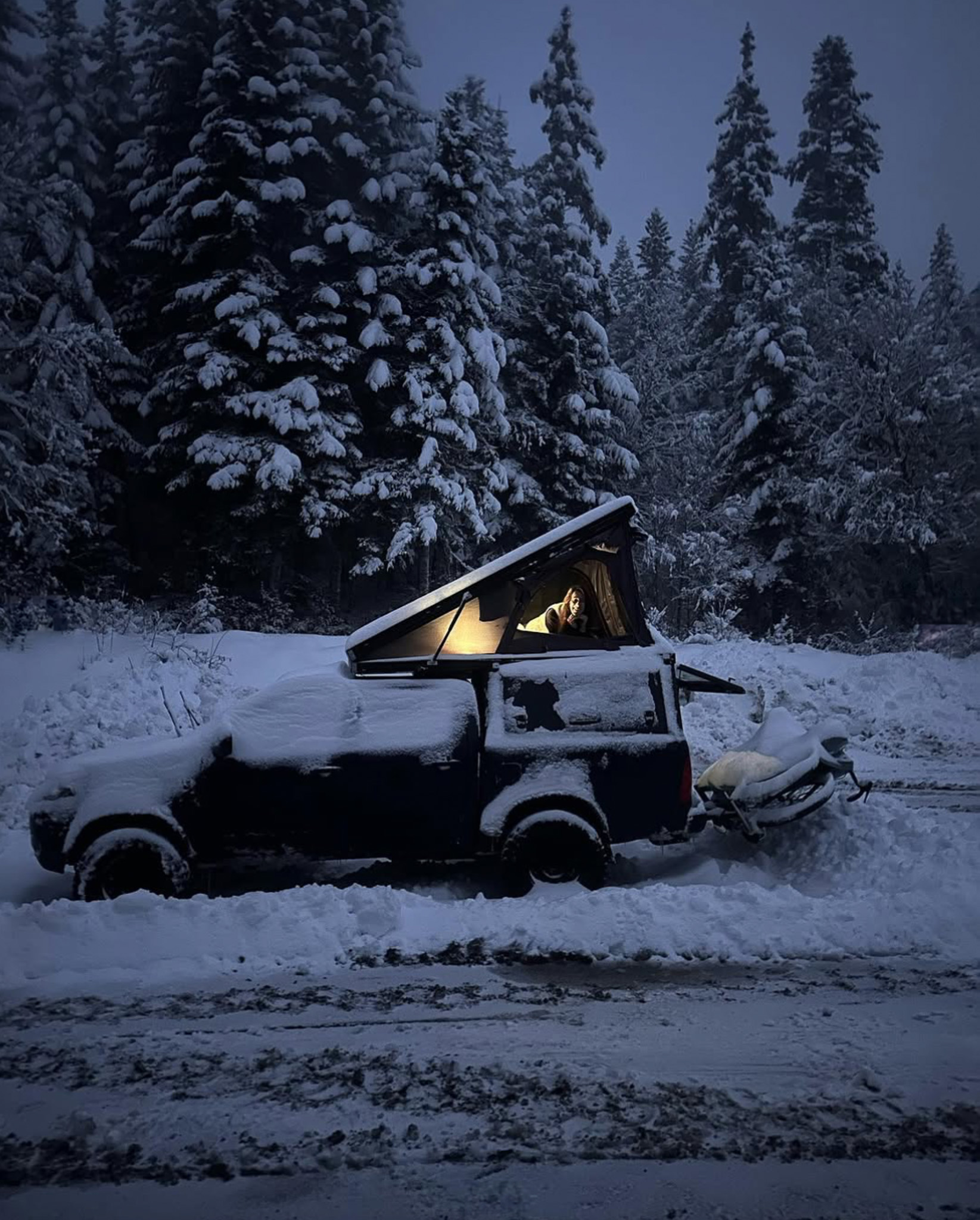
Before travelling back out to the desert to photograph the Dakar Rally, January saw you on a snowy camp out in the roof tent of your 4×4 truck.

Sami
I got that particular vehicle rather than a regular car because it makes it so much easier to scout a shoot or follow a gravel race. And it made a huge difference having a 4×4 when I was at the Traka with all the rain. But the night you mentioned was pretty cold [laughs].

cyclespeak
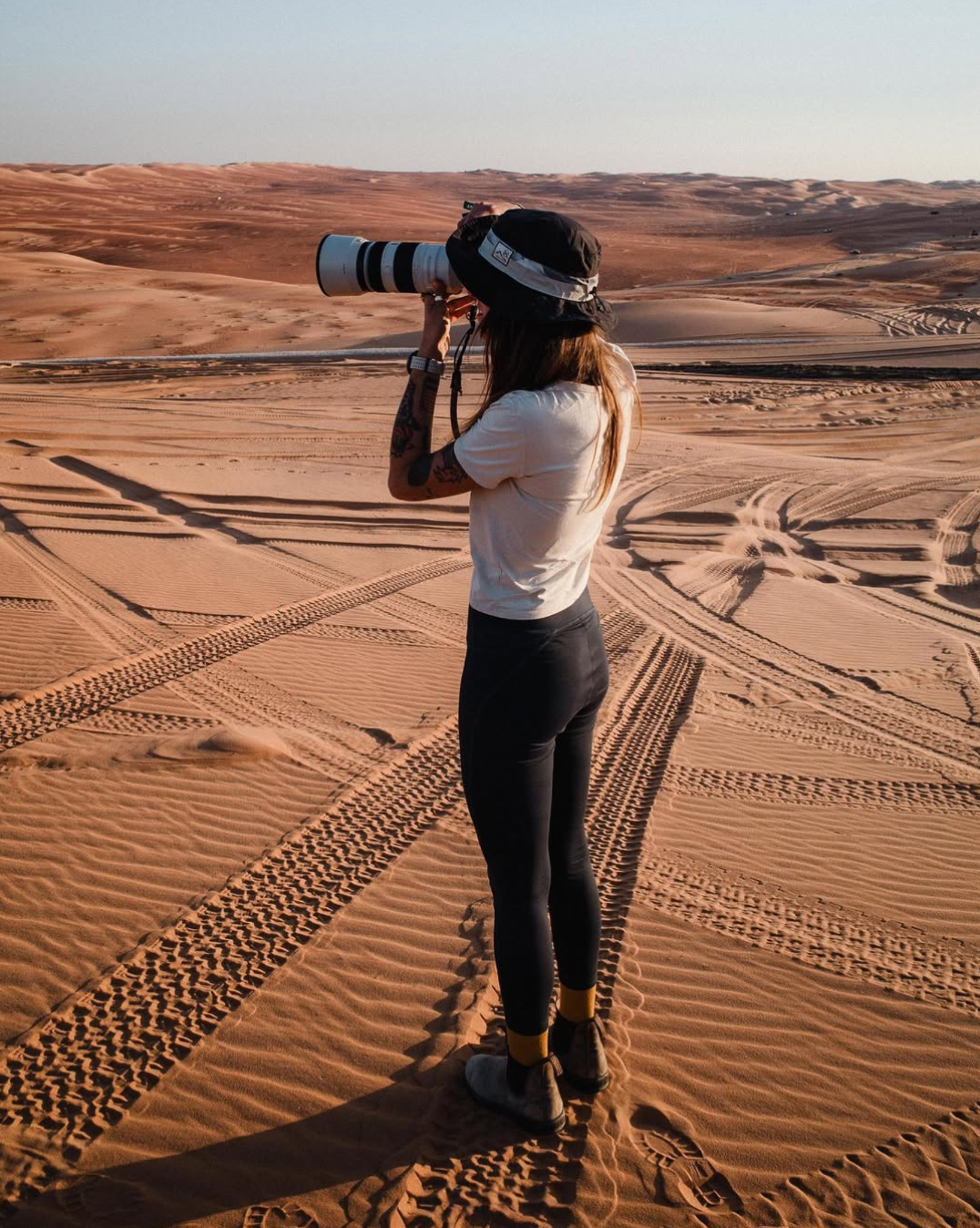
You then spent 22 days embedded in a Dakar Rally team. How was it a second time around?

Sami
Dakar is a weird one because it’s such an amazing experience but dealing with the race organisers is so tricky. It’s super expensive for the teams to have an accredited media team but then I ended up having so many fights with the officials over where on the course I could shoot. It got to the stage where I would leave my tracker on the side of the road and then head off into the desert—walking for fucking miles—to get my shots.

cyclespeak
So the process took some navigating?

Sami
It was a bit of a shit show. But by the end, I’d been fighting so much that they decided to put me into one of their media cars [laughs].


Click image to enlarge

cyclespeak
Travelling back from the heat of the desert to snow covered Alpine peaks, you were faced with problems of where to live. And I remember you posting a very poignant picture of all your belongings piled up in a temporary garage space. I imagine a very difficult time?

Sami
The guys I was living with, they’d only told me the day before I left for Dakar that I had to leave. They were my best friends—I walked their kids to school—and it wasn’t something that I could see coming. And looking back, that breakup was harder than with a boyfriend.

cyclespeak
That sounds like a lot to contend with?

Sami
I decided to just put everything in a garage and figure out the rest later. I had some work lined up but there were also worries about my sponsors and I remember considering whether to take a full-time job. And it took over a month to find this place in Chamonix which was also very lucky because a friend of mine was living here previously and she reached out to me to say she was moving.

cyclespeak
It all sounds super stressful.

Sami
It was. But living here has been amazing. It’s small but there’s a garden at the front and I get to see Mont Blanc everyday when I wake up.


Click image to enlarge

cyclespeak
That sounds so cool. And talking of home, in early Spring you spent some time in Girona where you’d lived for four years before moving to the French Alps. How did it feel to be back?

Sami
It was actually a bit overwhelming. Girona has changed a lot and although there’s still the pro racing aspect, there’s also a lot of focus on gravel influencers. So a lot of the talk at cafés is about watts and kilometres. Not to say there’s anything wrong with that but I just prefer to talk about different things.

cyclespeak
You posted a lovely set of shots from a carnival-themed ride with the @girona_gravelgirls. It looked like a super fun day?

Sami
Oh my God. As a community, they’ve grown so much. But I guess it helps that they’re based in one particular location and they welcome whoever wants to ride. It doesn’t matter what bike you turn up on, what clothes you wear, or if you’re new to cycling. It’s so much fun because everyone respects each other.

cyclespeak
You decided not to race Santa Vall—part of the Gravel Earth series—choosing instead to photograph the event. And then you posted a fascinating viewpoint on the way brands value photographers monetarily and how individuals offering to work for free is maybe undermining the whole creative industry. Can you talk me through your take on these thoughts and ideas?

Sami
I’d applied for media accreditation and put together a package to create content for individual athletes and brands that was priced accordingly. But you also get people just showing up, working for free, and sharing their images with the athletes who then pass them on to their sponsors. Which is kind of why the industry is going to shit. Because if we all did that, why would brands be bothered to pay professionals? Professionals who’ve been working their asses off for a decade or two, perfecting their craft.

cyclespeak
So how can we make positive changes?

Sami
I think the race organisers have to play a part and maybe we need some honest, open conversations? I’m probably a little more expensive than others because I’ve been doing this for a long time. So now, if I want to work, I want to work properly and get paid a fair amount. Because who can afford to live on a day rate of €130 which is what someone told me they were asking for? You’ve got to be fucking crazy.

cyclespeak
I guess if you want quality content—captured by experienced professionals—then that comes with a cost.

Sami
And if you undervalue yourself now, you’ll be doing it for the rest of your career. In the same way that if you work for any company and never ask for a pay rise. They’re not going to do it for you.

cyclespeak
Imagine the response you’d get from people doing regular jobs if you asked whether they’d be willing to work for free?

Sami
Exactly. It’s down to each individual to make their own journey and find their own path. And I’m also very aware that my situation is a little unique; in that I create content but also have my athlete and ambassador roles. And sometimes I do worry whether I’m being too open and honest about things [smiles].


Click image to enlarge

cyclespeak
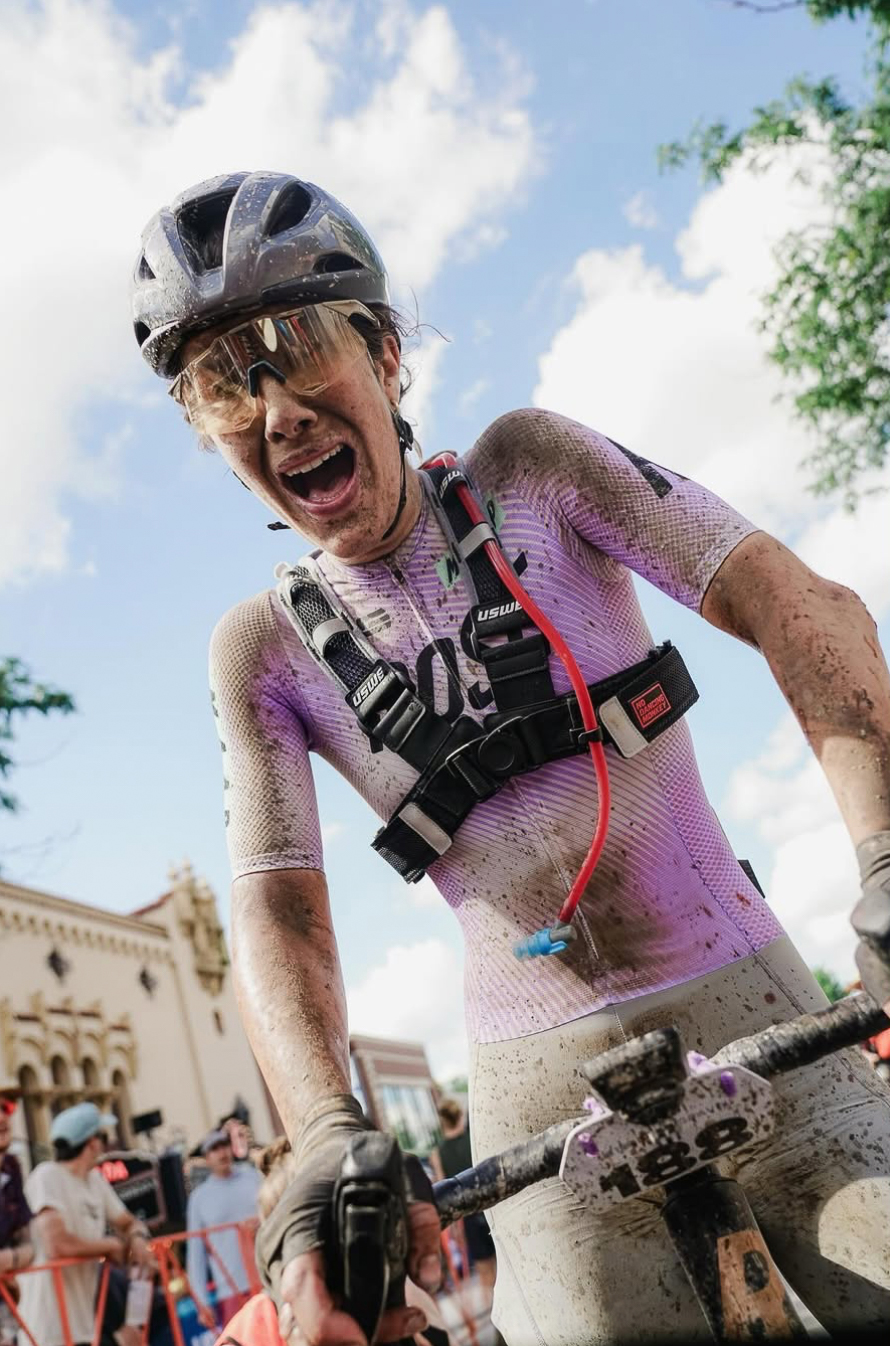
June saw you back in Emporia, Kansas, for Unbound. And you got a simply awesome shot of Rosa Klöser immediately after she won the 9-up sprint. A happy, tiring, emotional kind of day?

Sami
It was a little strange because I was thinking of racing the Unbound XL this year. A feeling that I should be back in front of the camera instead of behind. But I had 14 riders to document which is a lot [laughs].

cyclespeak
You shared some images shot on film from Unbound. A medium you enjoy using?

Sami
Yes. Especially at races. There’s something about the images that’s so hard to replicate using digital. And it’s a completely different process; not being able to see or change whatever you’ve captured. But I do sometimes wonder if my generation will be the last to shoot on film. Whether it will gradually die away?


Click image to enlarge

cyclespeak
Another summer development was your new bike sponsor, Rose, which you immediately got to test out on the Cheese Divide.

Sami
We wanted to do the Italy Divide but that involves a shit show of hike-a-bike. And I have this tea towel that I got in Italy that shows all the different cheese regions, so we used that as a map instead.

cyclespeak
So how many different cheeses did you taste?

Sami
Not as many as you might think [laughs]. Because it was super hot—40℃ by midday—and all I really wanted to eat was ice cream. So maybe we overestimated our appetite for cheese but the scenery was so beautiful.

cyclespeak
In September you rolled out at 4:00am to ride your Tour du Mont Blanc: 322 km and 7949 m of vertical. A big day?

Sami
It was a massive day [laughs].

cyclespeak
One that you enjoyed or was it a challenge to be completed?

Sami
Oh no. I had a blast. Because it’s probably six years since I’ve had a road bike and by the time I was climbing my third col of the day, I was an hour and a half ahead of schedule.

cyclespeak
You were flying.

Sami
I was. Which I paid for later on in the day [smiles]. But I had a goal of finishing in 18 hours and I pushed hard at the end to come in at just over 17 hours.

cyclespeak
So you still have a competitive edge?

Sami
I do!!


Click image to enlarge

cyclespeak
You’ve seen the year out with another go at the unsupported gravel race Across Andes where you finished an amazing second place. From your posts, you seemed very at home in Chile?

Sami
There’s just something about Chile. So many possible projects that I’d be really happy to do. You’ve got the wildness of the land but also cool cities like Santiago. It just blows my mind.

cyclespeak
And the people?

Sami
They just seem so comfortable in expressing their feelings—so much affection and love—and I’ve even thought of moving out there at some point. Maybe to retire [laughs].

cyclespeak
According to your Strava feed, you rode just shy of 44,000 km in 58 hr. That’s pretty impressive.

Sami
I know [laughs]. The ride file got corrupted but I’m still hoping to fix it.

cyclespeak
It’s such a gruelling event where you’re balancing the mental and physical demands of sleep deprivation, fuelling, and the sometimes extreme weather. So I was wondering what keeps you going?

Sami
For that race in particular, it was carrying my camera. The route is so beautiful and changing all the time. And that gave me the motivation to keep going, to keep seeing what was next, and record it along the way.


Click image to enlarge

cyclespeak
You recently posted on Instagram about a new chapter in your riding life: #adventuremore.

Sami
Across Andes was a pilot for Adventure More. Basically documenting races from within with a focus on the community and culture that surround a particular event. Rather than just posting a couple of race shots and a result—which is absolutely fine—I want to go a bit deeper.

cyclespeak
You end your Across Andes recap by referencing what a hard year it’s been for a lot of reasons. So has 2024 changed you? Have you learnt anything new or surprising about yourself?

Sami
Lots of things [laughs]. Where do I start?

cyclespeak
Wherever you feel comfortable in starting?

Sami
To maybe understand the need for patience? Because I’ve still got so much growing to do. And even though it has been a tough year and, at times, I’ve doubted myself, if you keep moving forward with a smile on your face, then good things can happen.

Photography with kind permission of Sami Sauri (credited individually) / samisauri.com

Feature image with grateful thanks to Jeremy Toro

Pete Stetina / Return for the dirt

Kicking off with Lachlan Morton’s win at Unbound, the Life Time Grand Prix three years in, and the realities of campaigning a privateer gravel calendar, Pete Stetina then gets down to business with a fascinating look back at his first tilt at the TRAKA 360—arguably Europe’s premier gravel event.

Despite a series of mechanical mishaps and a race route ripped apart by a week of heavy rain, his refusal to throw in the towel saw him push through for the win. A truly remarkable result that Pete describes, blow-by-blow, before squaring up to decide which race takes the title of biggest, baddest, hardest of all.


cyclespeak
You’re calling from California?

Pete
I am. Back home in Santa Rosa.

cyclespeak
After racing Unbound last weekend?

Pete
My result was a little bit of a disappointment but nothing really went wrong that I can point to. I made the right moves at the right moments and was in the group with Mattia de Marchi chasing after Lachlan—we got to within a minute at 60km to go—when my stomach flipped upside down, the lights went out like never before, and I just had to nurse it home. But that’s bike racing for you and my friend Lachlan is such a worthy winner.

cyclespeak
I did note your time for this year’s race. 9:22:57. A few years back, that would have seen you finishing in first place with time to spare?

Pete
That’s the same story for every race on the calendar. Winning times are tumbling by huge margins. I guess you can factor in better fuelling and equipment but the conditions at this year’s Unbound were also nigh on perfect. There was a little rain in the days leading up to the start—everyone, myself included, freaking out about the chance of mud—but then it dried up just enough to make the going super fast.

cyclespeak
The whole world seemed to cheer when Lachlan crossed the finish line. And I was reminded of the post he made leading up to Unbound when he mentioned being more focused on enjoyment and not getting caught up with what everyone else was doing. Does that resonate with how you yourself prepare for a big race?

Pete
It’s how I try to do a lot of it now. Guys like myself and Lachy have been racing professionally for a long time and understand that the best road to success is to play it our way. The way that Lachlan raced Unbound was perfect for him. It’s not like everyone else can go out and replicate those moves. He had to go from a long way out because he’s such a diesel these days and maybe doesn’t have the same sprint as a Keegan or a Van Avermaet. So he played to his strengths and did it on his terms.


Click image to enlarge

cyclespeak
Last time we chatted it was very early in 2022 and the inaugural year for the Life Time Grand Prix. Now that the series is firmly established, what’s your take on how it’s continuing to influence professional gravel racing?

Pete
I feel the US still leads the way in the world of gravel—where it’s most prolific and you can enjoy the best career financially—and the Life Time series is the pre-eminent representation of this way of racing. Saying that, if a European rider goes to their sponsor and says they want to race the Grand Prix, I do wonder how much that sponsor particularly cares? I know the pro road mentality—it’s what I did for 10 years—and the World Tour only really cares about the World Tour.

cyclespeak
We did see UCI Gravel Champion and current World Tour pro Matej Mohoric race Unbound this year?

Pete
Gravel as a whole is gaining more respect but that’s still race by race. Unbound is Unbound and that’s where everyone wants to come, so you do have this influx of people. But does the global community care as much about Chequamegon or Crusher in the Tushar?

cyclespeak
Fast forward to 2024 and you took an early season win at BWR* Utah; a race series in which you’ve enjoyed considerable success over the past few years with multiple victories. Can you put your finger on what it is about BWR that drives this winning streak?

*Belgian Waffle Ride

Pete
That’s a good question.

[pauses]

I guess it plays out a little differently to the Grand Prix and just suits how I like to ride. Maybe more road race tactics which is where I come from. And BWR is more of a hybrid in terms of surface. Yes, there’s single track but mixed in with a fair amount of pavement and the organiser always likes to throw in a climb towards the end that creates separation. But at the end of the day, it’s a case of good vibes and confidence.

cyclespeak
That’s a good mix.

Pete
I’ve won three BWR Utah titles so I guess you could say I’ve got that one figured out.


Click image to enlarge

cyclespeak
I was scrolling through your 2019 results when you were riding in the World Tour with Trek-Segafredo—but still took second at Unbound—and it struck me that, according to procyclingstats, you had 80 race days that year compared to 12 in 2023. And maybe this is rather a simplistic comparison but which was the harder year?

Pete
I’m going to spin that question and start off by saying I raced almost 30 times in 2023. I guess procyclingstats is attempting to understand gravel but what qualifies as an official gravel race in their mind? Here in California we have the Grasshoppers but maybe they’re viewed as a regional series even though the field is deep.

cyclespeak
So how do you define a race?

Pete
Anytime I pin on a number. Because you know you’re going to go as deep as you can on that day. And going back to your question, you look at my schedule and there’s only 30 days of racing compared to the 80 I did in the World Tour. But it probably equates to the same amount of travel commitment. And that’s the metric, right? The hardest aspect we have to balance with our loved ones. Because now, I’m primarily a one-day racer and travelling almost every weekend.

cyclespeak
Maybe even travelling more than when you were racing the World Tour?

Pete
What I think you’re seeing, is that the riders with a road background are used to that. And maybe we use the smaller events to race into form? Whereas there are other riders who only roll up to the key races when they feel 100% prepared and primed.

cyclespeak
You’re racing gravel in the top tier, yet seem to relish the regional races just as much as Unbound or Leadville?

Pete
A couple of years back, I felt I was getting pulled back into that high performance, elite-only points chase. And what I was maybe forgetting, was the reason I left the World Tour was to pursue a more fulfilling, holistic race career. So I needed to take a step back and make the conscious decision for my own internal harmony to do it my way. A sentiment I feel Lachlan addressed really well in a recent interview where he contrasted the high octane, marginal gains of the gravel world to his own World Tour days.

cyclespeak
So what does your way look like?

Pete
I can’t do good vibes only and go out to the brewery on the evening before a big race—I still need to ride hard—but I can choose to balance key events like Unbound with the smaller races where I can enjoy the relaxed atmosphere and hang out with the community.

cyclespeak
I was chatting to Sarah Sturm recently and she was quite open about wanting to mix things up race-wise after finding the Grand Prix series a little repetitive. Are these considerations you yourself share? And did they play into your decision to cross the Atlantic to race the TRAKA?

Pete
I love the Grand Prix and what they’re doing for pro-racing in the US but they’re not the only show in town. You’ve got Mid South, Steamboat, BWR and TRAKA, to name but a few, that are all super relevant. So I can’t just give myself solely to the Grand Prix because there’s just too much cool shit going on and I want to do it all.

cyclespeak
This was your first time racing the TRAKA but you spent time living and training out of Girona during your World Tour days?

Pete
I lived in Girona way back in 2007 before it became such a cycling hotspot. So it was quite an eye-opening experience returning. The city is still beautiful and great for a week’s visit but I wouldn’t want to live there now.


Click image to enlarge

cyclespeak
No?

Pete
I love to ride and race but don’t want to be reminded of that 24/7. Saying that, it was really fun to return because I’d never really ridden dirt in Girona.

cyclespeak
I guess when you were living there, it never occurred to you to try it?

Pete
Gravel wasn’t even a thing, back then. So I guess you could say this was my return for the dirt. And to stay in the same hotel where I always used to crash was such good fun. The final third of my career—when I was constantly going back and forth between Europe and the States—I got rid of my apartment. So I literally had a suitcase waiting in the storage closet of the Hotel Historic that I would open up when I rolled into town. And that still feels like my Catalan family.

cyclespeak
You were down to race the 360km route which has 3700m of climbing and is notoriously super gnarly. Leaving aside for a moment the weather conditions, were there any changes in preparation you made compared to your US races?

Pete
Not really. I’m naturally a climber so tend to race better when it’s a harder, hillier course. The only change I made to my training was sprinkling in quite a few more seven to nine hour rides a couple of months out. Trying to normalise that long, long distance in the saddle.

cyclespeak
Girona had been suffering from a severe drought leading up to the TRAKA. But then during race week, the rain was monsoon-like leading to the organisers first delaying and then cancelling the XL race. Can you talk me through the days leading up to the start of your race? Were you able to recon much of the route and did the uncertainty upset your race preparation?

Pete
Honestly, I think you can draw a parallel between my TRAKA and Lachlan’s Unbound. In the sense that we both took our foot off the gas and tried not to stress over the small stuff.

cyclespeak
How so?

Pete
You have riders that know the TRAKA course super well and have raced it on multiple occasions. But then suddenly the weather is throwing a wrench into everyone’s race preparation. I show up and there’s no way I can recce 360km within three days and be rested for the race. So I decided to ride the final 120km with my friend and coach Dennis van Winden and call it good. As things played out, a blessing in disguise as that last section is so darn twisty that it helps to know the key turns.

cyclespeak
You knew you didn’t have extensive experience at riding dirt in this region. But, on the other hand, felt confident in your ability to do well in BWR style races. When you finally lined up at 6:00am on race day, did it cross your mind that you could take the win?

Pete
On paper I guess I was one of the contenders. And I heard some comments about how the Americans were finally coming over to race. But I was very aware that other riders were much better prepared for this particular race than I was. I’d raced BWR California a week before—that result sealing my Triple Crown—and then straight away hopped on an international flight without really having any time to rest and recover. So not having the perfect build-up—in any shape or form—if I’d have stressed about all the small stuff I would have just psyched myself out completely.

cyclespeak
I guess that comes with experience? The ability to take that mental step back. Because going by your posts after crossing the finish line, it’s safe to say you had quite an eventful day?

Pete
Starting out, the first 60km was honestly quite stressful. Thankfully it had stopped raining but the mud was insane. And the conditions were just compounded by all these young riders who were so hungry, they just charged through irrespective of following the best line. I couldn’t tell how deep the puddles were. Some were only a couple of centimetres but others were, quite literally, half a metre.

cyclespeak
That sounds super chaotic.

Pete
Those guys didn’t seem to worry if there was a hidden rock waiting to take out their wheel. Their mindset was, fuck it, I’m going to send through it. Taking insane risks and just destroying their bikes in the process. And I was getting so beat up in the scrum that eventually I just had to commit and follow. Until eventually the attrition whittled the group down to about 15 or so riders after two hours of racing.


Click image to enlarge

cyclespeak
Where was this in relation to the race route?

Pete
At this point we were crossing the flatlands heading north towards the first aid station. Everyone kind of called a truce so I decided that was a good moment to take a comfort break. But as I pushed on to catch up to the group, a rock sniped my rear wheel and the tyre went fully flat in an instant. I jumped off and tried to plug the thing but there was mud everywhere so I was struggling to even find the hole. After throwing in three plugs it still wasn’t sealing, my gear was strewn out all over the trail, and that’s when I noticed the rock had punctured the bead of the tyre at the rim.

cyclespeak
What happened next?

Pete
After throwing in another two plugs, the tyre was finally holding air and I set off to chase down the group. Glancing at my Wahoo, I could see that I was down by six minutes. So I’m thinking, crap, this is a problem.

cyclespeak
So you’re chasing on hard?

Pete
We were about 20km from the aid station and I was just hoping the pace of the group would stay steady. So I went all in, time-trialling, and finally reached the aid station where my friend and mechanic Big Tall Wayne checked over my rear wheel. It was still holding air so we decided to leave well alone. Rob Britton—who’d also punctured and was chasing back on—serendipitously was leaving the aid station at the same time. We go way back, there’s a lot of mutual respect, and we decided to work together to try and bridge up to the front group. I honestly thought it was a big ask but we’d both travelled over from North America and packing it in after three hours was never going to happen.

cyclespeak
I guess the effort it took to even get to the start line means you’re committed.

Pete
We were riding as a two-man team and sharing the load when, unfortunately, I had more problems with the mud. It was acting like a lubricant and causing my seat post to slip so I had to stop another two times to unpack a multi-tool and adjust my ride position. By all intents and purposes, it was turning into a complete mess of a day.

cyclespeak
But you managed to bridge up to Rob again?

Pete
I caught up with him right before the hike-a-bike section and I could see the lead group away in the distance. Self-timing the gap, I had them around eight minutes ahead. And it was here that we entered what I like to refer to as the doldrums. Heading south across the coastal plains into a block headwind: it was slow, it was hot, it was late in the day. And that’s where we kept passing the odd rider or two—absolutely destroyed—that had been shelled from the front. So beat up, they couldn’t even hang with me and Rob and take a pull.

cyclespeak
The chase was on.

Pete
But it was here that I really started to suffer. I’d been rationing water and was rapidly becoming dehydrated—still taking a turn but my lights were starting to flicker—whereas Rob was still strong. But about 20km from the second aid stop, we caught sight of the lead group and that gave me the lift I needed. That was never supposed to happen—chasing down an eight minute gap—but we were back in the race.

cyclespeak
And then after the aid stop?

Pete
We resupplied as fast as possible—boom, boom, boom—and charged out the other side as one group. Approaching the climbs after Corçà, Rob and I both knew this was the break point of the race. And sure enough, everyone dropped off leaving just three of us. Rob, myself and Mattia de Marchi; three time TRAKA winner.

cyclespeak
Exalted company.

Pete
Mattia attacked—as you’d expect—but only gained 15 or so seconds on the climb. I then took a few risks on the descent, caught up with Mattia but distanced Rob. And I just felt—after riding together for so long and so far—that it wasn’t fair to screw him over. Mattia races with such a sense of honour that we both eased up a little and allowed Rob to latch on. The fourth place rider was way back so we all knew that this was the podium. And then, as things sometimes have a way of playing out, a stick kicked up and ripped off Mattia’s rear derailleur. The worst luck in the shape of a total random act and his day was done.

cyclespeak
Which just left the two of you.

Pete
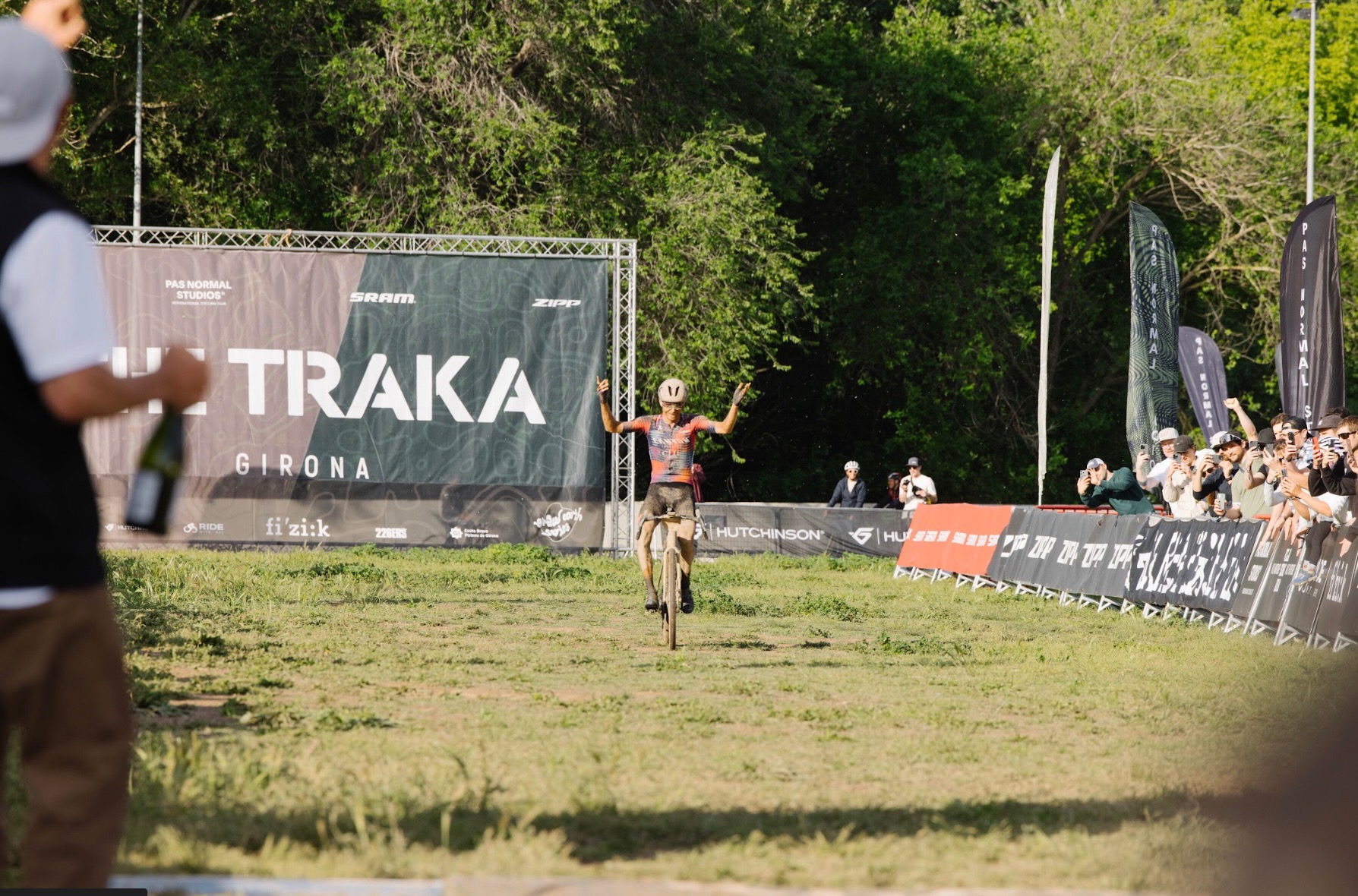
There was 60km to go and we both felt flabbergasted—completely dumbfounded—that we were sitting in first and second place. But as each of us tried to picture how it would play out, it gradually became evident that Rob’s bigger gears were starting to take a toll. We both knew the final move would be on the hill outside of Sant Gregori and that’s where I hit it with everything I had and was able to bring it home.


Click image to enlarge

cyclespeak
What a day!

Pete
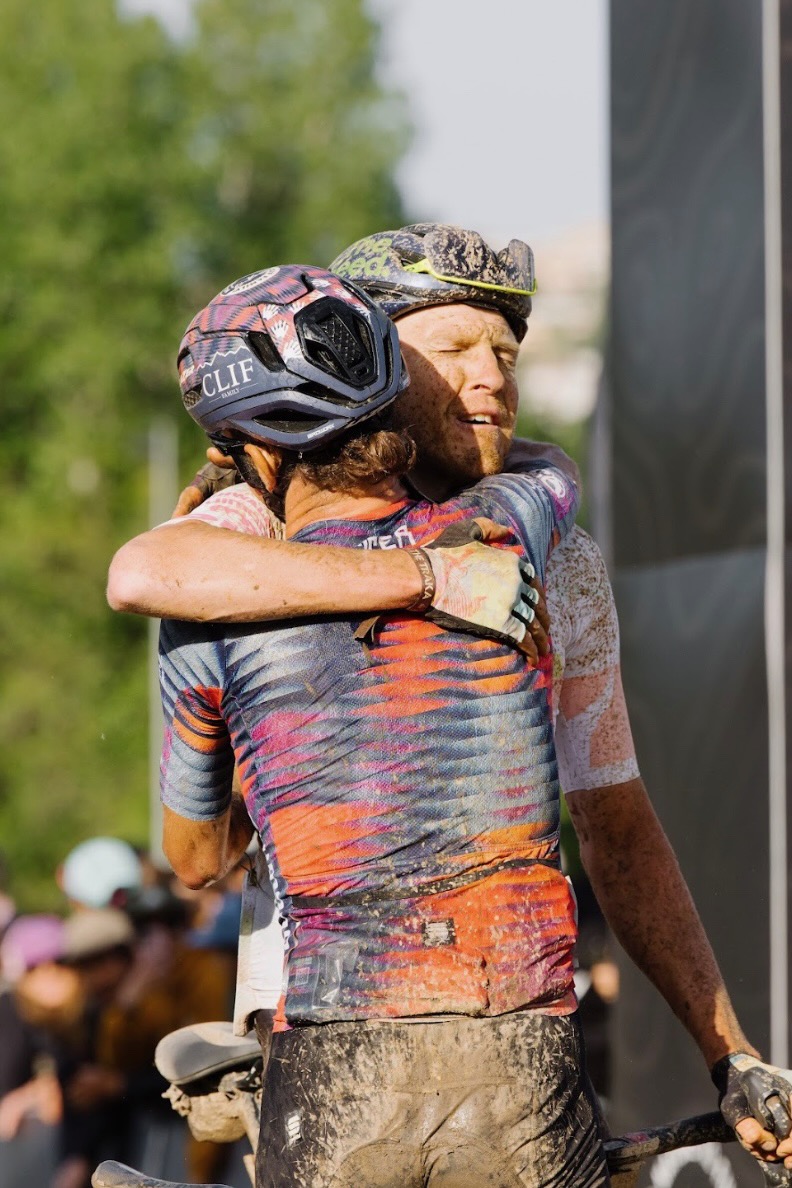
Placing first was incredible but there were also all these other silver linings that made it feel equally special. Having my oldest Catalan friends helping out Big Tall Wayne as my pit crew and all of Canyon’s top brass waiting at the finish line. This weird set of circumstances that played out over three hundred plus kilometres.

cyclespeak
And then it was time to celebrate?

Pete
When you race that hard and for that long, your body is in full revolt. You can’t go out and party.

cyclespeak
Not even a little party?

Pete
We went to a bar, ate some good food, and that was me done. And I was still pretty wrecked the next day. Sleeping in until 11:00am before breakfasting on two espressos and a beer.

cyclespeak
The response must have been overwhelming?

Pete
Since the finish, I’ve received so many calls and messages. And I guess that’s when the enormity sets in. I knew TRAKA was a big race but kind of didn’t understand how big.

cyclespeak
‘The biggest, the baddest, the hardest of all.’ That was a comment you made in a podcast in reference to Unbound. Now that you’ve ridden, and won, the Traka 360, are you still sticking to that statement?

Pete
I still feel that Unbound is the biggest.

[pause]

But I don’t think it’s the baddest or the hardest.

cyclespeak
No?

Pete
Unbound is the OG. The granddaddy of this whole space. But now the collective professional field is so good at racing 200 miles of Kansas gravel that—setting aside my stomach issues—this edition was my easiest Unbound.

cyclespeak
And the TRAKA?

Pete
Let’s just say that I’ve done enough bike racing to question whether these fairytales ever happen for me. And even though I’ve enjoyed my fair share of success, nothing compares to how this race played out. So crossing the line, I knew something special had just happened.

Peter Stetina / peterstetina.com

Feature image by kind permission of Alex Roszko for Orange Seal / All other imagery individually credited

Xavi Güell / Everything and nothing in particular

“I think differently. Not better or worse. Just differently.”

There’s a story I saw posted that shows Xavi Güell walking to dinner with family and friends. Dressed casually, what’s noticeable is the way he floats from one small group to the next. And as we sit talking in the living room of his house—high above Girona on the hillside of Montjuïc—there’s this same sense of movement as he punctuates each sentence with the motion of his hands.
Nodding towards his Rocket espresso machine on the kitchen countertop—it’s mid morning and Xavi is enjoying a second cup of coffee—I open our conversation by asking what makes him feel happy and content.

“In general? Everything and nothing in particular. When I’m surrounded by my friends, when I’m riding my bike. And to be fair, we smile and laugh a lot at Athletic Affair.”

This mention of Athletic Affair refers to the sports marketing business he founded two years ago with friend and colleague Jordi Pujol. Not a communication or PR agency, he’s quick to point out, but a vehicle for helping brands and the most recent chapter in a career that saw him launch an online fashion TV channel whilst still studying at university.

“I was 22 years old and did everything myself. I created the concept, the brand and purchased the servers. With Athletic Affair, we are a small team but I still have a hand in 90% of the projects we take on. So maybe I have some issues in this regard that I need to work on [laughs].”


Growing up in a small coastal town to the south of Barcelona, Xavi is eager to acknowledge his parents as important influences. Having both created their own fashion companies, in the summer when his teenage school friends were spending time on the beach, Xavi would travel with his father on business trips to Italy.

“Even from this relatively young age, I knew that one day I would start creating my own companies. And then, after enrolling at university to study business administration, I soon realised I was reading more books that weren’t on the syllabus than the ones that were. So I sat down with my parents and explained how I was planning on dropping out to focus 100% on my fashion TV start-up; the first of its kind.”

Having now turned 40 and with home today doubling as an office, he finds himself in the enviable position of being able to choose which brands to work with.

“My aim with Athletic Affair is to have fun. So if a client repeats, that’s very satisfying. And when we establish a connection that blurs this line—when they get so comfortable they treat you as a friend—you know that something very special is happening.”


As a business helping brands with their marketing, Xavi naturally has his own opinions about what works, what’s outdated and what’s next.

“It does depend on the client. And many brands invest a lot of money on social media platforms so it’s not always easy to suggest a different direction. But I do have this small obsession that when WhatsApp or Instagram go down, you get people saying how much they enjoy the break. And this leads me to question why we invest so much in these platforms?”

“So if the client is happy to give us some freedom, we are moving more towards podcasting. This is the media type that I consume the most—maybe because I can remember sitting with my grandfather listening to the radio. Combine this with a good quality newsletter and you have an engaging approach to marketing a brand.”

With their own Monday Break newsletter, the team behind Athletic Affair share what inspires them as individuals—whether a book they’ve read and enjoyed, an inspirational piece of filmmaking, or a trail running route that others can follow.

“We are a relatively young company so our newsletter acts as a shop window for what we do. And because we are based in Girona, we have this huge and varied community so it’s good to tie all these elements together.”


With Athletic Affair responsible for all the event communications at this year’s Traka, the gravel race continues to grow a global audience but also face some negativity following reports of friction between competitors, their supporters and the local population.

“I think it can be a good thing when there are haters, no? And the cycling scene in Girona is much smaller than some people would have you believe. When I lived in London, you rode to work and then to the pub for drinks or an art exhibition to view some paintings. So there’s still work to be done in Girona with promoting cycling as a way of life and not just as a sporting activity. At the moment, Girona is a cycling destination but we need to transform it to being a cycling city.”

“Running is also seeing this wave of interest together with a little pushback. Possibly because it’s quick and easy to throw on a pair of sneakers and some shorts and question why you need a super expensive, technical tee. But whatever your stance, we have good weather and good food and at Athletic Affair we receive an increasing number of emails from big running brands asking what they can do in Girona.”

This talk of varied interests prompts me to ask Xavi about his personal project The Cycling Culture. An outlet for his talents as a digital creator, I question whether the technological tools we now have at our disposal make it easier to create extraordinary content or more challenging?

“You take something as ubiquitous as the latest smartphone and it’s clear how much easier it is to make good quality content—it’s super democratic. But a lot depends on the eye that is looking and the reach you have to engage. It’s like I always say regarding magazines. You can have a mass media publication that sells shit news or a beautifully finished magazine printed on perfect paper that has a more limited audience. Too often the people in charge of social media are more focused on the numbers which is not, personally, to my taste.”


“Before Covid my own creative inspiration came from travelling—not for work or a holiday, but to soak up ideas and experiences. But since the pandemic, I find that I’m also looking to magazines and books. Architecture, fashion but not sport. I try not to consume the same things that I’m creating.”

With a mind continually busy creating new ideas, Xavi claims he never switches off completely but doesn’t consider these thoughts to be work—his relaxed demeanour and easy laugh suggesting he’s found a happy medium between the needs of his clients and the time he spends with those dear to him.

“Home, for me, is not so much the place but the life you can live there. It’s the conversations with friends, the meals you share and the walks on the beach where you can smell the sea and hear the waves.”

With Xavi recently returned from southern Spain and Badlands—Athletic Affair co-hosted a pre-race podcast with Velocio—I finish up our conversation by asking what’s next on the horizon that feels exciting?

“For the Traka, we took a space in the centre of Girona that we called Casa Athletic. Not as an office but somewhere we could grow our community. We hosted a series of events and it was great fun. So one of our goals is to re-imagine Casa Athletic so that when you visit Girona you have this space where you can work and meet people and where you’ll receive a warm welcome. This makes perfect sense to me and I would love this to become a reality.”

All imagery with kind permission of Xavi Güell

Athletic Affair

Two Together / Oniria Café

cyclespeak
More or less?

Jannik and Nora [simultaneously]
Less.

cyclespeak
Does that apply to everything?

Nora
Not love [laughs].

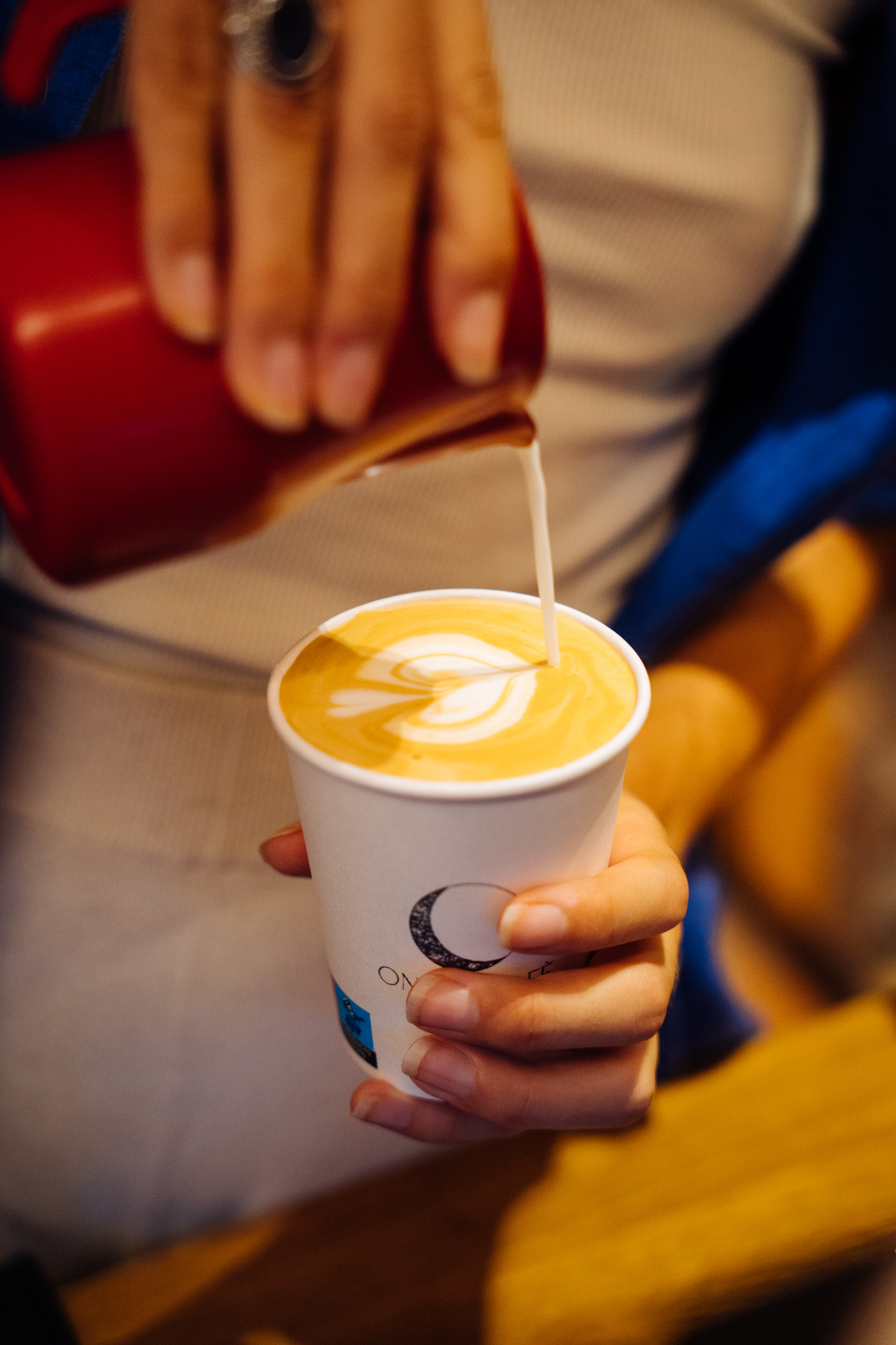
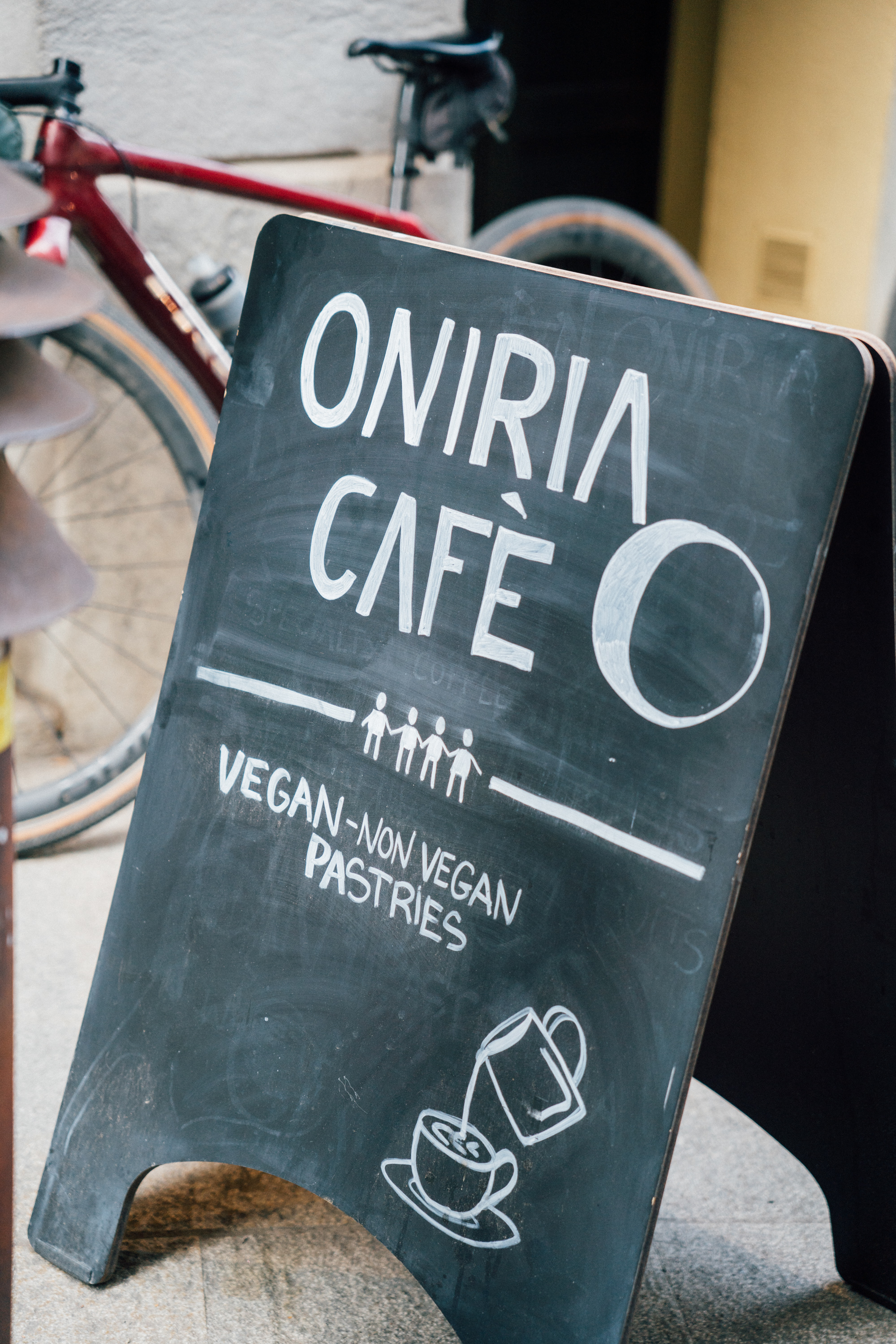
A stone’s throw from Girona’s Plaça de la lndependència, look through the glass doors to the warmly lit interior of Oniria Café and you will recognise all the usual paraphernalia of a city centre coffee shop: countertop, espresso machine, bagged beans on display. On entering, what next becomes immediately evident is the warm welcome served up by co-owners Nora Salvat and Jannik Schäfer with every cup of specialty coffee—a passionate approach to their profession fuelled by indomitable energy and a truly empathetic nature.

In an extended and candid conversation, Nora and Jannik offer up a glimpse into their life together—discussing the origins of Oniria, how they both seek to balance busy lives and why, ultimately, theirs is a love story rooted in a very special locale.

cyclespeak
How was your day?

Jannik
Good. The usual ups and downs.

[Nora laughing]

cyclespeak
Can we start by talking about your individual backgrounds and how they led to Oniria?

Nora
Me?

Jannik
You first [laughs].

Nora
Since I was very young, I’ve always seen myself as an artist. But I could never stick to just that one discipline so I decided to broaden my horizons and visit Australia when I was 19—the farthest place I could go without heading back home. And while I was there, I worked in hospitality and that was the first time I really understood what a barista was and what specialty coffee meant.

cyclespeak
That obviously had an impact?

Nora
It was like a mental click. And when I returned home to Girona, I started working at Espresso Mafia.

cyclespeak
Beginning your own coffee journey?

Nora
At that time, the Espresso Mafia concept was really difficult for some Catalan people to understand—they thought it was very expensive. But I’ve always liked things that are new and different and I loved working there. I practised my latte art – doing it nice – and I also valued the everyday contact I had with our customers.

cyclespeak
And Jannik?

Jannik
I’ll do the short version.

[Nora laughs]

Jannik
I’ve been interested in coffee for seven and a half years now. Alongside my normal work, I helped a friend build his own shop and did a few coffee events. 


cyclespeak
Just out of curiosity, what was your normal work?

Jannik
That’s an interesting question.

[Nora laughs]

Jannik
After studying international business and enterprise at university, I would say I’ve specialised in entrepreneurship. So when people ask how I ended up making coffee in Girona, I explain that the city is very international and our shop is a business [smiles].

cyclespeak
You’re partners in both life and work, so can I ask how you met? Those first impressions that led to your story as a couple?

Nora
While I was still working at Espresso Mafia, this new shop – Eat, Sleep, Cycle – was having an opening party. I was having fun and then went outside to get some air and saw this man. He was looking very nice and elegant—different from your average Catalan guy. And because I’m very impulsive, I just walked up to him and started talking. Straight away, I saw something in him that I really liked but at the end of the evening we just went our separate ways.

cyclespeak
That’s a nice memory.

Nora
He stayed here for three months – taking some time off from Germany – and I kept seeing him at Espresso Mafia. He wasn’t available at that particular moment but I knew we had a connection. It just wasn’t the right time.

cyclespeak
So what happened to change that?

Nora
The day we spoke the most was the day he returned to Germany. He came back a year later but over all that time I had him in my mind. And the first person he saw when he did come back was me. It was a very beautiful moment and this time he was available. And we smiled because we both knew something might happen.

cyclespeak
Jannik, that was quite an impression you made?

Jannik
It does sound that way [laughs].


cyclespeak
So what’s your take on first seeing Nora?

Jannik
I’d temporarily left behind life in Germany and just fell in love with Girona’s energy, culture and surroundings. But because this was a contemplative time for myself, I kept changing my mind whether I should attend the opening party at Eat, Sleep, Cycle. In the end I didn’t stay long but I stayed long enough [smiles].

cyclespeak
That’s a nice way of putting it.

Jannik
It was a difficult time for me. I was struggling with depression so wasn’t really available for friends – new or old – or even for myself. But Girona proved the catalyst for the internal development I needed and when I returned a year later, I was walking over the stone bridge in the centre of town when I bumped into Nora.

cyclespeak
You were fated to meet again [smiles].

Nora
Yes, just like that.

cyclespeak
You both grew up in quite different cultures and I was wondering whether, at that time, your friends and family were surprised at your mutual attraction?

Jannik
I was recently talking about this to my family and it turns out they weren’t surprised at all. They knew I wouldn’t make a life for myself in Germany.

cyclespeak
In England we say a square peg in a round hole. And just because you grow up with certain cultural values doesn’t necessarily mean you have a sense of belonging. And it can take a geographical or emotional removal to find this.

Jannik
I feel more connected to Girona than where I grew up. Like I belong.

Nora
I hope [laughs].


cyclespeak
So what language do you speak at home?

Nora
Spanish.

Jannik
The first week was English but it just didn’t feel like the right connection.

cyclespeak
You appear to have moved towards Nora in terms of locality, culture, language?

Jannik
We did both move to Germany to see how it felt living there. But we knew pretty quickly that it wasn’t going to work.

Nora
It was really difficult living in Germany. So I’m happy that Jannik enjoys living in Girona—that he feels free to be his true self.

cyclespeak
And now you have Oniria but I’ve been struggling to find out what it means. I even tried Google Translate but with no luck. So can you tell me the story?

Jannik
I have a quick description before Nora explains it better than me.

[Nora laughs]

Jannik
It comes from the word oneiric which I interpret as the world behind closed eyes. That moment between a waking and dreaming state.

Nora
It represents what I like to paint—the surrealist landscapes that I portray. A world of dreams but also a place where anything is possible. It might not make sense – it doesn’t have to reflect real life – but it can offer a different way of living and being.

cyclespeak
Were these concepts and visions always going to be rooted in a coffee shop?

Nora
We have a lot of ideas – a lot of dreams – and we believe that Oniria is just the beginning. The first thing we built together.


cyclespeak
From the outside looking in, I find it difficult to imagine you ever standing still. That there’s a constant questioning and reimagining of the journey you’re both on.

Nora
Thinking about the future, we might have certain goals but then you meet someone, share ideas, and that can alter your pathway.

cyclespeak
I’m guessing you had to weather some challenges in launching your business?

Jannik
This wasn’t our first location—we started just around the corner in a friend’s shop so we didn’t have rent to pay and could breathe freely and see where this path would take us.

cyclespeak
But you had to contend with a worldwide pandemic?

Jannik
We quickly realised that it was more of an opportunity than a risk. We couldn’t leave the city because of the restrictions but it allowed us to really connect with the people in our immediate neighbourhood. But there are still challenges – the daily routine of running a business – which is why we don’t work on Sunday and Mondays. You need space for yourself.

Nora
We started very small and grew the business organically. And then our current location became empty and we managed to come to an arrangement. Our next step.

cyclespeak
Now that you’re established, can you talk about your customers and the connections you’ve made?

Jannik
We’re both very interested in the psychological aspects of our relationships with our customers. And we’re not so much serving coffee as openness—Oniria being 25 square metres of conversation. That’s naturally what happens here. And because I ask questions and have a talent for remembering names…

[Nora laughs and nods]

…90% of the people that visit frequently, I know something about them. It’s what drives me—that we can provide a space that is free from any kind of judgement. You can be who you are and feel at home. As if Oniria is an extension of our living room.

cyclespeak
And for you, Nora?

Nora
What I’ve discovered is that listening to what people have to say is a very powerful thing. Because people don’t always have that in their lives or maybe they find it difficult to open up emotionally. And Oniria is a space where these things become possibilities.


cyclespeak
Do you think the same environment, the same impact, would be possible if Oniria was a bigger space?

Nora
It would be a lot more difficult. 

Jannik
I think we could but only for limited hours. We both have finite energies and if we had a bigger shop and more customers, something would have to give. It needs to be a slow rather than fast environment.

Nora
And the next step might not be a coffee shop. Maybe something different.

cyclespeak
Sometimes things start small and have that magic ingredient. And that can be lost when you scale it?

Nora
It’s a decision that most businesses face at some point. When you have to choose between making more money or keeping to your original vision. But maybe it’s possible to do both?

Jannik
It’s about finding a sense of equilibrium and questioning whether you want more?

cyclespeak
I can see you’ve got some conversations ahead.

Jannik
Whatever happens, this shop will stay. The size and energy is just too good.

cyclespeak
You mentioned painting, Nora. Is this aspect of your life intertwined with Oniria? Or is it something you purposely keep separate?

Nora
That’s a good question. Because I’ve also been struggling with the same thoughts. 

cyclespeak
Have you found any answers?

Nora
On balance, I think these things should go together. Being an artist is me and Oniria is me. And painting is not something I do all the time. I paint when I feel inspired and everything aligns. But this takes time and, right now, I don’t have that much [laughs].


cyclespeak
Jannik, any hidden talents that I’m not aware of?

Jannik
That’s another very good question [smiles].

Nora
Many talents!!

cyclespeak
If Jannik is too modest, then maybe Nora should list them?

Jannik
It’s difficult to narrow it down because I like so many things. But actual talents? I did have this conversation once with a colleague and he said that my art is the way I approach and interact with people. Which I considered a very big compliment but maybe not a talent?

cyclespeak
Can I respectfully disagree? The ability to make a connection in a matter of seconds is a real gift. A talent that can mean so much to any individual in need of an empathetic ear.

Jannik
Well, for me, that’s good enough.

cyclespeak
Working together, is the line between the café and home blurred?

Jannik
In the beginning, when we’d just started, a little obsession grew that we had to be active on social media. I don’t feel that anymore and I think we’re both pretty aware when it’s time to disconnect.

Nora
We work a lot but we also have our days off and enjoy them as a couple or with friends. Some of these friends we made at Oniria so I suppose that’s a link with work but a nice one.

Jannik
There’s always a little part of life that’s related to work so you need to take control. And I have been guilty of prioritising others and not having enough energy to sustain myself. But this is the real challenge of being self-employed.


cyclespeak
Could Oniria exist elsewhere?

Jannik
It could work in different cities because it’s more about the experience than the physicality of the building. People need spaces where they can speak up, be open and authentic. It’s what we often say—coffee is the bridge.

Cyclespeak
And Girona?

Jannik
The setting is just perfect and both Nora and I feel this sense of connection. Very much our feet on the ground.

Nora
We both know that we have to be here. It’s our place.

cyclespeak
And as your place is a coffee shop, can I ask what you would order?

Nora
I always have a flat white. With oat milk.

Jannik
For me, it depends on the day but I’d rather go filter coffee if I can.

cyclespeak
And after a busy day, is it home cooked food or going out to eat?

Nora
We do both a lot [laughs]. We love cooking – very healthy usually – but we also love to eat out. The environment and energy of somewhere else and having people serve us is a welcome change from Oniria.

cyclespeak
Together as a team, you’ve worked so hard to create this special space. Can you describe each other in three words?

Nora
For me, I would say Jannik is brave. Very brave. And a perfectionist. And very empathetic.

cyclespeak
Jannik?

Jannik [looking at Nora]
Beautiful. Creative. And emotionally intense. Is that three or four? But definitely, always, beautiful.

Oniria Café / Nora

All photography with kind permission of The Service Course

Brazo de Hierro / Sundays are for?

“I now live slower. More time with family. More time with my friends.”

Albert Gallego is a freelance photographer working under the pseudonym Brazo de Hierro [loosely translating as Iron Arm]. Based between Barcelona and Girona, his beautiful imagery depicts riders leaning into landscapes filtered through meteorological layers of cloud and dust with sharp shadows marking the progress of the sun. Sitting in his study – the walls covered by framed artworks and with a view of Montserrat from his window – Albert discusses his picture-taking beginnings, trips to the market and what it now means to be happy.


I started using the name Brazo de Hierro a long time ago after I’d broken my left humerus in an accident at work. A  friend drew a picture of the broken bone and then added ‘Brazo de Hierro’ so I asked if I could use it as my graffiti nickname. Often we would paint in disused factories and because graffiti is very impermanent, I began using a camera to capture the artwork. The more pictures I took, the greater my interest and because graffiti has links with hip hop, I was doing portraits of singers and this led to editorial work for advertising companies. By that time I’d moved to Barcelona which was where I first saw the Red Hook Crit races.

I was already aware of the West Coast bike messenger scene but fixed-gear bikes were new to the city. And to me, they just seemed the purest way of riding a bike—one gear, no brakes and moving in and around the cars. I started riding fixed with my friends and over time they gradually got into road, gravel and mountain biking. So I was learning more about the different types of cycling and all the time taking photos. Since then, I haven’t stopped and it’s fair to say that photography is both passion and profession.


Spring and summer is when the weather is better but, for me, they’re not always the best seasons for shooting. Winter is cold with rain and snow and all these things can make an image more epic. But autumn is my favourite time with the colours of the trees and the ground covered with leaves.

Sometimes the most important thing is to scout where you will be shooting next. And riding is my way of doing this. When I have some free time, I go out on my bike to find new locations and the next time I have a shoot I can remember those places.  And because I’ve been taking photos for 20 years, my eye is trained to read the light and to know how the sun will move and where the shadows will lie. This is the formula that I use which is why I talk about being in the right moment at the right time. The first prize I ever won for my photography was for an image taken on an iPhone. For another prize – in the Mark Gunter awards – I was using a borrowed camera remotely over video calls during the strict Spanish lockdown. It’s your eye that takes the photograph—the camera is just the tool that you use.


My dog Atlas is a really nice assistant. Every morning we go for a walk together and sometimes he rides with me in my backpack. Whenever I can, he comes along on the shoot and if I’m ever away travelling for work, when I get home he goes crazy. I love that moment.

I still enjoy using film cameras and have a large collection. I like how you have to think the photo and we’ve all come from film so maybe it helps to know the history and to understand how the process works. For my digital shooting, I’m thinking it’s time to move to mirrorless. It’s the future and I predict that in a few years DSLR cameras will be obsolete. But if I take this step, I will also have to change my computer because the file sizes are bigger and you need more power to process the images. 


Many people ask if I also do video but I say, no, I’m a photographer. I’ll post videos on social media because my phone makes it so easy but if you want professional video, then I think you should go and ask a professional videographer. I have a lot of filmmaker friends and I’m always happy to connect them with a client. In English they say ‘Jack of all trades and master of none’ and it took me more than ten years before I was happy to call myself a photographer.

When it comes to social media, I don’t really show that much of my life. My Instagram is mainly pictures of Atlas, my riding and the photos I’ve taken. When I go to dinner with friends or visit my parents, I don’t need to show this because it’s my moment and I have the memories in my head. Last month I posted a video that showed my face and it felt strange because I’ve always enjoyed being anonymous. It’s nice to go to a place and not have anyone recognise you.


Before lockdown, cooking for me was a chore. It was difficult to find the time and I would buy things to make a quick meal. But when we were told to stay at home, I really got into cooking and now it’s my zen moment. I wake up in the morning and take my time making my filter coffee. And when I want to eat lunch or dinner, I don’t go to a supermarket. I prefer the street market because all the produce is from the local area. It costs a little more but I have the feeling that I’m helping the farming community. I ride to the market on my Brompton – sometimes with Atlas – and carry cloth bags so I don’t have to use plastic. The people know me as ‘the guy with the bike’ and it’s something that I really enjoy. All my life, the fruit and vegetables that we ate as a family we grew ourselves. So it feels good to buy what I need locally.

Back in 2015 I had a really bad crash on my fixed-gear bike. I was hit by a bus in Barcelona [Albert pulls a bike frame down off the wall and points to a deep indent on the top tube] and this is where my knee hit the frame. I flew over the bars and broke four ribs and my collar bone. And because I wasn’t wearing a helmet, I had a large contusion on my head and the bleeding on my brain forced the doctors to induce a coma for 24 hours. All this trauma had a massive impact on my life at that time. I’d been working in a shared office space with many creative people – a full gas lifestyle – and in a matter of a few moments, this all changed. But the bones healed, the bleeding stopped and I decided to live my life in another way. So now, if you want to be angry with me, you need to understand that I won’t be angry in return. I haven’t got room in my life for any negativity. I say okay, goodbye! 


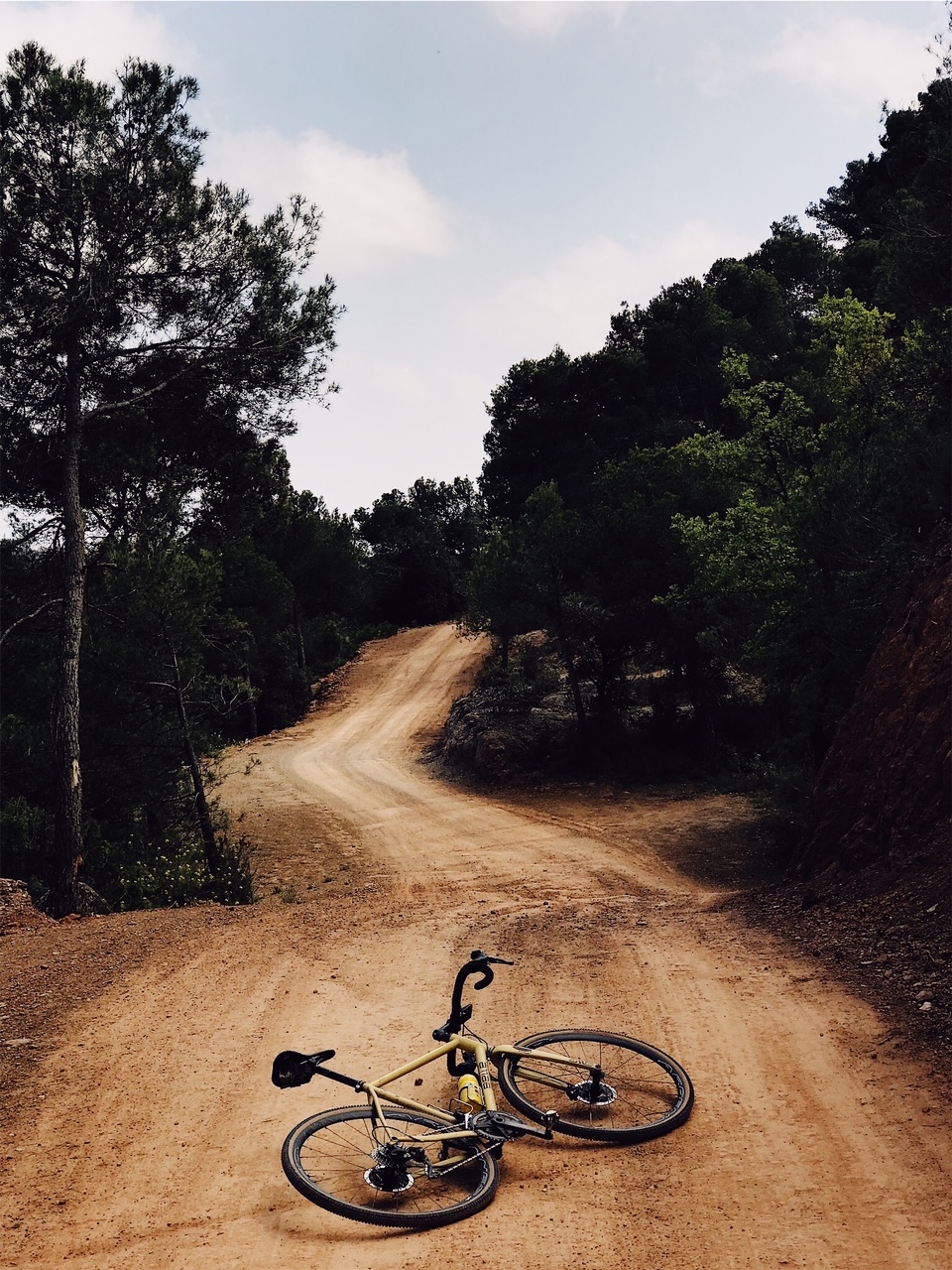
Which brings me to what Sundays are for. This series of photos on my Instagram feed started when I was riding my gravel bike and didn’t want to spend precious time positioning my bike carefully up against a wall or a tree. I would just leave the bike on the path or trail and take a picture. A friend of mine suggested I make a hashtag and every Sunday I posted one of these images. Even during lockdown, when we couldn’t ride outside, I took a shot of my bike on the floor next to my rollers. So it grew from there and now I have professional cyclists giving me their bikes so I can photograph them on the ground. And it’s funny because when I first started this, my custom Belle Cycle was really new and I had people asking why I was leaving such a nice bike on the floor. They wanted to know if Enrico [Bellé] knew how I was treating his bike. And I’d tell them, yes, he knows and I’m always careful to have the drive side up. Now people from all over the world are using the hashtag. It’s crazy!

All these different threads have combined with the lessons I learnt in lockdown to make me appreciate the need to find balance in my life. Rather than just sitting in front of a screen – work, work, work – I now understand the importance of taking time out for me. To go for a walk, to play with Atlas, to meet friends for a coffee and a chat. And I feel very fortunate – like a rich person – when I go out on my gravel bike. Even if it’s only for an hour; riding without a route and getting lost acts as my therapy and I always come home happy.

Brazo de Hierro

brazodehierro.com

Feature image by Kike Kiks

#allbikesonthefloor

CHPT3 x Vielo / Just add dirt

After years spent working in the cycling industry, Ian Hughes decided it was time to channel his knowledge and experience of distributing brands into developing his own. Together with son Trevor, the pair launched Vielo in 2017 with a shared desire to place honesty and integrity at the forefront of their conversations with customers.

First with a gravel offering before following up with road, what connects both bike models is the absence of a front derailleur—a dedicated 1x set-up that pairs the range of 12 and 13-speed group sets with a boutique approach to frame design that negates a requirement for two chainrings.

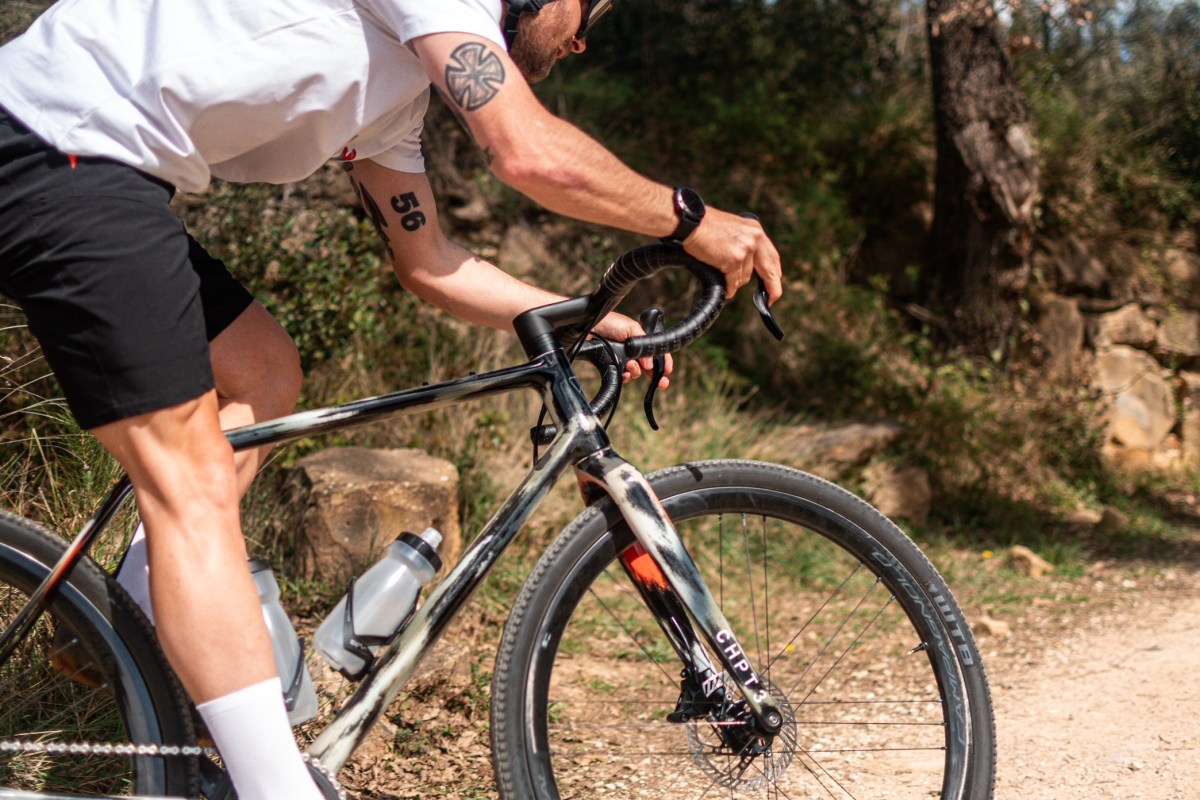
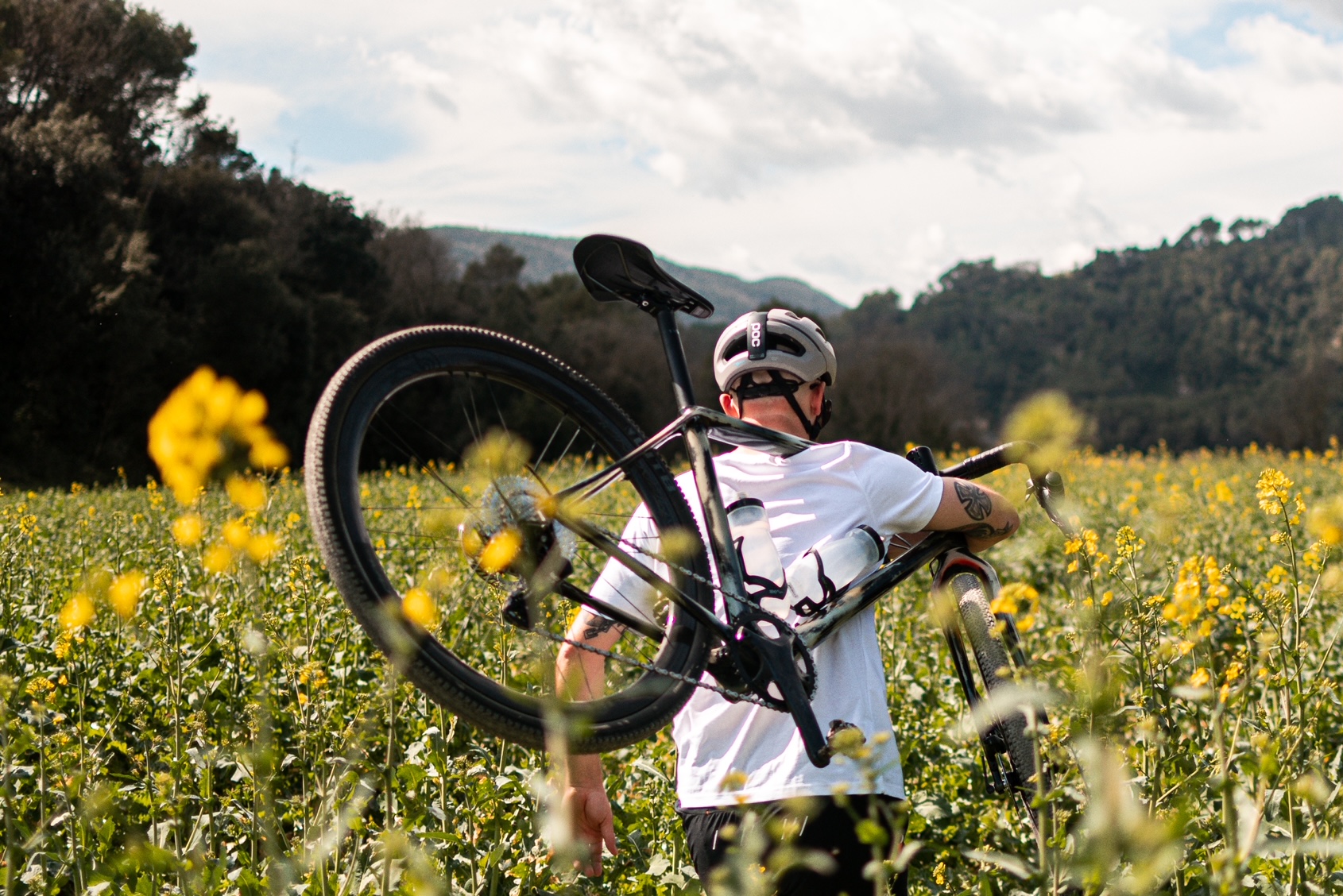
A conversation between Ian and CHPT3 founder David Millar added the next intriguing twist to the Vielo story with a limited-run of the V+1 gravel frame paired with mechanical Campagnolo and a unique paint design—a collaboration described here in their own words and culminating in three magical days of photography and film set against a backdrop of Girona’s finest gravel trails.


Ian
I knew David from back in my Scott days when he was riding the pro tour. He went off and did his thing with CHPT3 and I worked on launching Vielo. I’d heard that David was in London doing a commentary for ITV4 and I suggested we meet up so I could show him what we were doing with our bikes. He explained how he was looking to do a collaboration with a UK-based bike company to complement a dirt range of their apparel and this led us to discuss ideas for a gravel bike based on the V+1.


David
When I first saw the bikes, I just fell in love with the concept. Both Ian and Trevor come from mountain biking and they were approaching gravel from this point of view rather than a road cycling perspective.

I can appreciate steel bikes – Speedvagen and all that super hipster shit – but at heart I’m a pro bike racer and I like hardcore performance. And Vielo bikes are super edgy, multi-purpose and carbon.

So we began talking over the idea of CHPT3 doing a gravel bike—how it should be beautiful, fast and well-engineered. A stunning design with some mountain bike heritage but also doffing its cap to road. Once we had these founding principles agreed, we then thought about how we could give these beautifully engineered machines some personality.

Ian
We knew that Campagnolo were bringing out their 13-speed Ekar group set. And when it came to the CHPT3 bike, that had a nice link because David used to ride with Campag back in his pro tour days.


David
I got into bikes from BMXing in the 1980s and then mountain biking in the 90s. Michael Barry and I used to ride gravel around Girona on our race bikes. So we kind of hid a chuckle when gravel became a thing because we’d always done that.

We have three categories in our CHPT3 range: road, dirt and street. Road’s fast, dirt’s all purpose – it’s adventure, discovery, getting lost and then found – and street is flow and elegance. Fashion almost. But dirt is the one that’s most versatile and allows you to cross over between disciplines. You can’t go street to road or road to street. Put all this into a Venn diagram and dirt is the meeting point. The crazy place. A little bit fuck you.

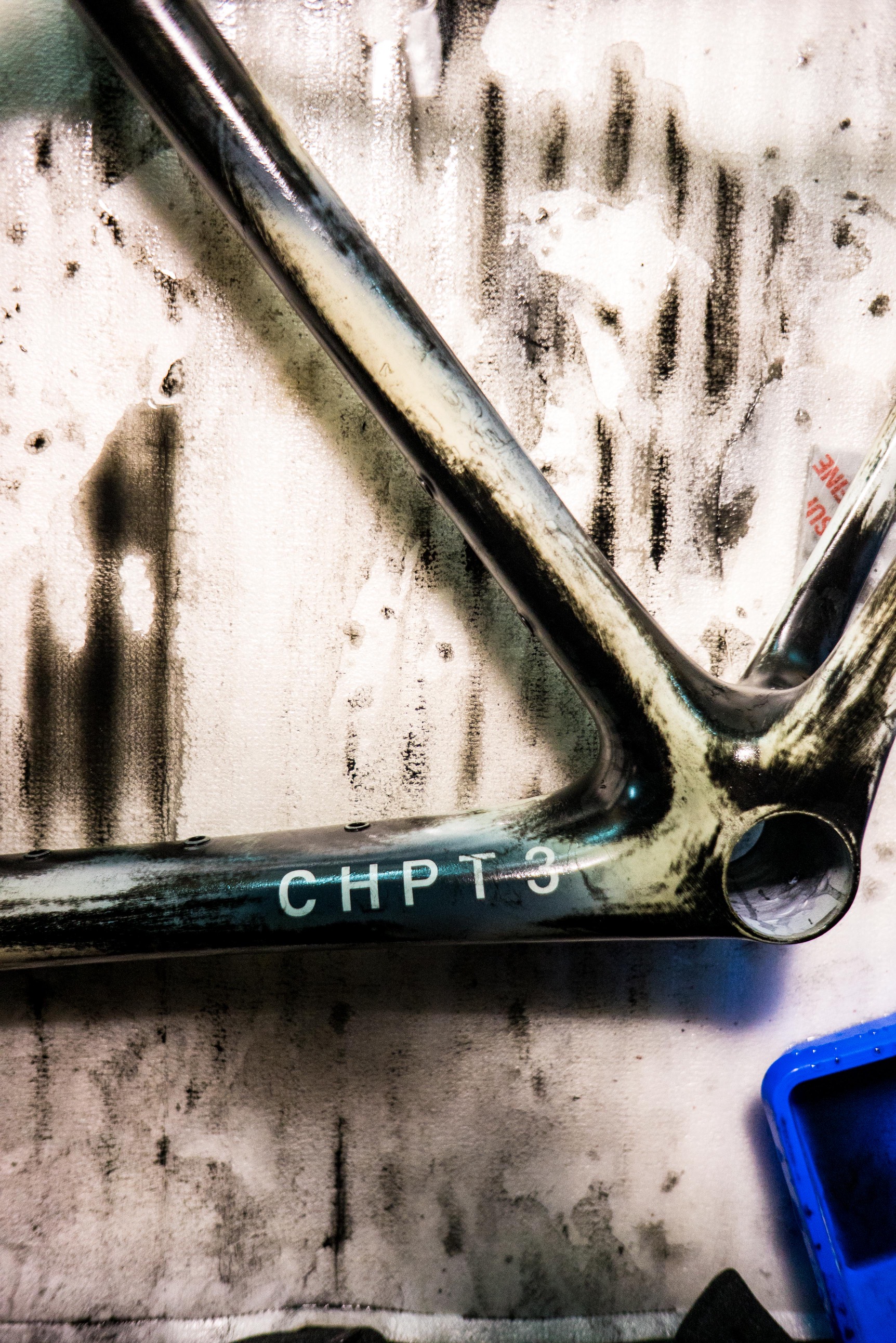
So with Vielo, I was choosing a bike that fitted my style of dirt riding. And Campagnolo just made absolute sense. It’s the most mechanical thing that exists in cycling—a sense of realness, super tactile and you can feel the gear shift. And with the paint job, it was a case of just making every single bike individual. They look smart when they’re dirty and dirty when they’re smart.

Ian
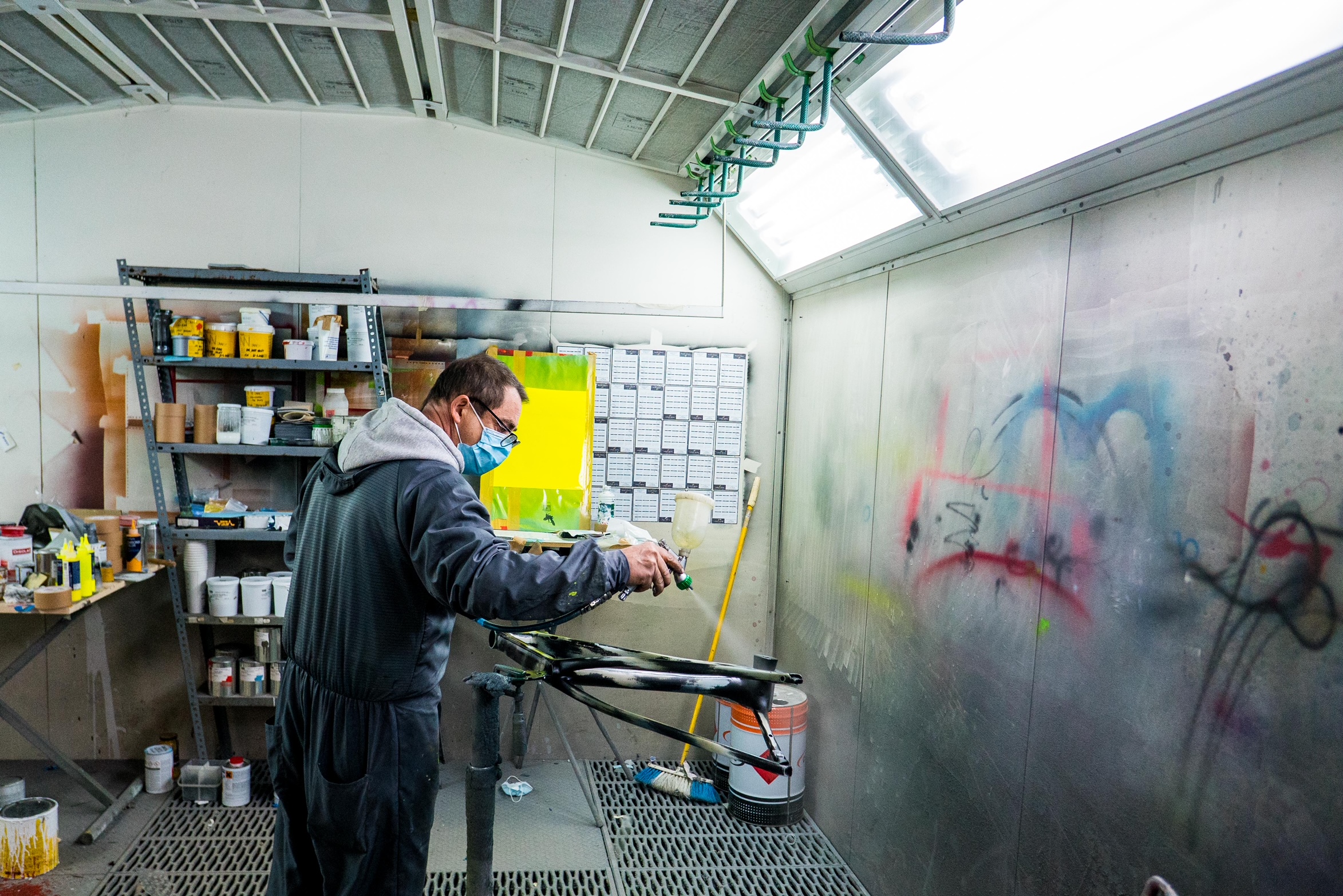
We got this excited call from David after he’d visited his painter Eduard. They’d used the colour palette from the CHPT3 Dirt collection – sprayed randomly over the frame followed by a layer of black – and then Eduard was hand-sanding this outer coating to reveal the colours underneath. And the beauty of this paint scheme is that every bike is unique and we’re strictly limiting them to a run of 50.


David
This bike is very much grounded in Girona. I’ve been here for years and I see other peoples’ bikes and the trends that come and go. And the paint was my cheeky little rebellion against all of that. Anti-fashion, in a way. And then when you go and ride it; holy cow, it’s just incredible.

Ian
As a brand, we needed to do a ride photoshoot. Normally we would choose a UK location but Antonio who looks after all our graphic stuff suggested that we really ought to do this in Spain. After deciding on Girona because David is based there, we began drawing up a wish list of who we wanted to take with us and I’m looking at the numbers and thinking OMG. But both Trevor and I could see how it just made total sense and we set the wheels in motion.

We’d rented this lovely farmhouse so the whole crew could stay together. When we first arrived, a deadpan Chris [Auld] – after years of mixed experiences with accommodation on shoots – immediately commented that it was another shit place booked by the client. Our videographer Chad was loving it, as were Antonio and Claire from the agency The Traveller and the Bear. I’d already made the decision to step back and let them work their magic with the direction of the shoot and I loved the moments when both Chris and Chad showed us some of the content and I could see the excitement in their eyes.

Each evening we’d go back to the farmhouse, share some food and talk over the day—random things like Antonio getting his drone stuck up a tree and it taking us so long trying to retrieve it that the local police turned up to ask what we were doing.

David
CHPT3 is a soft goods company –  we make what people wear – so we normally partner with companies that legitimise our decision to also make hardware. One of the ways we do this is to work with partners that are super authentic and, for me, Vielo absolutely nails that brief. I love what Ian and Trevor are doing so much—it’s a proper collaboration. A mutual appreciation society.

CHPT3

Vielo

Location photography by Chris Auld / Paint shop photography by Sami Sauri