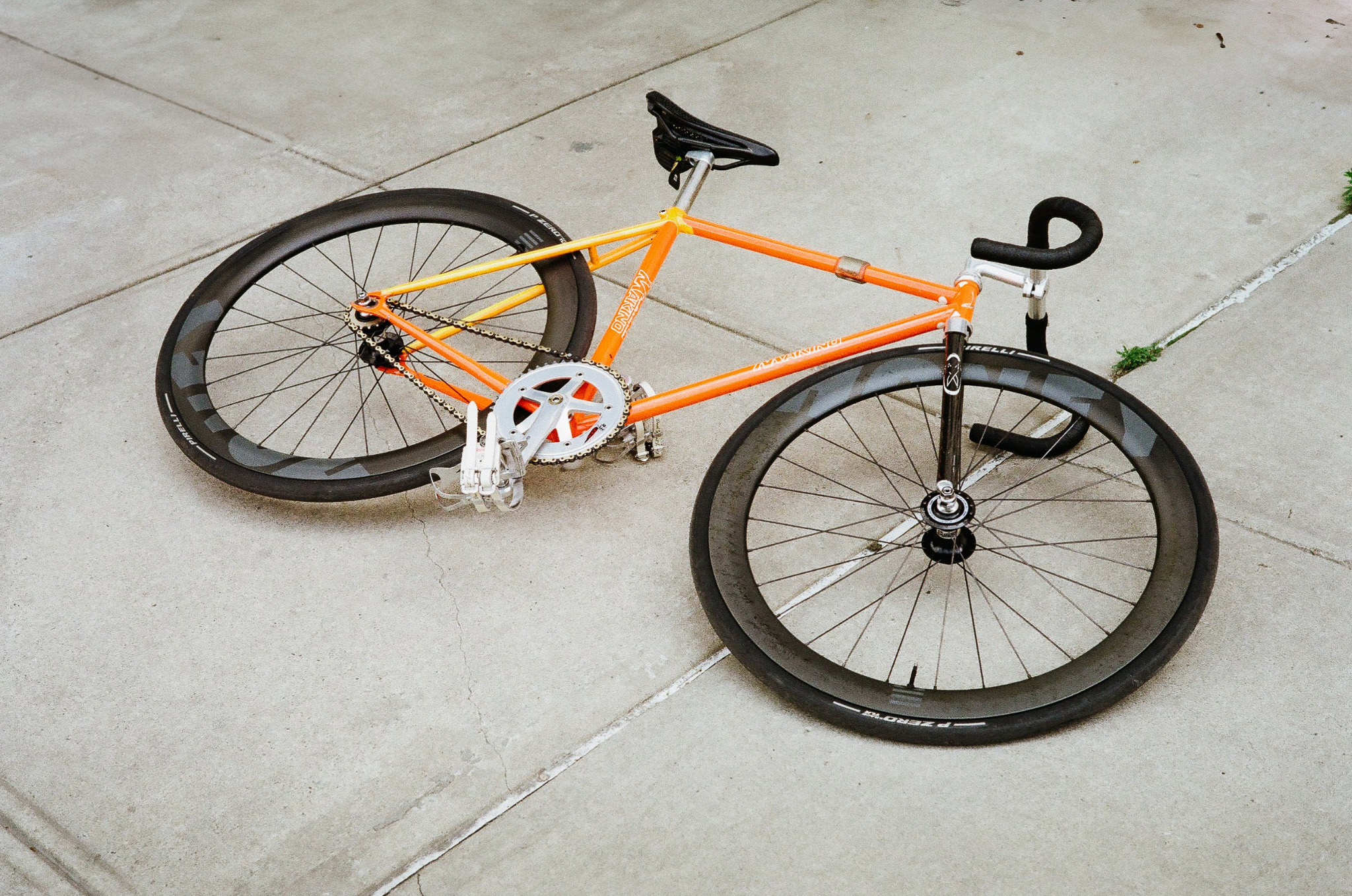
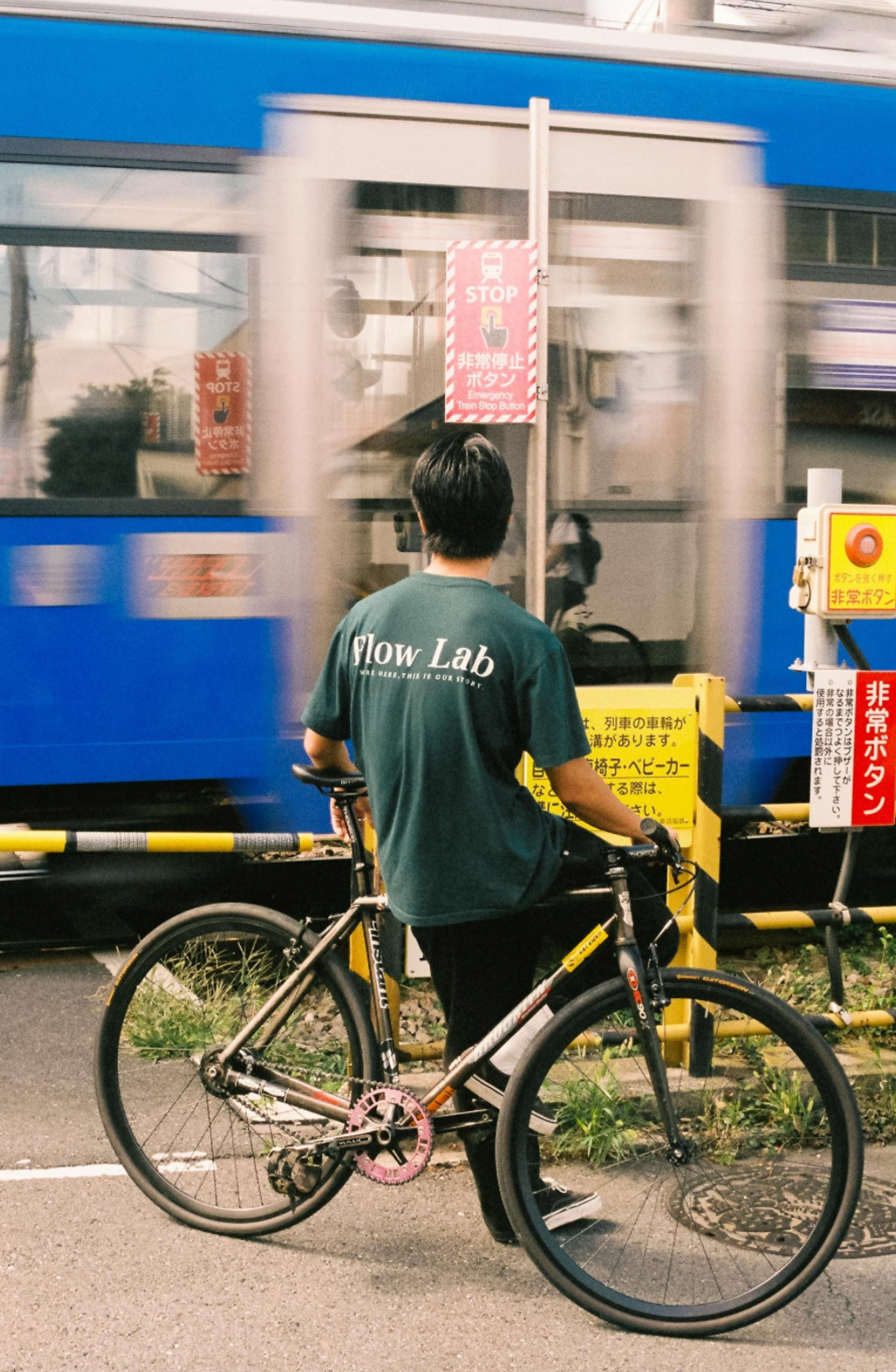
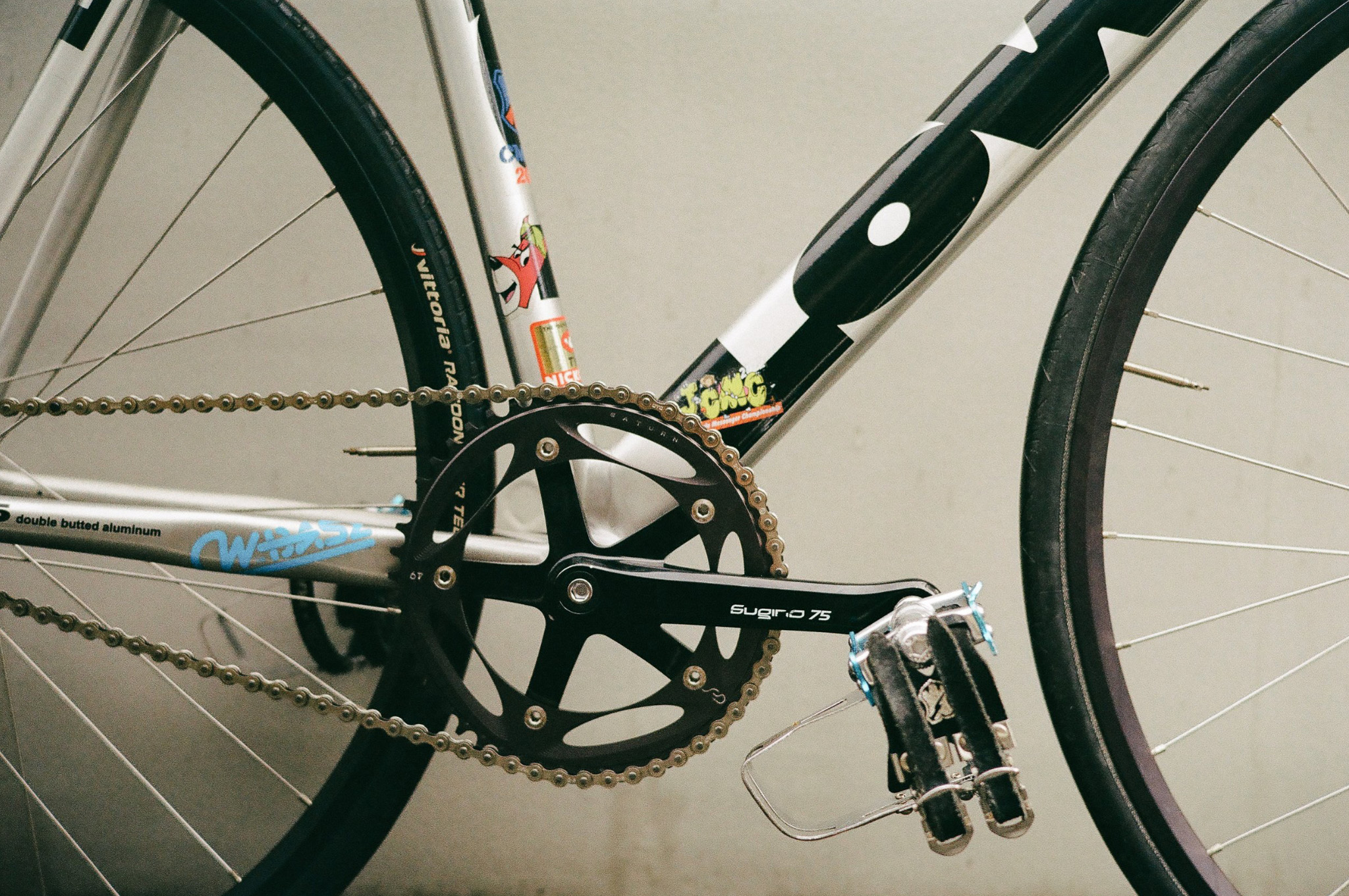
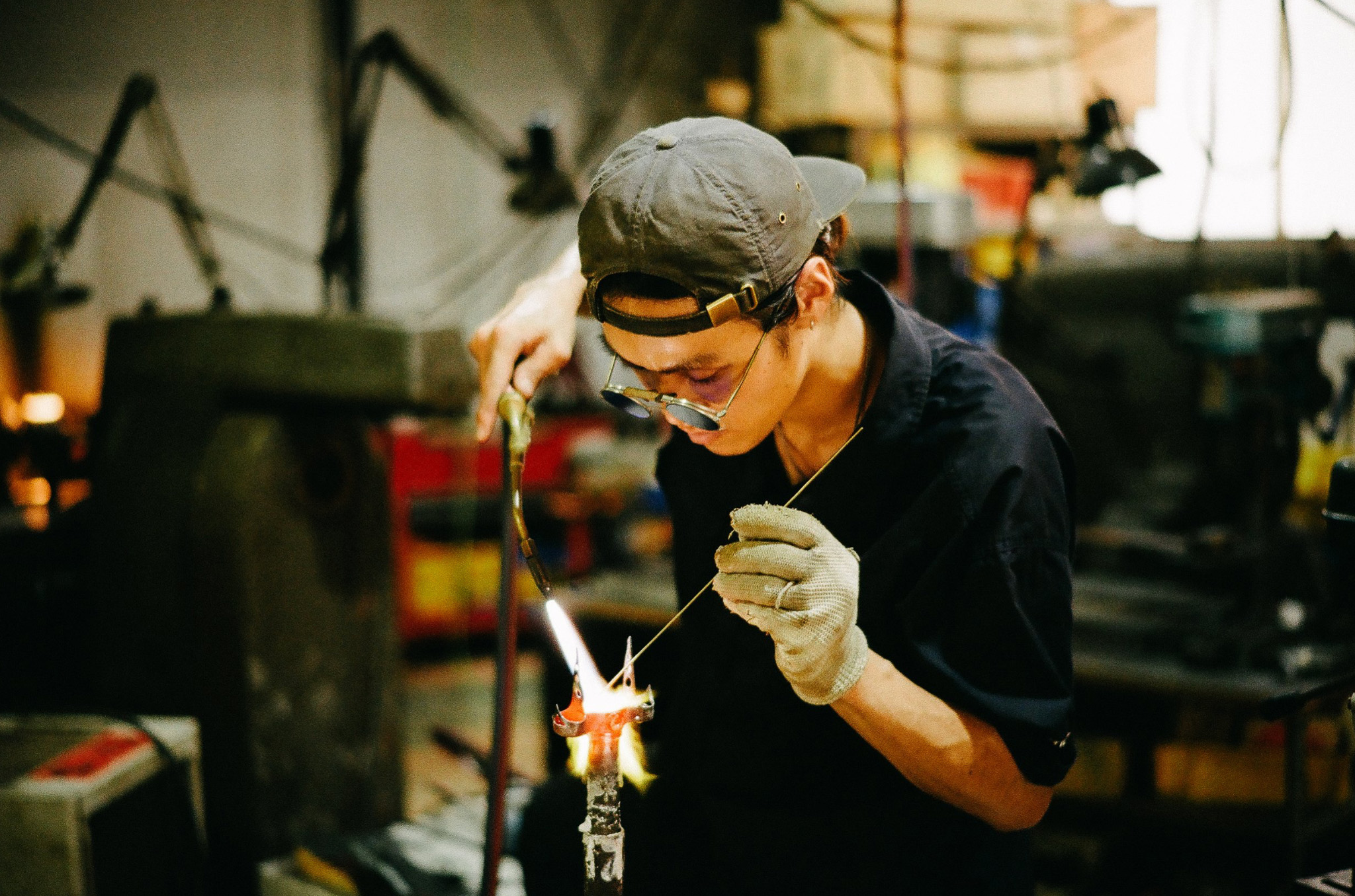
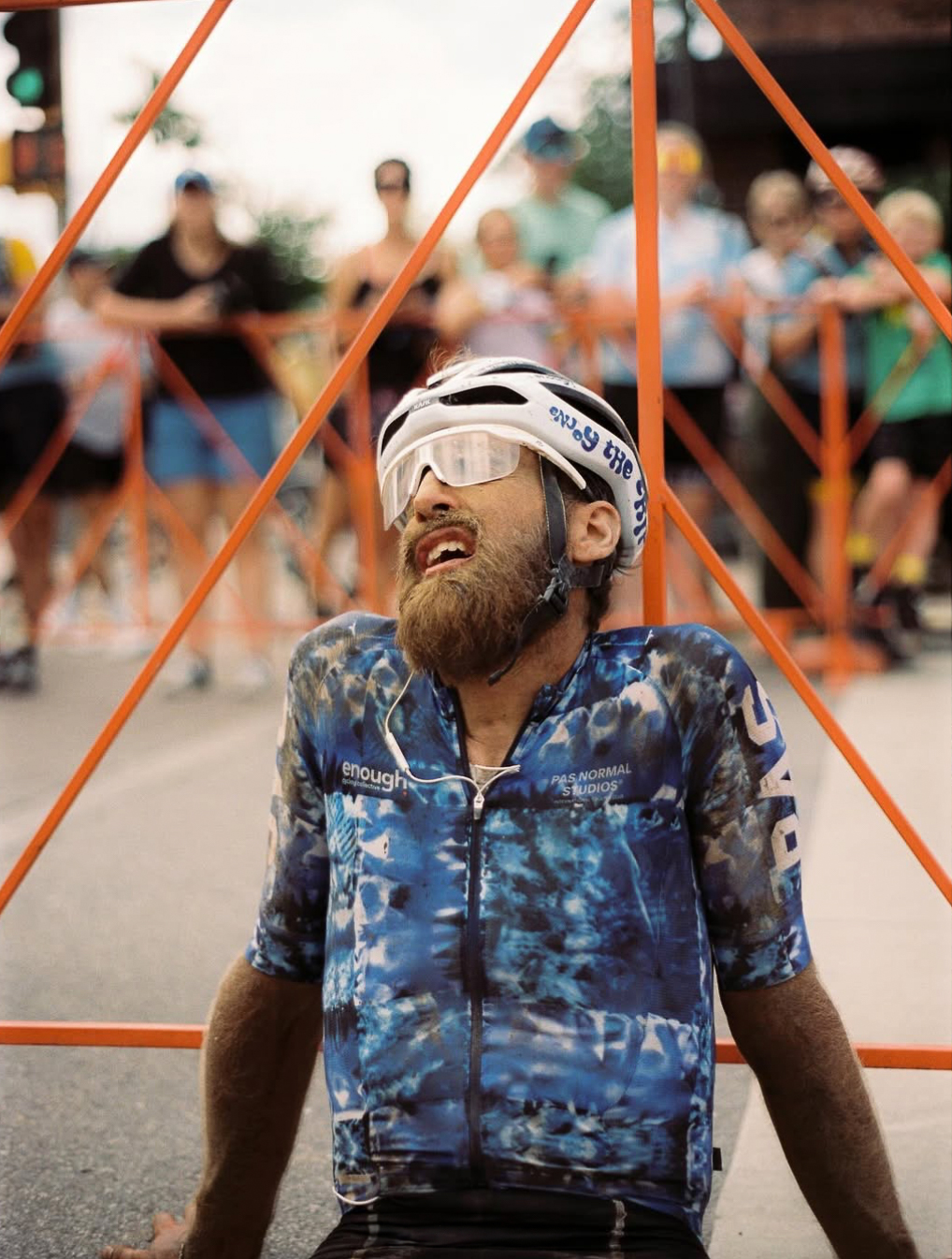
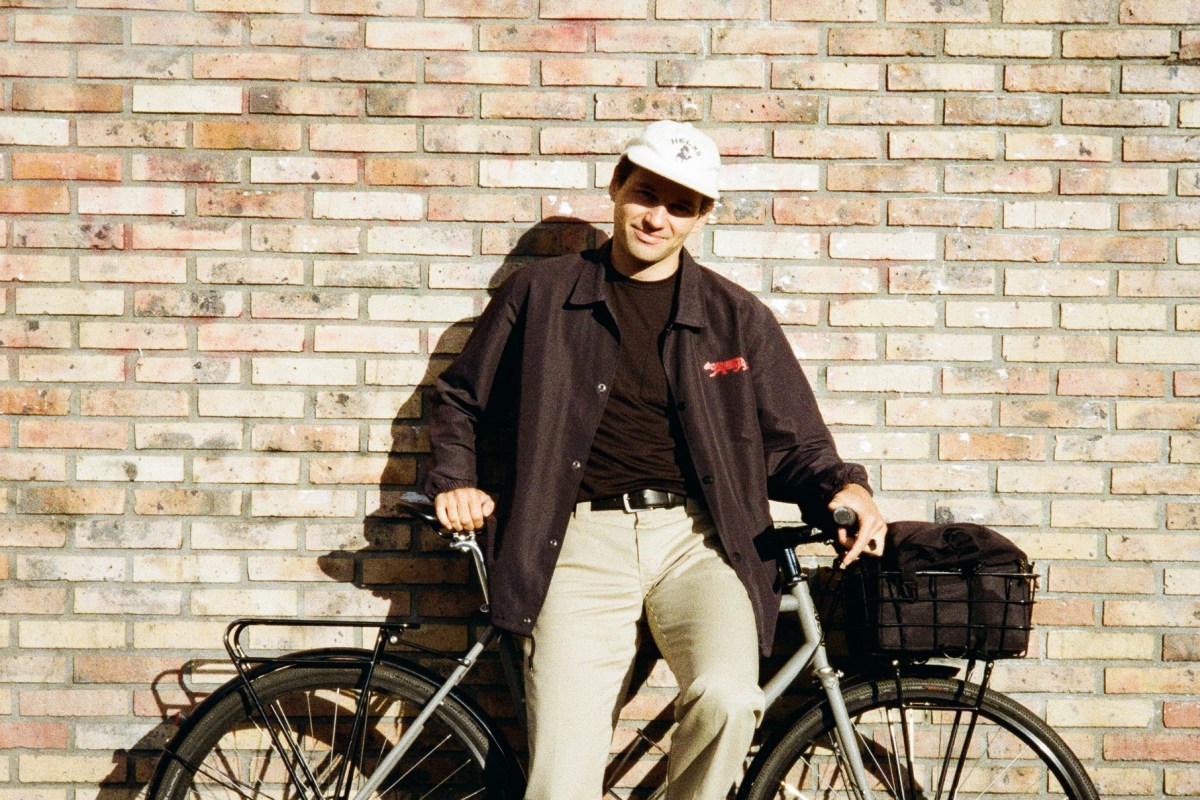
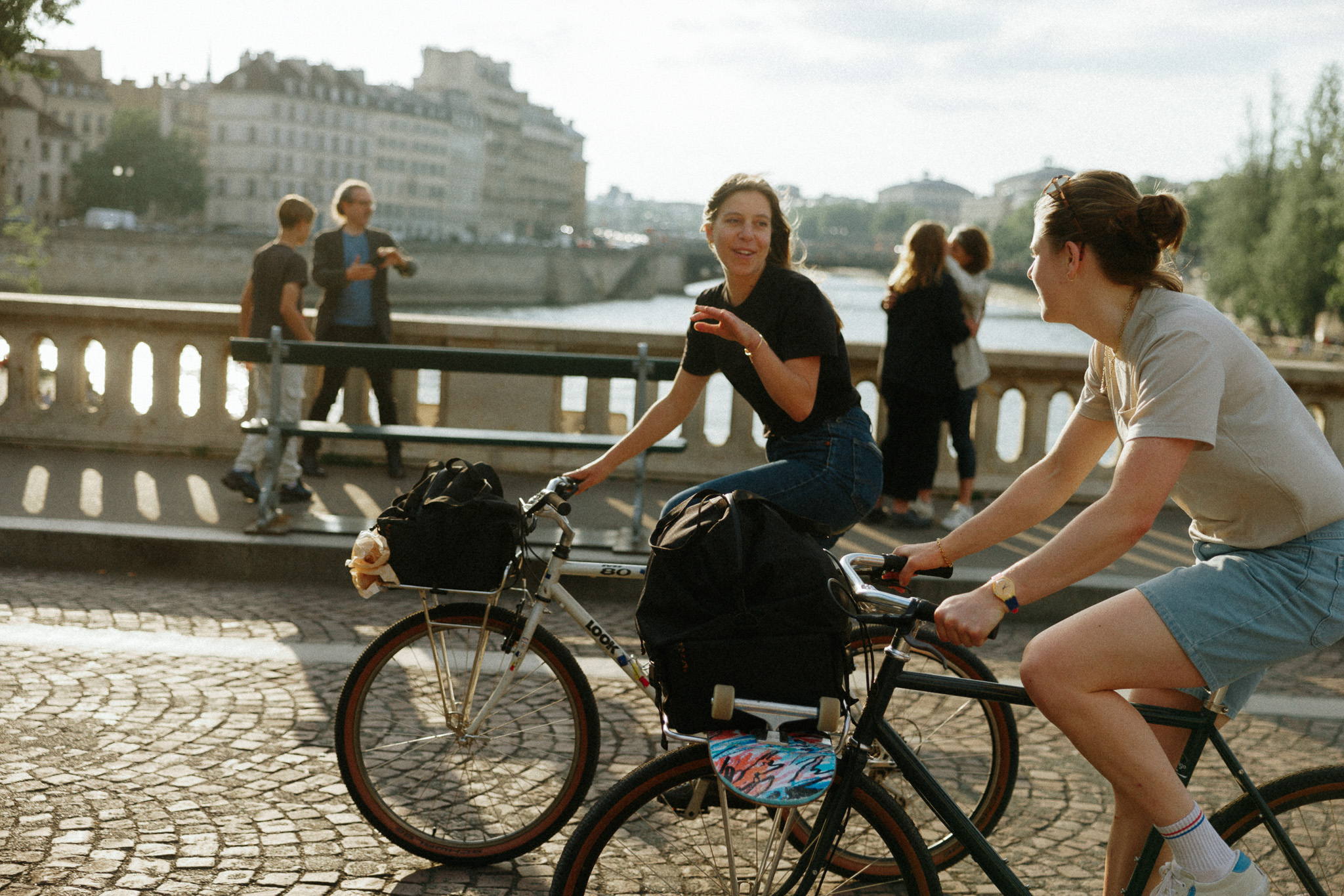
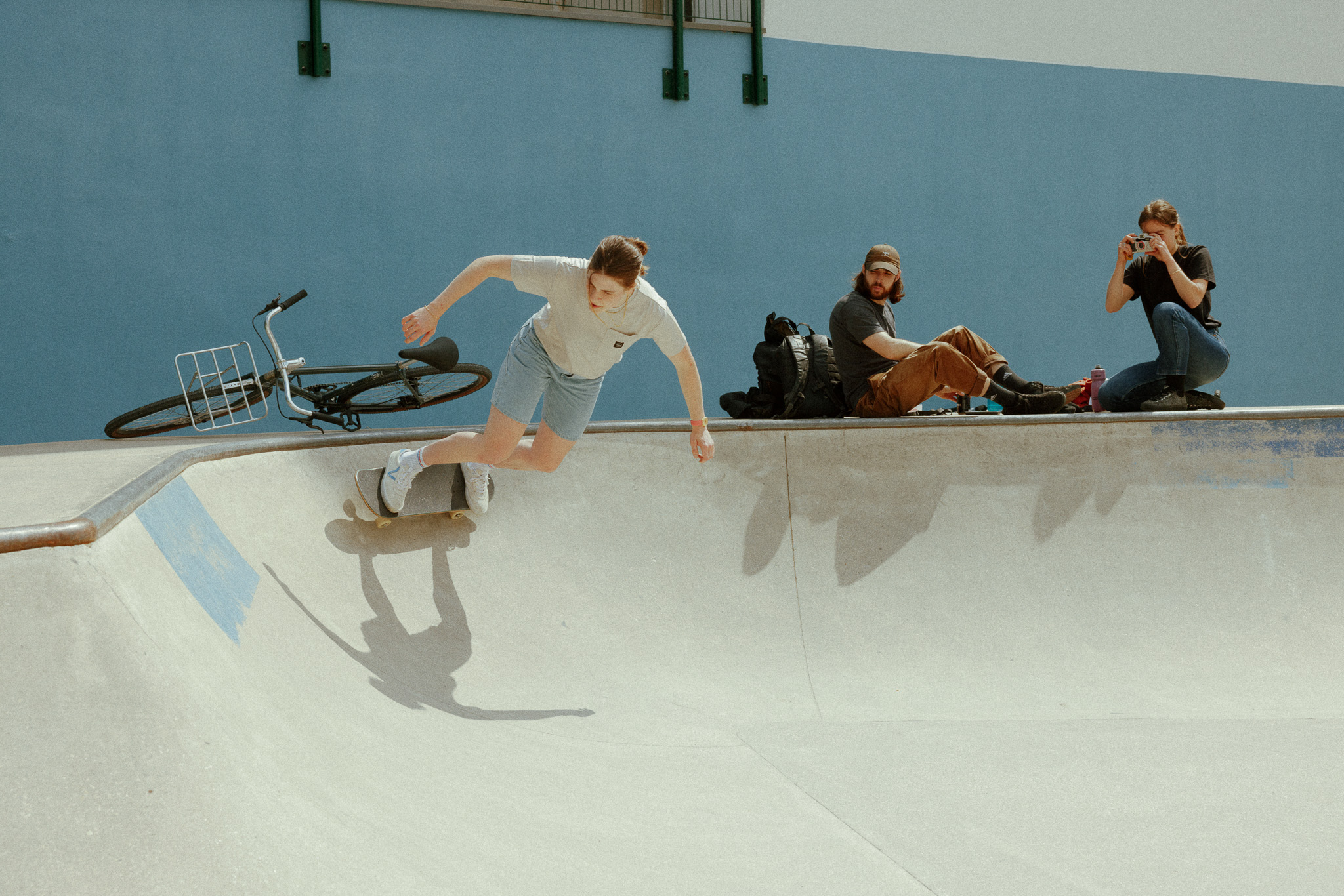
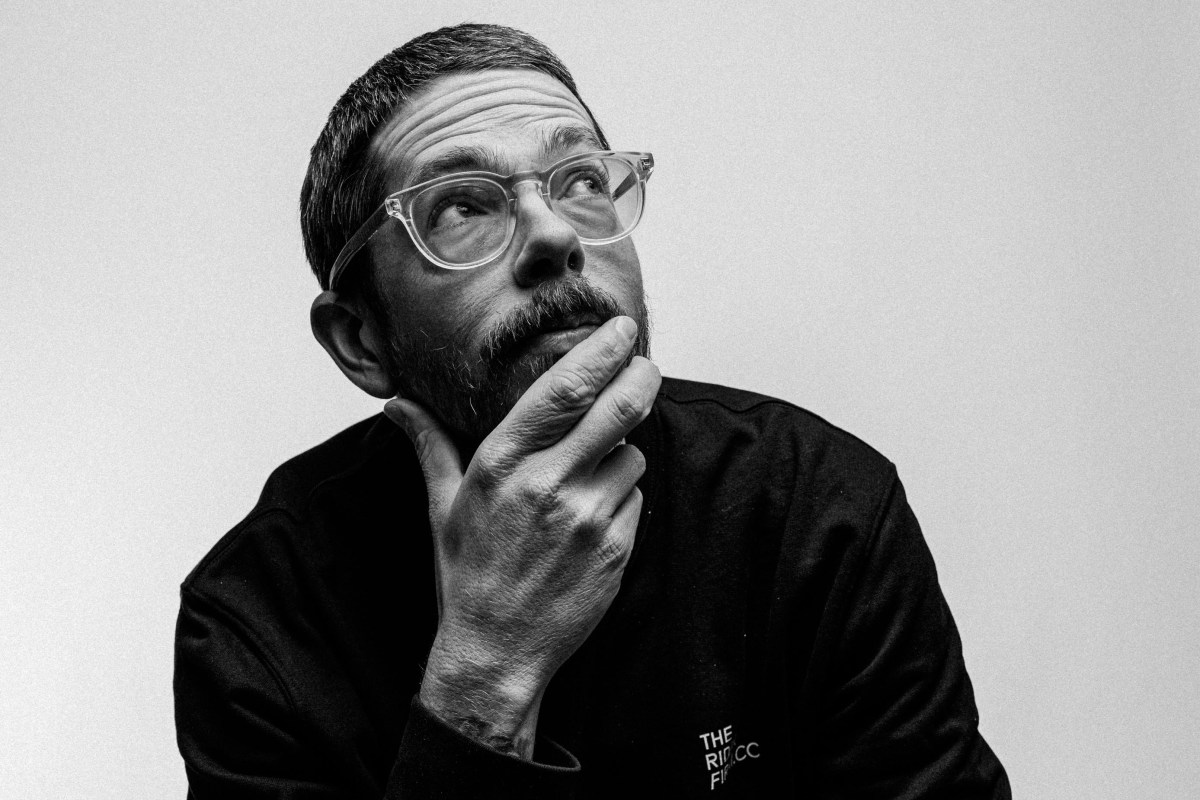
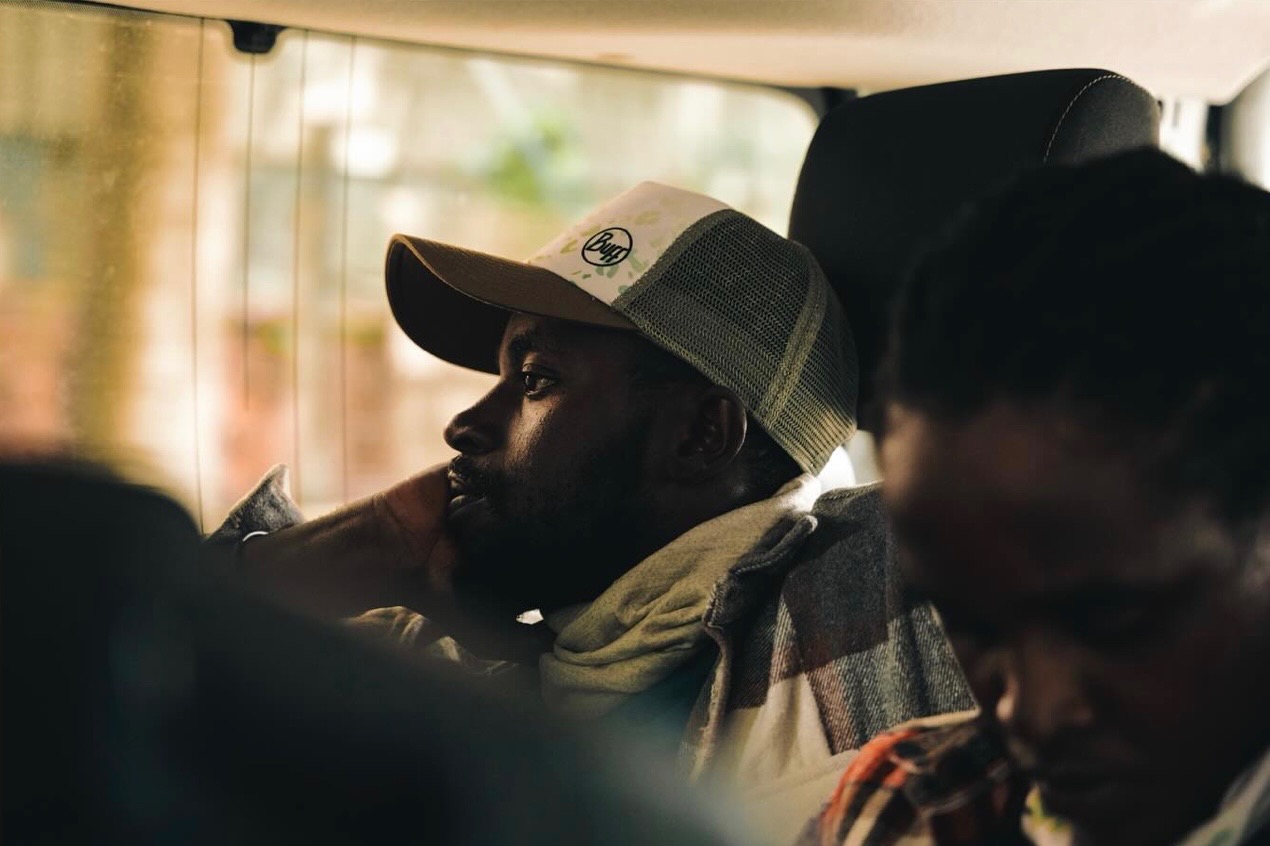
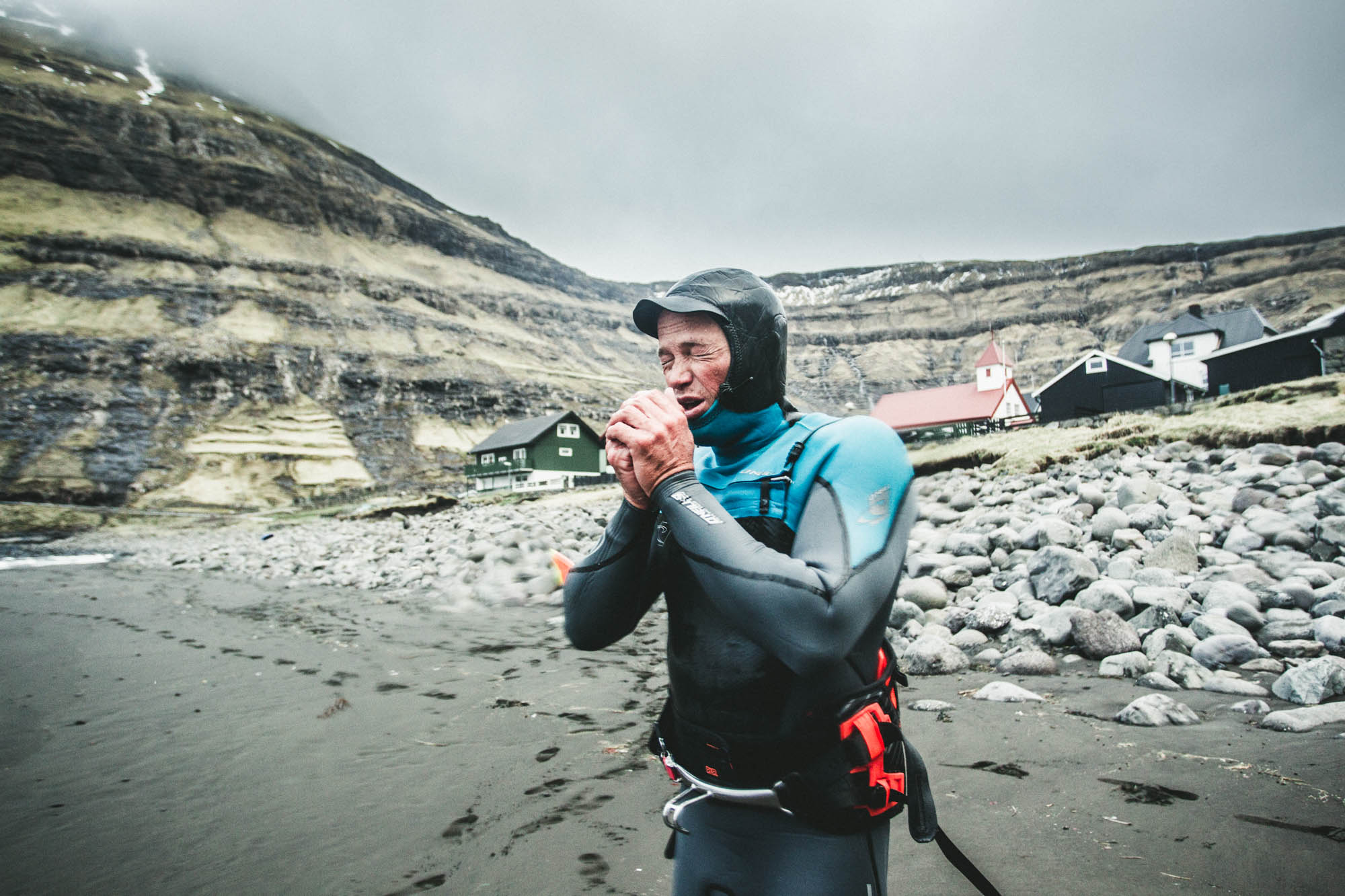
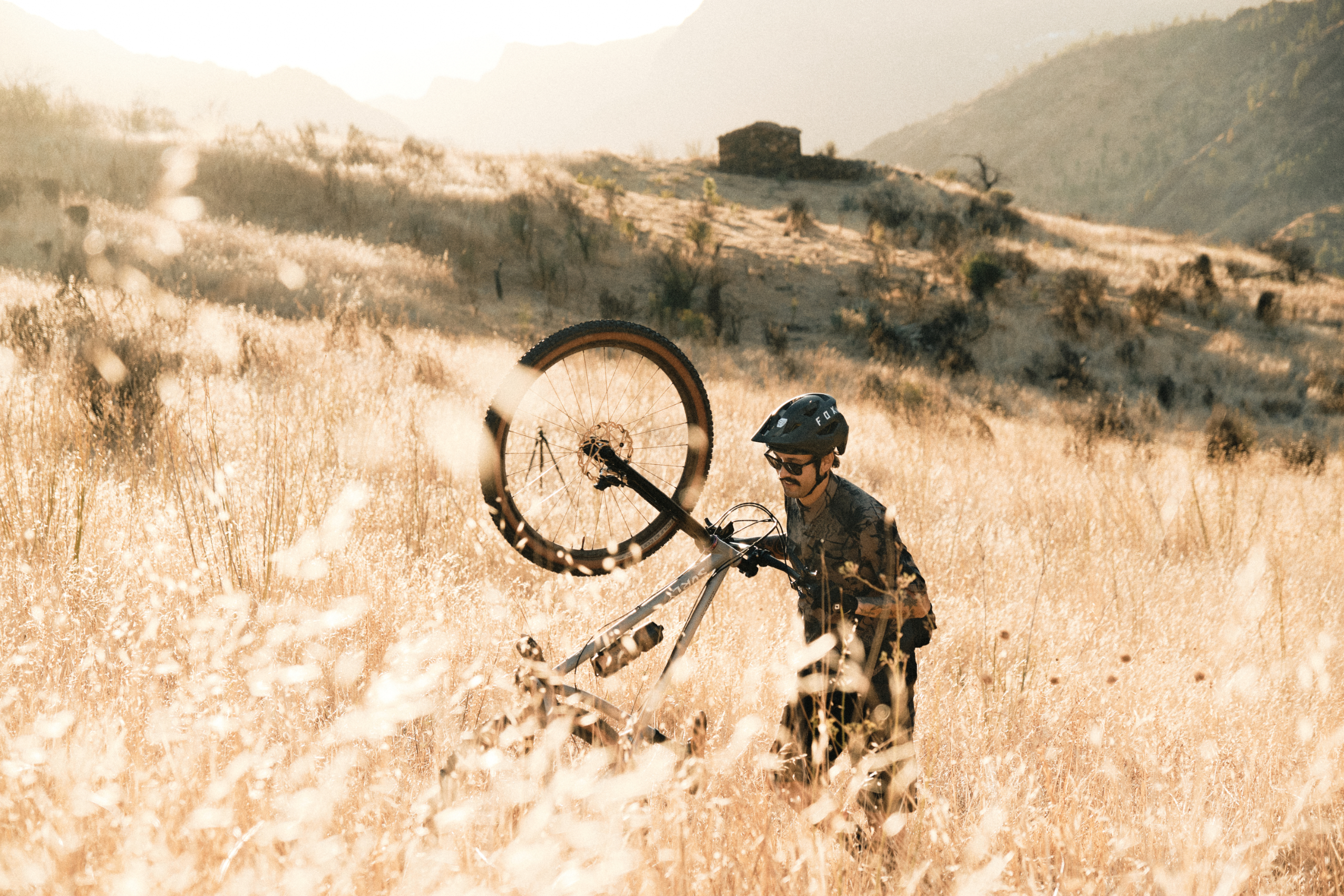
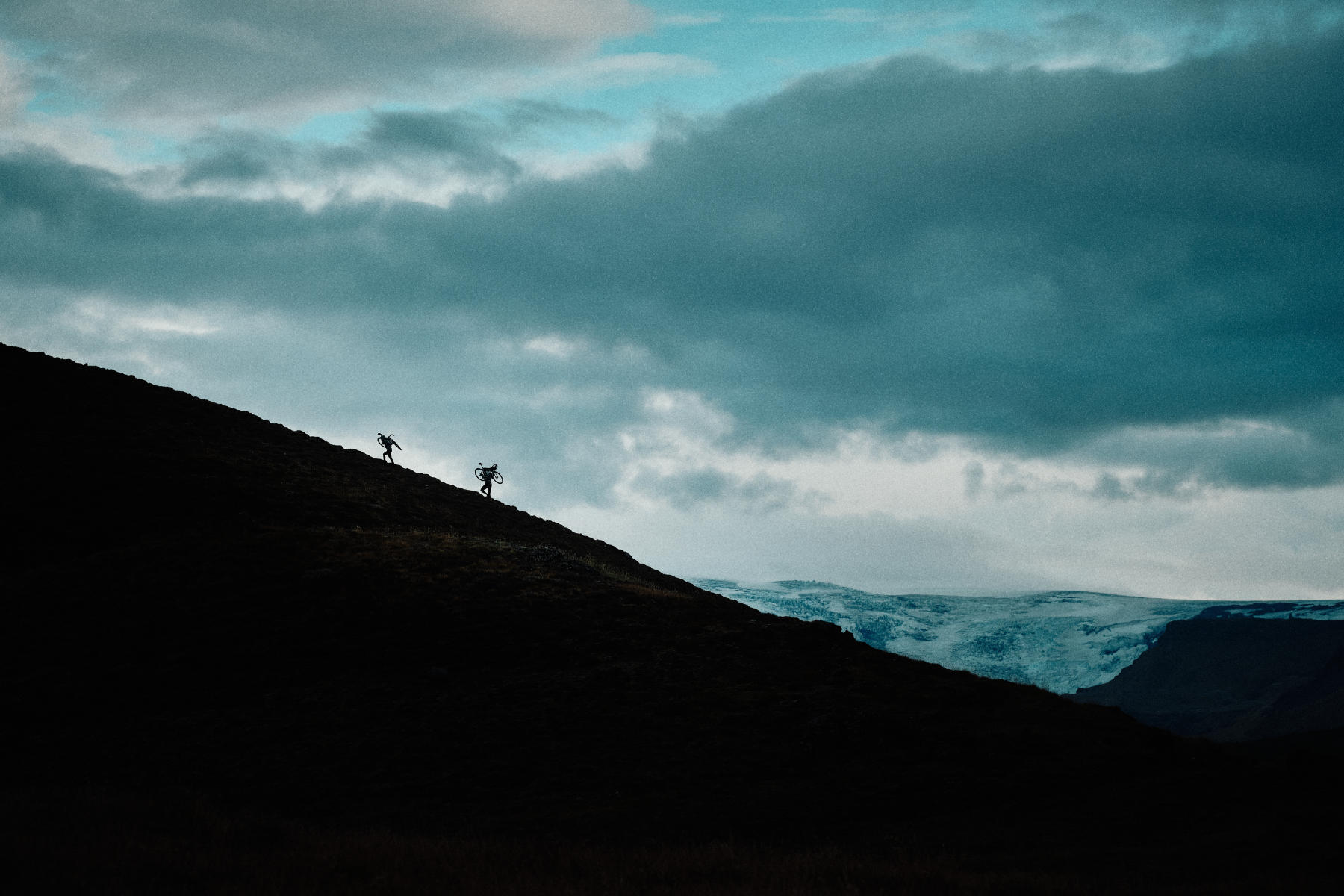
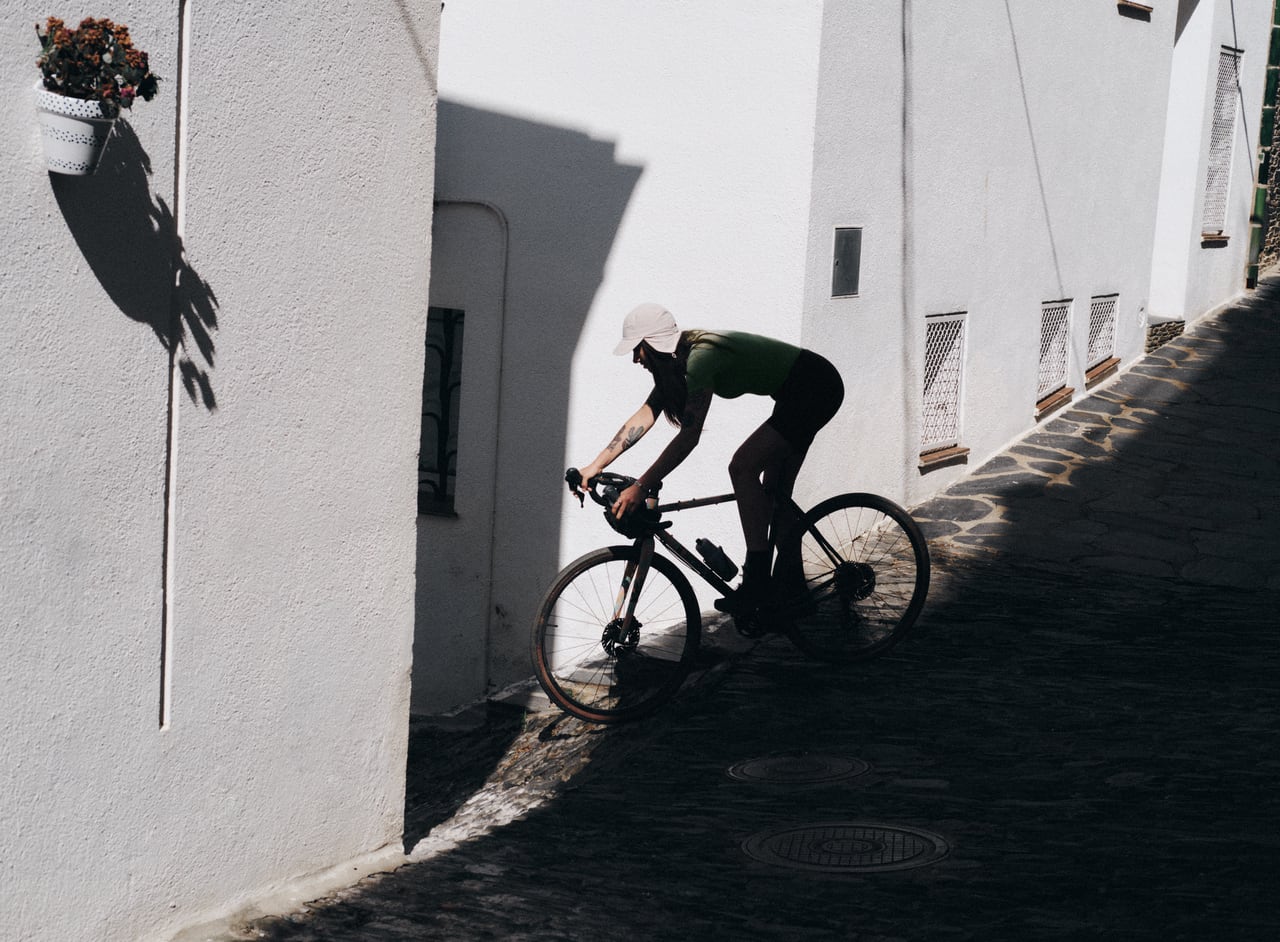
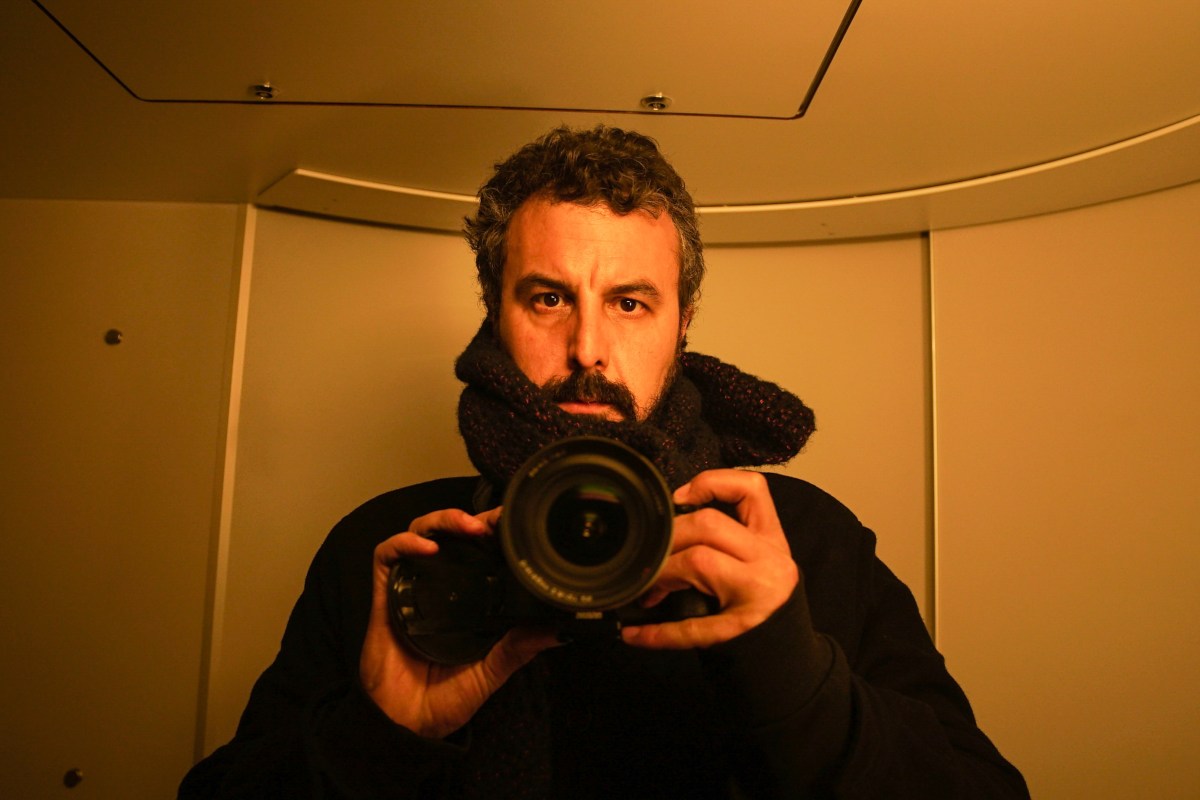
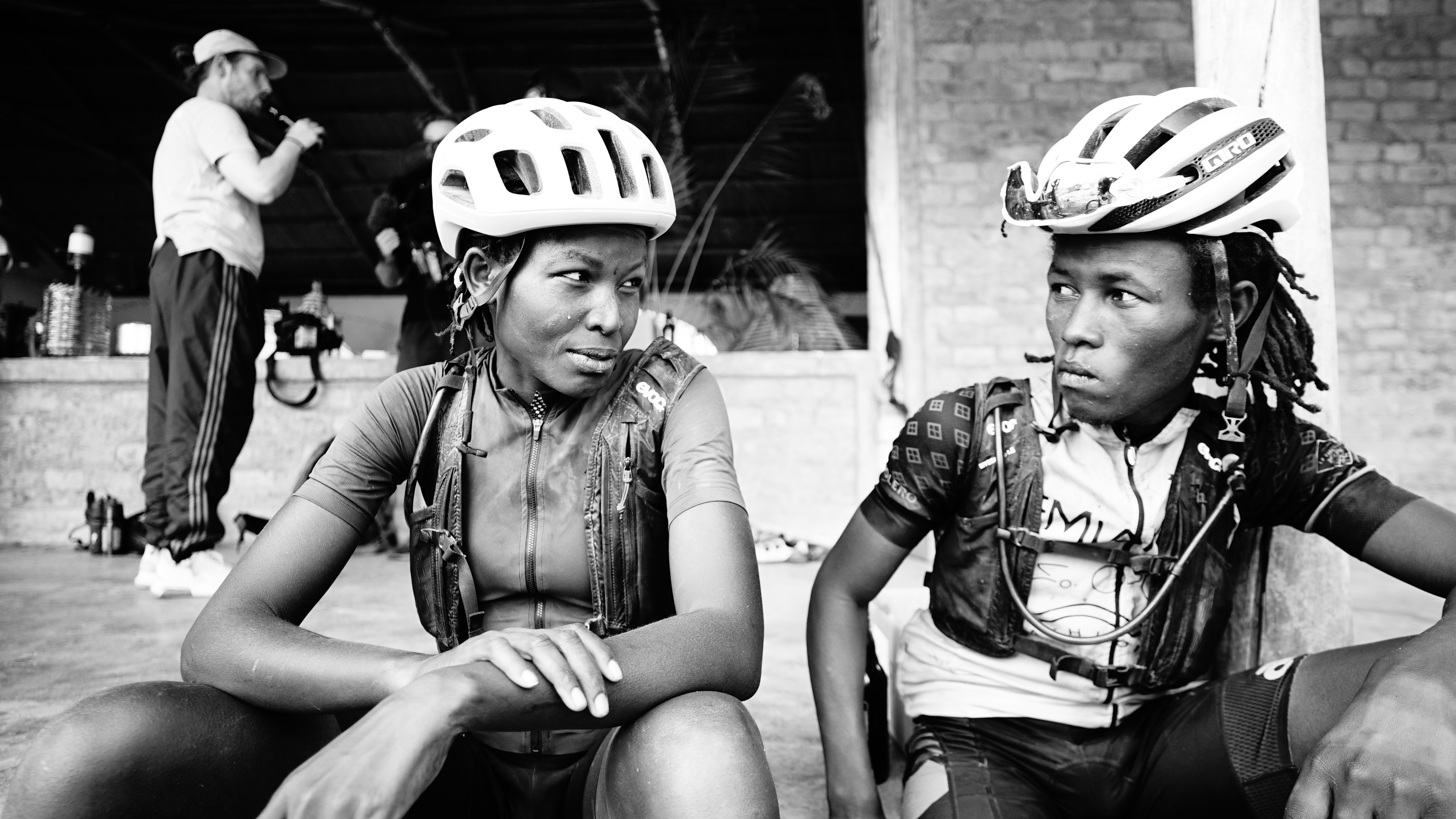
Paul Declercq / Slow Spin Society

It’s a bright, sunny day in Paris but Paul Declercq is busy working and yet to take advantage of the warm weather. Youthful and athletic in build, his voice is instantly recognisable from the Slow Spin Society podcast where he channels his fascination for all aspects of fixed gear culture.

After a peripatetic childhood and far from home on a gap year, it was a series of serendipitous chance encounters that sent Paul down the path he’s still travelling. A seismic shift in life and living that we explore in a metaphorical alleycat; conversational checkpoints referencing a frankly remarkable introduction to riding fixed, why he favours a film camera to document the scene, and the real-world realities of a career pursuing bike-based journalism.

cyclespeak
It looks like good weather for bike riding?

Paul
I’ve spent most of my day sitting in front of this computer so my ride will have to be later this afternoon.

cyclespeak
Are you taking our call from home?

Paul
Home hasn’t been a thing for me for the past three years. Which in reality means I’ve been hopping from one couch to another.

cyclespeak
Is that by choice or by circumstances?

Paul
It actually goes back to when I started the Slow Spin Society five years ago. And realising from the very beginning that I wouldn’t be able to make a reasonable living solely out of it. So that meant I was doing all manner of things on the side to help boost my earnings—some photography, working in a pizzeria, the usual stuff we all do—but that all changed when I broke up with my ex-partner and very quickly came to realise that I couldn’t afford rent on my own.

cyclespeak
It’s the same over here in England. The cost of living is crazy expensive.

Paul
That got me thinking that if I decided not to pay rent anymore, I could devote more time to growing Slow Spin Society so that, one day, I might make a living out of it. Which is why I’m staying a couple of weeks at one place, then another, and so on.

cyclespeak
That very much resonates with the time in which we live. The fact you need a salaried job to pay for a roof over your head but which, in turn, limits the creative freedom and energy to build something that isn’t a traditional business or profession.

Paul
Trust me, there are many, many days when I’m standing under the shower, telling myself that I need to get a normal job and live a normal life. But whenever I have, in the past, taken a nine to five position it’s never, ever, worked out for me.

cyclespeak
Can I ask why not?

Paul
There’s this idea that you can keep regular work hours and then use your free time to do your creative stuff. And I’m not looking down at everyone who does work nine to five because society simply couldn’t function without these people and they have my utmost respect. But I just find I lack the ability to do what I don’t want to do. So putting myself in work mode for eight hours a day—and enjoying my hobbies before or after that—just isn’t for me. And trust me, I’ve tried.

cyclespeak
Have you always felt the same way?

Paul
Funnily enough, I’ve always been pretty stubborn about what I want or don’t want to do. And now I find myself in this weird situation where my baseline for living is so low. I don’t have anyone to care for apart from myself, I don’t owe money to anyone, I’m very frugal and have correspondingly small needs. Which means that although I don’t make very much money and it’s not at all comfortable, for the time being it works.


cyclespeak
Is there a structure to your days? A recognisable routine?

Paul
There are some aspects of routine which I feel you actually need if you’re never at the same place for more than a couple of weeks at a time. And this might be a bit of a stretch in response to your question but if I ever feel really down, I go to McDonald’s and order some fries. Because wherever you are on this planet and however you feel, they are always the same. Which I personally find very comforting and helps me stay grounded if life is proving particularly challenging.

cyclespeak
So what does day-to-day look like?

Paul
When I wake up I always check my emails before doing some writing or research work. Because that’s what journalism is all about, the hunt for the next story and the next big thing. And then once I’ve finished any client work, I usually spend the afternoon purposefully off the computer. Maybe I’ll ride to a park or a coffee shop where I can organise my head and jot down any ideas or thoughts in a little notebook.

cyclespeak
Can I ask where you grew up and what you were like as a child?

Paul
I’m originally from a very small island next to Mauritius called Réunion Island; technically part of France so I have a French passport. And because my Dad travelled with work, we also lived in Africa in places like Senegal and Kenya. In the summer we would sometimes go back to France which is where I first started cycling—mainly riding mountain bikes—and then later I stayed in France for high school.

cyclespeak
Because of your upbringing, was there ever a sense of you being an outsider?

Paul
To be honest, I’ve never had a proper fit with the education system. Something about it just wasn’t for me; even though I tried really hard to fit in. It was a necessary step and physically I was present. But mentally? I was somewhere else.

cyclespeak
So how did this longing to get away play out?

Paul
Moving around a lot because of my Dad’s job, when I got a bit older I do remember picturing myself in a little apartment and embarking on a profession after university. But I had absolutely no idea about what I wanted to do, so I sat down with my Dad and asked him for a year. A year before starting university that I could use to figure things out. He agreed, saying that he would help me pay two months of rent but no more. So with his help, plus the money I’d saved from working pretty much all summer, I was off to a good start.

cyclespeak
So how did you spend that year?

Paul
I got one of those globes that light up and gave it a spin. Where my finger landed was where I would spend my year. You know, like in the movies.

cyclespeak
That’s a novel way of determining your future. Where did you go?

Paul
My finger landed on China but I wasn’t quite sure about that. Not that I don’t like China but I decided to just look at the other countries near to where my finger had landed and that’s when I decided on Japan.

cyclespeak
So quite a contrast in culture to your own.

Paul
A few weeks after I landed in Japan, someone I met in Tokyo offered to show me the trendy fashion district. When we were there, this guy walked up and asked if I was a model. My immediate reaction was that this was some sort of scam—I’d never in my entire life thought this would be a job I’d ever do—but the same scenario played out multiple times during the day until I finally allowed myself to be led to this showroom where I was fitted for a shoot the next day. I’d already applied for a few jobs with the companies that would take on foreigners but I was able to pick up enough freelance modelling to cover my rent. And then after eight or nine months, I was approached by a bigger agency who offered to sponsor my visa application in exchange for an exclusive contract. So I said, cool, okay, let’s do it.

cyclespeak
How did riding bikes fit in?

Paul
Up to that point, I would never have described cycling as my life. As a teenager I rode to school and went mountain biking on the weekend but bikes were a tool; a means to an end. The cultural side of my life was consumed by skateboarding and this continued when I got to Japan.

cyclespeak
So what changed?

Paul
One day I managed to break my board which was really upsetting because it was the only material thing I had that was a link to my past life. So I decided to check out this skate shop in the suburbs with a view to buying a new deck. On the train back into the city I got off one stop early to try out my new board in a nearby park. That’s where I saw this bunch of people who had boards but were also riding bikes. I had some conversational Japanese by then and they knew a little English so we got chatting and they invited me to a party later that evening. My immediate reaction was to say no as I didn’t want to slow them down but one of them lived around the corner and offered me a bike. So I rode to the party, had an amazing time, and discovered that most of them were bike messengers. They were planning a city ride the next day so I arranged to meet them and they had another bike for me to borrow. It wasn’t like I hadn’t ridden fixed gear before but this was Tokyo; one of the busiest urban environments you can experience. But it was such a good day and when it was time to go our separate ways, they asked me if I liked the bike. I told them I loved the bike and they said I should keep it.

cyclespeak
That’s amazing!

Paul
I’d known them for less than 48 hours and now I had a bike to ride and a group of friends to hang out with. And from that point moving forwards, I pretty much dropped everything I was doing and spent every day either going to castings, on a shoot, or hanging out with these people.

cyclespeak
So how does that bridge to the Slow Spin Society?

Paul
I was learning so much about the scene and that just encouraged me to dig a little deeper. I’m a late 90s kid so, to me, everything is on the internet but there was this huge gap between what people were saying to me anecdotally and whatever was available online. And what soon became apparent was that the underground nature of the scene meant that it simply wasn’t being archived comprehensively. Which is why I decided to start sharing content—in a sense I was self-feeding my curiosity—in the hope that it would encourage more people to try riding fixed. But this wasn’t something I could do simply with an Instagram account. It needed a bigger platform and that’s how Slow Spin Society started.

cyclespeak
Your Instagram bio leads with Good things take time. There is no need to go that fast. Why that particular emphasis?

Paul
The fixed gear scene comes and goes in popularity. I’m 30 years old and I’m personally witnessing a second cycle already. And with that comes certain narratives that state you need to ride brakeless in the city and jam yourself in traffic. That you need to go fast because if you’re not fast, then it’s not cool. Now don’t get me wrong, I love fixed gear but I also feel you don’t necessarily need to do all that to enjoy the scene. And from day one, I knew I wanted to make a meaningful space for all kinds of people to find inspiration and feel encouraged to get outside riding bikes. I’m very conscious that these things take time and—being someone who isn’t afraid to say no—I decided from the start to do things on my own terms. Even if that meant the pace of progress would be slow.

cyclespeak
What I find interesting and maybe feeds into this approach, is that all the imagery featured on the Slow Spin Society website is exclusively film photography. Can you talk about this artistic decision and whether it resonates with the feel and challenge of riding fixed gear?

Paul
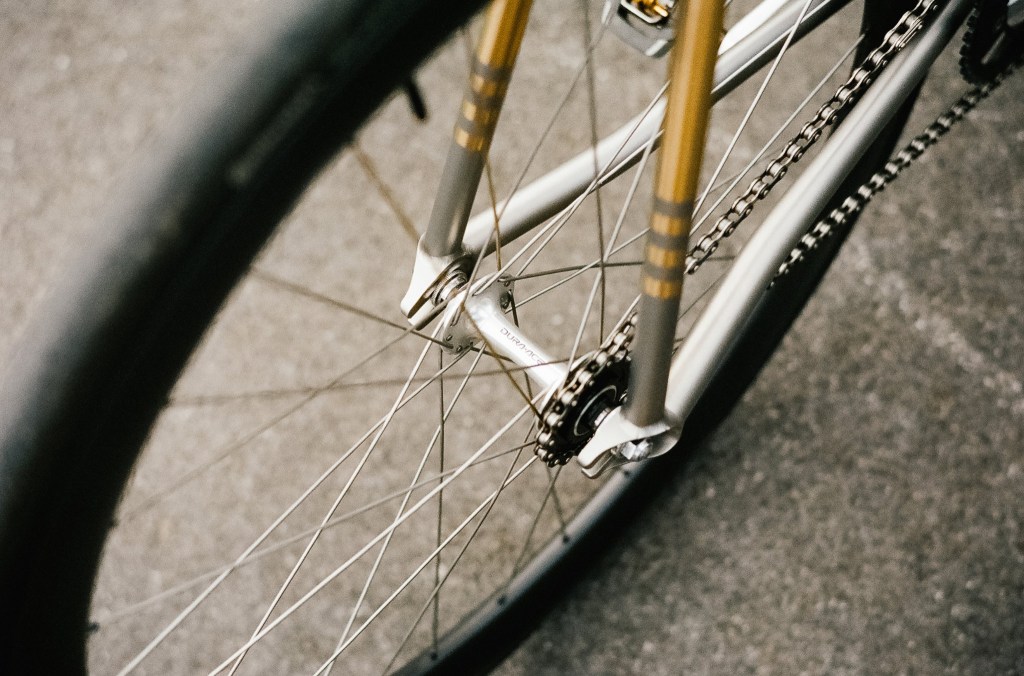
There are a few things that feed into this. Firstly and perhaps most significantly, my grandfather was a war photographer and he influenced how I approached photography from a very early age. That’s not to say I haven’t had a digital phase but I found it both over and underwhelming. Your camera is either set to full auto and you simply point and shoot, or it’s set to manual so there’s shutter speed, aperture, ISO, white balance, along with a billion other settings that a modern digital camera has and will probably affect 1% of your image quality in a meaningful way.

cyclespeak
And film?

Paul
It feels like I’m stripping down the process to its simplest form. I guess in much the same way as my McDonald’s fries, I feel grounded and at home using a film camera.

cyclespeak
The camera you use is rather special in itself—a Leica M6—and that got me wondering what it would equate to as a fixed gear bike?

Paul
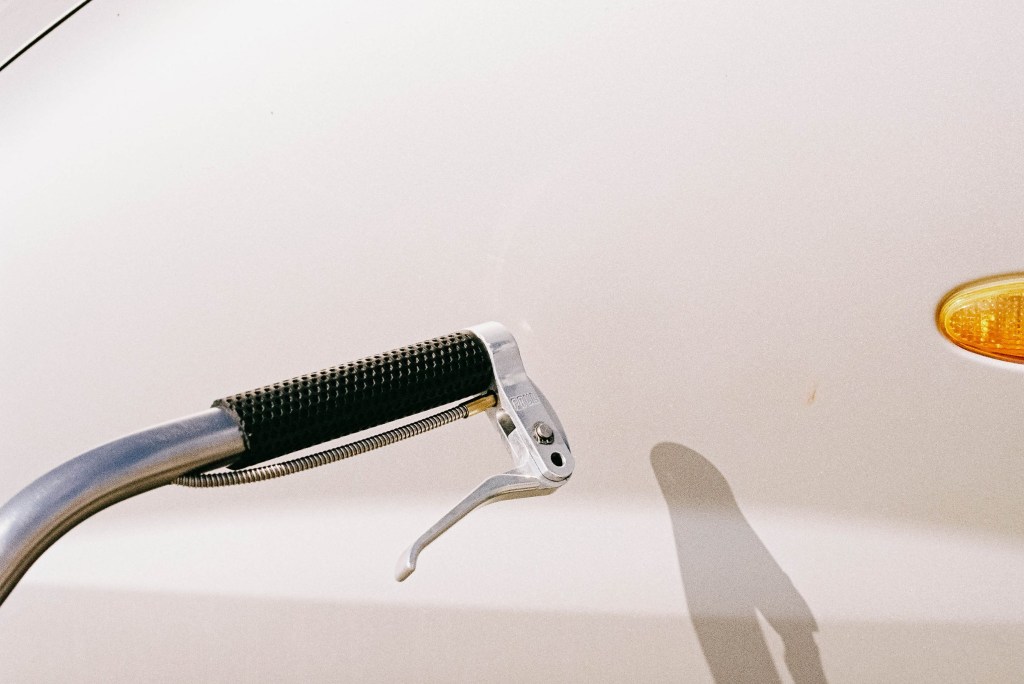
That’s not something I’ve ever even considered [laughs]. But I feel the closest match would be a No.22 Little Wing. Because the M6 does exactly what I need it to do and nothing more. It’s a good tool.

cyclespeak
And what prompted its purchase?

Paul
I’d spent a lot of time with a Nikon F3 and F100—both very accomplished cameras—but they are heavy and quite bulky and I often left them at home when I was going out on a ride. So I initially switched to the M6 for weight reasons after I asked a friend in Japan for advice on a rangefinder. He immediately suggested a Leica but warned me that as soon as I held one in my hands, I was done.

cyclespeak
Was he proved right?

Paul
To be honest, I was sceptical but decided to visit a second hand camera shop anyway. I went in, asked if they had any used film Leicas, picked up the M6 they had in stock and…

cyclespeak
And?

Paul
I was done [laughs]. The only problem being that it was way over my budget. Incredibly over my budget. So I sold a lot of stuff including maybe a dozen bikes but it was exactly the right camera for me.

cyclespeak
It’s a rangefinder so no auto focus which must make shooting on the bike a little tricky?

Paul
You use what’s called hyper-focal distances. Meaning that, if I have a 35mm focal length lens and close down the aperture to f/8, I know that everything between three metres and infinity will be in focus.

cyclespeak
When I sat down to chat with fixed gear legend Chas Christiansen, we were talking about his bike garage and in particular his Cannondale Track which he describes as a unicorn bike. And that got me thinking about how certain individuals collect classic cars from bygone eras and whether any modern day cars will eventually gain classic status. So my question is, are there any contemporary track bikes that will eventually rival the Cannondale as a classic? 

Paul
It’s hard to say because the way we produce and consume today is so very different to 40 or 50 years ago. Contemporary super cars achieve a collectable status but is that through passion and sentiment or solely because of the investment returns? It’s expensive so it’s good.


cyclespeak
And bikes?

Paul
There are definitely parallels in cycling. In the way that Specialized release a new Tarmac every year and it’s a great bike, a very fast bike, but is any variant legendary in the same way as the Cannondale Track? Which might be explained by our love of nostalgia and a yearning for the past. So in answer to your question, I feel it’s doubtful a contemporary bike can achieve legendary status solely through its form or function. But maybe it can by whoever rides it and their own individual story.

cyclespeak
So by association? A bike can be imbued with the rider’s sense of cool?

Paul
Exactly.

cyclespeak
I feel like it would be remiss of me not to ask. Have you found your unicorn bike?

Paul
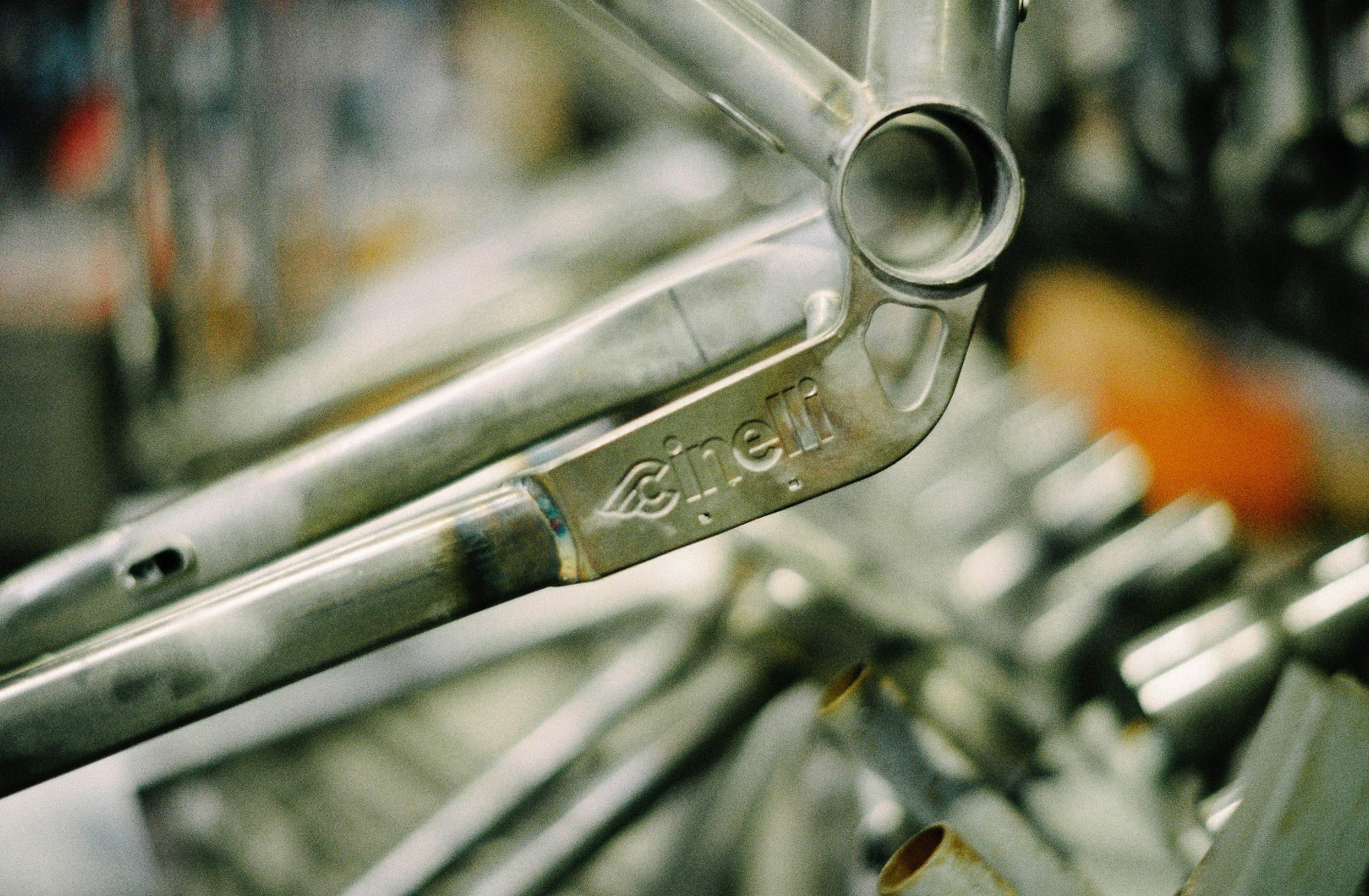
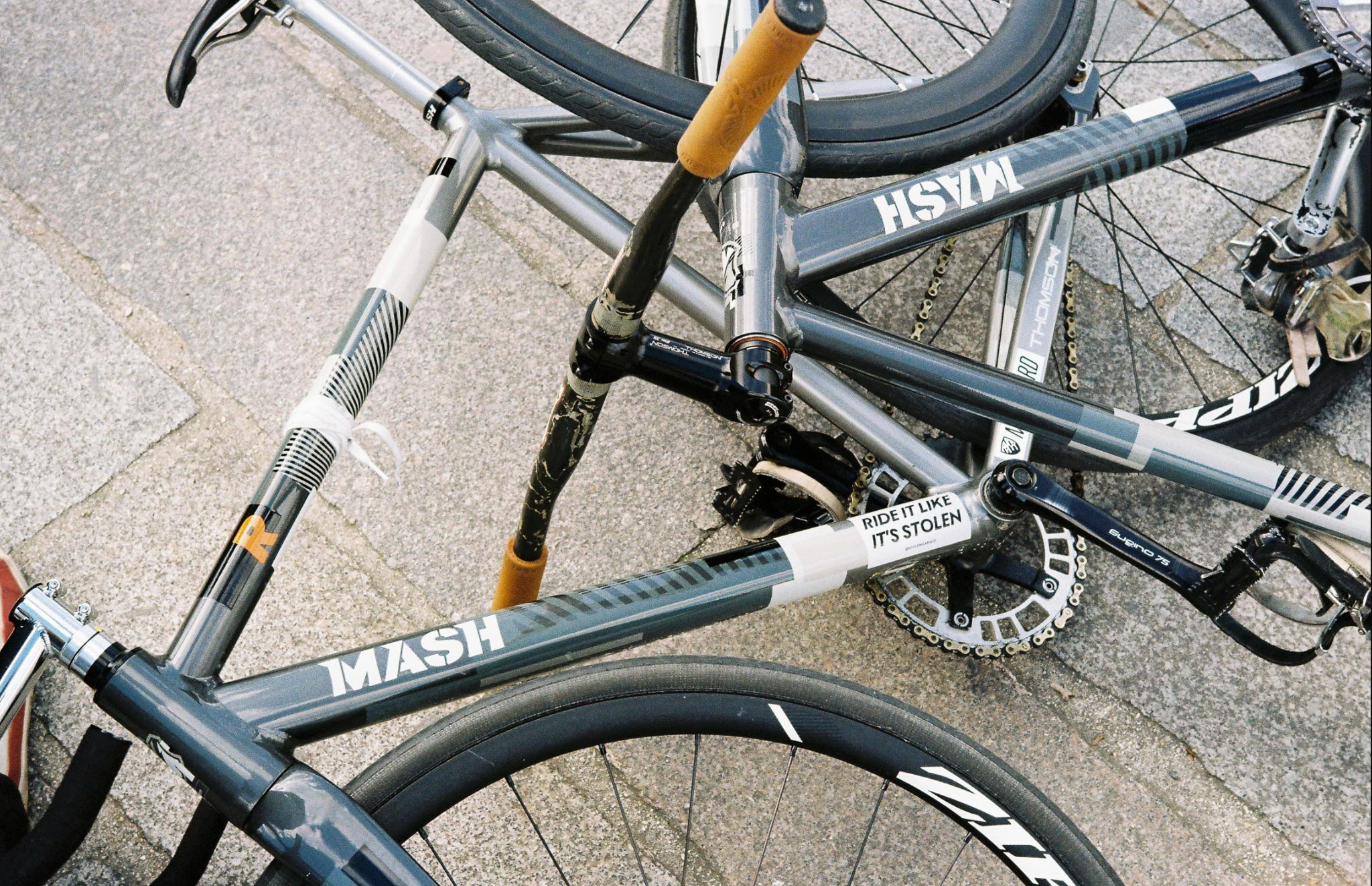
Good question [laughs]. And there are so many amazing bikes that I’ve owned but my Cinelli Mash Parallax takes some beating. I’ve had it repainted so there are flames on it, I travel with it, I meet people with it, people recognise me when I’m riding it and wave. Even if it doesn’t have a lot of monetary value—it wasn’t an expensive bike—it still means a lot to me. So that’s the closest I can get to a unicorn bike.

cyclespeak
Cycling as a pastime or pursuit can be very diverse with multiple disciplines and attitudes. Is the fixed gear world tribal?

Paul
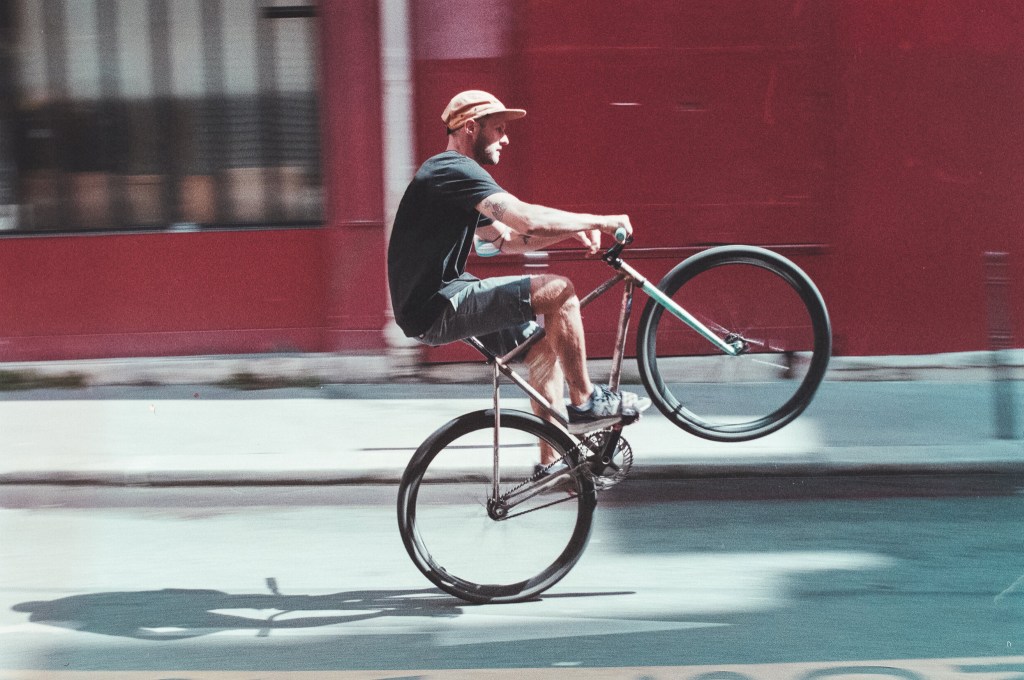
The thing about any underground culture is that it brings people, outcasts, together. Ten years ago, when track bike parts were a bit harder to find, once you’d bought from a particular person you’d tend to stick with them. And then you also have to factor in how for roadies, time trialists, mountain bikers, the cycling industry is forever innovating new parts, components, frames and accessories just for you. That also happens with fixed gear brands but to a much lesser extent. Most of the time, it’s you and the people that look and think like you.

cyclespeak
So I’ve just bought my first single speed bike: a road frame conversion with front and back cantilever brakes and a freewheel. Let’s imagine I show up at your Thursday night ride. Is that configuration acceptable or would I get comments about not riding fixed?

Paul
I would love you to be there. Because in my mind, as long as you’re having fun, it doesn’t matter what kind of bike you ride. Everybody has something to bring to the table and I would hate to refuse you a good time just because you have a freewheel.

cyclespeak
But I’m guessing there are still points of ride and style etiquette in the fixed gear world?

Paul
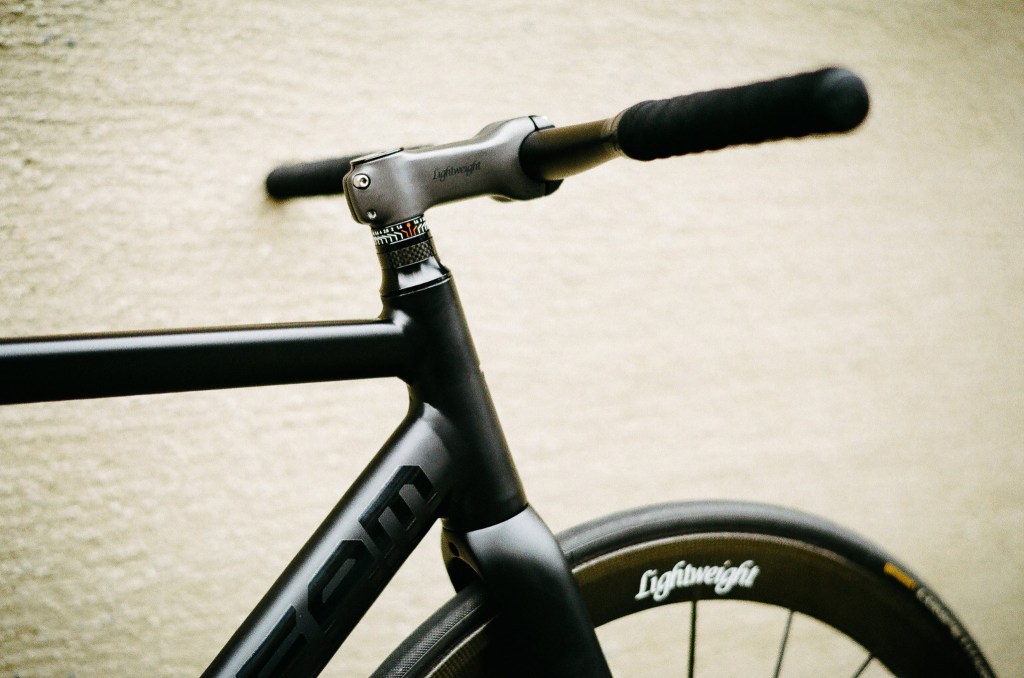
We might be an underground culture—the bunch of outcasts that I mentioned—but it definitively exists. Like if you ride a true fixed gear then you should ride brakeless. And how a fixed gear road bike conversion will never be as cool as a pure-breed track bike. But like a lot of this type of thing, you can buy into it or not.

cyclespeak
So let’s imagine I’m riding a pure-breed track bike through the city, what should I be wearing to complement that aesthetic?

Paul
You can be pretty flexible. But now that I’m thinking about it, maybe not.

cyclespeak
Go on then. Paint me a picture.

Paul
There’s definitely a range of extremes and to be considered normal you need to be somewhere in the middle. If you go bibshorts, road pedals, helmet, sunglasses, then people will think you’re taking yourself way too seriously. But if you go jean-shorts over leggings, mountain bike shoes and a huge bag slung over one shoulder, then you’ll get looks questioning whether you’re a real messenger or just someone pretending. So it’s probably safer to go full-on casual which still leaves you a lot of scope for individual creativity.

cyclespeak
And how about the etiquette of a group ride? The dos and don’ts?

Paul
If you’re riding brakeless your stopping distance is going to be longer so that’s probably the main thing to think about. But in terms of etiquette, the fixed gear scene is definitely a lot more relaxed than road cycling. It’s a bit more wild and attracts a younger crowd.

cyclespeak
What’s your take on the videos you see posted where someone is playing chicken with oncoming cars?

Paul
I, personally, do not ride to impress. But that is a feature of fixed gear. So I guess that as long as you’re riding within your abilities and not putting others in danger, then do whatever you want. But I also sometimes see people taking a certain pride in putting themselves in potentially tricky situations, which fed into my original decision to call this Slow Spin Society. Because we all enjoy the same kind of bikes and you can be one of us without the need to ride at 30kph against the flow of traffic.

cyclespeak
That’s something I find refreshing regarding the Slow Spin Society podcast. How you’re comfortable gently poking fun at your own world and its clichés.

Paul
They apply to me as much as anyone else [laughs]. Because I’m one hundred percent guilty of showing up to a party and literally waiting until someone talks to me about my bike. But one of the key values of Slow Spin Society is authenticity. I want to stay real.

cyclespeak
So, with that in mind, where do you see the Slow Spin Society in five years time?

Paul
That’s a great question.

cyclespeak
With a great answer?

Paul
What’s funny is that my love for fixed gear has turned into a love for everything that doesn’t fit under the term competitive cycling. And what that means is that I started with track bikes but now I also enjoy bike packing, touring with friends, and everything that offers me a good time on two wheels. I even want to give road bikes a go but in a gentle, relaxed, non-roadie manner. Just having fun, riding bikes with my friends. That’s all I want.

cyclespeak
And how does all that fit with Slow Spin Society?

Paul
Maybe as a hub for alternative cycling? To continue the growth of a meaningful culture that connects the manufacturing side of things with the community. One needs the other but the problem nowadays is that brands are rarely willing to pay for journalism. They’ll offer to give you a frame set or a pair of wheels—which at face value might seem pretty sweet—but I’m sorry to inform everyone that it doesn’t put food on the table or help pay the rent. If, that is, at some point in the future I even have a place I can call home.

cyclespeak
Quite the dilemma.

Paul
You know, here I am putting all my time and energy into Slow Spin Society—and I fucking love what I do—but if you want thoughtful, independent cycling media to exist, then we have to start treating it as real work. Because it is.


cyclespeak
What do you think the mid-teens Paul would say if he could see you now?

Paul
Probably something along the lines of, “A bike. Are you kidding me?”

cyclespeak
Really?

Paul
Maybe that response is because my younger self was obsessed with motorsport and didn’t see much value in human powered motion. But also because whenever I think about what I’ve been building with Slow Spin Society, I’m aware that it’s not quite there yet. It’s definitely something but not fully formed. So I’m a forever dissatisfied person constantly striving to do better.

cyclespeak
Can I just stop you there to suggest there’s not one single creative person I’ve spoken with who’s ever able to say, “Right, I’m done.” They are constantly questioning, constantly looking to refine.

Paul
That kind of makes sense. So going back to my mid-teen self, maybe they would give me a thumbs up and tell me to keep going. That I’m almost there?

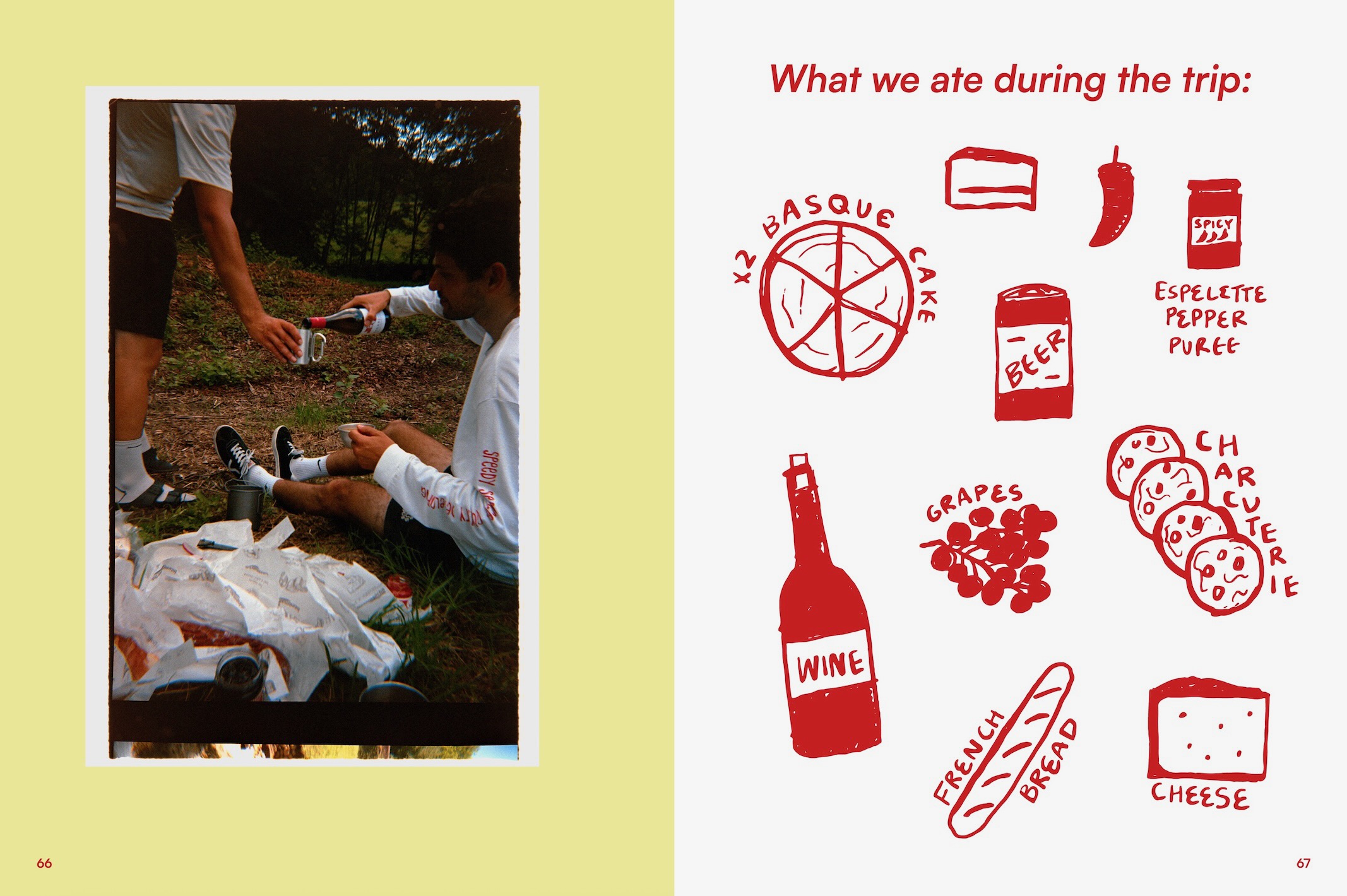
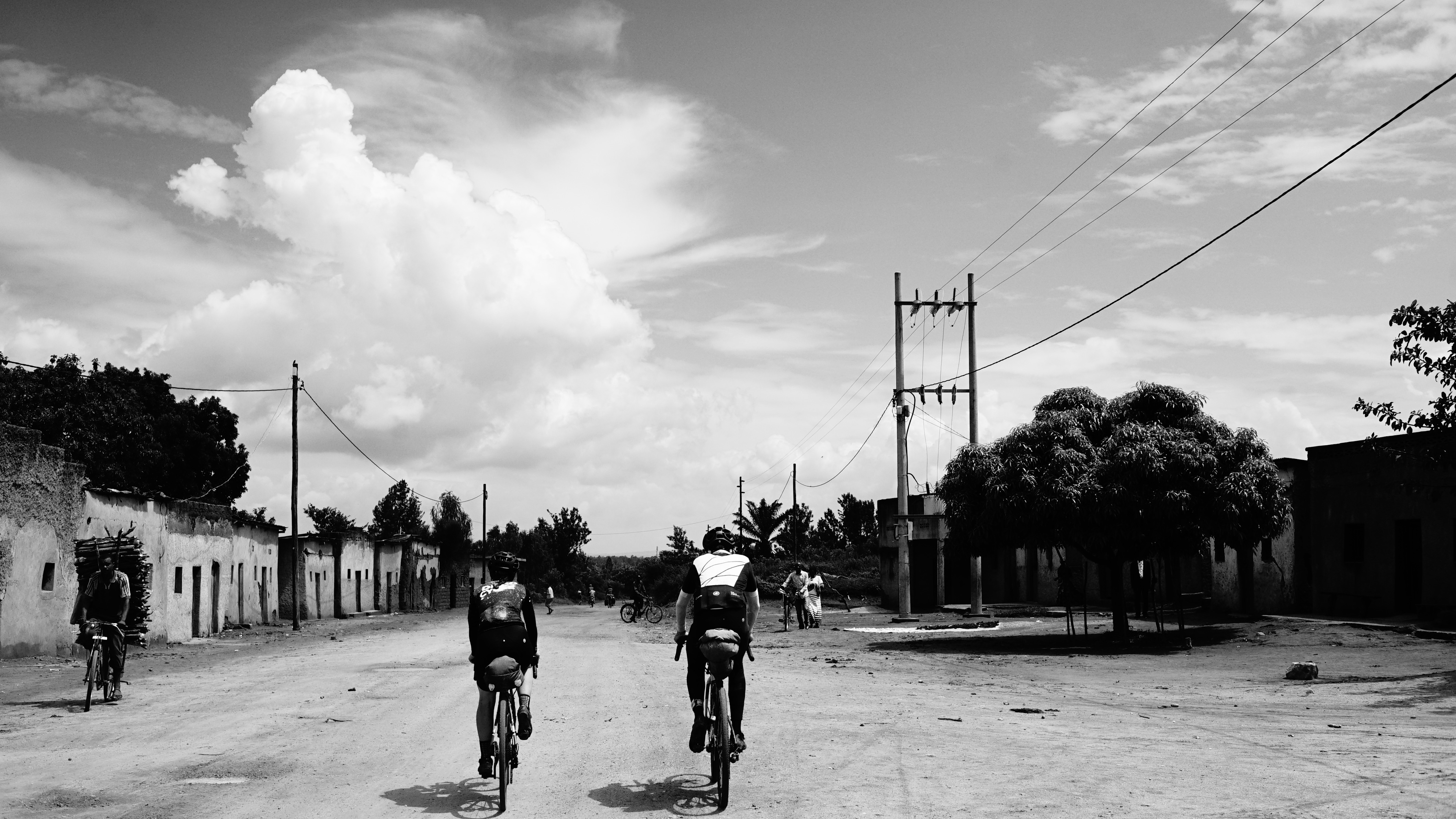
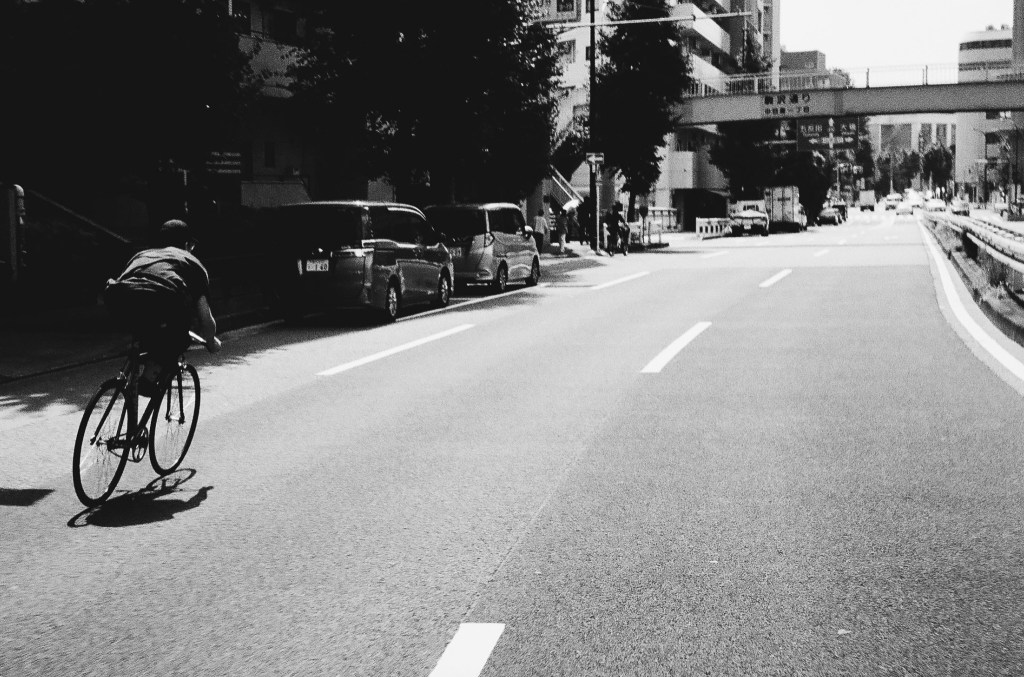
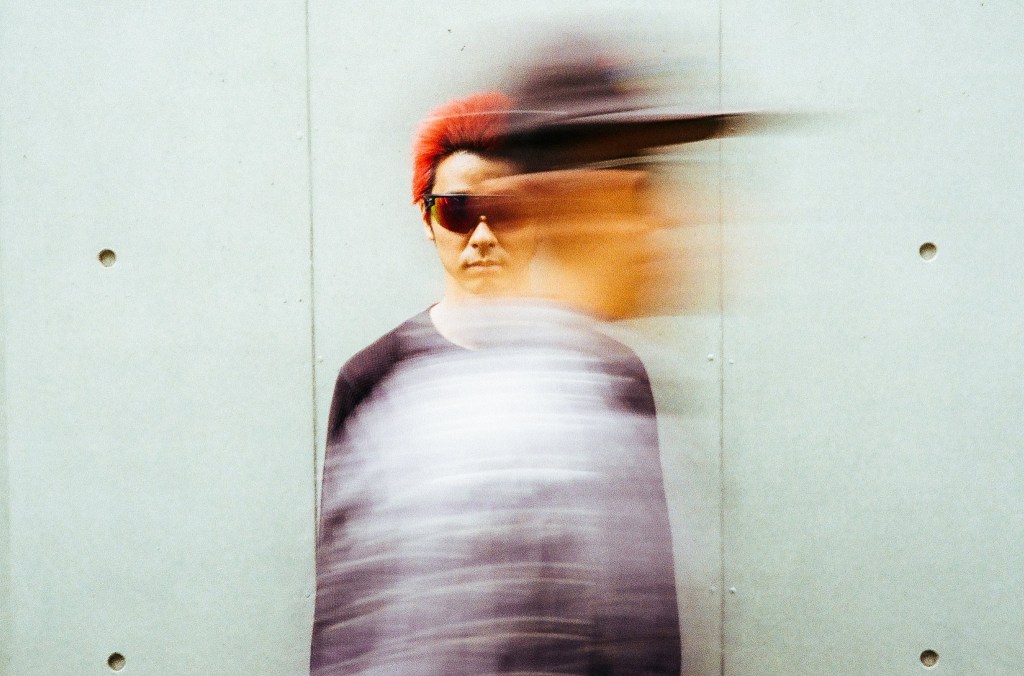
All photography shot on film by Paul using his Leica M6 / Slow Spin Society

Feature image by Philipp Grutzmann


Click on image to open gallery
Donalrey Nieva / Professional amateur

Photography, home renovation, cookery, bike building… 

I’m on a call with Donalrey Nieva, reeling off just a few of the disciplines in which he excels and wondering whether there’s anything he can’t do?

“Lots of things,” responds Don with a self-deprecating laugh; before explaining, when quizzed on this question, how he jokingly describes himself as a professional amateur. Which, to me, only suggests that I’m not the first person to comment on his multiple proficiencies. But I decide to let this slide; preferring to fill in the broad strokes of Don’s background before we focus more on what makes him tick. 

“I was born in the Philippines and came to the States when I was 11. Growing up, it felt like a pretty normal childhood. I was into video games and stuff like that but funnily enough didn’t know how to ride a bike. So I guess you could say I was a late bloomer in terms of cycling.” 

Describing how he would skip school to play Zelda on the Nintendo, when he was a little older and encouraged by his brother, Don remembers getting into aspects of hip-hop culture like graffiti and DJing.

“We were pretty close growing up,” Don explains, “so whatever he did, I copied.” 

Settling in Las Vegas—Don already had aunts and uncles who’d moved to the city during the 60s and 70s—I’m wondering what it was like, growing up in such an iconic location? 

“It’s a common question that I get from people and I usually preface my response by asking how much time does a native New Yorker spend in Times Square. Because I lived in the suburbs and one suburb is pretty much like any other in lots of ways.” 

When he did get into cycling it was mostly BMX but only after an extended period of hiding the fact that he couldn’t ride a bike from his friends. 

“They’d all be hanging out in the neighbourhood, learning tricks, and I’d be inside playing video games and feeling a little ashamed. But my Mom noticed what was going on and started taking me to this stadium that had a large, empty parking lot where I could practise. She had me riding my sister’s bike—a fluro pink frame with tassels attached to the handlebars—and it took a month of weekends with me complaining, complaining, complaining before I noticed my Mom had taken her hand off the back of the saddle as I pedalled.” 

With bikes now firmly established in Don’s burgeoning list of interests, a family trip to Hawaii took riding to another level when he hooked up with Justin, a friend who was into streetwear.

“We’d arranged to meet and Justin rolled up on a track bike which looked so cool. And it wasn’t just any old track bike; this was a Japanese NJS import. So as soon as we got back to Vegas, my brother bought a really cheap fixed gear bike. And where he led, I eventually followed.” 

People and the city


Click image to enlarge

With photography now such an integral part of how Don enjoys his riding, perhaps surprisingly it wasn’t until college that he first picked up a camera. Planning a trip to New York, his friend suggested that it would be fun to take some shots when they were walking around Manhattan. But even though Don understood how this offered another outlet for his artistic energy, it was a slow burn and not something he remembers taking too seriously. 

“That didn’t change until I officially moved to New York in 2019. Blogging and sites like Tumblr were catching on and this trend in sharing content helped encourage me to document my everyday life. Mostly images of me and my friends riding track bikes around the city and the parties that we went to.” 

With his imagery developing a very distinctive look and feel—think refined tonal quality with a masterful manipulation of depth of field—Don suggests that stylistic growth is ever evolving if you continue to question the process and take the time to appreciate the work of other photographers. But interestingly, he baulks at the suggestion that professional quality content requires a certain specificity of equipment. 
“Sure, the gear matters. But, at the same time, I’d say that sixty percent is down to the photographer’s eye. Like when I always used to carry a big DSLR with a couple of lenses when I was shooting a trip—which meant a lot of weight to lug around—but now I ride with a super compact Sony RX100 Mark VI which takes really great shots.” 

This mention of the trips Don has taken—camera to hand—nudges our conversation along to his riding and how it’s developed over the years. For such a self-styled late bloomer, he’s certainly made up for lost time with a catalogue of epic adventures. 

“When I first moved to New York, the bike offered me this freedom to explore. You can see so much more compared to walking or taking the subway. And then this extended to wanting to ride out of the city; seeking out all these unknown roads and trails which was a relatively new way of riding.” 

So when does a ride or route become epic, I prompt? 

“If something goes wrong?” is Don’s considered reply. “Which maybe, at the time, doesn’t make for a particularly easy or enjoyable experience but, looking back, offers you memories that will last a lifetime. Like when we took a trip to Sri Lanka—my first time riding there—and I made the route using RWGPS. I could see all these squiggly roads which usually means a lot of climbing. And I just thought, fuck it, let’s include these sections and see what happens and they turned out to be some of my favourite parts of the trip. So sometimes you just have to go for it. Maybe it’s rideable, maybe it’s not. And if it’s not, then it’s an adventure, right?”

Karen


Click image to enlarge

This propensity for pushing past what can comfortably be achieved is no better illustrated than on a trip to Colombia with his then partner, now wife, Karen. 

“That was back in 2018 before the current boom in riding offroad. I’d set my heart on climbing the Old Letras Pass which they now call Alto del Sifón. A 115 km climb with 4700 m of elevation and, at the time, half of it unpaved. So a big day—the reason we set out at 4:00am—but with a consolation prize of a really nice hotel located a few kilometres on the other side of the summit.” 

“It was still dark when we started riding and the rain was pouring down but it wasn’t super steep so we were making good progress. Eventually it dried up and we stopped at a town for some food before the dirt section started. And what’s funny is that looking back at it now, Karen and I have very different memories. I thought the surface was okay but she remembers it as being pretty rocky. But whatever we thought individually, we were riding much slower than I’d anticipated and the sun was starting to set when we still had a ways to go to the top. That’s when I discovered that the morning rain had destroyed my light and Karen took a tumble on the loose surface. At that point, in my head, I was wondering whether we’d have to spend the night on the side of the road.” 
“But we kept on riding and did eventually reach the top; just as our one working light started to flicker. I knew we only had 5 km to go, downhill, to the hotel. But in the dark, with no lights, it was simply too dangerous to carry on. And then, as if in answer to our prayers, a car came round the corner. We flagged it down, explained our situation as best we could, discovered that they were also staying at the same hotel, and then set off riding down the mountainside with the car headlights illuminating our path from behind.” 
Whilst certainly qualifying as epic, what I’m yet to fully understand is how this ride connects with their own journey as a couple. 

“After we checked in and got to our room,” Don continues, “Karen just burst into tears and, because she was crying, I also started crying. Our reactions quite possibly prompted by this being our first overseas bike trip together and a pretty memorable one at that.” 

Travel


Click image to enlarge

Not that Don’s relationship with riding is confined solely to foreign climes; his connection with The 5th Floor coming about following a trip to LA with friends who raced and the suggestion, over a group text, that maybe they should start a New York chapter of the cycling collective. 

“Racing wasn’t really my thing but with Adidas, Wahoo and Specialized onboard as sponsors, I was happy to help out The 5th Floor team with photography. And all this coincided with an interesting time in brand marketing when we took a trip out to California for the launch of the Specialized Diverge. After we’d finished test riding the bike, the head of marketing was discussing content creation and coined the term influencer. That was the very first time I’d heard it used and, to be honest, I thought he was joking around; casually suggesting they provide bikes in exchange for us contributing words and pictures for their online blog. And this all happened way before Instagram became a thing.” 

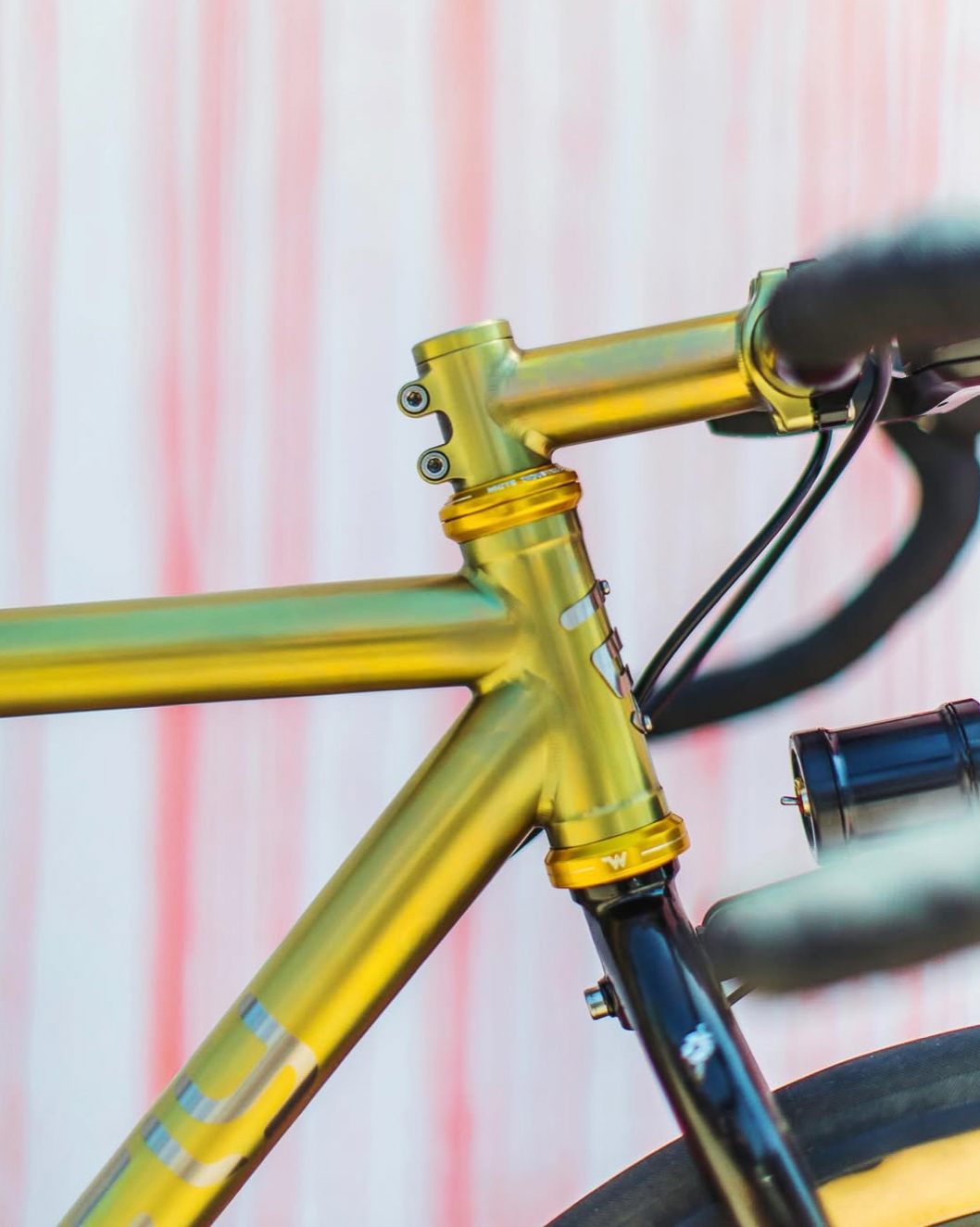
Supported by Specialized he might once have been but there’s no hint of carbon in his current stable of bikes; Don favouring steel and titanium and not shying away from a statement build if the recent pictures of his re-finished Firefly are anything to go by. Which begs the question whether gold is now his favourite colour? 

“It is not,” he fires back with a laugh. “I guess I wanted something that was pretty unique and would complement my other Firefly which is finished in bronze. And then, when they sent me a photo, I was like, oh shit, that’s really gold. But now I’ve grown to love it.” 

Bikes

Click image to enlarge

Having ridden with Don in Portugal on some pretty insane trails—he’s an accomplished bike handler when things get a little rowdy—I was left wondering why there’s no hardtail or full sus in his bike collection. The answer, perhaps rather prosaically, being that they’ve never really piqued his interest and that the older he gets, the more concerns he has over falling and breaking something. Add in the fact that he lives in Brooklyn—at least from Monday to Friday—and I’m wondering if that might also dictate the style of his leisure riding? 

“The community is fairly small but that just means you know everyone. And Prospect Park is a convenient place for me and Karen to ride with friends.” 

Going by their Instagram feeds, café stops appear to play a big part in the couple’s ride routines. And causing me to inwardly wince whenever I spot the price of the pastries they’re ordering. 

“The café scene is mostly Karen but it’s also a fun part of our riding. And yes, it’s crazy how expensive it is here. I don’t drink coffee but even a matcha latte is around $8 for a small cup. But our apartment is close to some super nice bakeries and I sometimes wonder if people understand how much work goes into making a croissant.” 

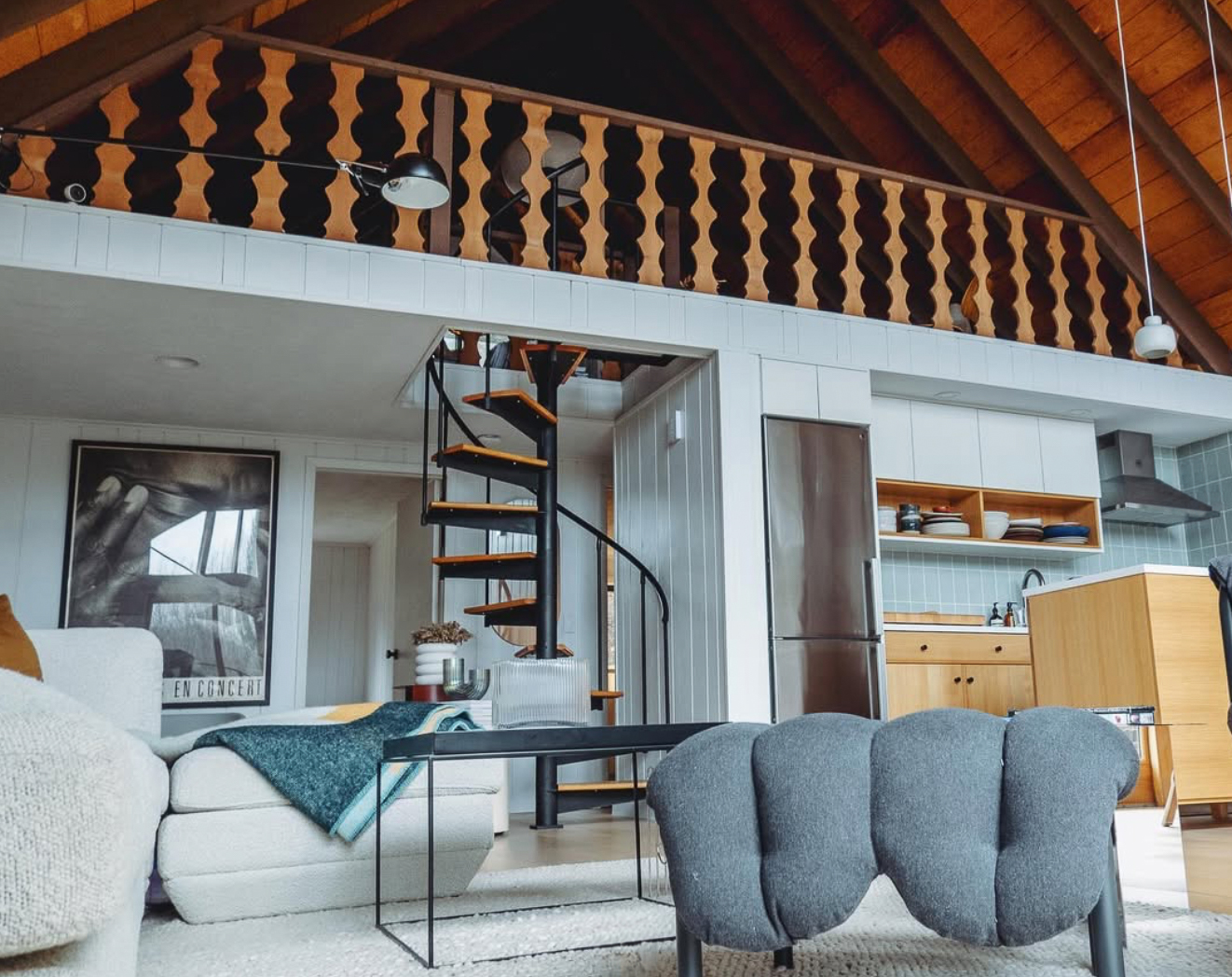
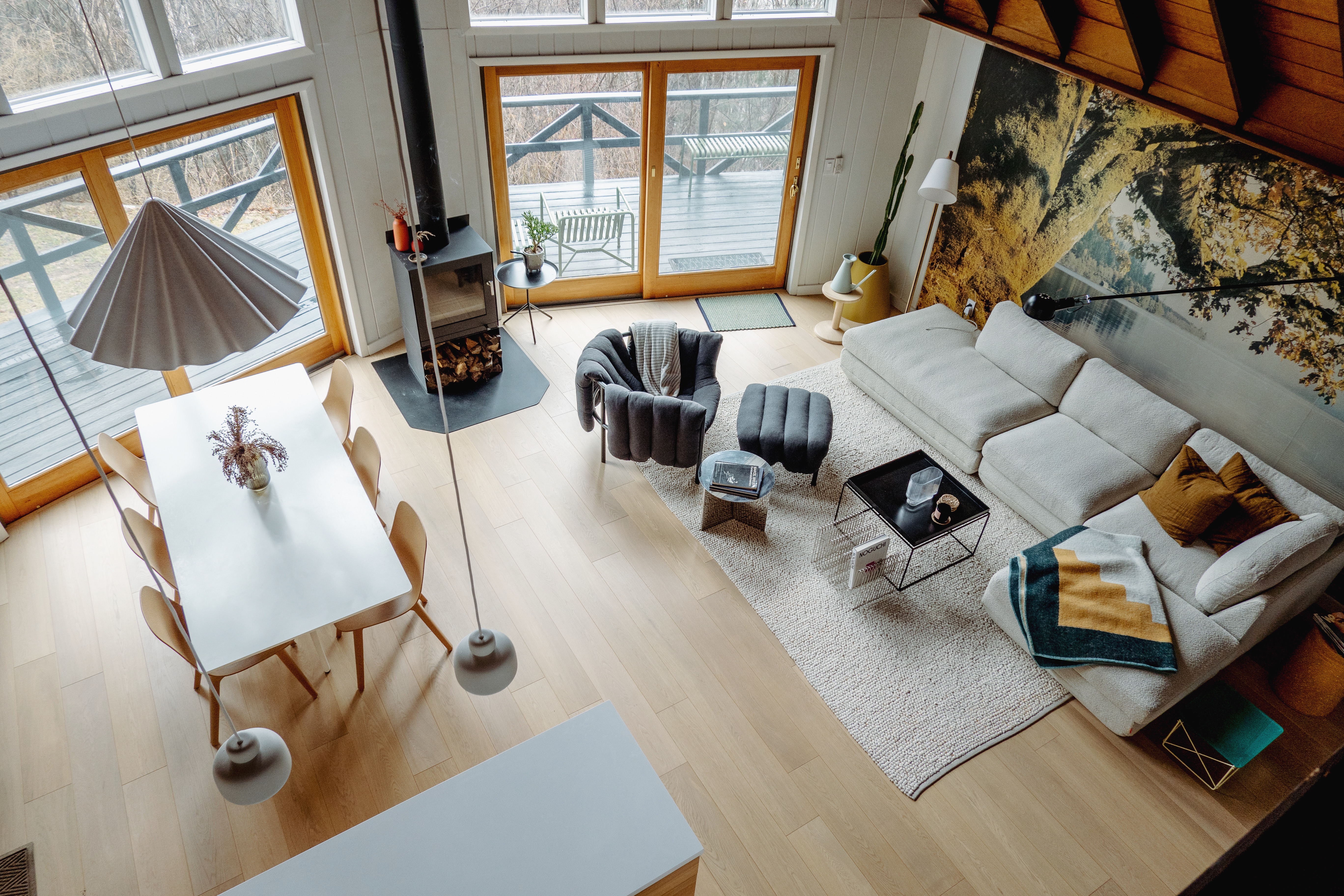
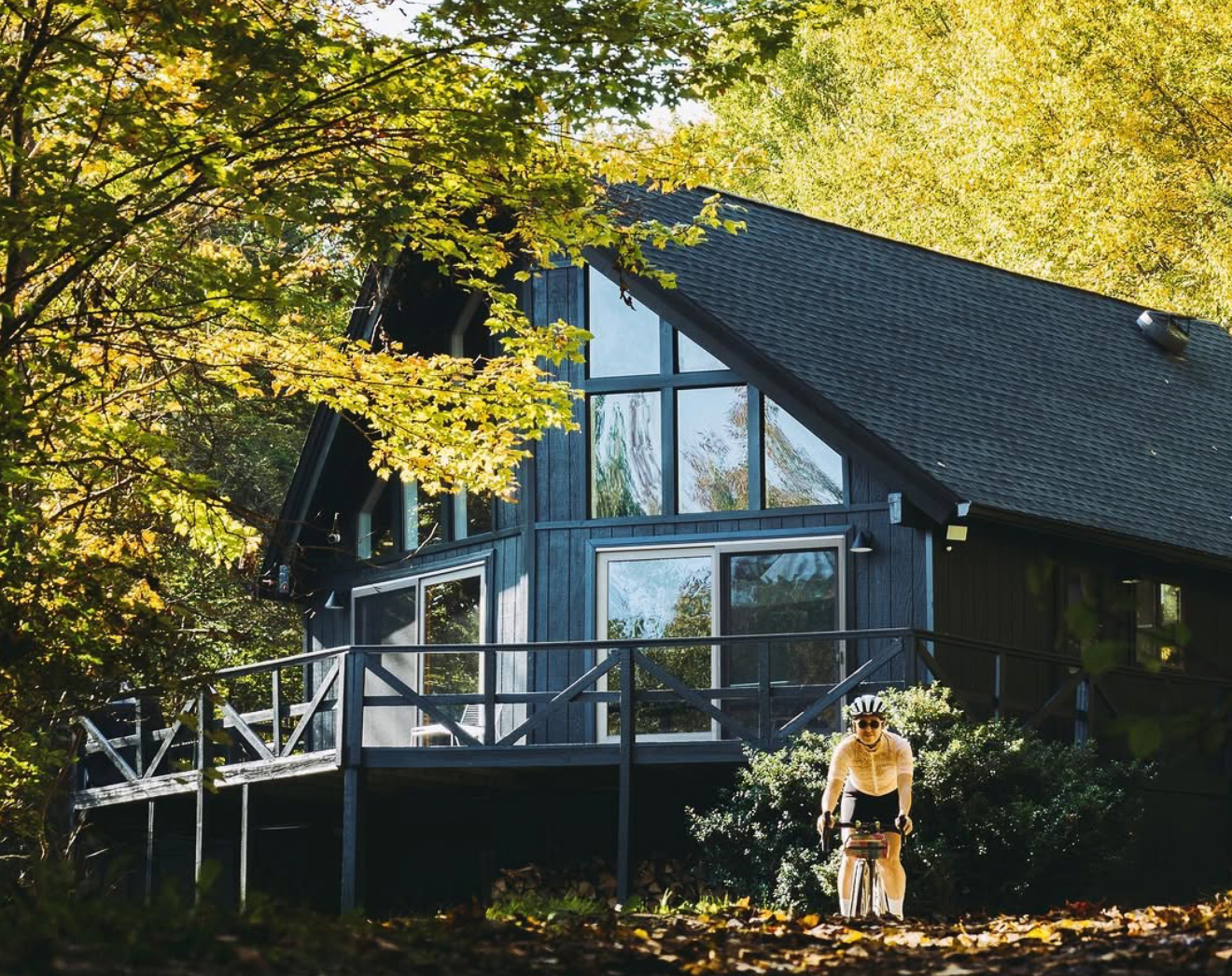
With weekdays seeing Don commute by bike over the Queensboro Bridge to the Memorial Sloan Kettering Cancer Center where he coordinates research projects, weekends often find him in the Catskills at Highcliffe House; the chalet that he and Karen bought in 2020 towards the tail end of the pandemic.

“We never actually planned to buy anything upstate. But it was a region where we enjoyed riding and we’d catch the train up there fairly regularly. And then during the pandemic that just wasn’t feasible so we ended up borrowing Karen’s parents’ car which turned out to be super convenient. Especially that summer as everyone seemed to be doing really big rides. It became a thing that you rarely covered less than 100 miles and I remember one time when we were driving back to the city and I mentioned to Karen that it would be kind of cool to have a place upstate. I was joking but the seed was planted and we decided just to look. But once we started looking, we saw properties that we liked and after a couple of months closed the deal on Highcliffe.” 

Comparing its renovated state on Instagram to some earlier photos, it’s clear that a lot of hard work has been invested. 

“It was built in 1980, had orange and blue carpet, and really ugly wood panelling that looked like it was infested with termites. And looking back, it seems very daunting to take on such a huge renovation project but when we first moved in, our plans only extended to a couple of coats of paint and changing the floors. Little did we know.” 

Highcliffe


Click image to enlarge

So an enjoyable process or more of a means to an end? 

“There was a lot of learning required—a lot of watching YouTube tutorials—but I personally enjoyed it. Perhaps because I like working with my hands which stems back to my artistic interests.” 

Not only does the unpaved road that leads up to Highcliffe prove a challenge for vehicular traffic when the winter snows arrive, it also boasts its very own Strava segment. 

“It’s a private road and unmaintained,” laughs Don. “Just shy of a mile with sections of 20% and it’s a standing joke that all of our house guests that ride have to attempt the hill climb at least once.” 

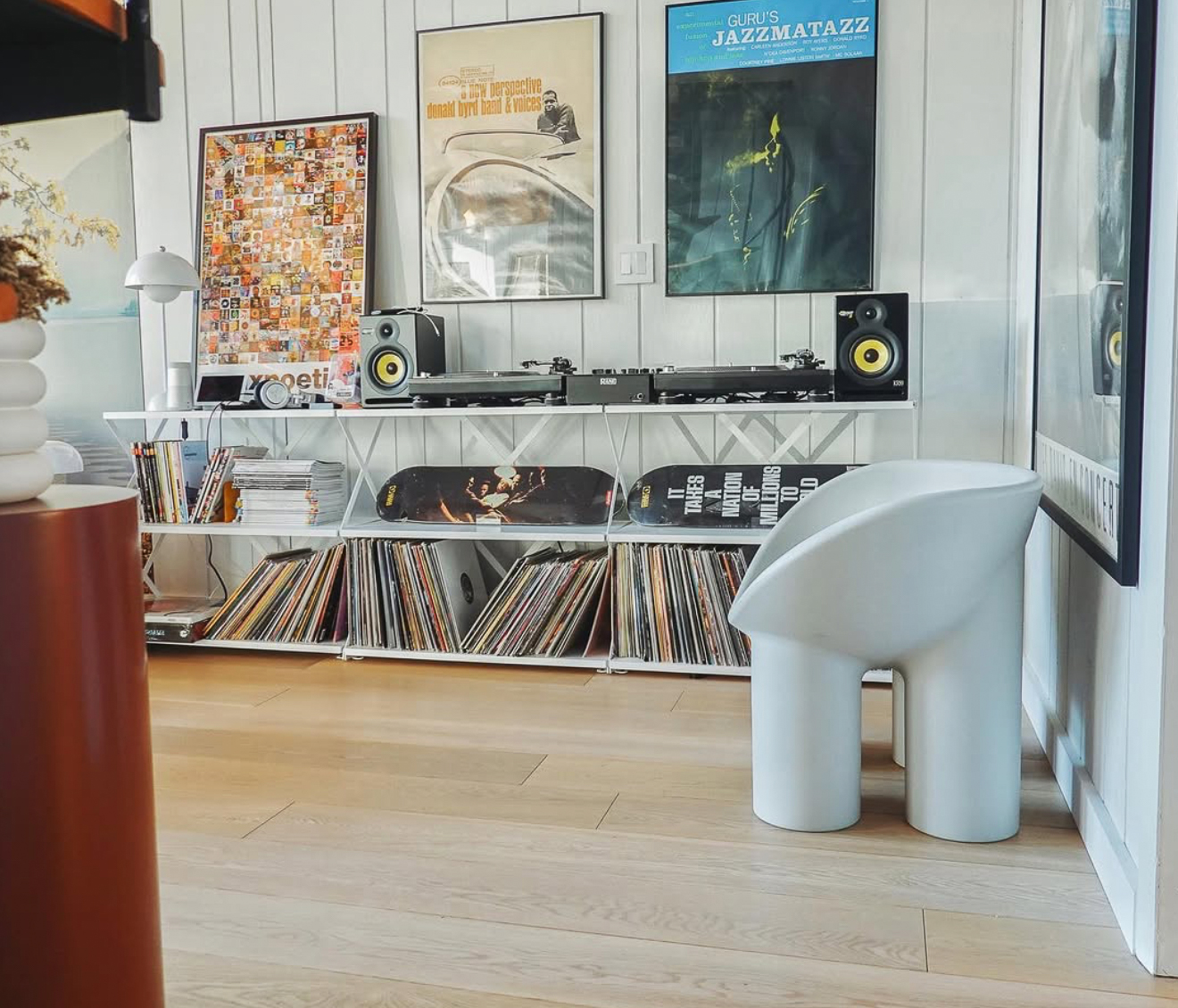
With an interior fashionably furnished with a discrete smattering of design classics, I’m wondering whether Don is still collecting Facebook Marketplace finds on his Brompton? 

“That’s one of the great things about NYC. How there’s so many wealthy people who are constantly moving and want to offload really expensive design pieces. And the Brompton? I did have one particularly tricky ride home with a floor lamp balanced just above the front wheel. And you know how twitchy Bromptons can be.” 

Considering the active social life the couple enjoy in the city, perhaps it’s a little premature to ask whether Don can ever see himself living full-time at Highcliffe. But he clearly relishes the peace and quiet afforded by such a rural setting; a bucolic lifestyle enlivened by visiting family and friends. Or garden parties, I add, referencing the celebration of their wedding in 2023 following an exchange of vows at City Hall.

“Cycling is such an important part of my life; pretty much the reason why I moved to New York which I guess is kind of stupid. Usually people relocate to start a new job but I wanted to ride my track bike in NYC. So to have someone special like Karen to share all that is really great. And it’s already a given that any trip we take has to be a bike vacation.” 

So you first got to know Karen through riding bikes, I ask? 

“We met through mutual friends but I already knew her from Instagram. And I remember egging on my friend Julia to make sure she invited Karen along on the rides we were planning.” 

So an instant attraction? 

“Absolutely not. Karen was tough,” Don laughs. “I was pursuing her for over a year.”

A year is quite a long time, I suggest? 

“She knew that I liked her but she just wasn’t having it.” 

So what changed, is my next question? 

“Maybe you need to ask Karen,” replies Don with a smile. “I would arrange a bike ride and hope that it would be just me and her but then Karen would mention that we were meeting one of her friends at this or that corner. So eventually I started to question whether I was getting anywhere and decided to stop trying to hang out with her off the bike. And I think she noticed this change and we finally got together.” 

Brand photography


Click image to enlarge

With this talk of sharing a life with a loved one and conscious that Don previously mentioned how formative he found the influence of his brother Kuya Gerrard*, I decide to tentatively touch on the tragic accident in 2020 that saw Gerrard lose his life on an organised bike ride. A loss that Don lovingly acknowledges in the messages he posts on the anniversary of his brother’s passing and in the physicality of shared passions.

*The appellation Kuya means older brother in Tagalog and is used as a sign of respect.

“I have his vinyl collection at Highcliffe. We both grew up listening to the same music so I’ll just pull out a random record and, in my head, each selection brings back a very particular memory. It’s a good trigger.” 

And Gerrard’s name anodised on Don’s Firefly stem? 

“When I’m out on the bike I’m always thinking of him, so having his name written there just resonates.” 

Understanding that these material things offer a sense of comfort, I’m wondering what the objects are tapping into?

“Memories, I guess,” suggests Don. “Past and future memories.” 

So if Don was to make a future memory? If he was to plan a pretty perfect day? 

“It would have to involve a ride, for sure,” he confirms, perhaps unsurprisingly. “So out on the bike, exploring?” 

Alone or riding with someone, I’m interested to know?

“Karen and I did the Torino-Nice Rally route and on one of the days we were pushing on to make it to the B&B we’d booked. Karen had taken a shortcut to avoid this huge climb but I didn’t want to miss it. And I remember being all alone, just me and my thoughts, climbing this mountain and thinking about my brother. So hypothetically? If my brother was with me, it would be nice to ride with him again. That would make for a pretty perfect day.”

All photography* with kind permission of Donalrey Nieva

Highcliffe House

*Feature image by Nik Karbelnikoff

Karter Machen / Just happy to be here

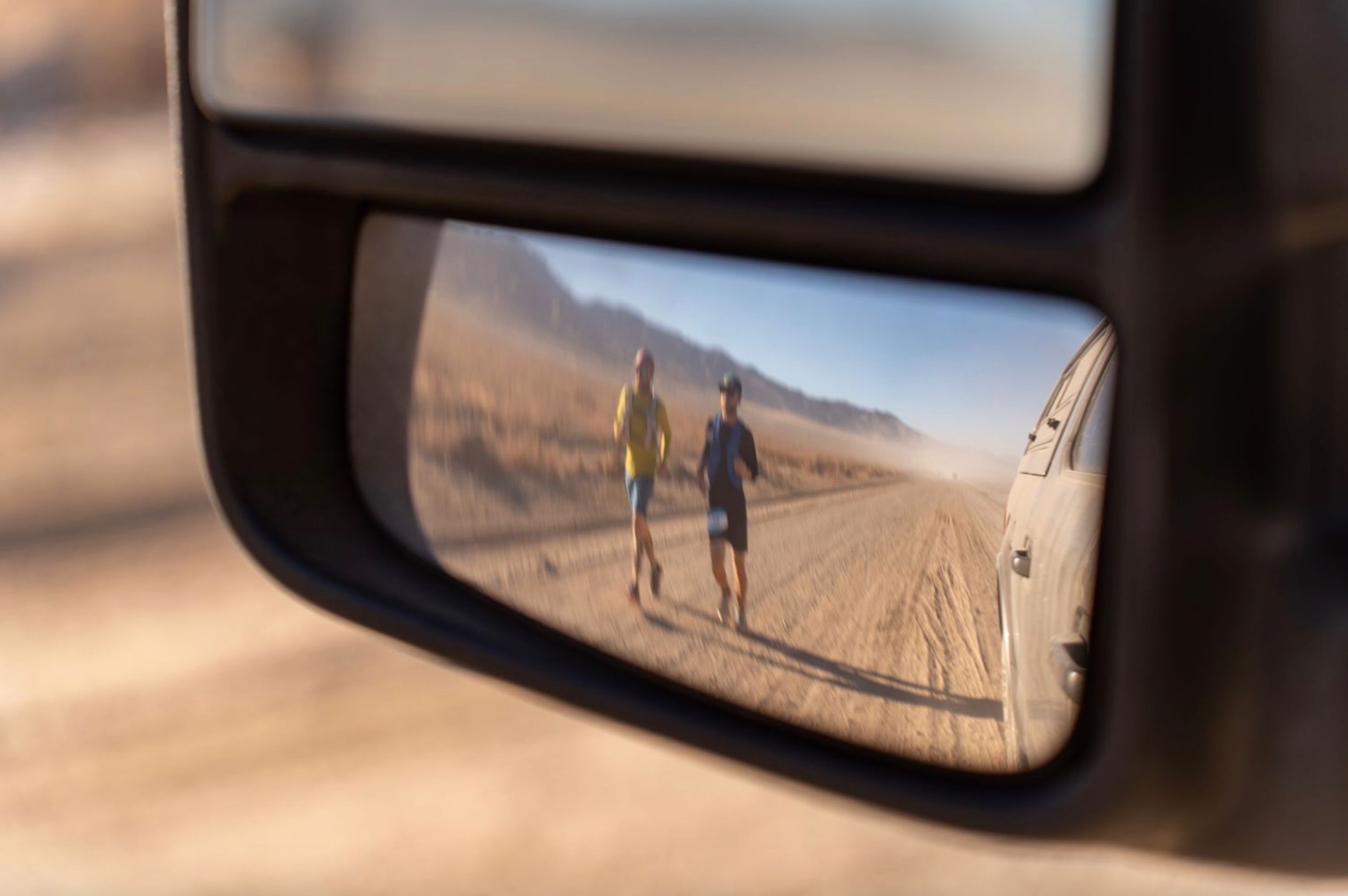
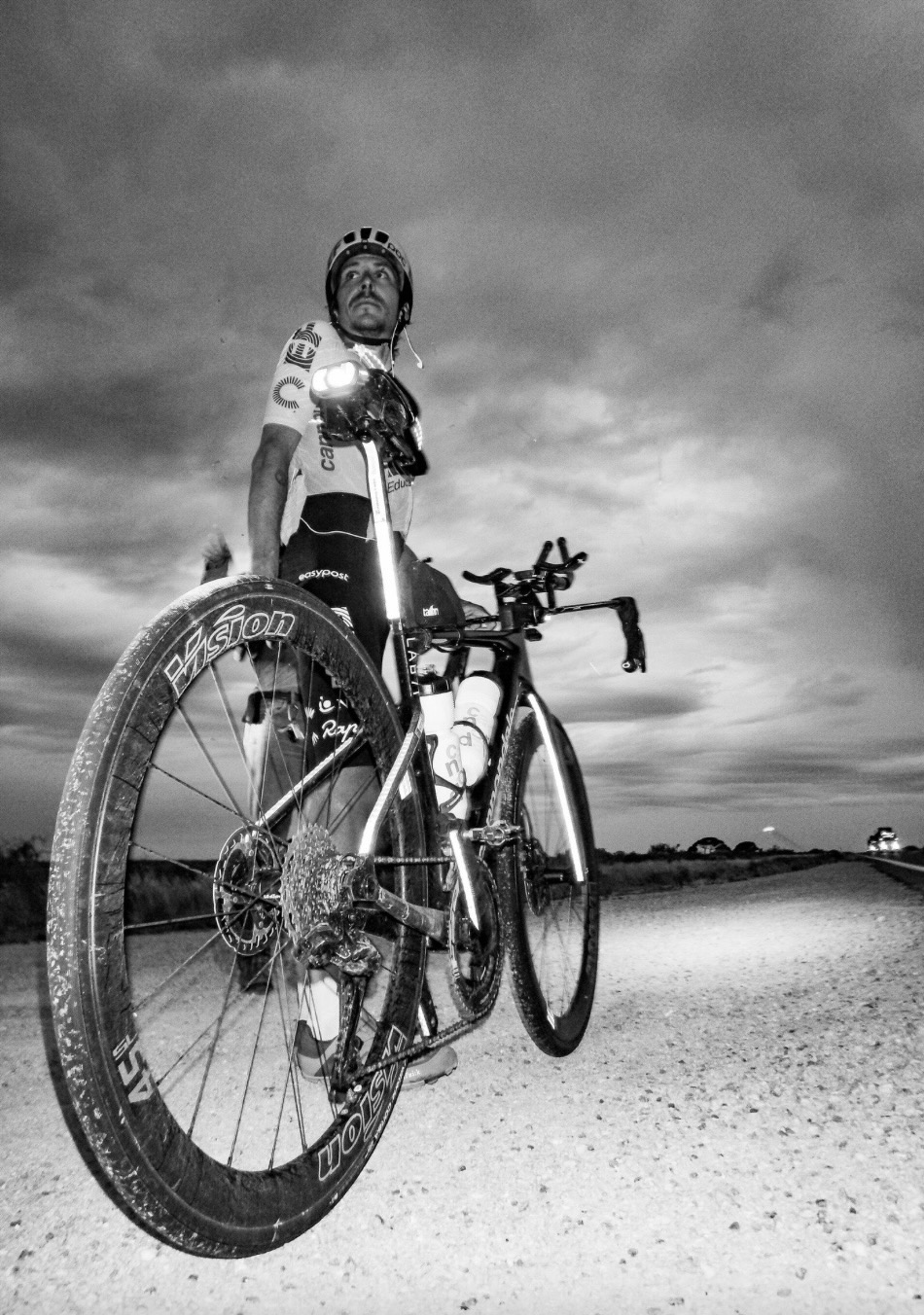
Photographer Karter Machen has recently returned from a month long circumnavigation of Australia where, camera in hand, he shadowed ultra-distance racing legend Lachlan Morton. The resulting photographs—freeze framed moments that document this epic undertaking—beautifully reflect Karter’s instinctive ability to combine elements of emotional intensity and poetic storytelling into a single, still image.

Now home in Washington State but busy planning a potential relocation to Europe, we sat down over a call to discuss Karter’s creative journey and how this informs his own sense of wellbeing. A circuitous conversation that strays towards the philosophical in questioning what we really need to feel whole in an increasingly fragmented world.


cyclespeak
Australia looked amazing. An enjoyable trip?

Karter
One of the most intense experiences of my life to date. Each and every day had its surprises.

cyclespeak
The resulting film directed by Gus Morton did seem to suggest that, by necessity, you were making things up on the fly?

Karter
Plans kept being thrown out of the window but you roll with the punches.

cyclespeak
My youngest son commented that all the people I interview have really cool names. He’ll be pleased to know that you’re continuing this tradition.

Karter
A lot of my family came from Wales. There’s a town there called Machen and I guess quite a few of them got on a boat in the 1700s and sailed over here. But it’s pronounced like you’d say May-chin so no one ever says it correctly the first time [laughs].

cyclespeak
So you have to explain…

Karter
Every time. And that goes for my first name too. Karter with a K.

cyclespeak
Can we start with a whistle stop tour of your childhood?

Karter
I grew up in Idaho Falls. A small farm community—basically potatoes as far as the eye can see—so it was a case of making your own fun. A lot of time spent outside, playing in the irrigation canals that watered the fields. We’d jump right in and float all day.

cyclespeak
And sports?

Karter
I had no interest whatsoever in endurance sports. And cycling specifically was never really a thing where I grew up. We had bikes to get around but the idea that people raced them was just foreign to us. So I played a lot of American Football. Just like the movie where the whole town turns out for the game. And then later in life I started to transition into action sports. My older brother was an excellent skier so I followed his path. And it wasn’t until my late teens that I discovered cycling.

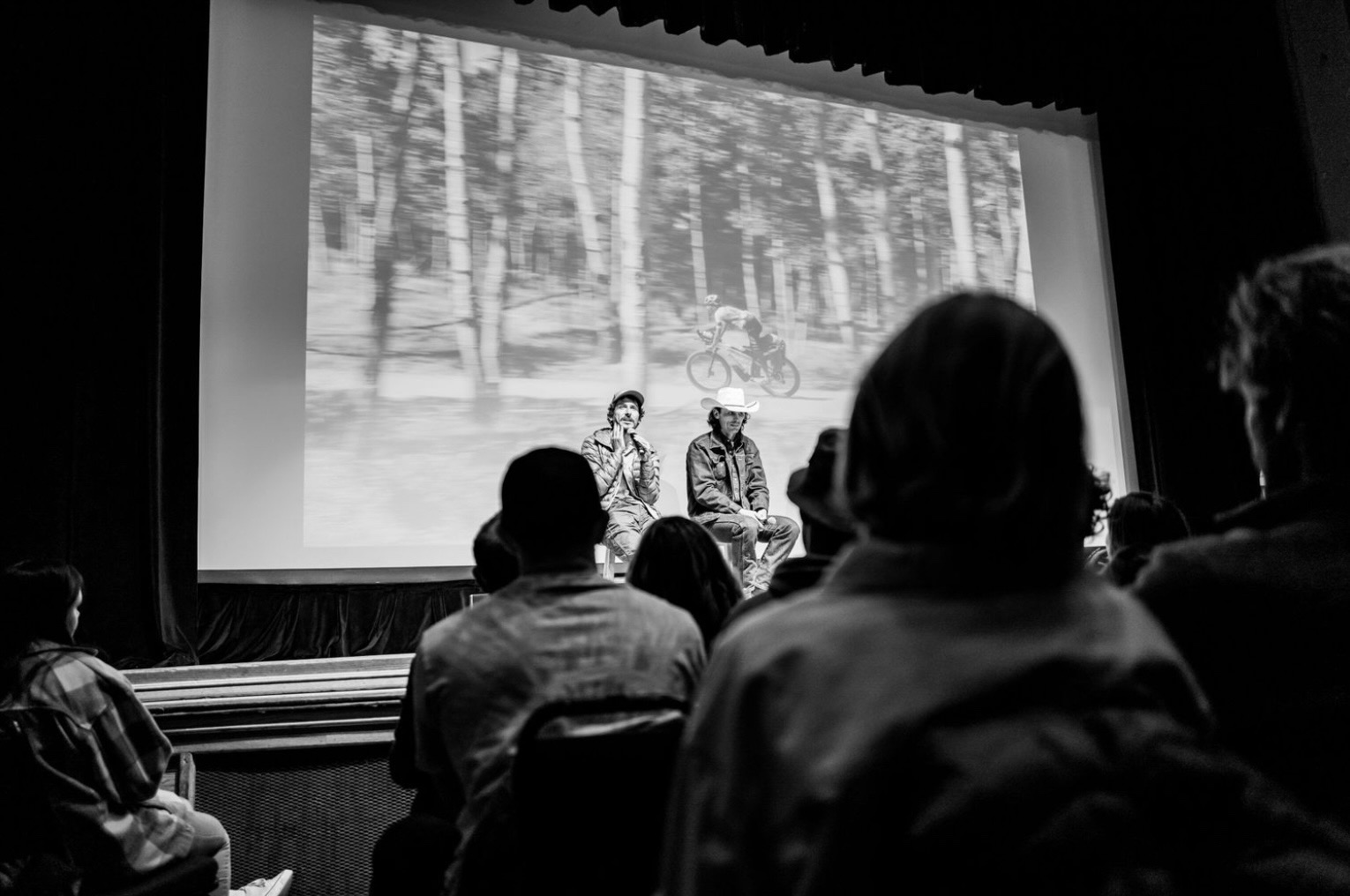
The Divide Film Tour // EF


Click image to enlarge

cyclespeak
And what did that look like?

Karter
I got a downhill mountain bike and then a couple of years later Creg Fielding, a friend of my Dad’s, introduced me to the road scene. He let me borrow a bike and some kit and took me out for a ride. Probably one of the worst experiences of my life…

cyclespeak
It was?

Karter
My legs were on fire—on a 12 mile ride—and I couldn’t, for the life of me, figure out how anyone could do this for fun. But over the following three years it very quickly took over my life. I had a lot of time on my hands and needed something to do. And choosing to ride a bike really shifted my whole perception of mental health and navigating through life. Being able to slow things down and process life with all its complications. It changed my mindset and, eventually, changed my career.

cyclespeak
But first there was college?

Karter
I started a business degree but didn’t really have a plan. And I had a few part-time jobs: working as a waiter and as a tour guide in Moab, Utah, where I rock-crawled big Hummer trucks. It was around this time that I got my first camera and started to shoot friend’s weddings. Doing that prompted me to drop out of college and find work in media production. I spent a while working as a junior creative director for a marketing agency. So primarily video production.

cyclespeak
Can you pinpoint a moment when the camera switched from simply recording an event—you mentioned weddings—to something you could use to tell stories?

Karter
That’s an interesting question. And I guess it was a gradual process during my media career. Because initially, the camera was a tool and there was no passion. Just a means to make a living. But then I’d go on trips with my friends and take pictures and it was those pictures that I loved. And then, when I would give people a copy and see how much it meant to them, that also became a driving force and the shift in perspective that maybe I needed.

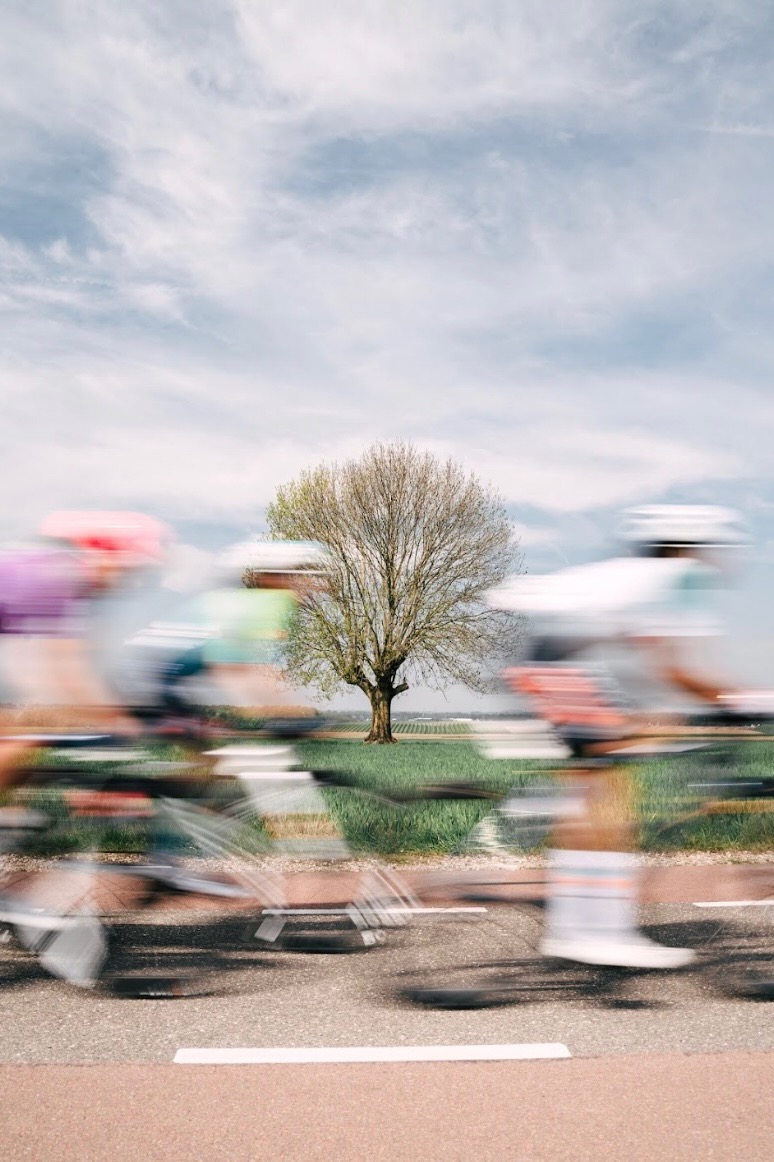
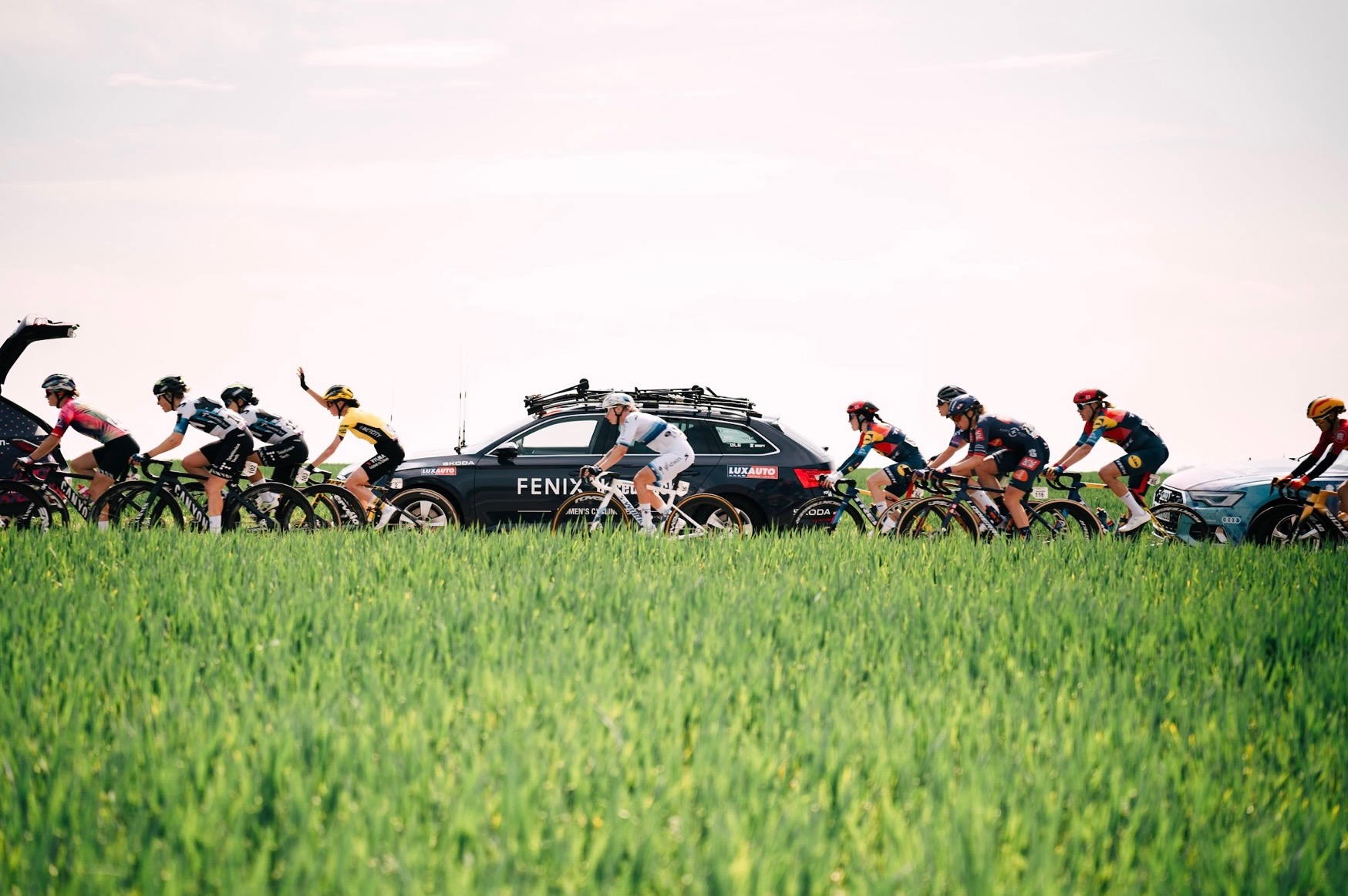
Amstel Gold // La Flèche Wallonne


Click image to enlarge

cyclespeak
Looking through your portfolio, your images are rarely straight and static. There are strong directional diagonals, shifts of subject weight in the frame, a focusing-in on faces and hands. And I was wondering whether this approach is a series of conscious decisions or more of an instinctive response?

Karter
In those heightened moments when so much is going on, we use the term spray and pray. But as my career has progressed—maybe leaning on past experience—I’ve started to take fewer and fewer images. And then in post production, I’ll look at the framing to help tell the story.

cyclespeak
Does film photography interest you at all? To purposefully slow down the process?

Karter
I rented a Leica Q2 to capture the European leg of the film tour that Lachlan and Gus Morton did for the Tour Divide. A digital camera but it still slowed down the way I shot an image. And that also coincided with a period of time when I was changing how I was framing and composing each shot. Which provides its own sense of satisfaction when you take fewer images but with a good proportion that are strong.

cyclespeak
So is it about capturing a moment? Documenting what is happening?

Karter
I guess what was once a process of documenting whatever was happening is now shifting towards more of a narrative. And there’s this phrase—a moment in time—that for a while has really resonated with me. So having the opportunity to just be present and capture something that will never happen in the same way ever again feels pretty special.

cyclespeak
A story captured in a single frame, forever?

Karter
Which I guess is why I enjoy looking back over previous work and having the memories of those moments resurface.

cyclespeak
As a creative individual, where do you seek inspiration?

Karter
That’s another good question. Because I don’t always see myself as a creative person.

cyclespeak
Can I ask why not?

Karter
Maybe there’s a slight imposter syndrome? And I just struggle to feel that way about my own work.

cyclespeak
You’re not alone in thinking that way. Because I find a lot of creative people are always hyper critical about their work and find it difficult to feel a sense of satisfaction.

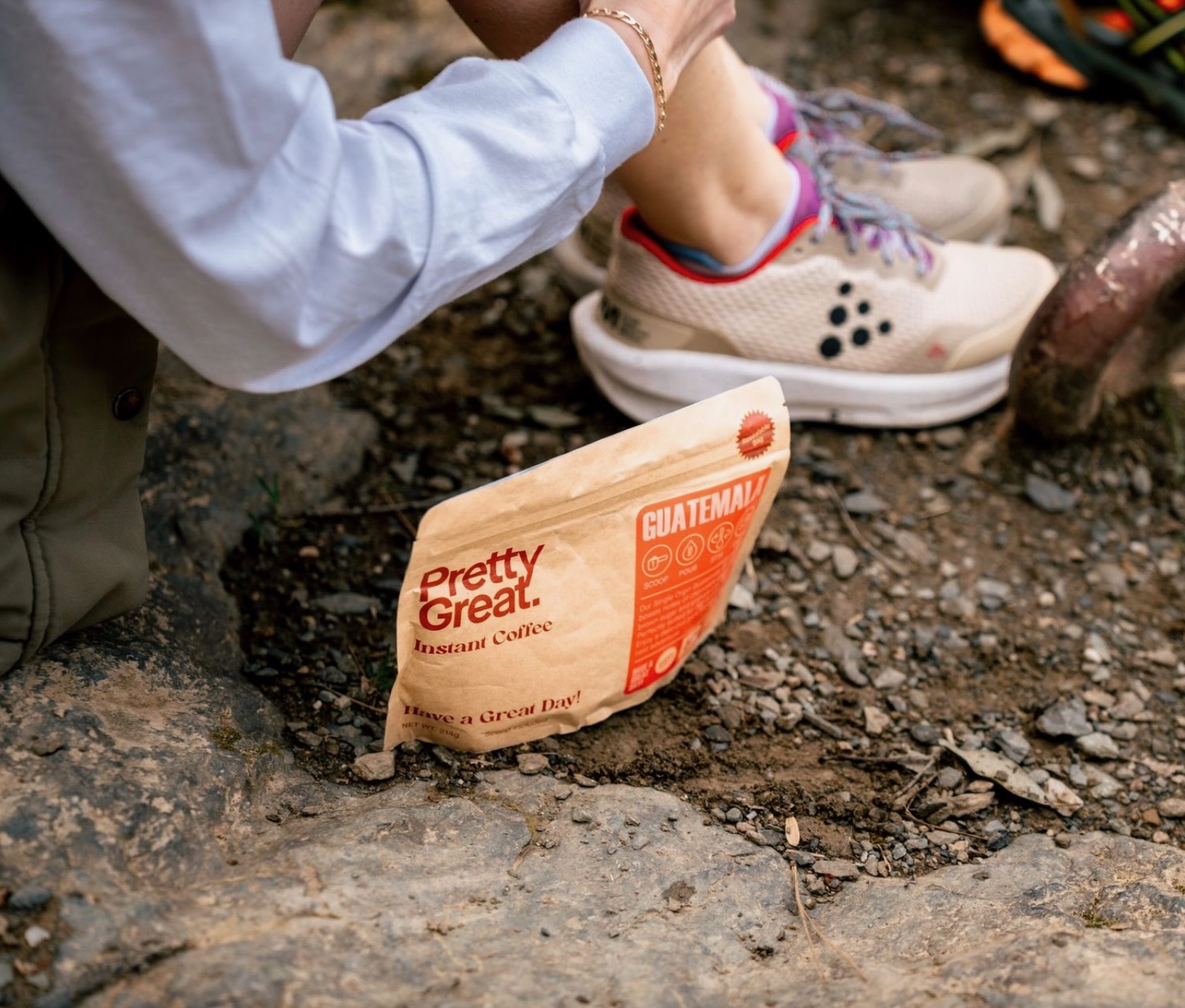
Pretty Great Instant


Click image to enlarge

Karter
Looking back on my career, there was a lot of, if the client’s happy, then job done. And then there’s been the whole battle with social media coming of age. Always comparing and fixating over likes and who’s getting attention. All the bullshit that comes with seeking validation from these platforms.

cyclespeak
But most people struggle with that in some way or another?

Karter
I guess they do. And now I try not to concern myself with those thoughts. I strive to capture a good image and if I’m happy, then that’s enough. And it’s only taken me seven years to arrive at this point [laughs].

cyclespeak
You say a good image. Can I ask how you make that judgement?

Karter
I guess what it comes down to, for me, is capturing the emotion. Whether that’s the landscape, the weather, however the subject is reacting to their environment. The full picture. And all of that in a single, fixed frame.

cyclespeak
People looking at what you do for a living—the travel, the exciting events, the exotic locations—they might very well perceive that as a glamorous job. But nothing is ever easy in life—there are always stresses and strains—so what are the realities, your reality, of earning a living as a photographer?

Karter
There’s a lot of sacrifice. Not a unique aspect but there’s been so much time with loved ones that I’ve missed. And I do feel incredibly fortunate that I get to experience all these things but there can be weeks and weeks without any sense of normalcy: late nights, early mornings, crazy hours, and a lot of unknowns that you just have to battle. You have to roll with the circumstances which interestingly has also trickled down into my day-to-day life.

cyclespeak
How so?

Karter
Certain shoots can bring with them an immense pressure on what you need to get done. You’re making decisions on the fly and managing your outcomes to the best of your ability. So when something happens in your personal life, as much as you might want to mope about it, you learn to make the necessary decisions and keep moving.

cyclespeak
Does your cycling have a similar effect?

Karter
I guess when you voluntarily put yourself in situations that are just awful. When you’ve been pedalling your bike for 15 hours and asking yourself why you’re doing it?

The Pony Express 100


Click image to enlarge

cyclespeak
When were you riding for 15 hours?

Karter
Last year I did a 200 mile gravel race in Utah that was routed along the old pony express roads. And I say roads in the loosest of terms. But taking on these challenges teaches you the value of time well spent. No scrolling on your phone, no TV, just alone with your thoughts and nowhere to hide if that makes sense? Because it’s going to crack you open at some point and that forces you to look at yourself in a very raw sense. And that’s really helped me to get a grasp on a lot of things in my life that previously I found problematic.

cyclespeak
You mentioned the pressure of social media in relation to your photography. So is it fair to say we’re increasingly fed this idea of happiness as a state of being? The reward for wanting whatever brands have to sell. But life is sometimes balanced by sadness and maybe if we aimed for contentment, then that’s a more realistic goal?

Karter
I’m one hundred percent on the same page. True happiness is fleeting at best. Something my girlfriend and I were talking about yesterday on a walk. How we question what we’re doing with our lives.

cyclespeak
Did you come to any conclusions?

Karter
I want to be confident in my own decisions. With my photography but also my morning routines, my diet, my leisure time, the clothes that I wear and the bikes that I ride.

cyclespeak
So how does that relate to your cameras? Are they a toolkit for doing your job or is there an emotional element?

Karter
Recently it’s started to feel nice.

cyclespeak
Why the change?

Long pause

Karter
Probably because I’ve been more true to myself in how I capture things. A slowing down and finding joy in the process. More of a connection with the camera when before it was just something I used to capture what the client wanted. And The Great Southern Country also played a part because I went in with total creative freedom and was able to feel a sense of pride with the images that came out of that experience.

cyclespeak
So looking at your life in general, is each and every day an adventure? Something to be appreciated?

Karter
I believe so. And that kind of leads into my freelance way of working after spending so many years with a 9-5 routine. If I can learn something each day, see something that fascinates, enjoy the simple things that maybe we take for granted?

cyclespeak
I guess what you’re describing is being present in whatever you’re doing rather than a constant searching for bigger and better?

The Great Southern Country


Click image to enlarge

Karter
One of my personal mantras—for want of a better word—is to live with awe. And that might be the birds singing on your morning walk or a conversation with a random stranger at the airline check-in desk. Our lives are filled with junk from the marketing messages in our inbox, to the way our phones encourage us to keep scrolling. But there’s so much, right in front of us, that’s so worth appreciating.

cyclespeak
I understand that travel is a necessity for your profession. So what is your concept of home? A place, people, belongings or something else?

Karter
That is such a good question. And for me, I try to feel at home wherever I am. Maybe because my schedule can be a little chaotic. But what anchors me most is the time I spend with my partner Emily.

cyclespeak
Is there anything you carry with you on work trips that has a sense of home?

Karter reaches out of shot before holding up a leather-bound notebook

Karter
My Mom gave me this a while back and it just sat in a drawer. But then one day I stumbled upon it and it’s been travelling with me ever since. On the front it says write something worth reading or do something worth writing. I don’t use it as a journal but, if the mood takes me and I feel inspired, then I’ll jot down whatever is on my mind.

cyclespeak
How do bikes fit into life and living? Because I saw on your feed that you have a very nice Standert which I guess is a rarity in the States?

Karter
I love that bike. And yes, most people I meet don’t recognise the brand as it’s Berlin-based. And I arrived at this particular bike after disappearing down the rabbit hole of lightweight carbon with all the whistles and bells to make you go faster. But then I saw my first Standert and was just struck by their beauty and the story behind the brand. So removed from the conversations I’d been having where I was questioning whether it’s worth spending an extra $2000 to save 150g. It was a case of, enough, I just want to ride a bike that resonates with me, that has the same kind of vibe as owning a classic car.

cyclespeak
I was intrigued by your Instagram bio where it states you’re just happy to be here.

Karter
It’s just something I’ve always said. Because people will apologise when I’m on a shoot if the weather is bad or there’s a problem with logistics. Which is very nice of them but I’ll stop them and say, “I’m just happy to be here”. Because everything doesn’t always go according to plan and to be very upfront, I had a long battle with depression and experienced some difficult times. So learning to fall in love with life again, no matter what’s happening, I’m just happy to be here.

All photography with kind permission of Karter Machen / kartermachen.com

Two Together / Van life

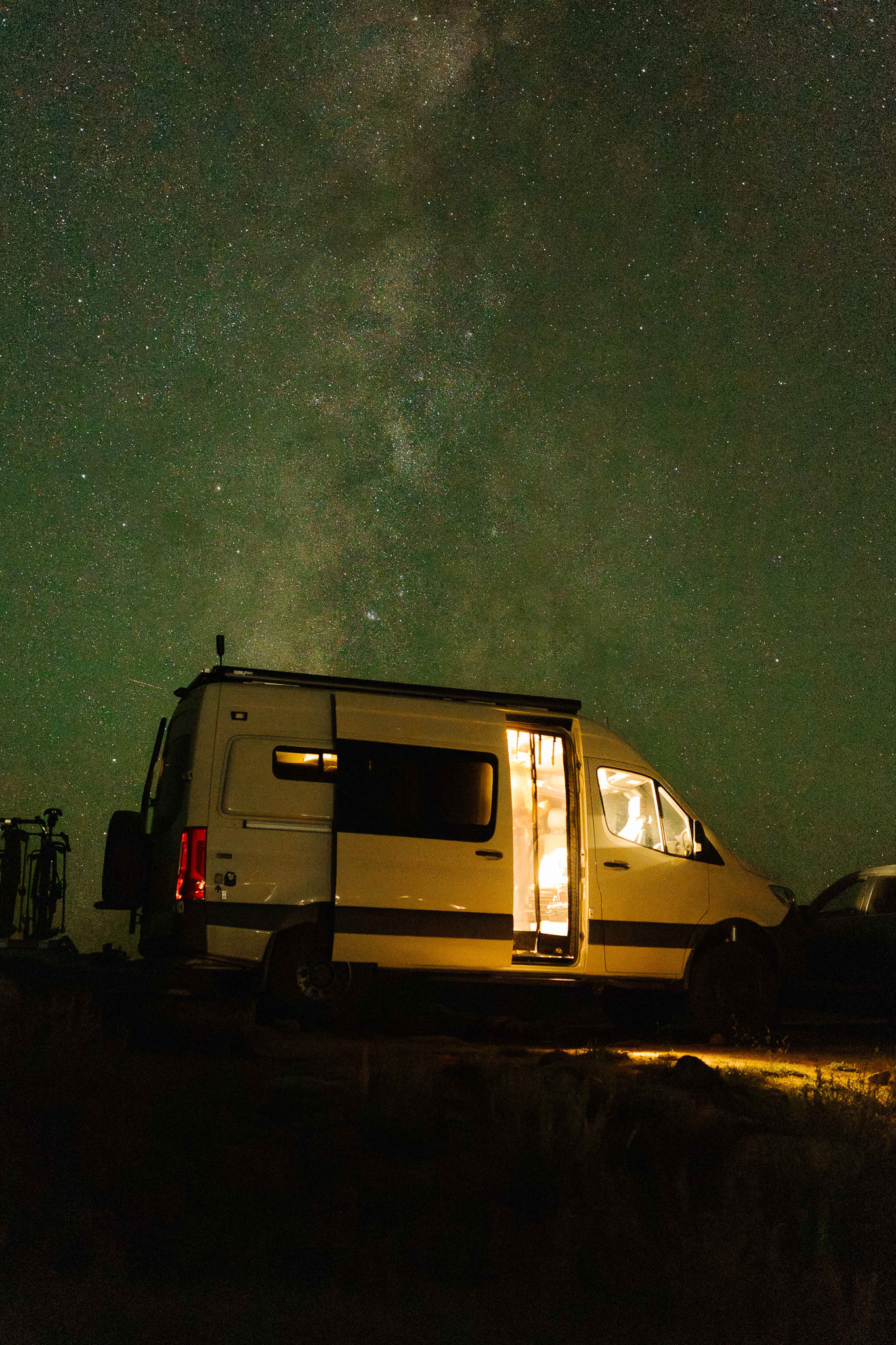
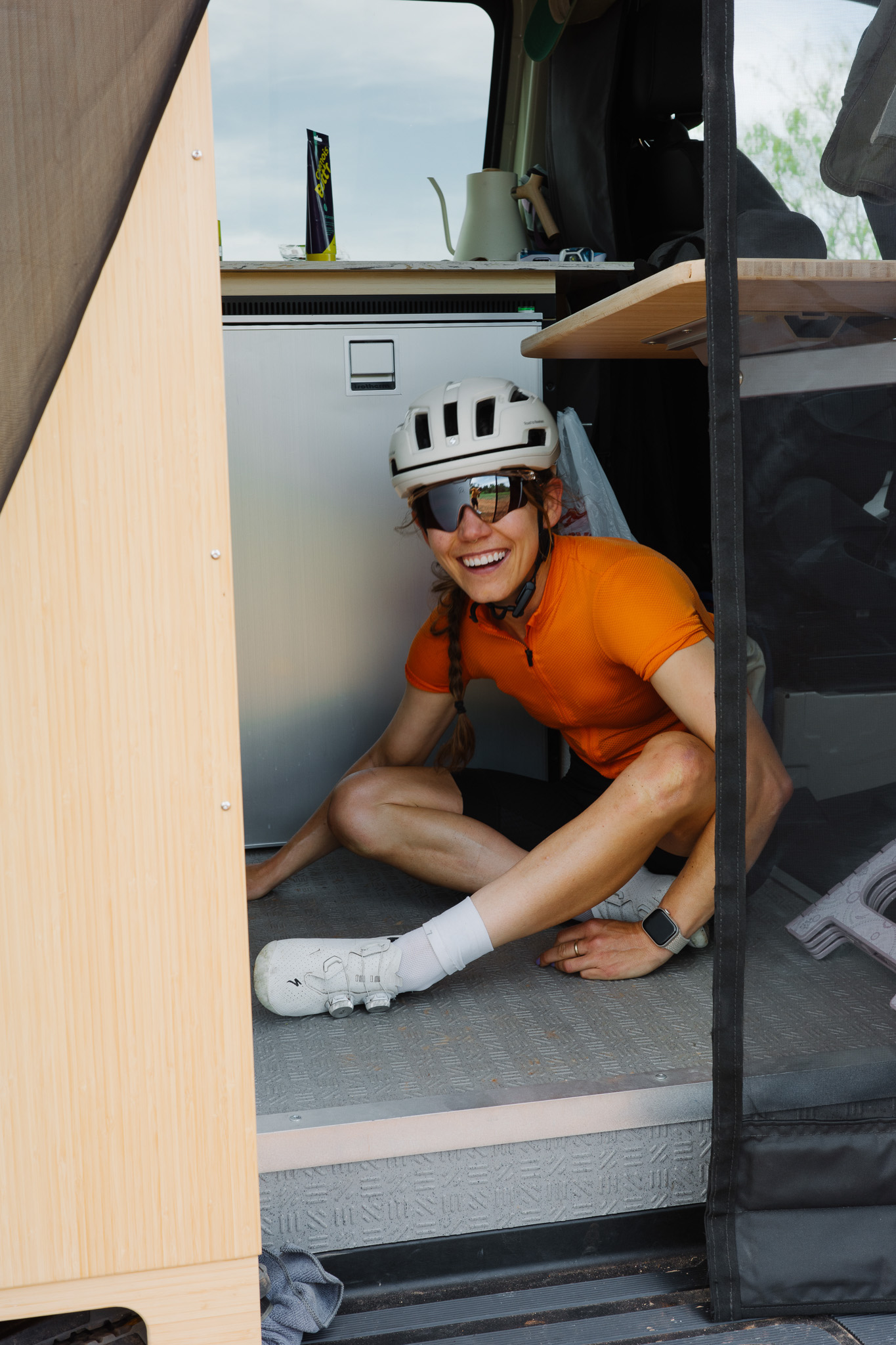
Completing the purchase of the RV they would subsequently name Oatmeal, Cayla Green and Alex Roszko took their first tentative steps into van life. And now, after a number of extended trips combining both work and leisure, they sat down together to talk over their first year of ownership: both the rewards, and realities, of living life on the road.


cyclespeak
I know Alex from a previous story, Cayla, but it’s the first time we’ve met. So can I ask what keeps you busy when you’re not riding bikes?

Cayla
I’m a software engineer; working pretty much remotely since the pandemic. I guess I’m of that generation that never got the full 9-5 experience—for better or worse—and when I’m not working or hanging out with my little dog Navy Bean, I like to read and cook.

cyclespeak
I assume there’s also an element of homeworking with your career as a photographer, Alex? So are you both super disciplined or prone to getting distracted?

Alex
Given the nature of my work—that it’s freelance—if I have a deadline, then I will meet it. But if I don’t have anything to work on, I’ll just putz around, trying to talk to Cayla when it’s clear she’s focused on her own work project. So I think we work well together but maybe Cayla has a different take on things?

Cayla
Maybe I do [laughs]. And Alex is quite correct in that I focus very intensely when I’m coding. Almost oblivious to what’s going on around me.

cyclespeak
Before we get onto vans and van life, I feel it would be remiss of me not ask about your story as a couple?

Alex
We first met during the pandemic on some of the same rides. Nothing happened because we were both in relationships but a couple of years later, when I rolled up to the start line at Rule of Three—a race in Arkansas—who should I see but Cayla and her partner. But what I didn’t know, was that they’d actually ended their relationship but still wanted to ride the event together as friends. Over the course of the race I mentioned that I’d recently split up from my partner and I guess that was kind of it.

Cayla
It was such a funny reveal that we’d both gone through something so similar within a couple of months of each other.

cyclespeak
I believe it was actually on your first date that the notion of van ownership was first mentioned?

Alex
That was a few weeks after Rule of Three. We met up for coffee and talked about our respective breakups and what we were both looking for in the future. And as we both ticked off our mental checklists of more travel, more riding, more flexibility, it soon became apparent that we shared so much common ground in terms of the path we wanted to take. Which was both a kind of shock but also super exciting.

Cayla
One of us would reveal something, only to have the other say, “You’re kidding. Because that’s how I feel too.” So it was all kind of neat. And a little surprising. To the point of, “Did you read my journal?”

cyclespeak
Obviously stars were aligning.

Alex
I guess you could say so.

cyclespeak
So what function was your van meant to serve?

Alex
I’m going to go back a little to answer that. To my uncle who has built out vans for years. I can remember from my mid-teens all his different rigs. Whether that was a Volkswagen van or an old Chevy Blazer, they all represented freedom and easy access to the outdoors. So my thinking was the van would provide accommodation when I travel to a race, could double up as a mobile studio, and a space to unwind after long days spent shooting.

cyclespeak
And for you, Cayla?

Cayla
My parents, before I arrived, had an amazing time exploring the United States in a Winnebago. And I’ve always been a somewhat transient person; only ever living in the same place for 15 months at a time. So you combine my own desire to travel with the sense of claustrophobia during the pandemic, and my need for freedom became even more urgent.

cyclespeak
Can you describe the purchase process? Was it easy to navigate and did you have a shopping list of certain features?

Cayla
I do feel that one of the smartest things we did was rent a van before we started our own search in earnest. And when I say van, I’m talking about one of the more bare bones varieties. No toilet or indoor shower, 2WD, and a relatively small bed with very little storage. More as an exercise in understanding what we could—or couldn’t—live without. There’s some upfront cost—renting something online—but it was so worth it in terms of helping us figure out what really mattered.

cyclespeak
And how did that experiment work out?

Cayla
We drove down to where I was born in Corpus Christi, Texas, to visit family and spend some time with friends. That first night, we camped out on the beach and in the morning discovered we were stuck. So, straight away, we knew that 4WD is pretty much a necessity. And then, taking a shower outside in the wind, the shower curtain kept sticking to Alex’s skin so that was another lesson learnt.

Alex
Researching different van types, I had my own ideas of what I was looking for. Like I really wasn’t that fussed over an indoor shower but you soon start to reconsider when there’s a cold, wet shower curtain wrapped around you. I was freezing, it was miserable, and not something I wanted to experience on a regular basis. And it probably didn’t help that I was a little spoilt with what I’d been used to with my uncle’s builds.

Cayla
There were times when I was beginning to wonder whether we’d ever find one [laughs].

Alex
The search was all encompassing—Craigslist and eBay and all the individual builders—until we finally saw one that just seemed to tick all the boxes. We immediately called the vendor and booked a flight.

cyclespeak
How far are we talking about?

Alex
We flew into Atlanta, bought the van the next day, and then drove back to Austin the day after that.

cyclespeak
From the photos you posted, it looked in superb condition.

Alex
The van is a 2022 and the build was 2023. Owned by a wonderful guy called Bill who’d been planning a US tour with his wife but their circumstances had changed.

Cayla
He really wanted to meet us in person before completing the sale. And you hear stories about older people with a twinkle in their eye? I tried to negotiate the price with him but he just smiled and told me he appreciated the fact that I’d at least tried [laughs].

cyclespeak
Aside from buying a house, this must rank as one of the biggest purchases you’re ever likely to make?

Alex
We split it 50:50—something both of us had been saving for—so the van is co-owned with a contract. We’re not married, so it’s a case of two individuals owning one, very large piece of equipment.

Cayla
We hadn’t even reached the 12-month anniversary of our first date when we drove the van home.

Alex
I took inspiration—if that’s the right word—from the same uncle with all the van builds. He takes the view that if you want to do something—and can afford whatever you have planned— then you should do it as soon as you can. Because that opportunity or freedom to act might not arise anytime soon and what’s the harm in taking a risk and messing up? It’s just a thing and you can always sell it if circumstances change. But experiences and memories can last a lifetime.

cyclespeak
So how was that first trip and was there a learning curve?

Cayla
Our first big trip was to Sea Otter. And yes, there was definitely a learning curve [laughs]. Everything from finding the correct kind of fuel—not every gas station in the States has diesel—and very quickly discovering that cell service across continental North America can be patchy at best. So there were some panicky moments pulling into supermarket parking lots so I could connect to the Starbucks WiFi and finish a project.

cyclespeak
I guess remote working as a software engineer necessitates a certain level of connectivity. But aside from that, any other lessons learnt?

Cayla
Alex was very set on finding level ground—every time we parked up—but as soon as you start cooking an omelette in a pan and one half is twice the thickness of the other, these details very quickly become apparent. Sleeping too—on a slope—can be tricky when you wake up with your feet feeling super weird. So it wasn’t long before I came around to his way of thinking [smiles].

Alex
On that first big trip, we took ten days to travel to Monterey from Austin. You could make that same journey in three long days but our plan was to drive for only four hours a day, do some work and then go on a ride. But that requires you to move every day, which in turn presents you with a number of key decisions. Where are you driving, where are you stopping, where are you riding? Can you re-supply with groceries along the way, do you have a work call and will you have WiFi? Every day—over a ten-day trip—a brand new logistical operation. And, for me personally, that time at Sea Otter was the most intense work week I’ve ever experienced. Eleven shoots in six days with seven different brands. So the closer we got, the more my stress levels increased. And that meant my ability to make practical decisions was also impaired.

cyclespeak
So did you figure out a solution?

Cayla
Spontaneity is great when you’re not on the clock. But sometimes it’s just better to beeline there, set up camp and then, when you’ve finished up with work commitments, take your time and a circuitous route back home again.

Alex
And we now have Starlink which is an absolute game changer. Especially when we’re on the move and can both still work.

cyclespeak
You’re connected!

Cayla
We are indeed [laughs].

cyclespeak
So moving forward from these first experiences of travelling, what are the realities of van ownership?

Cayla
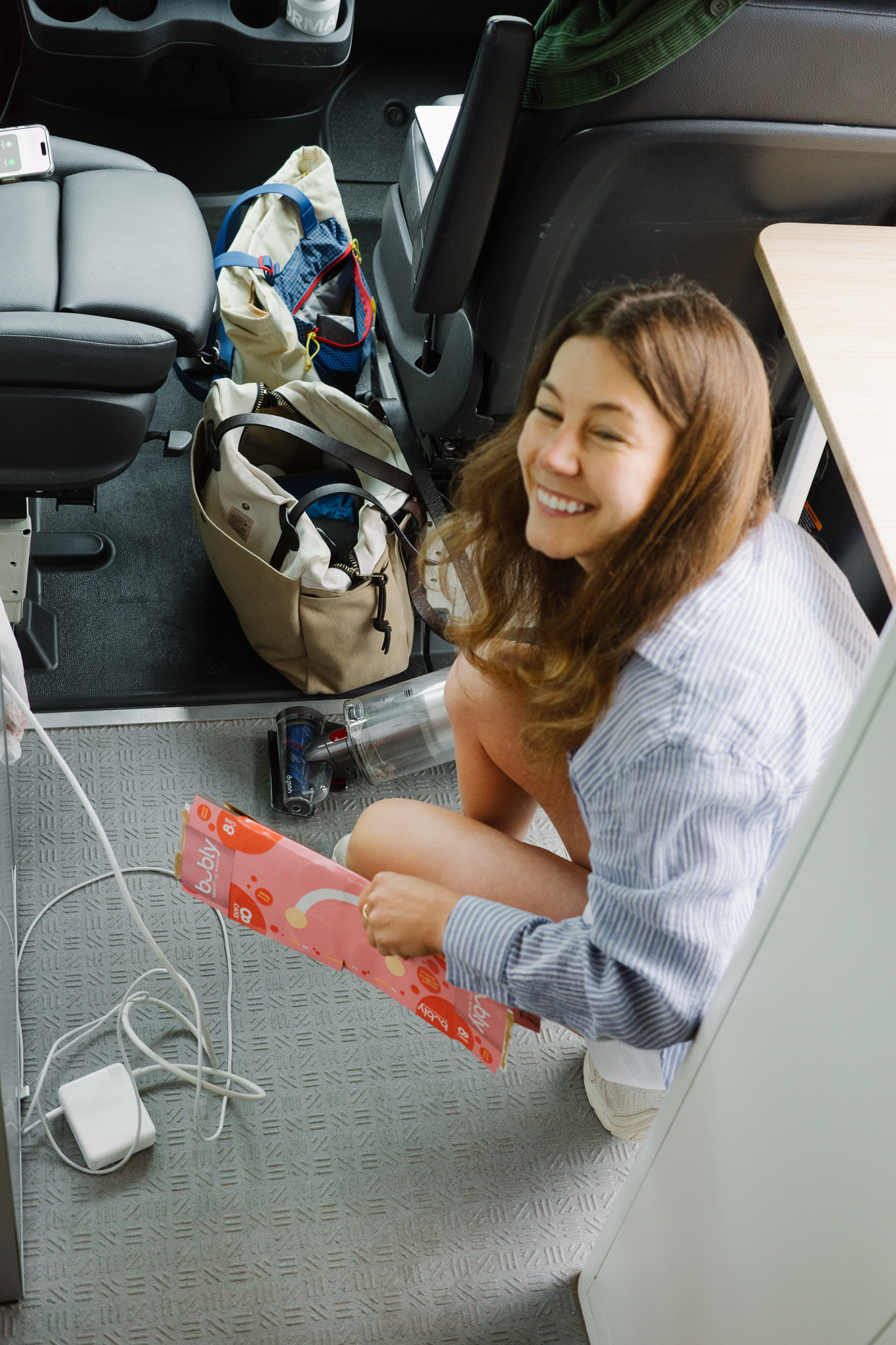
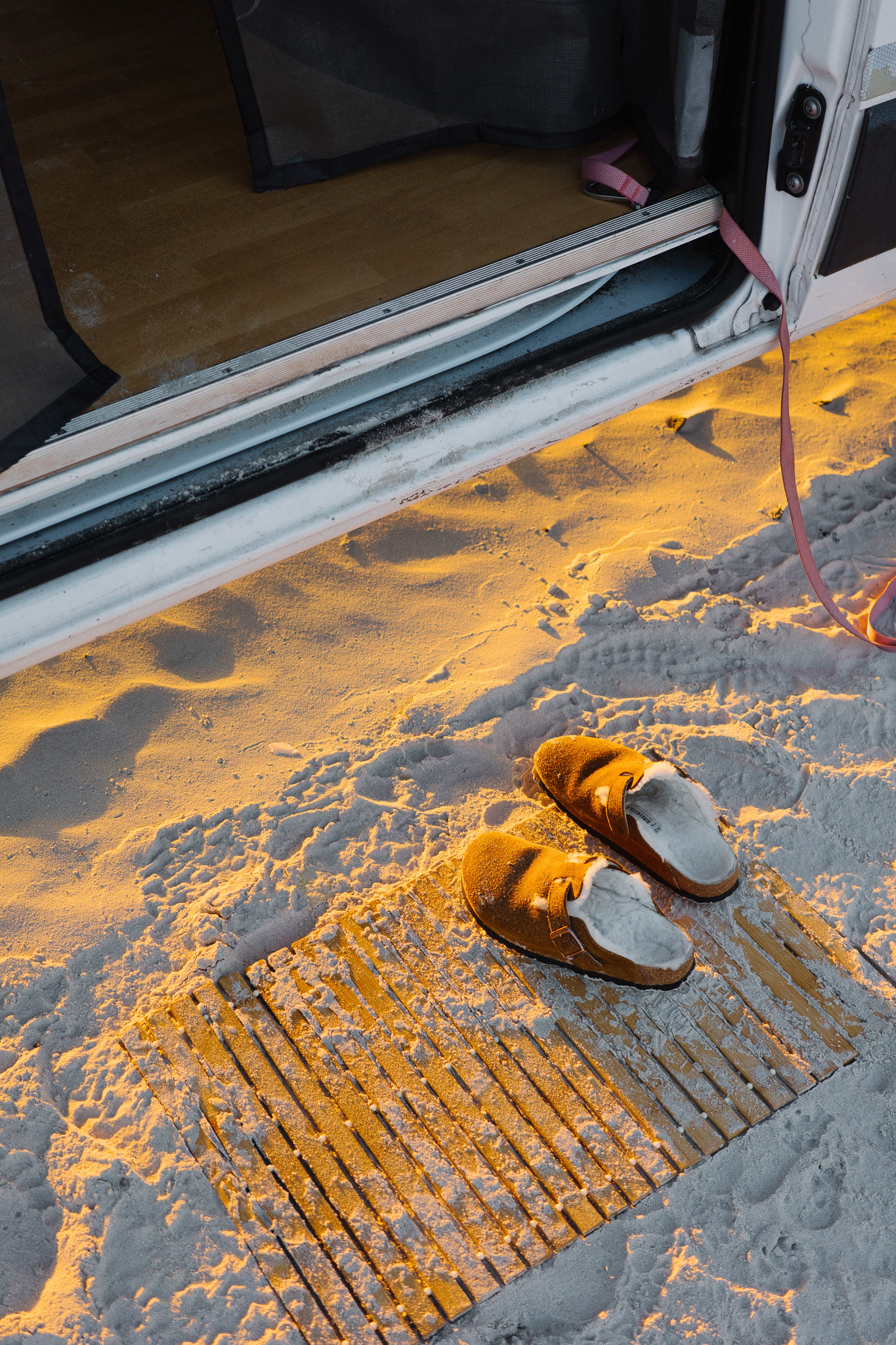
I’ve found that a little handheld vacuum cleaner really helps in keeping the van clean. My dog is pretty small but the amount of hair that she sheds is unbelievable. And then there’s understanding the value of a gallon of bleach. When you’re living—and showering—in a little box with very few windows, there’s a lot of humidity and it’s a constant effort to stop everything from going mouldy.

Alex
Even to the extent of adding a cap of bleach into our 25 gallon water tank to prevent it from going off. We’ve looked it up. We’re not crazy!

cyclespeak
That’s good to know [laughs].

Alex
My uncle calls this type of vehicle a slow car, fast house. And it’s true. You’re driving around and things rattle and bang. You have to do a flight check before setting off to make sure everything is closed on the outside and secure on the inside.

cyclespeak
And your sleeping arrangements?

Cayla
I sleep way better than I normally do. A feeling like I’m in my own little cave…

cyclespeak
Cocooned?

Cayla
Yes! Just like that. And my little dog also seems very settled because I think she can see everyone is right there.

Alex
We do play white noise because, depending on where you set up camp, there can be outside sounds that might keep you awake.

Cayla
And making the bed isn’t particularly easy in such a confined space [laughs].

cyclespeak
So what have been the biggest positives?

Alex
We get to travel together—next to each other—whilst still being able to work. And then, when we pull up at our next stop, we can go and ride our bikes. Or do yoga, or make dinner, or watch a movie. We get to spend quality time all over the place.

Cayla
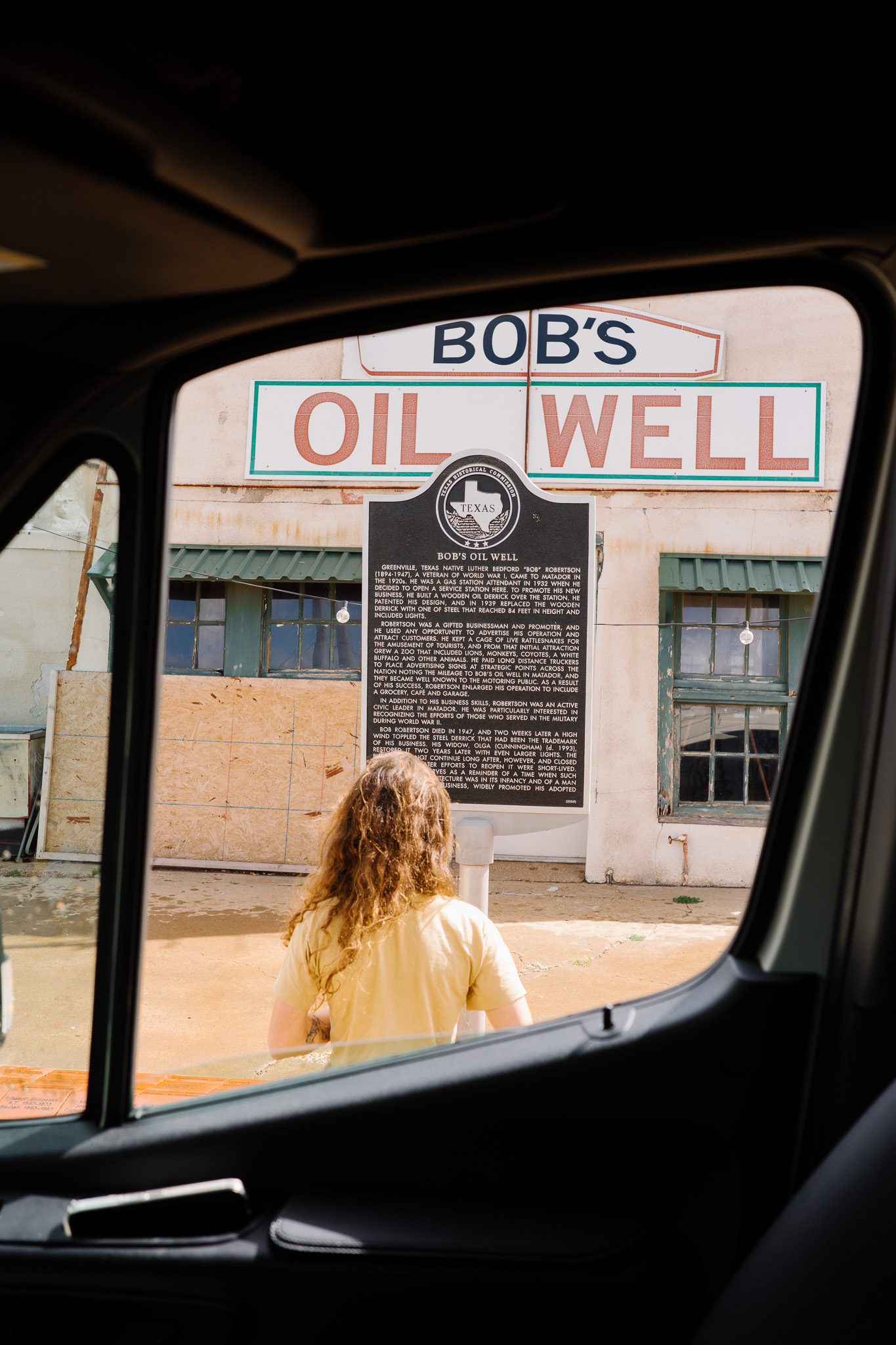
What I love is the ability to just pull over at the historical markers that you see on the roads and highways. Not something you can do when taking a flight. These little blips of past events or locations that have a description. But that’s the nature of travelling by van. The way it encourages you to slow down and take things in.

Alex
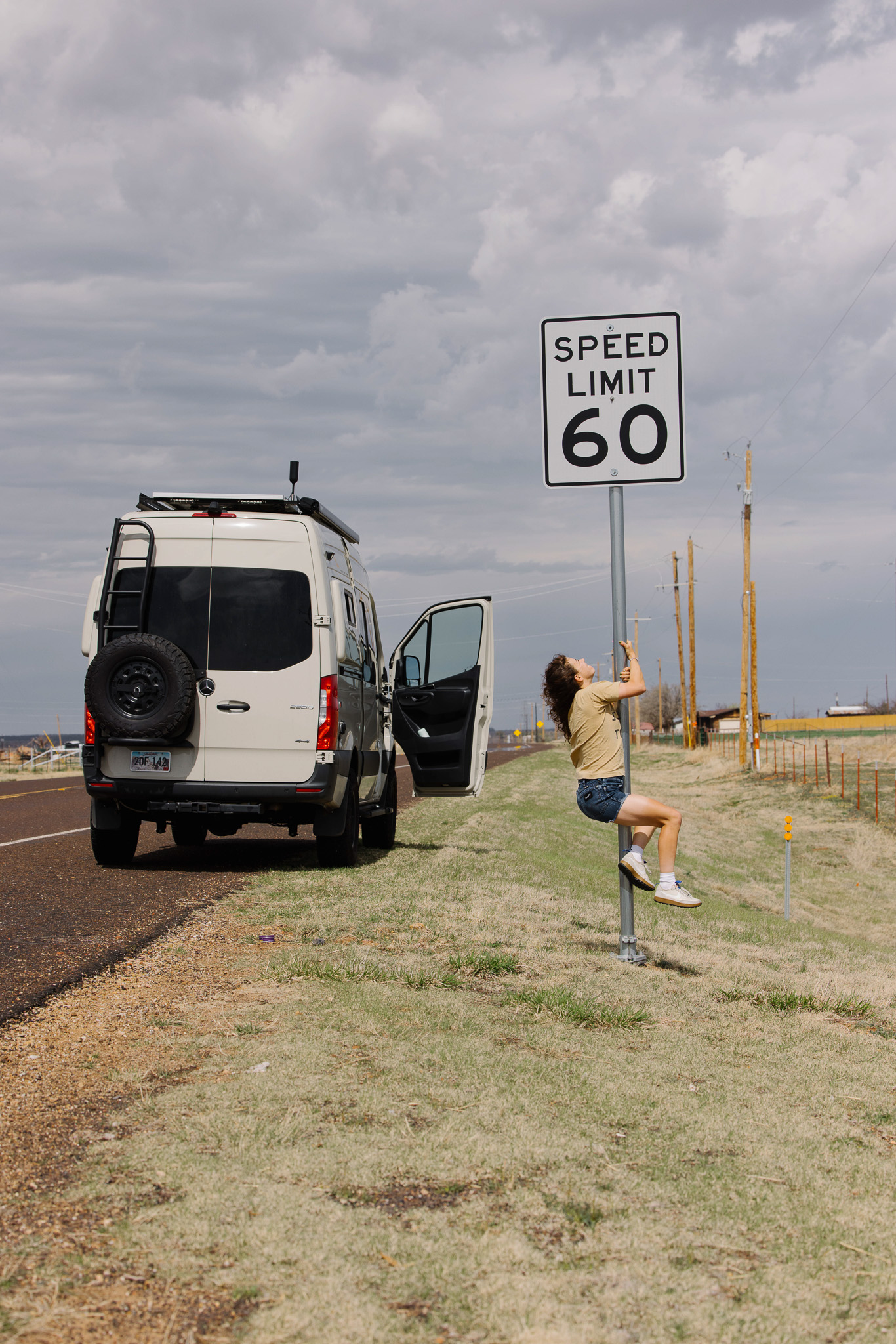
We definitely drive slower and we’re also not afraid of stopping. If we spot a gravel road heading off from the highway, we can pull over, make some lunch and then go for a ride. It’s really cool to be free to do all those little things.

cyclespeak
Would you say there’s an emotional connection between yourselves and your van? Maybe how it feels to be behind the wheel or waking up to whatever view you’ve chosen?

Alex [looking towards Cayla]
Your face is saying something right now…

Cayla
I’m not sure if this answers your question but on one of our trips I went for a run where there wasn’t any cell service. I’d gone further than I would normally go and wasn’t one hundred percent sure where the van was parked. But when I crested the top of this little mountain, I could just about spy the van in the distance and had such a feeling of excitement that there was our home, coupled with this certain sense of safety. All I then had to figure out was how to get to it [laughs].

Alex
I agree. When I’m working and roll up after a shoot, I grab the handle and open the door and immediately start the process of unwinding after a busy day. On the flip side, when I leave the van for whatever reason, it’s hard to resist looking back and thinking nice. So there’s definitely some pride and a sense of joy that comes with van ownership.

cyclespeak
Any future van plans or is it just more of the same?

Alex
Not really any build plans…

Cayla
One little one…

Alex
The composting toilet?

Cayla
We’ve been looking into a different toilet purchase which is kind of exciting. And then we also…

cyclespeak
Can I just stop you there and rewind to the composting toilet? That sounds super interesting.

Cayla
Our current toilet—and I argued for this one so I take full responsibility—is like a space blanket inside a box. After you make a deposit, you push this button and it twists off and seals itself ready to be used again. Basically, a dry-flush toilet.

cyclespeak
I’ve seen something similar for disposing of dirty nappies. Or diapers as you’d call them.

Cayla
Exactly. And the problem is, that it does generate a lot of waste. It only has 17 or so flushes before the bag needs to be replaced and then there’s the question of what to do with the full bag?

cyclespeak
So a composting toilet?

Alex
It’s basically a chamber of peat moss together with a specific type of mulch. There’s a series of mechanical agitators that—once you’ve deposited your solid waste—you crank five times and that mixes everything up. There’s no smell and when the chamber is full, it honestly looks like common or garden dirt. It’s hard to believe there’s any human waste contained with the mixture.

cyclespeak
Living and travelling in what is a relatively small space, just out of curiosity has owning a van brought you closer together as a couple? 

Alex
It’s given me the confidence to make large, complicated decisions with Cayla. Where I’m deficient, she excels and maybe…

Cayla
Vice versa.

Alex
I recognise her strengths in both the purchase process but also as an incredible planner in our subsequent trips. And then there’s this humbling awareness of how dirty I can be. I really wasn’t aware that I constantly drop crumbs whenever I eat. Or that I forget to take my shoes off when I climb into the van. So knowing that I have all these quirks and then spending time together living in such a small, confined space, I appreciate Cayla’s understanding and patience all the more.

Cayla
It’s just being aware of the silly, little things that are meaningful to each other. One of the most important things for Alex—that I didn’t initially understand—was having the best parking spot. Because I don’t particularly care. I’m happy sleeping next to a Walmart. Whereas Alex will decide to take this road that he’s spotted on Google Earth that will require us to select 4WD and might even have us getting out to push. But in the morning, when you wake up, it’s totally amazing!! So I’ve grown to understand that what might not be important to me is very important to Alex and I also end up reaping the benefits.

Alex
Which is why I mentioned how dirty I can be. Not because Cayla nags me about it but I notice how much time she spends vacuuming and that makes me want to try harder. We share this ten foot square space and it’s super important that we’re on the same page. And when people kindly say how much they like my van, I always stop them and point out that it’s ours.

All photography with kind permission of Alex and Cayla

Sami Sauri / Adventure more

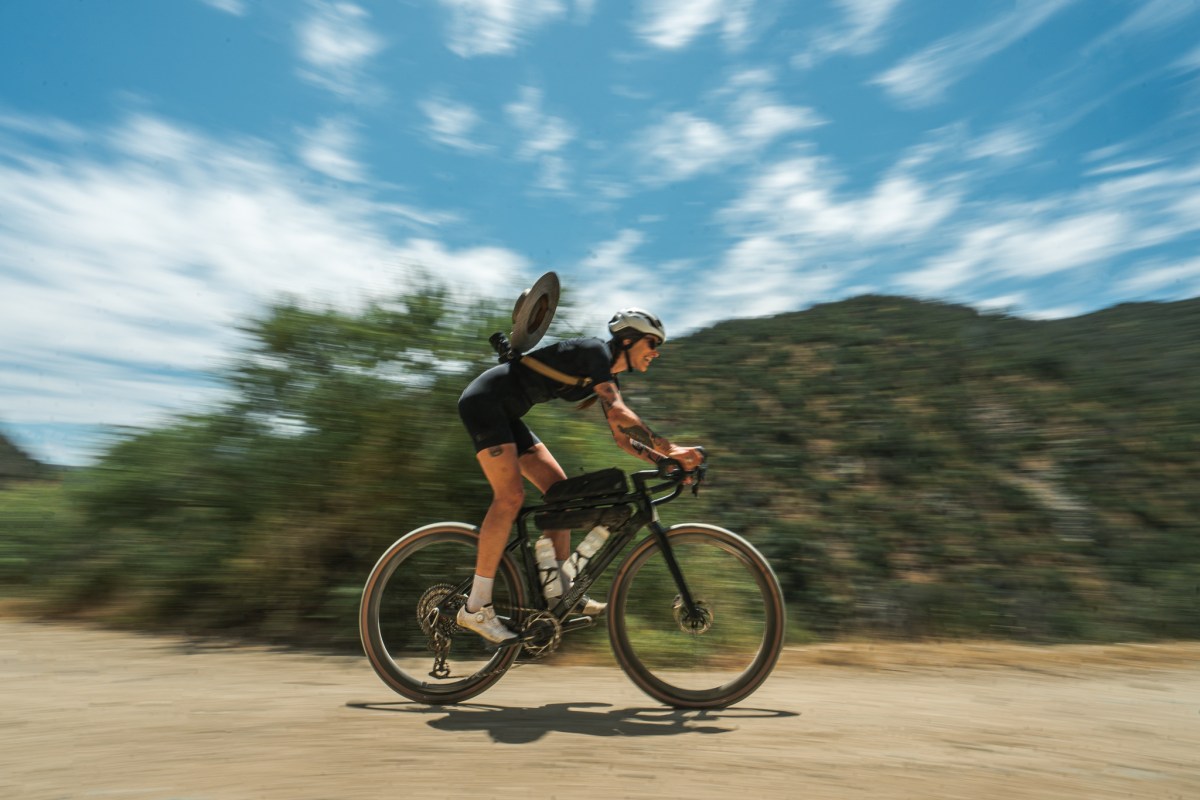
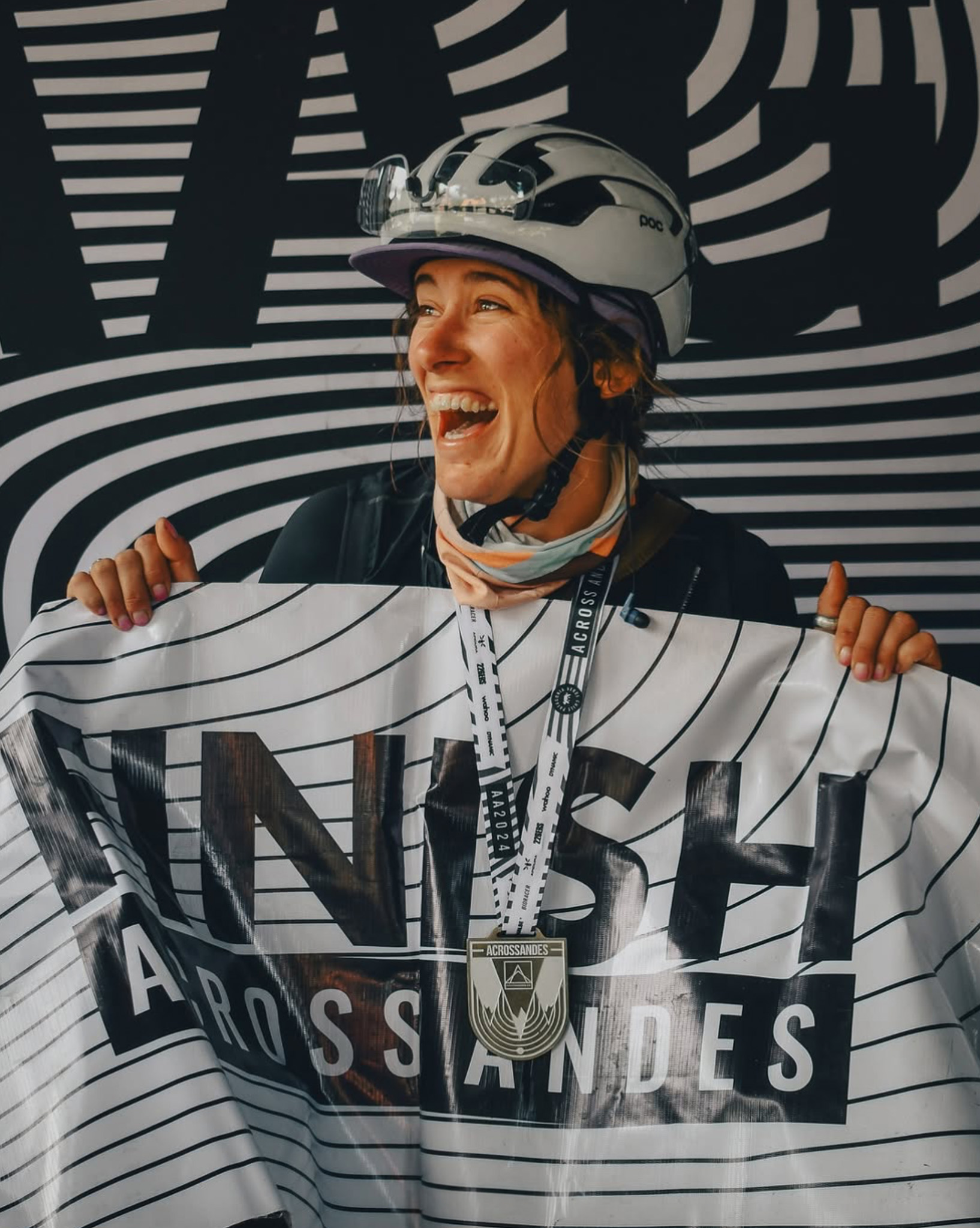
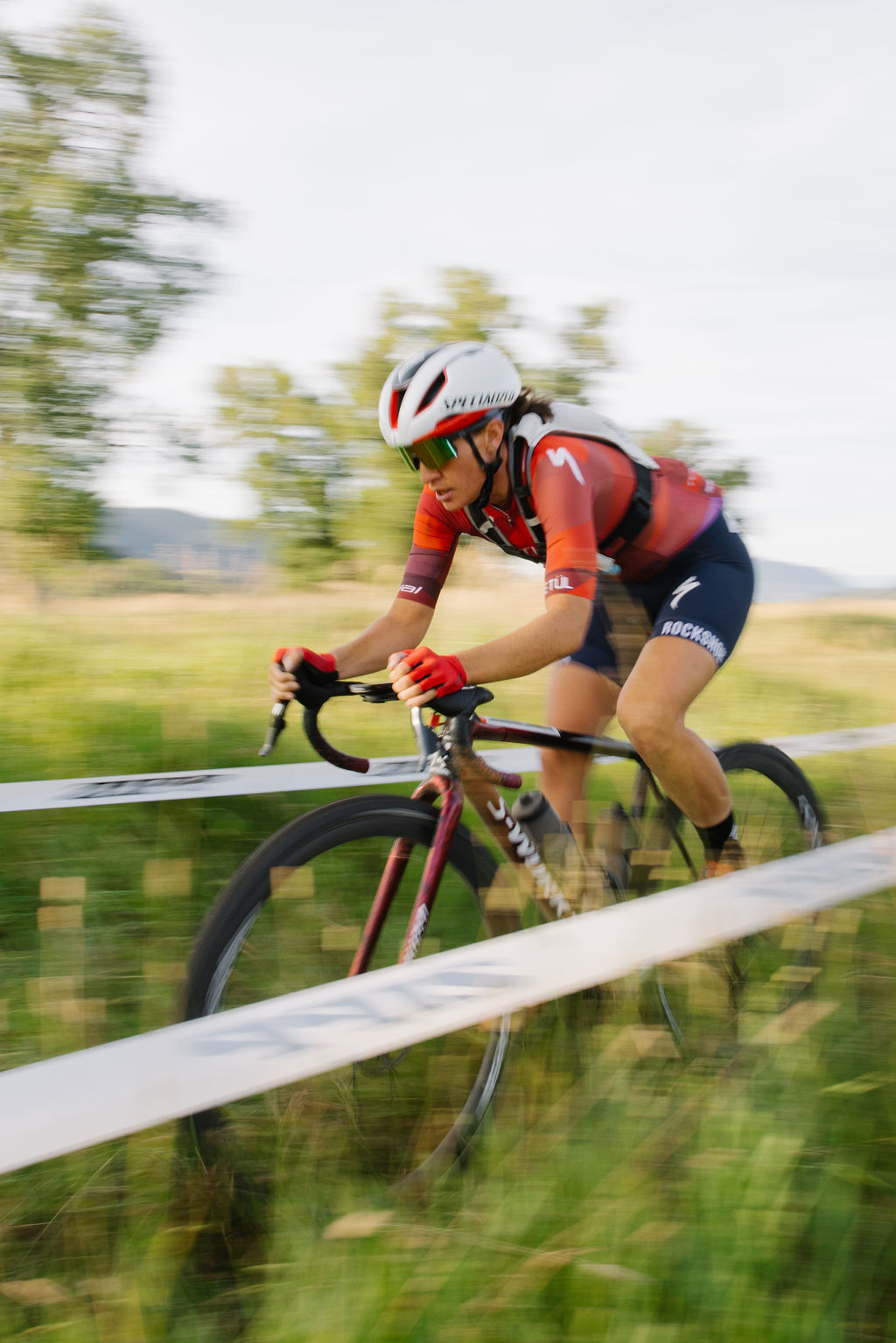
With the camera capturing Sami Sauri in a blur of motion—seemingly floating across the gravel surface—her broad smile perhaps belies the difficulties of a challenging year. But this second swing at Across Andes resulted in a remarkable podium finish that saw the year out in fine style with the promise of more adventures to come. A year that Sami—never shy of speaking openly about life’s ups and downs—recounts in her typically honest and humorous fashion.

Sami
Home again [smiles].

cyclespeak
With a collection of hats hanging up on the wall.

Sami
It’s getting bigger. That one [pointing to a broad-brimmed hat] I brought back from Chile.

cyclespeak
How’s the weather in Chamonix?

Sami
Today is nice and sunny and it’s all white outside.

[here Sami stops, turns and starts talking off camera]

As you can see, I have a dog now. He wants to say hello [laughs].

cyclespeak
What’s he called?

Sami
Captain. And it’s been really fun even though he’s only 10 months old and a bit cheeky sometimes.

cyclespeak
A little like a toddler?

Sami
Maybe more of a teenager [smiles]. Crying as if he wants to go to the toilet but really just wanting to play outside. But he’s worth it because he brings so much happiness.


Click image to enlarge

cyclespeak
Looking back to the last time we spoke, you were planning to smash out the Festive 500 in one go. But then decided to split the distance over 3 or 4 beautiful days. Would you have made that same, confident decision a few years ago?

Sami
That’s an interesting question. And I don’t think so because, back then, in many ways I was a completely different person.

cyclespeak
With maybe more of a focus on numbers whereas now it’s about enjoying the experience?

Sami
And discovering new places. That’s a cool thing to do.


Click image to enlarge

cyclespeak
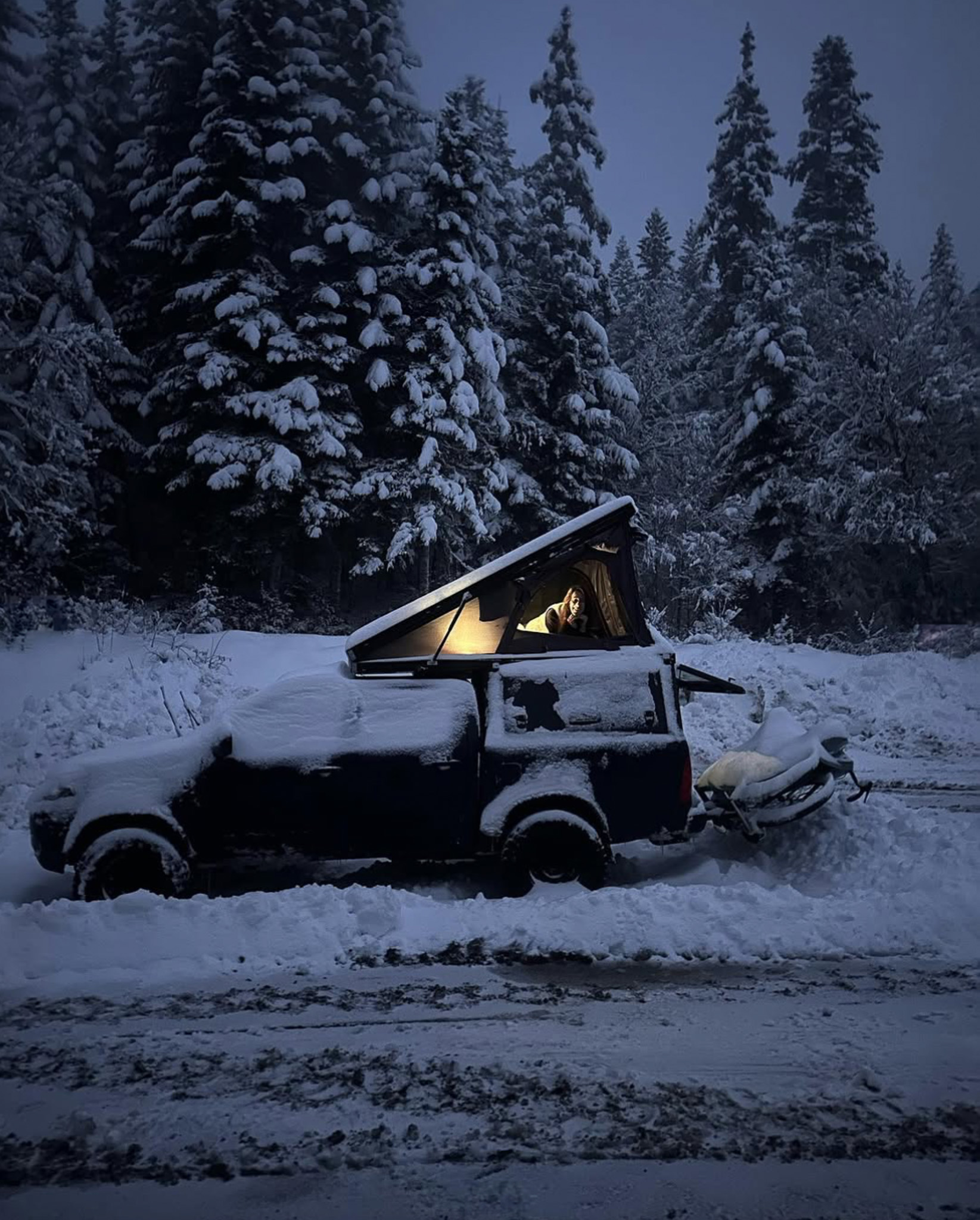
Before travelling back out to the desert to photograph the Dakar Rally, January saw you on a snowy camp out in the roof tent of your 4×4 truck.

Sami
I got that particular vehicle rather than a regular car because it makes it so much easier to scout a shoot or follow a gravel race. And it made a huge difference having a 4×4 when I was at the Traka with all the rain. But the night you mentioned was pretty cold [laughs].

cyclespeak
You then spent 22 days embedded in a Dakar Rally team. How was it a second time around?

Sami
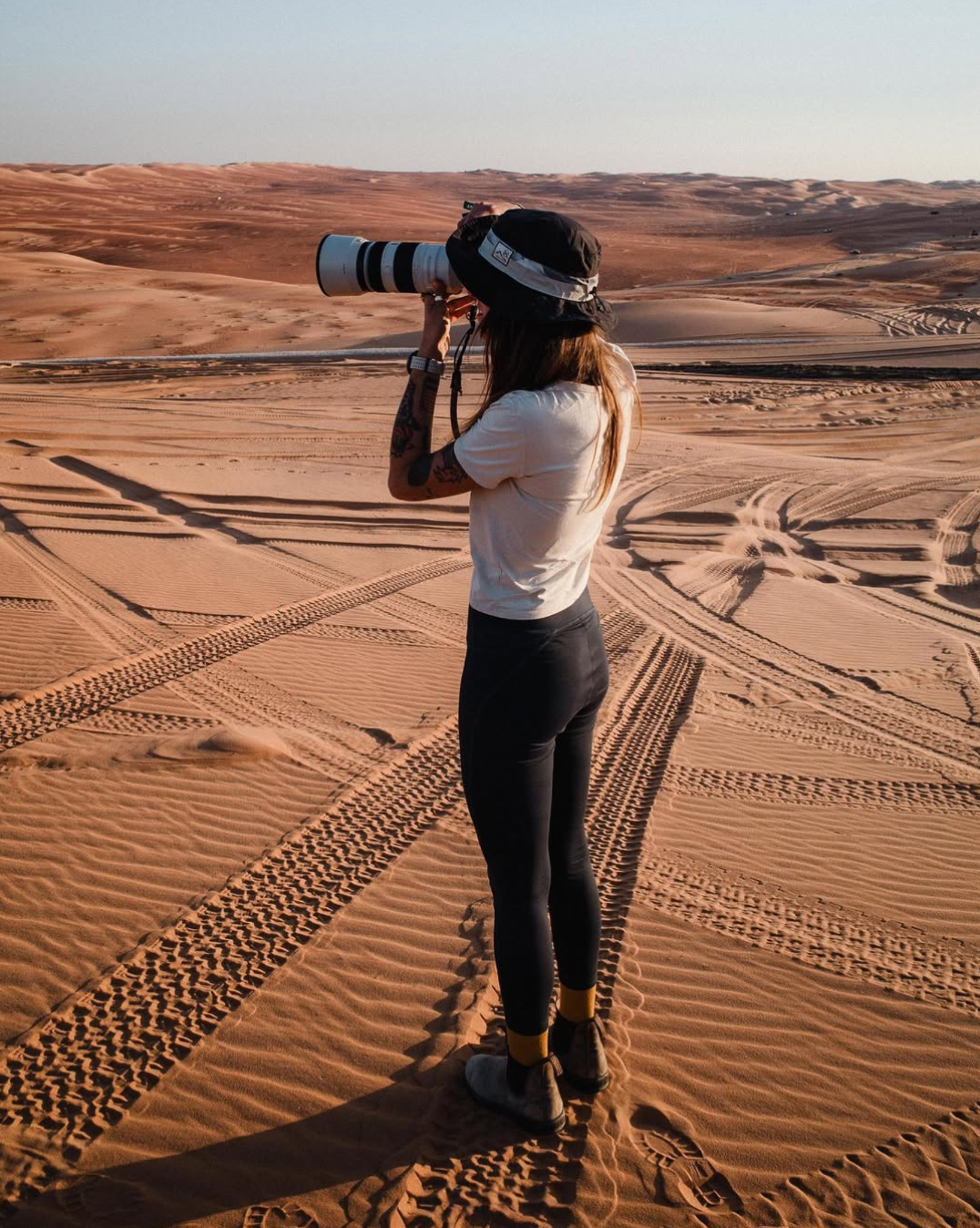
Dakar is a weird one because it’s such an amazing experience but dealing with the race organisers is so tricky. It’s super expensive for the teams to have an accredited media team but then I ended up having so many fights with the officials over where on the course I could shoot. It got to the stage where I would leave my tracker on the side of the road and then head off into the desert—walking for fucking miles—to get my shots.

cyclespeak
So the process took some navigating?

Sami
It was a bit of a shit show. But by the end, I’d been fighting so much that they decided to put me into one of their media cars [laughs].


Click image to enlarge

cyclespeak
Travelling back from the heat of the desert to snow covered Alpine peaks, you were faced with problems of where to live. And I remember you posting a very poignant picture of all your belongings piled up in a temporary garage space. I imagine a very difficult time?

Sami
The guys I was living with, they’d only told me the day before I left for Dakar that I had to leave. They were my best friends—I walked their kids to school—and it wasn’t something that I could see coming. And looking back, that breakup was harder than with a boyfriend.

cyclespeak
That sounds like a lot to contend with?

Sami
I decided to just put everything in a garage and figure out the rest later. I had some work lined up but there were also worries about my sponsors and I remember considering whether to take a full-time job. And it took over a month to find this place in Chamonix which was also very lucky because a friend of mine was living here previously and she reached out to me to say she was moving.

cyclespeak
It all sounds super stressful.

Sami
It was. But living here has been amazing. It’s small but there’s a garden at the front and I get to see Mont Blanc everyday when I wake up.


Click image to enlarge

cyclespeak
That sounds so cool. And talking of home, in early Spring you spent some time in Girona where you’d lived for four years before moving to the French Alps. How did it feel to be back?

Sami
It was actually a bit overwhelming. Girona has changed a lot and although there’s still the pro racing aspect, there’s also a lot of focus on gravel influencers. So a lot of the talk at cafés is about watts and kilometres. Not to say there’s anything wrong with that but I just prefer to talk about different things.

cyclespeak
You posted a lovely set of shots from a carnival-themed ride with the @girona_gravelgirls. It looked like a super fun day?

Sami
Oh my God. As a community, they’ve grown so much. But I guess it helps that they’re based in one particular location and they welcome whoever wants to ride. It doesn’t matter what bike you turn up on, what clothes you wear, or if you’re new to cycling. It’s so much fun because everyone respects each other.

cyclespeak
You decided not to race Santa Vall—part of the Gravel Earth series—choosing instead to photograph the event. And then you posted a fascinating viewpoint on the way brands value photographers monetarily and how individuals offering to work for free is maybe undermining the whole creative industry. Can you talk me through your take on these thoughts and ideas?

Sami
I’d applied for media accreditation and put together a package to create content for individual athletes and brands that was priced accordingly. But you also get people just showing up, working for free, and sharing their images with the athletes who then pass them on to their sponsors. Which is kind of why the industry is going to shit. Because if we all did that, why would brands be bothered to pay professionals? Professionals who’ve been working their asses off for a decade or two, perfecting their craft.

cyclespeak
So how can we make positive changes?

Sami
I think the race organisers have to play a part and maybe we need some honest, open conversations? I’m probably a little more expensive than others because I’ve been doing this for a long time. So now, if I want to work, I want to work properly and get paid a fair amount. Because who can afford to live on a day rate of €130 which is what someone told me they were asking for? You’ve got to be fucking crazy.

cyclespeak
I guess if you want quality content—captured by experienced professionals—then that comes with a cost.

Sami
And if you undervalue yourself now, you’ll be doing it for the rest of your career. In the same way that if you work for any company and never ask for a pay rise. They’re not going to do it for you.

cyclespeak
Imagine the response you’d get from people doing regular jobs if you asked whether they’d be willing to work for free?

Sami
Exactly. It’s down to each individual to make their own journey and find their own path. And I’m also very aware that my situation is a little unique; in that I create content but also have my athlete and ambassador roles. And sometimes I do worry whether I’m being too open and honest about things [smiles].


Click image to enlarge

cyclespeak
June saw you back in Emporia, Kansas, for Unbound. And you got a simply awesome shot of Rosa Klöser immediately after she won the 9-up sprint. A happy, tiring, emotional kind of day?

Sami
It was a little strange because I was thinking of racing the Unbound XL this year. A feeling that I should be back in front of the camera instead of behind. But I had 14 riders to document which is a lot [laughs].

cyclespeak
You shared some images shot on film from Unbound. A medium you enjoy using?

Sami
Yes. Especially at races. There’s something about the images that’s so hard to replicate using digital. And it’s a completely different process; not being able to see or change whatever you’ve captured. But I do sometimes wonder if my generation will be the last to shoot on film. Whether it will gradually die away?


Click image to enlarge

cyclespeak
Another summer development was your new bike sponsor, Rose, which you immediately got to test out on the Cheese Divide.

Sami
We wanted to do the Italy Divide but that involves a shit show of hike-a-bike. And I have this tea towel that I got in Italy that shows all the different cheese regions, so we used that as a map instead.

cyclespeak
So how many different cheeses did you taste?

Sami
Not as many as you might think [laughs]. Because it was super hot—40℃ by midday—and all I really wanted to eat was ice cream. So maybe we overestimated our appetite for cheese but the scenery was so beautiful.

cyclespeak
In September you rolled out at 4:00am to ride your Tour du Mont Blanc: 322 km and 7949 m of vertical. A big day?

Sami
It was a massive day [laughs].

cyclespeak
One that you enjoyed or was it a challenge to be completed?

Sami
Oh no. I had a blast. Because it’s probably six years since I’ve had a road bike and by the time I was climbing my third col of the day, I was an hour and a half ahead of schedule.

cyclespeak
You were flying.

Sami
I was. Which I paid for later on in the day [smiles]. But I had a goal of finishing in 18 hours and I pushed hard at the end to come in at just over 17 hours.

cyclespeak
So you still have a competitive edge?

Sami
I do!!


Click image to enlarge

cyclespeak
You’ve seen the year out with another go at the unsupported gravel race Across Andes where you finished an amazing second place. From your posts, you seemed very at home in Chile?

Sami
There’s just something about Chile. So many possible projects that I’d be really happy to do. You’ve got the wildness of the land but also cool cities like Santiago. It just blows my mind.

cyclespeak
And the people?

Sami
They just seem so comfortable in expressing their feelings—so much affection and love—and I’ve even thought of moving out there at some point. Maybe to retire [laughs].

cyclespeak
According to your Strava feed, you rode just shy of 44,000 km in 58 hr. That’s pretty impressive.

Sami
I know [laughs]. The ride file got corrupted but I’m still hoping to fix it.

cyclespeak
It’s such a gruelling event where you’re balancing the mental and physical demands of sleep deprivation, fuelling, and the sometimes extreme weather. So I was wondering what keeps you going?

Sami
For that race in particular, it was carrying my camera. The route is so beautiful and changing all the time. And that gave me the motivation to keep going, to keep seeing what was next, and record it along the way.


Click image to enlarge

cyclespeak
You recently posted on Instagram about a new chapter in your riding life: #adventuremore.

Sami
Across Andes was a pilot for Adventure More. Basically documenting races from within with a focus on the community and culture that surround a particular event. Rather than just posting a couple of race shots and a result—which is absolutely fine—I want to go a bit deeper.

cyclespeak
You end your Across Andes recap by referencing what a hard year it’s been for a lot of reasons. So has 2024 changed you? Have you learnt anything new or surprising about yourself?

Sami
Lots of things [laughs]. Where do I start?

cyclespeak
Wherever you feel comfortable in starting?

Sami
To maybe understand the need for patience? Because I’ve still got so much growing to do. And even though it has been a tough year and, at times, I’ve doubted myself, if you keep moving forward with a smile on your face, then good things can happen.

Photography with kind permission of Sami Sauri (credited individually) / samisauri.com

Feature image with grateful thanks to Jeremy Toro

Jean-Baptiste Delorme / Moving with Paris

“We had no set plan; just hanging out, visiting parks and bike shops, drinking coffee, searching for new spots to discover.”

Resident himself only very recently, photographer and filmmaker Jean-Baptiste Delorme set out to explore his new neighbourhood with a revolving cast of characters. A weekend of riding through city centre Paris without recourse to planned routes or notions of distance and speed.

Illustrated with his beautifully observed images from the resulting photo essay for Pelago Bicycles, Jean-Baptiste took time out to discuss the inspiration behind this two-day urban odyssey, and what it means to move with Paris.


Jean-Baptiste—JB to his friends—is taking our call from Stolen Garage, the café-cum-community his friends have created to the northeast of central Paris. The last time we spoke he was living in Bordeaux after completing his architectural studies in Montpellier. But closer ties to clients have now prompted a move to the French capital.

“I only arrived in Paris two weeks ago. For work reasons really but I also felt the need to see a new city. There are so many interesting things happening here in cycling culture and I have lots of friends who also call Paris home.”


Click image to enlarge

Still primarily working in photography, film and video editing, Jean-Baptiste has also been busy with a few freelance architectural projects. But it was a shared passion for skateboarding that first connected him with Timo Hyppönen, co-founder of Finnish bicycle brand Pelago*.

*Derived from the geographical term archipelago

“I first bumped into Timo a little over a year ago. He was visiting Paris to promote a collaboration with Element skateboards and we got talking. It turns out that Timo was once a professional snowboarder and had his own skateboarding magazine back in the day. He then went on to found Pelago with his brother Mikko because he couldn’t find a cycling brand that fitted his own vision. So he decided to create one that did.”

With the pair keeping in touch, Timo reached out to see if Jean-Baptiste would be interested in creating a guest post for the Pelago web journal.

“Timo asked if I had any ideas for an urban story setting; suggesting that I could maybe start from a song, a book, or a movie. Anything really, that spoke to me and could be translated into a visual story. And that approach brought to mind a MASH film from 2015 that profoundly influenced my thoughts on how a bike can be used to move through, and explore, the city. This initial idea I then set against comments from friends about how Paris is too big and stressful to navigate by car or public transport. Never something that I’ve personally felt because I find it so easy to get from place to place by bike.”


Click image to enlarge

Viewing the bike as a way of making everything simpler—more spontaneous—Jean-Baptiste purposely didn’t plan the project in too much detail.

“It was a record of what I would do with my friends even if I wasn’t carrying a camera. Almost as if all the dots in my head joined together the moment we started to pedal. A casual exploration of the city with my friends Juliette and Izzy.”

Choosing to capture the ride with a mirrorless camera, Jean-Baptiste is keen to point out that a small handheld would work just as effectively. Anything, he suggests, that makes it easy to react instinctively to whatever is happening.

“As these things tend to do, it all happens very organically. We knew we wanted to eat lunch and dinner—to connect with friends—and link these activities with rides through the city. But the schedule was pretty light to allow for the unforeseen to happen. Personally, I don’t enjoy it when you’re just ticking off the sights and because Izzy was visiting from England, I didn’t want it to feel like I was acting as her tour guide.”

“The beauty of travelling by bike is that it encourages detours and last minute decisions. Like when a friend reached out over Instagram the evening before the shoot to say we should meet up for a picnic. So this arrangement simply slotted into our weekend. Everything very simple and easy. If we felt like going here or there, that’s where we went.”


Click image to enlarge

With Izzy eager to see the Eiffel Tower, Jean-Baptiste describes how they rode along the river embankment—counting off the bridges—as the tower got closer and closer.

“From there we left the wider boulevards; taking narrow residential streets to the bike shop Steel that’s run by friends of mine. And then, after lunch—a picnic by the river because that’s what people in Paris do—we headed over to a skatepark that I think was designed by Adidas. A lot of different places, quickly. Our mission more about moving through the city than stopping and staying at one particular space; that way giving Izzy an idea of how life is lived in neighbouring arrondissements.”

And Jean-Baptiste’s own response to riding through the city he now calls home?

“Riding with friends, carrying a camera, was the best feeling. Which is what I love most about bikes. When you’re sharing special moments with people you like, you create such strong connections. And let’s not forget, social rides are called that for a reason.”

Photography by Jean-Baptiste Delorme with kind permission of Pelago Bicycles

jb-delorme.com

Feature image by Caroline Pauleau

Dan King / A reason to be there

As the list of jobs lengthens—you’ll need the fingers of both hands to keep count—it takes a surprisingly long time before professional photographer and filmmaker Dan King mentions first picking up a camera. But pick one up he did—or borrowed, to be absolutely accurate—before heading to the south of France and the start of his creative journey.

Self-taught and with an innate passion for the outdoors, Dan’s body of work beautifully captures the blur of mid-race bodies and finish line faces etched with emotion. An approach to his craft that he offers up as a no-nonsense narrative: from a fascinating deep-dive into his recent film Caboose, to why it’s much more than just taking a good photo.


cyclespeak
You’re down in Brighton?

Dan
In a tiny village just outside.

cyclespeak
You grew up in this area?

Dan
I was born in Southwick which is a town just along the coast from Brighton. And my wife is from Burgess Hill which is why we ended up living here. But we’re actually thinking about selling up and moving up to the Peaks. What we can get for the little cottage we’re in now should get us something a bit bigger by moving further north.

cyclespeak
It’s rather grey up here.

Dan
That’s fine by me. I love the north. I would move to Scotland if I could make the transport connections work. So the Peaks is the ideal scenario and we’ve landed on Holmfirth as one potential place to start looking. Close to a couple of airports and good motorway links.

cyclespeak
And plenty of green fields and open spaces?

Dan
I couldn’t live in a city. It would drive me crazy. When I go to see Tom* in Manchester, I can’t do the crowds or the tram thing. All of that is just bollocks.

*Tom Reynolds. Friend and co-creator of Caboose

Team Amani / The TRAKA


Click image to enlarge

cyclespeak
Can we rewind back to your childhood? Whether it was a creative, artistic upbringing?

Dan
My Dad worked in IT so all we did was computers.

cyclespeak
Gaming or programming?

Dan
By the time I was in my mid-teens, I could build websites, even build my own computer. So I would copy CDs and games and sell them at school. But I never got on with Sixth Form—I just didn’t enjoy it—so I left and got a job at Marks & Spencer. And then a mate started an evening course in computing so I decided to do that. A job in IT security followed until another mate—who worked as a builder—mentioned that his uncle was looking for a woodworking apprentice. It took four years for me to get qualified but then I went out to Australia because another mate was working as a roofer. I’d only been there for three days before I started working as a roofer too. It was good money and you were working outside but then I hurt my back. My visa was about to expire so I just came home.

cyclespeak
And another job to add to our growing list?

Dan
I went to work with the mate who’d got me into carpentry—fitting kitchens—but my back was still playing up and because I was still doing the websites, I decided to apply for this job at a print agency that wanted to get into web design. That lasted for three years until I was headhunted to work with a startup that was doing something similar to Mailchimp. It was pretty obvious from the very beginning that they were never going to compete, so I decided to set up my own web agency. It was around this time that I was really getting into my cycling and keen to do web stuff for outdoorsy brands. So every morning I would walk down to the local chippy where I would peel mountains of potatoes. This gave me the ready money to travel into Brighton where I would meet people and pitch them my web work.

cyclespeak
But still no photography?

Dan
We’re nearly there [laughs]. Because I’d seen a post that mentioned the Further bike packing route in the Pyrenees. So I borrowed a camera and got myself down to the south of France with a view to taking some pictures for social media. I arrived late on a Friday night and the first person I met was Mike, co-owner of Zero Neuf*. Hunt bike wheels also happened to be there and asked if they could use some of my pictures for their newsletter. A little while later, Hunt got back in touch to ask if I’d like to shoot the road team they were sponsoring and it all started from there with a kind of three-year-plan.

*The farmhouse and retreat run by Mike Tucker and his wife Joss

cyclespeak
Which was?

Dan
Year One, I would go to events, take pictures and hope to meet people who would want to use the images or might need some web work. Year Two, I was only going to go if I had my expenses paid. And then Year Three, I needed to get paid for my time.

UTMB / Chamonix


Click image to enlarge

cyclespeak
So until you rocked up at Zero Neuf, the camera had never really figured?

Dan
My Grandad was into photography—in the way that he thought he was—and had all the gear but no idea. But me? I was never that into it.

cyclespeak
Because there’s the assumption—as it’s your profession—that at some point the camera switched from simply recording events such as holidays or birthdays to expressing an emotion or telling a story?

Dan
The biggest problem with photography, as I see it, is that very few people will share information about how and what they’re doing. But I was lucky because, early on, when I messaged the photographer Sean Hardy he was happy to chat about what it takes to build a career.

cyclespeak
It must take time to work out the way you shoot?

Dan
A brand employs you for the experience and knowledge you bring to their campaign. And yes, it takes time to fathom that out. But I had the safety blanket of my web design so I was in a very fortunate position of being able to pick the jobs that I really wanted to do. Because I’ve always preferred to do something that feels real and authentic.

cyclespeak
How does that play out in a practical sense?

Dan
It can go one of two ways. You either 100% stage whatever you’re shooting. Or it’s actually happening in real time and you’re there to capture it. When it’s in the middle, in my opinion it just doesn’t work. The models are uncomfortable because everything feels unnatural.

cyclespeak
Can we take these thoughts and ideas and apply them to your film Caboose that was shot around The Speed Project Atacama? The desert landscape was breathtaking but logistically I’m guessing it had its moments?

Dan
Atacama was in November and I’d first met Tom in June at the Gather Festival hosted at Zero Neuf. He mentioned that he was going to Chile for The Speed Project and I was like, fuck me mate, I want to go too, let’s talk.

cyclespeak
And Tom hooked you up?

Dan
After Gather, there were messages going back and forth until it was all arranged. But rather than just photographing the race, I said to Tom that we should reach out to some brands for sponsorship and make a film.

cyclespeak
How did you structure the pitch?

Dan
The approach I take is: this is what I’m going to do, are you in? That way the brands know what they’re signing up to and I retain creative control.

cyclespeak
So the project is on your terms?

Dan
Exactly. And if we’re sponsored by a number of brands, there isn’t one dominant voice shouting above the rest. So we reached out and it was, yeah, yeah, that’s all cool, and I booked my flight.

The Speed Project / Atacama


Click image to enlarge

cyclespeak
Did you and Tom work on a possible story line?

Dan
Leading up to the trip, I shot some video of Tom but you don’t really know how everything will pan out. It’s a real event so you can’t really count on anything. All you can control is having the available resources to capture whatever happens. But as we now had a budget, we decided to get our own crew to free me up from having to drive and look after the runners. So I reached out to a friend in South America and she recommended this person called Tilly who runs a horse and husky ranch.

cyclespeak
So you land in Chile…

Dan
And Tilly was there to meet us at the airport. And straight away she’s on it. Telling the hire car company—who were trying to pull a fast one—to fuck off. Perfect!

cyclespeak
What approach did you take to equipment?

Dan
My kit was pretty minimal because we were on the road but I knew I had enough storage and batteries to film everything. And then we would see what we had when we got back home.

cyclespeak
I’m guessing some decisions were made on the fly?

Dan
After we landed, we had a day’s drive to the start in Iquique. And on that drive I’d already decided to film some B roll with Tom wearing the same kit he’d be using in the race. So I had these shots in my head and we’d stop, hop out, do some filming before carrying on.

cyclespeak
It helped knowing you had these shots as back-up?

Dan
I knew that once the race got underway, I’d have no control over what time of day I could film. But funnily enough, the vast majority of that stuff was never used. The only shot I’m 100% certain we used was the opening scene at the bus stop. And Tom is getting up off the bench because a couple close-by were having a massive argument.

cyclespeak
So when the race finally started, you mentioned how you were filming everything?

Dan
Yes, but very quickly it was, fuck, this is so repetitive. Apart from the changing landscape, every leg and changeover looked the same. But I still had to be ready in case something did happen and—because it was repetitive—I had the luxury of maybe capturing something in a different way from how it had happened before. And Tom was the thread, so I knew that if I filmed everything he did, it would work out in the edit.

cyclespeak
So when do you start to pull the story together? As it’s happening or when you’re home and watching the footage?

Dan
I find it’s best to just park it for a month before starting the edit. Otherwise you’re just too close to the story. So after a few weeks I went up to stay with Tom in Manchester and we watched it all over again, in time order, and took three hours of footage down to about an hour. All the scenes we wanted to keep, we then story-boarded along this gradient of emotional intensity to keep the viewer engaged. And then in February, we went back out to Zero Neuf and did a little run camp. We ran before breakfast, sat down to edit and then ran again after lunch.

SYNRGY Training Camp


Click image to enlarge

cyclespeak
Now that you’ve been touring the finished film—and you’ve talked in some detail about the creative process—I was wondering where you seek inspiration?

Dan
I’m a sucker for print and there’s usually a pile of magazines close to hand. And on Instagram you do see interesting things. But, to be honest, I take photographs the way I want to take them.

cyclespeak
And that also applies when you’re working for a client?

Dan
Yeah, pretty much. I might get a brief but more often than not it’s comprised of imagery that I’ve shot previously.

cyclespeak
So they want you basically?

Dan
Generally that’s the way it works. And if the project doesn’t appeal, then it’s perhaps best to say no. Because even if it’s the best pay in the world, you’ll fuck it up or just not enjoy it.

cyclespeak
What’s your take on social media and living a life online?

Dan
You take Instagram for example. We’d be screwed in some respect if that platform suddenly ceased to exist. Because for many creatives, it’s super important. Most people have a website but what’s the first thing someone does when you mention a photographer or filmmaker?

cyclespeak
They check out their Instagram feed.

Dan
Exactly. And I wouldn’t be where I am today without Instagram. A lot of my connections have come from there. But it’s more than just taking a good photo.

cyclespeak
In what way?

Dan
You need to work well in a team. Like last year, I did loads of trail running photography. That came about because a brand sent me to shoot a race and that required me to work with other production teams. And we were on this mountain, in the middle of nowhere, and the videographer was up the trail. He’d left his tripod next to me, so I just picked it up and carried it with me. And he was over-the-moon which I found rather a surprising reaction because it didn’t seem like a particularly big deal. Isn’t it a given that you’d help look after someone’s gear?

cyclespeak
Obviously not [smiles].

Dan
Yeah, so working well in a team, not bringing the mood down, it’s all super important.

cyclespeak
From the outside looking in, people might assume that it’s an enviable career but I’m guessing there are challenges earning a living as a professional photographer?

Dan
Maybe I’m contradicting what I said earlier but if you’re freelance, it’s hard to say no. Because you don’t have contracts. Maybe a rough idea of the days you’ll be working but you never really know what it will look like next year. Whatever I earn now, I see as the most I’ll ever earn and that’s what I budget on.

Adidas Terrex Camp


Click image to enlarge

cyclespeak
So unless the job is really not your cup of tea, you say yes?

Dan
That’s about it. Unless you’re just starting out and you say yes to everything [laughs]. And that causes you to buy more gear so, basically, you need an overdraft and credit cards to be a freelance photographer.

cyclespeak
Travel is a necessity for your profession. So what does home mean to you?

Dan
There are many places where I feel at home. I feel at home when I’m at Zero Neuf. That’s where I feel my most relaxed. But in another sense, my family here is my home. And however I choose to define it, I have to be busy. Which is why I like to travel because my time is occupied.

cyclespeak
I’m not going to ask you to name your favourite images but do you find it easy to feel a sense of satisfaction in your work? Or is there always the next project?

Dan
I think I do. But maybe that satisfaction comes as much from the process as the final result. Knowing how you captured a particular photograph, the memories of that moment and the people involved.

cyclespeak
I’ve spoken to a number of creatives, from a wide range of disciplines, who are hyper critical about their work.

Dan
You do look back and notice how your style has evolved over time. Or you’ll see someone else’s photograph from the same race and ask yourself why you didn’t do it that way. But I don’t worry too much about it and it’s like me and Sean [Hardy] always say: job done, move on.

cyclespeak
I like that.

Dan
Over the week of UTMB* I’ll take thousands of photographs and 99.9% of them will never see the light of day. The sun might be in the wrong place or it looks shit. But that’s the job.

*Ultra Trail du Mont-Blanc

cyclespeak
You call it a job but, in an emotional sense, can you describe how it feels to raise your camera to the eye?

Dan
I always hold my camera. So it’s there, ready. And the process of taking a photo is almost instinctual. In terms of emotions, when you’re on the finish line of a bike race, it’s almost like a war. A real fight to hold your place in the scrum of photographers. But with running events, it’s a very different vibe. You have your allocated place, everyone is very respectful. Of course it took me a while to figure this out and I was standing in front of the TV cameras snapping away until I felt a gentle tap on my shoulder.

cyclespeak
Would you say there’s a transference of emotion from the subject, through the camera, to you?

Dan
It’s probably more accurate to say that holding the camera to my eye is masking my own emotions. I still have the same feelings but the camera allows me to hide.

cyclespeak
Why do you feel the need to hide these emotions?

Dan
My mate was getting married and asked if I would take some photos. And I don’t do weddings. But I still took my camera because it meant I wasn’t on show. Because some people like being the centre of attention but I like having a job to do.


Click image to enlarge

cyclespeak
And you’re more comfortable behind the camera?

Dan
When I was in Paris for the Olympics there was this Japanese couple taking photos on their phones. And I didn’t think twice about getting right up into their faces and taking a picture. But I would never do that in the UK.

cyclespeak
Why not?

Dan
Because, in Paris, there was no way we could communicate. In the UK, you wouldn’t get away with doing that.

cyclespeak
An argument would ensue?

Dan
Street photography is a lot easier when you can hide behind your lack of cultural understanding.

cyclespeak
So are you taking on a character when you pick up your camera? Disguising the real you?

Dan
It’s like going to work. And because I earn a living as a documentary photographer, my job is to document. So with that defined purpose comes a heightened sense of confidence. I know what I’m doing. Like I’m carrying a get-out-jail-free card.

cyclespeak
It’s fascinating how different people perceive the interactions we have in life. But then you bracket this with your ability to capture these moments.

Dan
With a camera in your hand, you’ve always got a reason to be there.

Photography with kind permission of Dan King / Feature image by Maurten

danking.cc

Izzy Weds / A complete one-eighty

“Do I see myself as an artist? Not really. Because I’m very methodical in how I work and have systems in my head that I follow. So I guess that makes me a designer at heart?”

It’s Easter break and Izzy Wedderburn has travelled back to Dorset to enjoy some home comforts. Close to completing her third and final year at UCA*, she’s been balancing her studies with carving out a career as a freelance illustrator and graphic designer. Which is how we arrive at Izzy Weds. A shortened form of her given name and the brand Izzy has built since heart won out over head in determining which future path to follow.

*University for the Creative Arts

“At school I was very much labelled as an academic. It’s what I knew but I was so unhappy because deep down it just wasn’t me. I was very creative as a child but all that got a little squished by the expectations of my parents—both doctors—and our education system. So after finishing my A-Levels, I did a complete one-eighty and enrolled on a foundation course in art and design at Arts University Bournemouth. But finding the unstructured nature of the curriculum a little overwhelming, I did another one-eighty to study Sport Science at The University of Bath, stayed for one term and dropped out.”

A period of significant change that was resolved when she joined her UCA graphic design course part way through the first year; rounding out this turbulent time with—as Izzy sees it—the best decision she’s ever made.

RVCA summer internship


Click image to enlarge

“The projects we work on are all very open-ended but you do need an outcome. And that’s been super helpful because I don’t think I’d be where I am today without this structured approach. From being someone who lacked a certain creative confidence, I’ve come out with this whole body of work and a sense of pride in what I’ve made.”

Looking back at her childhood, Izzy remembers her grandmother as a particular source of inspiration. An accomplished dressmaker who made all her own clothes from scratch, she encouraged Izzy to start sewing; the bags and pencil cases she made for her school friends earning her the tongue-in-cheek title of Stitch Queen.

“So much time spent making,” she muses, “but I’d stopped identifying myself as a creative person. Which is kind of crazy, if you think about it.”

With her brand now established—summer internships in London and Biarritz helping decide what she did and didn’t want career wise—Izzy is building a portfolio of projects that highlight her broad range of experience and attention to design details.

“I originally started with illustration. Those were my first commissions and what got the ball rolling in the creative world. But my work has evolved into a more multifaceted graphic design practice which I see as a fusion of very different disciplines. Illustration still plays an important role but there’s also my interest in photography and textiles that gets tipped into the pot.”

Illustration


Click image to enlarge

When it comes to recharging her own creative reserves, Izzy cites Magalleria—a magazine shop in nearby Bath—as a favoured destination for sourcing old copies of Les Others and Gestalten travel books. And her Instagram account—another popular source of inspiration for industry creatives—saw a follow from gravel racer and graphic designer Sarah Sturm after Izzy included her Specialized race bike in a series of illustrations.

“My subconscious is always ticking away. Sometimes to the extent that when I sit down to start a project, it’s almost as if I’ve already considered this or that approach. And I’m definitely a pen and paper girl. I’m not one of those people who make notes on their phone.”

“My interest in photography is also increasingly prevalent in my design practice,” she continues. “And I’ve just started experimenting with taking analogue images which is enormous fun, very exploratory, but expensive!”

Still in the first phase of a career where she says yes to every commission, although the freelance nature of her profession often results in a solitary work experience, Izzy describes how she relishes the freedom to set her own deadlines and the positive impact her work can have on clients. A response that has me wondering what makes the perfect client?

“Not too needy? Not too much table tennis with the emails? No, I’m kidding. I guess it’s someone on the same wavelength, who’s equally excited about the project as I am.”

Film photography


Click image to enlarge

And the metrics she personally uses to define a project as a success?

“At the end of the day, it has to sit well with me. When I close down my laptop, the knowledge that I’ve given my all.”

Admittedly not good with super noisy environments, Izzy appreciates having enough space to spread out her sketches and source materials.

“By nature, I like to be grounded and have all my bits and bobs close to hand. Working from a café can be fun but that’s when I’m sorting out admin tasks as opposed to being creative. But if I was to design my own studio—as a flight of fancy—it would definitely be somewhere in the mountains. And not too big. Maybe three, four, five desks with a small team working on interesting, environmentally important projects that focus on the outdoors.”

With this mention of collaboration, our conversation turns to the limited-run magazine—Original Freedom—that Izzy self-published as part of her UCA dissertation module.

Original Freedom


Click image to enlarge

“It all started with me emailing my friends to ask if they’d been on any cool adventures or trips. Fortunately they were all super happy to get involved and sent me a variety of words and images that I could use. And the idea of Original Freedom bridges how we all enjoy the outdoors but in very different ways. Because maybe there’s this notion of adventure with a capital A—very remote, in far-flung places—that I wanted to question. Adventure for one person might very well mean a multi-day wilderness trip. But for the next it could be a hike through their local woods.”

Remembering the time she spent at home during the pandemic—travel restrictions encouraging her to explore from her doorstep—Izzy references the network of paths and trails that she still rides today and might otherwise have gone unnoticed.

“I explored everywhere close to home. And it was this same sense of adventure—in all its different forms—that made creating the magazine such a fun experience. A timely reminder that I’m happiest when outside; whether that’s walking the dog, going climbing or riding my bike.”

The bike in question is a Brother Cycles Kepler—painted, according to Izzy, in OG black—that she was gifted on her 18th birthday.

“I remember my Dad questioning whether I wanted a steel frame with riser bars but I stuck to my guns and it’s still my favourite bike to ride. But I’m not one for setting arbitrary targets such as riding this far or fast. I focus more on enjoying the freedom of moving through a landscape, taking a new path or trail, and seeing where it leads me.”

Les Portes du Soleil


Click image to enlarge

A relaxed approach to riding perhaps mirrored in Izzy’s design career to date? A professional journey she feels happened almost by accident as an about-face to the path prescribed for her.

“My Dad’s very traditional and sometimes I wonder if he would have been happier if I’d become a doctor. But it turns out that Mum very nearly dropped out of medicine to study an art foundation course; an interesting duality in the paths we did, and didn’t, take. Which perhaps explains why she’s really supportive and excited for me.”

“As to how I feel,” Izzy concludes, “I went to a very academic school and it was almost assumed that I’d follow a certain educational route. So it’s not always been easy but I’m far enough along my creative journey to feel confident enough to say: this is me, this is my work, this is what I’m passionate about. From not really knowing myself well enough to trust that I was making the right decision, I’ve grown to believe 100% that this is the right path.”

All photography and visual imagery with kind permission of Izzy Weds

izzyweds.com

Alex Roszko / Fast, fun and easy

It’s Thanksgiving Day and photographer Alex Roszko is taking our video call on his mobile phone as he strolls through a suburban neighbourhood in Austin, Texas. Jacket zipped up against the December chill, he’s visibly relaxed and happy to let our conversation wander.

Tracing his love of visual storytelling to when he was gifted his first cameraa Polaroid covered in Ninja Turtle stickerswhen the opportunity arose to swap his programming position with an engineering firm for the gravel trails of race events, he decided to make the leap.

A decision to pursue photography as a full-time career that he explores with an unwavering honesty; Alex offering an intriguing take on the challenges of being your own boss, and why it can be the smallest of details that make your heart sing.


Alex
Good morning. Or I guess afternoon for you?

cyclespeak
That’s time zones for you. But we managed to navigate the difference at our first attempt. You’re calling from Austin?

Alex
I am. But I usually only stay for a few weeks at a time. Which probably explains why the most common question I get asked is, “So, how long are you here?”

cyclespeak
Austin is enjoying something of a boom?

Alex
You can see it in the house prices. Tech is coming in. We’re the new San Francisco [laughs].

cyclespeak
The price of progress. And I remember a friend of mine mentioning that a lot of your dirt roads are being paved over?

Alex
You have to get pretty far out of town to find any good gravel.

Click image to enlarge

cyclespeak
Because you’ve just got back from Girona where there are endless trails to ride. And I was smiling at your Instagram story where you mentioned not being able to take your bike bag on the small train to Barcelona which meant an unexpected €200 trip by taxi.

Alex
To be fair, I’d taken this same train a couple of times without any problems. But this time, I just happened on the wrong person and it was a very definite ‘no’.

cyclespeak
I was looking at the ‘About’ section of your website where you mention that your first name is John.

Alex
But I go by my middle name, Alexander. Or Alex. But most people call me Roszko. Which is my last name. Which I can see is all kind of confusing [smiles].

cyclespeak
When I saw the spelling of Roszko, I immediately thought you might have some European heritage?

Alex
I believe my great grandparents came over from Poland in the 20s.

cyclespeak
Well, there you go. And looking back on your family life and childhood, do you remember it as being particularly creative?

Alex
Actually, my dream as a child was to be an artist. I was obsessed with drawing and I must have sketched the Titanic over a hundred times to try and get it perfect. But I’ve always been a visual learner rather than relying on memorising text.

cyclespeak
So what are your first memories of photography?

Alex
I got my first camera when I was seven or eight. So I’ve been looking through a lens for a long, long time.

Click image to enlarge

cyclespeak
Did your visual education continue at high school and college?

Alex
I went to high school in Houston. Initially still wanting to be an artist but that changed when I developed an interest in meteorology and geography. I was really enamoured with the physical world and our weather and how that all combines. But when I enrolled in community college, I discovered meteorology was out of the question because it required four years of physics or math; two subjects I’m just hopeless with. My brain just doesn’t bend in those ways [laughs].

cyclespeak
So what did you study instead?

Alex
I graduated from Texas State University with a degree in physical geography.

cyclespeak
Where did your photography fit in?

Alex
I’d skateboarded for twenty years by this point but got an injury so I picked up my camera to take some pictures of my friends. And that was the moment when photography re-entered my life and I started to scratch this creative itch.

cyclespeak
I’m guessing you didn’t immediately start earning a living as a photographer?

Alex
I remember in 2013 using my credit card to buy my first full-frame camera—which was terrifying—and the deal I made with myself was I had to pay it off with the income I made using the camera. At the time I was working for a local engineering firm so at weekends I would take high school portraits, graduations and engagements before trying my hand at weddings. That lasted for eight years. A 9-5 job during the week and photography on the weekends.

cyclespeak
So what happened to make photography a full-time gig?

Alex
Covid, actually. We were all working from home and my company sent out this email to ask for volunteers who wanted to quit.

cyclespeak
Voluntary severance?

Alex
That’s right. I thought about all the free time I would have and what I could do if I accepted their offer. So I volunteered.

cyclespeak
And said goodbye to the 9-5?

Click image to enlarge

Alex
Actually, no. Long-story-short, they denied my application but this idea was still stirring around inside my head so I reached out to some local bike shops and offered my photographic services on retainer. I’d arranged a meeting with one of these bike shops and told my boss that I was sick and had to finish early. But he told me I couldn’t because we had a meeting at noon that I needed to attend. So I rescheduled with the bike shop, turned up at this meeting, only to be told they were letting me go.

cyclespeak
How did that feel?

Alex
I was kind of happy, excited and also a little scared. But then I just drove down to the bike shop and negotiated my first retainer. So I was technically unemployed for about 30 minutes.

cyclespeak
Looking back at your photographic work since this pivotal moment, it’s been very varied and you’re definitely not pigeonholed with a bike in every shot.

Alex
Each brief is pretty unique. And I wear a lot of hats. I do a lot of product photography but even that allows a degree of creativity when there’s a message behind what I’m portraying. Other times it’s adventure photography where it’s more difficult to control the environment so there’s an element of spray-and-pray. And then there are times when I try a new creative angle.

cyclespeak
Keeping things fresh isn’t always easy?

Alex
It’s very hard and needs constant thought and application. Something I discuss with my videographer friends and their use of movement, edits and music. But a photo is a photo. One final product.

cyclespeak
Sometimes I think it’s the shots off the bike—sitting around a campfire making coffee or sheltering from a rainstorm—that afford you little moments of visual magic.

Alex
I completely agree. I definitely get more joy from the details. When I see someone capturing muddy eyelashes it just looks so cool.

cyclespeak
Your Instagram story from earlier today had a very nice shot of your partner’s wisps of hair escaping from her helmet and droplets of rain on her eyewear.

Alex
Capturing details like that is my personal motivation. You know, the little nuances of a moment like the hair wisp photo. I’m out with my partner—we’re in the mountains with the Fall colours on the trees—but I keep getting pulled in by the way her hair is catching the wind. Until eventually I snap out of it and realise I need a photo [laughs].

Click image to enlarge

cyclespeak
In your approach to a shoot, where does the balance lie between what you’ve previously planned to capture and your instinctual response to a subject and location?

Alex
I plan things pretty meticulously—a lot of scouting and Google Street View—but I do a lot of my shoots on the bike and I’ll always see something I didn’t expect. And those are the moments I typically like the most. The impromptu shots when you feel that spark of inspiration. I’d much rather be pulled in by a location than force the photo. Which is why I build in some spare time on a shoot and I always tell everyone that it’s going to be fast, fun and easy. As if we’re just on a bike ride and hanging out together.

cyclespeak
Are you conscious of using phrases like ‘just one more time’ or ‘can you ride that section again’?

Alex
Managing time and keeping everyone happy and engaged is one of the biggest challenges of any shoot. And it definitely helps that you sell yourself; so they’re onboard with what you’re trying to achieve. If you’re fun to work with and personable and you make people laugh, then you’re much more likely to forge a healthy relationship with a client and get a callback. The images are almost the easy part—that’s what I do, it’s my job—but what I’m also focusing on is my interaction with the subject or the client. That takes a lot of effort but I want it to look and feel effortless.

cyclespeak
The secret sauce?

Alex
A shoot can go great and you come away with some stunning images. But if the client or subjects are having a rotten time, then that almost feels like a failure.

cyclespeak
I’ve enjoyed talking to a wide range of creatives across a number of disciplines and they can be very hard on themselves—always focusing on how they could have done something better. And I was wondering where you sit on that spectrum?

Alex
I re-read my post about Big Sugar and it made me question whether I’m ever positive about my work [laughs]. I’m aware that sometimes my sharing can be a little woe-is-me, but I think it’s important to share both the wins and the losses. And it doesn’t help when my friends and co-workers are constantly churning out incredible work. A feeling encapsulated by probably my favourite quote, ‘comparison is the thief of joy’.

cyclespeak
I love that.

Alex
But I believe that you really do have to be critical of yourself in order to improve. Because if you thought that everything you did was bang on the money…

cyclespeak
You’d stand still?

Alex
Exactly. But, as in all things, there’s a balance to be found. And one thing that I have noticed in my creative community, is how welcoming and supportive they all are. To such a degree that I see them as co-workers rather than my competition. And I might leave an event in a self-critical frame of mind but then get lifted up by the positivity of what feels like a family.

Click image to enlarge

cyclespeak
With all this talk about doing a good job, can I ask if there’s such a thing as the perfect photograph? Does it exist and, if so, whether there’s a recipe to replicate perfection?

Alex
I wish I knew [smiles]. So I’m going to butcher a quote from a good friend of mine, the photographer Caleb Kerr, who suggests that every good photograph needs three things: an interesting subject, something happening that makes that particular moment unique, and good light. Because you can take a hundred great photos of someone smiling, but if you can capture that exact glance, at that exact time…

cyclespeak
A photographer friend of mine, Ian Walton, very often places the point of interest just outside of the frame…

Alex
Nice!

cyclespeak
So it encourages the viewer to seek the narrative.

Alex
I completely agree.

cyclespeak
Your own imagery is beautifully lit and full of captured motion. And you’ve mentioned that you like to shoot while on the bike. But are there times when it’s better to be slightly removed?

Alex
Sometimes when I’m close to the action, I do get lost in it. So I just have to take a step back and remind myself that I’m the photographer with a job to do. And that can be as simple as being dropped off at a distance to get that tracking shot of the riders crossing the landscape.

cyclespeak
Are you the type of person that can leave for an assignment at the drop of a hat?

Alex
It can vary. Sometimes I can be ready to go in 10 minutes. Sometimes it might take half a day. And I am pretty scatterbrained so I like to have everything I need physically arranged in front of me.

Click image to enlarge

cyclespeak
I’m guessing it’s also important to keep yourself fuelled on a long workday? Does a coffee help and, if so, what’s your order?

Alex
Now that I’m back from Spain, I’m a flat white kind of guy.

cyclespeak
Does a Texan flat white differ from the Spanish equivalent?

Alex
Inwardly I’m smiling when you order a flat white in Austin and they ask you, “What size?” And when it comes to food, I do have this pretty notorious streak for under-fuelling on race days.

cyclespeak
In the same way that Dominique Powers has her partner Ken handing her Snickers, you need someone to take charge of your fuelling.

Alex
If we’re working the same event, Dominique feeds me actually. She’ll produce a hummus sandwich or an extra Uncrustables.

cyclespeak
I’m guessing it’s a tool of your trade but what are your views on Instagram?

Alex
Just last night I thought, this is a soul-sucking waste of time. And then, other times, I view it as such an amazing networking tool. So maybe, as my Dad is fond of saying, everything in moderation. And because I manage social media for a few brands, it’s part of my job and I kind of need to know what’s going on.

cyclespeak
Inspiration comes from a rich variety of sources. Where do you look to fill up your creative reserves?

Alex
All kinds of places. I have friends that only use an iPhone and get amazing results that make me stop and think. And my colleagues blow my mind when we’re at the same event and they come away with a completely different image set.

cyclespeak
Is this a state of mind? Being open to visual stimuli?

Alex
I think of work all the time….

[Alex pauses]

…or am I just looking for inspiration? Because returning to this concept of the perfect photograph, it needs to strike me visually—give me goosebumps—but also include an emotional element. What is that person thinking and how does it make me feel? Which is pretty amazing for a flat format that you view on a screen or pin to the wall.

Click image to enlarge

cyclespeak
From the outside looking in, people might assume that it’s an enviable career but are there challenges of earning a living as a professional photographer?

Alex
It’s funny you ask because I’ve just posted an image on my Stories that asks what people think you do as a professional photographer. And it shows a pie chart with the smallest segment labelled as ‘taking photos’ and the largest as ‘having fun’.

cyclespeak
That sounds like the perfect job [laughs].

Alex
But there’s a second pie chart which shows what I actually do.

cyclespeak
Which is?

Alex
There’s the same-sized segment for taking photos but the rest is divided up into marketing, social media, budgeting, emails, planning, portfolio consolidation. Basically everything that consumes the vast majority of my time.

cyclespeak
That’s a lot of work.

Alex
I’m very fortunate to love what I do but at times it can be stressful and I’ve never worked harder in my life. And only recently when I was in Spain on holiday with my partner, she commented that I looked rather down. So I explained that I’d been up since four in the morning worrying about what I was going to do next year and whether this career was sustainable.

cyclespeak
I imagine you aren’t alone with those thoughts. And because you work for yourself, everything is down to you.

Alex
Which reminds me of another silly quote, ‘I didn’t want to work a 9-5 job so now I work 24/7.’

cyclespeak
Obviously travel is a necessary aspect of your profession. So I was wondering about your concept of home? Is it a place, people, belongings or something else?

Alex
When I’m away, it’s people. That’s what I miss the most. And I’ve had some changes in my living arrangements this year so I’m staying with a friend right now whilst I transition into my next phase.

cyclespeak
What might that look like?

Alex
It could be a van or even multiple locations; part-time here and there. So home for me is a little abstract at the moment.

Click image to enlarge

cyclespeak
As a photographer, your sight is crucial to the imagery you create. How do you tap into your other senses?

Alex
My music taste is pretty eclectic, but the last time I flew back from Spain, I spent the entire journey—upwards of 20 hours—listening to Brian Eno. Very musical and pure ambience. And I find that to be incredibly meditative as it helps me to stay calm and centre my thoughts.

cyclespeak
I like the image of you flying across the Atlantic together with Brian Eno.

Alex
And I’ve played drums for many years so whatever I’m listening to, I’ll concentrate on the rhythm and technique.

cyclespeak
What does a typical day in your life look like when you’re not carrying a camera? How do you unwind from the pressures of a busy work life?

Alex
I ride nearly every day. I wake up at seven and hopefully I’m out on the bike by eight. And I also like to plan fun things; it’s always nice to have something to look forward to. Maybe the next trip, tickets for a show, or checking out a few vans for sale as I’m in the market.

cyclespeak
Have you got a #vanlife wish list?

Alex
Basically a sprinter van. Room for a bed, storage for bikes. Water and solar. Composting toilet.

cyclespeak
Is the plan to convert it yourself?

Alex
Based on my work schedule, that’s unlikely. So I’ll probably go for one that ticks most of my boxes, try living with it for a while and then make any necessary modifications.

cyclespeak
You’re living the dream [smiles].

Alex
That’s an interesting phrase because I hear it a lot. And I never quite know how to respond.

cyclespeak
How so?

Alex
Don’t get me wrong, my life is rich and varied and I feel very fortunate to be earning a living this way. But there are aspects I still find a little scary. So I’m wary of people comparing a romanticised version of my life with theirs and feeling they come up short. Because I was there, working the 9-5, for a very long time, dreaming of becoming a photographer. And now that’s become a reality, I’m a little happier but there are also things that stress me out.

Click image to enlarge

cyclespeak
Is it fair to say that happiness as a state of being doesn’t really exist? That life has a way of balancing things out? And we live in a world where marketing and social media platforms drive sales through making you feel less of a person without this or that? So maybe, rather than shooting for happiness—or living the dream—it might be better to aim for contentment?

Alex
Only very recently, I was thinking something very similar when I was having a bad day in Spain. There I was, on holiday with my partner, riding my bike, eating great food, not worrying about money or health issues. Absolutely no reason that justified me feeling unhappy. But I was. And then the next day—when it was cold and nasty—I was in the best mood ever. So what’s going on? And that got me thinking about our perception of happiness. You definitely can’t buy it and it can be tricky to hang onto.

cyclespeak
I guess there’s always more. Always something bigger or better. And maybe we all occasionally struggle with knowing when enough is enough.

Alex
I guess so [smiles].

cyclespeak
So once again circling back to your photography, in an emotional sense can you describe how it feels to hold your camera and raise it to your eye?

Alex
It can be frantic. Get the shot, get the shot. The subject is moving, things are changing. Go, go, go.

cyclespeak
I guess that’s especially the case for an event or race situation?

Alex
But if you’re talking about pure emotion, when I’m holding a camera I definitely feel empowered and confident. And, in a sense, invisible. Which I guess is an odd thing to say when you consider I’m taking pictures. 

cyclespeak
In the sense that you’re divorced from what’s going on?

Alex
Absolutely. And maybe because it’s human nature for people to want to look natural. So they’ll play it cool. Which was exactly what happened yesterday when I was taking a shot from the inside of a coffee shop of some riders in the parking lot. Nobody took a blind bit of notice—or at least that’s the impression they gave—so I was invisible.

Click image to enlarge

cyclespeak
Do you think a lot about the future? Where you’ll be and what you’ll be doing?

Alex
I know we’ve talked about me getting a van and, long-term, I do think about a home and where it will be. But for now, I’m just trying to take advantage of my time and health by travelling and pushing my limits both physically and creatively. I’ve been very aware and thankful for my health over the past few years.

cyclespeak
One aspect of our lives that we sometimes take for granted?

Alex
Definitely. Everything is fleeting. And maybe that’s why I enjoyed photographing those hair wisps so much. Because, for me, they perfectly represent another one of my favourite quotes; ‘nuance is the spice of life’. I’m not sure where I first heard it but it’s been ringing around in my head a lot lately and it’s so true.

cyclespeak
The little details—so easy to overlook—that help define a situation or experience and its importance.

Alex
Because nuance is the best part of most things. It’s the part you can’t describe or easily explain.

cyclespeak
The things on the edge or outside of the frame?

Alex
There you go. Beautiful [laughs].

All photography by Alex Roszko / roszkophoto.com

Sergio Villalba / A simple life

Photographer Sergio Villalba is describing a memory from childhood. Growing up by the sea, he conjures up images of a young boy – maybe five or six – playing in the surf near his family home on the island of Tenerife. A relationship with the outdoors – and the sea in particular – that he would later express through an obsessive desire to capture all those precious moments experienced out on the water.

“I was 14 years old and decided photography was the way to do this. But when I think about it now, I still find that a little strange. My parents had a Pentax point-and-shoot they used for snaps of Christmas and family holidays but that was it. I didn’t grow up in a particularly artistic environment and I wasn’t trying to be creative with my first photographs. I just wanted to document the waves my friends and I were surfing.”

Purchasing a couple of Kodacolor rolls whenever funds allowed, Sergio now recognises that despite not showing the resultant images to anyone, the seeds for his future professional path were sown.

“But then, when I was 18, my parents got divorced and the situation for myself and my sister was unbearable. Longing to escape, I sat down with my mum and told her I was planning on moving to Barcelona. A few months later I left the island where I’d grown up.”


Suddenly thrown into an urban environment and knowing no one, Sergio started to reach out and build a new set of friends. One of these acquaintances was a graphic designer who worked with several music venues in the city including the jazz club Jamboree. Sergio’s interest in photography led to a job offer shooting cover images for the club flyers. With digital photography in its infancy, he had to quickly master the art of capturing fast moving subjects in low light and smoky conditions—Sergio relishing the creative freedom until the appeal of city life began to wane and a return to the island of his birth.

“The ocean was still my passion and I got it into my head to build a career through surfing photography—setting myself the goal of making a living from photography within a year of returning to Tenerife. It was around 2005 and luckily a golden era for surfing with budgets big enough to make a photographer’s wildest dreams come true.”

Over the next few years until the 2009 recession began to bite, Sergio founded a creative agency with another two photographers and travelled the world. With two bags permanently packed – one for cold weather and a second for warmer climes – each year saw eight or nine months on the road. An enviable position for any photographer seeking to build a reputation but eventually costing Sergio his relationship.

“My girlfriend ended up admitting she was used to being alone at home and felt uncomfortable when I was around. By that time, the recession was killing off surfing brands with consumers not willing to pay 40 euros for a tee when fast fashion enabled you to only pay five and get a new one every two months. The dream was over.”


With the hard reset of a recession, Sergio’s photographic style evolved to embrace a more varied range of brands—selling rather than storytelling now the main focus for his strong and visually appealing imagery.

“Even though you’re shooting a product range, you can still be playful and enjoy the process of creating beautiful images. And like everyone else, I love sunrise and sunset. Who doesn’t? But I must admit that the harsh midday light is also very appealing. If you know how to use it, you can deliver some great results and I especially love it for portraits of sweaty athletes or for playing with architecture and projected shadows. With a little bit of imagination you can get the best out of any situation.”

“What I plan is not always what I get and one thing’s for certain: you learn from everything—even from your mistakes. And I’ve gradually grown to understand that I get attached to certain images not because of the photograph itself but the process of making it—how difficult it was to get it or the risk I took to achieve it. But that’s a mistake, I know. Whoever’s viewing your work takes what they’re seeing at face value. So a photograph must speak for itself and – in the best case scenario – tell a story.”

With a self-declared obsession with what he describes as believable images, Sergio is cryptically referencing the professional period that followed his surfing days. Working on tourism campaigns and shoots for luxury hotels, Sergio explains why none of this content was ever posted on social media or displayed on his website.

“Was it good money? Yes. Did it help me through a commercially slow period of my life? Yes. But I got this weird feeling of doing something wrong after every shoot. So I promised myself I wouldn’t do this type of job anymore and that I’d put all my efforts into getting back to what I like the most. And for me, that means documenting a life lived outdoors.”


Describing himself as the quiet guy behind the camera, on a shoot Sergio is happy to let the models do their own thing—an approach he believes pays dividends in the resulting images.

“If you over direct someone you´ll drive him or her crazy and kill any naturalness in their actions. Other times there’s no choice—you have to make it happen so you can get the shot. But as soon as everything is working, I take a step back and become the quiet guy again. But that’s not to say I don’t enjoy the connection of working with other creatives. Photography can be a very lonely profession when you’re doing backups after the shoot and everyone else is drinking beers. So I enjoy working with my own team of trusty professionals who are first and foremost my friends. But it’s also good to maintain my freelance status. As we say in Spain, juntos pero no revueltos. Which in English translates as together but not in each other’s pocket.”

“Sometimes it’s a question of balance and work has been so intense in these post-Covid times that I need a rest from looking at everything through a viewfinder. I love documenting my own life but you need the freedom to touch more, see more, smell more. And though younger people may hate me for saying this, I think travelling is a little overrated nowadays. I’ve seen so many places go from having a stable, traditional life to being overdeveloped in a very short time span. People stop farming and fishing and try to get easier money from the tourists. And though we seek out places like modern day Robinson Crusoes, unless it’s completely frozen or full of malaria then it’s already swamped with digital nomads and content creators living their best life.”

Finding he now appreciates home more than ever and happy to travel less, Sergio recognises how the rise of mass tourism inevitably means it’s not the same place as where he grew up. A situation that prompts collaborations with organisations and individuals campaigning to protect the sensitive socioeconomic balance of the Canary Islands.

“I live a very simple life that I love. I’m the father of two boys and partner of the greatest woman I ever met. I have my gravel bike and live within walking distance of the sea. If you scroll through my Instagram feed you´ll recognize many places that I use over and over again. The little rocky harbour in my hometown, the waves that wrap around the shoreline where we surf, the Teide National Park. Together with my family, all these places are part of my daily life. I couldn’t be a fashion or architecture photographer because that’s not how I live. I have a peaceful, outdoorsy life and that’s what I try to project in my work.”

All photography with kind permission of Sergio Villalba / sergiovillalba.com

Ryan Le Garrec / The easiest crossing in the world

“I’m working out of my flat – editing from the couch – so there’s the challenge of getting in some steps. Basically, I’m a potato.”

Filmmaker Ryan Le Garrec is perhaps over emphasising this current period of inactivity. Working on the edit of his most recent film – a 1600 km bike packing journey into the Atlas Mountains of Northern Morocco – clearly he’s exercised enough to balance a few days stuck behind his laptop.

Dressed casually with a tousled head of hair and a beard traced with grey, Portugal is now home after a peripatetic life lived on the road. Growing up in Paris with a French father, a Tunisian mother and a British passport courtesy of his London birthplace, Ryan studied in Belgium before taking a job in Sweden where he met singer / songwriter Damien Rice.

“Someone once said that home is where they hadn’t been yet. And for years I was on tour with Damien as a kind of Swiss-Army-Knife video and pictures guy. I didn’t have anywhere permanent to live because it wasn’t necessary. You’re on the bus or maybe there’s a cab ride, but it’s mainly the venue and your hotel room that you see of the city you’re playing in. So I decided that when I was done, I would find a little apartment with a bakery down on the street which I would visit every fucking morning. And since then, I’ve become really hooked on routines. To such a degree that my wife despairs with me wanting to go to the same place to eat all the time. But that’s the point—it’s good, it doesn’t change and that’s reassuring. I didn’t need that before but now it’s increasingly important.”


With routines fixed and a bakery within easy walking distance, Ryan’s days are now filled pursuing his first love as a profession.

“I’ve always wanted to make films. Maybe because I was born into a family that worked in French television. My Dad was a war reporter, my Mum a news producer, my Uncle a news anchor and my cousins were journalists.”

Tasked with describing his style of filmmaking, Ryan recounts – with a wry smile – how his wife tells him that he’s terrible at telling stories. That he often misses the point.

“Maybe it sounds a little pretentious but the word poetry feels appropriate. That fits and doesn’t seem like a lie. Because what I try to do, rather than simply telling a story, is to convey the emotion of the moment. Most people can say how happy or sad they are, for this or that reason. But expressing that in a single shot and without words? That, for me, is where it gets interesting.”

With his current project, it’s this emotional intensity that leaves Ryan visibly upset in the final frames of the film. A powerful and unexpected conclusion balanced by dreamlike vignettes of everyday life – gas stations, city street corners, farmers tending fields – that intersperse the scenes of riding.

“I’d planned to work with three cameras and each had a different role to play. The DSLR in black and white was totally personal. A sort of image journal made up of random stuff that touched me somehow. Sequences that conveyed another layer of the story—my own personal state of mind. I wasn’t depressed before embarking on the trip but I had my own shit to deal with. And what’s interesting is how we process our feelings and the subconscious decisions we then make. Looking back at the Morocco edit, the scenes outside Casablanca speed up after I mention how much I was missing my kids. Something I did during the editing almost without thinking.”

Asked what metrics he uses to measure the success of a particular project and Ryan initially struggles to arrive at a succinct answer. After a momentary pause for thought, he suggests that even if the reaction is negative, it is a reaction.

“One of the first films I made with a long-distance cycling theme featured Josh Ibbett riding in the US. And a lot of people hated it. If you look on Amazon, the reviews are nasty—the film has maybe 2 stars. But there’s also the odd comment from someone who really loved it, so that’s okay. And someone once said to me that if no one hates your film, there’s something wrong with it. You’ve played it too safe. And do you really want everyone saying how nice they thought your film was? Do you want a viewing experience like when you’ve eaten a hamburger and a half hour later your body has forgotten the meal and you’re hungry again?”

Coupled with the vagaries of viewer feedback is the changing way we choose to consume media. The argument that the purposeful environment of a cinema screening allows more creative freedom compared to a project streamed over the internet where the focus is on holding someone’s attention before they swipe to the next video.

“But there’s two sides to every story and streaming perhaps offers an easier path to building an audience. We might not have everyone gathered in one room at the same time but we can release whatever we want, whenever we decide it’s ready. And a cinema release demands a production budget which, in turn, requires you to pitch an idea and have someone put their faith and funds in your hands. YouTube doesn’t give a shit what you’re doing.”

“I do hear complaints that attention spans are getting shorter but people still binge on a television series so if your content is engaging, they will watch. There’s nothing I’d rather do than share my work but if it didn’t find an audience, I’d still be doing it. Ultimately, you make films for myself, no?”


Looking back at his work for television, Ryan would be filming a Japanese chef on one day and a drummer from a rock band on the next. He couldn’t simply start by poking a camera into the subject’s face—he needed to invest some time in getting to know them a little. But with his cycling films, Ryan is literally passing through with a camera so there’s a need for more immediacy.

“Perhaps strangely, considering my job, I find it so difficult to film people. I guess it’s called shooting for a reason but that’s a harsh word with its own connotations. Which is why I’m such a big fan of smartphones and tiny cameras that are way less intrusive. For shy filmmakers like me, they’re such an advantage as they make you look harmless. And whenever people ask me what I do, I say it’s like when you go on holiday and take pictures or record a video—and I just do that for a living. But what do I really do? I have a bike that I ride and I make myself miserable and I try to meet people on the way and I take pictures and then I write some words to go with the pictures. But not about what is happening but how I feel about what is happening.”

Here Ryan is perhaps being a little playful—especially with reference to feeling miserable on the bike. Not owning a car, an electric cargo bike is his chosen mode of transport for picking up groceries and taking his children to school. A lifestyle decision that harks back to how happy a girlfriend looked whenever she rolled up on her bike.

“I was taking buses and subways—usually arriving late and in a nasty mood. But she would have this massive smile on her face as she climbed off her bike. So I got my own bike because I wanted some of that too. Later I became a bike messenger so the bike was also a job as well as my daily transport. And you experience so much more that is pleasurable about city life when you travel by bike—the little neighbourhoods that you’d never discover travelling underground from one metro stop to another.”

“I can’t say that it’s ever been a sport for me but at some point, I did fall in love with long-distance riding. Such an amazing experience the first time I crossed a border and the meditative state you get from passing through a landscape. This interest led to the Transcontinental where you push your limits and learn to deal with shit which in turn inspires you to switch things up in your life. If I can deal with saddle sores for three weeks, maybe I can question my boss about a particular decision. And it was these thoughts that gave me the impetus to quit working in television – where I was so comfortable – in favour of focusing on my filmmaking. So it’s fair to say the bike is my favourite object and if I couldn’t film or take pictures and just ride my bike, then I would do that. I’ve worked as a bartender, a bike messenger, a sailing instructor and I loved all of these roles. But working with stories just adds another level and I can’t not do what I do.”

All photography with kind permission of Ryan Le Garrec / ryanlegarrec.com