Conversation: Ian Walton

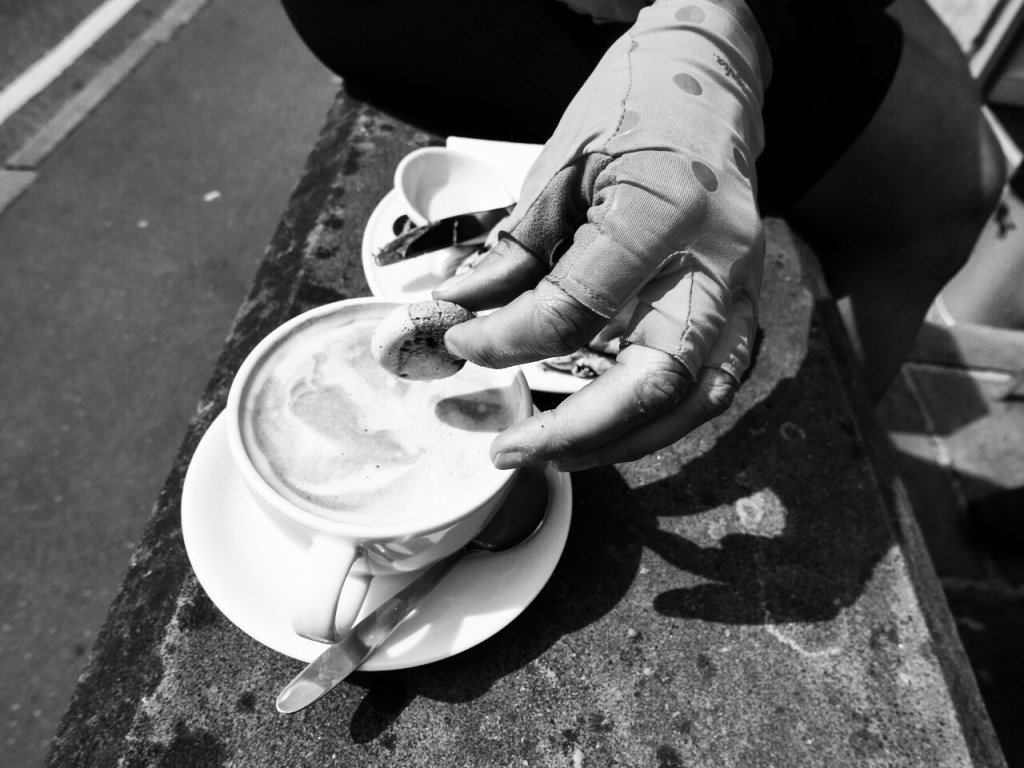
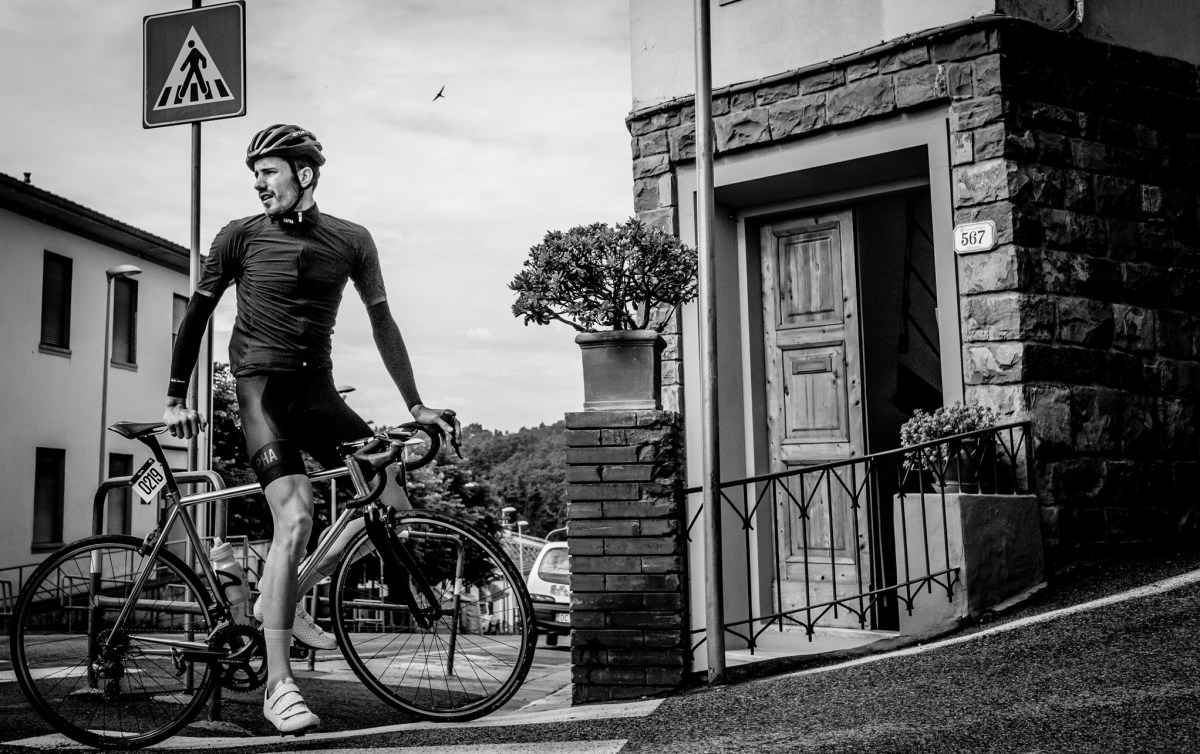
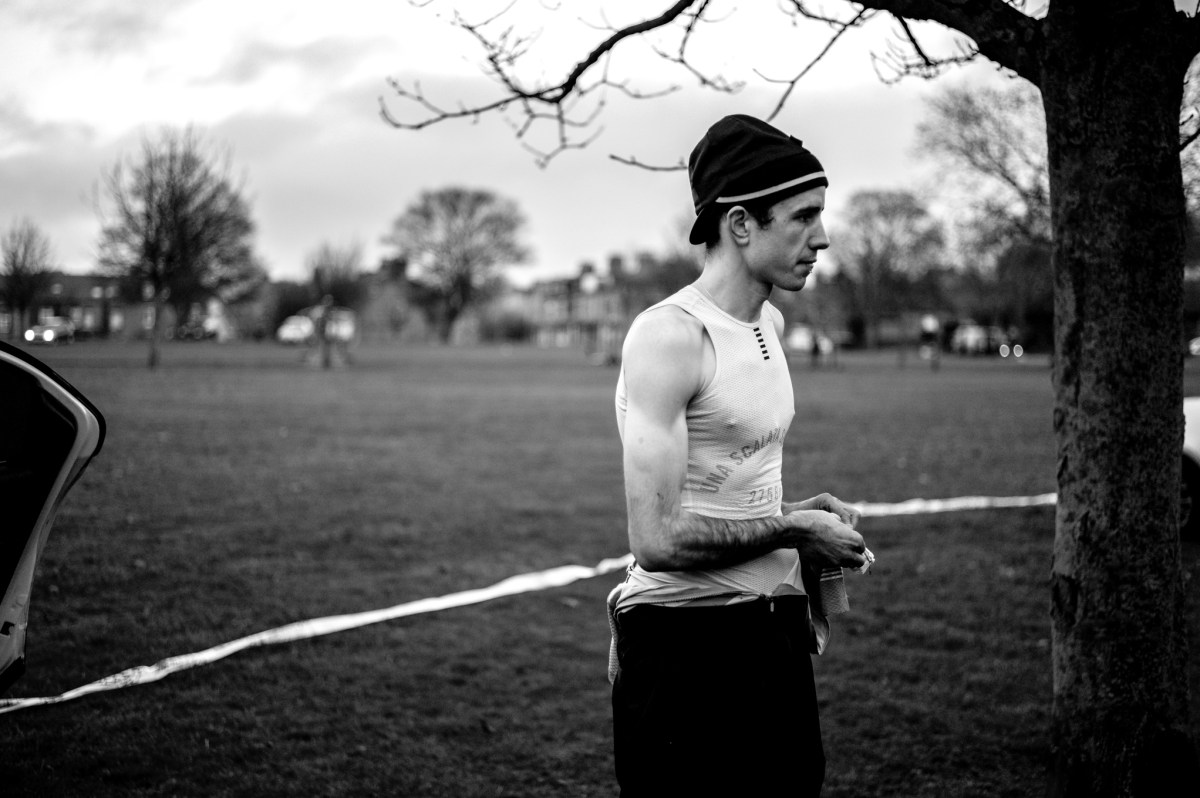
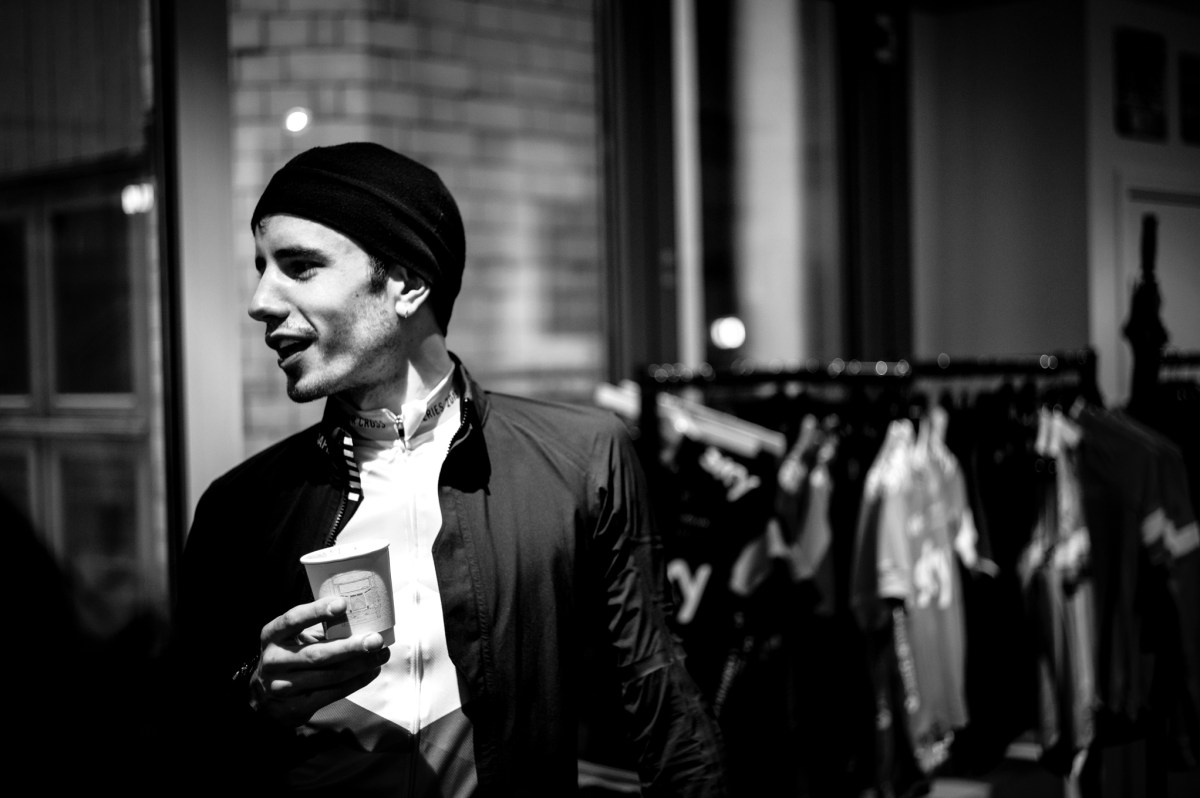
Documentary photographer Ian Walton is the creative talent behind theMUSETTE. Enjoying a low-key lifestyle based to the south of Barcelona, sitting down over coffee in Girona our conversation takes in working for free, the perfect venue for an exhibition and his appetite for adventure.

Are you a cyclist that takes photographs or a photographer that cycles?

I suppose in terms of an income and creating something then I’m a photographer. And I started young when I was 5 taking pictures of my Dad running fell races up in Yorkshire. I was using his Olympus OM10 film camera and making lots and lots of mistakes but the beauty of film is that you can’t delete an image so I kind of learnt what not to do. And I kept on learning at Photography Studies College in Melbourne when I lived down there for a few years. The cycling is a passion which also happens to feature in a lot of my photographs.

On your website you encourage people to get in touch because you’re ‘really nice’. Do they?

Not as much as I’d like, no. But I kind of see that as the ‘internet world’. There doesn’t seem to be the same physical connect between people nowadays. You might get a horrible Twitter post or a comment on your Instagram but there’s a distance. And that’s why I personally try to disconnect as much as I can from the online stuff. Not always easy because it’s such an effective tool for promoting the work we do. But I genuinely mean it when I say it would be nice for people to get in touch so that we could talk over a coffee.

If you could choose any exhibition space for a show of your work?

There’s the Cartier-Bresson Foundation in Paris and, to be shown alongside his work, that would be the dream. Him, Robert Capa, Magnum; they’re the pinnacle for me. They’re what I dream of being because they all told stories and that’s the way I also like to work. Whether that’s a bike race, a product shoot or a wedding; it’s about putting the viewer into that moment. I want you to make an emotional response rather than just simply seeing a still image.

Weekend

So even though the image is, in a sense, static; the emotional response is not?

It’s very dynamic depending on your personal interpretation. Ideally, I’d like to do an exhibition with no titles. Just pictures on the wall with each person seeing it differently.

Is photography changing as a profession?

In terms of the business side I feel it’s been devalued because too many people are doing it for free. And too many people are expecting it to be done for free. Digital has helped immensely but it also hurts as nine times out of ten people don’t expect to pay you for your time. And I’ve done it; run it through my mind whether a particular job would give me a degree of exposure that would make it worth my while not to charge a fee. But if I did that, the more it hurts the next photographer. And even though everyone’s got a smartphone and a lot of people can take a lot of good photographs, what you get with a professional photographer is consistency. You know they’re going to deliver.

How did ‘theMUSETTE’ originate?

It came from me wanting a name that wasn’t ‘me’. I wanted it to focus on the work. Now it’s got to the stage where people come up to me and say, ‘Are you theMUSETTE?’ And it kind of represents how I place my work. You carry things in a musette and it’s my aim that my work represents more than just an image.

Vamos Esteban

Is it fair to say your work has a certain look?

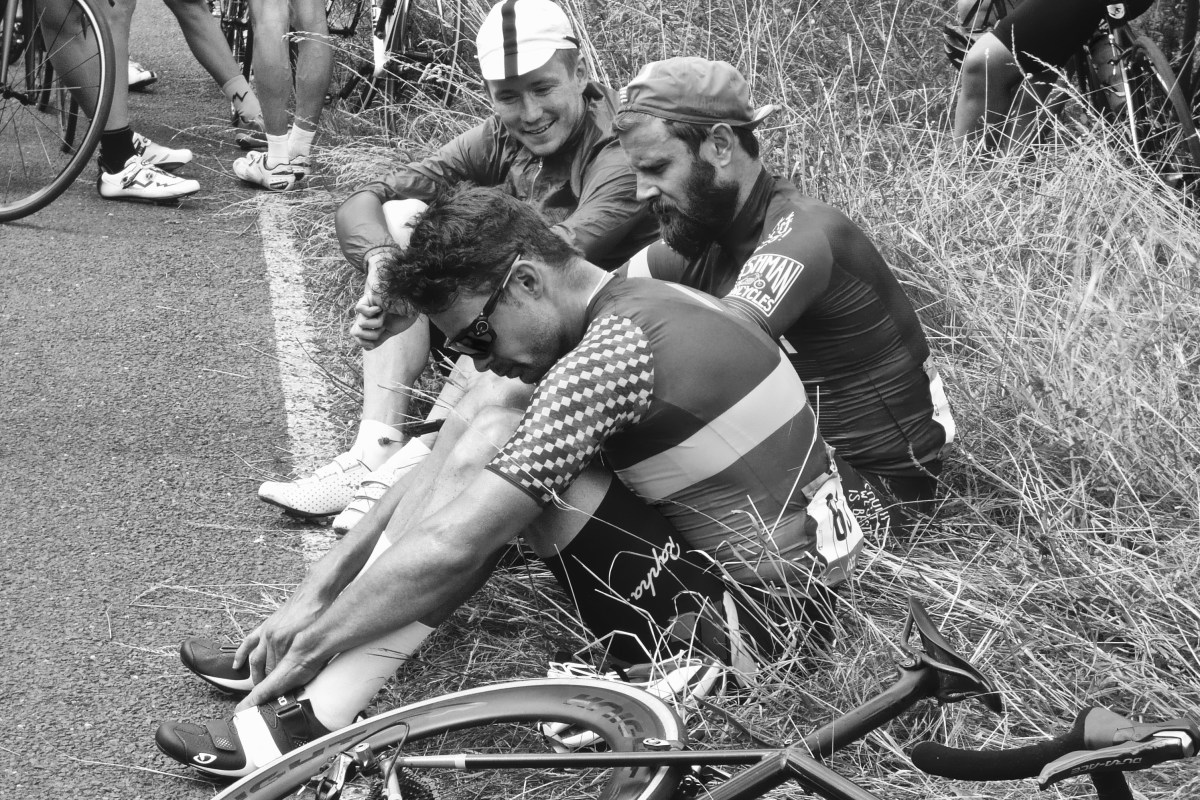
I feel that, generally, my work is quite thoughtful. And I think that goes back to the emotion of the event. You go to a bike race, for example, and you see the riders for maybe 30 seconds but you see the crowd for 4 hours and that’s what I like to focus on. The race is almost a sideshow to what’s actually happening.

Is the process of capturing an image purely instinctive?

It can depend on the job. At a race I’m always conscious about shooting the crowd first. Then something happens and you just respond. And even though clients provide me with mood boards, for the majority of shoots they just let me get on with it. To do what I do. They’ve seen my work and that’s what they want.

Was there a tipping point when that became the case?

I guess that was around the time I was working with La Fabrica here in Girona. Christian and Amber [Meier] putting faith in me to just shoot. And that’s a relationship that grew through a process of collaboration. I feel that whole period a few years ago…it’s difficult to pinpoint…but it all kind of came together from there.

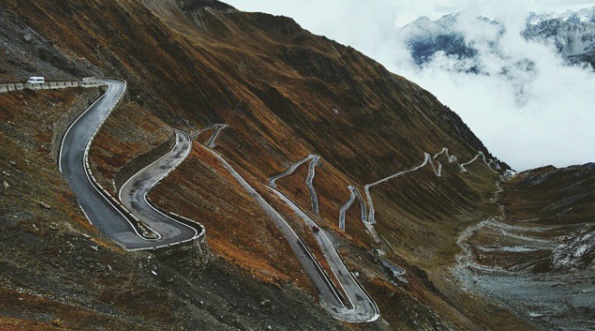
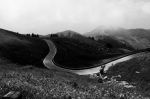
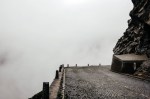
Stelvio

What do you shoot with?

A Fuji X Series although I still use a Canon 5D when I’m on the back of a motor. This has a zoom lens but, with the Fuji, I have primes [a lens of fixed focal length]. I prefer the quality of a prime and it slows me down which I feel can be a good thing. It might cause me to miss a shot but it’s about me considering what I’m trying to say with each image.

Are post-production editing tools a good thing? Have they changed how photographers work?

There is some work out there that’s been post-produced way beyond my personal taste but, back in the day, you could dodge and burn things out in the darkroom if you were skilled at it. Tools like Photoshop just speed up the process; make it easier.

And the influence of sites such as Instagram?

Personally, it’s been invaluable. I’ve got so much of my work through it. Christian contacted me through Instagram because he liked my work so you could say it’s a shop window. A free shop window. Do you lose some work because people pinch it? Maybe. Do I wish it wasn’t there? Sometimes. But that’s only because I go on it every day, wearing my thumb out.

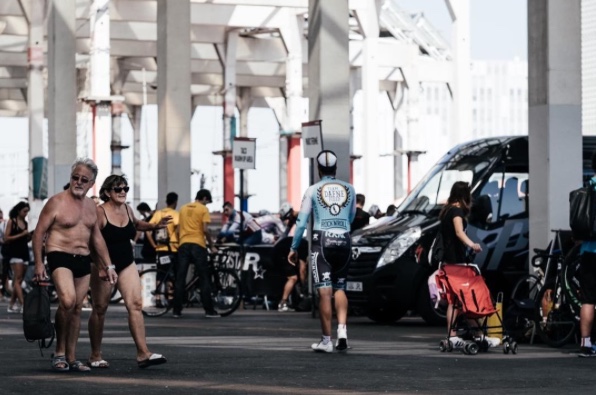
Redhook Crit Barcelona

When, each day, do you first check?

First thing in the morning. When I feel like an addict, I try and make myself wait.

I’m surprised by how much some photographers actually post.

Photographers have a huge amount of content these days. You might think it’s a lot but it’s only a small fraction of their output.

Any idea how photography will develop over the next 10 years? Whether we’ll change how we view and consume it?

I’m a little old-fashioned so perhaps I’m not best placed to comment. If I get published online then that’s great but if it’s in print? I’m buzzing. And that’s nothing against online because you can share content so easily. There’s just something about print; the fact it’s so tactile. And that feeling will never get old.

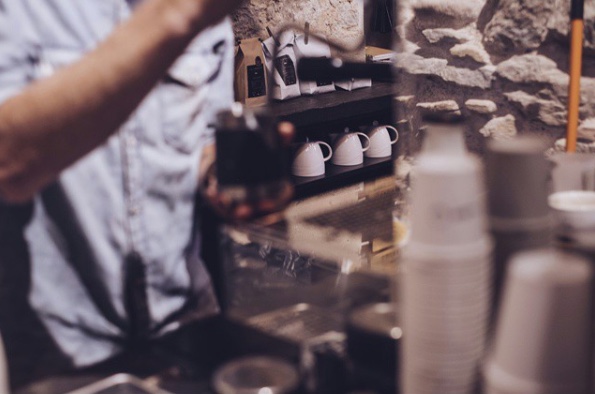
La Fabrica

What bike do you ride?

A Look 586.

And the groupset?

Campag. Always.

Always?

On a road bike? Yeah. And I’ve got a titanium bike that I first saw hanging on the wall of my girlfriend’s parents’ garage. I kind of had it on an extended loan that proved to be pretty permanent and I converted it into a gravel bike. It’s made out of bits and pieces the way I feel a gravel bike should be. My mate gave me a spare SRAM groupset; another mate an old set of Dura Ace wheels. It’s my ‘Frankenbike’, fits 40mm tyres and is just a blast to ride. I live south of Barcelona so there’s a lot of vineyard roads. It looks like Tuscany and there’s little traffic.

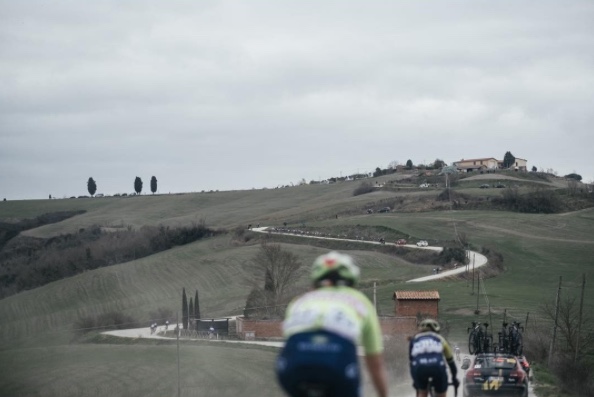
Strade Bianche

A favourite image?

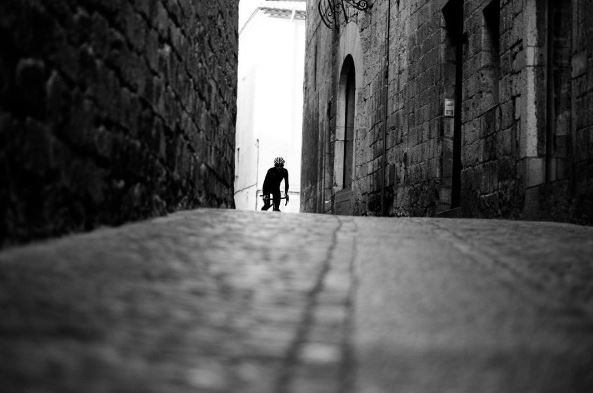
I like the images I shoot that have plenty of space. That allow you to breathe. They also tend to be quite aggressively cropped. You can see something but you don’t always know what’s happening outside the frame. I like a shot that makes you stop and think. I like the viewer to have to work a bit and not for an image to be understood in an instant. Sometimes it’s what’s happening on the edge of the frame that I find particularly interesting.

If you weren’t a photographer?

I wouldn’t be a professional cyclist. It’s too much bloody hard work. So maybe some sort of adventurer. It’s a bit of a cliche but not just travelling. Doing epic shit. Something to push mind and body. Uncharacterised living.

All images with kind permission of Ian Walton

Portraits: Harry Harrison

Meeting Harry Harrison – frame builder and one third of Field Cycles – it’s a question of identity that sparks off our conversation. ‘My real name’s Matthew,’ he adds after explaining how they took their company name from the city of Sheffield where it’s based. ‘But everyone’s always called me Harry.’ And since establishing the business a little over 5 years ago with partners Tom (design) and John (paint), a waiting list of up to 18 months is testament to their reputation for producing builds that beautifully marry form and function.

It seems apt for a company that fabricates frames primarily from steel that they chose to base themselves in a city famed for a history of metal work but Harry explains that more practical considerations come to play other than simply a respect for engineering heritage. ‘From a making point of view, there’s pockets of knowledge around this city that shouldn’t be underestimated. Like the engineering firm that cut our drop-outs. You walk into the workshop and there’s 600 years of combined experience.’

Employed as part of a team of set builders after leaving art school, a collaborative work process is something that Harry understands well and by nature prefers. ‘We’d build a set and it would look alright and then the lighting technicians would do their thing and it would look even better. Then you’d add the actors in character and the photographer would frame it with their camera. At every stage, each person who’d spent the time and effort to get really good at their particular ability or trade kind of added value.’

FIELDCYCLES_2450

Asked how these past experiences led to a successful career fabricating frames, Harry reflects on a friendship with John that was forged during their time in Bristol studying art. ‘We both had careers in the art world but got a bit disillusioned. As we used to cycle hundreds of miles a week, I decided to learn how to build frames and he chose to learn how to paint before Tom came on board with his design skills.’

Acknowledging the importance of this partnership, Harry is quick to point out that it’s the focus on specialisms that he believes is the secret to the company’s success. ‘There’s a value,’ he explains, ‘in choosing your role and mastering that process or skill before working with other people who all have their own specialities. I just really enjoy collaborating with people that are better at something than I am.’

With a natural inclination to want to build any object that catches his eye, Harry nevertheless admits to a degree of procrastination in this attitude to practical matters. ‘The way I approach stuff,’ Harry states, ‘is that I want to make something perfect and I start a long way from the finished object.’ Speaking of his first workshop that he built in his back garden, the fact that it was constructed to build frames made it, in Harry’s eyes, part of the process. ‘And then I practised and practised; understanding that you need a really healthy attitude to mistakes. You can read all you want about something but you learn by doing.’

FIELDCYCLES_2908

Quoting from the company website, where it describes their build process as ‘an exploration of craft, aesthetics and function’, I ask if these considerations have equal weighting? Whether Harry feels form and function are balanced in the end product? ‘I’ve built so many frames,’ he observes, ‘that I know from experience what works and what doesn’t. And I feel the secret is to make something that’s unique and beautiful.’ At this, he pauses for a moment before continuing. ‘When we set up the business, we knew we didn’t want to be men in sheds. We make things with a nod to tradition but we’re not looking for nostalgia.’

With such a considered aesthetic – Field produce one-off custom builds but with recognisably complex paint designs – I venture that I’m still not quite sure where they draw the line between craft and art. ‘When I was still working in the art world my work was all about function,’ Harry reflects. ‘I’d make door handles for galleries and was kind of confused by the idea that the work they showed could be covered in bubble wrap and stored in a warehouse. I was much more interested in things being used and worn out; having that imprint of use. So my idea of art is probably very different from another person’s but we use the same parts of our brains when we’re designing, building and painting our bikes. And then there’s the sheer satisfaction of making something that has amazing functionality together with such a beautiful form.’

‘Everything we’ve done,’ Harry continues, ‘we’ve always taken our time. That’s partly our personalities but I think it’s also a northern thing. We never wanted to shout about what we did. We wanted to make a product we’re completely satisfied with and put it out there and let it speak for itself. I know the learning curve of building a top quality frame and sometimes you see people who are still on the steep bit and they’re shouting about what they’re doing. To me, that’s the wrong way to do it. I think you’re better off keeping your head down until your learning curve is flattening out. In the same way that Tom had his own learning curve in designing from a flat to a three dimensional object and John with his paint that’s laid done with such painstaking precision. But that’s the beauty of the way we work; each having our own level of expertise. You might think you’d be able to do a similar job but I’ve not put in my 10,000 hours on design and paint. And you’ve only got so many 10,000 hours in you and I used mine on learning to build frames.’

FIELDCYCLES_2488

For such an intensive build process, to commission a project from the customer’s perspective requires a corresponding commitment in terms of the financial outlay and the wait for their bike to be delivered. I wonder whether these individuals find their own way to Field’s door or are attracted by marketing strategies? At this, Harry is keen to point out that they take a very different approach to bike building. ‘We’ve found that we don’t really need to engage in marketing. People are buying the latest bikes from the big manufacturers almost, in a sense, knowing that in one or two years they’ll be buying again. With us – maybe because they’ve collaborated so closely on its design and they’ve waited while it’s been built and painted – people seem to relax in the ownership of their bike.’

The perceived wisdom that, for the performance driven rider, carbon frames are more appropriate than steel is another consideration I put to Harry. Though no Luddite and actively interested in new technological developments, he still chooses to argue that for the majority of riders the differences in materials have a minimal effect. ‘What we find,’ he points out, ‘is that many of our customers also have a high end carbon bike in addition to  the one we’ve built for them. And with modern day measuring tools like Strava, they’re generally faster on the bike they feel better on and they prefer to ride our bike because it’s been made to fit their personal measurements and to ride how they want it to ride.’

Questioning whether this solely accounts for their decision to commission a steel bike, Harry adds: ‘With carbon frames, there’s an element of the designers all being stuck behind the same software and, in a similar way that modern car designs are optimised for certain performance gains, the consequence is that a lot of modern bikes look increasingly the same. Steel lends itself to one-off fabrication and, time after time, we see that customers want the beauty of the bicycle to match the beauty of its function.’

FIELDCYCLES_2601

Following a design consultation with Tom, Harry currently builds all the frames before passing them over to John for paint. Acknowledging that this process naturally imposes limitations in terms of the quantity of builds that Field Cycles can achieve, they are considering limited production runs. Still made in house but by other fabricators, this would reduce waiting times and still allow Harry to concentrate on one-off builds but raises other issues. ‘People like us, we’re kind of control freaks,’ he points out. ‘Completely obsessed with quality control and the second we can’t maintain that level then it’s game over.’

Understanding that these ideas for fabrication are still very much in the planning stage, it’s arguably the paint in particular that identifies a bike as a Field build. Referring to the complex nature of the designs that inform, to a certain extent, a house style, Harry appreciates how he’s personally influenced this narrative. ‘When I was still working in the art world, a lot of my research focused on dazzle camouflage. I’m still fascinated by the work of the vorticists; the way an object is affected by movement. And Tom’s interpreted these influences really well.’ Asked whether there are limits to his involvement in the design aspect of a build, Harry smiles before stating, ‘Sometimes, I’ll suggest something and Tom will tell me we’re not doing that. He’s slightly more polite to customers.’

As the stunning paint effects are created without resorting to decals and stickers, I return once again to my question regarding a build’s lead time and the patience it requires on the part of the customer in waiting for their bike to be completed ready for the hand-over. ‘It’s only my own theory,’ Harry explains, ‘but I believe the time it takes to purchase something can directly affect how you feel about that item and how much you value it. And they’re happy to wait to own their bike. It’s unique and they enjoy the feeling of collaboration that’s involved in the build process. Interestingly, I equate the waiting time for one of our builds to the cycle of replacing a bike an individual might have purchased from one of the big manufacturers with a new model.’

IMG_8921

And not only do customers receive their dream bike but also entry into an unofficial but exclusive club that has formed between Field owners. As there’s a healthy market for these bikes in countries such as Japan, Germany and the US, then this ‘club’ has an international flavour with UK orders typically being full builds and framesets the most common purchase from clients overseas.

This following, I suggest, seems a long way (both geographically and culturally) from Field’s roots in Sheffield and I ask whether their business model could still exist if relocated to another city? ‘I’m probably biased but I can’t comprehend why people would do what we do in somewhere like London when you consider London prices. And building steel bikes where stainless steel was invented means this is the perfect city for the material we use and Sheffield still globally carries a lot of weight in places like Japan in terms of that heritage.’

‘That’s the beauty of being a small scale manufacturer,’ Harry continues, ‘I get exhausted by the constant changing in standards and we can adopt them based on whether we think they’re an improvement or not; rather than simply keeping up with the latest trends. Progress and development of what we do is important but we don’t simply follow fashion for fashion’s sake.’

036FF_Bjorn_Overby_Road_11

Accepting that, alongside his established role within the company as frame fabricator, there’s the associated pressures of running a business; Harry initially underestimated how administratively involved this can be. ‘Me, Tom and John; we run a business but we’re not businessmen so an uninterrupted day in the workshop is a joy. And ultimately, it all comes down to a love of making. The bike’s already a beautiful object and we just want to celebrate that. Our customers come to us because they want what we do. And that’s what, to their taste, we give them.’

It strikes me that throughout our conversation, Harry rarely talks in the first person; choosing instead to use ‘we’ rather than ‘I’ when describing the build process and the company’s plans for the future. Couple this with a belief that it’s best to keep your head down until you have a product that can speak for itself and you have an approach to bike building that focuses purely on the ‘making’ and leaves ego at the workshop door. Just as Harry likes it.

For more information visit Field Cycles

All images with kind permission of Tom Smith

Team Novo Nordisk

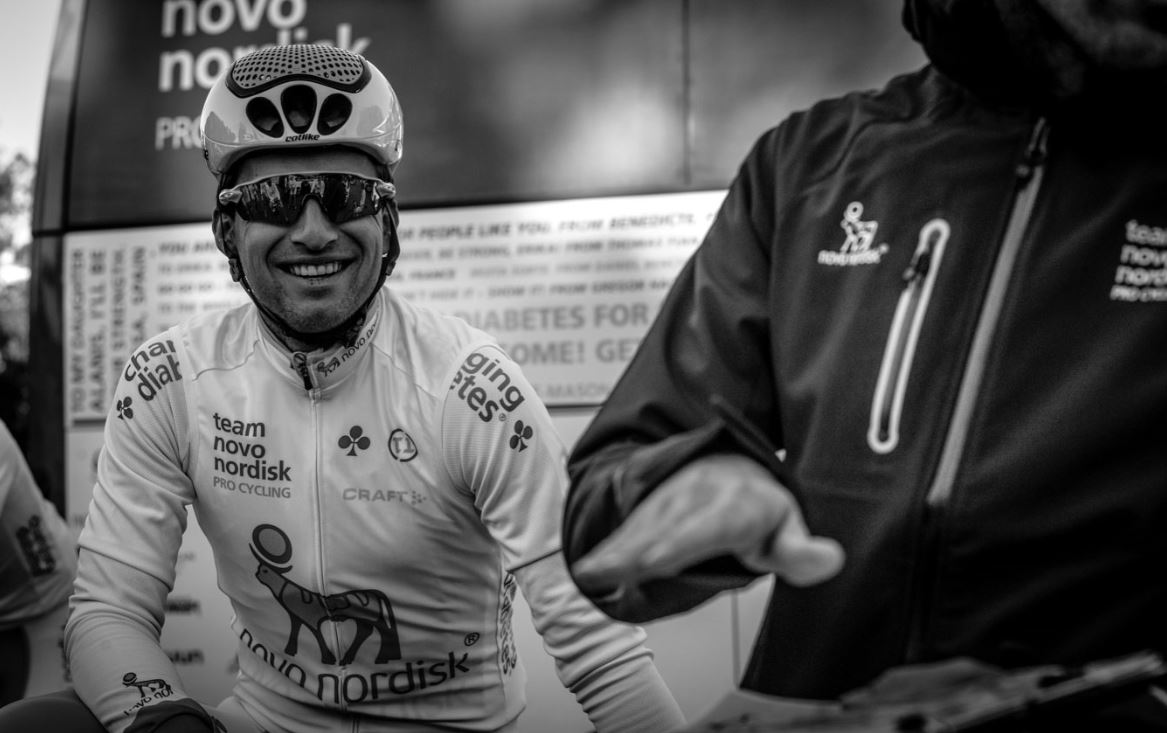
In late January 2017,  I flew into Alicante together with photographer Matt Randall for an extended weekend as guests of Team Novo Nordisk at their winter training camp. Spending a few days at the heart of this professional cycling team as they prepared for the coming race season, we left inspired by their dedication and sense of shared dreams. By an overwhelming sense of ‘family’.

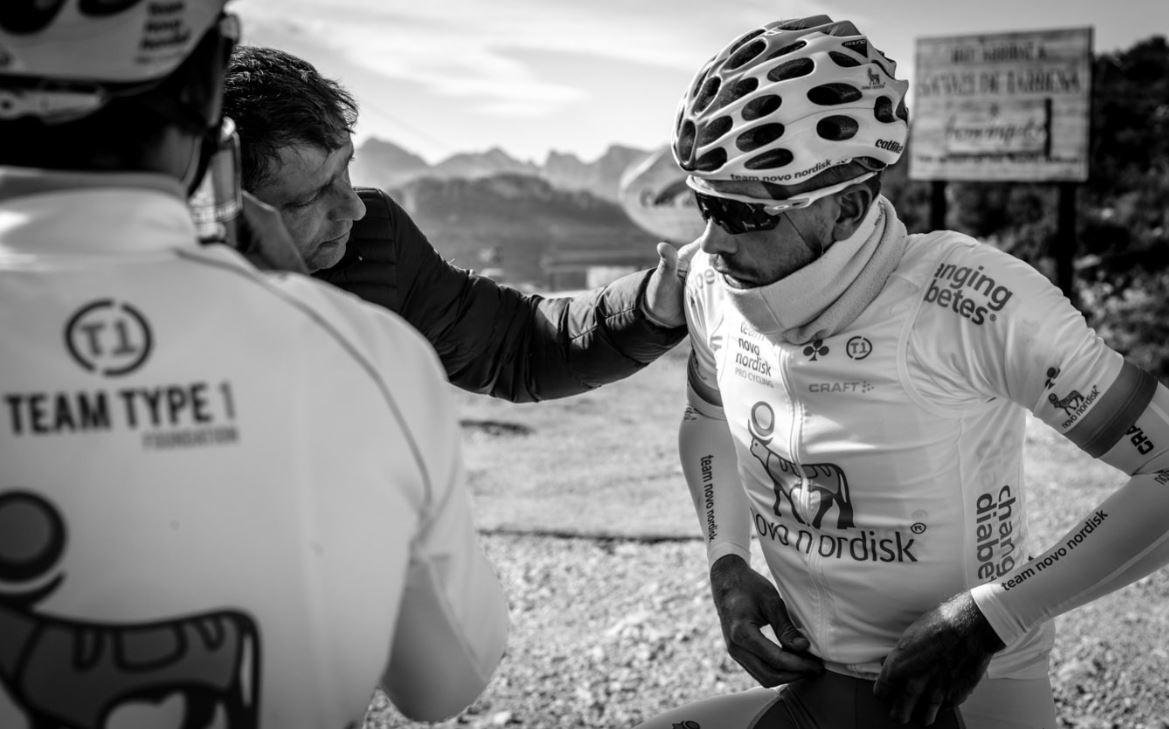
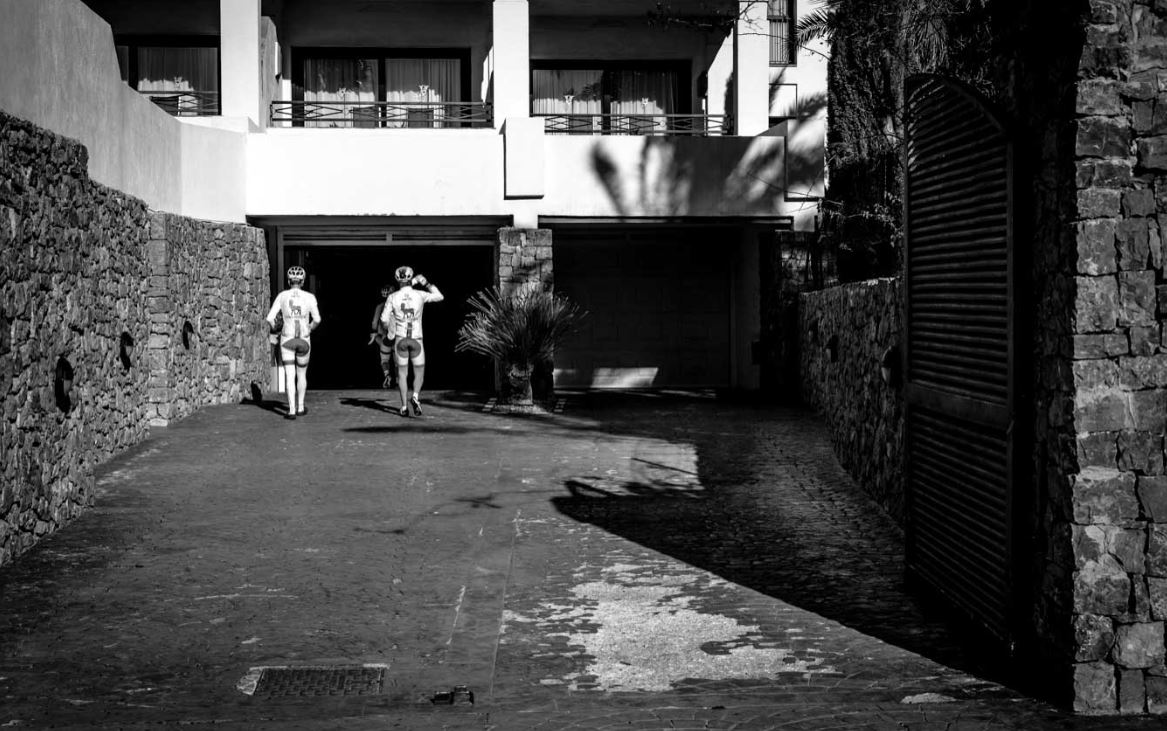
The hotel parking lot is busy with mechanics, management and medical staff. For the riders, gathered next to service vehicles that will shadow the various groups, a 5 hour loop into the nearby mountains awaits. Clues to the various nationalities are provided by each individual’s choice of cold weather gear and I notice that some of the lesser experienced junior riders take numerous trips back to their rooms as layers are adjusted. While some are wrapped from head to toe in leg and arm warmers with a neck collar pulled up to meet mirrored eyewear – there’s a keen wind blowing and this is January – others from hardier climes stand quietly and relax under the winter sun.

Similarly attired in their team kit, I find it’s easy to forget that for Team Novo Nordisk this sense of identity is taken one step further in that every rider on its roster has been diagnosed with type 1 diabetes. And having raced on the UCI Professional Continental Tour for the past five years with a team mission to inspire, educate and empower everyone affected by this condition, these athletes explode perceptions that it precludes sporting pursuits and success.

At this level of competition, however, it’s not simply a matter of rolling up to the start line buoyed by a sense of zeal and determination. Success doesn’t come easy and requires considerable planning and preparation; the reason the team has come together to train on the roads surrounding Altea, 30km to the north of Alicante on the Spanish Costa Blanca.
Briefing

There’s a palpable sense of energy that pervades the team camp and it’s only after scrolling down the personnel listed on the team’s website that you begin to understand the sheer number of individuals needed to take a professional cycling team on the road. As the groups ride out each morning, they do so with the hard work, long hours and encouragement of a support team with individual responsibilities but a sense of shared goals; perhaps best illustrated when the whole team gathers over breakfast as greetings, laughter and conversation animate the dining room.

Overseeing the camp, general manager Vassili Davidenko is responsible for building a roster of strong riders but, unlike other professional racing teams where recruitment is determined primarily by budget, the requirement that all Team Novo Nordisk athletes have type 1 diabetes naturally imposes constraints on their marketplace. ‘When we first decided to pull this team together,’ explains Davidenko, ‘we sent out 180 emails to various cycling federations and governing bodies as we thought they’d know of riders with this condition. We got one reply. So what we look for is a big engine. Even athletes that might have a background in another endurance sport. You take Brian Kamstra, for example. He competed at the European cross-country championships before his diagnosis. He rode the Diabetes Classic – a charity bike event created by Team Novo Nordisk pro rider and fellow Dutchman, Martijn Verschoor – after which he was invited to our winter camp in January 2015. Kamstra competed in his first bike race a few months later before his professional debut at the USA Pro Challenge in Colorado. It just illustrates the extraordinary determination and physical ability of the riders that race for our team.’

Kamstra – exuding enthusiasm and obviously relishing the opportunity he’s been given to race professionally – describes the loss of performance that led to a doctor’s appointment and a blood test: ‘Two days later I’m told I’ve got type 1 diabetes. Then they say it isn’t possible to continue with my cross-country running. That I’ll need to search for something else.’
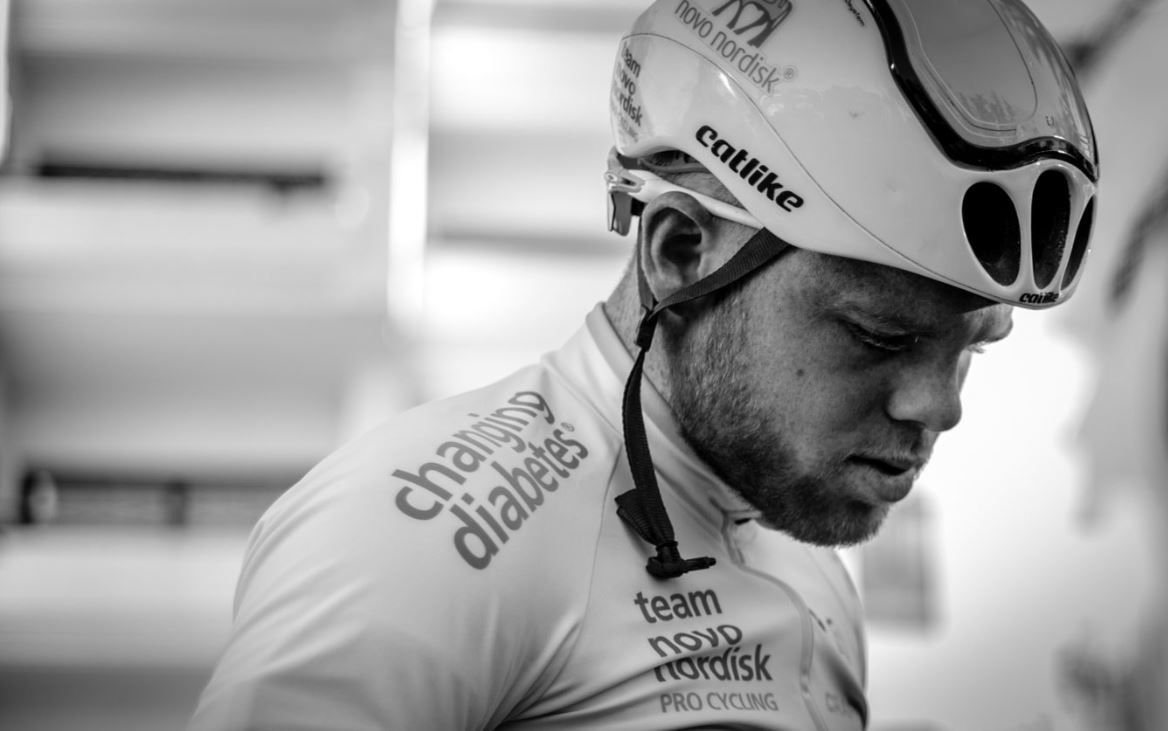
Quentin

Finally understanding the reason for his poor form, his diagnosis was in some way a relief. ‘You’re searching for something. You feel there’s something wrong with your body and it’s really hard when you don’t know what it is. The diabetes, it doesn’t have to hold you back if you have everything under control. And that’s another way that we’re professionals because we’re good at it. Managing your diabetes is like the training we do on our bike. You see what is right and what needs more work.’

A member of the medical team helping the riders manage their condition, Dr. Mark Greve underlines the skills that each individual needs to develop: ‘The young riders coming through the Talent ID and Junior Team pipelines have a myriad of different starting points in terms of their ability to manage diabetes. That’s why we have a diabetes educator who literally walks them through the process of buying groceries at the local store, teaches basic food preparation techniques and aspects of portion management. They’ll also show the young riders how to monitor using a CGM and methods of injecting insulin. Very much a ground-up educational model.’

Referring to the Continuous Glucose Monitor (CGM) that constantly tracks blood glucose levels, Greve explains, ‘Often the CGM display isn’t on show but can be kept in a back pocket with an alarm that vibrates if certain levels – either high or low – are measured. The riders will carry insulin pens and some form of carbohydrate so they can react independently and alter how they’re trending. Sometimes they might fade back to the team car where we’ll use a glucometer. Quite a coordinated effort at speed during a race.’
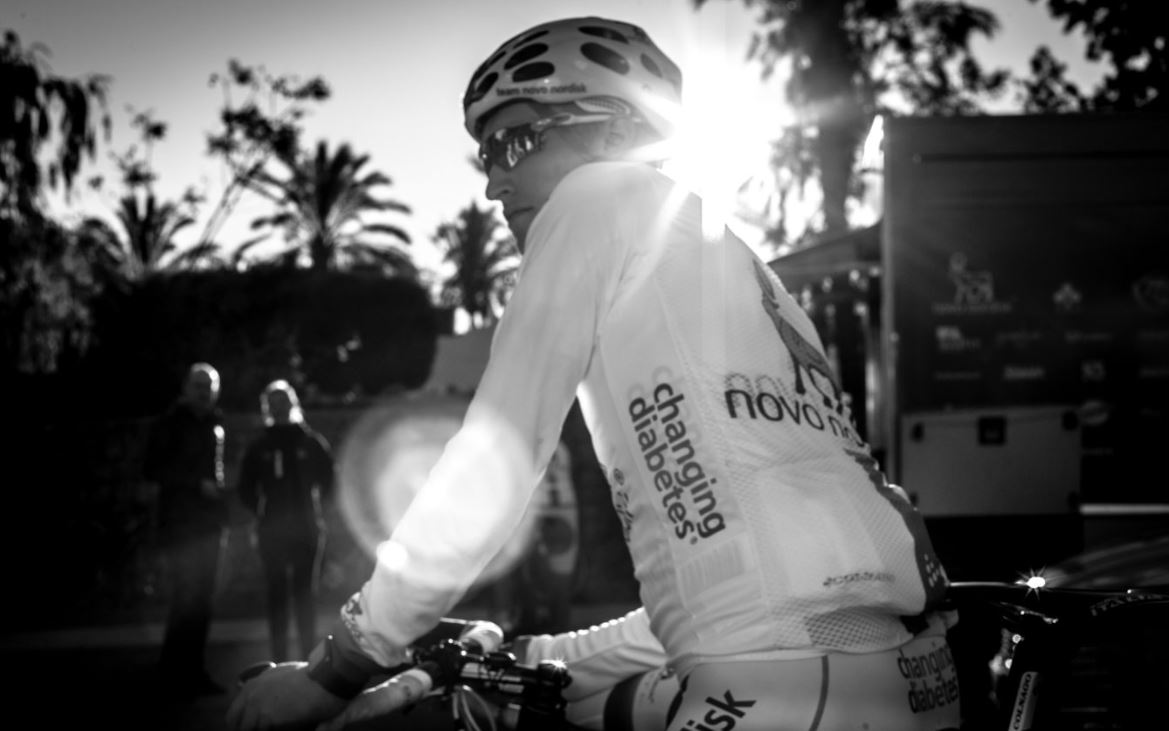
Morning sun

As all the riders on Team Novo Nordisk require a long-term Therapeutic Use Exemption (TUE) for the insulin needed to control their diabetes, Greve sets this against the recent media storm relating to the practice of seeking approval for the use of otherwise prohibited substances. ‘There are some extreme views that concern whether an individual can be on any sort of medication and still race. But we need to acknowledge that our riders have a particular condition that’s treated with a particular medication. We simply provide the support and resources they need to race. And there’s also the opposing perception that our athletes have it easy because they all this support. But you need to remember that they’re the ones dealing with this condition. Day in, day out.’

A viewpoint echoed by Davidenko in reference to the permanent US-based camp acting as a talent pipeline to Team Novo Nordisk’s race squad. ‘We all have to cope with adversity and face challenges throughout our lives. If you strip away the diabetes, we’re just another race team fighting for their place in the peloton.’ Softly spoken – a 13-year professional cycling career that included numerous Grand Tours and 20 national titles means there’s no need to shout – Davidenko continues, ‘World Tour events like Milan-San Remo act as the perfect platform for communicating our message as they are surrounded by media. The TV coverage they receive means that, when one of our riders gets in the break, it’s an inspirational story. It’s an inspirational story even if you haven’t got diabetes.’

And this theme of stories is continued by sprinter Quentin Valognes. After growing up in a cycling family and having recently moved up to the Professional Team, he describes how he came to terms with his diagnosis in his book ‘Diab, un ami pour la vie’. Referring to his diabetes by a childhood nickname and describing it as a ‘friend for life’ perhaps best exemplifies the journey this young man has documented. ‘Before joining Team Novo Nordisk I felt I was fighting against my diabetes. Every time I started a race it wasn’t 50 or 100 opponents. It was one – my diabetes. Now it’s totally different as this team is like a family. They know what we need and where we need to be.’
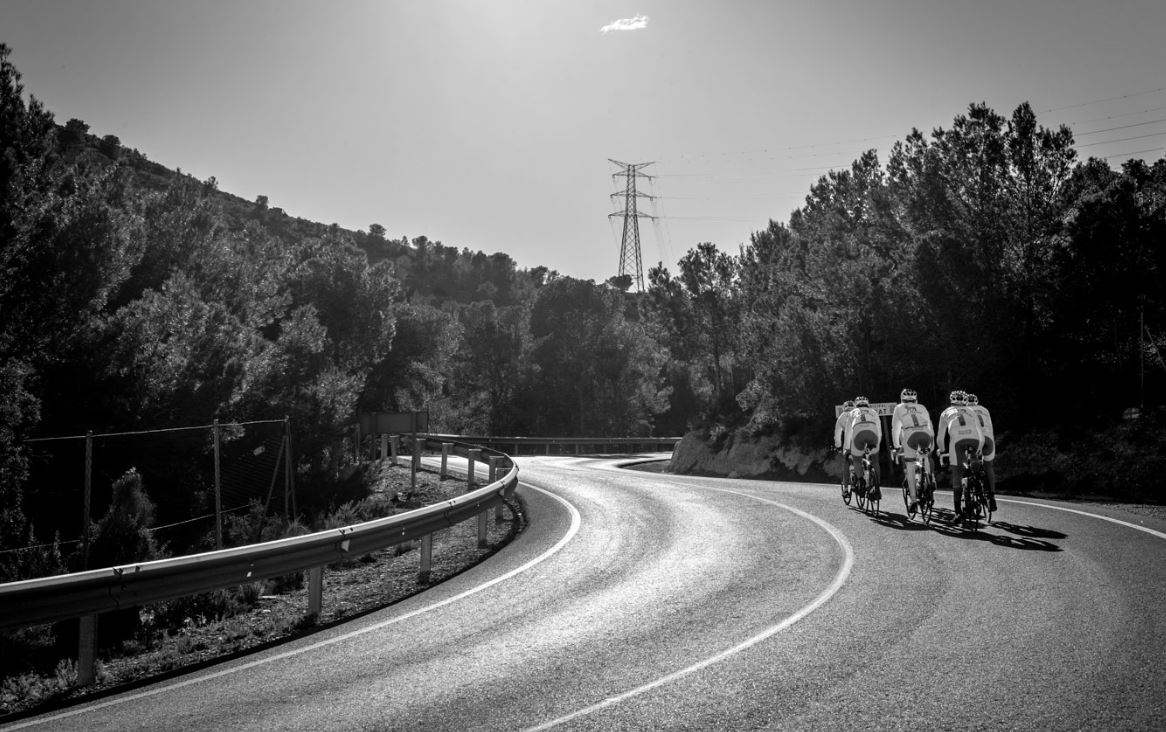
Bend in the road

With a powerful physique suited to his role, Valognes acknowledges the challenges of racing with this condition but chooses, instead, to equate these to the discipline and focus of any other professional athlete. ‘People ask me if it’s hard to race with diabetes but, to me, it’s the job of a cyclist to be a cyclist. And that means you do your job 24 hours a day, 7 days a week. The rigour, the discipline, eating well and resting – are what every professional cyclist needs to do. I’m lucky to have this job and to live this life.’

A sentiment shared by Development Team rider Sam Brand who came to cycling by way of triathlon after an early diagnosis at the age of 10. Accepting that he was fortunate in never been made to feel that his diabetes was a disability when growing up on the Isle of Man, he states: ‘I was a runner and then got into triathlon when I was at university. Really as a way of doing something positive with my diabetes. In a sense, I grew up with it and I can’t remember a single day where it was considered as a negative or when I felt it stopped me from achieving whatever goal I’d set myself.’

Obviously comfortable talking about his condition – together with Valognes he regularly speaks to the media in his advocacy role for the team – Brand has now completed a year at the development camp in Athens, Georgia. ‘I’m new to this world of cycling; a year ago I’d still to do my first race,’ he explains before adding, ‘But it feels like all the pieces are starting to come together and click.’ Gesturing to the various groups gathered around tables quietly discussing the year’s racing objectives, Brand is clearly enjoying his time at the camp. ‘I’m like a sponge and speak to everyone; constantly asking questions. Often, looking at what gets reported in the racing media, it can seem like the soigneurs and mechanics can get forgotten. I’m very conscious of the role they play and make it a point of saying please and thank you. We shouldn’t take them for granted as we’re all part of the same team.’
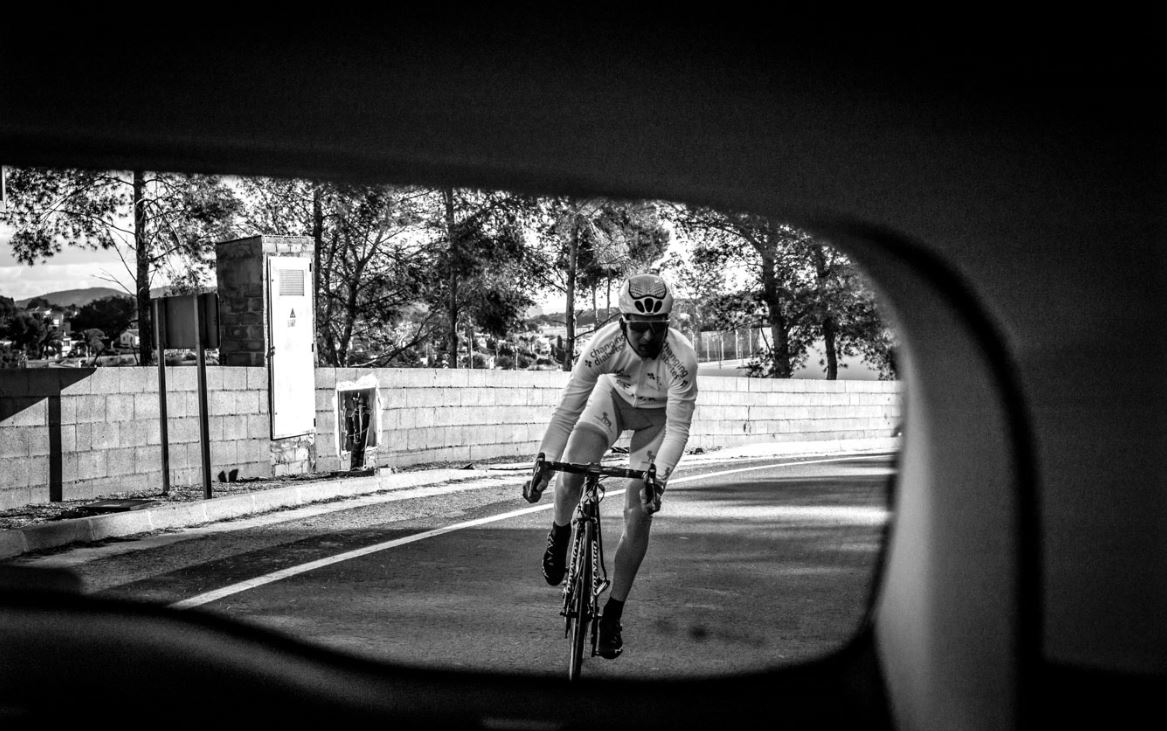
Team car 2

As a young, relatively inexperienced rider, Brand naturally looks to the older riders in the Professional Team for advice and support with Martijn Verschoor perfectly placed and happy to embrace an informal mentoring role. With a career best result at the 2016 Tour of California where he sprinted to fifth place behind riders that included Peter Sagan and Mark Cavendish, Verschoor understands the skills younger riders need to develop. ‘The first part of joining Team Novo Nordisk,’ he suggests, ‘is that everyone needs to manage their diabetes. It you can’t do this properly, you can’t race. Then you look at your diabetes and training before focusing on diabetes and racing. There are so many factors that need to be considered: altitude, nerves, stress, if it’s cold or wet, if you’re very tired. And all these things affect your dosage of insulin. That’s why the CGM is so important because it shows your trends. But then, when the race is approaching the finish and it’s full gas, you also need to depend on the instincts that you’ve developed as you’ve trained. You need to understand your body.’

A veteran rider with Team Novo Nordisk – he was originally a speed skater before making the switch to cycling – after his diagnosis at the age of 13 Verschoor felt the need to challenge the advice to stop competing. Asked whether he was proving something to himself or to others, Verschoor considers before replying, ‘At first, to them, but now for myself. Every time someone tells me I can’t do something I want to prove them wrong.’

Not only happy to endorse Team Novo Nordisk’s mission to inspire, educate and empower people affected by diabetes, in 2013 Verschoor launched his own cycling tour in the Netherlands, the Diabetes Classic, that enjoys enthusiastic support from the 15,000 riders that take part each year. ‘It’s an important message we need to communicate,’ he explains. ‘From the outside, sometimes people think that we have everything easy. We look healthy and we’re racing hard. They just don’t see all the effort and work we put in to manage our condition. You always live with diabetes; every day, every minute, every second.’
Briefing 2

In terms of racing and the all important results, Team Novo Nordisk look to Spaniard Javier Megias following a 2016 that saw his best season to date with a 14th GC place at the Tour of California and a second overall at the Tour of Korea. With a quiet stillness that comes from 12 years riding as a professional, he perfectly understands the media value that race results bring. ‘Every year we grow stronger and the results improve with that strength. When we’re in the breakaway or on the podium, every time we win; it helps spread the message of the team.’

It’s clear, however, that although Megias is happy to spend time speaking with the team’s extensive fan base at races or media events, he’s also eager to emphasise that they have identical goals and ambitions to all the other teams on the start line. ‘We want to communicate this important message to the people we meet but I don’t believe my diabetes defines or limits me as a professional cyclist. I was a cyclist before I was diagnosed and I’m still a cyclist.’

And, as the riders return from their training ride – leaving their bikes with the waiting mechanics before heading into the hotel for a massage – Dr Greve acknowledges that it’s this sense of definition that underpins the team as a whole. ‘They might have some unique challenges and needs,’ he points out, ‘but they’re just bike racers.’

To some extent shouldering the burden of the coming season’s racing ambitions, the last word is perhaps best left to the veteran Megias. ‘I love my job. I love to ride every day. Sometimes I think that when I finish my career I won’t know what I’m going to do. It doesn’t bother me to train every day. But maybe not so much in the rain, no?’
Garage

Images by kind permission of Matt Randall.

Thanks to Team Novo Nordisk for the warm welcome and generous support.
HOTN ‘up North’

Riders from Rapha Manchester rolled out on the morning of Sunday 9th April to pay tribute to Paris Roubaix. Taking in a mixture of gravel paths and cobbled lanes to the south of the city, the 50 mile ride included the iconic climbs of Swiss Hill and Beeston Brow before returning to the clubhouse in time to witness the race leaders enter the Roubaix velodrome.

One of the ‘Monuments’ of the European professional race calendar, the race has been contested a total of 117 times since its inaugural run in 1896. Commonly referred to as the ‘Hell of the North’; this appellation acknowledges not only the challenges of racing over sections of cobblestone pavé but the First World War battlefields the route crosses.

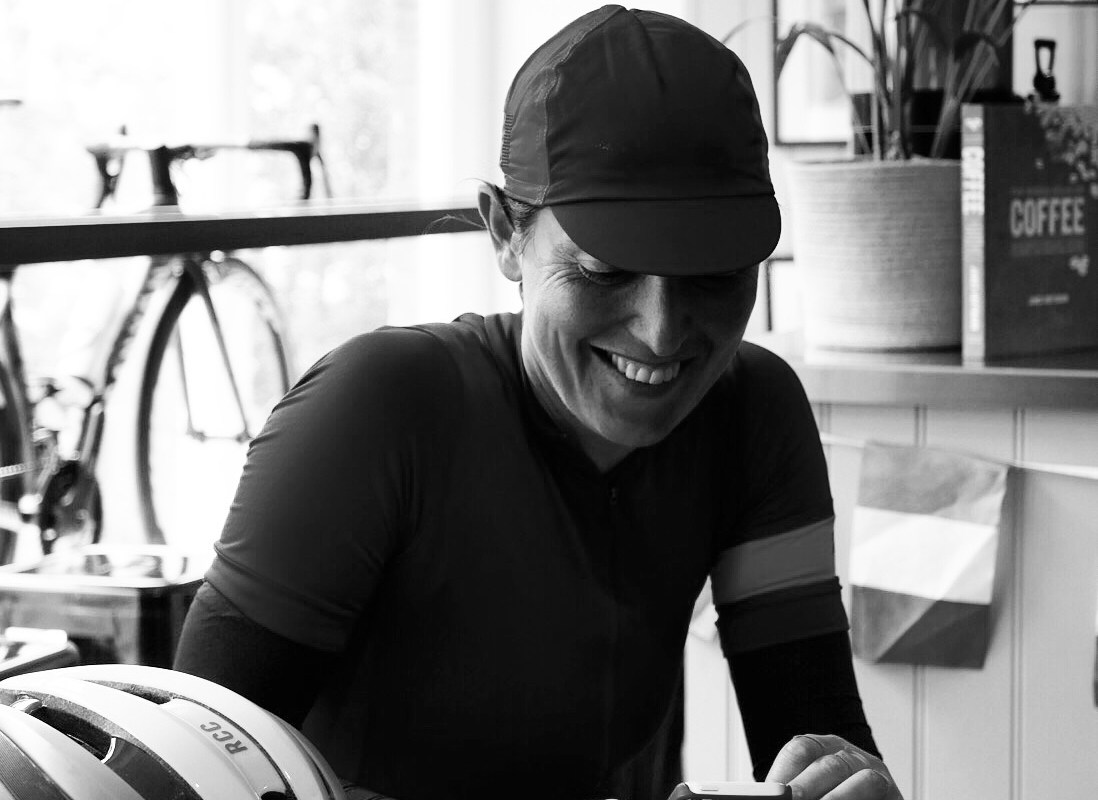
With the Manchester tribute comprising six sectors of varying degrees of difficulty – the cobbled climbs peaking at a challenging 25% gradient – recently joined Rapha Cycling Club (RCC) member Hannah Davies reflected on the ride over a cold beer back at the clubhouse.

You’re quite new to the RCC?

I’d been riding for about two years – enjoying the Saturday Women’s Rides out of the Manchester clubhouse – but never considered joining a cycle club before.

Was there anything that put you off? A perception, maybe?

I did think that clubs looked very elitist from the outside. But then I rode the Rapha Women’s 100 last summer and everyone was so friendly that I just went from there.

And joined the RCC?

I wanted more options. More rides to go on. To ride in a mixed group with faster people so I could get stronger.

How do you find group riding?

I was a bit self-conscious at first and a little apprehensive. If you’ve not done this before it can be a little nerve-wracking but ride leaders like Sarah really help in developing these skills. You have to put your trust in the people you’re riding with. And there’s no way I would have done this ride on my own.

Were you looking forward to today?

To be honest I wasn’t, no. Just because I’d never ridden on cobbles before. I thought I couldn’t do it and I wouldn’t enjoy it. So I wasn’t keen.

But you still signed up for the ride?

Sarah didn’t really give me much choice [laughing].

And how did you find it?

It was ace. Some of the gravel paths early on, I was worried that I might come off but I was fine. And later, when we got to the climbs, it wasn’t the cobbles that were actually hard. It was the gradient.

How did you feel at the top?

I was elated. So pleased that I’d achieved it. But that’s why you ride, isn’t it? It’s a whole series of mini challenges that you complete. But I’ve never completed them all because I’m forever moving the goalposts and that’s what motivates me. I just feel I’m progressing with the club; I can see that I’m getting quicker. And cycling means so much to me. It keeps me sane; makes me feel happy.

Rapha Manchester

Rapha Cycling Club 

Portrait: Marta Gut

Leaning back in her chair, Marta Gut pauses to consider the question. ‘My role,’ she explains, ‘It’s all about communicating a lifestyle and a culture. Product will sell itself if people trust in your message. But you have to believe it yourself.’

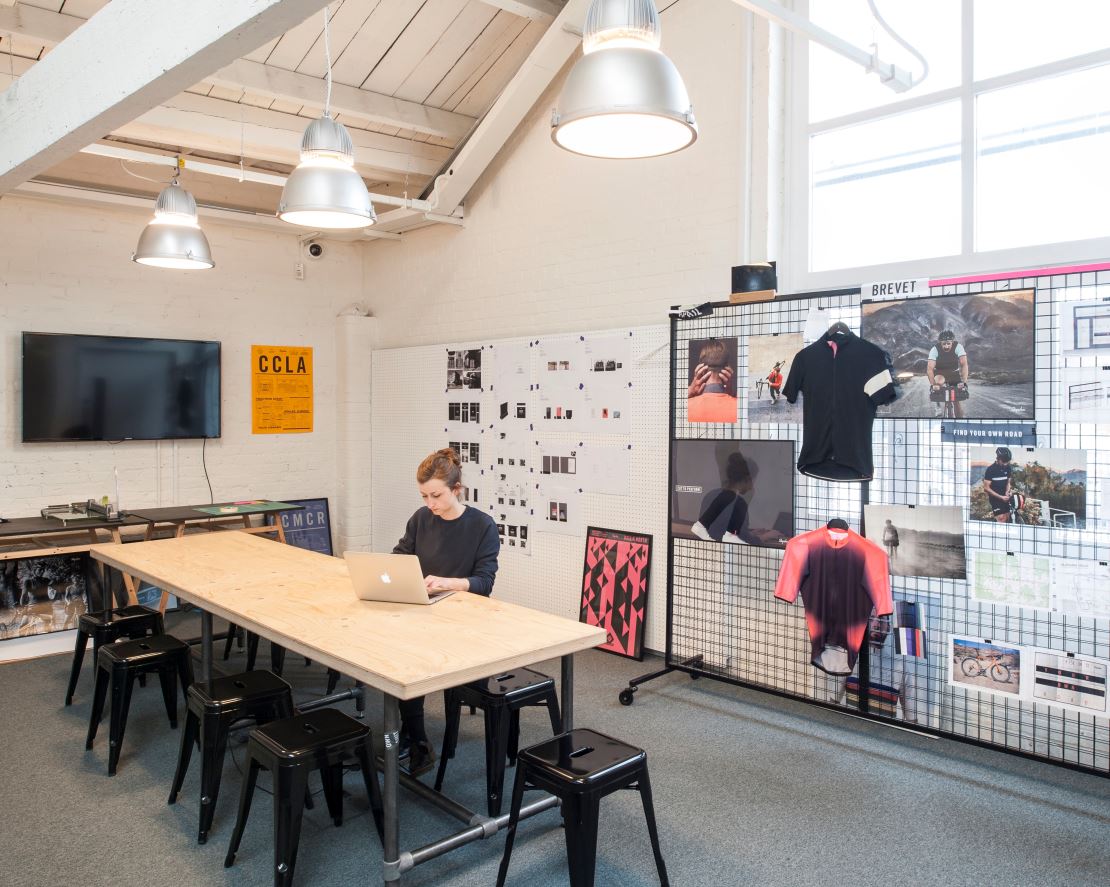
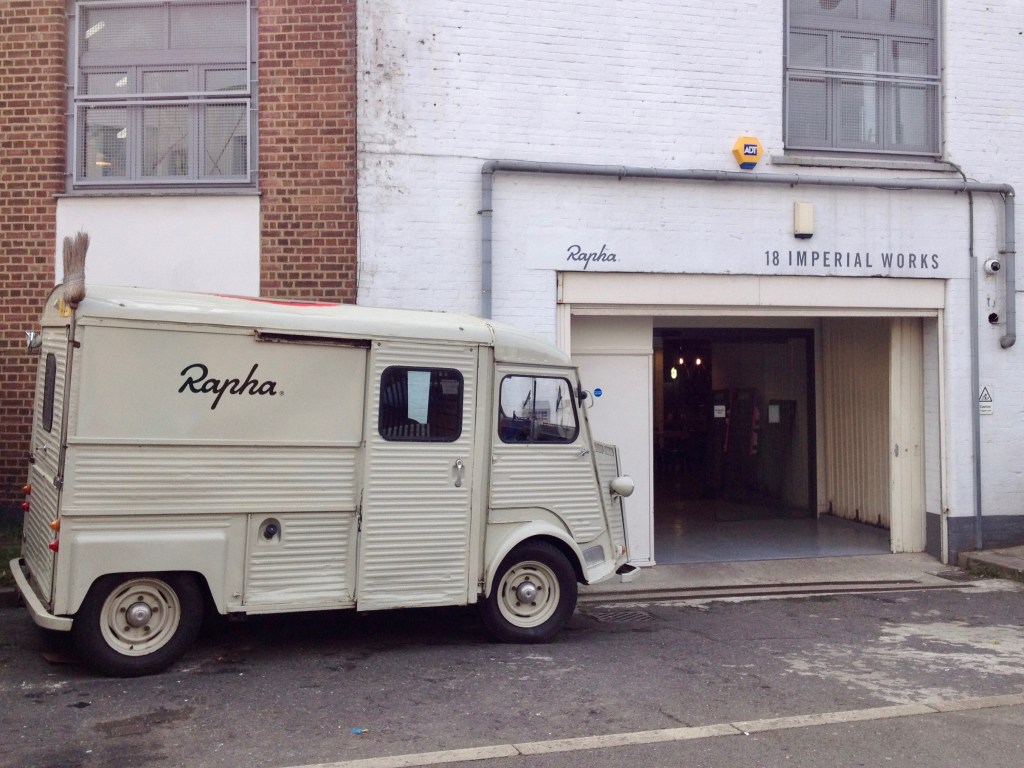
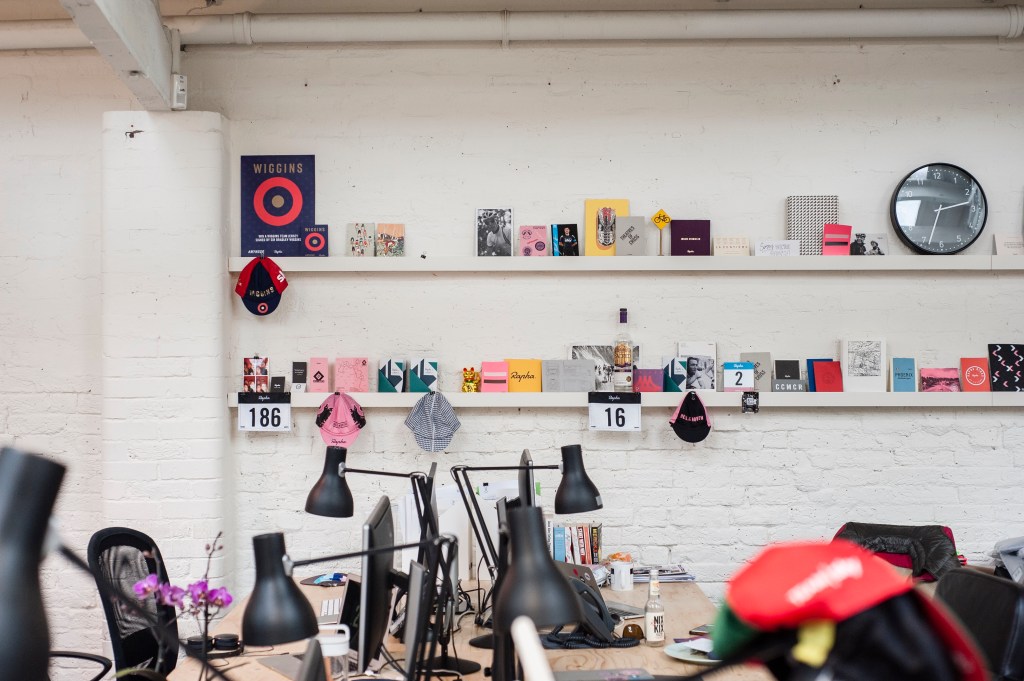
We’re sitting in the ‘Galibier’ meeting room in the considered, yet far from minimal Rapha HQ. Although an unassuming exterior – if you ignore the Citroen H Van parked conspicuously outside – the brand ethos is perfectly encapsulated in the entrance off Tileyard Road as employees ride their bikes directly into the building’s reception and the waiting bike storage and showers. Fronted by a seating area – used by company founder and CEO Simon Mottram to hold weekly staff meetings – a café completes the scene with a sizable queue already building when I first arrive. Not that surprising, I suppose. Coffee and bikes?

After passing a wall display showing the expanding international network of Rapha Clubhouses – even the string that physically links them to the London-based centre of operations is Rapha pink – stairs lead to an open plan mezzanine level. The atmosphere is surprisingly hushed for such a busy workspace with the sense of focus softened by the casual attire and degree of lycra that is evident.

From her seat, Marta runs through the team demarcations – marketing, communications, design – punctuating her descriptions with an occasional glance towards the individuals clustered together in groups. Clearly at ease in this environment, her enthusiasm for the brand is unfeigned and infectious. As she points out early in our conversation, ‘I look forward to coming to work each morning.’

Version 2

Slight in build and with a dry sense of humour, Marta’s accent hints at her Polish background along with the occasional use of a word that confirms she isn’t a native English speaker. But this simply provides the first clue to the journey – both geographically and culturally – that she has undertaken and is still enjoying. Currently Rapha’s Press & Relationships Officer for UK & Ireland, Marta reflects on her decision to leave family and friends behind and move to the UK. ‘I was really good at maths – loved it so much that I took extra classes – but surprisingly didn’t enjoy the economics course I was studying back home in Poland. So I decided to come to the UK for a foundation year before researching other courses.’ The subsequent move met resistance with the exception of her grandfather. ‘He’s now sadly passed away but at the time he was really supportive,’ Marta explains before adding, ‘Every time I achieve something I always think of him.’

Speaking about her degree in photography from University of the Arts London, Marta acknowledges the opportunities it also provided for coordinating events and exhibitions. ‘I didn’t realise at the time but you learn so much about relationships, networking, visual culture. It changes the way you look at the world.’ Skills that would prove invaluable when she co-founded Spine Photographic immediately after leaving university before her first role with Rapha as a visual merchandising supervisor. With a nod towards her colleagues busily working outside our meeting room, Marta points out, ‘A lot of the people that work for Rapha have an art school background.’

Asked what first appealed about working for Rapha, Marta acknowledges that she’s had a love of cycling from a very early age when she would ride in the mountains near to where she grew up in Poland. ‘I remember following my dad up this steep climb on a heavy steel bike that was far too big for me and wearing my little pink helmet.’ These memories and the Rapha Continental films she later saw had a galvanising effect. ‘The images were so beautiful. I felt intrigued by the brand.’

Initially balancing working part-time at Rapha with paid commercial commissions through Spine, when an opportunity arose to take a full-time position with the marketing team, she decided to accept. ‘I did the Tempest Festival – running the Club there – and just stayed.’ Finding that she still relishes the creative culture and freedom that the job brings, it’s the common bond of a shared passion for cycling that Marta feels is a clue to such a productive and focused workforce. With another of her frequent smiles, she observes, ‘What other company encourages you to go for a ride on Wednesday mornings?’

AMAT-0121-0036

Asked about the most rewarding aspect of her role, she simply states, ‘There’s literally nothing better than someone bringing a paper to your desk to show you an article that you worked on.’ Challenges focus on breaking down perceptions in the fashion press that Rapha is purely a cycling brand. ‘The City range is proving very successful but people don’t always see it as a fashion line. Our goal is to change this perception by communicating the versatile nature of the designs.’ But these are questions of brand identity that Marta is happy to address and feels fully supported by Simon Mottram’s style of leadership. ‘That’s why Rapha is so successful,’ she explains, ‘The way he knows everyone’s name, the way he checks if you’re ok.’ A regular cyclist himself, Marta suggests with a wry smile that any non-cycling employees not initially sharing his enthusiasm almost inevitably take up the sport. Encouraged by quarterly ‘company’ rides and a perspex board attached to the bike racks where personal cycling goals are posted against staff numbers, Marta points out: ‘These individual targets needn’t be extreme. Whether it’s riding 10km to work or competing in a transcontinental race; the point is that we’re all enjoying the freedom and experiences that riding our bike brings.’

With a company ethos that’s so all-encompassing, I ask whether the line between home and work can become blurred? At this Marta pauses, taking a moment to consider her response: ‘I tend to be disciplined and go home at six but emails? I prioritise but I always check. At the weekend, I’ll ride with friends and enjoy some time away from the office. You need an opportunity to collect your thoughts.’

Currently enjoying living and working in London, Marta doesn’t rule out a subsequent move. ‘It’s perfect at the moment as my networks are all here but I’m not attached in the sense that I wouldn’t be able to move in the future.’ Commuting by bike is more challenging since recently relocating south of the river but at least this brings the benefit of being closer to the countryside that surrounds the capital: ‘When I lived in East London it could take over an hour to get out of the city for a ride.’

Organisation, Marta confirms, is the key to cycling in London. ‘Riding for pleasure is easy but you have to get up at five in the morning. Commuting is doable. On the way in, I plan in my head what I’m going to do that day. The evening ride is all about exploring. I don’t care if I get lost on the way home.’ Preferring climbing hills to a flat ride – the idea of Regent’s Park laps she describes as a nightmare – Marta currently rides an aluminium Condor Italia RC with another Condor – a steel-framed Fratello – a planned purchase. After flirting with carbon, she feels more of an affinity with steel frames and would choose a custom build – Saffron and Feather are both mentioned in conversation – as a dream bike.

HQ

Finding a release on her bike from the associated stresses of a busy work life, the 2014 Rapha Manchester to London ride proved to be particularly challenging. Already carrying an injury when she set off on the 220 miles to be covered in a single day, after struggling through the Peak District her knee finally gave way. ‘I was in so much pain they had to put me in the car,’ Marta reflects. ‘By the fourth checkpoint I’d recovered a little bit so even though it wasn’t easy I managed to ride the last 40 miles. But it’s still unfinished business.’

As for future plans, Marta again pauses as her gaze takes in our meeting room and the busy office space visible through the glass partition. Whilst remaining a practising artist having co-founded the photographic collective Skin&Blister in 2015 and happy to continue working with Rapha, she acknowledges that a move to expand her role would be welcomed. ‘It would be nice to grow with the company,’ she reflects before adding, ‘You’re encouraged to talk about what you want to do.’ And as we say our farewells I’m left with the impression that, for her, it’s all about the journey; the forward movement and the unexplored directions that her next bike ride or career move will bring. As she comments before returning to her desk and waiting emails: ‘I’d hate to think of myself as a closed book.’

Photo credits:

Feature image / Jochen Hoops

Imperial Works interior / Andy Matthews

Imperial Works exterior / Chris Hargreaves

Portrait: Joe Cox

I first met Joe Cox on a Rapha Cycling Club (RCC) satellite ride to North Wales. The group had come to a halt at a crossroads and he was track-standing as we waited for the lights to change. One of the riders challenged Joe to unclip a shoe and use his foot as a brake and the unhurried confidence of this manoeuvre stuck in my memory.

In his role as ride co-ordinator for Manchester’s chapter of the RCC, Joe spends his working week planning and leading a broad range of events and activities on and off the bike. Launched in 2015, membership has grown rapidly with more clubhouses soon to open. ‘By the club’s second year, you kind of know what does and doesn’t work,’ Joe explains. ‘The third year is all about taking this forward. The social aspect is something I’m very keen to develop as you quickly realise we all have lots in common in addition to riding our bikes.’

Riding, however, still remains at the heart of the RCC and the clubhouse fills every Sunday morning for pre-ride coffees. With Cheshire lanes and Peak District climbs both within easy reach, Joe encourages members to lead their own rides to complement the routes he himself devises. ‘Rides such as our Tour of Flanders tribute, with all those cobbled climbs to the north of the city, have been a real success,’ he acknowledges before adding with a smile, ‘Who doesn’t want to be Ian Stannard for a day?’

Joe_Cox-4

Tall and athletically lean – with a single silver hoop piercing an ear – Joe is having to cope with a degree of good-natured banter since featuring in the promotional campaign for this year’s Rapha Winter Range. Greeting each member as they enter the clubhouse – cleats echoing on the stairs that climb from the ground floor bike storage – he sets to work on the coffee machine before bikes are readied outside the entrance in the shadow of St. Ann’s Church; the pre-ride briefing concluding with a tongue-in-cheek, ‘Any problems, just drop me a fax.’

Although clearly comfortable in this role – a calm demeanor testifying to an easy-going attitude to life in general – as Joe plans on taking a serious tilt at racing over the 2017 season, these goals and ambitions interestingly raise questions of identity. ‘What I find is that people tend to have their own views on who I am and what I do. Funnily, I sometimes don’t even think of myself as a cyclist.’

Perhaps a surprising observation considering he had his first taste of competition racing a trials bike at the age of 11 – ‘Basically hop over and don’t put your feet down’ – together with school cross-country successes that led to combining disciplines and a 10th place in the Salford Sprint Triathlon when Joe was 16. A place on the GB development squad followed with a 13th place in the 2008 Vancouver BG 16-19 Triathlon World Championships before he packed a rucksack and spent time overseas travelling.

Joe_Cox-6

Now paid to ride a bike in his role as RCC Co-ordinator, there’s a slight pause when I question if it ever becomes a chore. ‘For the past two years, working for Rapha, I always thought the answer would be no. But interestingly, now that I’ve set my mind to racing – with turbo sessions before and after work – because I’ve got to do it, it’s not always that easy.’

Discussing this role with the RCC, when asked to describe the breadth of his responsibilities Joe suggests, ‘In many ways it’s a traditional British cycling club but with a bit of Rapha sprinkled on top. In essence we ride our bikes but do this within a framework of events, the club kit, the trips and the backing of a global brand.’ Understanding the way cultural nuances influence how members of different international chapters view and interact within this structure is an aspect of the job that Joe finds particularly interesting. ‘Amsterdam, which isn’t that far away, ride very differently to us,’ he explains. ‘Often taking a train out of the city – they’ll all pile on board, no hassle at all because the trains are so easy – before riding 200km back to the clubhouse.’

Initially aware of Rapha through the marketing films he used to watch, Joe was taken by the stripped back nature of their content. ‘I kind of see myself as a little bit of a simpleton and – watching riders rolling along in North America on steel frames – it just looked amazing. I bought my current bike after watching one of those films.’ Referring to his stainless steel Starley hanging in the ground floor workshop of the Manchester clubhouse, although he also enjoys riding the Canyon bikes that Rapha have available to hire for their RCC members, he explains the reasoning behind choosing steel over carbon: ‘Even though it’s not the best of bikes in some ways, for me, there’s something special about it. A certain nod to the past. It can handle cobbles, climb hills and descend at speed. I did Hell of the North on it last year and I wouldn’t have done that on a carbon bike.’

Joe_Cox-8

Continuing with this theme of trends and acknowledging that social media has an increasingly integrated relationship with cycling – there’s that distinct lull in conversation when a group returns to the clubhouse as everyone checks their segments on Strava – Joe understands the attraction but imposes limits on how far he personally engages. ‘From my own point of view, I guess I have a rather backwards relationship with social media compared to the majority of people. I don’t fully like it to be honest. I always prefer, for example, to have a chat in person rather than using Skype. And if you take Instagram, it’s a pretty filtered view of your life. I’m a fairly happy bloke but it’s not always sunny, is it?’

A case in point when you consider both Joe and his father had serious accidents on their bikes during the past 18 months. As ride safety is often quoted as a major concern that prevents individuals from taking up cycling, Joe doesn’t shy away from accepting there is a certain element of risk when riding on UK roads. ‘I struggled to get back on my bike after getting knocked off. Which is weird because I can handle a bike and I can ride a bike fast. But I do think that in this country we have very busy roads and some very angry drivers and their approach to cyclists isn’t always what it is on the Continent.’ Asked to suggest ways in which the relationship between drivers and cyclists can be improved, he feels the more people that cycle the greater the awareness that both sets of road users will need to develop. ‘The cure to this problem,’ he emphasises, ‘is not to just stop riding your bike.’

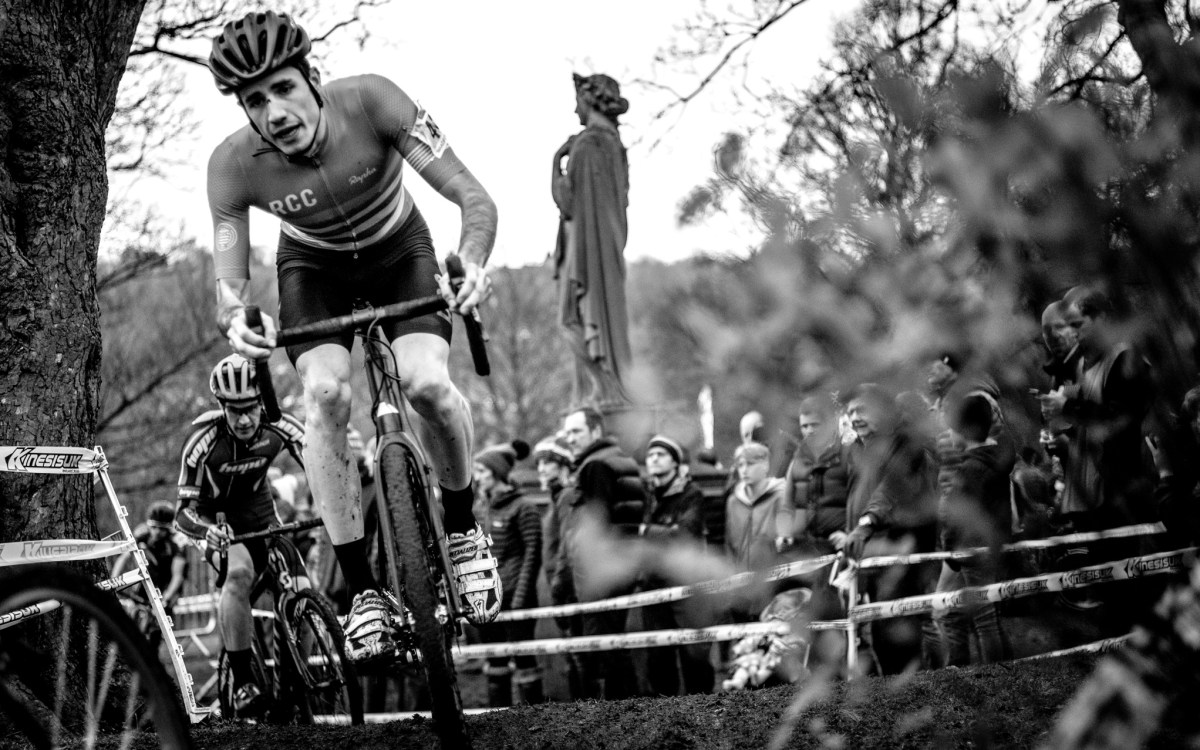
Listening to Joe describe his plans for racing over the coming year, it’s clear from the level of professionalism he expects of himself that this will inevitably influence his ambitions. ‘With my own work stuff,’ he explains, ‘if it’s anything to do with me, I like to know that it’s done to the best of my own ability. But from a competitive side, with my racing, I think there’s a lot of other people’s opinions which just make it worse.’ An interesting viewpoint perhaps best illustrated by a recent first attempt at cyclocross where he came a creditable 8th place on a borrowed bike. ‘The expectation was there even before the race. It’s tongue in cheek – with casual comments that I’ll breeze to a Top 10 placing – but for days beforehand the pressure builds.’

Joe_Cox-7

I suggest that finding a balance between the expectation of others and the reality of competing against other strong riders might possibly prove a bigger challenge than preparing physically for a season of road racing. At this, Joe pauses to consider his response. ‘In many ways I’m quite laid back. Whatever happens, happens. People might think I’ll do this or that but, in the end, it’s down to me. That’s something I’ve got to come to terms with and I’ll ride my own race. I’d rather finish last after going really hard than taking it all a little bit too cautious.’

With a goal of moving up to Cat 1 over the coming race season, Joe favours a race with at least one good hill in it. ‘The steeper the better,’ he says with a grin. ‘Within seconds it shakes up the field and, no matter who you are on a hill, you’re fighting something other than the rider next to you. I like to think that I can produce the power and just go.’

Fitting in training around work, Joe suggests, will be another challenge to overcome. Taking his friend and Madison Genesis team professional Matt Cronshaw as an example, he understands the limitations imposed on any ambitious racer balancing a full-time job with race preparation. ‘When Matt turned pro, he didn’t spend more time riding but he could quit his job. He doesn’t have to stand on his feet all day and that’s what separates the professional cyclist from the talented amateur. They have the time to recover.’

Joe_Cox-1

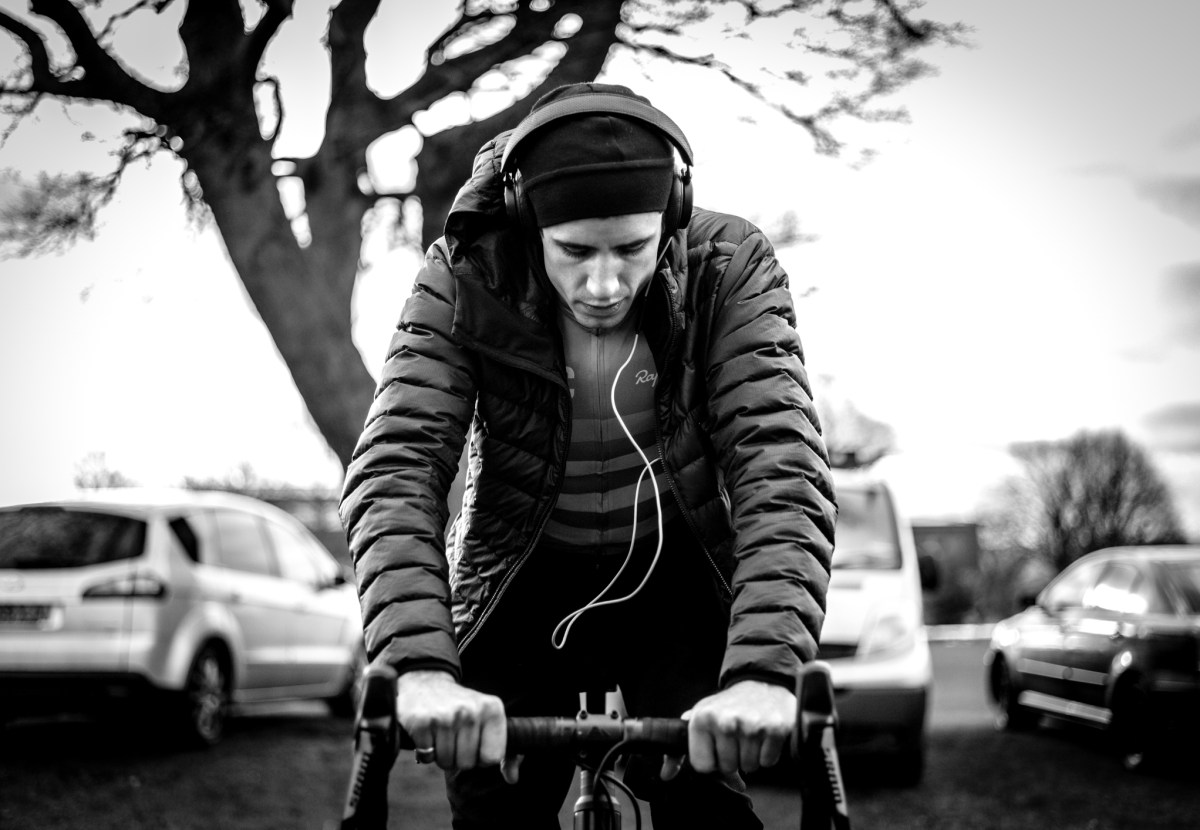
Accepting the discipline of a training programme – even though he might not particularly relish the turbo sessions that top and tail each day –  when the morning of a race arrives Joe prefers to quietly warm-up on his turbo, headphones in place. ‘It might come over as a bit rude but I need to get in the zone. A lot of people compete to have fun as well as race and that’s great. I want to enjoy it as an experience but, if I can, I’m also there to win.’

Questioning whether results come from preconceived plans or instinctive reactions, I ask if there are certain ‘tells’ from the other riders as the race unfolds. ‘It can be the right place, the right time,’ he explains. ‘But there are certain things. You can look at a person, see if they’re out of the saddle. Some ride a little bit smoother than others, a little bit more souplesse. And that can be a big indicator because you only get that from years and years of riding. With my friend Matt, you can tell that he rides a bike for a living. And if there’s a lot of people like that, then you know you’ve got your work cut out.’

Our coffees finished and the cafe about to close, I ask whether this focus on road racing is part of a bigger plan. If he has certain key goals mapped out? ‘Not really,’ he considers. ‘I don’t particularly aspire to having a nice car, a nice house. I’m not too bothered about the showy kind of things. If you’ve got to a certain age and you look back on your time, I think it’s the experiences you’ve enjoyed rather than all the stuff you’ve accumulated that really makes you happy.’ Pausing to gather his things, he continues: ‘It’s something I think about a lot. And having that bike crash caused me to question a lot of stuff that maybe I took for granted. Questions that you can’t always answer immediately. Stuff that you kind of battle through in life.’

As we say our goodbyes, I’m left with the impression of a young man – honest, open and committed – who through his racing is asking certain questions of himself. In some regards weighed down by the need to balance the expectations of others with seeing just how far he can go to satisfy his own ambitions, I’m in no doubt that he’ll find some of these answers on the road.

All images by kind permission of Matt Randall

High Speed Steel

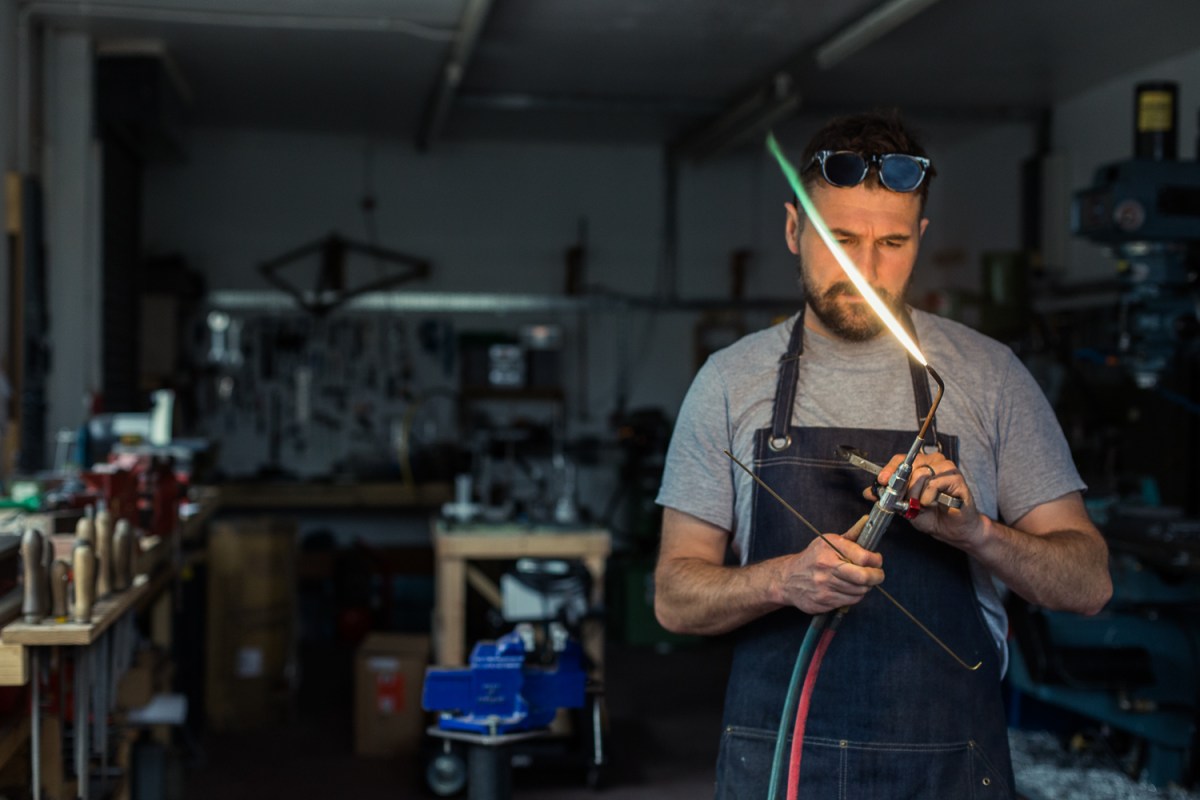
In an age where we are increasingly divorced from the process of making – the click of a button sends products straight to our front doors – to meet someone who actually works with their own hands seems somehow significant. And after chatting about bikes and racing with Ricky Feather in the informal setting of his Yorkshire based workshop, it’s clear that he’s an individual that places great store in the quality of a finished product. Every frame is designed and built by the man himself but not before an extensive period of consultation with the customer. As Ricky explains, ‘A lot of people come to me because they like what I do but it starts with them giving me an idea of what they want. Then I’ll throw some ideas back at them. It’s a bit of a collaboration between me and the customer.’

With the benefit of hindsight, setting up as an independent frame builder was in some ways inevitable as it combines his love of riding with an attention to detail that caused problems on the factory floor where he first learnt to weld. ‘They were a good bunch of lads but the focus was on banging out the jobs before hitting the town on Friday night. Don’t get me wrong, I did that as well but after a day riding my bike.’

Tellingly, he describes having more in common with, ‘The old blokes. They had all the stories.’ And respecting skills learnt over a lifetime of working with metal is typical of this self-taught frame builder. Proudly bearing the Feather name, he accepts no compromises in the quality of their fabrication. ‘I love finishing a build. When it’s back from paint and it’s perfect. It’s a beautiful bike and that’s what it’s all about.’

Not afraid to occasionally bait his followers on Twitter – ‘I sometimes just put something out there to see what will happen’ – evidently character matters to Ricky. Describing his Feather Cycles Racing team mates, it’s clear that the laughs they share are just as important as the race itself; the whole enterprise set up as a co-operative with every member encouraged to pitch in and contribute to their successes. His choice of Peter Sagan as a racer that he admires also speaks volumes; Ricky viewing the current World Champion as the best rider on the road. ‘I started racing on the BMX circuit and it’s full of individuals doing daft things. Sagan’s a refreshing change to all the other serious professionals.’

Now that his brand is established, Ricky is planning on taking a couple of months off when his current order list is completed. ‘It was kind of my own fault as I took too much work on. A little bit of a victim of its own success after winning the first award at the Bespoked show. I already had a nine month waiting list and then two weeks later it was two years. I’ve got eight bikes left to build, so probably about three months of work.’ Not that Ricky now works alone having taken someone on in the workshop to help with the finishing. Although comfortable with his own company he nevertheless enjoys sharing the workload. In his typically direct manner, ‘You’ve built the frame – it’s done. Then you spend all this time on the polishing and it’s as boring as hell. You get kind of project fatigue. But the only reason I’ve got someone helping is that he’s a mate of mine and I can trust him.’

Talking about the frames he builds it’s clear that, in his eyes, this is a process of engineering rather than artistry. ‘There’s always a little bit of a twist that goes into every build that’s kind of creative. But I’ve always been a bike rider. To me it’s a bike frame.’ And although Ricky accepts that some of his builds are reserved for club runs on fine summer days, he’s obviously happiest when they show signs of hard use. Exactly how he treats his own Feather Cycles Racing bike leaning against the workshop’s front wall. ‘I want the bikes I make to go out and get smashed. My race bike is ridden in all weathers. Chucked in and out of the back of cars.’

When asked if there’s a typical Feather Cycles customer, Ricky pauses to consider before stating, ‘You’d think there would be but there isn’t.’ The frame in the jig that he’s currently working on is a touring bike for a Portuguese girl who lives in Holland. Earlier in the week one of his racing bikes was collected by an ambulance driver from Leeds. As his waiting list reflects, this steady flow of customers finding their way to Ricky’s workshop door shows no sign of abating.

Asked whether he’s considered growing the brand, it’s clear that the ownership he places on building each and every frame poses limitations. Happy to discuss the work of other frame builders – ‘I’m a fan of their work and how they manufacture their bikes’ – he understands that employing other fabricators would allow him the time to focus purely on custom builds. But as he explains, ‘People come to me because they want me to build the frame. If someone else made it, I wouldn’t want to put my name on it.’

And another name that’s currently on display – in this particular case on the chain stay of Ricky’s race bike – is the hashtag #HighSpeedSteel. Describing these bikes, his enthusiasm is evident. ‘I really enjoy making the race bikes. They’re tools for a job. To be raced and thrown around. To take a beating.’ Made primarily from Columbus steel, the tubes are shaped and manipulated so Ricky can build in a level of comfort but still have stiffness where it’s important. And as he points out, ‘Even with deep section wheels, these race bikes only weigh 7.6kg. This is what I’m really into. I could build these bikes all day long.’

Regular racing means he’s perfectly placed to use this hard-won knowledge to inform future designs and builds. Never intimidated if a race profile is hilly, Ricky nevertheless prefers some circuits to others. ‘I like the longer races, those extra few miles. It separates the field, knackers people out. As my sprint is pretty much nonexistent, when I have won races it’s been from a break or solos.’ The Rapha Road Race is a rolling course that he’s particularly looking forward to riding. Considering race tactics he explains with a wry smile, ‘It used to be take it as it comes. But I know I need to read the race a bit better. Rather than previously following everything and smashing it.’

With the current focus on transcontinental racing and bike packing, he would love to build someone a bike specially designed for that style of riding but pulls up at the thought of giving it a go himself. ‘When I was younger I’d travel through America for weeks at a time and, not having much money, spent each night on someone’s couch. Now I like a bit of comfort. I don’t want to be sleeping at the side of the road.’
Mindful of efficiencies, Ricky continually re-invests in tooling; purchasing as he describes, ‘This and that and the other.’ Starting from scratch as a self-taught fabricator – handmade bench, gas bottles and a set of files – his first frame was free-styled without the benefits of a jig and he sees the development of his craft over the years as a natural process. ‘You progress. You get more skilled, more confident. It’s like all things in life – the more you do, the better you get.’

Considering why his customers prefer to go down the custom build route rather than simply purchasing from one of major manufacturers, Ricky views this in terms of the emotional return they seek. ‘People save up because they want something special. They want to feel like it’s their’s and their’s only.’ An attitude that Ricky understands but also feels the need to address during the planning phase. ‘To me, it’s all about the ride. It’s just a bonus if the bike looks absolutely stunning.’

As the workshop door closes, you’re left with the impression that the integrity of the bikes bearing his name is everything. That beneath the laddish exterior lies a craftsman putting his heart and soul into the frames he builds. In his own words, ‘I like to be pretty chilled and relaxed about stuff but you want to do a good job. I want to be proud of what I do and go home thinking that I’ve done well.’

Steve Guymer: Full Gas

It’s early morning. Race day. Outside a village community centre, surrounded by Essex countryside, the crunch of gravel signals the first cars arriving. As bikes are set up and the queue for coffee builds, in the still-quiet race control a slight figure sits hunched over, pinning race numbers on a jersey. The comparative stillness of his actions at odds to what will shortly unfold as he fights to take the break clear from the chasing main field over a fast and rolling course.

Chatting post-race and learning that he first rode competitively in the summer of 1996 at the age of 7, it was perhaps inevitable that Steve Guymer would end up racing bikes. ‘I was born into a cycling family. My father has been a cyclist since he was 13 and I attended my first cycle race at only two weeks old.’ And competing from such an early age has provided Guymer with ample time to view the occasionally unpredictable nature of his sport with a measured insightfulness.

Enjoying a range of disciplines throughout his early teenage years and with the belief that this ‘ride anything’ attitude would help develop the necessary skills to improve as a competitor, he finally made the decision to focus on the road. But that’s not to say it was an easy path to follow. At that time, before cycling had truly hit the headlines with the GB Squad dominating the track and Wiggins taking his Tour victory, for a lad growing up in the northeast town of Beverley to favour racing his bike over the usual football or rugby marked him out as different. ‘I don’t have fond memories of school,’ Guymer simply states before adding, ‘My classmates didn’t really understand the sport.’

grab-signing

Nevertheless he still dreamed of one day becoming a professional cyclist and in the late 90s Guymer’s guile and racecraft began to reap bigger and better results. After finishing third to Team Sky’s Ben Swift in the 1997 BSCA International Youth Tour he returned to the same event two years later – a 5 stage race held over three days – to take overall victory and the yellow jersey; beating another current Sky rider, Ian Stannard, in the process.

With the wins mounting and his domestic profile on the rise, Guymer felt a move to the Continent would benefit his development and the following 2000 season saw him travelling to Holland to compete in stage races as a youthful 12 year old. Looking back on these experiences, he understands Team Sky’s seemingly obsessional focus on details. ‘For the duration of the race you’re in a bubble and nothing else really matters,’ Guymer recollects. ‘Everything you do is centred on the next day and the next stage. As a rider you are constantly thinking: what and when am I going to eat, do I need to wash my kit, wash my bike, will I get a good night’s sleep? Team Sky is correct in working on all their marginal gains as they really do add up.’

These stage races also underlined subtle differences in racing style. ‘In one day races you can leave everything on the road because you know you can rest once you’ve finished,’ Guymer explains. ‘Stage races need to be ridden slightly differently. You still ride hard but it’s important to also have the following stage on your mind so you don’t burn all your matches. That’s why teammates are invaluable. You help each other to conserve energy and keep morale high.’

Embracing a full racing calendar over the following years, Guymer enrolled on a degree programme in Sports Rehabilitation at the University of Hull in 2006 before riding for a Dutch team based in Eindhoven the following year with support from the Rayner Fund. Racing mainly criteriums in Holland and kermesses in Belgium, he competed against the likes of Johnny Hoogerland and Chris Froome – at that time still riding for Kenya – before signing for the Avila Rojas cycling team based in Granada. Highly-regarded with a strong Spanish fan base, Guymer enjoyed the attention the team received when out training but, in hindsight, he now realises that his comparative young age of 19 meant he didn’t get the opportunity to race as often as he’d hoped and the season failed to deliver on his expectations.

break

Continuing to meet with racing success throughout his time at university, a full-time ride with Raleigh Avanti followed in 2010 but even though he was consistently achieving top 5 finishes and winning races, Guymer found the professional scene could be disheartening. ‘Much as I felt I was doing well – improving and getting decent results – I was unable to get a ride on one of the bigger teams of the time.’ So in 2011, after winning a stage of the Nigel Meason 2 day National B road race, he accepted an offer to work as a guide for a cycle tour company based in France. Ever the pragmatist, Guymer understands the motivation behind the change in direction. ‘I knew I wouldn’t be racing but at least I was riding my bike and getting paid for it.’

Discovering he enjoyed helping to encourage and motivate the clients he guided on the tours, Guymer found a sense of satisfaction in the busy days. ‘My role was extremely varied,’ he explains, ‘from the early morning ride preparation through to evening sports massages.’ And when a crash and subsequent broken collarbone wrote off his 2012 season, he decided to use the enforced break from riding to start his own company, Palmarès, with a view to offering Yorkshire-based cycling training camps. ‘After coming home from the Alps, rather than sit and wallow I was inspired to set up on my own and show people that we have wonderful cycling roads right here in the UK.’

Aiming to provide a personalised client experience, Palmarès ran its first corporate cycle sportive for three multi-national companies in 2014; the event following an extensive period of preparation that initially began with boardroom meetings to pitch the concept. Looking back on the route design and reconnaissance, Guymer oversaw all of the meticulous planning that such events demand. ‘No stone was unturned: we had medical assistance, mechanical assistance, marshals, drivers, route markers and on-the-bike support.’

line

Softly spoken in person and without the physical bulk of some riders, when first meeting Guymer it’s easy to make the assumption that he would favour races with a hillier profile where his light weight and climbing prowess would offer an advantage. But as his fellow competitors have all too often discovered, when the opportunity presents itself he has the power and nerve to push the sprinters to the line. Tactically astute, Guymer starts each race with an idea of the way it will unfold but often has to make instinctive decisions. ‘Races at my level are very hard to control because most people ride to their own agenda and not as a team. That’s why the races are so competitive; everyone wants to win.’ Favouring a hard race or hill-top finish where the stronger riders can control the pace, Guymer contrasts the chaotic peloton with the focus of a break. ‘In Belgium it can feel like riding the crest of a wave as one attack after another goes and comes back until either you can’t take anymore or you cross the line. In the UK it isn’t always as smooth. There can be lots of pushing, shoving, shouting and swearing. But when a break does form ahead of the bunch and everyone’s keen to get their heads down and work together – taking their turn at the front and pedalling in unison – then it has an almost organic quality.’

Considering his experiences on the Continent, Guymer’s under no illusions regarding the level of competitiveness and feels the apparently relaxed attitude and carnival race-day atmosphere actually belies the intense rivalry and aggressive riding styles. With knowledgeable and enthusiastic local support, strong fields make for close races where any number of riders stand a good chance of a win. As Guymer discovered, ‘It’s full gas from the gun. Everyone wants the same thing – a pro contract – so they are willing to ride themselves into the ground to get a result.’ Guymer compares this to the UK scene where the competitors are categorised rather than the races and the attacks tend to be made by the same handful of stronger riders. ‘On the Continent,’ he explains, ‘you are either elite – with or without contract – or U23 and everyone on the start line has to be pretty good otherwise they might as well save their money and stay at home.’ And despite rising to the challenge of this highly competitive racing scene, Guymer found he had little support in terms of coaching and the lows sometimes outweighed the positive aspects of racing abroad. Initially living in a hotel, he feels few people understand the challenges of making a career of cycling and assume young riders enjoy a glamorous lifestyle. ‘I had my whole life in that room: two bikes, clothes, rollers, George Foreman Grill, and a clotheshorse.’

Nevertheless, Guymer still believes the sacrifices are a necessary aspect of starting out on the professional racing circuit. As he sees it, ‘To be successful you have to live and breathe cycling. It’s a lifestyle as much as a sport. I think that’s why lots of aspiring cyclists in their teenage years or early twenties disappear as they discover alcohol and start relationships. Cycling is such a hard sport that, if you want to be good, you have to put your heart and soul into it.’
grab-shades

Through his coaching role at Palmarès and regular presence on the domestic race scene, he’s often asked for advice by young riders just starting out. Organisation, Guymer considers, is key to pre-race mental preparation. Simply put, ‘A clear head means you perform better.’ In terms of training, this is split into blocks with mid-week turbo sessions alternating shorter rides on the road and the weekends reserved for longer rides of up to 6 hours on his favourite East and North Yorkshire roads. ‘Mid-summer, little wind with glorious sunshine. Days like those are what I dream of during the long, dark, cold winter rides.’ And for someone who’s ridden and raced across Europe, when asked to choose his most memorable race win, home again looms large as he reflects on the 2009 Cottingham Day Criterium. ‘That was probably one of the few times in a race where everything went my own way. Being able to celebrate in front of a huge crowd that included my family and friends was one of my best moments on a bike.’
Currently racing for Feather Cycles, Guymer first rode alongside the team at the 2014 Ilkley 2-day race where he took the climbing jersey and a 2nd place on the final stage. With links to Rapha – the company designed the Feather Cycles’ race kit – Guymer accepted the role of Race Ambassador for the Rapha Cycling Club after it launched in 2015 and it was when he was racing for the RCC that he guested for Feather at the Ras de Cymru before officially joining the team prior to the 2016 season. Proud to be a RCC founding member, he appreciates the attention to detail the company brings to bear on their sponsored race days. ‘Nothing is left to chance. From the boxes of gels to the post-race meal. Even the pins and race numbers are carefully considered.’

Guymer is pragmatic when asked if he regrets focusing on new career opportunities with his company Palmarès rather than the next professional cycling contract. Acknowledging that such decisions underline the difficulties many talented riders find in making a living from the sport, Guymer still feels that the positive aspects of his time chasing a professional contract outweigh the occasional disappointments. ‘Each race we’re all thinking the same thing – today could be my day. When I do well I try to drink it in because it doesn’t last forever. I’ve had more than my fair share of lows throughout my cycling career but it’s remembering the good times that keeps me going. This is what drives you because there’s nothing like crossing a finish line with both arms aloft!’

Images of the 2016 Rapha Cycling Club Road Race with kind permission of Matt Randall