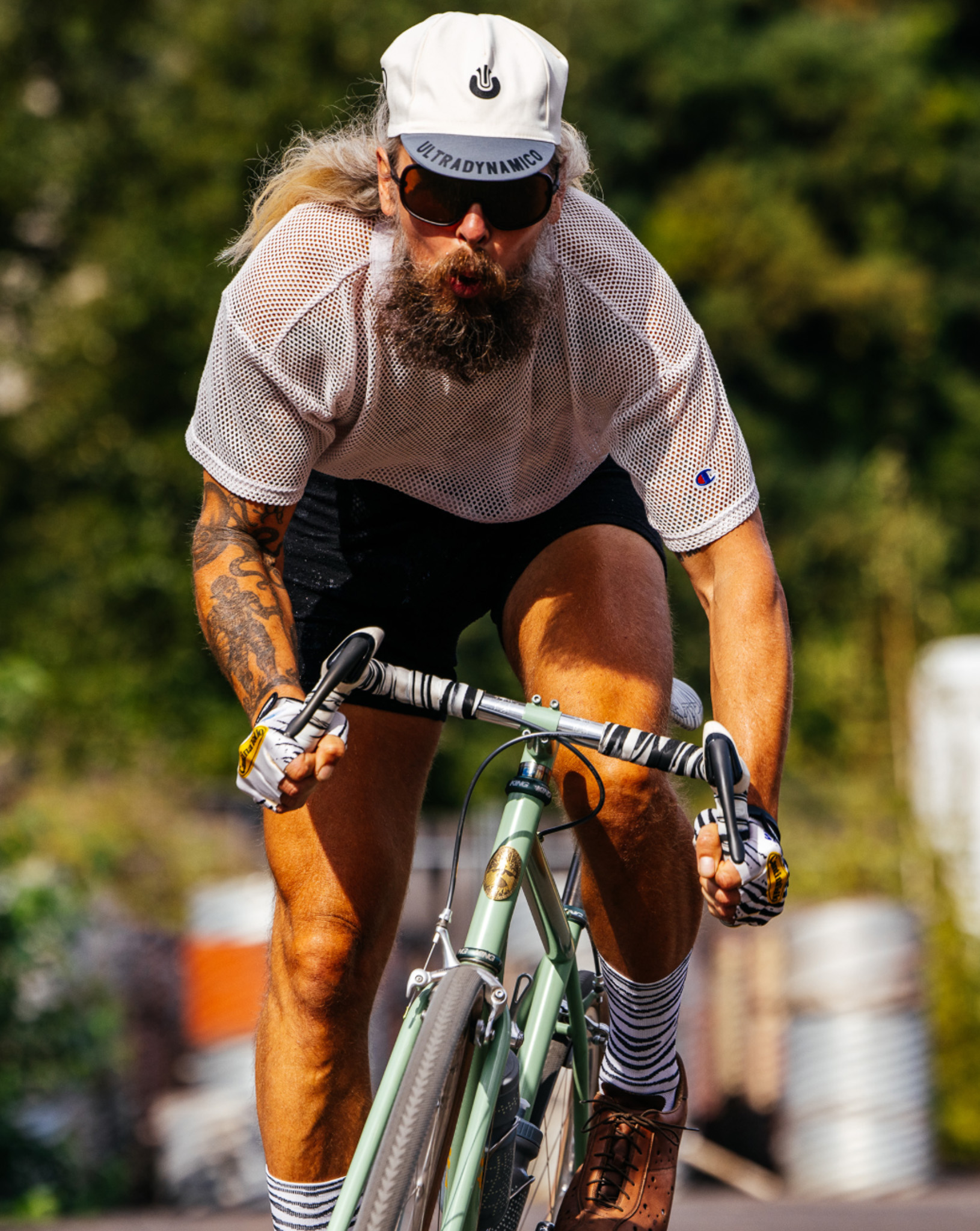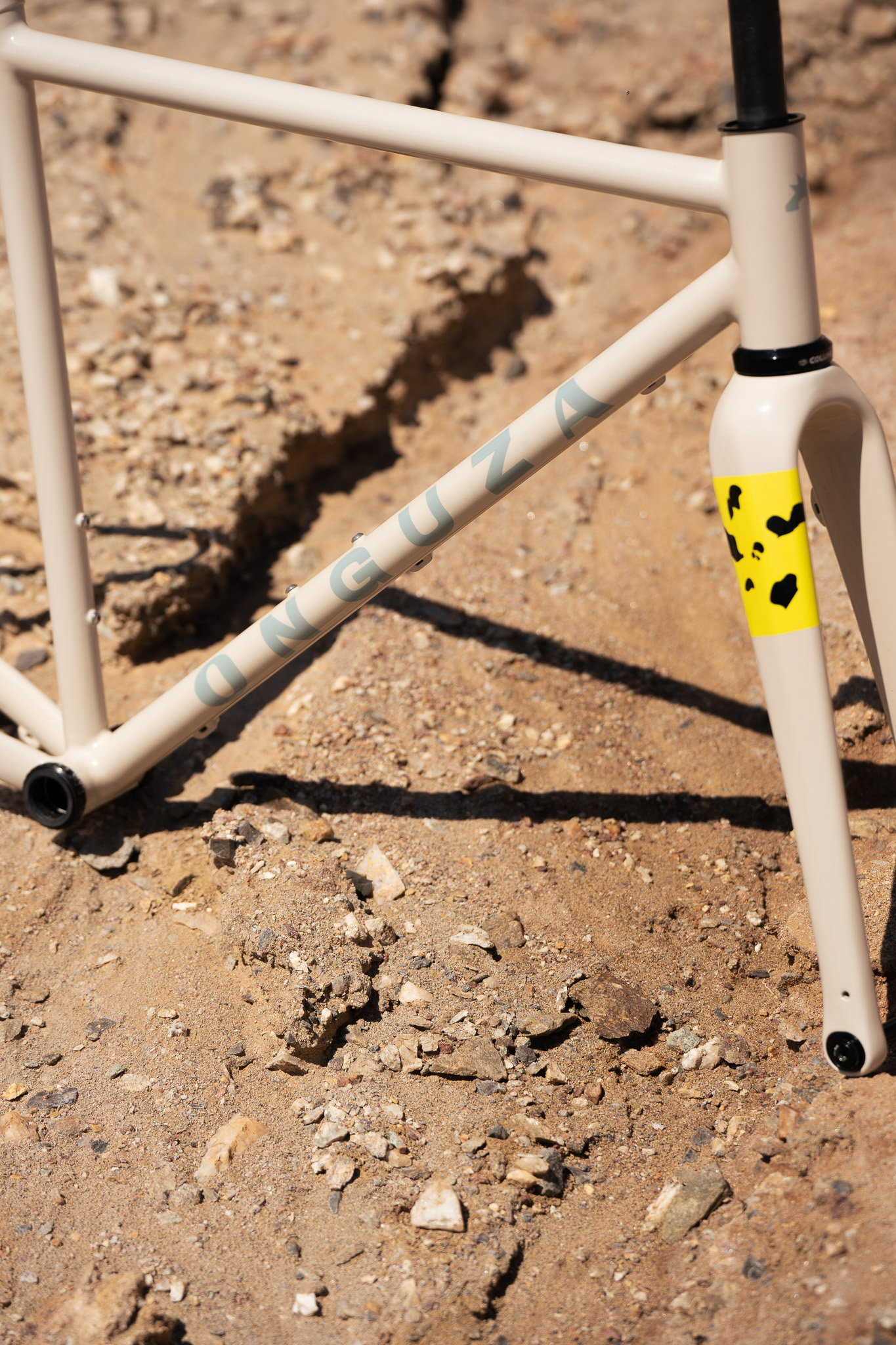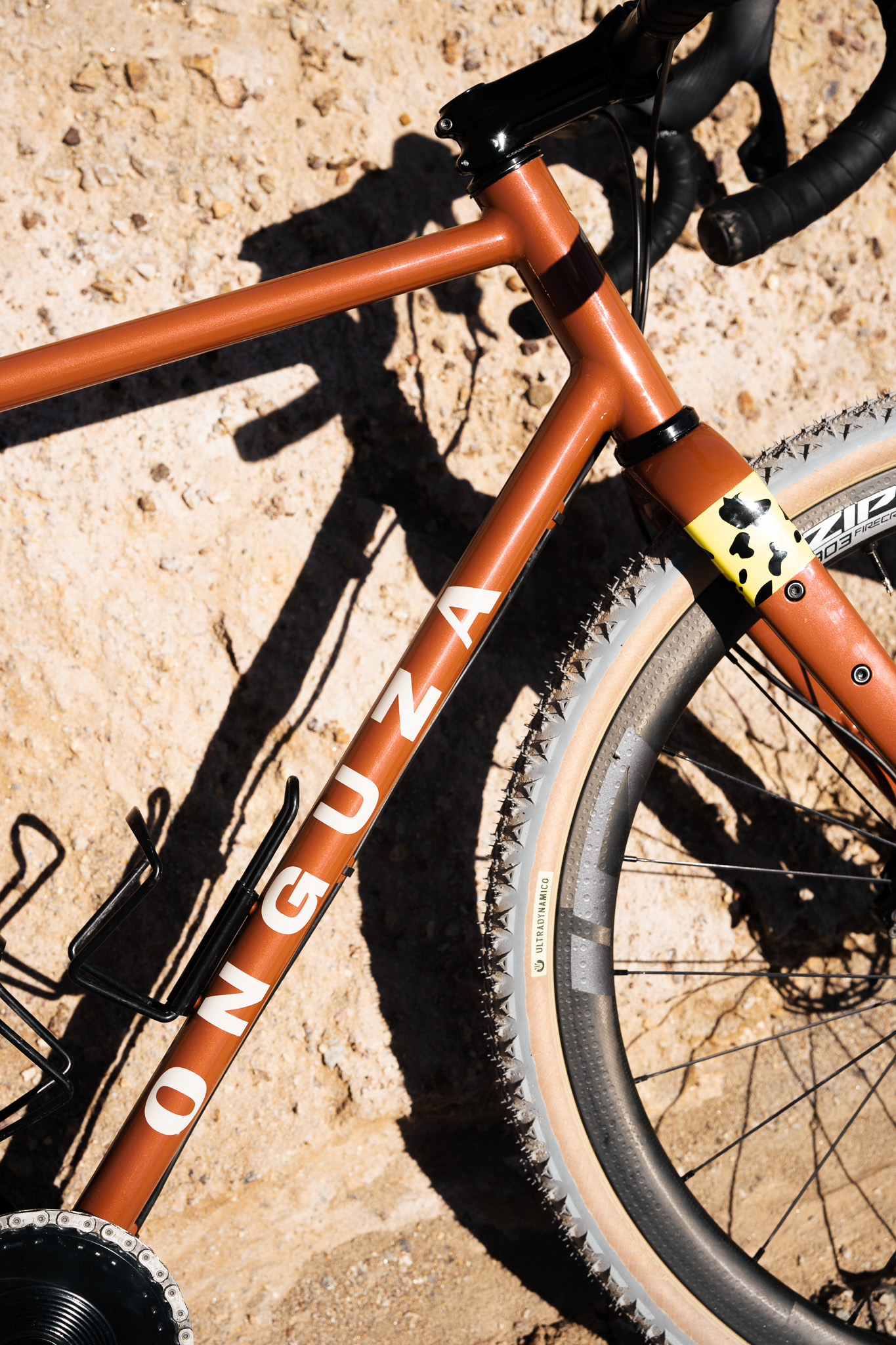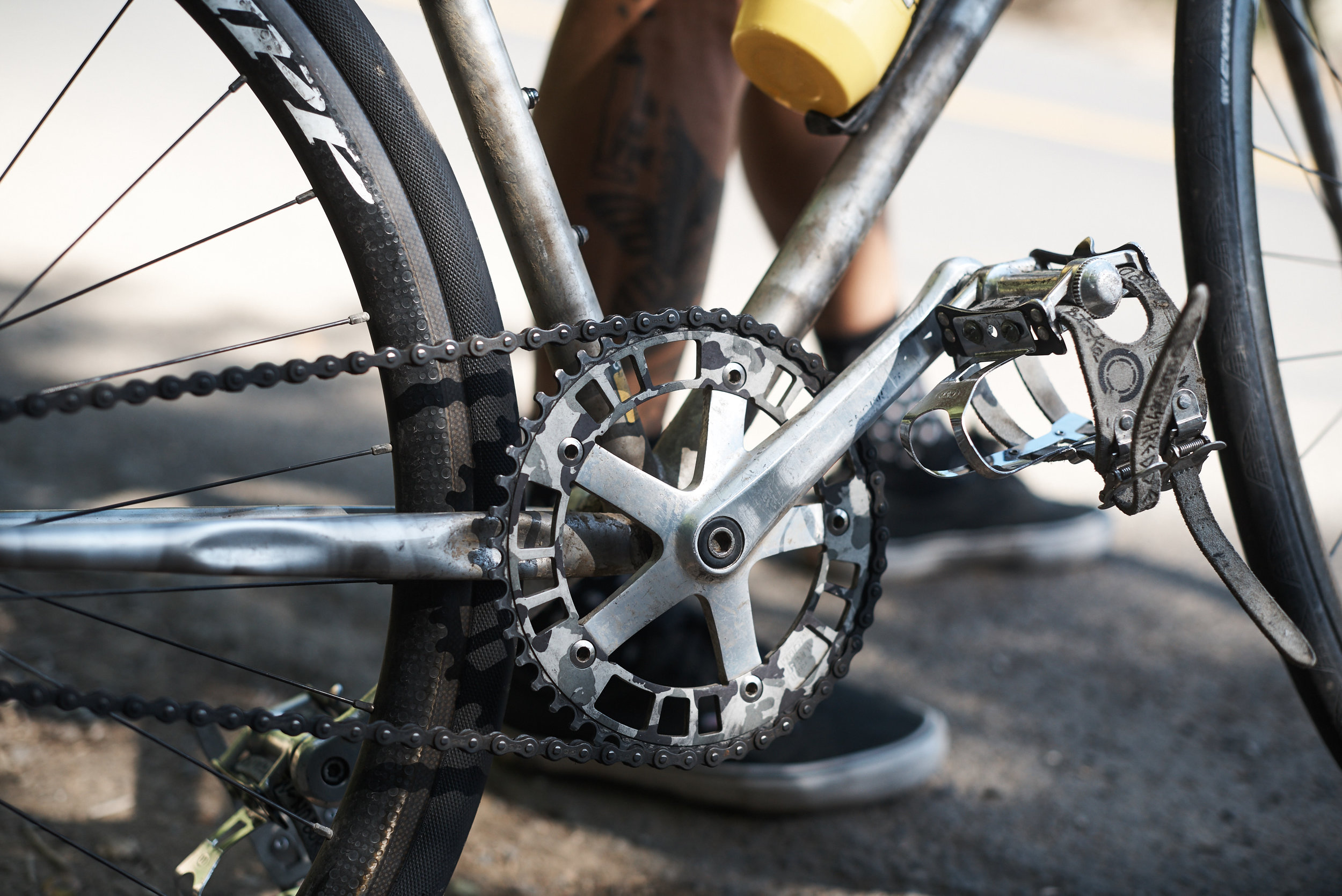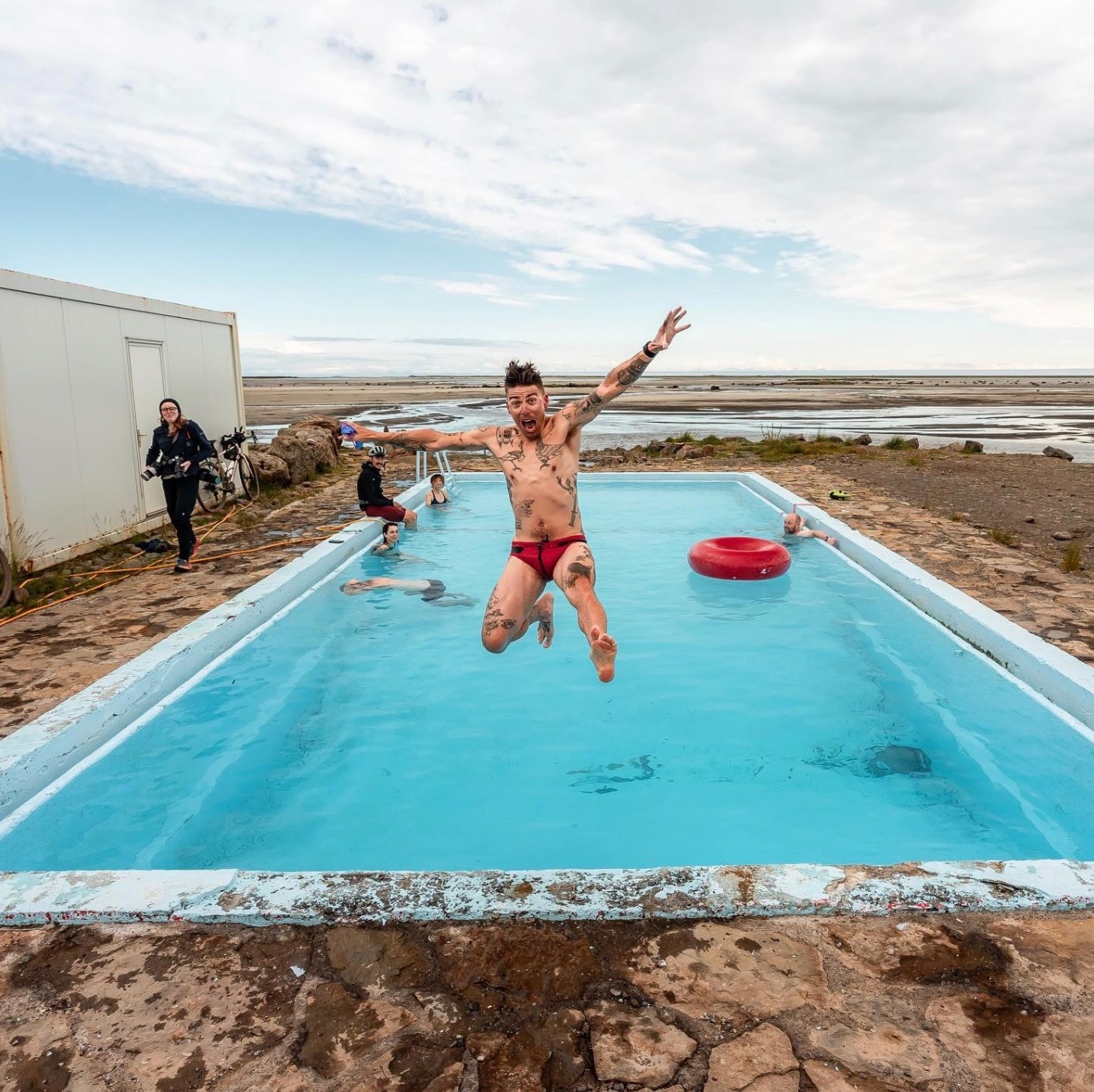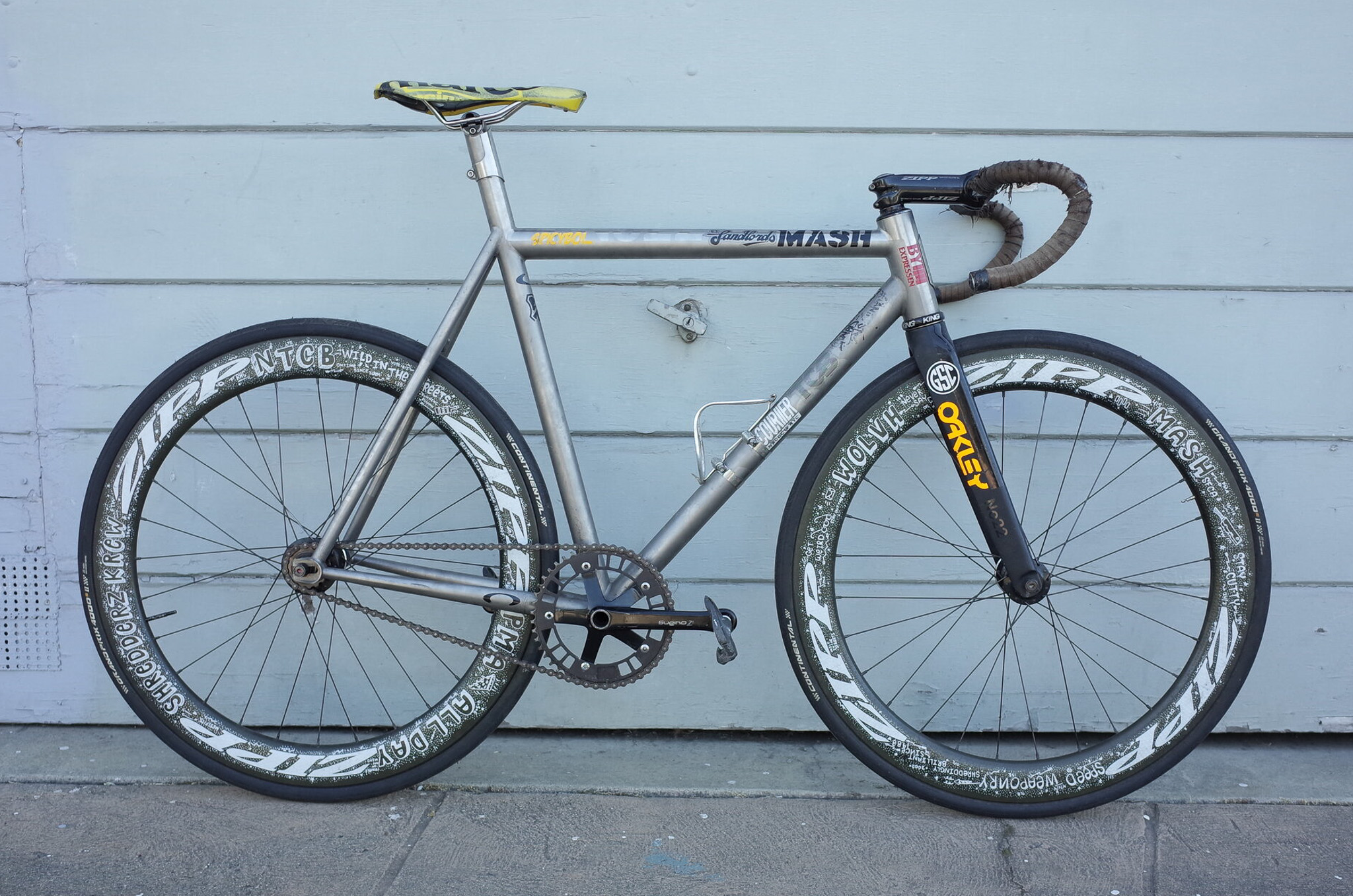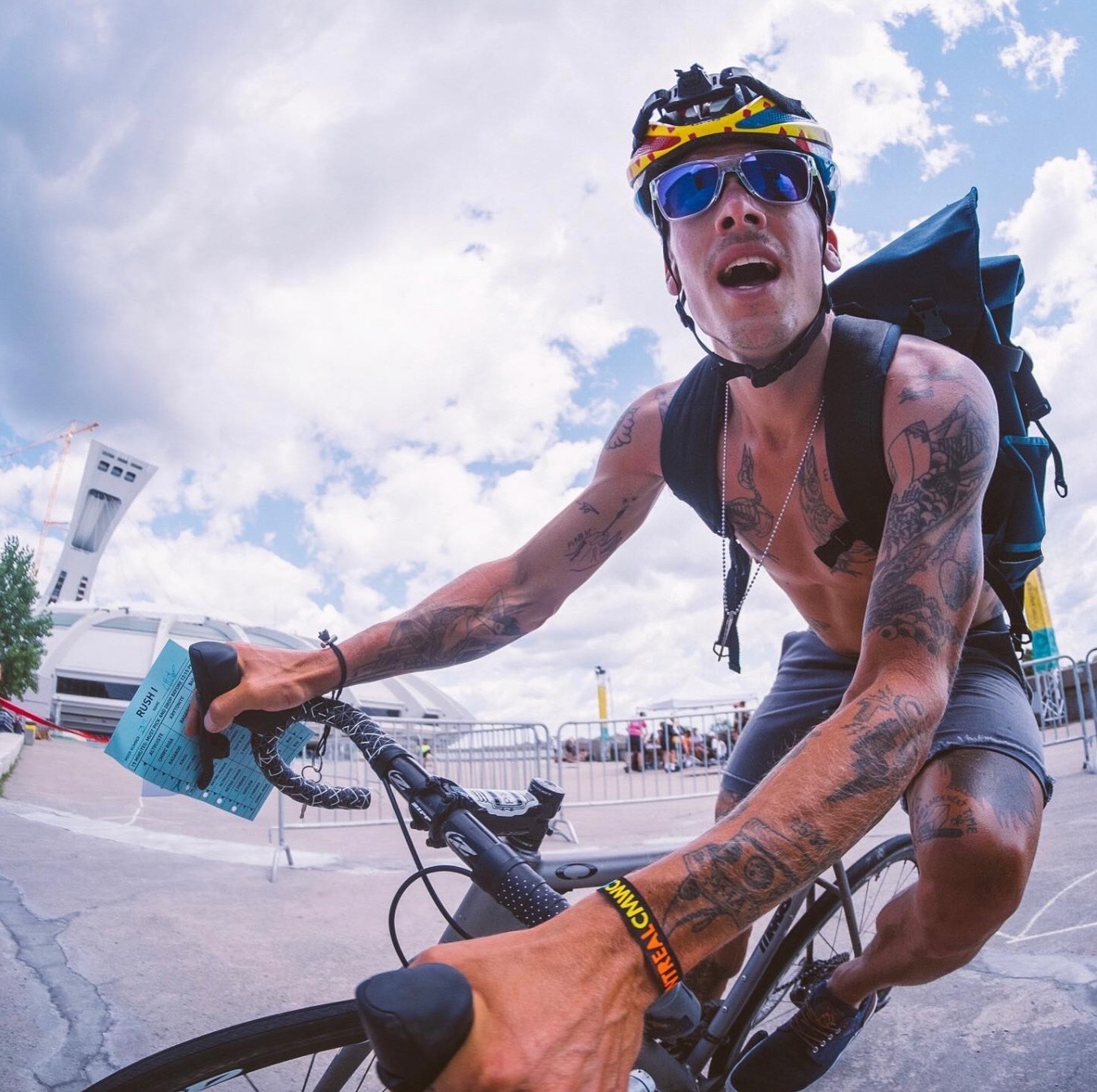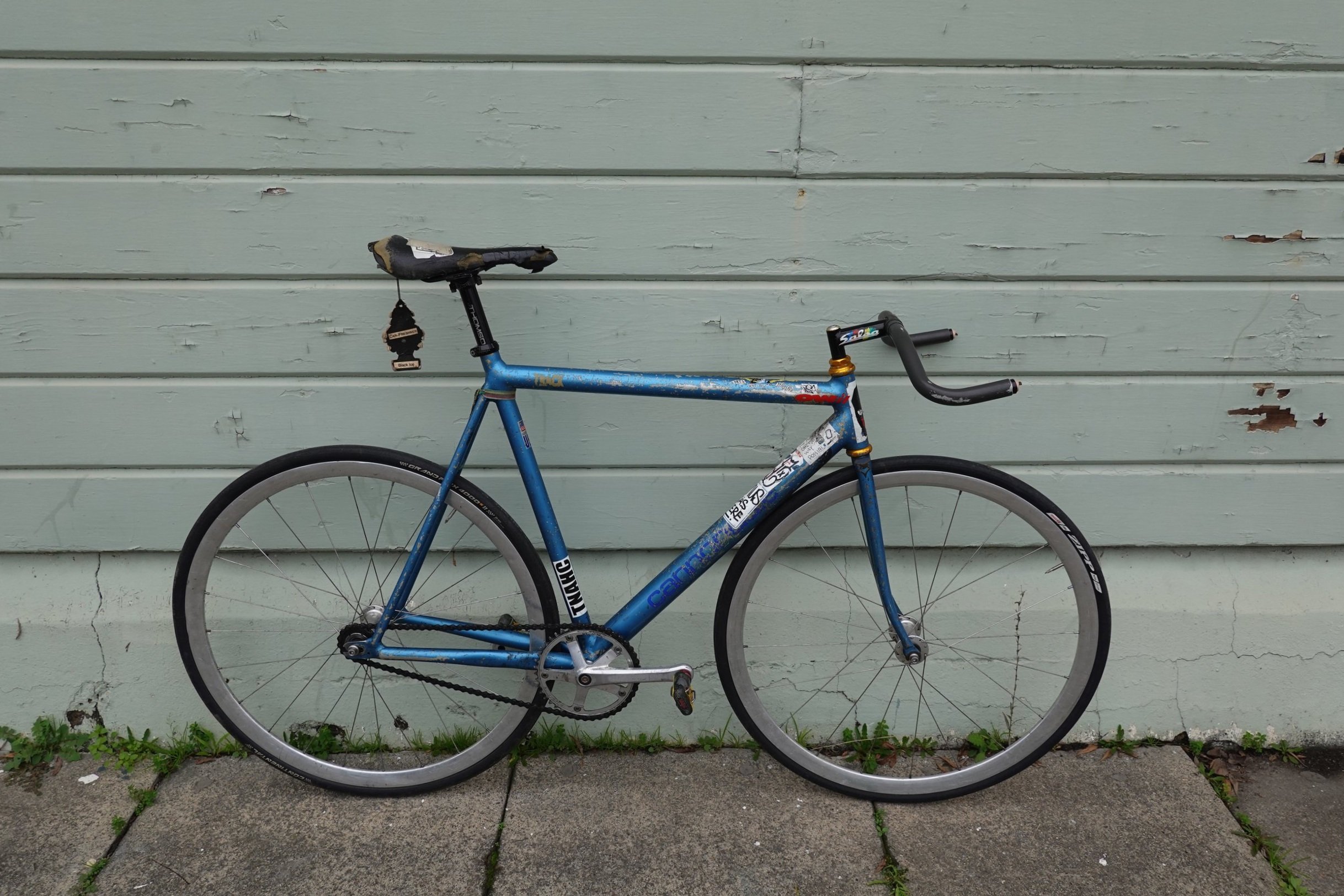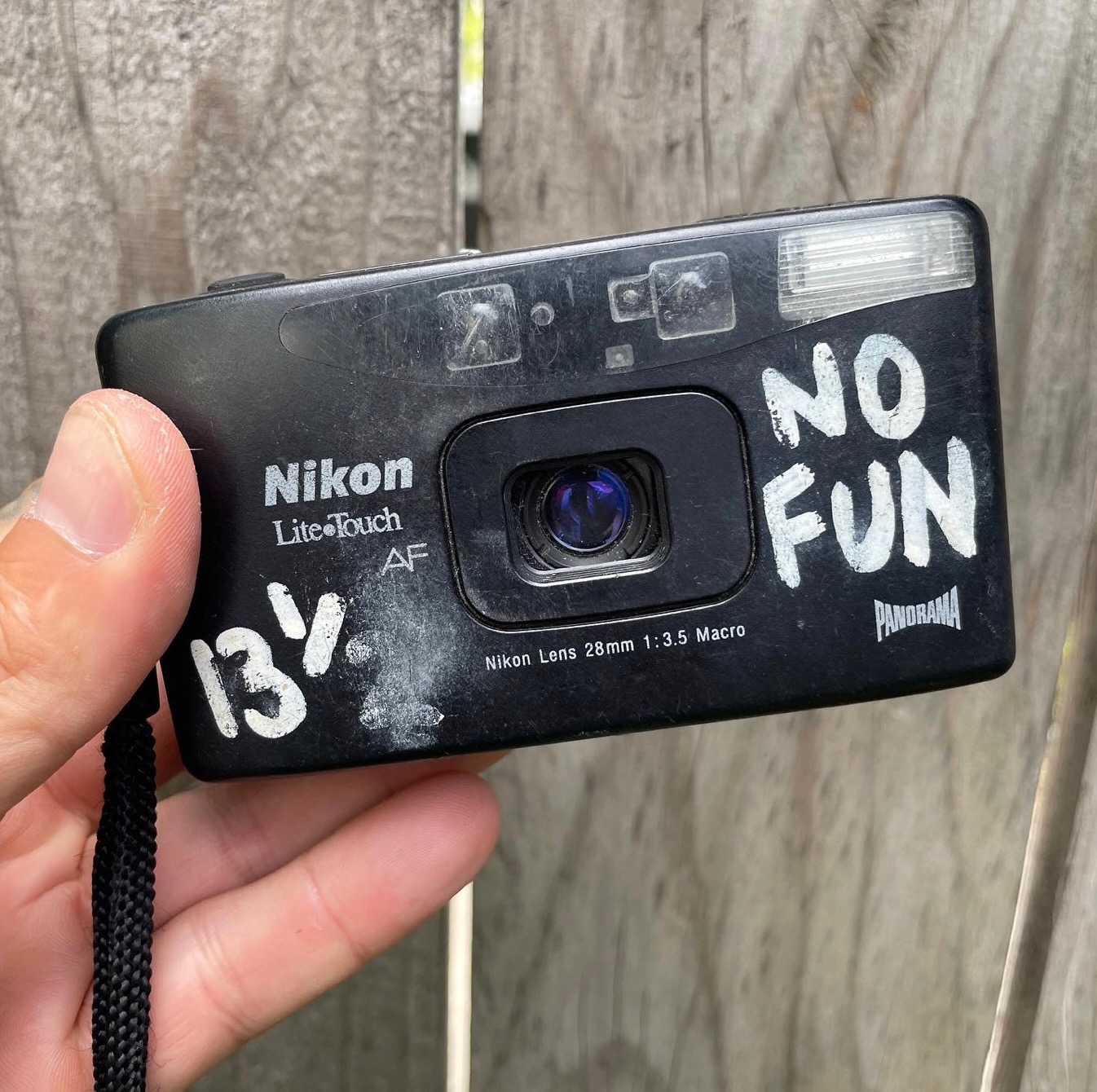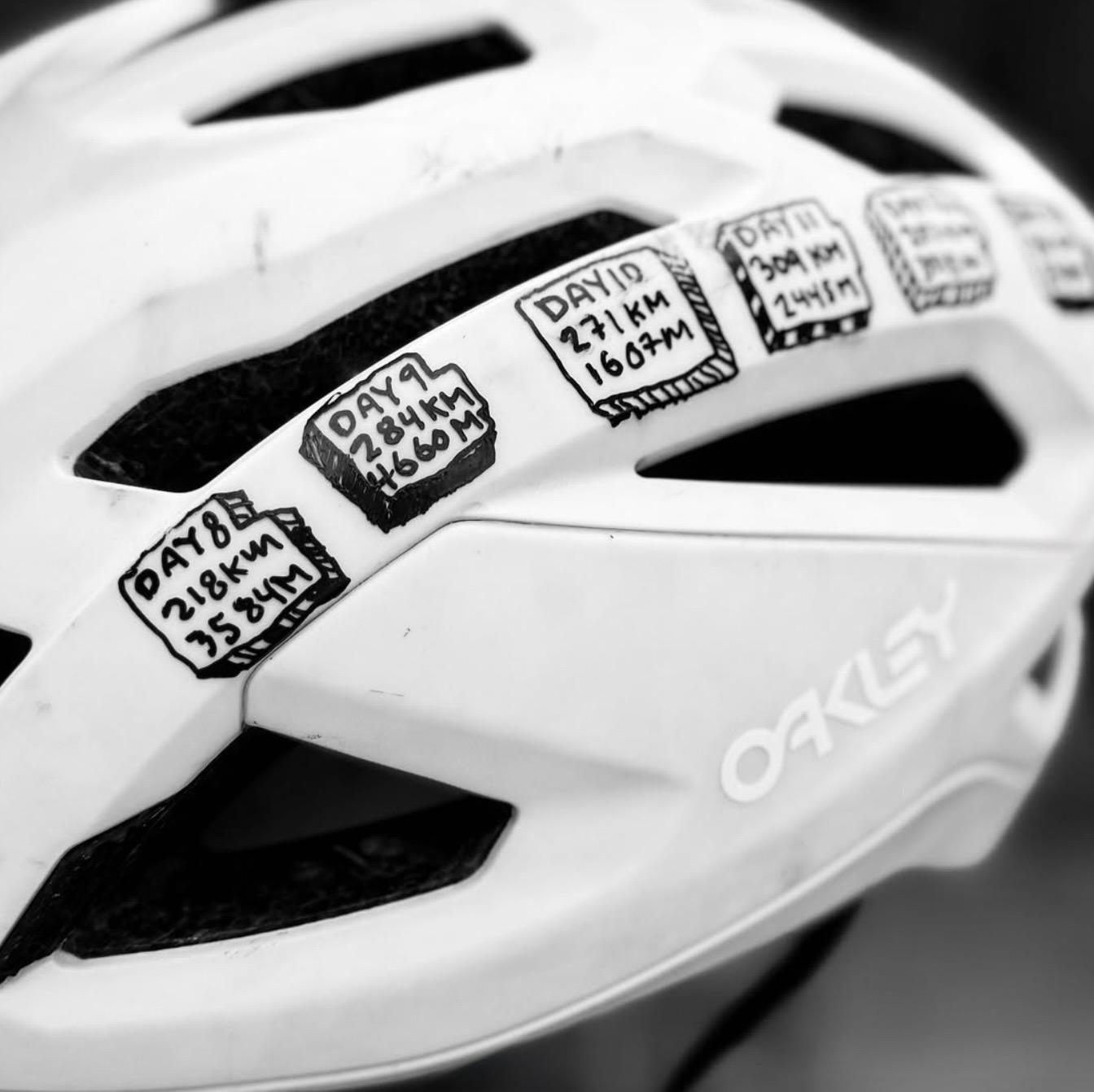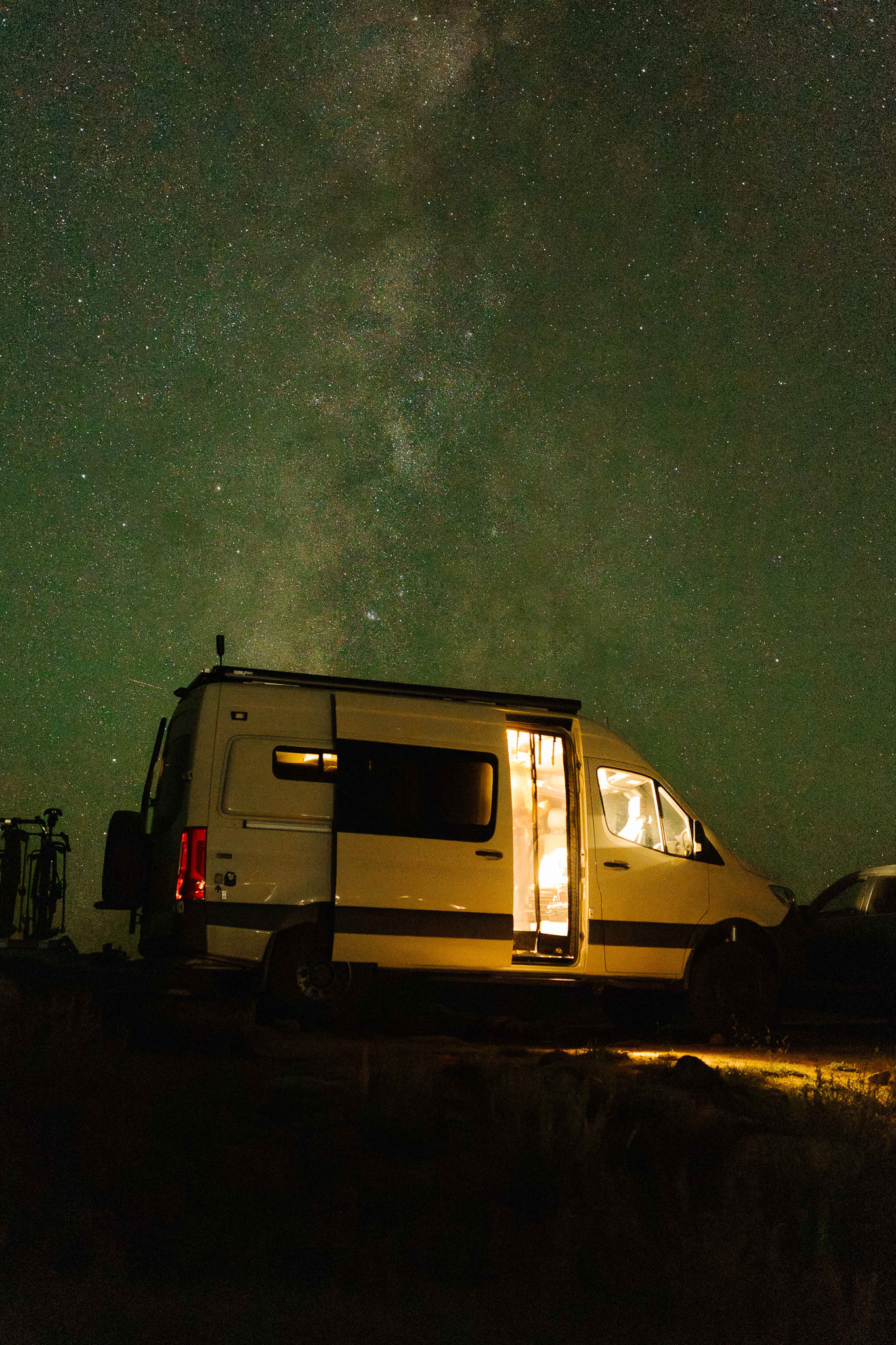
Onguza Bicycles / The Bliksem

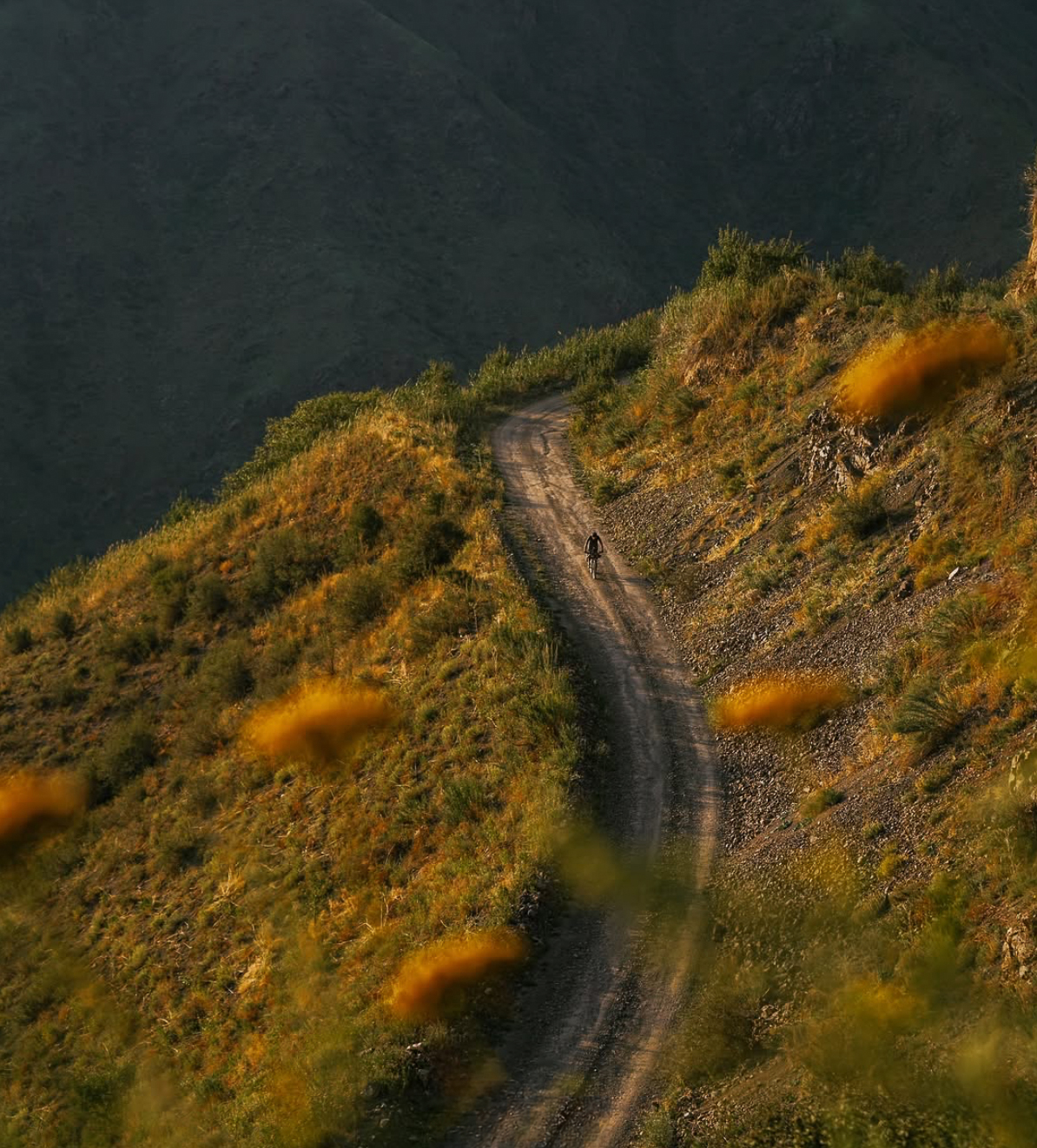
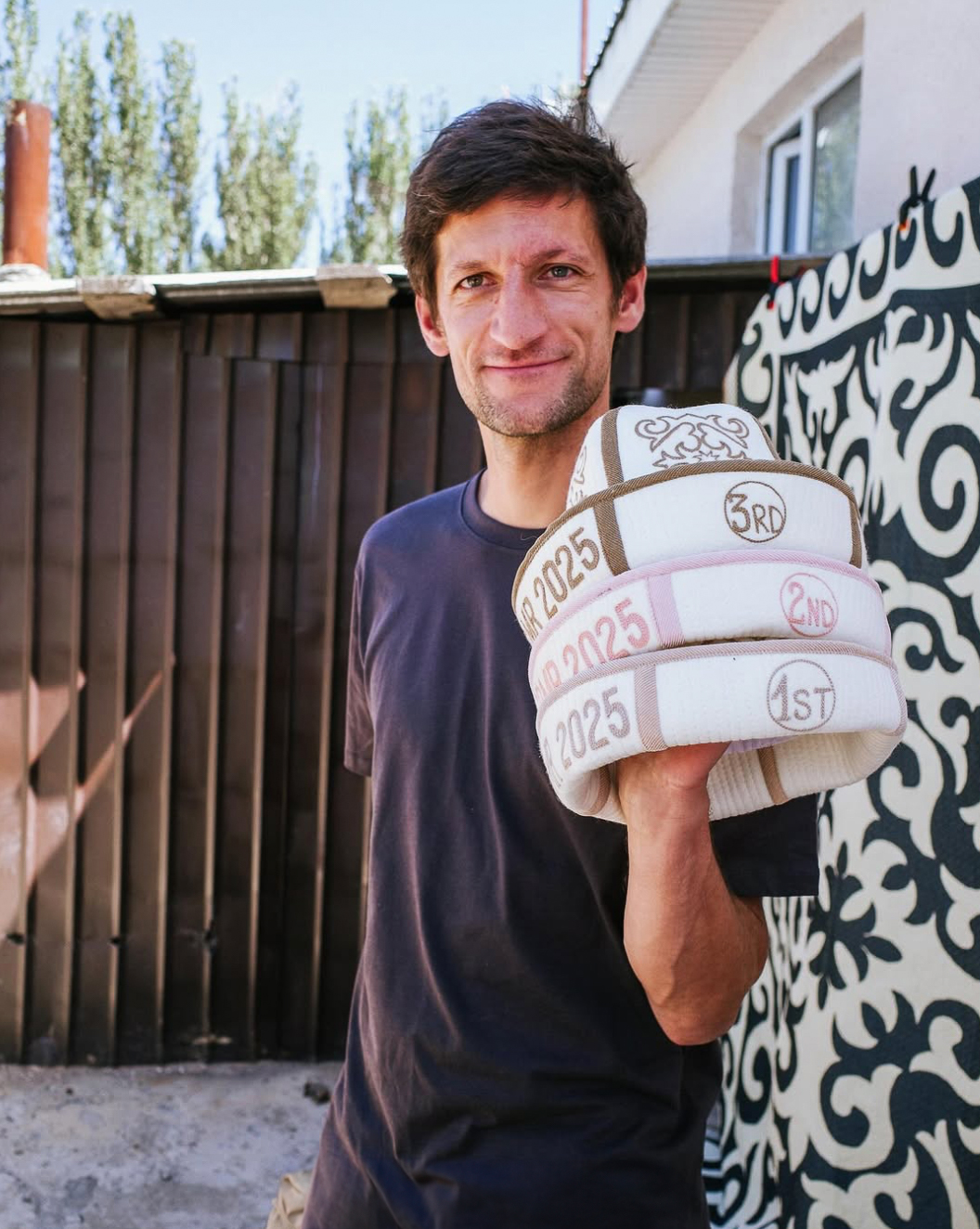
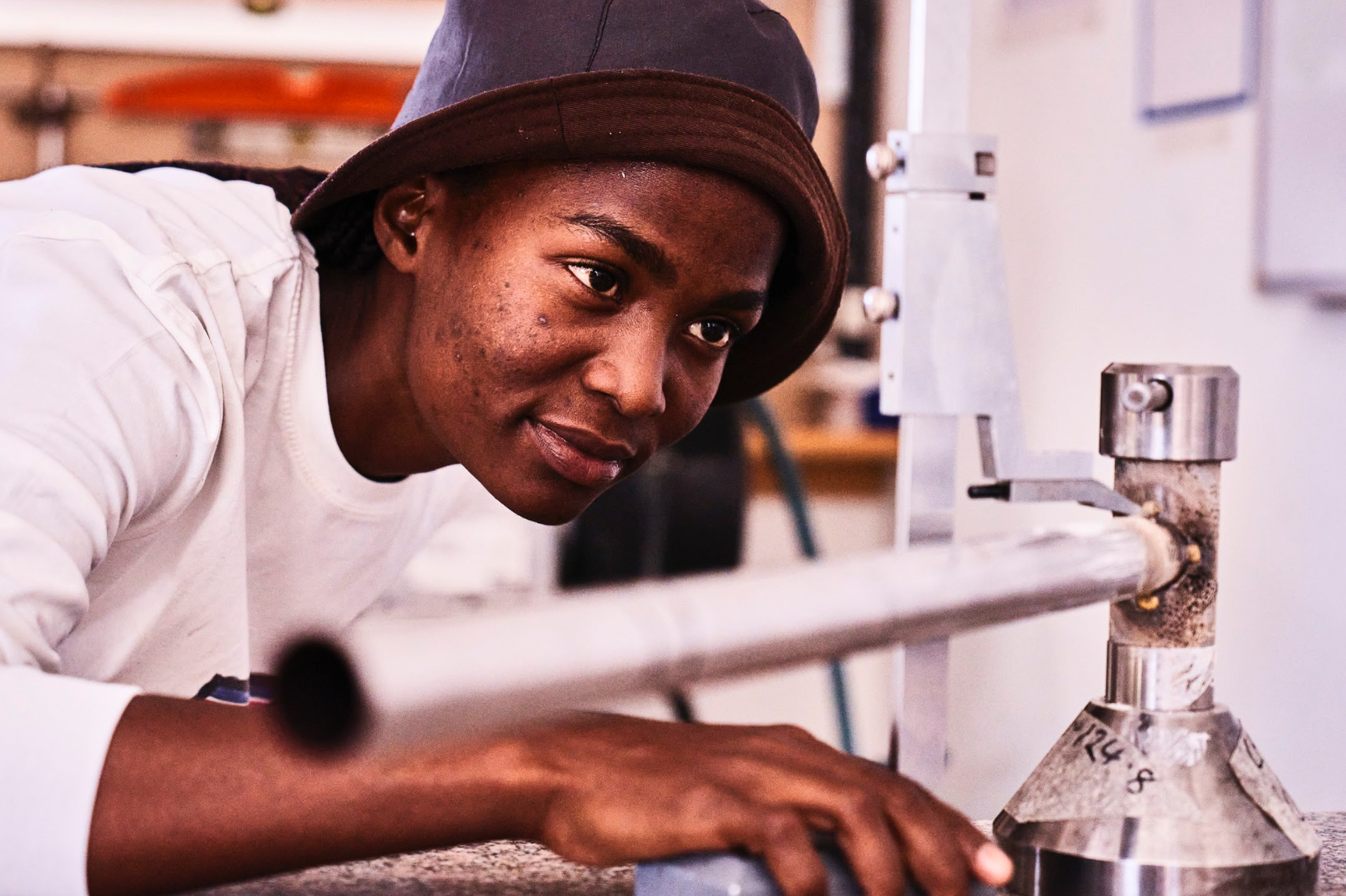
As our call connects, Dan Craven is washing his hands as the Onguza workshop crew finishes for the day. Following a frantic race to refresh the web platform ready for the launch of a new bike, I assume that what I’m seeing is a return to business as usual; prompting Dan to carry his laptop into the adjacent room and point the camera at the floor which is covered with row after row of brightly painted pieces of metal tubing.

“These are all the paint samples that we’re readying for photography,” he explains. “18 different frame colours and 10 wordmark options. Which equates to 179 separate samples we need to prepare.”

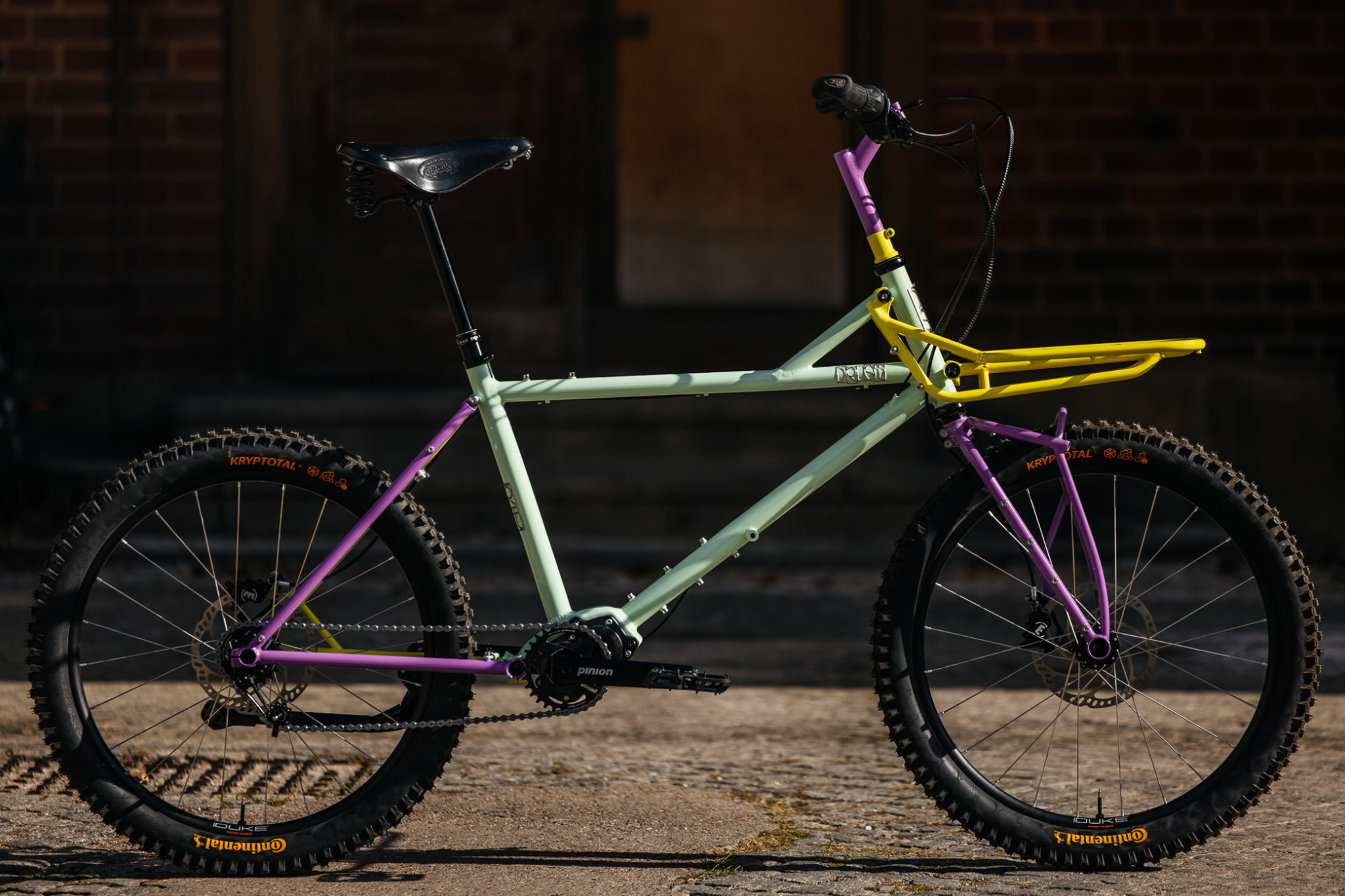
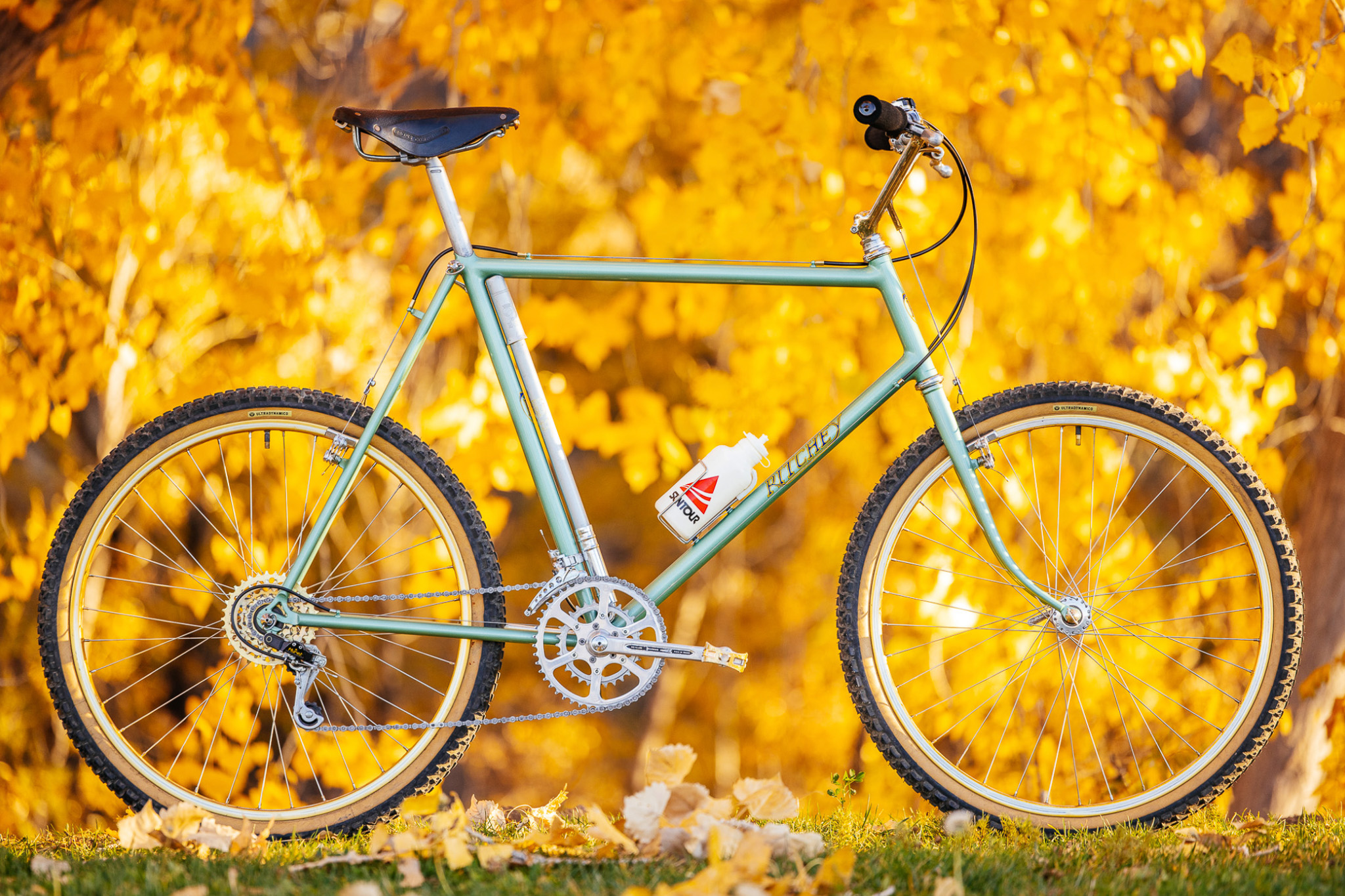
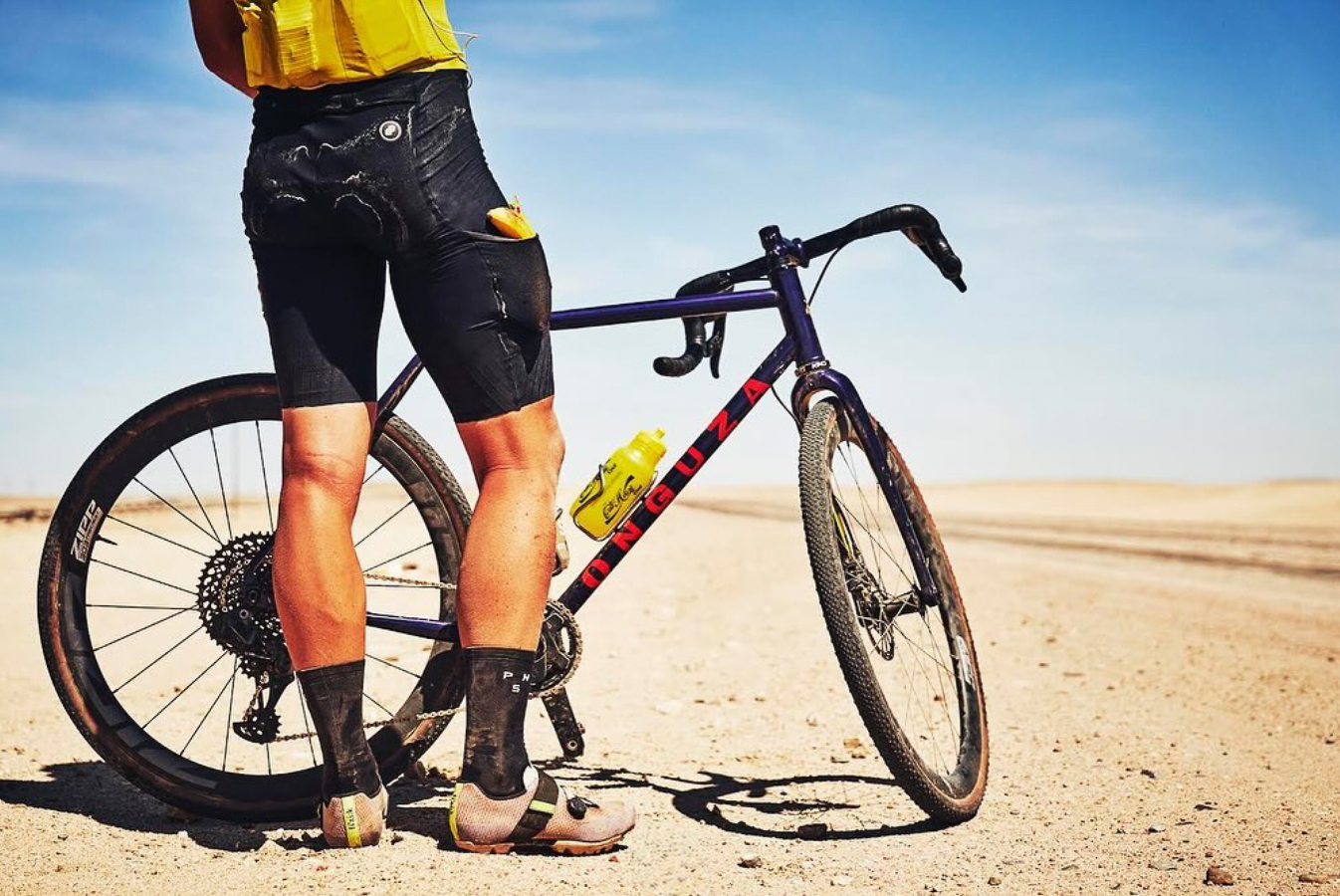
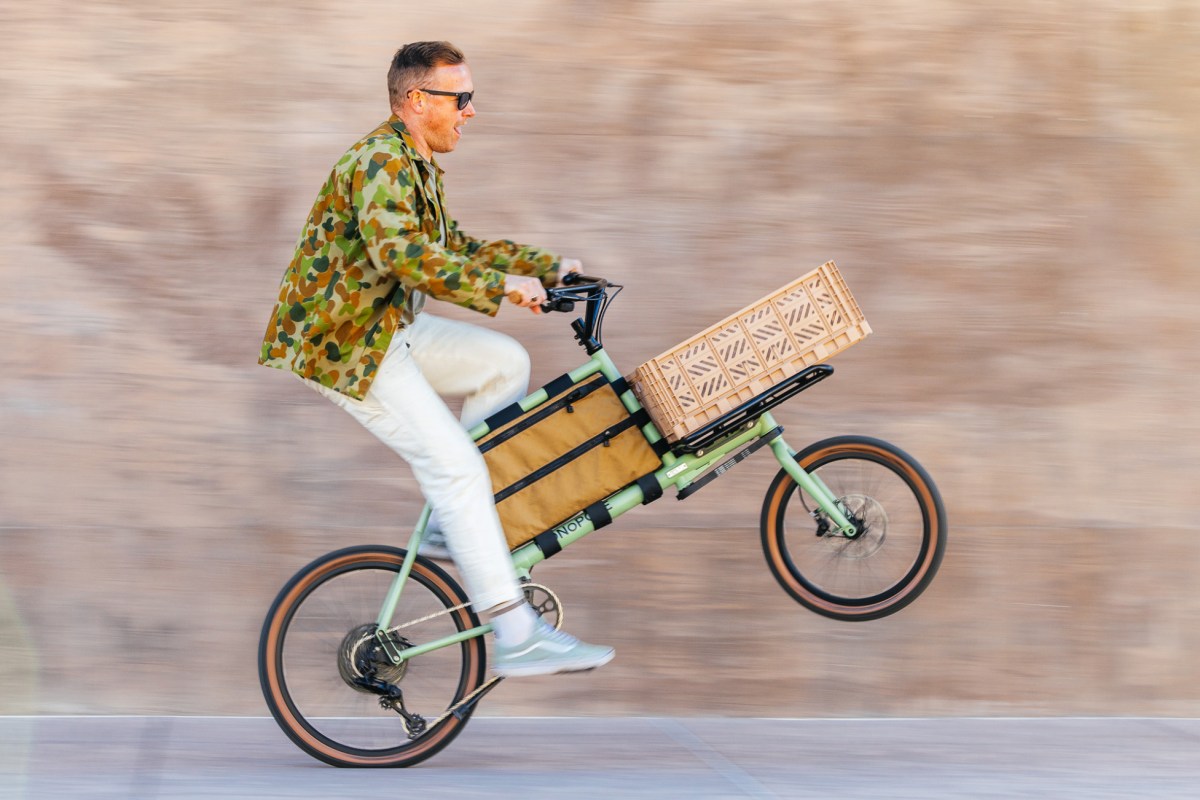
All of which is on account of a gravel plus bike called the Bliksem; not only a new addition to the Onguza range but also a new business model that sees a subtle shift from custom to customisable.

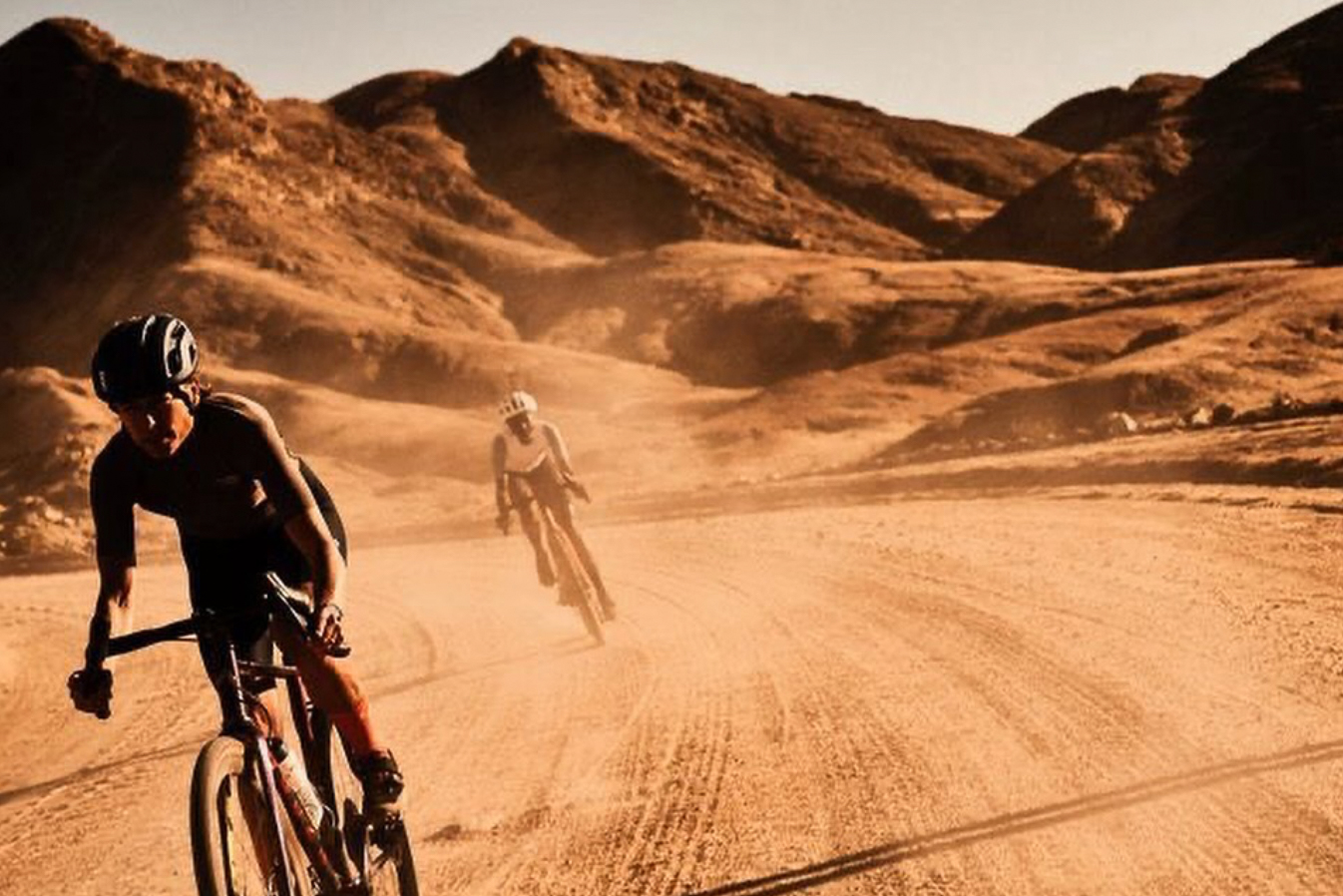
“There’s been a pre-production Bliksem riding around Namibia since October last year. And it was a few months before that bike was fabricated when I came to the realisation that so many people had reached out to say they loved our bikes but how they were just a little bit out of their budget. And I was already beginning to suspect that a truly custom geometry bicycle only really matters to a tiny proportion of a bike brand’s customer base. And that’s not because they don’t want it but because they don’t quite understand it.”


Click image to enlarge

Starting with the premise that 99.9% of bicycles in the world today are small, medium and large, Dan remembers that back when he was racing professionally there were still individuals riding custom geometry frames before arguing that this just isn’t the case anymore. And that applies even in the World Tour, the pinnacle of professional road racing. Which all makes sense but seems at odds with the fact that, until very recently, Onguza only fabricated custom geometry frames. An observation that prompts Dan to smile and continue his discourse in his signature, softly modulated tones.

“It’s a little known fact that when we launched Onguza, the first two frames we sold were actually stock geometry. But very quickly we adopted a fully custom approach, simply because the end product costs more and the timeline from design through to build is longer, which allowed us to do things slowly and grow gradually. But the Bliksem was always a planned part of what we wanted to do once we had the factory team established, our own in-house paint booth, and a series of partner bike shops across our key markets.”

More of these partner bike shops a little later. Because what initially I find fascinating is Dan’s assertion that one of the main factors that has slowed Onguza’s manufacturing capability is the time it takes him to figure out all these custom geometries. A process which can sometimes involve upwards of a hundred emails with a customer. Quite a lot, I suggest, which causes Dan to laugh out loud and refer to a recent conversation with Sacha White from Speedvagen who alluded to three hundred emails with a single customer not being that unusual.


Click image to enlarge

“But however many emails each build generated,” Dan now qualifies, “it’s safe to say that everyone in the factory was sitting there, twiddling their thumbs, waiting for me to message the customer to confirm their shoe size.”

So there was obviously a manufacturing bottle neck that needed to be addressed; along with an interesting question of semantics.

“Another big breakthrough was the realisation that when we first launched the company, we used the word luxury a lot. We had those super stylised fashion photographs—which was a good thing because it caught peoples’ attention—but that’s not really me and it’s not really Onguza. So we needed to find our voice and you can only do that over time.”

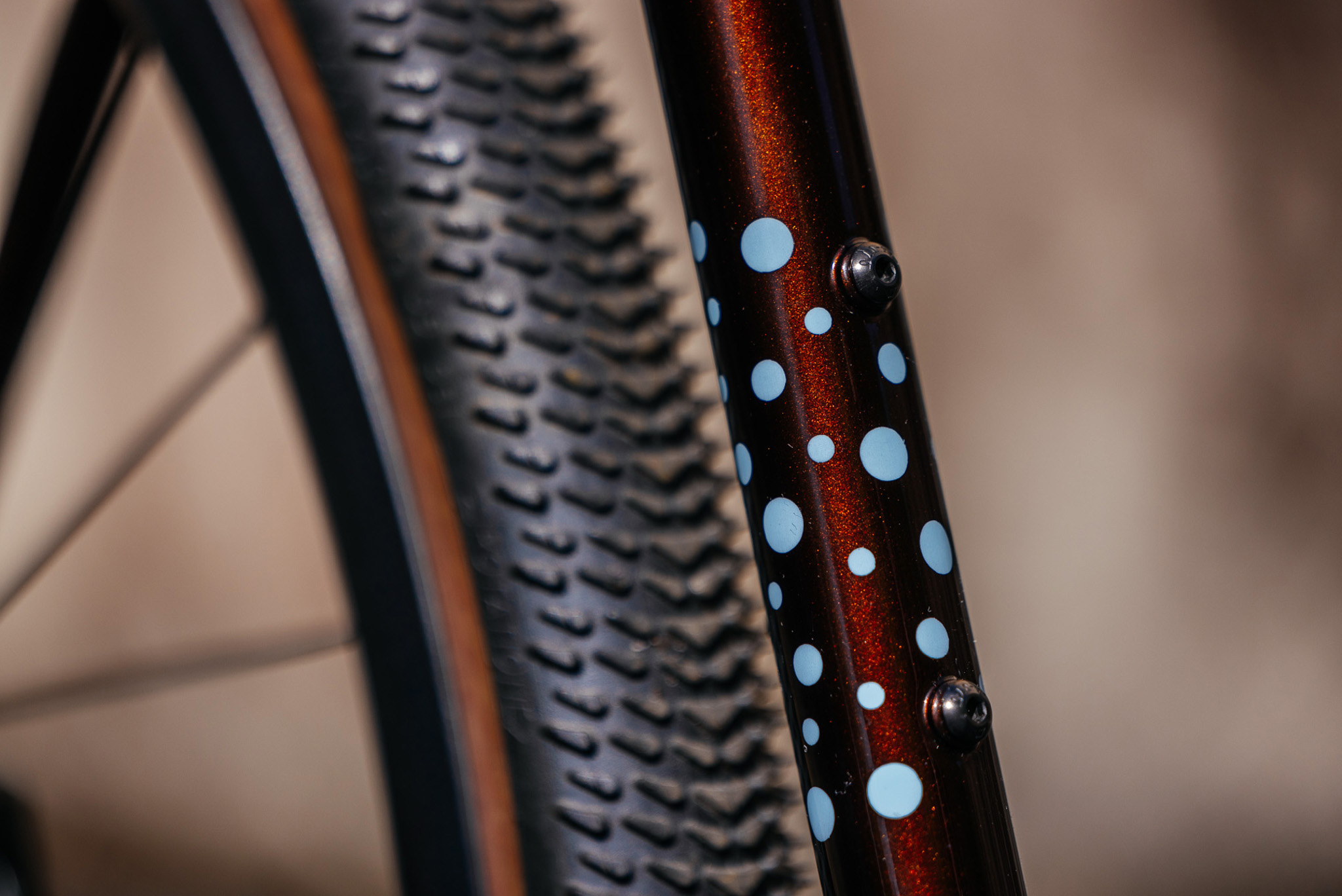
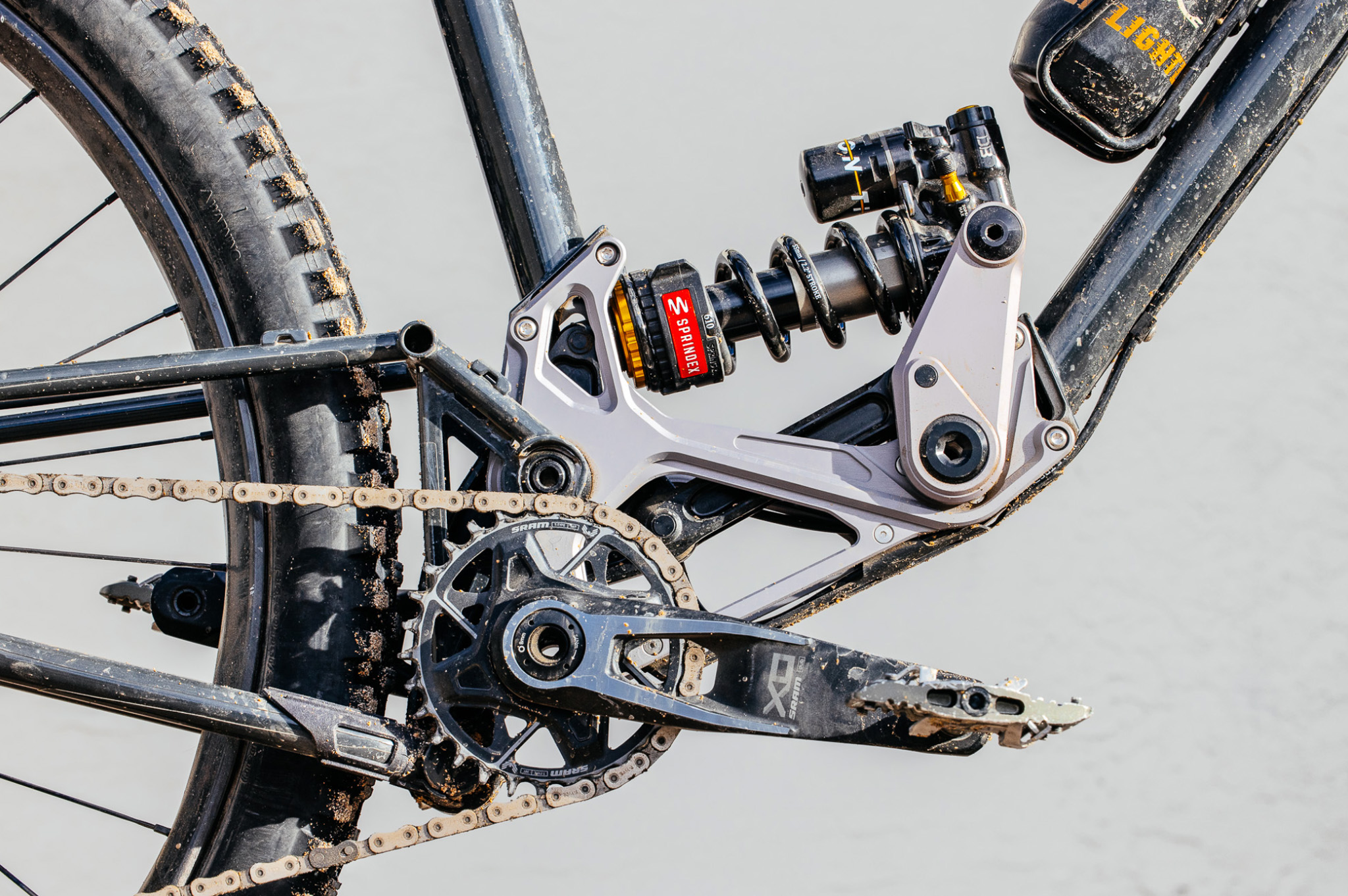
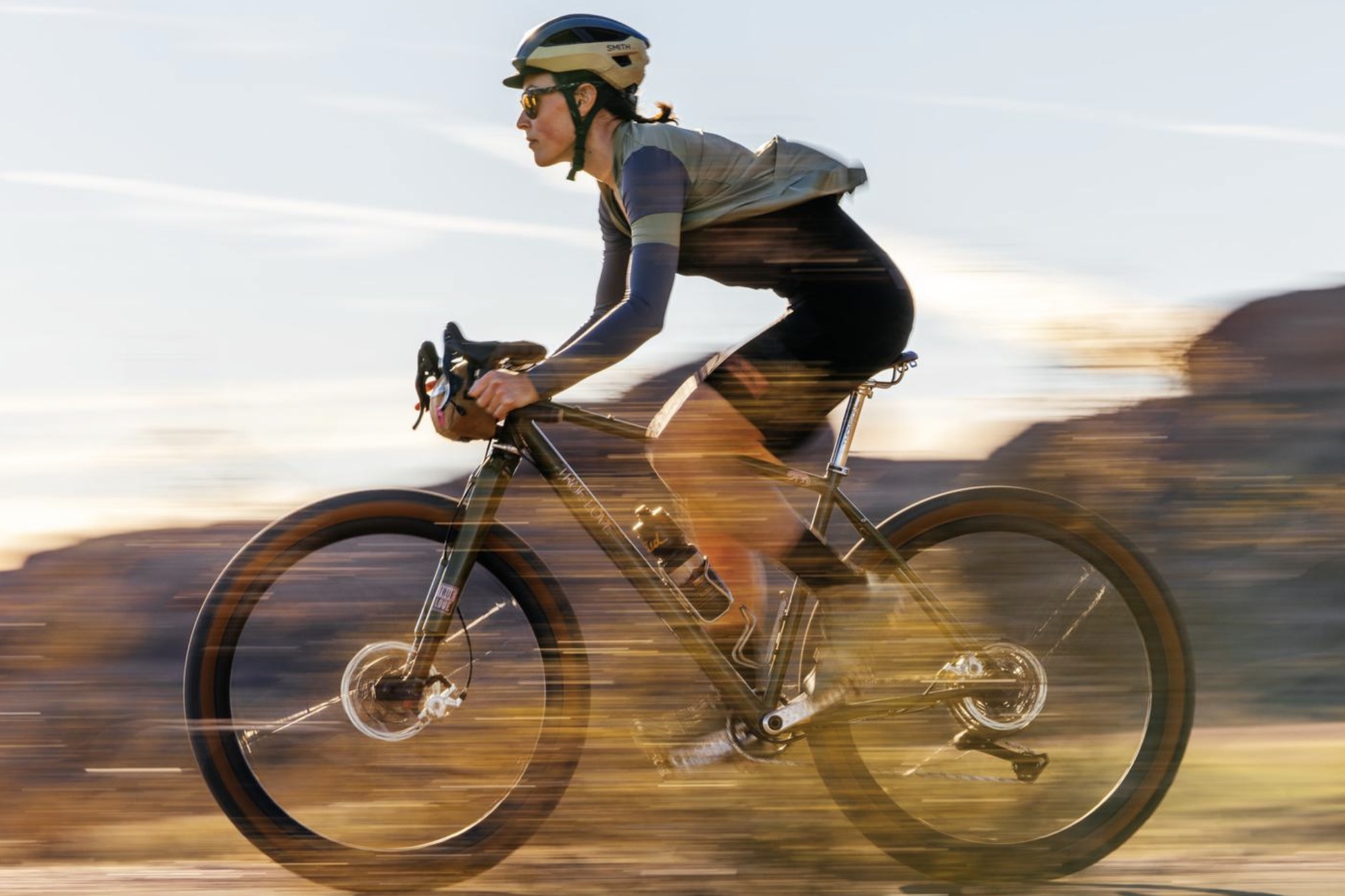
What all this means in terms of the Bliksem, is a simplification of the fabrication process—batch building for want of a better word—but with an array of customisable features. In practice, the workshop team fabricating each frame size as a rolling chassis that can be reached down whenever a customer order comes through and any specced braze-on’s added before it goes to paint in the colour combination selected.

“Not something that all small to medium bike brands can offer because they outsource their paint,” chimes in Dan. “Or they don’t have a factory team big enough to allow for someone being pulled off the production line to braze on an extra set of bottle bosses. And all this thinking raised another question regarding our identity and what we bring to the market. Because ultimately, this doesn’t hinge on our story; that we’re based in the southern tip of Africa in the world’s second most sparsely populated country. That’s a good story, an uplifting story, but what actually defines Onguza is the beautiful bikes that we build.”


Click image to enlarge

So which came first, I’m wondering? The Bliksem frame and all that it entails, or the new model of fabrication?

“For the longest time, this bicycle was known as the SADC bike which stands for Southern African Development Community. The idea was to build a bicycle that was aimed at local riders and this new variant—the Bliksem—continues this evolution but with the customisable features and a new name because SADC wouldn’t resonate with our international customers.”

So what does Bliksem actually mean?

“It was my wife Collyn who landed on it. An Afrikaans word that literally means lightning or can be used as a mild swear word akin to shouting dammit but with a lot more character and panache. And funnily enough the name of my grandfather’s dog.”

Dan’s grandfather Danie Craven, it turns out, was a very famous rugby player—he was inducted into the Rugby Hall of Fame in 1997—and there’s a statue of him standing with Bliksem in Stellenbosch, South Africa. And now that I’m up to speed on what Bliksem means and what it is—a gravel plus standard sized frame with a vast array of customisable features—I’m curious as to how this all works in terms of the customer interface and ordering process? 

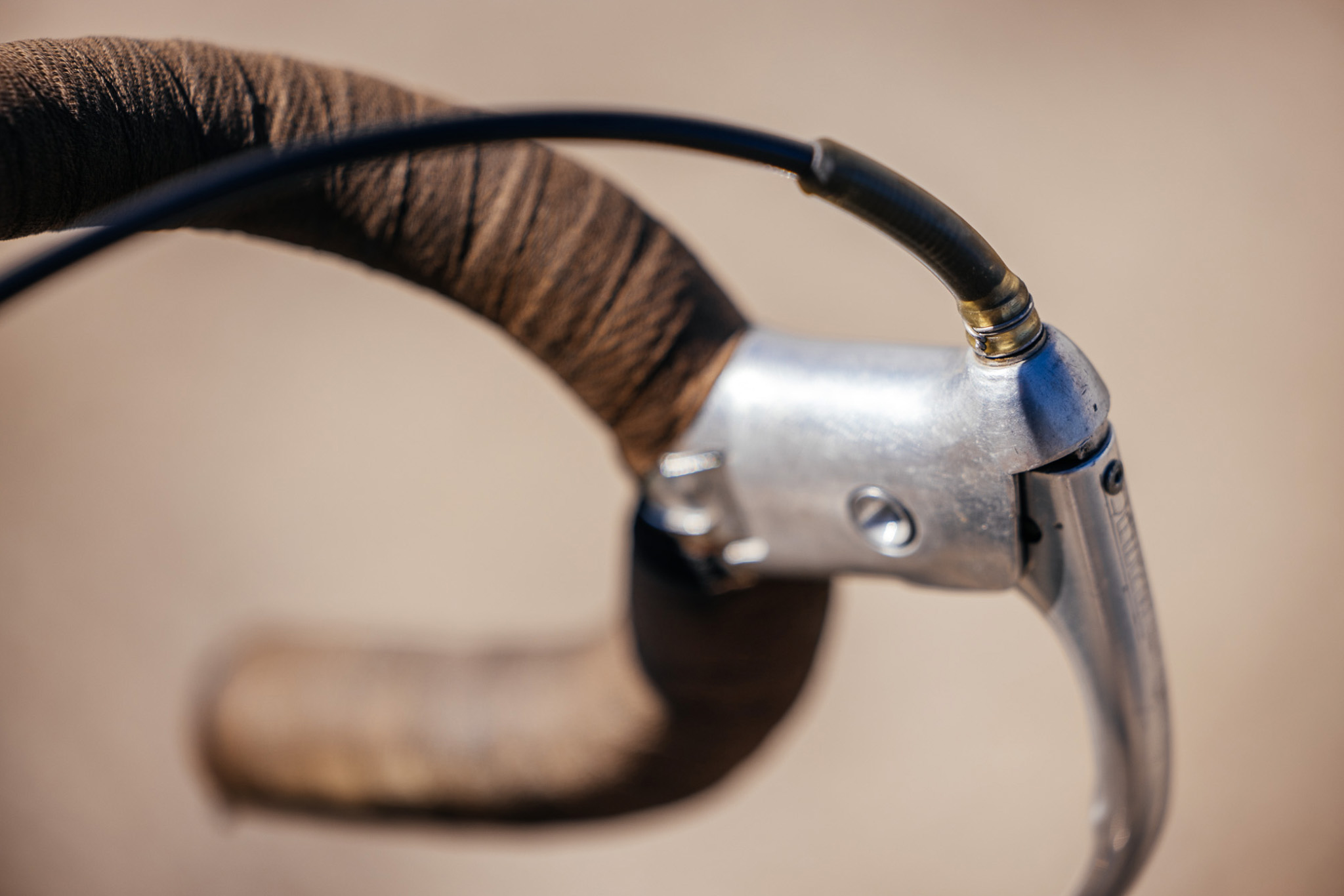
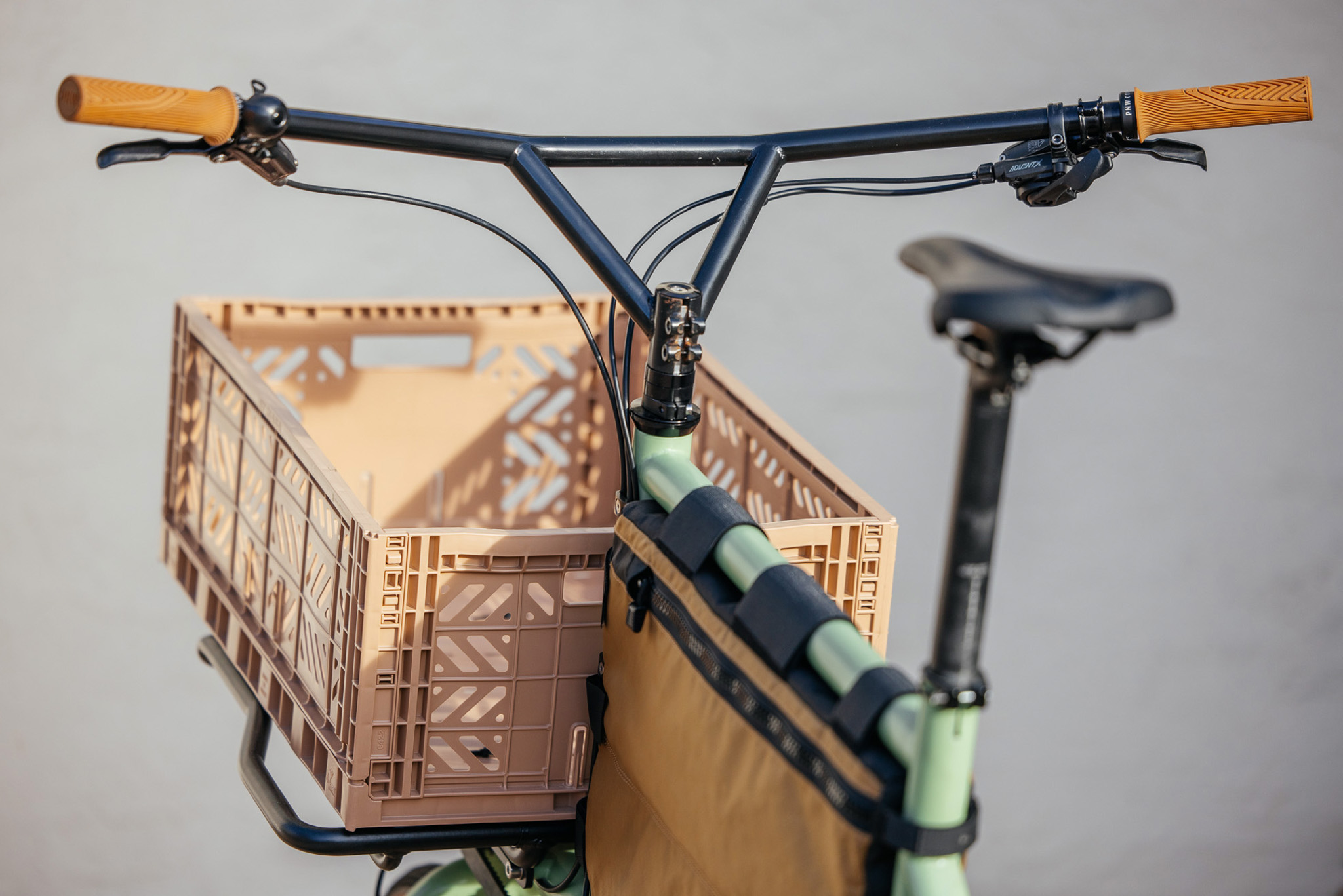
“I love nerding out about bicycles and I want to allow my customers to do the same. And how that translates with the Bliksem is that it’s available in stock sizes so they have a degree of confidence in what they’re going to get. From there, every customer is different. If you’re riding from Cairo to Cape Town, then external cables will most likely be your preference so you can fix things on the fly. But anyone living in Northern Europe where you’re never that far from a bike shop might want to spec fully internal cable routing. And with the way our factory operates, that’s entirely possible. Throw in some extra bottle bosses, luggage mounts, or whatever the customer needs to fine tune the bike, and you have a handmade frame at a much lower price point and the only thing it doesn’t have is custom geometry.”


Click image to enlarge

So is this all indicative of the way we now buy bikes, I suggest?

“Looking back to 2010, I felt there was a big resurgence in steel bikes. People were super excited about the idea of commissioning a handmade bicycle. But back then you could argue—or I would argue—that carbon road bikes were pretty ugly. Fast forward to present day and carbon frames are much prettier and definitely more aero; edging closer to steel frames in looks and overtaking the speed of a steel bike. And who wants to buy a bike that might ever-so-slightly slow them down? Someone who is really, really invested in the versatility, durability and comfort of a handmade steel bike.”

Which, I surmise, is why they come to Onguza?

“That’s the idea but there’s a but.”

There is?

“When you visit a bike shop you can look, touch and feel the bike you’re considering purchasing. The store owner is going to look after you, if you have a few minor teething troubles. And all those practicalities suggest to me that maybe a lot of our customers so far have been the quintessential loner. The person who doesn’t necessarily need a relationship with a bike shop, who’s happy to tinker with their bike and do their own thing. But that’s probably not the majority of the market which is why, moving forward, we are adjusting our margins to allow us to partner with bike shops. We’ve already got Via in London and Acme in Brooklyn, and we’re talking to establishments in Toronto, Copenhagen, Amsterdam, Barcelona, Girona, and at least one—maybe more—in South Africa.”

Here Dan stops; reaching behind his head to unfasten his long hair. I can almost see him mentally picturing this worldwide network of Onguza affiliate partners.

“I believe our bicycles are amazing,” he continues, “I believe in our system of customisable builds, and I believe that having our own paint booth allows us to be agile and responsive to what the customer wishes. And if we can do this, what else can we do?”


Click image to enlarge

After living and breathing the challenges of building a bike brand over the past three and a half years, listening to Dan you really get the feeling that Onguza has reached a point that carries the brand past their Made In Africa story. That with the Bliksem, they have a bike and a model of manufacturing that, as Dan is quick to jest, will give their accountant something to get excited about. But all of this takes an incredible amount of hard work, with not only Dan but also his wife and business partner Collyn sharing the burden.

“We are extremely fortunate in that we very much support each other. And to me, that makes such a huge difference. Because it’s about growth and sometimes, metaphorically burning your fingers. And in business, you have to make those mistakes in order to learn from them. Because you’ve got to remember that I came to this chapter in my life—setting up a handmade bicycle company in Namibia—from the relatively sheltered world of professional bike racing. So it takes a certain length of time and a degree of experience to go from guessing how a company needs to be structured, to actually knowing.”

So do you enjoy what you do, I want to ask?

“The honest answer is that I’m enjoying it more and more. Setting up a company—any company—is rather a rollercoaster ride and if you’d told me, when I was still racing, that I’d be back in my home town of Omaruru in Namibia, getting my hands dirty working in the factory, I would have laughed and said no. But there’s a path that we’re following and as we grow, if I can employ more people to take some of the weight off my shoulders, there are so many other things that Collyn and I want to do.”

Once again, there’s that faraway look in Dan’s eyes.

“There have been a couple of realisations over the past two weeks putting the final touches to our new website. One being that the shift from custom to the customisation of our bicycles is a true superpower. A lightbulb moment of, wait a second, that’s who we are.”

Dan Craven / Onguza Bicycles

All photography with grateful thanks to FC Smith

Taylor Phinney / And everything in between

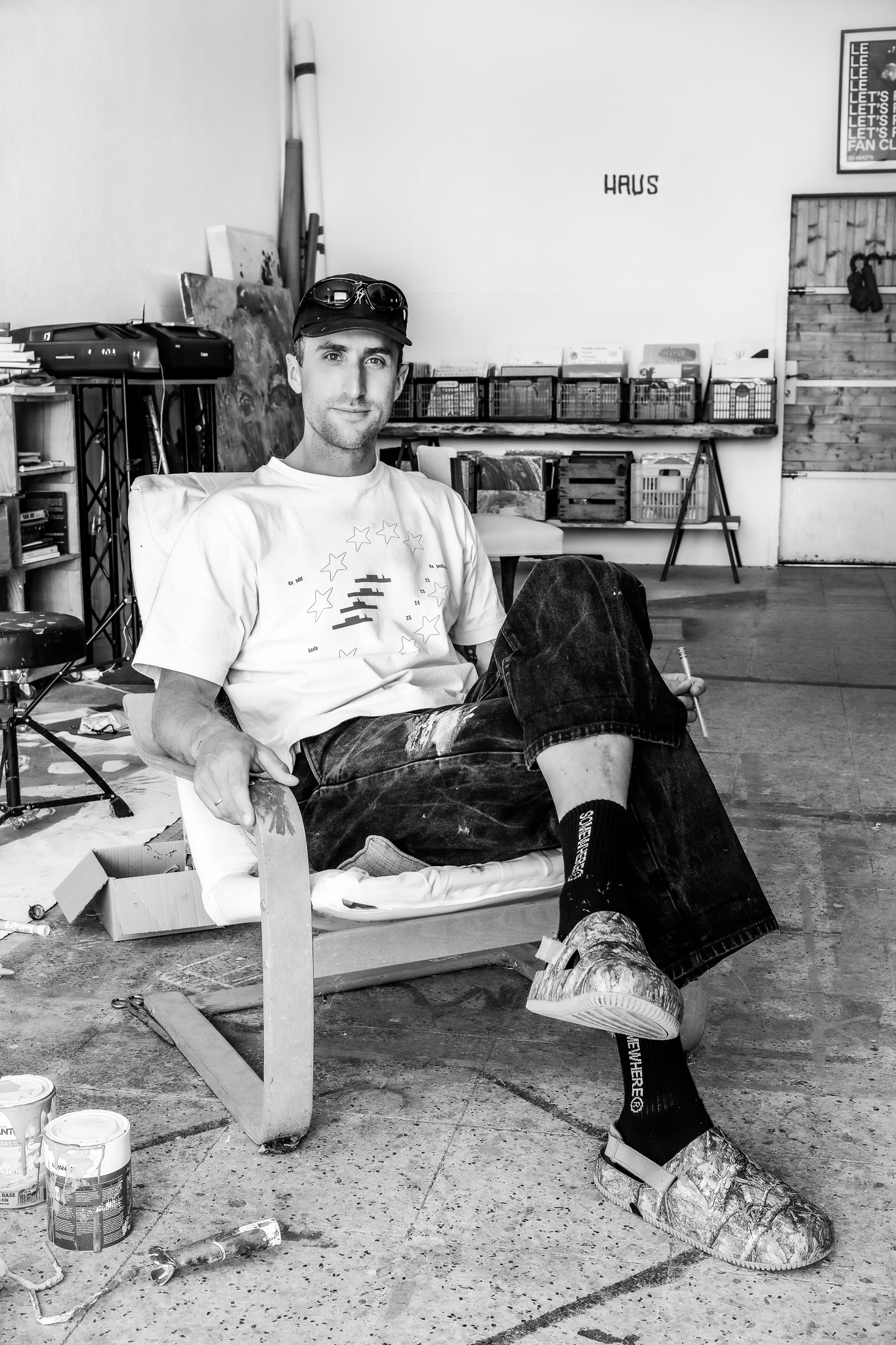
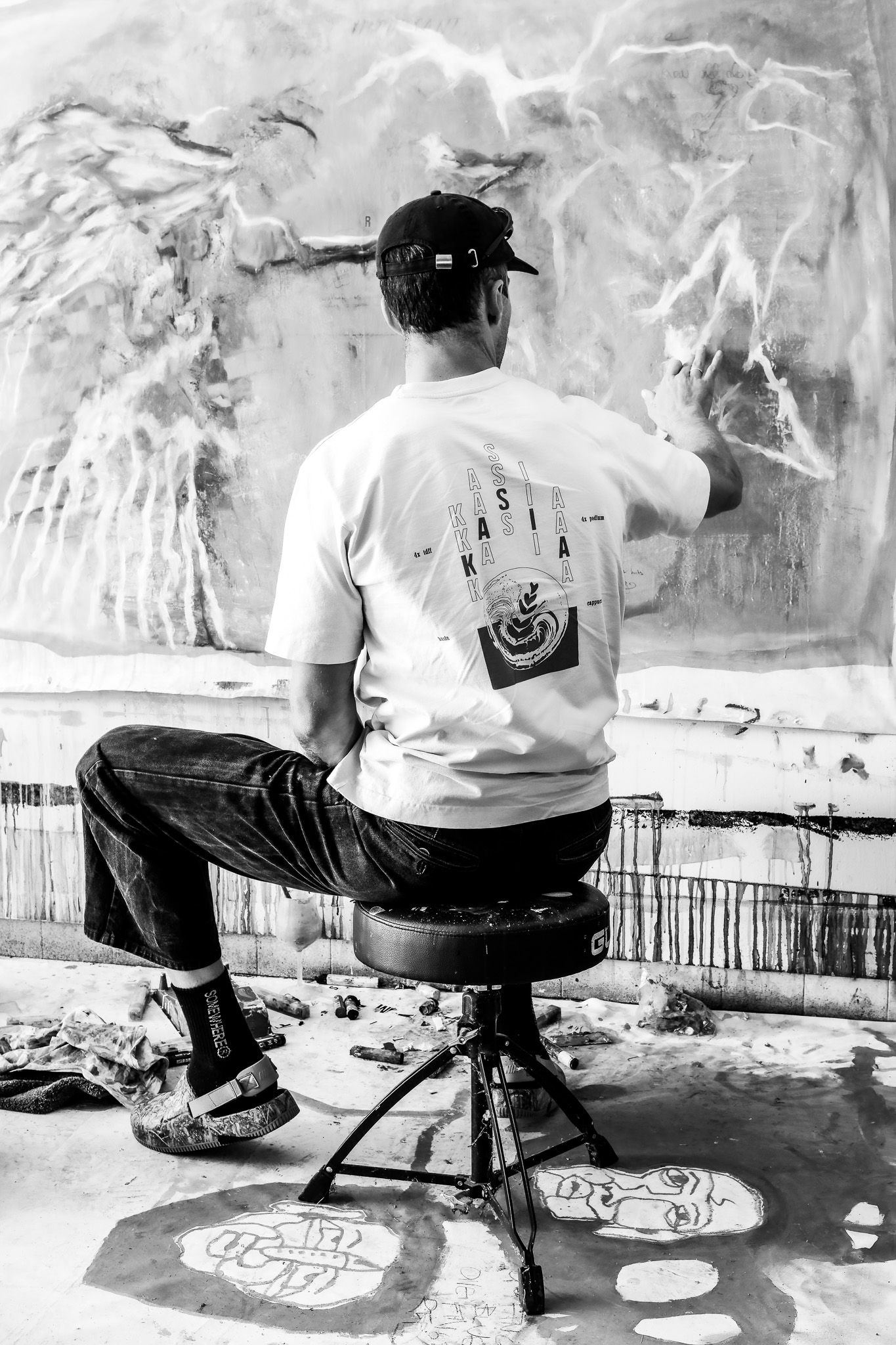
Taylor Phinney is waiting outside his studio that’s nestled in the semi-industrial suburbs of Girona. Immediately welcoming in a calm, quietly contained manner, he’s wearing his latest Sponsor Correct tee: the Kasia Cappuccino shirt that celebrates his wife’s successes at the Tour de France Femmes avec Zwift.

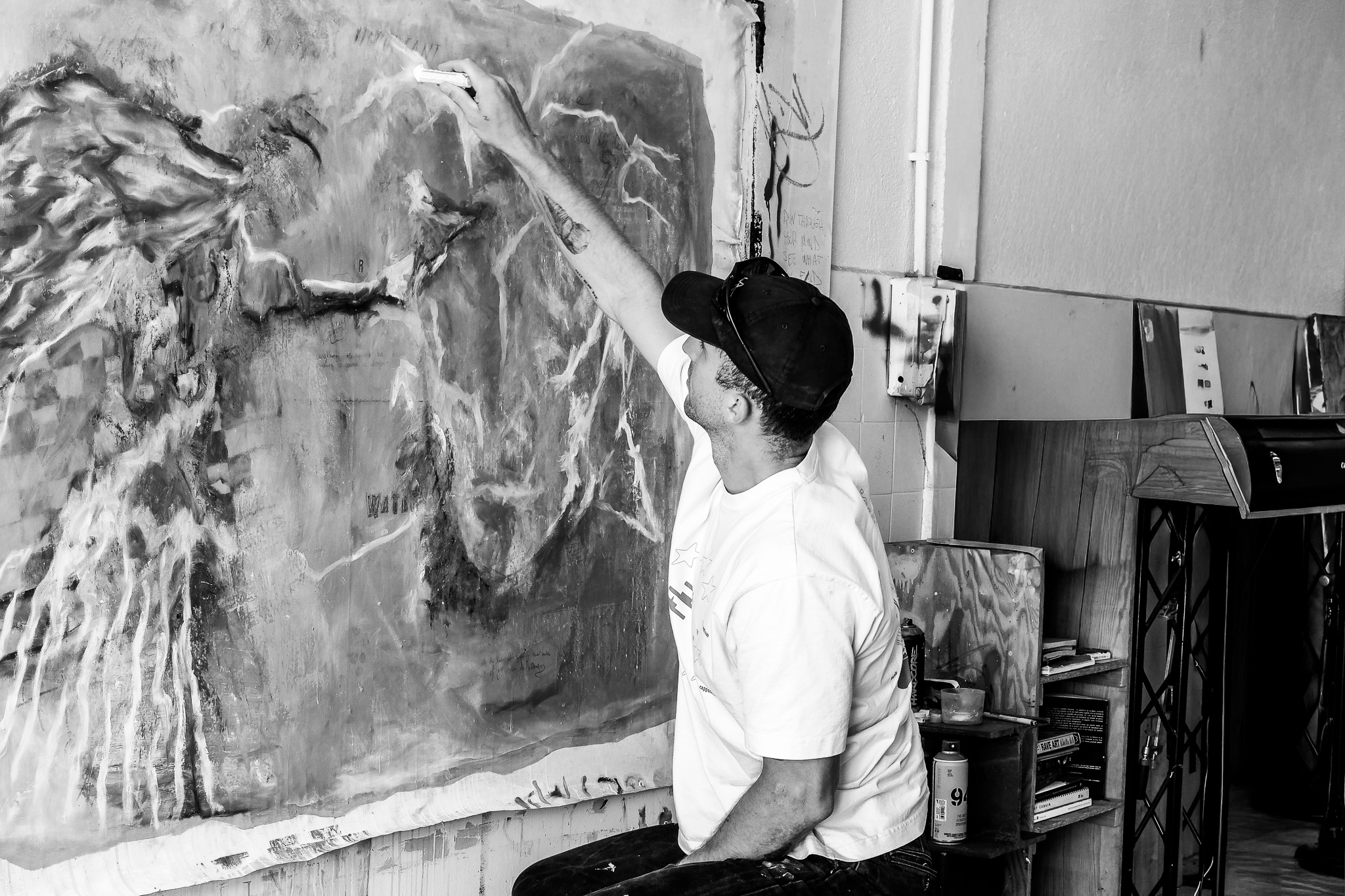
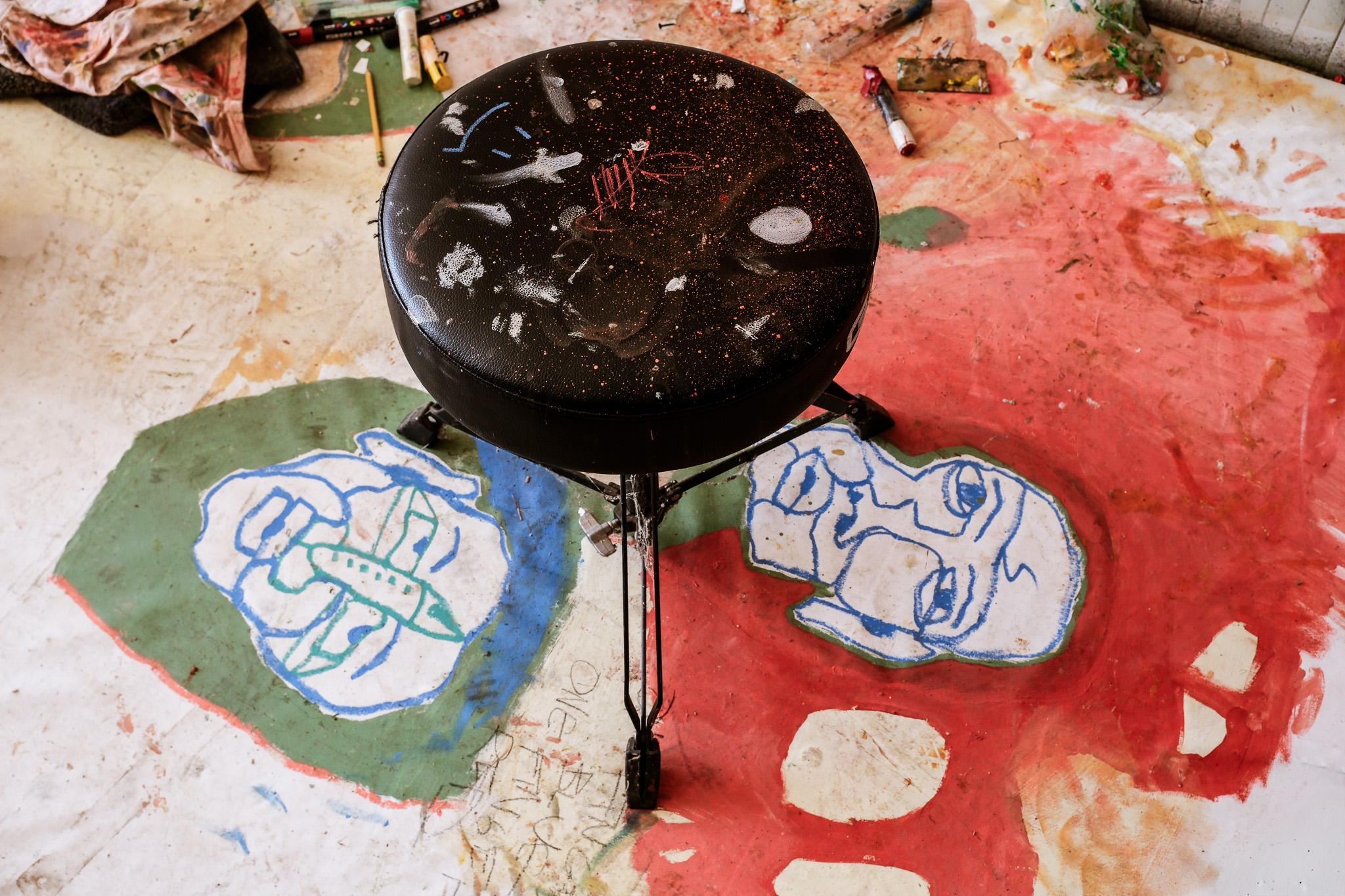
Entering the space he shares with two other artists, on one side serried ranks of canvases are mounted in neat, uniform rows. On the other side—Taylor’s side—the concrete floor is covered by a random assortment of paint and mark-making paraphernalia.

Dragging a couple of chairs over to the wide, sunlit doorway, Taylor apologises for not having any beverages to offer before we sit down and begin to chat. A meandering succession of subjects with Taylor carefully considering each and every response but with a playfulness and candour that draws you in and fixes the attention. A back and forth series of conversational tangents taking in bikes, art, and everything in between.


cyclespeak
I saw the post from last week of you interviewing five-time Tour de France winner Miguel Induráin. You must be pretty fluent in Spanish?

Taylor
Good enough I guess. I miss some of the grammar but I can get across most of what I want to say.

cyclespeak
I’m sure they appreciated you making the effort.

Taylor
I didn’t really have a choice…

cyclespeak
Because he doesn’t speak English?

Taylor
There is that. But what’s funny is they told me they were doing a podcast and I just assumed that they were talking to me. And then, at the last moment, they mentioned it was me talking to Miguel. Just having a chat [laughs].

cyclespeak
From one Tour de France winner to another, you were there when your wife Kasia Niewiadoma won the 2024 Tour de France Femmes avec Zwift with only a handful of seconds to spare.

Taylor
These things are often described as an emotional roller coaster and I was definitely doing some pacing, back and forth, on the mountain. So it was a super euphoric moment for all of us but what I felt most was relief.

cyclespeak
Because Kasia had previously placed so well but never quite got that top step of the podium?

Taylor
She’s always animating a race. And for someone who only seldomly did that, I know how rare it is. And she deserves it because she works super hard. In the same way that all those athletes work super hard. So with her Tour de France win, it was nice to see the chips all fall in her favour.


cyclespeak
As a former World Tour racer yourself, there’s the recognised route of retired professionals going into team management as a directeur sportif. So hypothetically speaking, what kind of DS do you imagine you’d make?

Taylor
I think I’d make a pretty good one. And I say that because I’m a sensitive and empathetic person, which didn’t particularly help me as an athlete but was a big help with the team dynamic. So I find it relatively easy to understand someone else’s perspective and where they’re coming from. And I recognise that I have this ability to bring a group together in an American Football coach sort of way. But, man, sitting in a car, six hours a day, for three weeks?

cyclespeak
Those must be some hard miles.

Taylor
It’s not a particularly healthy lifestyle and I really like to be active and creative and on my own programme. So I’d worry that I’d get back into that bike racer mindset of not really wanting to be there. And I enjoy not having to travel so much and, if I do, it’s pretty much on my own terms.

cyclespeak
So fast forward to the life and times of Taylor Phinney post racing. Can I start by asking whether there’s a routine to each day? A cup of coffee, some breakfast oats, a little workout and then off to the studio. Or would that feel too constraining?

Taylor
Actually, it would be pretty nice if I had more of a routine. But maybe I give in too much to my ADD?

cyclespeak
When you say give in, is that willingly?

Taylor
Probably half and half [smiles]. And a lot of the time I forget what I’m supposed to do. So I have to write it all down.

cyclespeak
So you’re a Post-it person?

Taylor
I have this app on my phone called MinimaList that makes things real easy and I am getting better with time management. But there’s something about the creative process; in that you’re actively trying to get lost. So I guess the trick is to differentiate that from everyday tasks without disappearing down a rabbit hole.

cyclespeak
But those creative tangents can be interesting?

Taylor
They are and I’m fortunate to have the flexibility to follow them. So I guess the only thing that really reminds me of time is my wife.

cyclespeak
And do you welcome that tap on the shoulder?

Taylor
Most of the time, yes [smiles].


cyclespeak
So how do you start your day?

Taylor
We wake up and I make coffee. I used to do meditation in the morning but I found it allowed me to fall into my ADD. As opposed to waking up and just doing something productive.

cyclespeak
Do you consciously decide when to focus on painting, designing for Sponsor Correct, clearing your local trails? Or do you wait until inspiration comes calling?

Taylor
With the trail building, it’s pretty weather dependent. It really has to rain quite a lot for the ground to become malleable. And that’s always a really exciting time for me as it’s probably my happiest place: outside, by myself, sculpting the earth. It’s creative and with this whole other reward process.

cyclespeak
The before and after?

Taylor
That’s part of it. But not only do I get to enjoy it in the days, weeks, months afterwards; you see the whole community returning too. Because the way the trails work is they get overgrown and dirty so people ride somewhere else. But after you work on a section and open it up, the next time you go there you see all these tracks on the ground. And that’s without me saying anything to anybody. This whole word-of-mouth thing that spreads organically.

cyclespeak
From your actions, there are ripples of reaction?

Taylor
Something I strive to be is a people mover: whether that’s through music, organising rides, or trail building. So even if I don’t say anything, I like to see if I can influence the movement of all these different people. But that doesn’t really answer your question about how I prioritise things.

cyclespeak
Which is?

Taylor
The trail building is seasonal. Painting is something I keep more for myself. I do sell some pieces but I’m not actively networking and seeking out galleries in an effort to get my work out there. There’s this whole brand identity side of that which I don’t like so much. And I find that if I start selling more paintings and doing commissions, then I stop thinking about what I want to paint and start thinking about what other people want to see. So, for me, painting is like this creative force that grounds everything else and I do design projects when I’m inspired. Which can often be when I’m travelling and have my computer with me—it’s just so easy to dive in.

cyclespeak
Design work that includes projects like Sponsor Correct?

Taylor
The Sponsor Correct stuff honestly started as a joke. Something I’d wanted to turn into a brand from back when I was racing because we heard it nonstop. Like, make sure you’re sponsor correct because you’re doing this photoshoot or interview. And that always pissed me off because it didn’t leave any room for being original.

cyclespeak
I’ve heard you reference these thoughts before. Kind of a cookie-cutter approach?

Taylor
Which makes sense because all of these brands are paying to have their riders represent them. And I just felt that the sponsor correct thing was so omnipresent within the culture, that anyone involved in bike racing and professional sport would recognise the phrase. A way of conforming and being rebellious at the same time.


cyclespeak
And your music?

Taylor
That’s a vibe. If I’m here in the studio and stuck on something, then I’ll just start playing some music. But that scene is also tied to identity and brand which I’m not searching out too much. And late nights in clubs? It can feel like I’m in some layer of hell at four in the morning. I don’t really party like that—I’m completely sober—and I want to wake up refreshed and ready to ride my bike outside.

cyclespeak
It sounds like you’ve got a lot going on?

Taylor
Sometimes it can feel that way but really, it’s about creating some kind of momentum.

cyclespeak
Without giving too much of yourself away?

Taylor
I’m okay with giving up my energy. It’s more about building this foundation that I can always recognise and get back to.

cyclespeak
So focusing for a moment on your painting, have you ever had any formal training or are you entirely self taught?

Taylor
Self-taught makes it sound like I was reading books [smiles]. But what it actually looked like was revisiting drawings that I’d made as a kid and being reintroduced to painters like early Basquiat. 

cyclespeak
I’ve seen Picasso exhibitions that show work from when he was a student and he’s copying the style of the grandmasters. Which is a natural process as you’re developing your own style?

Taylor
It’s totally natural. Like another of my favourite artists, the painter Wes Lang. He’s from LA and mixes this Native American imagery with a Basquiat type of composition and colour. And I was listening to a podcast where he was saying that he decided on these stylistic references because it was the conversation he wanted to have with that particular artist. And that made me feel more comfortable about my own visual journey. Because, when I first started painting, there were two people I was thinking about and if they would like my work or not. And they were the ghost of Basquiat and this friend of mine that first encouraged me to pick up a brush. So I do believe that it’s not only allowed but also a positive part of the process.

cyclespeak
This dialogue that goes back and forth?

Taylor
Even though it’s in your own head, it still feels like you’re having a conversation.

cyclespeak
In terms of your own visual inspiration, I don’t mean this in a negative way but is that a passive process or do you consciously seek to be inspired?

Taylor
I probably look more actively now. But in the past it tended to follow a familiar pattern of visual diary pages, a lot of stream of consciousness, and improvising colour combinations. Thinking that maybe I shouldn’t do this but doing it anyway because it felt rebellious. Like I would use oil paint sticks and then paint acrylic over the top when the marks were still wet.


cyclespeak
So you were breaking rules?

Taylor
Rules that I never quite understood or mastered [laughs]. And a lot of my stuff kind of happened by accident.

cyclespeak
So does each canvas follow a systematic pattern?

Taylor
I definitely start by drawing or writing on a canvas; I like to have stories underneath the paint that you might not be able to see…

cyclespeak
But you know they’re there?

Taylor
I guess that a blank canvas with one image on top doesn’t tell enough of a story for me. Which is why I like to use spray paint and graffiti markers to add all this texture. And then, when it all gets covered up, my friend David makes fun of me and says another layer [laughs].

cyclespeak
But the layers form the foundation of your work?

Taylor
And oftentimes I’ll strip them back with water or paint thinner—or even just scrubbing at the surface—which allows all this other stuff to come through from before. And if that surprises me, I’ll know that I did the right thing.

cyclespeak
How difficult is it to say enough and acknowledge a painting is finished? Or is there a temptation to keep going back?

Taylor
It’s never easy to know where that line is. Because I look at a lot of in-process pictures of a particular work and I’m like, dude, that would’ve been real sweet if you’d stopped right there. But it’s buried underneath layers of something else. So maybe I need to have 18 paintings up on the wall at any one time and then just bounce back and forth? But I don’t have enough space because they’re usually all quite big. Which is why the bike is a useful tool whenever I have a problem or I’m not sure what the next step will be.

cyclespeak
Is that because the physicality of each pedal stroke frees up the thought process?

Taylor
I’m not quite sure how to explain it but the number of ideas I had mid-race as a professional cyclist that I could never quite recall at the finish…


cyclespeak
Are they always your canvases, even if they’re sold?

Taylor
That’s what I mean about this foundation of feeling comfortable with what I’m creating and not needing to think about someone else’s opinion. Because I’m never going to paint a portrait of your dog as a commission. It’s much better if I do my own thing before seeing whether it adapts in some way.

cyclespeak
You mentioned how playing music can act as a welcome distraction from the creative process. And I was curious regarding the subtleties of reading the room when you’re playing a DJ set.

Taylor
Whether people are moving or not is an obvious sign and you can definitely feel if there’s a vibe. Which is a nice kind of puzzle when you go in this or that direction with your song choices.

cyclespeak
And it’s in real time; unlike painting a canvas where you can put down the brush and step back for a moment?

Taylor
It’s not that I feel rushed but there’s definitely a sense of flow. Which is what I really like about it; this layering of sounds—one after another—which is kind of like my paintings.

cyclespeak
Are you storytelling when you DJ?

Taylor
I’ve been thinking about that a lot recently. And it’s not storytelling as…

cyclespeak
A narrative?

Taylor
It’s more of an abstract way in the sense that you grab peoples’ attention—almost like foreplay—and that’s where you create tension. And then when people are locked in, you don’t immediately give them exactly what they want; this energy is building inside of them and you’re the one that helps them release it.

cyclespeak
That sounds like quite a powerful sensation?

Taylor
I guess that’s why a lot of DJs are perhaps a little egotistical?

cyclespeak
For someone growing up spending their Saturday mornings in record stores, can I ask whether vinyl is still important or is everything now digital?

Taylor
It’s relatively niche but that’s the way it all got started and you now get music labels that are releasing vinyl-only DJ records to be played in a club. There’s only one or two tracks on each side with a minute of kick drum which makes them easier to mix. And it’s a lot nicer to look through a crate of records as opposed to scrolling through a digital playlist.

cyclespeak
The physicality of the process?

Taylor
There’s no need for screens. Just the needle, the wax and the mixer.


cyclespeak
Returning once more to Sponsor Correct, I’m sure they were flattered—at least I hope they were—but did Pas Normal respond in any way when you dropped your Pan Normal shirt?

Taylor
The only feedback I’ve received has been positive. And I’ve been told that a few people at their head office have the shirt.

cyclespeak
They do say that imitation is the sincerest form of flattery.

Taylor
What I find funny is there are people who love PAS and only wear PAS. And there are people who hate PAS and everything associated with the brand. And the reason that Pan Normal works is that both groups, from either extreme, want to buy the shirt.

cyclespeak
So in that Venn diagram, where the two circles intersect, sits Taylor Phinney and Sponsor Correct?

Taylor
Yes [laughs]. And to be honest, you could argue that both of those groups are a little ridiculous.

cyclespeak
Does that viewpoint reflect your take on Pas Normal or because you don’t like extremes?

Taylor
I think there’s something cliquey about most worlds. And if you take cycling brands as an example, much of the high end apparel is made in the same factory. So if you’re an X guy and you’re hating on the Y product, oftentimes you’re wearing the exact same piece of kit. It’s just branded differently and that’s what you’re buying into. Which I find really fascinating.

cyclespeak
The emotional connection with brands that an individual favours?

Taylor
I had this friend who only wore MAAP and, for whatever reason, hated PAS. But he bought every single one of my Pan Normal shirts and then he posted this photoshoot on his Instagram feed—shot in a very PAS style—of him fully decked out in Pas Normal. So that got me thinking that I’m doing a pretty good job in marketing these guys. And that maybe, if you hate on something so much, you kinda want to be part of it but you’ve already declared you don’t like it. So I do question whether the stuff that I make bridges this gap and creates some magical space in between.

cyclespeak
I get the impression that you’re having fun with Sponsor Correct?

Taylor
Having fun and learning at the same time. Because in a similar way that we mentioned having a dialogue with the work of artists we admire, studying how brands communicate their own identity and message through their designs—placement, size, fonts—has really taught me a lot.

cyclespeak
Skills that you used to create your Kasia Cappuccino shirt?

Taylor
David was an industrial designer and he got me started with Illustrator. So yeah, I can now create my own designs but I probably don’t know 80% of what the program can do. Which is why I have my own work arounds to figure things out.


cyclespeak
I listened to a podcast recently where you started listing the bikes you own and then kept remembering another one and another…

Taylor
Yes [smiles]. I’m not particularly good at selling bikes but that being said, I really don’t need any more.

cyclespeak
So it’s now a case of one in, one out?

Taylor
There are some bikes that I’ll never part with, like the Raleigh over there. A 64 cm frame that I picked up in Belgium and built up with 10-spd Dura Ace and longer brake calipers to allow for some bigger tyres.

cyclespeak
So are you a bike tinkerer? In the same way you see pictures of Lachlan Morton’s garage and he’s working on all these weird and wonderful bike builds.

Taylor
That’s definitely me but I find it easier to tinker with older stuff. With the newer stuff, I can’t resist testing the boundaries of what a bike can do…

cyclespeak
Is that test or push?

Taylor
It’s probably both. And goes back to the cycling cliques—do you ride in PAS or MAAP—and the viewpoint that if you’re mountain biking you wear the same type of kit, ride similar bikes and talk about the same stuff. But if you ride gravel or road, then that’s another aesthetic you all share.

cyclespeak
And you?

Taylor
I grew up riding gravel on my road bike before gravel was even a thing. So I’ve always wanted to mash up as many things as possible; fusing different riding styles and confusing those looking on.

cyclespeak
Which is why—and I do mean this very respectfully—you rode Badlands on a spectacularly inappropriate bike?

Taylor
Yes. But I was comfortable.

cyclespeak
I imagine so. Up to the point you nearly ripped your toe off riding in sandals and had to cauterise the wound with your pocket knife.

Taylor
That was because I threw away my Vans [laughs]. I definitely took way too much stuff on that trip. And if I was going back, I’d probably ride what I call my gravel plus bike which is a drop bar mountain bike. And the reason for that is my ten thousand hours are in a drop bar position. Something I wouldn’t have admitted five years ago.

cyclespeak
But you’re now able to embrace?

Taylor
I like to play with things and I also like to play with peoples’ expectations and, in doing so, break some norms. Because everyone is so traditionally rooted in what they think they’re supposed to do within whatever clique speaks to them. So when you show up to a gravel ride and you’re riding on flat pedals wearing Vans, everyone is woah, man.


cyclespeak
And cycling is full to the brim of cliques and unspoken rules.

Taylor
But when you get to the coffee shop and people are walking around like ducks and I’m just like a normal person, which one of us is weird [laughs]?

cyclespeak
I remember when Gus Morton brought out his Outskirts films, it was like a lightbulb moment. That whole tee over bibs vibe.

Taylor
Those guys had a huge influence on me for sure.

cyclespeak
Which was also the case for the EF Gone Racing films that you, yourself, featured in.

Taylor
I’ve heard that from a few people recently. How watching those films totally changed how they rode a bike.

cyclespeak
Generally speaking—with maybe the exception of Unbound where you had countless flats—you all looked like you were having fun. And it wasn’t solely super serious with a focus on results alone.

Taylor
That’s about the size of it [smiles].

cyclespeak
You’ve talked about how the bike offers a means of escape. And you’ve also mentioned how you often get inspired when you’re out riding. So do you ever switch off?

Taylor laughs and thinks for a moment

Taylor
I would love to hear my wife answer that question.

cyclespeak
What do you think she would say?

Taylor
Maybe that I’m in a state of sleep-mode at all times? But no, I’m a creature of inspiration and curiosity. So whenever that strikes, I’m on. Mixed in with periods of feeling a little lost and overextended. Which is usually fixed by spending a couple of days on the couch.


cyclespeak
In this age of social media and from the outside looking in, it might appear that life and living is—not easy—but pretty good.

Taylor
I definitely live a very privileged lifestyle. In the sense that I get to come here and do what I want to do. And it’s fairly easy for me to connect with brands and make things happen. But saying that, I don’t think anybody’s life is like riding a rainbow.

cyclespeak
That’s something that Sami Sauri often mentions. That people think it’s all flowers and unicorns when it’s actually a lot of hard work.

Taylor
I can hear her saying that [laughs].

cyclespeak
I suppose for many people, a vast majority of their life decisions are made for them: a job that might not particularly inspire, mortgage payments to meet, a family to care for and nurture. Whereas on the flip side, always having to determine the next project or collaboration can also bring its own set of challenges?

Taylor
Personally, I prefer that to having a 9-5 to bang up against. But it’s been a learning process that I’m no means close to the end of. How to string a bunch of things together to pay rent and buy my wife presents.

cyclespeak
Buying your wife presents is nice though.

Taylor
It is. Being with Kasia makes me very happy and I get to come to the studio, do my thing here, and the trails are amazing whichever direction you go. And for me, that’s enough.

Taylor Phinney / Sponsor Correct

All photography by Chris Hargreaves

Sami Sauri / Silk Road Mountain Race

Home again after placing 21st overall and second woman to finish on this year’s Silk Road Mountain Race, adventure cyclist and photographer Sami Sauri reflects on the before, the during and the after. Conversationally candid and quick to laugh, Sami unpicks what it takes to complete such an epic challenge, how focusing on fun might just be her secret superpower, and why crossing the finish line helped foster a true sense of self belief.


cyclespeak
You’ve been back home from Kyrgyzstan for a couple of weeks now. How are you feeling?

Sami
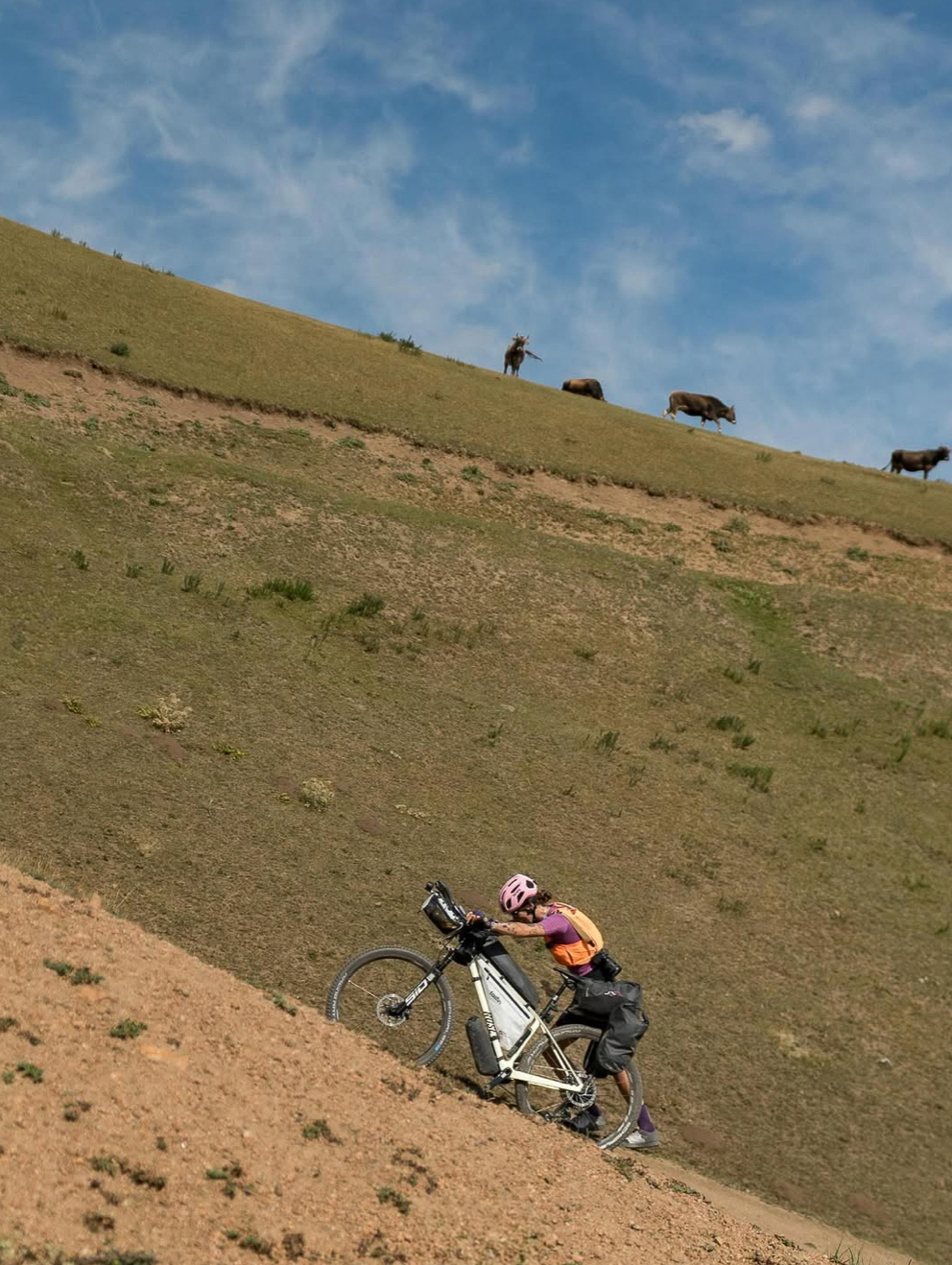
It’s funny that the recovery was better than ever. There was so much hike-a-bike that my body never seemed to get that stressed in either discipline. I rode my bike, I pushed my bike, I carried my bike, I almost went swimming with my bike on some of the river crossings [laughs].

cyclespeak
The Silk Road Mountain Race is such a daunting event and on many peoples’ bucket list. What made you commit to racing it this year?

Sami
Rather than race, I was simply aiming to complete it. And even though I was mentored by James Hayden who talked me through equipment choices and training regimes, I was focusing pretty much on just finishing. Because racing is a whole other level and it wasn’t until day three or four that it even seemed a possibility.

cyclespeak
So what shifted in your outlook?

Sami
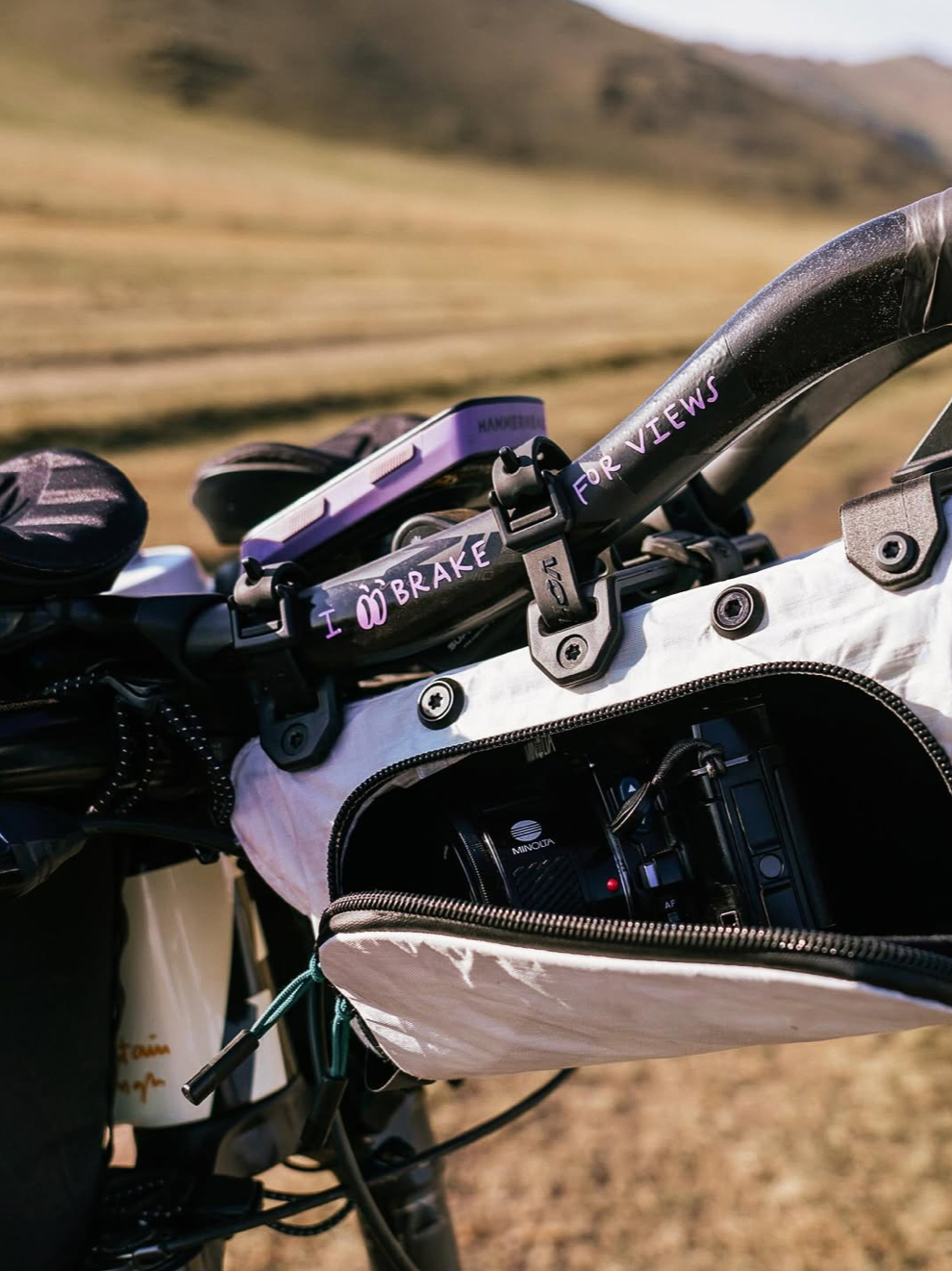
I was watching the dots when I could get a signal and that’s when I started to think that maybe I could place fairly well. But saying that, it was still an adventure and I was carrying a couple of digital cameras and one, quite heavy, analogue to document the experience.


Click image to enlarge

cyclespeak
You’re a very experienced adventure cyclist but did you still have to double down on your preparation for Silk?

Sami
Absolutely. And I was pretty scared about a lot of things because my background is fixed gear and fast gravel racing. So yes, I needed a few tips and tricks to get me through the race; to have the knowledge to make the right decisions at the right time.

cyclespeak
Because the event can be quite brutal?

Sami
I viewed this as more of a survival race and I wanted to control as much as possible in an environment where things can get very quickly out of control.

cyclespeak
You were riding your Rose hardtail with a Tailfin luggage system. In hindsight a good choice?

Sami
I wouldn’t change anything from that setup. The bike was amazing and Tailfin made me a custom camera bag that attached to my aero bars.

cyclespeak
And riding a hardtail rather than opting for a full suspension bike?

Sami
By nature, I enjoy technical terrain and I’m comfortable descending. And a hardtail is lighter when you’re climbing and gives you so much more space in the triangle for luggage options.


Click image to enlarge

cyclespeak
Going from your Instagram posts, it was an achievement in itself to even arrive in Kyrgyzstan? Delayed flights, a forgotten wallet; can you talk me through this rollercoaster ride?

Sami
It wasn’t a delayed flight, it was the delayed brain of Sami [laughs].

cyclespeak
It was?

Sami
I’d booked my flights to arrive early in Kyrgyzstan so I could join two friends on a bike packing trip on the Celestial Divide route. But I guess I had a lot going on pre-travelling—I was embedded with SRAM during the Tour de France Femmes—so when I got home it was quite a rush to get everything packed up. So much faffing around sorting out bags and lights and everything else I would need. But finally everything was ready, I booked my bus ticket to the airport, my neighbour dropped me off at the bus stop, I arrived at the airport, but then couldn’t find my flight on the departures board. So I asked at the information desk only to be told that the flight was the next day and I’d arrived a day early.

cyclespeak
So it was back home?

Sami
That’s right. Up the valley to Chamonix—a pretty fruitless five hour round trip—but at least it allowed me to attach the new saddle that Selle San Marco had sent me which arrived later that day. So, every cloud as they say.


Click image to enlarge

cyclespeak
And then back to the airport the next day.

Sami
I’d contacted my friends in Kyrgyzstan to tell them to start their trip without me and I would catch them up. But then—because I’d been rushing around so much—I realised that I’d left my wallet behind. Luckily I always travel with a card in my passport but it’s a credit card which doesn’t always work if you want to withdraw local currency.

cyclespeak
I’m guessing Kyrgyzstan is one of those countries?

Sami
Correct. So after landing, I had no money and no idea where my friends were. But I did have the route and set out before bumping into two other friends—I mean, what are the odds—so we made a new plan and off we went.

cyclespeak
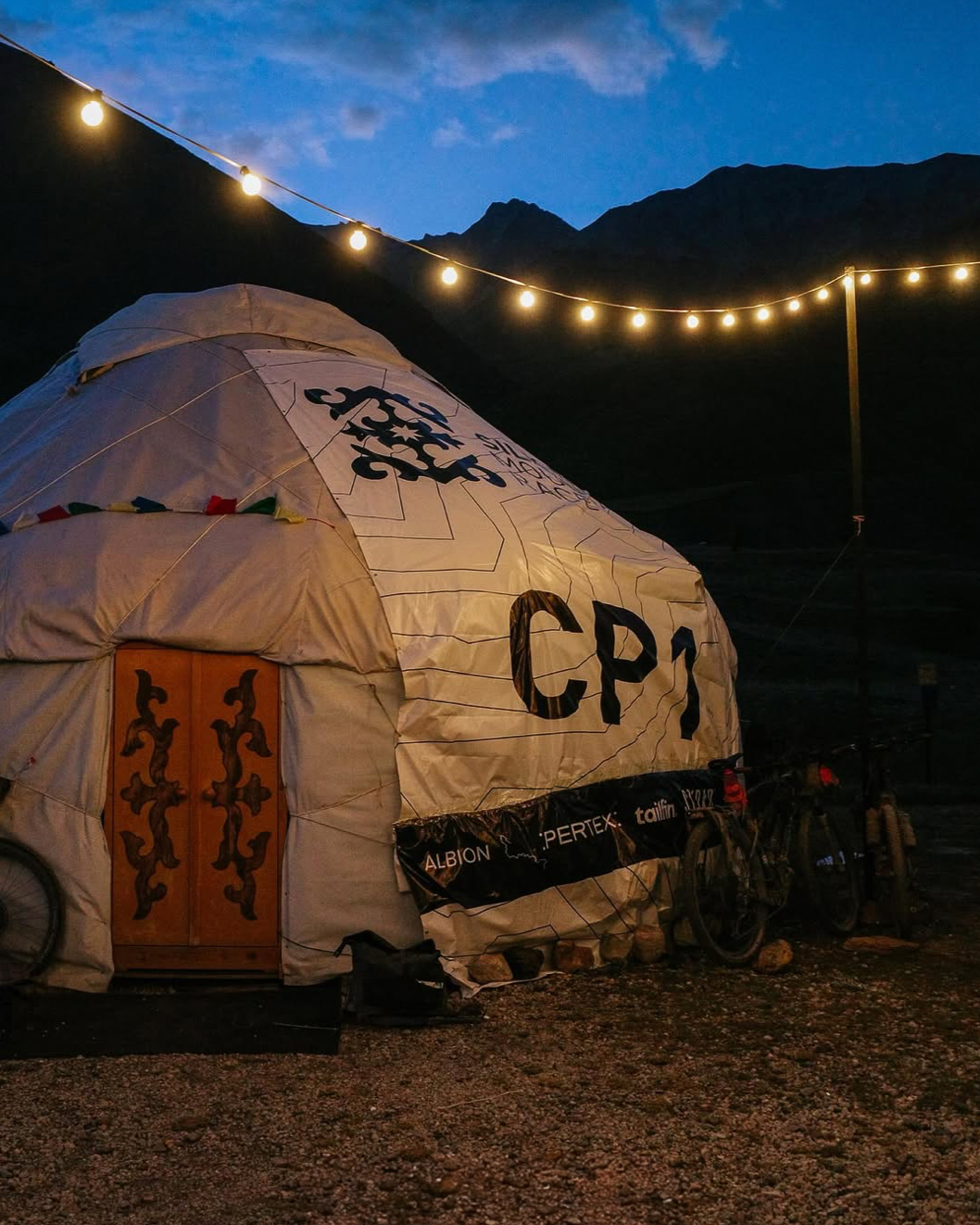
When you did finally roll up at the Silk start line—ahead of you 1,900 km of rugged terrain and 30,000 m of elevation—what was going through your head?

Sami
Two things, I guess. The first being there’s no way back in the sense that your choices are made and you need to keep moving. It’s not like you can just pop back and grab a jacket if you feel a chill. You’ve got what you’ve got and those decisions are made way before the race gets underway.


Click image to enlarge

cyclespeak
And the second?

Sami
Throughout all of this mentoring with James, one of the things he talked about was having a mantra. Something that would help carry me to the finish.

cyclespeak
And what did you decide on?

Sami
My mantra was if you go further, you will see more. Because riding with a camera, that’s what motivates me to do these adventures.

cyclespeak
What sleep strategy had you decided on? Because there’s a school of thought that if you rest a little longer, you race faster; as opposed to little sleep but a slower pace?

Sami
I’m not super experienced at racing ultras so I’m still working this one out. When I raced Across Andes—which is much shorter than Silk—I found that two hours rest a night worked well. But going without sleep for 24 hours at Bright Midnight paid off so badly.

cyclespeak
And Silk?

Sami
It’s so long that you simply have to sleep; you have to be rested enough to make the right choices at the right moment. So there wasn’t a 24 hour period that I didn’t clock some sleep. But I’m not going to lie, I completely freestyled it [laughs].


Click image to enlarge

cyclespeak
Which looked like?

Sami
Between three and four hours rest a day. But that was sometimes tricky to manage with it being so cold at night that it was difficult to keep warm if you weren’t moving.

cyclespeak
So if you had to choose between a tent, bivvy, guest house or giant water pipe?

Sami
The giant water pipe would have been a pretty good choice—I was very comfortable—but it just funnelled the wind and made my emergency blanket flap around too much. And the guest houses are wonderful for quality food and sleep but they take too much time because everyone is so welcoming and it feels rude to just rush off without having a conversation. And because you’re translating everything back and forth on your phone it can take forever.

cyclespeak
So maybe the tent?

Sami
That was good but, again, it takes a little time to get set up and some nights I just couldn’t be bothered and went straight for the bivvy. Which is quick but has issues with condensation—especially if you double it with the foil blanket—so you can end up feeling wet on the inside. So, to answer your question, maybe a combination is what works best?

Click image to enlarge

cyclespeak
How tricky was it to fuel your race? Did you carry much food or were you relying on roadside provisions?

Sami
You can’t rely on anything [laughs].

cyclespeak
You can’t?

Sami
It might say resupply in the road book but that doesn’t necessarily mean a shop. And if there is a shop, it doesn’t mean there’s a vast choice of things to eat. It just means that you’re going to get something. But that still leaves you with stretches of 400 km without any food options. And due to the difficulty of the terrain, that’s equivalent to two days of riding. Which is why I call it a survival race and not a bike race because there were times when I was running out of food and having to ration my M&Ms to one every half an hour. And then when you do finally reach a town with a supermarket, the bag of food you buy is bigger than your body. Or at least it was in my case [laughs].

cyclespeak
I’ve seen pictures from Silk of competitors enjoying an ice cream.

Sami
Not for me.

cyclespeak
Not even the one?

Sami
There are two reasons why not. First, we were pretty high up—our average elevation was higher this year—so it wasn’t as hot as previous editions. And second, I was warned against eating ice cream because the electricity supply is a little inconsistent which means the freezers are constantly thawing and refreezing. But maybe I was overthinking the whole thing [smiles].


Click image to enlarge

cyclespeak
You had a series of tricky river crossings to contend with including wading through waist deep water and some pretty sketchy bridges. I’m guessing quite challenging obstacles?

Sami
One of the main bridges in that particular area collapsed only a day or two before the race started so I walked rather than rode over all of them.

cyclespeak
And the river crossings?

Sami
I had a couple of situations where I thought I would get swept away. So I learnt to wait until other riders were there so I wasn’t crossing alone. And in some cases, people had to camp out overnight to wait and cross in the morning when they could see what they were doing.

cyclespeak
I’m assuming the water is super cold?

Sami
Very, very cold [laughs].

cyclespeak
So if there’s no bridge, are you carrying your bike or pushing it through the water?

Sami
Most of the time you carry it across your shoulders. And sometimes you cross with someone else and you can help each other. But whatever the situation, it was always pretty sketchy.


Click image to enlarge

cyclespeak
Was the extreme elevation difficult to manage?

Sami
I do think a lot of people had problems with that. And I guess because I live in Chamonix, it maybe didn’t affect me quite as much. But I still had a bleeding nose and cough whenever we were above 3500 m which made sleeping sometimes difficult. So if you live and train at sea level, you can see why it can make things difficult and the altitude needs to be taken seriously. It’s no joke.

cyclespeak
You were the second woman to finish and placed 21st overall. And this was your debut Silk Road Mountain Race. Was it a case of instant euphoria arriving at the finish in Karakol or did it take a while to sink in?

Sami
It’s still sinking in [laughs]. Especially because it’s probably the best result in my racing career. And who would have thought I’d be even close to finishing second in Silk? Especially as I was going to Kyrgyzstan for the adventure and to take photographs. Which is what I did.

cyclespeak
Was that your superpower and part of the reason you placed so highly? The fact that you didn’t enter Silk with the view of chasing a result?

Sami
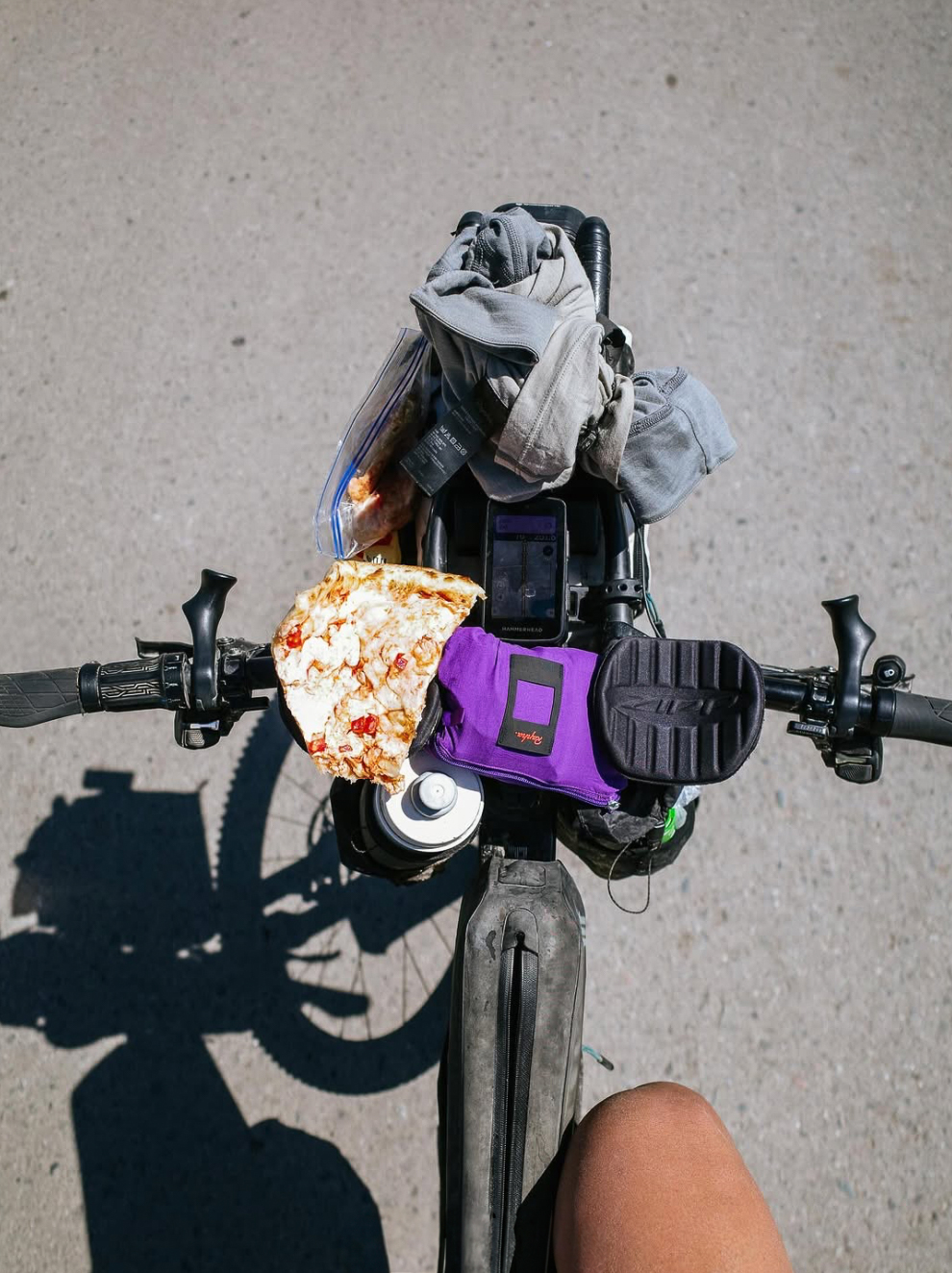
It’s honestly hard to say. I faff around so much in these races and stop for everything. I photograph flowers and the people I meet. I eat pizza on top of a hill and take in the view. But maybe you’re right. Maybe it’s this mindset that makes a difference?

cyclespeak
One incident that you did post about was an upsetting nighttime encounter with a boy and his dogs. But generally speaking, your interactions with the local population were very positive?

Sami
Yes, absolutely. The people in Kyrgyzstan are amazing and that was just a random encounter in an area near to the border. And I wasn’t the only person to run into a little difficulty there. But for the vast majority of the race, I never even thought about my own personal safety.


Click image to enlarge

cyclespeak
So how vulnerable do you feel on events such as these?

Sami
Strangely it was more when I was in or around a city. Somewhere that’s more touristy. When I was out on my own in the wilderness—where you might imagine you’d feel vulnerable—that’s where I felt the safest.

cyclespeak
In a certain way, you were joined on the race by all your dot watchers and by their messages of support. During difficult moments, are you aware of this and does it make a difference?

Sami
My friend Corina took over my Instagram account during the race so—day to day—I really wasn’t that aware of what people were saying. But when I did have a connection and could see all the messages, it was really a quite amazing feeling.

cyclespeak
You mentioned your personal mantra if you go further, you will see more. So is it possible to sum up what you did see?

Sami
You know, it’s funny. I took photos every day and when I look at them now—only a few weeks later—I can’t remember this or that place. Almost like it was so intense, with so many things happening, that I can only recall the hardest bits and some of the best moments. But the bits in between? It almost feels like my mind has deleted them.


Click image to enlarge

cyclespeak
So has this experience changed you?

Sami
I guess the honest answer is that I never thought I could finish something this big. So maybe now I have the reassurance that, yes, I can. And moving forward, the longer the event the better? And all of this came after a very difficult start to the year so it helps to have a sense of belief in yourself. Because before, maybe that was something I lacked?

cyclespeak
So maybe it’s answered some questions? And possibly posed some new ones?

Sami
I guess so [smiles].

cyclespeak
I think what sets you apart—and I truly believe this—is that you enter these extreme events with the goal of having fun. You’re racing Silk and carrying three cameras which just doesn’t line up with the vast majority of the other competitors. And it’s that, which makes your approach so unique and so refreshing.

Sami
Which is how I arrived at my Adventure More project which combines my love for photography and riding my bike. Something I want to do more of.

cyclespeak
When it came time to leave Kyrgyzstan, were you ready or was there an element of sadness at saying goodbye?

Sami
I think because I’d arrived early to go bike packing and had seen maybe more of the country than some of the other competitors, I was ready to go home and spend some time with my boyfriend and see my friends in real life and not just over a video call on my phone. And I was looking forward to having my plate of pasta with Parmigiana that I always have when I return home.

cyclespeak
Every time?

Sami
Yes, every time [laughs].

Sami Sauri / samisauri.com

Feature image by kind permission of Stephen Shelesky / All other photography credited individually

Silk Road Mountain Race

Chas Christiansen / In search of the stoke

Former bike messenger, fixed-gear legend, artist, photographer, and bike aficionado; Chas Christiansen offers up an intriguing narrative on embracing each and every opportunity. Threaded through with a rich vein of self-deprecating humour, this Oakley wearing modern day Renaissance Man offloads on the hits he’s taken, the hardwon moments of clarity, and his continuing search for the stoke.


Chas
Hey! Whatsup?

cyclespeak
All good here. Especially as the stars are aligned for our call. I was driving into Manchester early this morning, only to pull up behind a plumber’s van and see one of the stickers adorning the rear doors spelling out CHAS.

Chas
Well there you go.

cyclespeak
You’re calling from home?

Chas
This is my basement studio space. Or more technically—because there’s a risk of earthquakes in the San Francisco Bay Area—my first floor above ground.

cyclespeak
We find that all very confusing because your first floor is our ground floor.

Chas
Oh, I hear you. And, in the States, if you do see a button marked G in an elevator, you might press it expecting the ground floor but in fact it takes you to the garage.

cyclespeak
You mentioned San Francisco as home?

Chas
Actually it’s Oakland. And that’s a big distinction for the locals.

cyclespeak
So it’s important?

Chas
Oh definitely. It’s a little like comparing Manhattan to Brooklyn.

cyclespeak
So which one is a) cooler and b) more affordable?

Chas
That’s a tough question [laughs]. And I’m going to say Oakland for both.


Click on image to enlarge

cyclespeak
Has Oakland become cooler since you took up residency?

Chas
Not at all [laughs]. But what I can say is that a lot of what I liked about San Francisco has changed—which is the nature of cities—yet Oakland still retains those key aspects that make it feel like home. There’s more of an artist based community, things are less driven by money, it’s a little more bohemian.

cyclespeak
I’m guessing Chas is short for Charles.

Chas
It is. Charles William Christiansen.

cyclespeak
Does anyone call you Charles?

Chas
The police and my grandmother. My Mom changed to Chas. And I definitely don’t answer to Chuck.

cyclespeak
You’ve just had a show of your artwork and photography open in San Francisco. I’m guessing a busy, fun-filled, exhausting weekend?

Chas
I have not been this fulfilled in quite some time. On so many different levels. I’ve had all this stuff bouncing around in my head for years, so to see it all come together felt amazing. But it was the response from my community that was especially touching. My whole goal was to recreate the scene from a decade ago when we’d visit gallery after gallery on a Friday night before all ending up at a bar. And at the opening night of my show, I had the same feeling as hundreds of people spilled out onto the street.

cyclespeak
Bikes, bike racing and artistic endeavors all seem intertwined in how you live your life. And your show was titled Born to fuck around, forced to find out. So looking back to your childhood, were you raised in a creative, outdoorsy environment?

Chas
Not really, no. I grew up outside of Olympia, Washington. Lower middle-class, so not poor but we definitely didn’t have a lot of money. We’d go camping every once in a while and I remember hiking a couple of times. As for being creative, I’ve always been into drawing but the house wasn’t filled with art.

cyclespeak
On your Instagram feed, there’s a certain confidence you exude when you engage with the camera. And I was wondering whether you were one of the cool kids at school, possibly an extrovert in class, or maybe kind of shy and retiring?

Chas
I think it’s fair to say that I’ve always had the ability to connect with people. But I was more of a nerd and definitely not one of the cool kids. I was a reader, I worked at the theatre and hung around with the drama kids. And I was a skateboarder, I was into punk and had a mohawk. So quite a mix but, at the same time, I went to all the parties and was on good terms with everybody.


Click on image to enlarge

cyclespeak
A planned career travelling the world in the Merchant Marine was cut short after you were arrested for tagging a building. And after paying your dues, you eventually landed in Portland where you could snowboard. And I believe you were known for driving up to the slopes in your convertible, fully kitted out and wearing snow goggles?

Chas
Yes, sir. That sounds about right [laughs].

cyclespeak
So how did you end up working as a bike messenger?

Chas
I rode bikes as a kid but was never super serious about it. But that convertible got me into some trouble to the tune of 22 speeding tickets in two years. So finally they took away my licence—funnily enough on the way up to go snowboarding—when I was pulled over literally a hundred feet from the resort. They arrested me, took me down to the station, impounded my car and that left me without any means of transport for getting to work.

cyclespeak
Which is where the bike comes in?

Chas
I was washing dishes at this super fine-dining restaurant and one of the servers suggested I get a bike. He even took me to a bike shop and sorted me out with this old Fuji cyclocross frame. So there I was, riding to work, and beginning to notice all the different people commuting by bike. The ones that always stood out were riding these super sleek bikes. They all had tattoos and looked cool but it was the way they’d skid that really got me.

cyclespeak
I can see the attraction.

Chas
Eventually I figured out they were bike messengers and there was this alley-cat scene. At that time I wasn’t earning a lot of money, was pretty broke, and the only cycling kit I had was hand-me-downs so I felt really out of place. But they were wearing cut-off shorts and a tee. And it just hit me that these were my kind of people.

cyclespeak
And a potential new scene to explore?

Chas
Absolutely. So in my lunch break—I was now working as a butcher—I would chase them all around downtown and, in the process, get them all super annoyed. Until finally, one of them took me aside and told me to meet them later at the Ash Street Saloon. I showed up at the appointed time, paid my five dollar entry fee, and raced my first alley-cat. And that’s when I had this moment of clarity. Because these people got paid to ride their bikes. I was a fucking butcher and packed sausages for a living.


Click on image to enlarge

cyclespeak
So you decided to switch career paths?

Chas
I kept on racing alley-cats until this messenger guy told me he was leaving Portland and did I want him to put in a good word for me to take over his job. So he did, I went in and talked to the dispatcher, got the job and quit being a butcher.

cyclespeak
It does look amazingly cool but what were the realities of your life as a messenger?

Chas
It’s the best, worst job in the world. You’re essentially given these tasks but then left to your own devices to figure out how to complete them. So there’s plenty of opportunities to learn about self-sufficiency and every day is different. There’s this fucking amazing community but the downside is that this same community can also be really toxic. It’s not a job with a lot of upward advancement and there’s a lot of partying and drug use. So it’s fun when you’re young but if you’re still drinking with the boys and girls into your thirties, it can start to wear on you.

cyclespeak
So a hard life?

Chas
It kills your body and that’s not just the partying. It’s a physical job and you take hits. I’ve had scrapes with so many cars and there’s no health insurance by and large so you inevitably go back to work before you really should. I was fortunate and got out at a good time—it helps to have an exit strategy—but my knees are still shot.

cyclespeak
You did more than get out of it. You founded the messenger company TCB*.

*Taking Care of Business

Chas
That’s another thing. You should never form a bike messenger company if you want to make money [laughs].

cyclespeak
It’s like they say: if you want to make a million in the cycling industry, start with two.

Chas
Exactly. But I’d worked as a messenger for enough shitty companies that I wanted to ensure that everyone who worked for TCB made good money and was taken care of.

cyclespeak
How long did it take before you were riding fixed without thinking about it?

Chas
A couple of years at least. When I first started riding a track bike, I was all over the road. And it honestly wasn’t until I moved to San Francisco and had to really deal with the hills that my confidence grew. But even then I took my fair share of hits and left skin on the ground.

cyclespeak
But eventually there’s a moment when things just click into place?

Chas
It got to the point where I would ride two or three miles through congested downtown traffic and not remember how I got there. Yes, I was conscious of talking over the phone and the dispatcher’s voice on the radio, but the actual movement between drops was a blur. So maybe that was my 10,000 hour moment when I could ride through traffic without the need for conscious thought?


Click on image to enlarge

cyclespeak
Was this the gateway to racing Red Hook?

Chas
I think it was. Because David Trimble started Red Hook so that his bike messenger and road-race friends could all come to his birthday party. But even though I regularly rode alley-cats, I didn’t come from a professional racing background. There had never been any talk of watts, a training plan, stretching, or a racing kit. Recovery, for me, was slamming three beers before crashing out on the couch. So Red Hook was probably the easiest way that I could step into sanctioned racing and rub shoulders with professionals. You spend enough time with those guys and things start to rub off.

cyclespeak
And then gravel came calling?

Chas
That was the Grasshopper adventure series. And back then, they were essentially alley-cats. You would show up at this small town in northern California and they’d give you a spoke card with the route printed on the back. And that just connected with me. You had to figure it out without recourse to a smartphone or GPS device. You were self-sufficient and left to your own devices which is pretty much how being a bike messenger works. And then stepping into ultra-distance racing with the Transcontinental, it’s basically just an even bigger alley-cat. You start here, end there, and there’s four checkpoints you need to pass through. It might take two or three weeks as opposed to four hours but I already understood the concept.

cyclespeak
You scaled it?

Chas
One hundred percent. From racing city streets to racing across continental Europe.

cyclespeak
On your website’s Garage page there’s a ​​No22 Little Wing titanium track bike that you term a forever bike. And that got me wondering why you could never part with it? Is it the memories it embodies, or the way it rides?

Chas
Kind of all of the above. I rode for MASH for a really long time and No22 was the first bike company that supported me after I stepped away from Cinelli. And I was intrigued by titanium—in the room next door there’s a huge stack of broken aluminium and steel frames—and I just hope, when I’m 65, that I’m still riding that track bike down to the coffee shop.

cyclespeak
Another Garage bike—I could happily go on, referencing each and every example—is a 1993 Cannondale track bike that you rode the shit out of as a messenger in Portland. A bike you term a unicorn. Can you put into words what it feels like, both physically and emotionally, to ride fixed through the city streets?

Chas
This is going to sound a little trite but there’s this connection to a machine that is purely instinctive. And when you pair that with flowing through city traffic—faster and smoother than any other vehicle—you get this intense feeling of freedom. It’s very intuitive so mentally you’re disconnected from the physical. And because it’s fixed, you’re not thinking about what gear you’re in or when to hit the brakes: it’s this gap, that gap, make the light. You’re not looking immediately in front of you, you’re looking ten moves ahead. Dodging and weaving—your heart rate elevated—and it’s those moments that I feel the greatest sense of freedom because I’m not constrained by anything.


Click on image to enlarge

cyclespeak
Just backing up to your first Transcontinental, on the face of it that was a big leap into the unknown. But you’d already ridden from Portland to Chicago to attend a messenger race. On a track bike, with a paper map.

Chas
That’s what’s so funny about the move to ultras. Because like you said, we’d already been doing it forever. But what got me to the start line of the Transcontinental, was the kit company PEdALED hitting up me and my forever partner in crime, Nico Deportago-Cabrera.

cyclespeak
And what did they say?

Chas
They told us there was this thing and they could get us in if we wanted to do it. And we were like, why not? Because at that time, if pretty much anyone was offering us an opportunity to travel, the answer would be a yes.

cyclespeak
So you were in.

Chas
But with no fucking clue as to how big a deal the Transcontinental was. To the extent that we got a lot of beef when we scratched at the fourth checkpoint so we could go race the Cycle Messenger World Championship. I can remember handing over our trackers at the top of some mountain in Romania and thinking, fuck, how do we now get to Montreal in 49 hours? But we muddled through and when we got home, discovered the internet was really pissed off with us. Nico did the research and it was, dude, this ultra-racing is a really big deal. Which was the main motivation for going back to the Transcontinental the next year and finishing.

cyclespeak
I guess there’s a physical and mental aspect to both a fixed-gear crit and a multi-day, ultra-distance race?

Chas
Mental strength and self-sufficiency play a huge part in both alley-cats and ultra events. However you want to do it, is how you do it. Yes, there are some rules that determine how the race goes down, but no one is really saying that it has to be this or that way. And when all’s said and done, it’s about not taking setbacks as the end of your race.

cyclespeak
But there is a difference between the disciplines?

Chas
As I see it, if you win a fixed-gear crit, you go to the podium and the crowd is screaming. But when you finish an ultra event, most of the time nobody is there. And there’s been times I’ve wrapped up my race at 3:00am in a parking lot and just started crying. So if you put me on the spot, I’d say that finishing within the time cut of an ultra is a more fulfilling experience.


Click on image to enlarge

cyclespeak
Can you picture one of your lowest, low points in a race and describe how you dug yourself out of that hole?

Chas
I didn’t. Because sometimes you don’t. And that’s the hard truth of not only ultra-distance racing but of life in general. I entered the inaugural Atlas Mountain Race in Morocco as a pair with Nico and his fork broke. We’d already discussed what would happen if one of us couldn’t continue—that we’d carry on alone—but riding away and leaving him behind was devastating. And it soon became apparent that I just wasn’t emotionally ready to be out there by myself. So after three days of pushing on alone, I scratched.

cyclespeak
What made you decide to stop?

Chas
I’m all about the positive mental attitude and that works fine until it doesn’t. So I guess I just got to the point where I was so sad, so scared, so overwhelmed, that I just had to call it. A heartbreaking experience that left me crying in the back of a cab in Morocco with the driver staring back through the rear-view mirror at this unwashed, stinky and dishevelled guy.

cyclespeak
Coming full circle back to your artistic pursuits, there are numerous examples of your doodling that I find incredibly exciting. Can you talk me through where it’s taken you and where it’s going?

Chas
I have no idea where it’s going [laughs]. But I was always encouraged to draw and I’ve always been a doodler. That, in turn, led to graffiti and me getting arrested for tagging a building.

cyclespeak
And it now inspires your creative expression as an artist?

Chas
It’s a deep part of messenger culture and when I was working in the city—making drops at Fortune 500 company offices, basement businesses, and everywhere in between—I would hear people talking and clock the signage on the streets. So I decided—rather than lose all these references—that I would write them down. And not wanting to tag on someone’s property led me to start drawing on the things I would get sent by my sponsors. Whether it was a helmet or a pair of shoes; I would personalise it with my doodles. Then when I started to travel, I would return home with notebooks full of thoughts and ideas, images on my iPhone and photographs I’d taken with my film camera. I didn’t have any canvases but what I did have lying around were disc wheels and brake calipers and it’s all just evolved from there. A stream of consciousness that I transfer onto physical objects.

cyclespeak
You mention photographs and a couple of months back you posted a series of images shot on a roll of film that had been mistakenly put through the camera twice. An accident but a very fortuitous one.

Chas
Double exposure shots are something I’m always playing with but those turned out better than the ones I purposefully try for. And I love film cameras in general. You take a shot on your phone or with a digital camera and you can see it immediately, you can edit it on the fly, there’s instant gratification. But I have multiple film cameras on the go at any one moment and some of those have rolls in there for six to nine months. So you have this chronology of things that you’ve done and moments that you’ve probably forgotten. And it’s only when the roll gets developed and the shots are printed that you get reminded of that. I like the idea of documenting life and then seeing whatever you get out of it.


Click on image to enlarge

cyclespeak
You’re comfortable with this analogue process?

Chas
My generation is the very last to truly remember a pre-internet age. I wrote my first papers by hand and I didn’t get a smartphone until I was 25. And you know what, I feel really privileged to be part of the generation that bridges that gap.

cyclespeak
But you wouldn’t want to wind the clock back?

Chas
There are lots of advantages to having our current level of connectivity. But I can’t help missing the travelling I did before I got my first smartphone. That feeling you had when you were lost and had to ask for directions. You had so many interactions with the people in the place you were at. Now you just ask your phone for the top-ten rated restaurants and you follow the blue dots. The first international trips I made to race alley-cats, you got handed a physical map and you memorised the landmarks. Not that it’s better or worse but I just miss analogue travel.

cyclespeak
Zooming in on day-to-day life and living, is there such a thing as a typical day?

Chas
I’m trying to get there [laughs]. These last three years, I feel like I’ve finally achieved a life goal of being an international, globetrotting, professional cyclist. I’ve been fully sponsored by Oakley and it’s been amazing. But all that equates to 180 days out of every year on the road. And as with most things in life—when you dare to live your dream—inevitably it starts to tarnish. It’s hard to be a parent and a partner when you spend so much time away from home. Frequent flyer miles are fun and cool but you reach the point where it starts to feel like work. Which really bums me out because living that life was truly special. So this year, I’m still racing bikes but what was once a typical day—returning from a trip, catching up on laundry, before getting on another plane—will now involve more time at home, more time in my studio, and more of a focus on quality over quantity in the races I do.

cyclespeak
Your Instagram profile leads out with Exploring the world in search of the stoke. What, to you, does this embody and have you found it?

Chas
The stoke is a feeling of freedom and speed. That moment when everything else falls away and you’re one hundred percent focused. And, for me, I find that on the bike. Whether that’s a track bike on city streets, a training ride to a mountain top, or crossing a desert on a hardtail; whatever is happening in front of you is your entire existence. Your body and soul focusing on one thing without distraction. Not that it’s a perpetual state of being—it’s fleeting—but I like to think it’s a never-ending search. And like I’ve already mentioned, I’m big into PMA—positive mental attitude—but that’s not to say that you always have to be happy. Maybe it’s enough to know that things will get better, even when it’s looking really shitty.


Click on image to enlarge

cyclespeak
Looking back over your life to date, is it fair to say you’ve burnt bright in terms of a rich and diverse range of experience?

Chas
It’s one of the things that scares me the most. I’m very momentum driven and if a project is given a green light, I go. And I truly believe that saying yes has allowed me to live this life and have these experiences: I’ll buy the ticket and take the ride. One of the things that gives me a sense of pride about myself is that I will jump into a scary situation and just kind of work things out. But all of that predisposes that things keep happening. Because what’s the word they use about sailing?

[here Chas pauses]

The doldrums. That’s it. When the wind dies down, the waves flatten and you’re just stuck floating. And I guess your question hits particularly hard because I’m about to have ACL surgery—my first big injury in a decade of professional racing—which means I’ll be out for six to eight weeks. Longer than I’ve been down in my entire life. But it is what it is, and I’m excited to face that challenge. I’m not what you’d call a spiritual person—I’m not religious—but I do believe there are forces in life and things happen for a reason. And this injury is now part of my journey so let’s see where it will take me.

All photography with kind permission of Chas Christiansen / notchas.com

Two Together / Van life

Completing the purchase of the RV they would subsequently name Oatmeal, Cayla Green and Alex Roszko took their first tentative steps into van life. And now, after a number of extended trips combining both work and leisure, they sat down together to talk over their first year of ownership: both the rewards, and realities, of living life on the road.


cyclespeak
I know Alex from a previous story, Cayla, but it’s the first time we’ve met. So can I ask what keeps you busy when you’re not riding bikes?

Cayla
I’m a software engineer; working pretty much remotely since the pandemic. I guess I’m of that generation that never got the full 9-5 experience—for better or worse—and when I’m not working or hanging out with my little dog Navy Bean, I like to read and cook.

cyclespeak
I assume there’s also an element of homeworking with your career as a photographer, Alex? So are you both super disciplined or prone to getting distracted?

Alex
Given the nature of my work—that it’s freelance—if I have a deadline, then I will meet it. But if I don’t have anything to work on, I’ll just putz around, trying to talk to Cayla when it’s clear she’s focused on her own work project. So I think we work well together but maybe Cayla has a different take on things?

Cayla
Maybe I do [laughs]. And Alex is quite correct in that I focus very intensely when I’m coding. Almost oblivious to what’s going on around me.

cyclespeak
Before we get onto vans and van life, I feel it would be remiss of me not ask about your story as a couple?

Alex
We first met during the pandemic on some of the same rides. Nothing happened because we were both in relationships but a couple of years later, when I rolled up to the start line at Rule of Three—a race in Arkansas—who should I see but Cayla and her partner. But what I didn’t know, was that they’d actually ended their relationship but still wanted to ride the event together as friends. Over the course of the race I mentioned that I’d recently split up from my partner and I guess that was kind of it.

Cayla
It was such a funny reveal that we’d both gone through something so similar within a couple of months of each other.

cyclespeak
I believe it was actually on your first date that the notion of van ownership was first mentioned?

Alex
That was a few weeks after Rule of Three. We met up for coffee and talked about our respective breakups and what we were both looking for in the future. And as we both ticked off our mental checklists of more travel, more riding, more flexibility, it soon became apparent that we shared so much common ground in terms of the path we wanted to take. Which was both a kind of shock but also super exciting.

Cayla
One of us would reveal something, only to have the other say, “You’re kidding. Because that’s how I feel too.” So it was all kind of neat. And a little surprising. To the point of, “Did you read my journal?”

cyclespeak
Obviously stars were aligning.

Alex
I guess you could say so.

cyclespeak
So what function was your van meant to serve?

Alex
I’m going to go back a little to answer that. To my uncle who has built out vans for years. I can remember from my mid-teens all his different rigs. Whether that was a Volkswagen van or an old Chevy Blazer, they all represented freedom and easy access to the outdoors. So my thinking was the van would provide accommodation when I travel to a race, could double up as a mobile studio, and a space to unwind after long days spent shooting.

cyclespeak
And for you, Cayla?

Cayla
My parents, before I arrived, had an amazing time exploring the United States in a Winnebago. And I’ve always been a somewhat transient person; only ever living in the same place for 15 months at a time. So you combine my own desire to travel with the sense of claustrophobia during the pandemic, and my need for freedom became even more urgent.

cyclespeak
Can you describe the purchase process? Was it easy to navigate and did you have a shopping list of certain features?

Cayla
I do feel that one of the smartest things we did was rent a van before we started our own search in earnest. And when I say van, I’m talking about one of the more bare bones varieties. No toilet or indoor shower, 2WD, and a relatively small bed with very little storage. More as an exercise in understanding what we could—or couldn’t—live without. There’s some upfront cost—renting something online—but it was so worth it in terms of helping us figure out what really mattered.

cyclespeak
And how did that experiment work out?

Cayla
We drove down to where I was born in Corpus Christi, Texas, to visit family and spend some time with friends. That first night, we camped out on the beach and in the morning discovered we were stuck. So, straight away, we knew that 4WD is pretty much a necessity. And then, taking a shower outside in the wind, the shower curtain kept sticking to Alex’s skin so that was another lesson learnt.

Alex
Researching different van types, I had my own ideas of what I was looking for. Like I really wasn’t that fussed over an indoor shower but you soon start to reconsider when there’s a cold, wet shower curtain wrapped around you. I was freezing, it was miserable, and not something I wanted to experience on a regular basis. And it probably didn’t help that I was a little spoilt with what I’d been used to with my uncle’s builds.

Cayla
There were times when I was beginning to wonder whether we’d ever find one [laughs].

Alex
The search was all encompassing—Craigslist and eBay and all the individual builders—until we finally saw one that just seemed to tick all the boxes. We immediately called the vendor and booked a flight.

cyclespeak
How far are we talking about?

Alex
We flew into Atlanta, bought the van the next day, and then drove back to Austin the day after that.

cyclespeak
From the photos you posted, it looked in superb condition.

Alex
The van is a 2022 and the build was 2023. Owned by a wonderful guy called Bill who’d been planning a US tour with his wife but their circumstances had changed.

Cayla
He really wanted to meet us in person before completing the sale. And you hear stories about older people with a twinkle in their eye? I tried to negotiate the price with him but he just smiled and told me he appreciated the fact that I’d at least tried [laughs].

cyclespeak
Aside from buying a house, this must rank as one of the biggest purchases you’re ever likely to make?

Alex
We split it 50:50—something both of us had been saving for—so the van is co-owned with a contract. We’re not married, so it’s a case of two individuals owning one, very large piece of equipment.

Cayla
We hadn’t even reached the 12-month anniversary of our first date when we drove the van home.

Alex
I took inspiration—if that’s the right word—from the same uncle with all the van builds. He takes the view that if you want to do something—and can afford whatever you have planned— then you should do it as soon as you can. Because that opportunity or freedom to act might not arise anytime soon and what’s the harm in taking a risk and messing up? It’s just a thing and you can always sell it if circumstances change. But experiences and memories can last a lifetime.

cyclespeak
So how was that first trip and was there a learning curve?

Cayla
Our first big trip was to Sea Otter. And yes, there was definitely a learning curve [laughs]. Everything from finding the correct kind of fuel—not every gas station in the States has diesel—and very quickly discovering that cell service across continental North America can be patchy at best. So there were some panicky moments pulling into supermarket parking lots so I could connect to the Starbucks WiFi and finish a project.

cyclespeak
I guess remote working as a software engineer necessitates a certain level of connectivity. But aside from that, any other lessons learnt?

Cayla
Alex was very set on finding level ground—every time we parked up—but as soon as you start cooking an omelette in a pan and one half is twice the thickness of the other, these details very quickly become apparent. Sleeping too—on a slope—can be tricky when you wake up with your feet feeling super weird. So it wasn’t long before I came around to his way of thinking [smiles].

Alex
On that first big trip, we took ten days to travel to Monterey from Austin. You could make that same journey in three long days but our plan was to drive for only four hours a day, do some work and then go on a ride. But that requires you to move every day, which in turn presents you with a number of key decisions. Where are you driving, where are you stopping, where are you riding? Can you re-supply with groceries along the way, do you have a work call and will you have WiFi? Every day—over a ten-day trip—a brand new logistical operation. And, for me personally, that time at Sea Otter was the most intense work week I’ve ever experienced. Eleven shoots in six days with seven different brands. So the closer we got, the more my stress levels increased. And that meant my ability to make practical decisions was also impaired.

cyclespeak
So did you figure out a solution?

Cayla
Spontaneity is great when you’re not on the clock. But sometimes it’s just better to beeline there, set up camp and then, when you’ve finished up with work commitments, take your time and a circuitous route back home again.

Alex
And we now have Starlink which is an absolute game changer. Especially when we’re on the move and can both still work.

cyclespeak
You’re connected!

Cayla
We are indeed [laughs].

cyclespeak
So moving forward from these first experiences of travelling, what are the realities of van ownership?

Cayla
I’ve found that a little handheld vacuum cleaner really helps in keeping the van clean. My dog is pretty small but the amount of hair that she sheds is unbelievable. And then there’s understanding the value of a gallon of bleach. When you’re living—and showering—in a little box with very few windows, there’s a lot of humidity and it’s a constant effort to stop everything from going mouldy.

Alex
Even to the extent of adding a cap of bleach into our 25 gallon water tank to prevent it from going off. We’ve looked it up. We’re not crazy!

cyclespeak
That’s good to know [laughs].

Alex
My uncle calls this type of vehicle a slow car, fast house. And it’s true. You’re driving around and things rattle and bang. You have to do a flight check before setting off to make sure everything is closed on the outside and secure on the inside.

cyclespeak
And your sleeping arrangements?

Cayla
I sleep way better than I normally do. A feeling like I’m in my own little cave…

cyclespeak
Cocooned?

Cayla
Yes! Just like that. And my little dog also seems very settled because I think she can see everyone is right there.

Alex
We do play white noise because, depending on where you set up camp, there can be outside sounds that might keep you awake.

Cayla
And making the bed isn’t particularly easy in such a confined space [laughs].

cyclespeak
So what have been the biggest positives?

Alex
We get to travel together—next to each other—whilst still being able to work. And then, when we pull up at our next stop, we can go and ride our bikes. Or do yoga, or make dinner, or watch a movie. We get to spend quality time all over the place.

Cayla
What I love is the ability to just pull over at the historical markers that you see on the roads and highways. Not something you can do when taking a flight. These little blips of past events or locations that have a description. But that’s the nature of travelling by van. The way it encourages you to slow down and take things in.

Alex
We definitely drive slower and we’re also not afraid of stopping. If we spot a gravel road heading off from the highway, we can pull over, make some lunch and then go for a ride. It’s really cool to be free to do all those little things.

cyclespeak
Would you say there’s an emotional connection between yourselves and your van? Maybe how it feels to be behind the wheel or waking up to whatever view you’ve chosen?

Alex [looking towards Cayla]
Your face is saying something right now…

Cayla
I’m not sure if this answers your question but on one of our trips I went for a run where there wasn’t any cell service. I’d gone further than I would normally go and wasn’t one hundred percent sure where the van was parked. But when I crested the top of this little mountain, I could just about spy the van in the distance and had such a feeling of excitement that there was our home, coupled with this certain sense of safety. All I then had to figure out was how to get to it [laughs].

Alex
I agree. When I’m working and roll up after a shoot, I grab the handle and open the door and immediately start the process of unwinding after a busy day. On the flip side, when I leave the van for whatever reason, it’s hard to resist looking back and thinking nice. So there’s definitely some pride and a sense of joy that comes with van ownership.

cyclespeak
Any future van plans or is it just more of the same?

Alex
Not really any build plans…

Cayla
One little one…

Alex
The composting toilet?

Cayla
We’ve been looking into a different toilet purchase which is kind of exciting. And then we also…

cyclespeak
Can I just stop you there and rewind to the composting toilet? That sounds super interesting.

Cayla
Our current toilet—and I argued for this one so I take full responsibility—is like a space blanket inside a box. After you make a deposit, you push this button and it twists off and seals itself ready to be used again. Basically, a dry-flush toilet.

cyclespeak
I’ve seen something similar for disposing of dirty nappies. Or diapers as you’d call them.

Cayla
Exactly. And the problem is, that it does generate a lot of waste. It only has 17 or so flushes before the bag needs to be replaced and then there’s the question of what to do with the full bag?

cyclespeak
So a composting toilet?

Alex
It’s basically a chamber of peat moss together with a specific type of mulch. There’s a series of mechanical agitators that—once you’ve deposited your solid waste—you crank five times and that mixes everything up. There’s no smell and when the chamber is full, it honestly looks like common or garden dirt. It’s hard to believe there’s any human waste contained with the mixture.

cyclespeak
Living and travelling in what is a relatively small space, just out of curiosity has owning a van brought you closer together as a couple? 

Alex
It’s given me the confidence to make large, complicated decisions with Cayla. Where I’m deficient, she excels and maybe…

Cayla
Vice versa.

Alex
I recognise her strengths in both the purchase process but also as an incredible planner in our subsequent trips. And then there’s this humbling awareness of how dirty I can be. I really wasn’t aware that I constantly drop crumbs whenever I eat. Or that I forget to take my shoes off when I climb into the van. So knowing that I have all these quirks and then spending time together living in such a small, confined space, I appreciate Cayla’s understanding and patience all the more.

Cayla
It’s just being aware of the silly, little things that are meaningful to each other. One of the most important things for Alex—that I didn’t initially understand—was having the best parking spot. Because I don’t particularly care. I’m happy sleeping next to a Walmart. Whereas Alex will decide to take this road that he’s spotted on Google Earth that will require us to select 4WD and might even have us getting out to push. But in the morning, when you wake up, it’s totally amazing!! So I’ve grown to understand that what might not be important to me is very important to Alex and I also end up reaping the benefits.

Alex
Which is why I mentioned how dirty I can be. Not because Cayla nags me about it but I notice how much time she spends vacuuming and that makes me want to try harder. We share this ten foot square space and it’s super important that we’re on the same page. And when people kindly say how much they like my van, I always stop them and point out that it’s ours.

All photography with kind permission of Alex and Cayla

Sami Sauri / Adventure more

With the camera capturing Sami Sauri in a blur of motion—seemingly floating across the gravel surface—her broad smile perhaps belies the difficulties of a challenging year. But this second swing at Across Andes resulted in a remarkable podium finish that saw the year out in fine style with the promise of more adventures to come. A year that Sami—never shy of speaking openly about life’s ups and downs—recounts in her typically honest and humorous fashion.

Sami
Home again [smiles].

cyclespeak
With a collection of hats hanging up on the wall.

Sami
It’s getting bigger. That one [pointing to a broad-brimmed hat] I brought back from Chile.

cyclespeak
How’s the weather in Chamonix?

Sami
Today is nice and sunny and it’s all white outside.

[here Sami stops, turns and starts talking off camera]

As you can see, I have a dog now. He wants to say hello [laughs].

cyclespeak
What’s he called?

Sami
Captain. And it’s been really fun even though he’s only 10 months old and a bit cheeky sometimes.

cyclespeak
A little like a toddler?

Sami
Maybe more of a teenager [smiles]. Crying as if he wants to go to the toilet but really just wanting to play outside. But he’s worth it because he brings so much happiness.


Click image to enlarge

cyclespeak
Looking back to the last time we spoke, you were planning to smash out the Festive 500 in one go. But then decided to split the distance over 3 or 4 beautiful days. Would you have made that same, confident decision a few years ago?

Sami
That’s an interesting question. And I don’t think so because, back then, in many ways I was a completely different person.

cyclespeak
With maybe more of a focus on numbers whereas now it’s about enjoying the experience?

Sami
And discovering new places. That’s a cool thing to do.


Click image to enlarge

cyclespeak
Before travelling back out to the desert to photograph the Dakar Rally, January saw you on a snowy camp out in the roof tent of your 4×4 truck.

Sami
I got that particular vehicle rather than a regular car because it makes it so much easier to scout a shoot or follow a gravel race. And it made a huge difference having a 4×4 when I was at the Traka with all the rain. But the night you mentioned was pretty cold [laughs].

cyclespeak
You then spent 22 days embedded in a Dakar Rally team. How was it a second time around?

Sami
Dakar is a weird one because it’s such an amazing experience but dealing with the race organisers is so tricky. It’s super expensive for the teams to have an accredited media team but then I ended up having so many fights with the officials over where on the course I could shoot. It got to the stage where I would leave my tracker on the side of the road and then head off into the desert—walking for fucking miles—to get my shots.

cyclespeak
So the process took some navigating?

Sami
It was a bit of a shit show. But by the end, I’d been fighting so much that they decided to put me into one of their media cars [laughs].


Click image to enlarge

cyclespeak
Travelling back from the heat of the desert to snow covered Alpine peaks, you were faced with problems of where to live. And I remember you posting a very poignant picture of all your belongings piled up in a temporary garage space. I imagine a very difficult time?

Sami
The guys I was living with, they’d only told me the day before I left for Dakar that I had to leave. They were my best friends—I walked their kids to school—and it wasn’t something that I could see coming. And looking back, that breakup was harder than with a boyfriend.

cyclespeak
That sounds like a lot to contend with?

Sami
I decided to just put everything in a garage and figure out the rest later. I had some work lined up but there were also worries about my sponsors and I remember considering whether to take a full-time job. And it took over a month to find this place in Chamonix which was also very lucky because a friend of mine was living here previously and she reached out to me to say she was moving.

cyclespeak
It all sounds super stressful.

Sami
It was. But living here has been amazing. It’s small but there’s a garden at the front and I get to see Mont Blanc everyday when I wake up.


Click image to enlarge

cyclespeak
That sounds so cool. And talking of home, in early Spring you spent some time in Girona where you’d lived for four years before moving to the French Alps. How did it feel to be back?

Sami
It was actually a bit overwhelming. Girona has changed a lot and although there’s still the pro racing aspect, there’s also a lot of focus on gravel influencers. So a lot of the talk at cafés is about watts and kilometres. Not to say there’s anything wrong with that but I just prefer to talk about different things.

cyclespeak
You posted a lovely set of shots from a carnival-themed ride with the @girona_gravelgirls. It looked like a super fun day?

Sami
Oh my God. As a community, they’ve grown so much. But I guess it helps that they’re based in one particular location and they welcome whoever wants to ride. It doesn’t matter what bike you turn up on, what clothes you wear, or if you’re new to cycling. It’s so much fun because everyone respects each other.

cyclespeak
You decided not to race Santa Vall—part of the Gravel Earth series—choosing instead to photograph the event. And then you posted a fascinating viewpoint on the way brands value photographers monetarily and how individuals offering to work for free is maybe undermining the whole creative industry. Can you talk me through your take on these thoughts and ideas?

Sami
I’d applied for media accreditation and put together a package to create content for individual athletes and brands that was priced accordingly. But you also get people just showing up, working for free, and sharing their images with the athletes who then pass them on to their sponsors. Which is kind of why the industry is going to shit. Because if we all did that, why would brands be bothered to pay professionals? Professionals who’ve been working their asses off for a decade or two, perfecting their craft.

cyclespeak
So how can we make positive changes?

Sami
I think the race organisers have to play a part and maybe we need some honest, open conversations? I’m probably a little more expensive than others because I’ve been doing this for a long time. So now, if I want to work, I want to work properly and get paid a fair amount. Because who can afford to live on a day rate of €130 which is what someone told me they were asking for? You’ve got to be fucking crazy.

cyclespeak
I guess if you want quality content—captured by experienced professionals—then that comes with a cost.

Sami
And if you undervalue yourself now, you’ll be doing it for the rest of your career. In the same way that if you work for any company and never ask for a pay rise. They’re not going to do it for you.

cyclespeak
Imagine the response you’d get from people doing regular jobs if you asked whether they’d be willing to work for free?

Sami
Exactly. It’s down to each individual to make their own journey and find their own path. And I’m also very aware that my situation is a little unique; in that I create content but also have my athlete and ambassador roles. And sometimes I do worry whether I’m being too open and honest about things [smiles].


Click image to enlarge

cyclespeak
June saw you back in Emporia, Kansas, for Unbound. And you got a simply awesome shot of Rosa Klöser immediately after she won the 9-up sprint. A happy, tiring, emotional kind of day?

Sami
It was a little strange because I was thinking of racing the Unbound XL this year. A feeling that I should be back in front of the camera instead of behind. But I had 14 riders to document which is a lot [laughs].

cyclespeak
You shared some images shot on film from Unbound. A medium you enjoy using?

Sami
Yes. Especially at races. There’s something about the images that’s so hard to replicate using digital. And it’s a completely different process; not being able to see or change whatever you’ve captured. But I do sometimes wonder if my generation will be the last to shoot on film. Whether it will gradually die away?


Click image to enlarge

cyclespeak
Another summer development was your new bike sponsor, Rose, which you immediately got to test out on the Cheese Divide.

Sami
We wanted to do the Italy Divide but that involves a shit show of hike-a-bike. And I have this tea towel that I got in Italy that shows all the different cheese regions, so we used that as a map instead.

cyclespeak
So how many different cheeses did you taste?

Sami
Not as many as you might think [laughs]. Because it was super hot—40℃ by midday—and all I really wanted to eat was ice cream. So maybe we overestimated our appetite for cheese but the scenery was so beautiful.

cyclespeak
In September you rolled out at 4:00am to ride your Tour du Mont Blanc: 322 km and 7949 m of vertical. A big day?

Sami
It was a massive day [laughs].

cyclespeak
One that you enjoyed or was it a challenge to be completed?

Sami
Oh no. I had a blast. Because it’s probably six years since I’ve had a road bike and by the time I was climbing my third col of the day, I was an hour and a half ahead of schedule.

cyclespeak
You were flying.

Sami
I was. Which I paid for later on in the day [smiles]. But I had a goal of finishing in 18 hours and I pushed hard at the end to come in at just over 17 hours.

cyclespeak
So you still have a competitive edge?

Sami
I do!!


Click image to enlarge

cyclespeak
You’ve seen the year out with another go at the unsupported gravel race Across Andes where you finished an amazing second place. From your posts, you seemed very at home in Chile?

Sami
There’s just something about Chile. So many possible projects that I’d be really happy to do. You’ve got the wildness of the land but also cool cities like Santiago. It just blows my mind.

cyclespeak
And the people?

Sami
They just seem so comfortable in expressing their feelings—so much affection and love—and I’ve even thought of moving out there at some point. Maybe to retire [laughs].

cyclespeak
According to your Strava feed, you rode just shy of 44,000 km in 58 hr. That’s pretty impressive.

Sami
I know [laughs]. The ride file got corrupted but I’m still hoping to fix it.

cyclespeak
It’s such a gruelling event where you’re balancing the mental and physical demands of sleep deprivation, fuelling, and the sometimes extreme weather. So I was wondering what keeps you going?

Sami
For that race in particular, it was carrying my camera. The route is so beautiful and changing all the time. And that gave me the motivation to keep going, to keep seeing what was next, and record it along the way.


Click image to enlarge

cyclespeak
You recently posted on Instagram about a new chapter in your riding life: #adventuremore.

Sami
Across Andes was a pilot for Adventure More. Basically documenting races from within with a focus on the community and culture that surround a particular event. Rather than just posting a couple of race shots and a result—which is absolutely fine—I want to go a bit deeper.

cyclespeak
You end your Across Andes recap by referencing what a hard year it’s been for a lot of reasons. So has 2024 changed you? Have you learnt anything new or surprising about yourself?

Sami
Lots of things [laughs]. Where do I start?

cyclespeak
Wherever you feel comfortable in starting?

Sami
To maybe understand the need for patience? Because I’ve still got so much growing to do. And even though it has been a tough year and, at times, I’ve doubted myself, if you keep moving forward with a smile on your face, then good things can happen.

Photography with kind permission of Sami Sauri (credited individually) / samisauri.com

Feature image with grateful thanks to Jeremy Toro

Alexis Skarda / A Sense of Self

A mere six weeks after surgery to rebuild a shattered collarbone, professional off-road racer Alexis Skarda lined up at the Leadville 100. Determined to get her Lifetime Grand Prix back on track, she subsequently finished the series in fourth spot. A truly remarkable result considering the mid-season disruption to her training, and offering an intriguing insight into her competitive character and willingness to bounce back from adversity.

Speaking from her home in Grand Junction, Colorado, Alexis takes us on a journey from early childhood—when she had zero interest in sporting pursuits—to subsequent success racing off-road disciplines. A candid conversation that explores her motivation to go the extra mile, why some races appeal—and others definitely don’t—and how racing her bike has provided a true sense of self.


Alexis is backlit by morning sunshine as our call connects. More usually recognisable for her Santa Cruz htSQD race attire, she’s dressed for the off-season in jeans and a hoodie. Assuming that rest is now a priority after finishing up another Lifetime Grand Prix, I reference the scene in her White Rim FKT video where, after setting a new fastest time, she’s clearly happy to climb off the bike.

After both Big and Little Sugar, I knew it was time to stop and take a break. So in a mental capacity, I was ready for a rest. But a week later, I kind of wanted to scratch that FKT itch.”

Clearly still having something left in the tank, I’m wondering whether routine—rest, ride, repeat—plays a part in her approach to training?

“During the race season, it’s three weeks on, one week off. And by off, I mean easy. I feel that’s a good way to build form because your body has a chance to catch up.”

Click image to enlarge

Adding some running into the mix during the off-season as a nod to her athletic background, when the weather turns inclement Alexis describes using her indoor trainer to maintain form.

“But you have to build up mentally,” she adds with a smile. “I use Zwift and listen to music; a combination that works for me. After a week of riding indoors, my mind is nice and numb.”

For an athlete performing at the very peak of her race discipline, it’s perhaps surprising when Alexis describes not enjoying any sports in elementary school. And when she did finally decide to compete in her Fourth Grade fun run, the subsequent win proved such a surprise that her classmates were convinced she’d taken a shortcut. Nonetheless, the seed had been sown and running quickly became her life.

“It’s all I ever wanted to do. And I can remember in middle school, our PE warm-up was to run around the field before coming in for whatever the teacher had planned. But I just stayed out and kept running. So I guess it’s this particular mindset that helps keep me going in the world of ultra-distance biking.”

Competing in Iron Kids when she was only eight years old—Alexis recalls practising transitions in her backyard at home—it was joining the Colorado Mesa University Mountain Bike Team in her junior year of college that proved a pivotal decision. Twice representing the USA at the World Championships and enjoying a super successful race career before the Lifetime Grand Prix came calling, I’m curious whether Alexis feels the race series, to date, has favoured riders from a mountain bike or gravel background?

“Bike handling skills take a while to build so if you come from mountain biking, then maybe you have more of a head start. And when the Lifetime Grand Prix kicked off in 2022, there were gravel racers who’d never ridden a mountain bike in a race situation, so they had to quickly learn this whole new discipline. That being said, the tactics that are now playing out in the Grand Prix also require you to focus on strategy and where you want to spend your energy. A lot of my fellow competitors are very good at that and it’s something that I’m still working on.”

Click image to enlarge

Not that anyone, I suggest, has it 100% dialled at all times—a flat tyre or mechanical all too readily determining a race result—but back to back overall wins at the US Marathon National Cross-Country Mountain Bike Championships saw Alexis sporting a very fetching Stars and Stripes jersey. A race result that perhaps edges it as her proudest moment to date?

“I feel that’s my best result,” she confirms with a slight hesitation in your voice. “But doing Leadville earlier this season—six weeks after surgery for a broken collarbone—proved a pretty memorable day. The crash and subsequent time off the bike had put me so far back in terms of my fitness and, to be honest, I was scared that I’d crash again and really mess myself up.”

But you still went ahead and raced, I prompt.

“And doing it, mentally helped me get back in the game. I’d got in a bad funk during the weeks of recovery because it’s super stressful, knowing you have these big races coming up and you’re getting more and more out of shape every day. So I wasn’t in a great space.”

That Alexis still managed to finish the Grand Prix in fourth place overall has me wondering, when these setbacks occur, where she sits on a scale of utter frustration at not being able to ride, or dogged acceptance that her body needs time to heal?

“When something like that happens, you have so many ups and downs within even the space of a single day. I would go from feeling extremely frustrated, to kind of not knowing what to do with myself, to deciding after talking to my coach that everything was working out fine. And then an hour later, I was falling apart again.”

A mix of emotions, I imagine, made even harder with the Grand Prix being a race series?

“It definitely puts you under more pressure to get back quickly. And maybe this sounds a little dramatic but it’s so easy to lose your whole season if you miss races where you would normally place well. It was super unfortunate when they cancelled Crusher due to the fires but, luckily for me, it meant I had less pressure to do well at Leadville.”

Click image to enlarge

Even rolling up to the start line required Alexis to ignore advice from one particularly risk-adverse member of her medical team. Concerned that the screws fixing the metal plate to her broken collar bone would be shaken loose on the Leadville course, it took conversations with teammates who’d experienced similar injuries to allay any fears.

“I knew I wasn’t fit and that it would hurt but I did feel ready to race. And I was super grateful to have finished without any incident. But that was coupled with a little bit of disappointment because the previous year I’d finished on the podium, so I knew where I should be.”

Living her professional life under such scrutiny, I can only imagine the rollercoaster of emotions?

Being an athlete and racing is exactly that. All of the time. And though I’m not dramatic by any means, I definitely respond quickly. I can get really excited about things or really down but then it’s over and I’m back to neutral.”

Asked how this might play out at Unbound, where everyone is constantly refreshing their weather app to see if the race will be wet, Alexis responds with a wry smile. Not a favourite race, I suggest?

“I love pushing myself but for some reason Unbound is not my preferred way of doing that. Because what I really like is intensity and Unbound is more of a long, slow discomfort.”

I can hear how Alexis means physical effort when she references intensity but I’m wondering, when the gun goes off, whether a mental switch flips as she enters full-on race mode? And what reserves she draws on when the race is full gas and everything is hurting?

“That’s a good question because I feel that lately the end of the race has not been my strong suit. I tend to spend a lot in the first half—which has always been my racing style—and I’m still learning to work with the group and hold back some reserves for the finish. Which doesn’t come naturally to me because in mountain biking you just go as hard as you possibly can for 90 minutes. And you also have the downhill sections where it’s not exactly easy due to the technicality but there is an element of recovery. Racing gravel, you have to pedal all of the time.”

Racing on the Santa Cruz htSQD team, not only are there logistical and equipment benefits but Alexis also believes her bike family offers her a sense of belonging. And with constant innovation being applied to bike setups and race tactics, she feels reassured to have a team happy to try new things and keep one step ahead. A professional approach to racing that only very recently prompted some difficult conversations in relation to the so-called spirit of gravel.

“I can totally see how cool it was to show up, race without support, and just be a part of the community. But as soon as you put money on the line and organise a race series where everyone is fighting for the overall, you have very different needs.”

Click image to enlarge

A pressurised environment where every decision and race result plays out under worldwide scrutiny, and might make a regular 9-5 job with riding at the weekend seem appealing?

“Like having a normal life?” Alexis quips back with a laugh. “And yes, I might think those thoughts when I’m up at 4:30 in the morning so I can eat breakfast and get to the start line ready to race for eight or so hours. At those times, I do sometimes question why I’m doing it. But then, after the race and depending on your result, it’s like a complete one eighty and you feel on top of the world. So it’s a weird life for sure. With both good and not-so-good aspects.”

Maybe the more you invest in something—the more effort it takes—the greater the sense of accomplishment when everything slots into place?

“But it’s more than the effort you invest on race day. It’s the ten years you’ve put in prior to that—not making a dime—which people don’t always understand. How there were so many years when I seriously considered quitting. When I just needed to push through and believe in myself. But this is a small community and no one is really doing it solely for the money. At the end of the day, we’re all dealing with the same stuff.”

At this, I can’t help suggesting—tongue in cheek— whether Alexis is inadvertently describing the spirit of gravel.

I guess maybe I am,” she replies with a smile.

Competition aside, when not training and racing Alexis enjoys working on her own music and closed out this year’s Big Sugar with a DJ set. The preparation for which led to a few late nights she confessed in a podcast conversation with fellow off-road racer Payson McElveen.

“To tell the truth, I’m a little embarrassed about the time I put into it. I’m a professional off-road racer—that’s my job—so it feels rather silly to spend so much time on what is, after all, a hobby. But in the same way I put ten years into mountain biking without getting paid to do it, I feel something similar about my music. And though I was a little nervous beforehand, seeing everyone vibing with the songs that I’d chosen felt really special.”

Click image to enlarge

When I mention the format of next year’s Lifetime Grand Prix, it’s amusing to hear Alexis confirm that she has applied but in such a way that suggests the organisers might not offer her a place. But what really intrigues me is not whether this or that race has been added or left out of the series, but whether she views her bike solely as a tool for a purpose or if it prompts a deeper, emotional response?

“That is an interesting question. And there’s definitely an emotional response with the bike. One hundred percent. You spend so much time together that it’s like you have a relationship. Almost as if you’re a team. And that’s especially true for my mountain bike.”

And does that influence your thoughts about why you race, I ask?

“I guess it’s something I’ve always done. Something I was genetically capable of doing. And it’s where, in my formative years, I found my home. People noticed me because it was something I was good at. Something my Dad did and I’ve always looked up to him. So racing—and mountain biking in particular—is really what I’m passionate about and it’s opened my mind to what my strengths and weaknesses are. So you could say it’s helped me develop as a person as well as an athlete.”

Alexis stops, staring into the middle distance, before once again picking up her train of thought.

“Ever since Fourth Grade, racing is what I decided I wanted to do. It’s played out a lot differently to what I expected but I never pictured myself doing anything else.”

Alexis Skarda

All photography by Brett Rothmeyer / brettrothmeyer.com

Dan Craven / Top Class Bicycles

Dan Craven is taking our call from the Onguza factory office in Omaruru, Namibia. On the wall hangs a bike frame next to a notice board covered in numbered lists. A wooden cabinet and shelves complete the scene; all bearing the usual paraphernalia of a busy workshop environment. Wearing his hair long and with his signature specs, Dan is as eloquent as ever and still prone to conversational tangents that weave in and around my prepared questions. Everything is as it should be and little has changed since we last spoke just shy of two years ago.

Dan, however, has been busy. His fabrication team that originally comprised Petrus Mufenge and Sakaria Nkolo—now senior builders with equity in the company—has grown to embrace Sakeus Mufenge and Tilomwene Mundjele. The factory’s newly constructed in-house paint booth is presided over by Elvis Presley Sageus [yes, you read that right] and the Onguza range now boasts a hardtail to complement gravel and road-plus framesets.

Describing these hard-won successes in his softly spoken fashion—and with a nod to some of the struggles—Dan takes us on a journey that embraces family life and his own memories from childhood, the design decisions that have him grinning from ear to ear, and why, ultimately, sharing stories lies at the heart of his own journey with Onguza.

cyclespeak
This is a very different view from the last time we spoke. You were sitting on your living room floor and your little boy came in and was staring at the camera.

Dan
We’ve moved twice since then. First just across the road and then to a different town by the coast. Basically the factory reached a point where I wasn’t needed to be present five days a week. So now I commute the 250 kilometres, spend a couple of nights here at the factory, and then go back to the family where I can continue my office work and things like that.


Click image to enlarge

cyclespeak
Since the pandemic, lots of people seem to have adopted a hybrid way of working.

Dan
You know, you’re probably right. It’s a very modern way of doing things. But it also suits our lifestyles. The kids are settled in school, my wife Collyn is happier, so it was just this resounding yes.

cyclespeak
And you get to focus fully on being both the founder of a bike brand and a hands-on dad?

Dan
Last night I shut down at five o’clock. Today, I’m going to keep on working until all hours with zero interruptions. So, yes, there are efficiencies. I’m not going to be distracted by little footsteps. Which would be fun but not exactly conducive to getting everything done.

cyclespeak
Have you noticed any similarities between how your children are growing up and your own memories from childhood?

Dan
I don’t think we would have moved back to Namibia and undertaken this life if my wife and I didn’t have children. Because it’s such an amazing place for a child to grow up. And it’s funny that whenever we visit Girona and go to a playground, my kids immediately take off their shoes. All of the Spanish parents are super polite but I can see how puzzled they are. Whereas here in Namibia, my kids will go to the supermarket barefoot. In the West that might come across as a sign of poverty; here it’s more of a laid-back lifestyle. There’s no sense of shock and horror when you see it.

cyclespeak
Are you also more connected to wildlife?

Dan
I believe that Mongolia is the only country in the world that’s more sparsely inhabited than Namibia. And you certainly grow up with nature. You know, bugs and snakes are commonplace. And then you drive out of town and see antelope. Drive a bit further and you see elephants and rhino. And not like in a zoo; just absolutely open and wild. So yes, there’s a connection with nature which when you’re a teenager is absolutely boring. I remember [laughs]. But luckily I’ve grown to value the sense of freedom we now enjoy.


cyclespeak
So you’re at the factory but it all sounds very quiet?

Dan
The factory team start early and then finish their day at 4:00 in the afternoon.

cyclespeak
Because you’ve been busy since we last spoke. You were still in the process of developing a hardtail to add to your range of bikes but it wasn’t a reality. But now it is.

Dan
You have to start by asking, what do you want to make? And, yes, it would be amazing to one day offer a full suspension mountain bike but you’ve got to factor in all the time and effort it would take to design and get the linkages right. It’s not that we can’t build a full suspension mountain bike but a hardtail is a bike we all love, that we can do really well immediately, and our crew is one hundred percent in command of.

cyclespeak
I’m reminded of your website’s home page where it states: ‘We know what bikes need to do, we’ve got lions’.

Dan
I guess you could say that the bikes we offer reflect not only where we are as a company but also where we are geographically. Our Holy Fire frameset, for example, is designed as a road-plus bike because the last thing I want to do is go out on super skinny tyres. I want all-day comfort with the option of taking that little gravel detour if the mood takes me.

cyclespeak
And you combine all that with a dialled-in fit?

Dan
The beauty of building a bike where every frame is custom geometry—which is what we do—is that we’re designing around what the customer wants and what the customer needs. My initial take was that everyone in the World Tour rides a stock geometry bike; that was my path and past experience. And I understand that 99% of our customers would also fit on a standard geometry bike. But how many of them would have three centimetres of spacers underneath the stem, or their saddle slammed all the way forward or all the way back. Granted, not major things, but we’re operating within a niche of a niche of a niche and want everything to be just so.


Click image to enlarge

cyclespeak
I remember you talking about staring down this supply chain where whatever you ordered—tubing, wheels, components—needed to travel thousands of miles to reach you in Namibia. And I was wondering whether these concerns have eased or are they still keeping you awake at night?

Dan
It’s a weird mix. Still sort of keeping me awake at night but if I think back to two years ago, my goodness, we have come a long way.

cyclespeak
So what’s changed?

Dan
The vast majority of my peers in the frame building world buy their parts from local suppliers. And they might only order the parts for one or two bikes because that’s all they need and that helps to manage their cash flow. Whereas for us, if we were to order one or two bikes at a time, the shipping on that would kill us.

cyclespeak
How are you getting around this?

Dan
Our relatively tiny company is acting like a much bigger company and going direct to the manufacturers and buying the smallest version of a bulk order that you can actually classify as a bulk order. Yes, it’s a little stressful when we pay for that shipment but then we don’t have to think about it again for a handful of months.


cyclespeak
I like that. It’s kind of scrappy. Just getting it done?

Dan
I guess it comes down to our mindset. A lot of people, looking to purchase a new bicycle, are probably not going to even think about us. But if you yearn for something that’s handmade, that’s custom, that has a real story to it; then I truly believe that what we offer is really quite special.

cyclespeak
I find this fascinating, and if you’ll allow me, I’m going to address the fact that your frames are not inexpensive. And there is, I think, maybe a certain level of unconscious bias regarding the story of Onguza and how Petrus and Sakaria were working on the farm before they were trained in bicycle frame fabrication and some people can’t get beyond that. Whereas I see all those things as positives and a reason to connect with your brand?

Dan
So, I love the question and the answer is that fundamentally it depends on what’s important to you. Because our frames, from a price point, are generally in line with a Specialized S-Works. And anything in that price range, you need people to say, “I want that.”

cyclespeak
And can you categorise what that is?

Dan
Every year, the big brands bring out a new model that’s lighter, stiffer and more aerodynamic. And for some people, all those numbers are really important and the reason why they change their bikes every year or so. And that’s absolutely fine because sometimes I want the new flashy thing.

cyclespeak
So where does Onguza sit?

Dan
Well, there’s a certain type of individual who wants a bicycle to mean something on an emotional level, a bicycle they are really proud of and gives them a vested interest in keeping it long term. A bicycle that in three, five, ten years from now, is not going to look outdated because fashions have changed. I think it’s a subtle but very different mindset. Because, yes, our bikes weigh a little bit more than a corresponding carbon model. And if that’s your most important metric, then a steel bicycle is not for you. But if you want a bicycle that will probably be more comfortable, definitely more durable, and have a story that resonates in ways that no bicycle has ever resonated with you before, then I see that as a good basis for us sitting down and starting a conversation.


Click image to enlarge

cyclespeak
Is paint an important part of this process?

Dan
Pretty important considering we built up our own paint booth at the beginning of the year which is where our painter, Elvis Presley Sageus, works his magic. So moving forward, every one of our frames gets painted in-house under our watchful eye.

cyclespeak
You launched Onguza with some pretty iconic visual designs.

Dan
Those were bold, eye-catching statements that were designed to stand out. And we’re now onto our third edition colour schemes which are a little more sleek and I would go so far as to say timeless, while still maintaining the funky cow look integrated into the design. And what’s so special about all these parts of the build process, is that when I’m showing someone one of our bikes, there’s a serial number underneath with the initials of the guys who actually made it. And you know that the guy who painted the bike is called Elvis Presley.

cyclespeak
So there’s this connection with the bike you’re riding and its provenance?

Dan
I just think it’s something that we should be doing more of. Buying fewer but better quality, longer lasting things, that mean more to us.

cyclespeak
A case of buy well, buy once?

Dan
Yes, exactly.


cyclespeak
Can I ask how many of your customers enquire about collecting their frame or bike directly from the factory?

Dan
It’s interesting that you ask because we recently had a visit from five gentlemen who had travelled all the way down to Namibia from Spain. One of them was collecting his new bike, two of them rented Onguzas, and the remaining two brought bikes of their own. And we made a lovely little film of the whole experience.

cyclespeak
So it’s a possibility?

Dan
It most definitely is and why we’ve just announced that from 2025 we’ll be hosting bespoke cycling adventures that offer a truly once-in-a-lifetime experience. So say someone wants to buy a bicycle and bring their friends along on the trip to collect it, we can arrange a wonderful tour for them to enjoy.

cyclespeak
We’ve already explored the reasons that people want to buy into your brand. But can I suggest that you, yourself, are as much a part of that decision process as the beautiful bikes you build? That you are a part of their story?

Dan
It’s interesting you mention stories because when I was a professional bike racer, I was quite prolific on Instagram. I knew who I was, I had a voice, and posting on Instagram was fun and interesting because I had a very different perspective to all of my peers. And then I retired and I lost my voice. I still enjoyed riding my bicycle, I still enjoyed all of those adventures, but I wasn’t a professional anymore and my online voice disappeared because I didn’t know who I was in the world.

cyclespeak
And now?

Dan
My wife has basically kicked me so many times to try to get me to use my voice again. And I do feel like it’s coming.


Click image to enlarge

cyclespeak
Can you pinpoint what was stopping you?

Dan
I suppose I stepped into this new thing where there was so much to learn and I was overwhelmed. Which you could argue is a little surprising as there are so many stories to tell—being a Namibian who is building bicycles in Africa—but I had this insecurity that made me not want to post. Which is me completely and utterly overthinking things because there’s so much to share and celebrate.

cyclespeak
So is your current sense of who you are now defined by your journey with Onguza and the community you’re building?

Dan
Community is key to what we’re doing here with Onguza. Not only the highly skilled jobs we’re providing—which is obviously quite wonderful—but in events like the Loskop Local which we host in July. We all gather on Friday night for an amazing meal and then, on Saturday morning, we start at the factory and cycle out of town into the bush. Climbing steadily, you get this amazing view down to the valley before stopping for a cup of coffee from Two Beards, the best coffee roasters in Namibia. Then there’s a choice of four loops to ride—the longest loop taking possibly an hour—with surprises on the trails to make things interesting.

cyclespeak
Surprises?

Dan
A bathtub beer stop? A church choir in full song?

cyclespeak
Yes, that would certainly surprise me [smiles].

Dan
And then later, when you’re back to town, you have another amazing meal followed by my wife’s handmade ice cream and live music that goes on into the evening.


cyclespeak
Picturing all this reminds me of the beautiful film Ben Ingham directed that combines scenes in your factory with shots of the local people and the most breathtaking scenery. Does the film’s title ‘Made Out Here’ offer a clue to the way you do things with Onguza?

Dan
Let me use this as one tiny example.

[Dan reaches for a small cardboard box and takes out a shiny piece of metal]

We have a guy in California who’s helped us design dropouts which are now being machined in Namibia. We imported the previous version but these are our design and our design only and another step forward in our way of making things. Perhaps a small detail but does it make the bike more of an Onguza…

cyclespeak
And give the bicycle more character?

Dan
Yes, one hundred percent.

cyclespeak
This journey you describe in growing Onguza, have you learnt anything about yourself that’s surprised you or caught you off guard?

Dan
There was a sports conference in Omaruru last week with people from the Sports Ministry and other assorted guests. I’d been invited to speak and planned to talk about the longevity of an athlete. The what-comes-next when you retire from competition. I’d been thinking about what to say for ages and then on the morning of the event I had this sort of epiphany.

cyclespeak
Which was?

Dan
If you think about it, I was more of a mountain climber trying to do the first ascent of a peak than I was a professional cyclist.

cyclespeak
You’ll need to explain that a little more [smiles].

Dan
A professional cyclist is supposed to eat, sleep, race, train, rest and repeat. There’s a sort of monotonous aspect to it. Whereas I came from this little town on the edge of the desert in Namibia where the cycling community in my capital city was really, really small and disconnected from the wider world.


Click image to enlarge

cyclespeak
And then?

Dan
Then I went to race overseas and for four years I was living in the backyard of a scrap metal yard. We’d be eating dinner on the second floor and a big crane would literally pass to and fro in front of our window. Even so, I was living the dream because we’d go to the races and the previous winners would be Damiano Cunego, Gilberto Simoni and Mario Cipollini. Heaven!

cyclespeak
I’m sensing a but.

Dan
I was surrounded by a support system that wasn’t a support system. And what do I mean by this? Well, there was a Polish rider and myself who were leaps and bounds better than the third best rider on the team. But I was the seventh best paid rider. And why was that, you may ask? Because all of the Swiss and Italian guys had their parents, their coaches, their clubs, looking after them. Me? I was on my own.

cyclespeak
Wish I guess was frustrating and I imagine a little lonely?

Dan
Exactly. And from there I went to the UK and I was in Manchester where it rained every day. I was doing races with one man and his dog watching but I was surrounded by people and culture and as a human being I flourished. But by the time I got to the World Tour riding for Europcar, I was having too many injury issues and never really got to properly show what I could do. So, returning to my mountain analogy, professionally speaking I was always climbing over rocks, jumping across crevices, and finding a new path to the peak. Which is obviously athletic and very arduous and I think part of my personality now. And isn’t starting a bicycle company in a small town with no pre-existing cycling community something a mountain climber would do?

cyclespeak
Taking all of these themes—work, family, living in a land that has such a hold on you—what at the moment is making your heart sing?

Dan
We finally got around to building my wife a gravel bike and together we rode up Table Mountain. We were looking out over the bay when my wife turned to me and said: “This bike is amazing.” And it just hit me, that here we were, having this incredible time, on bikes that our little company on the edge of the desert had built. And it was like, oh, that is pretty amazing.

All photography by Ben Ingham with kind permission of Dan Craven and Onguza Bicycles

onguza.com

Hailey Moore / Continental shift

With her polished prose offering a nicely nuanced balance of insightful critique and creative flair, freelance writer Hailey Moore is a regular and well-respected contributor to The Radavist. And speaking over a call from her home in Boulder, Colorado, Hailey is happy to let our conversation wander as we take in her East Coast suburban childhood, how words became the tools of her trade, and her ever-evolving relationship with riding. A story that is testament to the transformative power of pursuing diverse interests, and her unwavering willingness to embrace change.


Coffee cup to hand, measured in response to my questions, but quick to smile and laugh, Hailey Moore has taken time out from packing for a month-long trip that will see her and partner Anton Krupicka ride bikes and climb rock faces before she takes another tilt at Unbound. 

The bikes we get to a little later in our conversation but Hailey’s love of climbing—or more specifically bouldering—goes back to when she studied Psychology with a double minor in French and Entrepreneurship at Appalachian State in the Blue Ridge Mountains.

“That particular community was super welcoming. Which I guess explains why I pretty much climbed exclusively throughout my college years. And then after graduation and together with my college boyfriend at the time, we took off on a six-month climbing road trip around the US which proved to be a real eye-opener.”

Cris-crossing the western states in a Honda Element—not exactly aerodynamic, Hailey points out, but the boxy shape allowing for a little bed platform in the back—although particularly captivated by Colorado and the outdoor lifestyle it afforded, following the trip Hailey instead chose to settle in Chattanooga, Tennessee.


Click image to enlarge

“I guess that growing up in North Carolina meant that pulling the band-aid off in terms of familiarity proved too much of a risk. And perhaps pointing to my fairly sheltered upbringing in the city of Greensboro? Kind of a mixed bag in terms of classically suburban but with some of the culture of a university town. And I do remember when I was 14 or 15, my Mom would drop me off at one of the campus coffee shops so I could meet up with friends to do our homework or listen to music. So there were just enough cultural experiences to make me consider wanting something a little bit bigger.”

As things sometimes have a way of turning out, one of the multiple jobs Hailey was working happened to be on a contract basis with an outdoor media platform. Very click-baity stories—Hailey cites best kissing spots in Chattanooga as a prime example—but it was a job as a writer and encouraged her to apply for an editorial internship at Climbing Magazine. With the publication based at that time in Boulder, she packed up her things and made the move west in October 2016.

“I’ve called Colorado home for going-on seven and a half years, but when I look back at my 24-year-old self, it still amazes me how I made such an impulsive decision at what was a relatively young age.”

Having dwelt on Hailey’s early years, I’m curious to what extent bikes played a part in her upbringing? This question prompting Hailey to reminisce over riding round the neighbourhood and commuting by bike when she started high school.

“Partly because I would occasionally get into a little bit of trouble and be grounded from my car,” she adds with a wry smile. “But also because I just enjoyed the sense of freedom it offered. That feeling of going under the radar and bending the rules with fewer consequences?”


Click image to enlarge

Initially a means of getting from A to B—Hailey doubting whether she even oiled her chain—there followed a period during and after college when she barely rode at all.

“But with the move to Colorado, I wanted to pick it up again and had this brief period of riding road on a garish Cervélo that would get beat up on all the local trails. That coincided with meeting other riders who were curating their own bikes and the realisation that you can allow for wider clearances and it doesn’t need to be so stripped back that performance is the only goal.”

Referencing a recent article Hailey wrote for The Radavist that recapped all the various build iterations of her Crust Bombora, I ask whether she also changed as a rider over the same period?

“One of the reasons the Bombora evolved was because I was acquiring other bikes. Which probably points to how I’ve become a more diversified rider. My touring preferences have seen me drift more towards a hardtail with drop bars and I don’t set myself the goal of riding super hard on every ride. Comfort, also, can have its own benefit; even if your bike weighs a couple of pounds more.”

This mention of The Radavist prompts another amusing anecdote as Hailey recalls her time working as a pastry baker.


Click image to enlarge

“I would clock in at 4:30am and spend the majority of each shift on my feet before going riding when I finished at twelve. And on top of all that, it’s not as if I was making a lot of money. So I was already considering going back to my writing, I’d been submitting the occasional article to The Radavist, and then when The Pro’s Closet took over control, John and Cari* had the wherewithal to advertise for an editorial position which I applied for but didn’t get!”

*Founder of The Radavist, John Watson, and his partner Cari Carmean

Quick to point out that the opening definitely went to the right person, the application process did allow Hailey to meet John in person. So when, subsequently, the editorial team needed more help with copy-editing, formatting and product testing, Hailey’s name immediately came to the fore and she was offered a freelance position.

“You do, largely, feel like you’re working for yourself. And when I look back to the pretty standard office job I got after finishing the internship that brought me to Colorado, the people were great but it was 9-5 and the rigid structure made me want to tear my hair out. I just feel that being stuck behind a desk for 30 to 40 hours a week doesn’t reward efficiency. And as it was a marketing position, if you don’t feel inspired? But at The Radavist, John is very trusting and I have the freedom to pitch whatever I want and if he believes it will make a good story, then it’s given a green light.”

Asked whether there’s a flip side to working on a freelance basis, Hailey confirms that it kind of conforms to what everybody says. How there’s the constant hustle and the need to set boundaries but with the understanding that these are choices she herself made.

“I’m hesitant at coming across as complaining,” she adds.


Click image to enlarge

Maybe complaining is a little strong, I suggest. And that we’re just exploring the realities of one particular way of working. A lifestyle that some people might assume is all roses?

“It’s definitely not!” laughs Hailey. “And because both my partner and I work on a contract basis, there’s a hint of insecurity relating to what we’ll make each and every year. Which makes working out how to buy a home just that little bit harder. Firstly, housing here is so expensive, and secondly, I don’t know that many people my age who have been able to get on the property ladder. But with the bike industry still having difficulties post-pandemic, I’m not sure full-time positions are any guarantee either. There were several companies I continued to work with just after the pandemic that were simultaneously making massive layoffs.”

Setting aside these financial uncertainties that many are now facing, when it comes to Hailey’s day-to-day routine she allows how she’s pretty good at turning off Slack by 6:00pm and keeping the weekends free for the numerous outdoor activities she enjoys.

“I find it interesting how the core tension of my personality is that I love routine. But I’m also very planning-focused so I want to be the one determining what that routine looks like. I’d be quite happy spending the next six months in Boulder, writing for a few hours each day before going out to exercise, and then working on the garden until it’s time to cook dinner. On the other hand, I feel strongly that it’s important to prioritise new experiences and embrace opportunities. Short-term this might mean a bit of stress or a lot of travel but the rewards are well worth all that.”
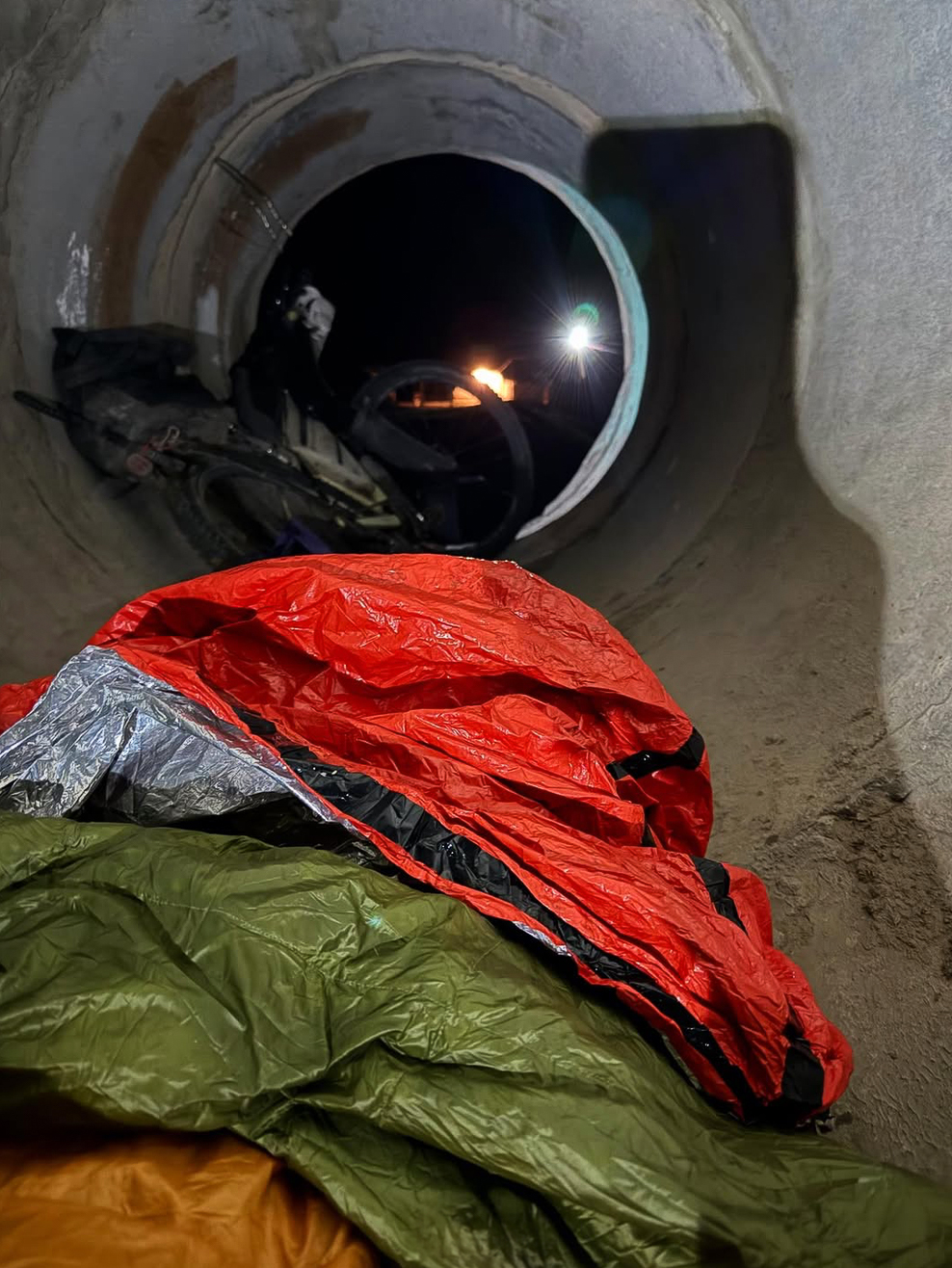
When it does come time to travel, Hailey references routine in the shape of her pre-breakfast rituals.

“Every morning Tony and I drink coffee and read our books before we do anything. And because we’re both pretty introverted—with our own goals—most days at home we’ll get out by ourselves and maybe once a week go climbing or for a ride together. And I’ve noticed how Colorado has this sense of familiarity that extends to wherever I’ve travelled previously with Tony; like those memories are keeping me company and I don’t feel alone. But I really couldn’t see myself riding the Italy Divide—which we did last summer—without Tony for company. We have our systems down to a tee. We’re very dialled in.” 


Click image to enlarge

This ability to roll with the punches proved useful when the couple needed to wait out a torrential rainstorm on a trip through Nebraska. Spying a parked-up school bus and discovering it was unlocked, they hauled their bikes inside and slept head-to-toe in the aisle.

“It was a Friday night,” qualifies Hailey. “So we weren’t worried about being woken up in the morning and shooed away.”

Happy to share her experiences of travelling in articles for The Radavist, Hailey also contributes product reviews with one recent example featuring a bike trailer. Referencing commuter woes and society’s increasing reliance on the car, I ask whether she feels these concerns are important to address when we take a step back from our daily lives?

“I believe it’s important to recognise your personal values and try to live in a way that embodies what these are. But there’s also a need to be realistic and not judge people too harshly for just trying to make their way in the world. And maybe give yourself a little grace in that regard too. I probably travel more than the average American so what right do I have to start pointing a finger?”

Suggesting that her article was very balanced and maybe it’s a case of taking the wins where we can—those little one percents that, when totalled, can and do make a difference—I can’t help but mention how a fair proportion of The Radavist content is about stuff. Trends coming and going over the course of a season.

“I struggle with this as well. John struggles with it. And to some degree it’s a paradox that, to be totally honest, I don’t know how to reconcile. At The Radavist specifically, we try to balance this with stories that aren’t product focused—that have place or human interest at their centre—but we all kind of understand how the internet rewards product reviews in its SEO.”

Click image to enlarge

Returning, once more, to her riding, Hailey explains how by nature she’s happier to get caught out rather than set off when it’s pouring down. That’s when, she suggests, she’s more likely to choose running, as the clean-up after a wet ride is just so off-putting. This duality of activity going some way to explore her motivation to get outside but with the bike perhaps edging its way as a preference?

“Aside from pretty basic commuting, my first rides definitely had an element of wanting to get better. Whereas now I ride simply because I enjoy it. And though I love to run, cycling allows me to have a wider range of intensity levels. There’s no escaping the inherent musculoskeletal impact of running so it can be really nice to start a ride super easy and, if the mood takes you, gradually increase the effort. Or not, if that’s what you decide to do. And something else I’ve noticed about my riding, is that when I’m coming out of winter and perhaps not feeling quite as fit, I’m more hesitant at doing a ride that puts me further from home. But come summer, I want to go out there [Hailey points to the horizon].”

And for seeing new places, I ask?

“I think the bike is the ultimate tool.”

Not too slow, not too fast?

“Exactly,” Hailey confirms with a smile. “You can carry whatever you need and stop whenever you like.”

Photography with kind permission of Hailey Moore / Feature image by Josh Weinberg / All other imagery individually credited

The Radavist

Pete Stetina / Return for the dirt

Kicking off with Lachlan Morton’s win at Unbound, the Life Time Grand Prix three years in, and the realities of campaigning a privateer gravel calendar, Pete Stetina then gets down to business with a fascinating look back at his first tilt at the TRAKA 360—arguably Europe’s premier gravel event.

Despite a series of mechanical mishaps and a race route ripped apart by a week of heavy rain, his refusal to throw in the towel saw him push through for the win. A truly remarkable result that Pete describes, blow-by-blow, before squaring up to decide which race takes the title of biggest, baddest, hardest of all.


cyclespeak
You’re calling from California?

Pete
I am. Back home in Santa Rosa.

cyclespeak
After racing Unbound last weekend?

Pete
My result was a little bit of a disappointment but nothing really went wrong that I can point to. I made the right moves at the right moments and was in the group with Mattia de Marchi chasing after Lachlan—we got to within a minute at 60km to go—when my stomach flipped upside down, the lights went out like never before, and I just had to nurse it home. But that’s bike racing for you and my friend Lachlan is such a worthy winner.

cyclespeak
I did note your time for this year’s race. 9:22:57. A few years back, that would have seen you finishing in first place with time to spare?

Pete
That’s the same story for every race on the calendar. Winning times are tumbling by huge margins. I guess you can factor in better fuelling and equipment but the conditions at this year’s Unbound were also nigh on perfect. There was a little rain in the days leading up to the start—everyone, myself included, freaking out about the chance of mud—but then it dried up just enough to make the going super fast.

cyclespeak
The whole world seemed to cheer when Lachlan crossed the finish line. And I was reminded of the post he made leading up to Unbound when he mentioned being more focused on enjoyment and not getting caught up with what everyone else was doing. Does that resonate with how you yourself prepare for a big race?

Pete
It’s how I try to do a lot of it now. Guys like myself and Lachy have been racing professionally for a long time and understand that the best road to success is to play it our way. The way that Lachlan raced Unbound was perfect for him. It’s not like everyone else can go out and replicate those moves. He had to go from a long way out because he’s such a diesel these days and maybe doesn’t have the same sprint as a Keegan or a Van Avermaet. So he played to his strengths and did it on his terms.


Click image to enlarge

cyclespeak
Last time we chatted it was very early in 2022 and the inaugural year for the Life Time Grand Prix. Now that the series is firmly established, what’s your take on how it’s continuing to influence professional gravel racing?

Pete
I feel the US still leads the way in the world of gravel—where it’s most prolific and you can enjoy the best career financially—and the Life Time series is the pre-eminent representation of this way of racing. Saying that, if a European rider goes to their sponsor and says they want to race the Grand Prix, I do wonder how much that sponsor particularly cares? I know the pro road mentality—it’s what I did for 10 years—and the World Tour only really cares about the World Tour.

cyclespeak
We did see UCI Gravel Champion and current World Tour pro Matej Mohoric race Unbound this year?

Pete
Gravel as a whole is gaining more respect but that’s still race by race. Unbound is Unbound and that’s where everyone wants to come, so you do have this influx of people. But does the global community care as much about Chequamegon or Crusher in the Tushar?

cyclespeak
Fast forward to 2024 and you took an early season win at BWR* Utah; a race series in which you’ve enjoyed considerable success over the past few years with multiple victories. Can you put your finger on what it is about BWR that drives this winning streak?

*Belgian Waffle Ride

Pete
That’s a good question.

[pauses]

I guess it plays out a little differently to the Grand Prix and just suits how I like to ride. Maybe more road race tactics which is where I come from. And BWR is more of a hybrid in terms of surface. Yes, there’s single track but mixed in with a fair amount of pavement and the organiser always likes to throw in a climb towards the end that creates separation. But at the end of the day, it’s a case of good vibes and confidence.

cyclespeak
That’s a good mix.

Pete
I’ve won three BWR Utah titles so I guess you could say I’ve got that one figured out.


Click image to enlarge

cyclespeak
I was scrolling through your 2019 results when you were riding in the World Tour with Trek-Segafredo—but still took second at Unbound—and it struck me that, according to procyclingstats, you had 80 race days that year compared to 12 in 2023. And maybe this is rather a simplistic comparison but which was the harder year?

Pete
I’m going to spin that question and start off by saying I raced almost 30 times in 2023. I guess procyclingstats is attempting to understand gravel but what qualifies as an official gravel race in their mind? Here in California we have the Grasshoppers but maybe they’re viewed as a regional series even though the field is deep.

cyclespeak
So how do you define a race?

Pete
Anytime I pin on a number. Because you know you’re going to go as deep as you can on that day. And going back to your question, you look at my schedule and there’s only 30 days of racing compared to the 80 I did in the World Tour. But it probably equates to the same amount of travel commitment. And that’s the metric, right? The hardest aspect we have to balance with our loved ones. Because now, I’m primarily a one-day racer and travelling almost every weekend.

cyclespeak
Maybe even travelling more than when you were racing the World Tour?

Pete
What I think you’re seeing, is that the riders with a road background are used to that. And maybe we use the smaller events to race into form? Whereas there are other riders who only roll up to the key races when they feel 100% prepared and primed.

cyclespeak
You’re racing gravel in the top tier, yet seem to relish the regional races just as much as Unbound or Leadville?

Pete
A couple of years back, I felt I was getting pulled back into that high performance, elite-only points chase. And what I was maybe forgetting, was the reason I left the World Tour was to pursue a more fulfilling, holistic race career. So I needed to take a step back and make the conscious decision for my own internal harmony to do it my way. A sentiment I feel Lachlan addressed really well in a recent interview where he contrasted the high octane, marginal gains of the gravel world to his own World Tour days.

cyclespeak
So what does your way look like?

Pete
I can’t do good vibes only and go out to the brewery on the evening before a big race—I still need to ride hard—but I can choose to balance key events like Unbound with the smaller races where I can enjoy the relaxed atmosphere and hang out with the community.

cyclespeak
I was chatting to Sarah Sturm recently and she was quite open about wanting to mix things up race-wise after finding the Grand Prix series a little repetitive. Are these considerations you yourself share? And did they play into your decision to cross the Atlantic to race the TRAKA?

Pete
I love the Grand Prix and what they’re doing for pro-racing in the US but they’re not the only show in town. You’ve got Mid South, Steamboat, BWR and TRAKA, to name but a few, that are all super relevant. So I can’t just give myself solely to the Grand Prix because there’s just too much cool shit going on and I want to do it all.

cyclespeak
This was your first time racing the TRAKA but you spent time living and training out of Girona during your World Tour days?

Pete
I lived in Girona way back in 2007 before it became such a cycling hotspot. So it was quite an eye-opening experience returning. The city is still beautiful and great for a week’s visit but I wouldn’t want to live there now.


Click image to enlarge

cyclespeak
No?

Pete
I love to ride and race but don’t want to be reminded of that 24/7. Saying that, it was really fun to return because I’d never really ridden dirt in Girona.

cyclespeak
I guess when you were living there, it never occurred to you to try it?

Pete
Gravel wasn’t even a thing, back then. So I guess you could say this was my return for the dirt. And to stay in the same hotel where I always used to crash was such good fun. The final third of my career—when I was constantly going back and forth between Europe and the States—I got rid of my apartment. So I literally had a suitcase waiting in the storage closet of the Hotel Historic that I would open up when I rolled into town. And that still feels like my Catalan family.

cyclespeak
You were down to race the 360km route which has 3700m of climbing and is notoriously super gnarly. Leaving aside for a moment the weather conditions, were there any changes in preparation you made compared to your US races?

Pete
Not really. I’m naturally a climber so tend to race better when it’s a harder, hillier course. The only change I made to my training was sprinkling in quite a few more seven to nine hour rides a couple of months out. Trying to normalise that long, long distance in the saddle.

cyclespeak
Girona had been suffering from a severe drought leading up to the TRAKA. But then during race week, the rain was monsoon-like leading to the organisers first delaying and then cancelling the XL race. Can you talk me through the days leading up to the start of your race? Were you able to recon much of the route and did the uncertainty upset your race preparation?

Pete
Honestly, I think you can draw a parallel between my TRAKA and Lachlan’s Unbound. In the sense that we both took our foot off the gas and tried not to stress over the small stuff.

cyclespeak
How so?

Pete
You have riders that know the TRAKA course super well and have raced it on multiple occasions. But then suddenly the weather is throwing a wrench into everyone’s race preparation. I show up and there’s no way I can recce 360km within three days and be rested for the race. So I decided to ride the final 120km with my friend and coach Dennis van Winden and call it good. As things played out, a blessing in disguise as that last section is so darn twisty that it helps to know the key turns.

cyclespeak
You knew you didn’t have extensive experience at riding dirt in this region. But, on the other hand, felt confident in your ability to do well in BWR style races. When you finally lined up at 6:00am on race day, did it cross your mind that you could take the win?

Pete
On paper I guess I was one of the contenders. And I heard some comments about how the Americans were finally coming over to race. But I was very aware that other riders were much better prepared for this particular race than I was. I’d raced BWR California a week before—that result sealing my Triple Crown—and then straight away hopped on an international flight without really having any time to rest and recover. So not having the perfect build-up—in any shape or form—if I’d have stressed about all the small stuff I would have just psyched myself out completely.

cyclespeak
I guess that comes with experience? The ability to take that mental step back. Because going by your posts after crossing the finish line, it’s safe to say you had quite an eventful day?

Pete
Starting out, the first 60km was honestly quite stressful. Thankfully it had stopped raining but the mud was insane. And the conditions were just compounded by all these young riders who were so hungry, they just charged through irrespective of following the best line. I couldn’t tell how deep the puddles were. Some were only a couple of centimetres but others were, quite literally, half a metre.

cyclespeak
That sounds super chaotic.

Pete
Those guys didn’t seem to worry if there was a hidden rock waiting to take out their wheel. Their mindset was, fuck it, I’m going to send through it. Taking insane risks and just destroying their bikes in the process. And I was getting so beat up in the scrum that eventually I just had to commit and follow. Until eventually the attrition whittled the group down to about 15 or so riders after two hours of racing.


Click image to enlarge

cyclespeak
Where was this in relation to the race route?

Pete
At this point we were crossing the flatlands heading north towards the first aid station. Everyone kind of called a truce so I decided that was a good moment to take a comfort break. But as I pushed on to catch up to the group, a rock sniped my rear wheel and the tyre went fully flat in an instant. I jumped off and tried to plug the thing but there was mud everywhere so I was struggling to even find the hole. After throwing in three plugs it still wasn’t sealing, my gear was strewn out all over the trail, and that’s when I noticed the rock had punctured the bead of the tyre at the rim.

cyclespeak
What happened next?

Pete
After throwing in another two plugs, the tyre was finally holding air and I set off to chase down the group. Glancing at my Wahoo, I could see that I was down by six minutes. So I’m thinking, crap, this is a problem.

cyclespeak
So you’re chasing on hard?

Pete
We were about 20km from the aid station and I was just hoping the pace of the group would stay steady. So I went all in, time-trialling, and finally reached the aid station where my friend and mechanic Big Tall Wayne checked over my rear wheel. It was still holding air so we decided to leave well alone. Rob Britton—who’d also punctured and was chasing back on—serendipitously was leaving the aid station at the same time. We go way back, there’s a lot of mutual respect, and we decided to work together to try and bridge up to the front group. I honestly thought it was a big ask but we’d both travelled over from North America and packing it in after three hours was never going to happen.

cyclespeak
I guess the effort it took to even get to the start line means you’re committed.

Pete
We were riding as a two-man team and sharing the load when, unfortunately, I had more problems with the mud. It was acting like a lubricant and causing my seat post to slip so I had to stop another two times to unpack a multi-tool and adjust my ride position. By all intents and purposes, it was turning into a complete mess of a day.

cyclespeak
But you managed to bridge up to Rob again?

Pete
I caught up with him right before the hike-a-bike section and I could see the lead group away in the distance. Self-timing the gap, I had them around eight minutes ahead. And it was here that we entered what I like to refer to as the doldrums. Heading south across the coastal plains into a block headwind: it was slow, it was hot, it was late in the day. And that’s where we kept passing the odd rider or two—absolutely destroyed—that had been shelled from the front. So beat up, they couldn’t even hang with me and Rob and take a pull.

cyclespeak
The chase was on.

Pete
But it was here that I really started to suffer. I’d been rationing water and was rapidly becoming dehydrated—still taking a turn but my lights were starting to flicker—whereas Rob was still strong. But about 20km from the second aid stop, we caught sight of the lead group and that gave me the lift I needed. That was never supposed to happen—chasing down an eight minute gap—but we were back in the race.

cyclespeak
And then after the aid stop?

Pete
We resupplied as fast as possible—boom, boom, boom—and charged out the other side as one group. Approaching the climbs after Corçà, Rob and I both knew this was the break point of the race. And sure enough, everyone dropped off leaving just three of us. Rob, myself and Mattia de Marchi; three time TRAKA winner.

cyclespeak
Exalted company.

Pete
Mattia attacked—as you’d expect—but only gained 15 or so seconds on the climb. I then took a few risks on the descent, caught up with Mattia but distanced Rob. And I just felt—after riding together for so long and so far—that it wasn’t fair to screw him over. Mattia races with such a sense of honour that we both eased up a little and allowed Rob to latch on. The fourth place rider was way back so we all knew that this was the podium. And then, as things sometimes have a way of playing out, a stick kicked up and ripped off Mattia’s rear derailleur. The worst luck in the shape of a total random act and his day was done.

cyclespeak
Which just left the two of you.

Pete
There was 60km to go and we both felt flabbergasted—completely dumbfounded—that we were sitting in first and second place. But as each of us tried to picture how it would play out, it gradually became evident that Rob’s bigger gears were starting to take a toll. We both knew the final move would be on the hill outside of Sant Gregori and that’s where I hit it with everything I had and was able to bring it home.


Click image to enlarge

cyclespeak
What a day!

Pete
Placing first was incredible but there were also all these other silver linings that made it feel equally special. Having my oldest Catalan friends helping out Big Tall Wayne as my pit crew and all of Canyon’s top brass waiting at the finish line. This weird set of circumstances that played out over three hundred plus kilometres.

cyclespeak
And then it was time to celebrate?

Pete
When you race that hard and for that long, your body is in full revolt. You can’t go out and party.

cyclespeak
Not even a little party?

Pete
We went to a bar, ate some good food, and that was me done. And I was still pretty wrecked the next day. Sleeping in until 11:00am before breakfasting on two espressos and a beer.

cyclespeak
The response must have been overwhelming?

Pete
Since the finish, I’ve received so many calls and messages. And I guess that’s when the enormity sets in. I knew TRAKA was a big race but kind of didn’t understand how big.

cyclespeak
‘The biggest, the baddest, the hardest of all.’ That was a comment you made in a podcast in reference to Unbound. Now that you’ve ridden, and won, the Traka 360, are you still sticking to that statement?

Pete
I still feel that Unbound is the biggest.

[pause]

But I don’t think it’s the baddest or the hardest.

cyclespeak
No?

Pete
Unbound is the OG. The granddaddy of this whole space. But now the collective professional field is so good at racing 200 miles of Kansas gravel that—setting aside my stomach issues—this edition was my easiest Unbound.

cyclespeak
And the TRAKA?

Pete
Let’s just say that I’ve done enough bike racing to question whether these fairytales ever happen for me. And even though I’ve enjoyed my fair share of success, nothing compares to how this race played out. So crossing the line, I knew something special had just happened.

Peter Stetina / peterstetina.com

Feature image by kind permission of Alex Roszko for Orange Seal / All other imagery individually credited

Izzy Weds / A complete one-eighty

“Do I see myself as an artist? Not really. Because I’m very methodical in how I work and have systems in my head that I follow. So I guess that makes me a designer at heart?”

It’s Easter break and Izzy Wedderburn has travelled back to Dorset to enjoy some home comforts. Close to completing her third and final year at UCA*, she’s been balancing her studies with carving out a career as a freelance illustrator and graphic designer. Which is how we arrive at Izzy Weds. A shortened form of her given name and the brand Izzy has built since heart won out over head in determining which future path to follow.

*University for the Creative Arts

“At school I was very much labelled as an academic. It’s what I knew but I was so unhappy because deep down it just wasn’t me. I was very creative as a child but all that got a little squished by the expectations of my parents—both doctors—and our education system. So after finishing my A-Levels, I did a complete one-eighty and enrolled on a foundation course in art and design at Arts University Bournemouth. But finding the unstructured nature of the curriculum a little overwhelming, I did another one-eighty to study Sport Science at The University of Bath, stayed for one term and dropped out.”

A period of significant change that was resolved when she joined her UCA graphic design course part way through the first year; rounding out this turbulent time with—as Izzy sees it—the best decision she’s ever made.

RVCA summer internship


Click image to enlarge

“The projects we work on are all very open-ended but you do need an outcome. And that’s been super helpful because I don’t think I’d be where I am today without this structured approach. From being someone who lacked a certain creative confidence, I’ve come out with this whole body of work and a sense of pride in what I’ve made.”

Looking back at her childhood, Izzy remembers her grandmother as a particular source of inspiration. An accomplished dressmaker who made all her own clothes from scratch, she encouraged Izzy to start sewing; the bags and pencil cases she made for her school friends earning her the tongue-in-cheek title of Stitch Queen.

“So much time spent making,” she muses, “but I’d stopped identifying myself as a creative person. Which is kind of crazy, if you think about it.”

With her brand now established—summer internships in London and Biarritz helping decide what she did and didn’t want career wise—Izzy is building a portfolio of projects that highlight her broad range of experience and attention to design details.

“I originally started with illustration. Those were my first commissions and what got the ball rolling in the creative world. But my work has evolved into a more multifaceted graphic design practice which I see as a fusion of very different disciplines. Illustration still plays an important role but there’s also my interest in photography and textiles that gets tipped into the pot.”

Illustration


Click image to enlarge

When it comes to recharging her own creative reserves, Izzy cites Magalleria—a magazine shop in nearby Bath—as a favoured destination for sourcing old copies of Les Others and Gestalten travel books. And her Instagram account—another popular source of inspiration for industry creatives—saw a follow from gravel racer and graphic designer Sarah Sturm after Izzy included her Specialized race bike in a series of illustrations.

“My subconscious is always ticking away. Sometimes to the extent that when I sit down to start a project, it’s almost as if I’ve already considered this or that approach. And I’m definitely a pen and paper girl. I’m not one of those people who make notes on their phone.”

“My interest in photography is also increasingly prevalent in my design practice,” she continues. “And I’ve just started experimenting with taking analogue images which is enormous fun, very exploratory, but expensive!”

Still in the first phase of a career where she says yes to every commission, although the freelance nature of her profession often results in a solitary work experience, Izzy describes how she relishes the freedom to set her own deadlines and the positive impact her work can have on clients. A response that has me wondering what makes the perfect client?

“Not too needy? Not too much table tennis with the emails? No, I’m kidding. I guess it’s someone on the same wavelength, who’s equally excited about the project as I am.”

Film photography


Click image to enlarge

And the metrics she personally uses to define a project as a success?

“At the end of the day, it has to sit well with me. When I close down my laptop, the knowledge that I’ve given my all.”

Admittedly not good with super noisy environments, Izzy appreciates having enough space to spread out her sketches and source materials.

“By nature, I like to be grounded and have all my bits and bobs close to hand. Working from a café can be fun but that’s when I’m sorting out admin tasks as opposed to being creative. But if I was to design my own studio—as a flight of fancy—it would definitely be somewhere in the mountains. And not too big. Maybe three, four, five desks with a small team working on interesting, environmentally important projects that focus on the outdoors.”

With this mention of collaboration, our conversation turns to the limited-run magazine—Original Freedom—that Izzy self-published as part of her UCA dissertation module.

Original Freedom


Click image to enlarge

“It all started with me emailing my friends to ask if they’d been on any cool adventures or trips. Fortunately they were all super happy to get involved and sent me a variety of words and images that I could use. And the idea of Original Freedom bridges how we all enjoy the outdoors but in very different ways. Because maybe there’s this notion of adventure with a capital A—very remote, in far-flung places—that I wanted to question. Adventure for one person might very well mean a multi-day wilderness trip. But for the next it could be a hike through their local woods.”
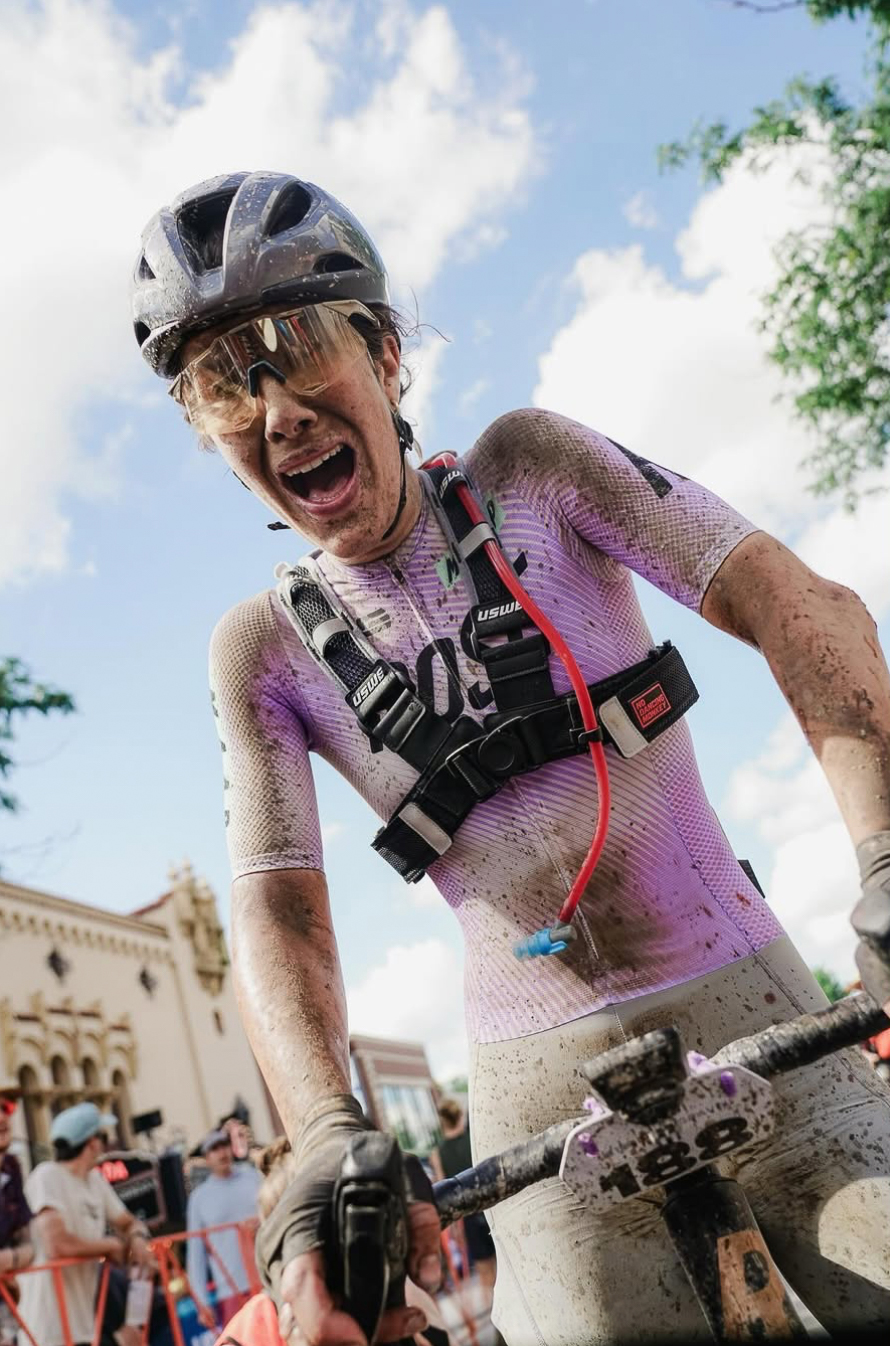
Remembering the time she spent at home during the pandemic—travel restrictions encouraging her to explore from her doorstep—Izzy references the network of paths and trails that she still rides today and might otherwise have gone unnoticed.

“I explored everywhere close to home. And it was this same sense of adventure—in all its different forms—that made creating the magazine such a fun experience. A timely reminder that I’m happiest when outside; whether that’s walking the dog, going climbing or riding my bike.”

The bike in question is a Brother Cycles Kepler—painted, according to Izzy, in OG black—that she was gifted on her 18th birthday.

“I remember my Dad questioning whether I wanted a steel frame with riser bars but I stuck to my guns and it’s still my favourite bike to ride. But I’m not one for setting arbitrary targets such as riding this far or fast. I focus more on enjoying the freedom of moving through a landscape, taking a new path or trail, and seeing where it leads me.”

Les Portes du Soleil


Click image to enlarge

A relaxed approach to riding perhaps mirrored in Izzy’s design career to date? A professional journey she feels happened almost by accident as an about-face to the path prescribed for her.

“My Dad’s very traditional and sometimes I wonder if he would have been happier if I’d become a doctor. But it turns out that Mum very nearly dropped out of medicine to study an art foundation course; an interesting duality in the paths we did, and didn’t, take. Which perhaps explains why she’s really supportive and excited for me.”
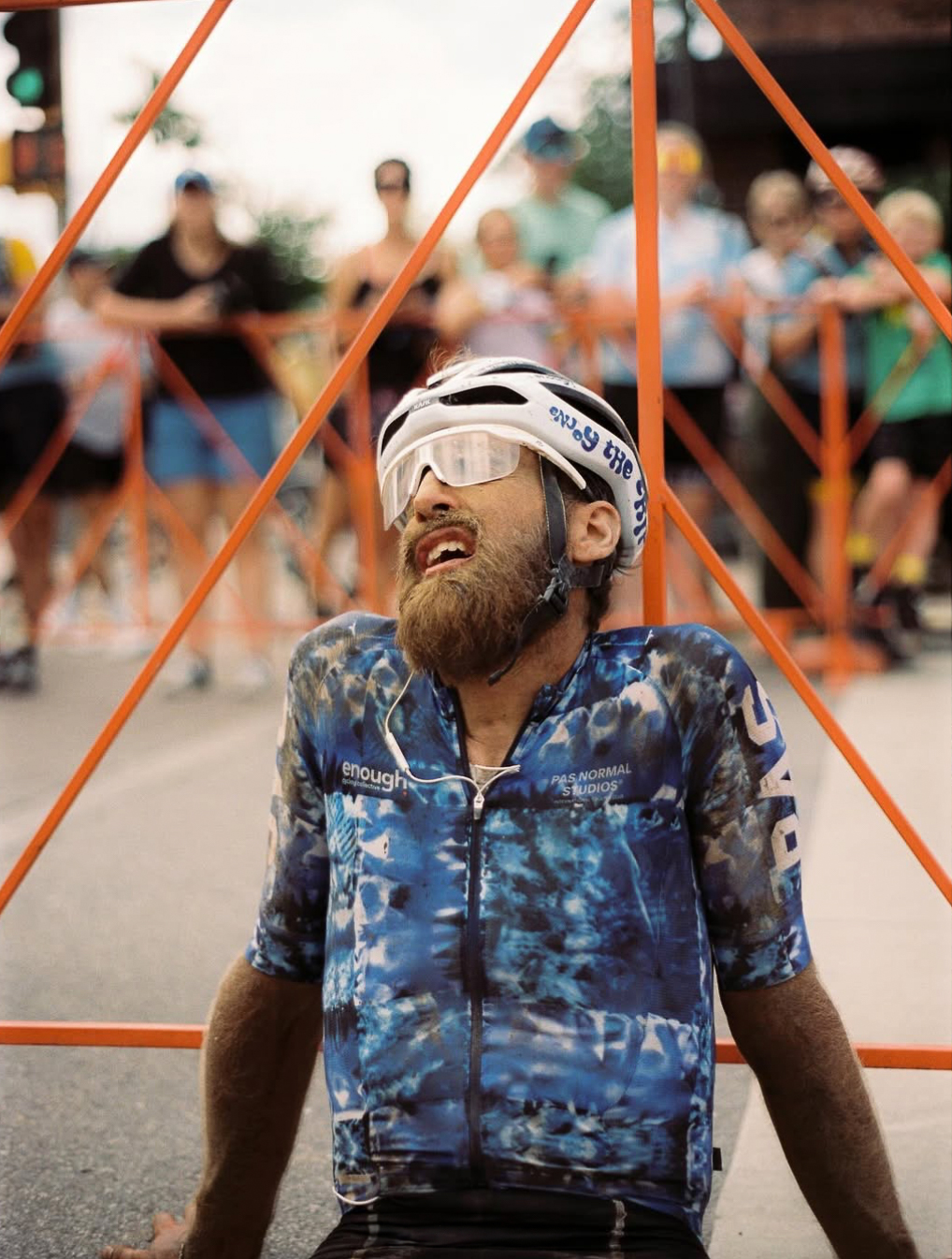
“As to how I feel,” Izzy concludes, “I went to a very academic school and it was almost assumed that I’d follow a certain educational route. So it’s not always been easy but I’m far enough along my creative journey to feel confident enough to say: this is me, this is my work, this is what I’m passionate about. From not really knowing myself well enough to trust that I was making the right decision, I’ve grown to believe 100% that this is the right path.”

All photography and visual imagery with kind permission of Izzy Weds

izzyweds.com